
























:format(jpeg) "Modern light bulbs")
Light bulb lamps
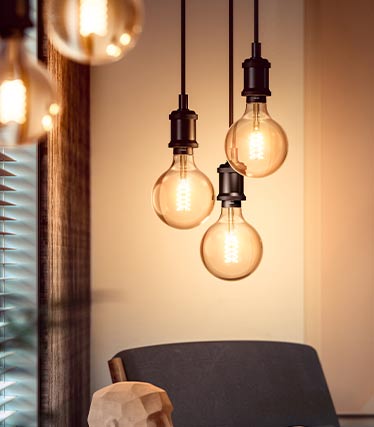
The open light source as a light source and design objectLight bulb lamps are modern luminaires that make the visible light bulb - or the light source used - the central design element. Here, the light source does not disappear behind a shade, but deliberately becomes the centre of the design. The visible light source has a decisive influence on the effect of the luminaire - sometimes minimalist and modern, sometimes nostalgic in retro style or striking in an industrial look. This results in lighting objects that combine light source, design object and home accessory to create a harmonious overall impression.
This is how modern light bulb lamps are: The combination of a nostalgic look and LED technology that imitates the characteristics of the classic light bulb - the so-called LED filament lamp - is particularly popular. It is visually reminiscent of Edison light bulbs, but offers the advantages of energy-efficient and long-lasting LEDs.
The trend towards visible light bulbs
Why the look is so popularThe trend towards using the light source as a central design element is fuelled by the minimalist yet expressive design of modern lamps. Instead of hiding the light source, it is deliberately emphasised. This is precisely where the appeal lies: the transparent bulb, the "glowing" interior as well as the socket and base become the true centrepiece of the design.
Choosing the right light source: LED light sources - colloquially known as LED light bulbs - are particularly suitable for open lamps because they are energy-efficient, durable and decorative at the same time. LED filament lamps in particular have a strong effect in these designs because they imitate the classic filament structure. Warm white light with a colour temperature of less than 3,300 Kelvin is mandatory. The bulb shape and colour are also decisive: amber, smoked or clear glass specifically influence the lighting effect and style of the luminaire.
Stylish light bulb lamps
for different furnishing styles)
Vintage lights have a striking used look and add a good dose of nostalgia to the design. As conventional light sources were always operated with classic Edison lamps, the staged light source fits in perfectly with the style. Amber-coloured or lightly tinted bulbs further enhance the nostalgic effect.
)
Industrial-style luminaire designs with a loft or workshop look take centre stage. Striking metal surfaces give the lighting its unmistakable factory flair. In this style, staging the light source is virtually mandatory, as it clearly reinforces the urban character. It also looks really authentic in industrial style with filament lamps.
)
Scandinavian light bulb lamps look light, minimalist and cosy. Reduced shapes, targeted colour accents and simple frames ensure a calm overall effect. The visible light source brings warmth and naturalness into the room.
)
Modern versions combine decorative LED light bulbs with high-quality materials such as brass, gold or smoked glass. Large spherical designs look almost like floating light objects and create stylish accents in modern living concepts.
)
)
)
Pendant lights with visible light bulb
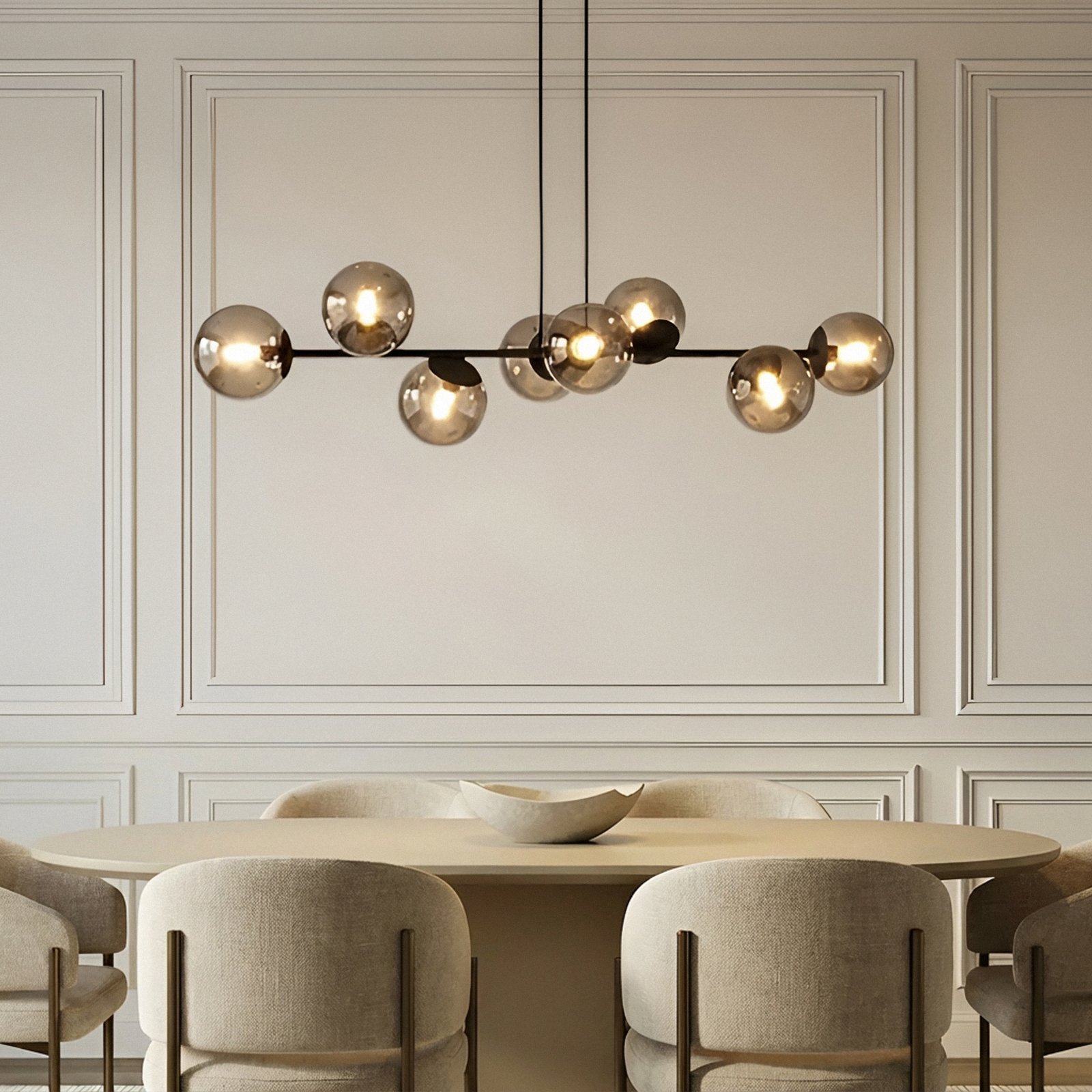
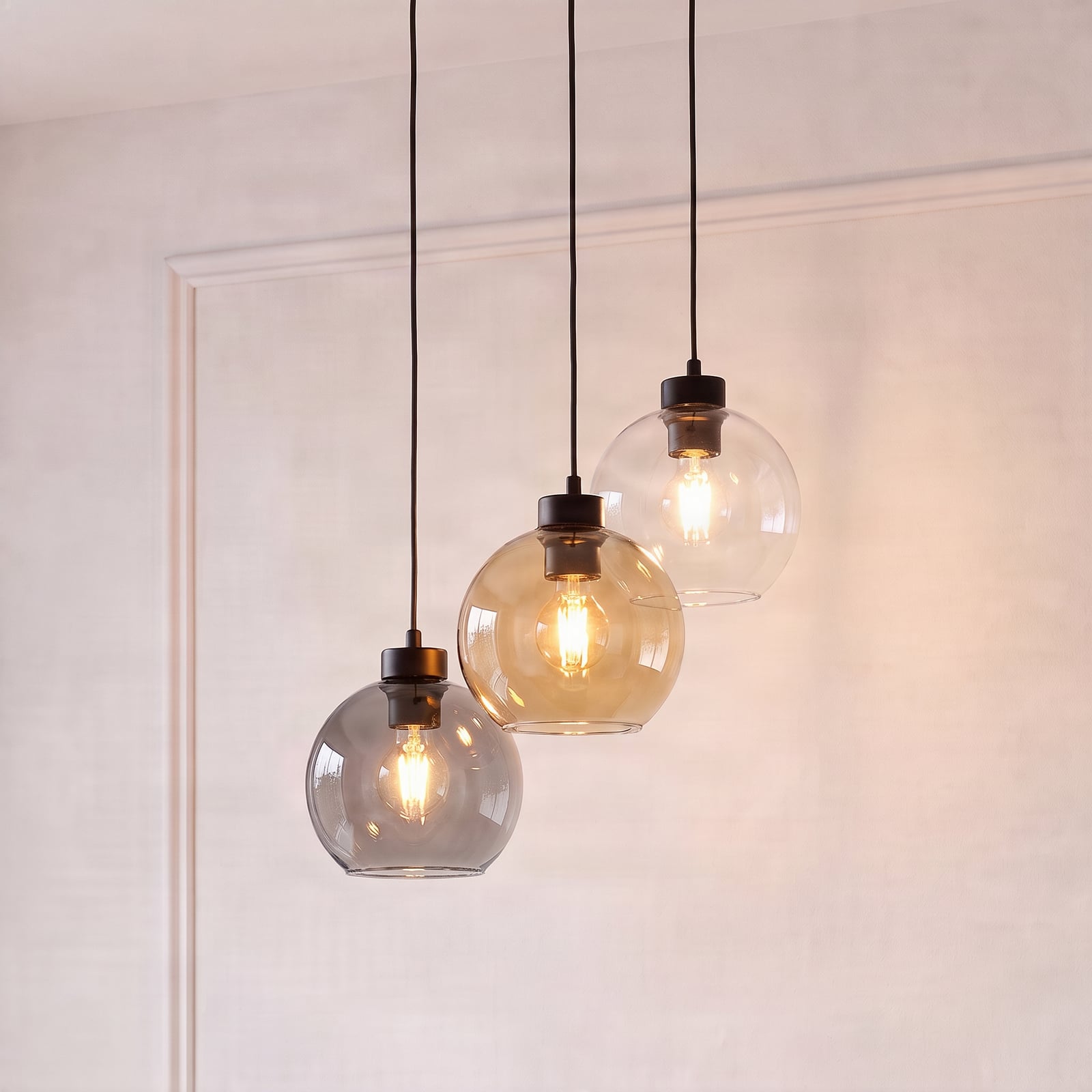
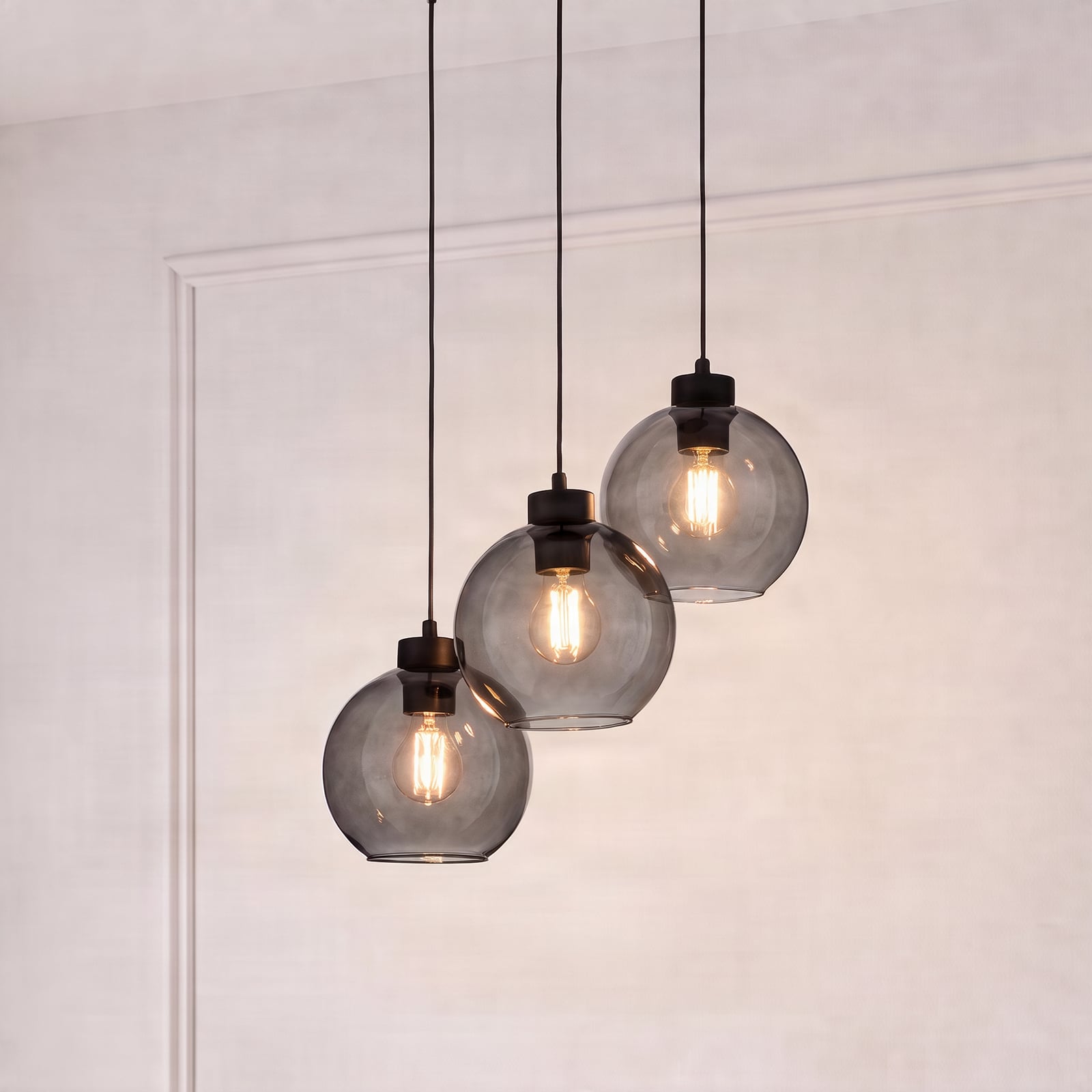
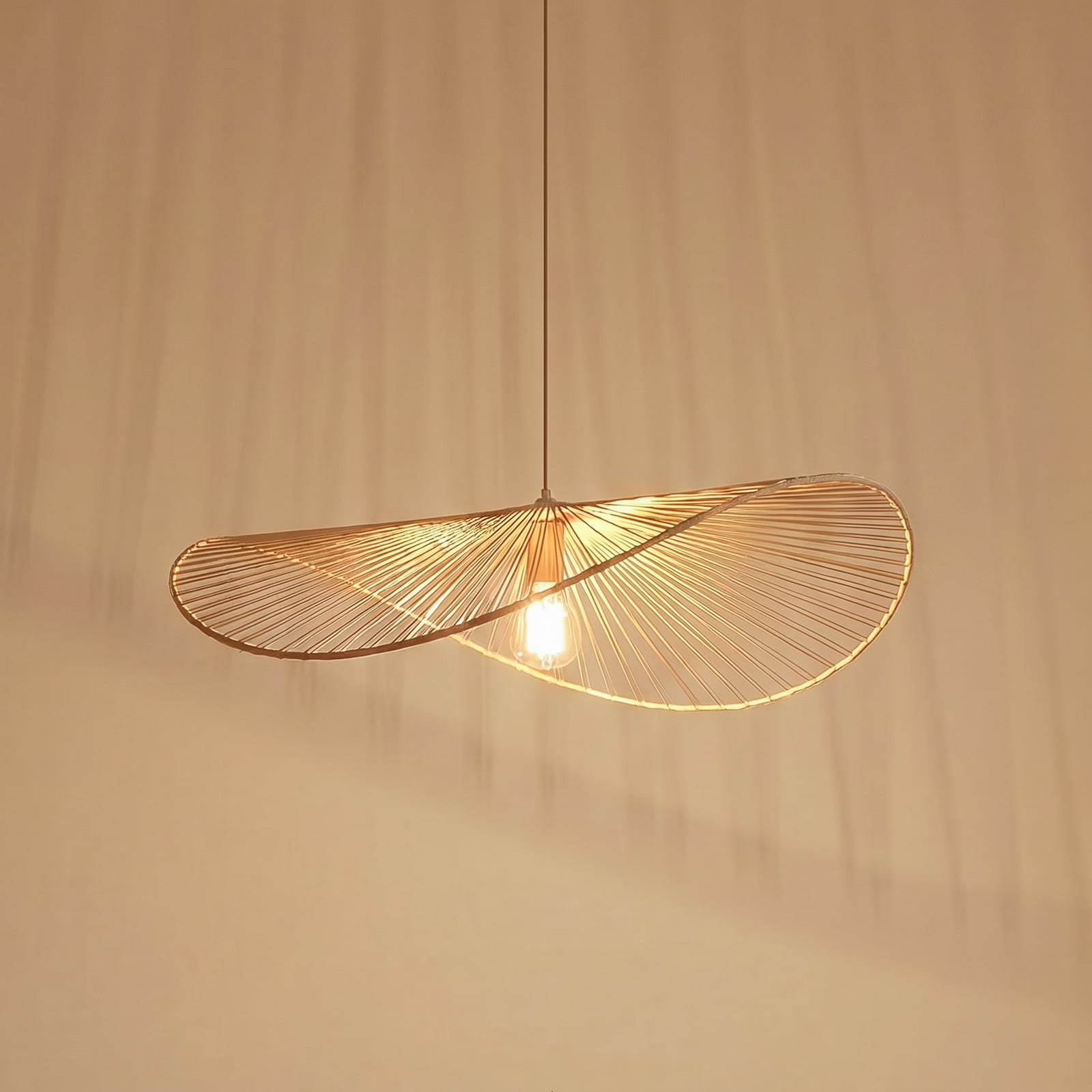
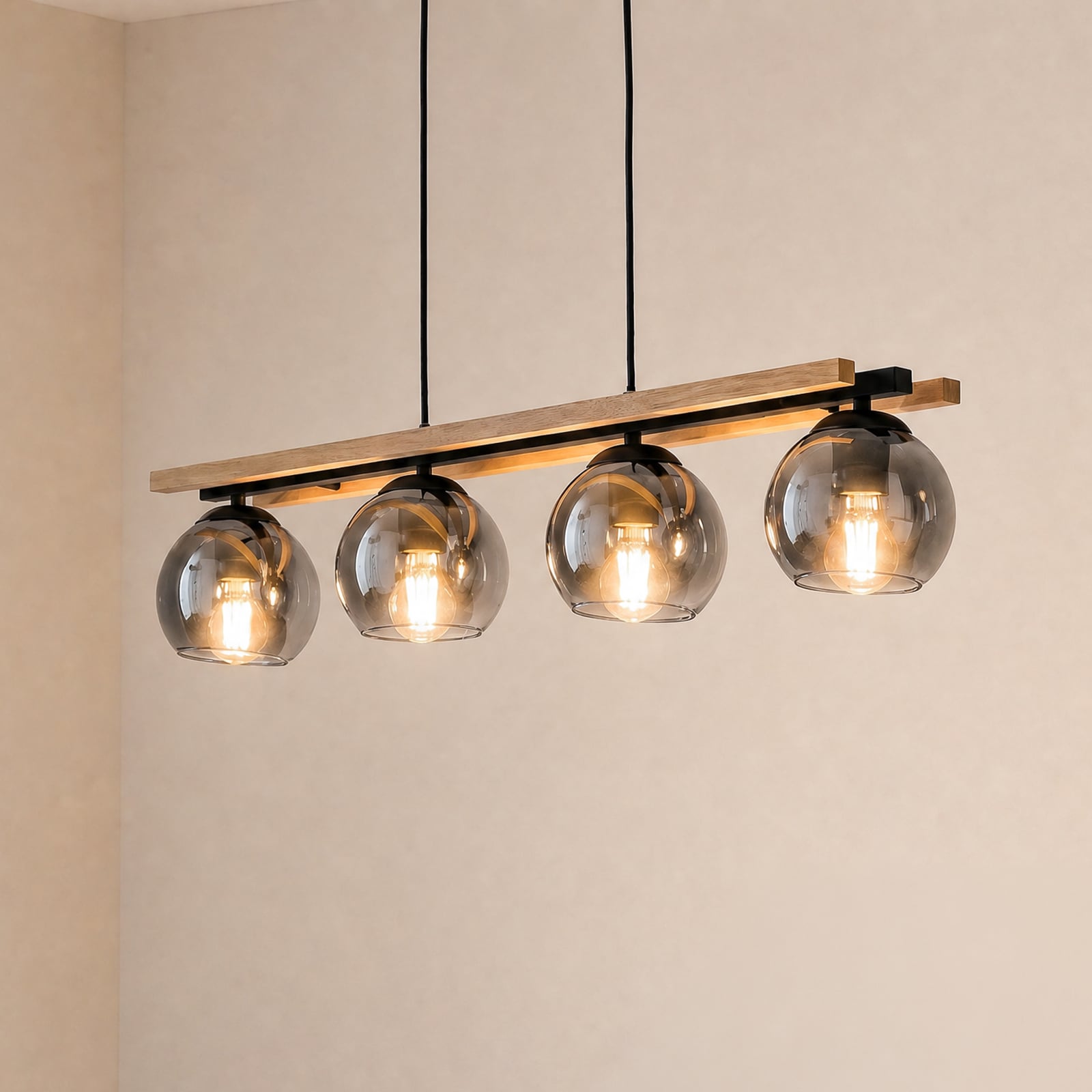
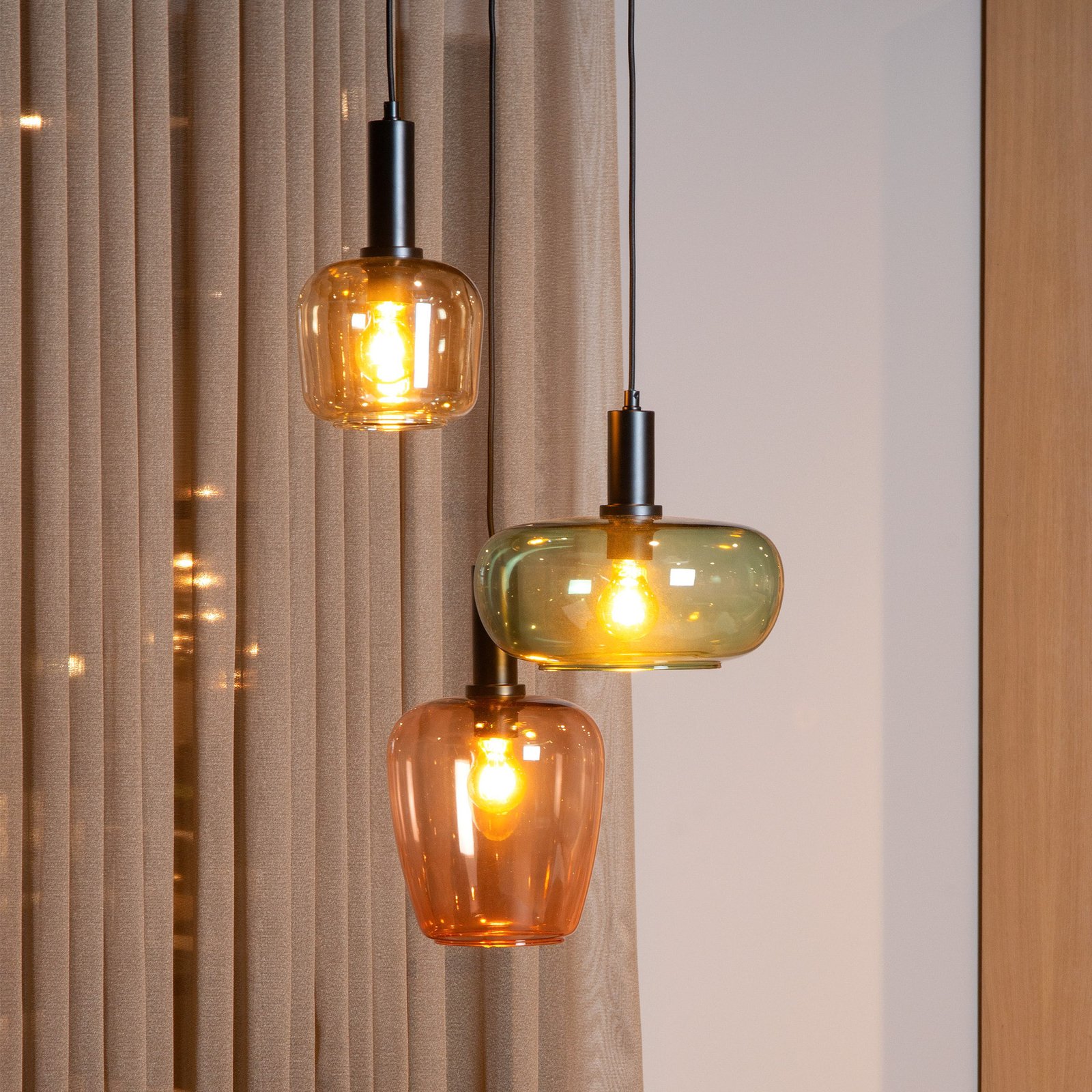
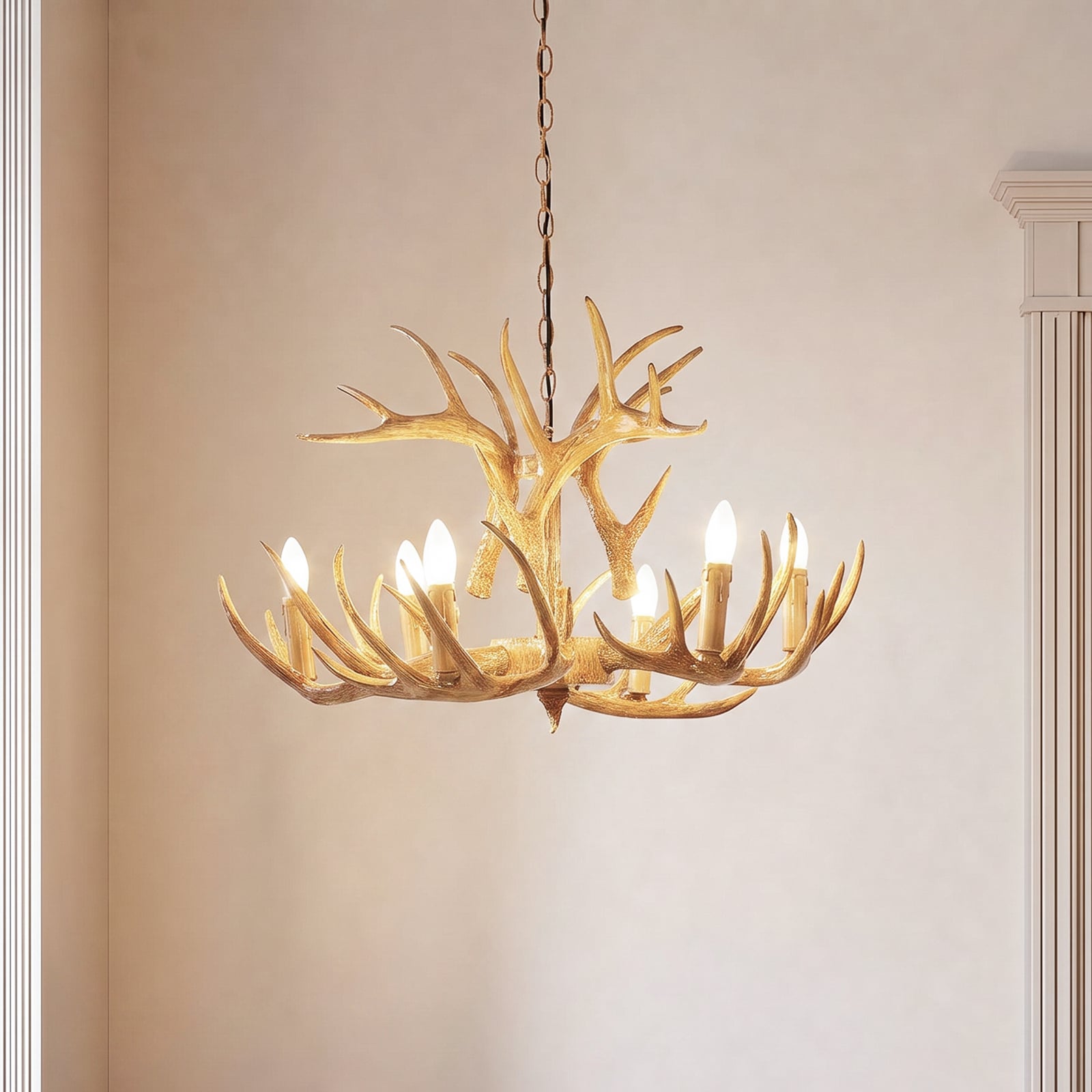
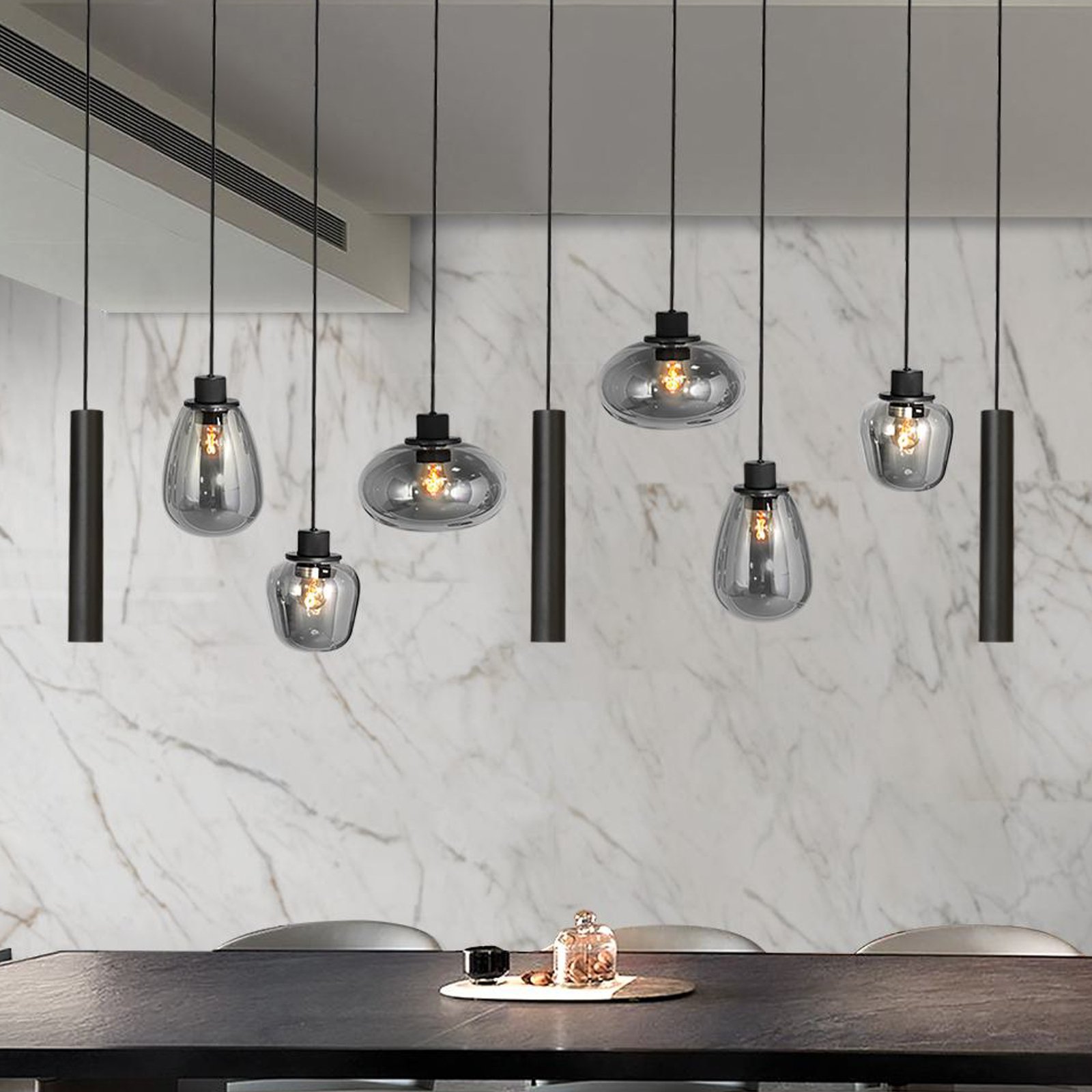
Pendant luminaires are one of the most popular types of modern light bulb lamps, which are now more popular than ever thanks to authentic LED light sources. Visible LED filament lamps take full effect above dining tables, kitchen islands or bar counters. Large single pendants and linear or asymmetrical arrangements with several light sources look particularly elegant.
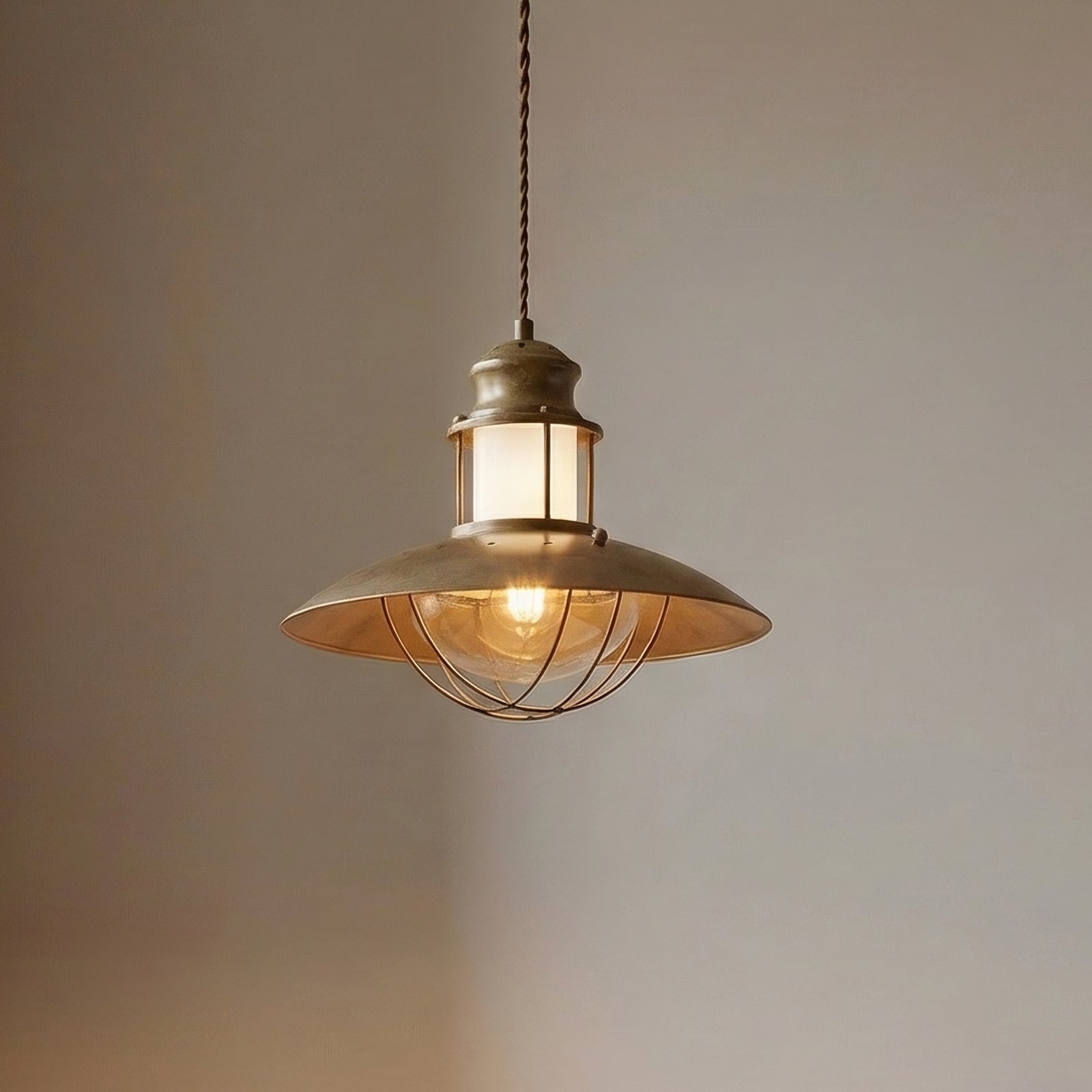
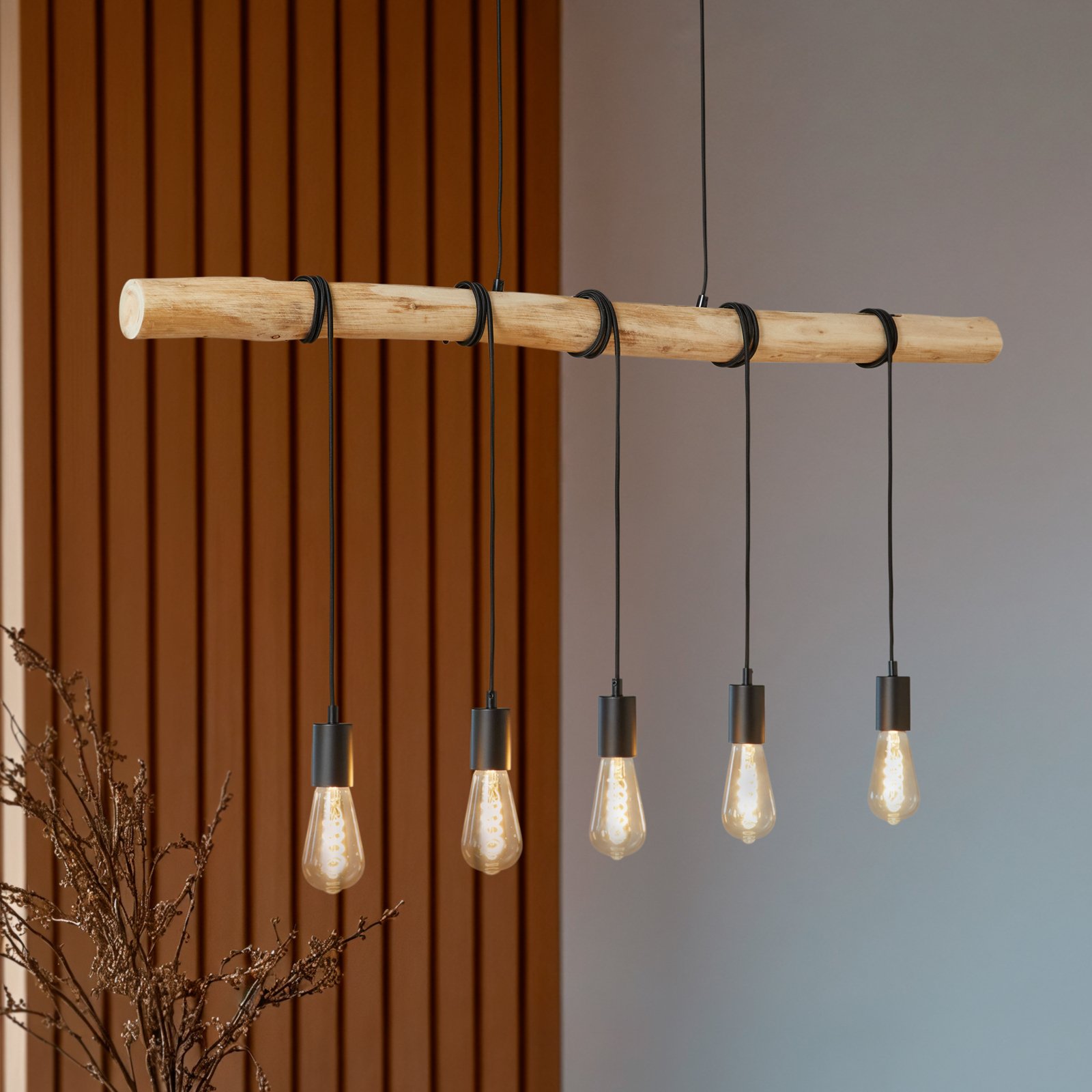
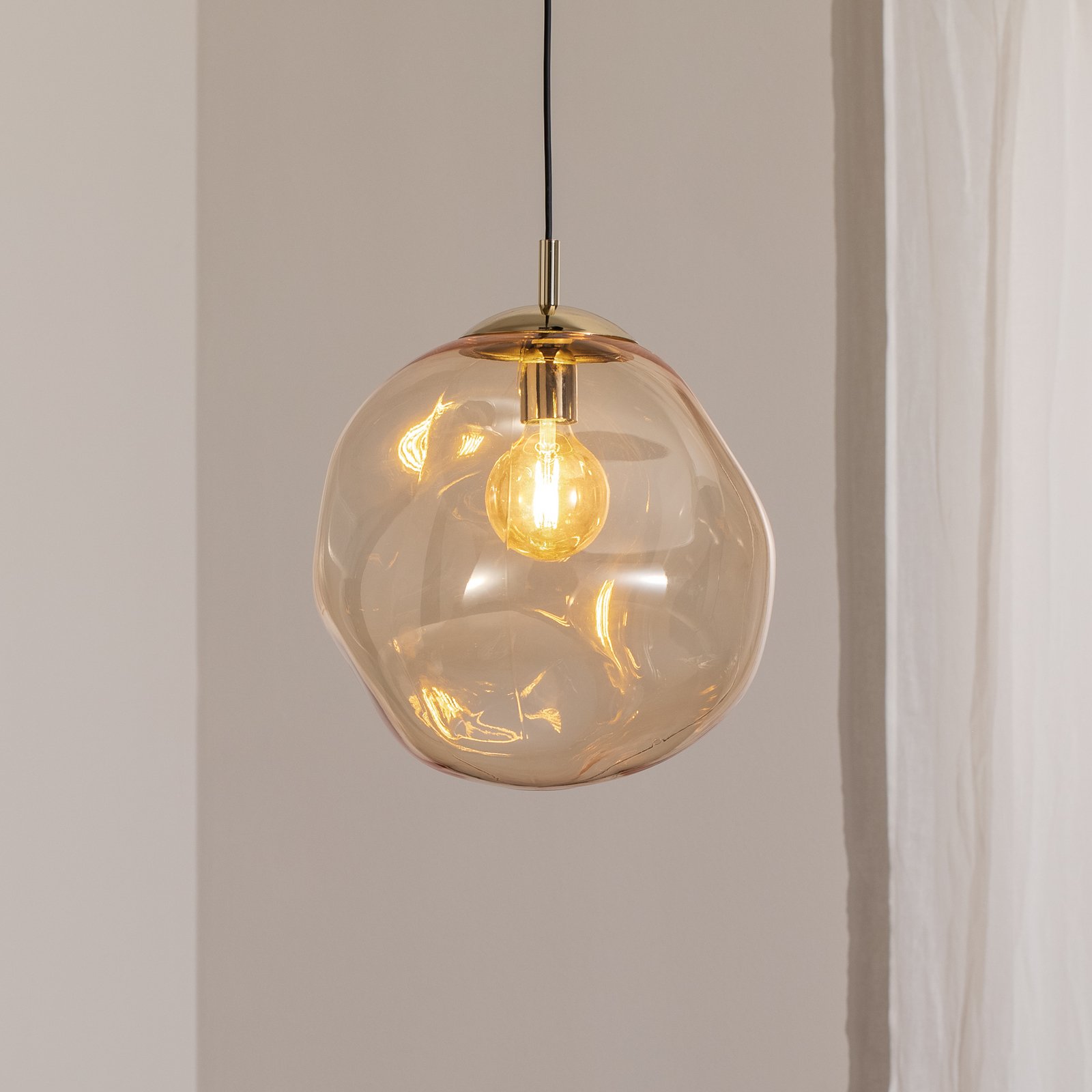
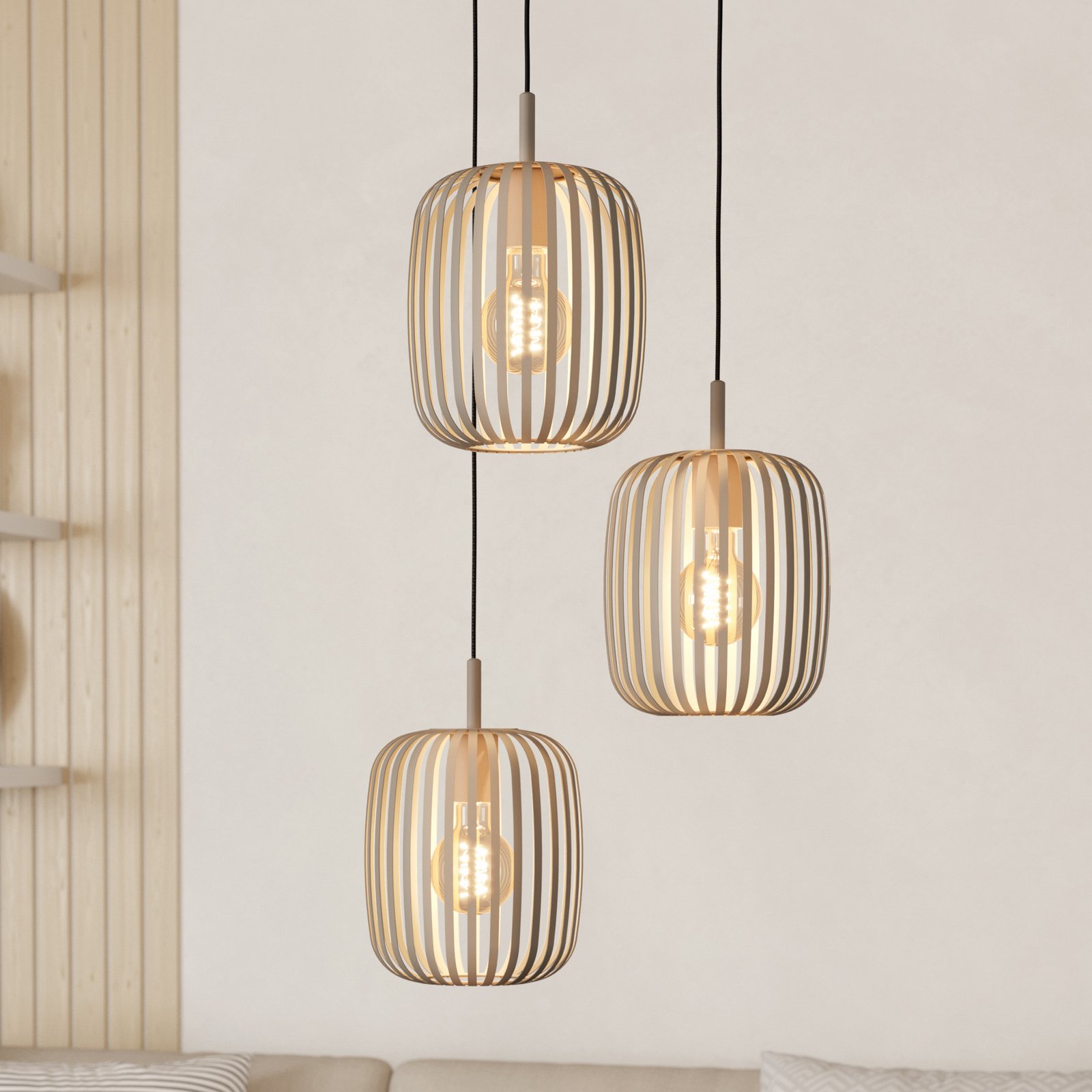
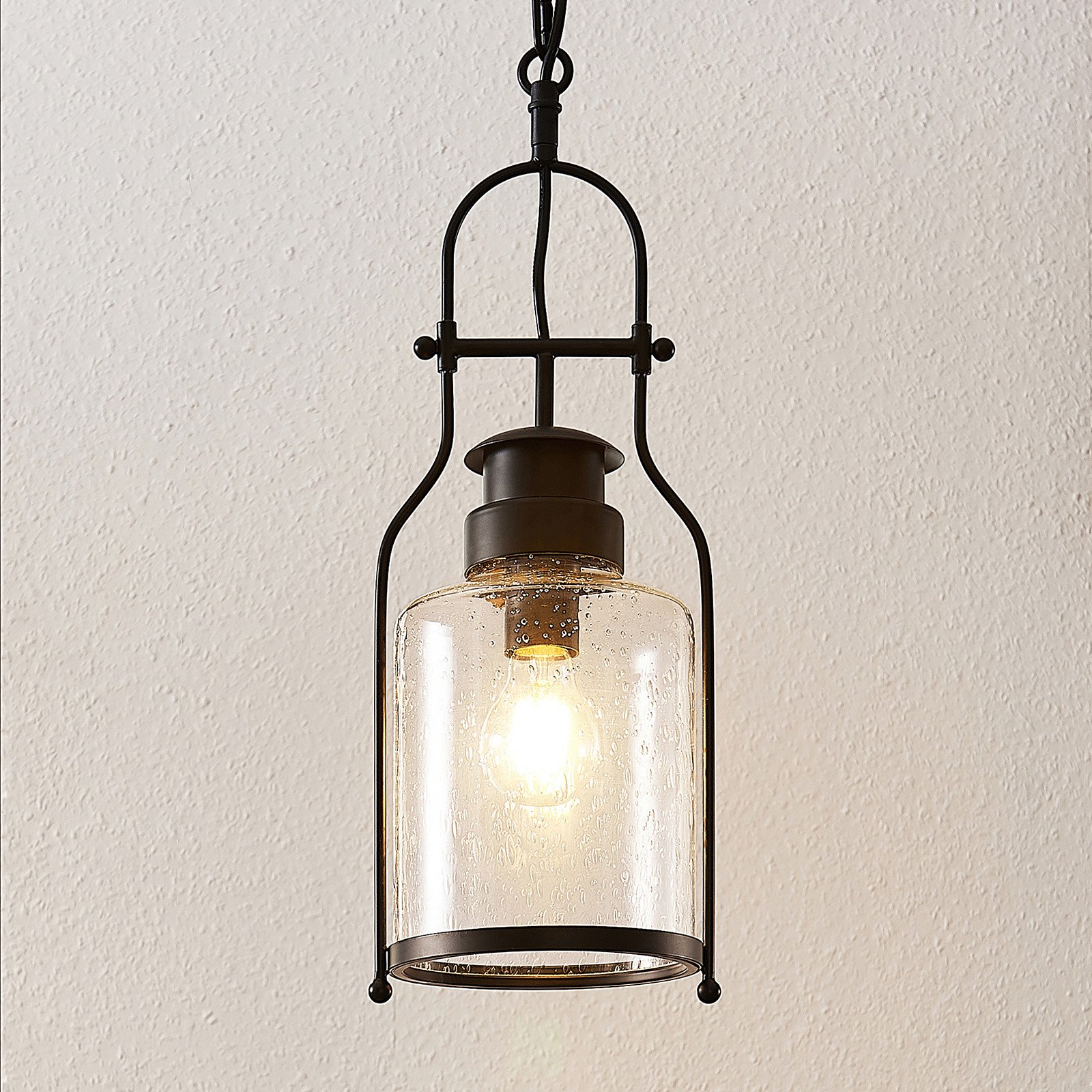
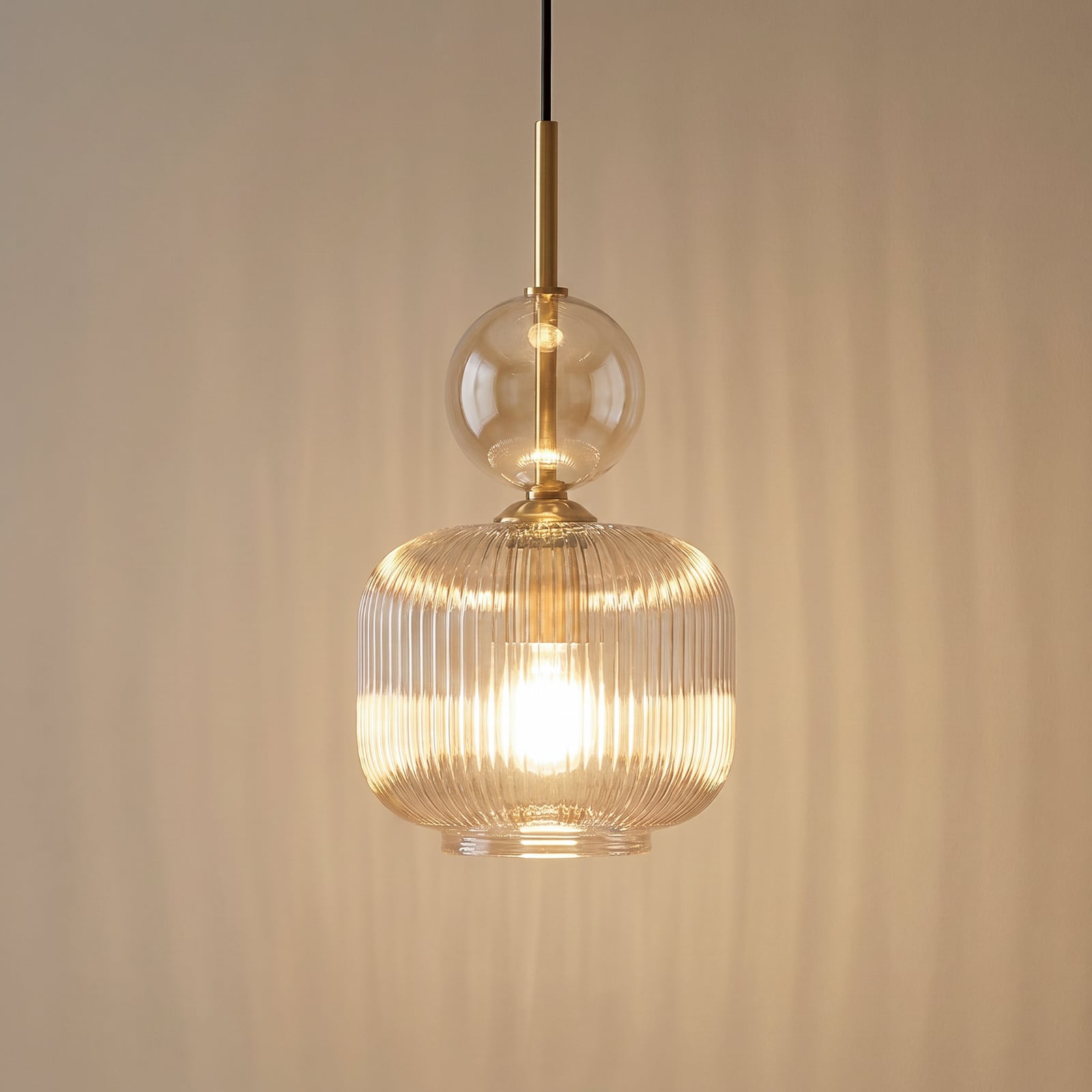
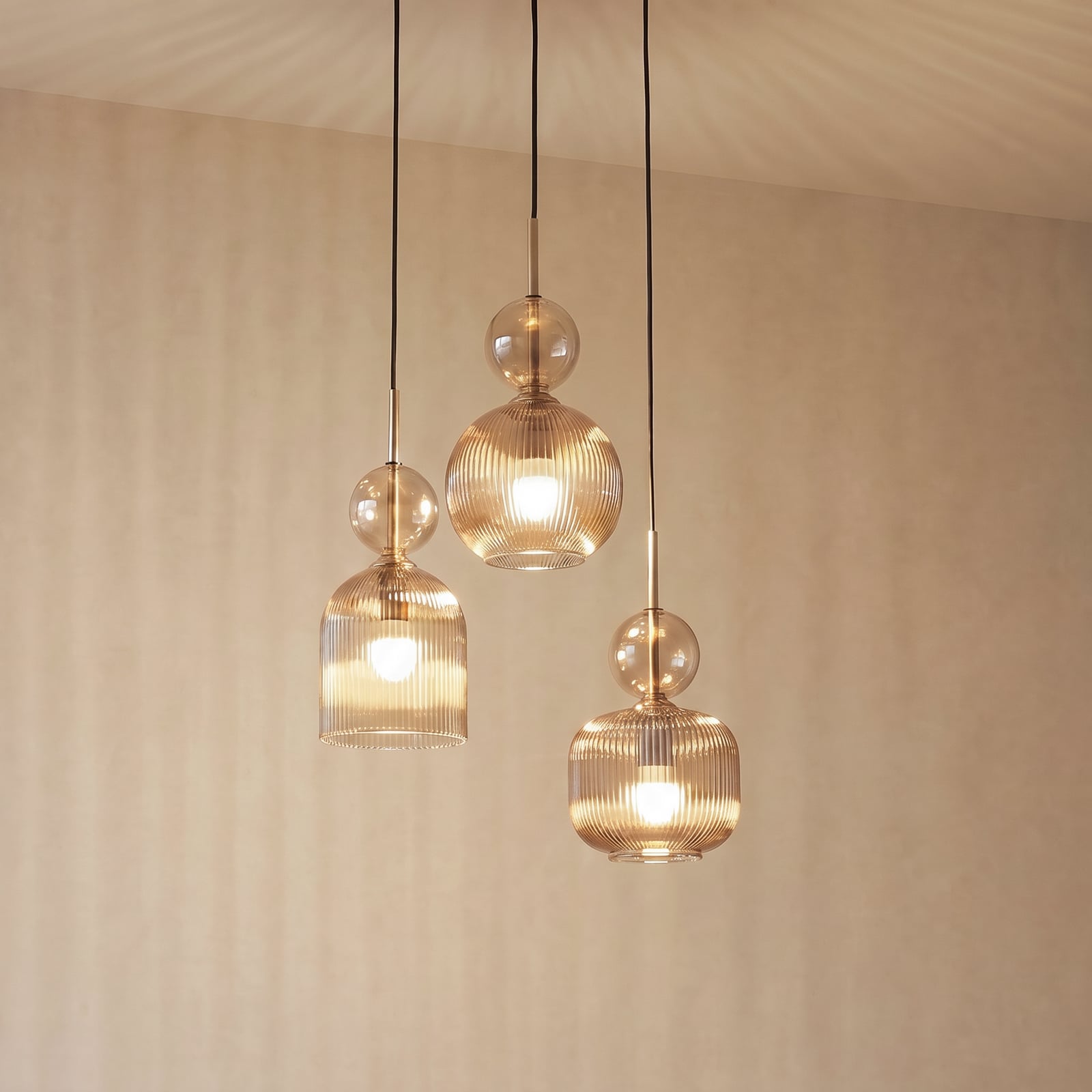
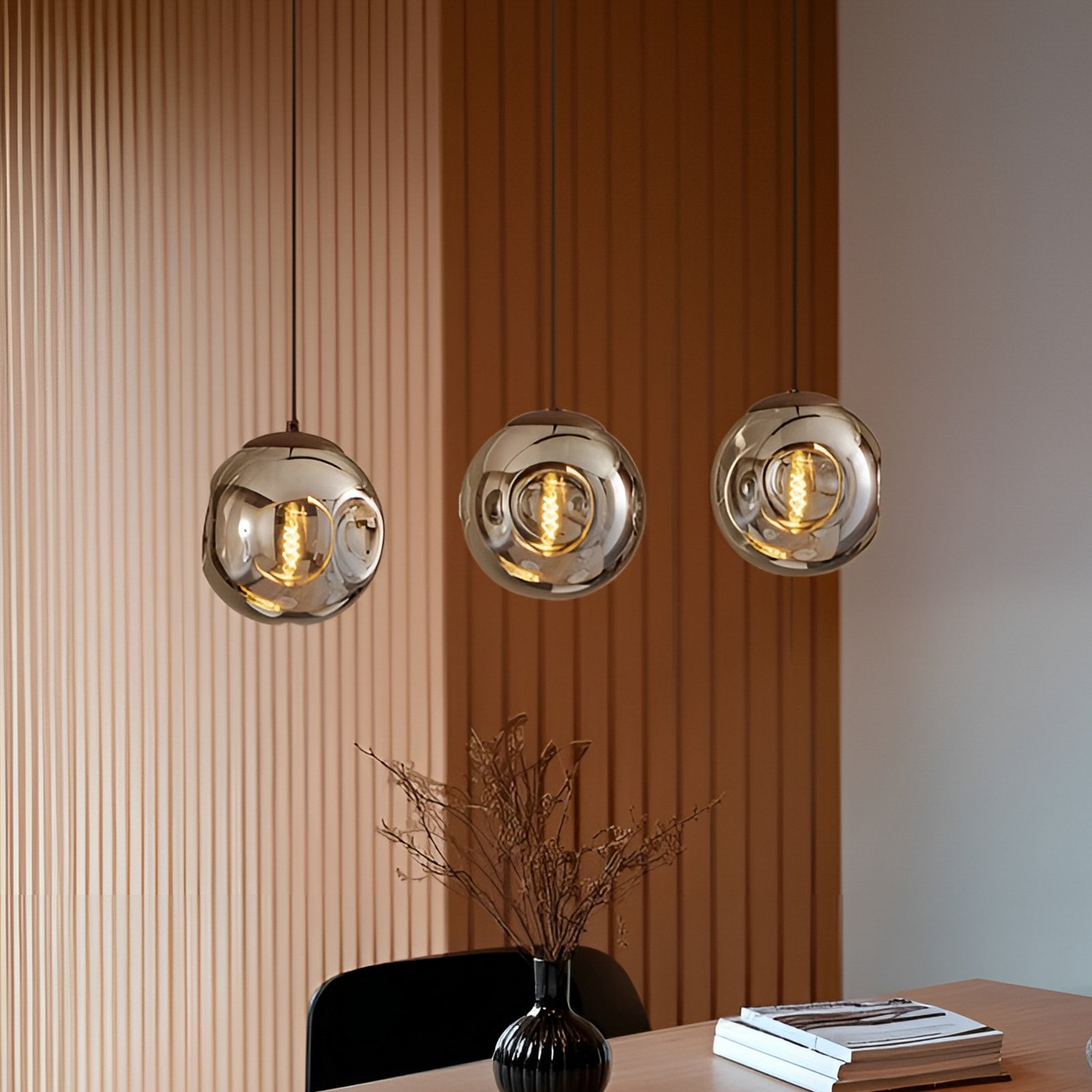
)
)
)
Floor lamps with decorative light bulb
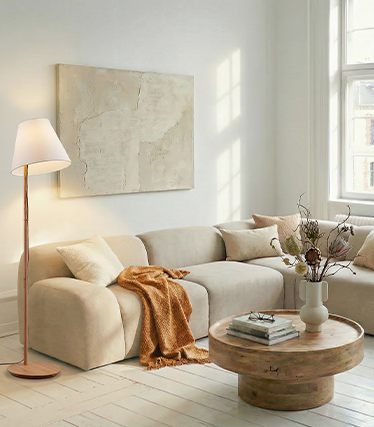
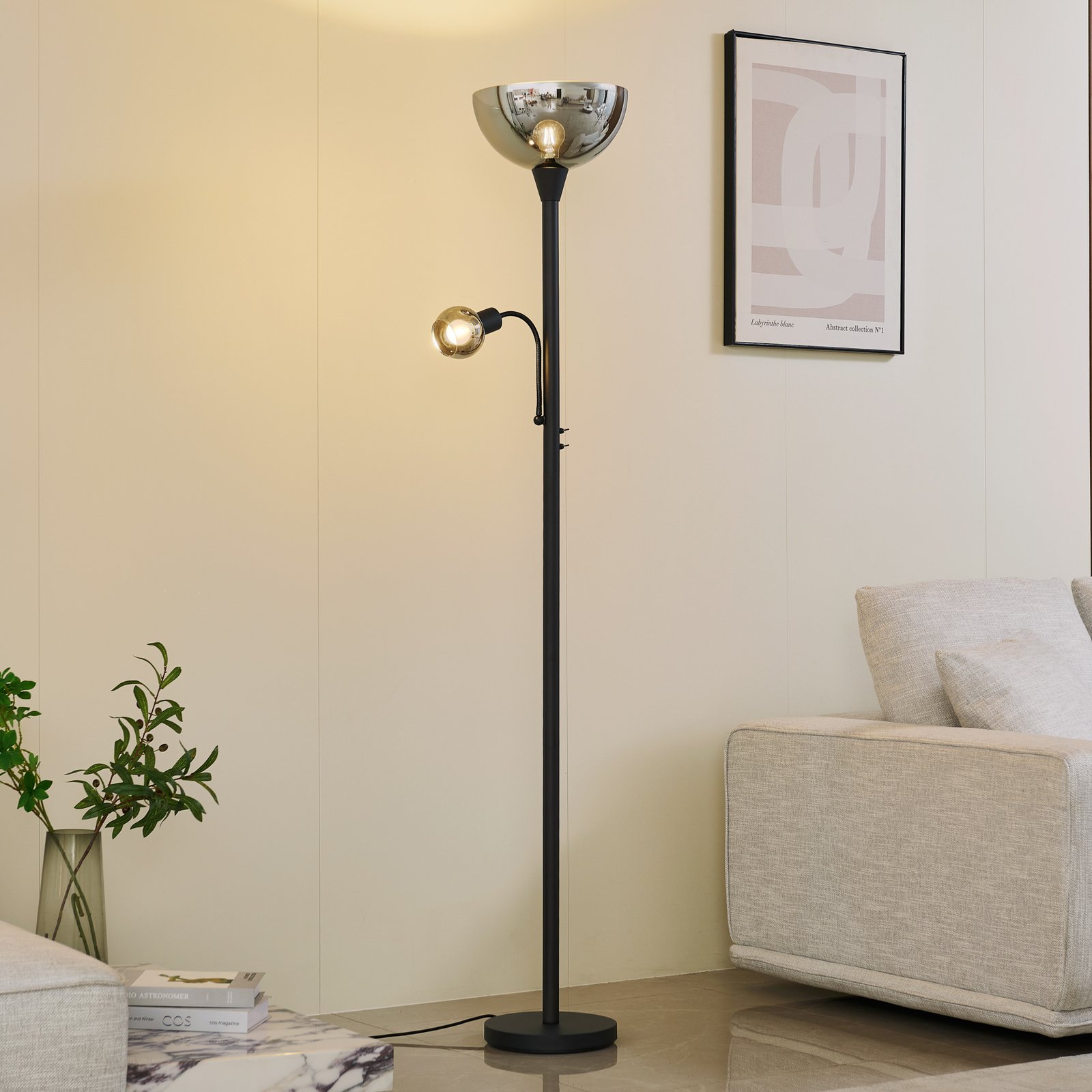
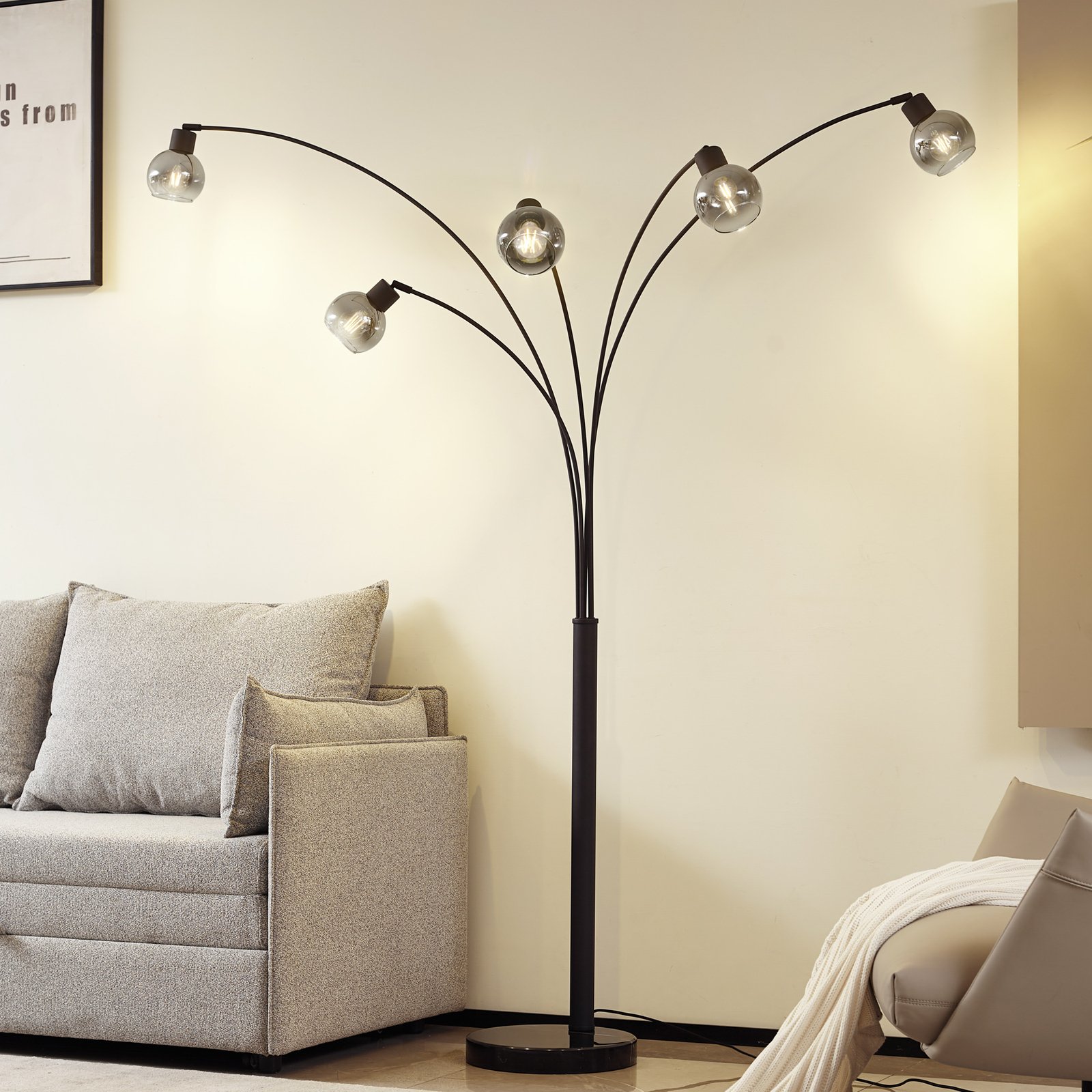
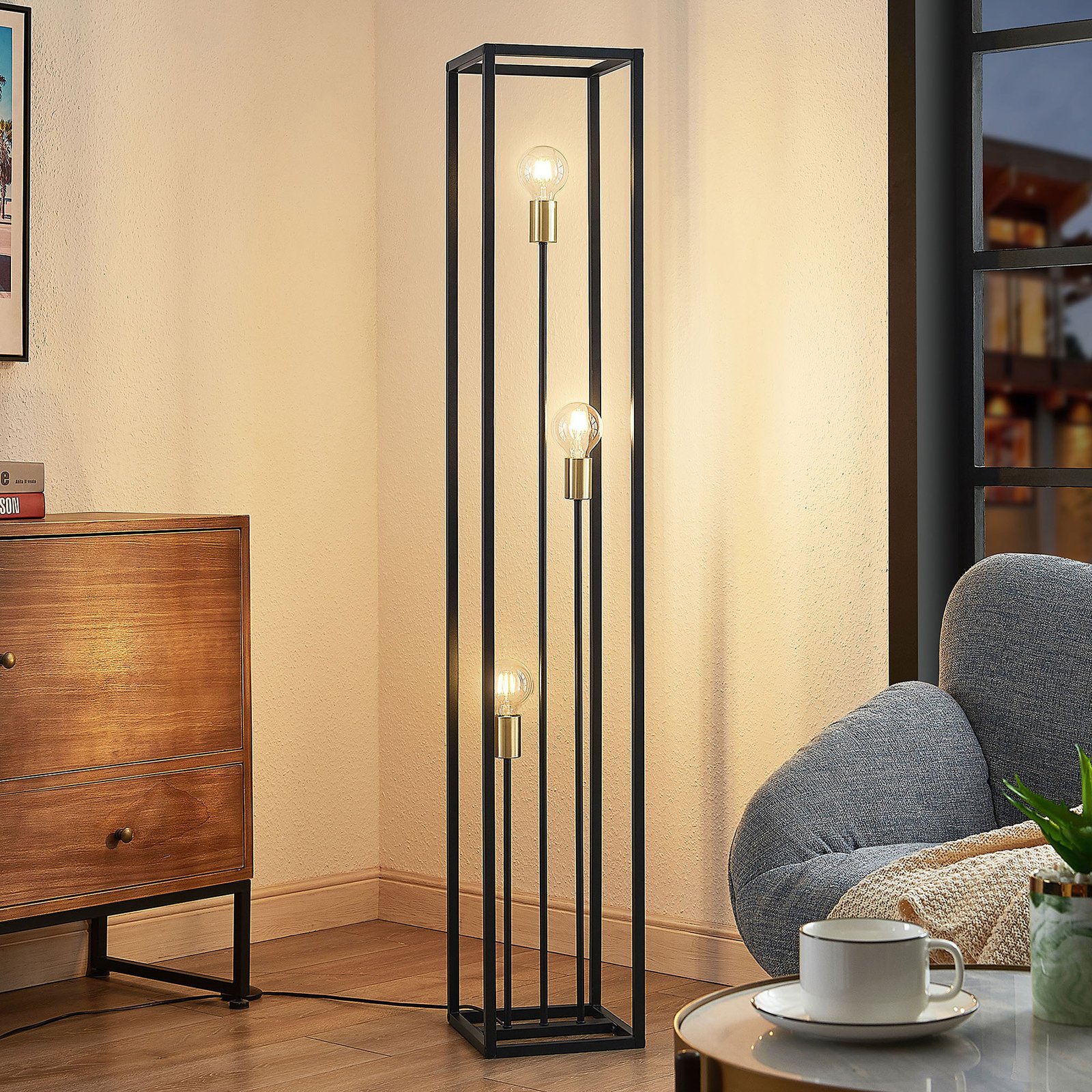
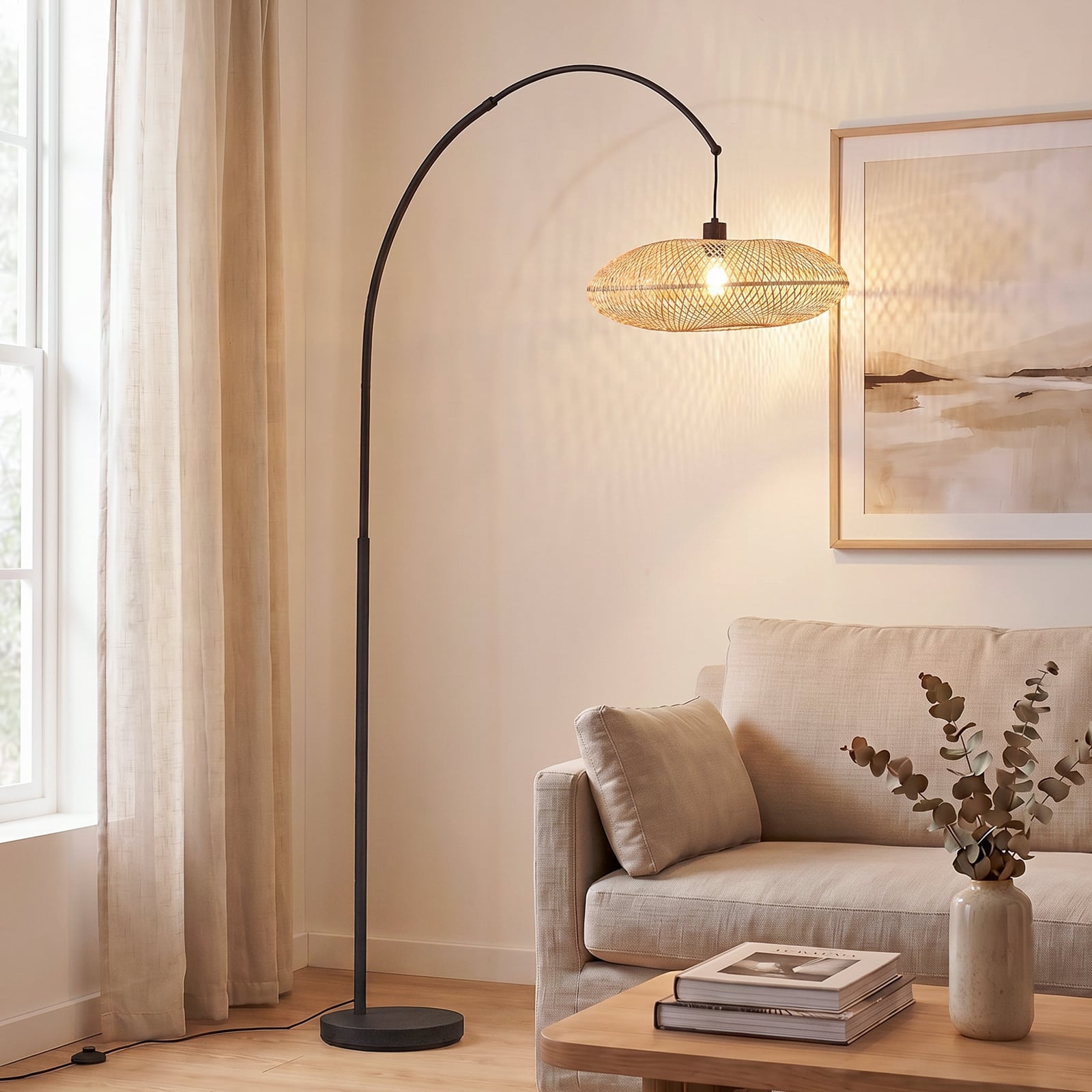
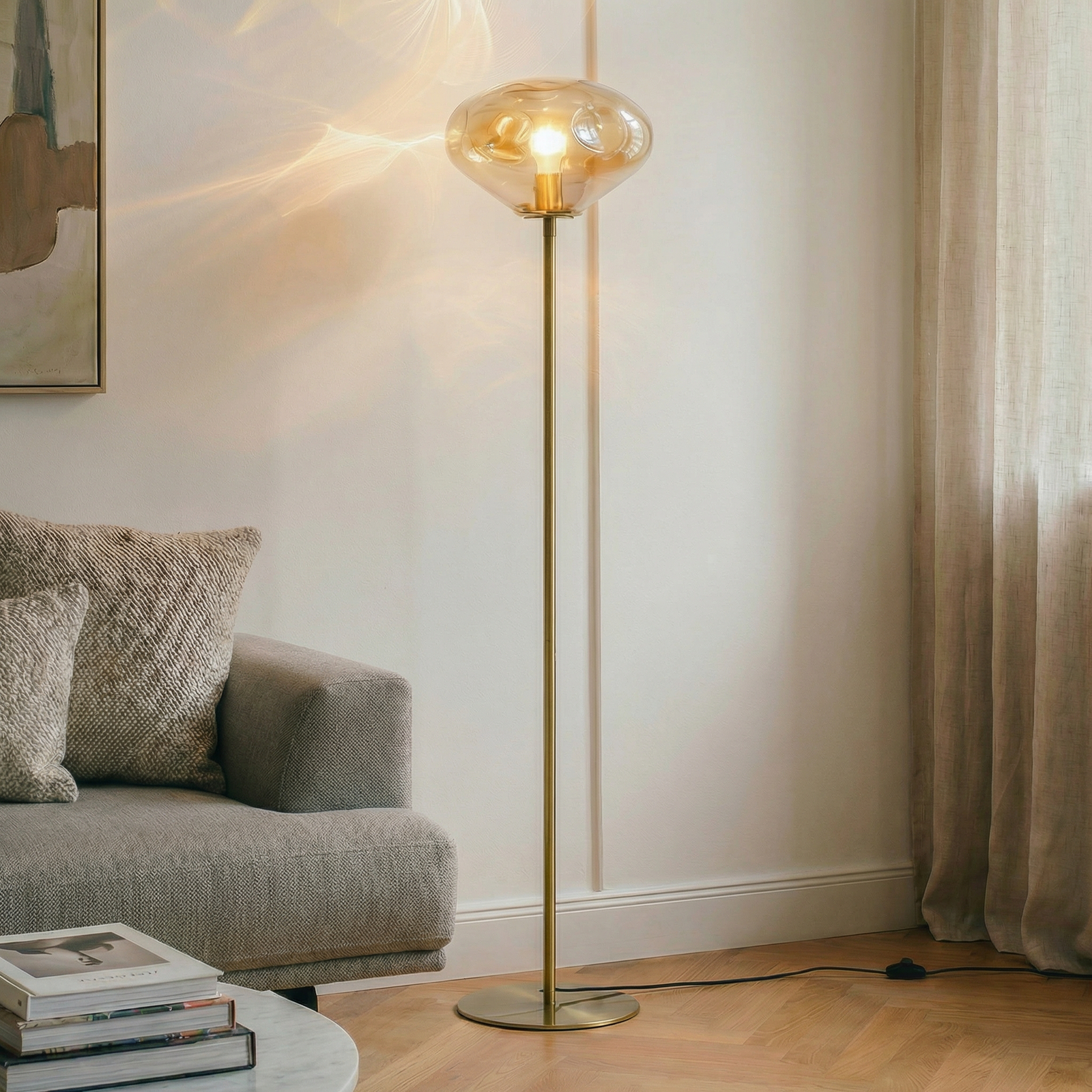
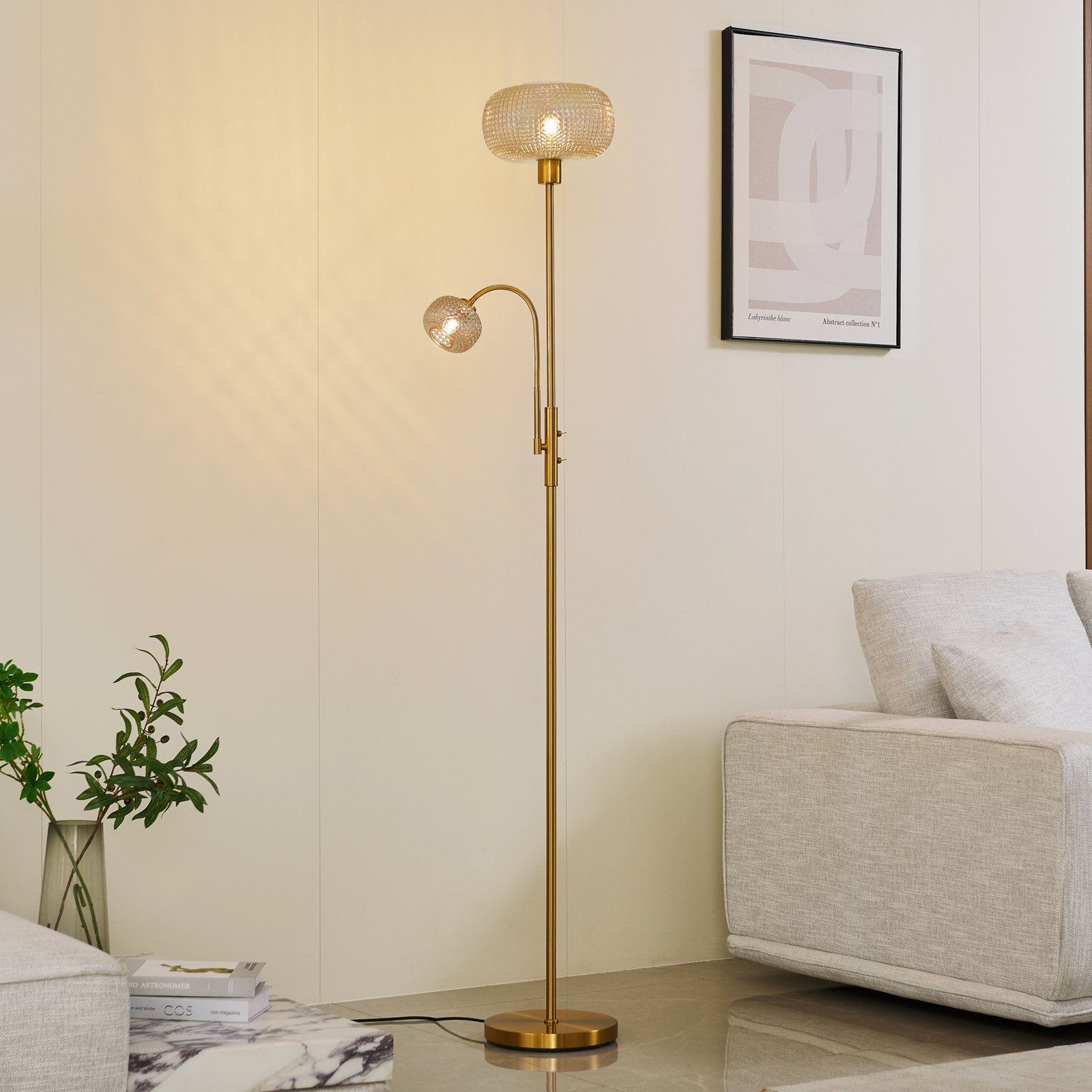
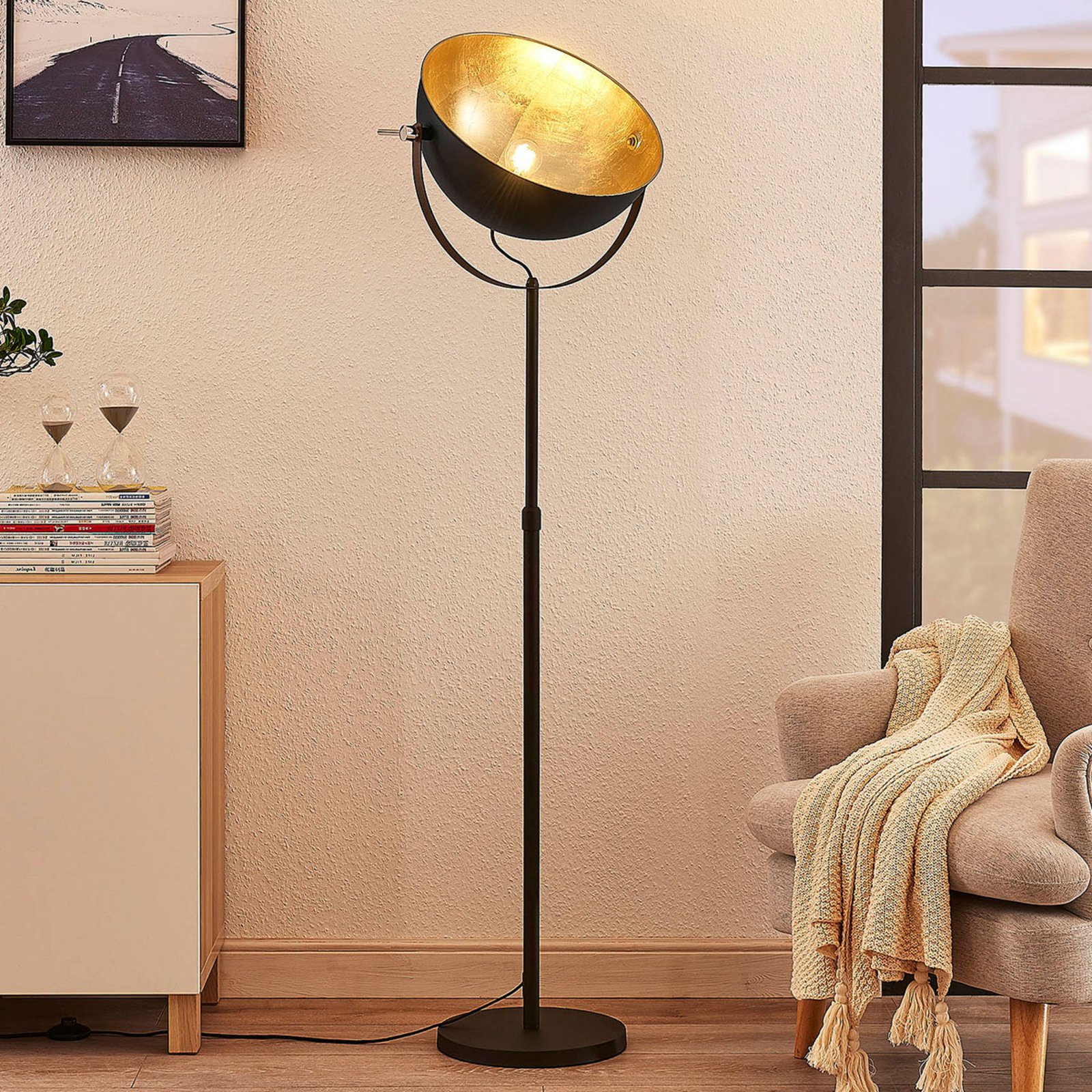
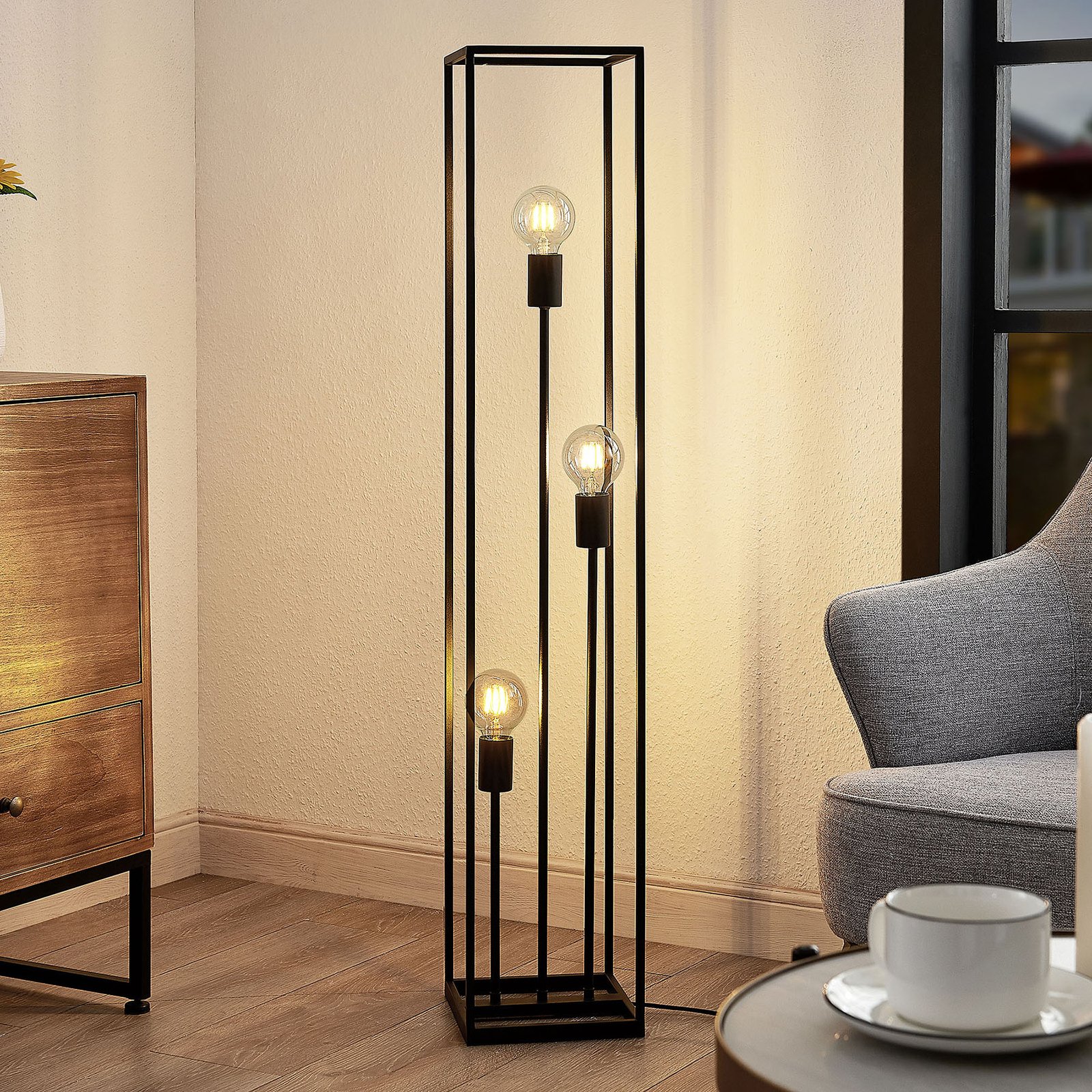
Floor lamps can also set the scene for the light source, making them an excellent decorative highlight for living rooms, reading corners or corridors. Open constructions with visible light sources, sophisticated details or unusual ideas have a modern look and create a cosy ambience.
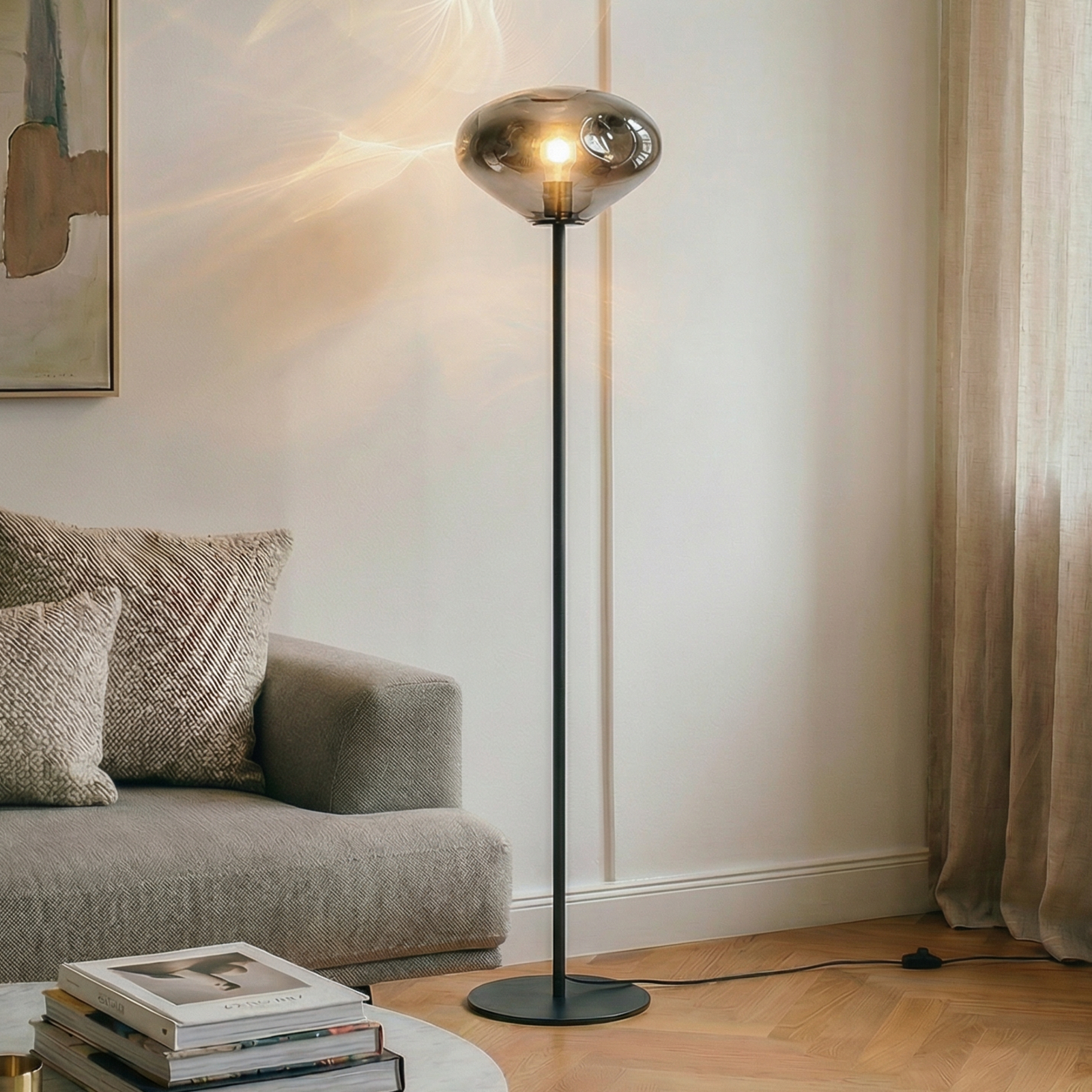
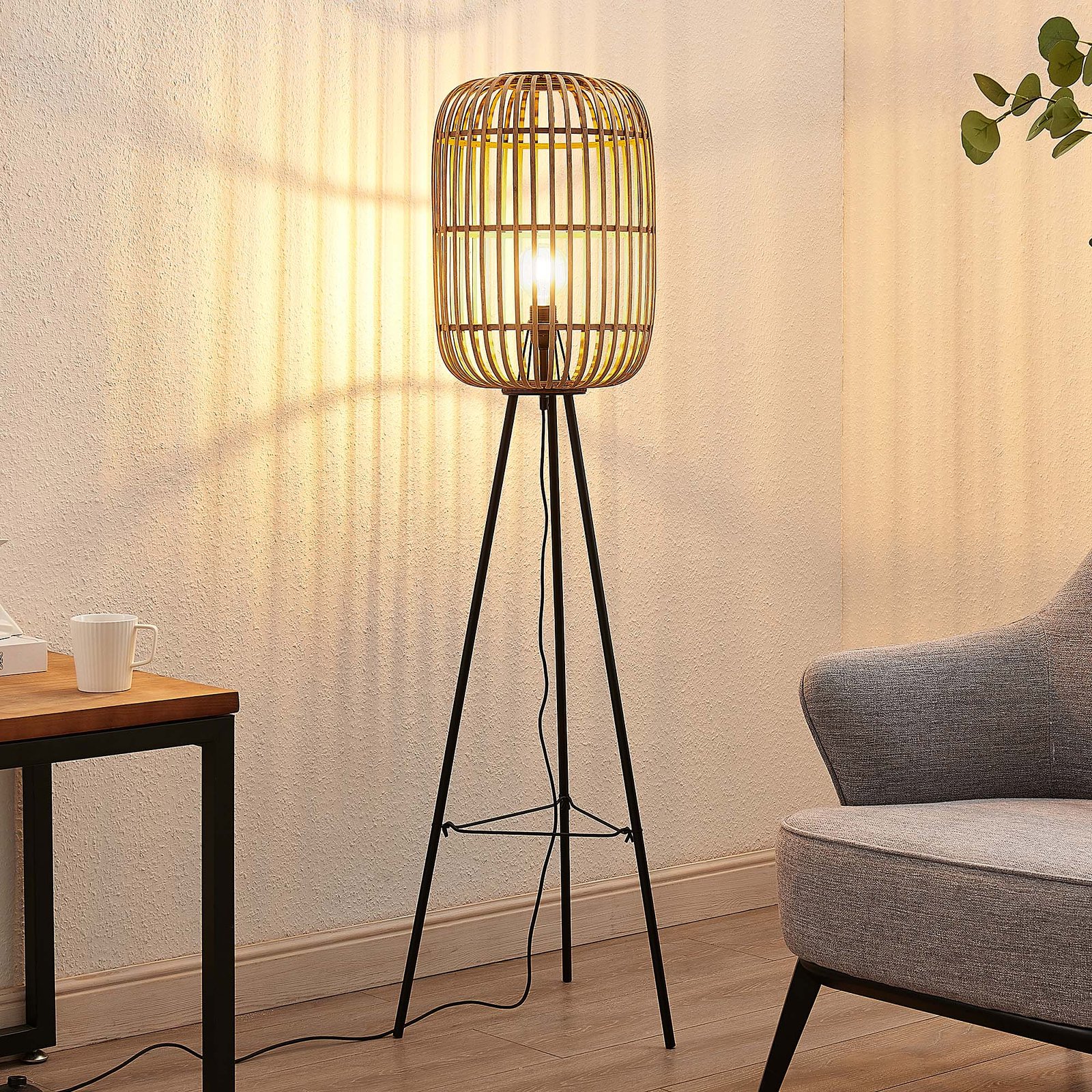
)
)
)
Table lamps with visible light source
Table lamps with a visible light bulb are ideal as decorative additional lighting. On sideboards, shelves or bedside tables, they create a warm and relaxed atmosphere. As they are easy to integrate into the interior, table lamps are also ideal for completing the look of a specific furnishing style.
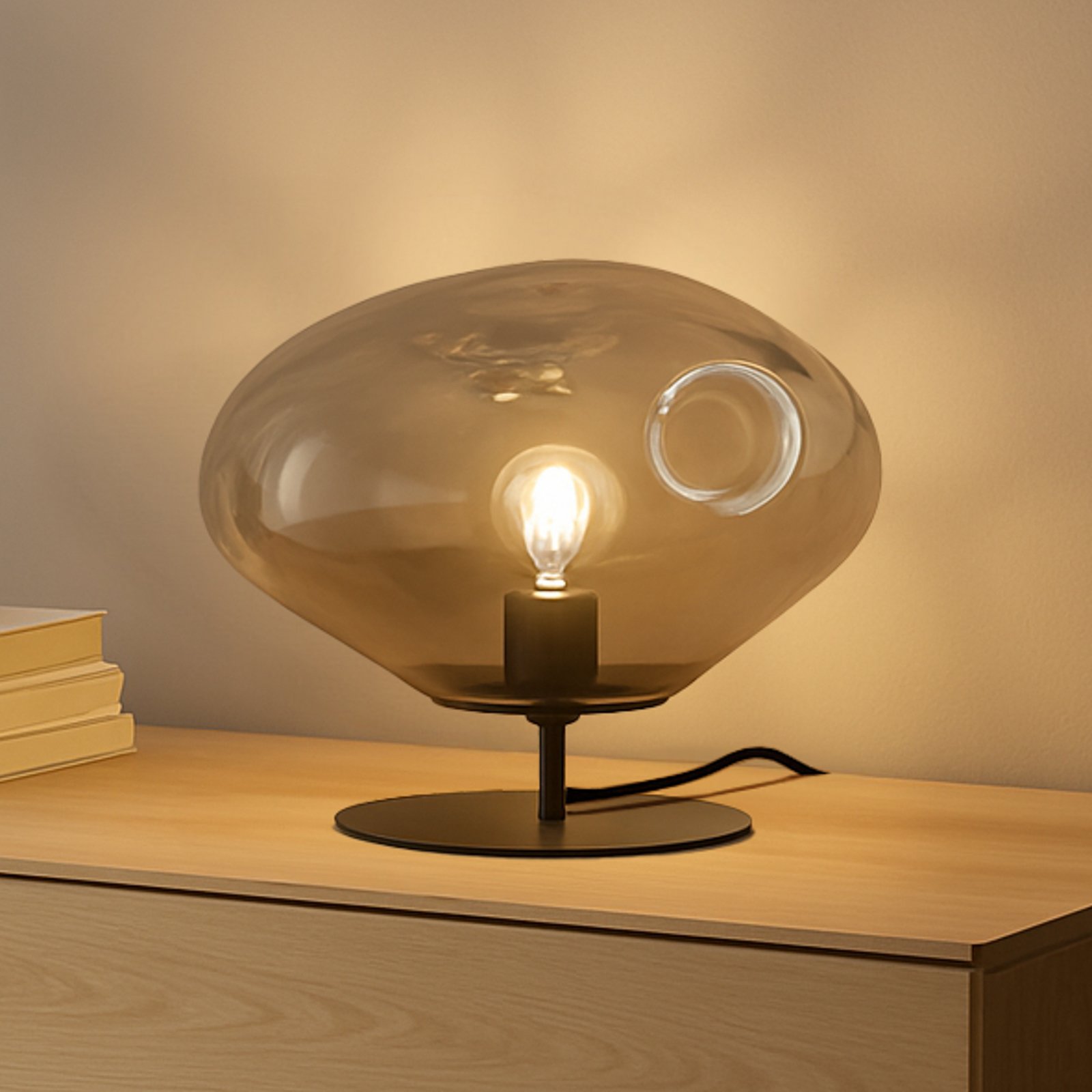
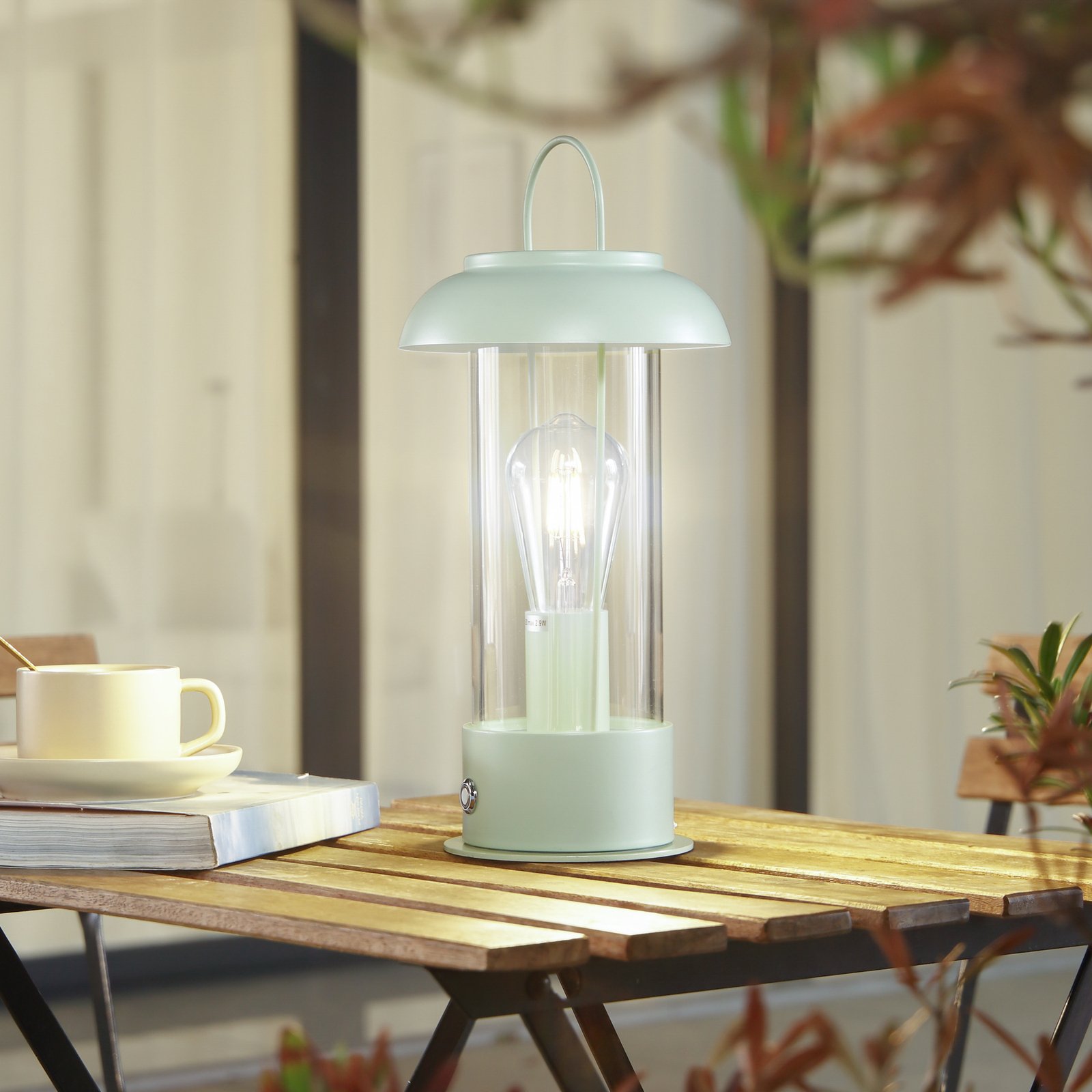
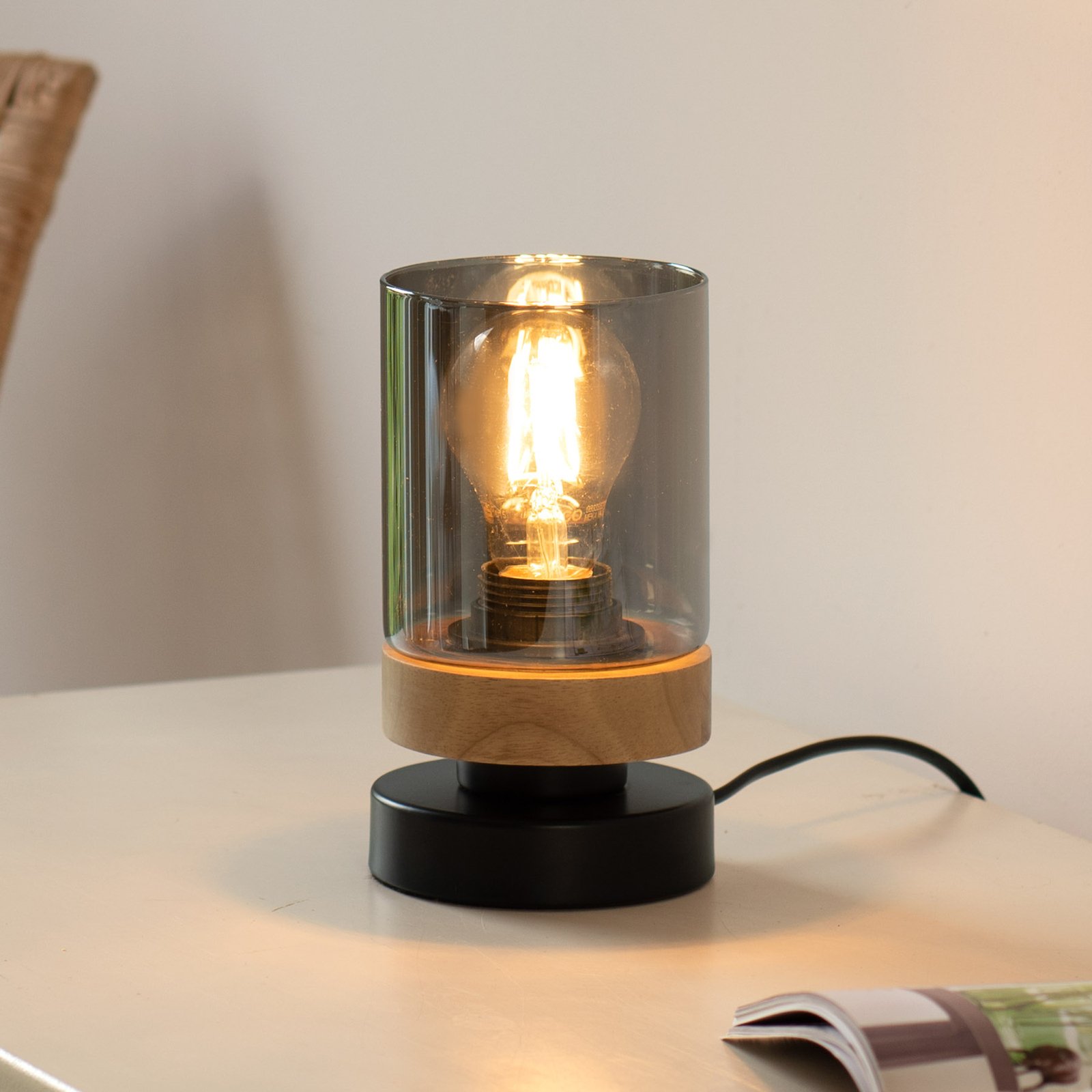
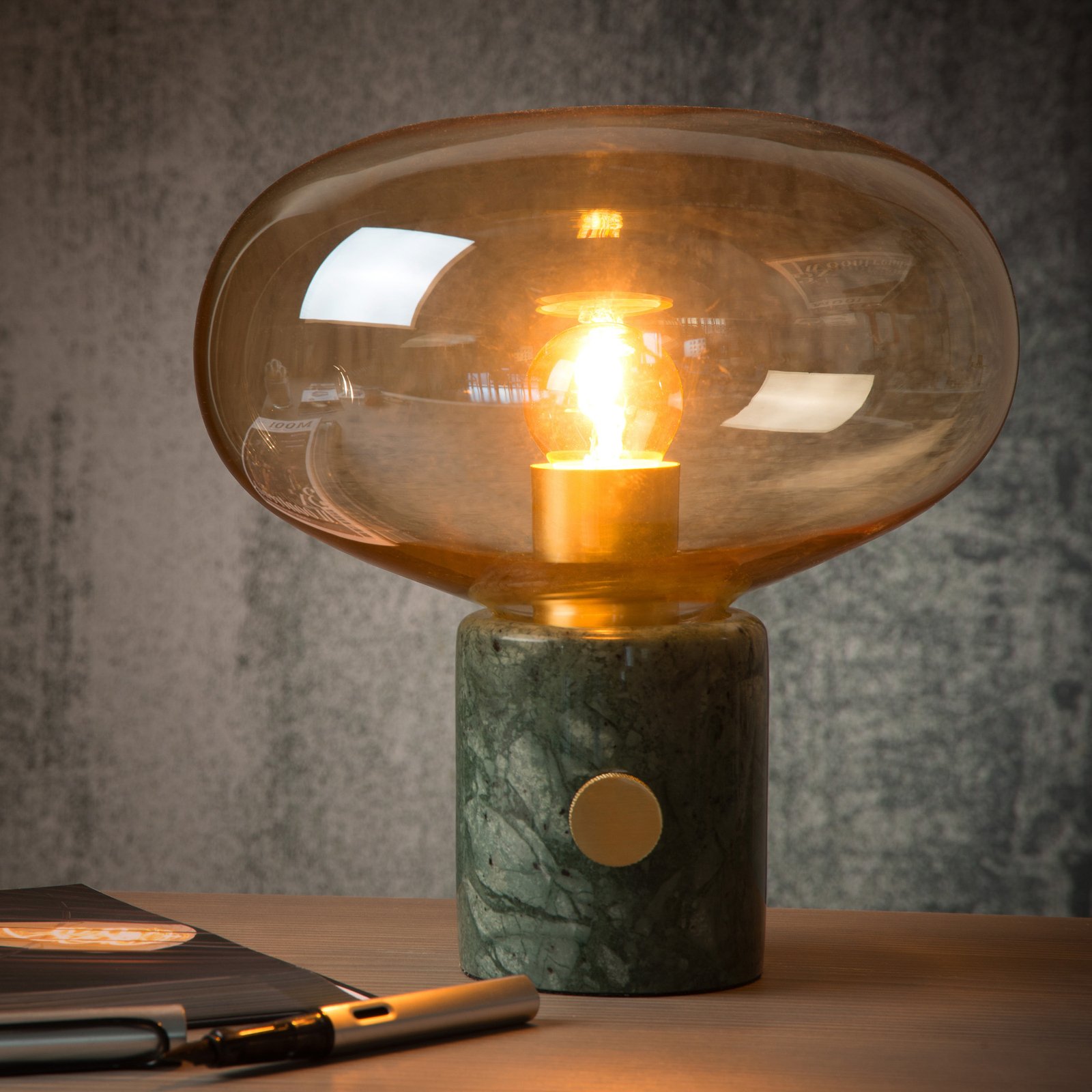
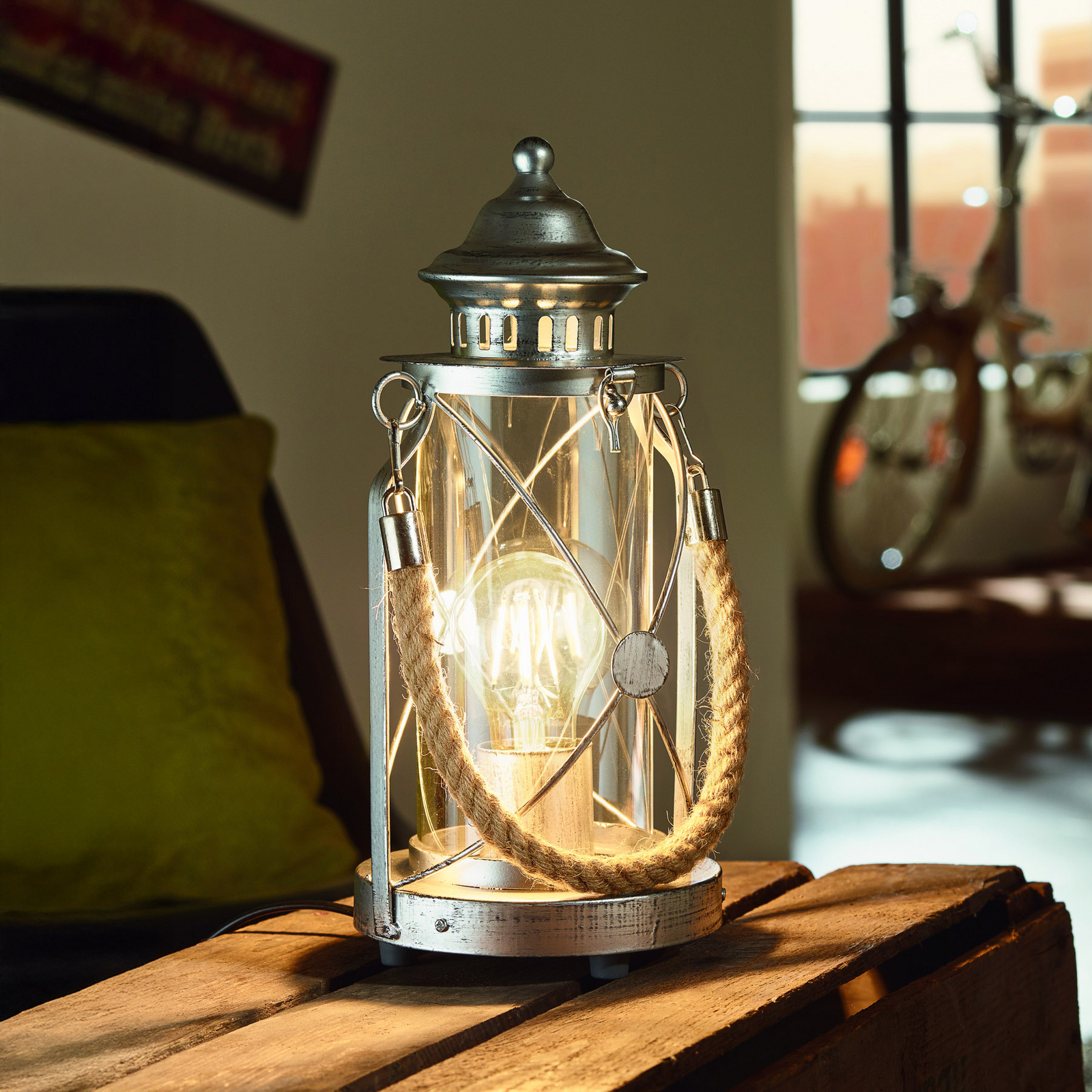
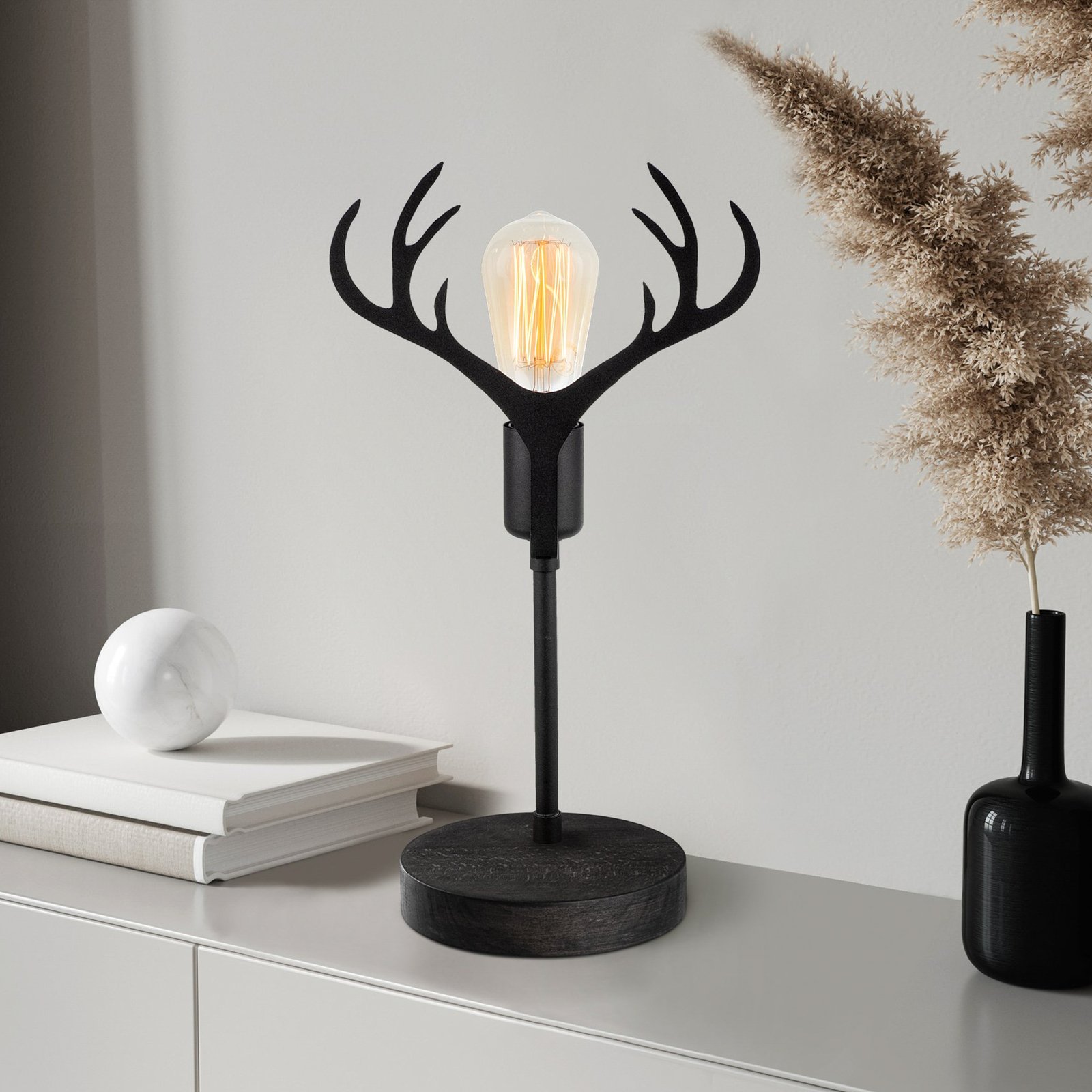
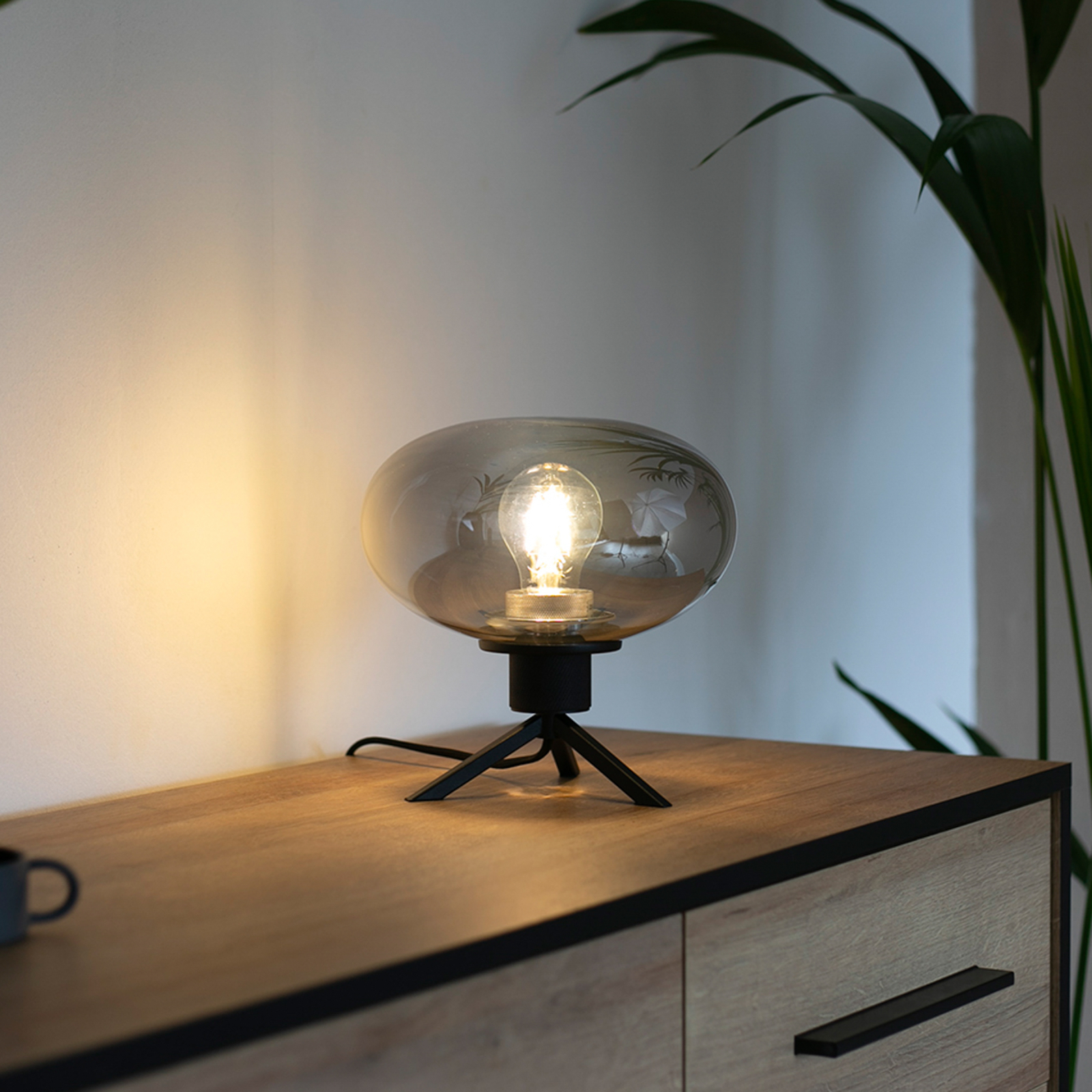

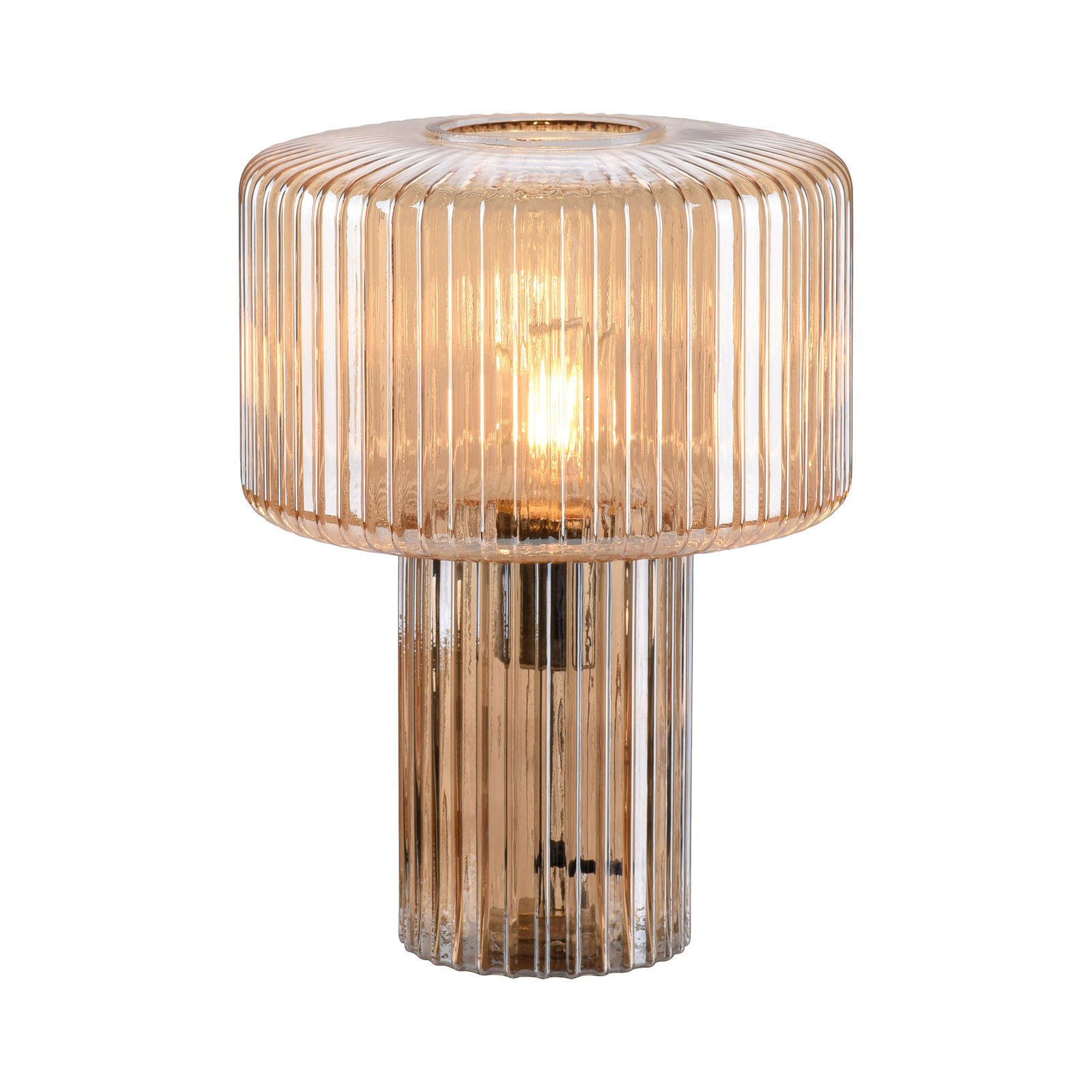
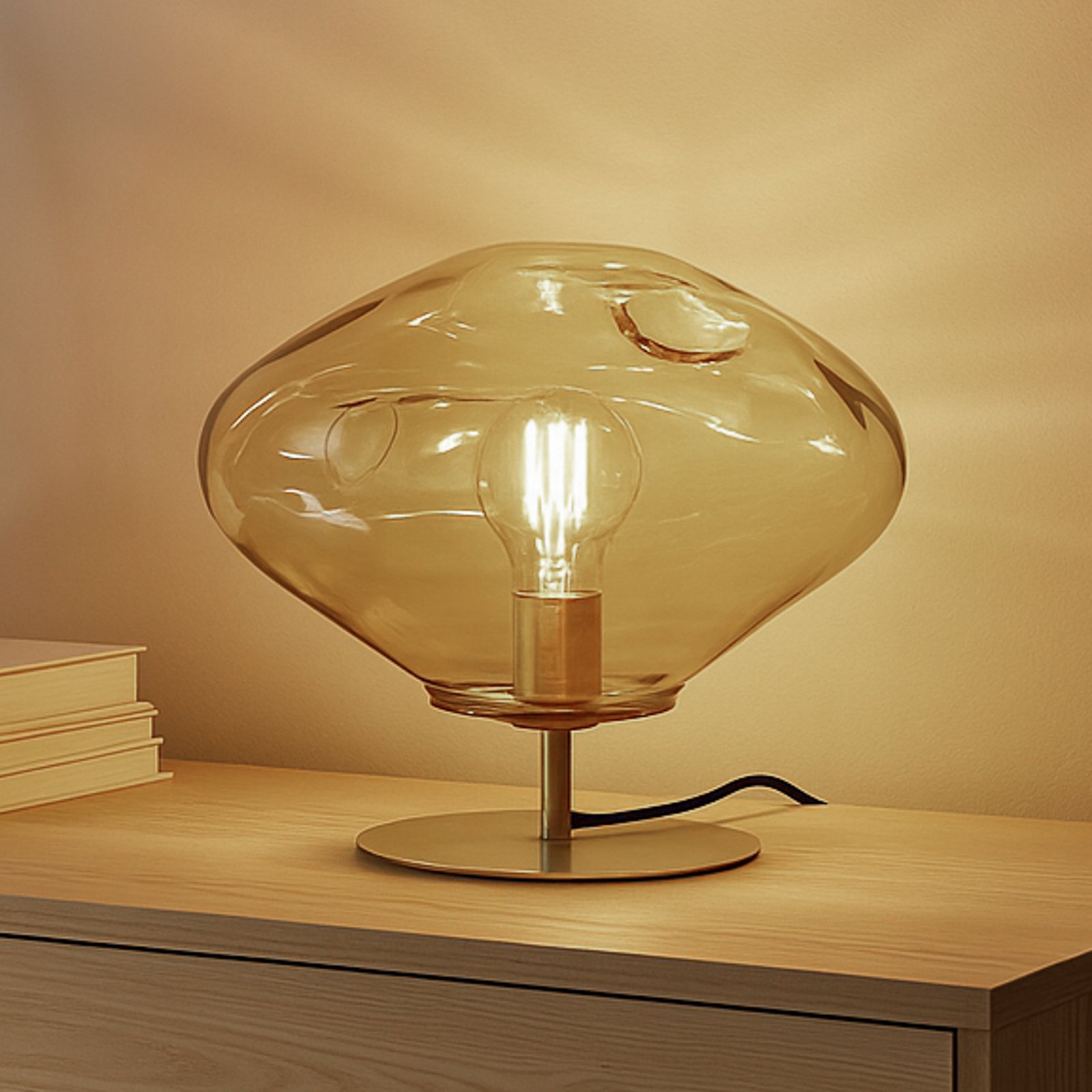
)
)
)
Wall lights with visible light source
Wall lights are at eye level due to their suspension height. This makes them exceptionally suitable for interesting light sources with a light bulb look. They unfold their full effect in hallways, bedrooms or as an atmospheric light source in the living room.
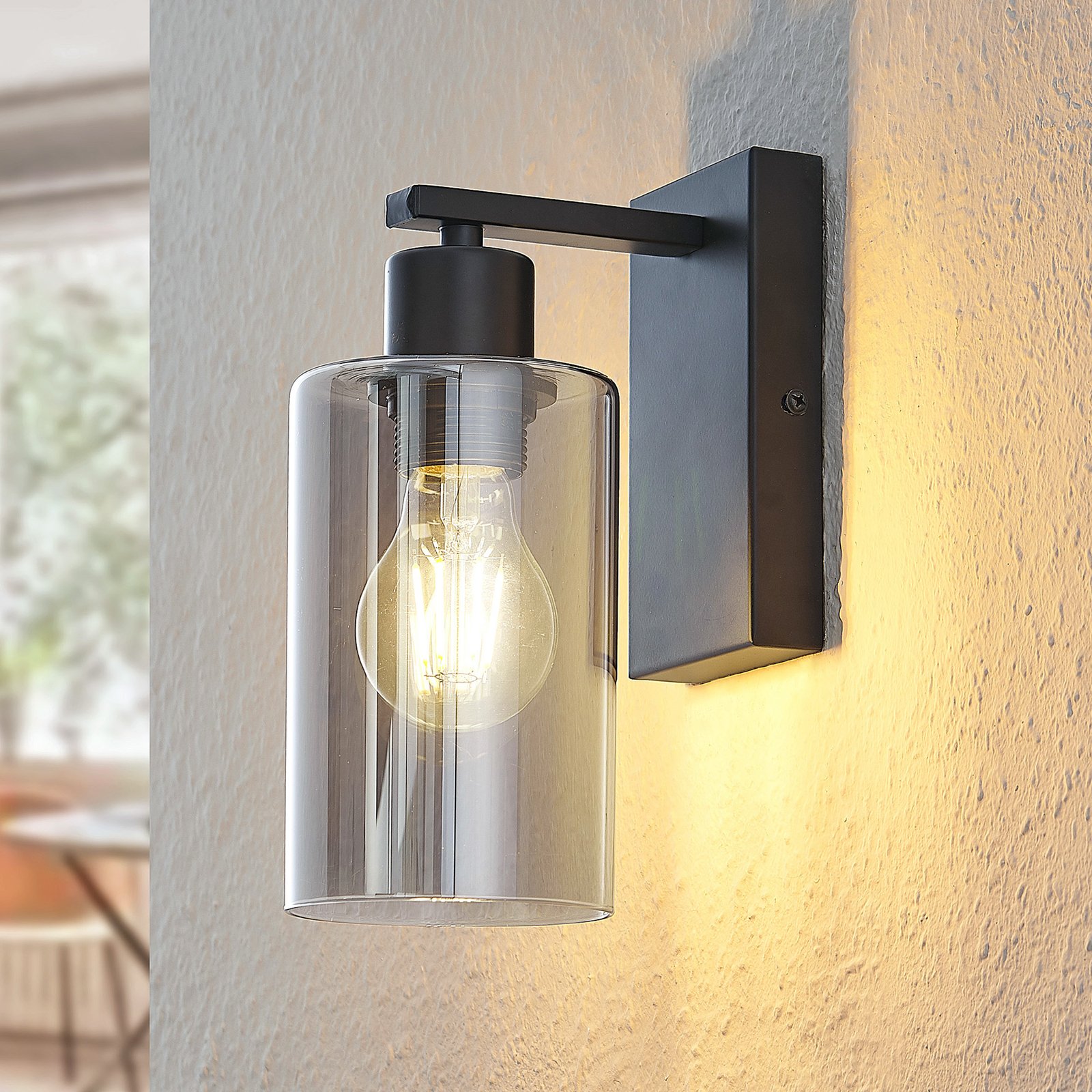
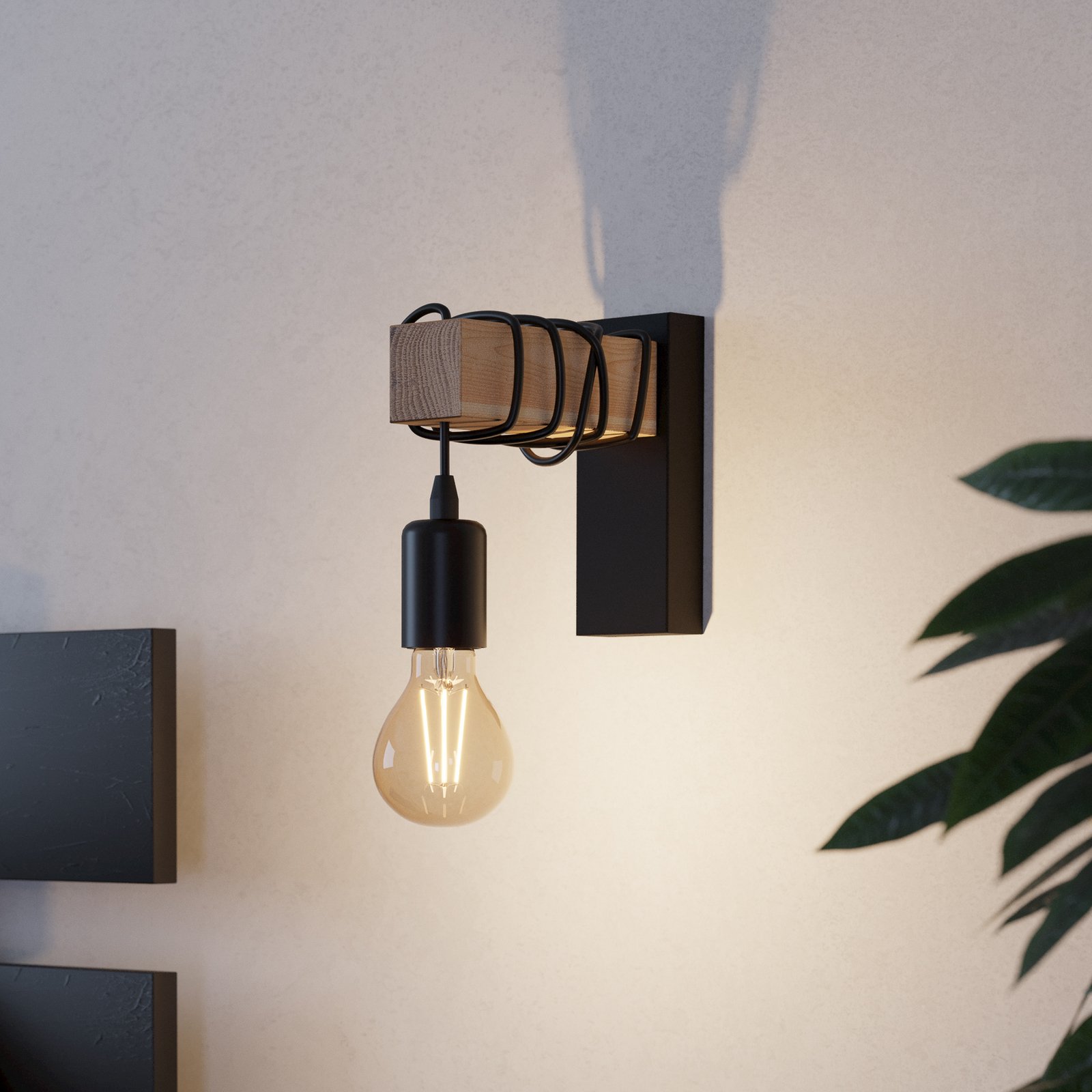
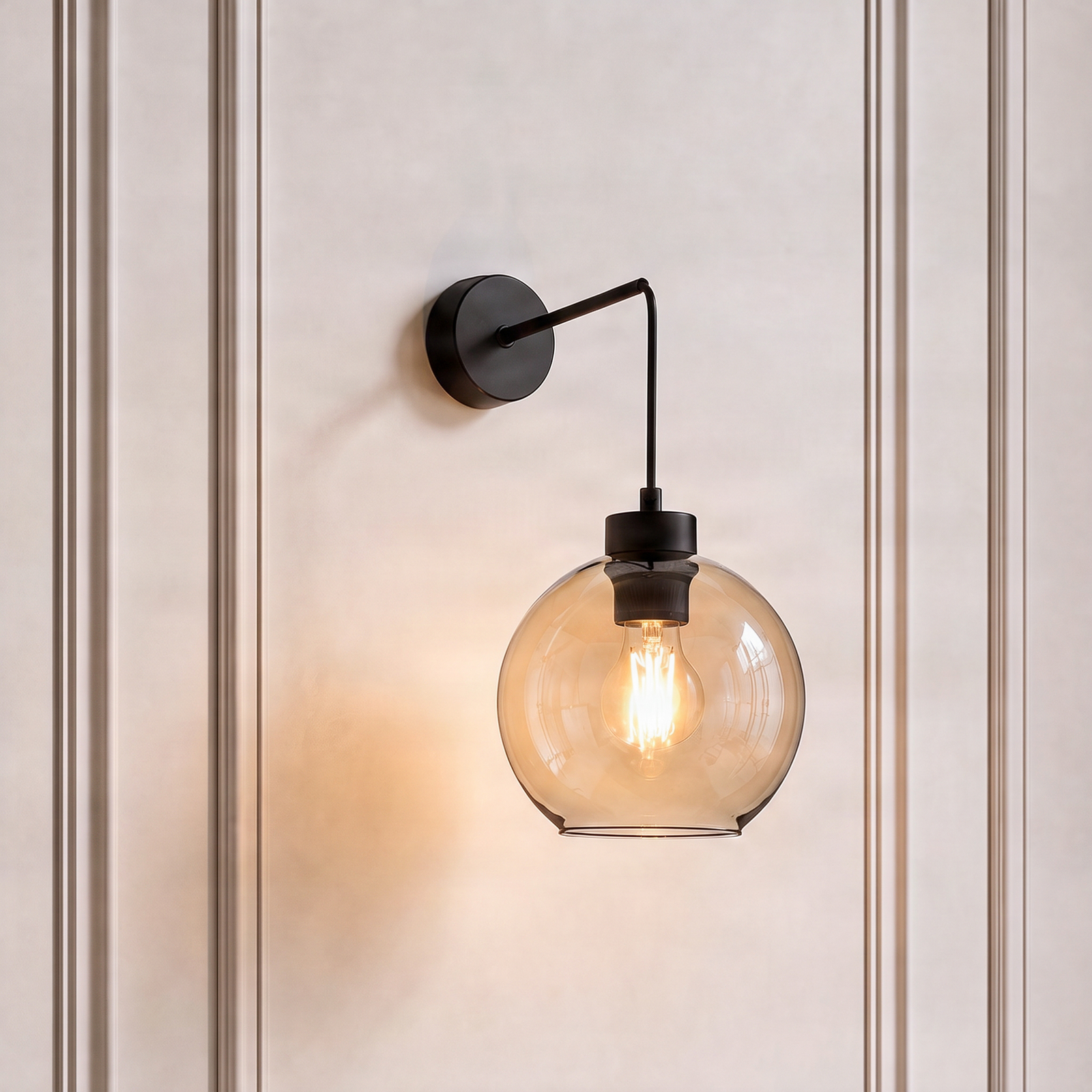
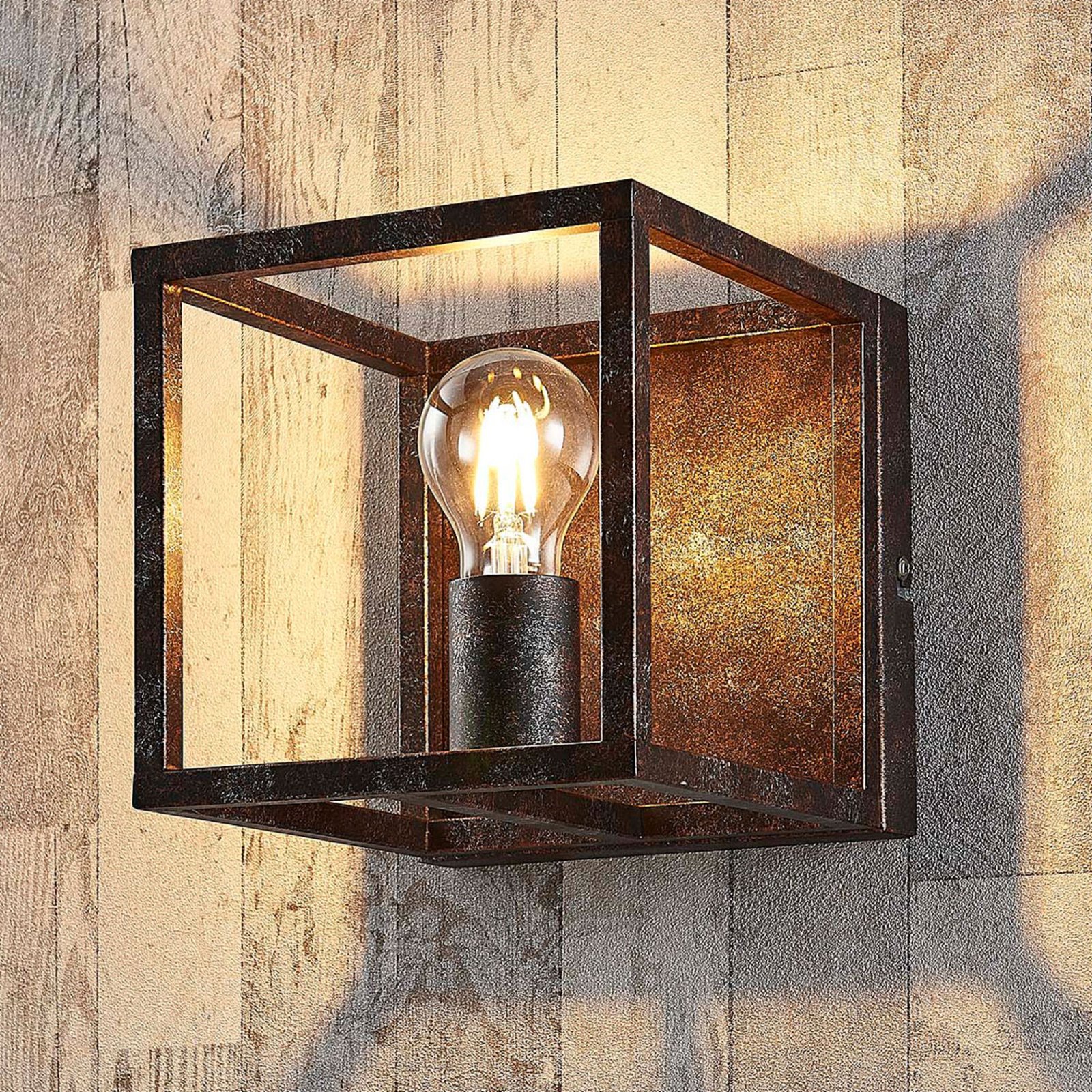
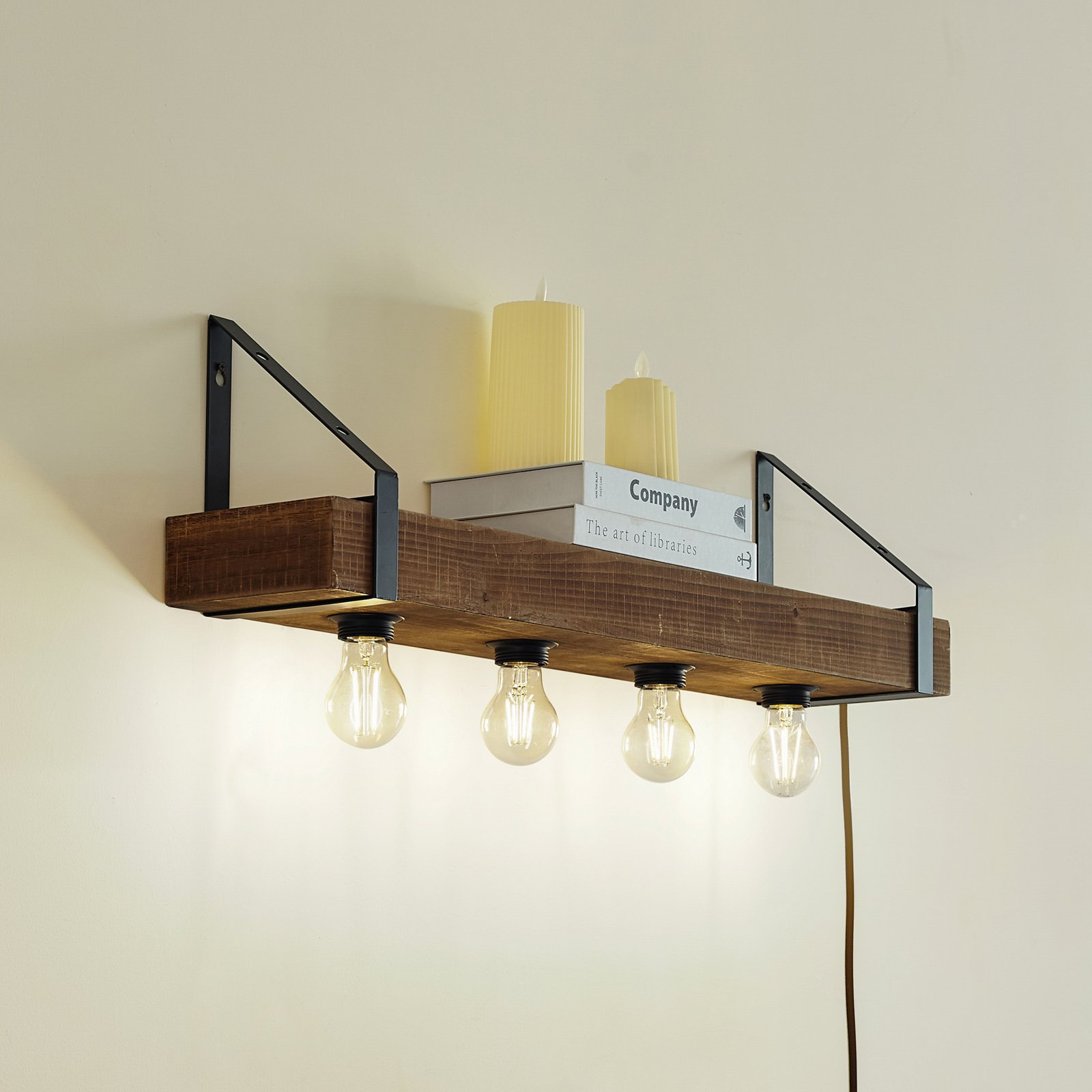
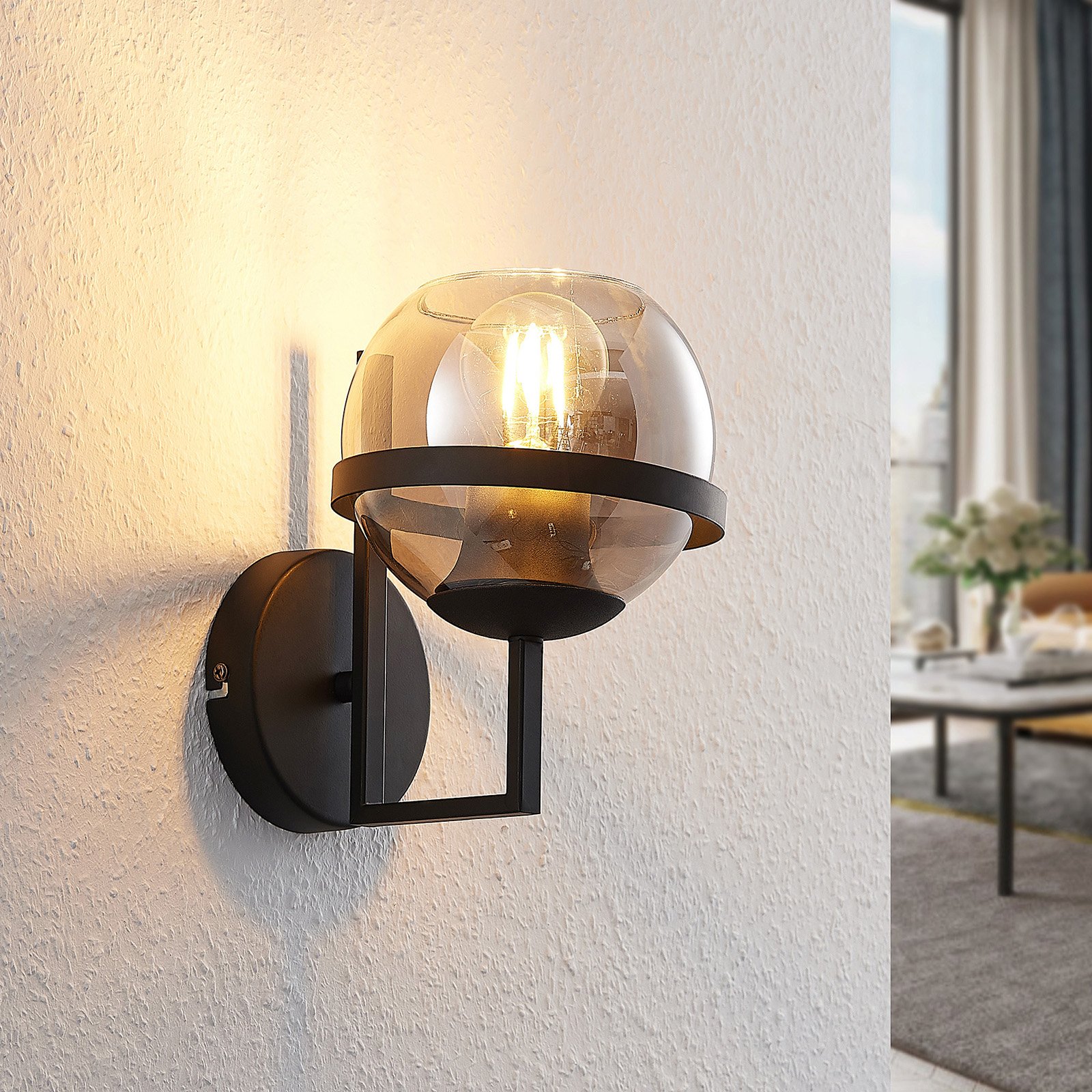
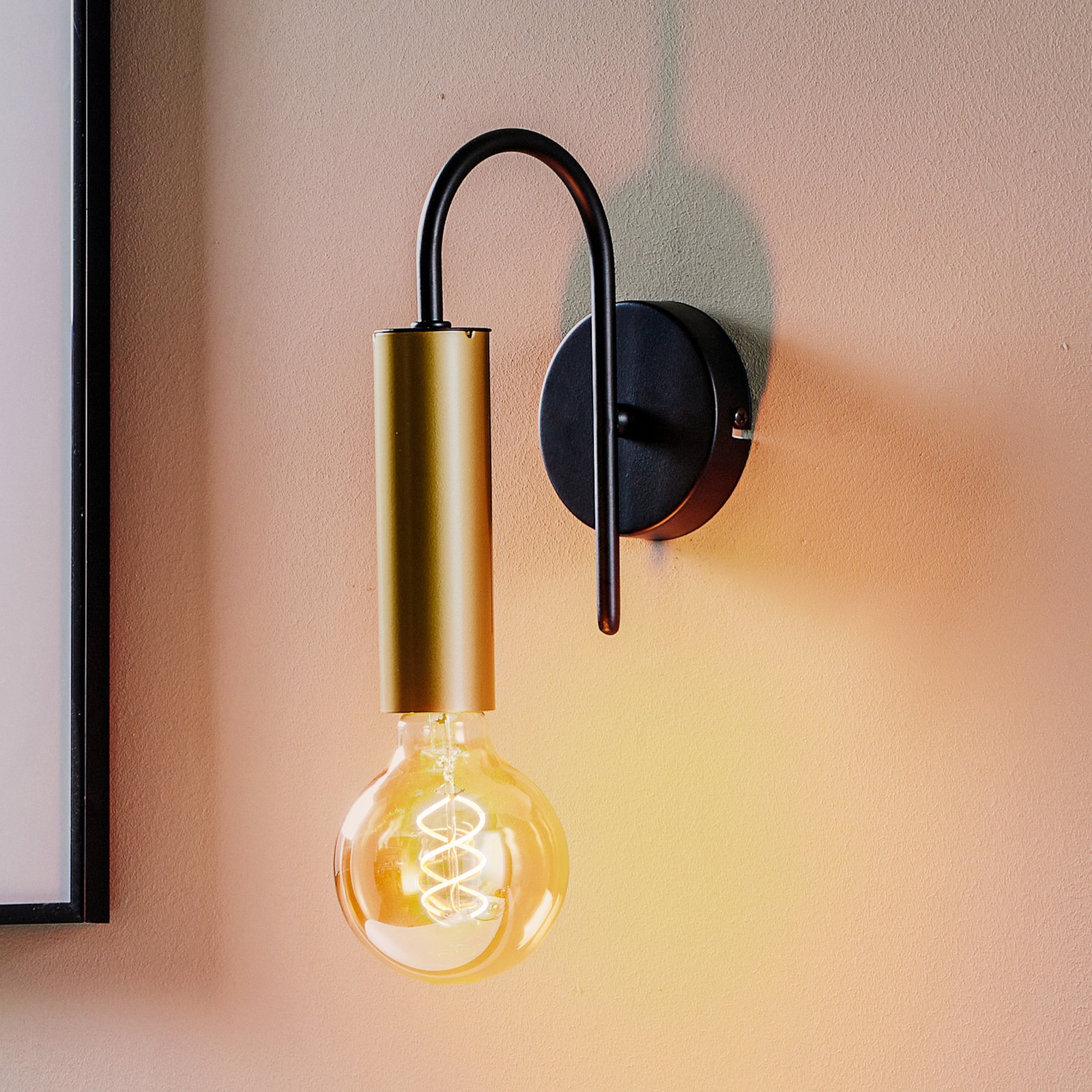
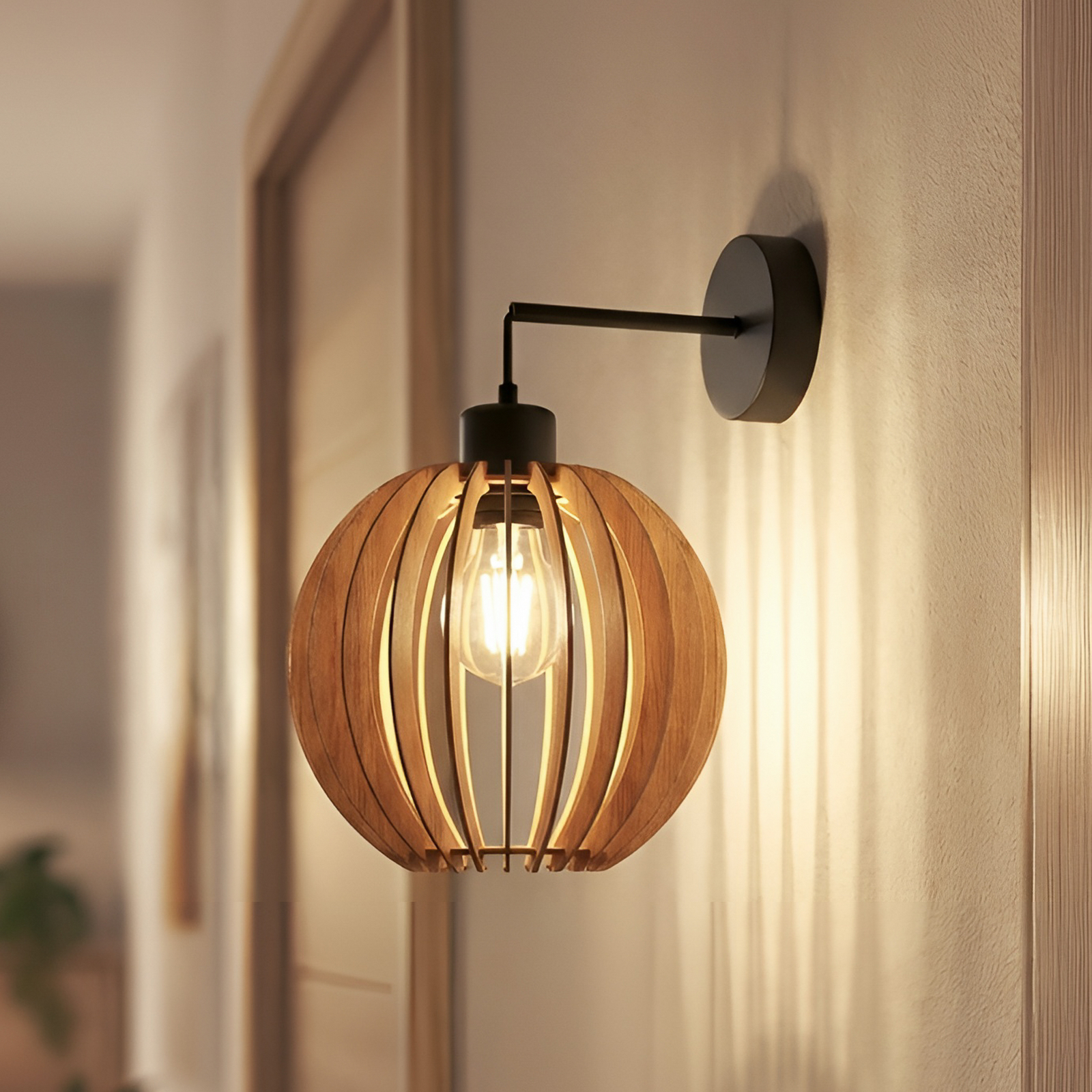
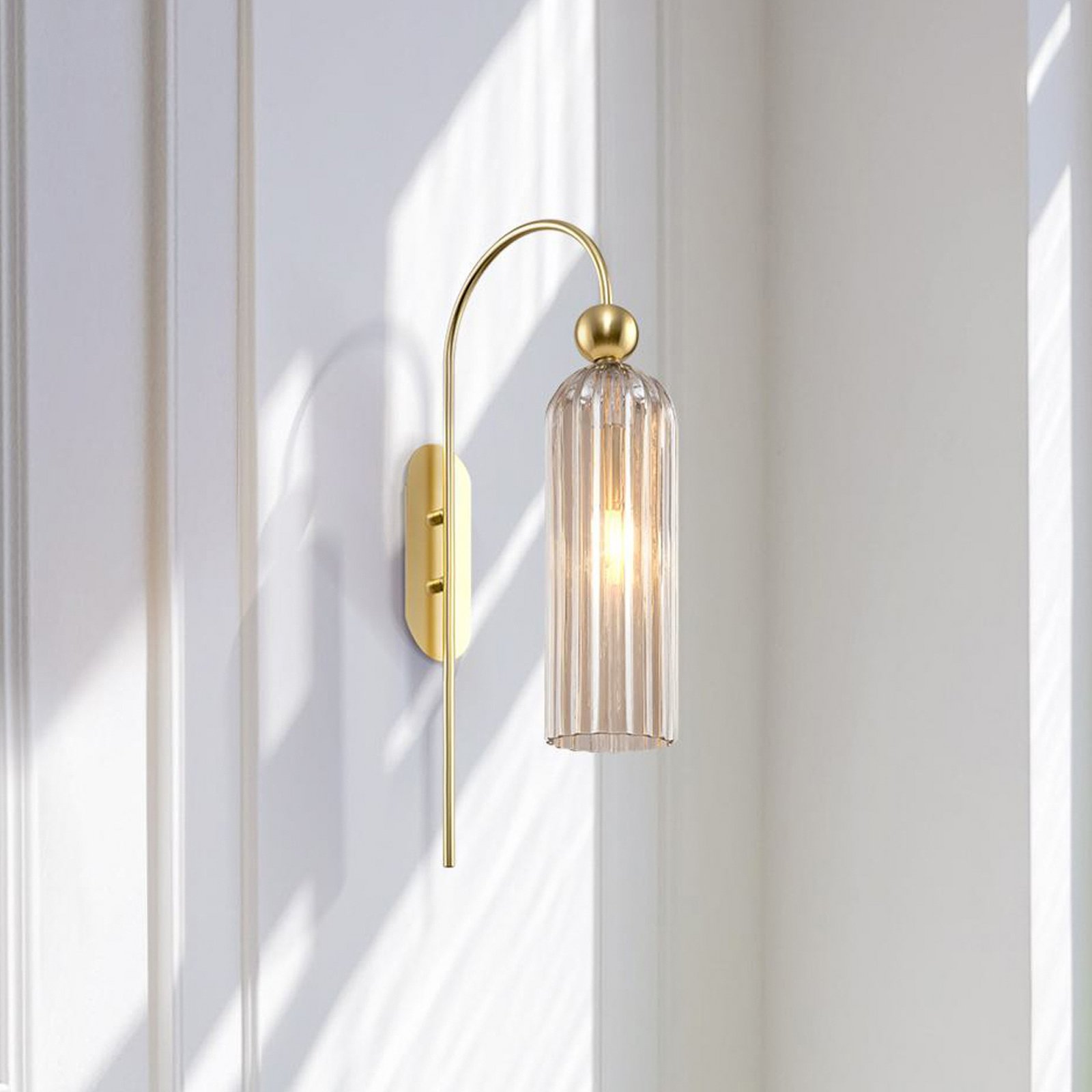
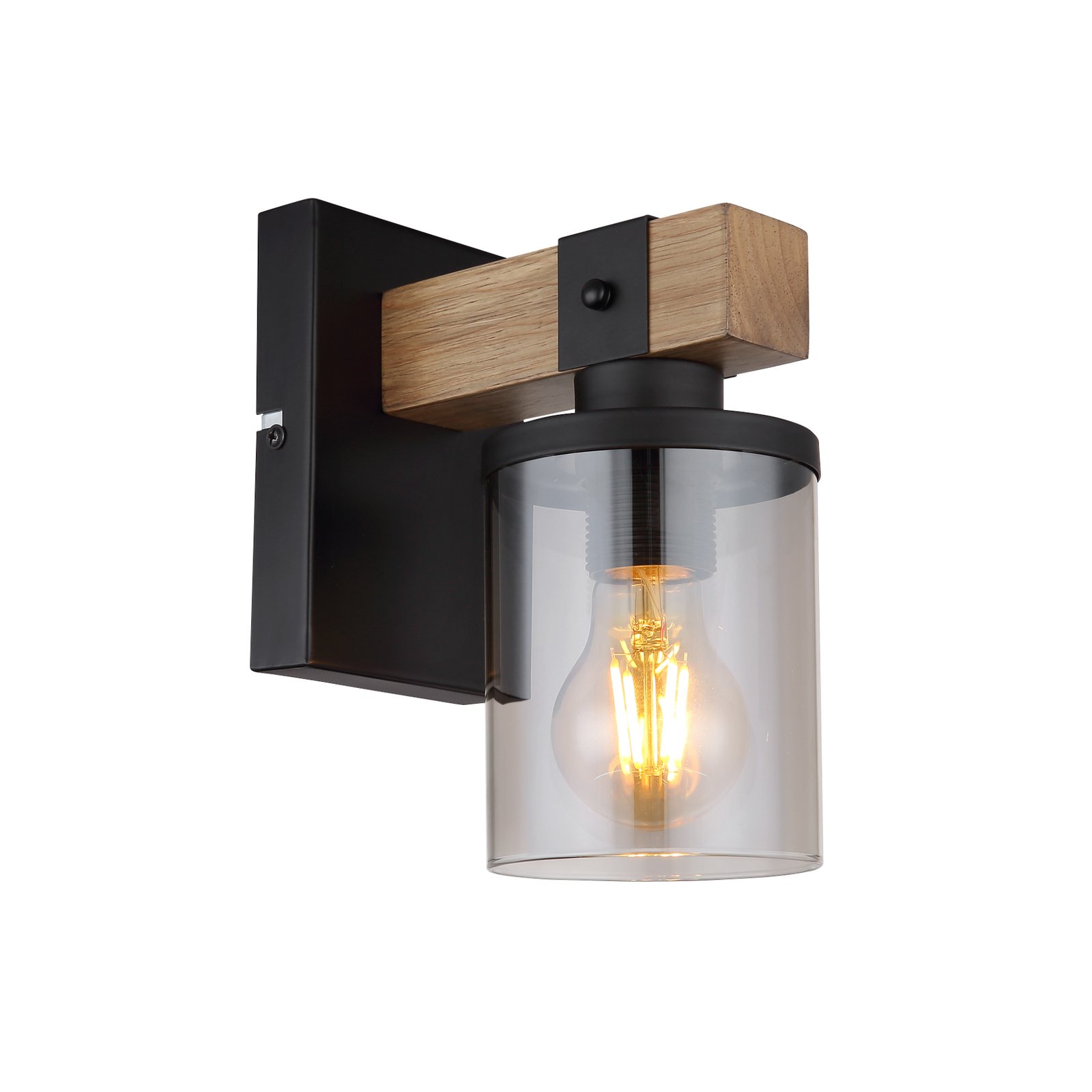
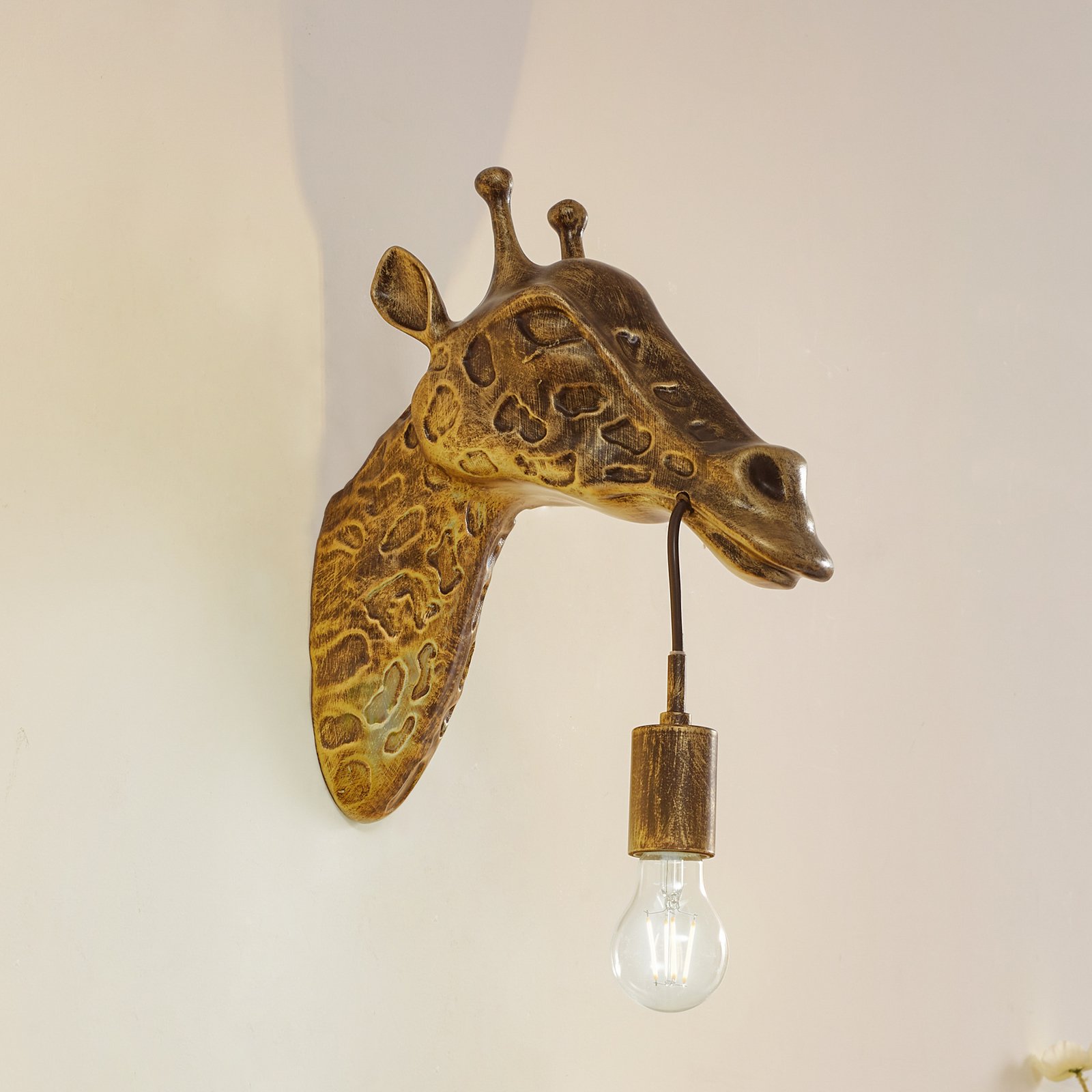
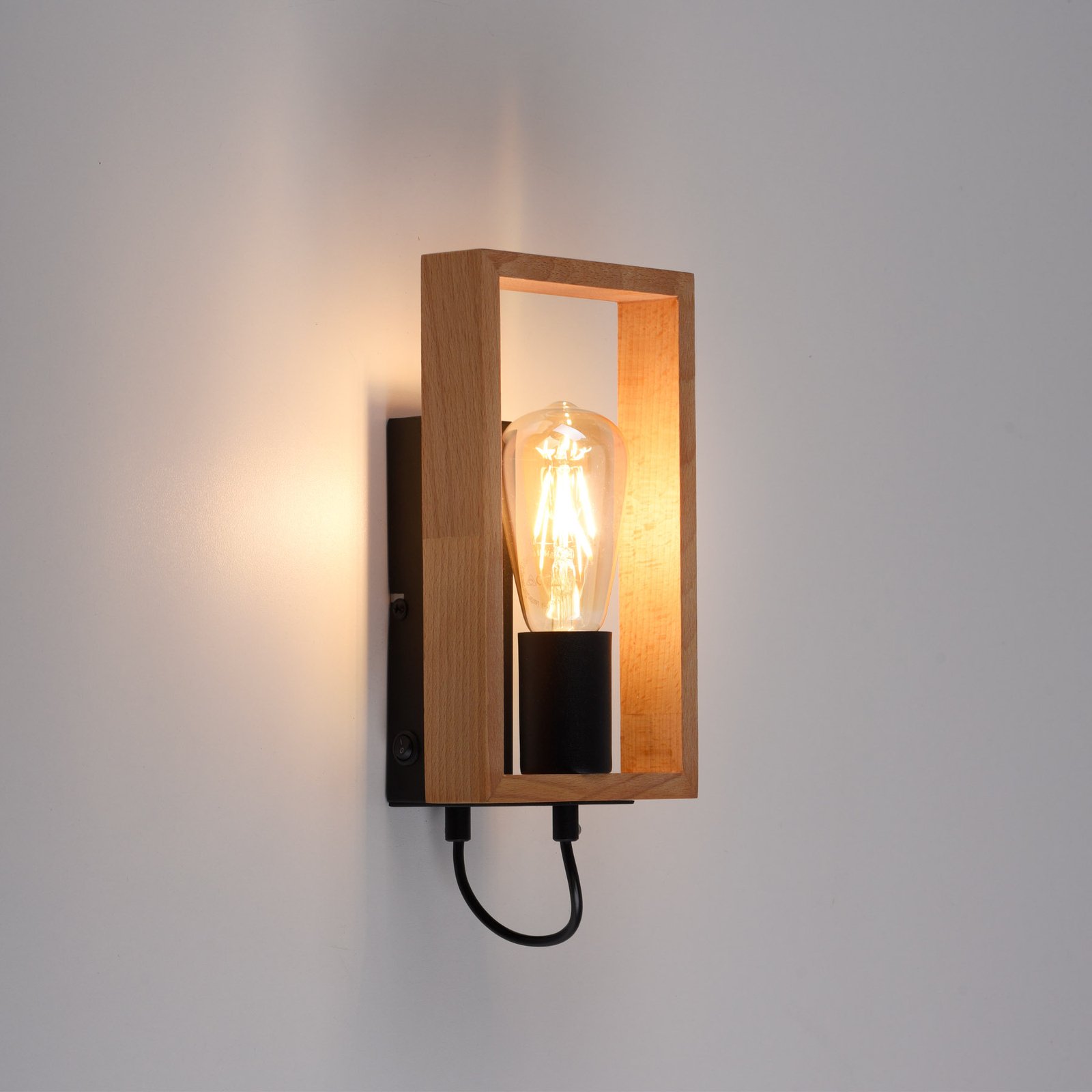
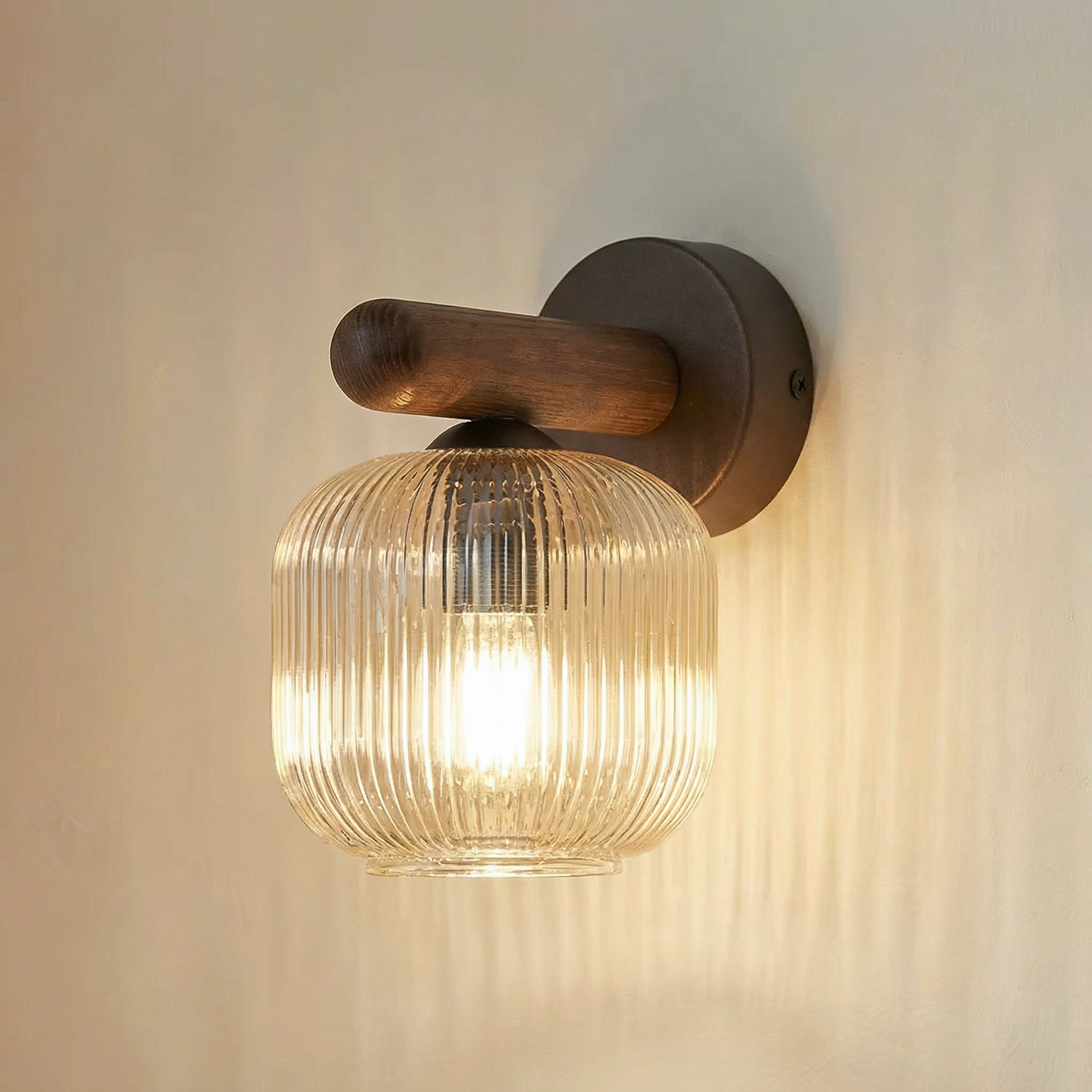
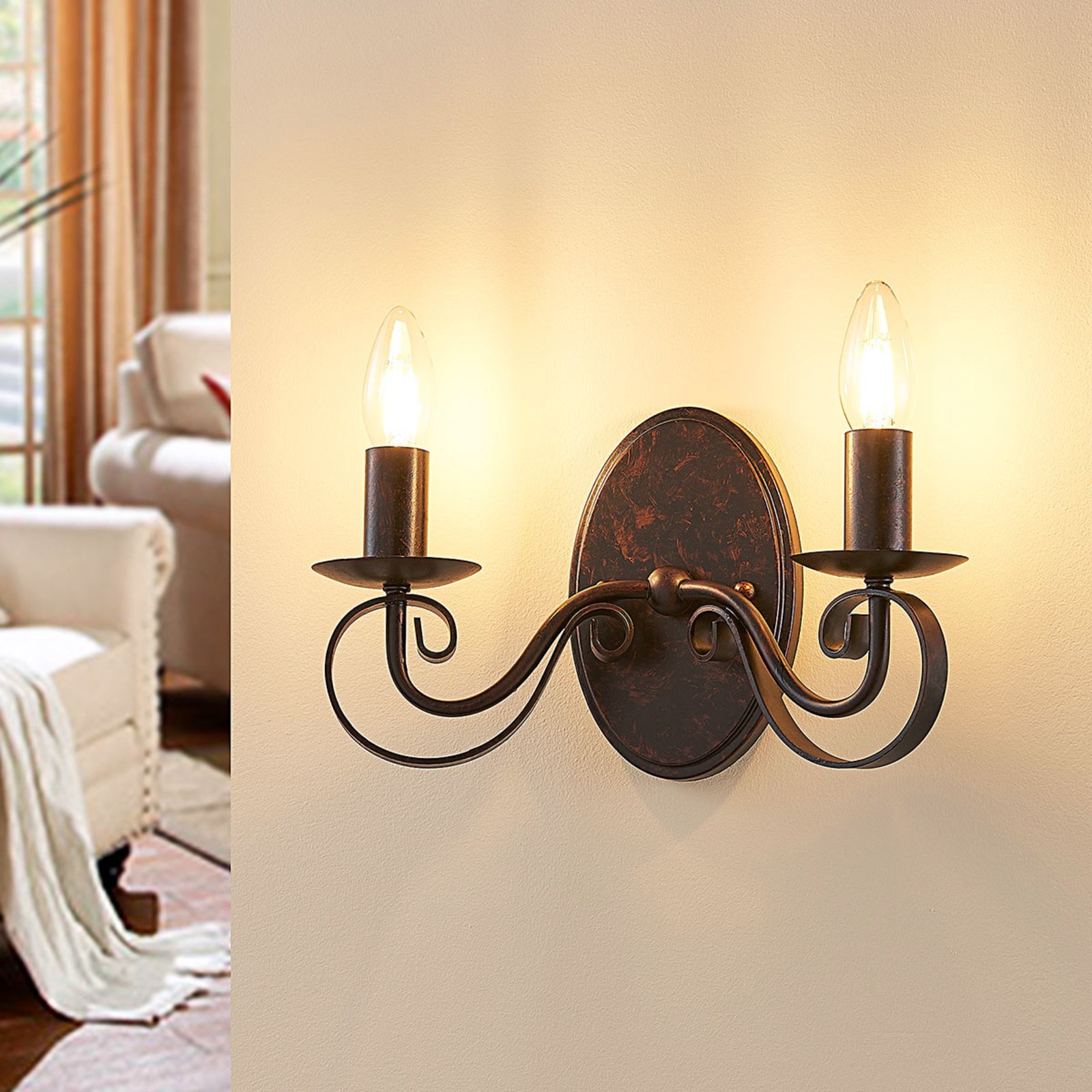
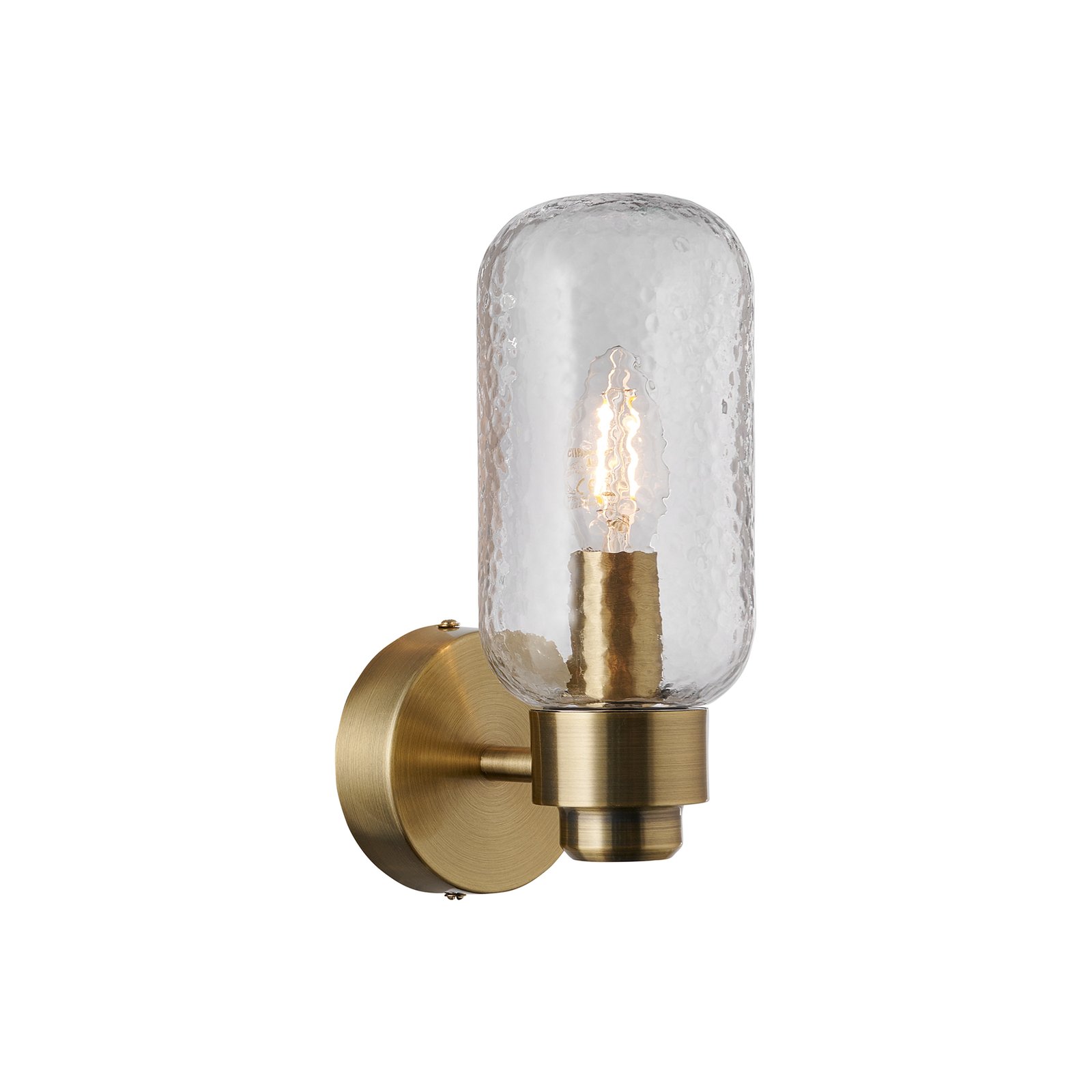
)
)
)
Lamps with many light bulbs
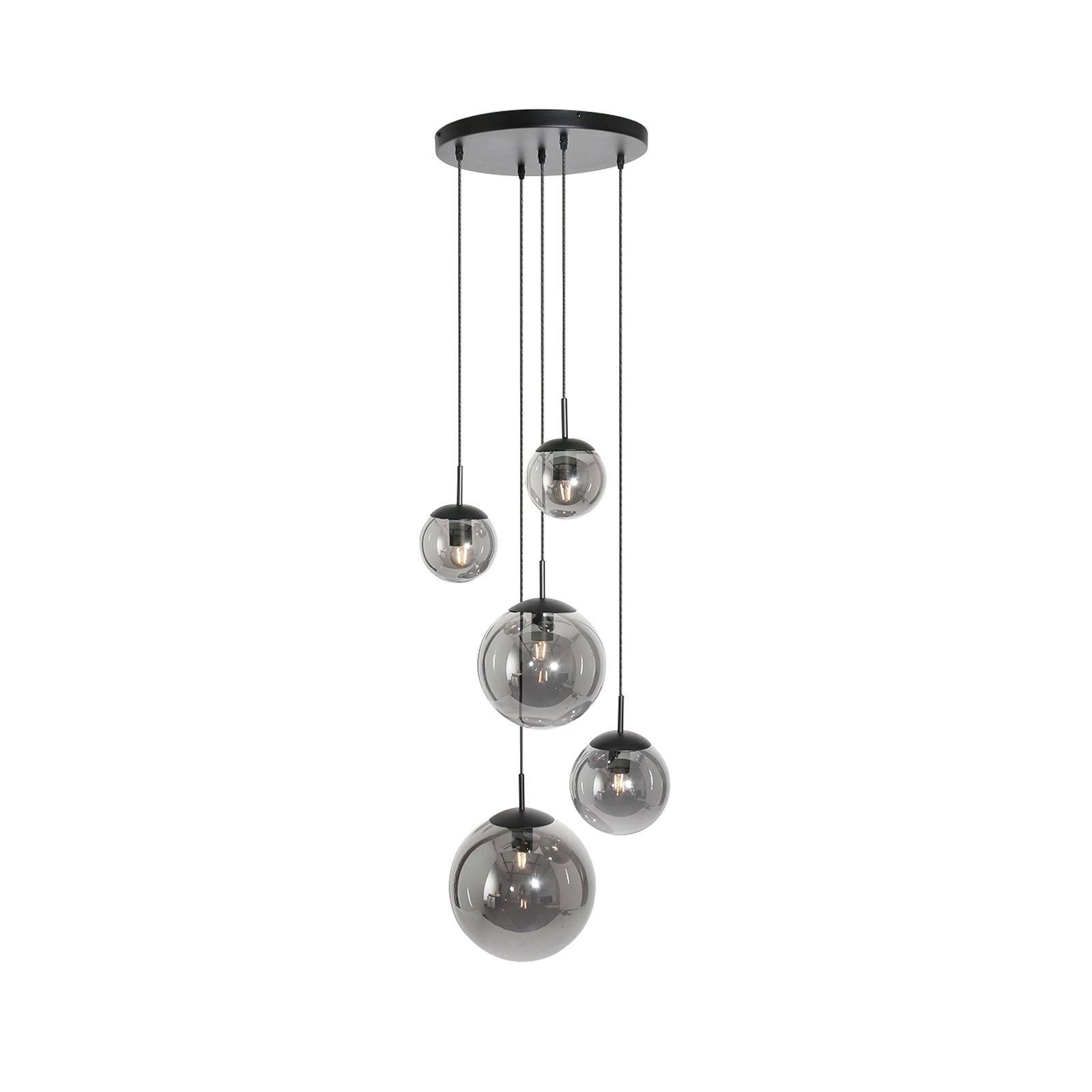
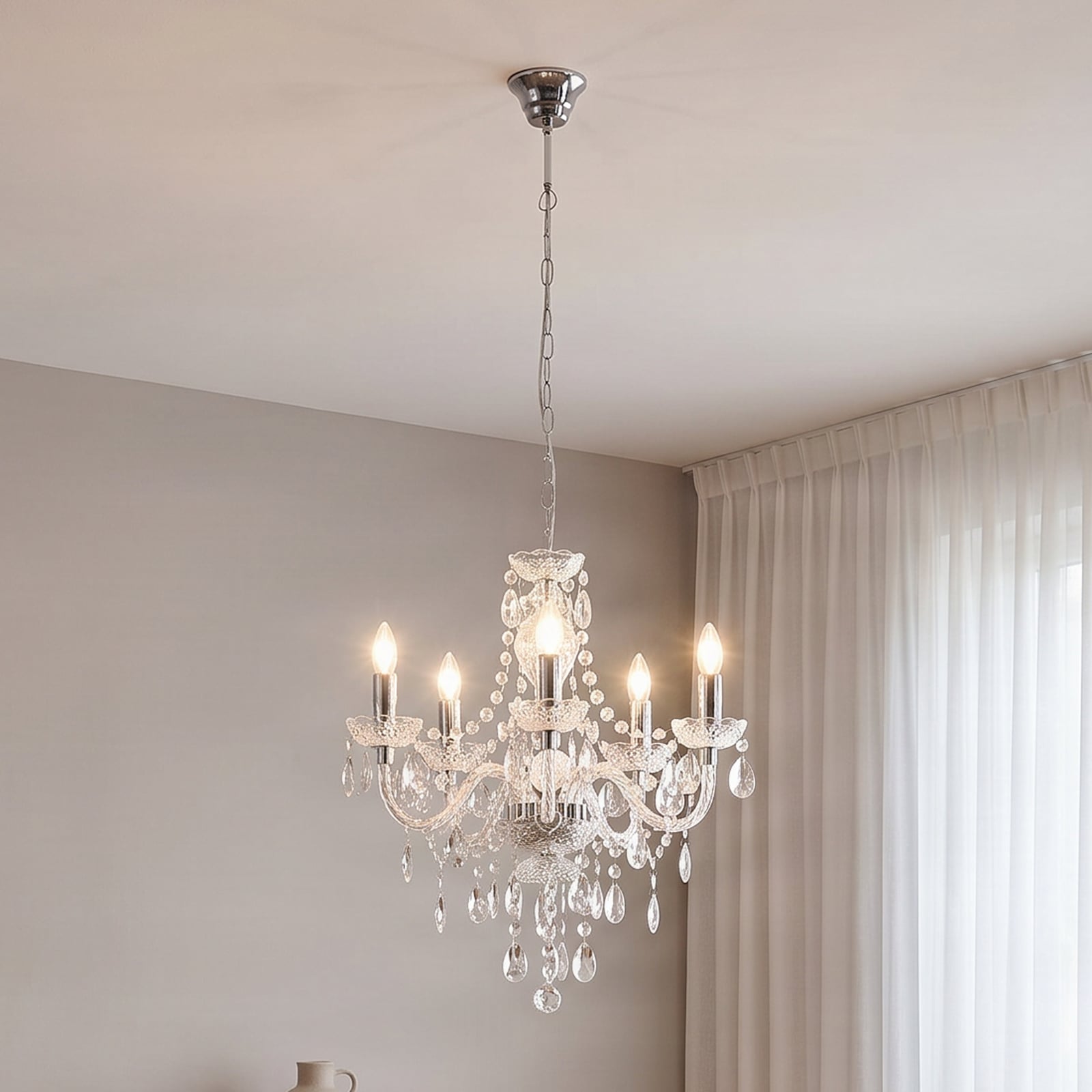
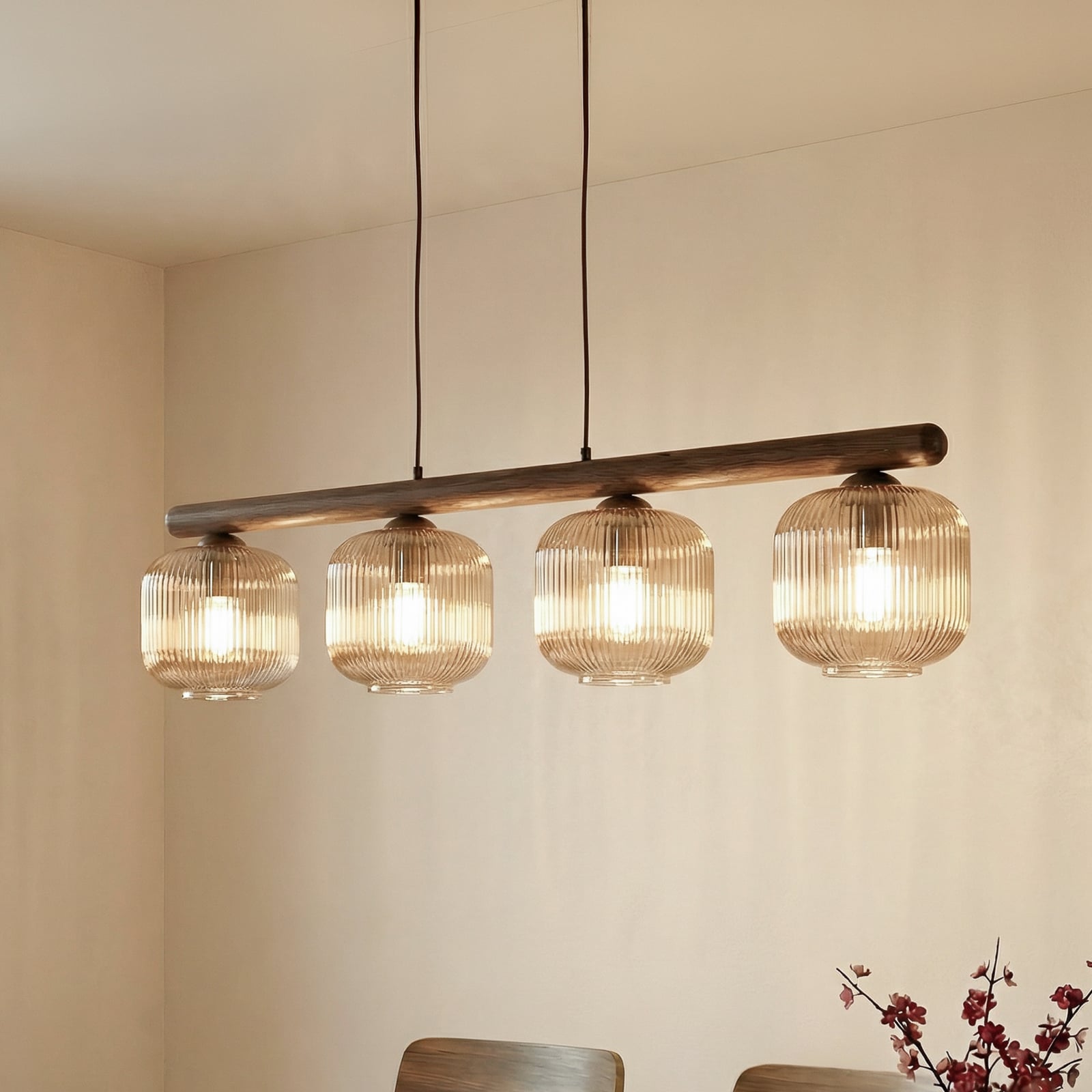
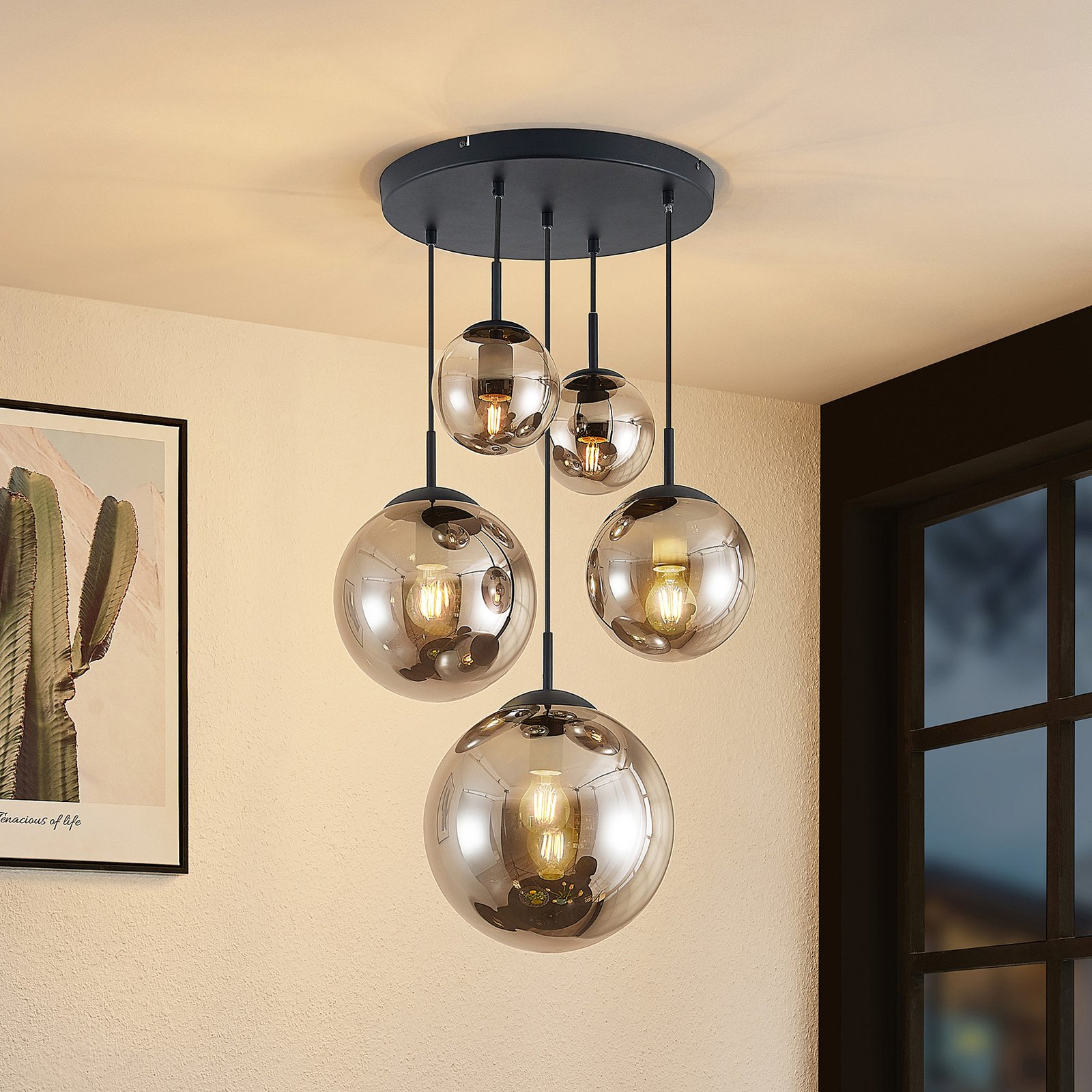
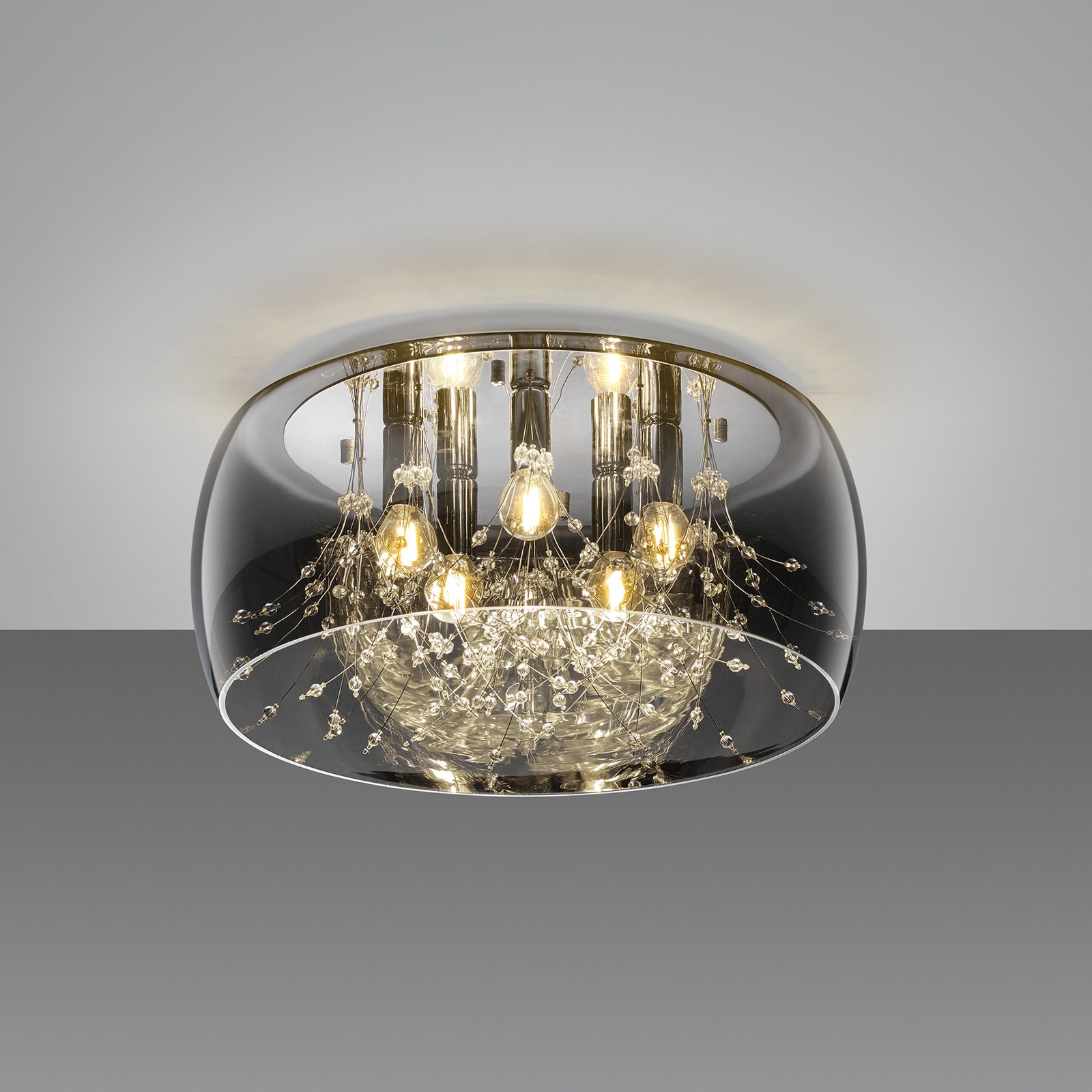
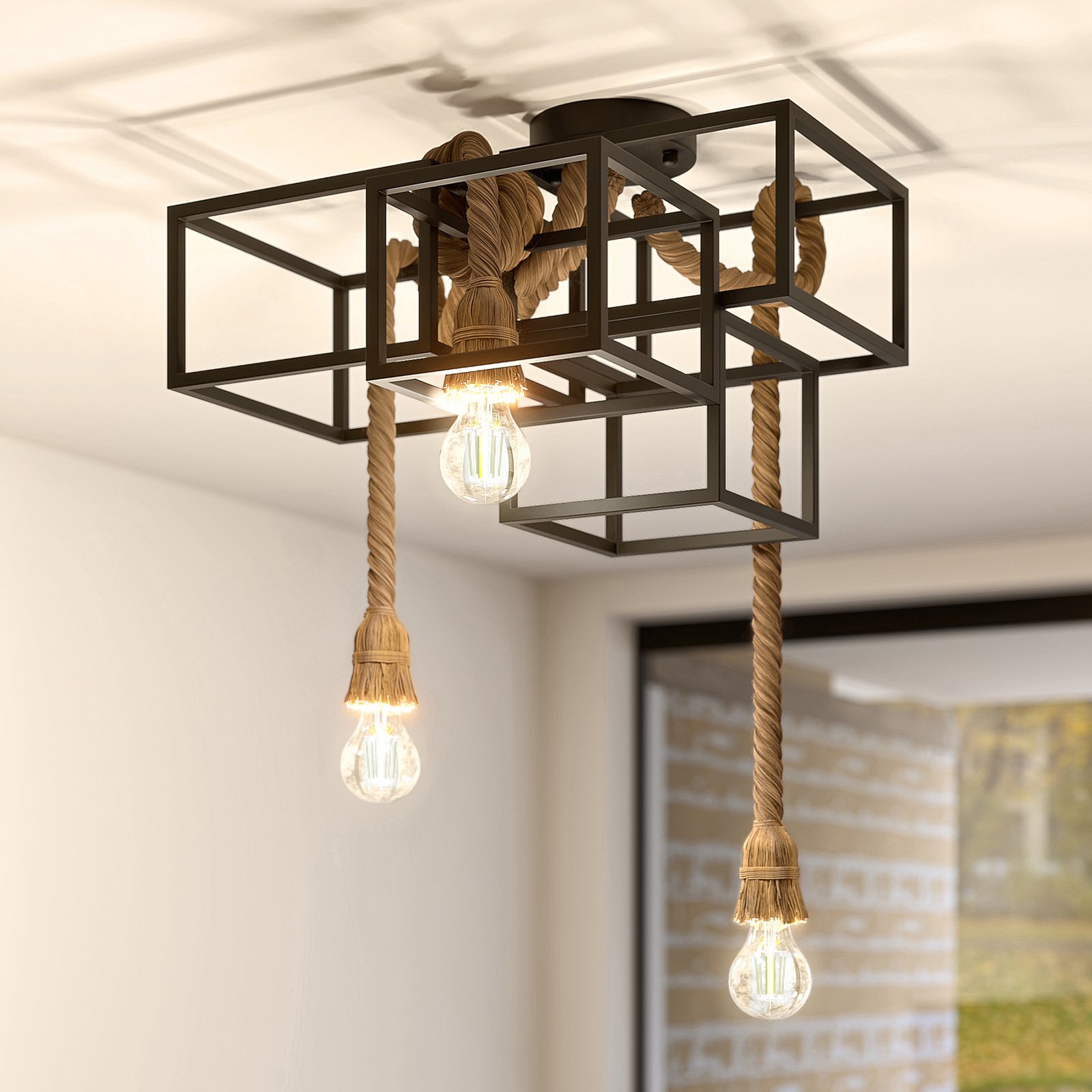
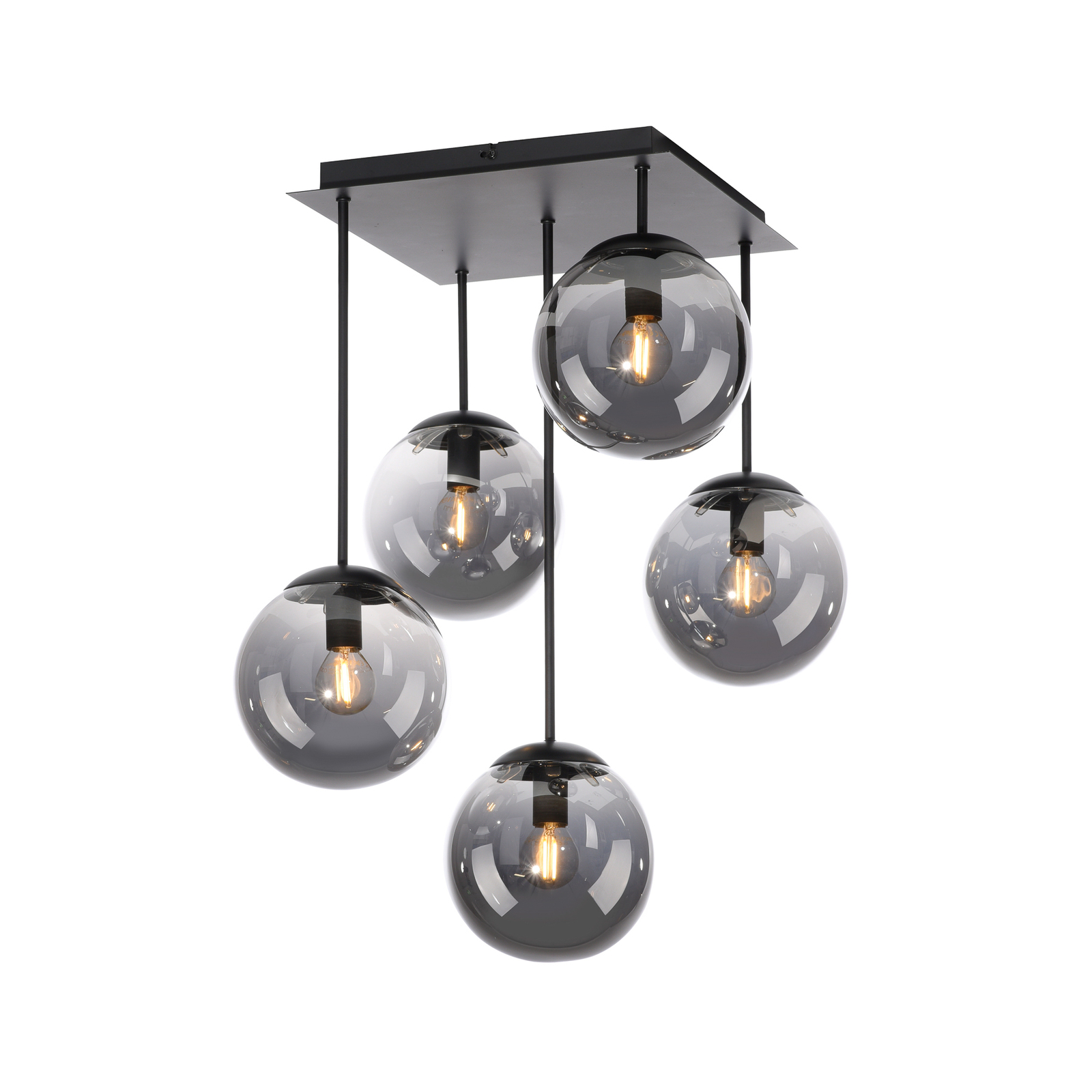
A lamp with lots of light bulbs quickly becomes the centre of attention in the room. Multi-flame pendant lights or cluster lights work particularly well in large rooms, above long dining tables or with high ceilings. Different heights and light source shapes create a lively and dynamic lighting effect.
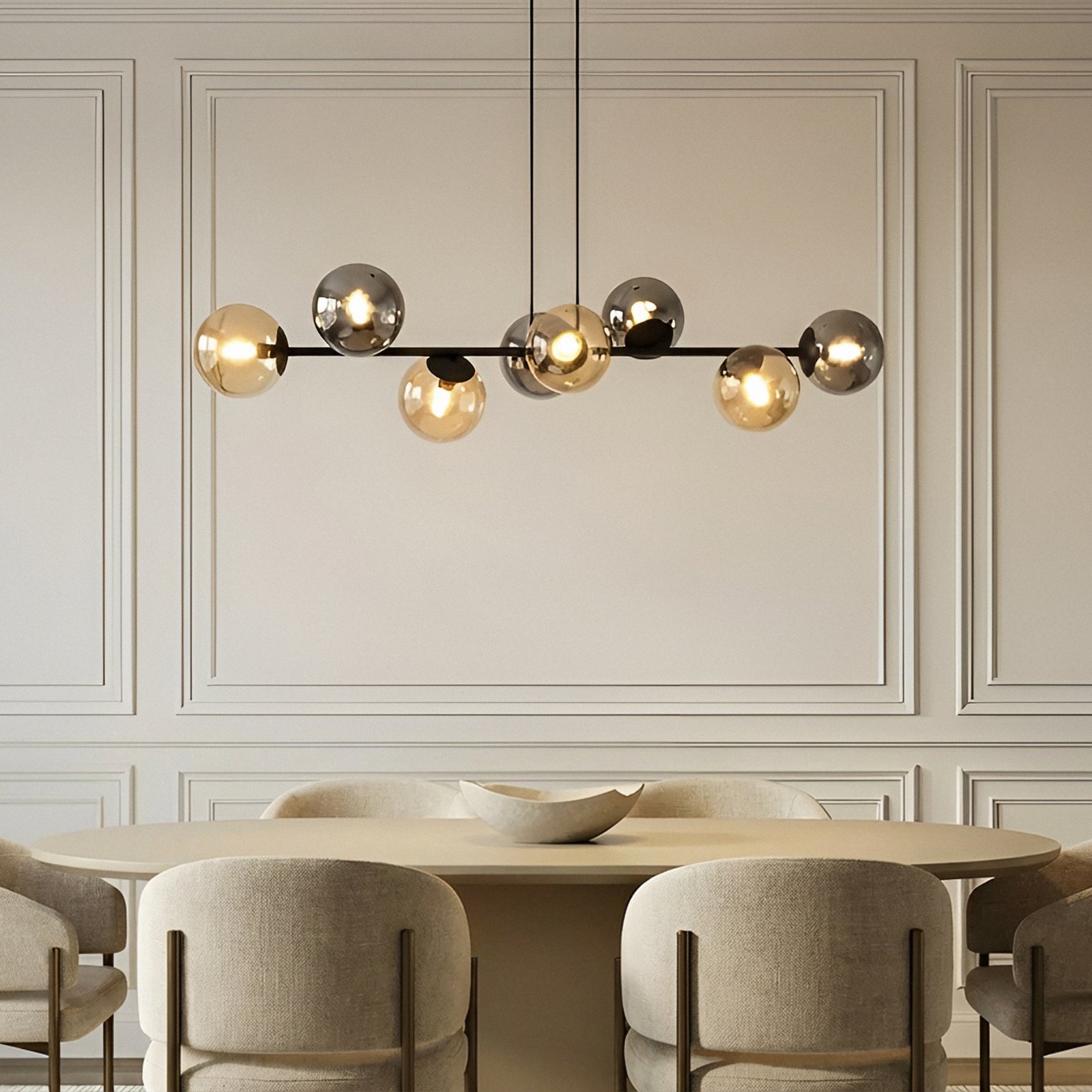
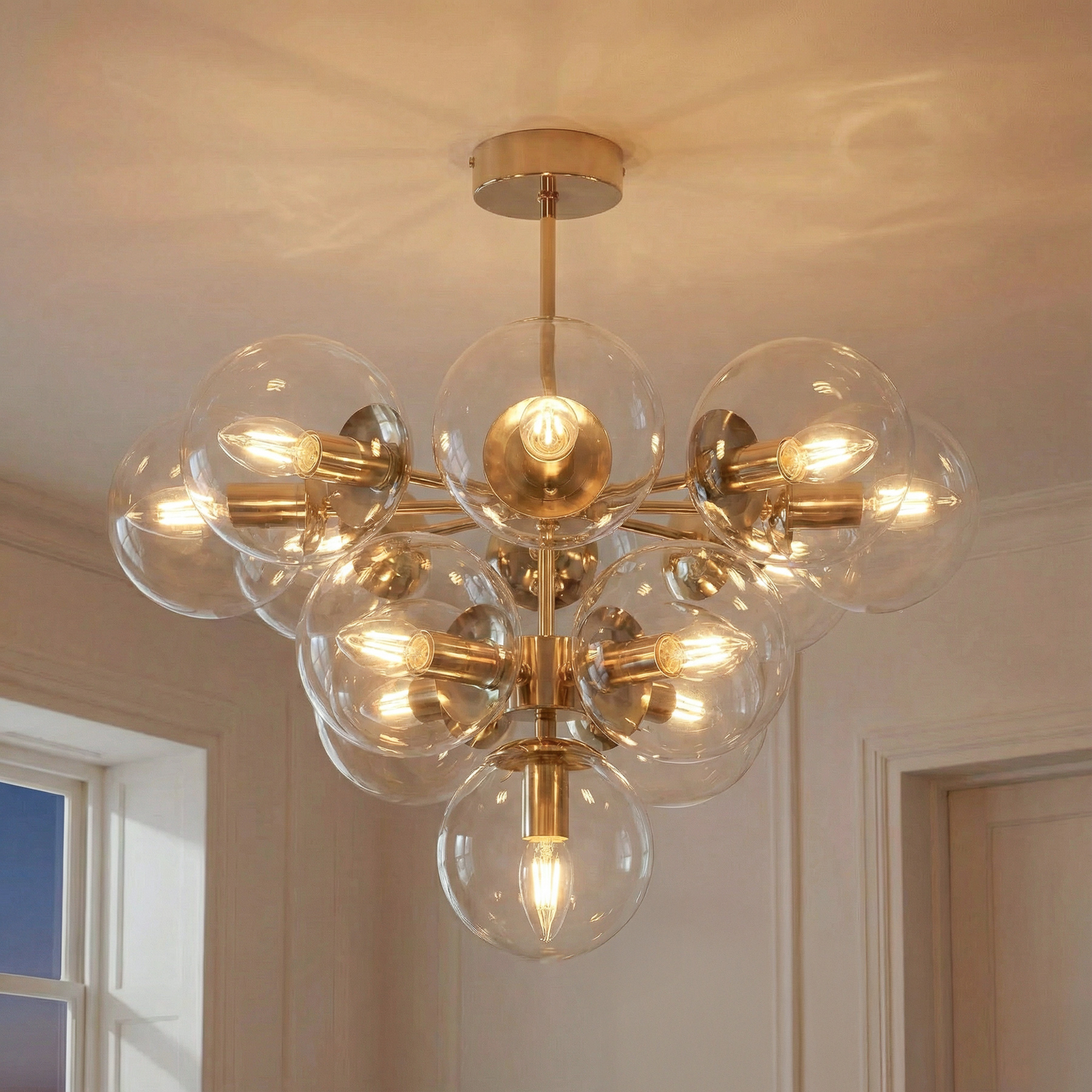

)
)
)
Plain sockets with cable
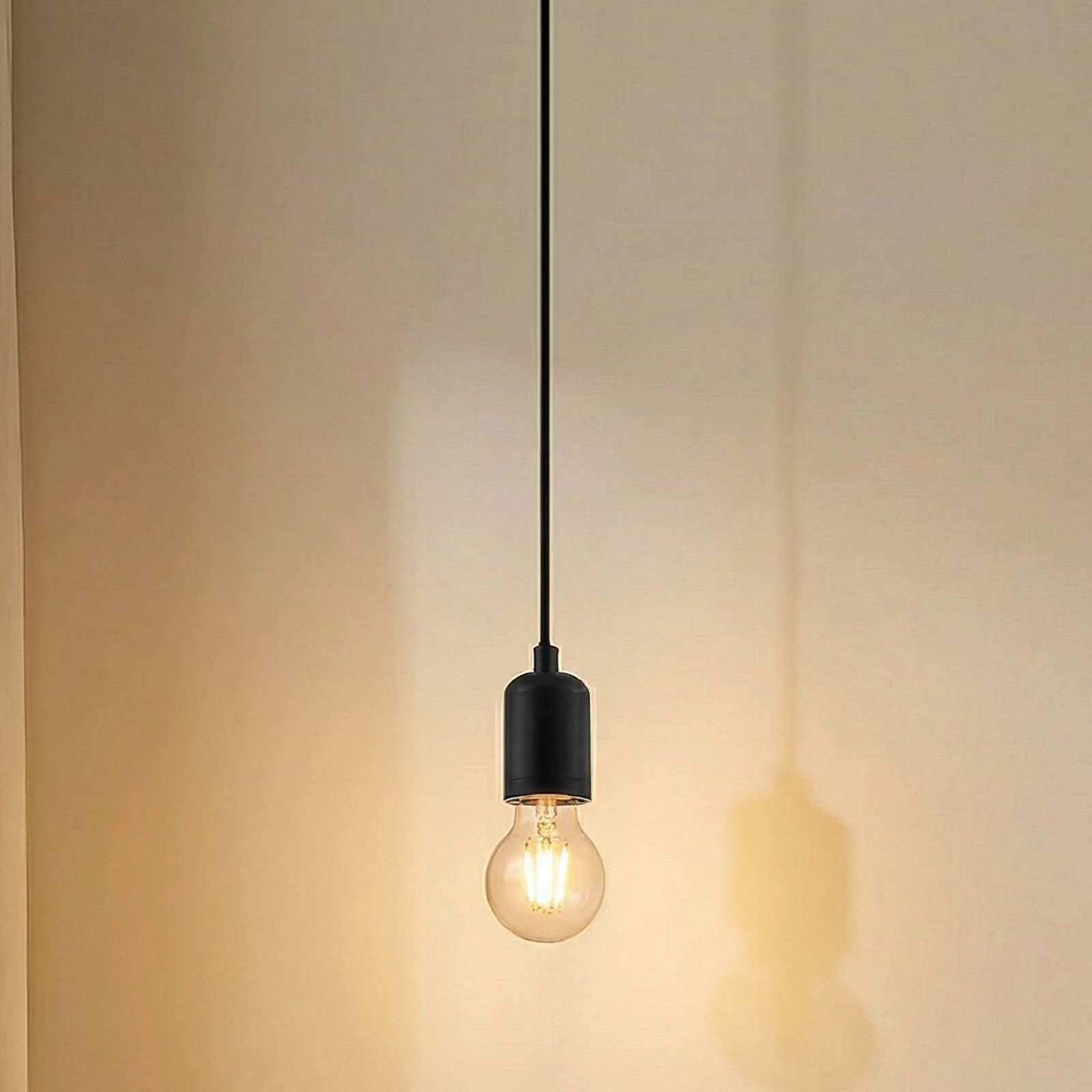
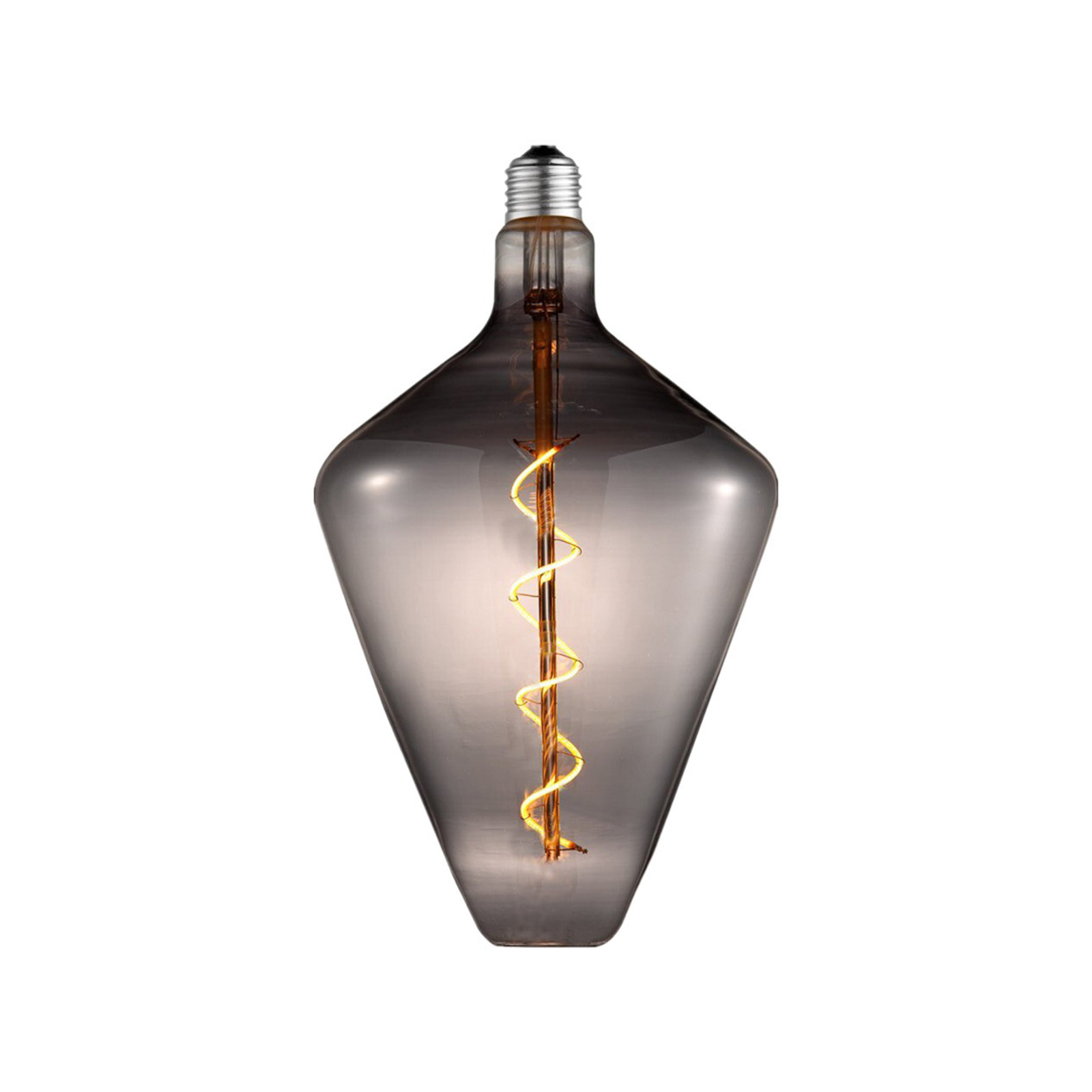
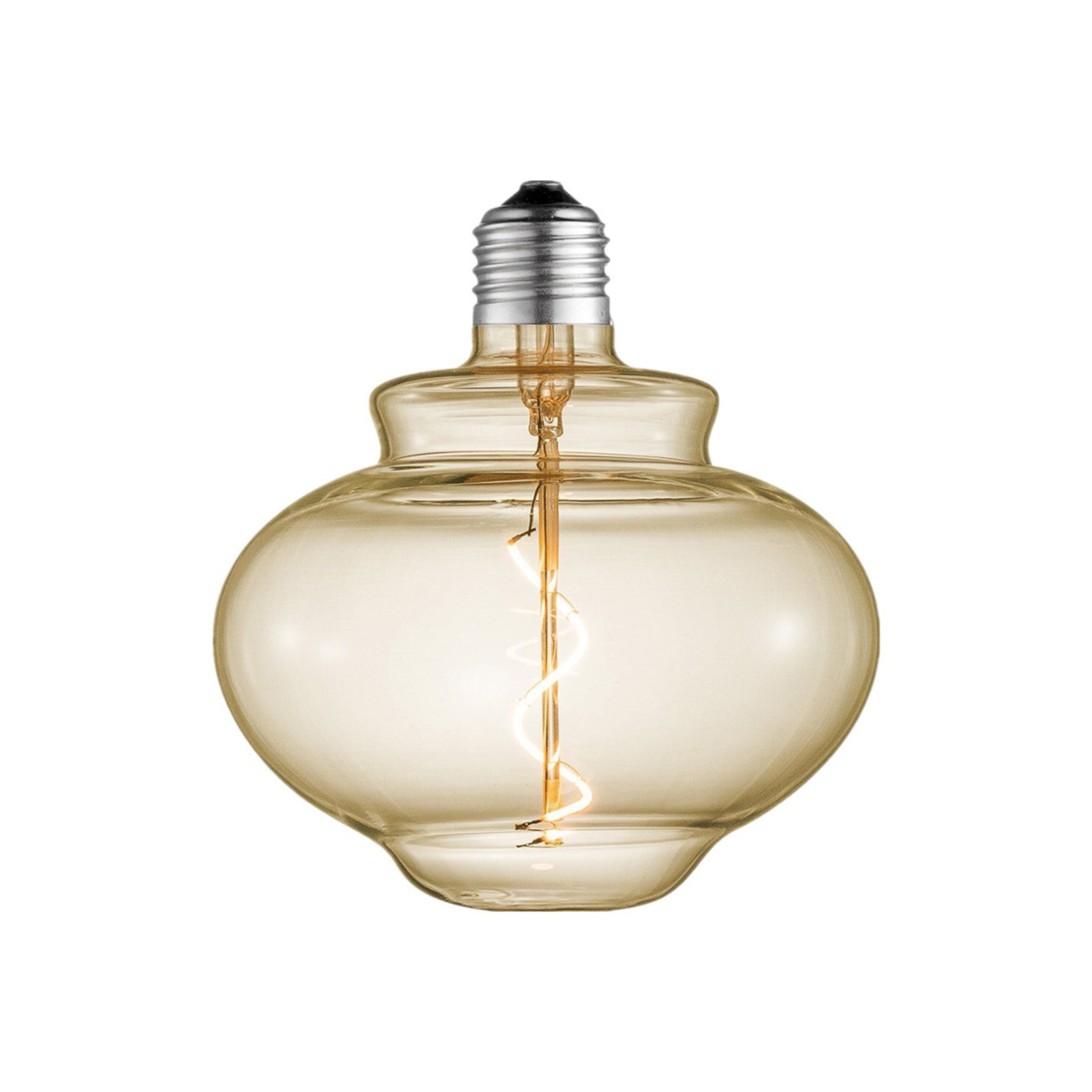
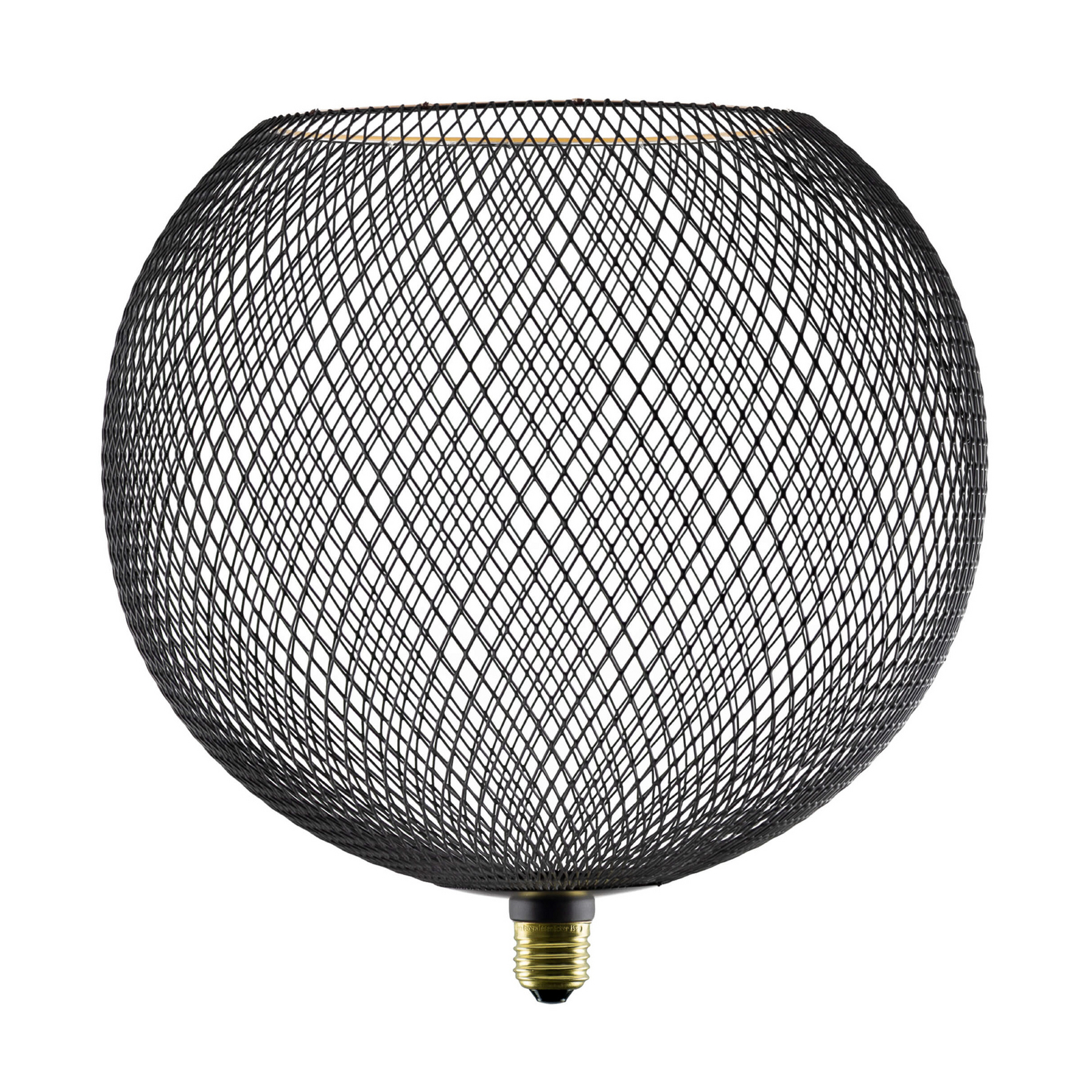
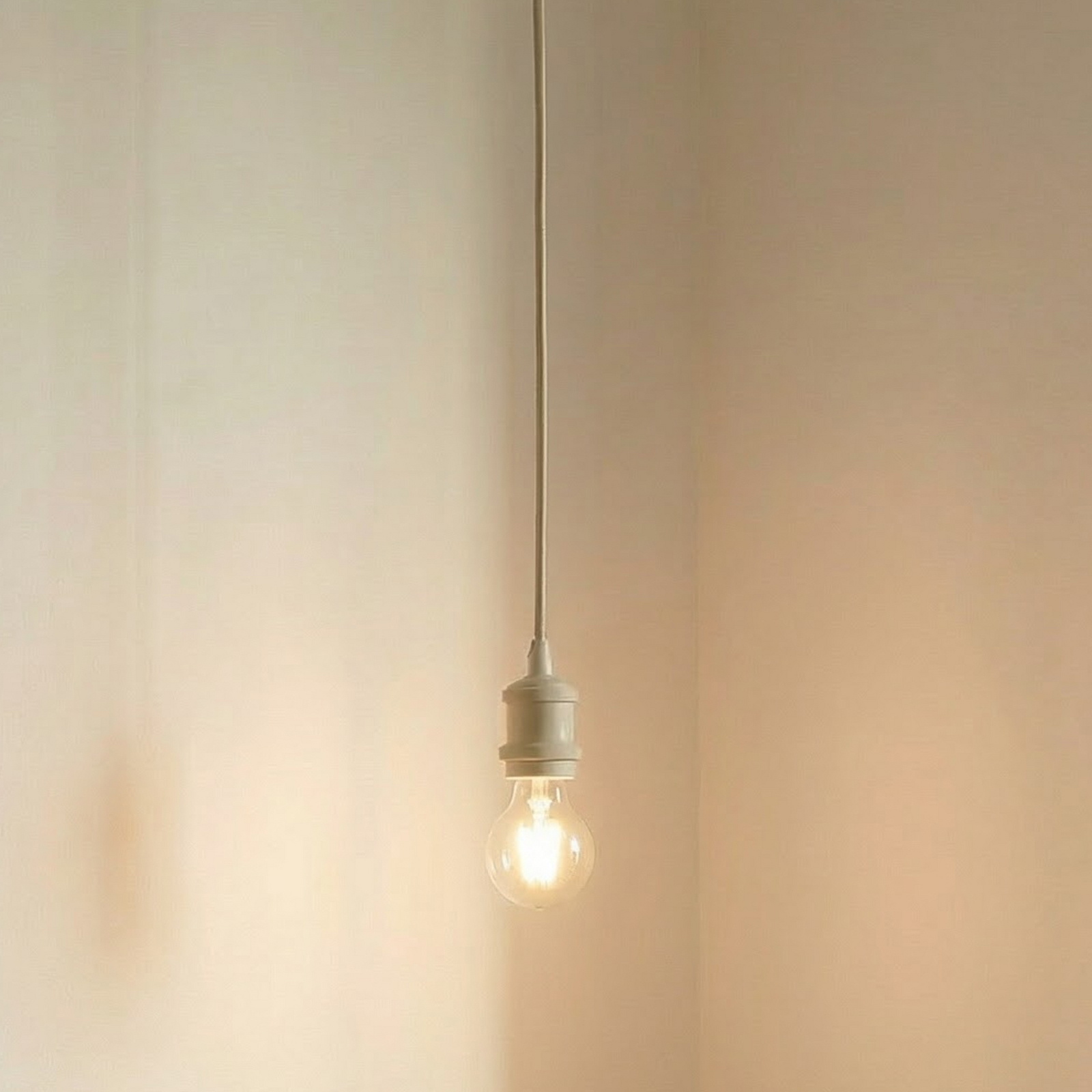
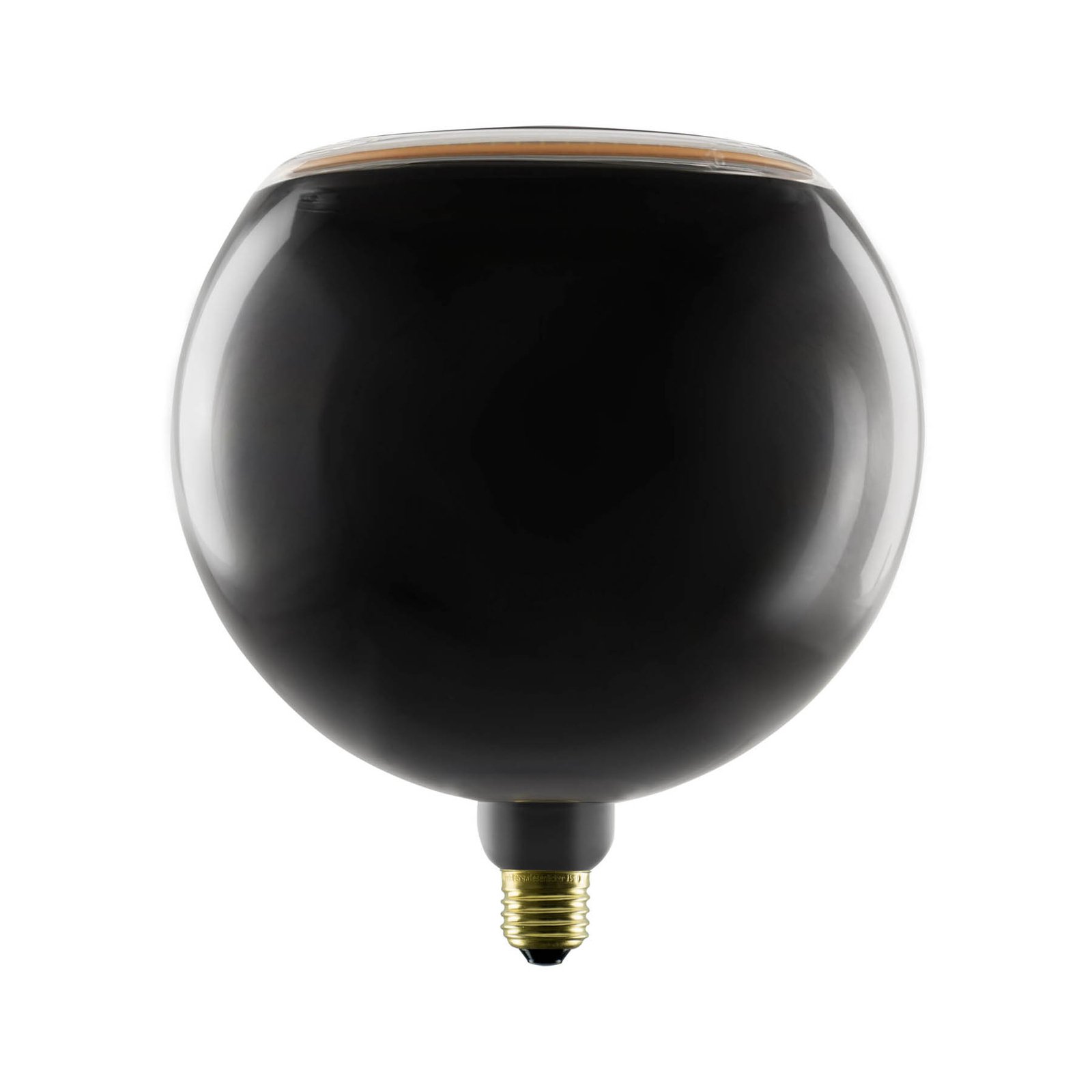
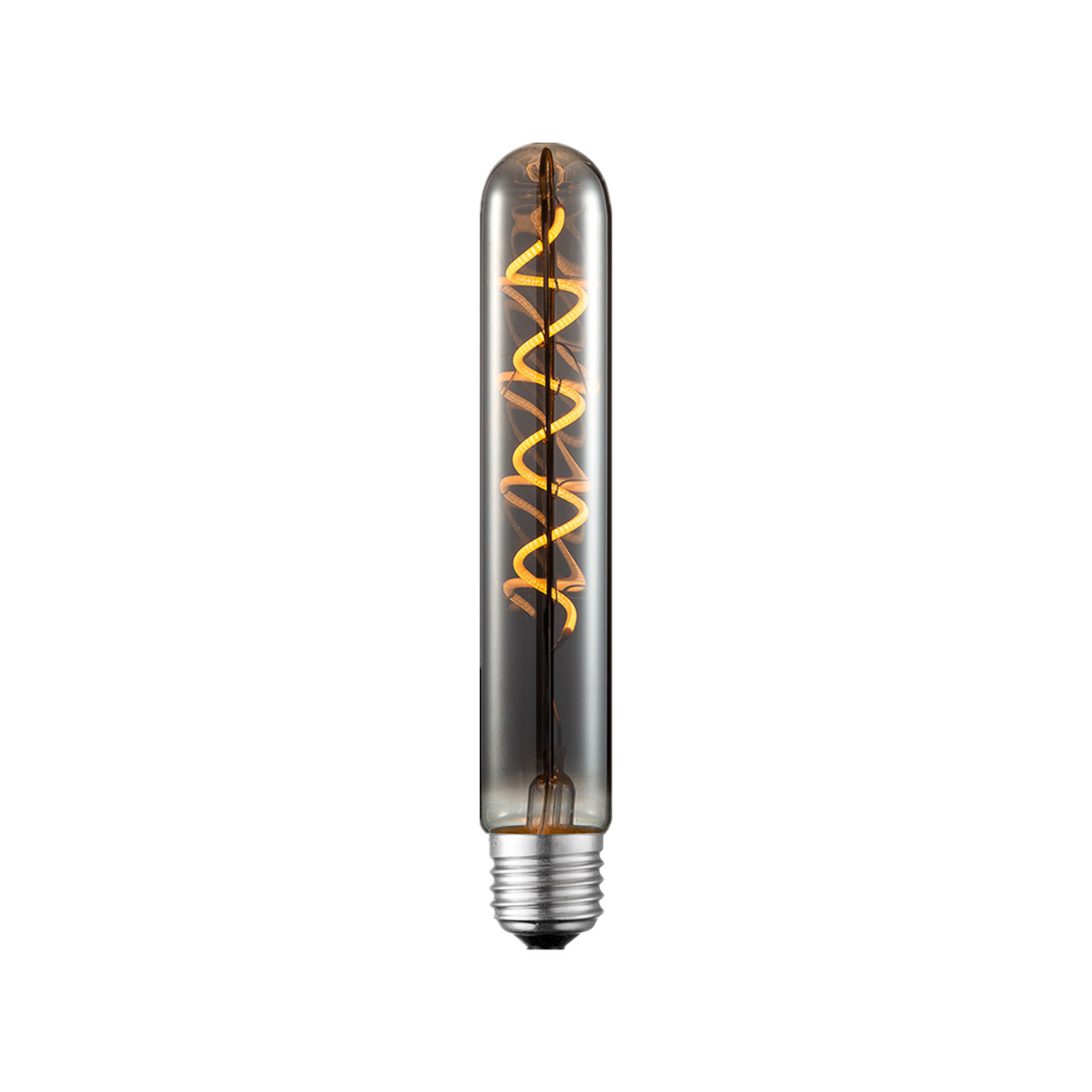
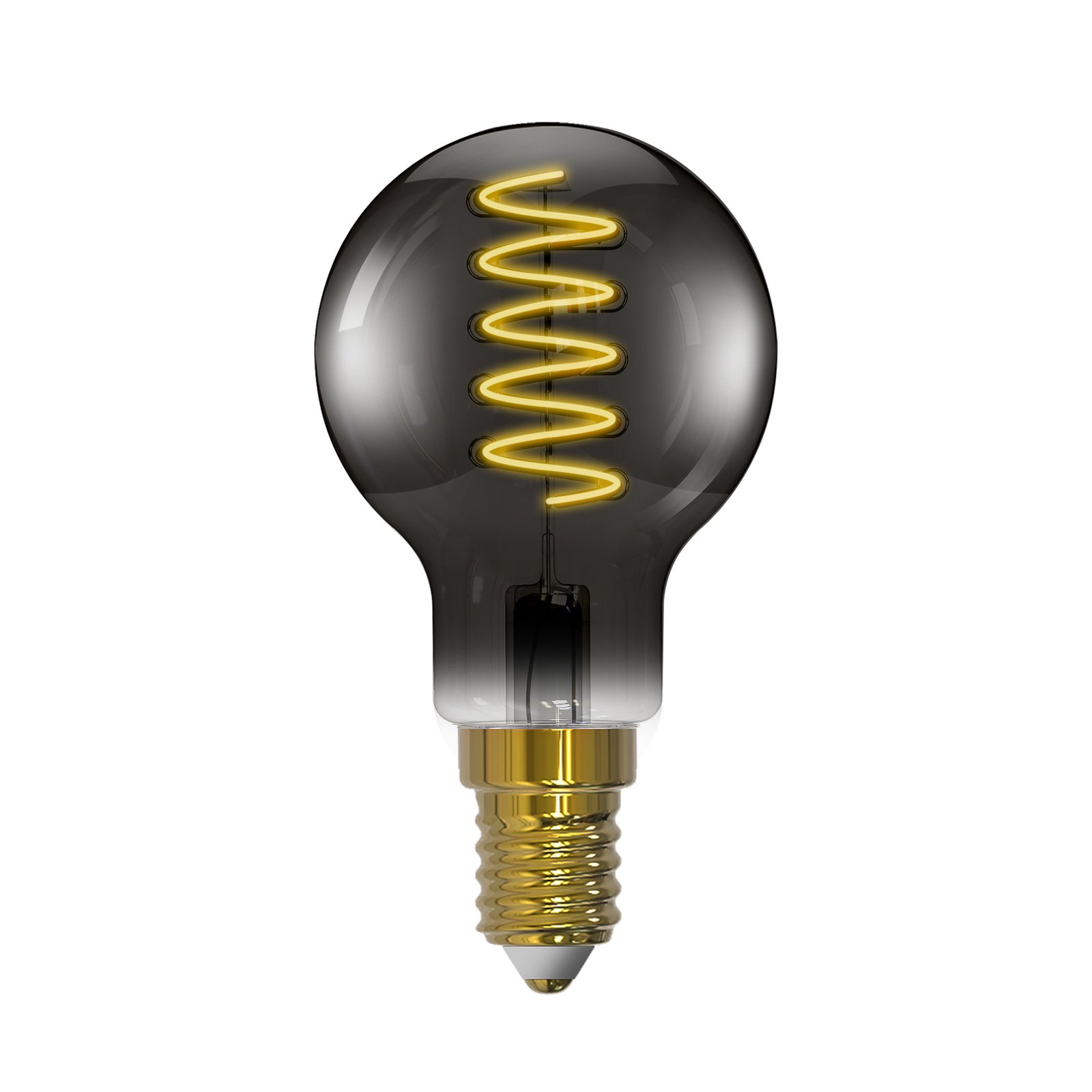
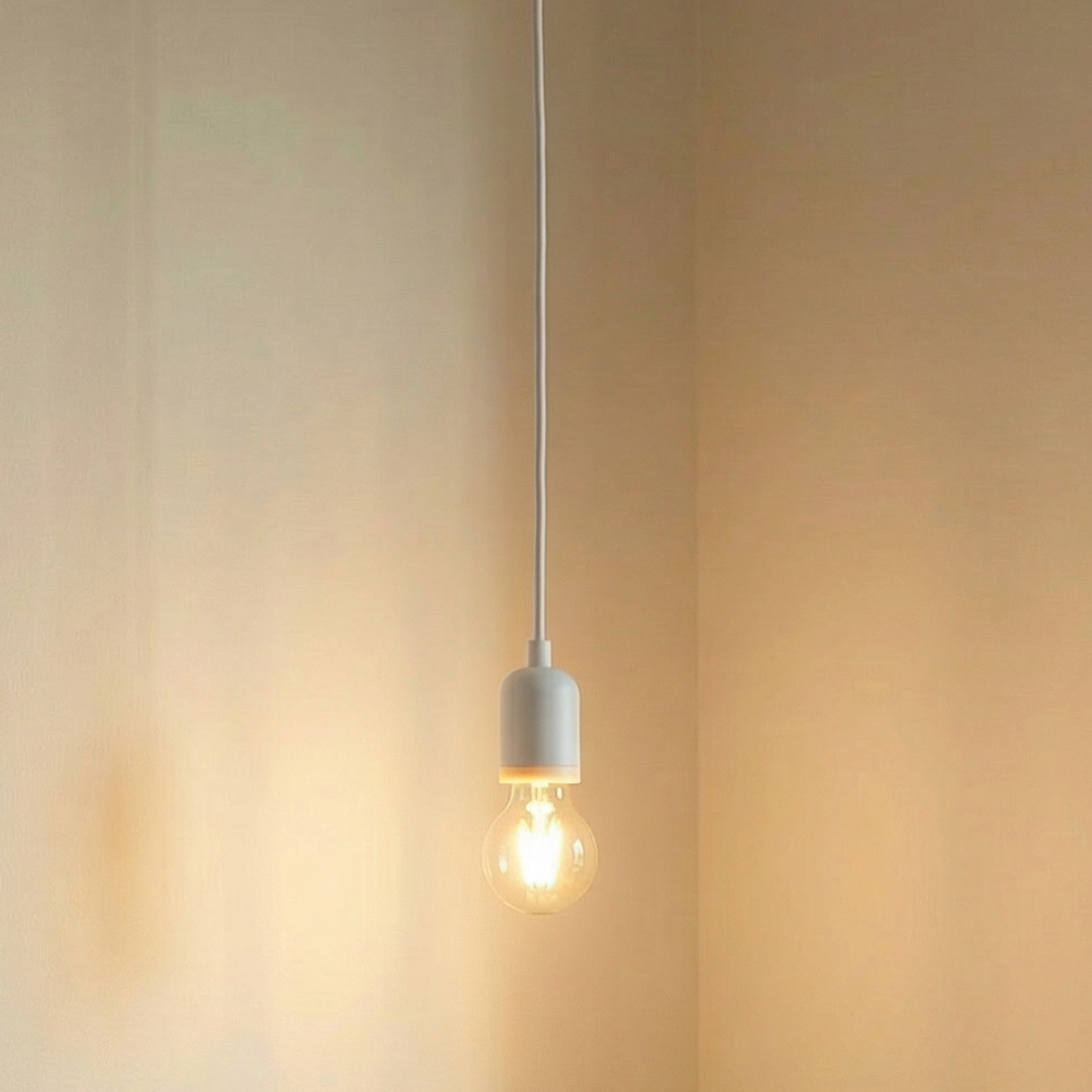
A stage for extraordinary LED light sourcesSimple sockets on cables represent a modern and particularly minimalist form of lighting. Instead of an elaborate luminaire, the light source itself takes centre stage - and that is precisely what makes this look so popular. The E27 socket is particularly popular as it is compatible with many decorative LED filament lamps. Above all, unusual LED light sources with large globes, elongated tubes or organic shapes, decorative filaments or tinted glass unfold their full effect on a minimalist socket.
LED, lumen and dimmability
What is important for the lighting effect)
Select filament illuminant
Modern LED filament lamps combine the classic light bulb look with energy-efficient technology. They produce warm, pleasant light and are ideal for living room lighting.
)
Use warm white light
Warm white light is particularly suitable for light bulb lamps in the living room, as it creates a cosy and homely atmosphere. Light colours with a low Kelvin value have a pleasantly soft effect.
)
Ensure pleasant brightness
A decorative light bulb lamp should be pleasant and atmospheric rather than too bright. With open luminaires, moderate lumen values are often sufficient to ensure that the visible light source does not dazzle.
)
Design dimmable if possible
Dimmable lamps offer additional flexibility, especially in the dining room, living room or bedroom. The light can be adjusted depending on the mood.
)
Staging without dazzling
To ensure that an open light bulb does not dazzle, the brightness should be selected appropriately and the lamp positioned sensibly. Tinted glass, dimmable light sources or indirect viewing angles also provide more pleasant light.
Using light bulb lamps in different rooms
Light bulb lamps are particularly suitable for living rooms, dining rooms, bedrooms and hallways where decorative light and atmosphere are required. In kitchens, they are mainly used as stylish additional lighting above islands, bars or dining tables.
)
Living room
Light bulb lamps look particularly decorative in the living room. As a pendant light above the coffee table, as a table lamp on the sideboard or as a floor lamp, they set warm lighting accents and create a cosy atmosphere.
)
Dining room
A pendant light with a visible light bulb or even several of them looks particularly harmonious above the dining table. Warm white and dimmable light creates a pleasant atmosphere when eating and sitting together.
)
Bedroom
In the bedroom, light bulb lamps provide soft and relaxing light. Graceful ceiling lights, simple pendant lights next to the bed or minimalist bedside lamps are particularly popular.
)
Corridor
Visible light bulbs also create an inviting atmosphere in the hallway. Small pendant, wall or table lamps set stylish accents and make the entrance area more cosy.
)
Kitchen
In the kitchen, light bulb lamps are particularly suitable where decorative light is required. Sufficient brightness and glare-free positioning are important so that you can work and eat in the kitchen without being disturbed.
Thomas Alva Edison
The origin of the light bulb:format(jpeg) "Thomas Alva Edison")
Thomas Alva Edison is regarded as the inventor of the light bulb. In fact, they already existed - without a brilliant marketing idea. In 1880, Edison patented the incandescent lamp, perfected it and invested in the creation of an electricity grid.
 "Minimalist Lamps & Lights")
 "Geometric lamps")
 "Cosy light")
 "Socket & base")
 "Light colour simply explained")
 "What is Lumen")