






































:format(jpeg) "Trustpilot")
Rated 'Excellent' on Trustpilot
We appreciate our customers' positive feedback on Trustpilot.
Rated 'Excellent' on Trustpilot
We appreciate our customers' positive feedback on Trustpilot.
:format(jpeg) "Outlet")
:format(jpeg) "Dopamin Decor")
:format(jpeg) "Lighting Concepts")
:format(jpeg) "Newsletter")
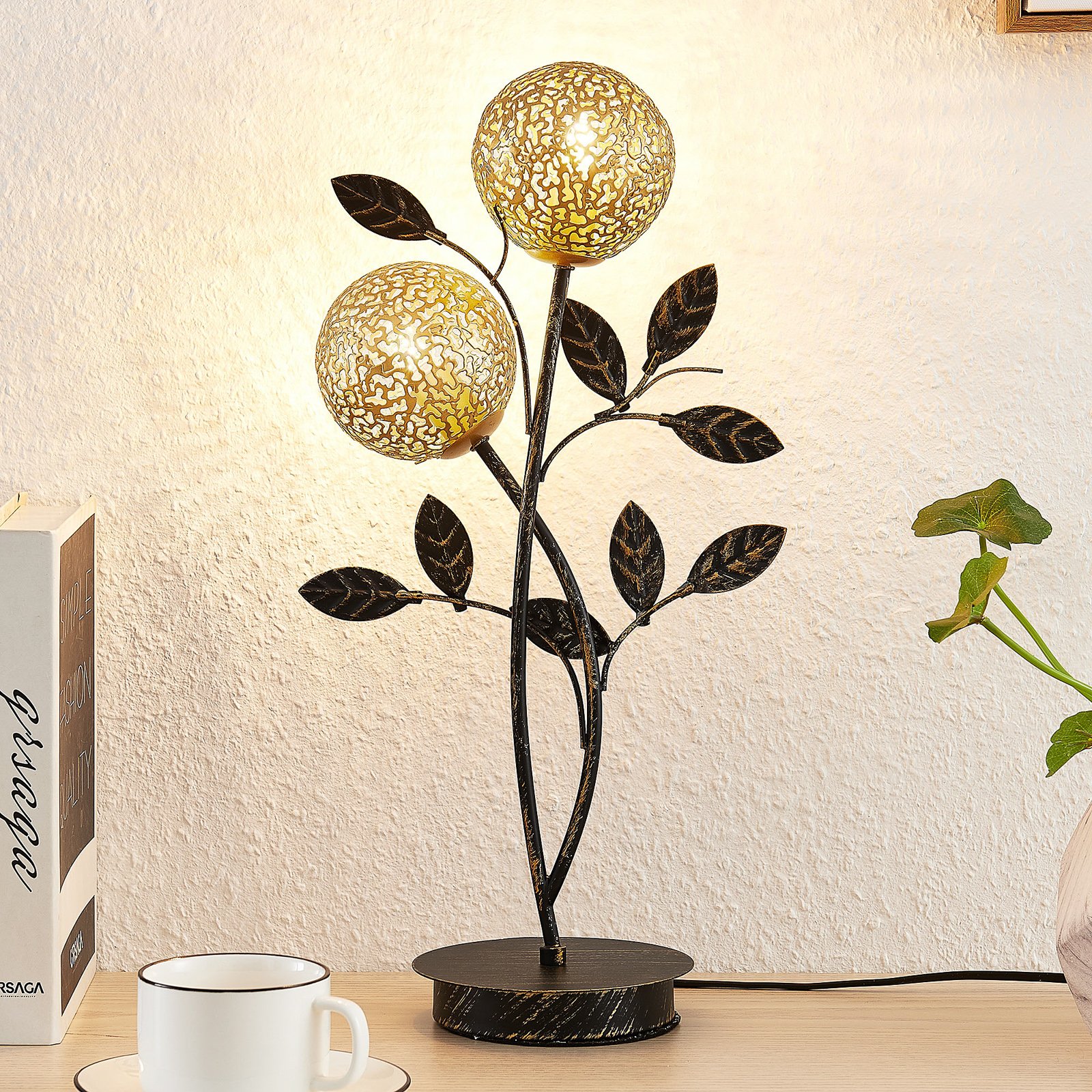
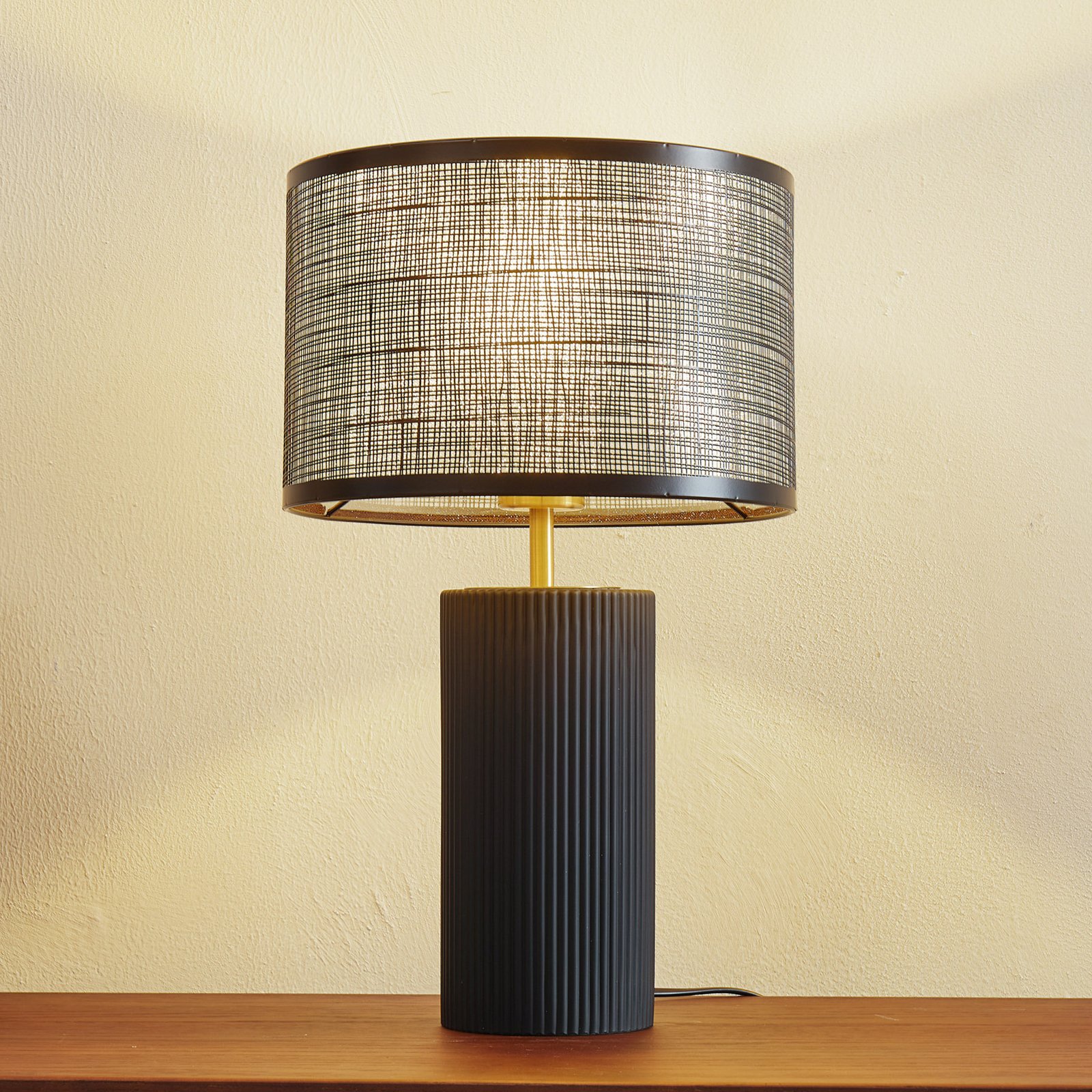
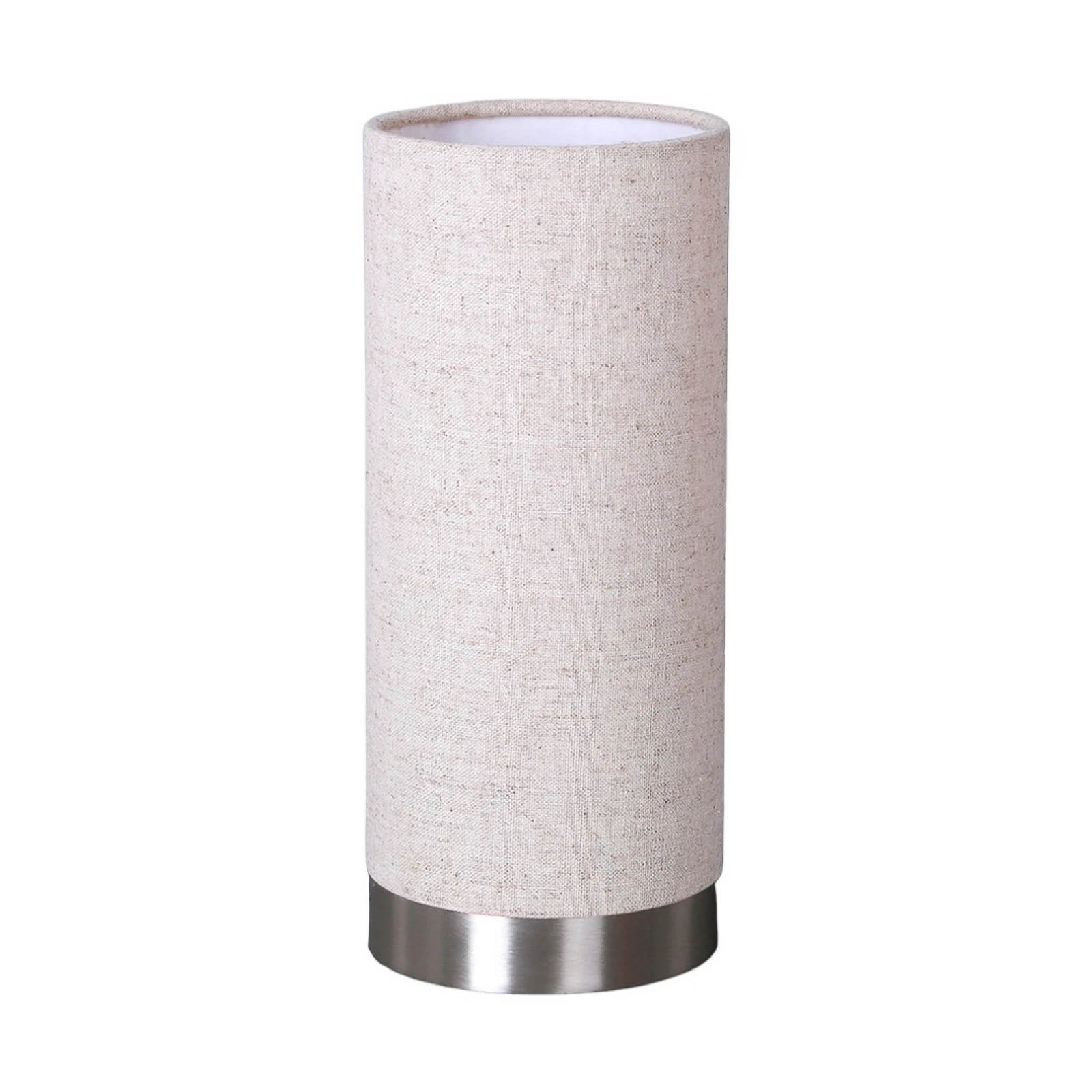
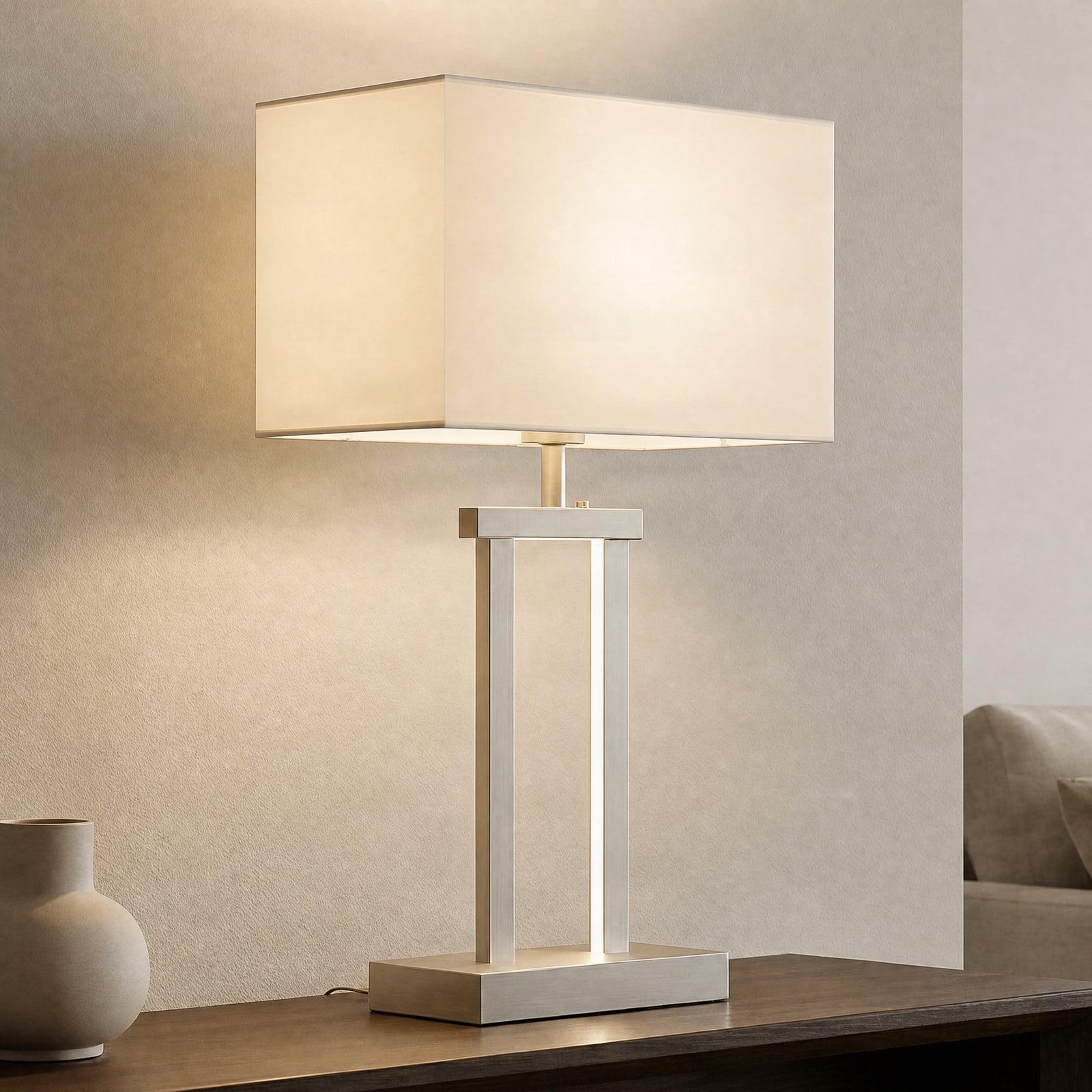
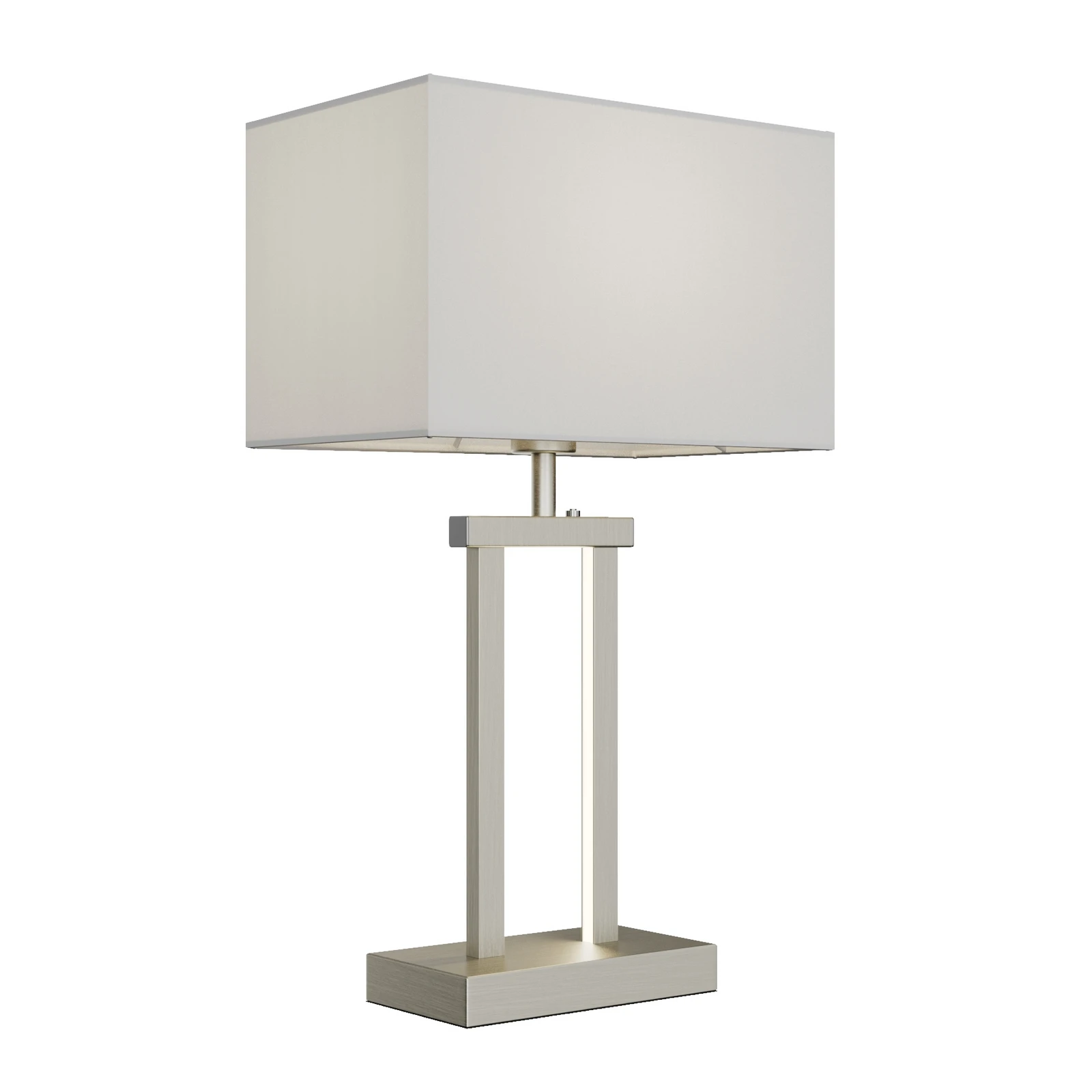
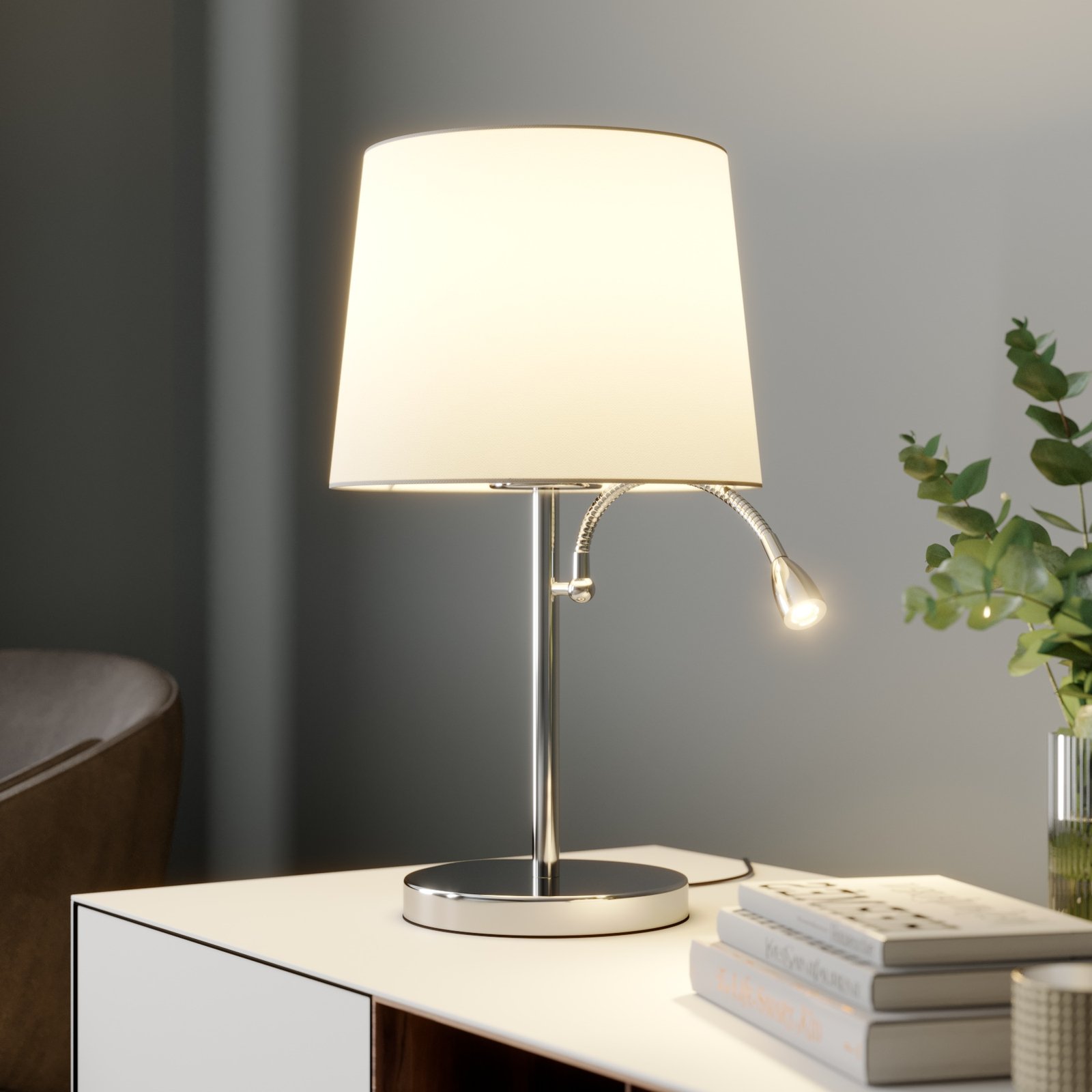
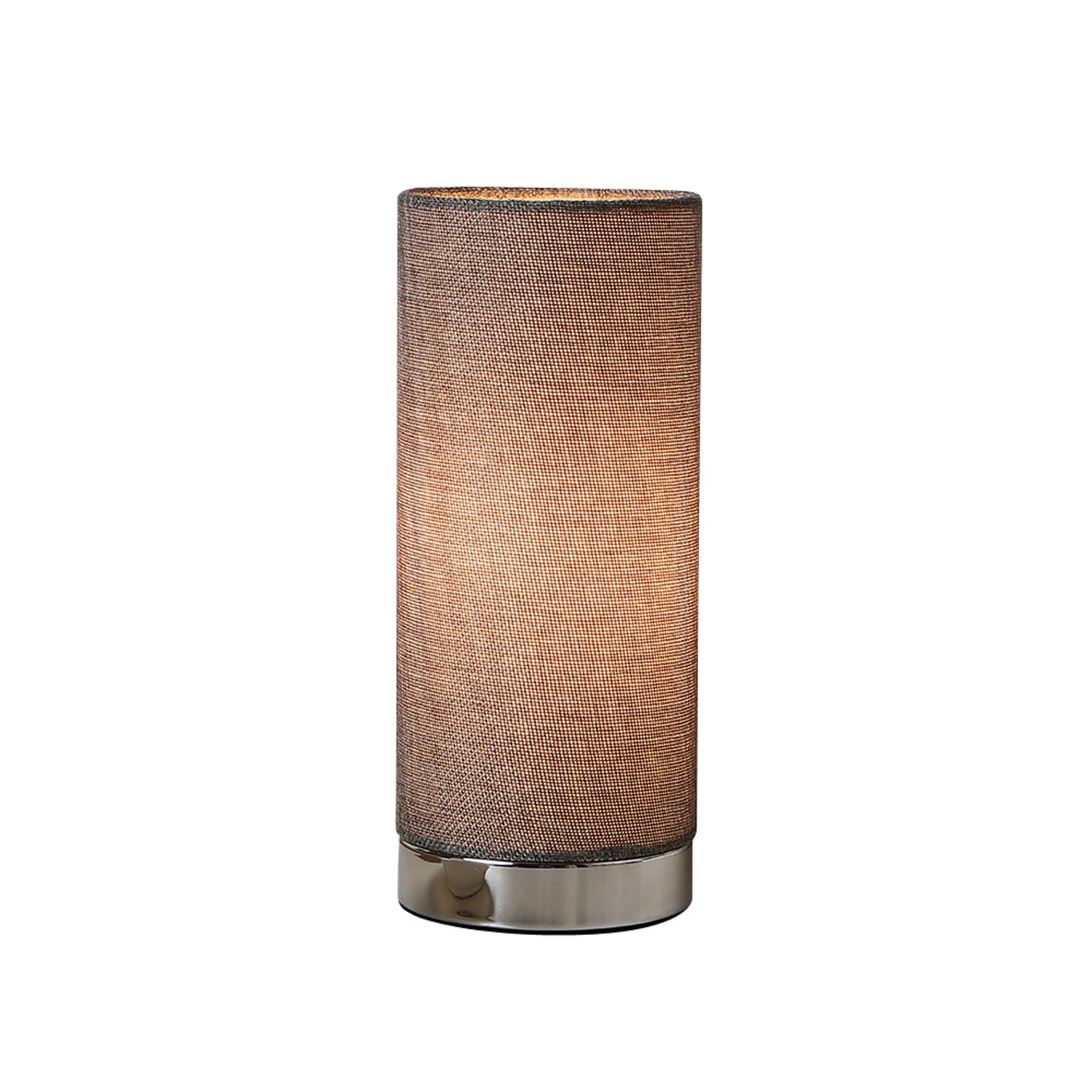
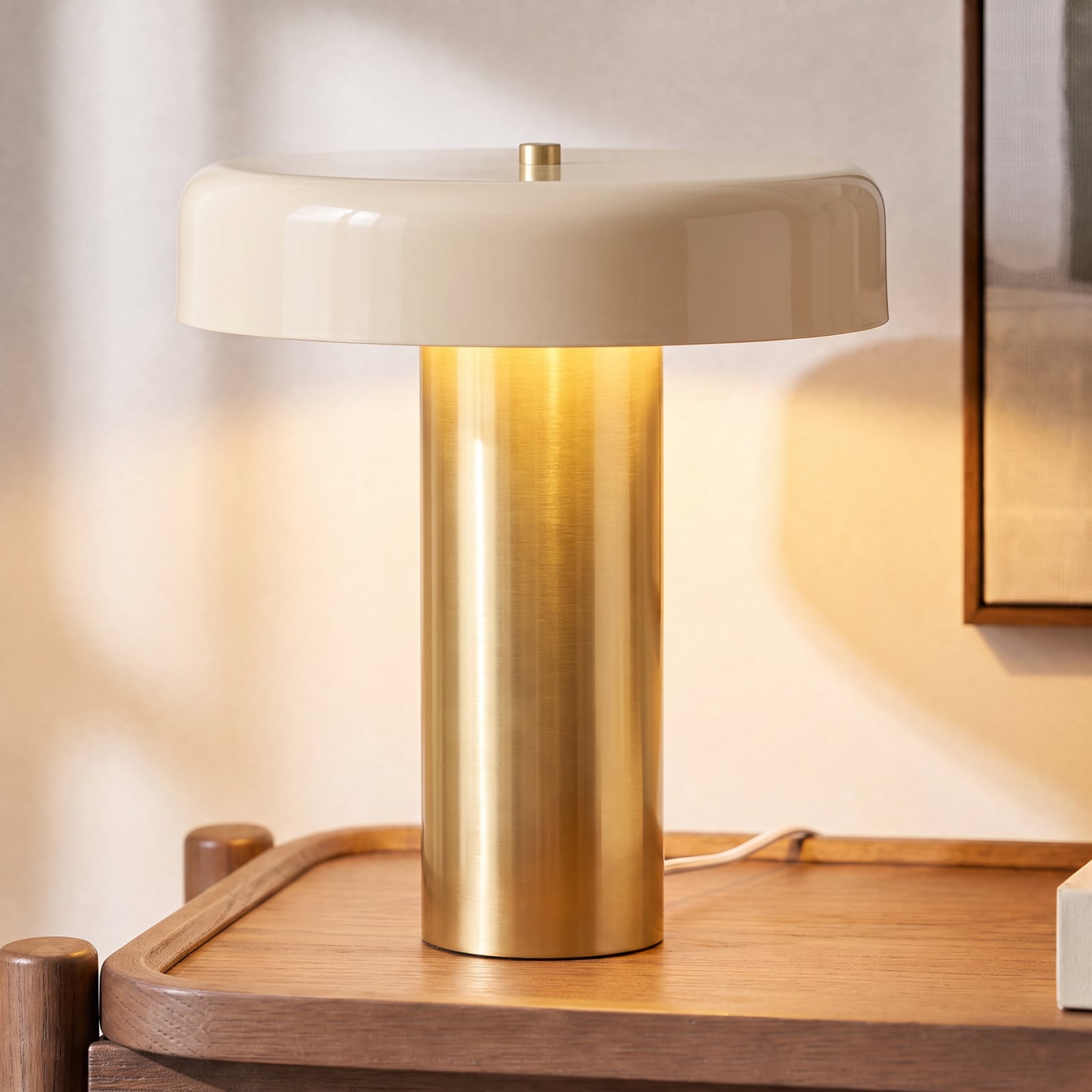
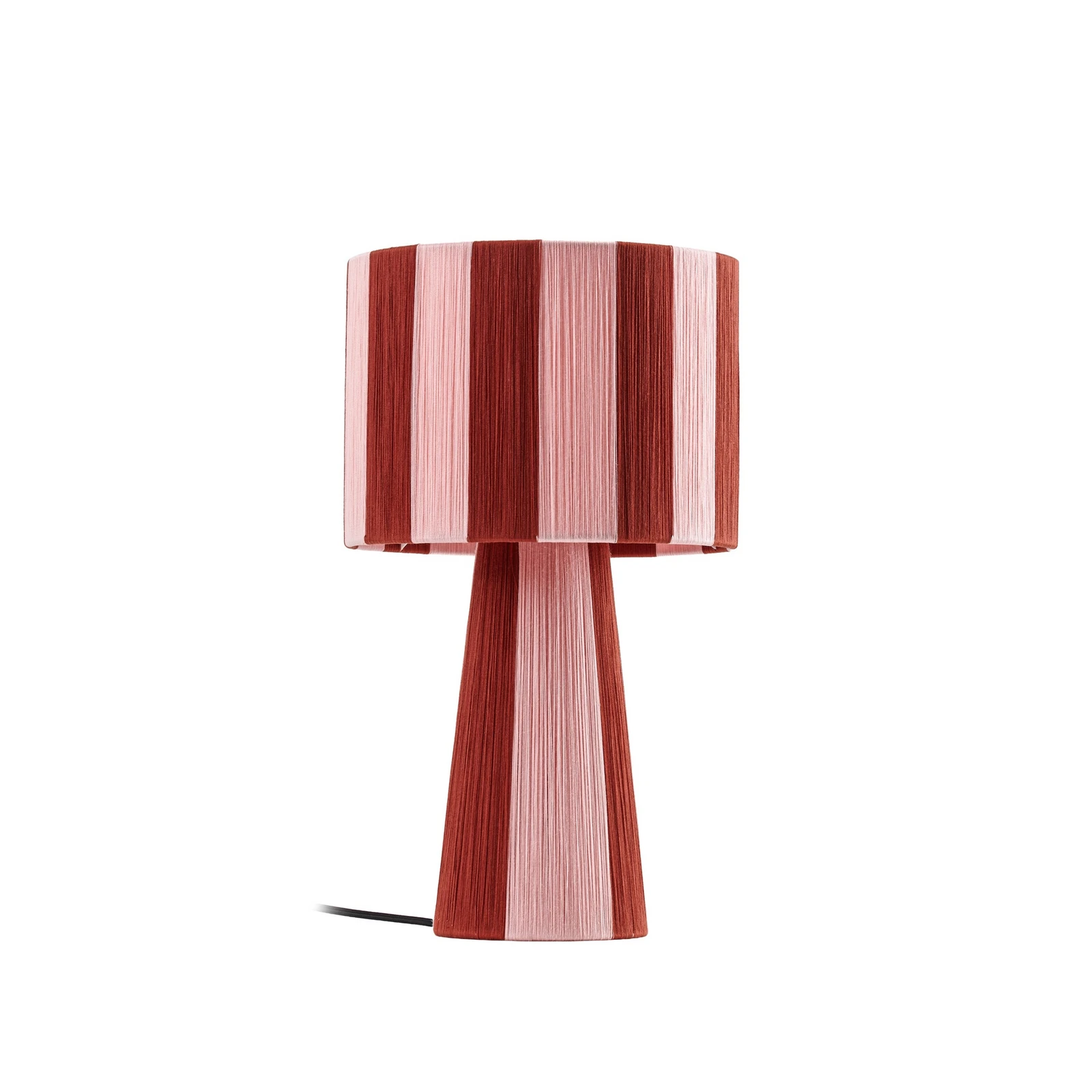
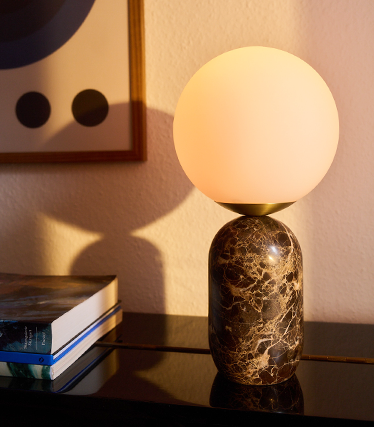
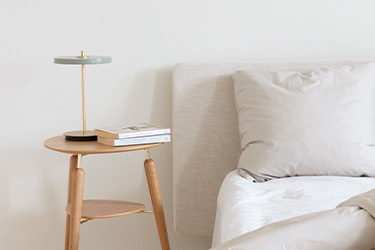
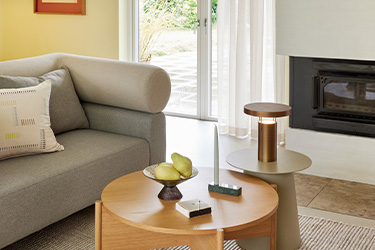
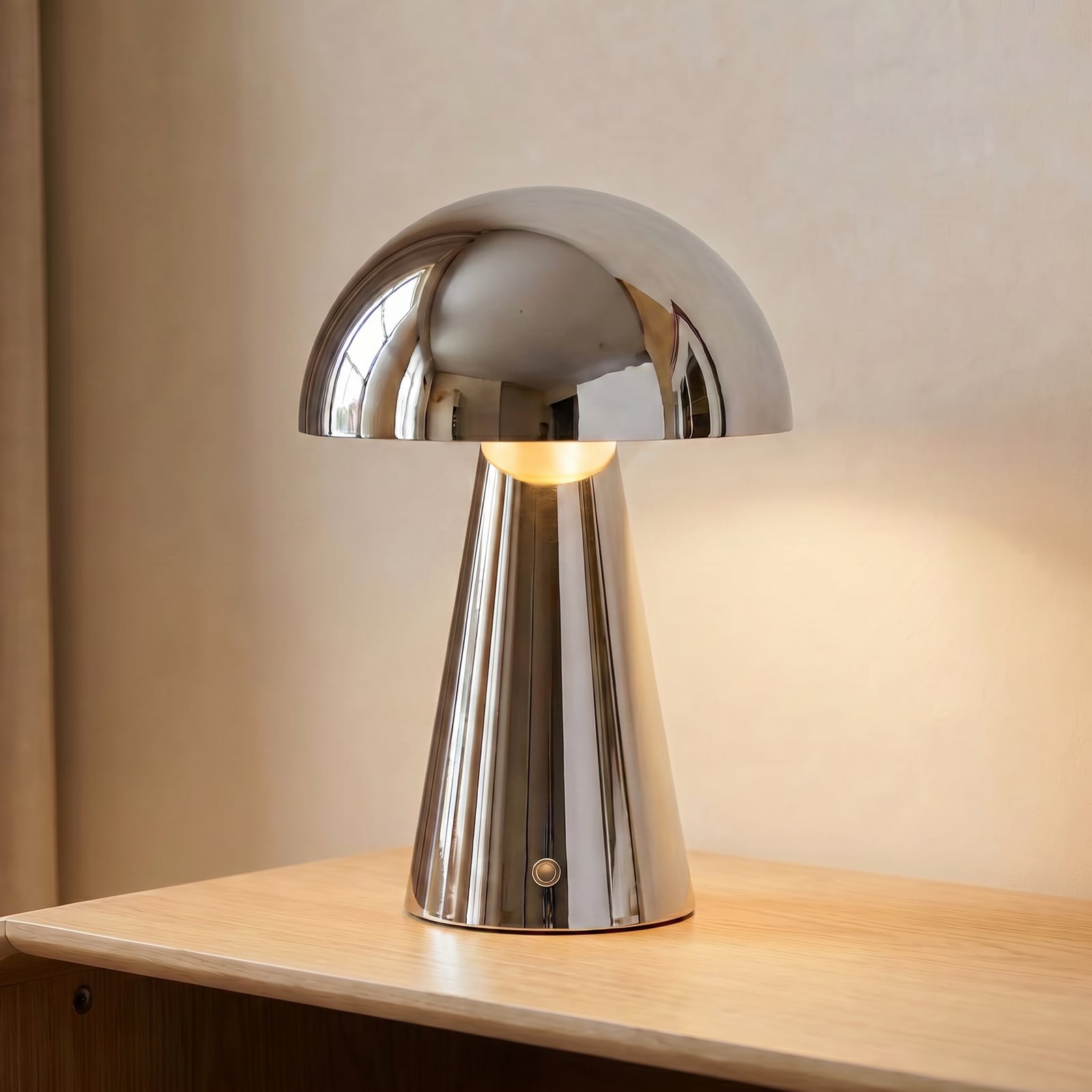
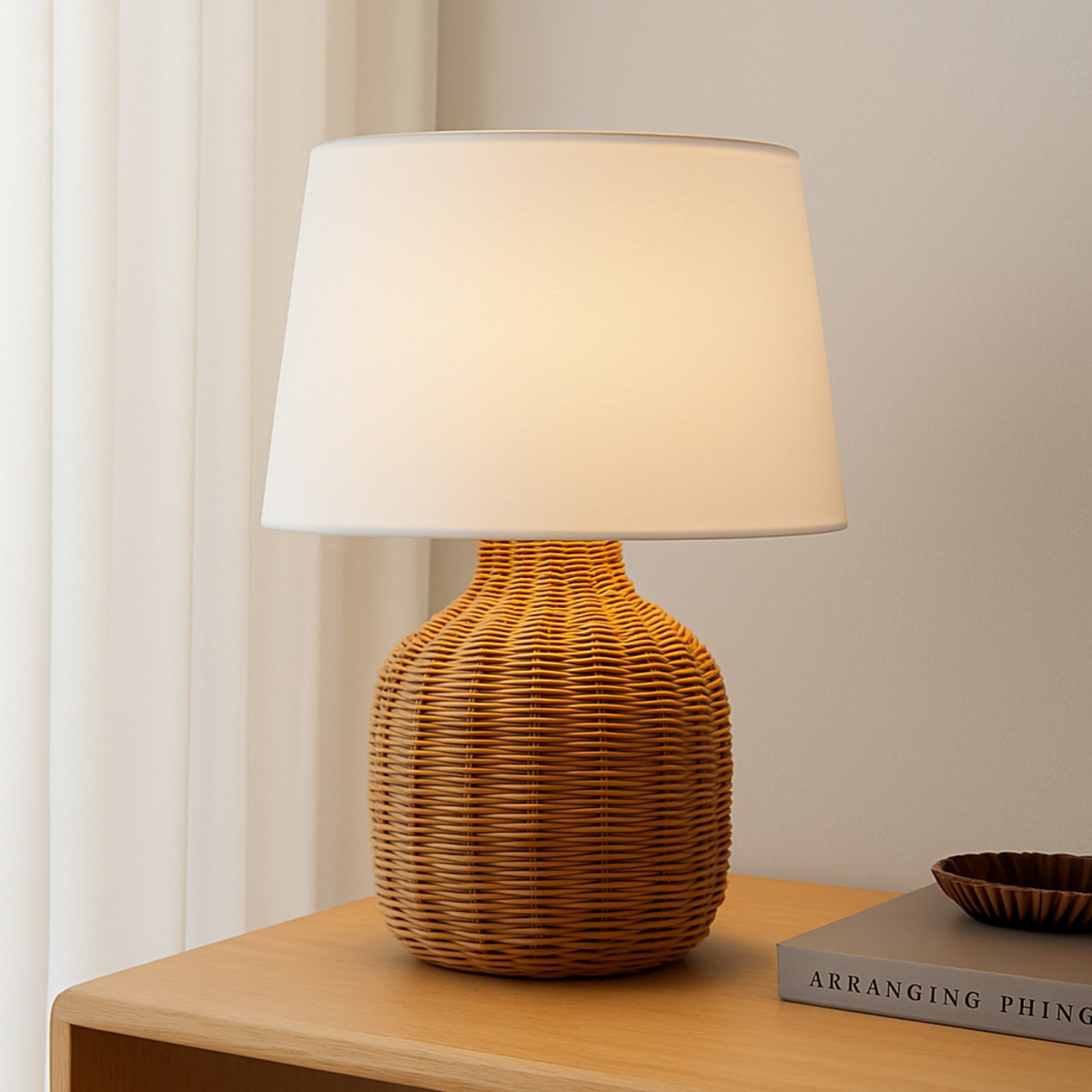
A table lamp is used directly in the bedroom, living room and at the workplace. It sits on the bedside table, supports concentrated hours at the desk or complements the lighting in the living room in the evening more effectively than a bright ceiling light. Because of these different locations, it is worth taking a look at the specific use of the table lamp. A table lamp should match the respective place of use. When choosing a table lamp, the location, lighting, material, proportions and integration into the existing style of living are particularly important.
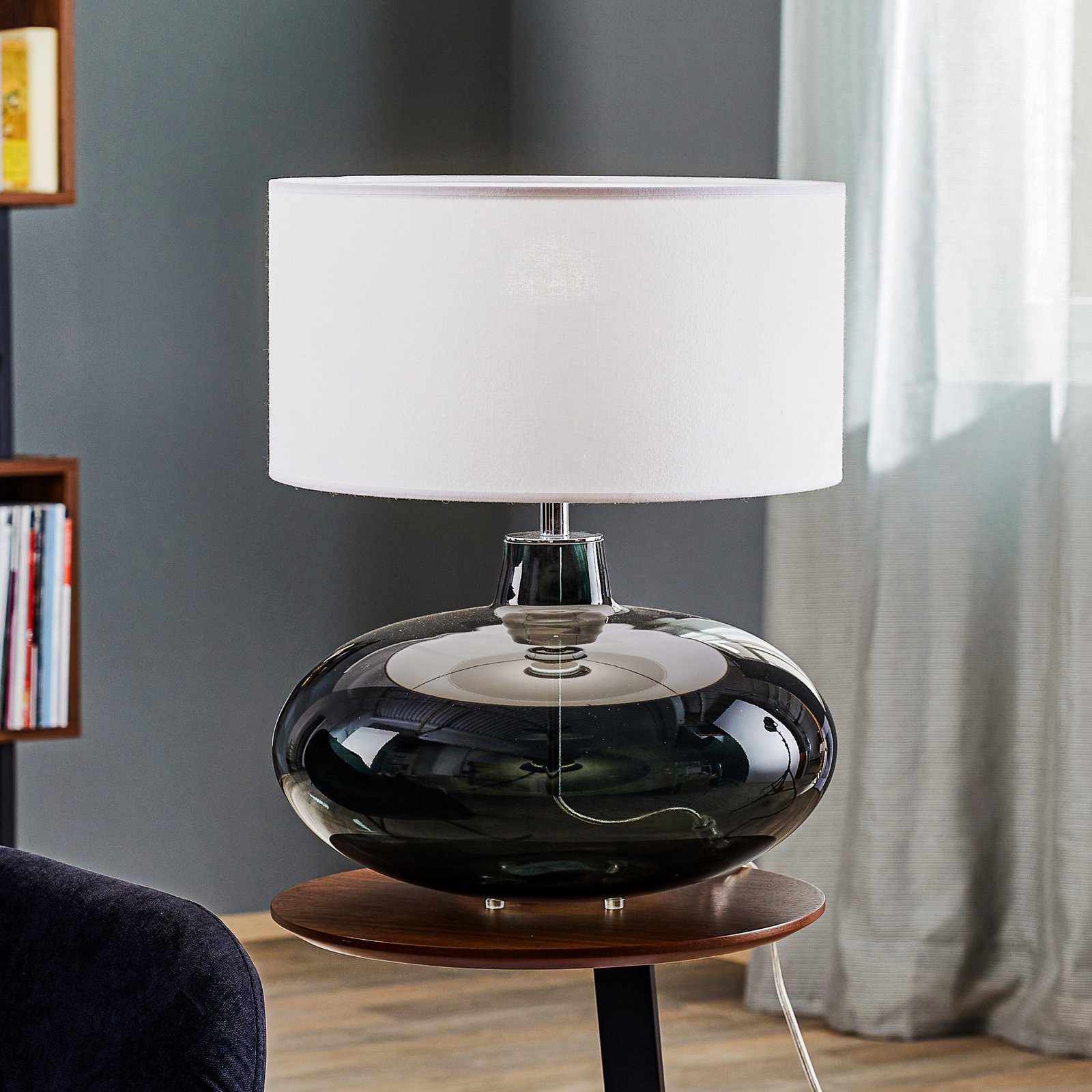
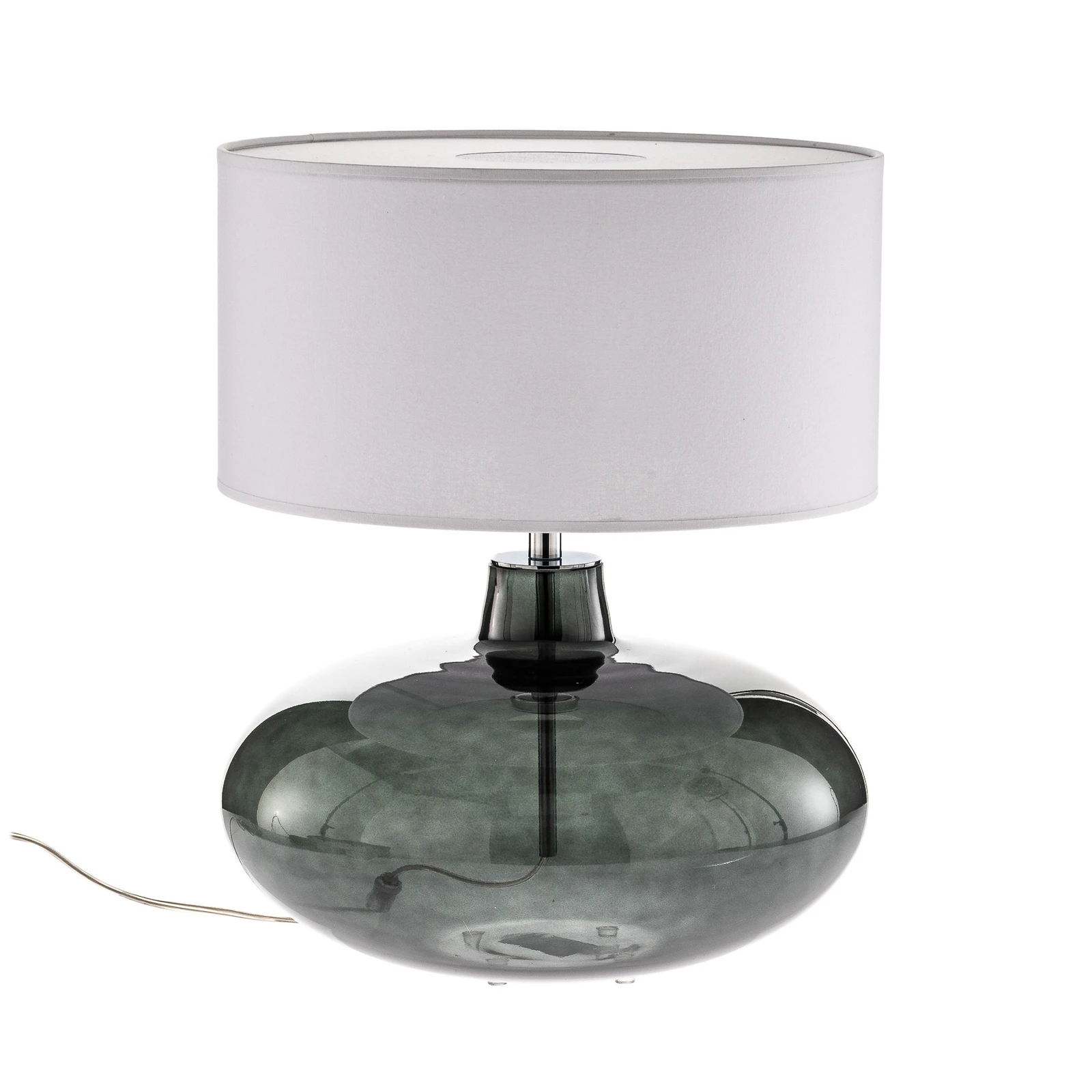
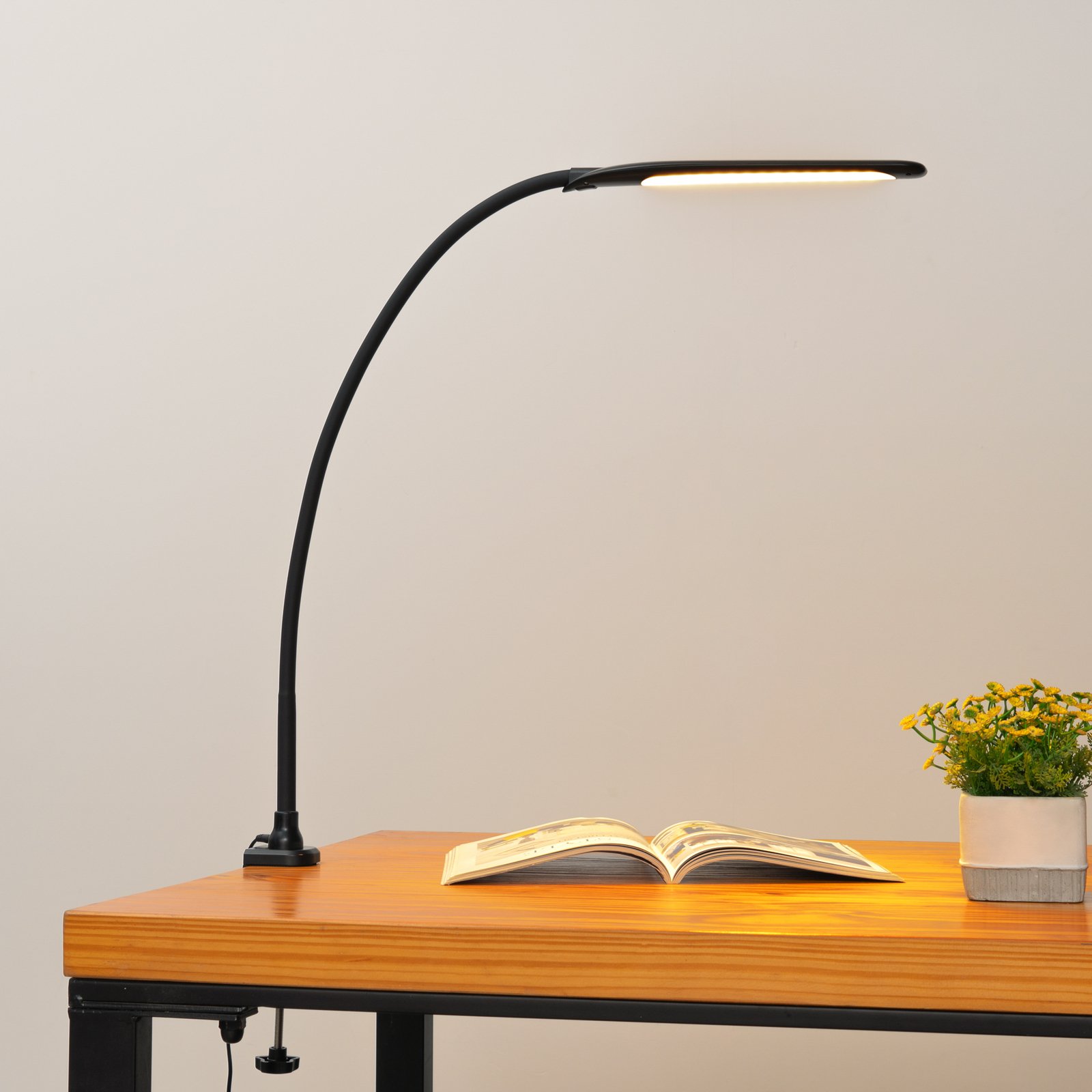
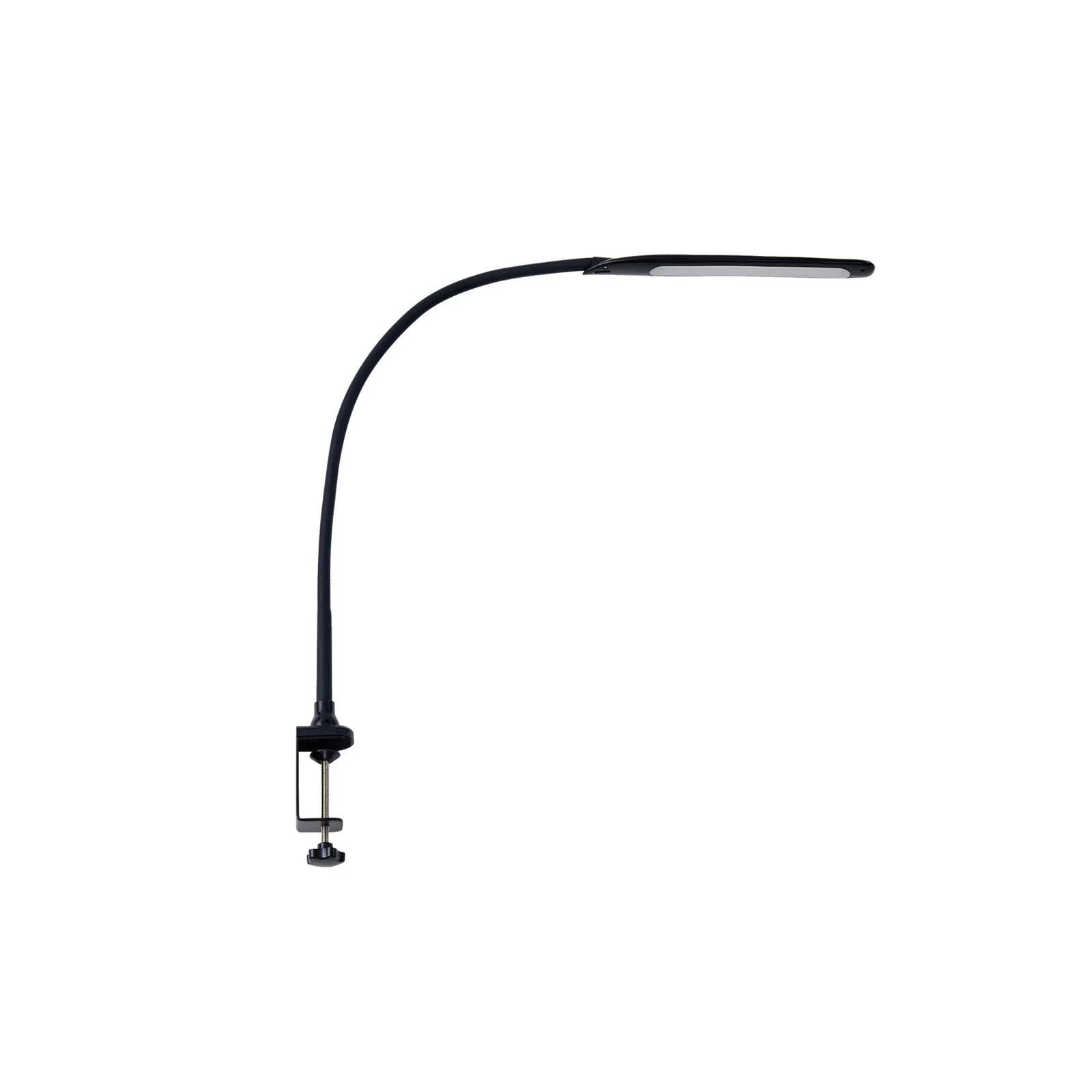
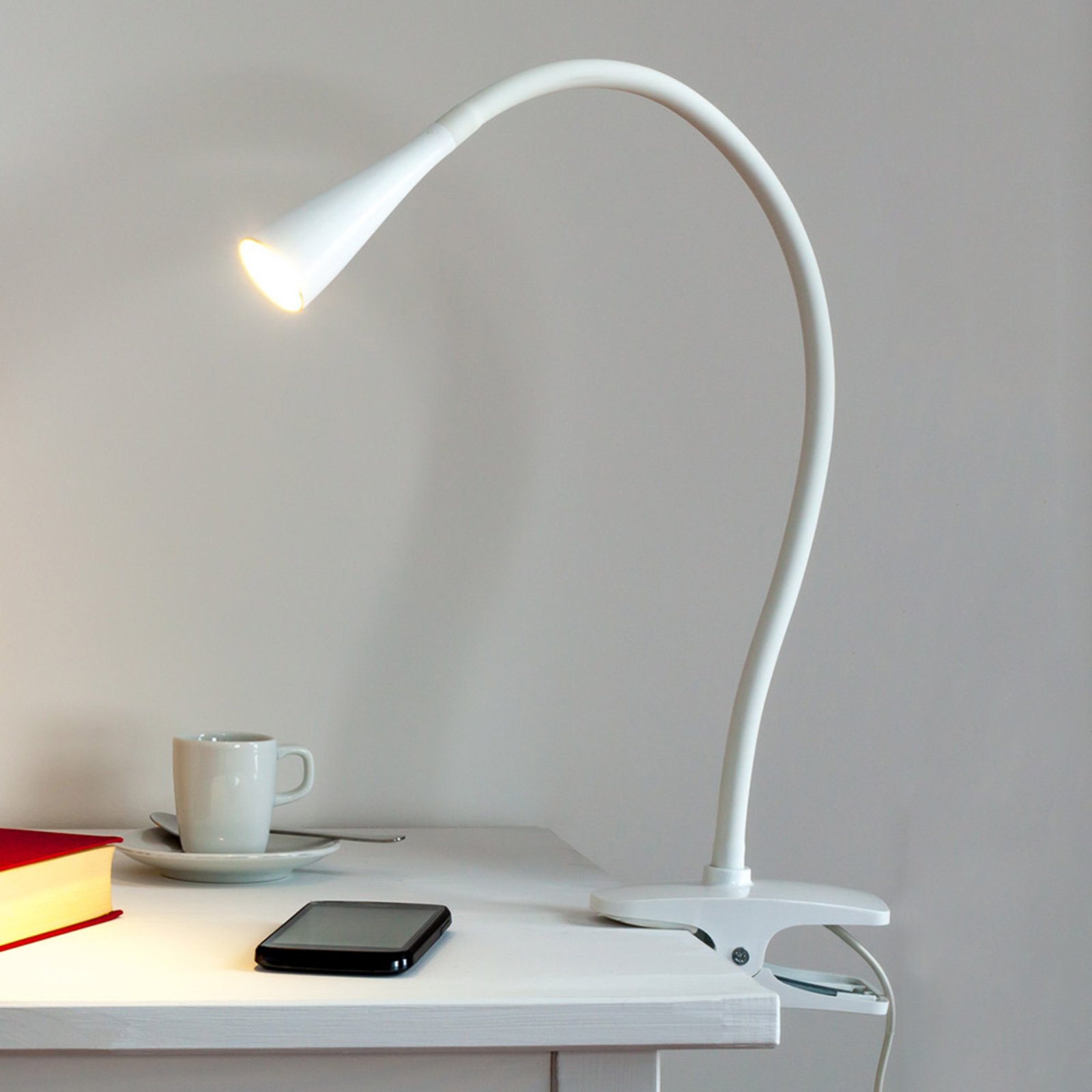
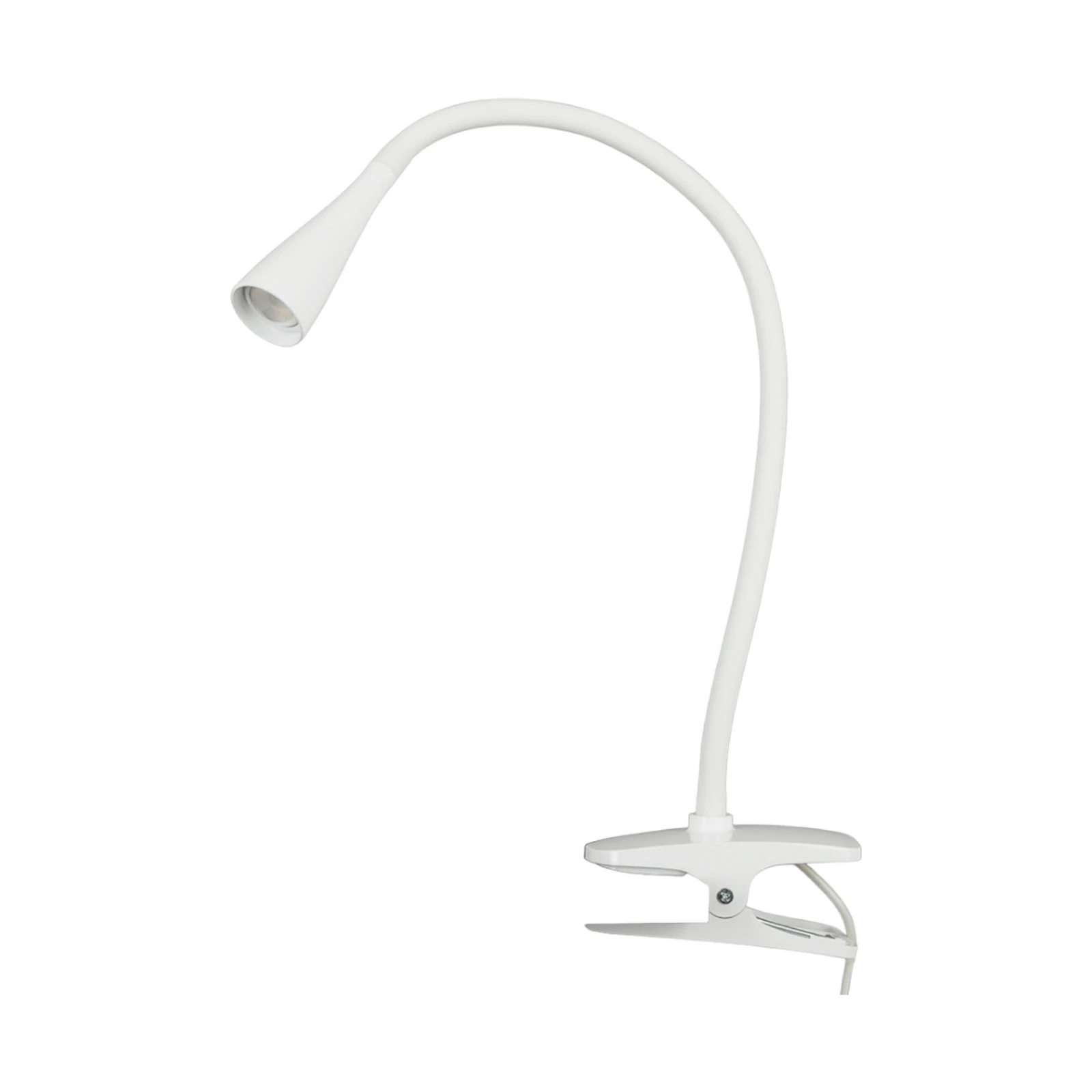
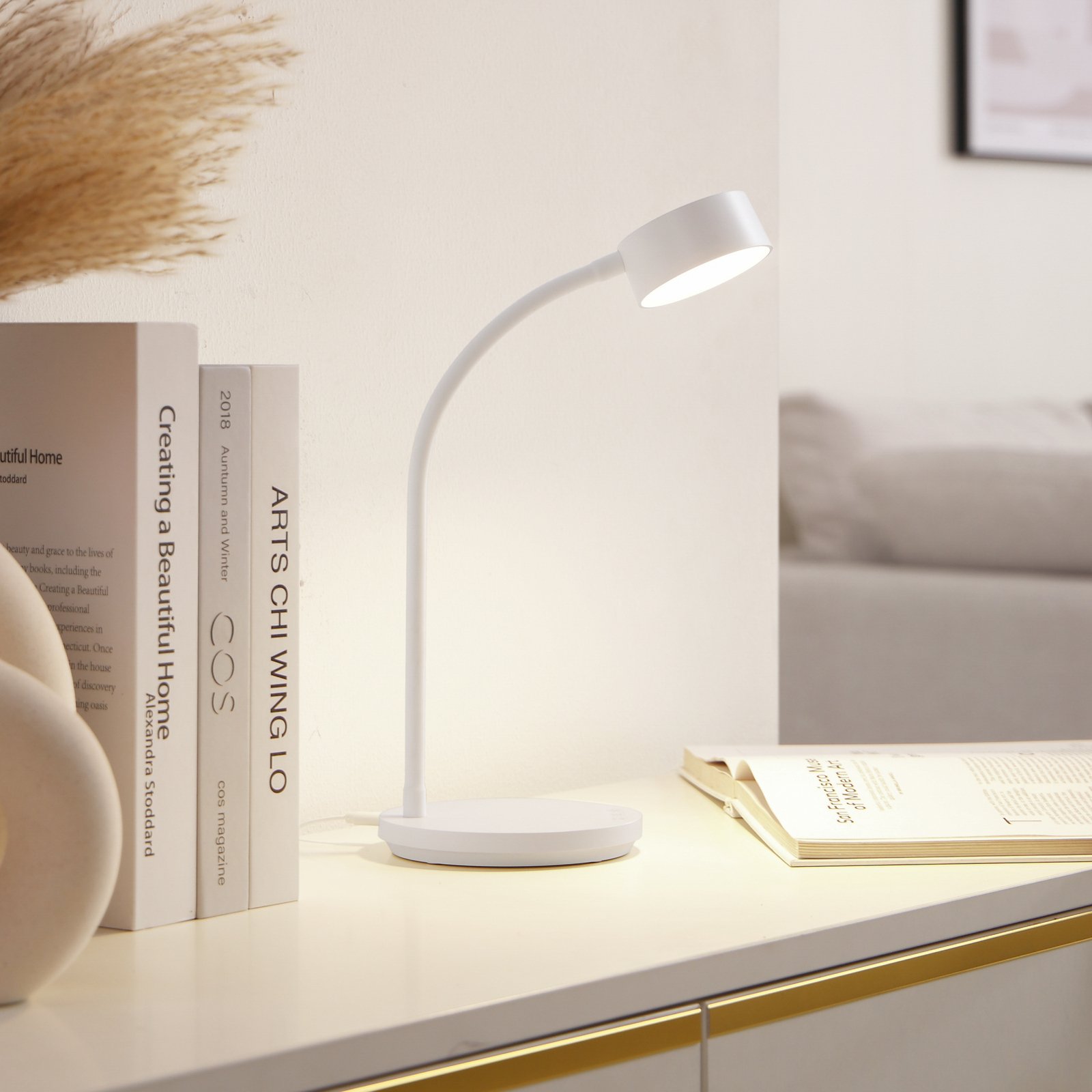
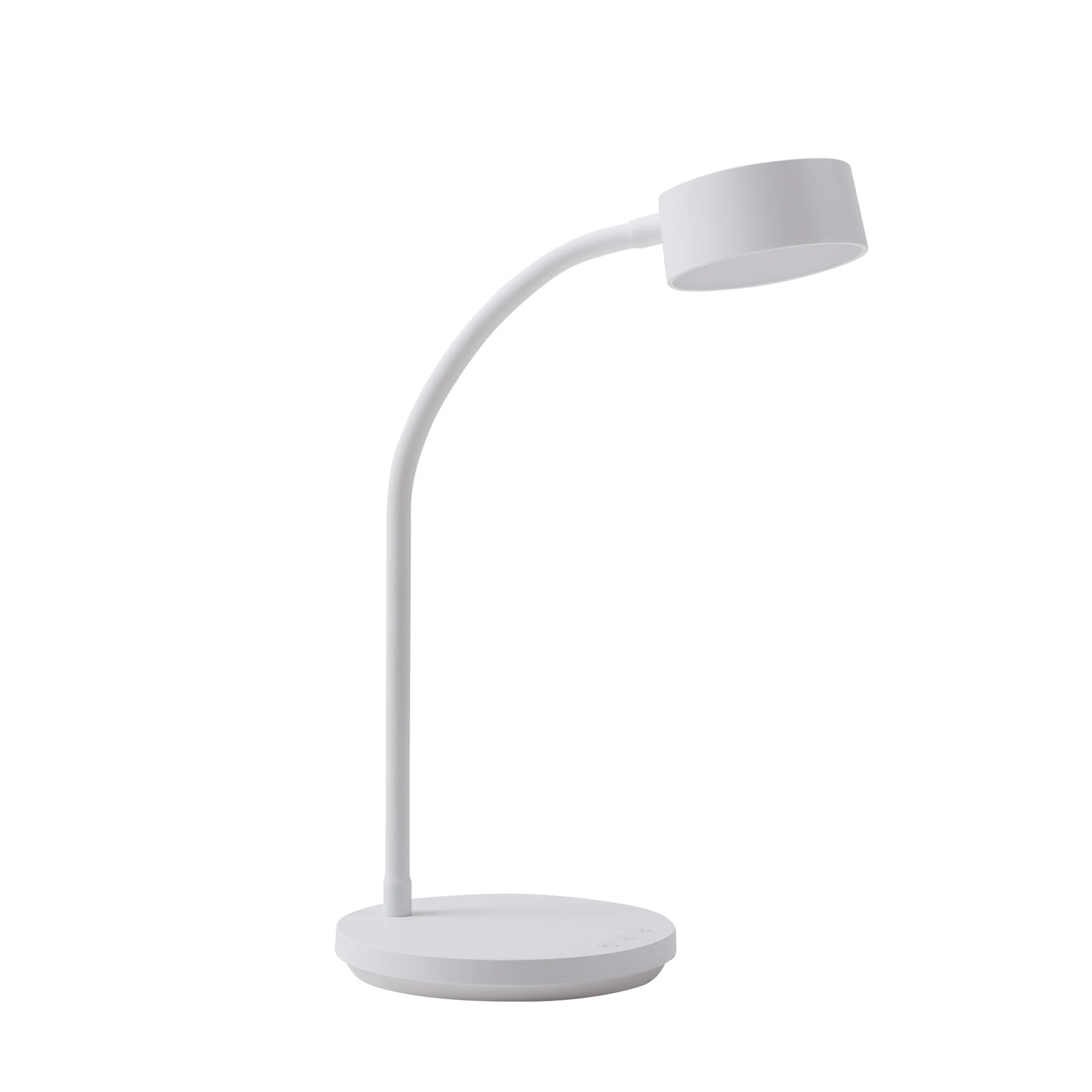
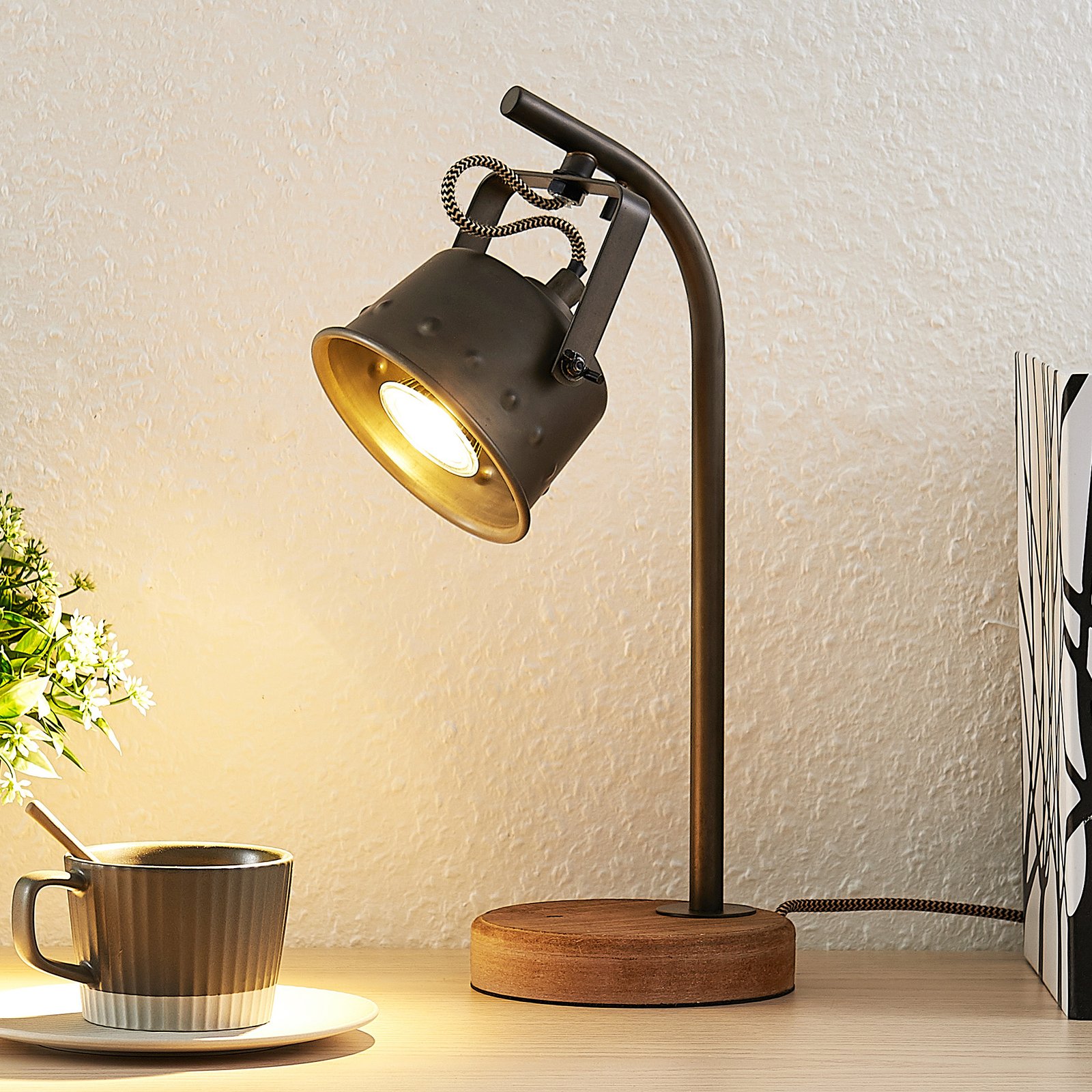
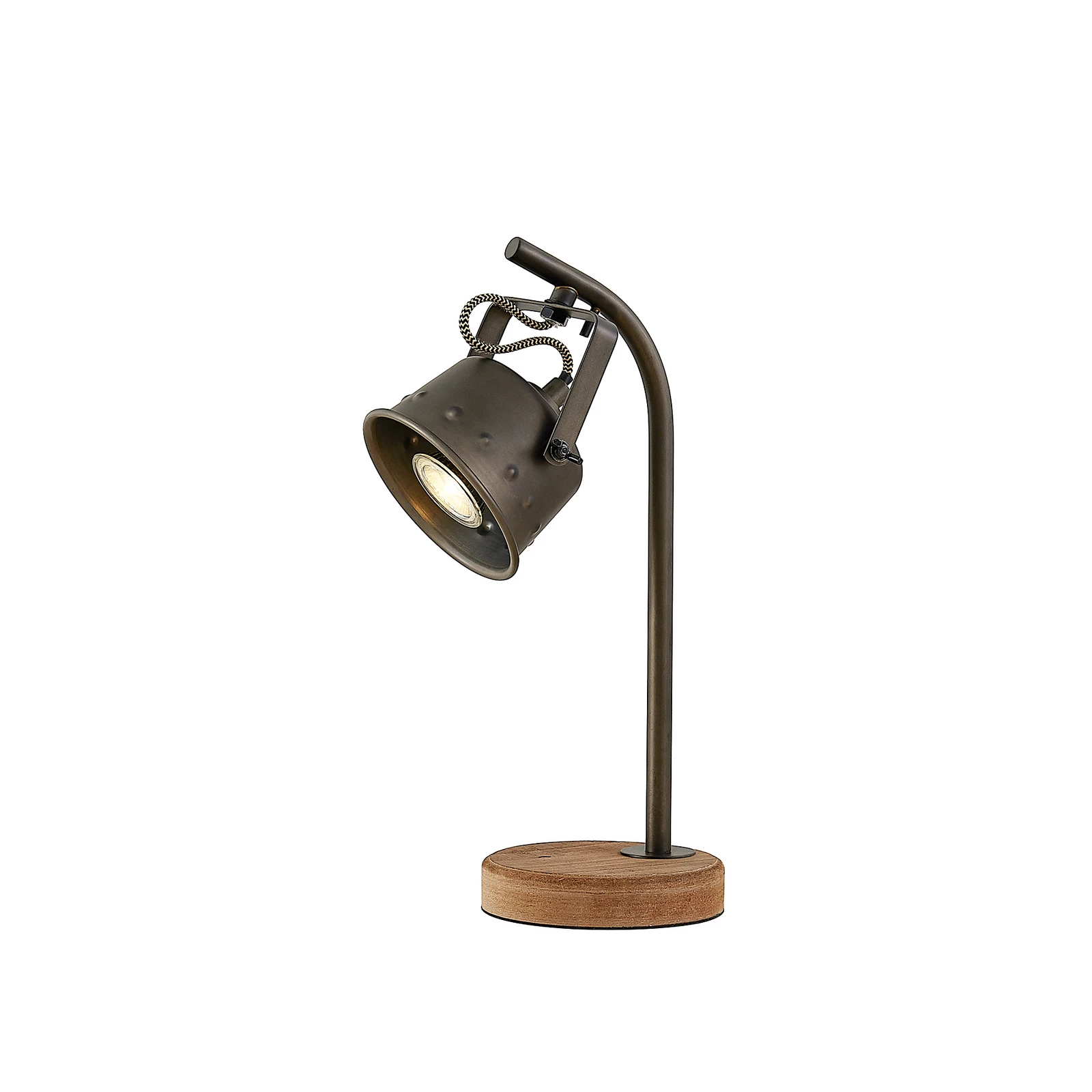
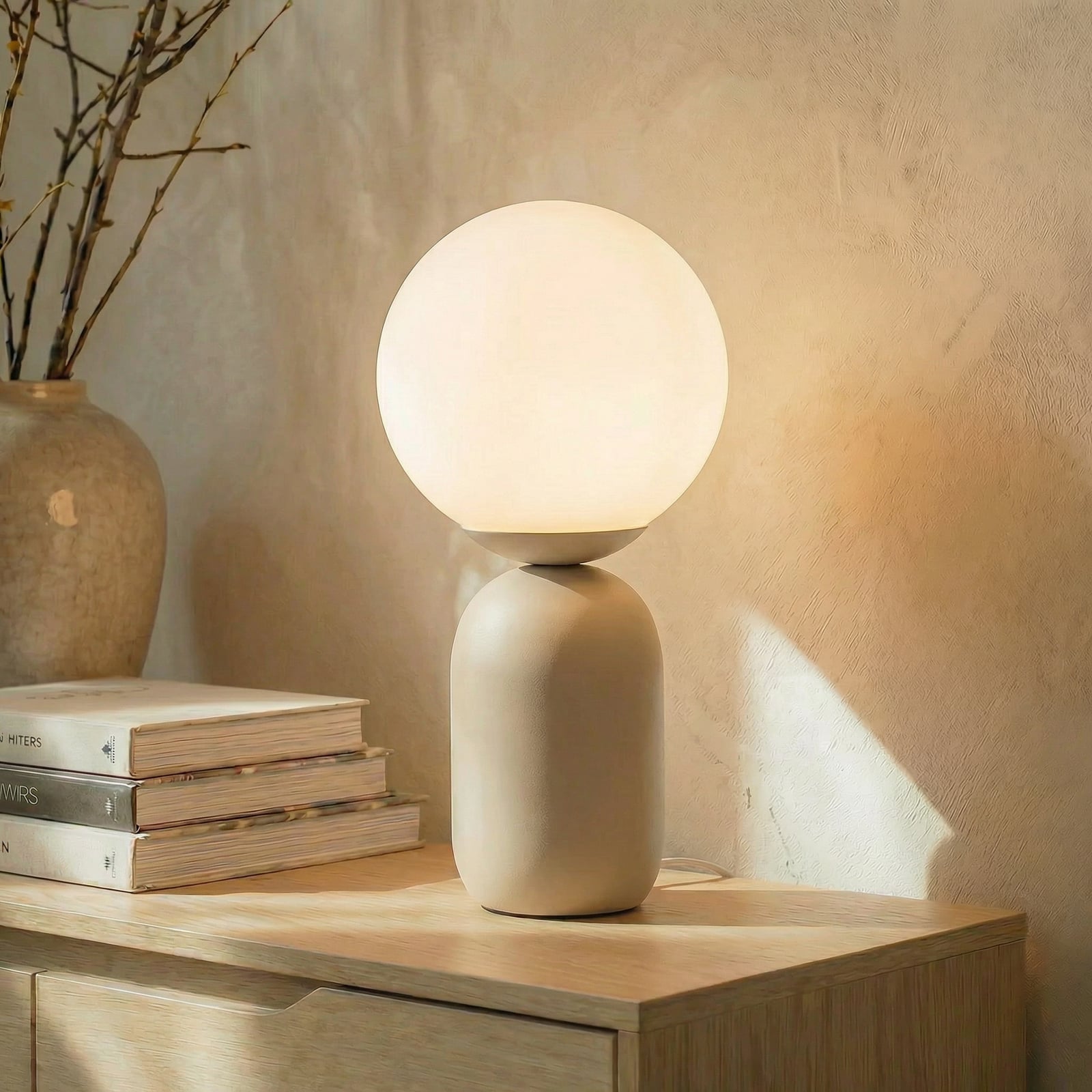
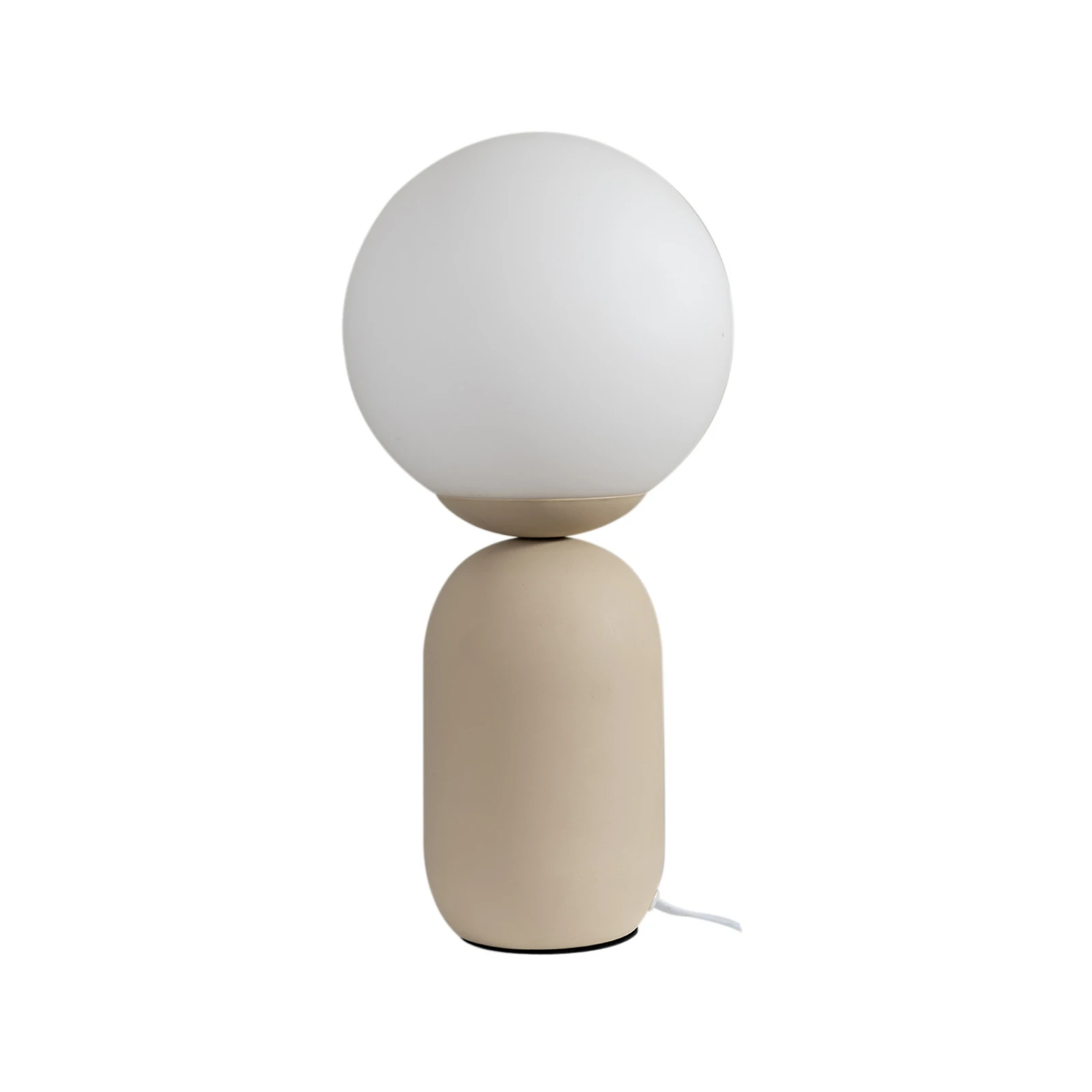
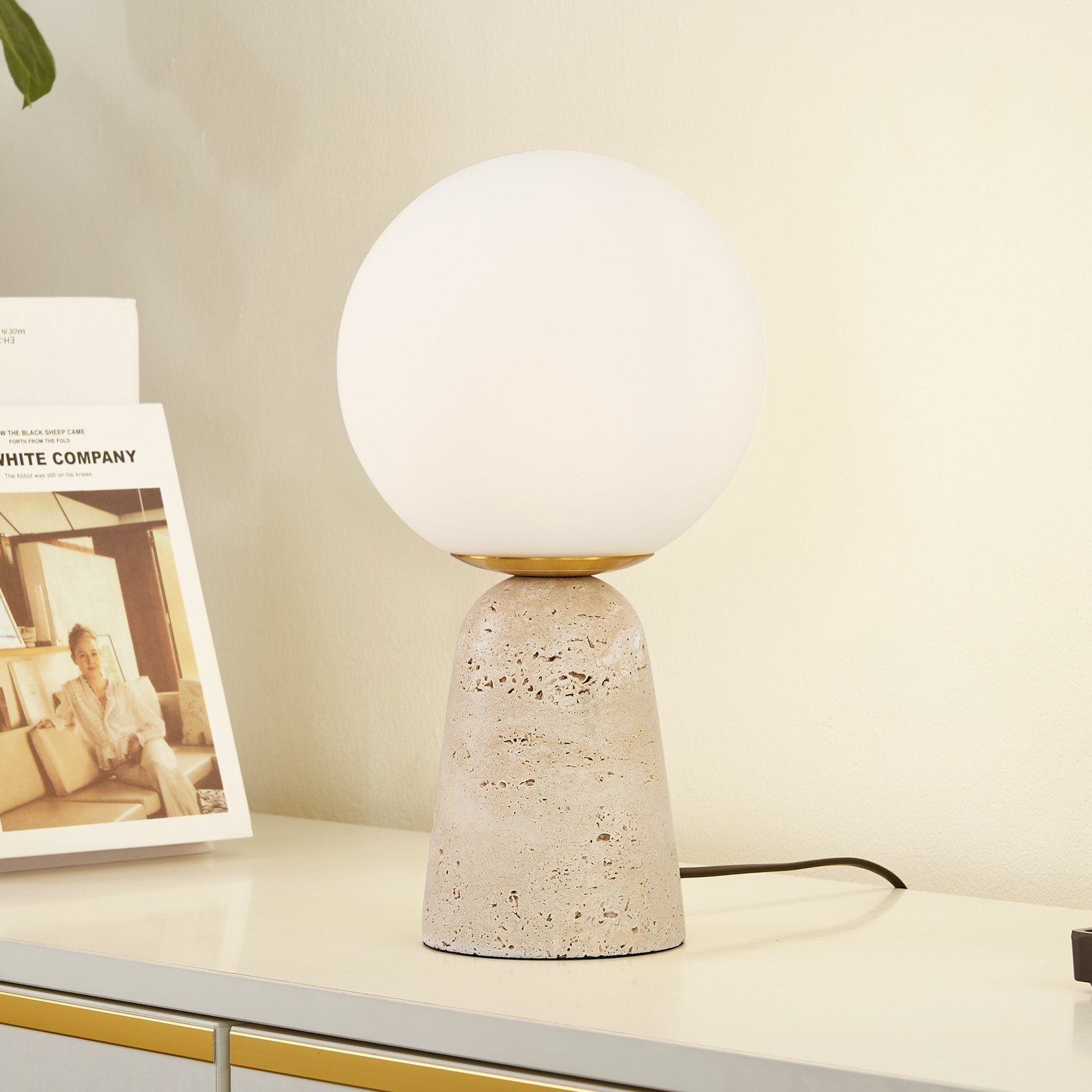
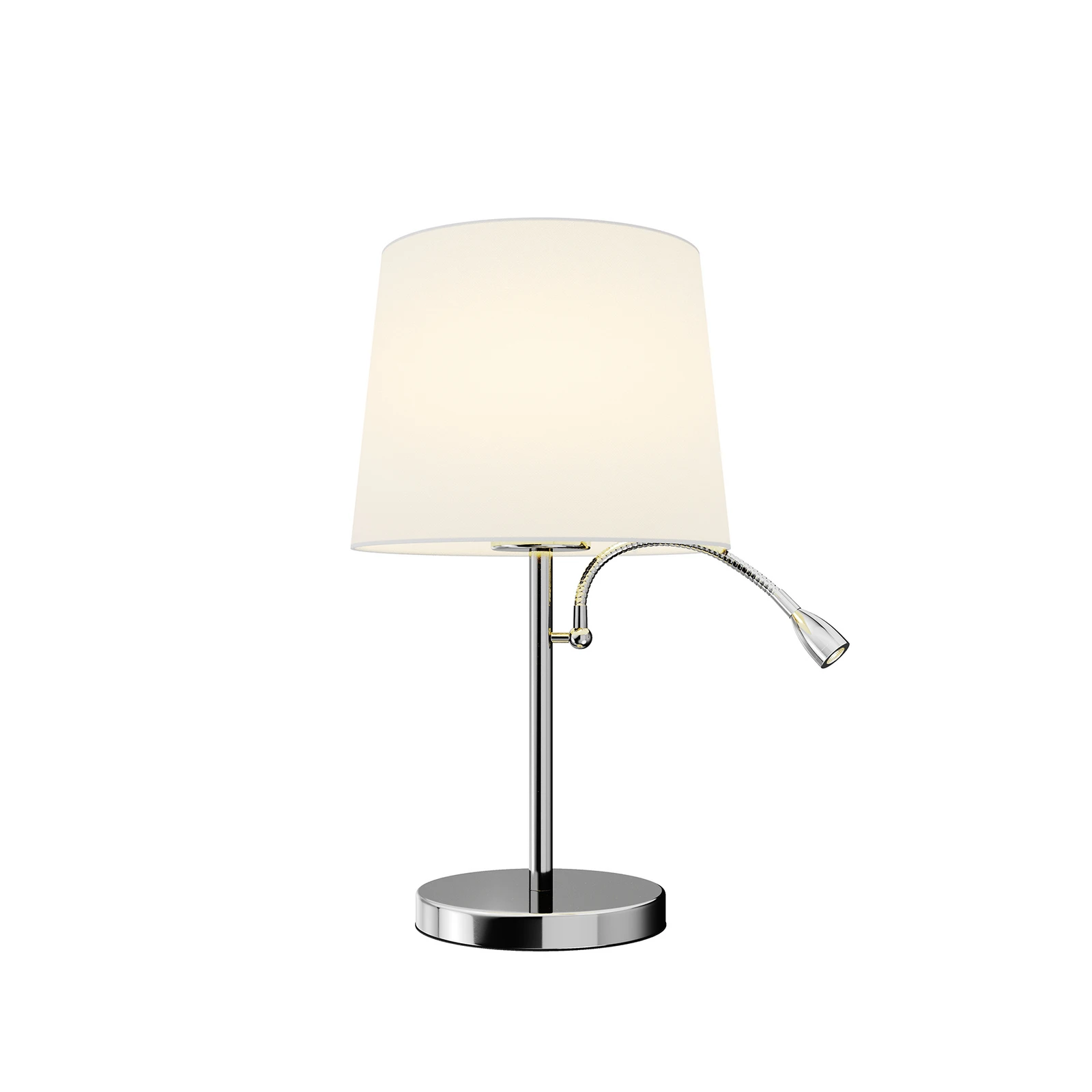
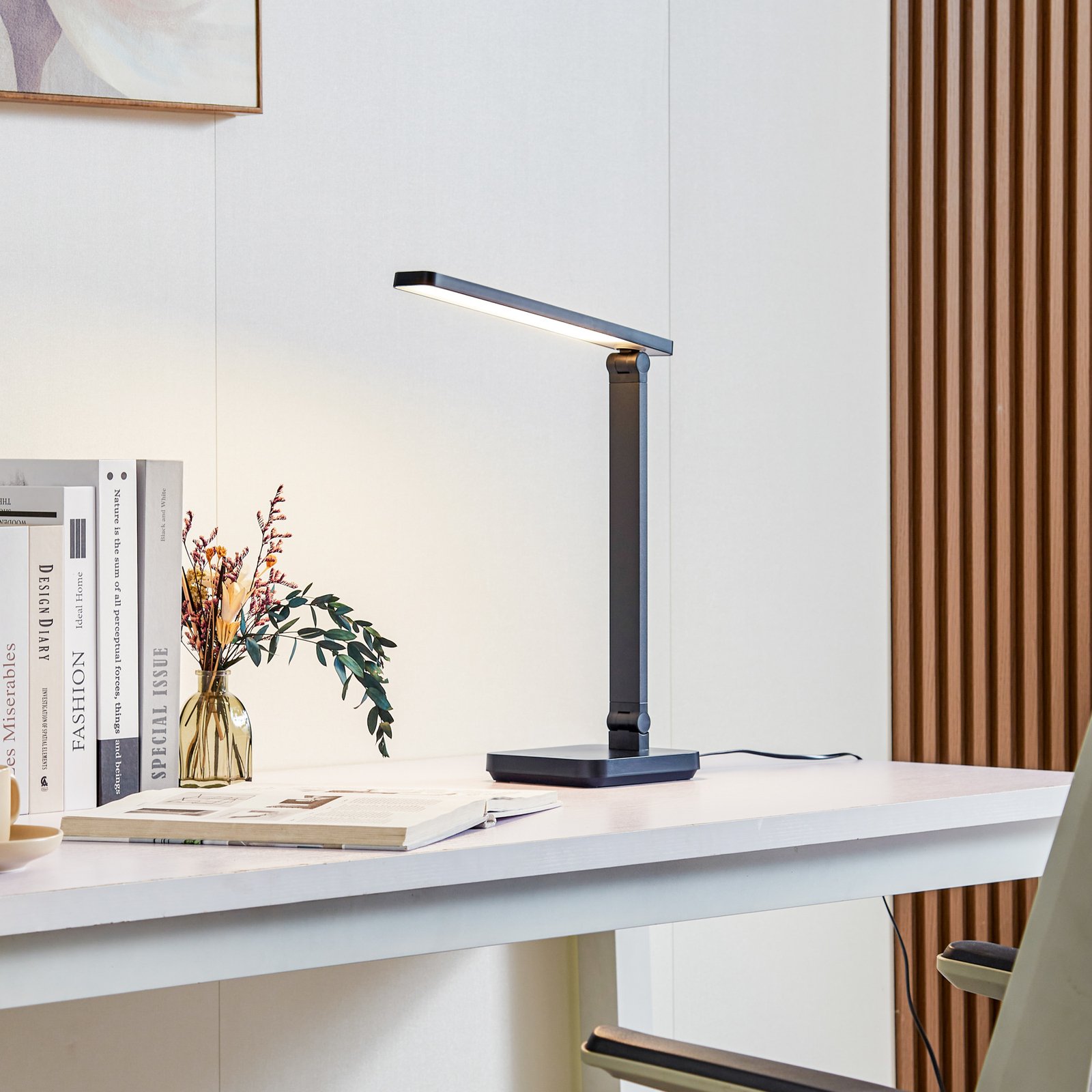
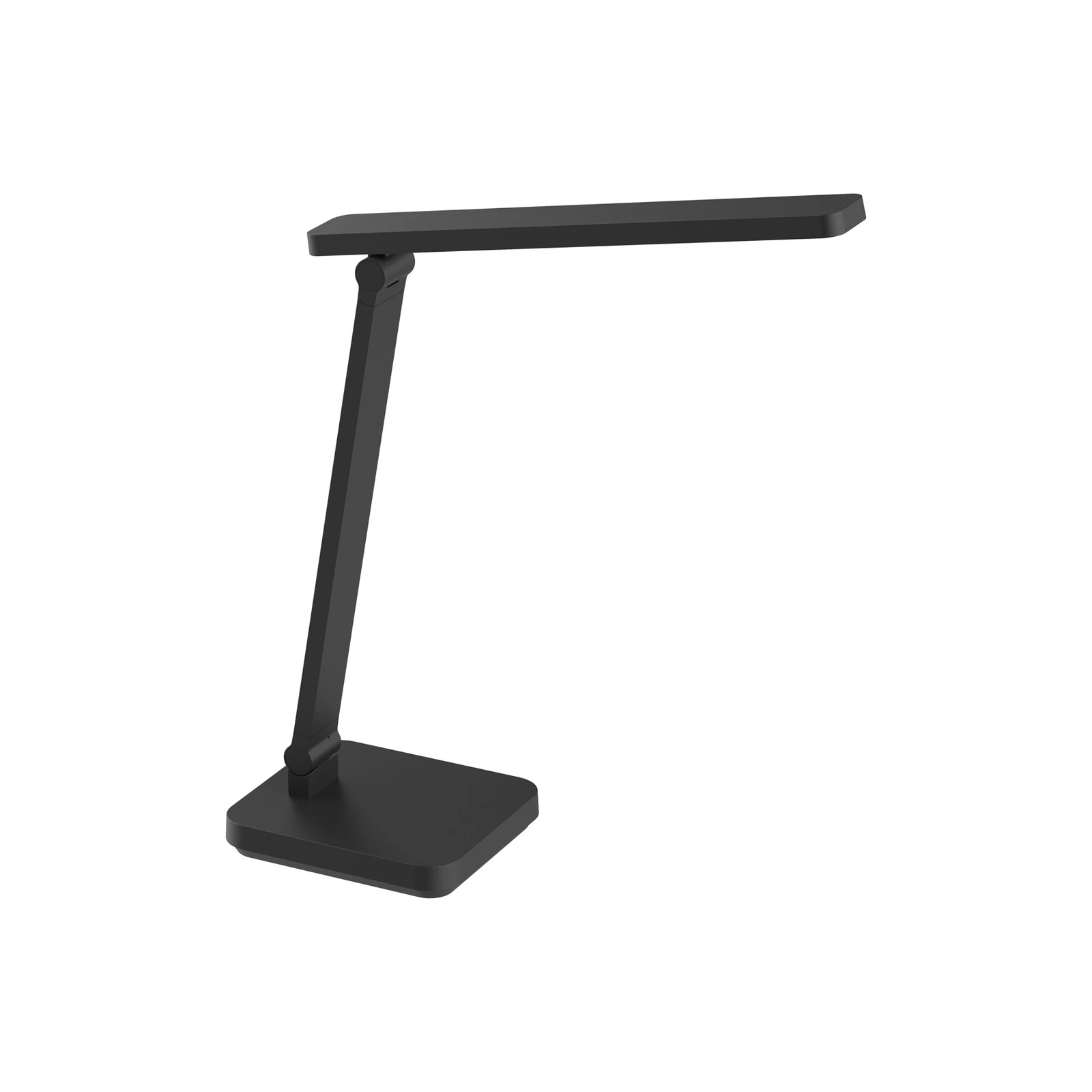
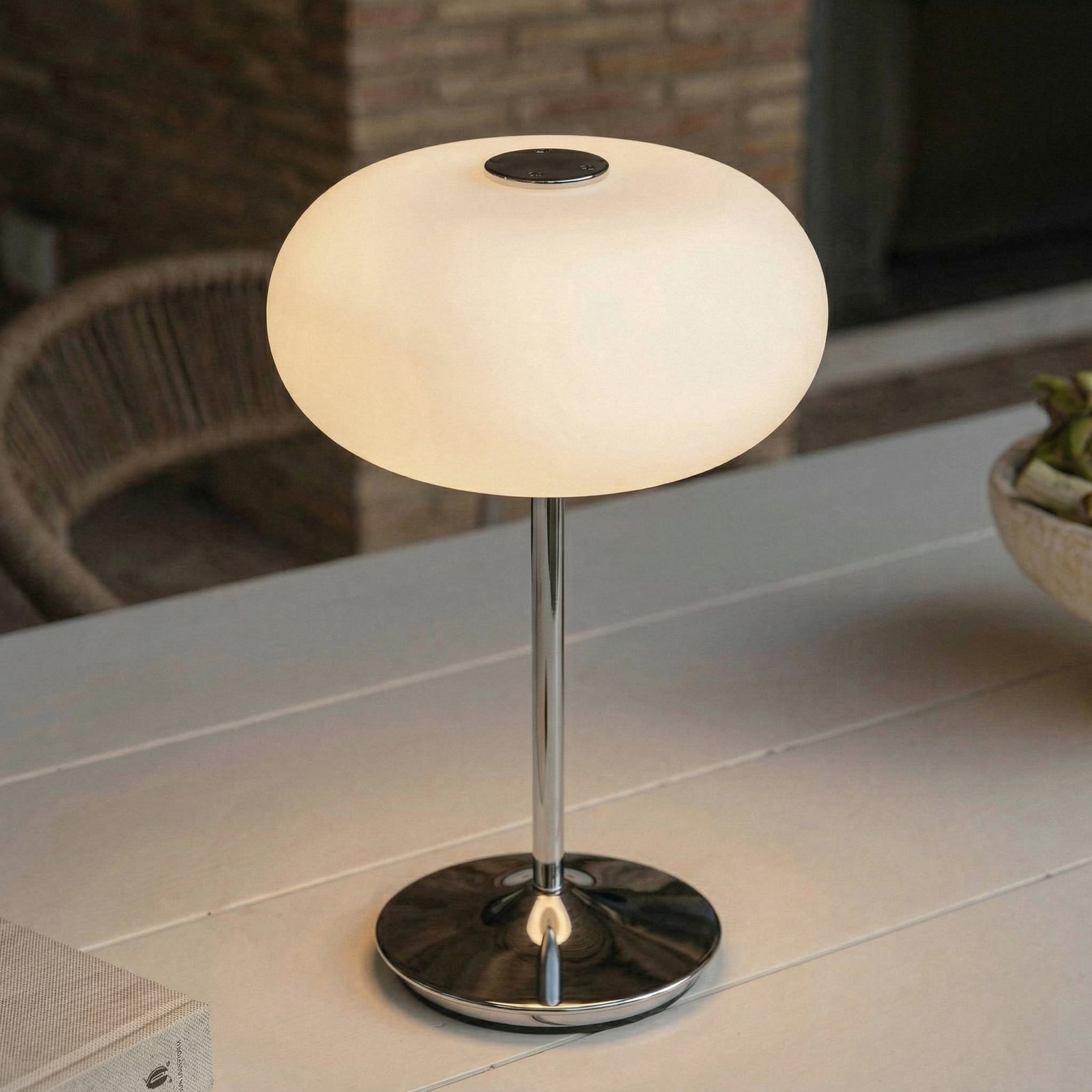
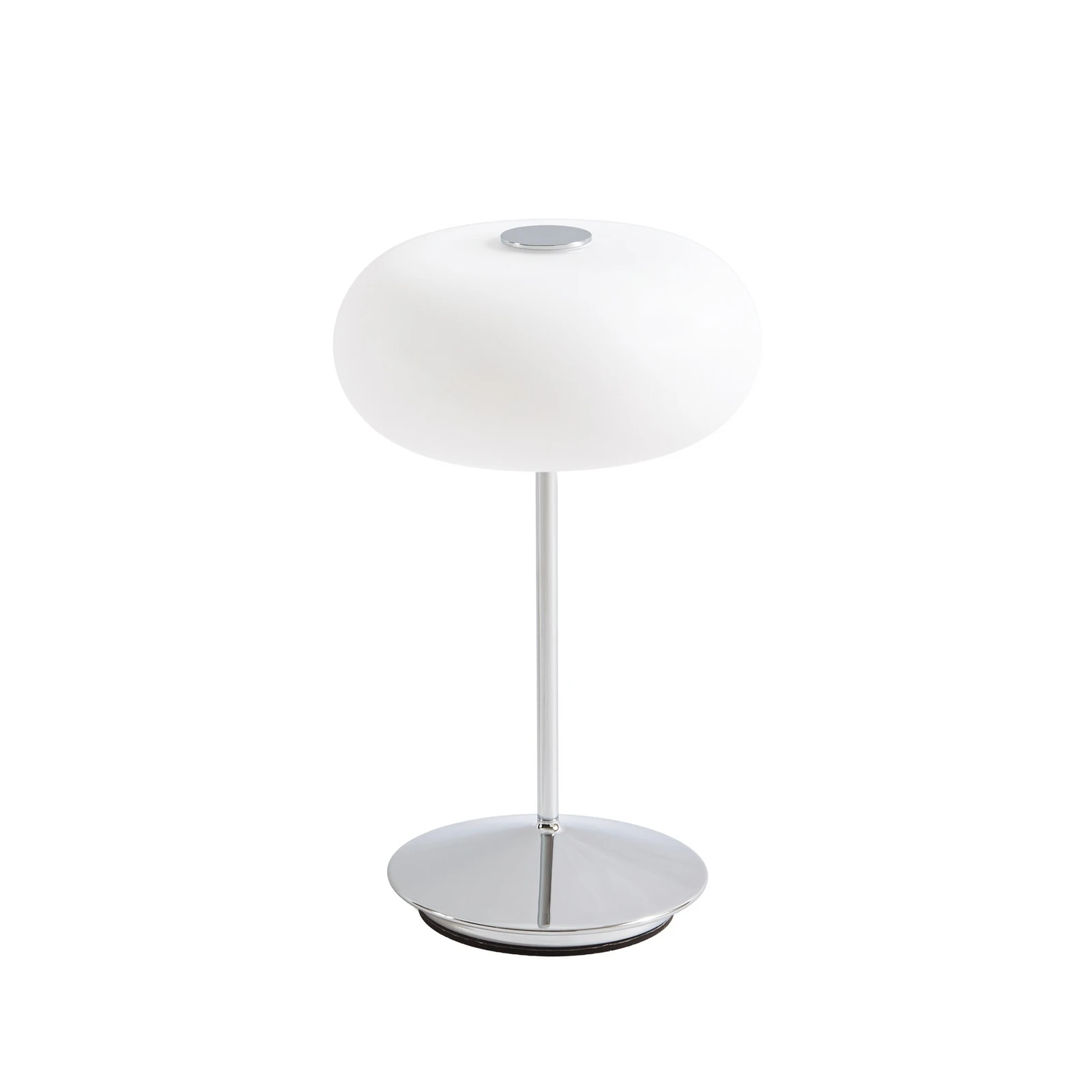
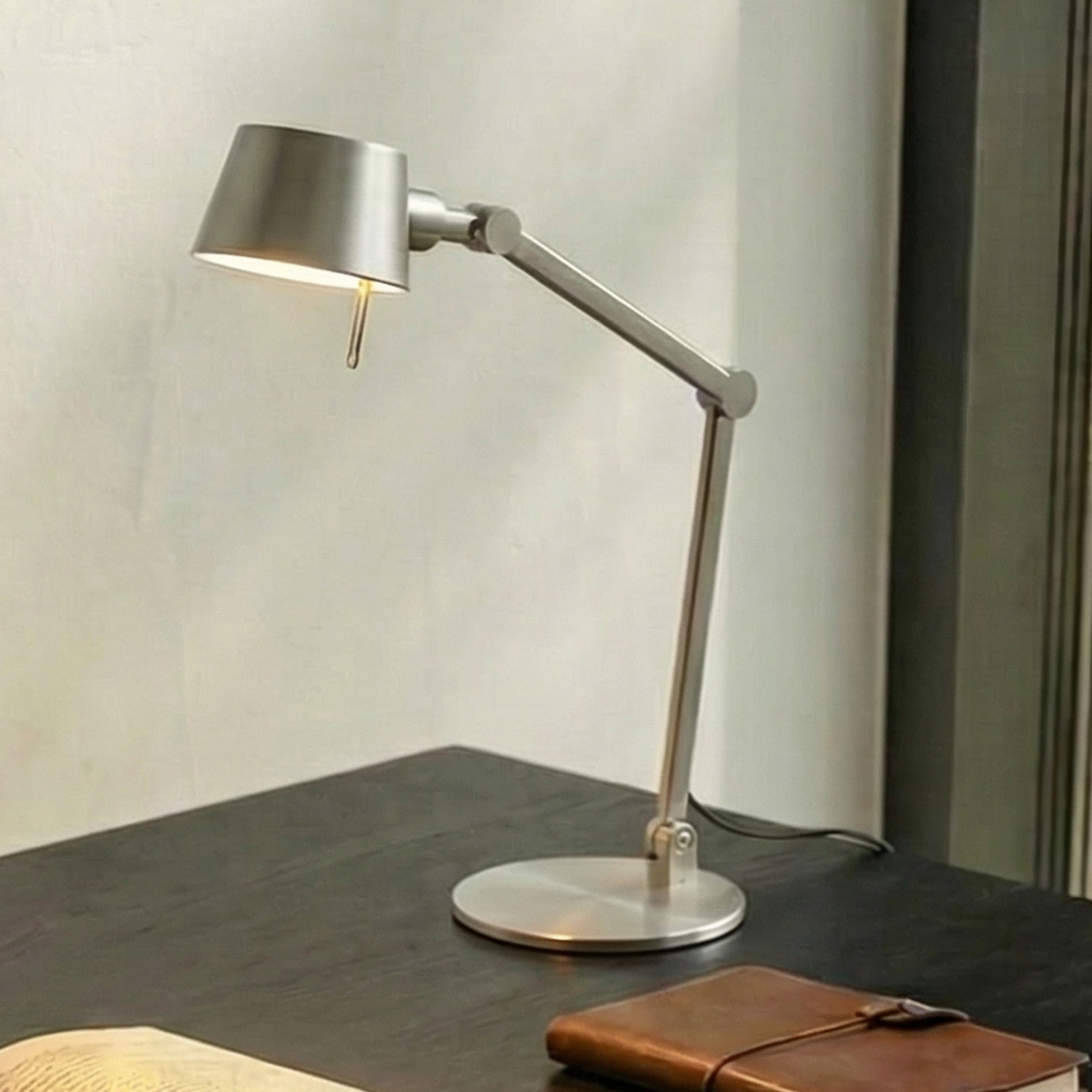
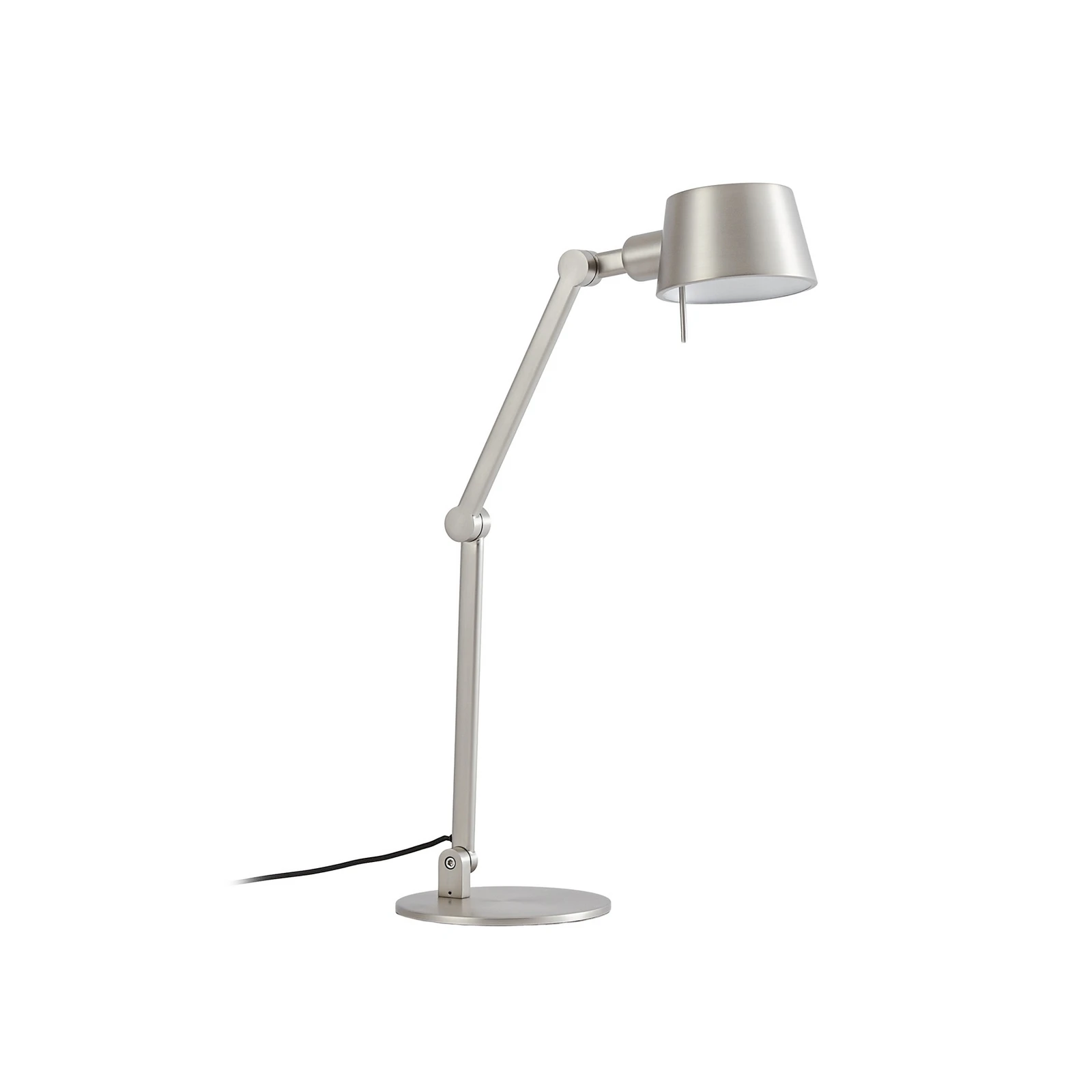
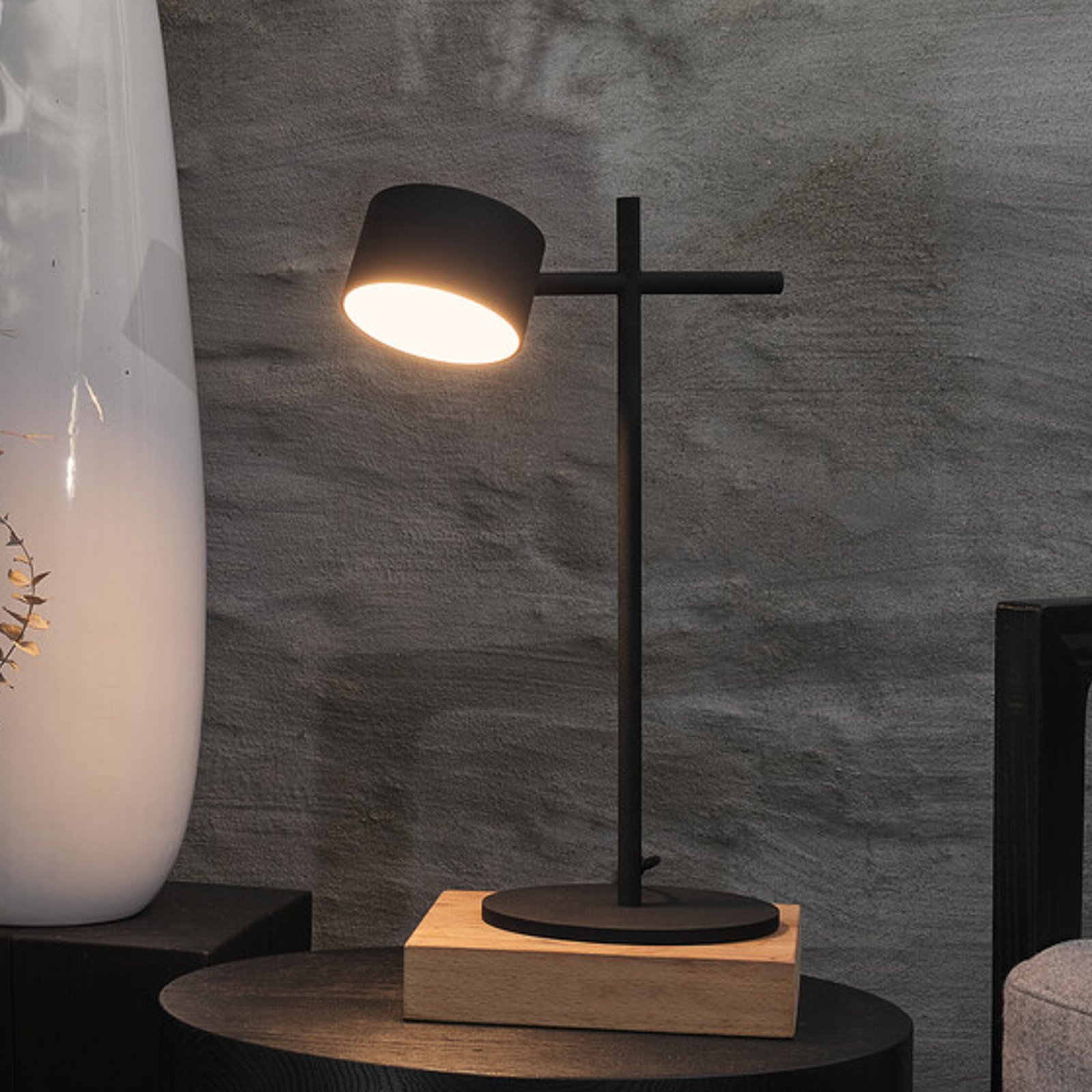
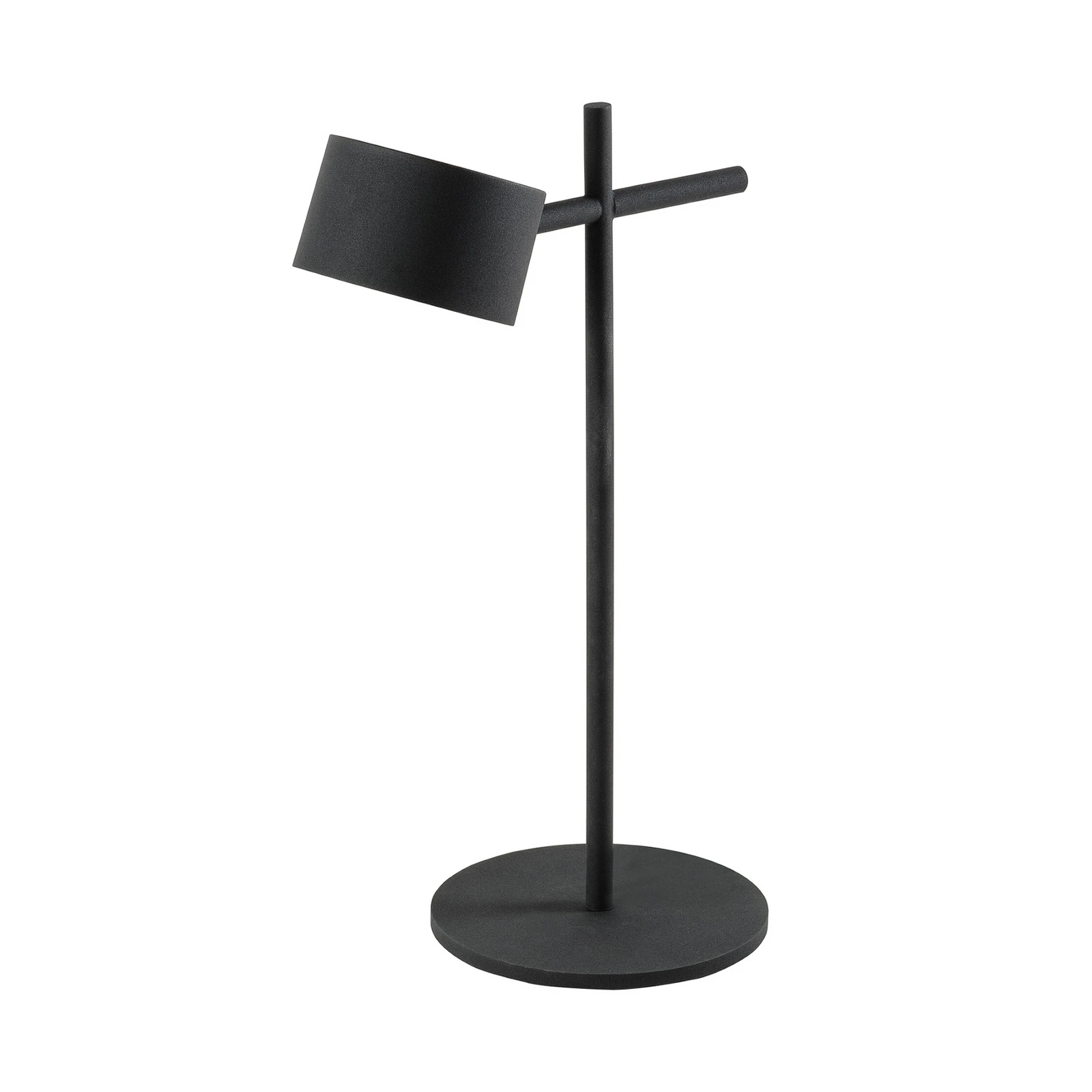
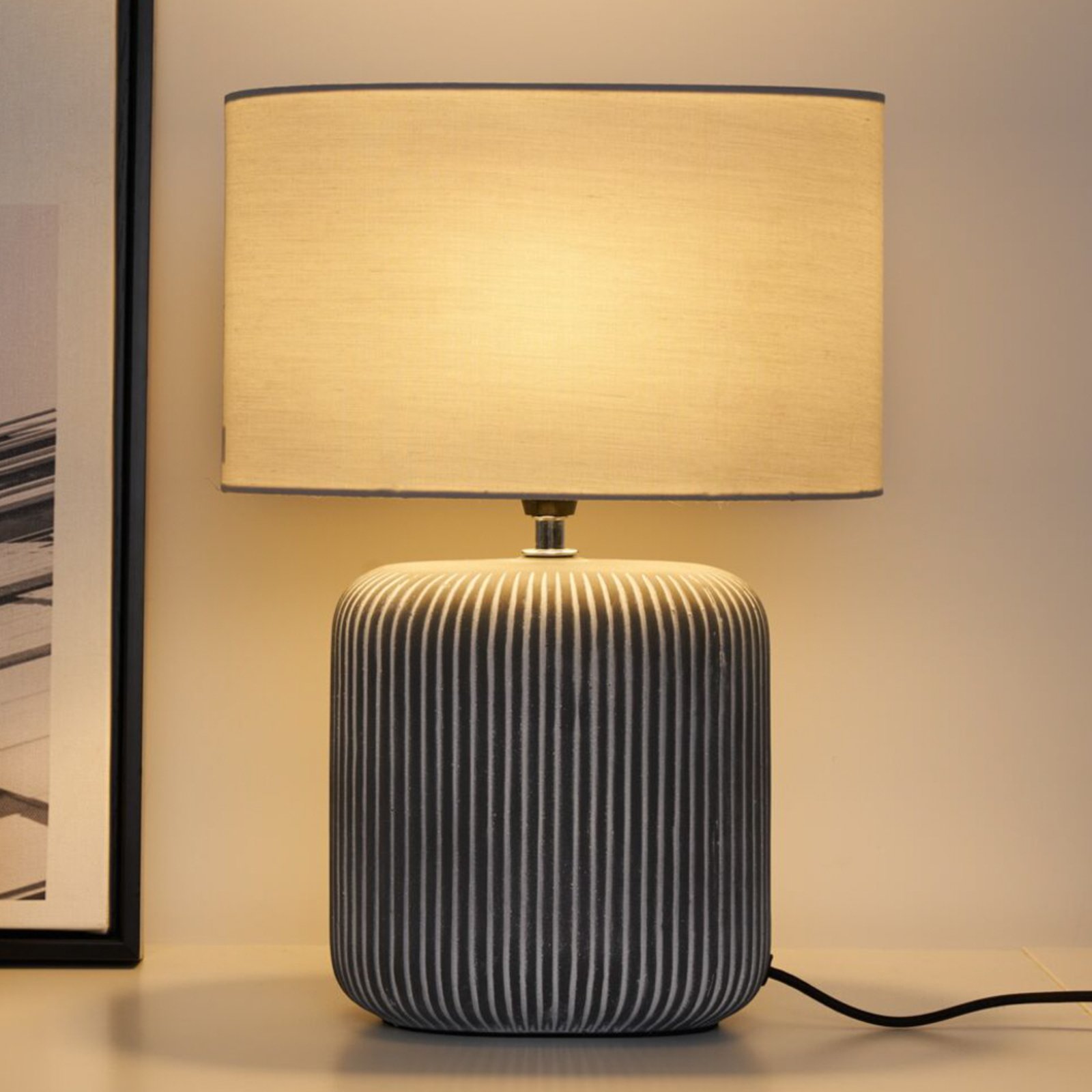
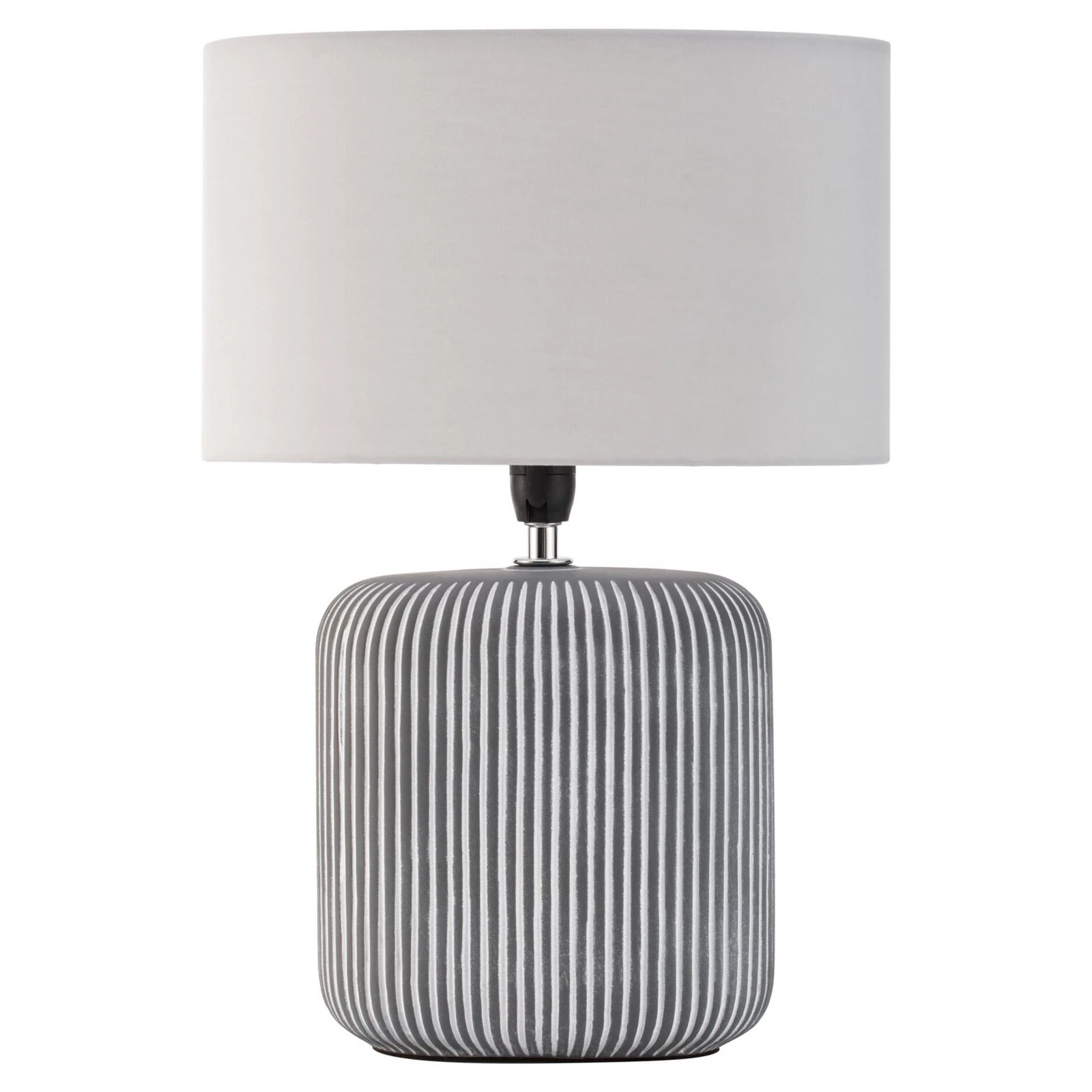
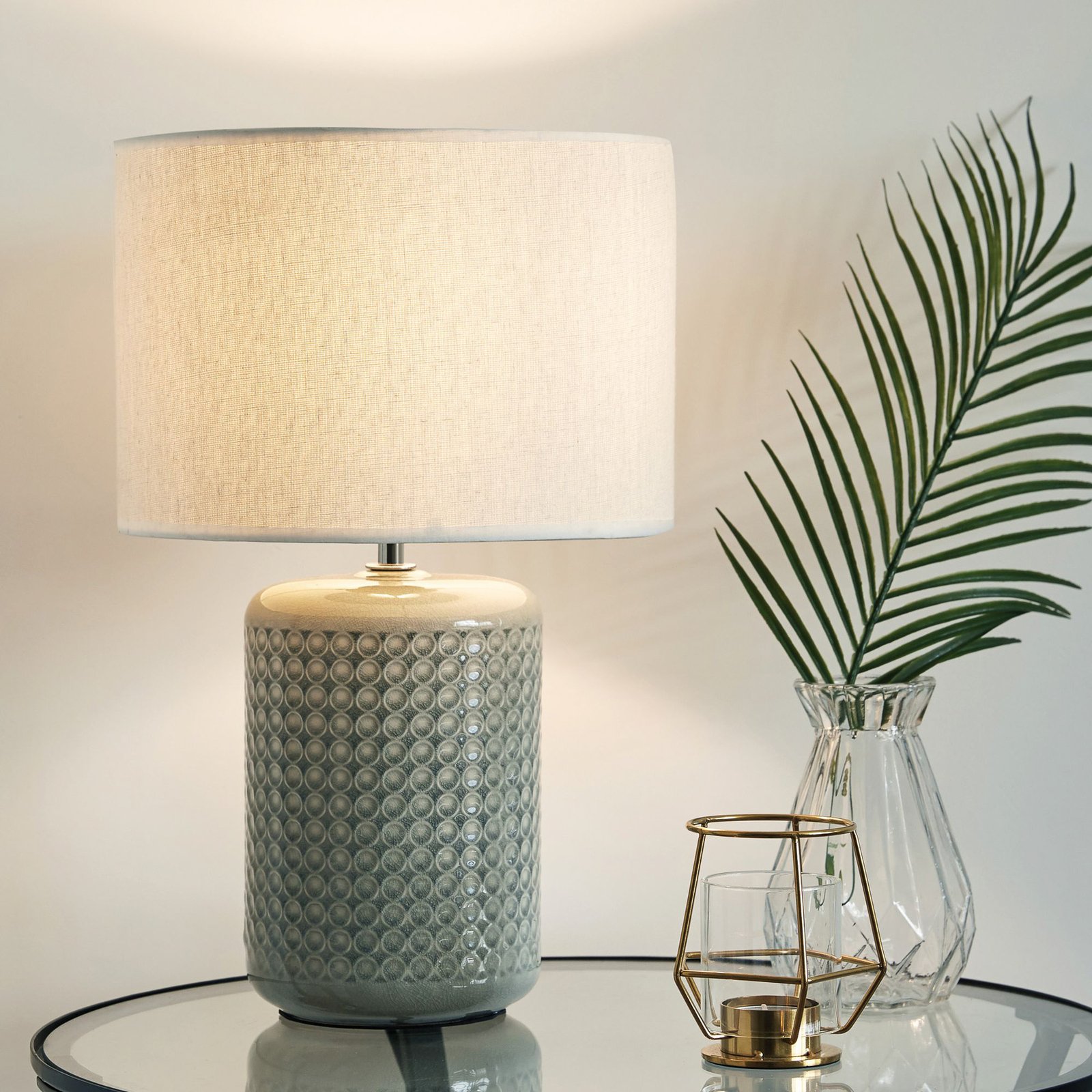
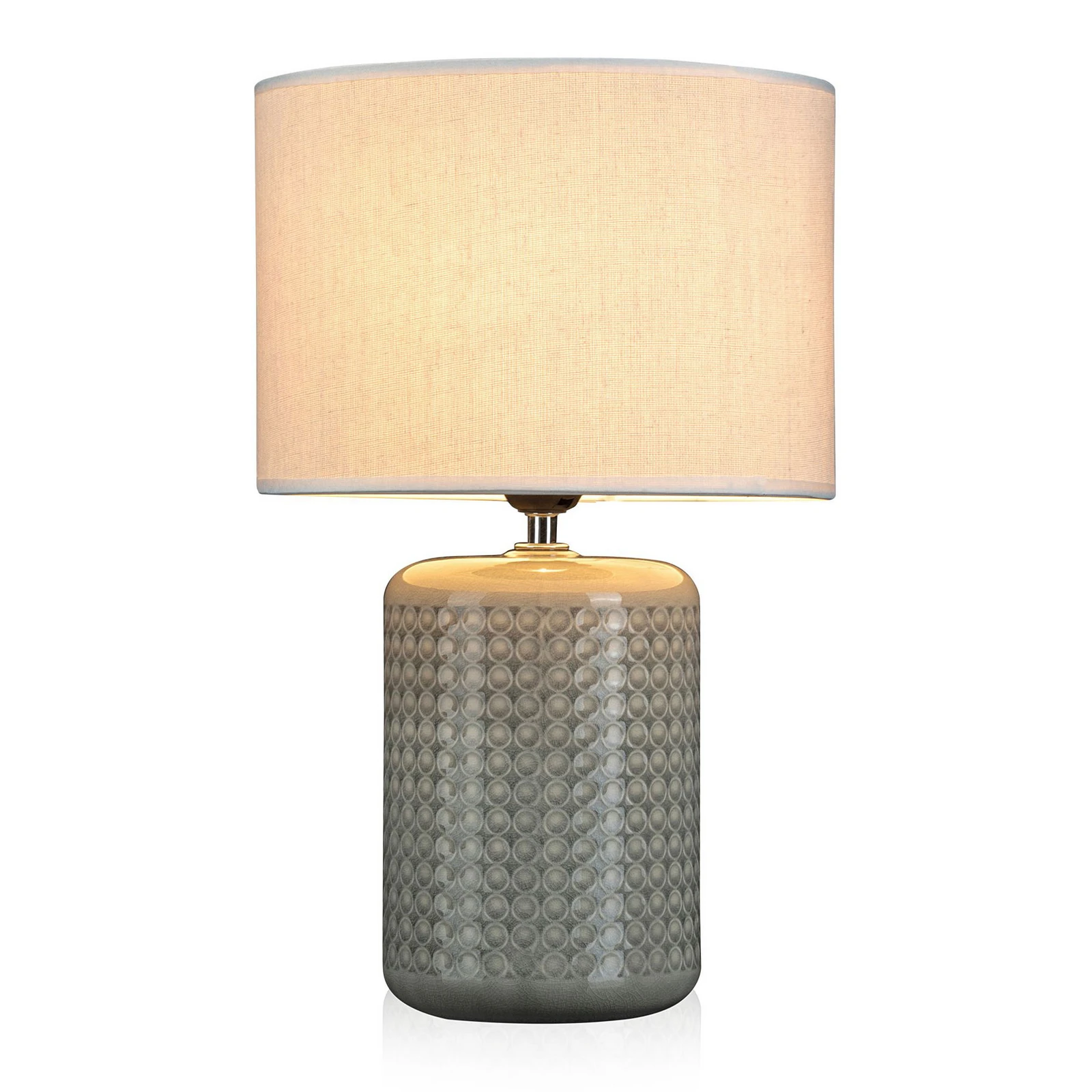
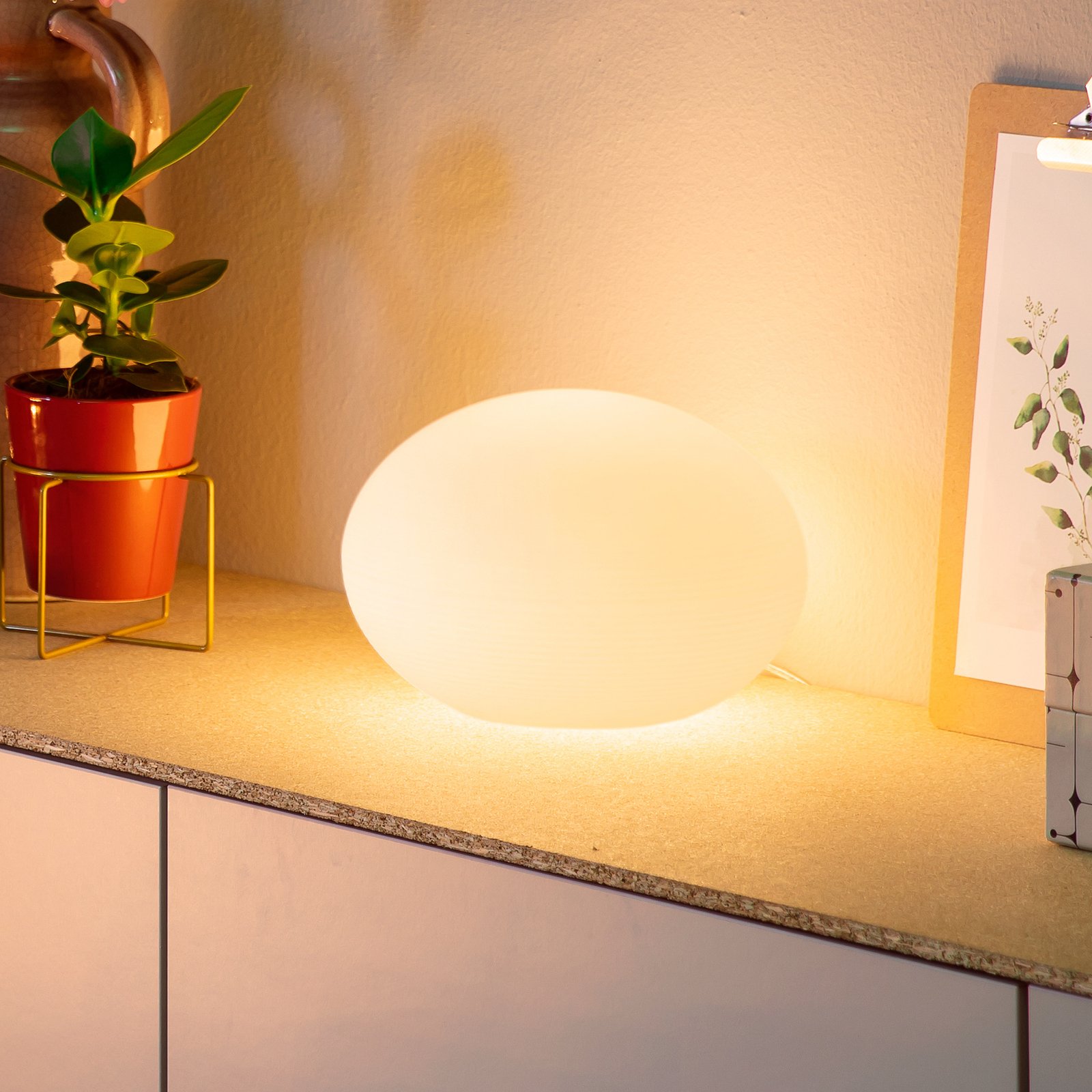
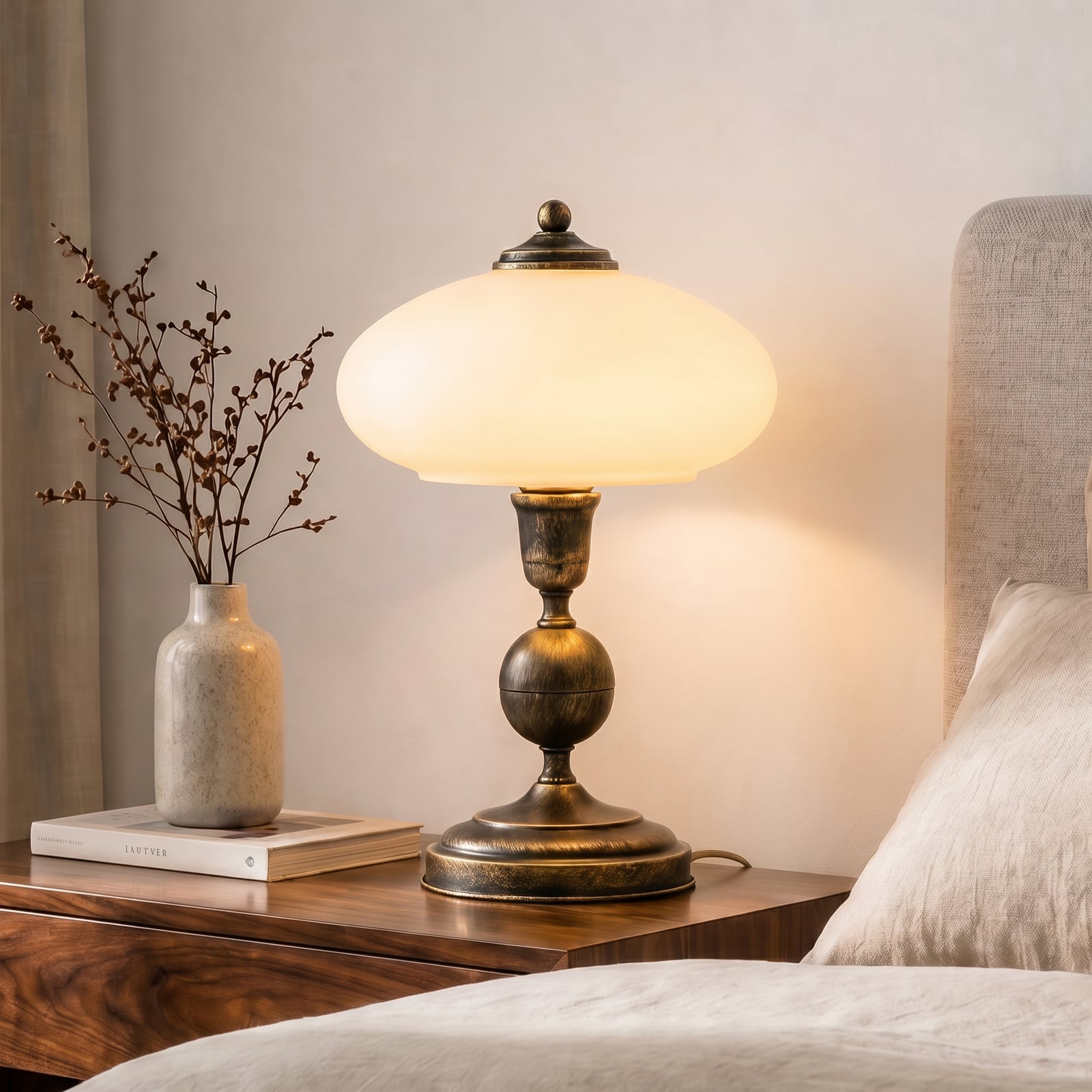
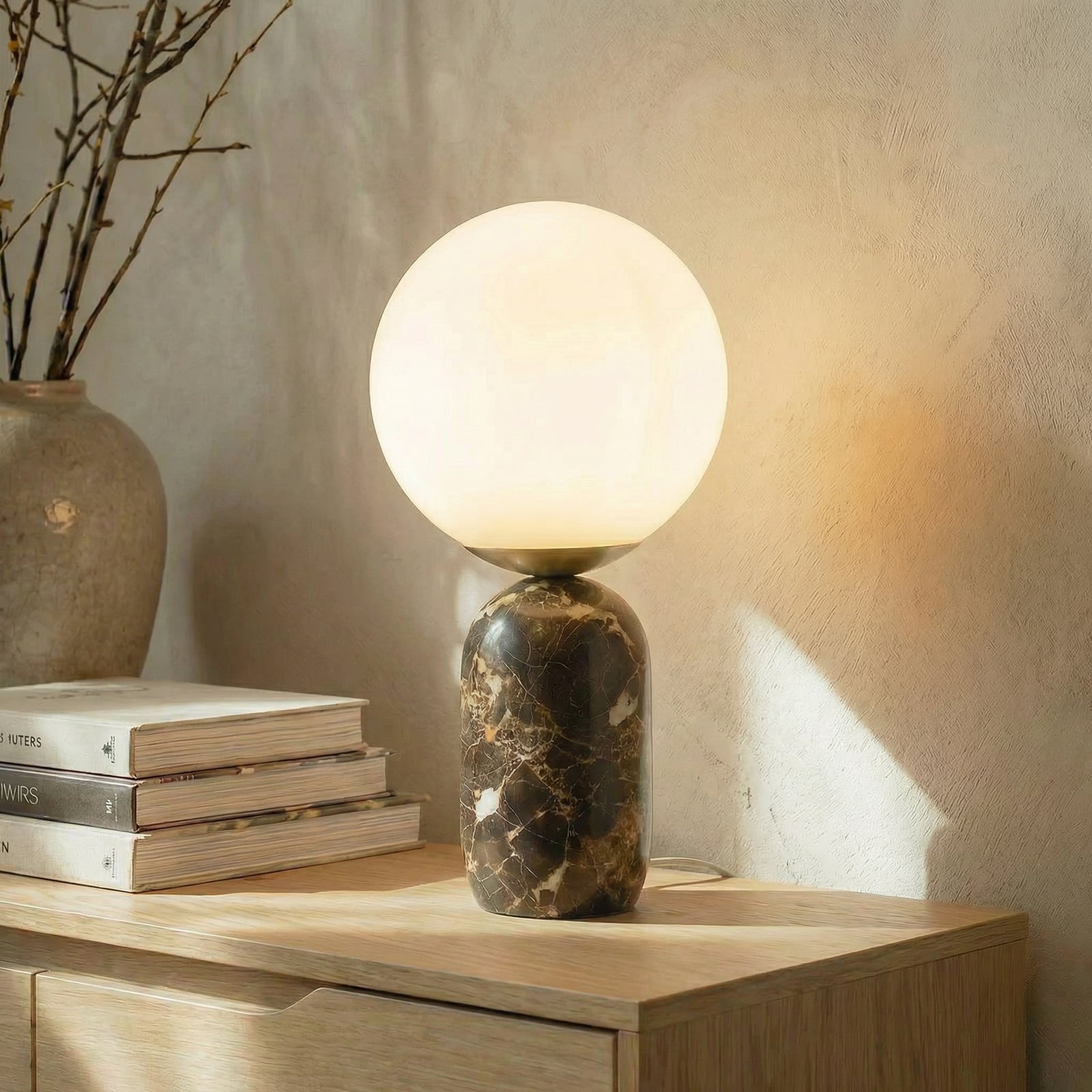
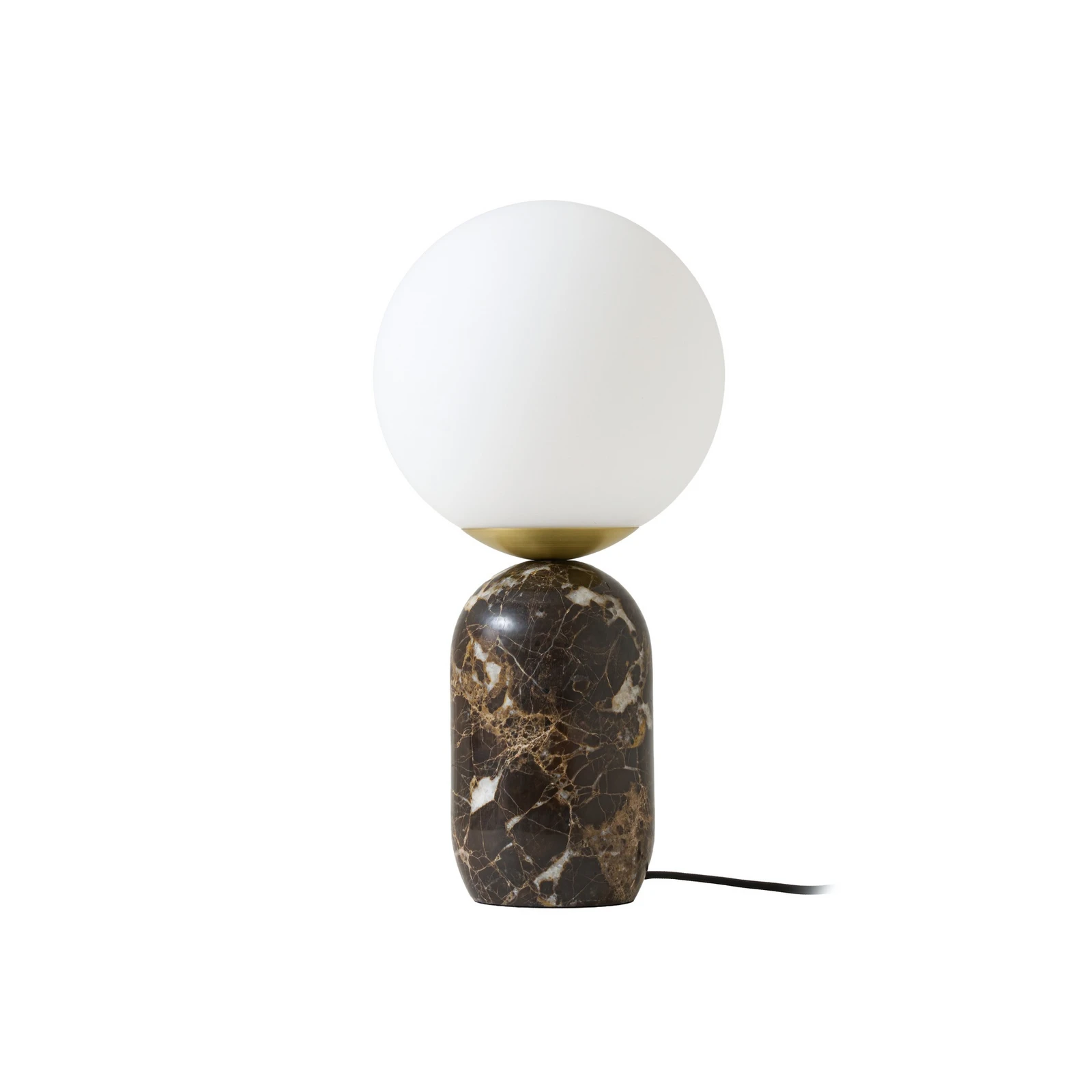
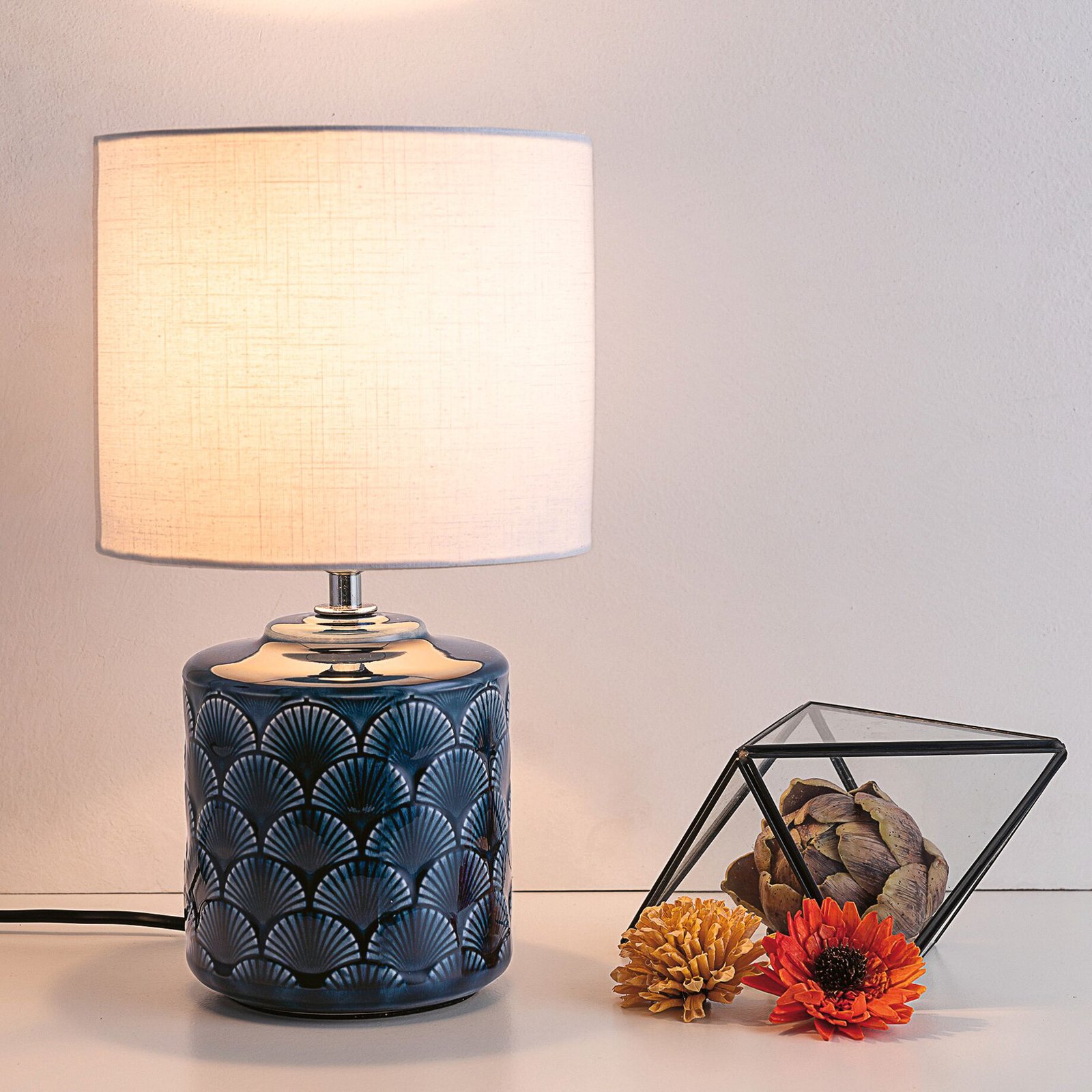
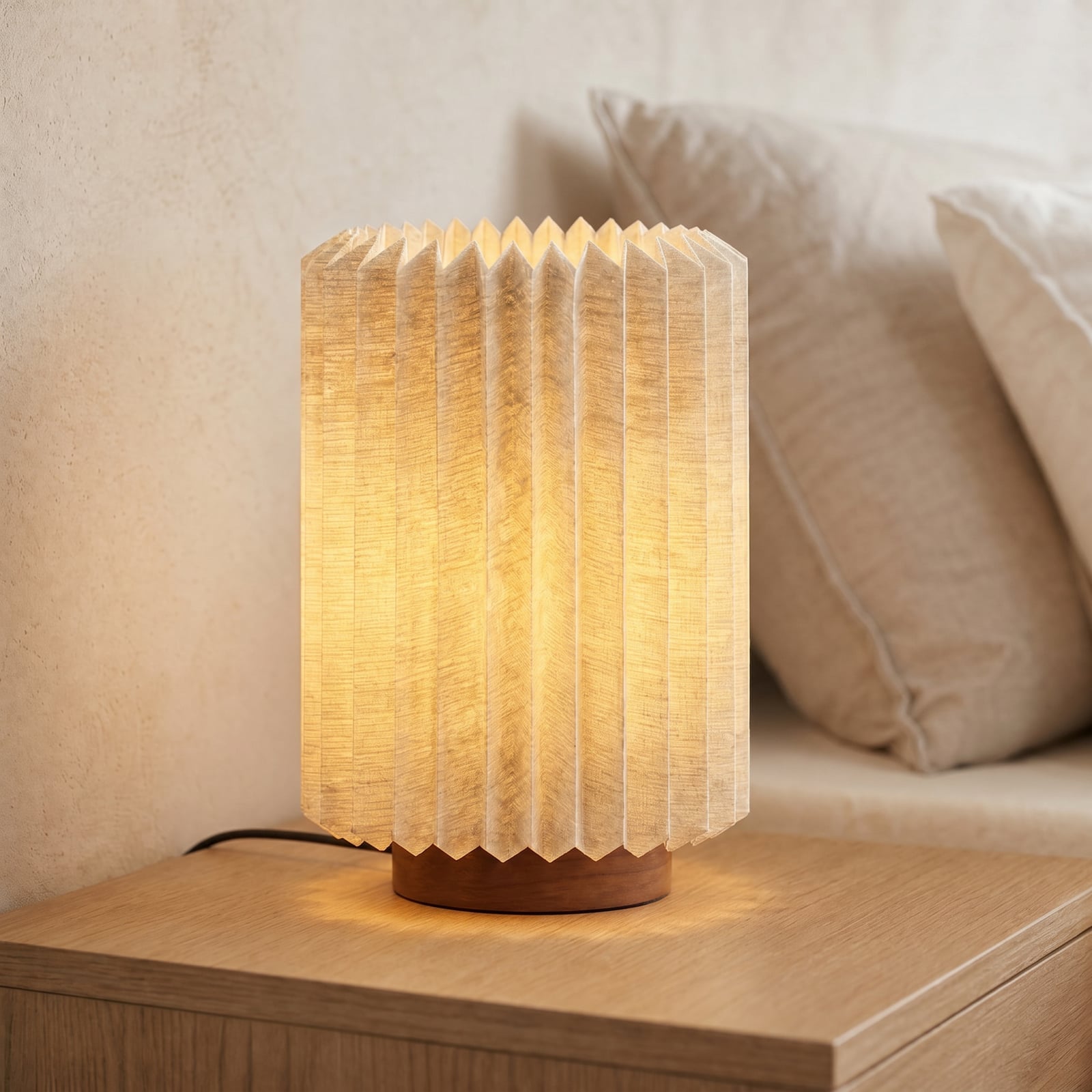
The shape of a table lamp influences whether the light is directed, widely distributed or shielded. A table lamp with a closed shade directs the light mainly downwards and only to a limited extent to the sides. A closed shade is suitable for quiet, limited lighting areas on furniture or for the area next to the bed. Open table lamps with a visible light source emit light more broadly and less shielded into the surroundings. A shade made of glass often appears lighter and more open than a shade made of fabric or metal because more light penetrates to the outside and the luminaire therefore appears less closed. A wide lampshade distributes the light more softly in the immediate vicinity, while a narrow or directional head directs the cone of light more focussed. Adjustable table lamps are practical when the light should not only have a decorative effect, but also be directed onto a specific area. For everyday use, it is therefore not only the appearance that is important, but above all the question of where the light actually falls.
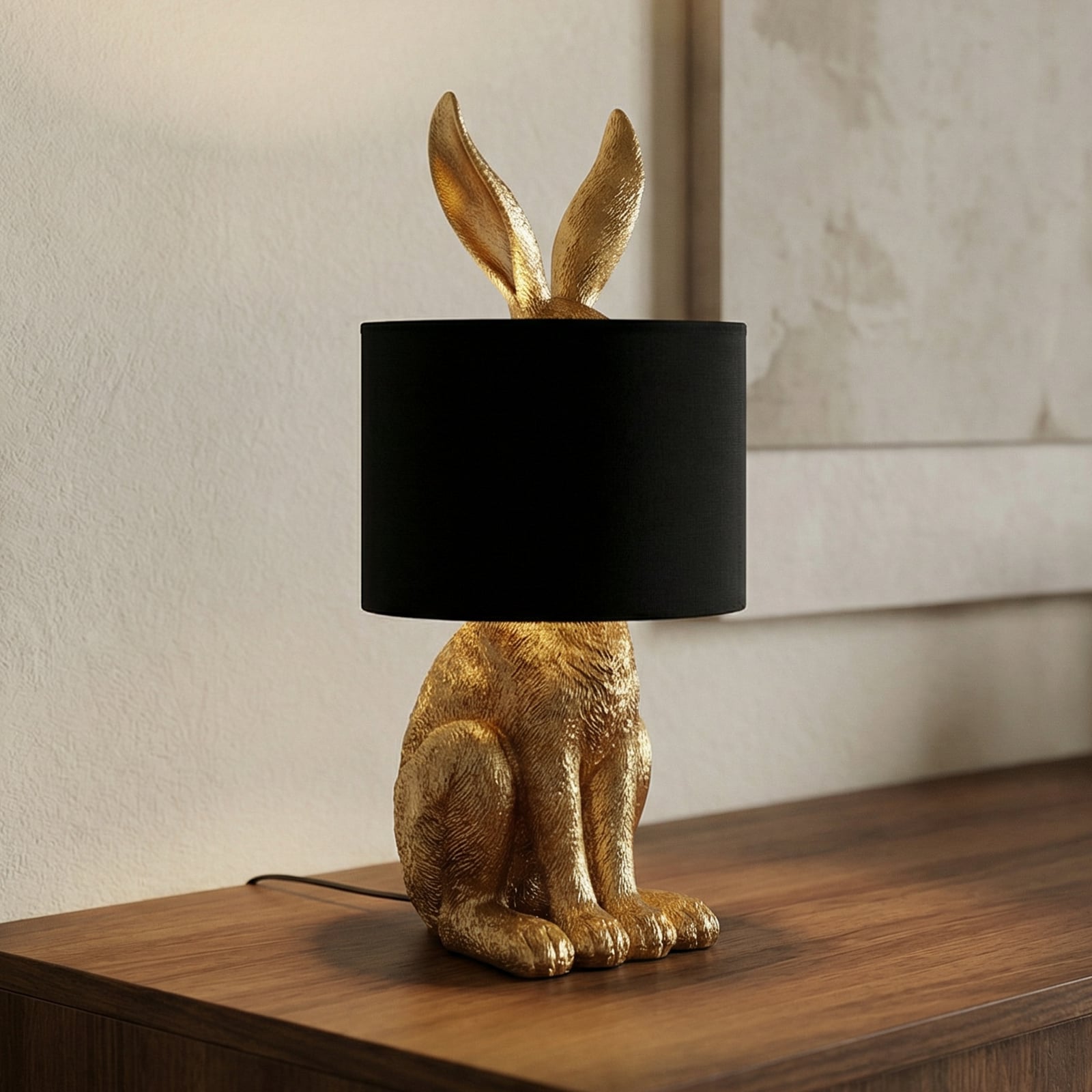
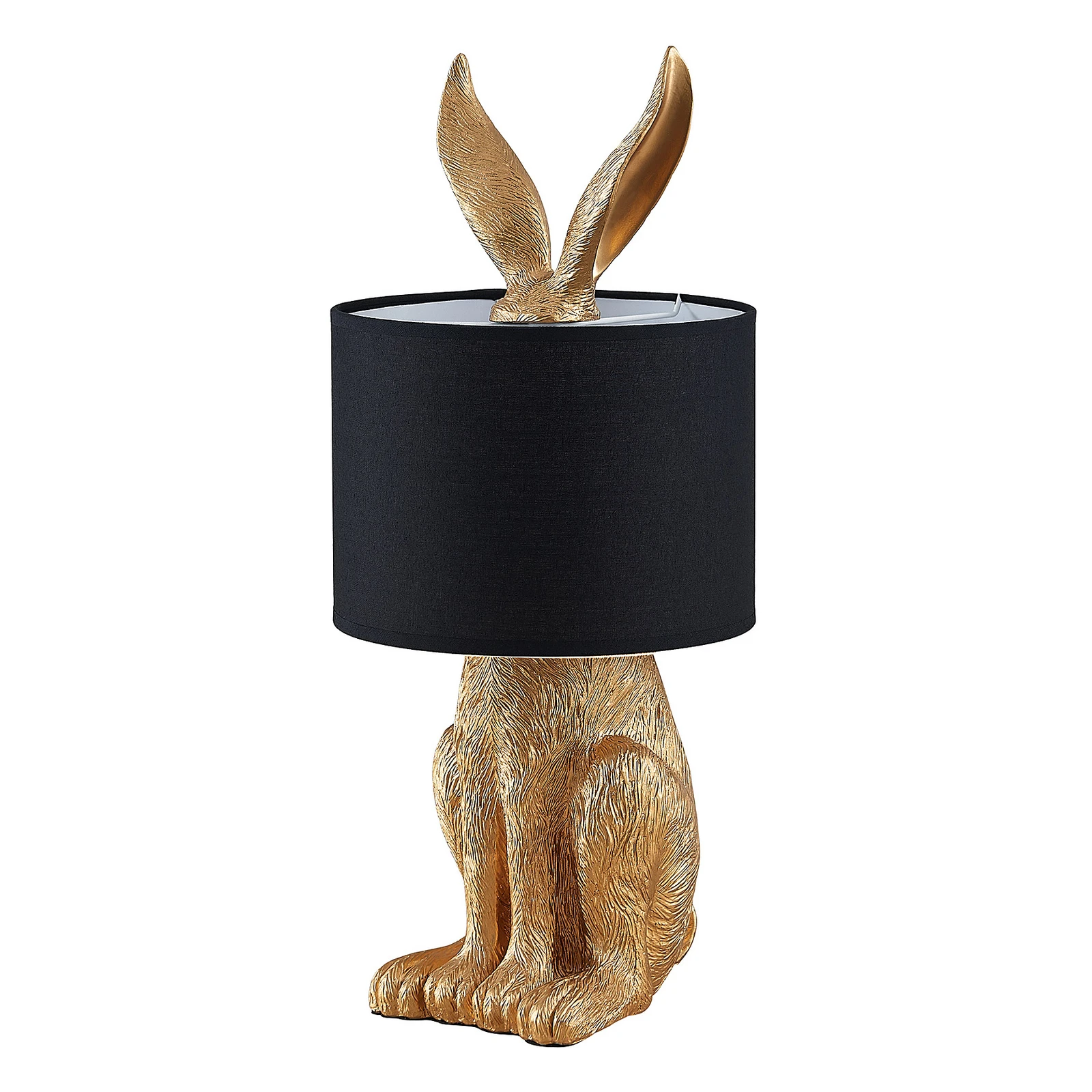
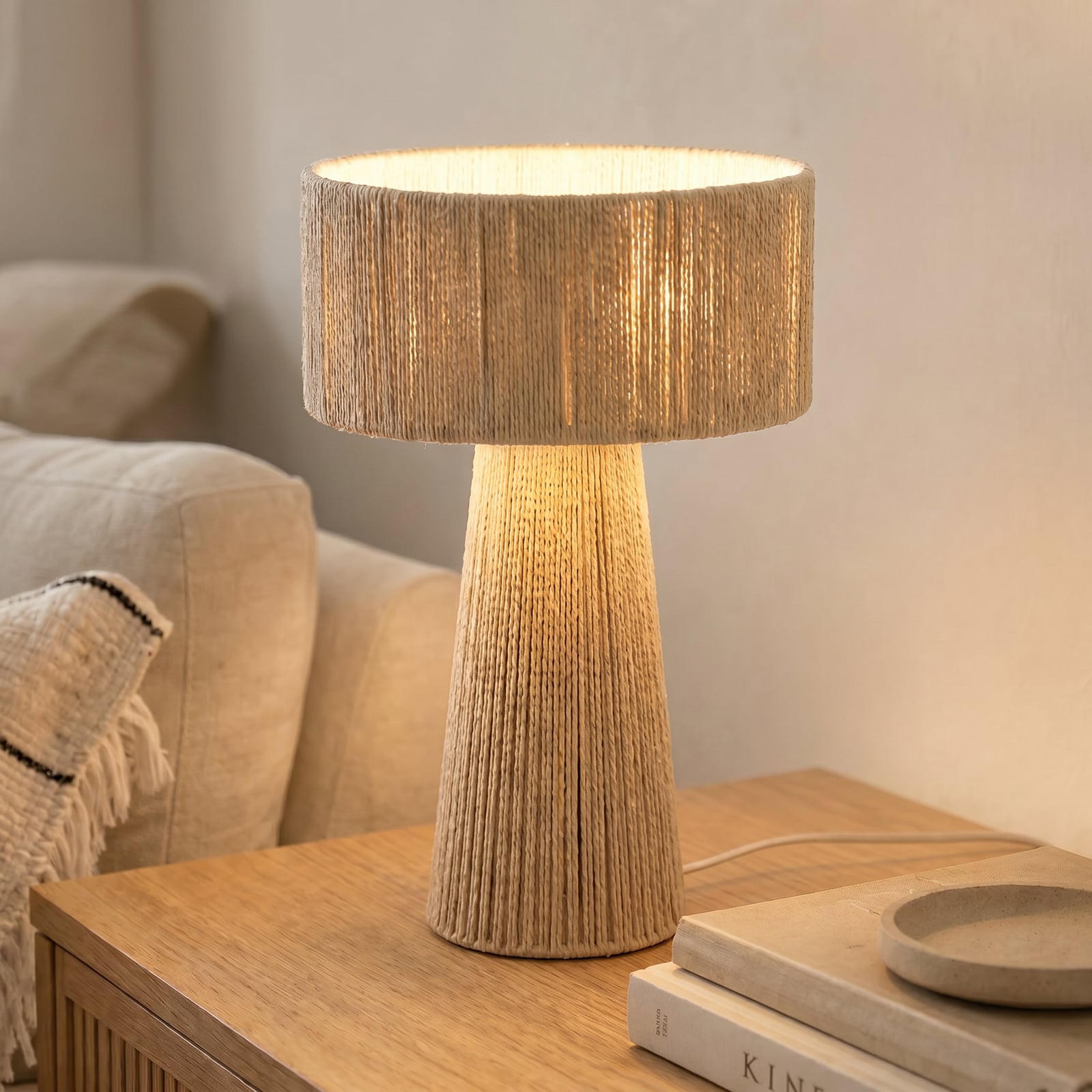
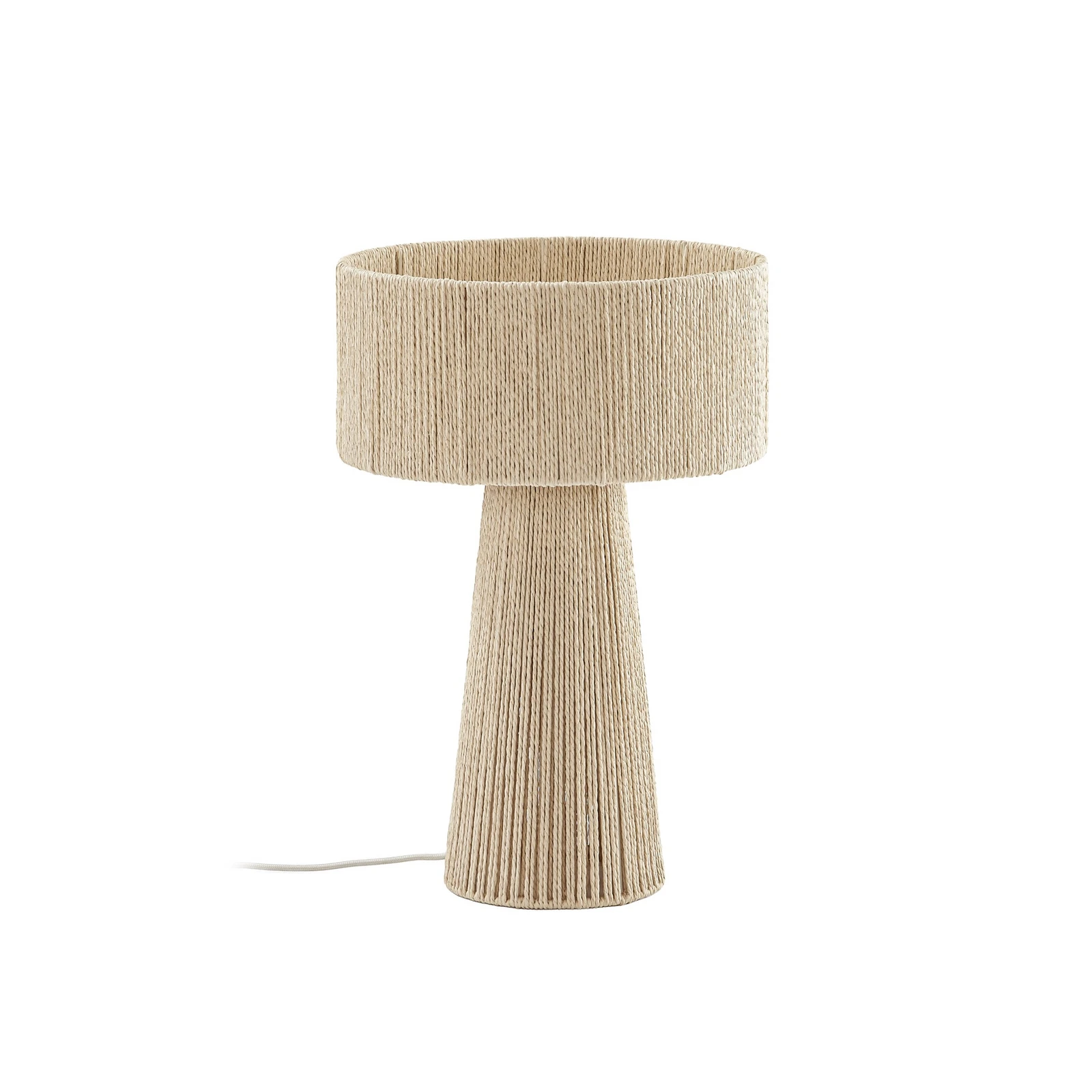
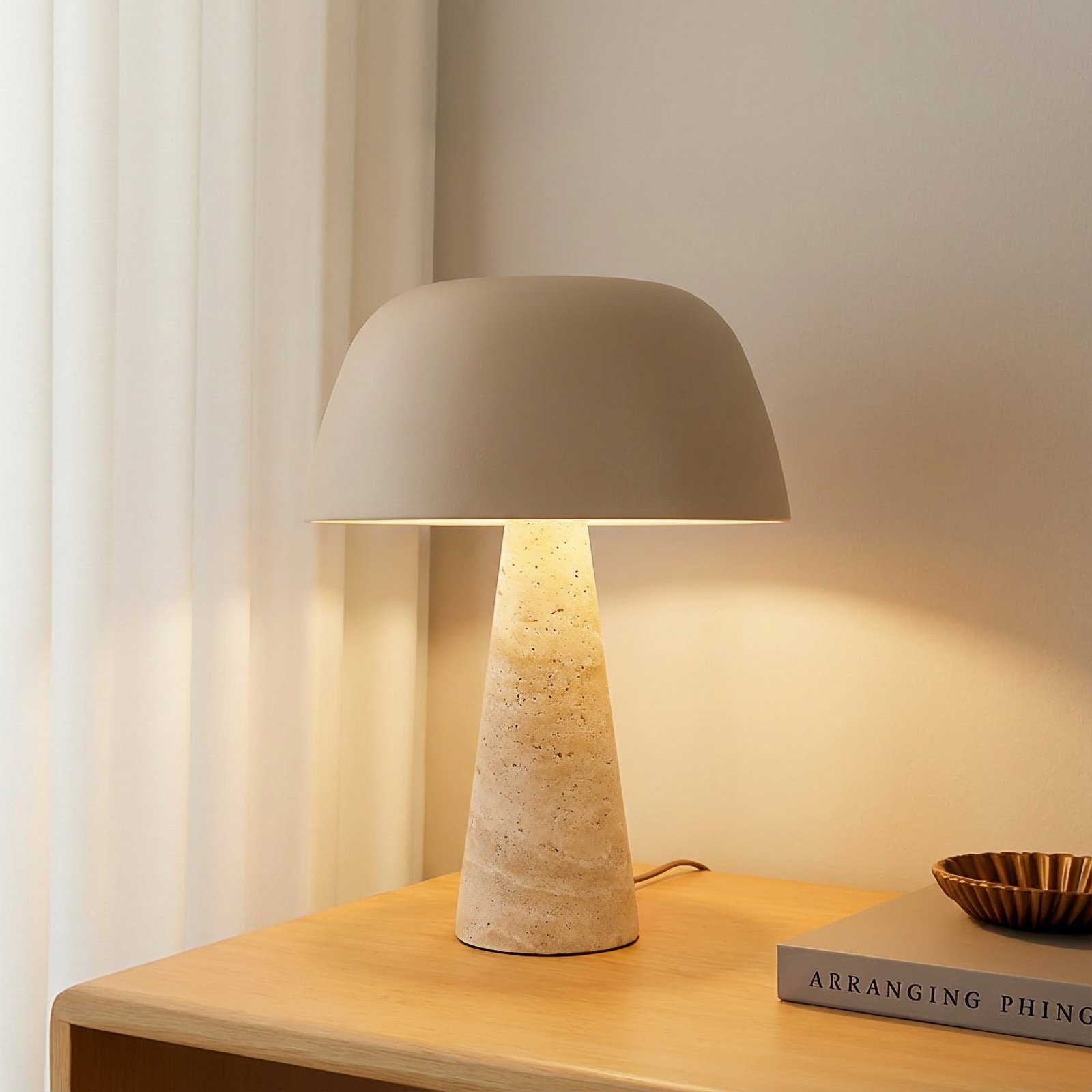
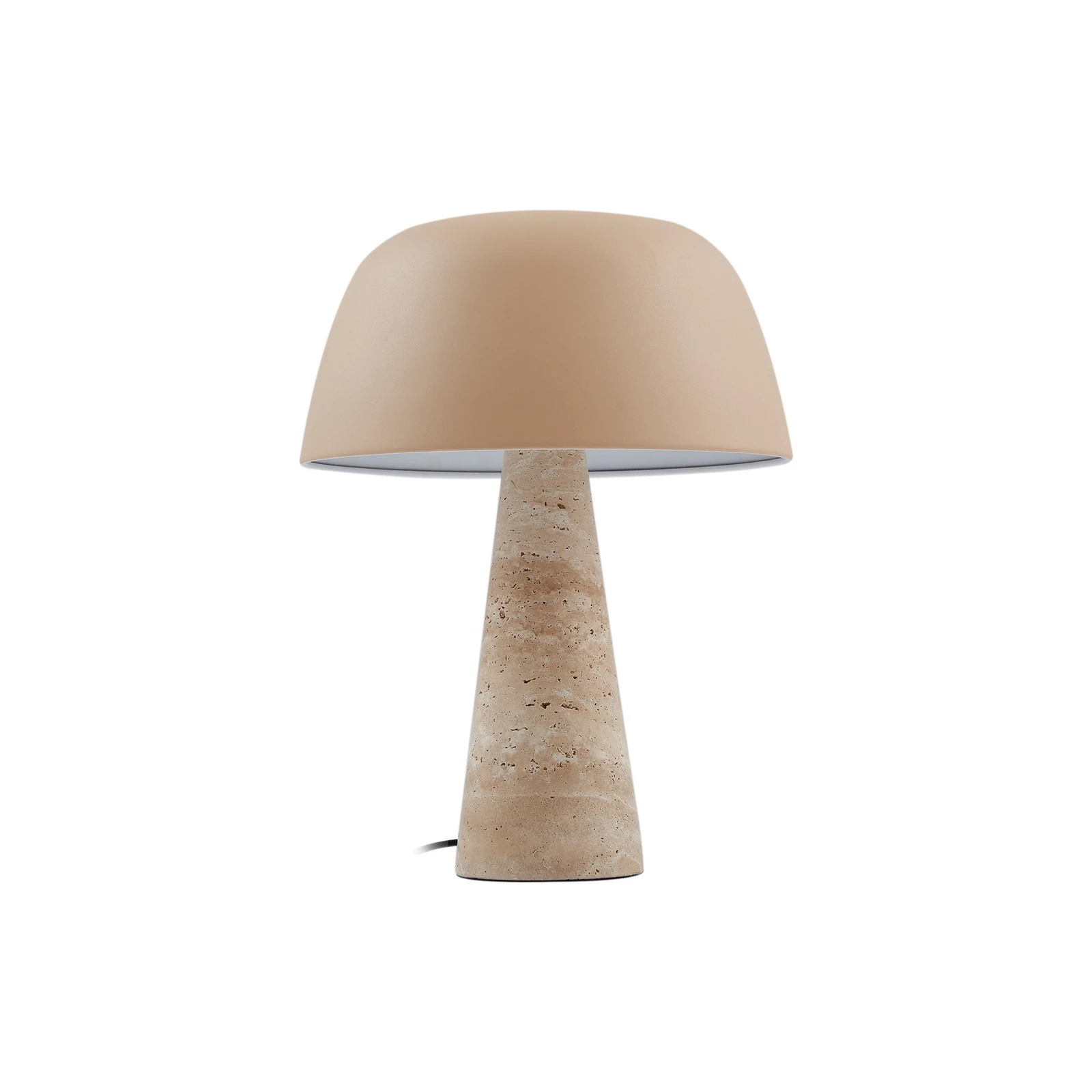
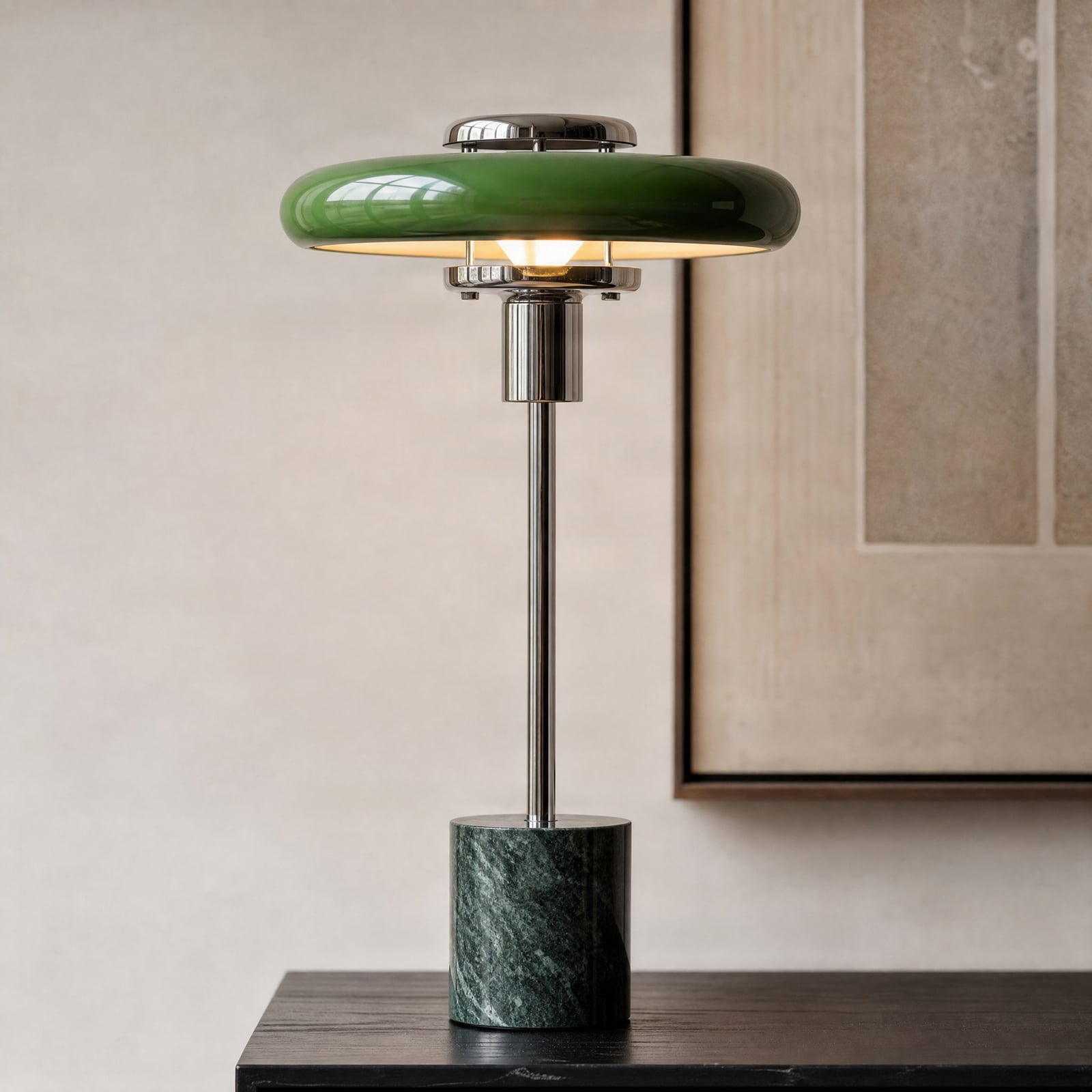
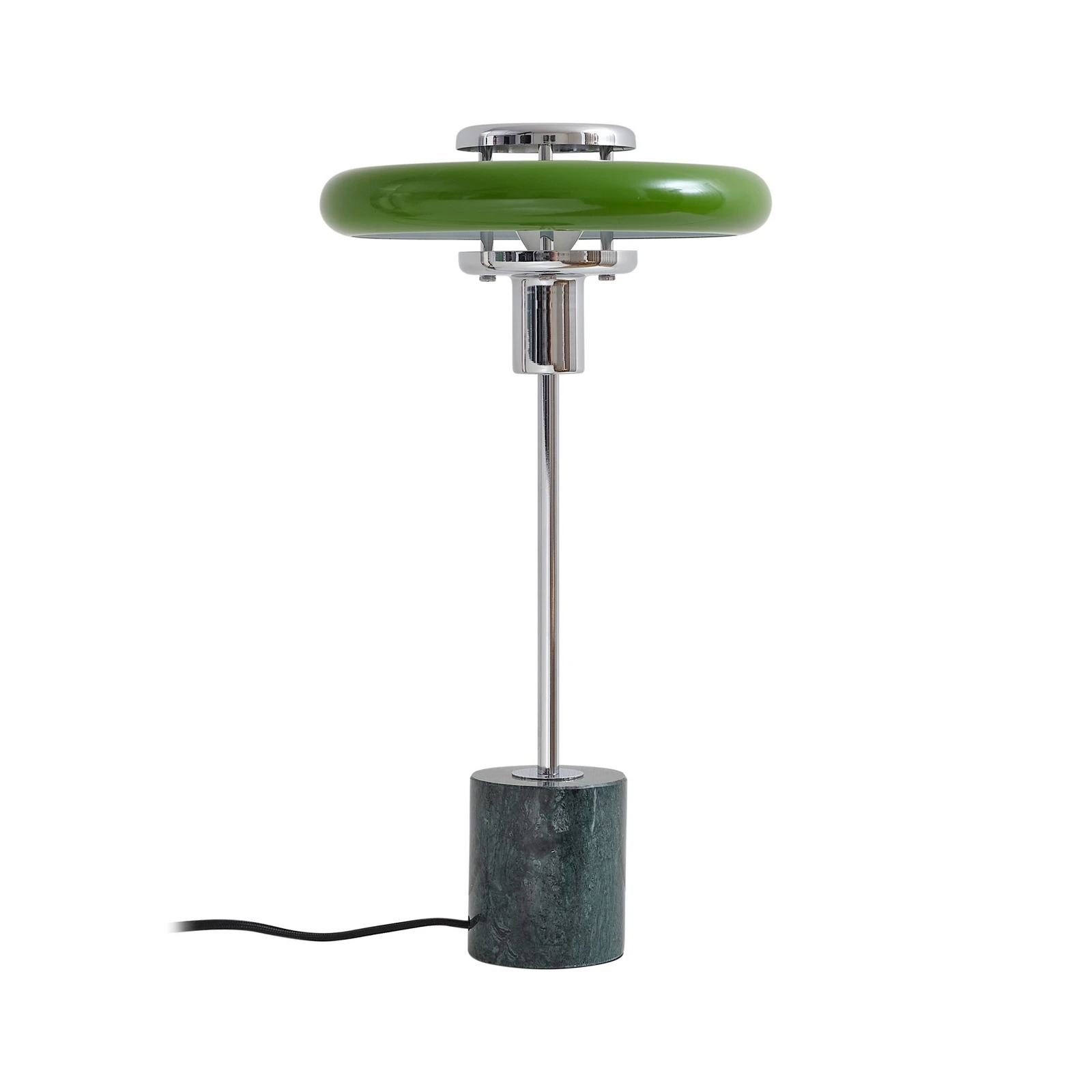
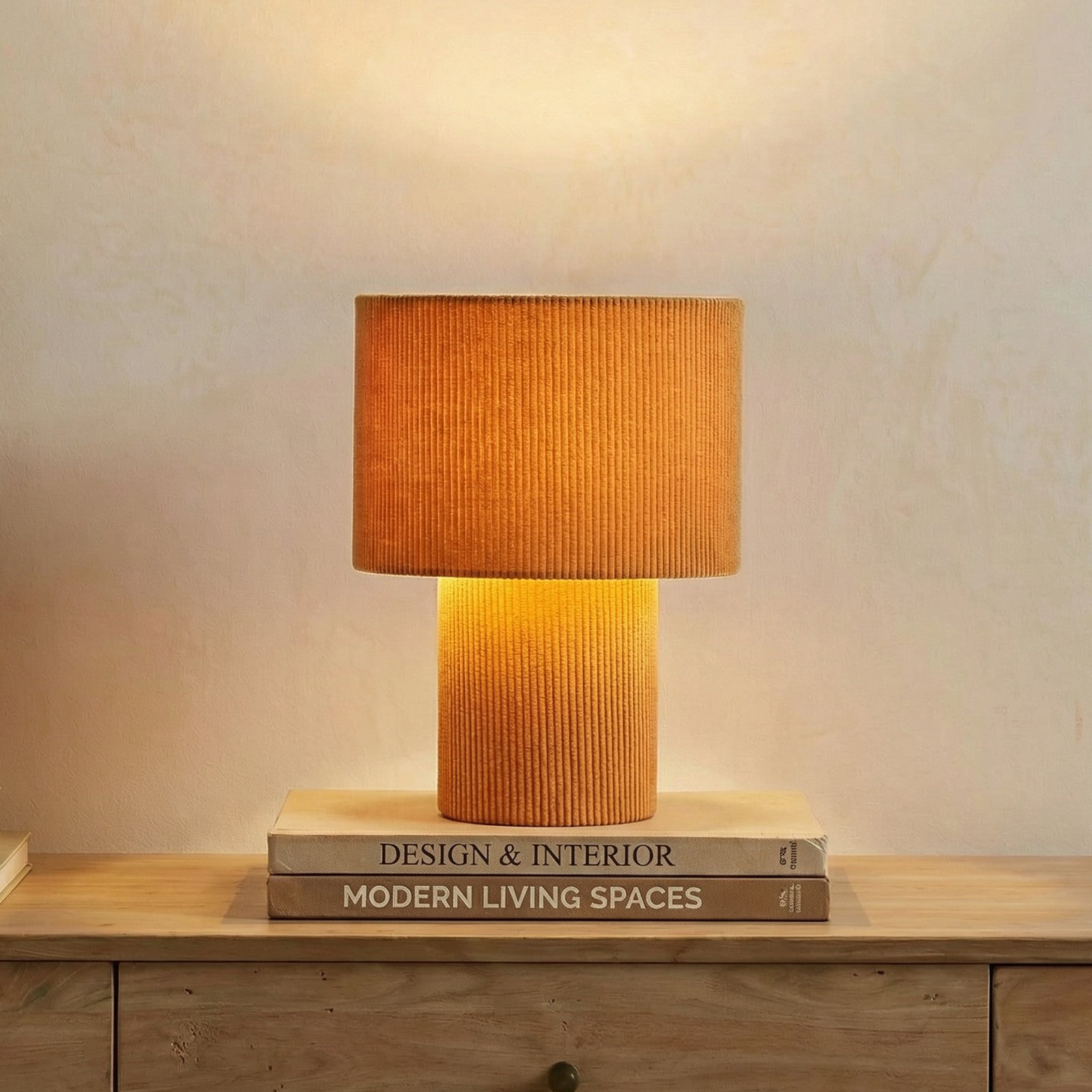
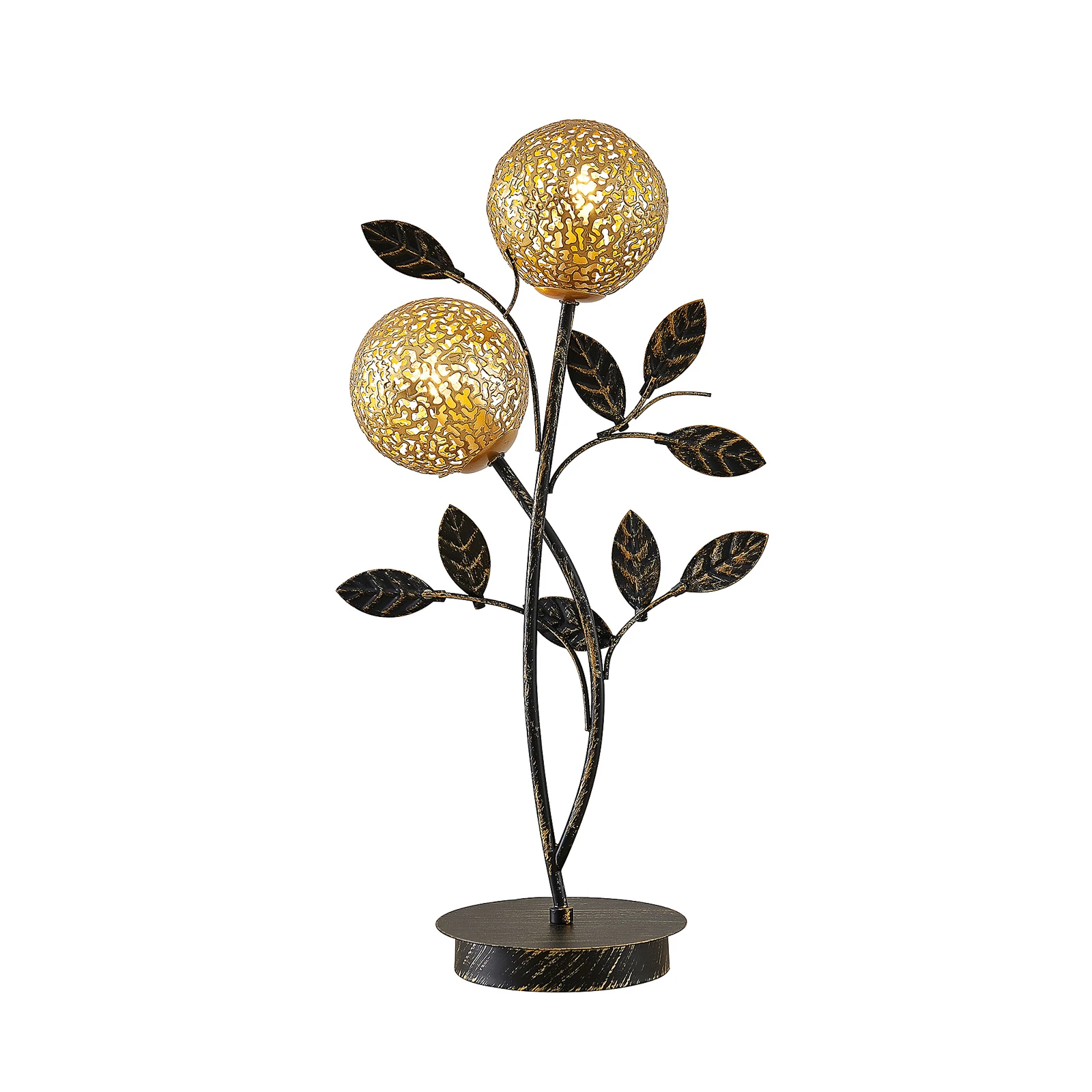
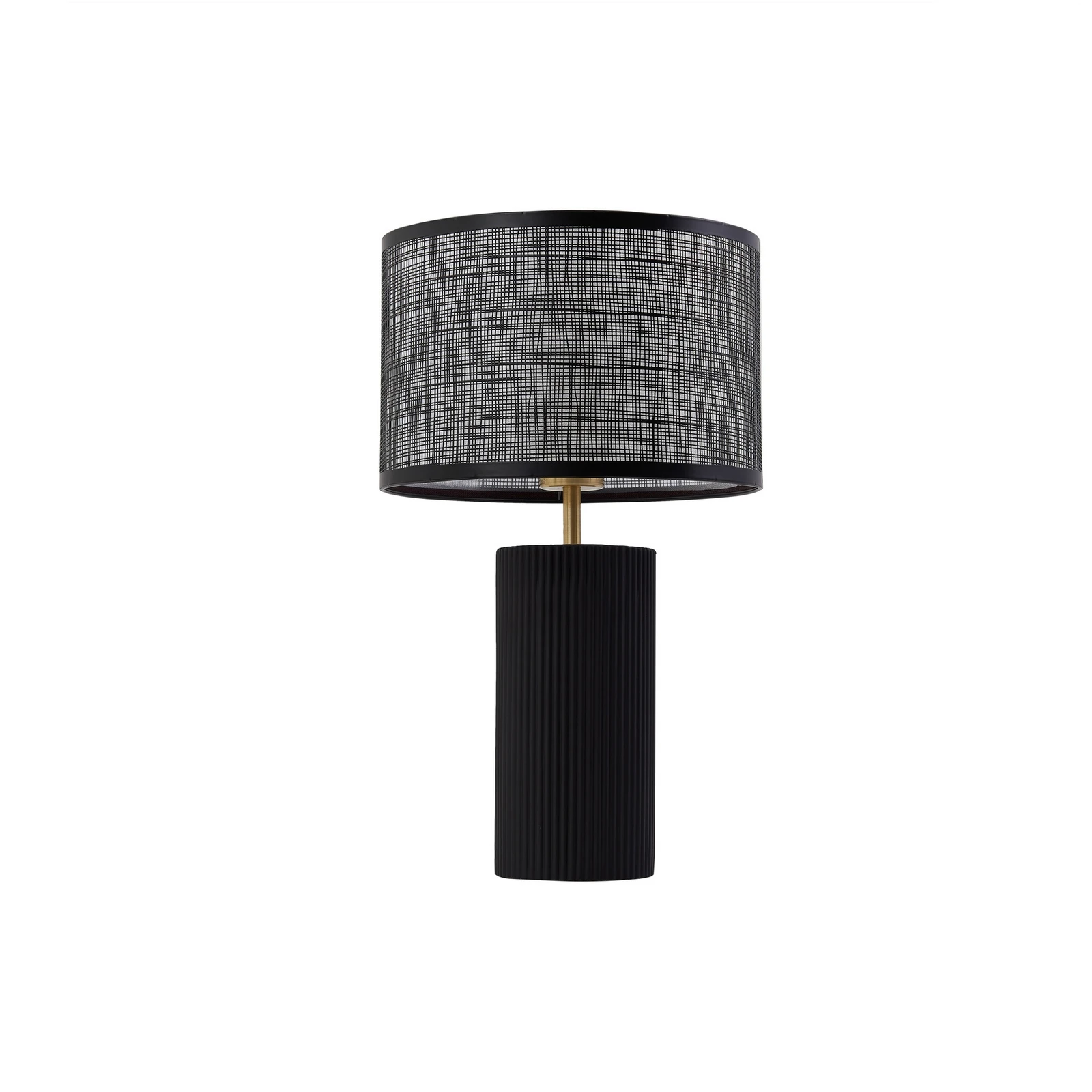
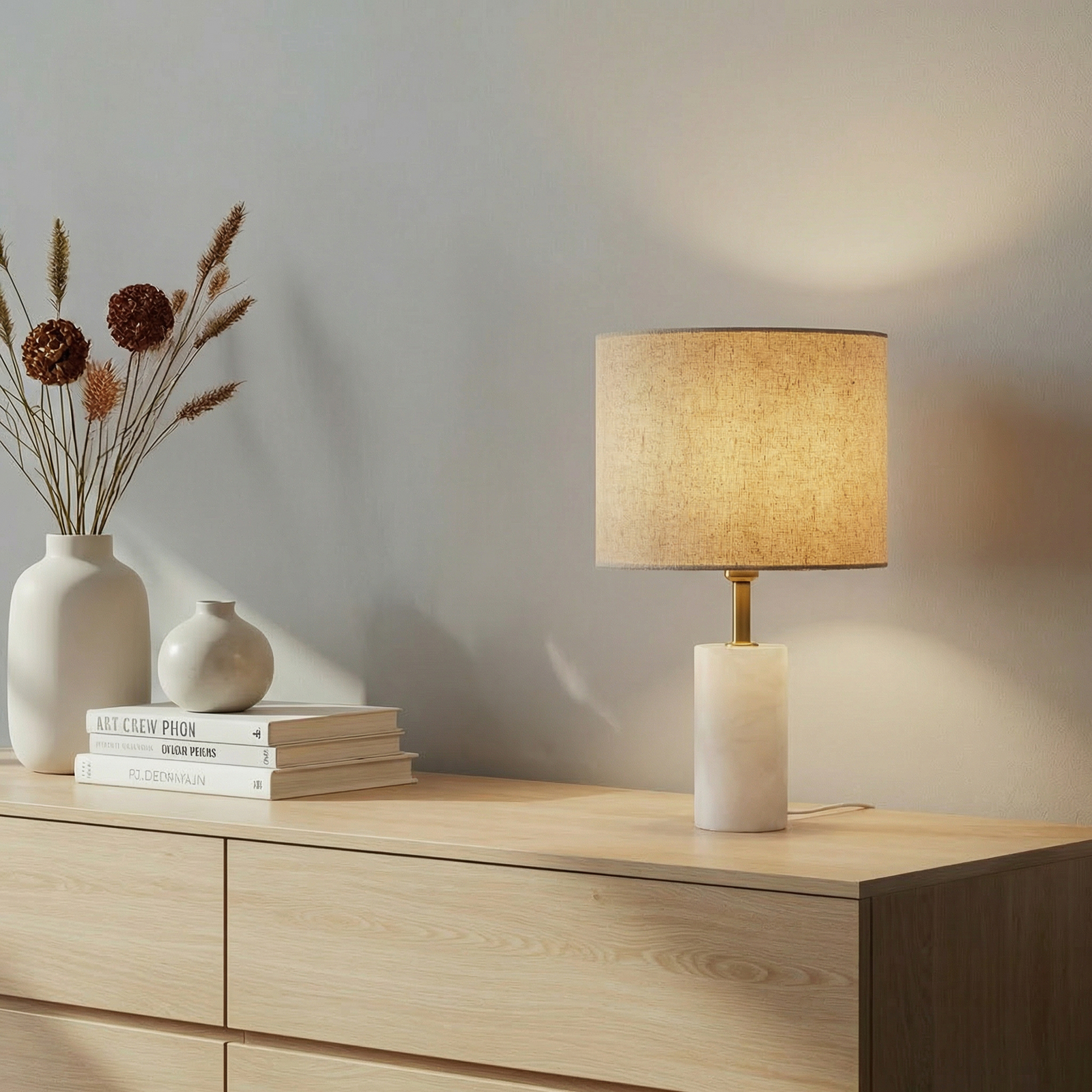
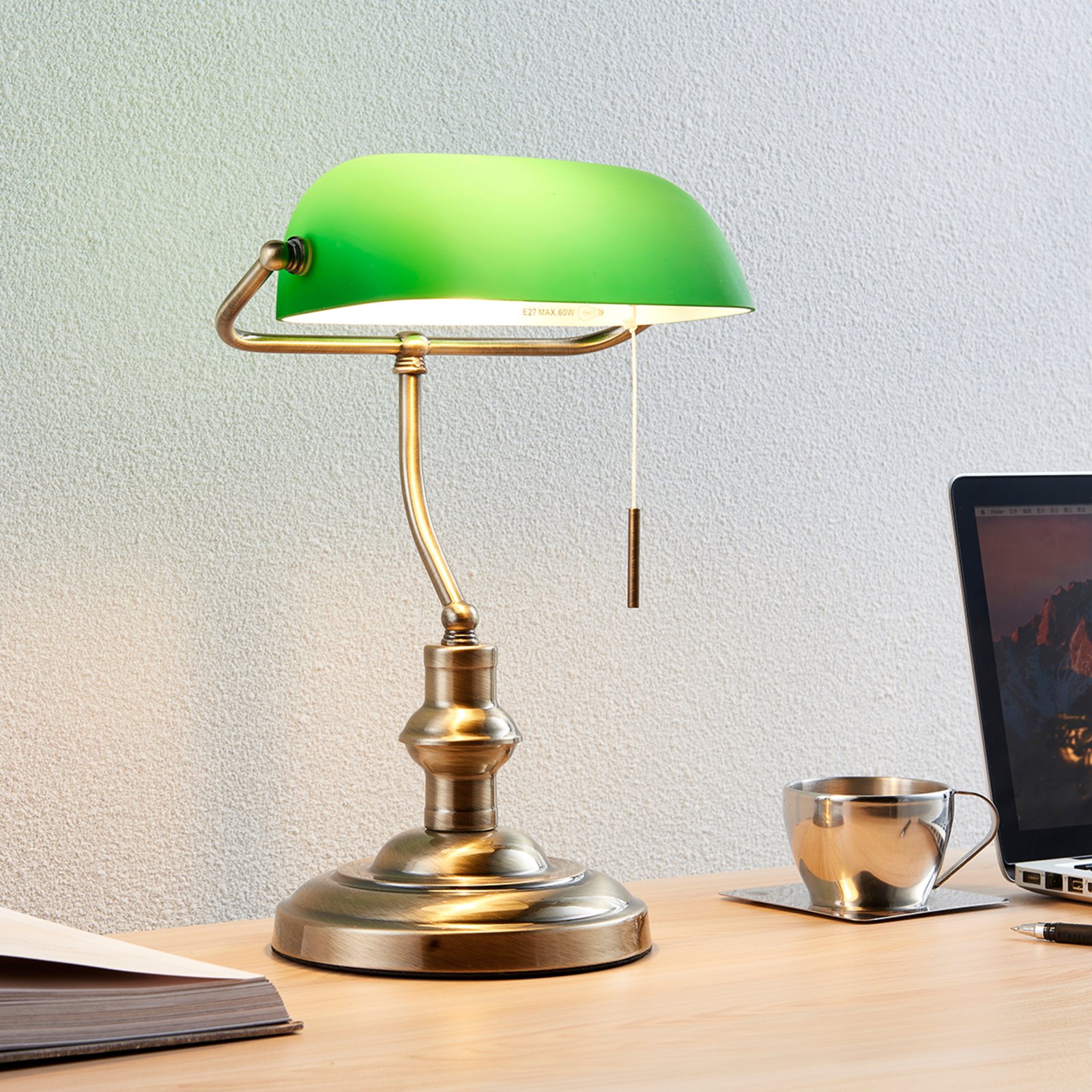
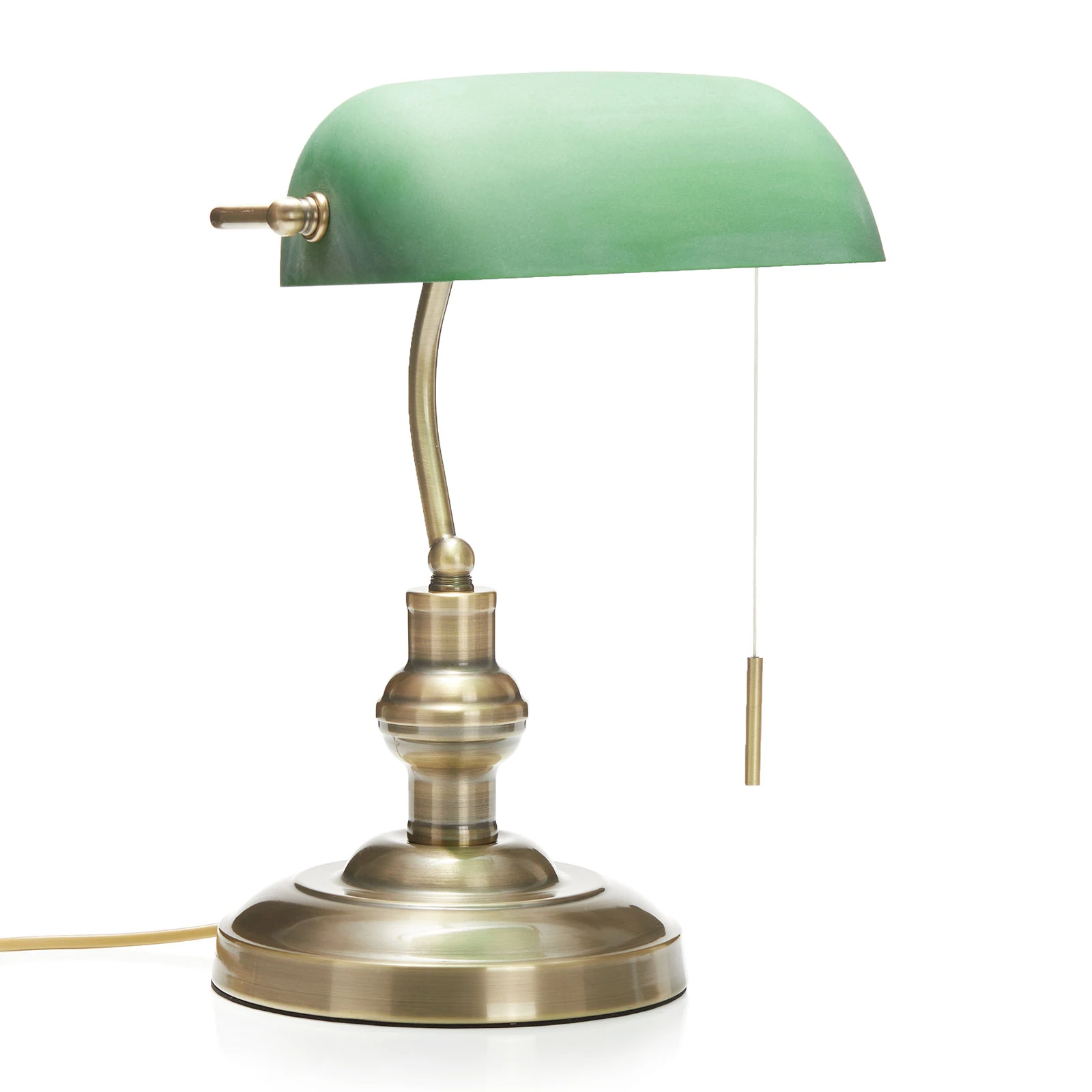
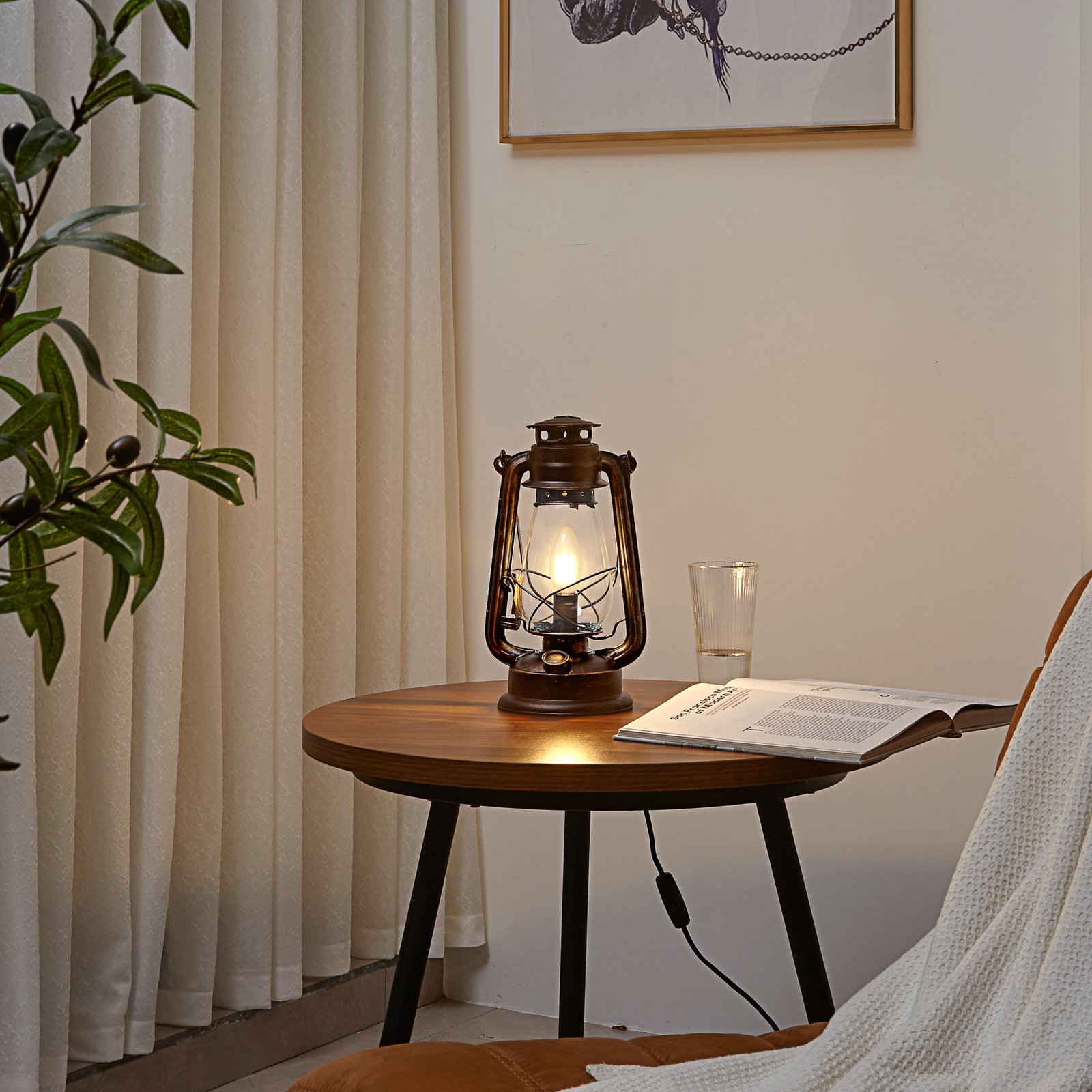
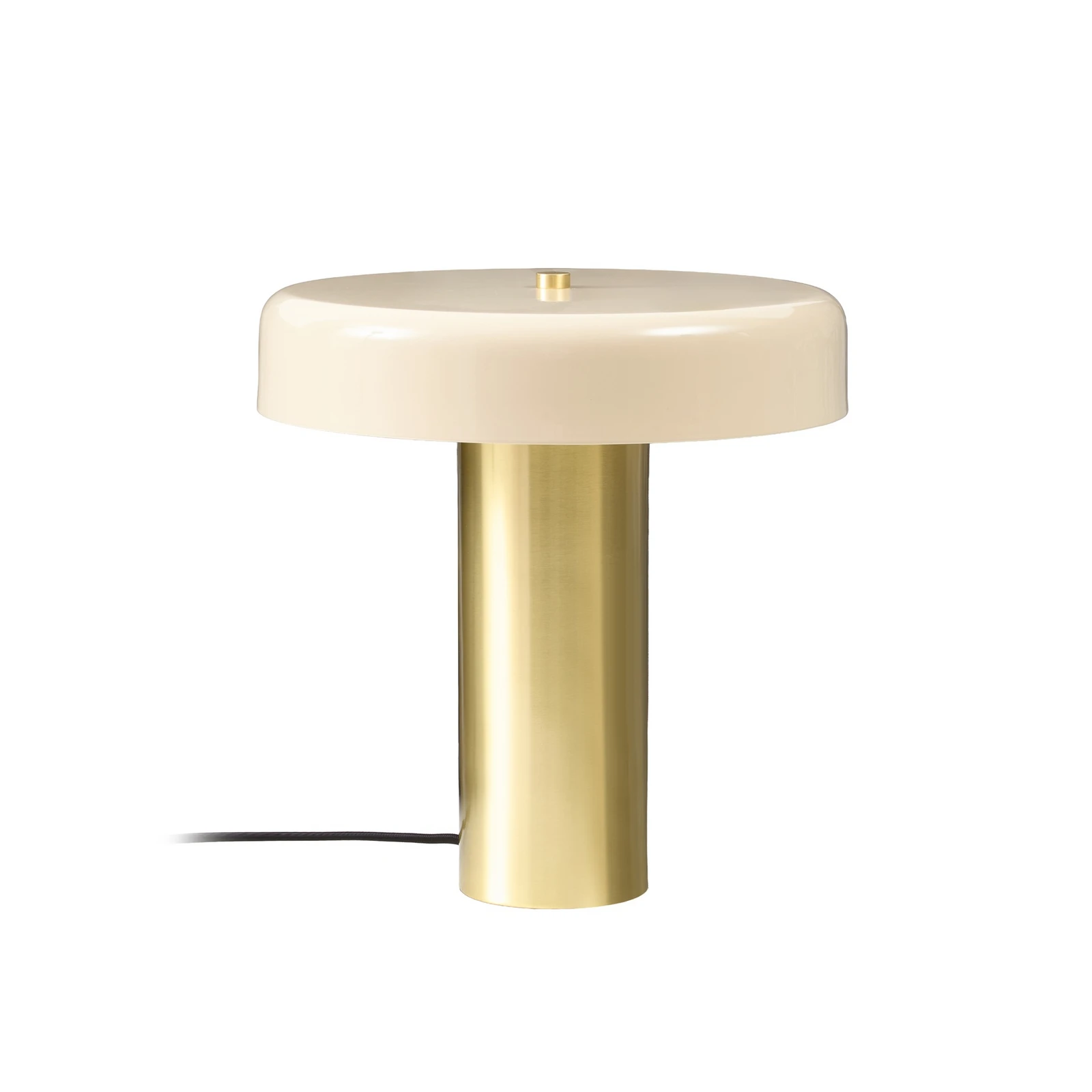
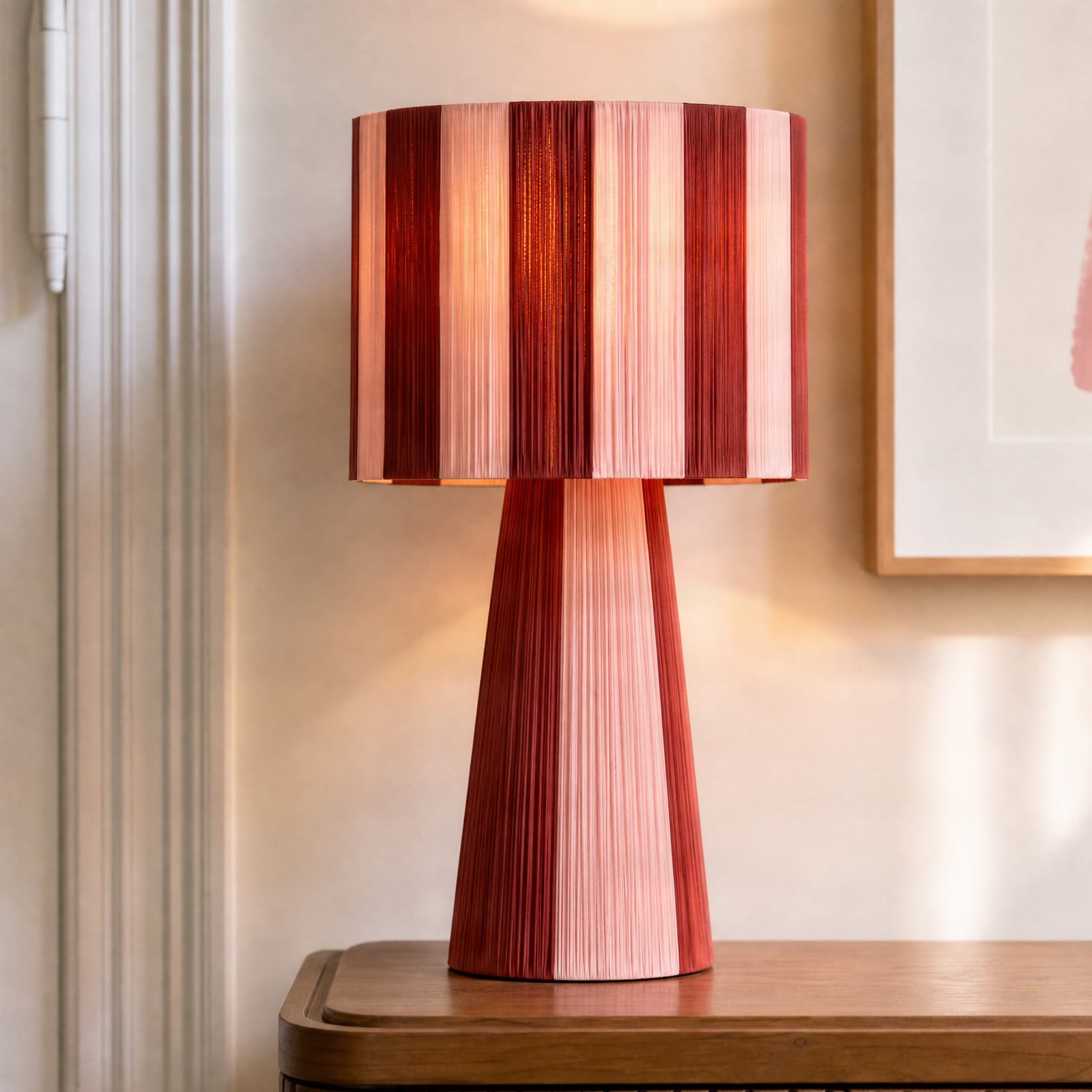
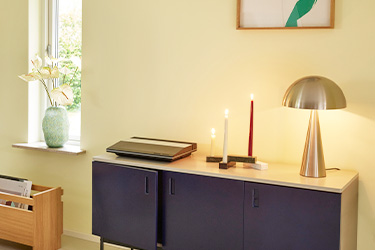
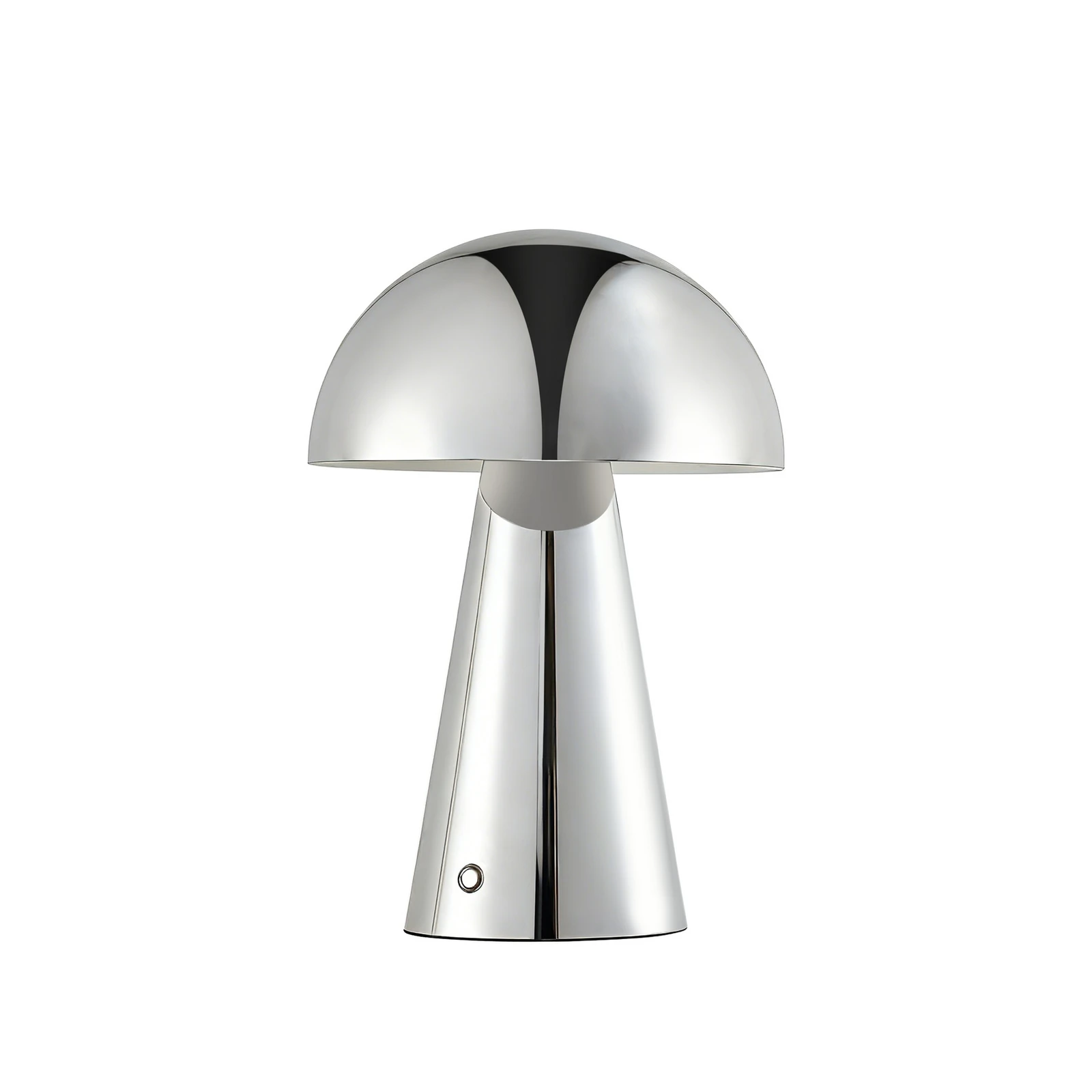
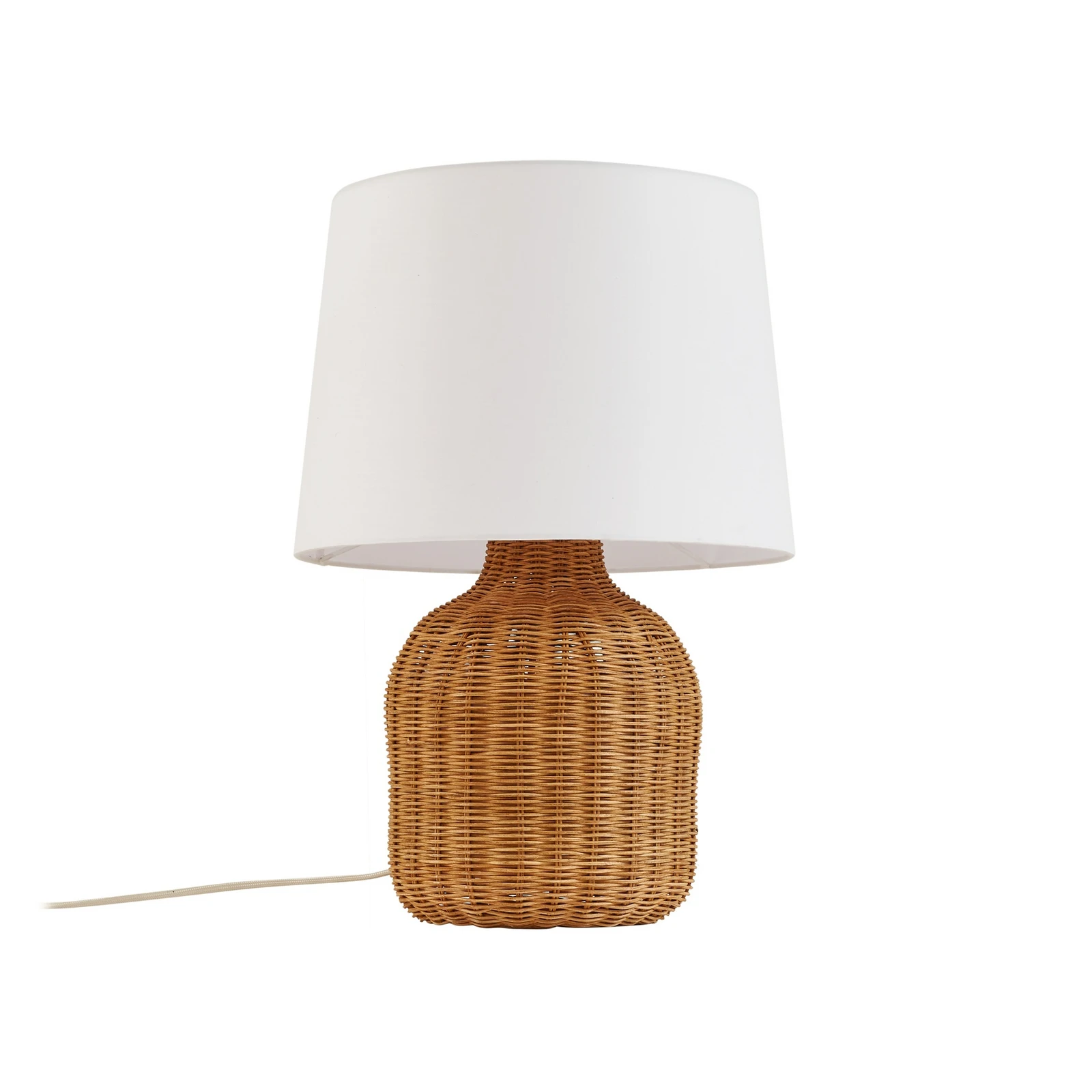
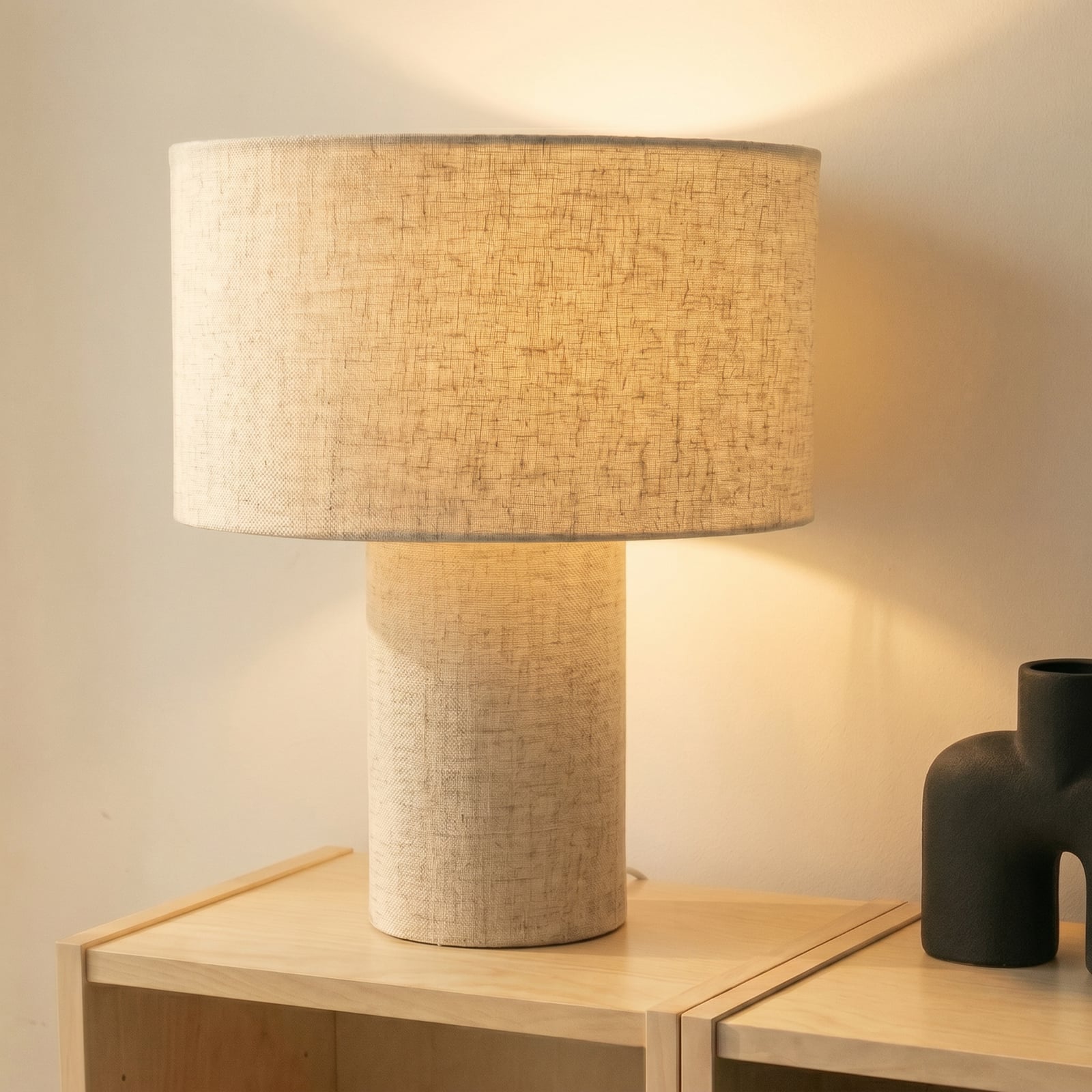
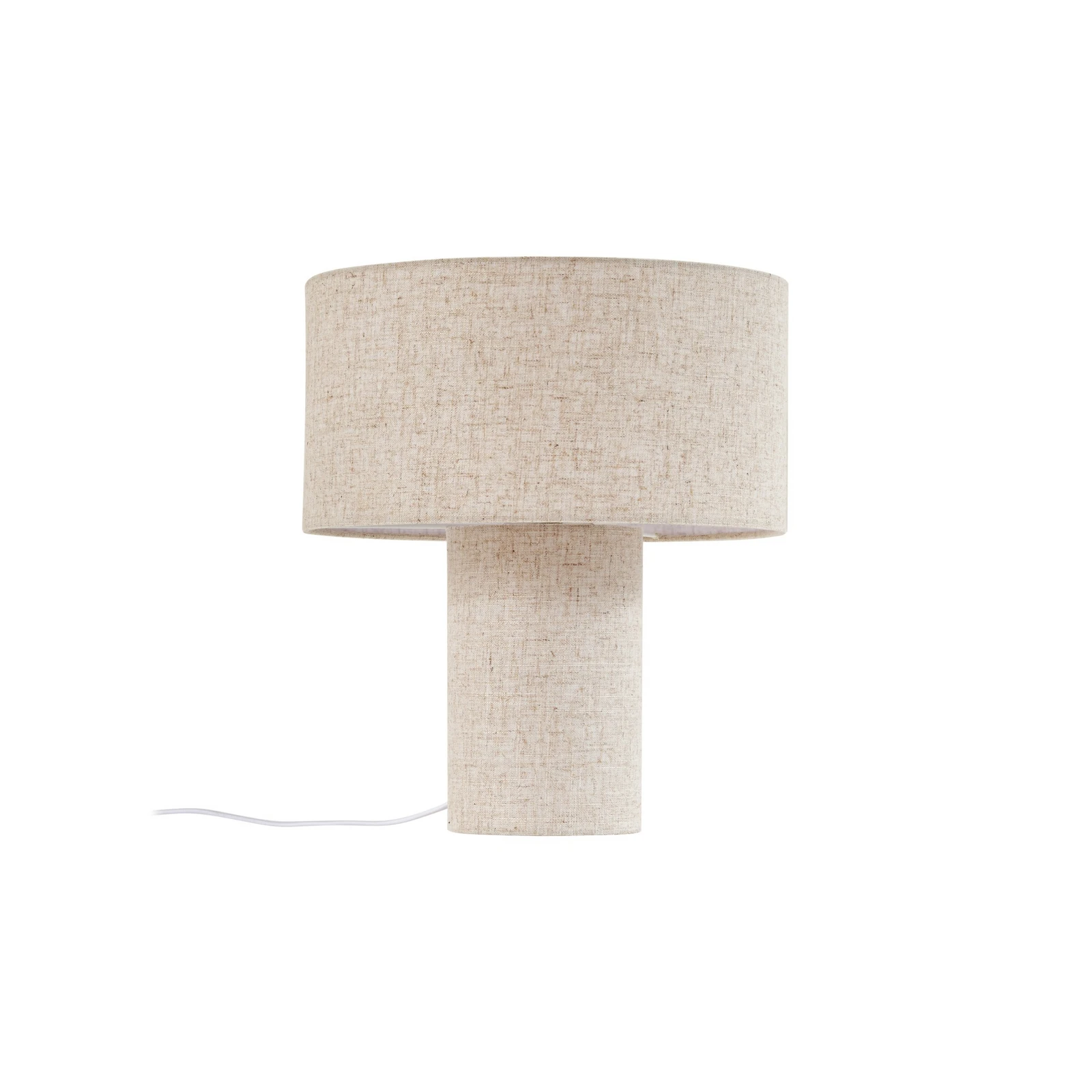
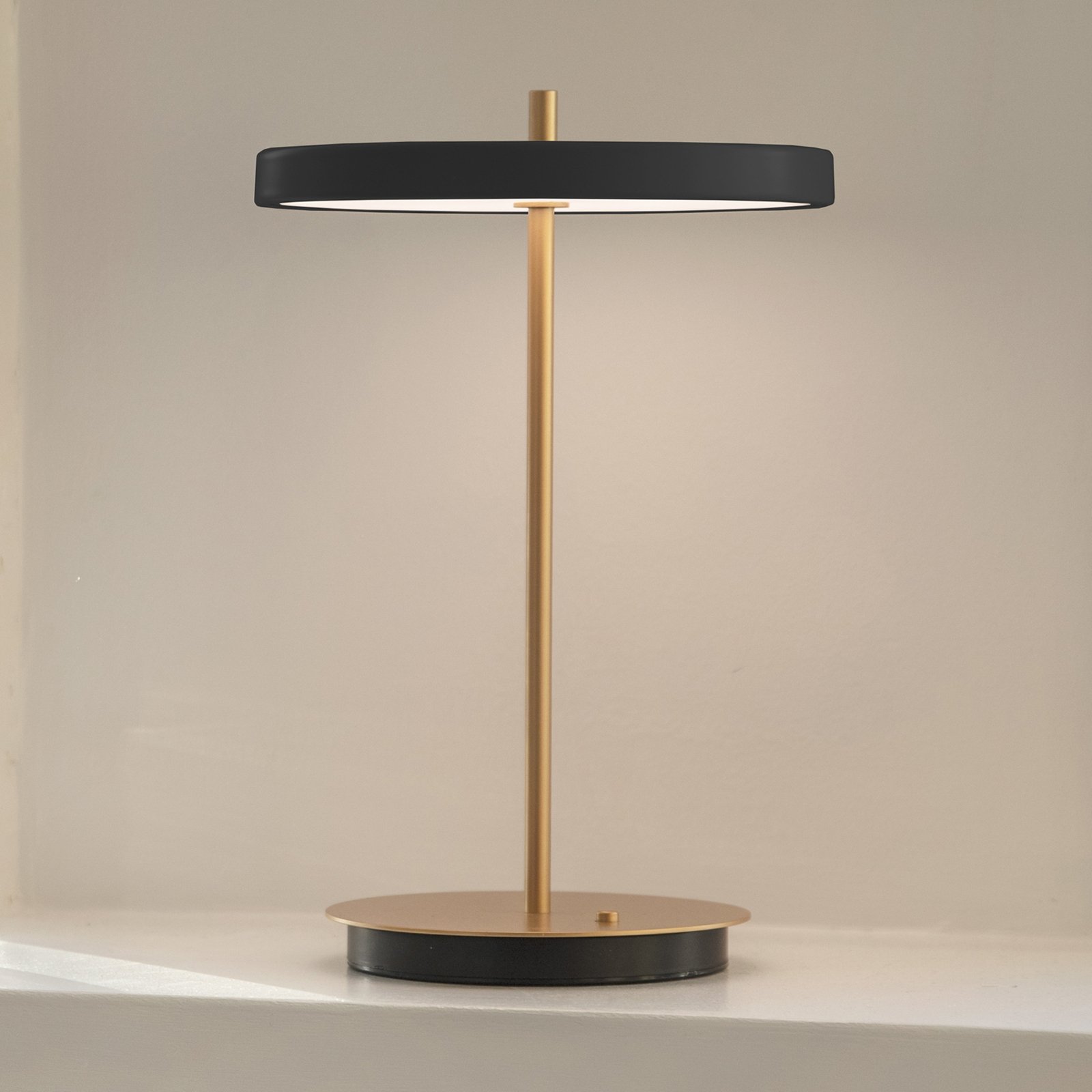
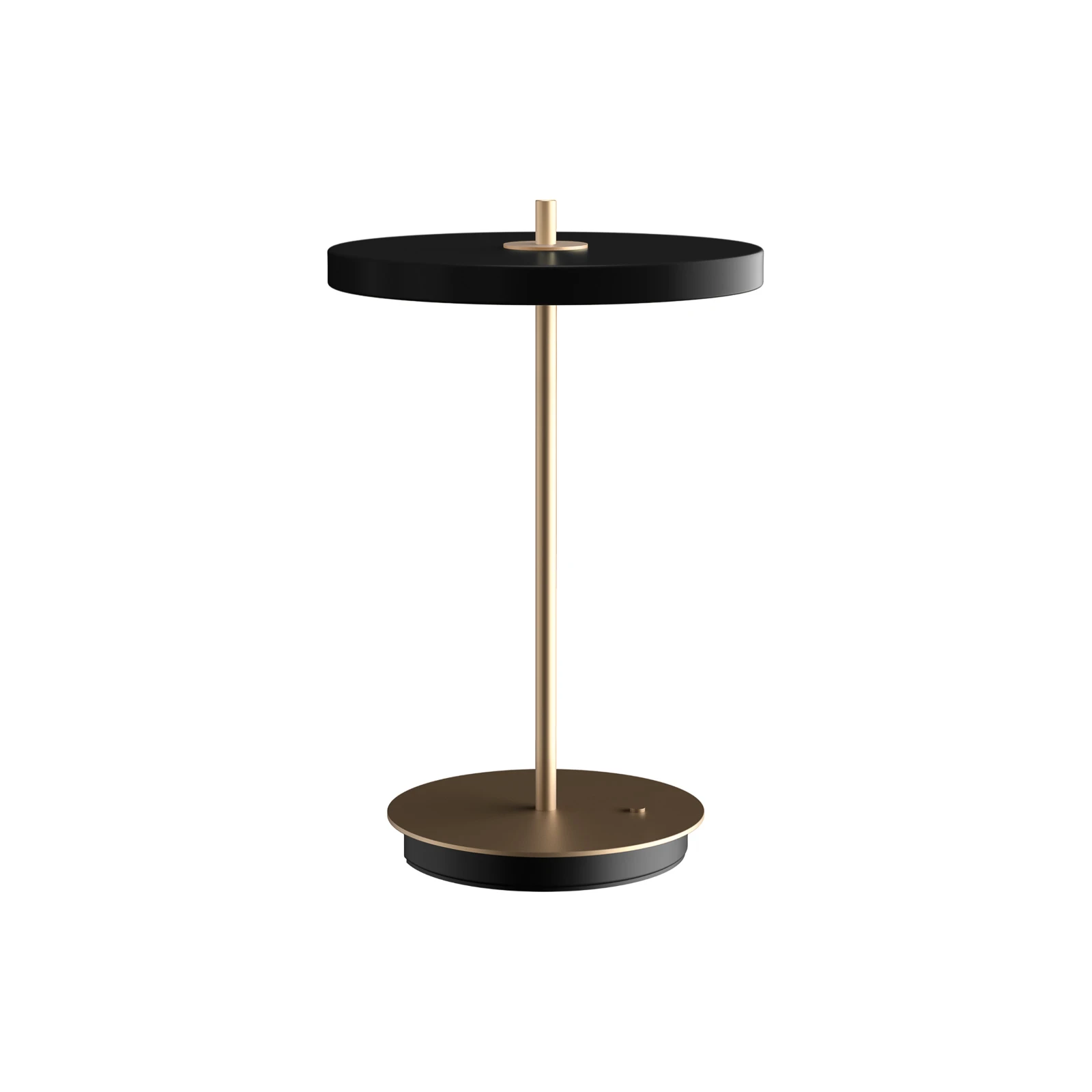
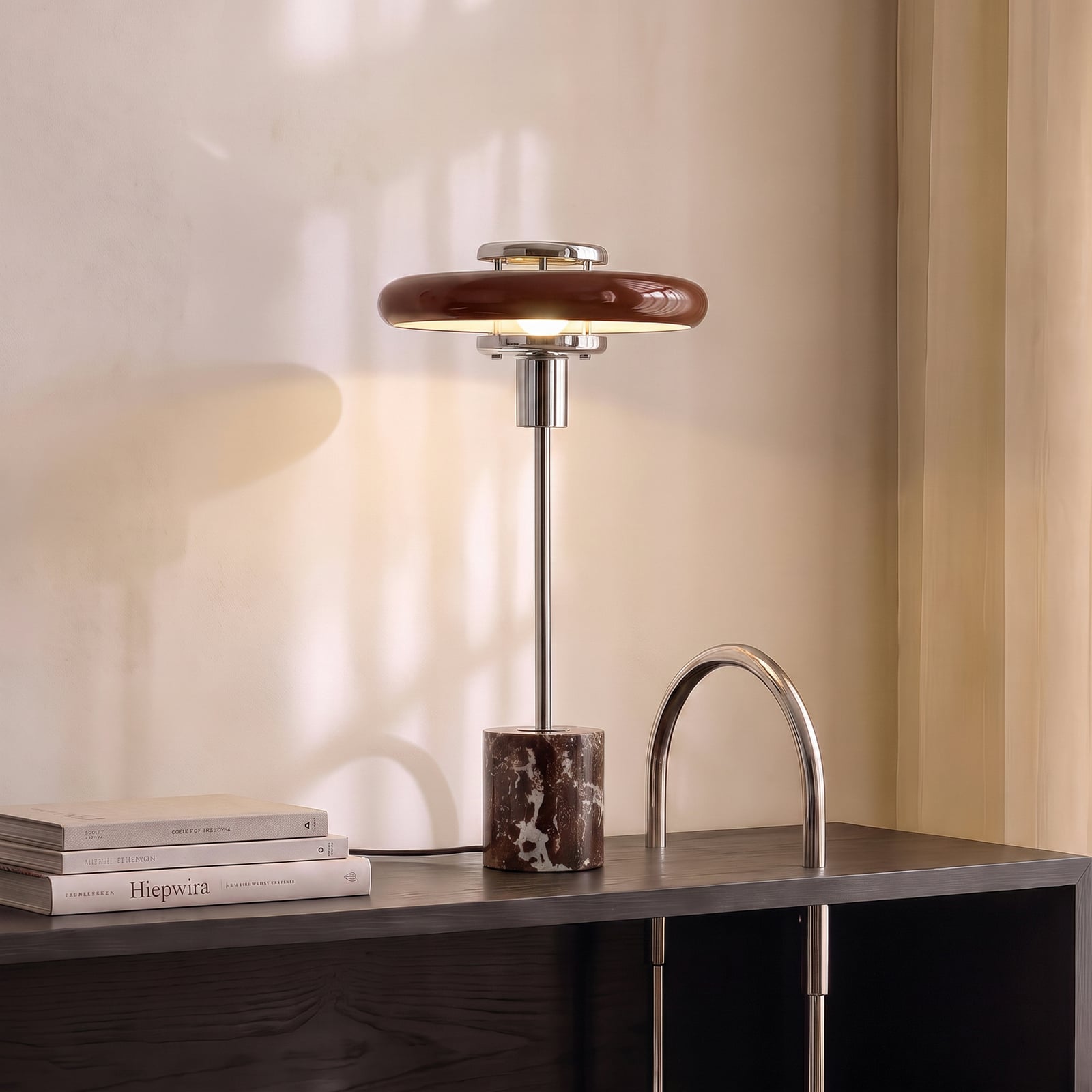
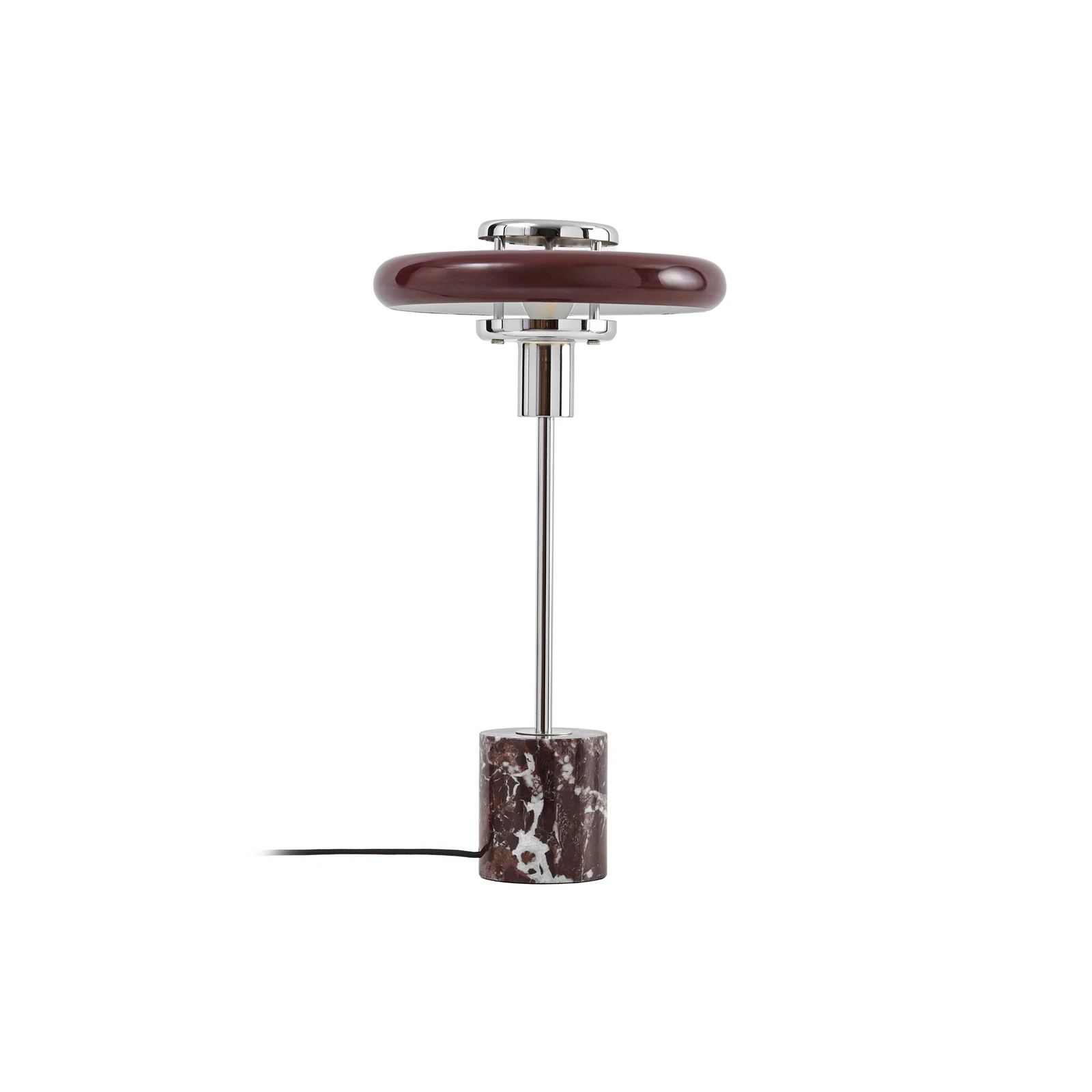
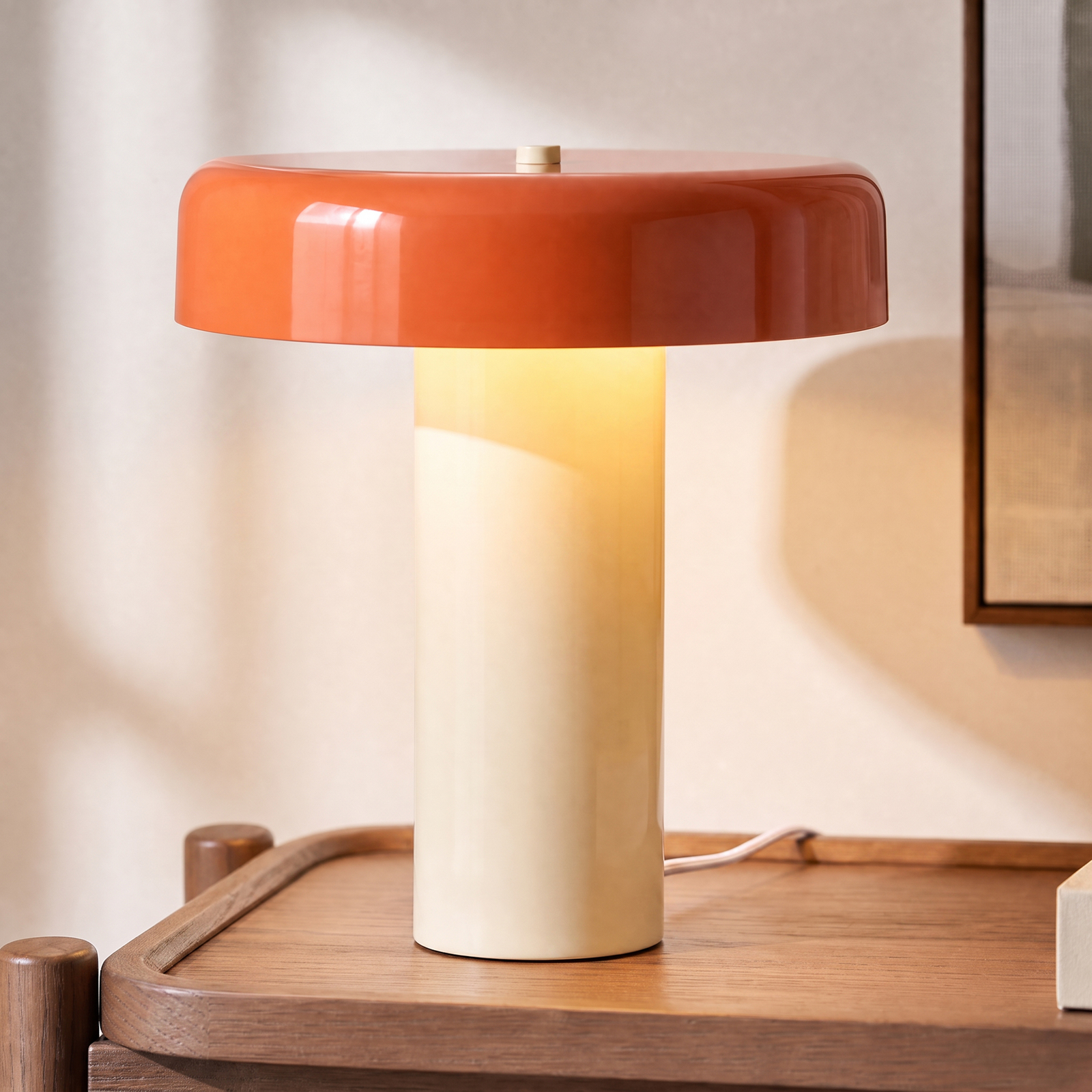
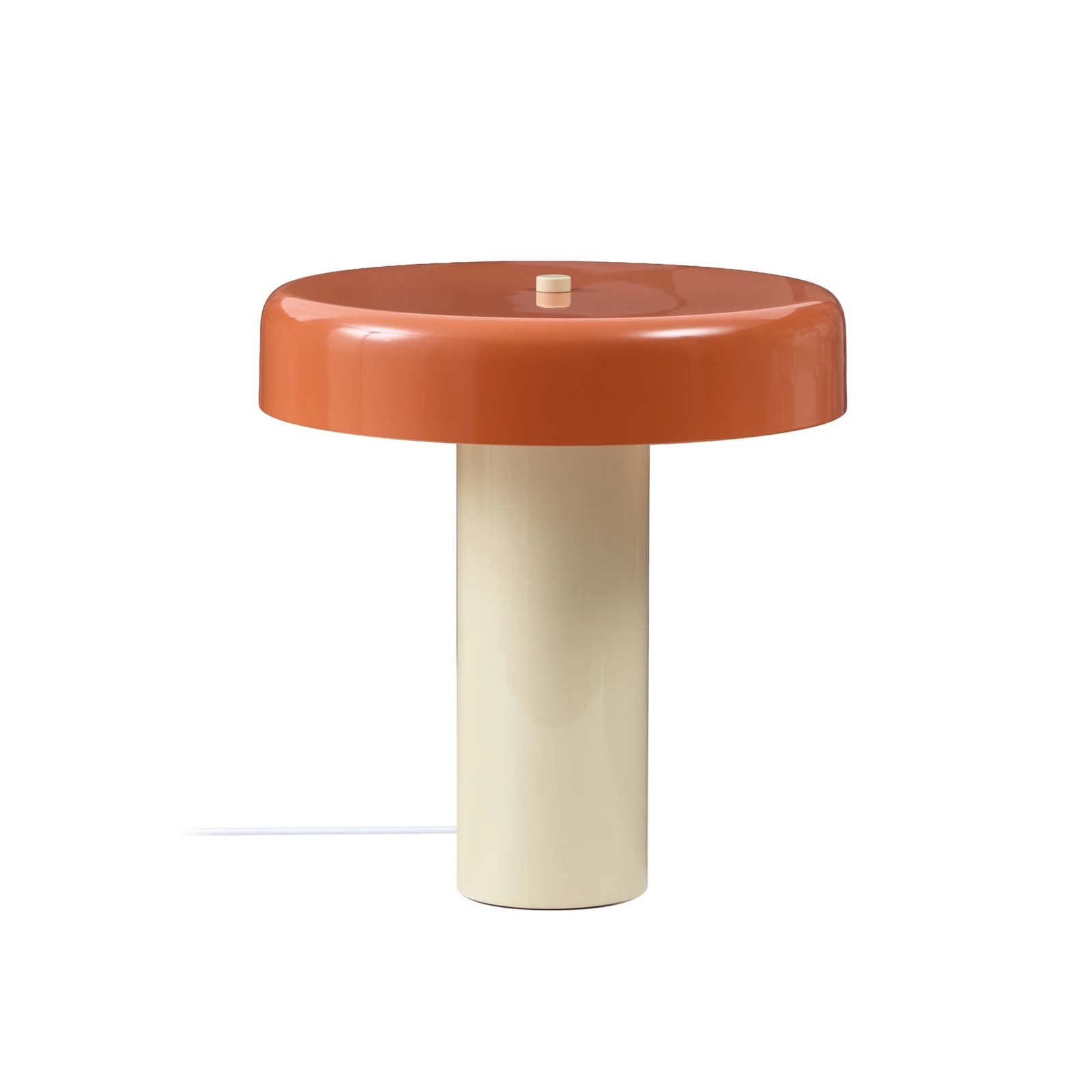
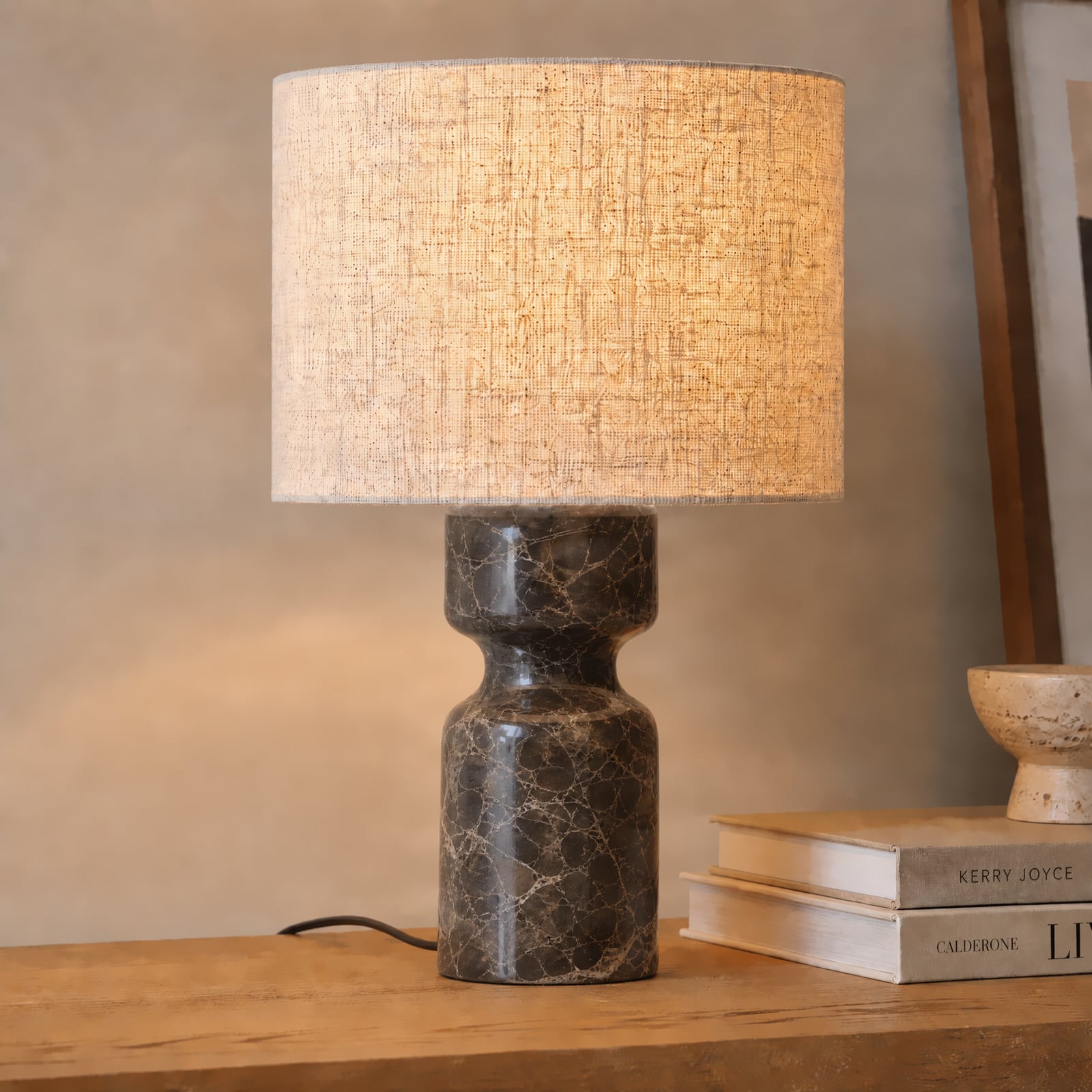
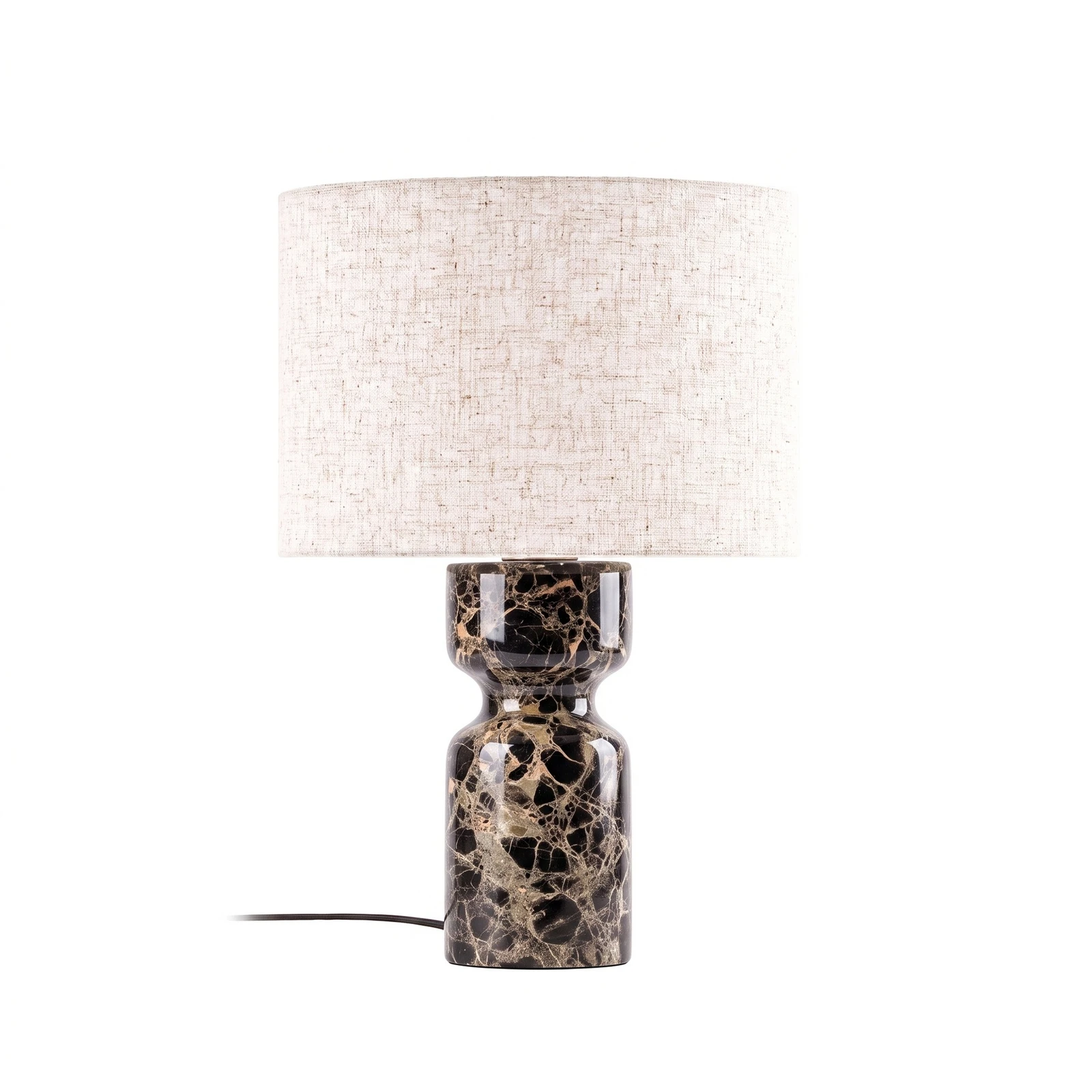
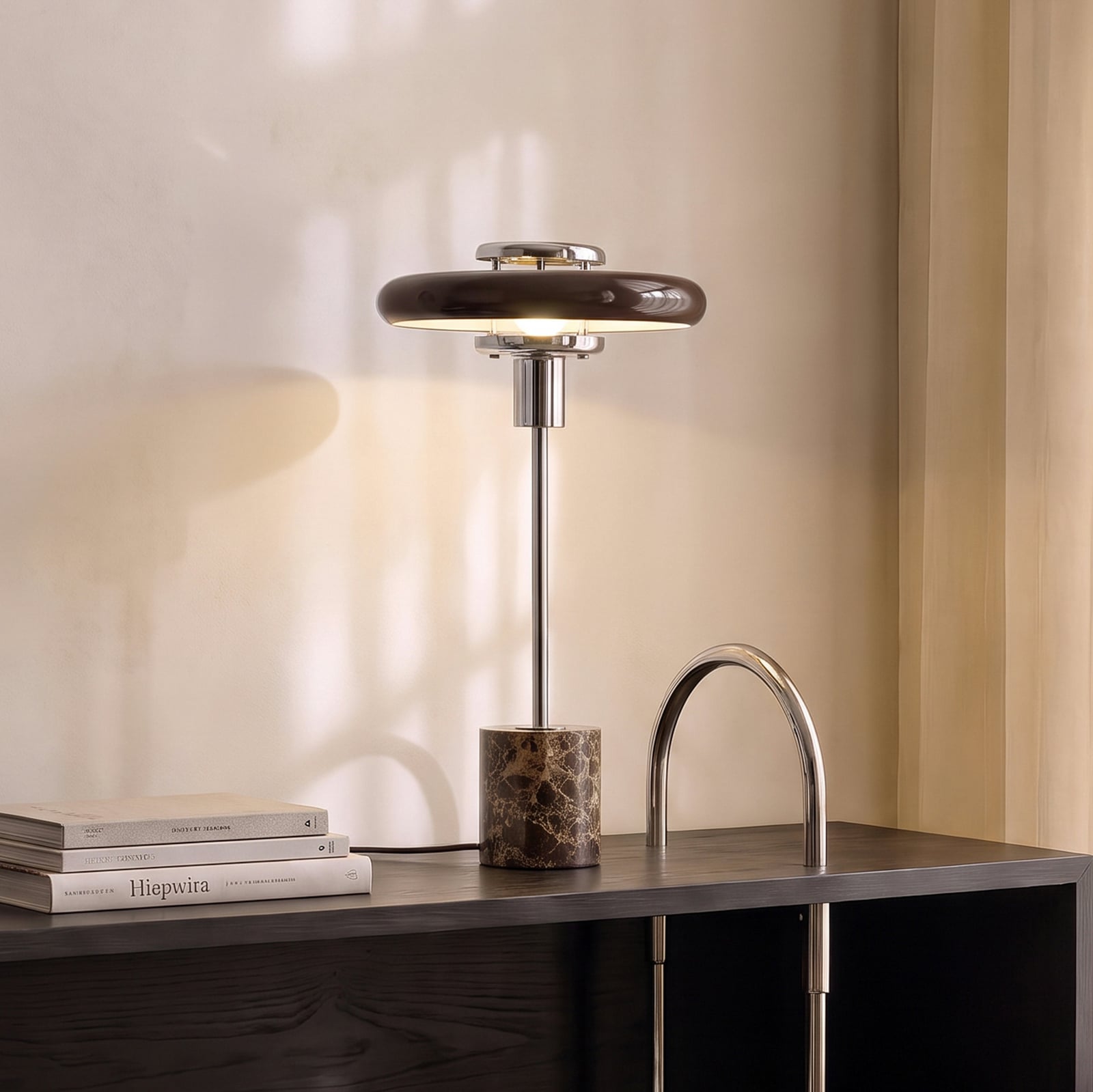
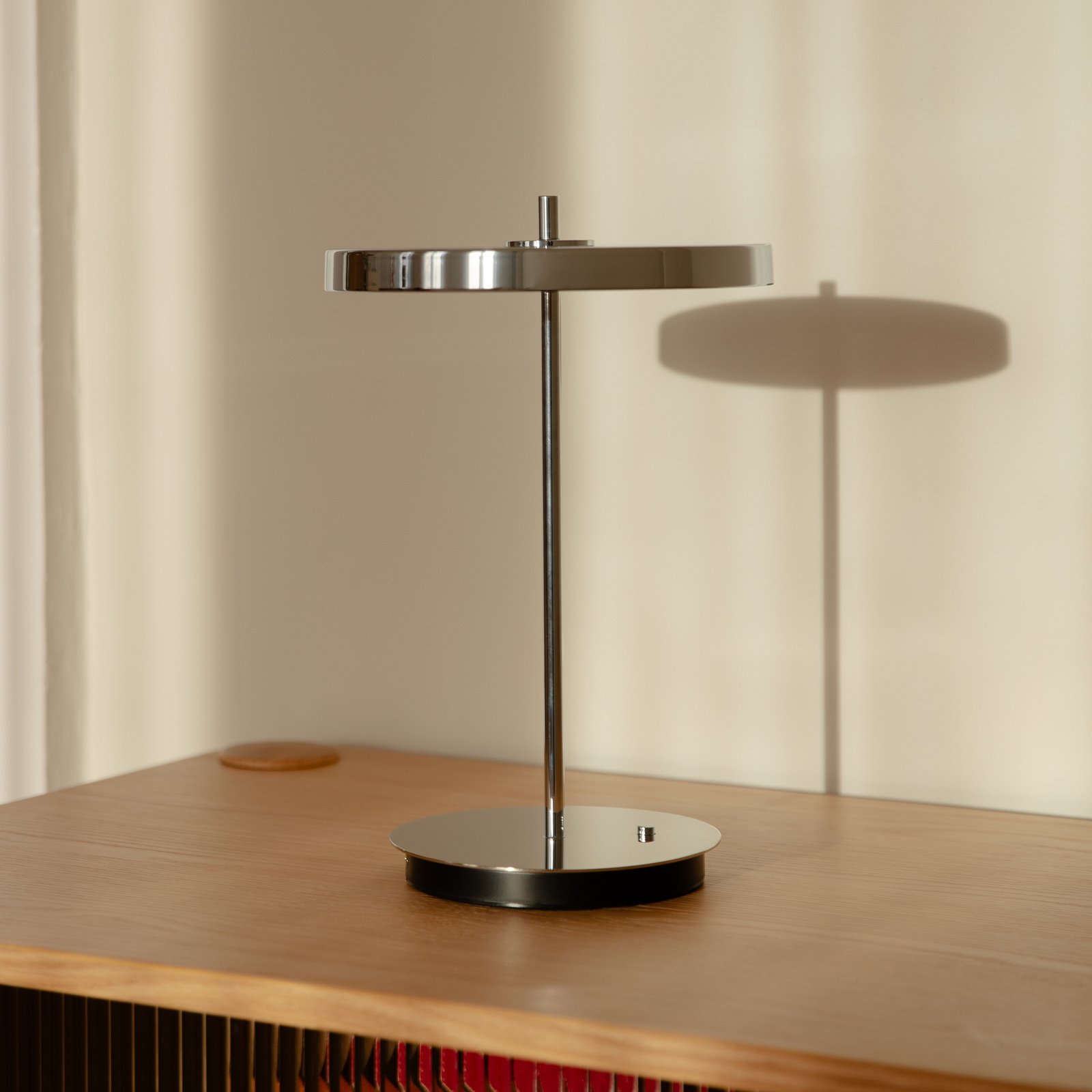
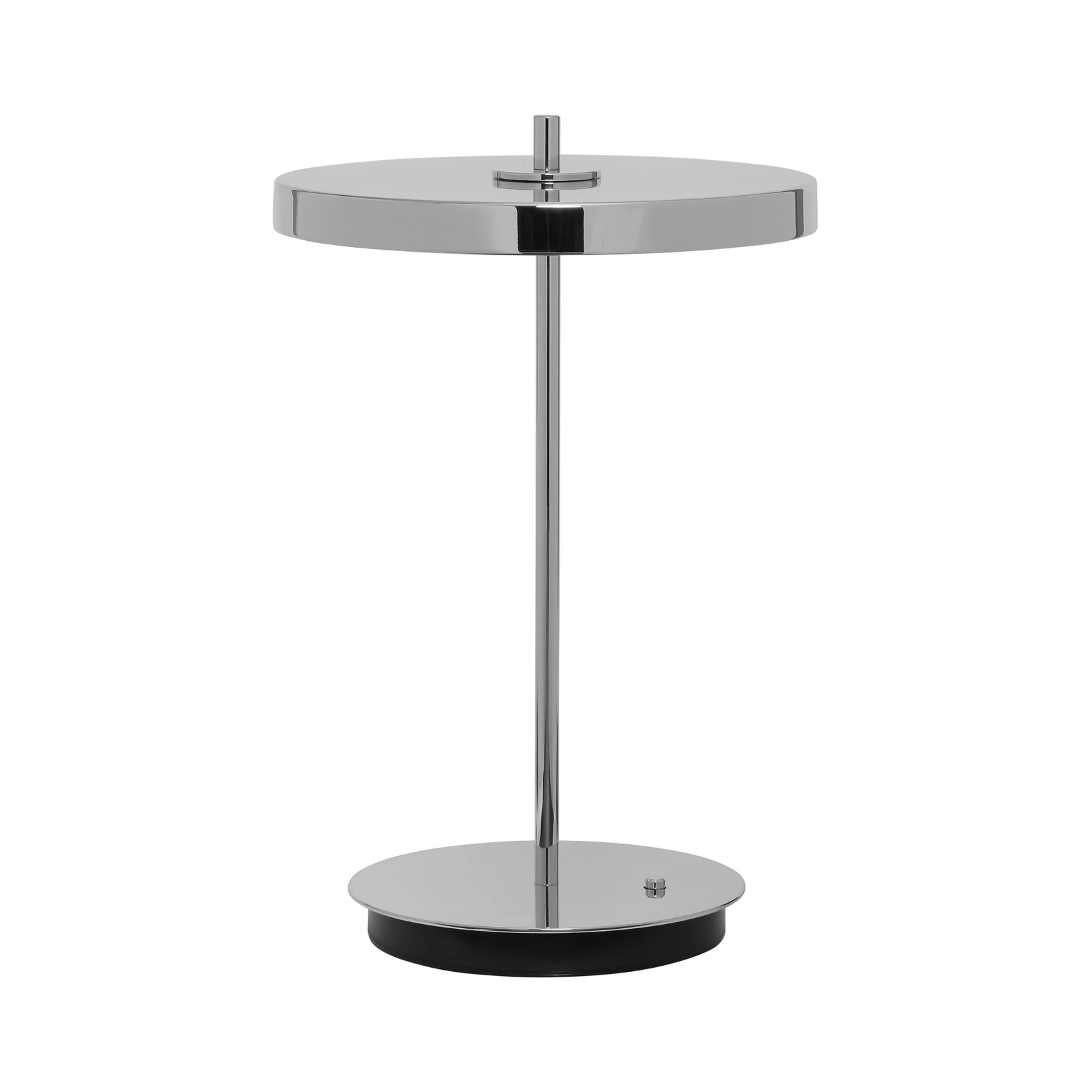
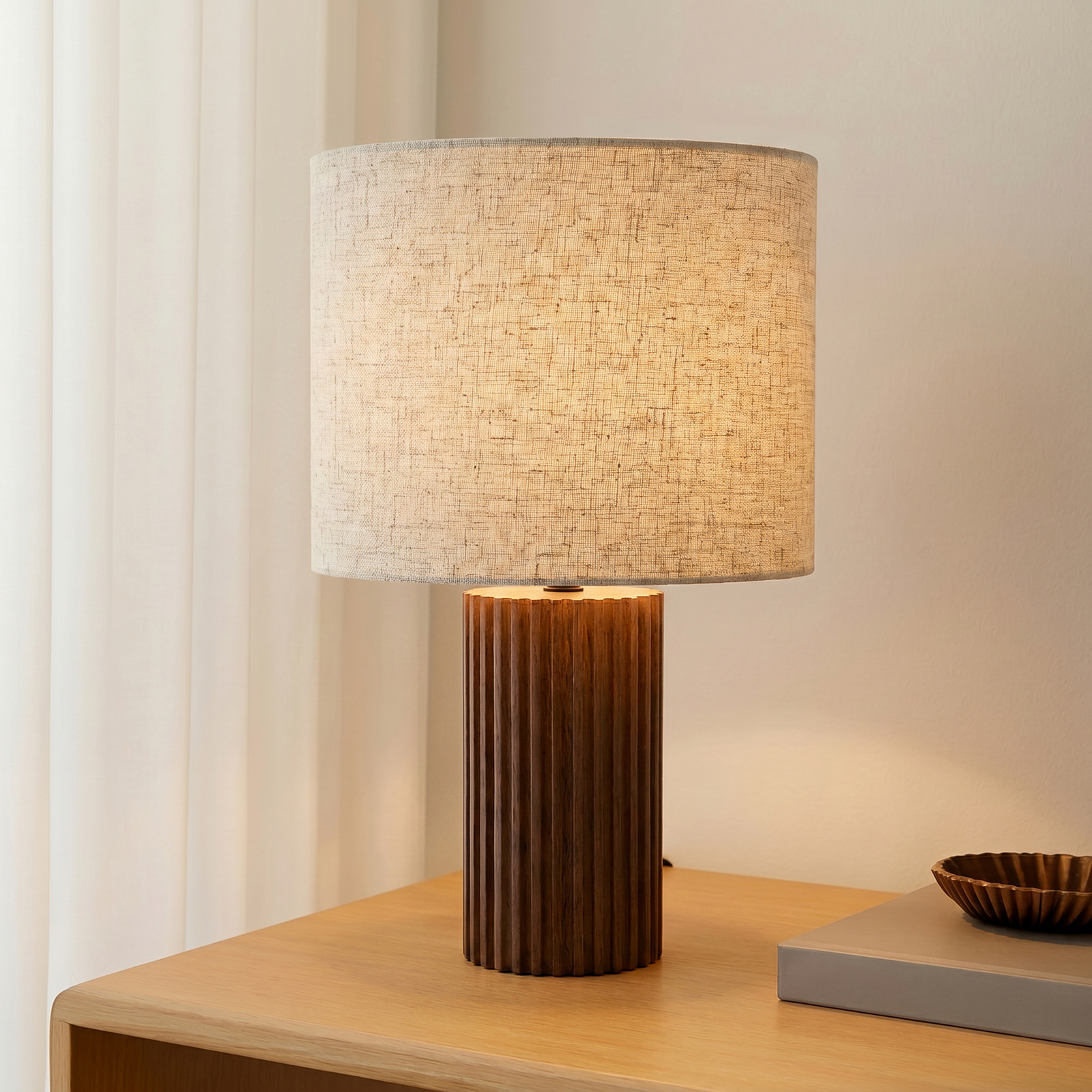
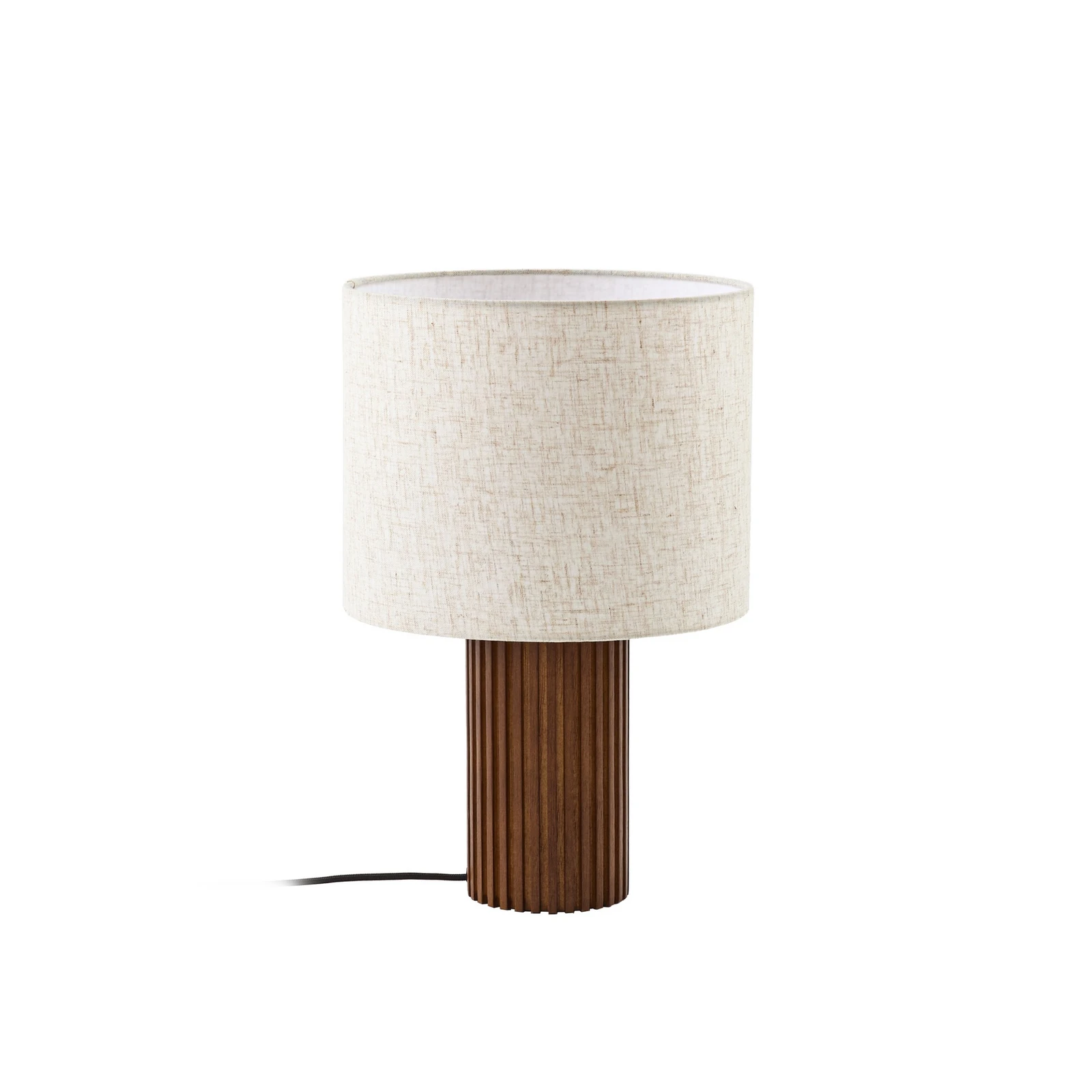
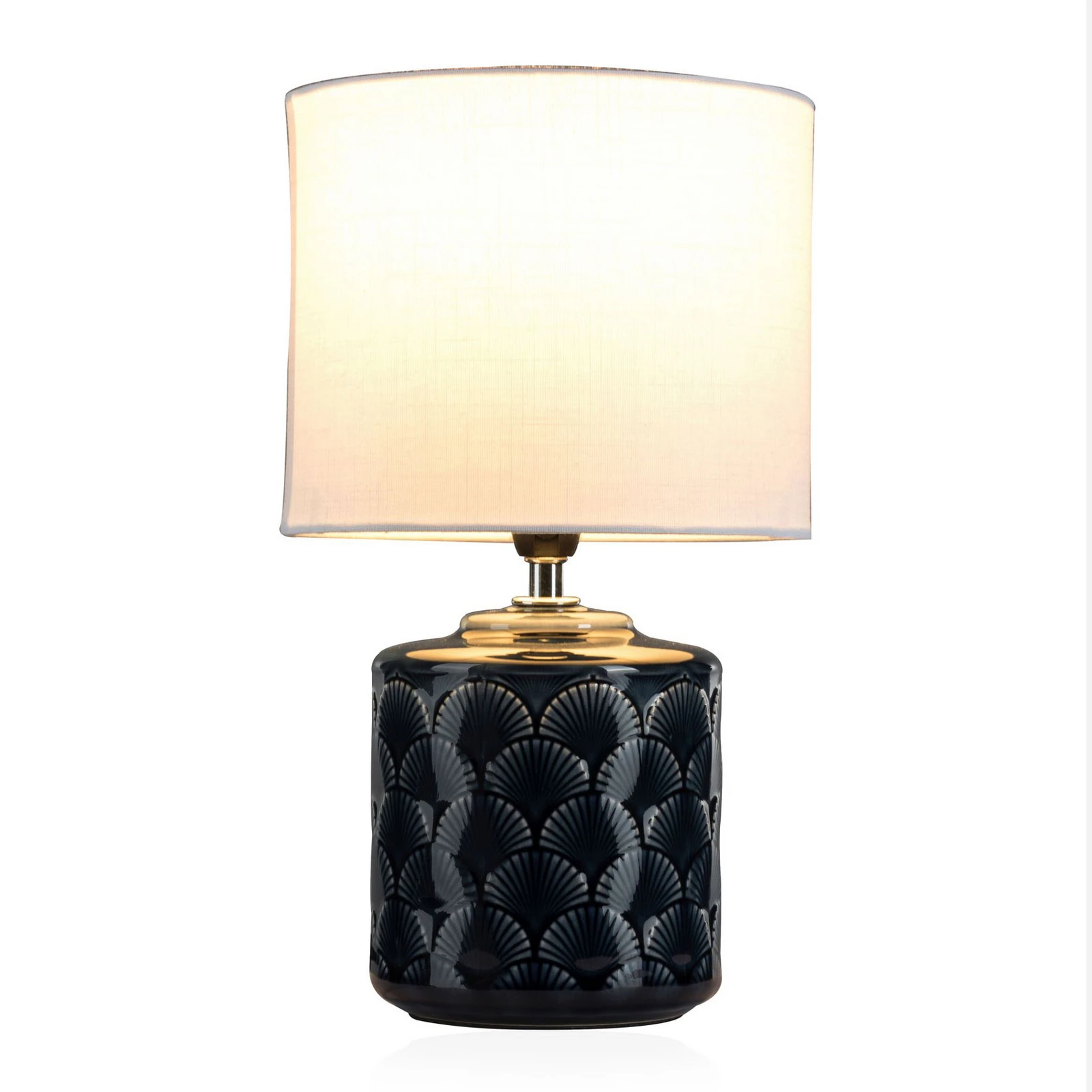
Colours and materials determine how a table lamp interacts with furniture, textiles and surfaces in the room. Wood often has a warmer visual effect and goes well with interiors with carpets, light-coloured fabrics or matt surfaces. A table lamp made of glass looks more restrained if furniture is to remain visible and the light must not appear massive. Table lamps with metal surfaces in black, brass, gold or silver primarily characterise the impression of the lamp in combination with handles, frames and other surfaces in the room. Black table lamps often go well with clear contours and calm contrasts. Beige or pink look softer, especially next to light-coloured furniture, textiles or curtains. Green table lamps combine well with wood, natural tones and restrained colours. When choosing a table lamp, the interplay with the existing furnishings is more important than a single trend. A harmonious choice is often created when the colour or material is based on existing furniture, handles, frames or fabrics and the light on the table does not appear unconnected.
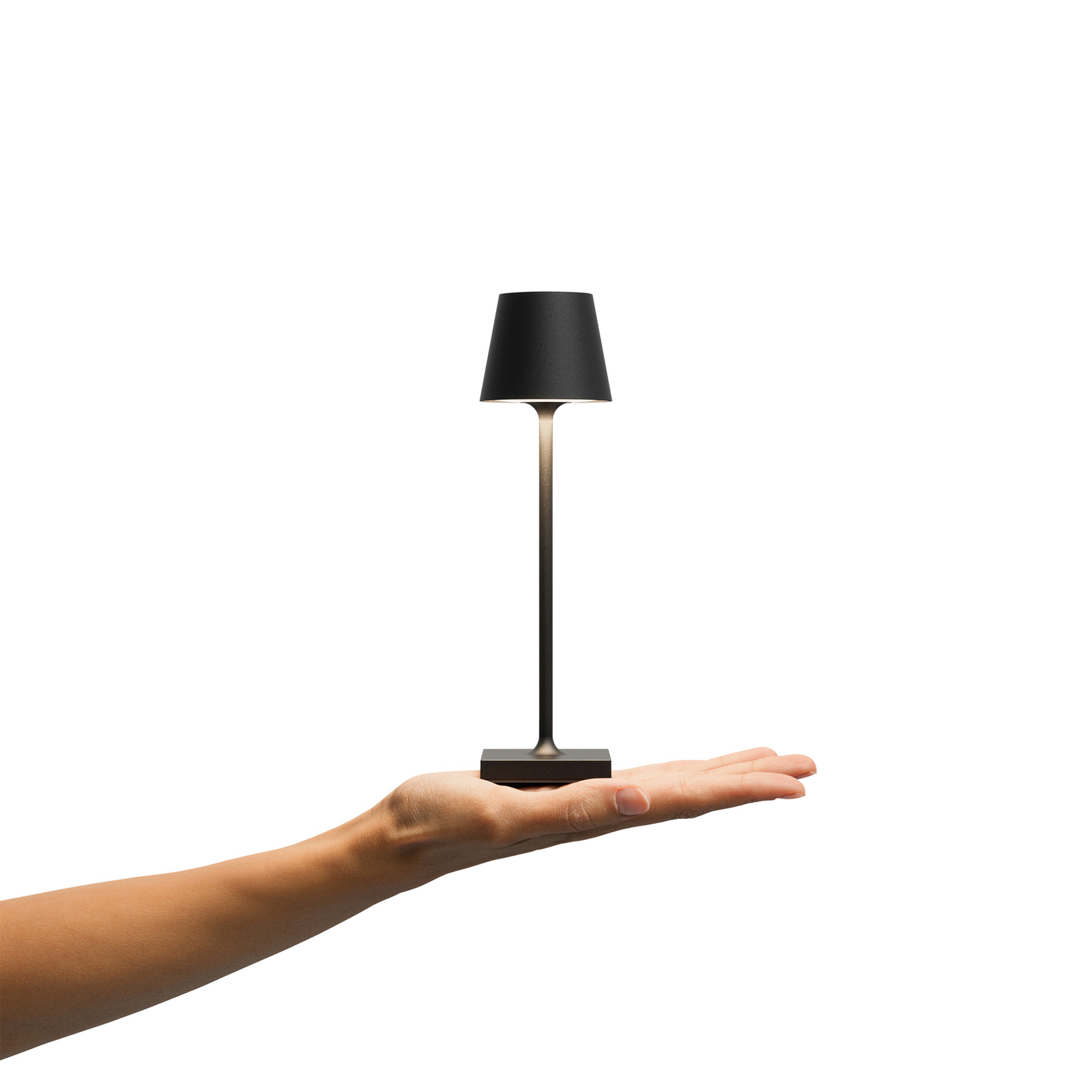
The size of a table lamp should match the furniture and its use. Compact table lamps usually look quieter on narrow consoles or small bedside tables because they take up less space and do not restrict everyday life on the furniture. A light can be more prominent on wider chests of drawers or sideboards as long as it is not too close to the edges of the furniture. The height of the table lamp also plays a role. A very high lamp base can look too prominent on low tables, while a very low model is less visible next to higher furniture. A suitable location also ensures that the switch remains easily accessible and that the cable does not have to be routed across walkways or work surfaces. For everyday use, it is therefore not only the appearance on product images that counts, but also the question of how safe, accessible and balanced the luminaire actually looks in its intended location.
In the case of table lamps, usage habits and location determine whether permanently installed LEDs, a replaceable light source or a suitable IP protection rating are important. Models with permanently installed LEDs are often useful if a clear form is desired and no visible light source is to interrupt the design. Variants with replaceable light sources offer more scope if brightness or light colour need to be adjusted later. Warm white is often chosen for living areas because the light has a calmer effect. Neutral white is more suitable for surfaces on which people read, write or work. Daylight white is particularly suitable where a very sober lighting effect is required. The IP protection class becomes relevant as soon as moisture or splash water play a role in the location of the table lamp. In dry indoor areas, the IP protection class is usually not very important. In protected areas near a kitchen sink, in the bathroom or outdoors, however, the light should be expressly suitable for this location.
The strike-through prices correspond to the manufacturer's RRP.
All prices include 20% VAT, delivery costs excluded.
:format(jpeg) "Autumn Campaign")
:format(jpeg) "Lighting Trends")