





































:format(jpeg) "Pool Lamps")
Pond lighting is particularly helpful if the pond should not just appear as a dark area after dark, but should remain recognisable as part of the garden. This quickly becomes apparent in everyday life: the path along the bank is used, the terrace is within sight and individual plants lose their effect without light. A well-chosen solution therefore supports orientation, makes edges more visible and draws the eye to the areas that are still used or consciously perceived in the evening.
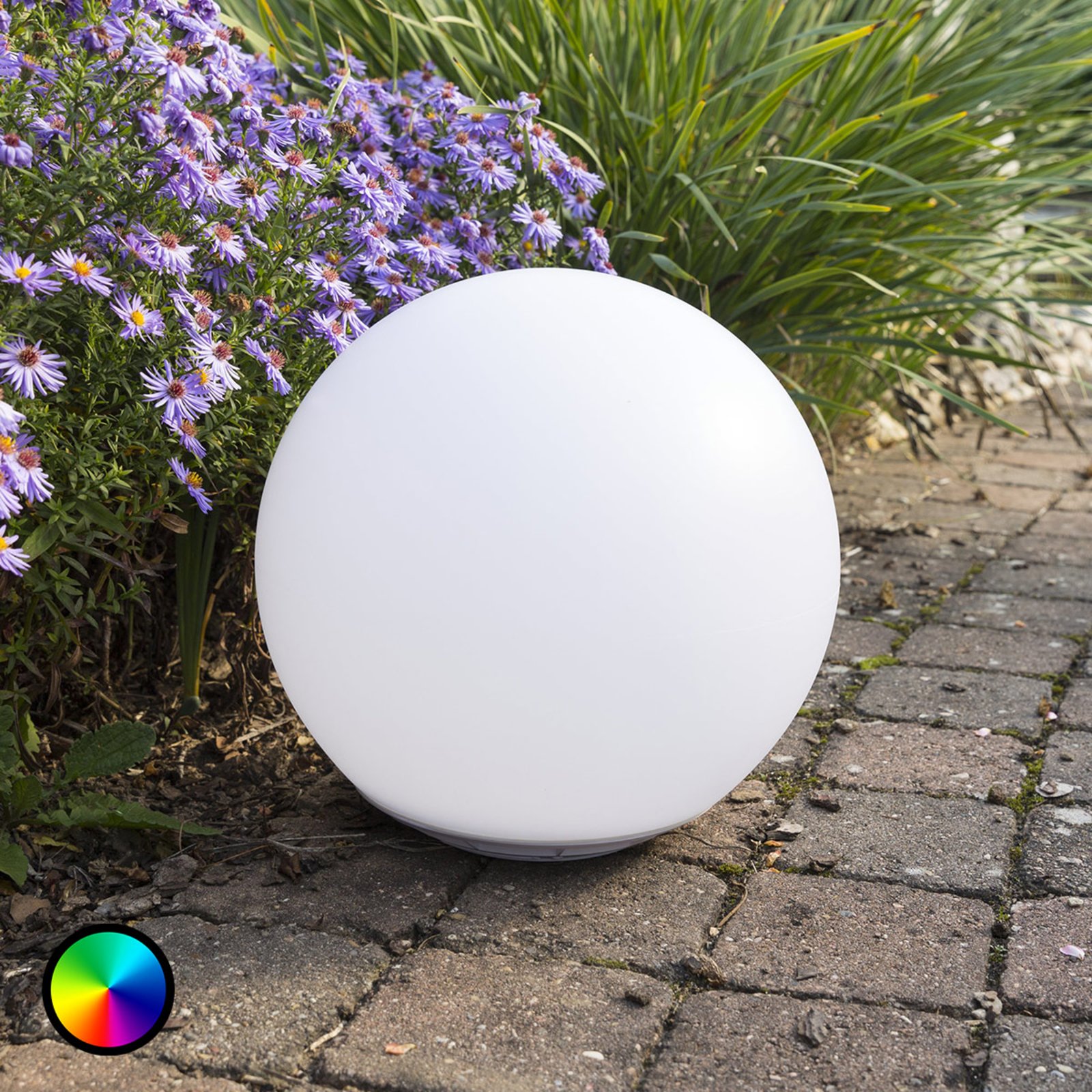
At the edge of the water, light fulfils a different task than directly in the pond. Lights along paths, on small walls or between grasses help with orientation at first. At the same time, the garden pond remains visible from a distance without the area having to be brightly illuminated. Low points of light are more suitable for these zones because they make the transition between the bed, bank and terrace more clearly recognisable.
Position is more important for the effect in everyday life than high brightness. A light at the end of a footbridge, next to a shallow bank edge or on a small step creates a clear view as soon as the garden is still in use in the evening. Warm white light is usually more suitable here than very cool light, because stone, wood and plants appear more natural. If you want to direct the view of the water from the house, place individual points of light in such a way that not the entire surface is visible, but only prominent areas. This creates a calmer effect, because riverside plants, stones or a small bridge stand out and the rest of the garden can remain in the background.
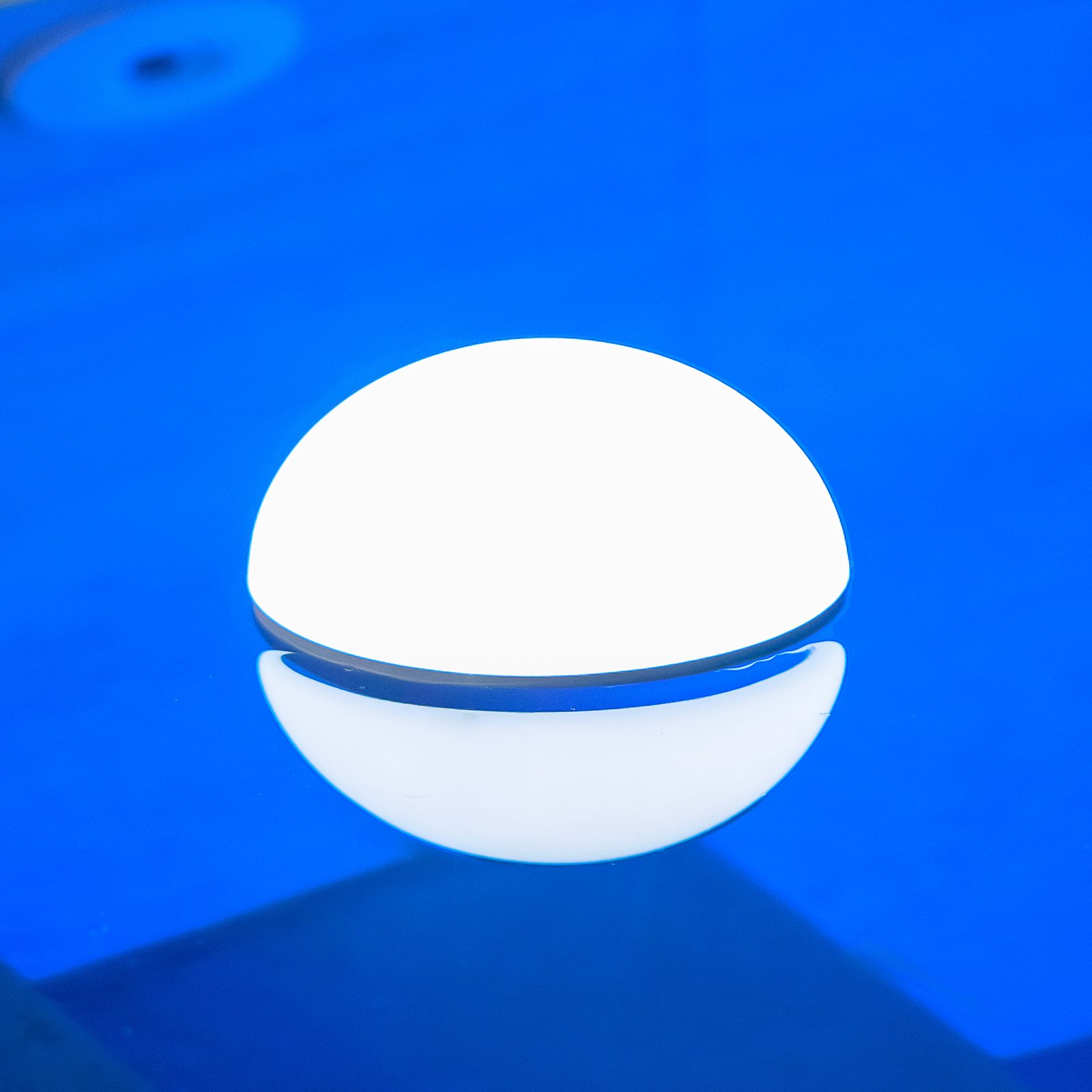
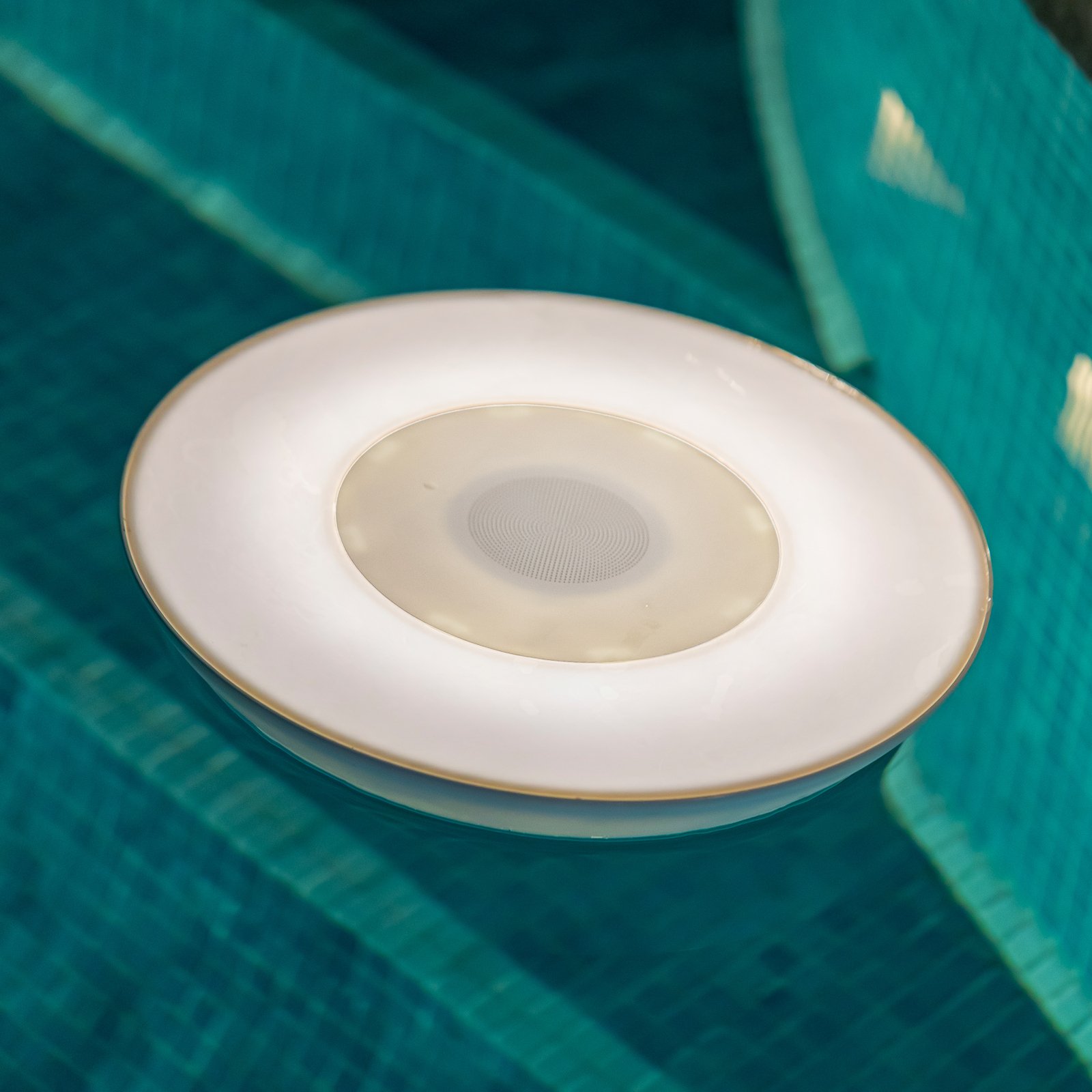
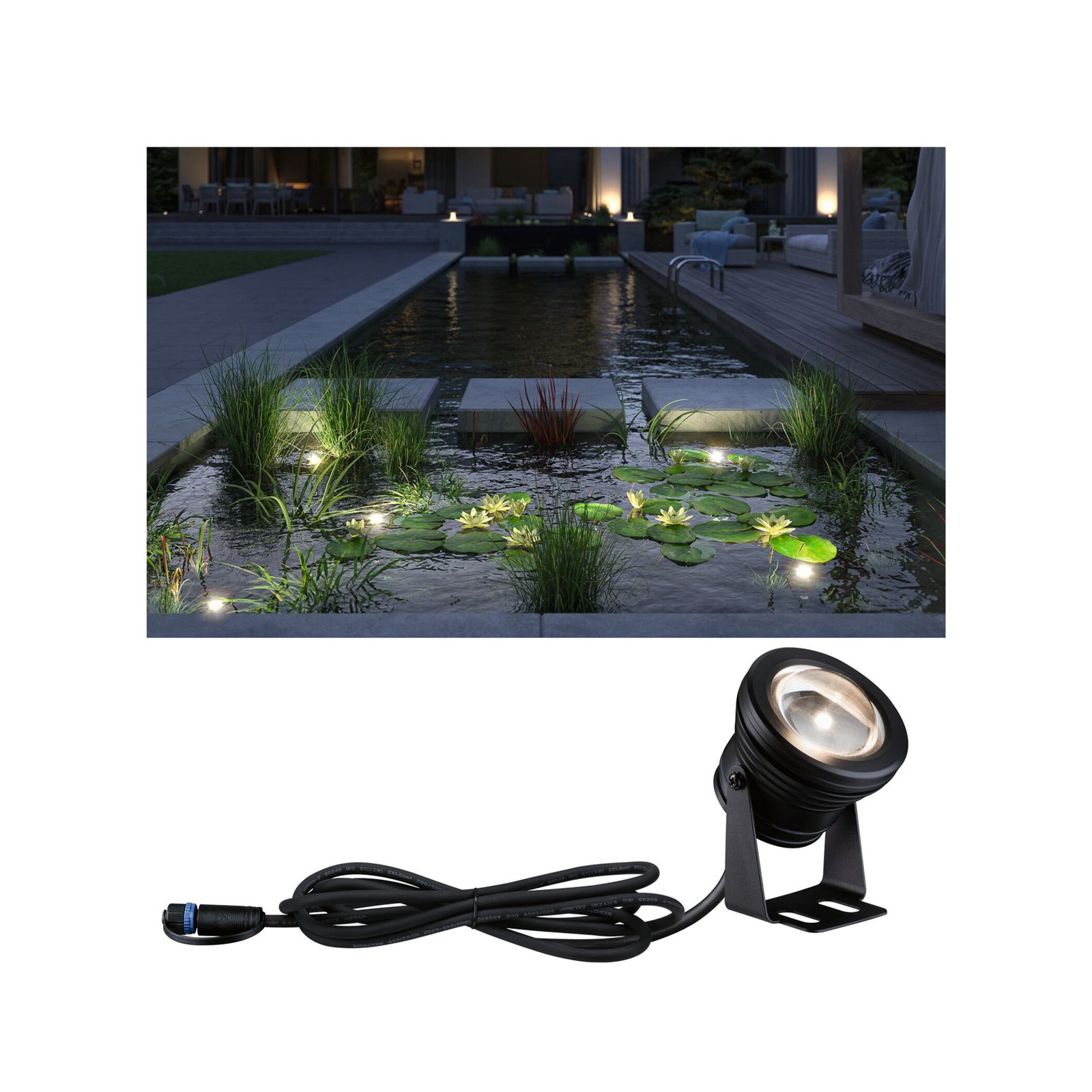
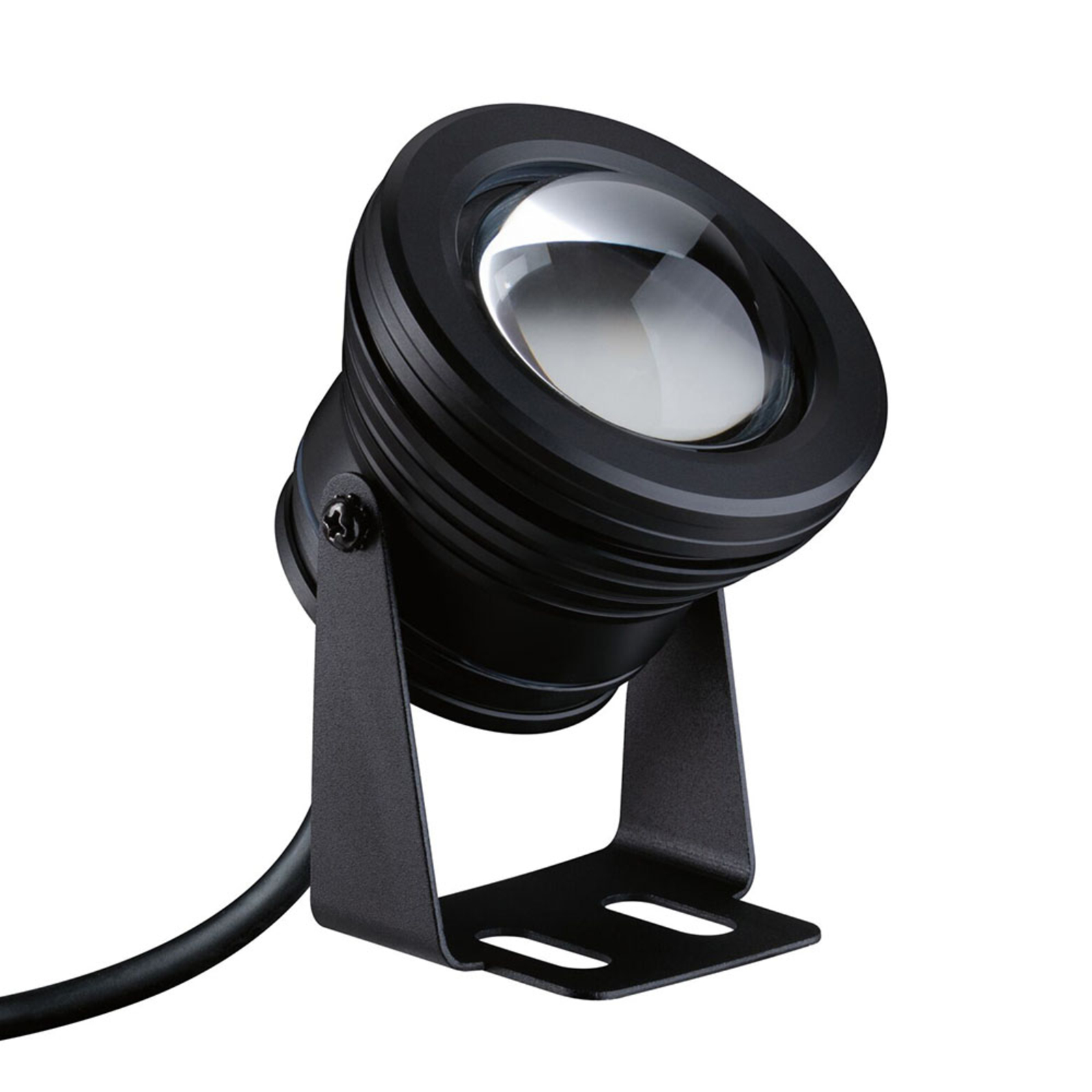
Light in the water primarily changes the depth effect of the pond. Underwater lights make the waterline, stones, shallow zones or moving water more visible. This creates a different impression to luminaires on the shore, as the focus here is not on orientation but on the view of the water surface. With a small ornamental pond, a few points of light are often enough to ensure that reflections and water movements remain visible.
The position of the light is decisive for the selection. In shallow areas, a pond lamp can be aligned so that gravel, steps or plant baskets are visible. In deeper zones, the light should not shine directly upwards, as glare on the surface of the water quickly becomes distracting. If you have a stream or a small water outlet, you can emphasise the movement of the water better with a discreetly positioned light than with broad illumination. Underwater lighting for the pond is particularly suitable when the water surface itself should be the centre of attention and not just the surroundings. For fish ponds or near-natural areas, it makes sense to position the light sparingly so that the light does not illuminate every zone with the same intensity all the time.
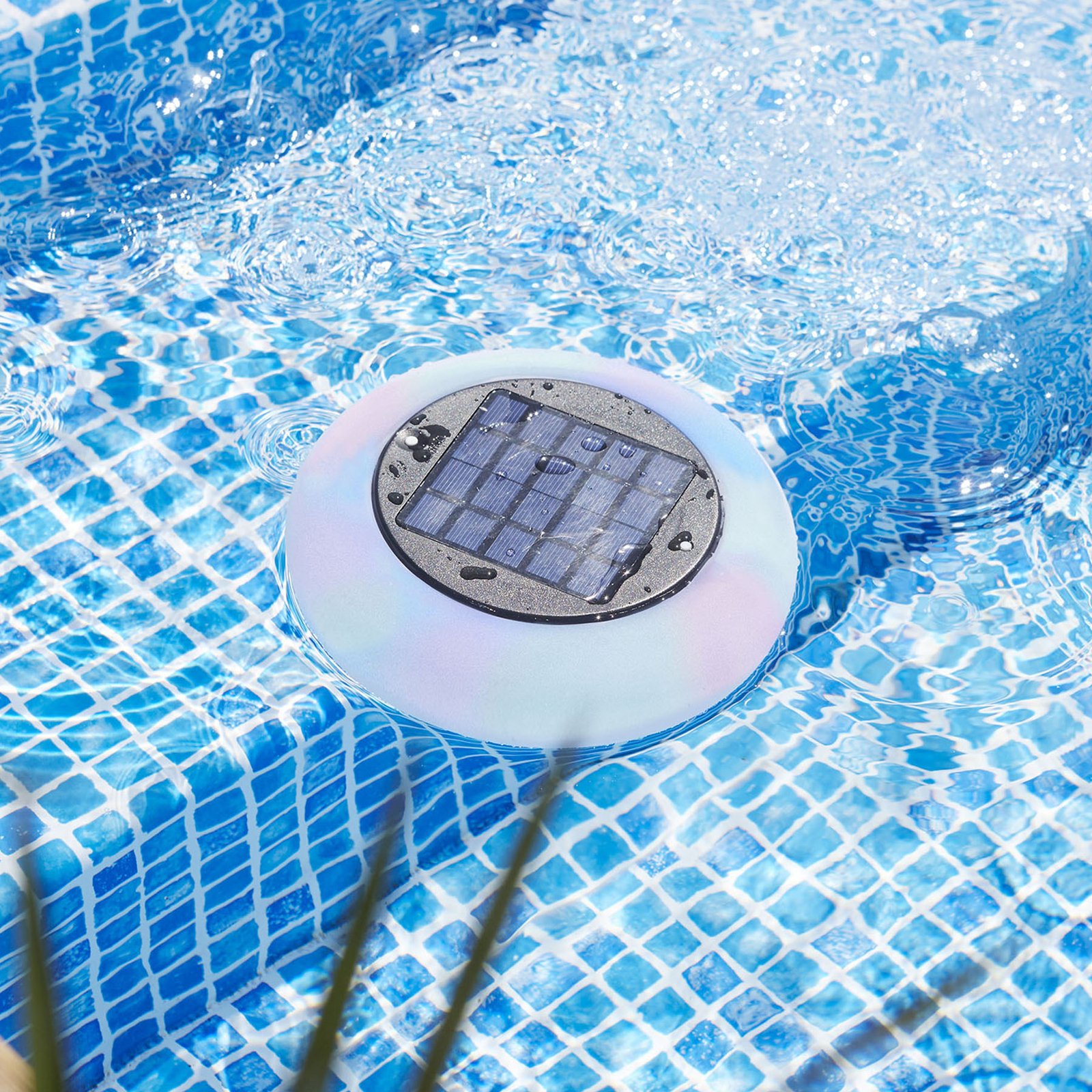
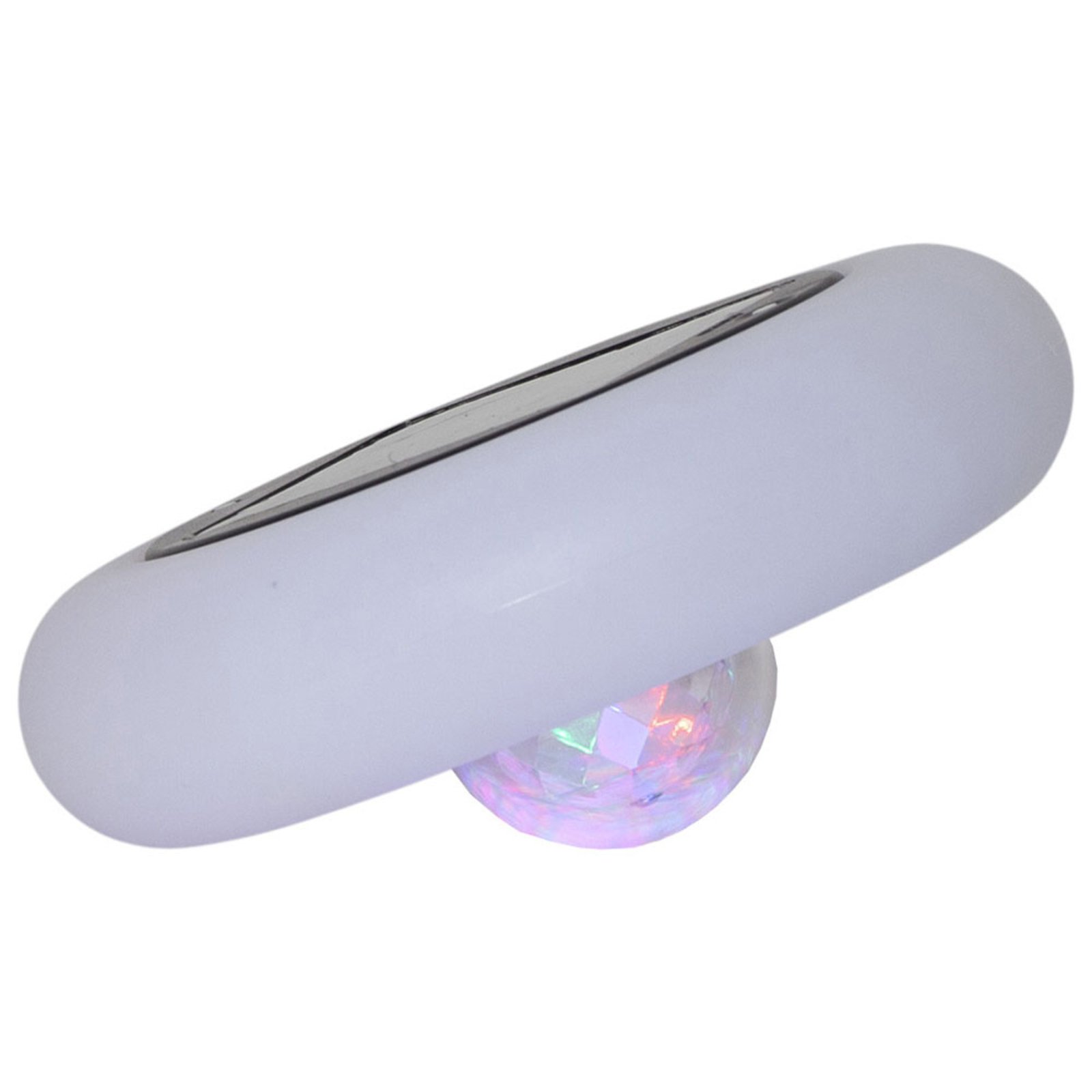
When it comes to the power supply, the most important factor is how the garden is used. Solar pond lamps are well suited for places where sufficient light falls on the panel during the day and a more subdued lighting is desired in the evening. This is suitable for smaller water areas, loose shore areas or seasonally used gardens. Installation is usually uncomplicated because no cables need to be laid.
Luminaires powered by electricity are useful when the light needs to be reliably available and the brightness has a clear function. This applies, for example, to paths by the water, seats with a view of the pond or fixed light points on a wall. Even with several spotlights, a power connection is often the more stable solution because the brightness is not directly dependent on the hours of sunshine. Solar lights, on the other hand, are convincing where flexibility is more important than precisely plannable illumination. If you combine the two, the tasks are neatly separated: solar for decorative accents on the surface of the water, electricity for fixed points of light on the shore or at the entrance to the jetty.
A harmonious impression is created around the pond, above all through a comprehensible distribution of the luminaires. If water, flower beds and patio are next to each other, each zone should have its own task. Light on the terrace supports the stay. Light on the shore marks edges. Light in the water draws the eye to the surface itself. This means that the areas do not compete with each other.
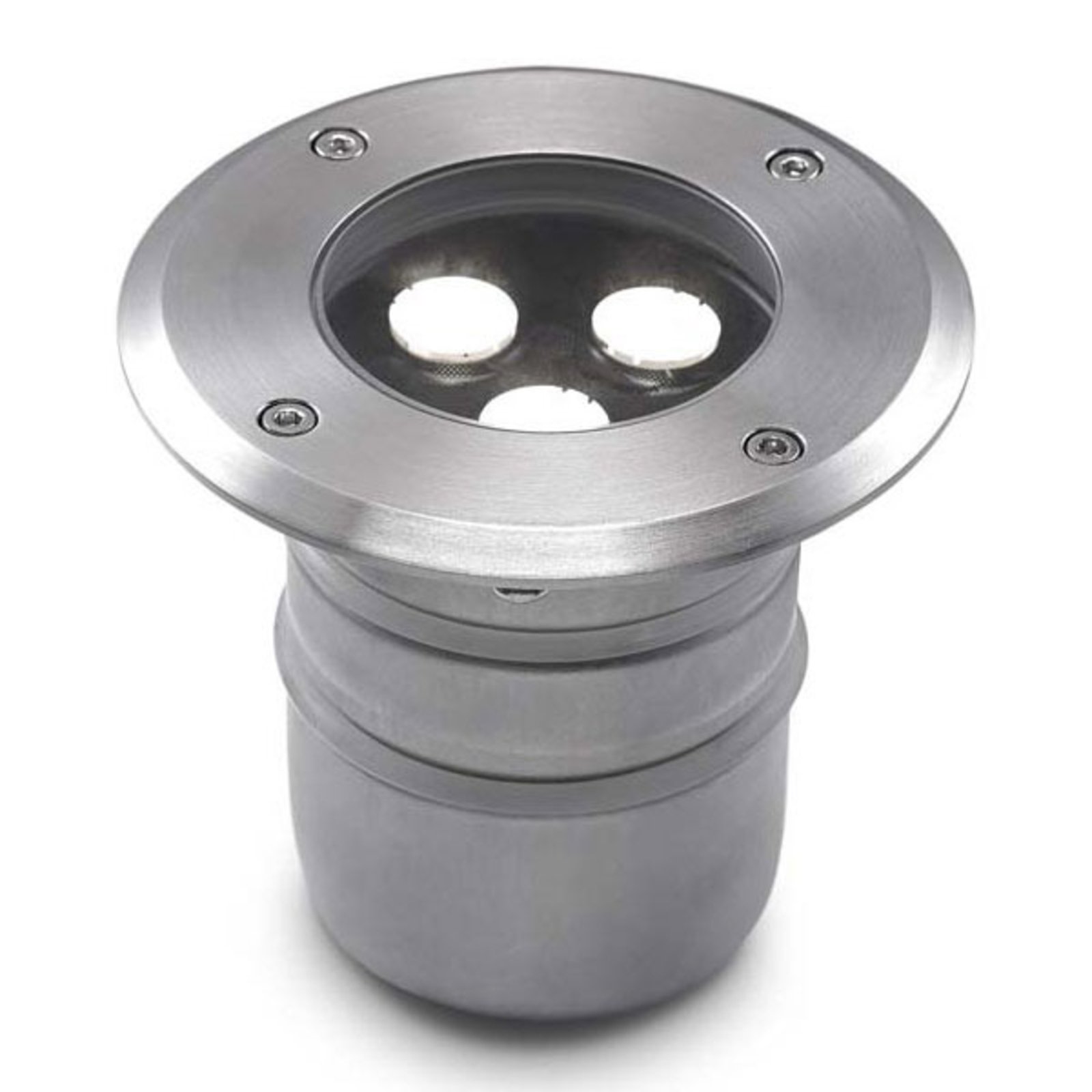
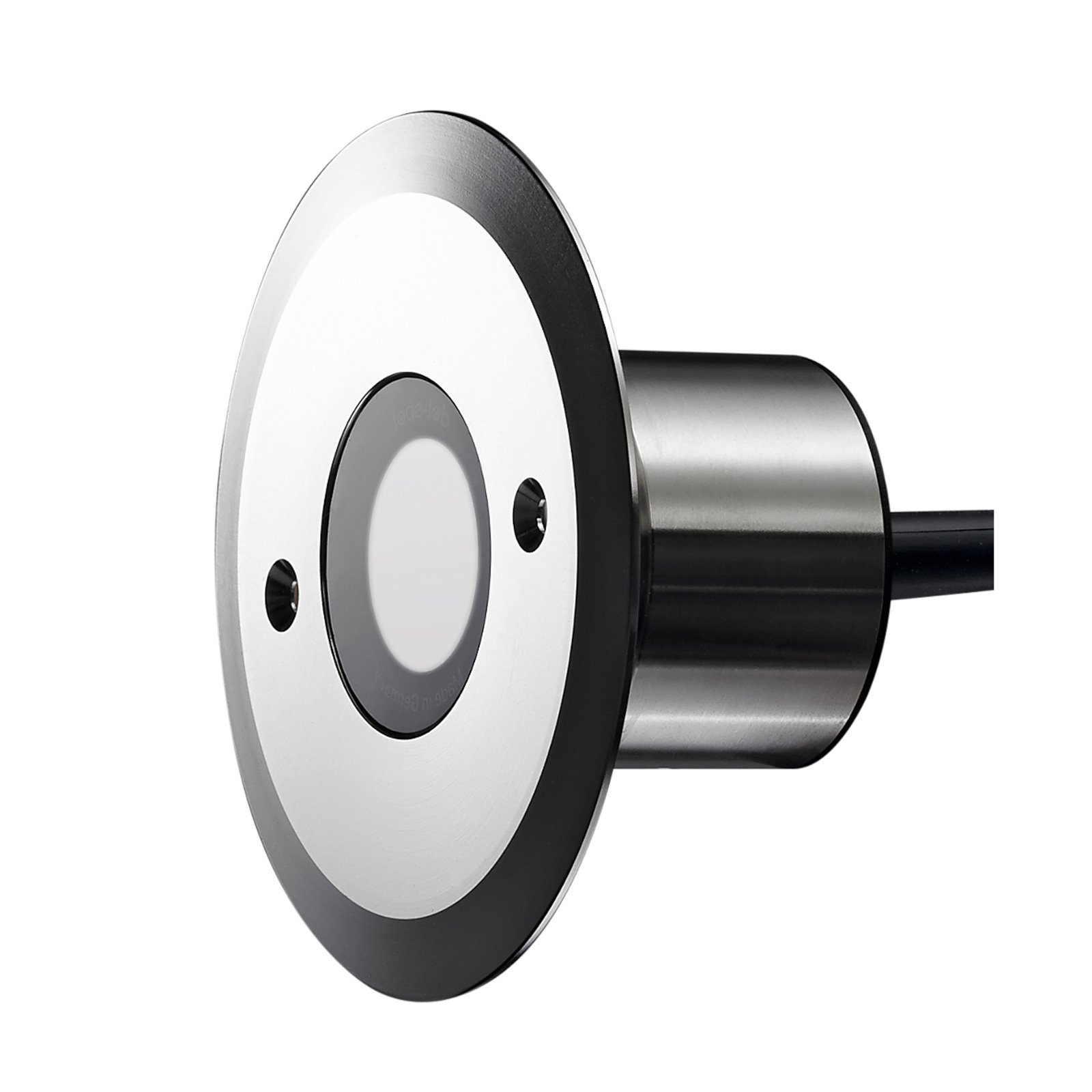
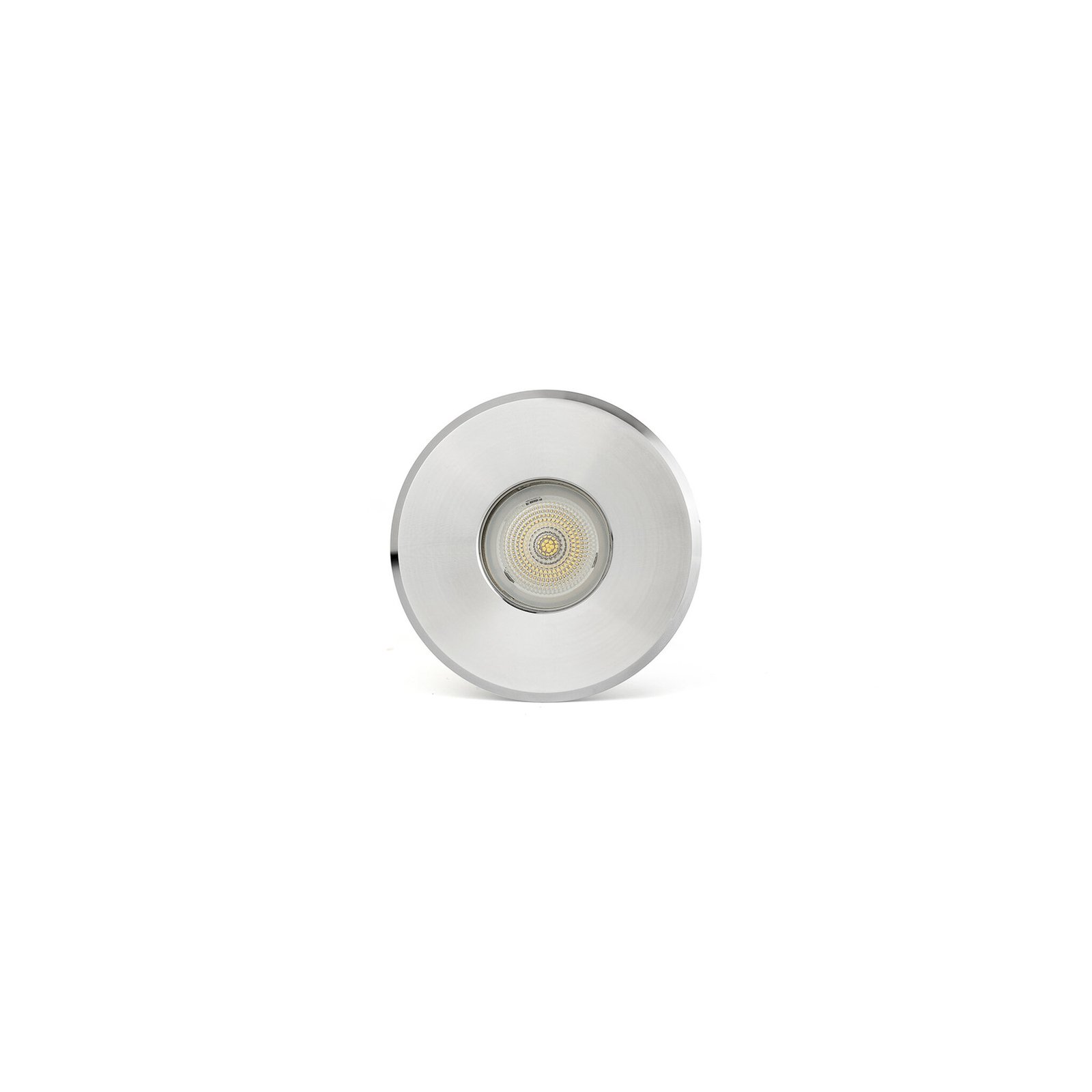
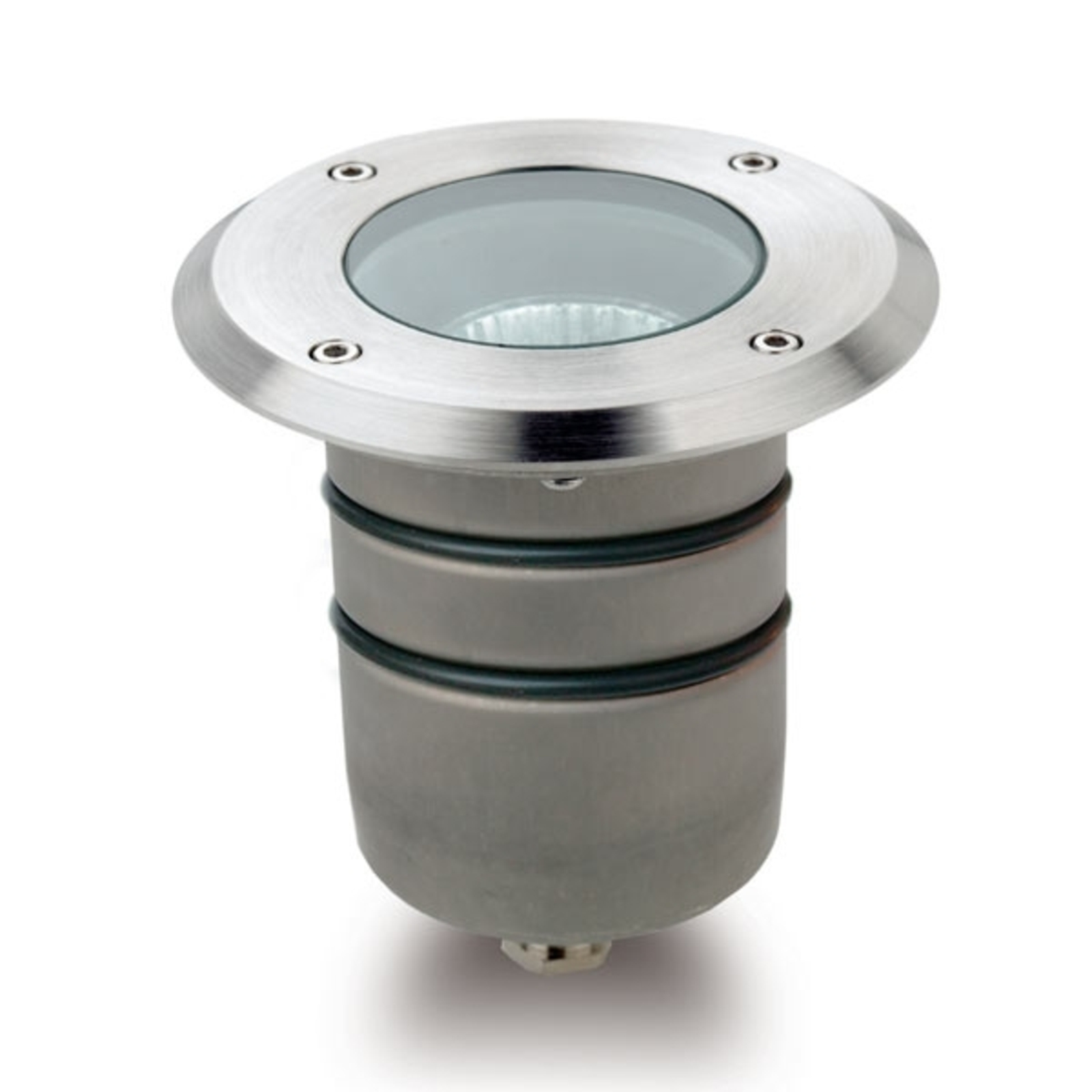
Material and shape also play a role. Stainless steel looks functional and often goes well with clearly defined water basins, stone slabs and minimalist terraces. Darker bodies recede more into the background and are more suitable for planted banks or near-natural pond edges. Small spotlights make individual plants at the water's edge visible without brightening up the entire edge of the bed. A larger luminaire in the wrong place, on the other hand, can quickly appear unsettling because it illuminates reflections, foliage and the water surface at the same time. Good coordination is therefore achieved when the garden lighting on paths, seating areas and ponds relates to each other, but each light source only covers a clear area.
The technical selection should be based on the installation location and not just the shape of the luminaire. A suitable IP protection class is important for areas directly next to water, because splash water, rain and damp earth all bring different stresses with them. For lights in or near water, it also matters whether the model is expressly intended for this use. This is more important than individual additional functions, because it determines safe and sensible use.
The place of use serves as a benchmark for brightness. For walkable edge zones, 100 to 150 lumens per square metre are usually sufficient to ensure that edges and paths remain clearly visible without the garden appearing overly bright. With spotlights, the beam angle is also important because a narrow beam of light is more targeted than widely scattered light. The size of the luminaire should match the surface area so that small ponds are not visually overloaded. If you are planning several points of light, it is better to distribute them at some distance from each other rather than in a dense row. This is particularly evident on a narrow bank next to the terrace or on a small jetty that should remain safely accessible in the evening.
The strike-through prices correspond to the manufacturer's RRP.
All prices include 20% VAT, delivery costs excluded.