








































:format(jpeg) "Newsletter")
:format(jpeg) "Trustpilot")
Rated 'Excellent' on Trustpilot
We appreciate our customers' positive feedback on Trustpilot.
:format(jpeg) "Contact a customer advisor")
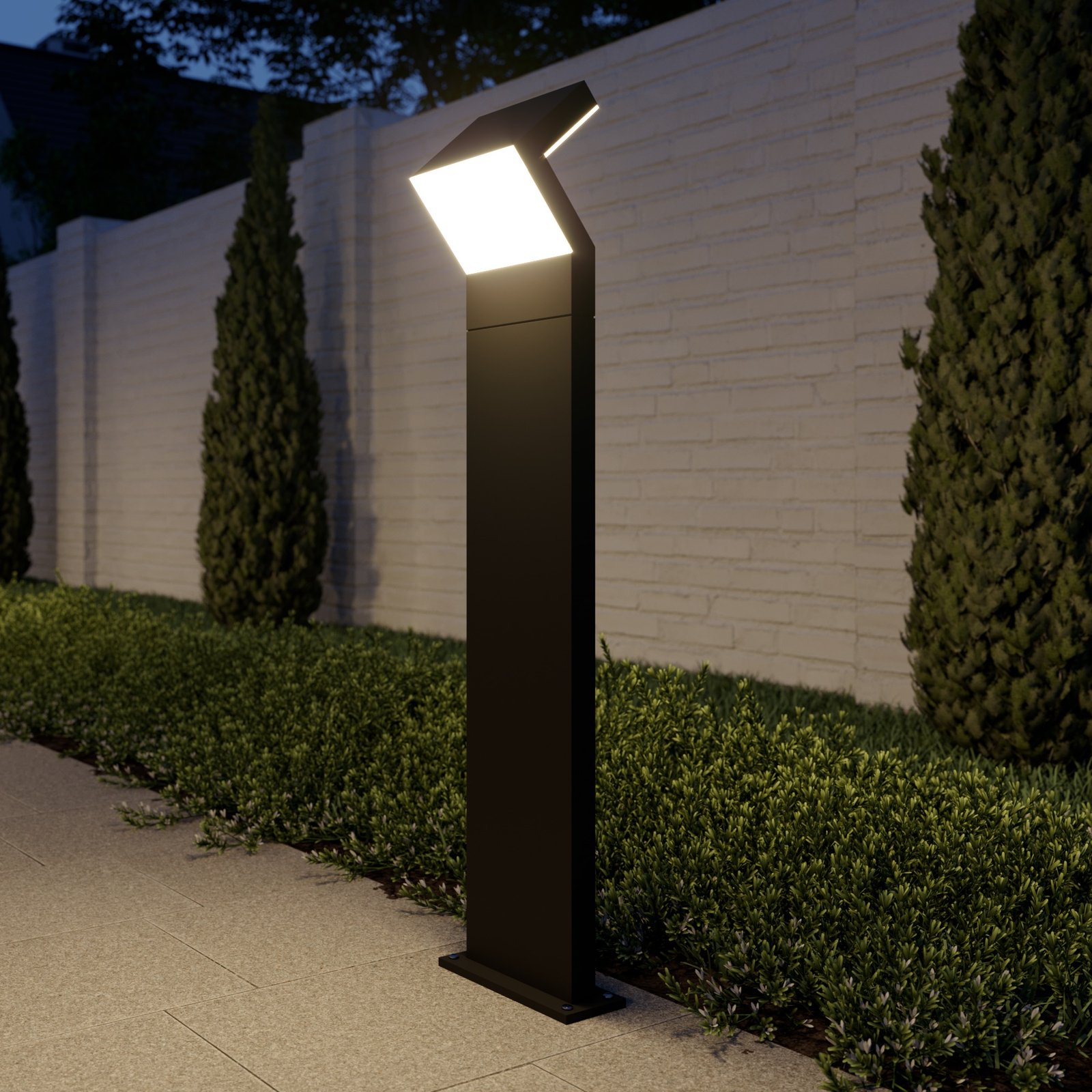
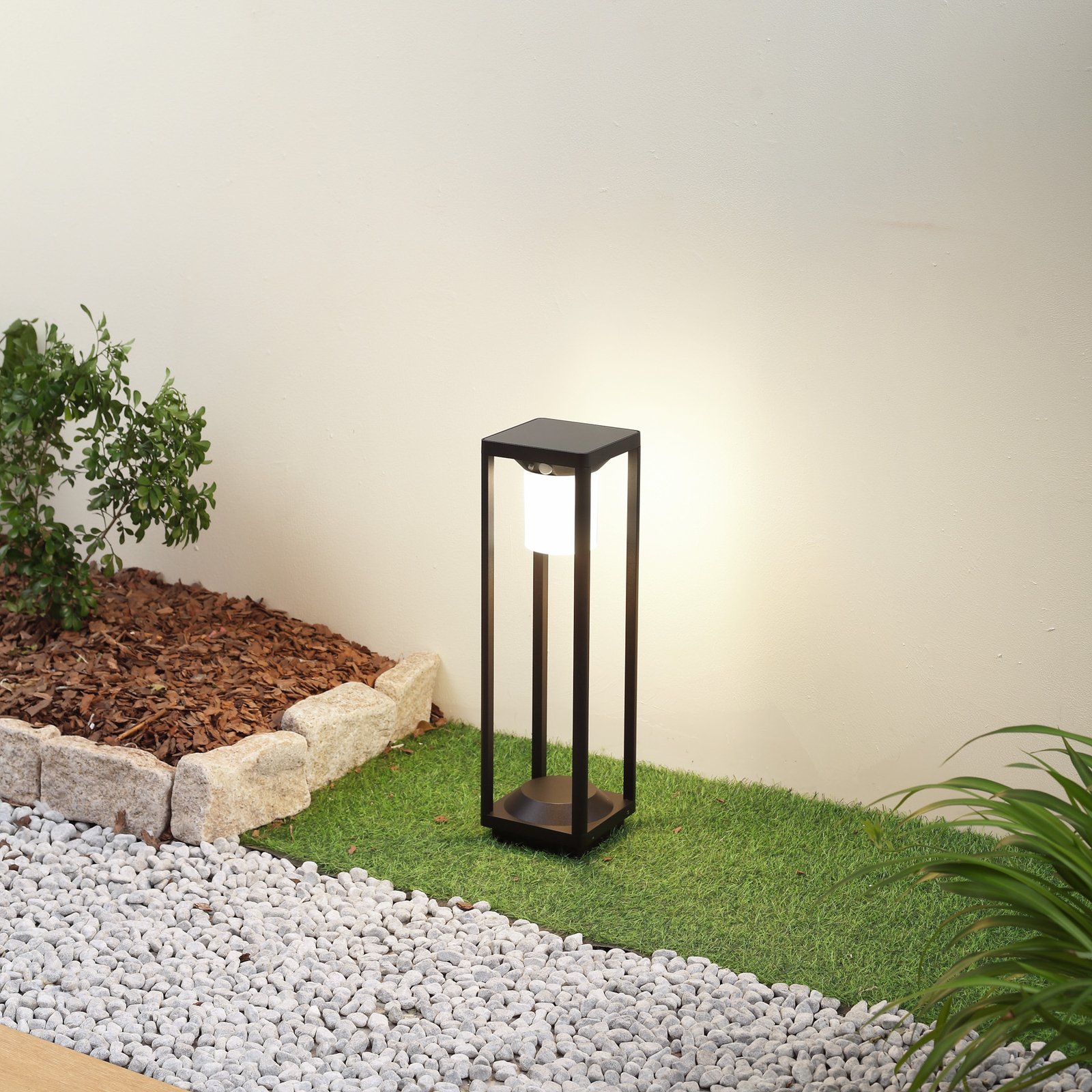
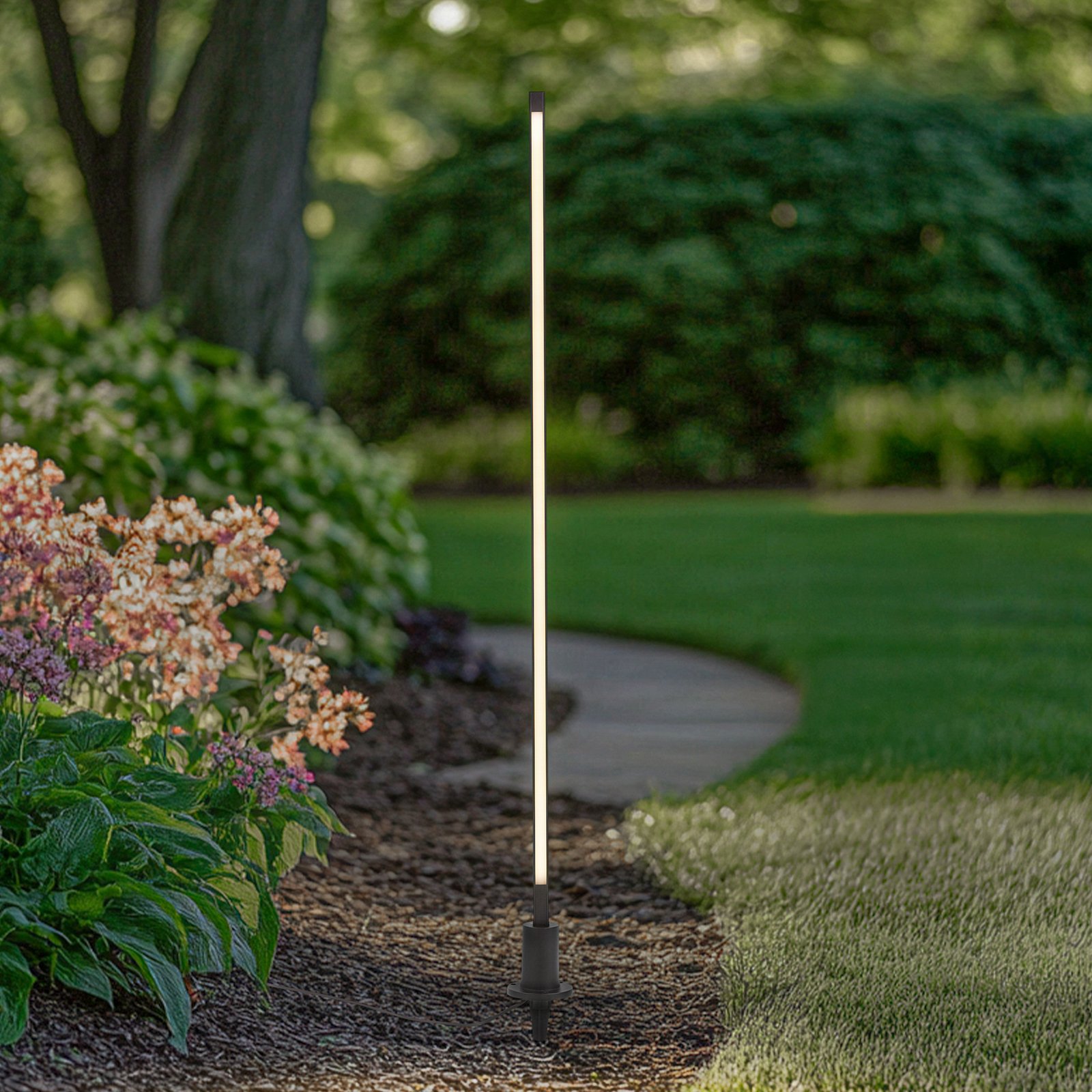
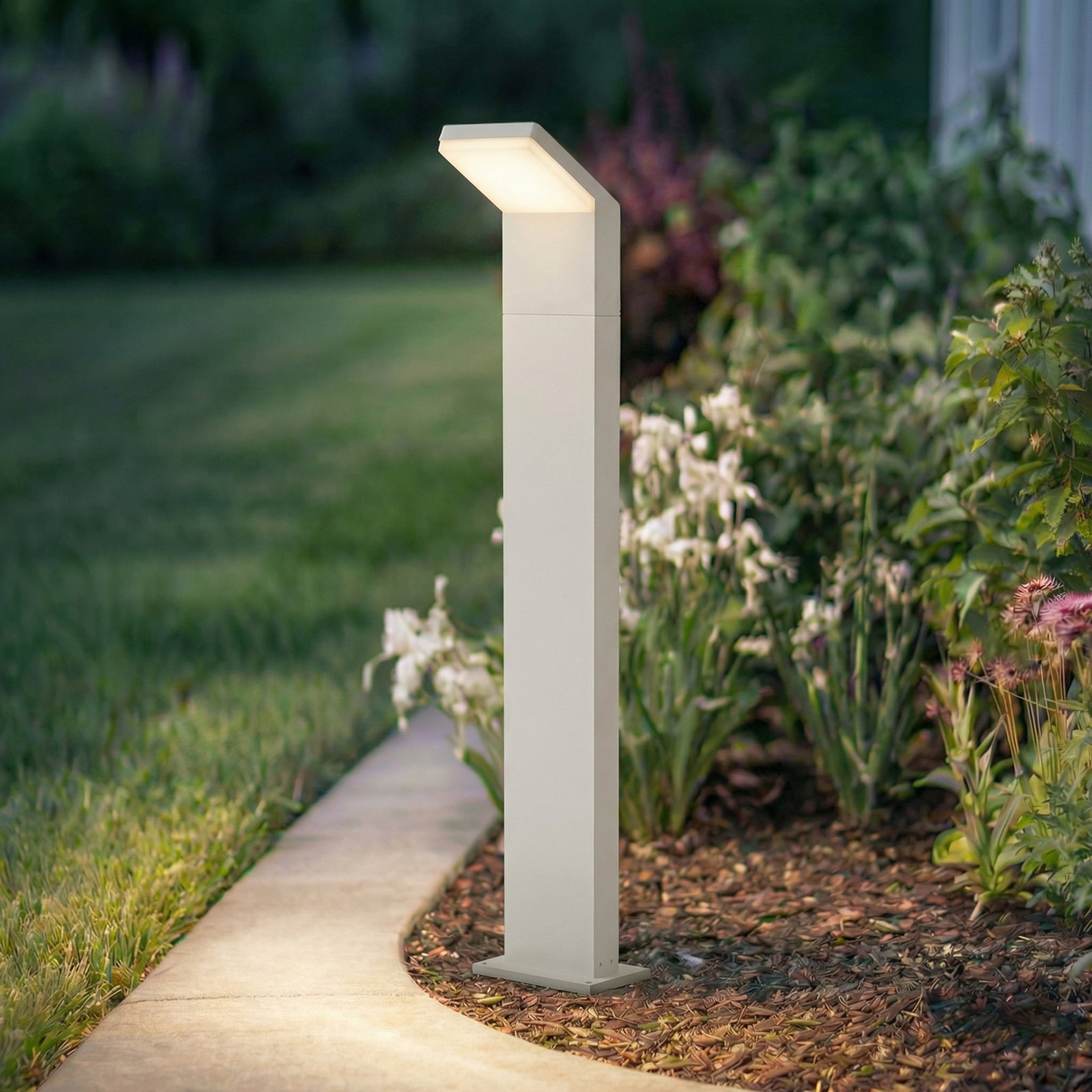
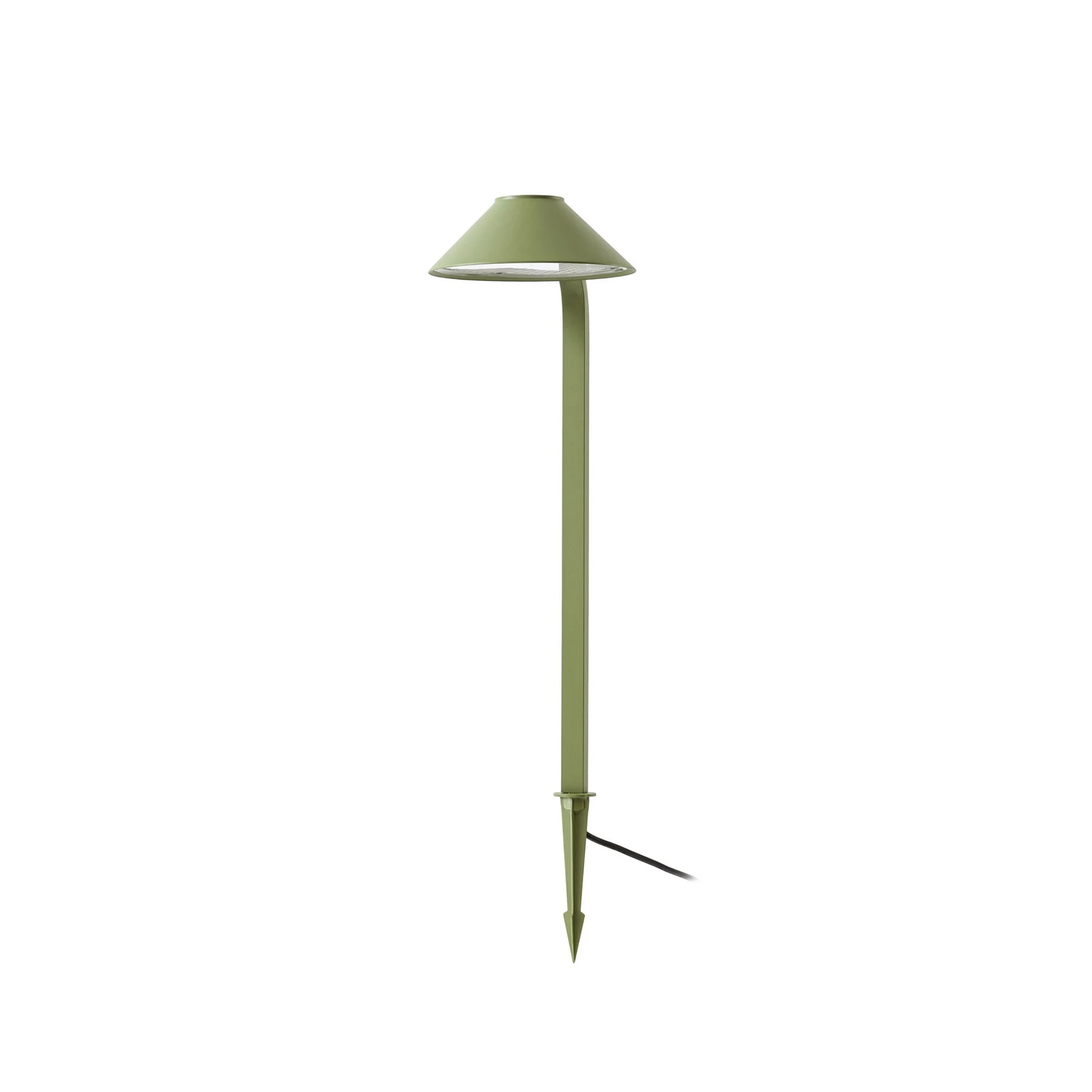
A path light helps you to see garden paths, driveways and entrance areas more clearly after dark. It directs the light onto areas where people need to be able to walk safely, such as along a gravel path, beside flowerbeds or in front of the front door. In everyday life, it is less about decoration alone and more about providing guidance, a clear view and outdoor lighting that suits the property. The layout of the path determines whether individual lights, several evenly spaced lights or supplementary lights on walls, plinths or stairs are the best option.
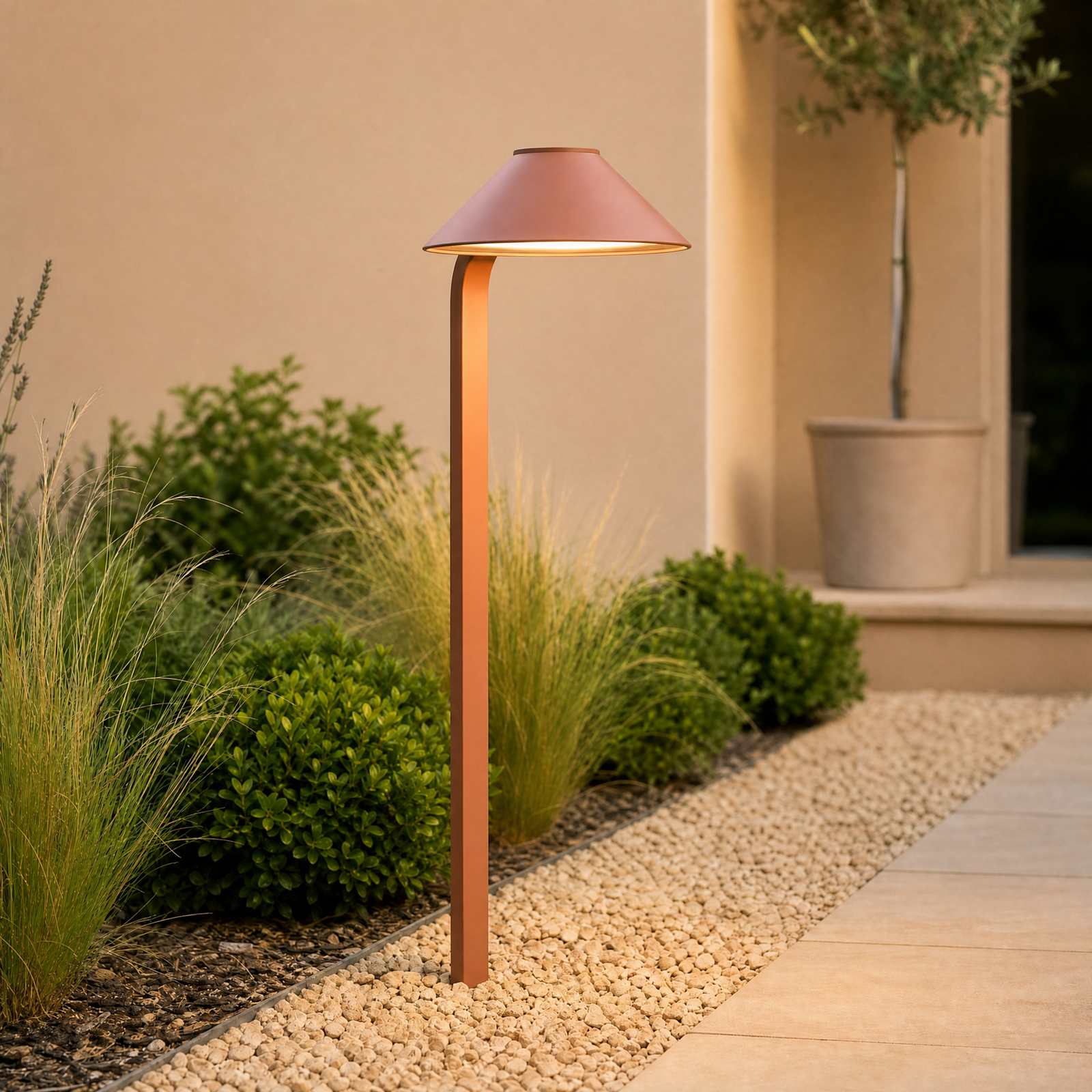
Outdoor path lights serve a practical purpose above all else. They make paths easier to see, highlight transitions and help you spot steps, edges or uneven surfaces sooner. This is important at the entrance to the house. But this sign also helps you find your way between the garage and the front door, on the terrace or on the way to the garden shed. The light should illuminate the walkway without shining directly into people’s eyes.
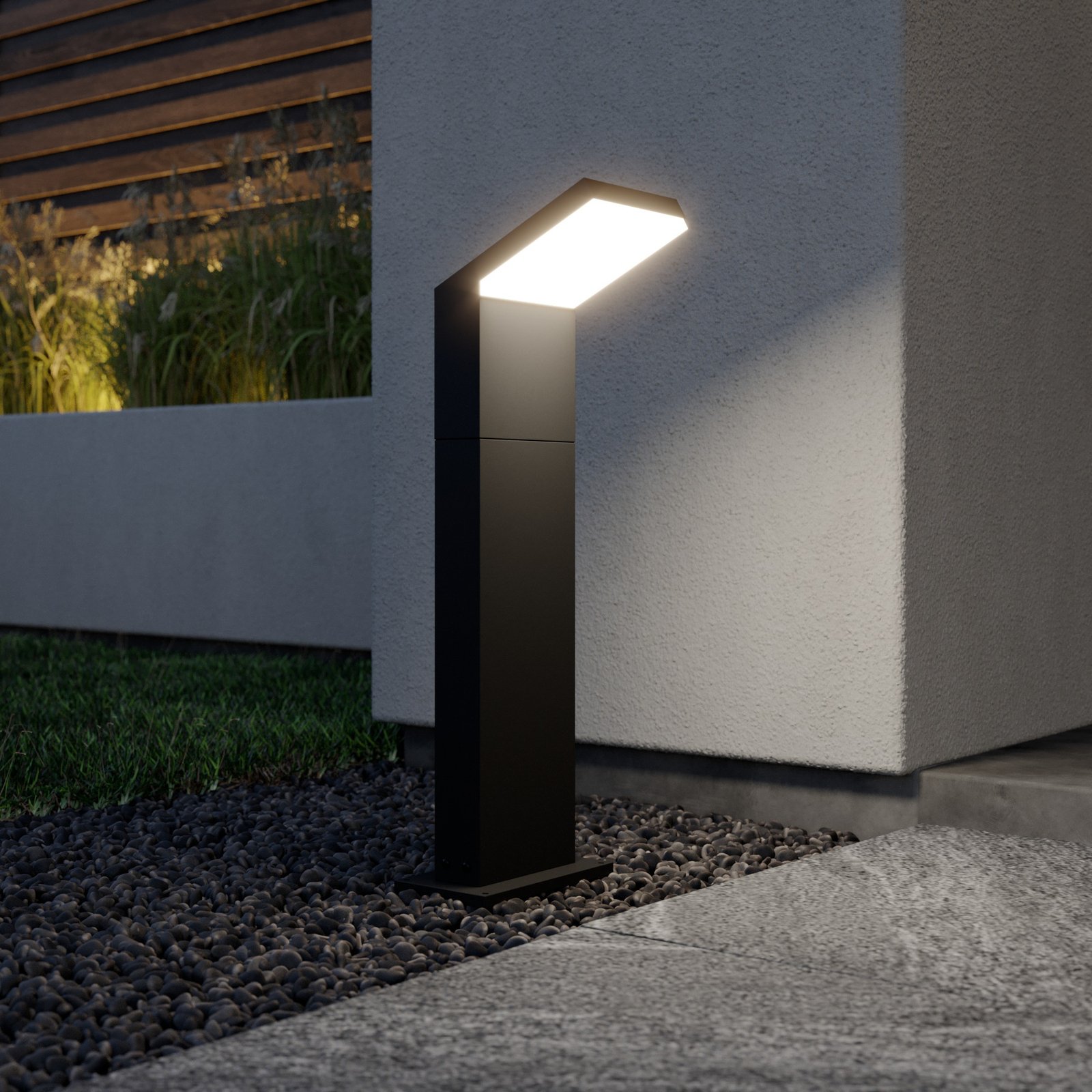
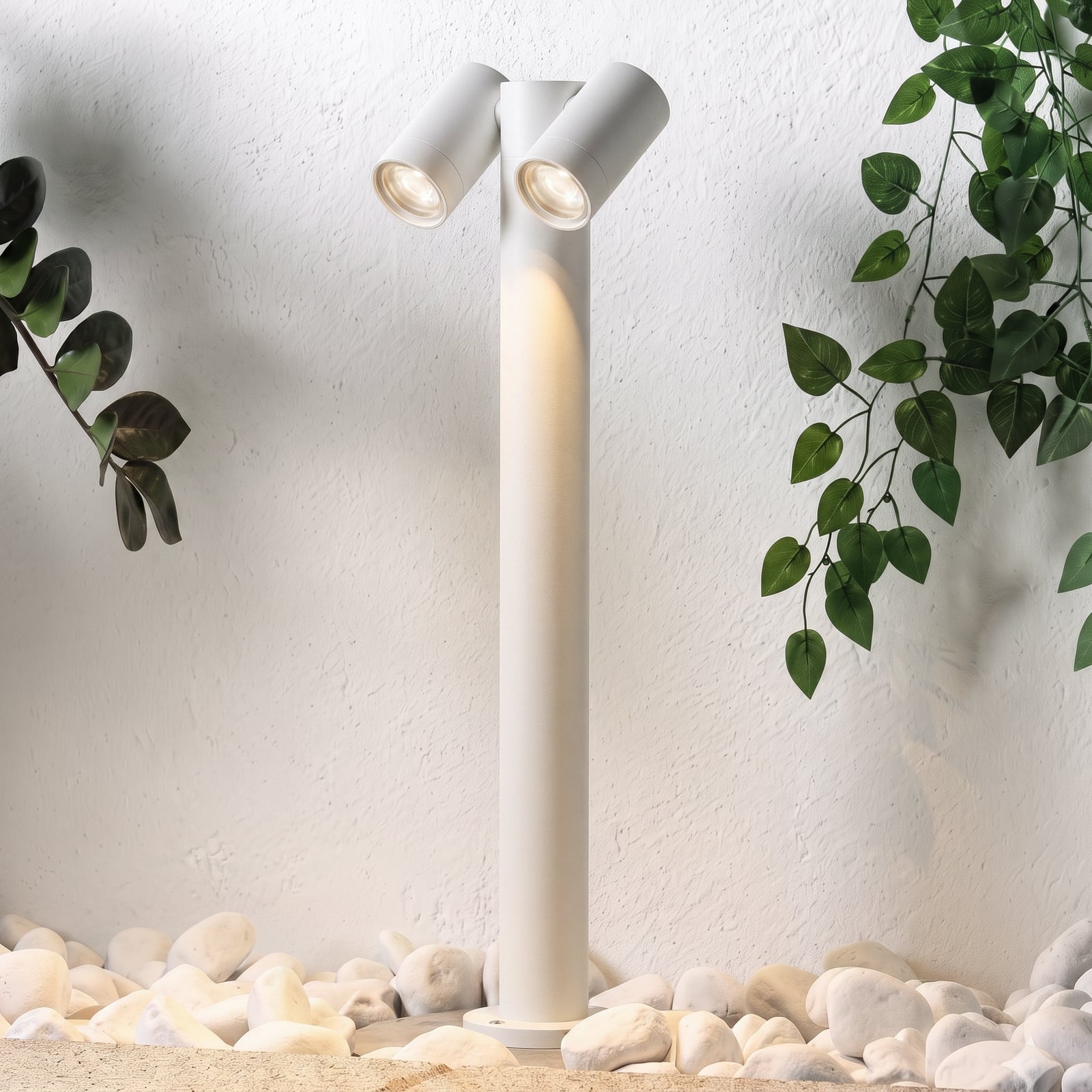
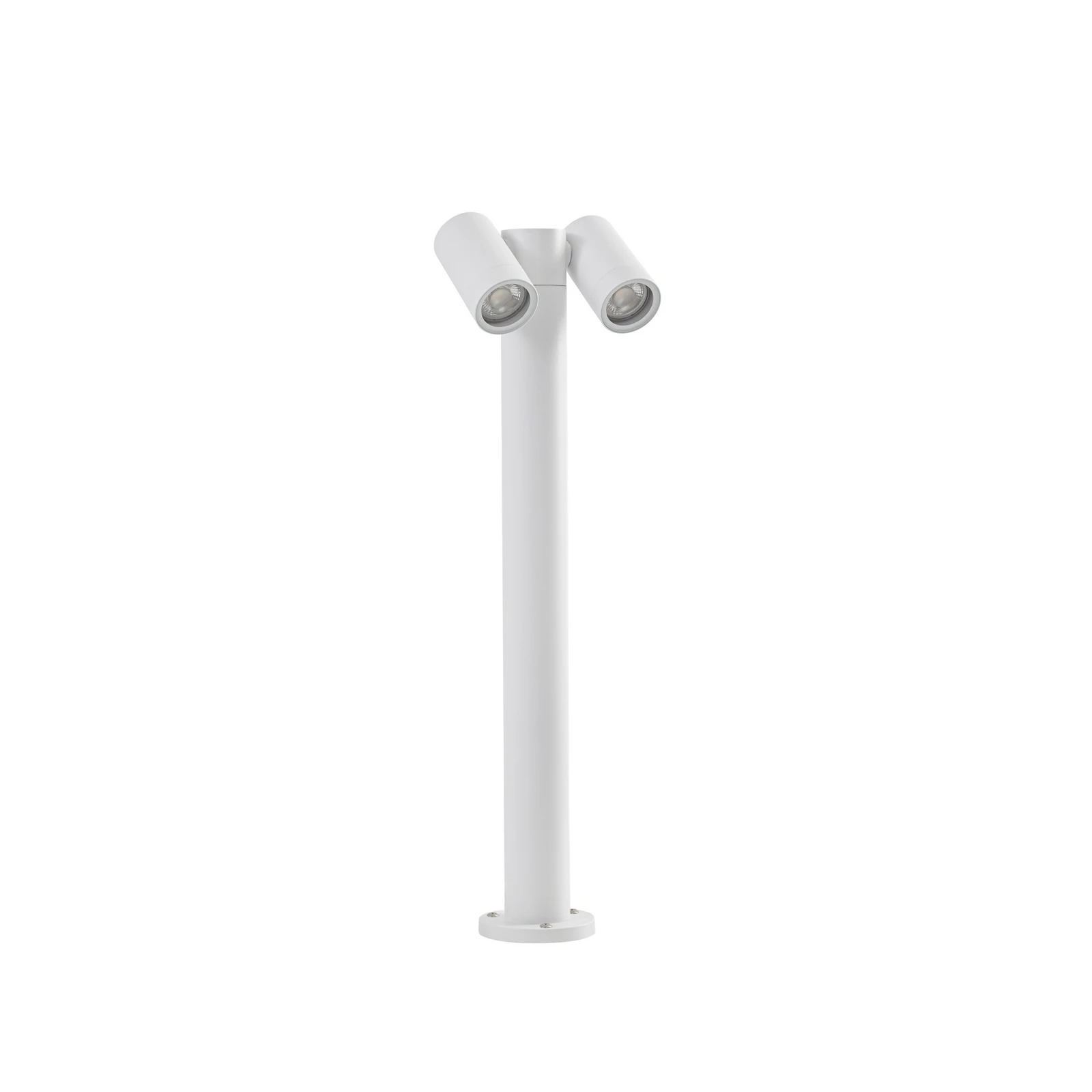
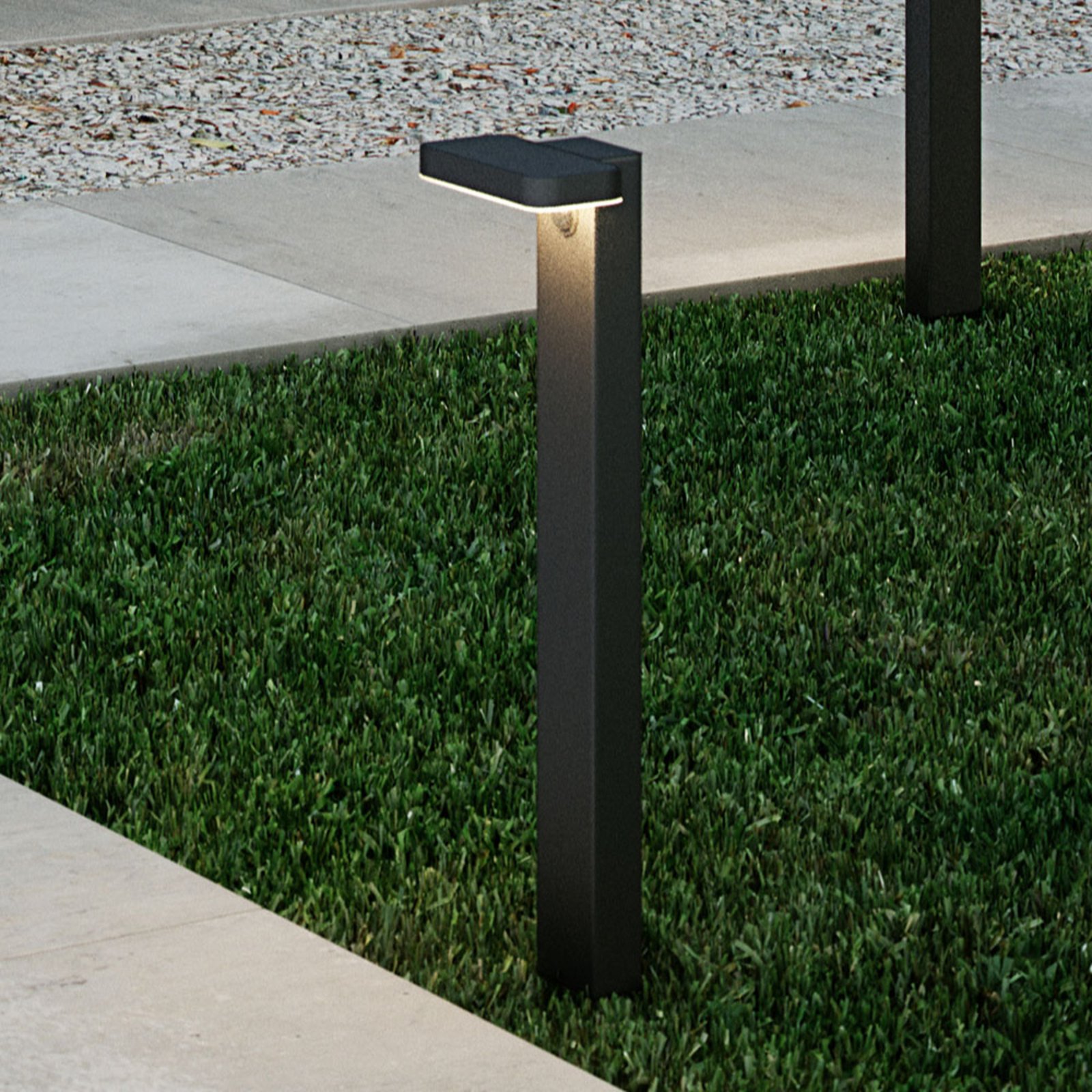
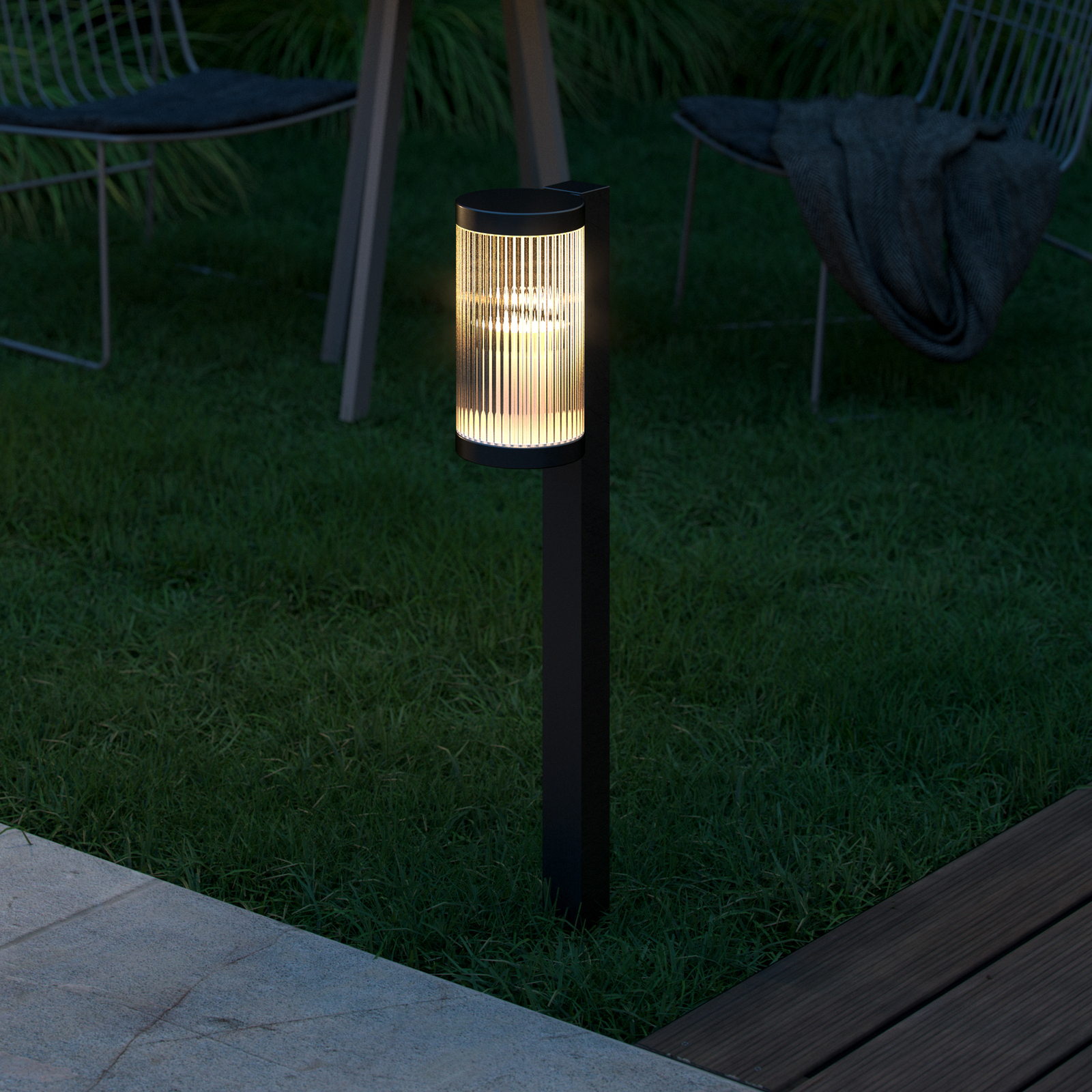
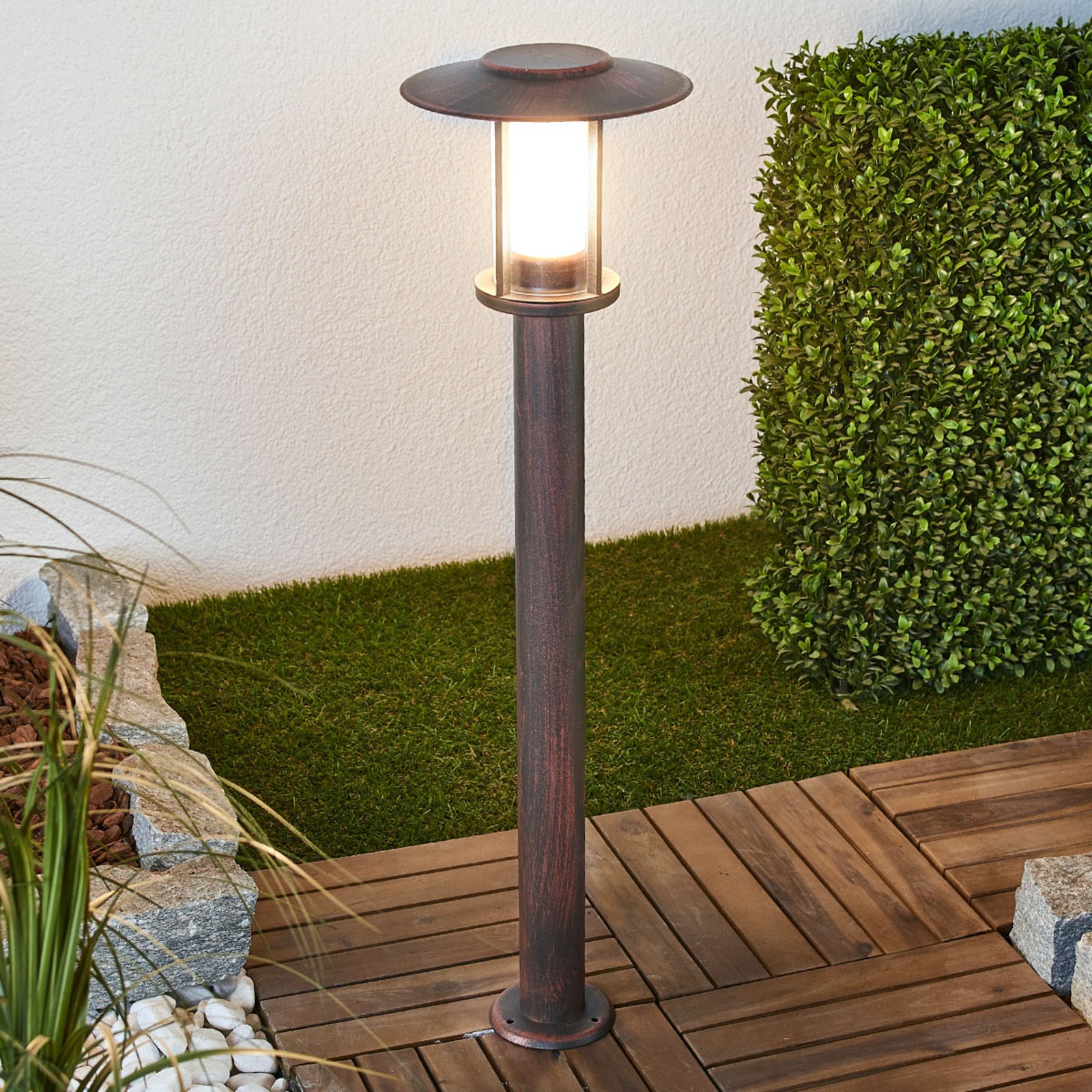
For longer distances, a regular pattern is recommended. Several lights placed along a path provide better guidance outdoors than a single, powerful light source. For short stretches, a single, strategically placed outdoor light is often sufficient – for example, by a flight of stairs or at the start of a driveway. Pavement lamps – that is, low-level path lights for pavements – have a subtle appearance and are positioned close to the ground. Taller models spread the light over a wider area and are suitable for wider paths or where adjacent areas are to be illuminated as well.
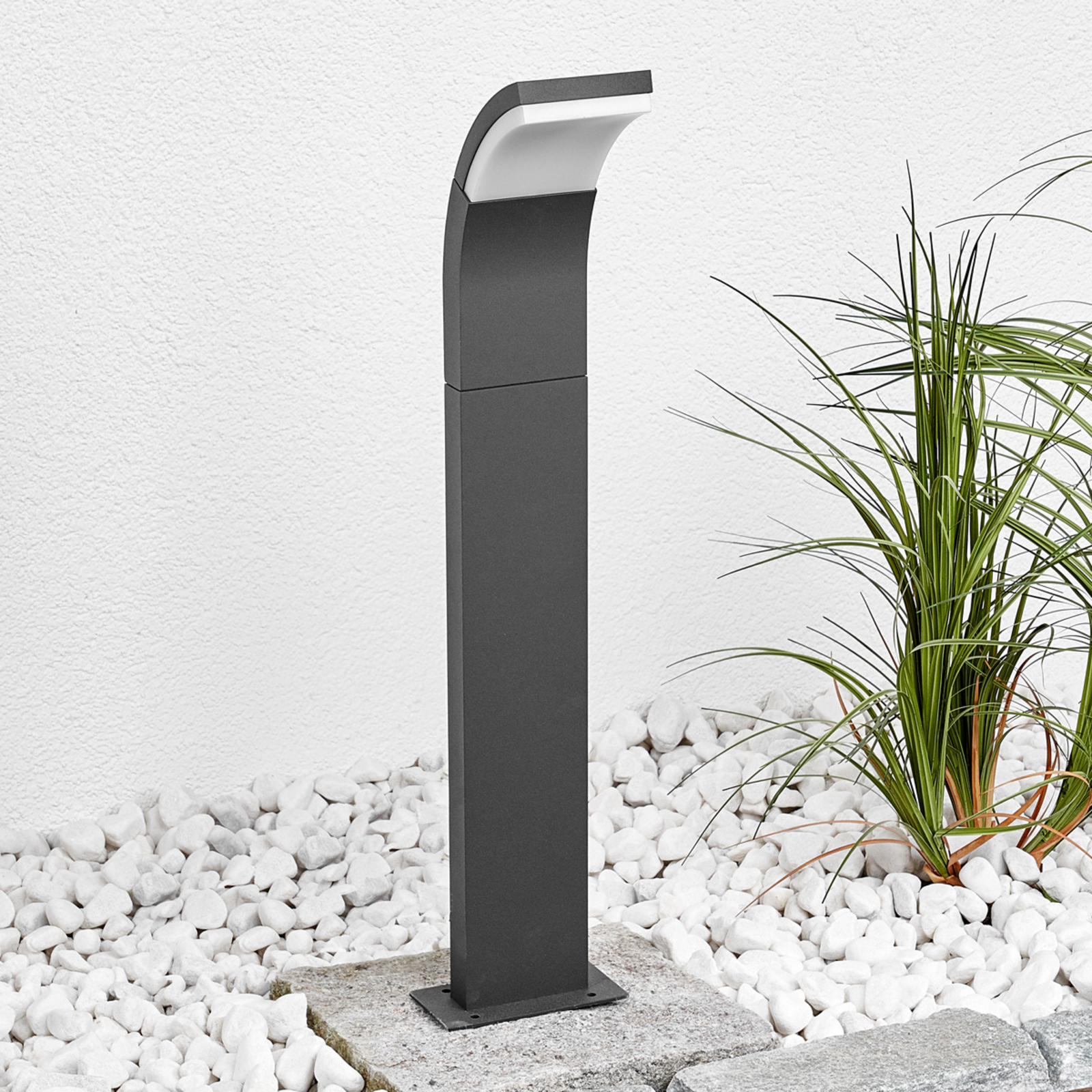
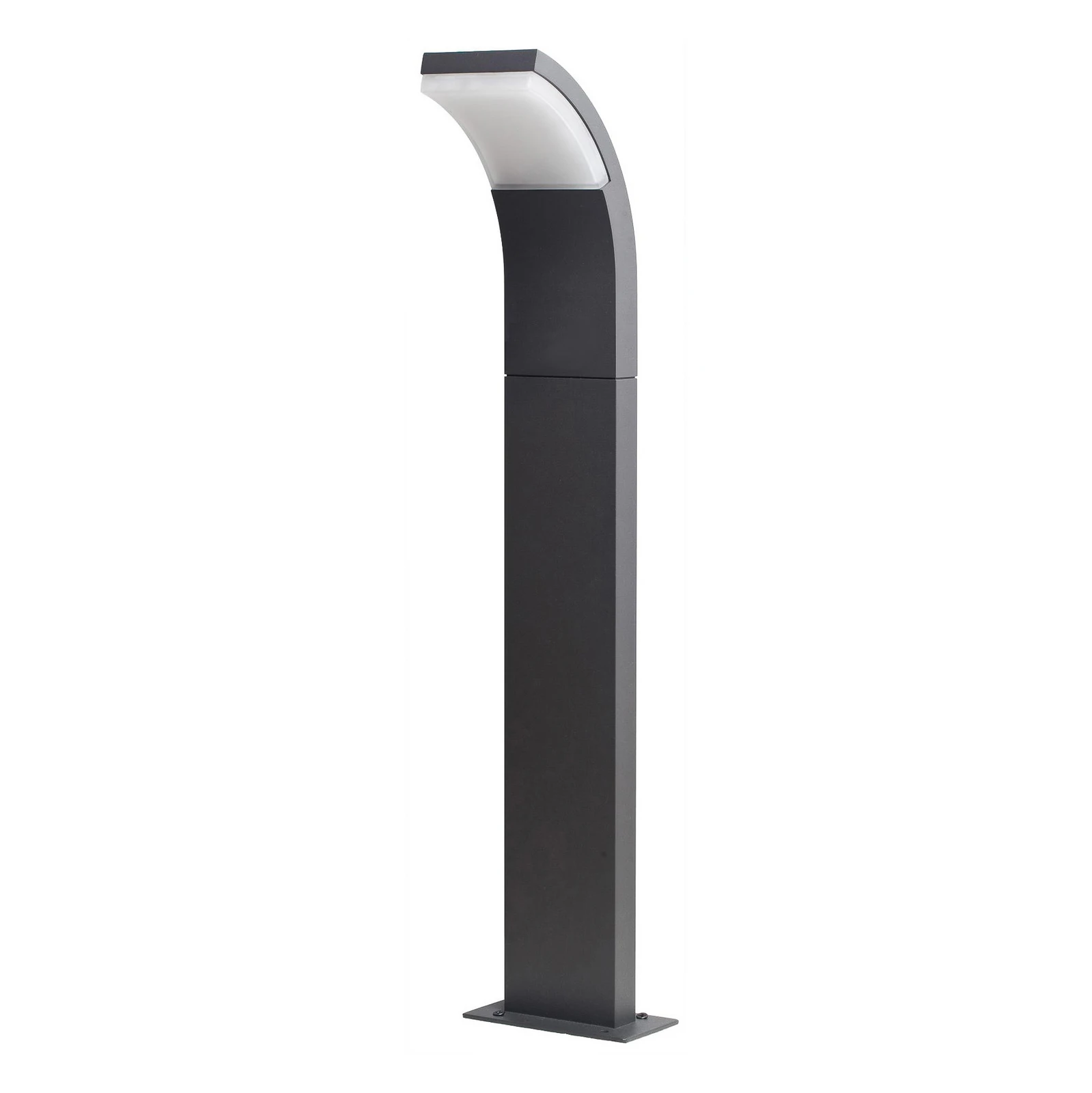
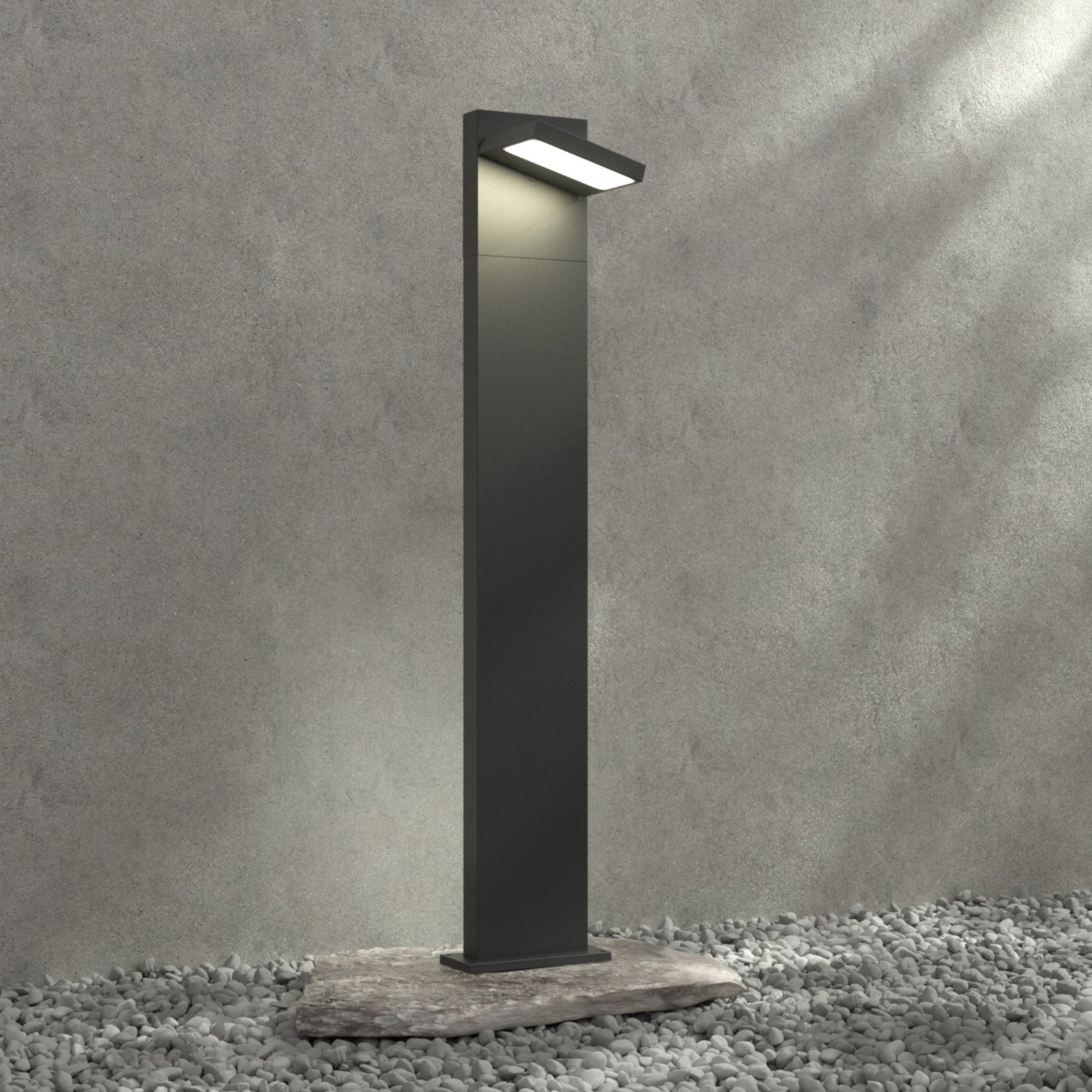
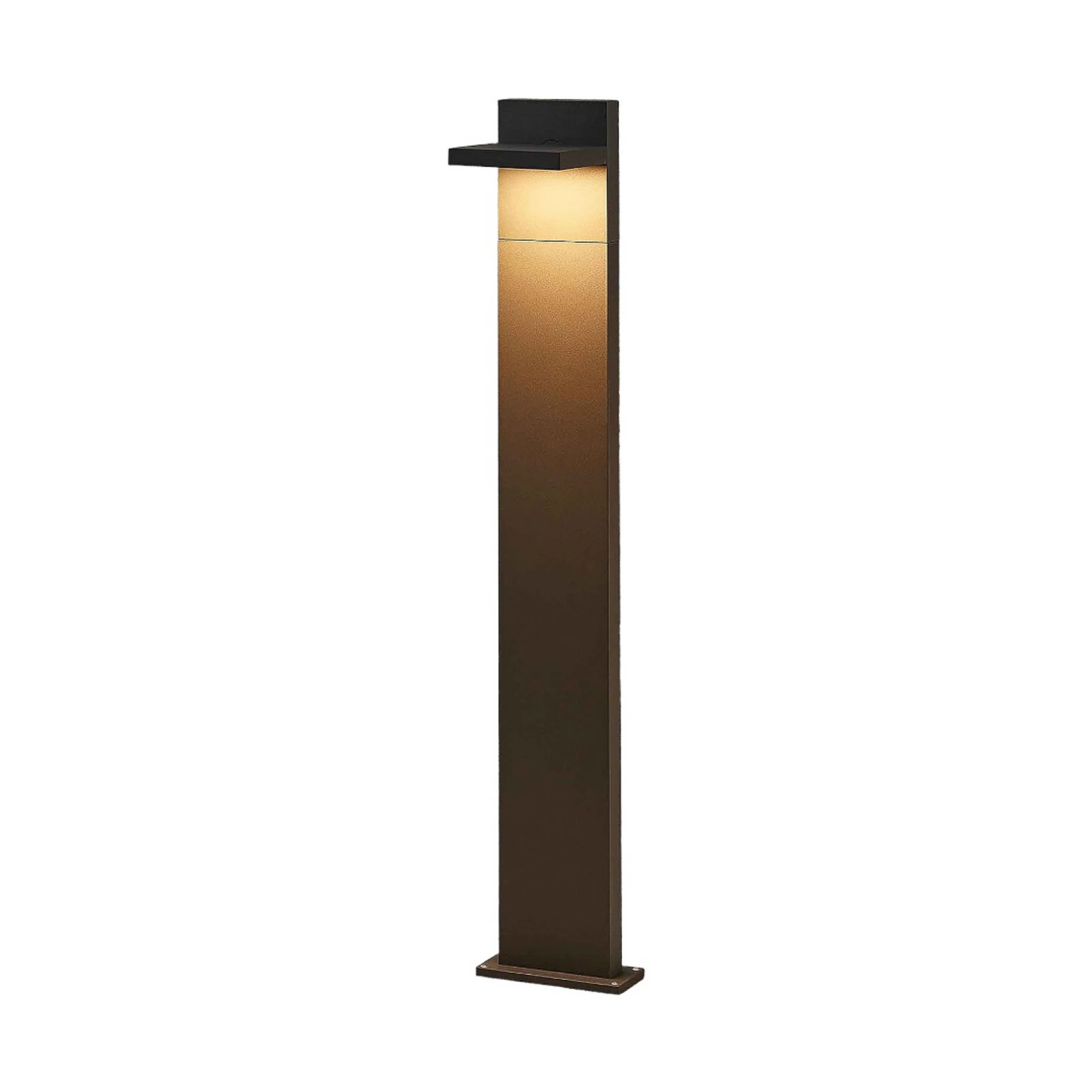
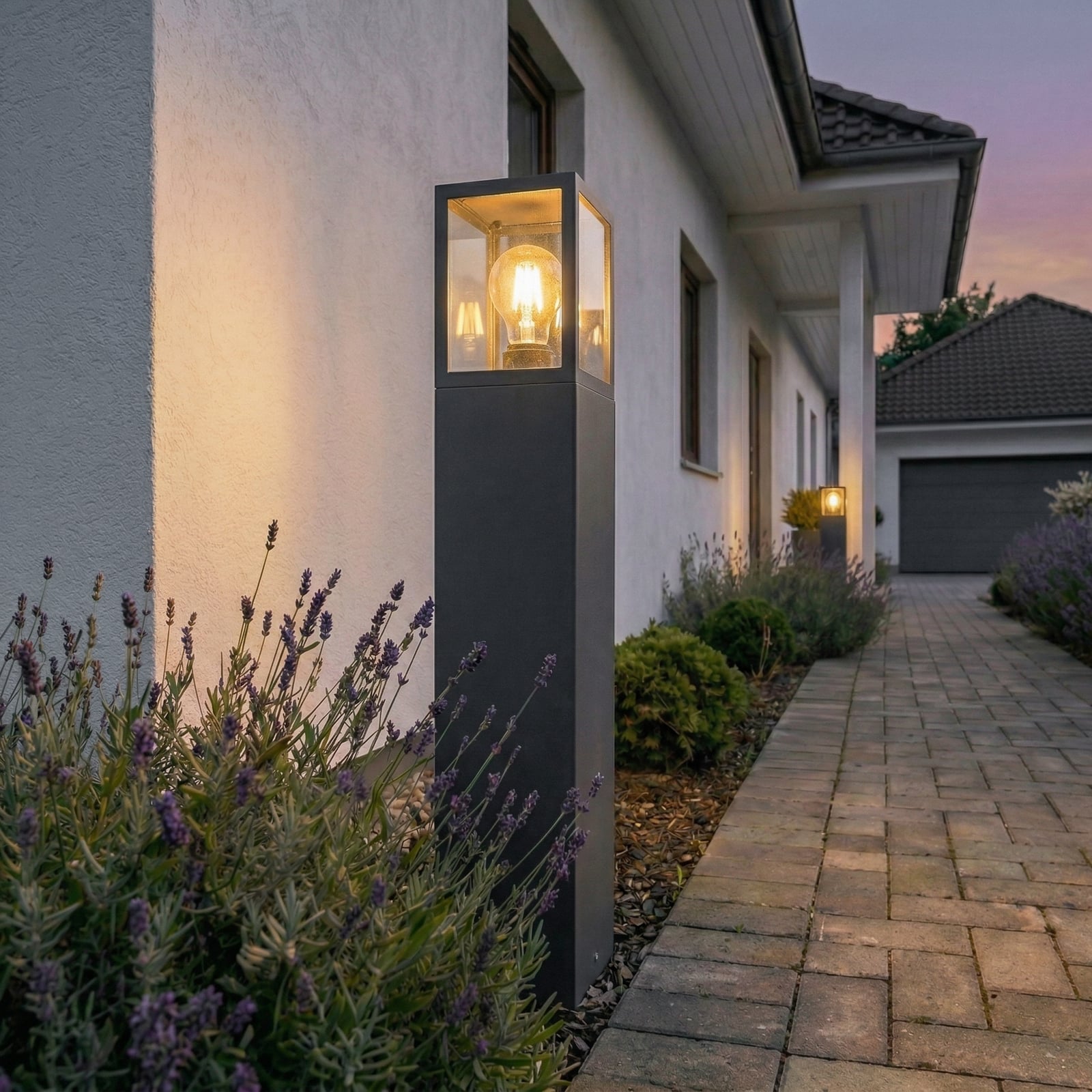
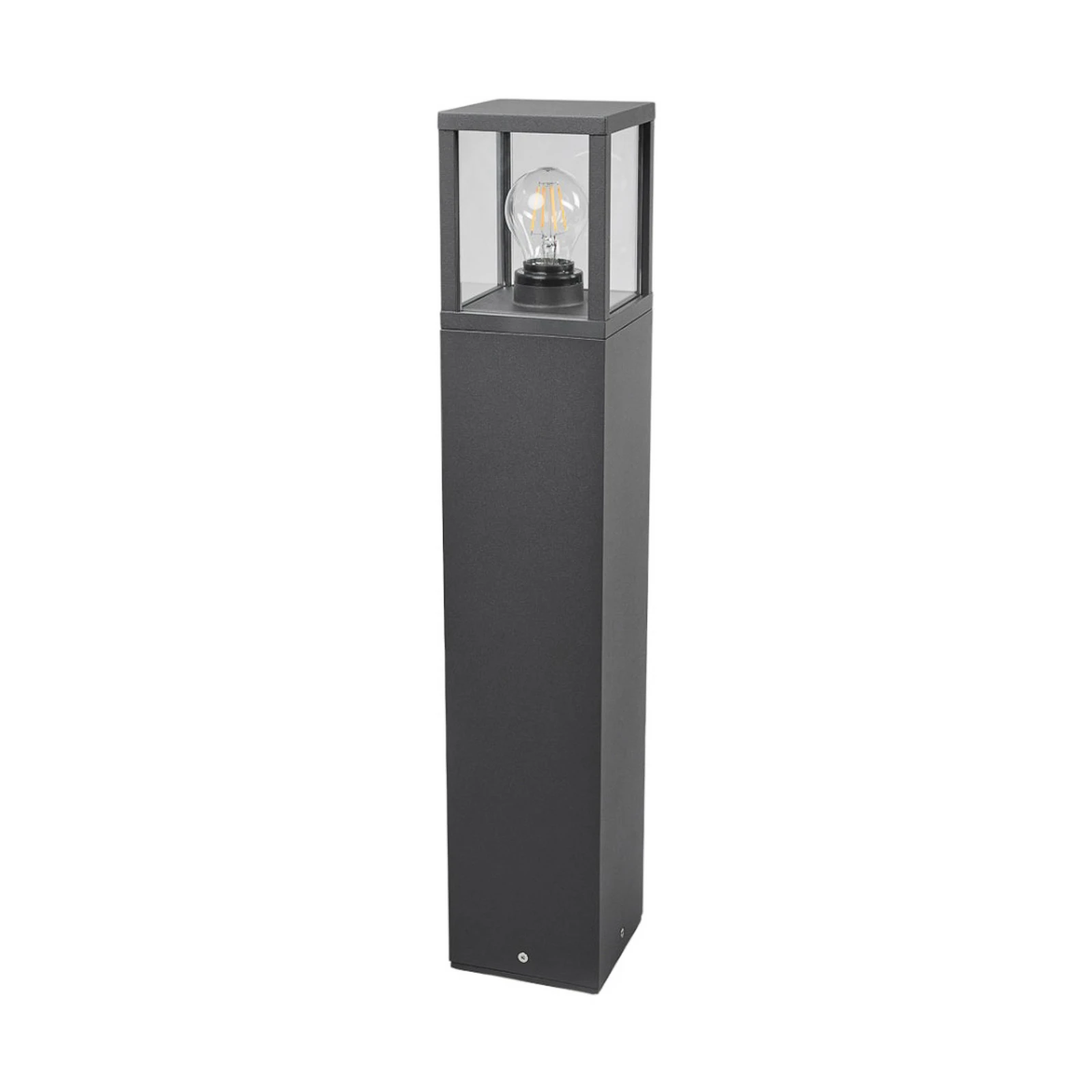
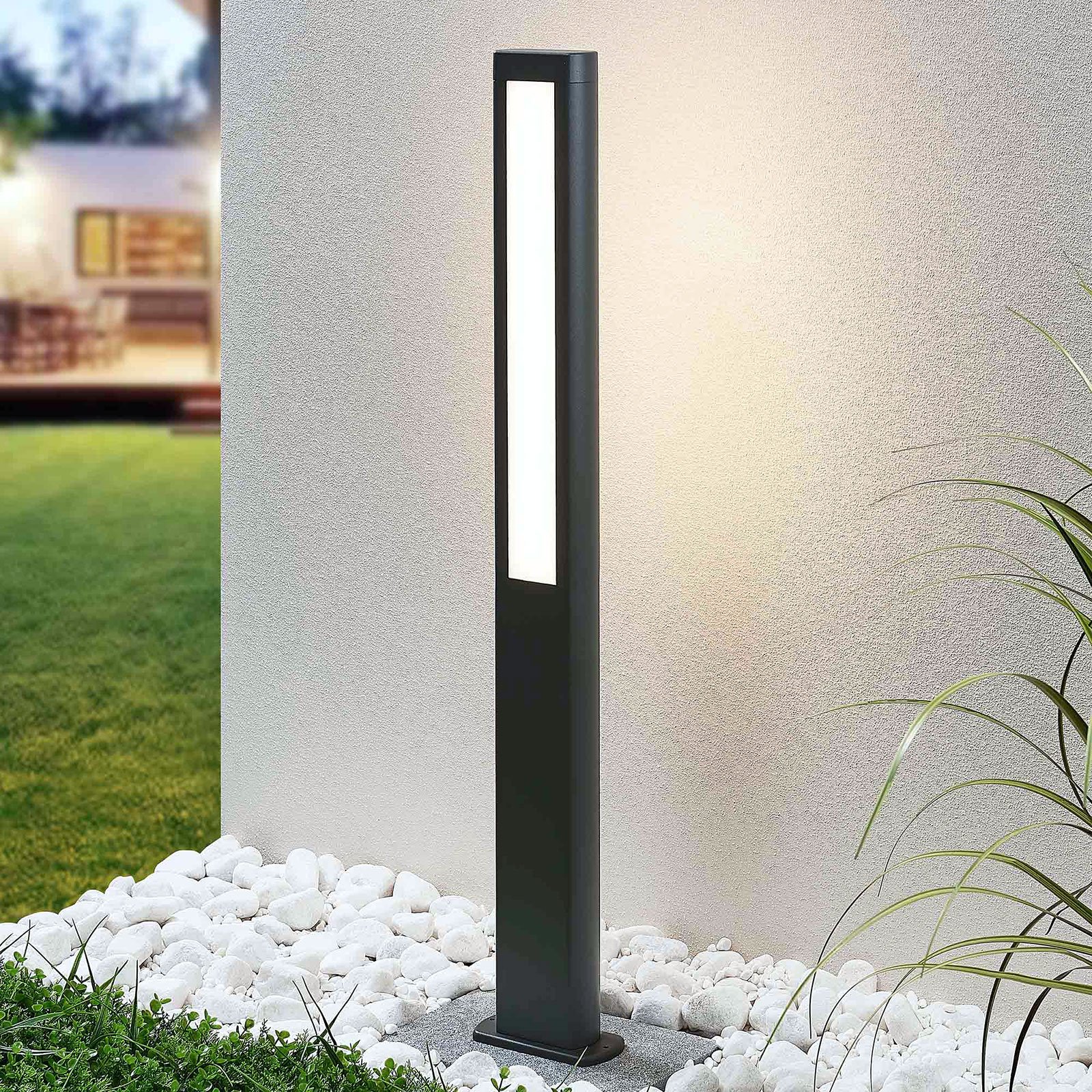
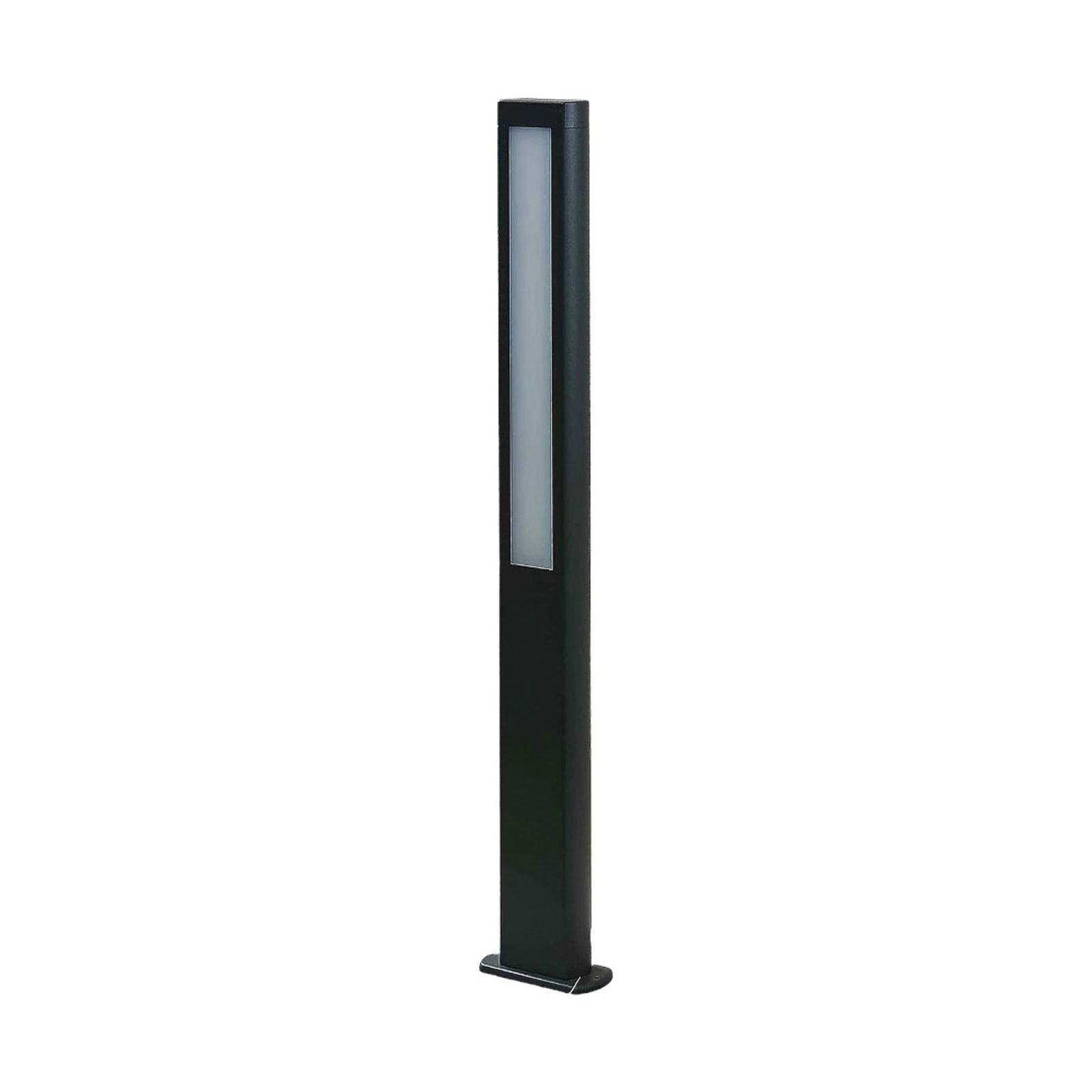
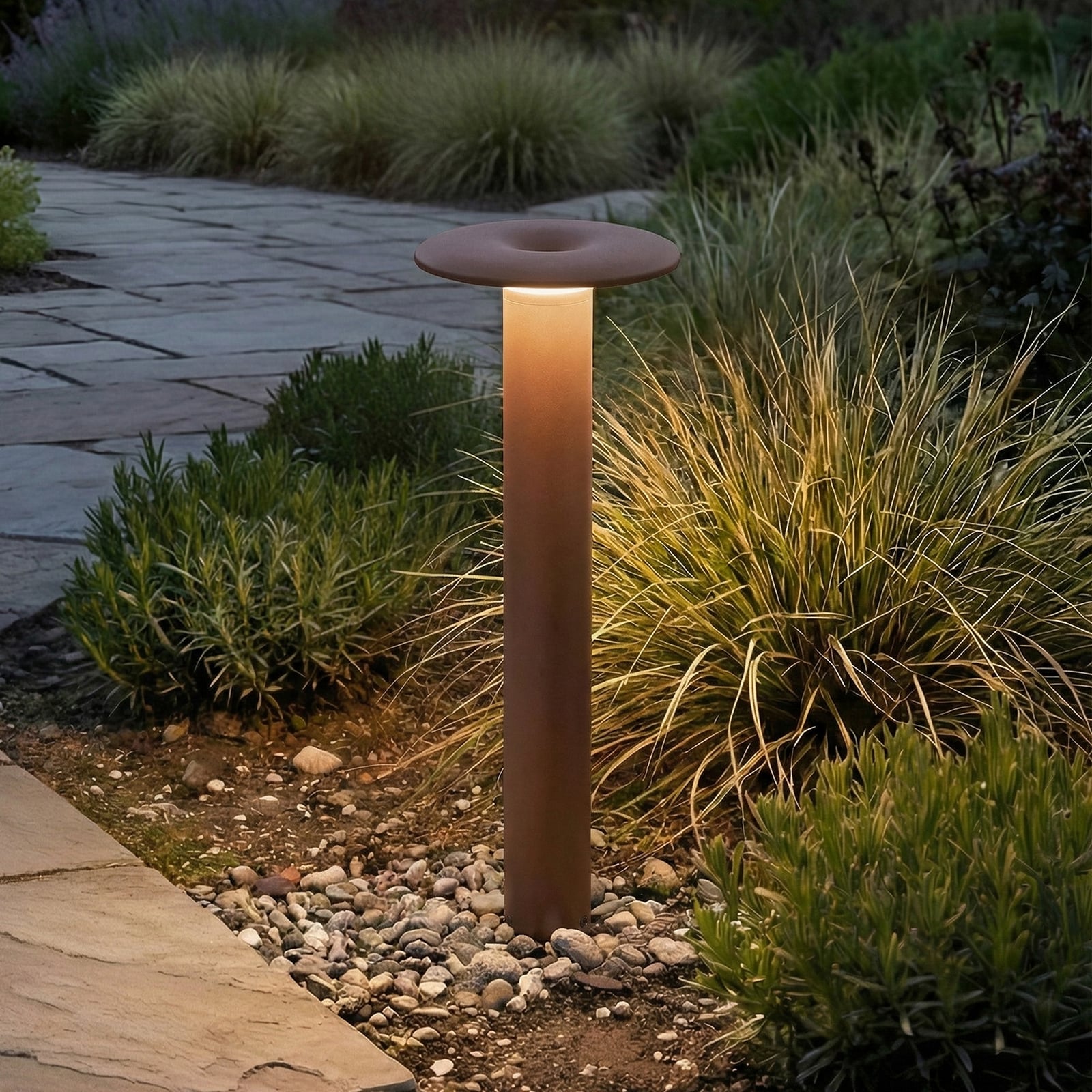
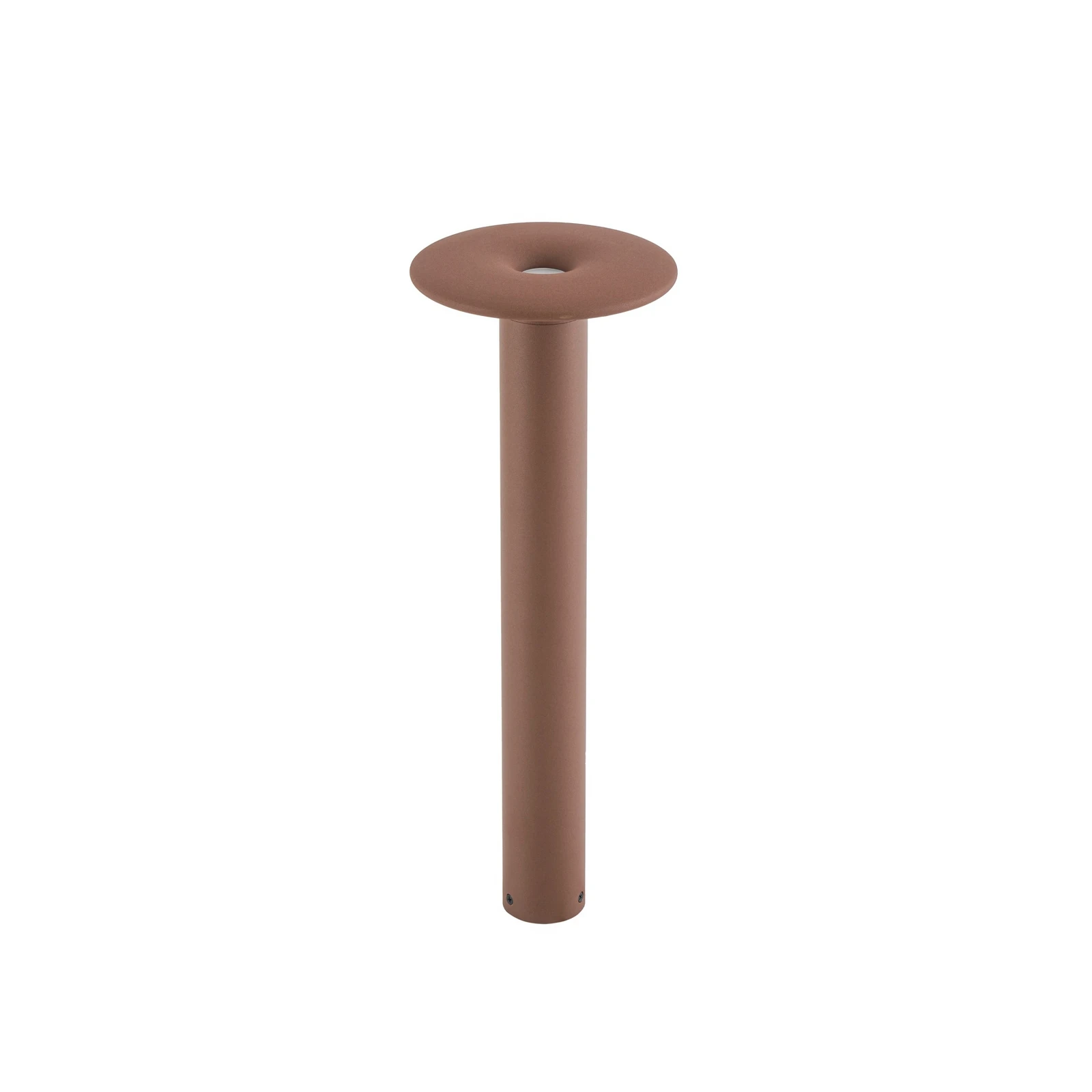
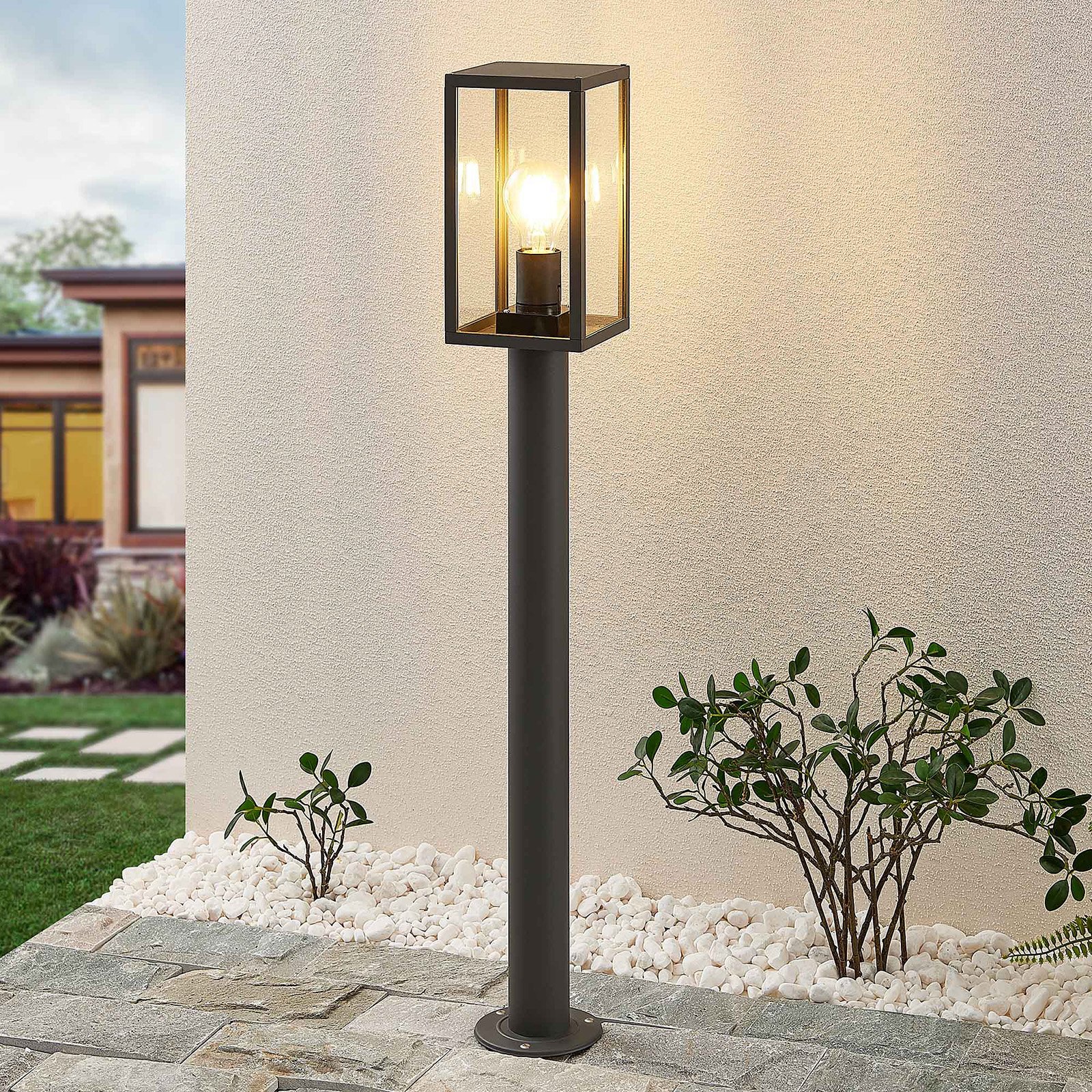
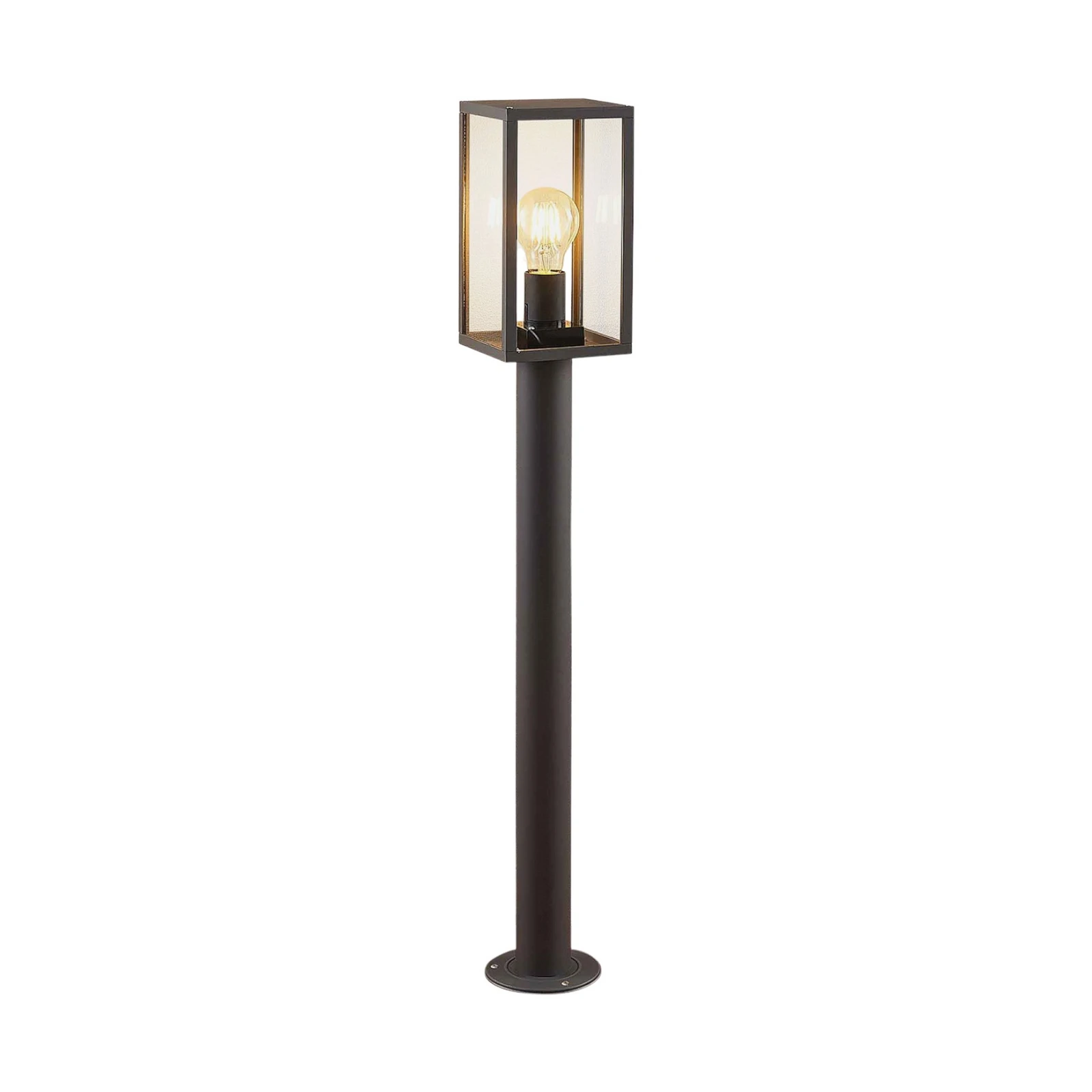
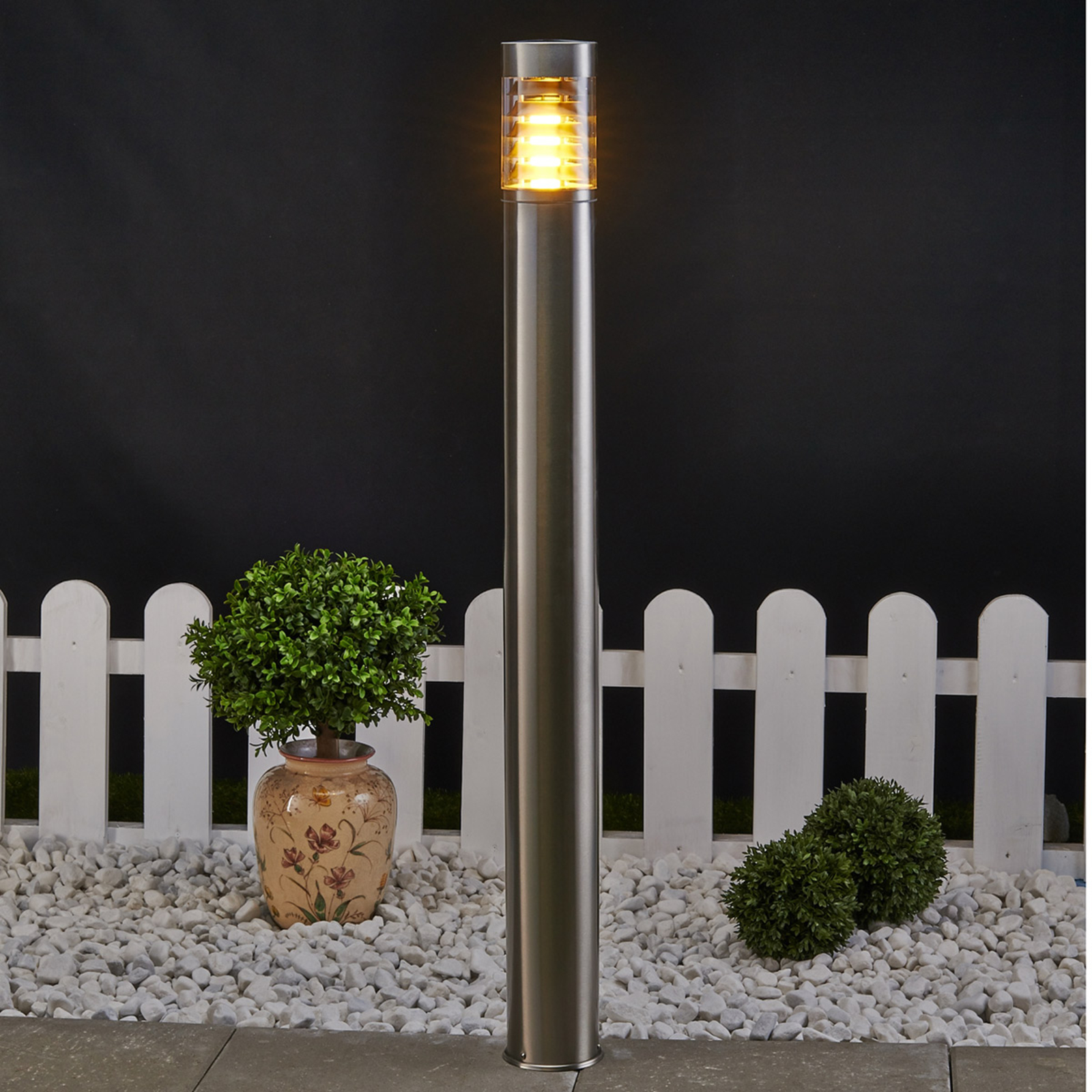
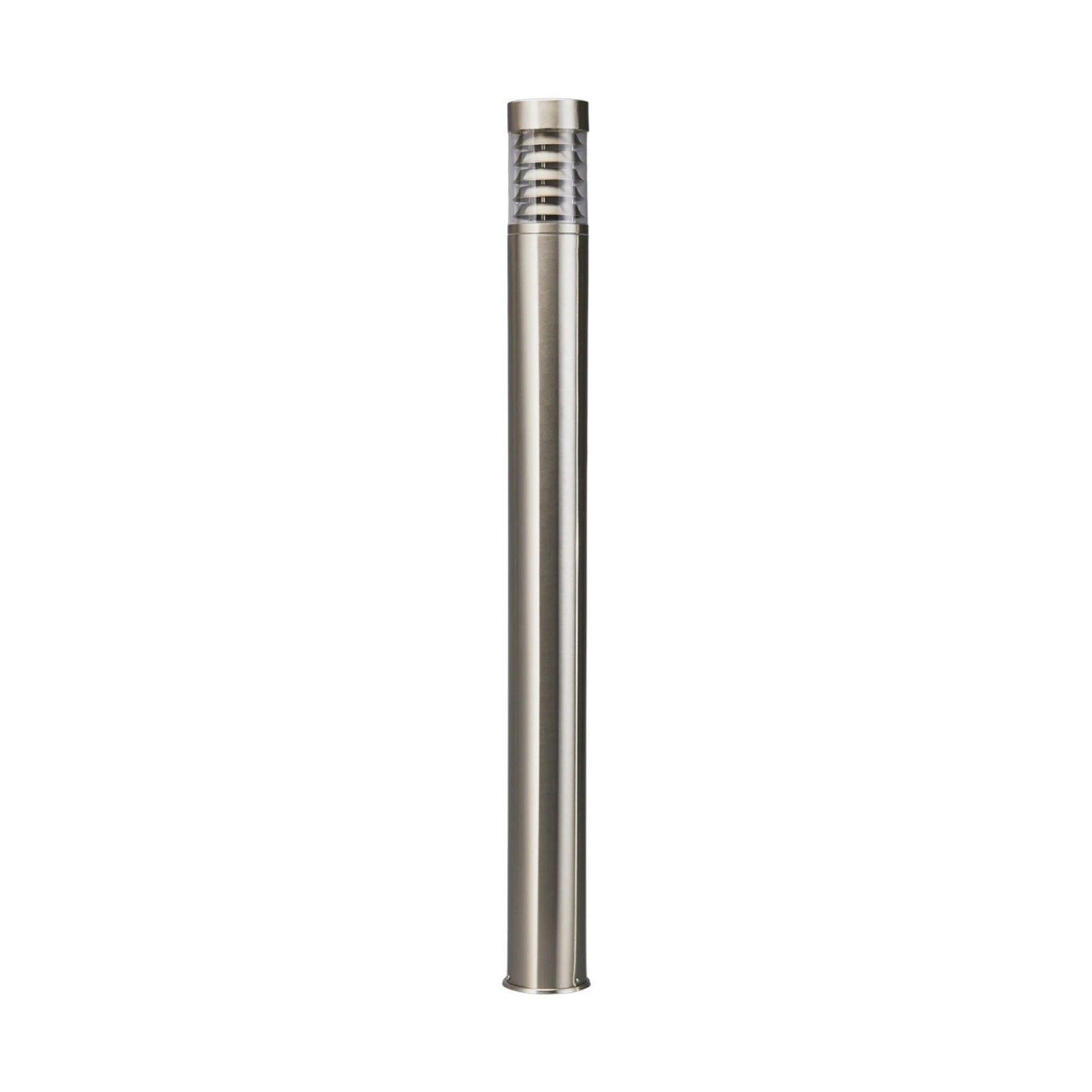
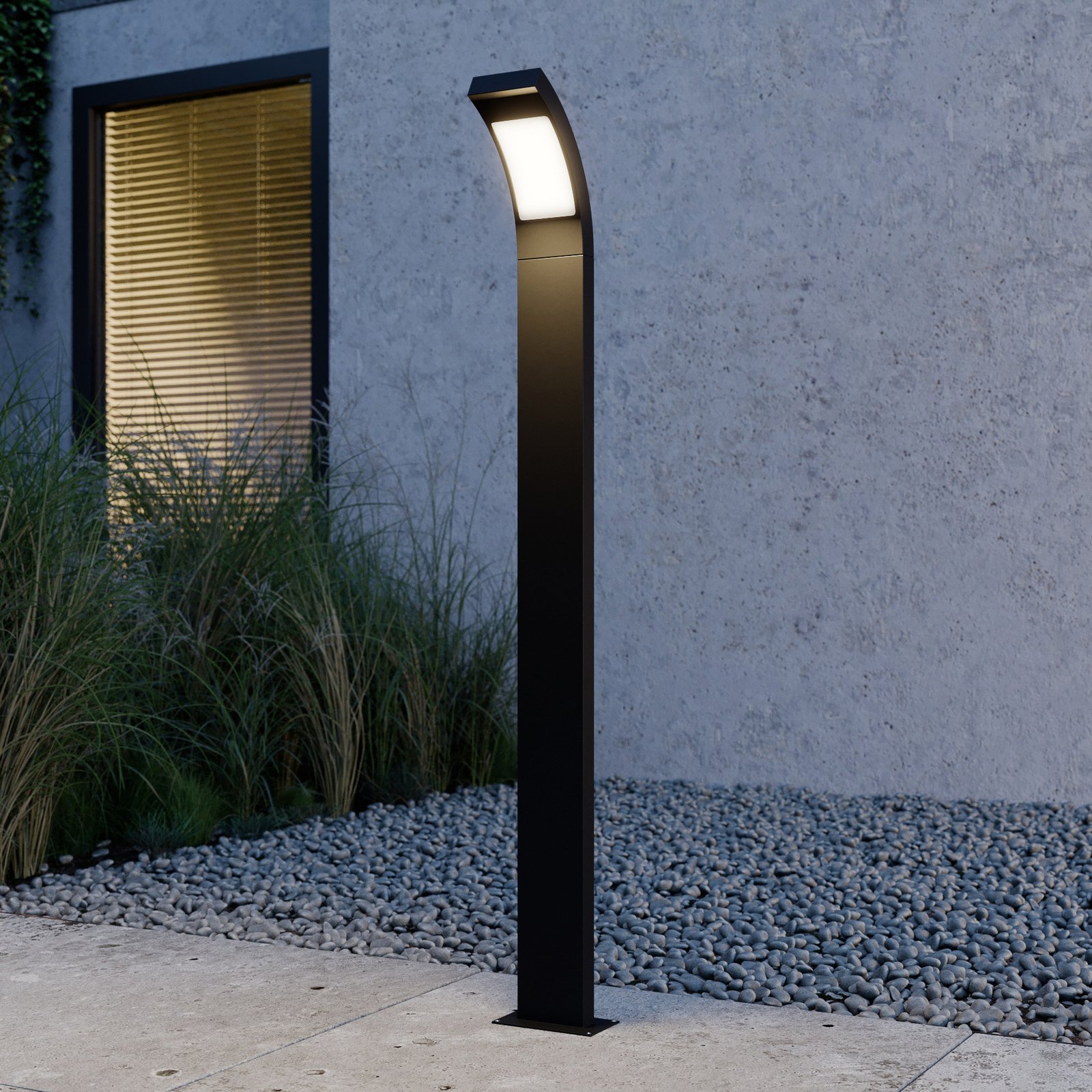
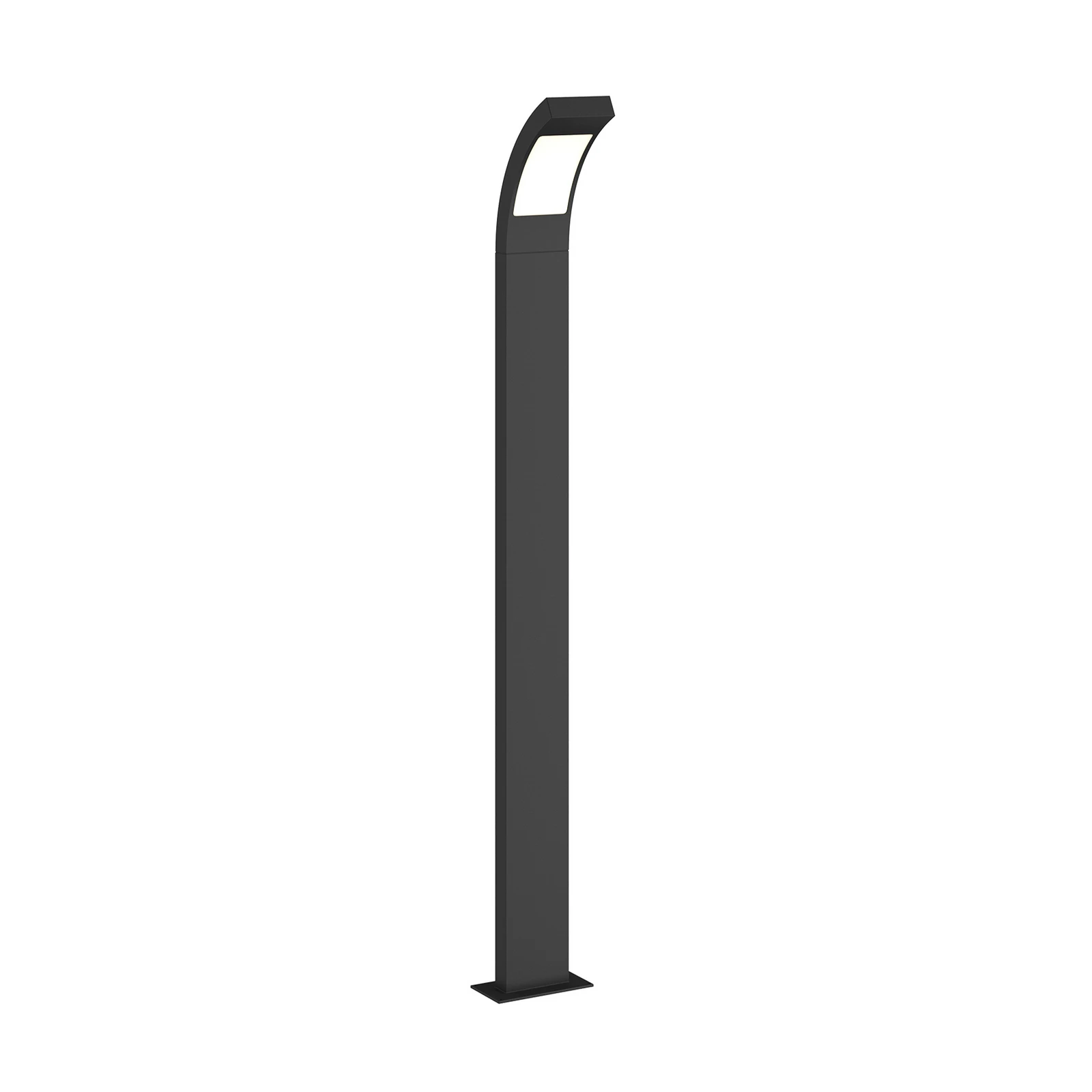
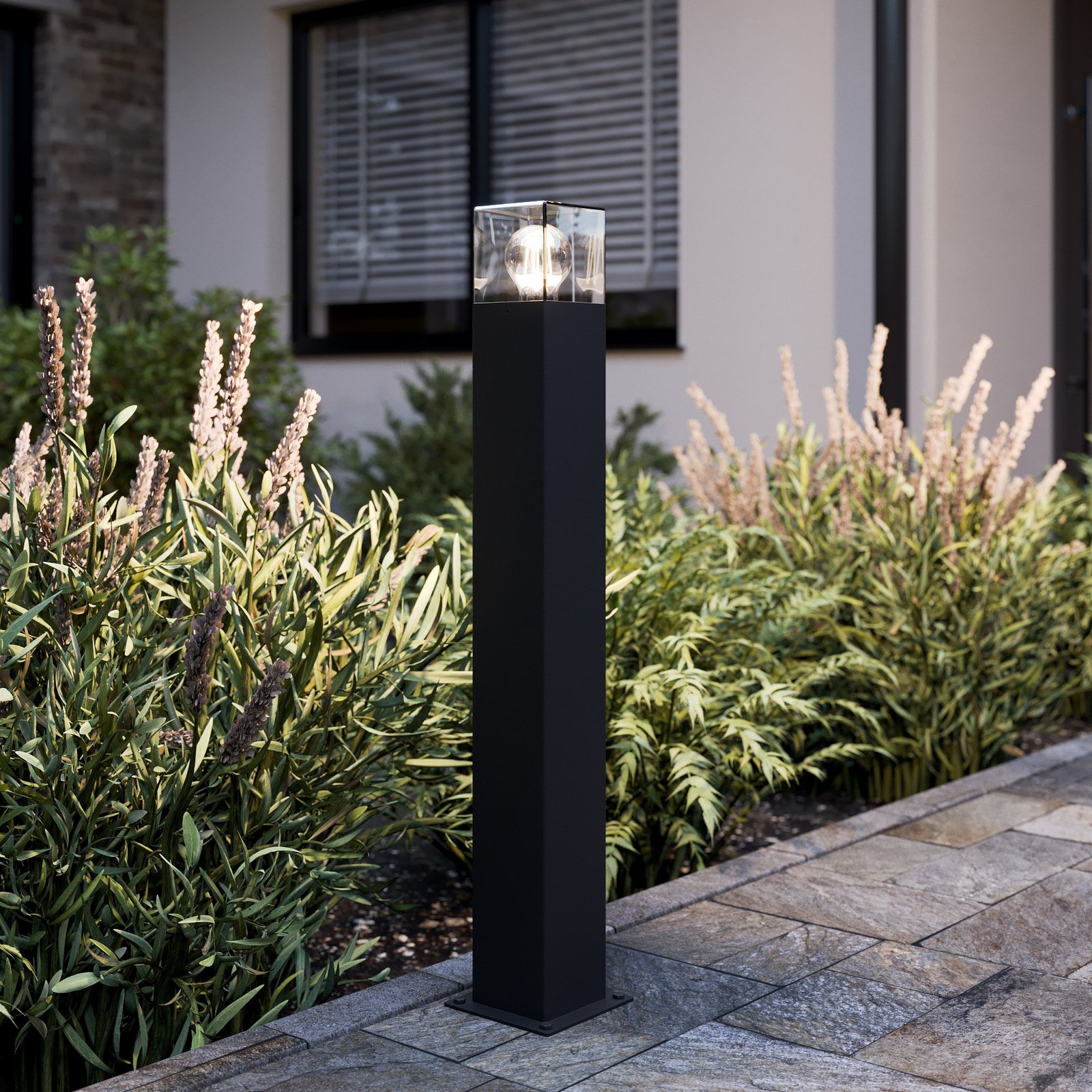
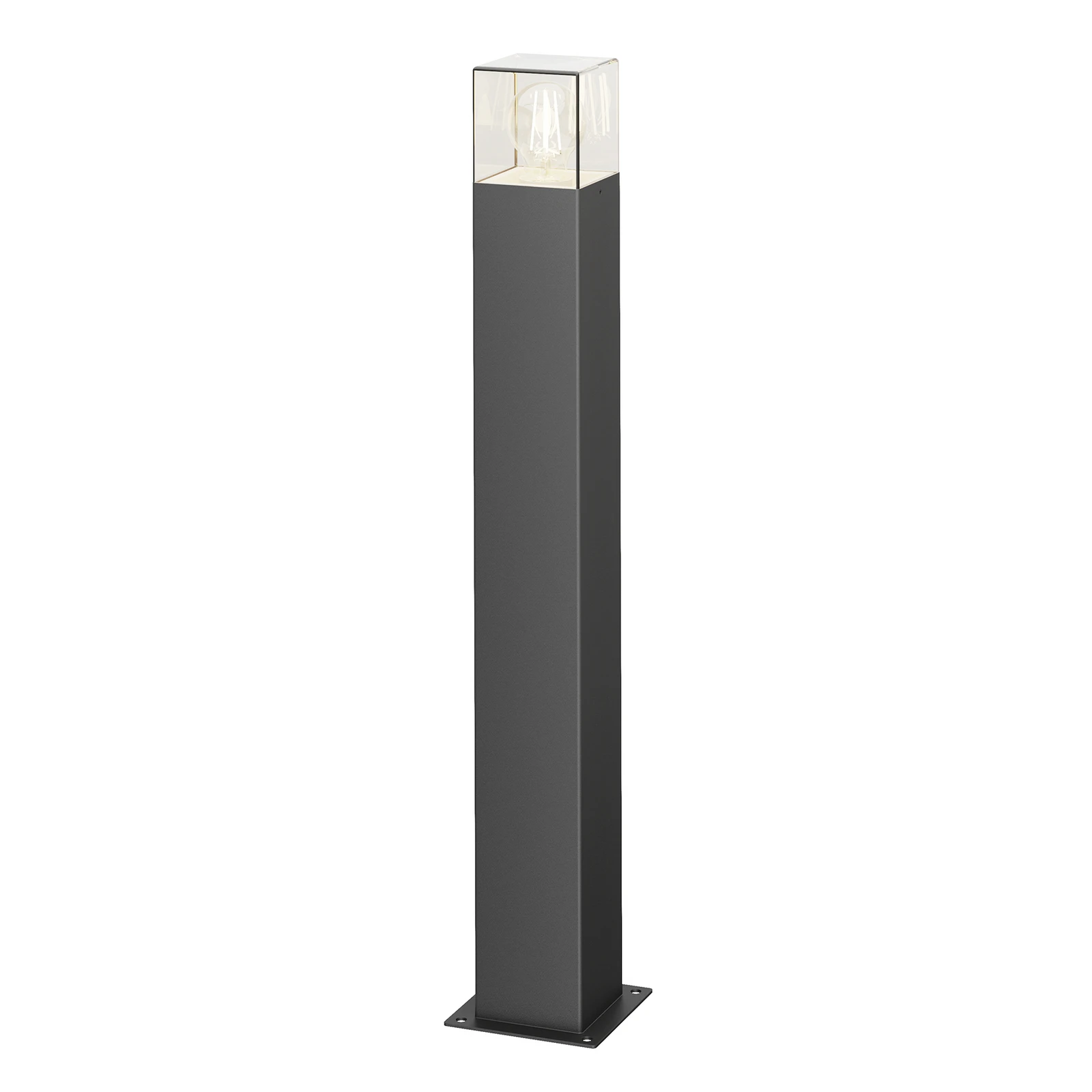
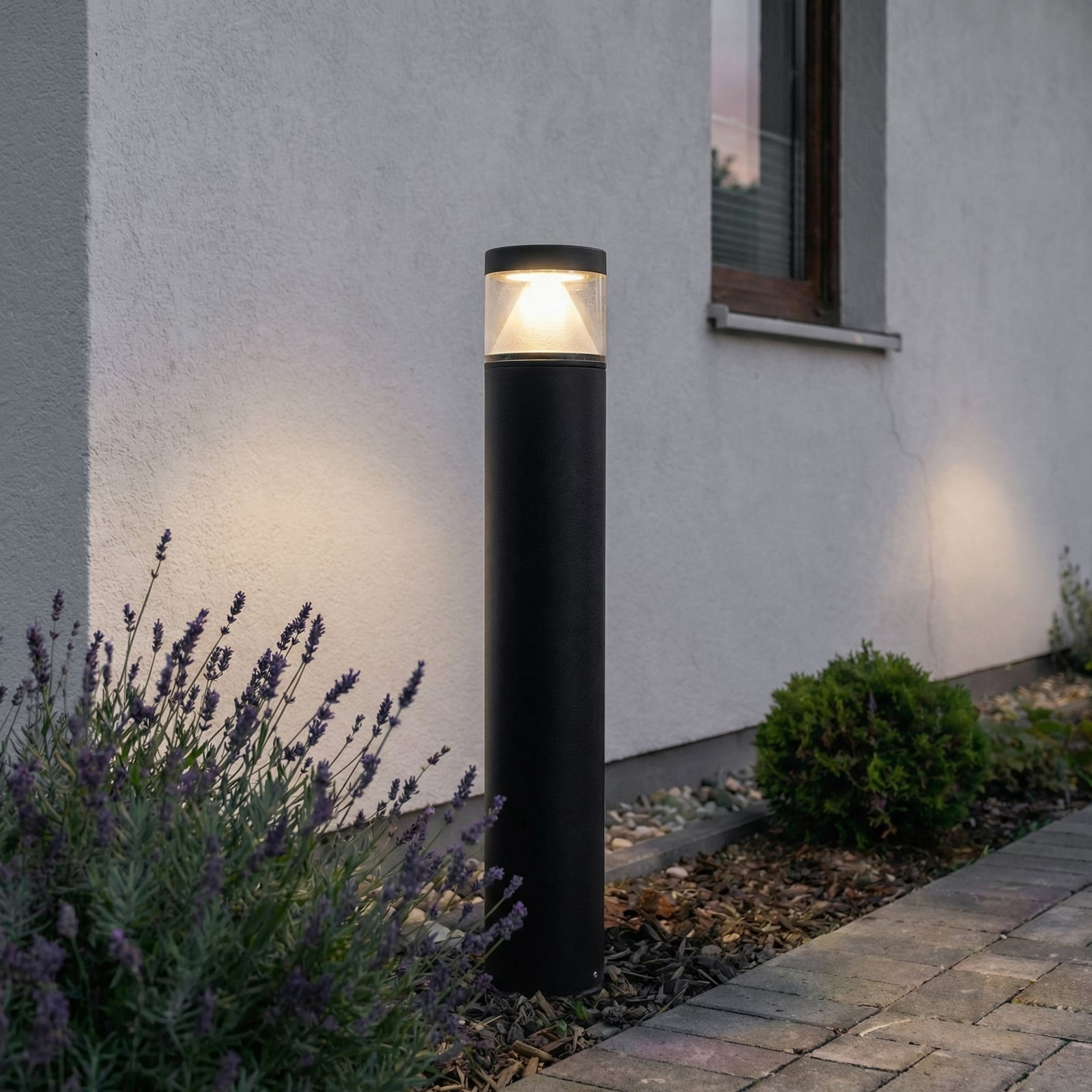
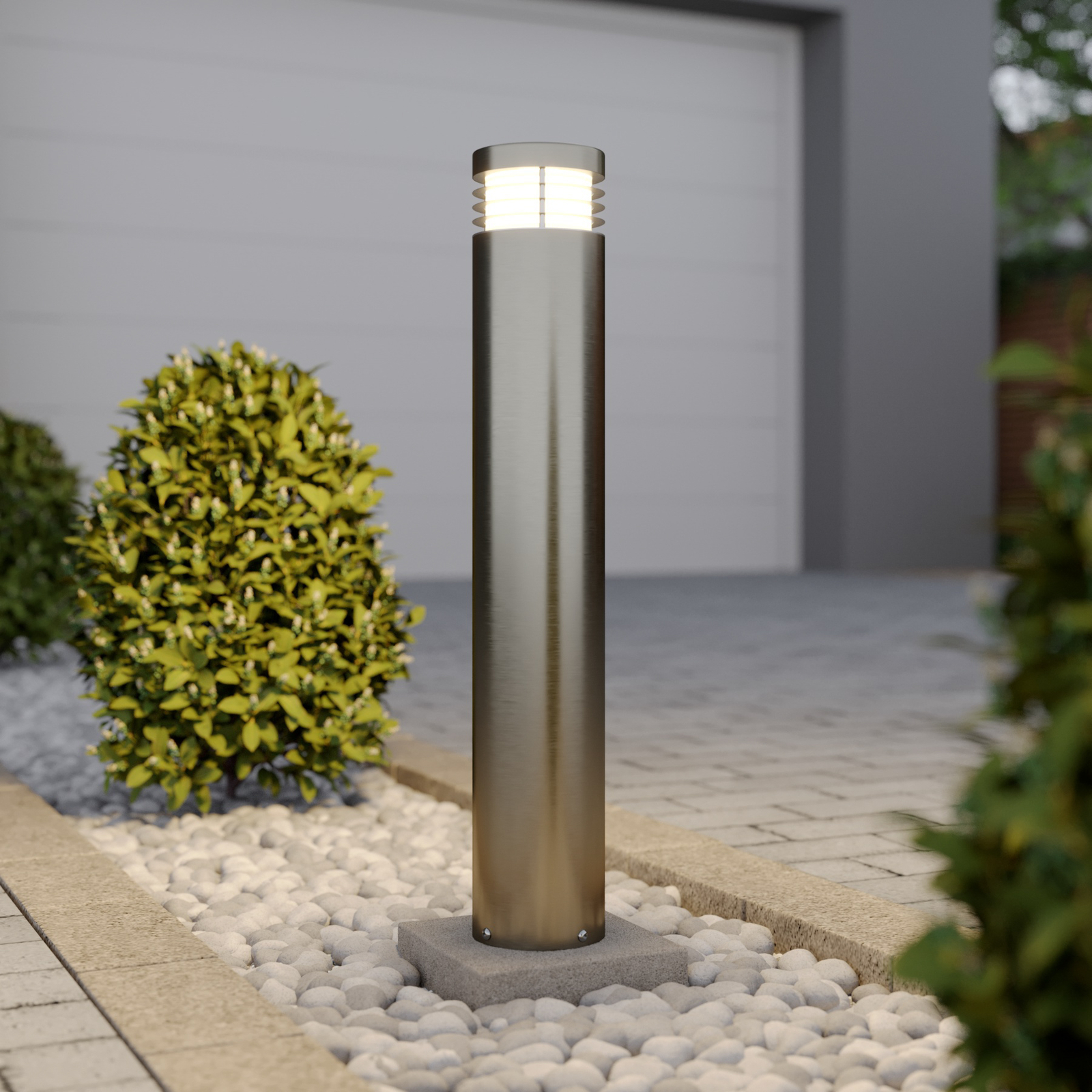
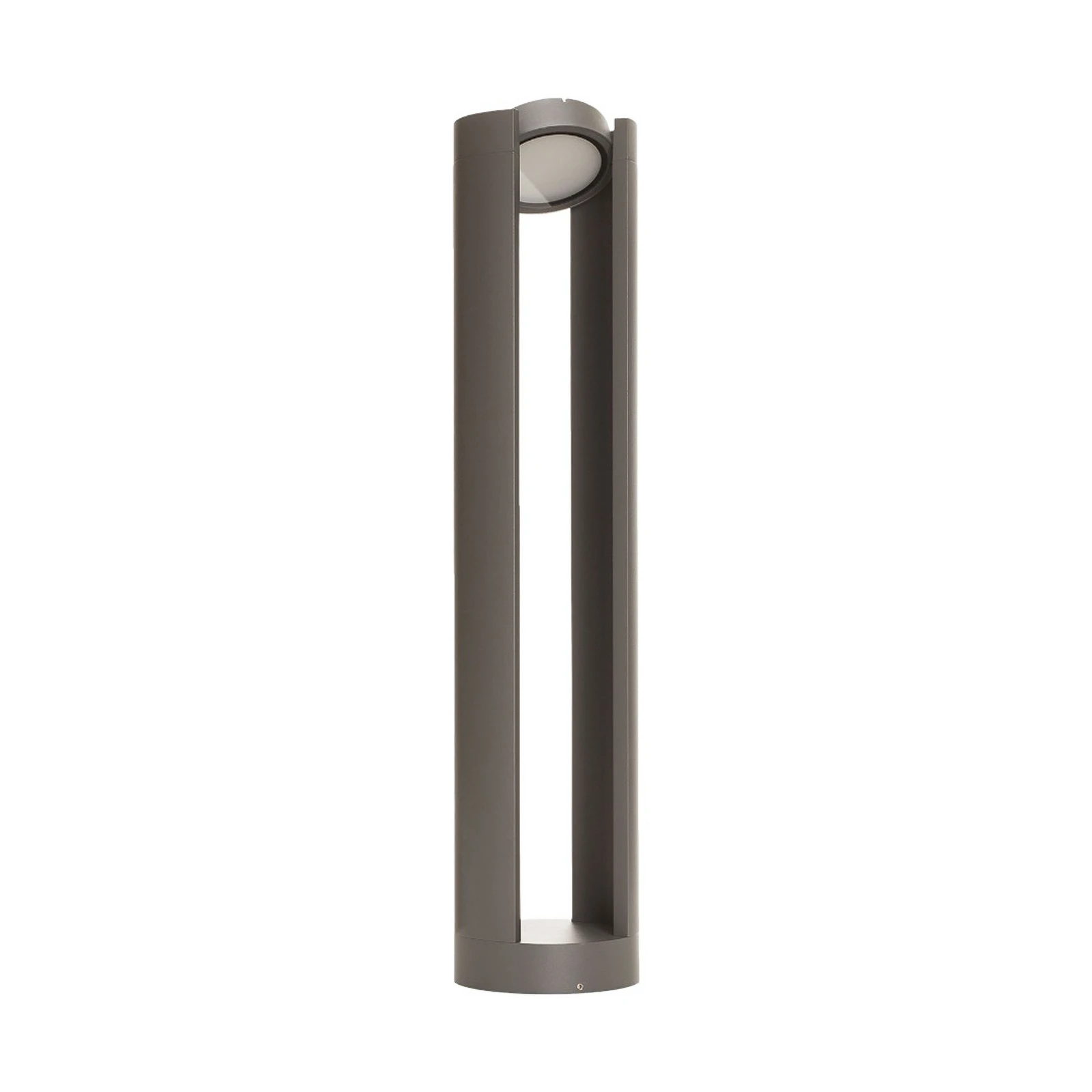
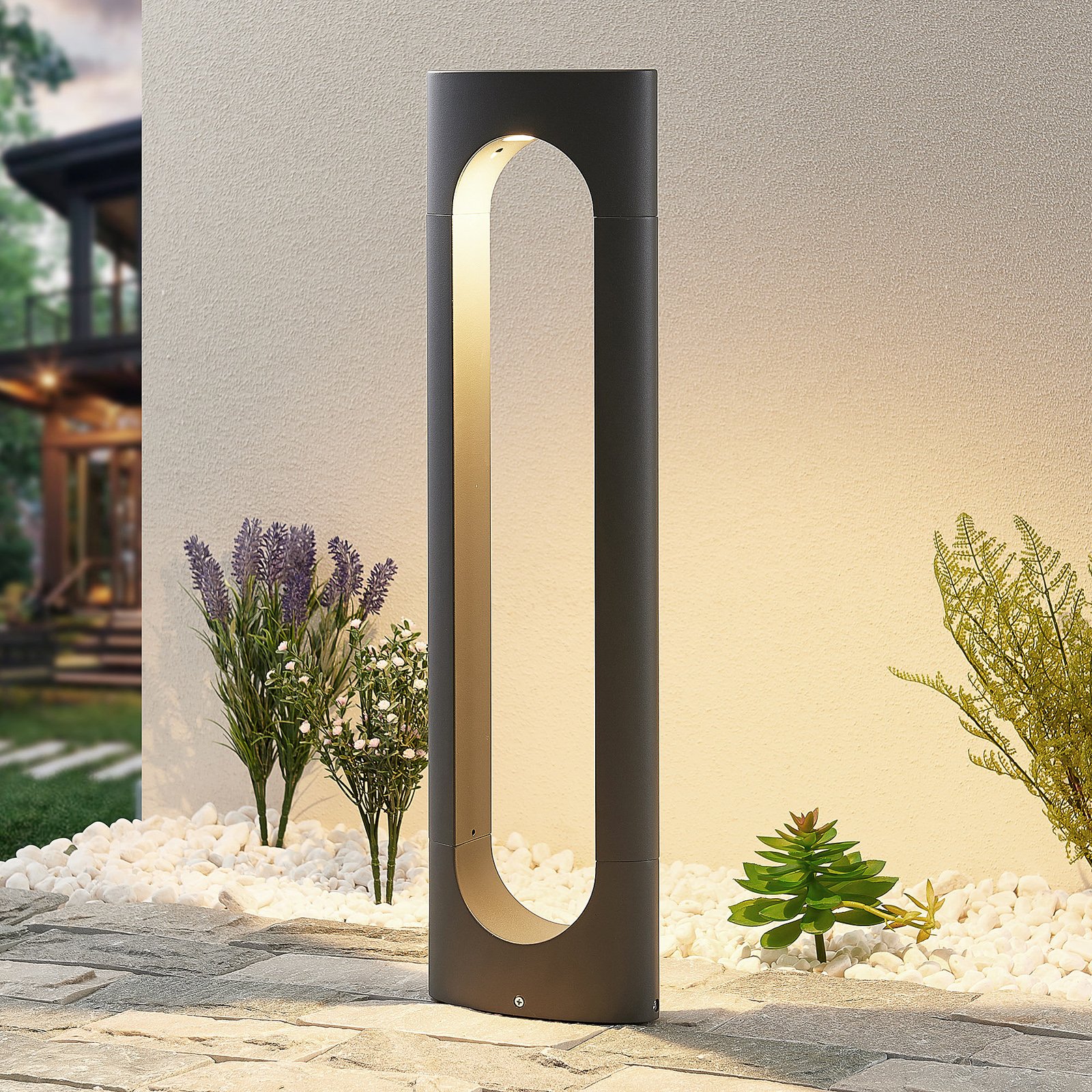
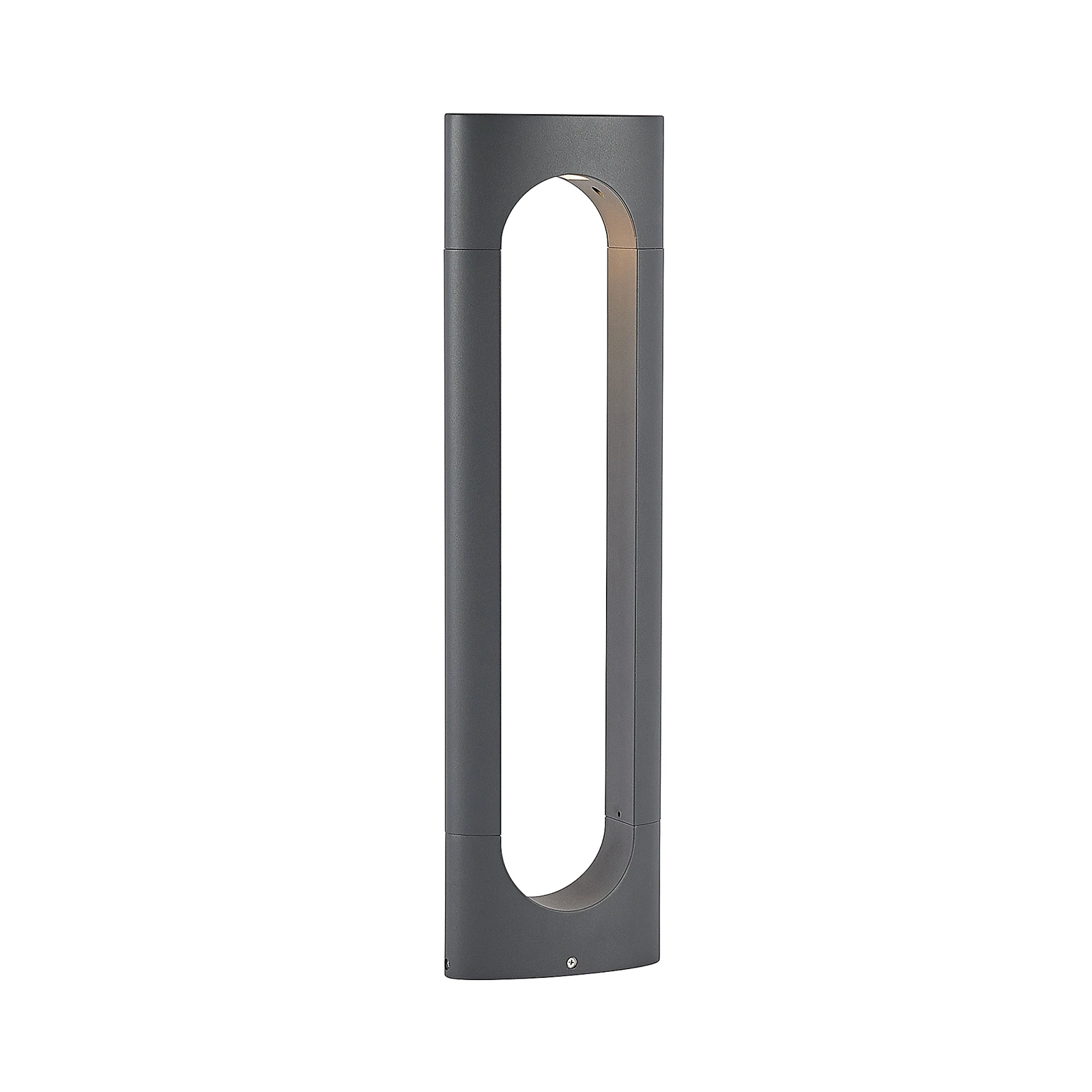
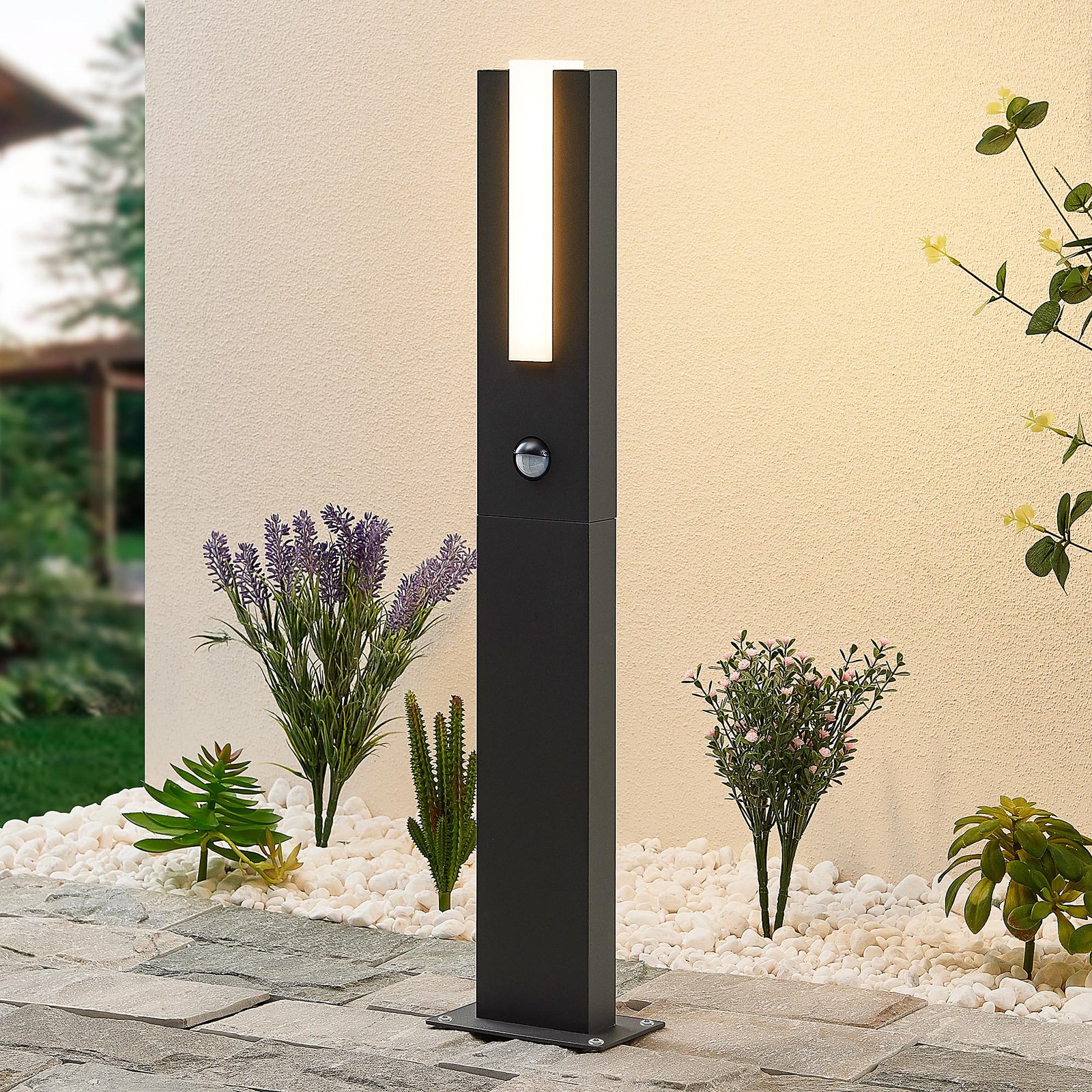
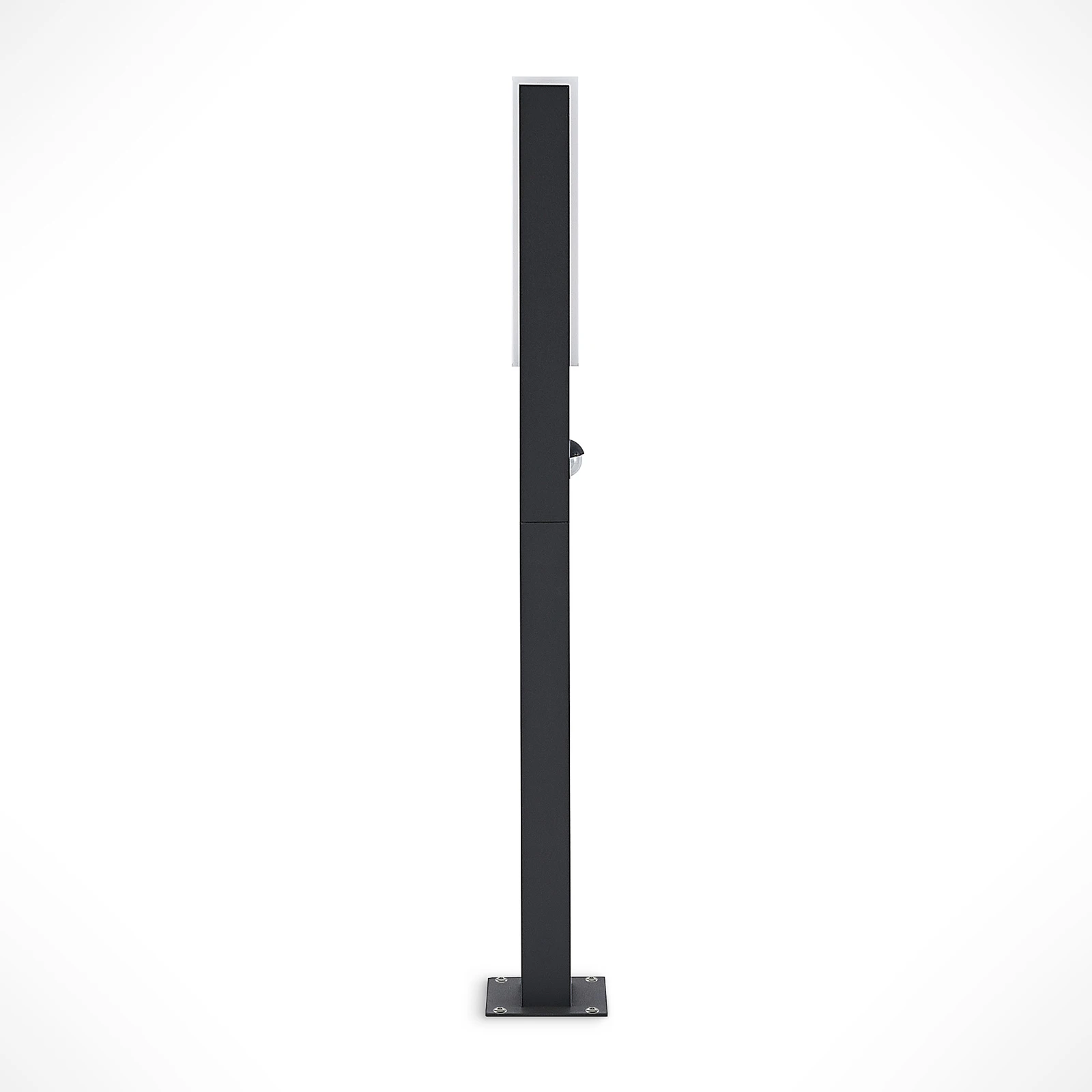
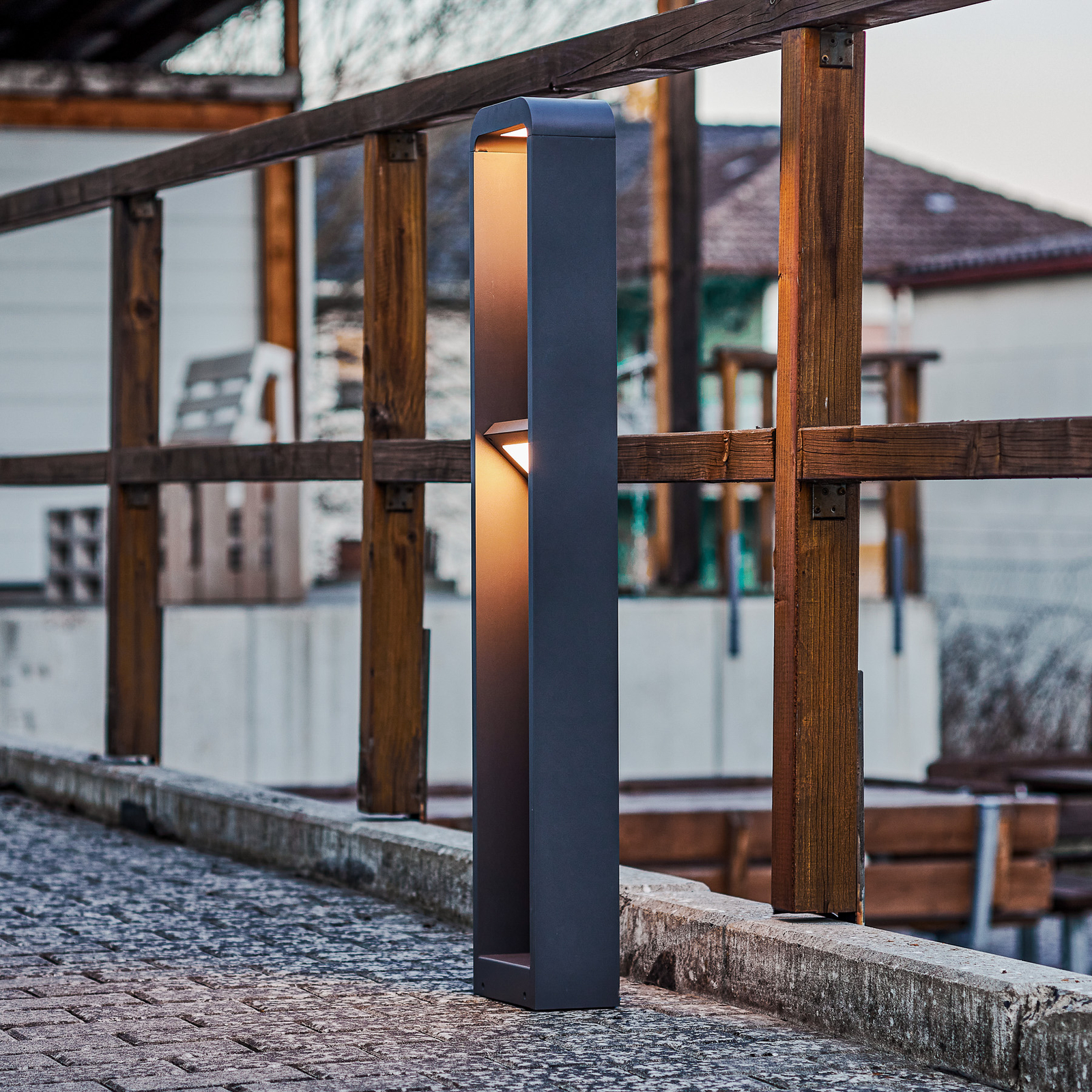
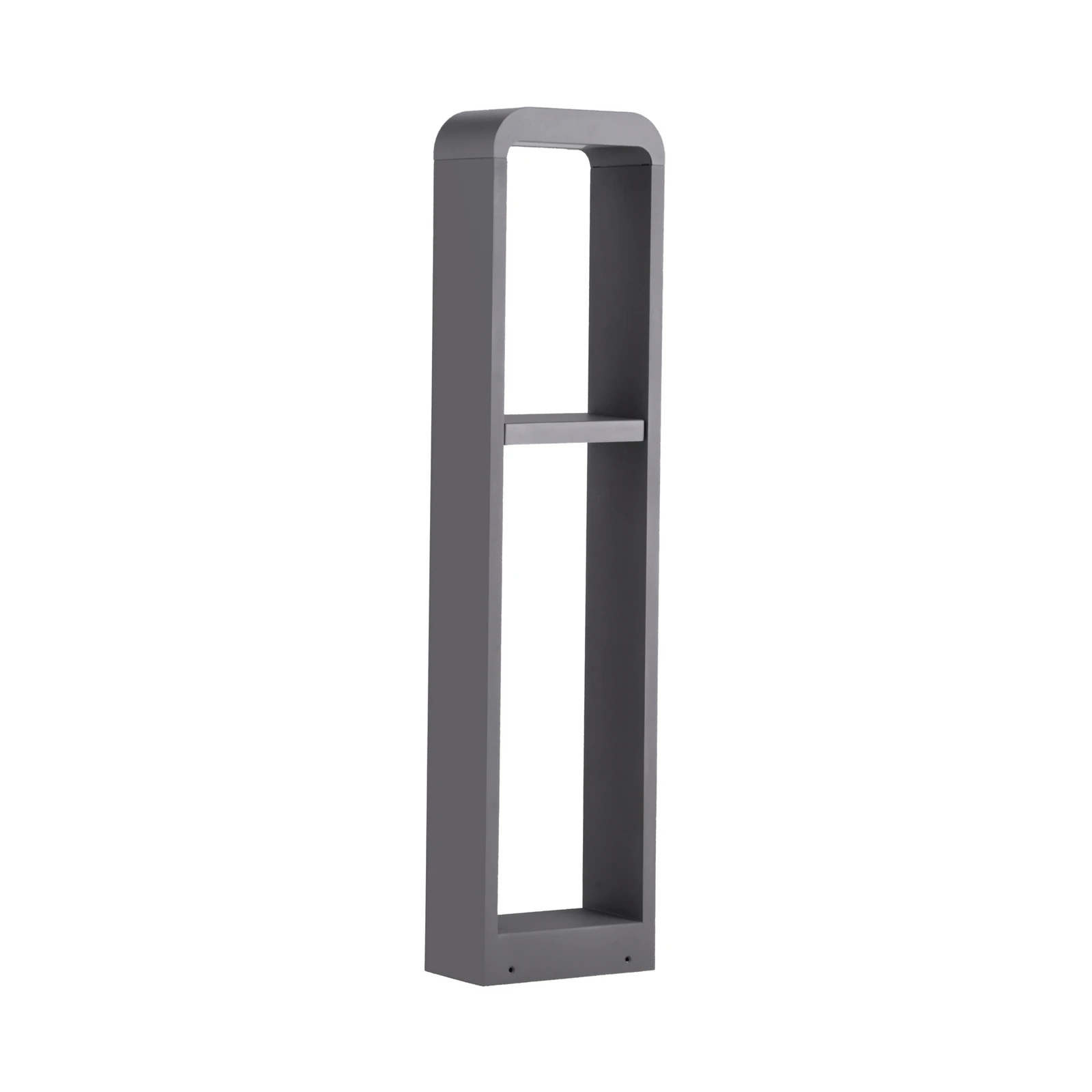
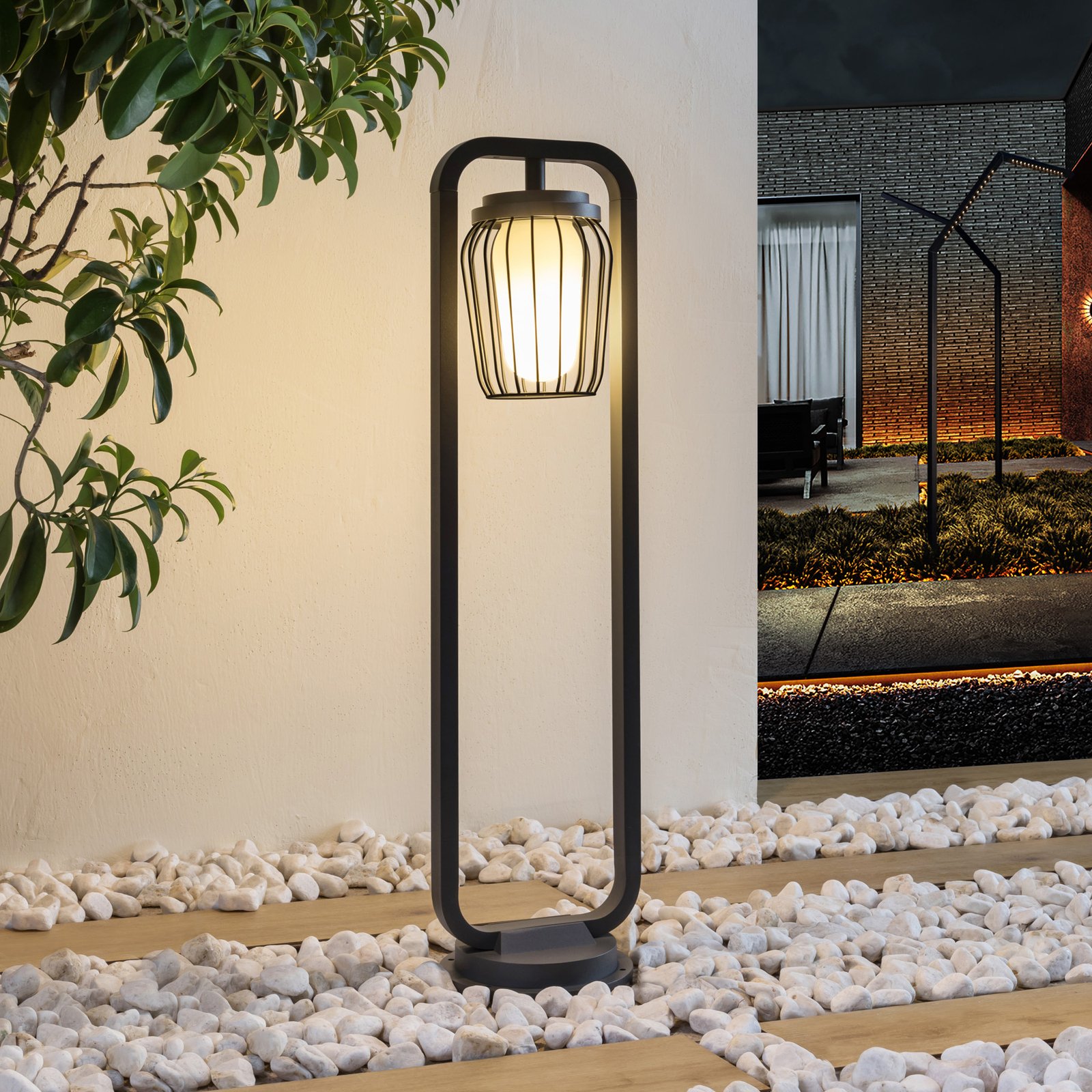
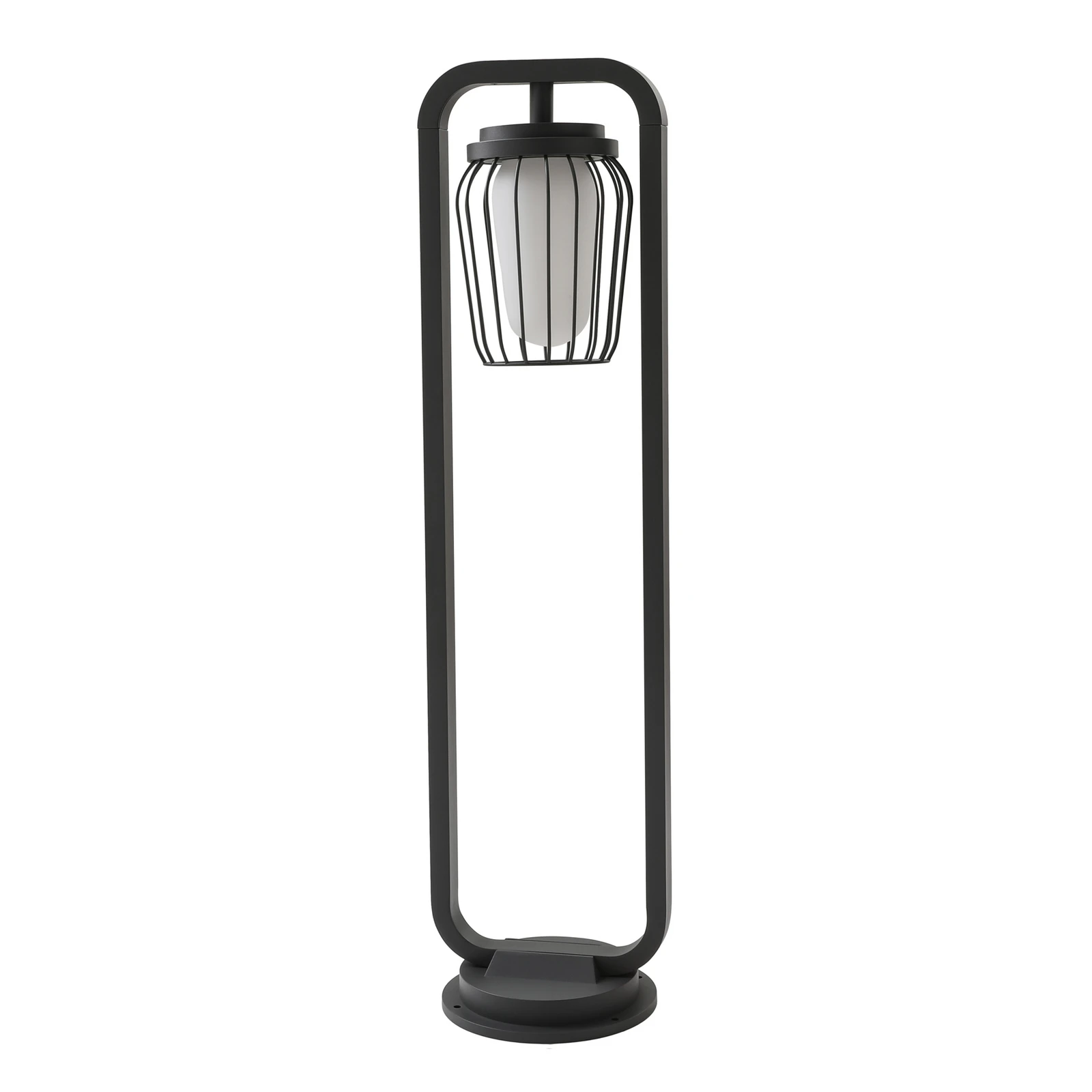
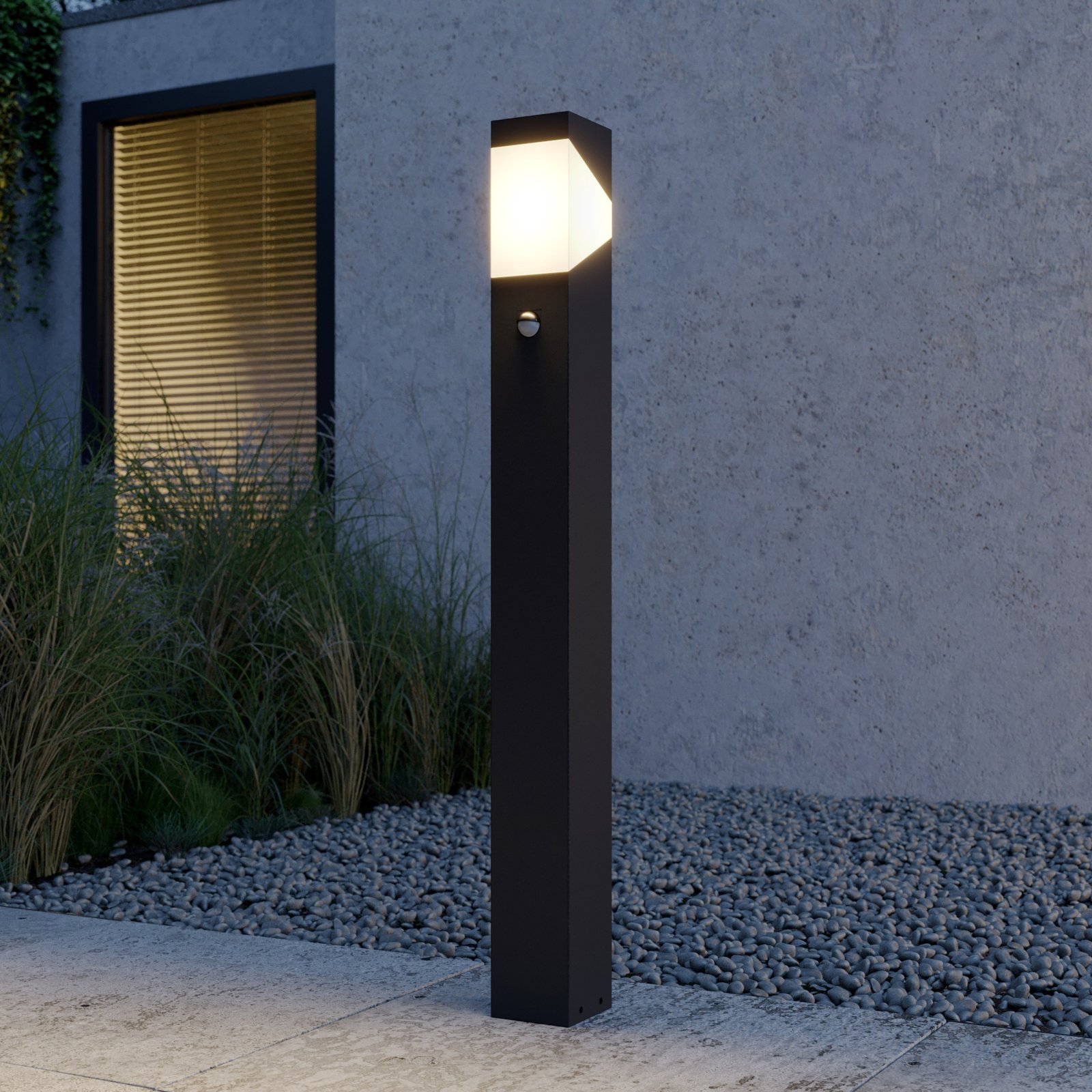
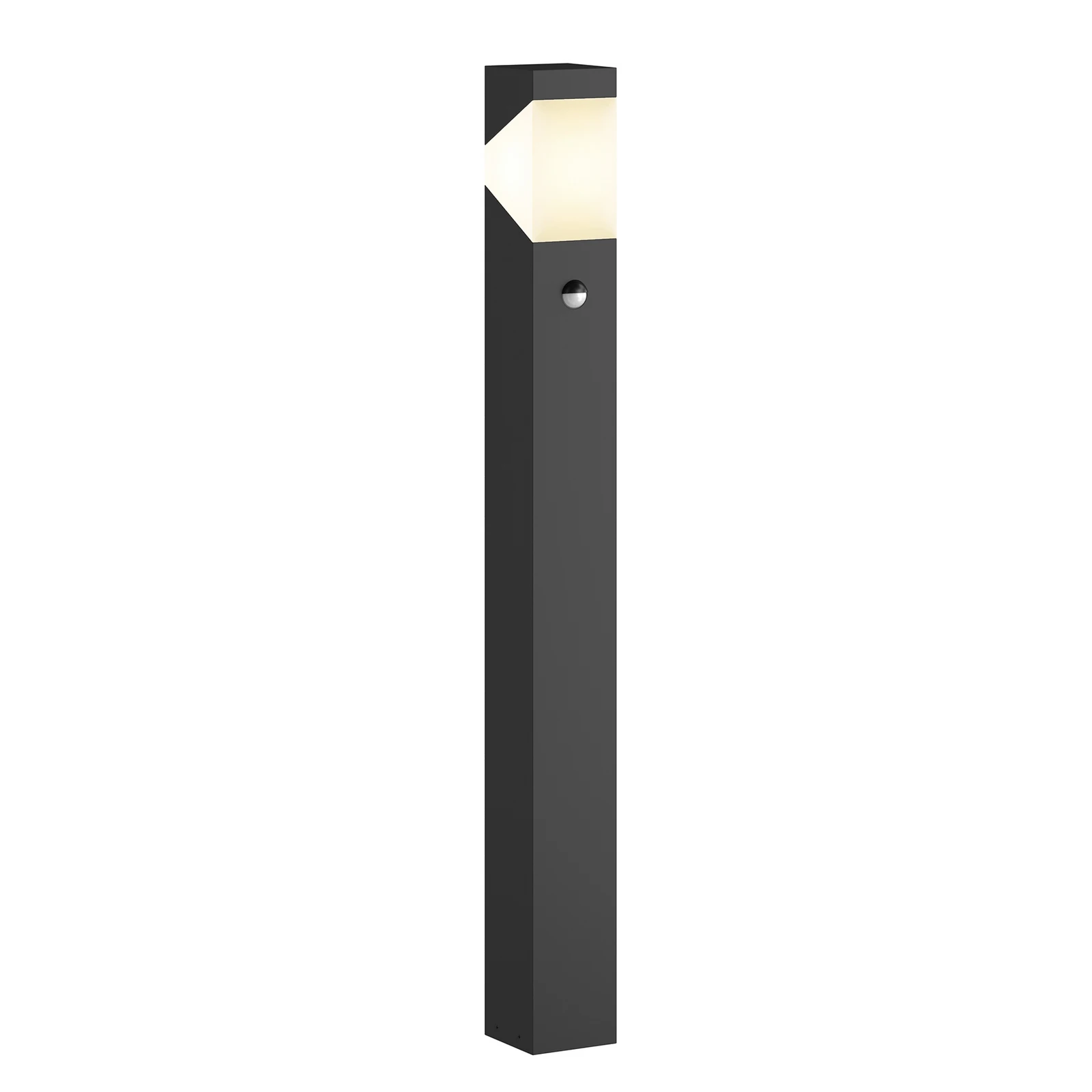
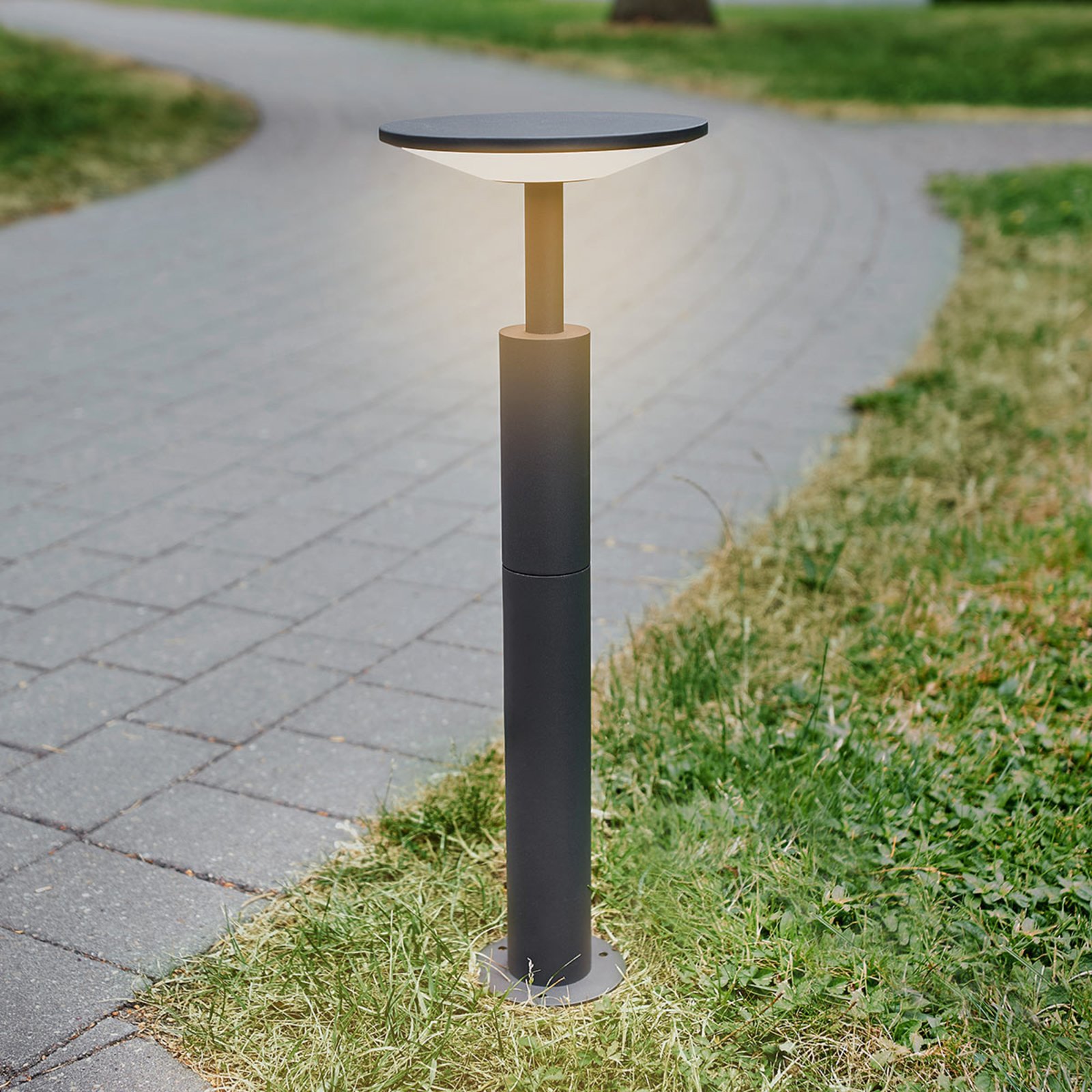
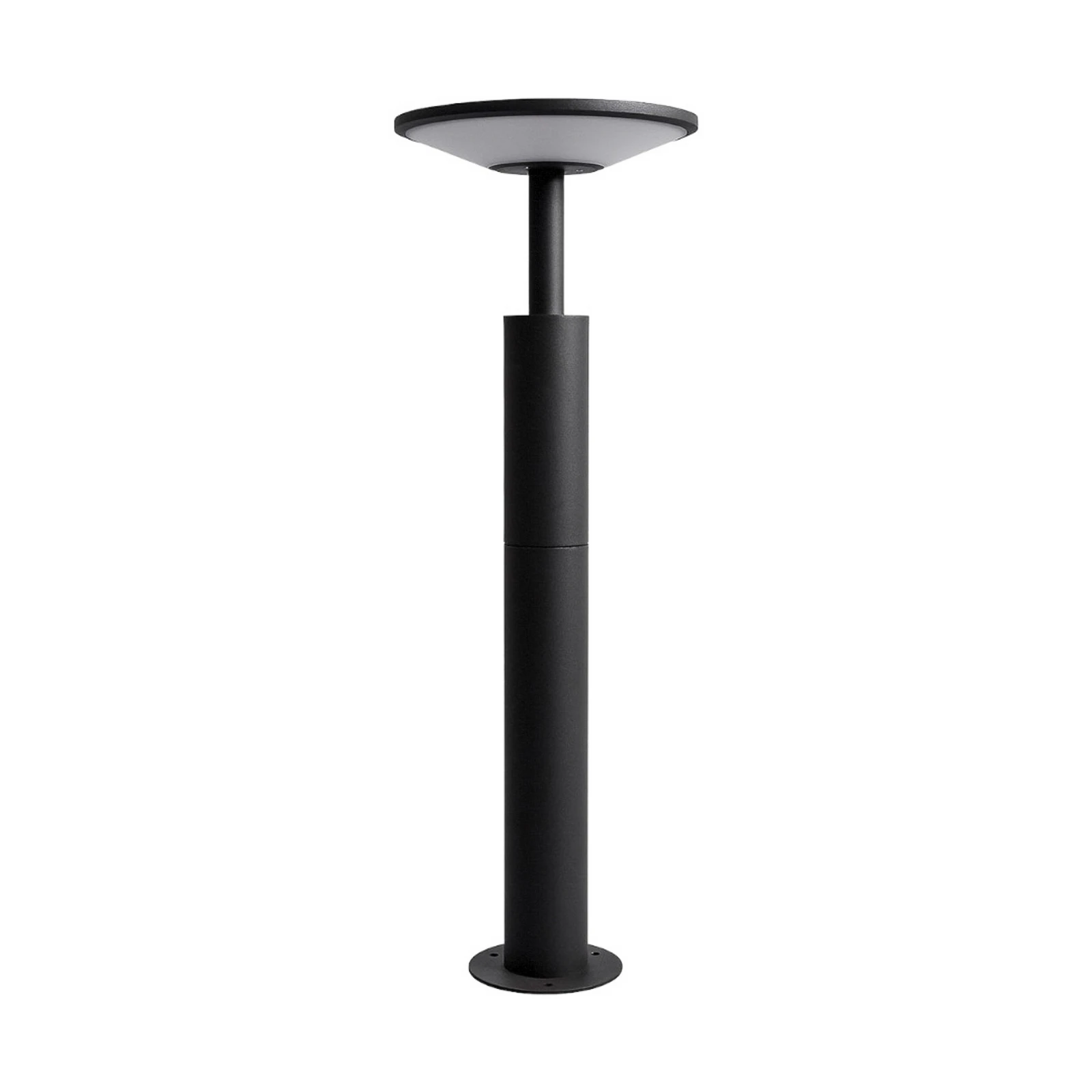
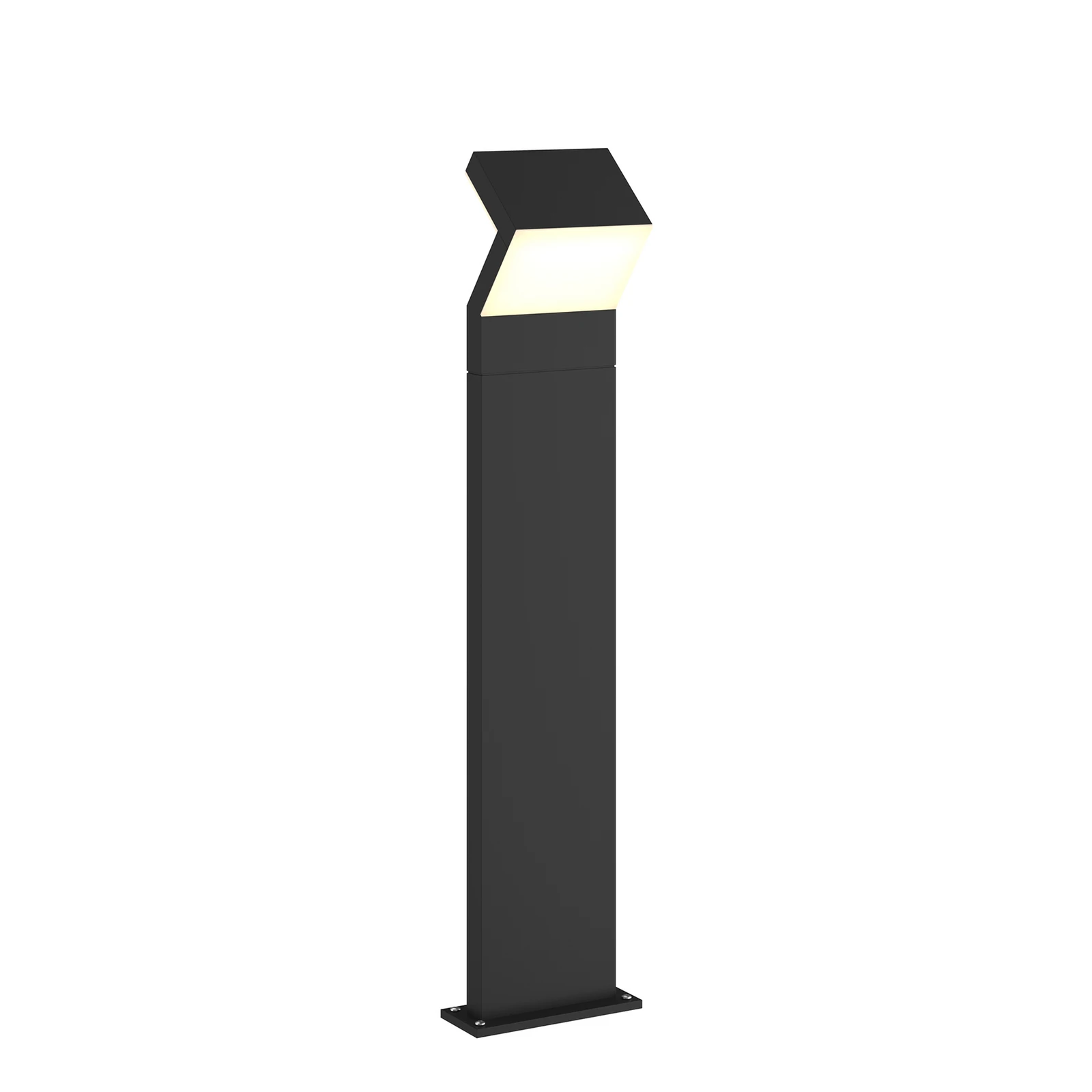
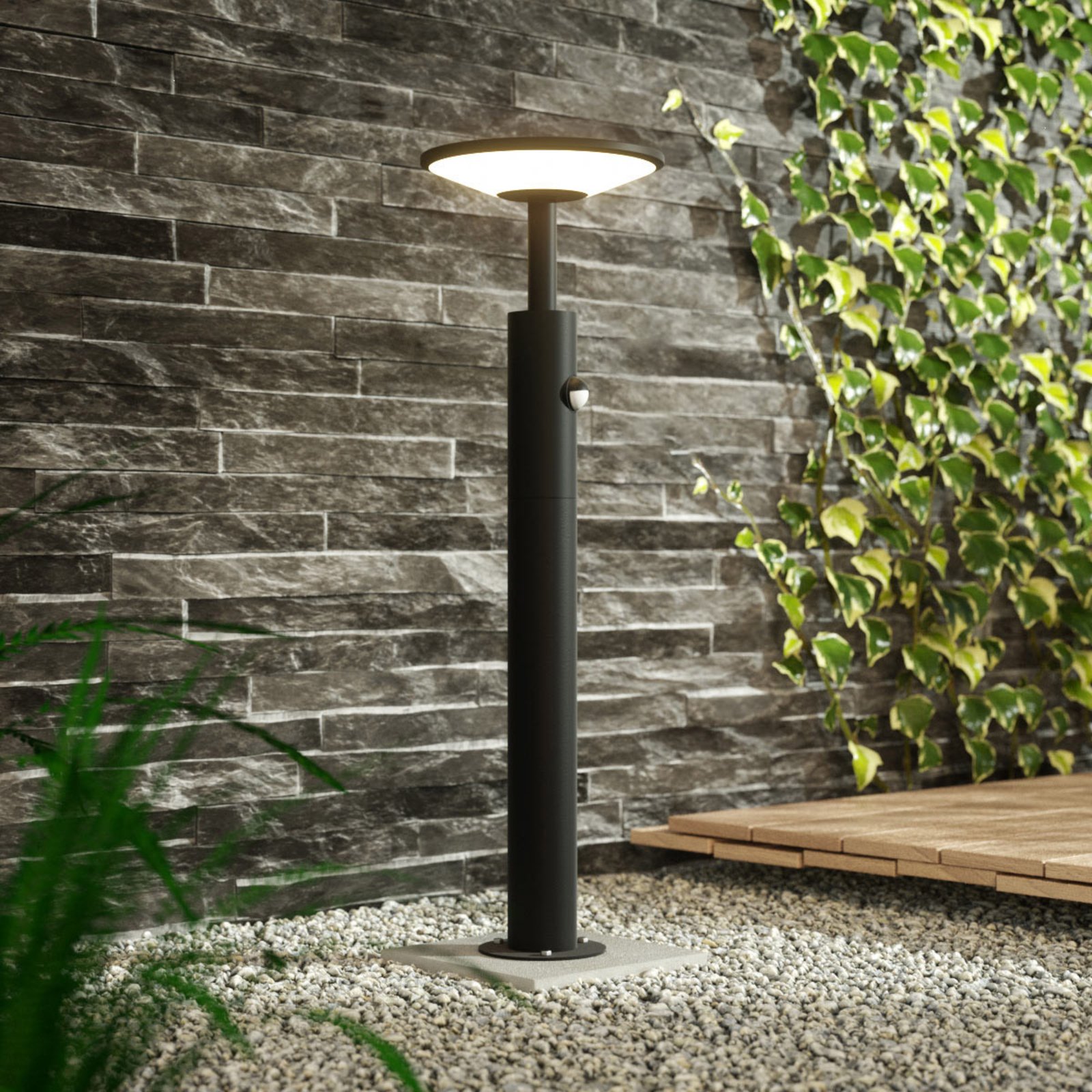
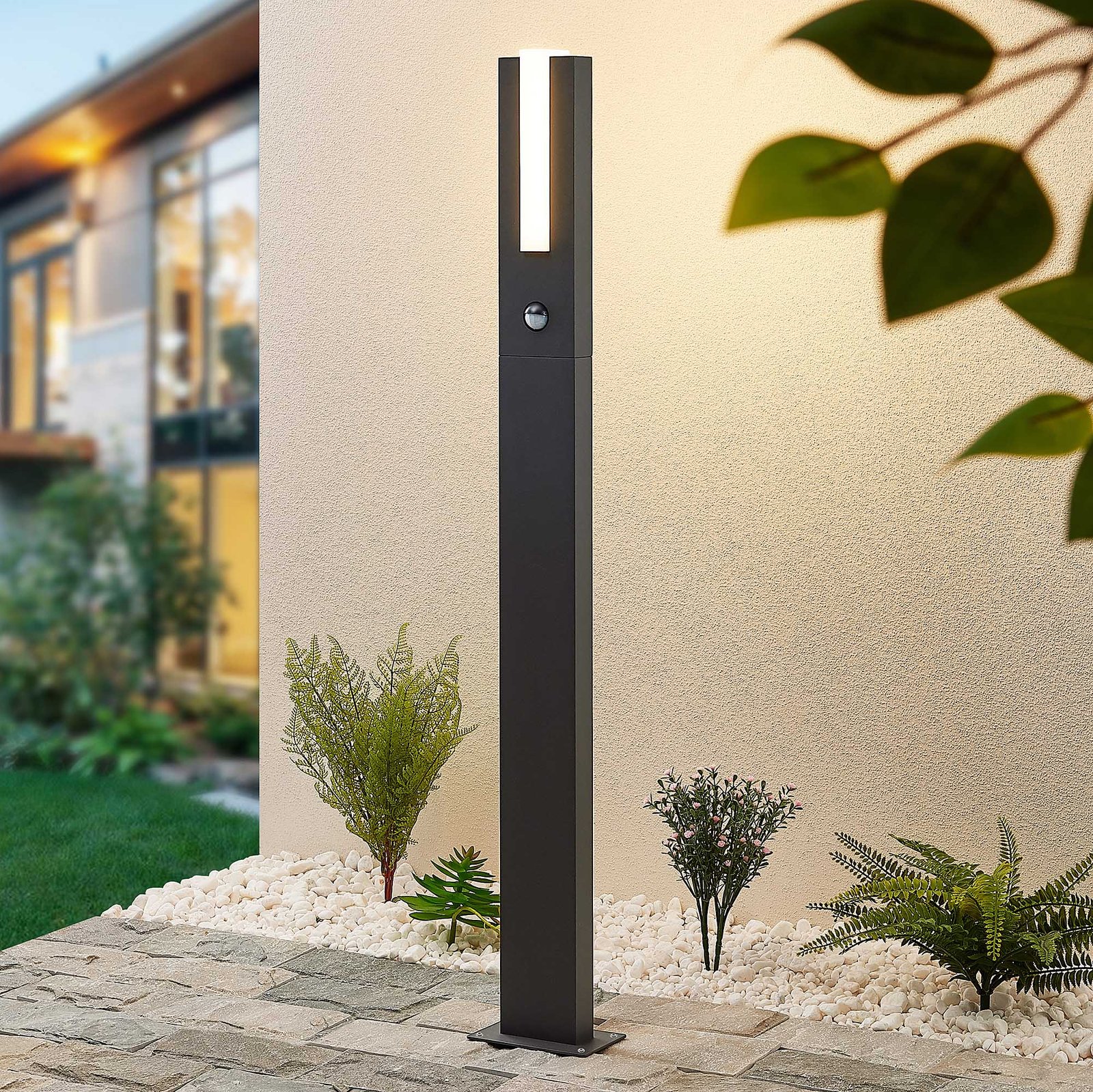
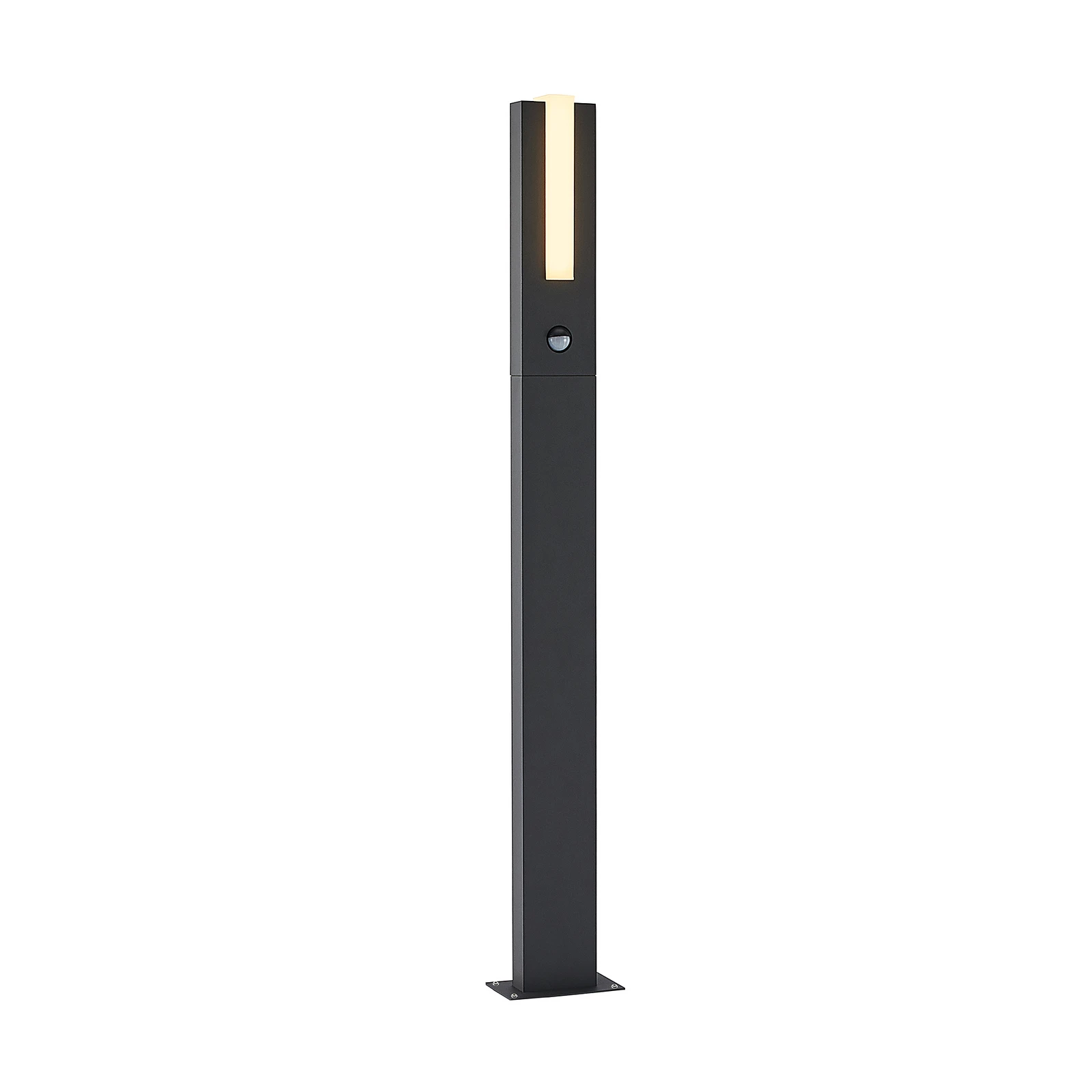
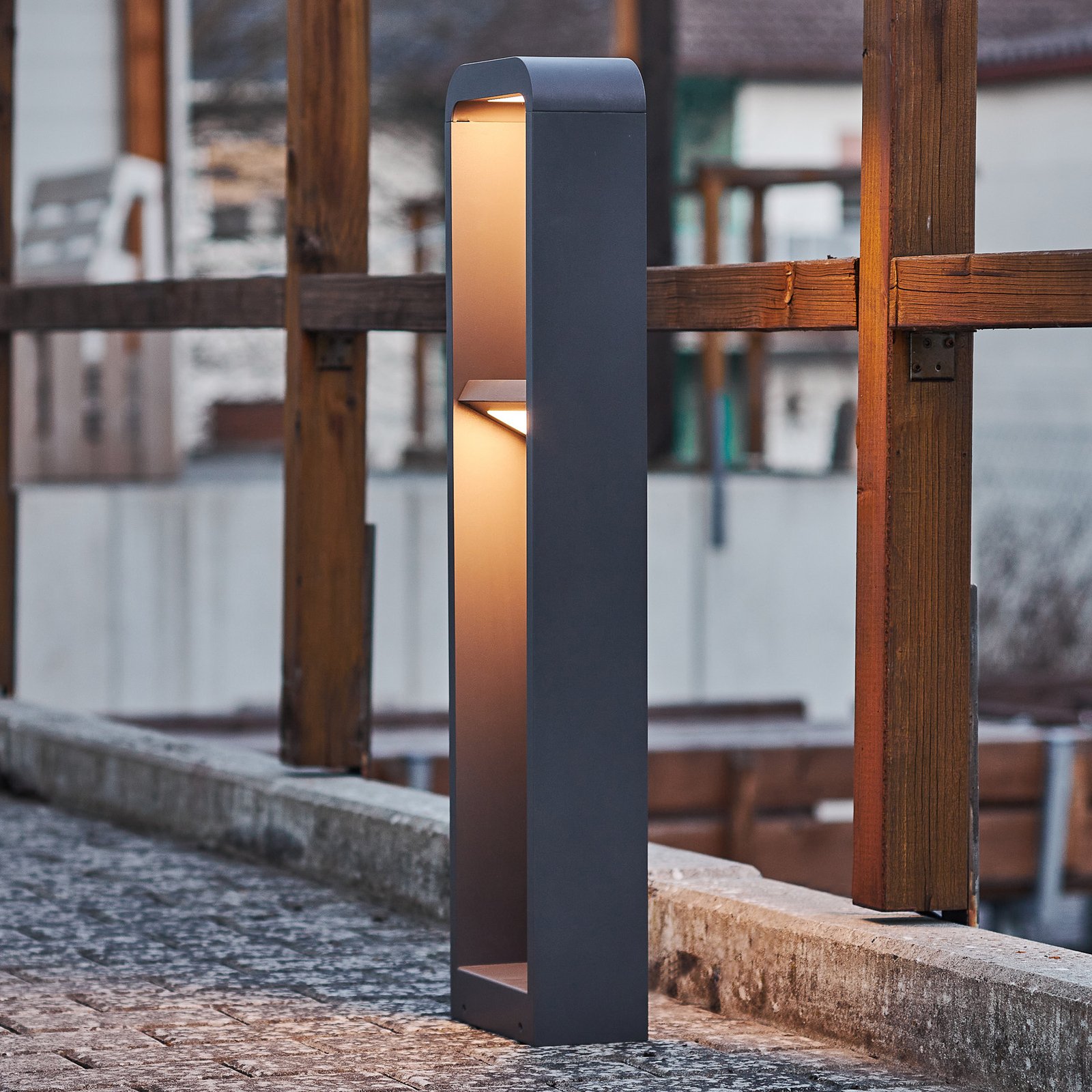
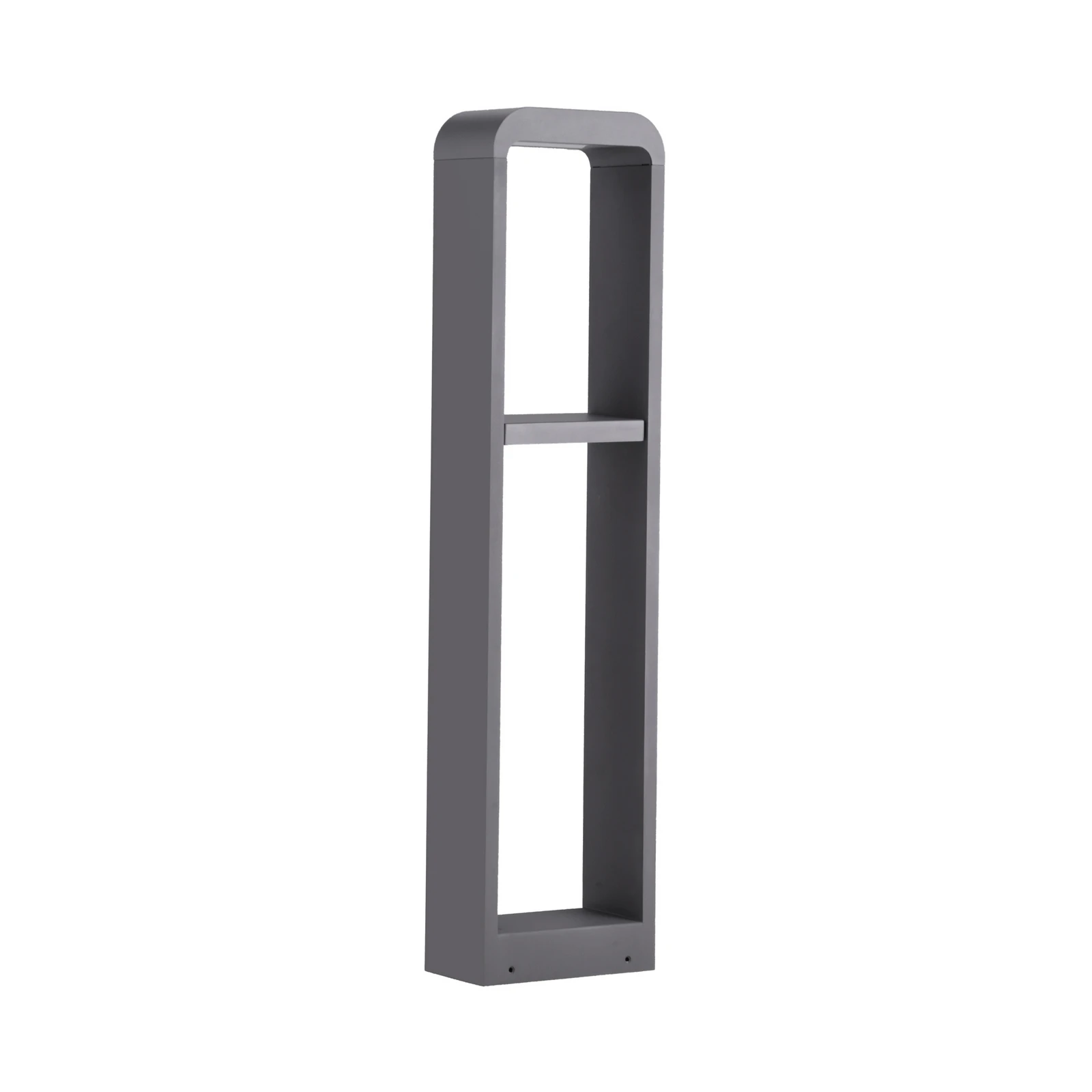
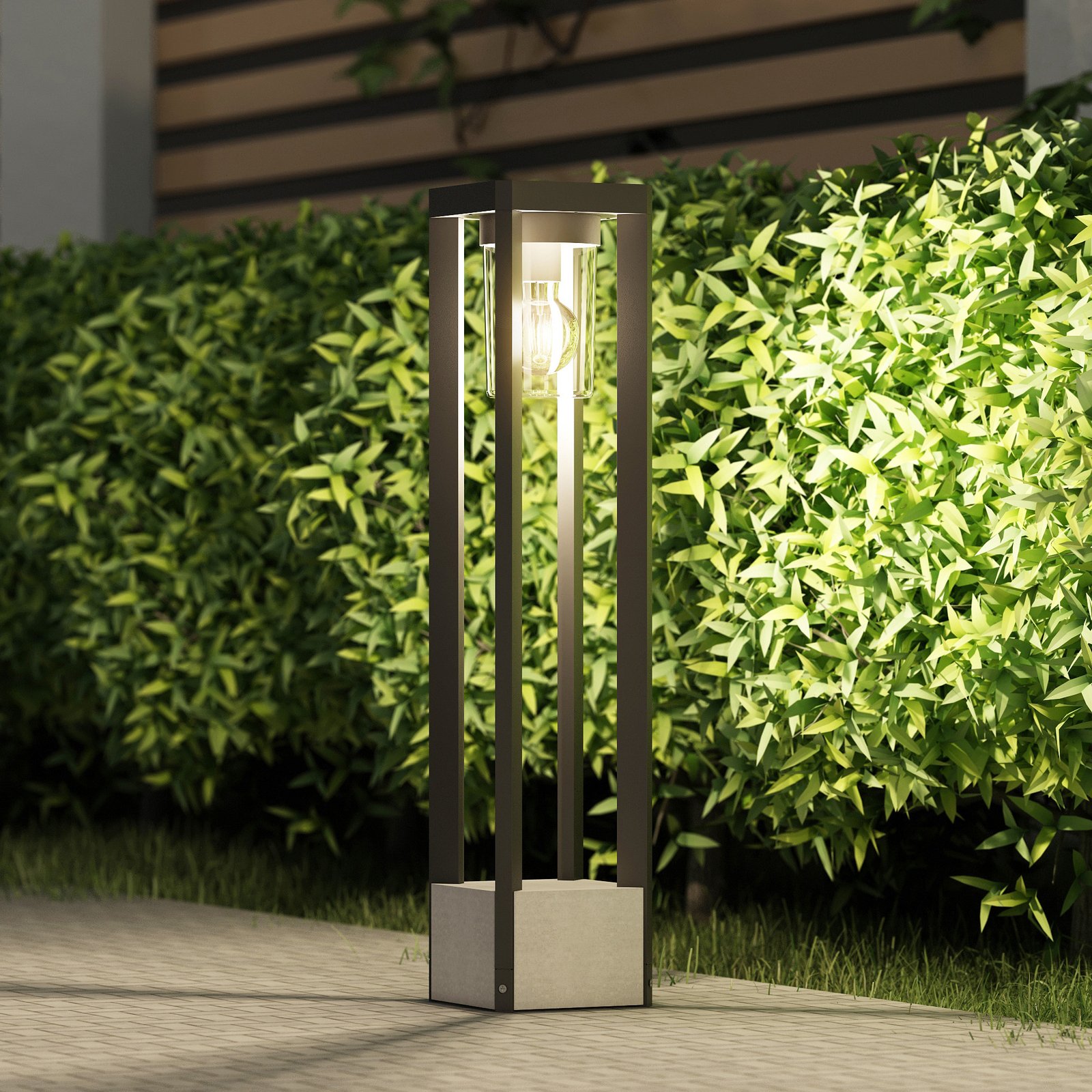
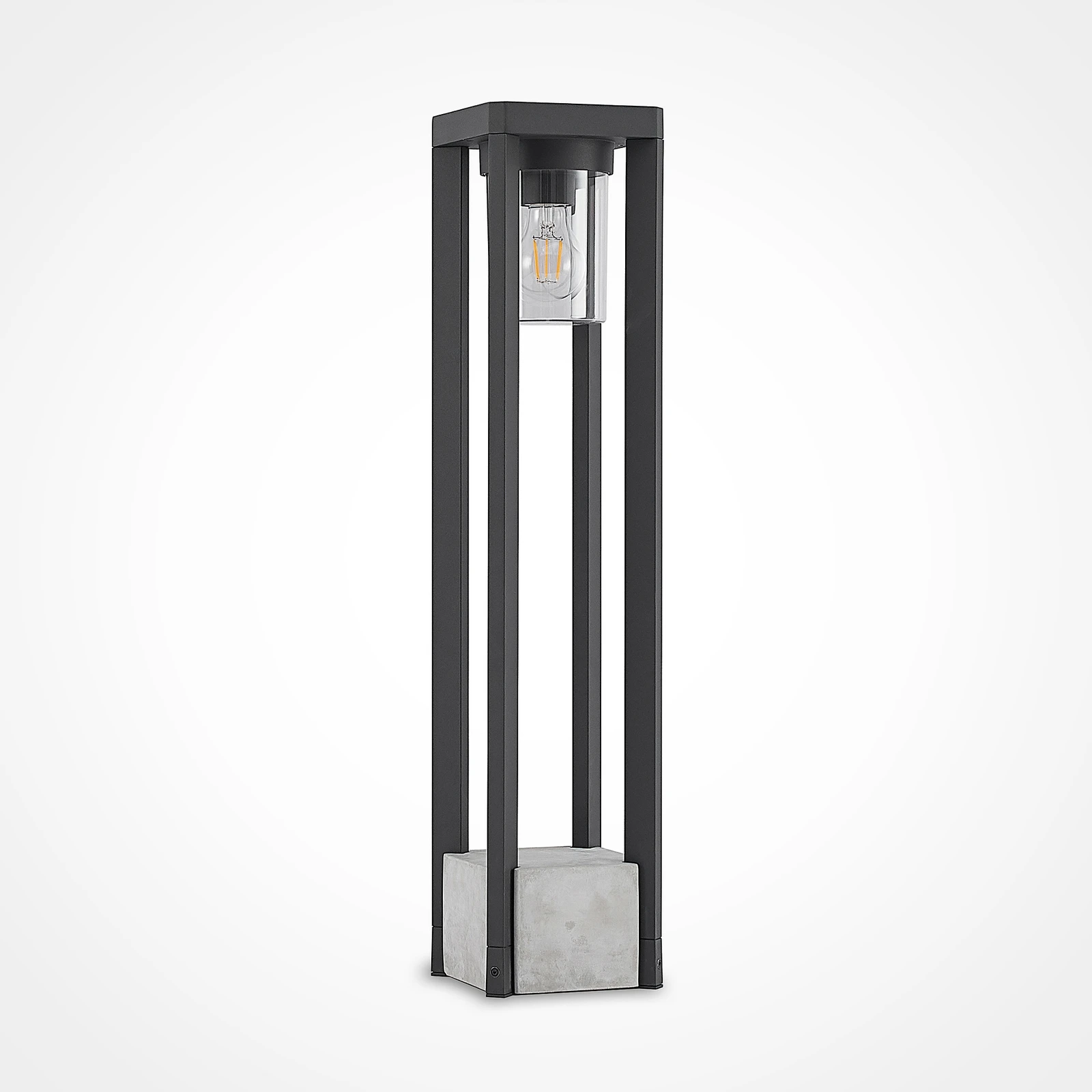
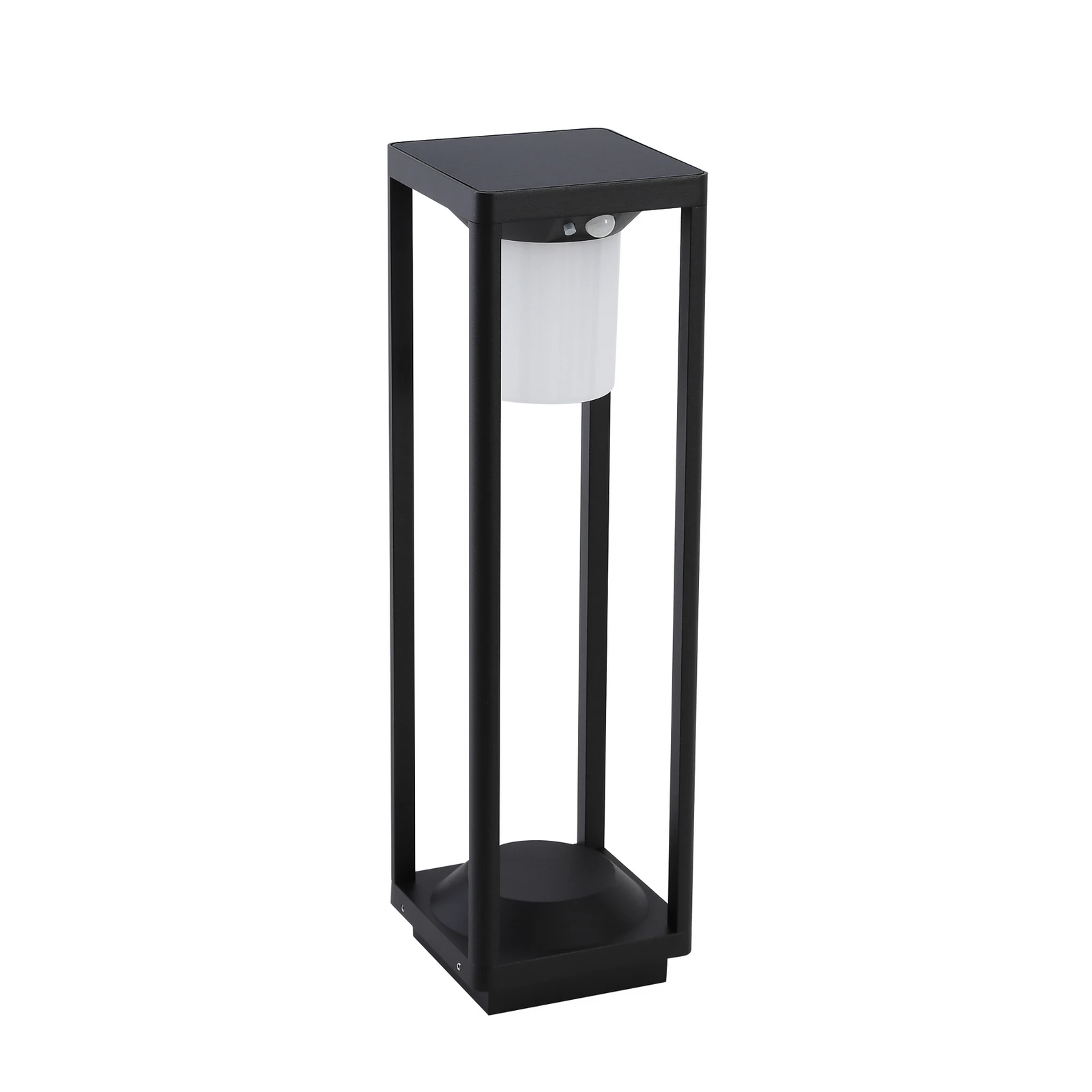
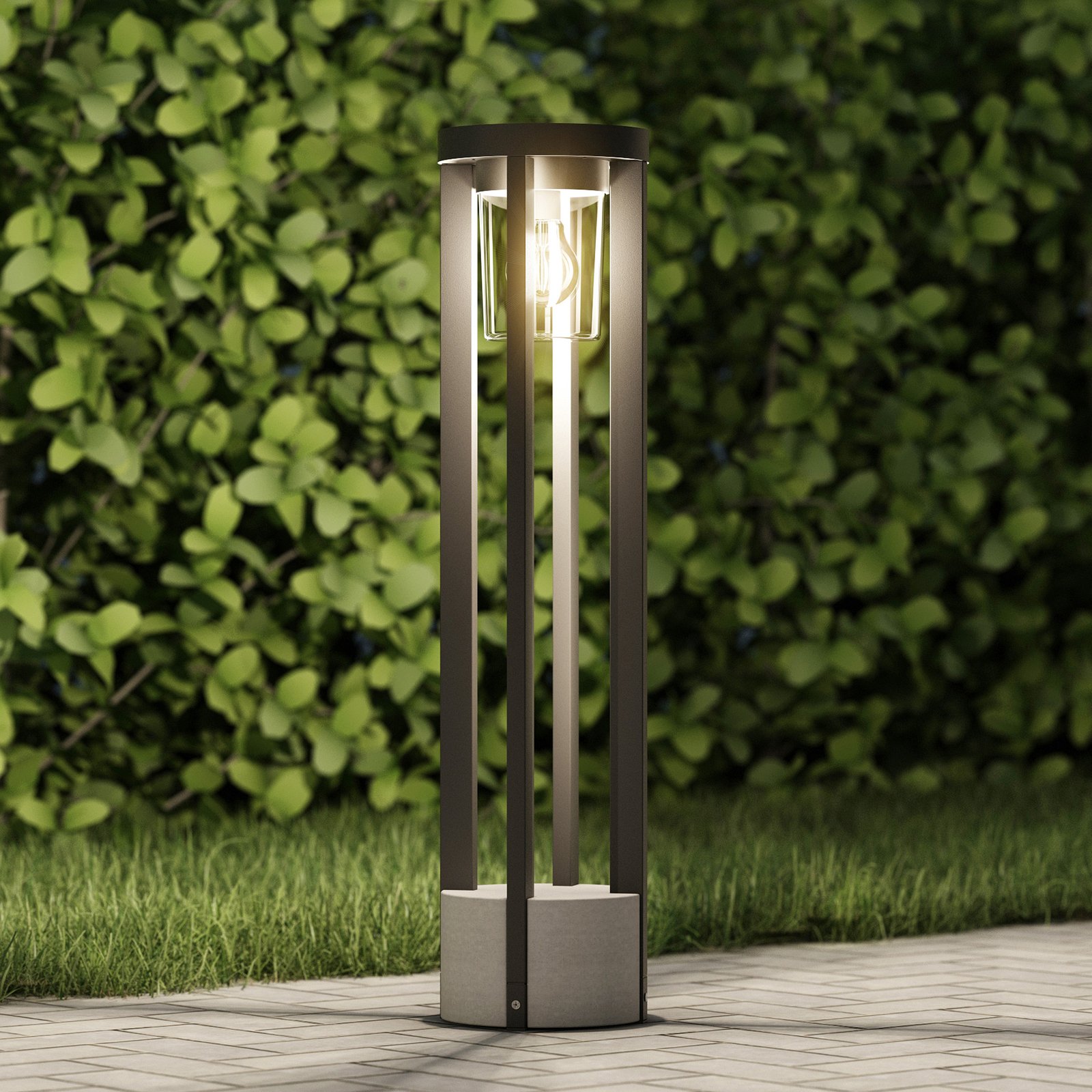
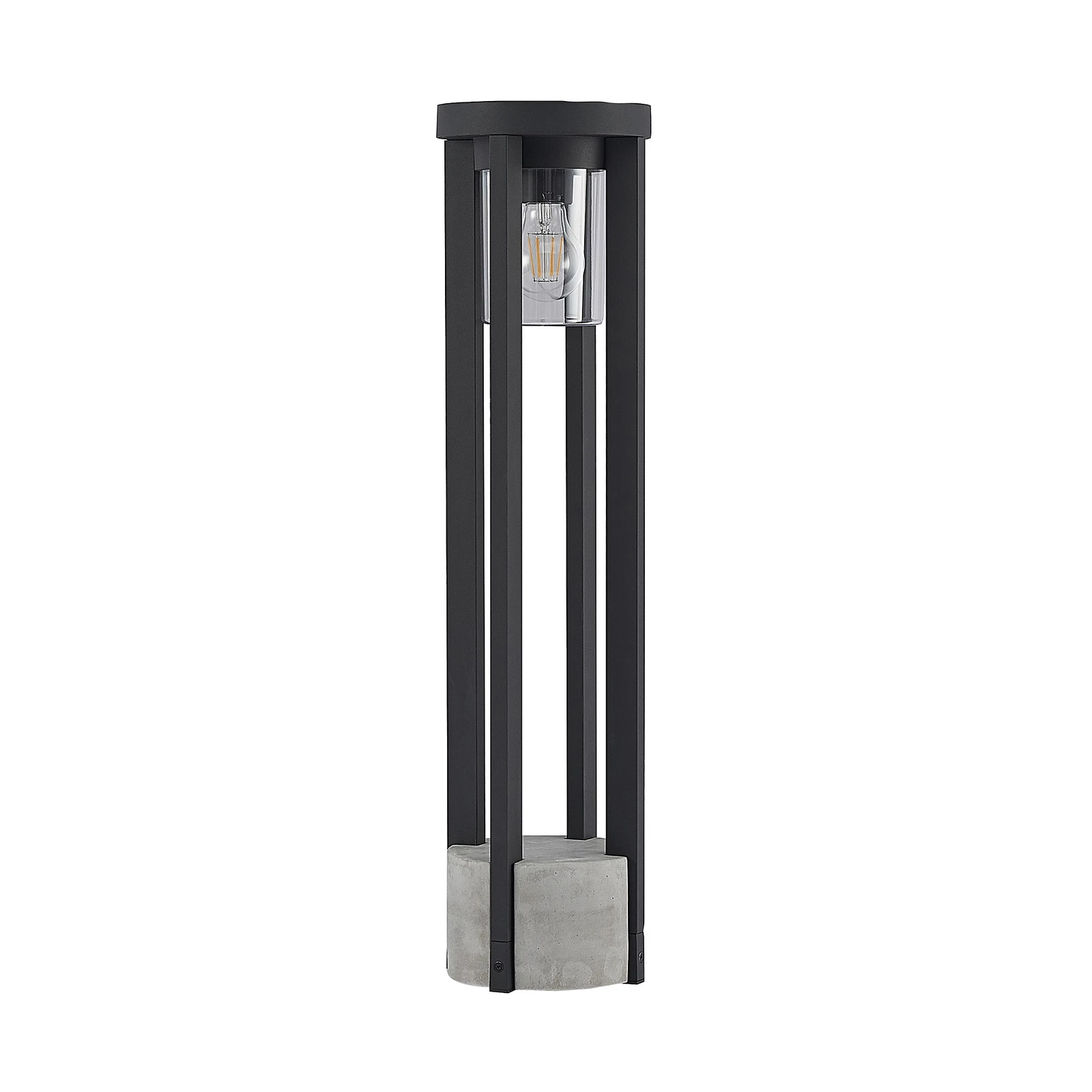
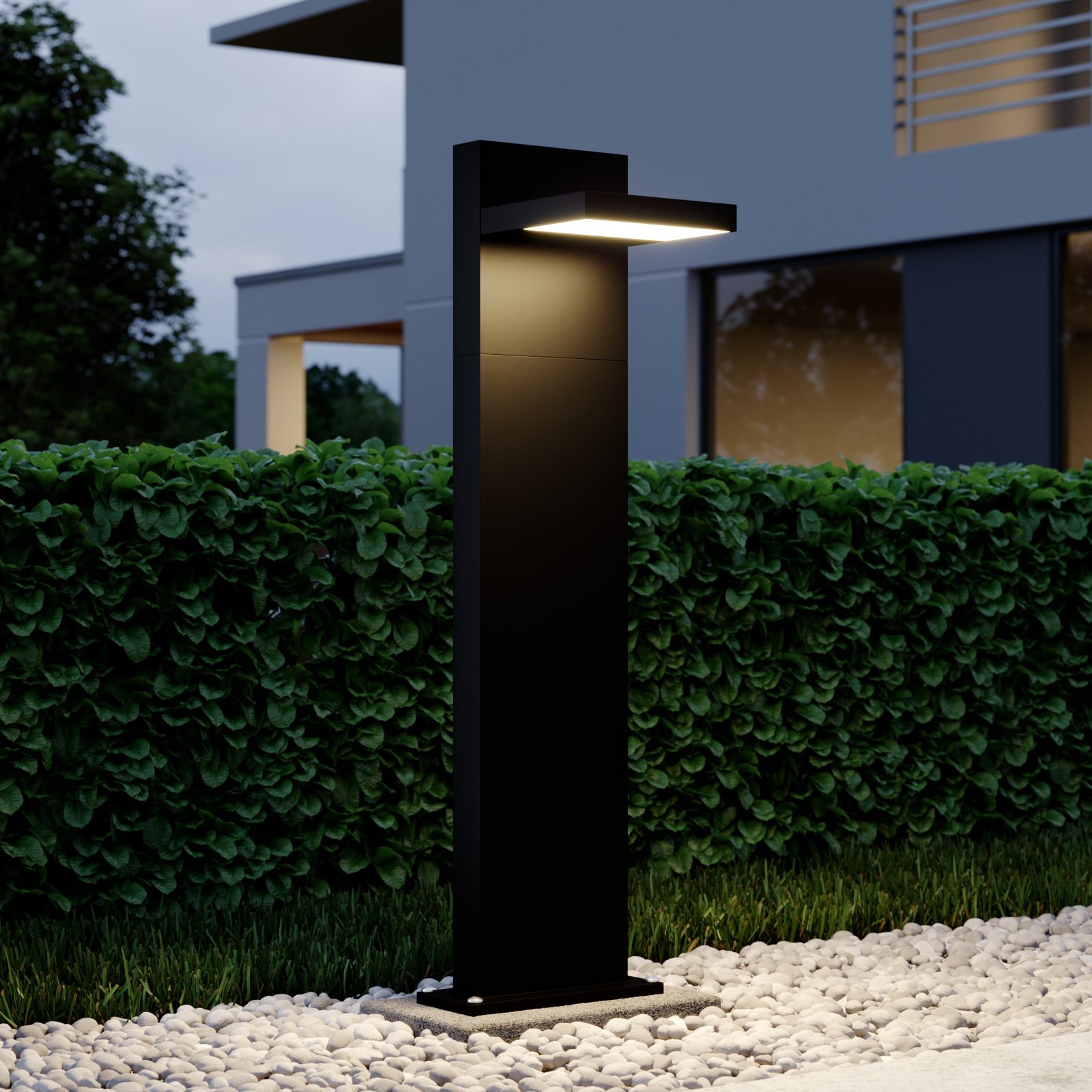
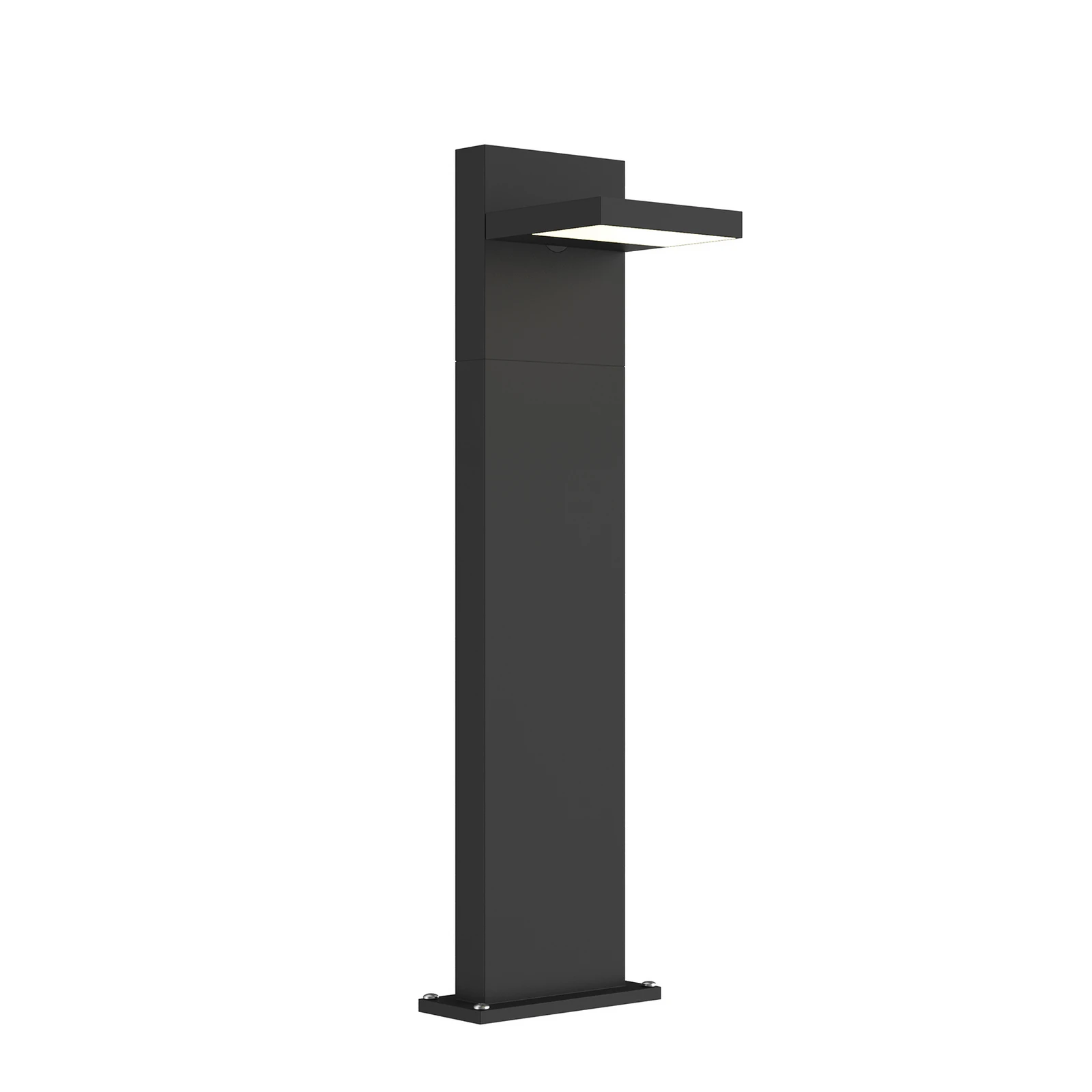
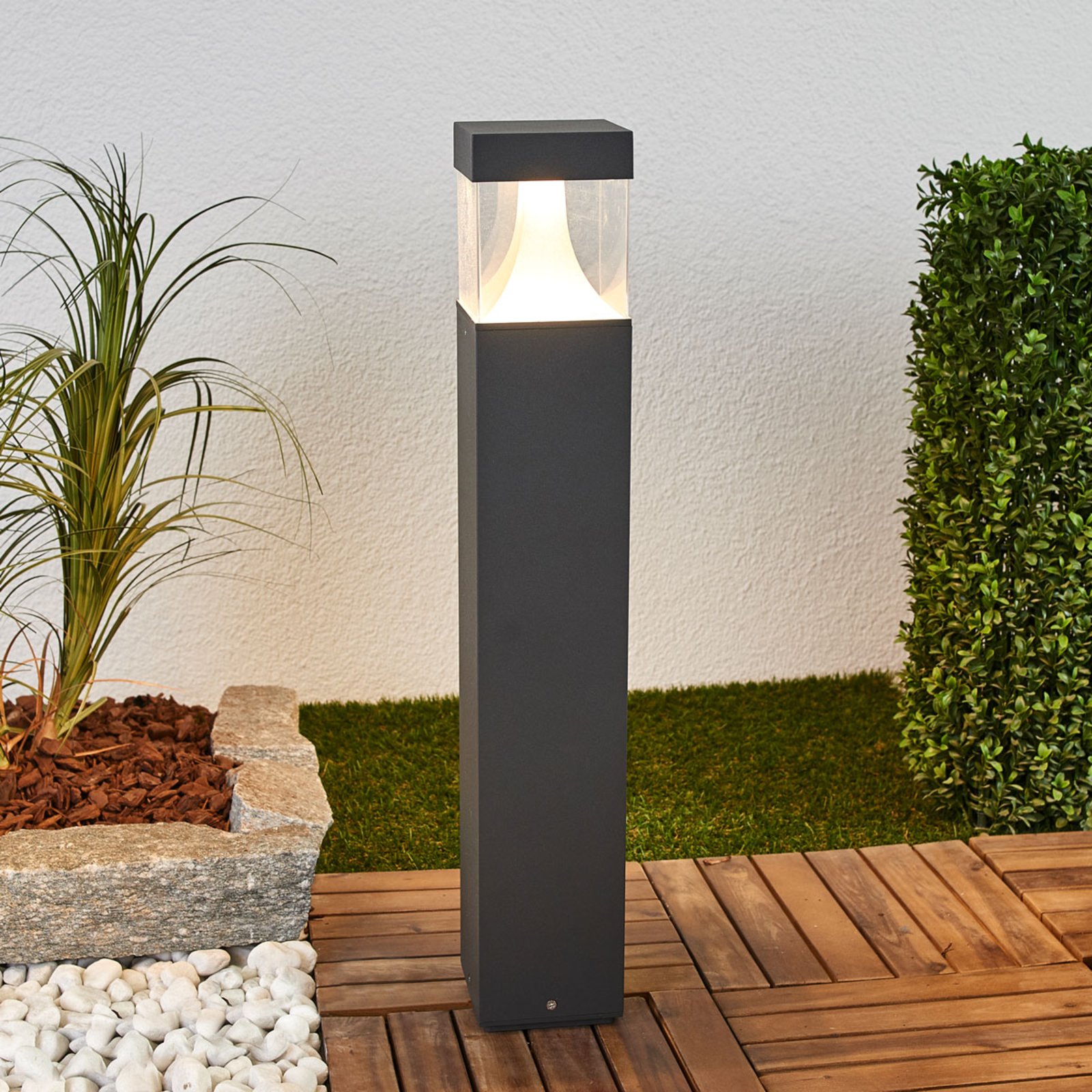
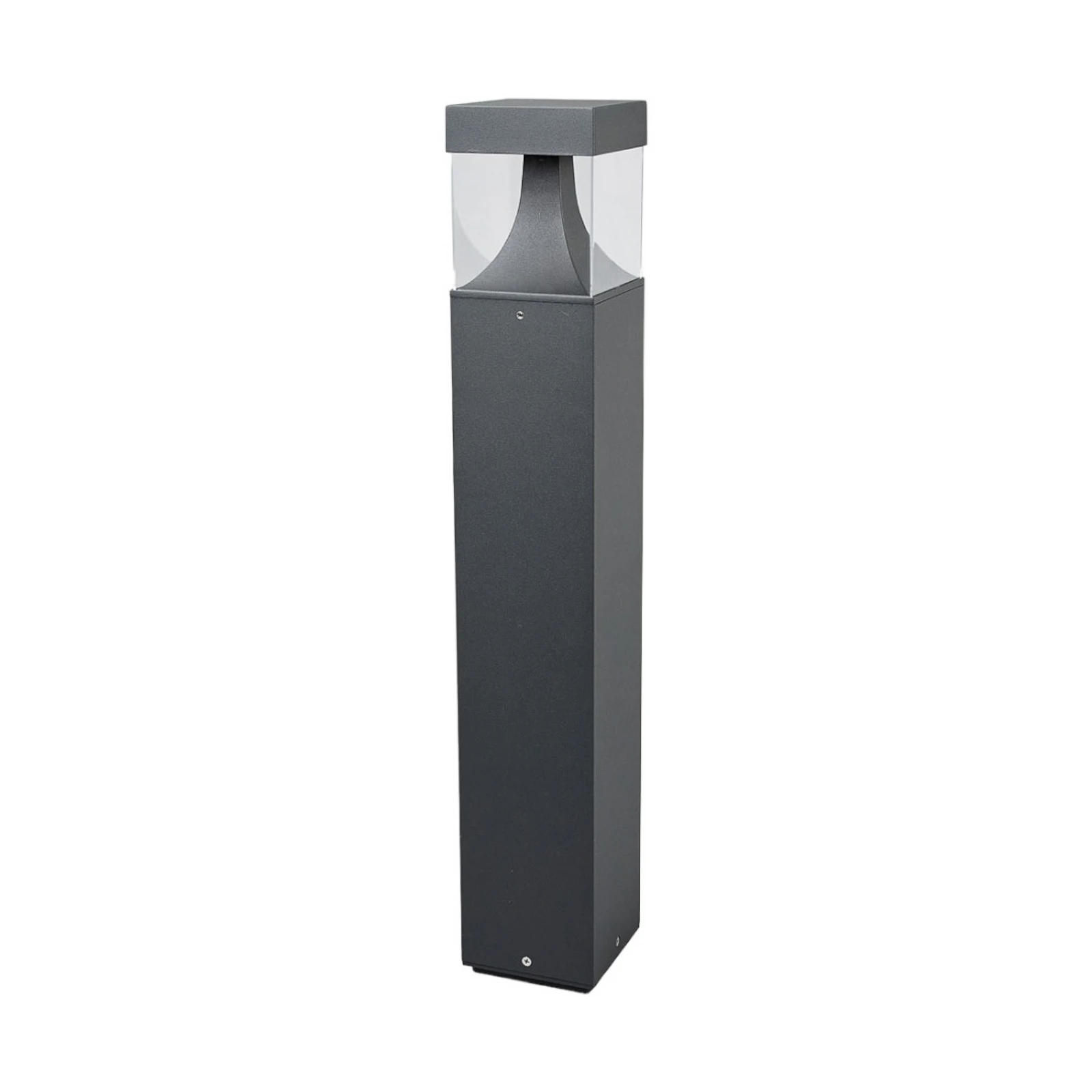
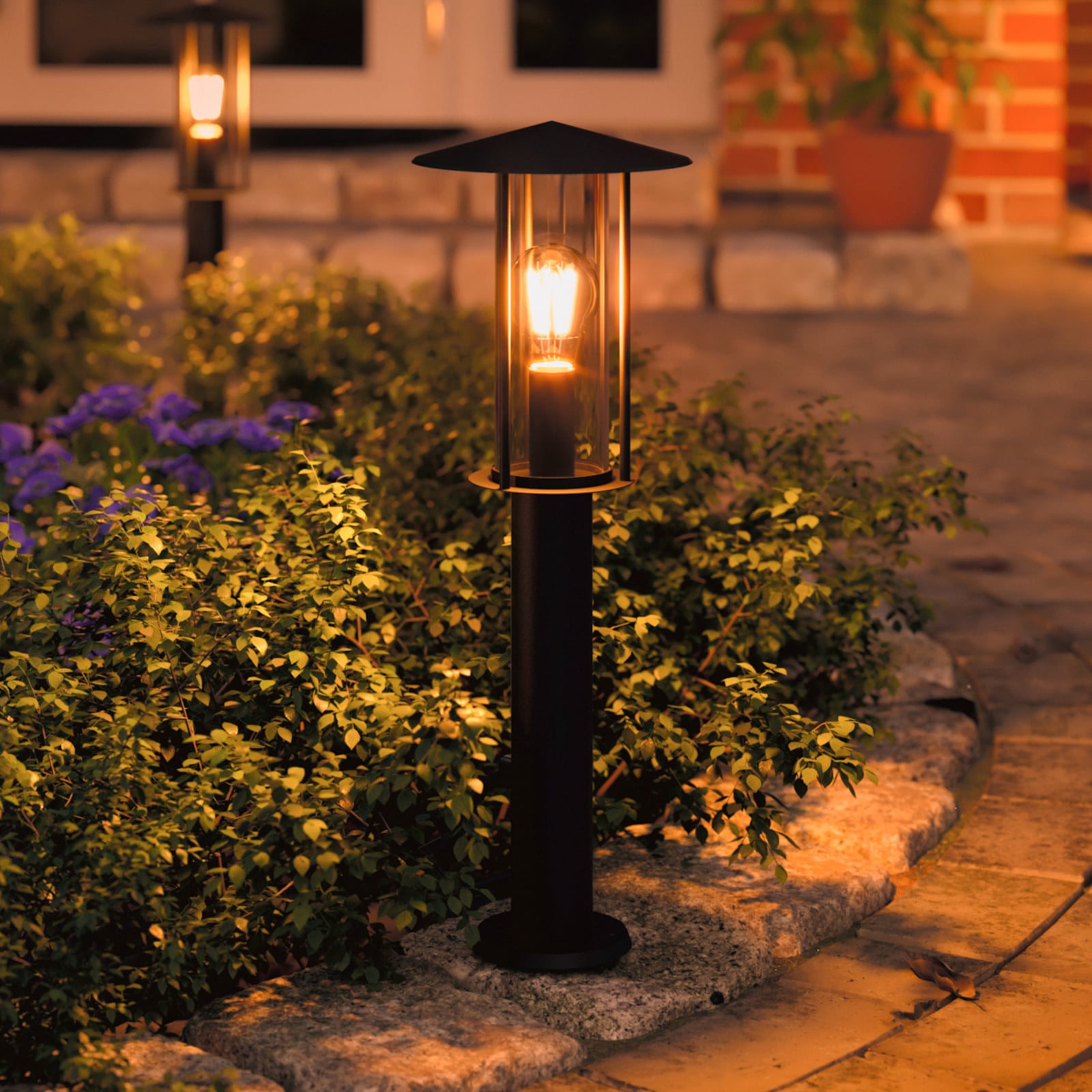
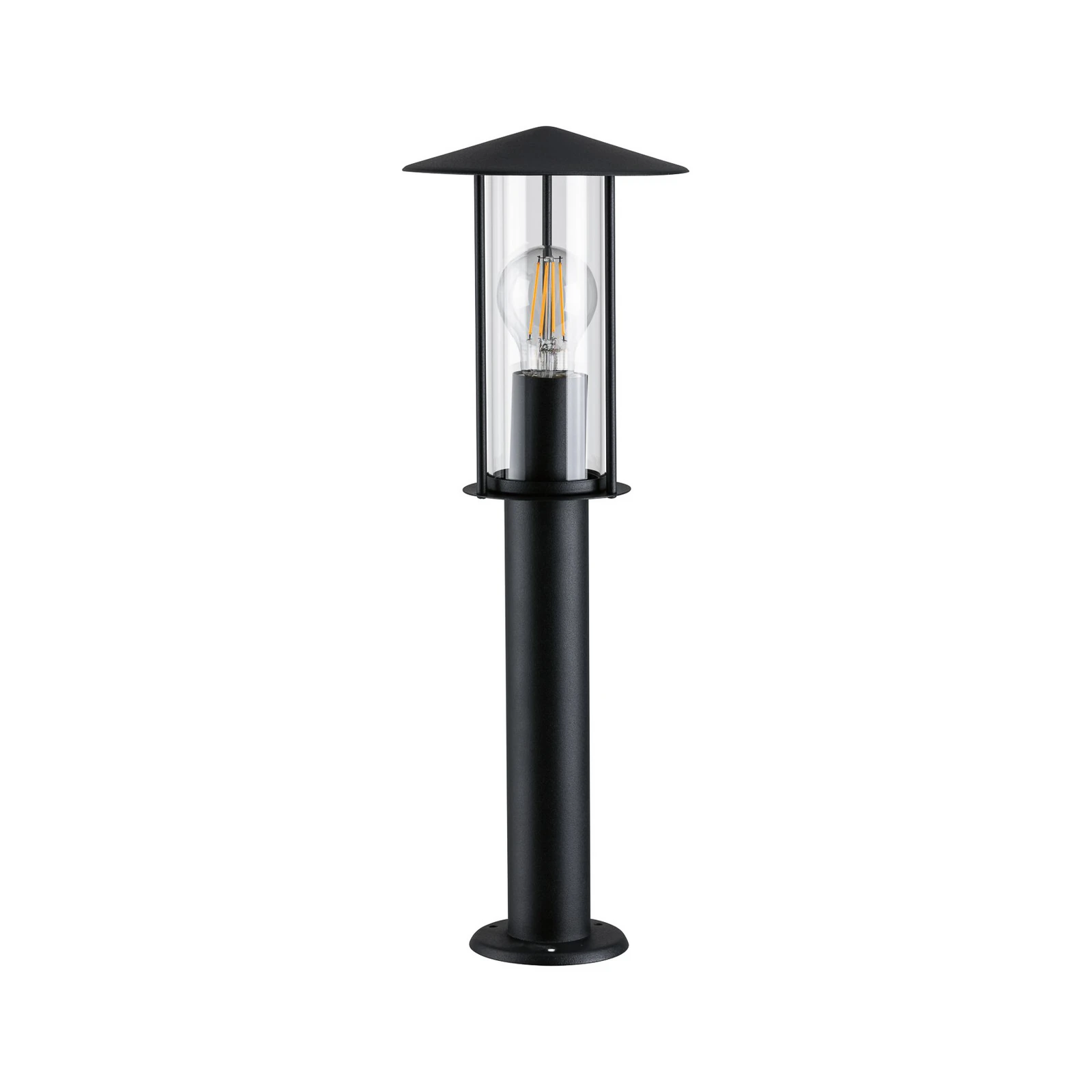
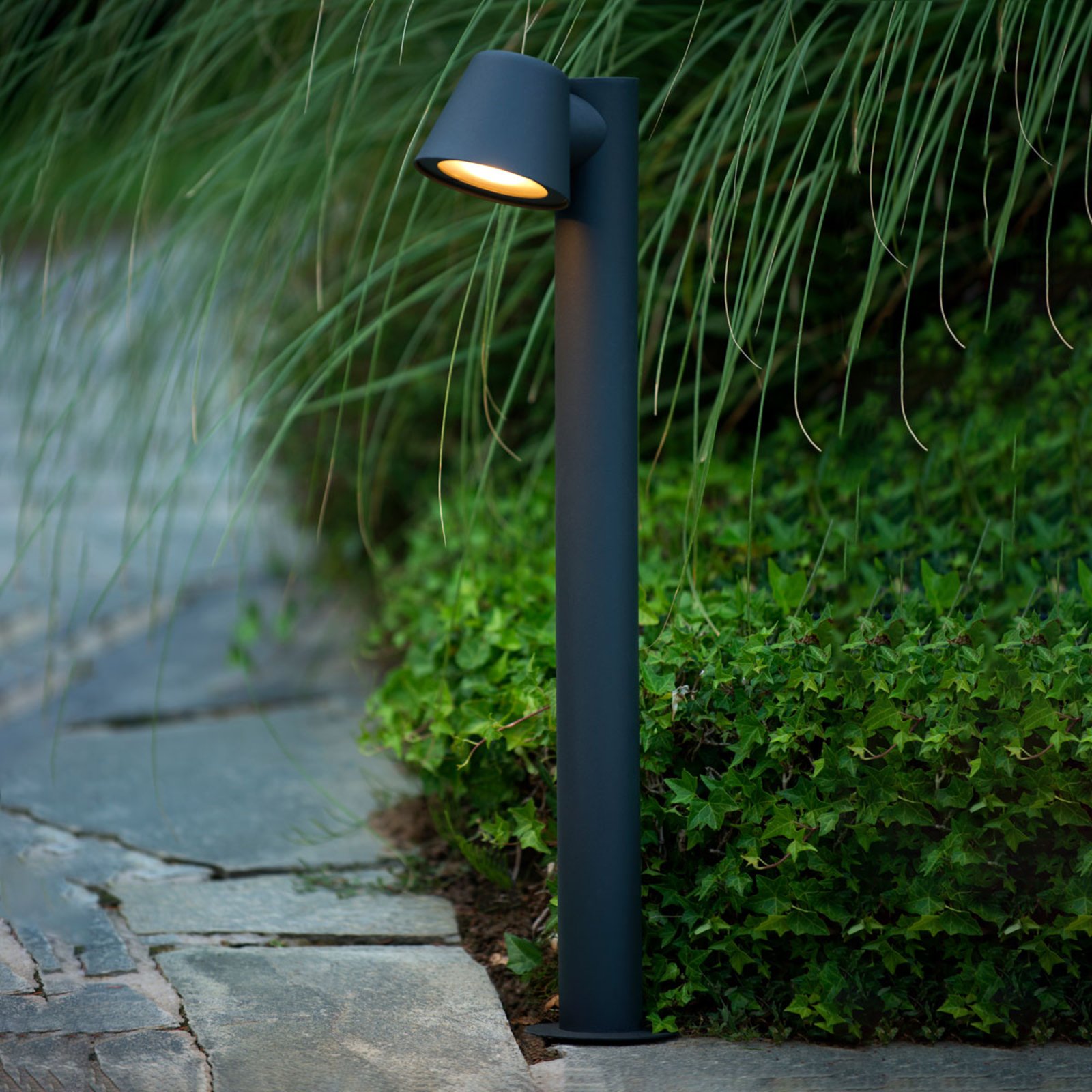
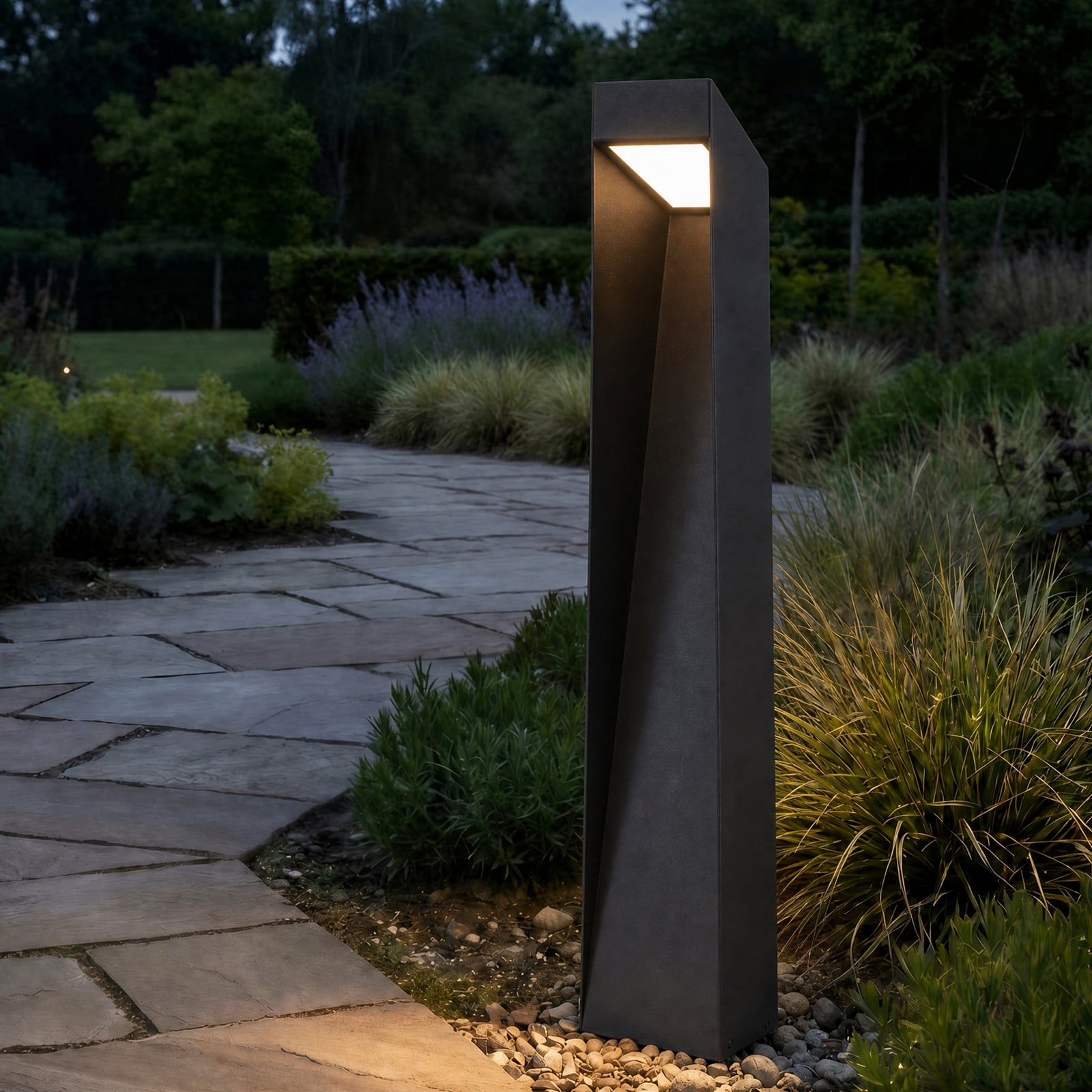
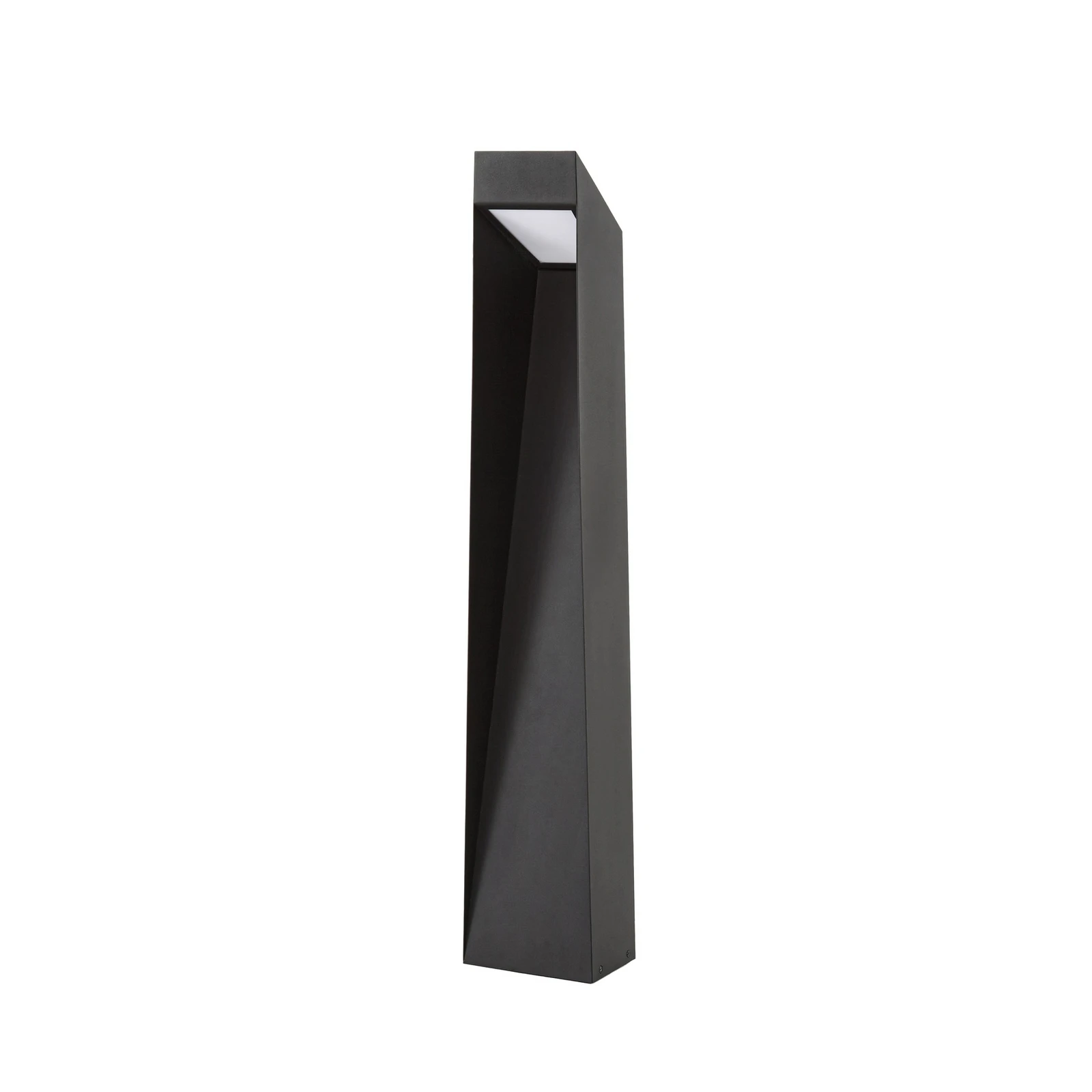
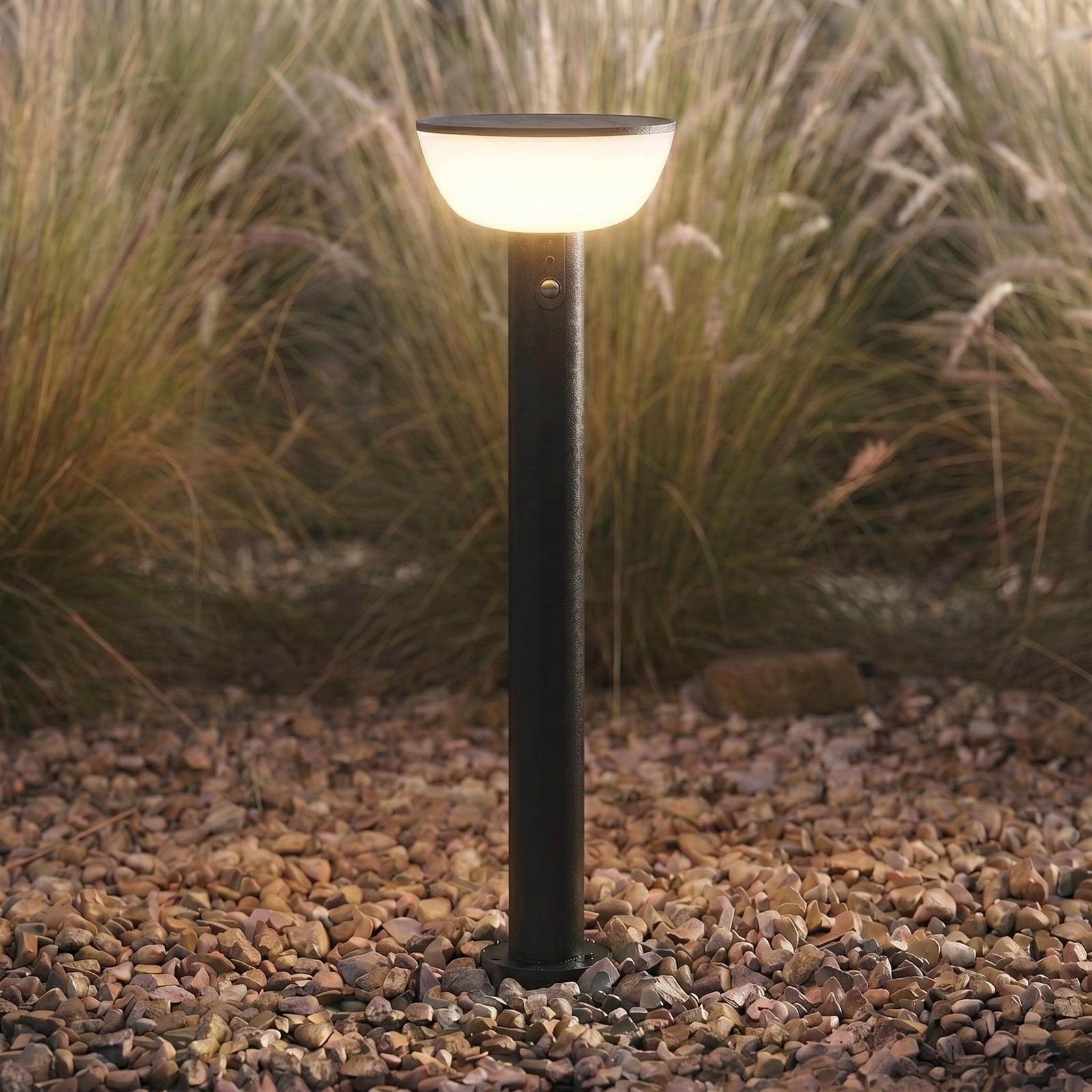
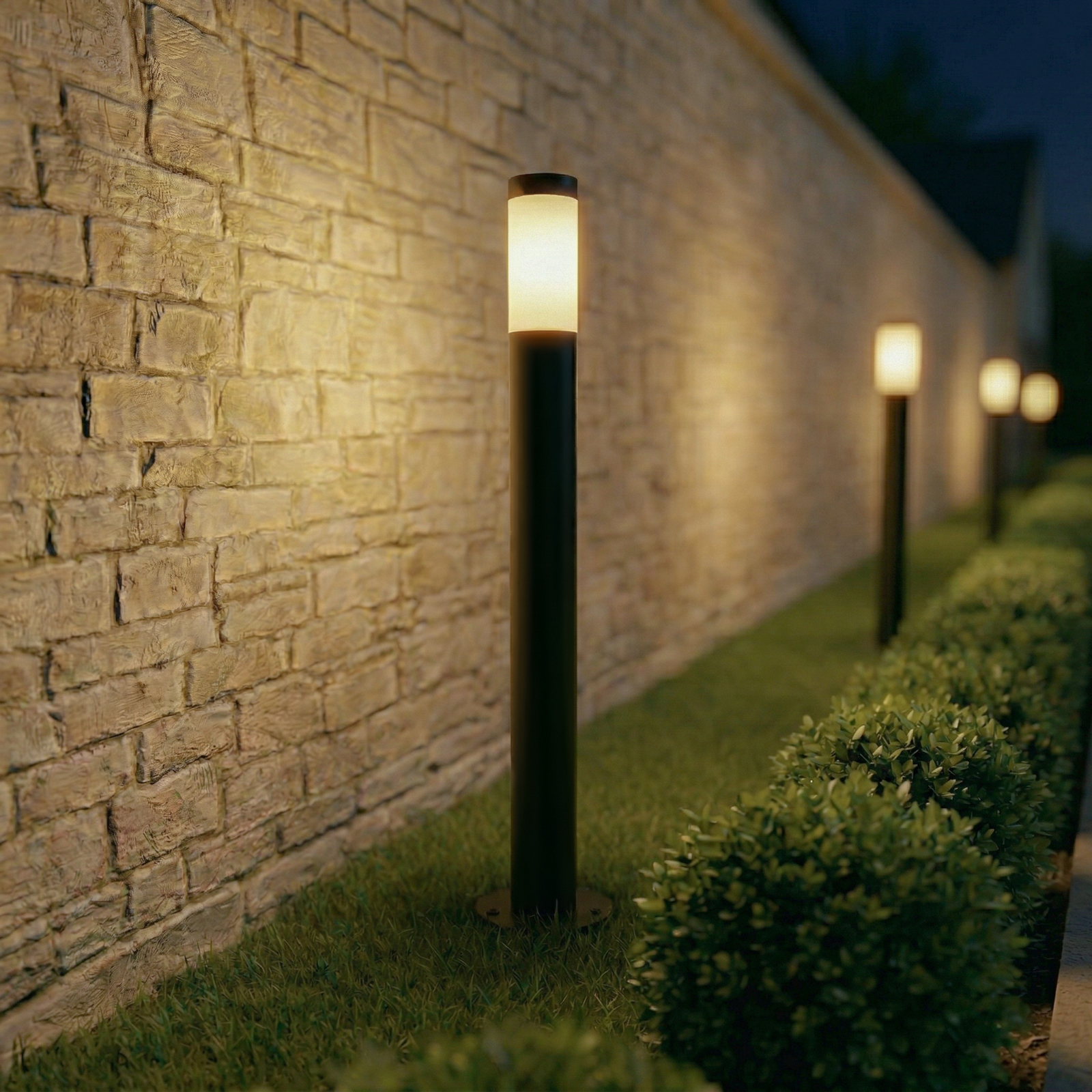
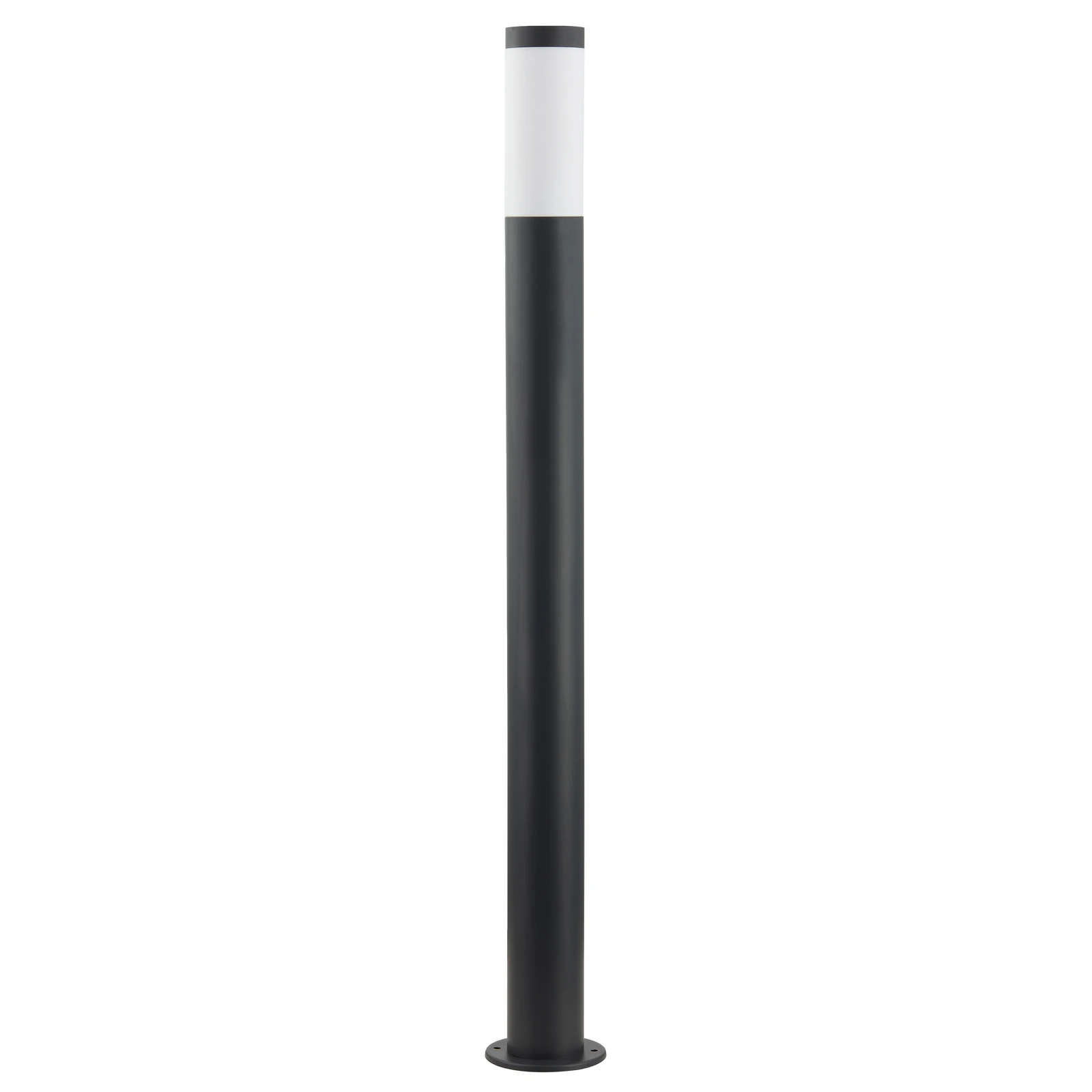
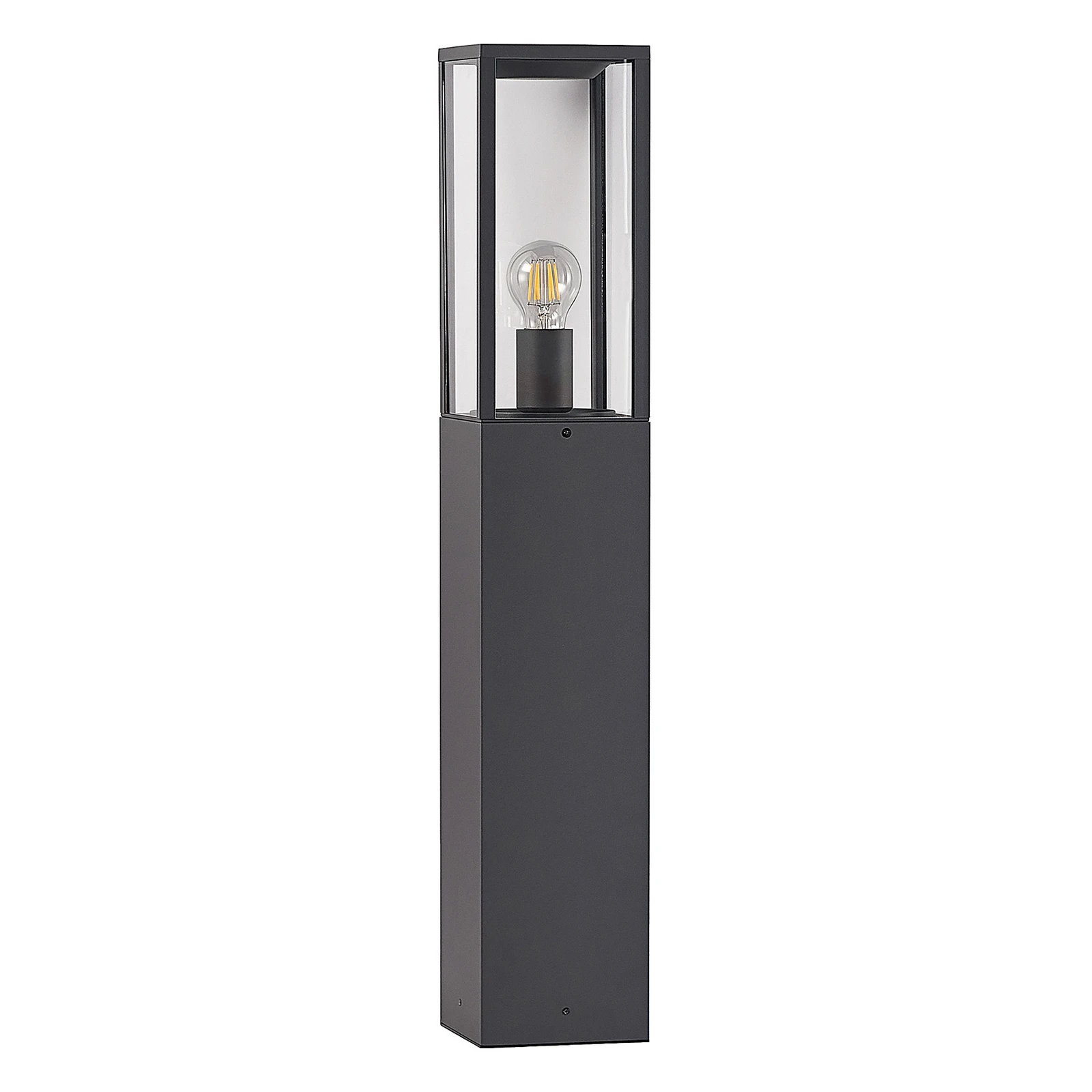
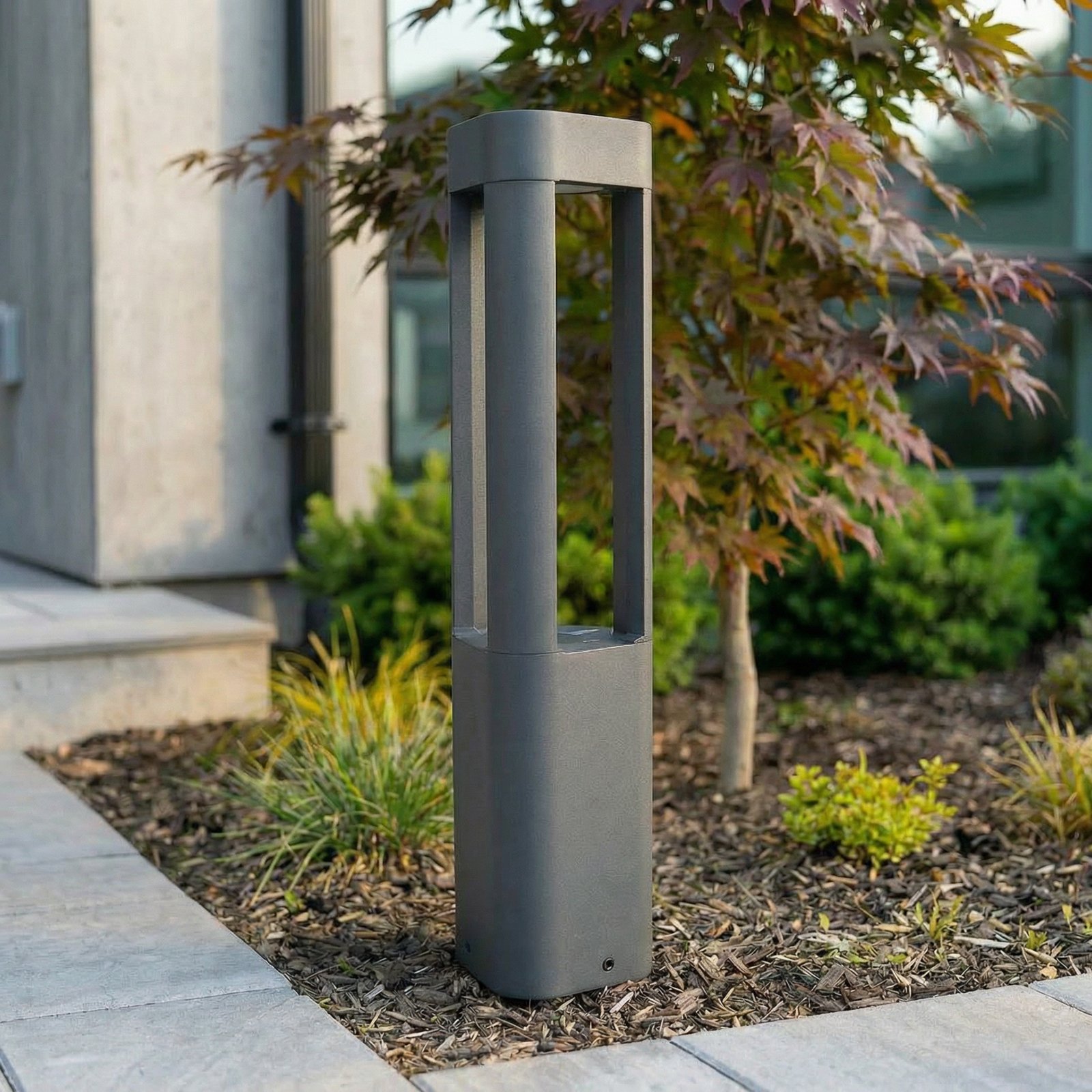
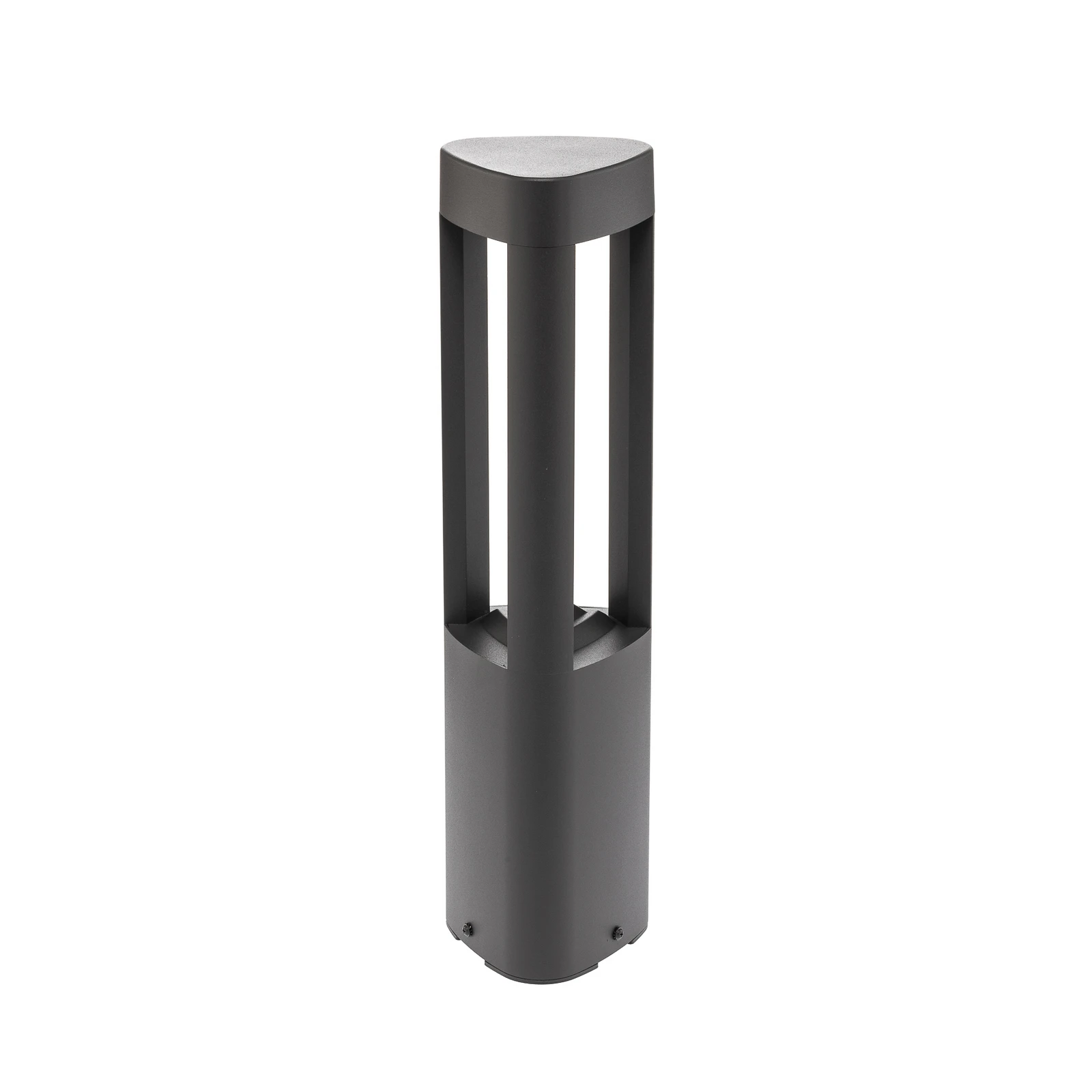
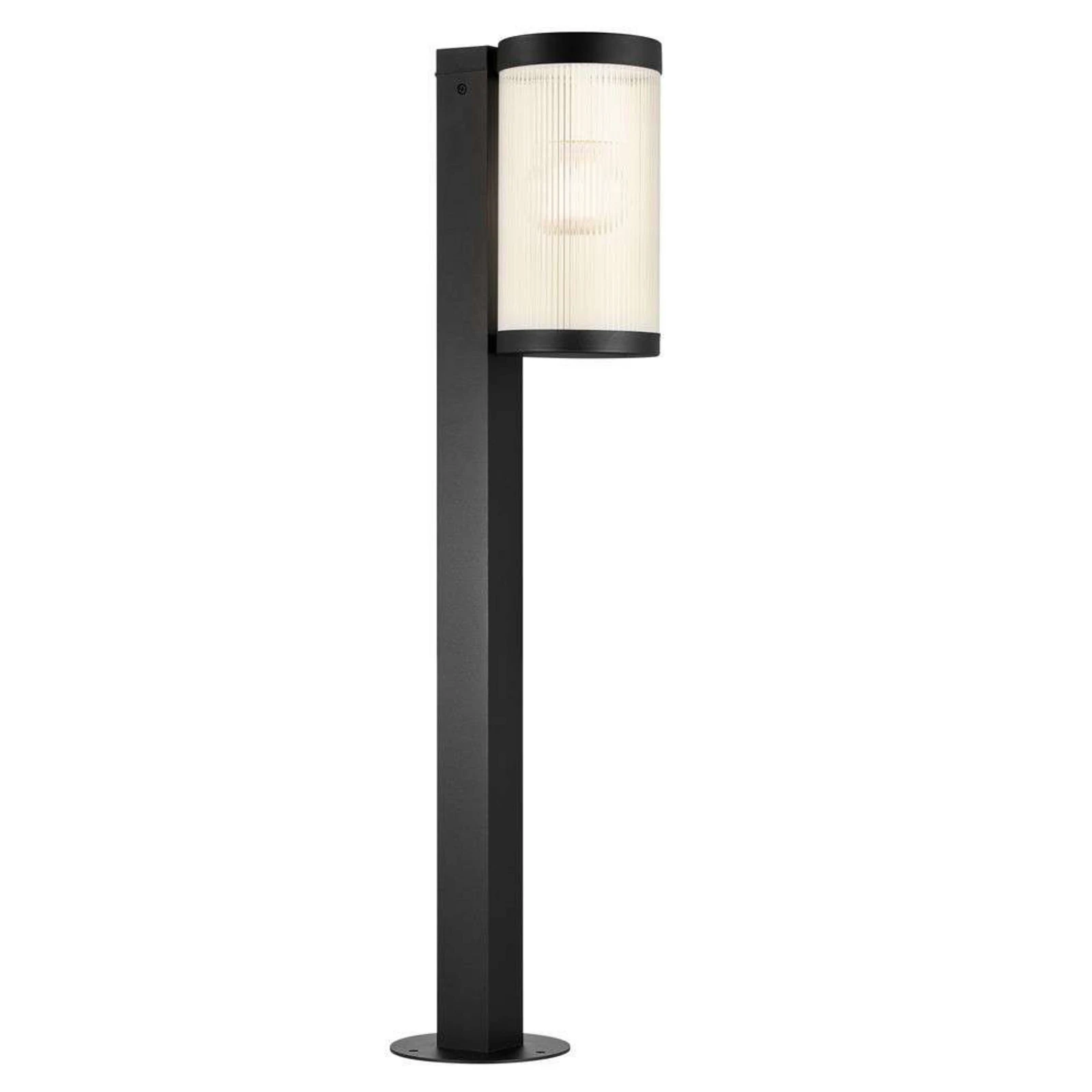
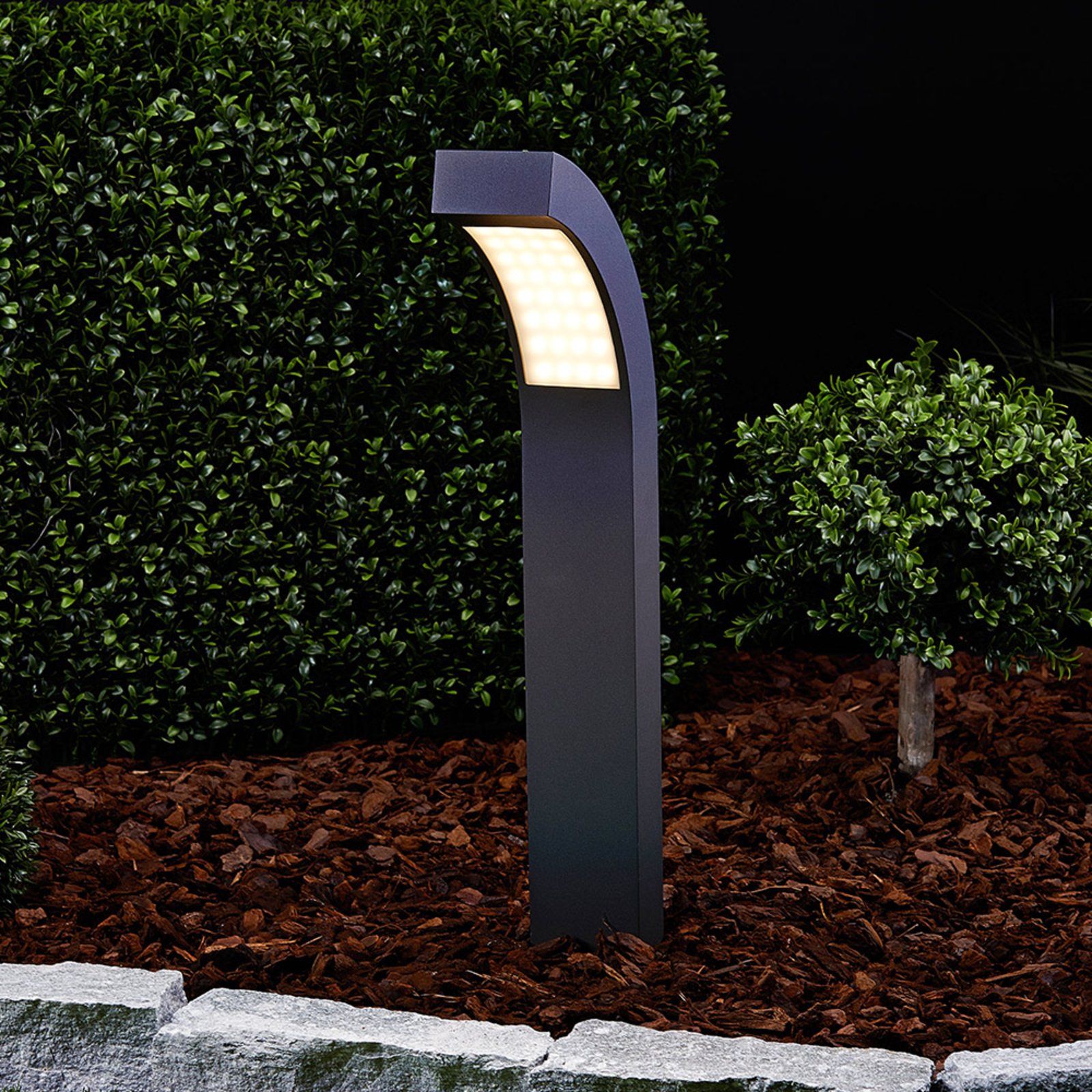
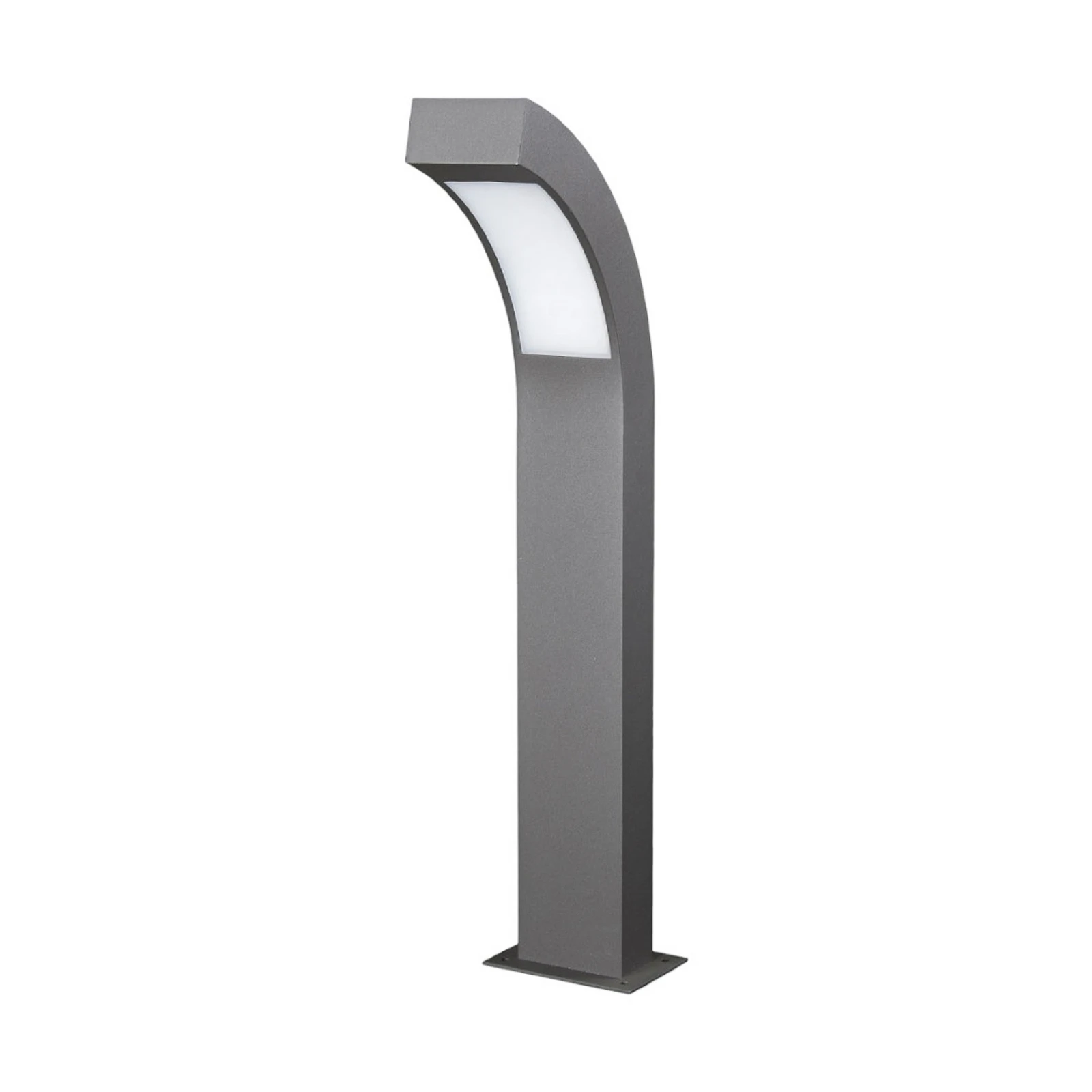
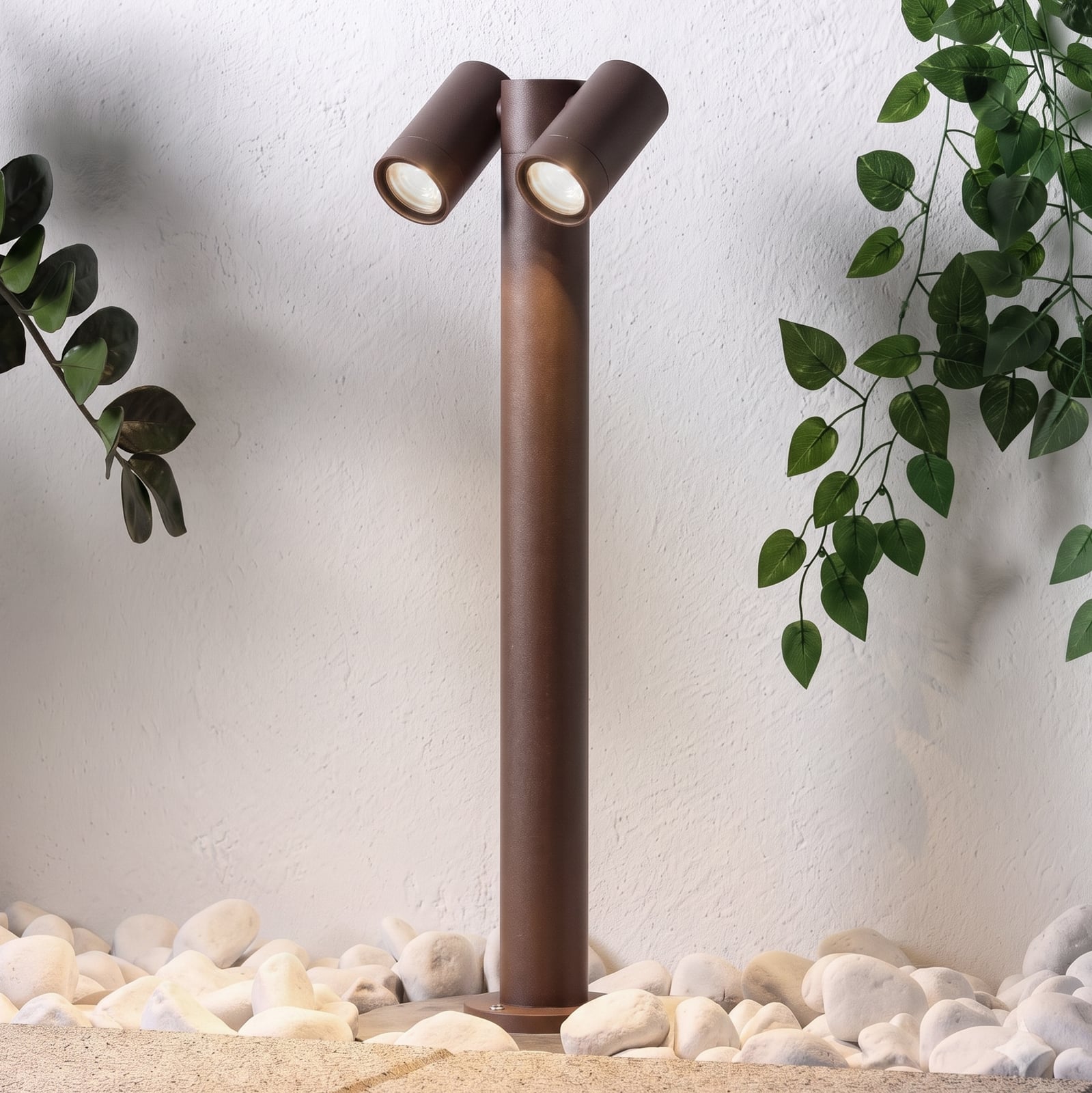
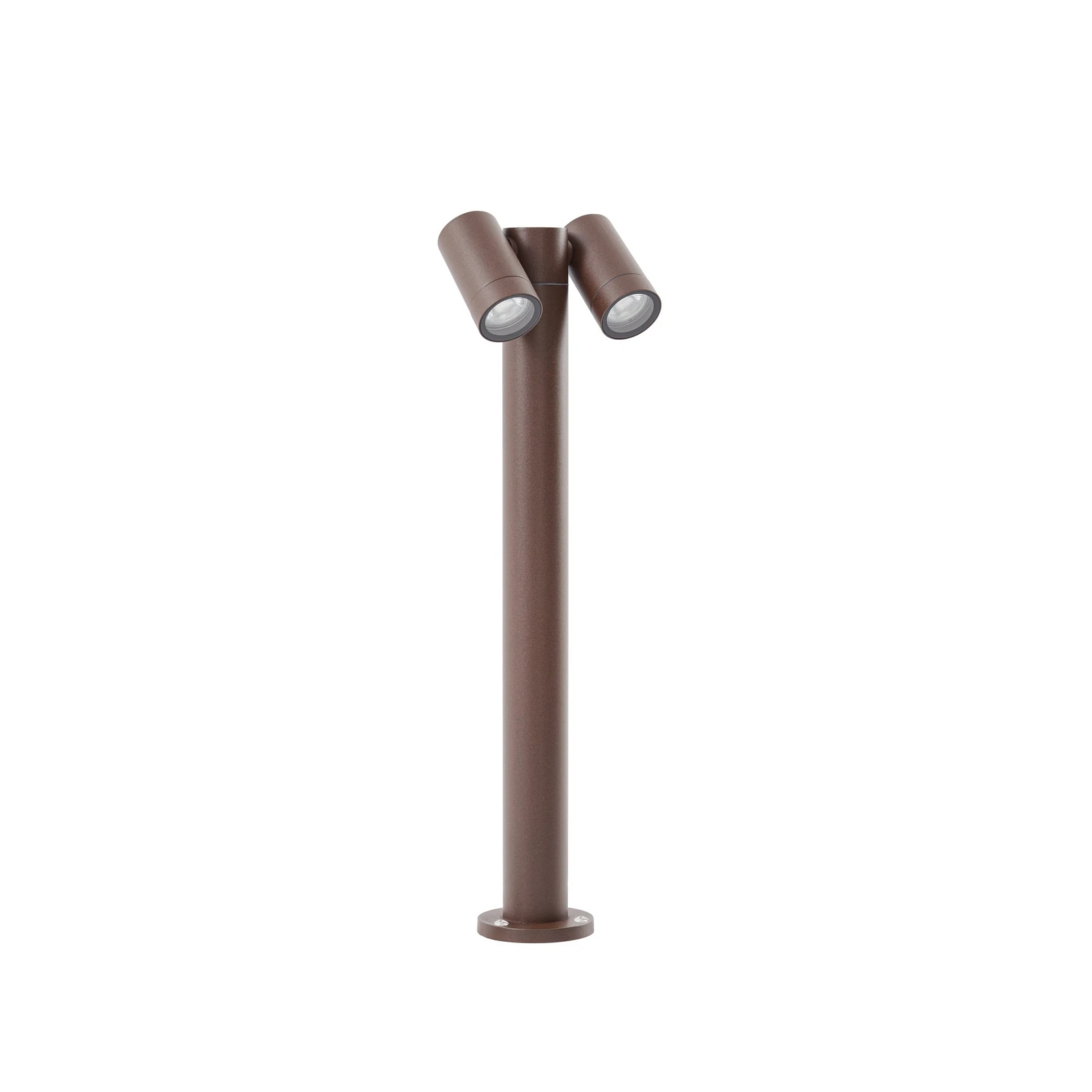
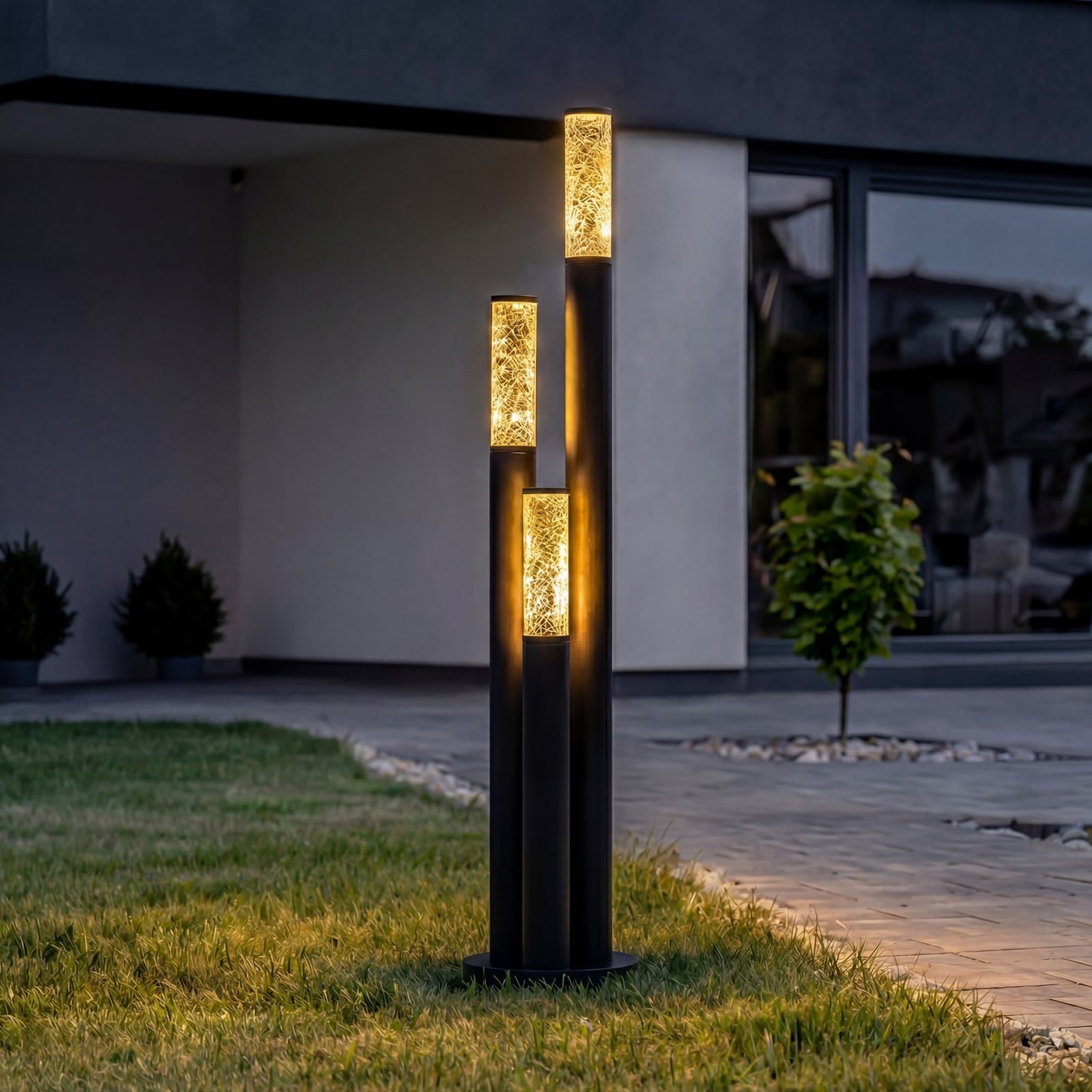
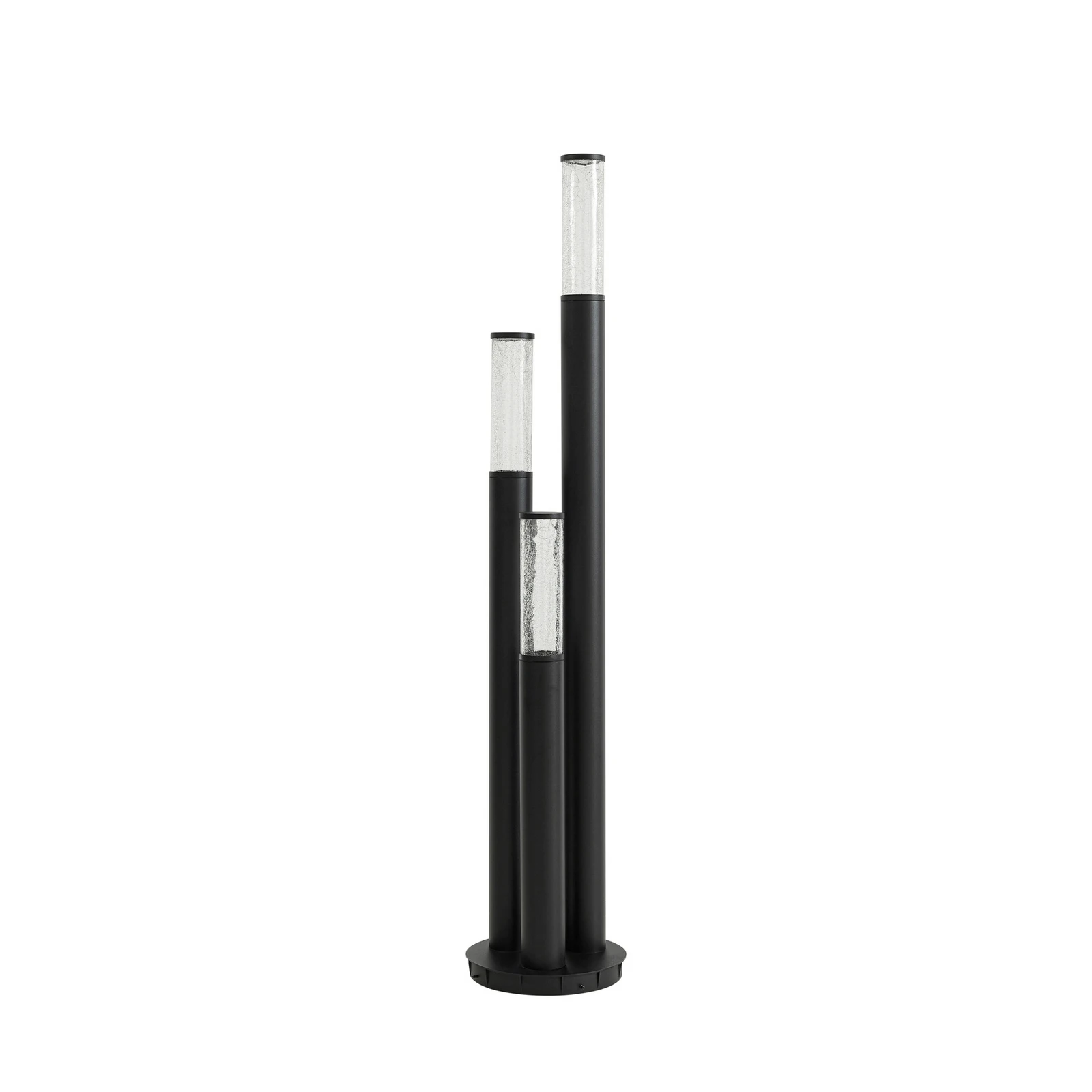
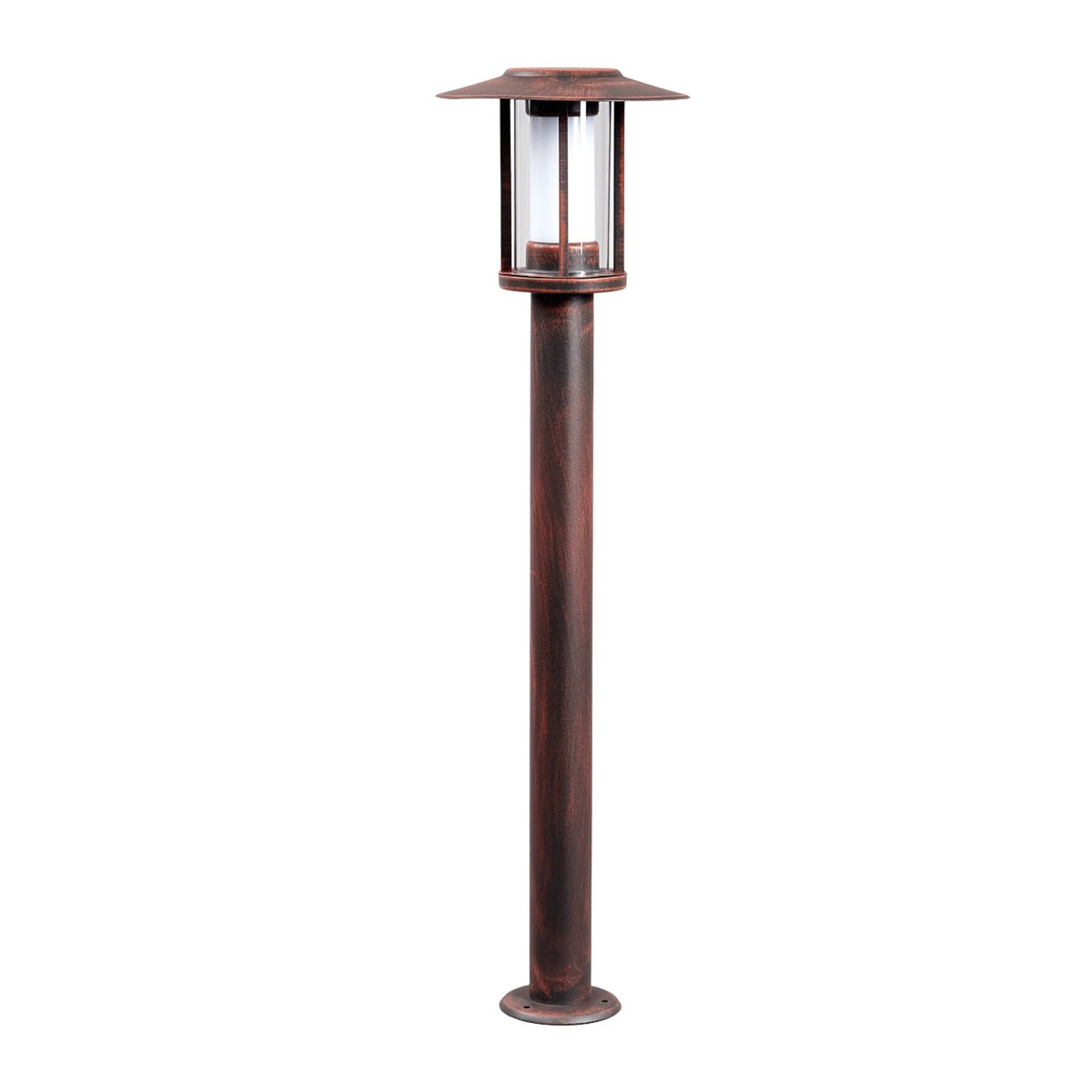
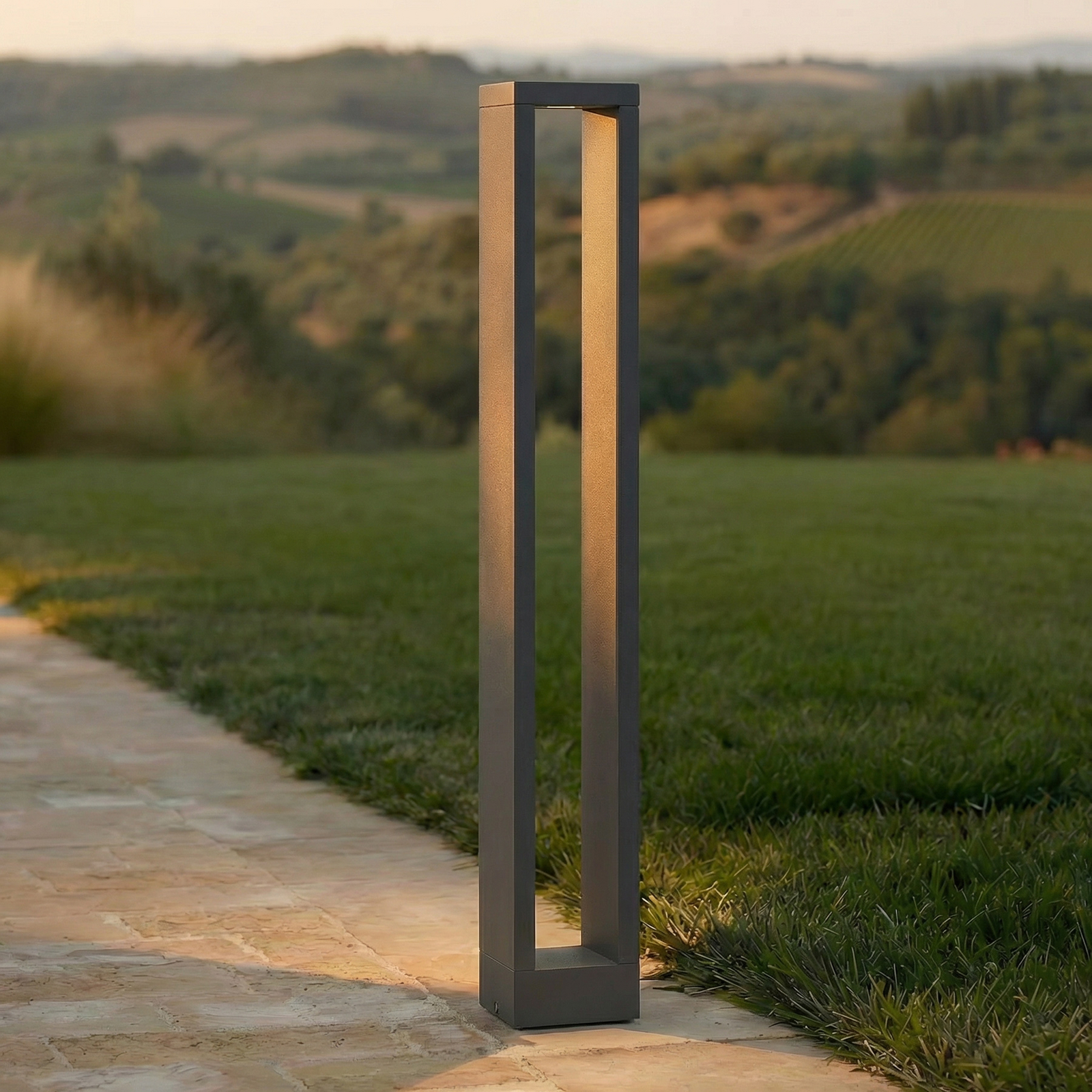
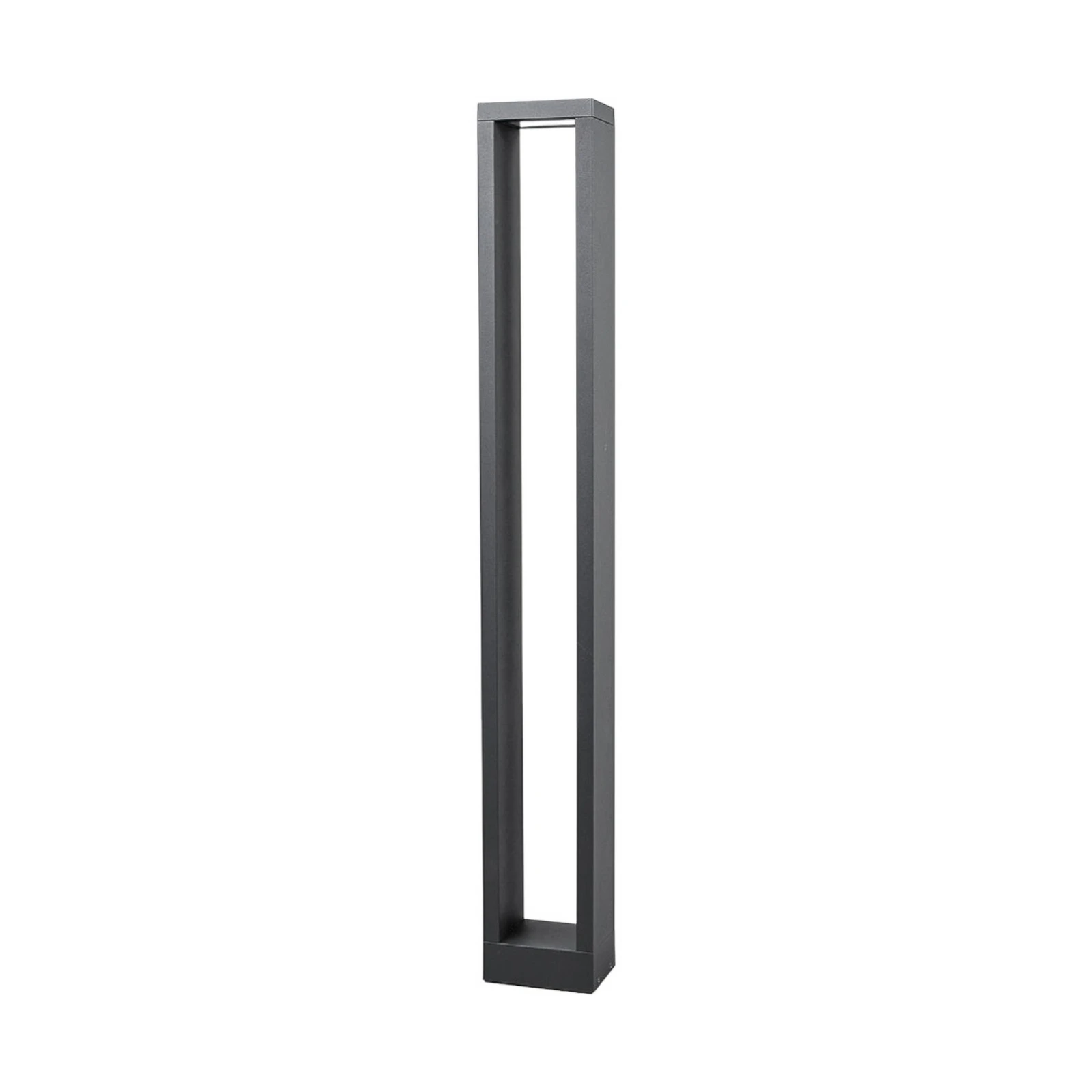
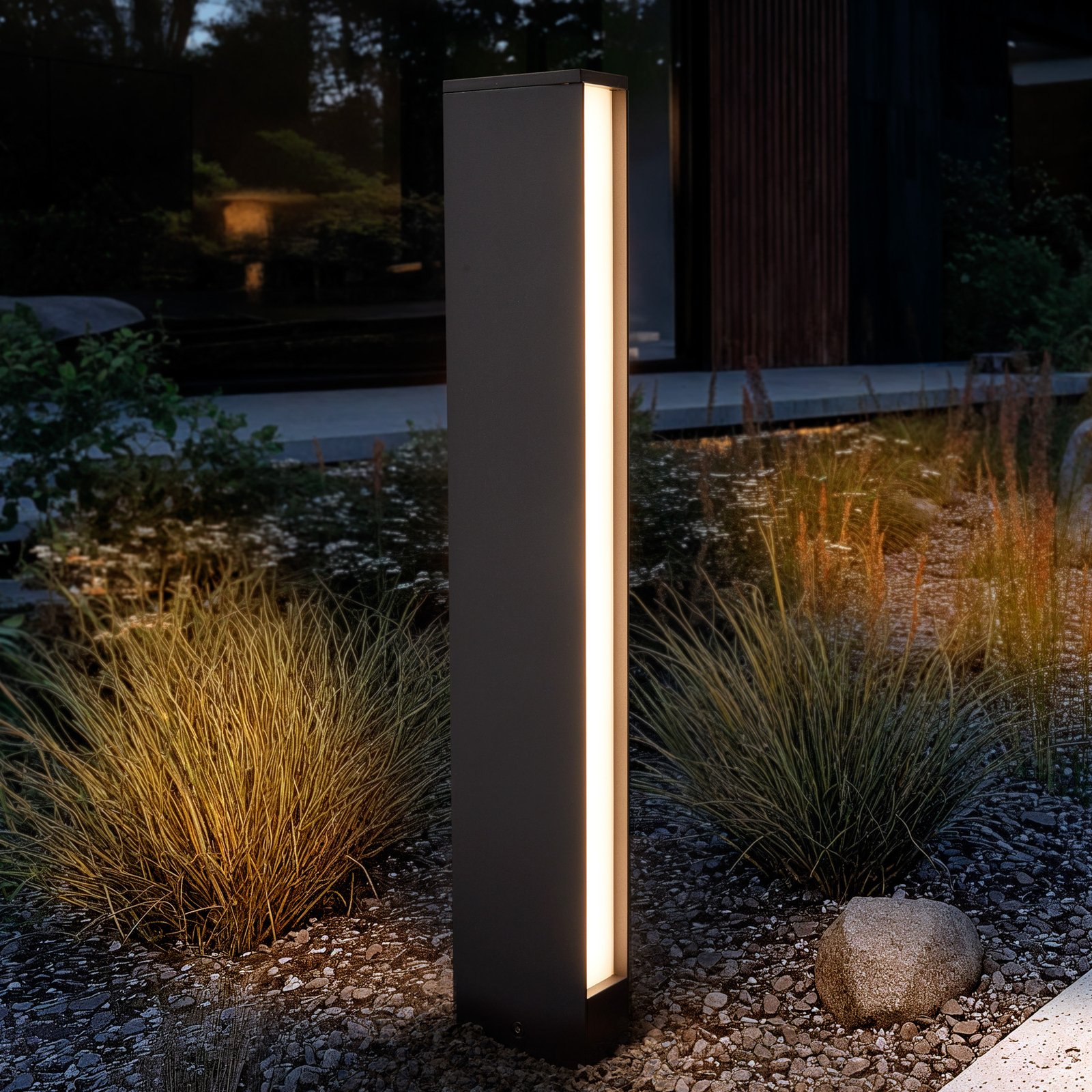
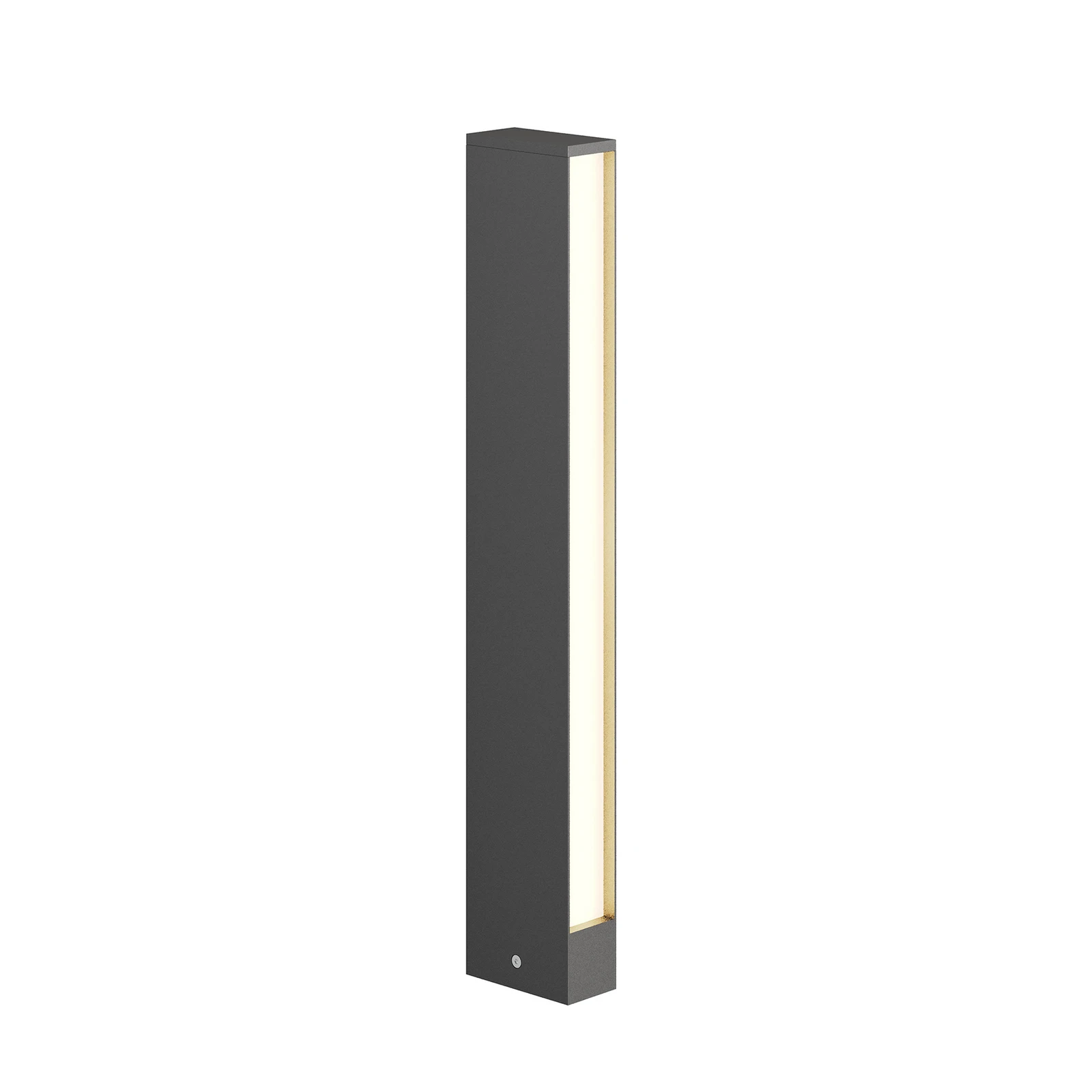
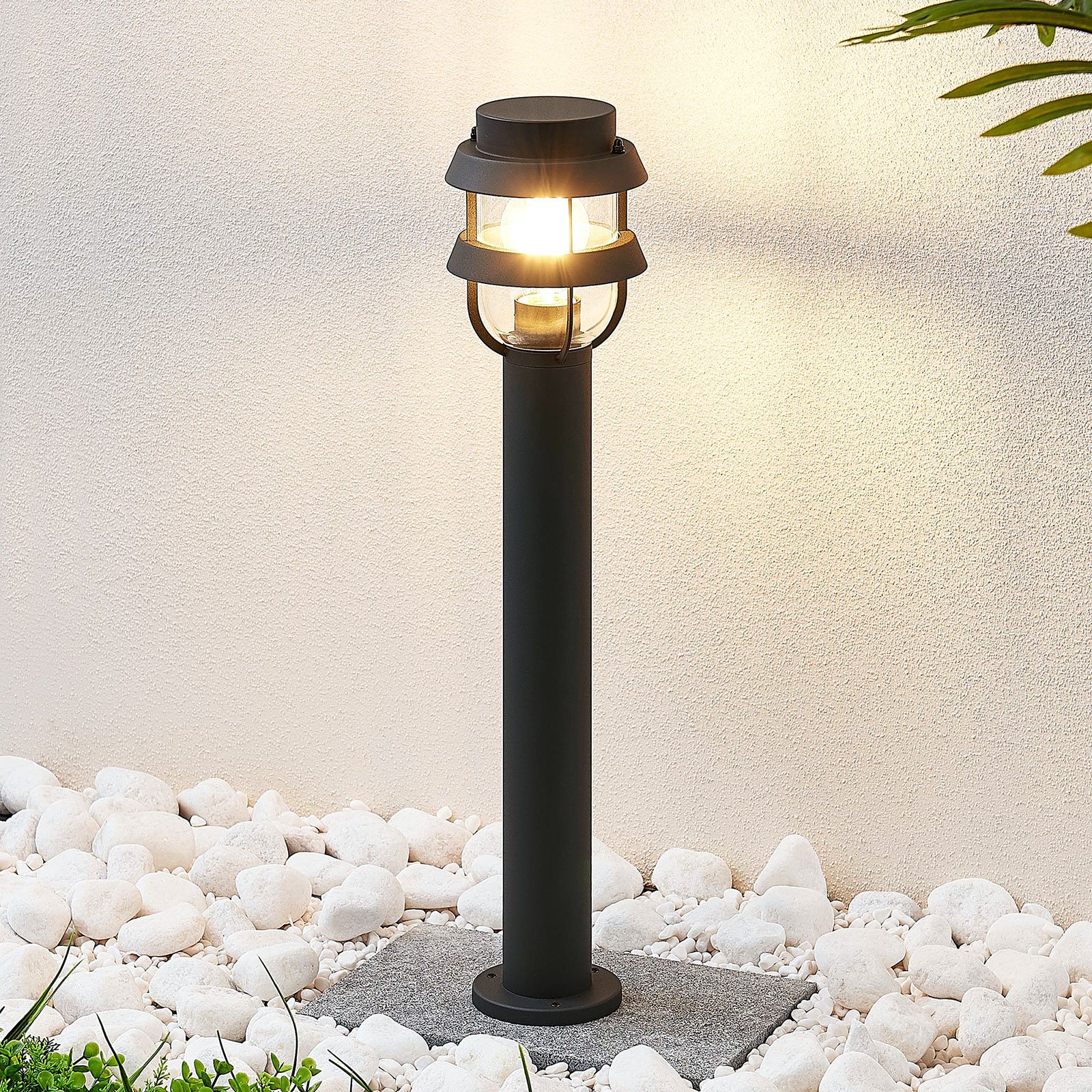
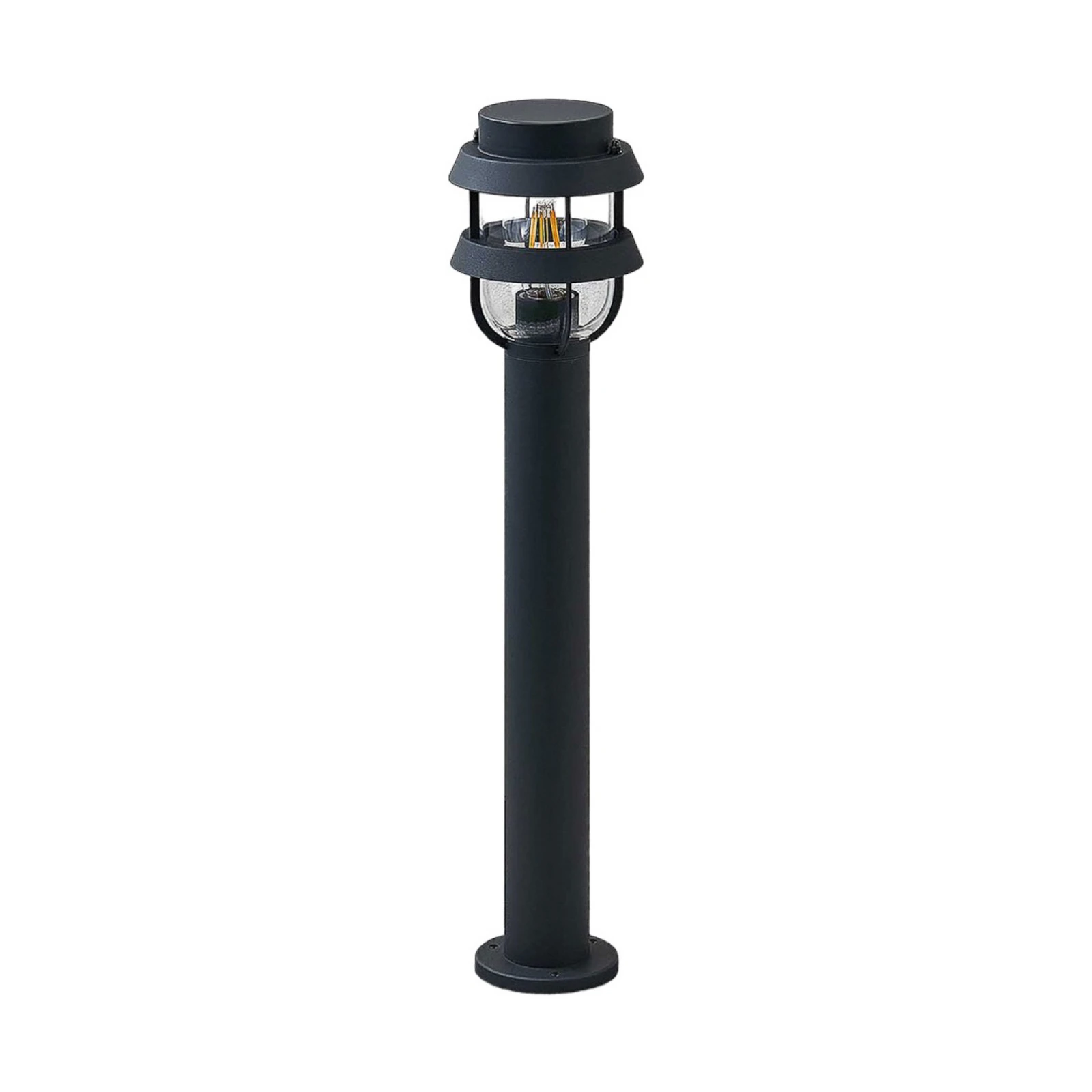
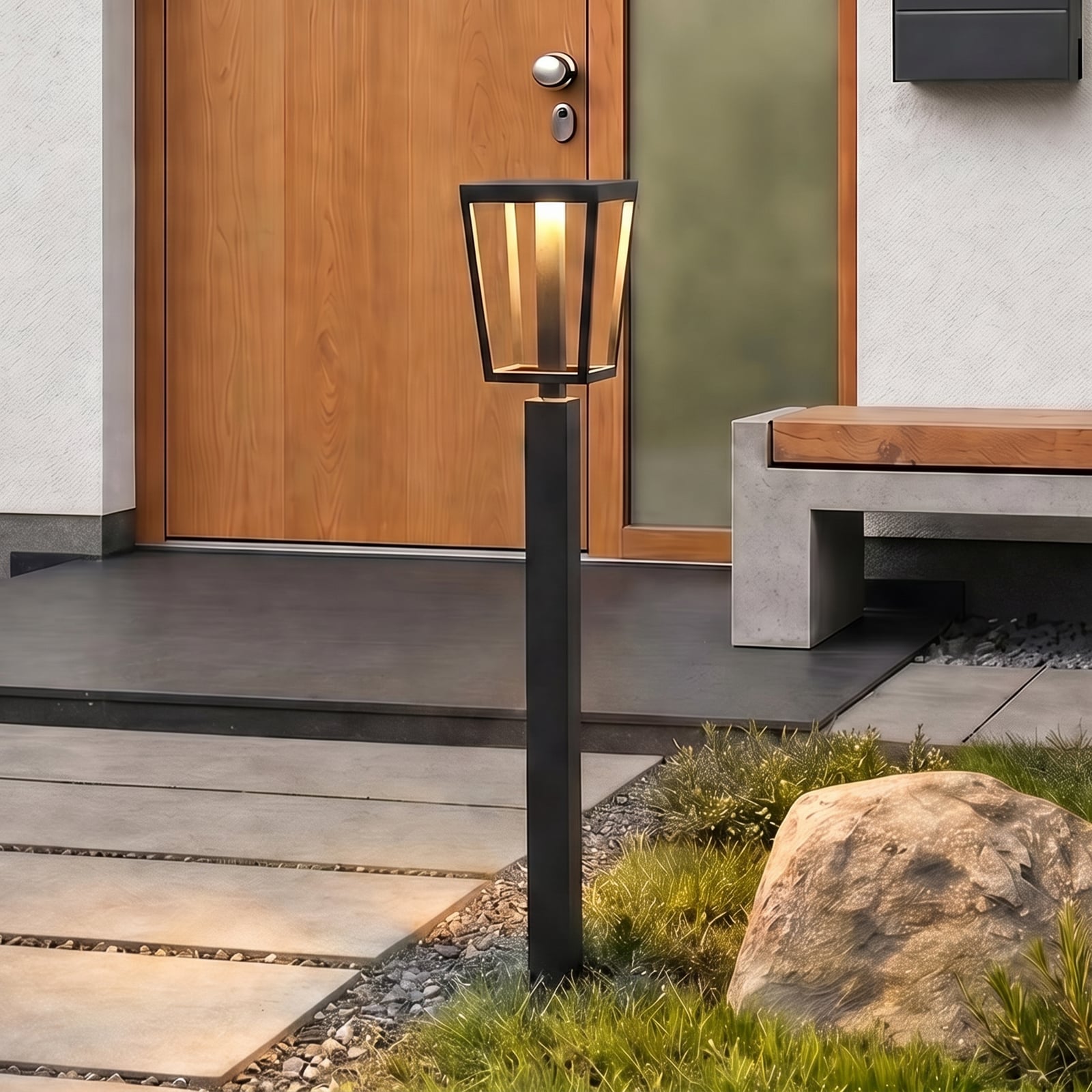
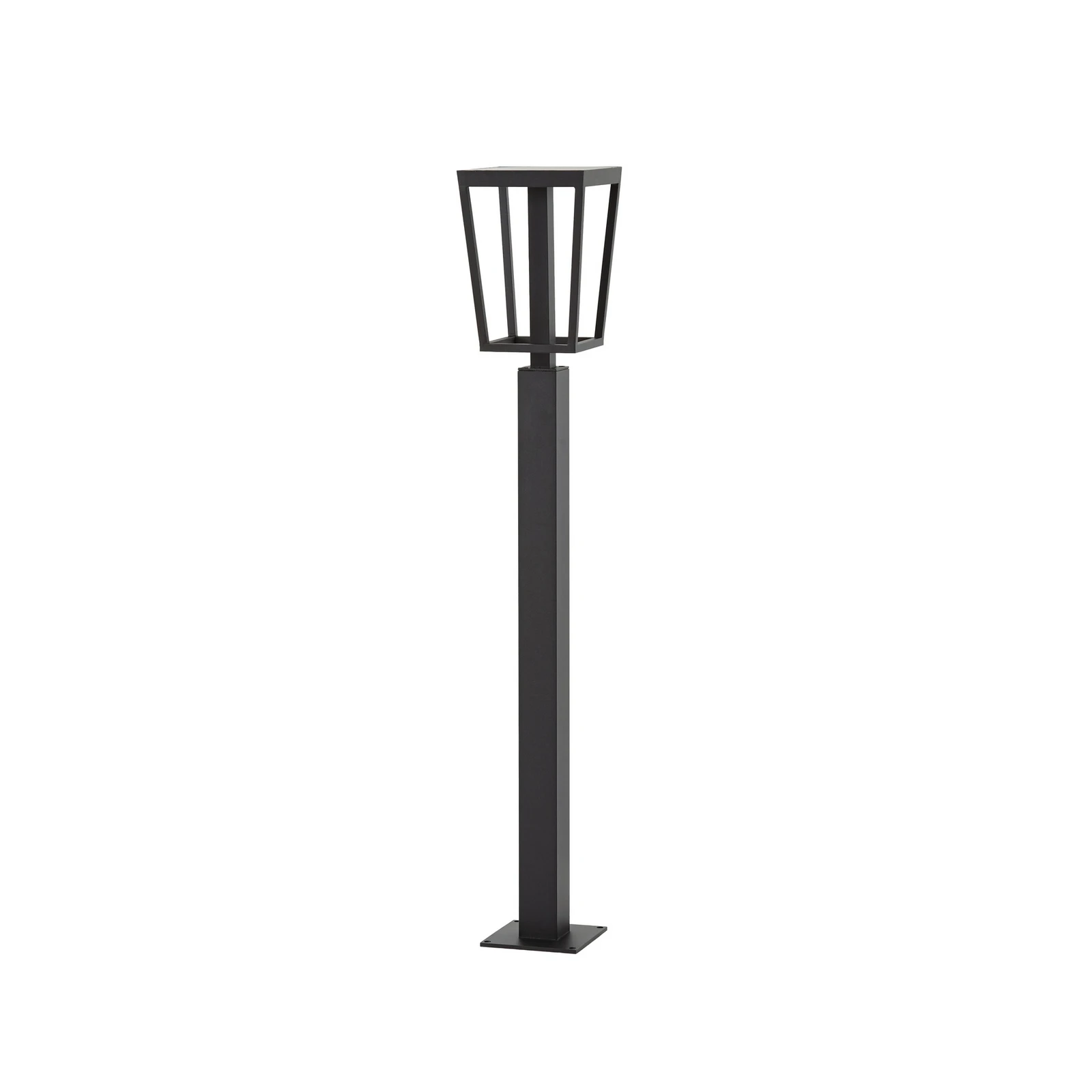
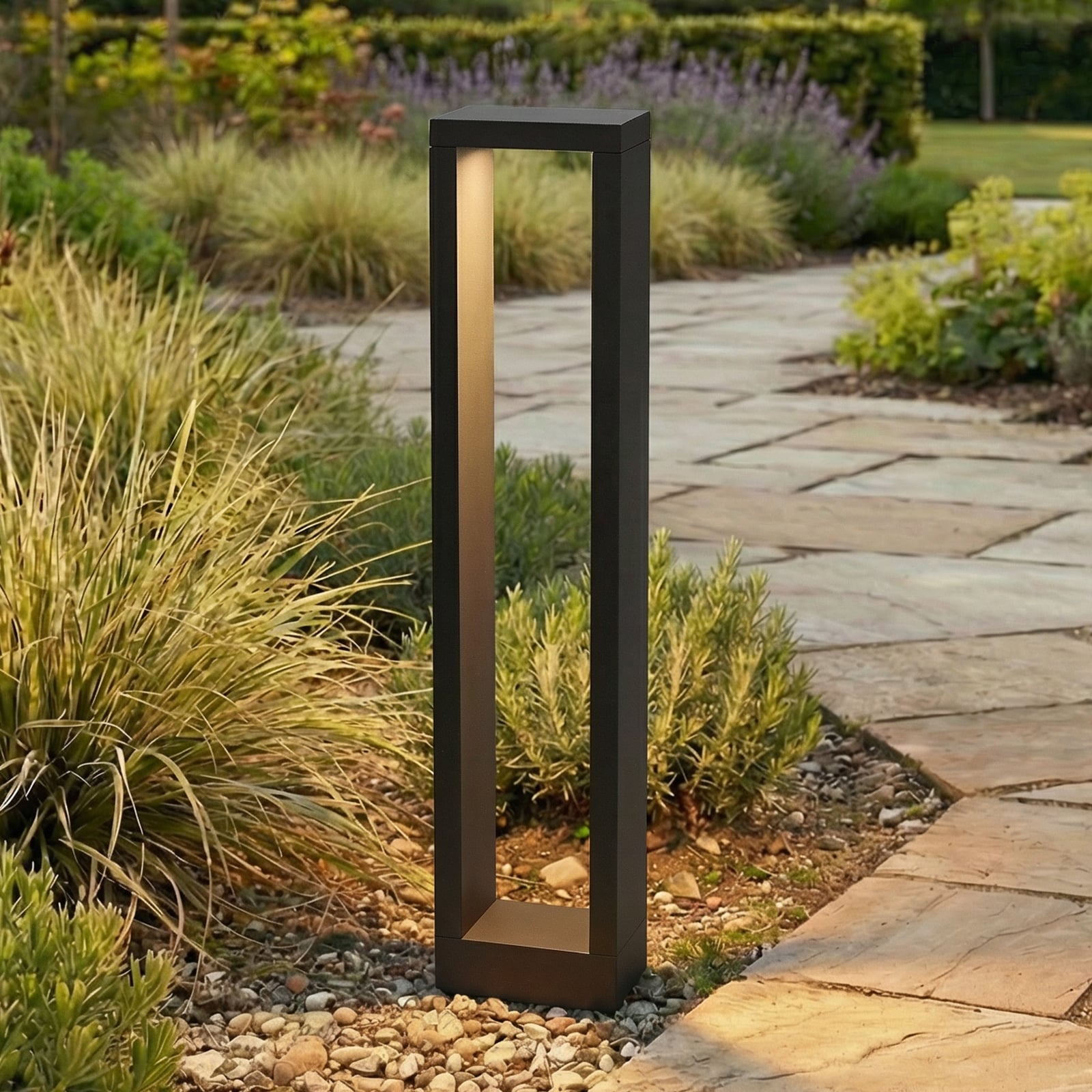
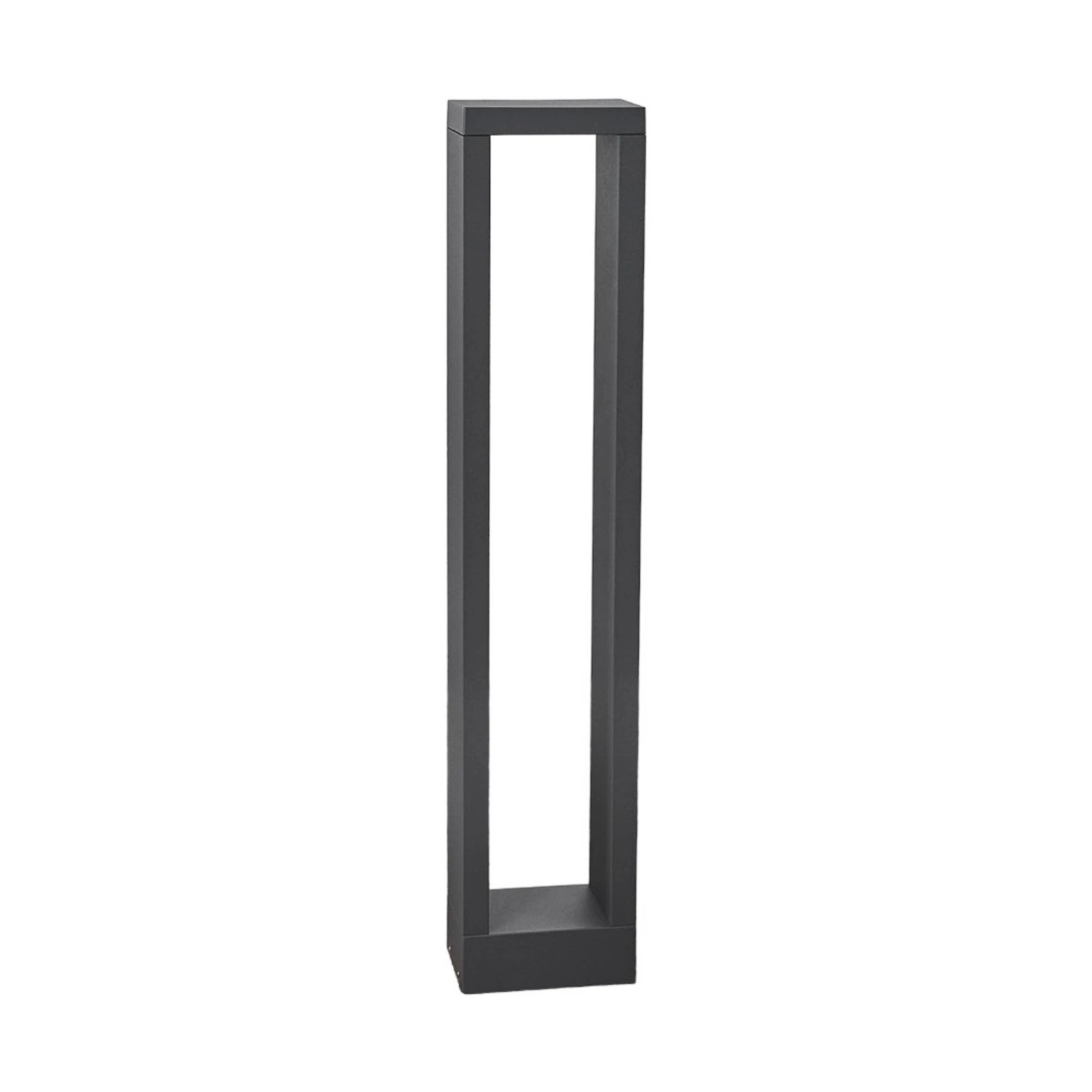
A bollard light is installed as a freestanding unit and usually directs light onto the path from a medium height. This makes it well suited to driveways, straight garden paths or areas where the light remains a visible part of the outdoor space even during the day. Bollard lights create a neat, orderly look when several models are spaced at regular intervals and the path follows a clear line. Rounded shapes go well with soft flowerbed edging, whilst angular housings complement modern paved areas or linear architecture.
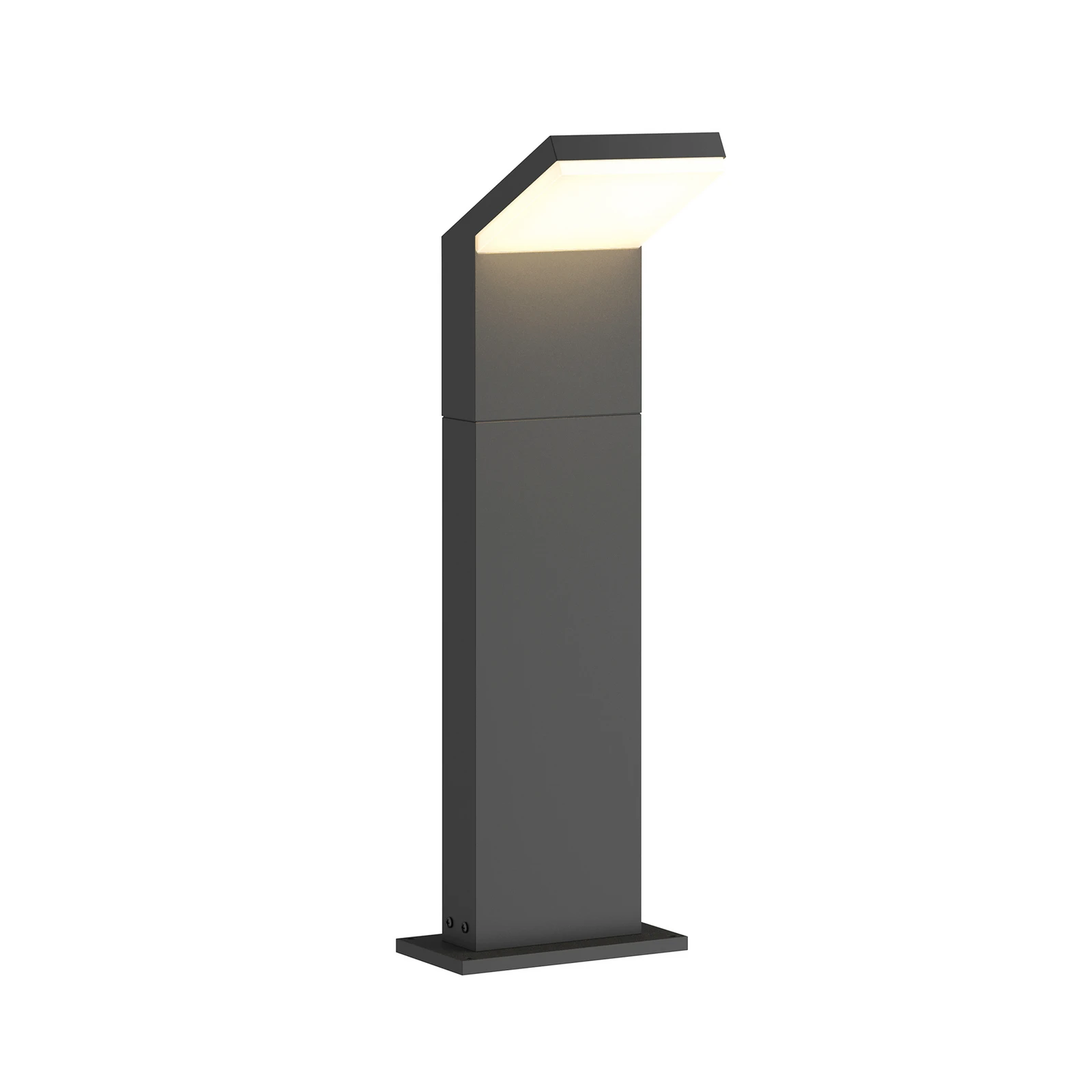
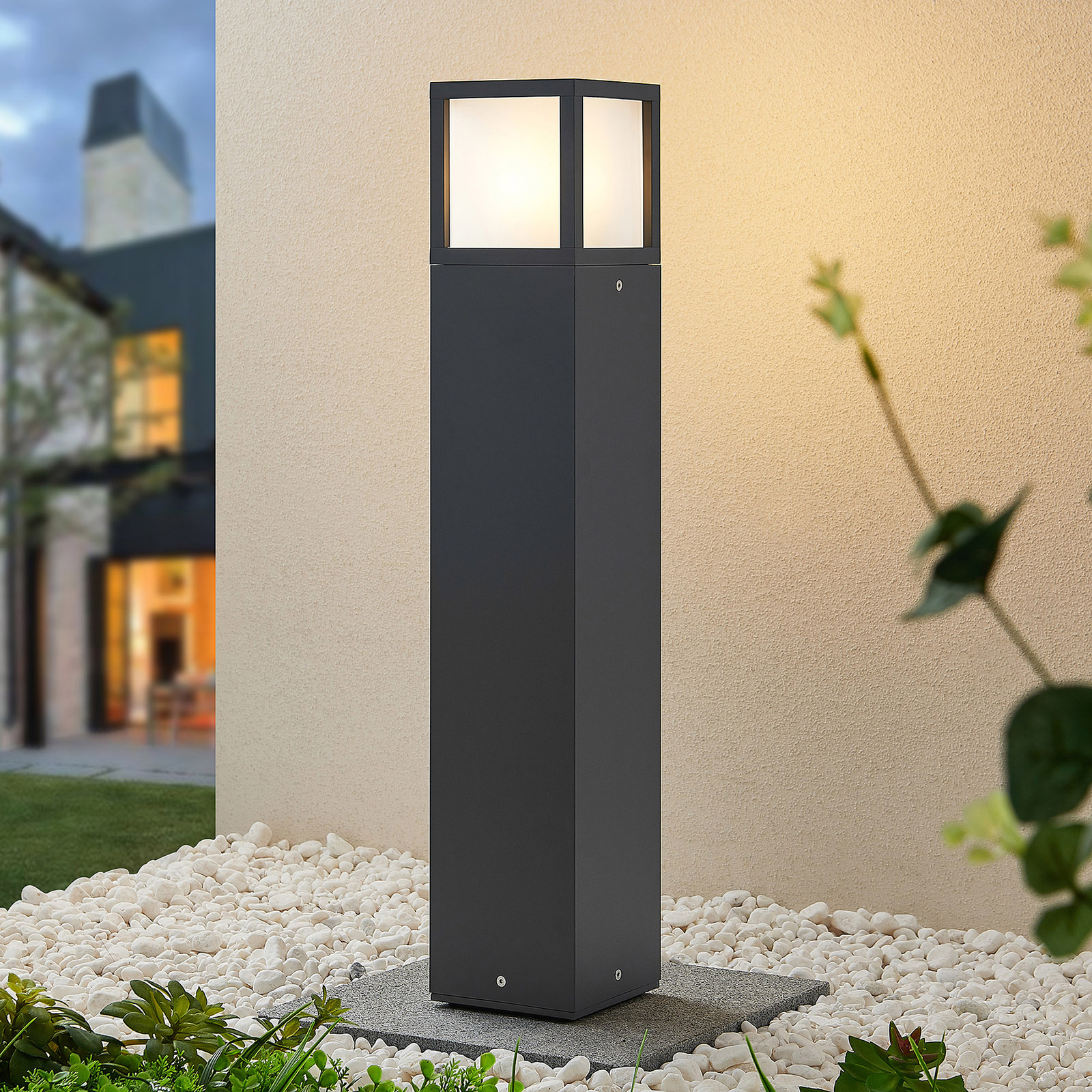
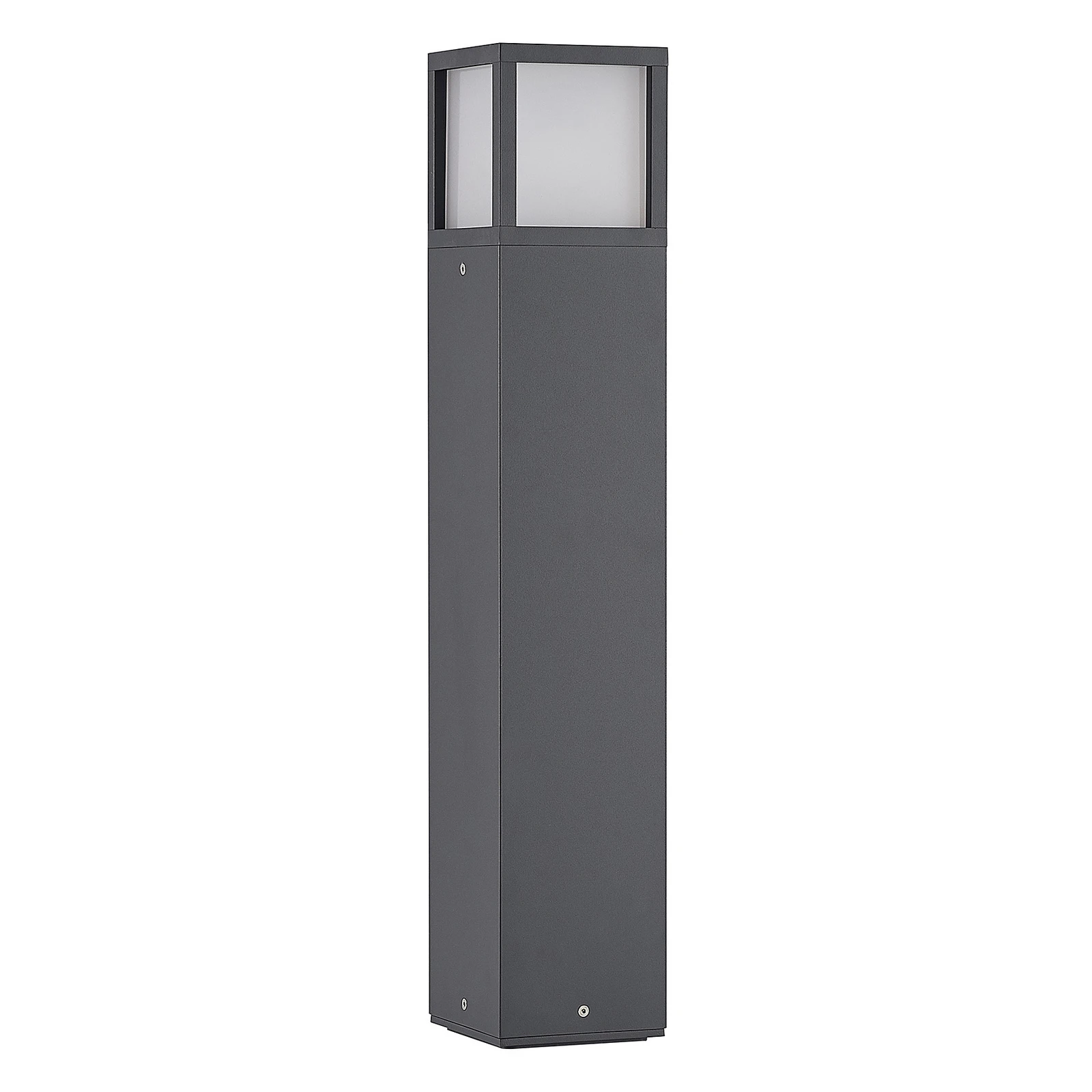
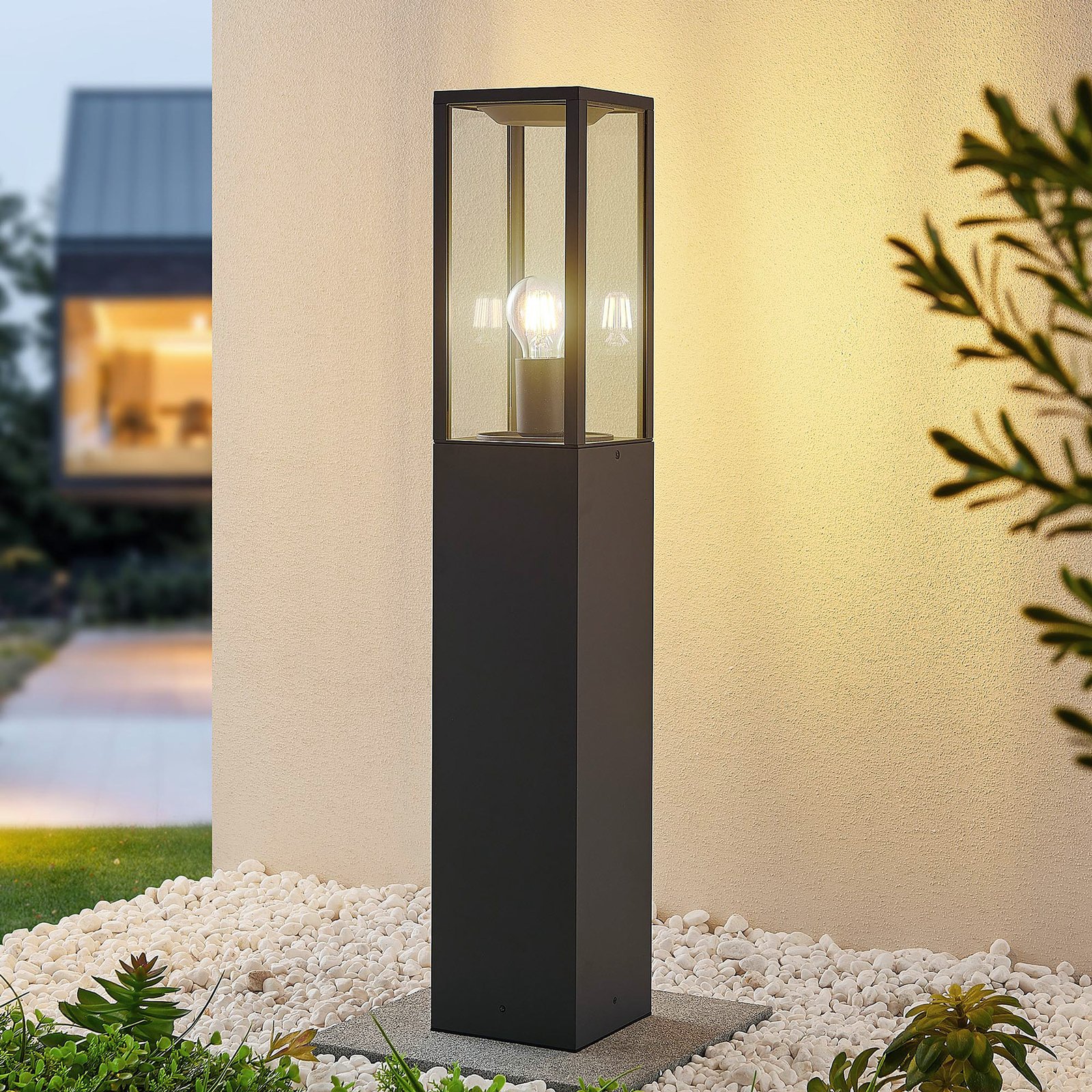
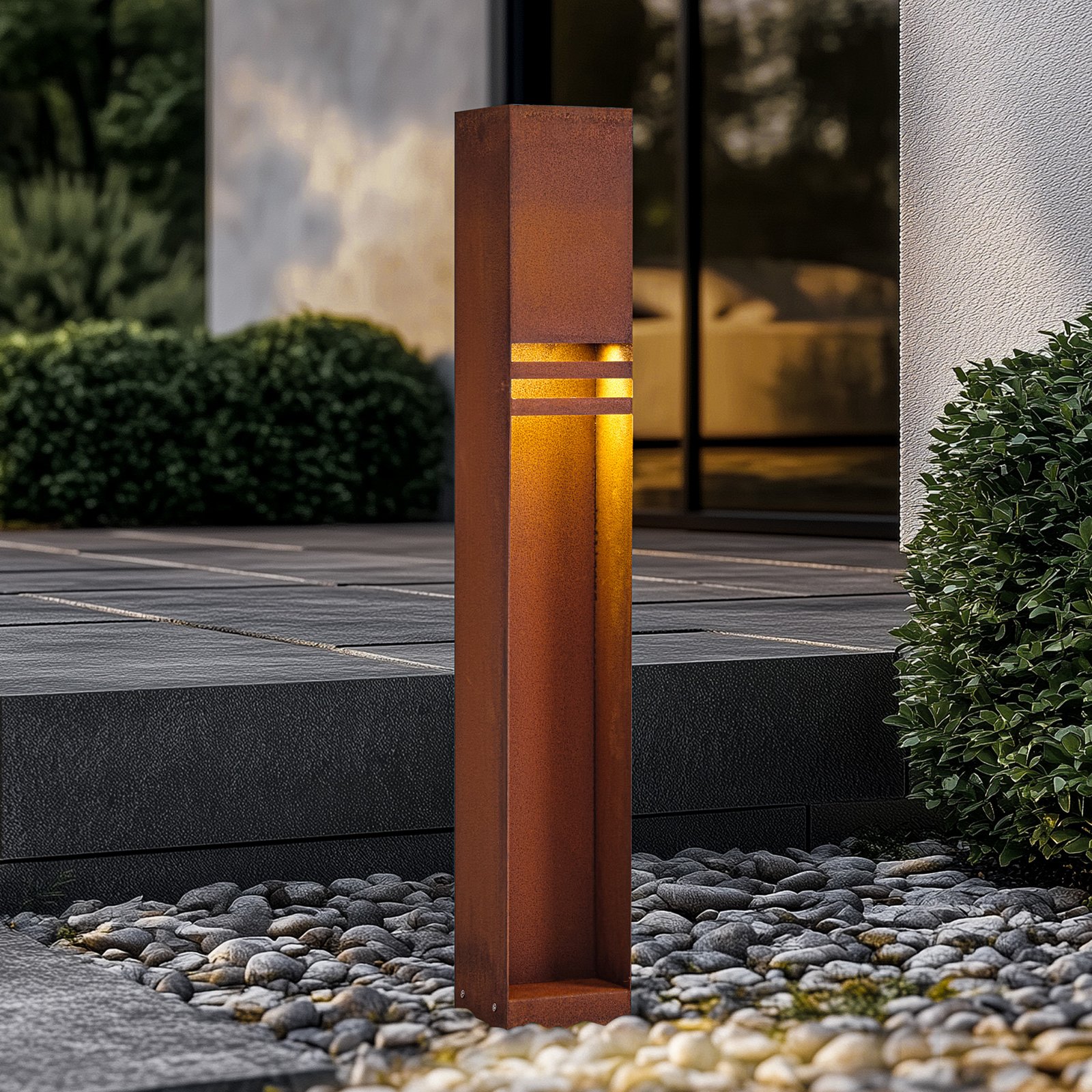
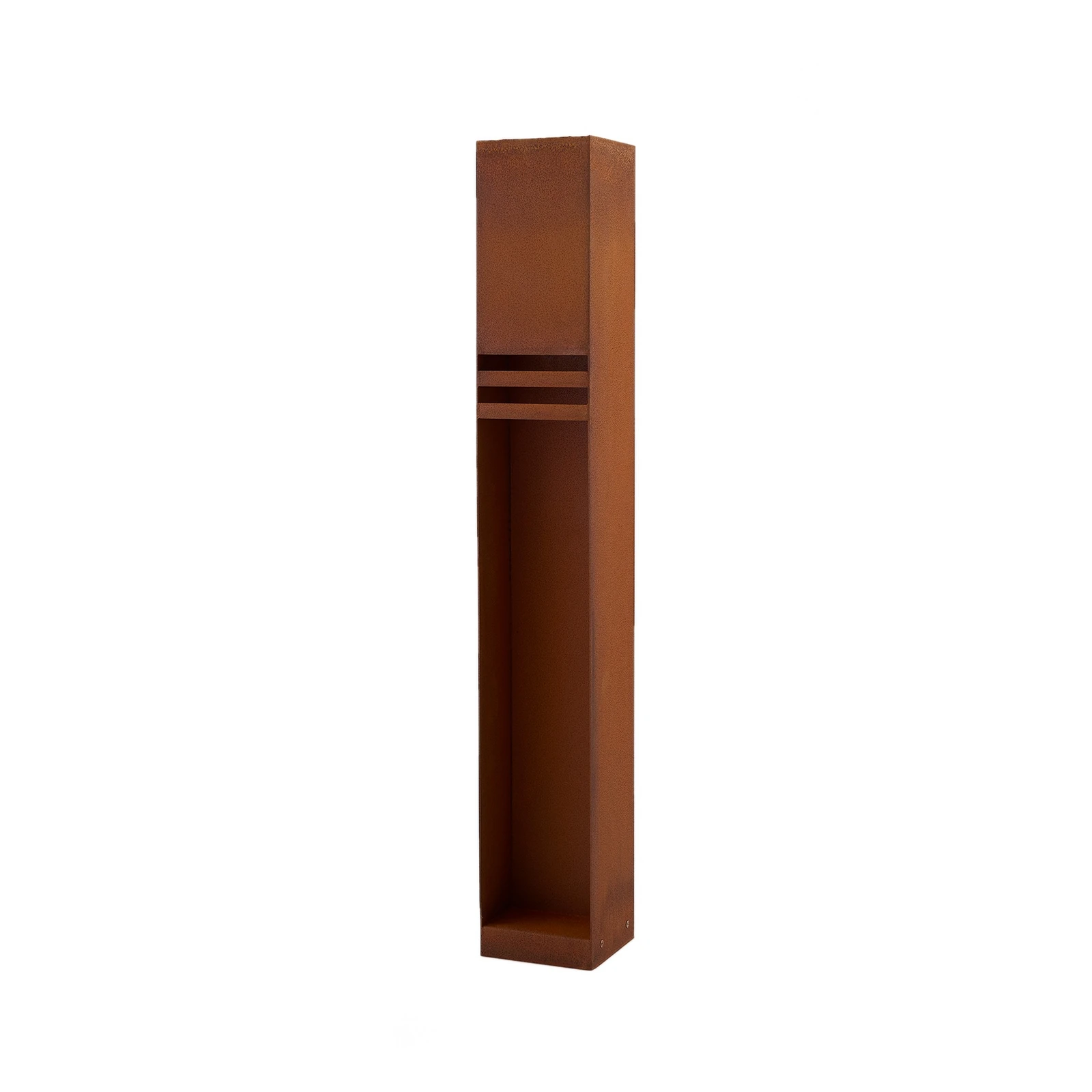
Pillar lights are lower in height and are often mounted on walls, plinths or solid foundations. They are suitable for stair landings, low barriers or short paths close to the house. If you want to light up paths without installing tall lights in your garden, you can opt for a more low-profile solution with pillar lights. Garden bollard lights are more eye-catching and, on larger plots, help you to make out the course of a path from some distance away. Both types of structure should be positioned so that doors, garden tools or vehicles do not collide with them.
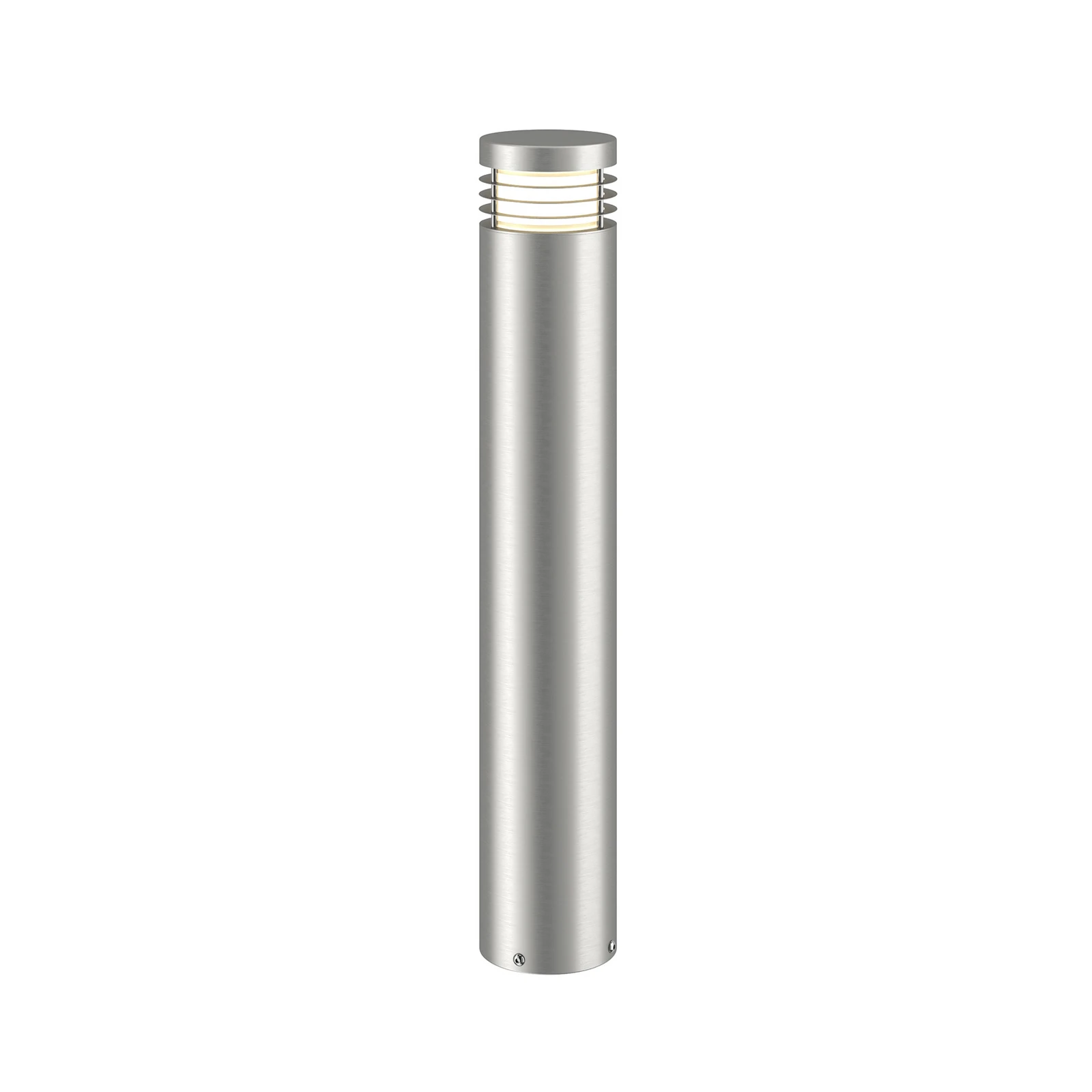
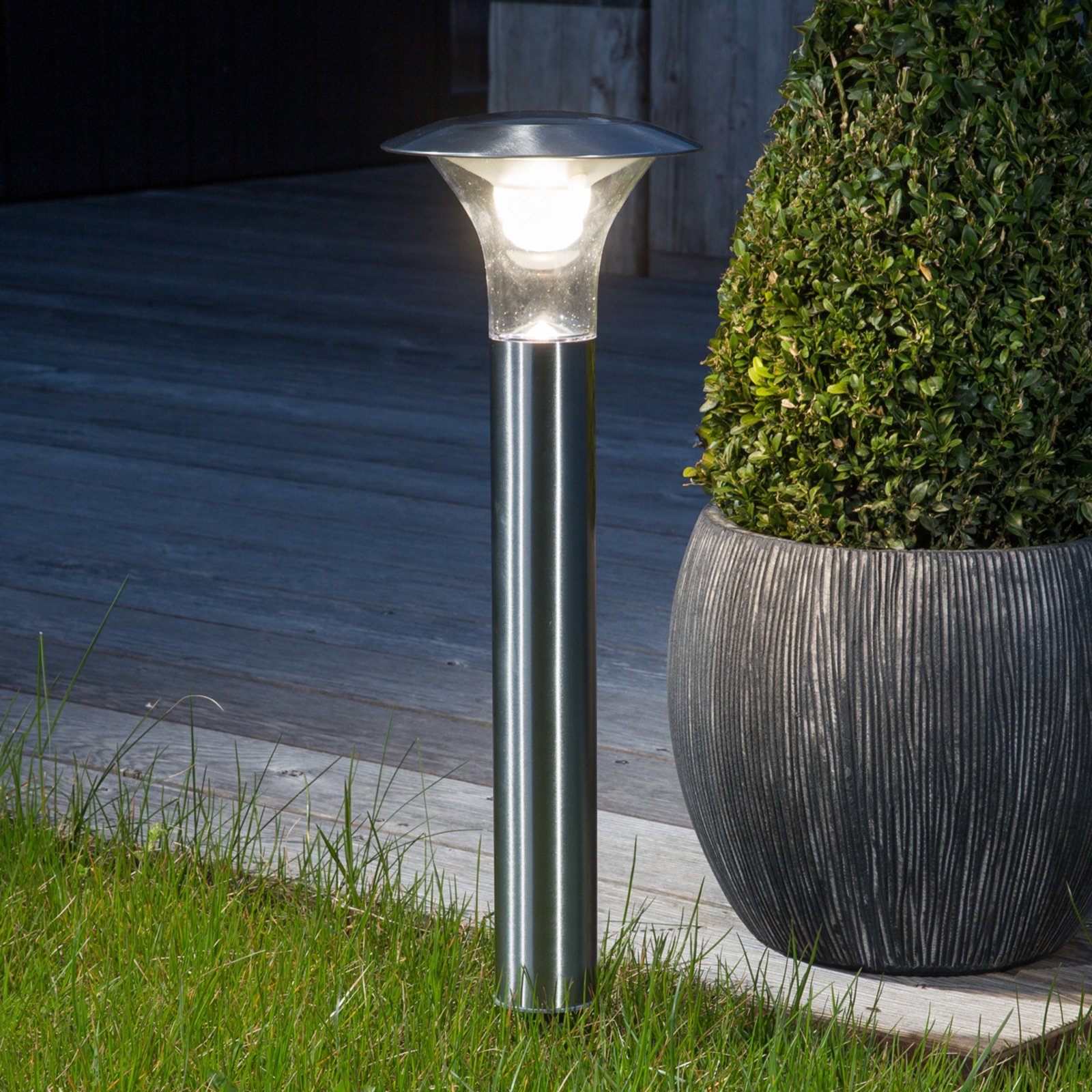
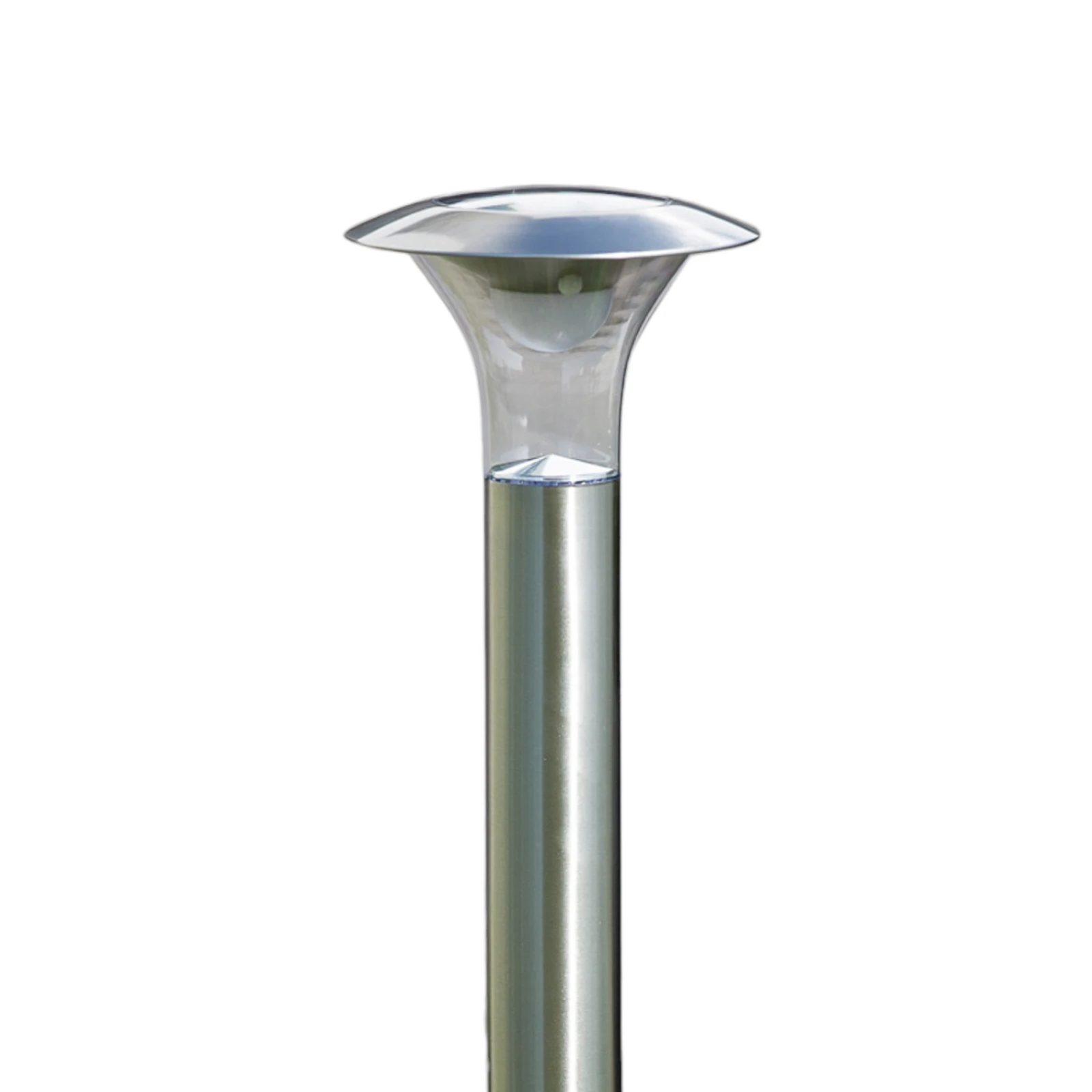
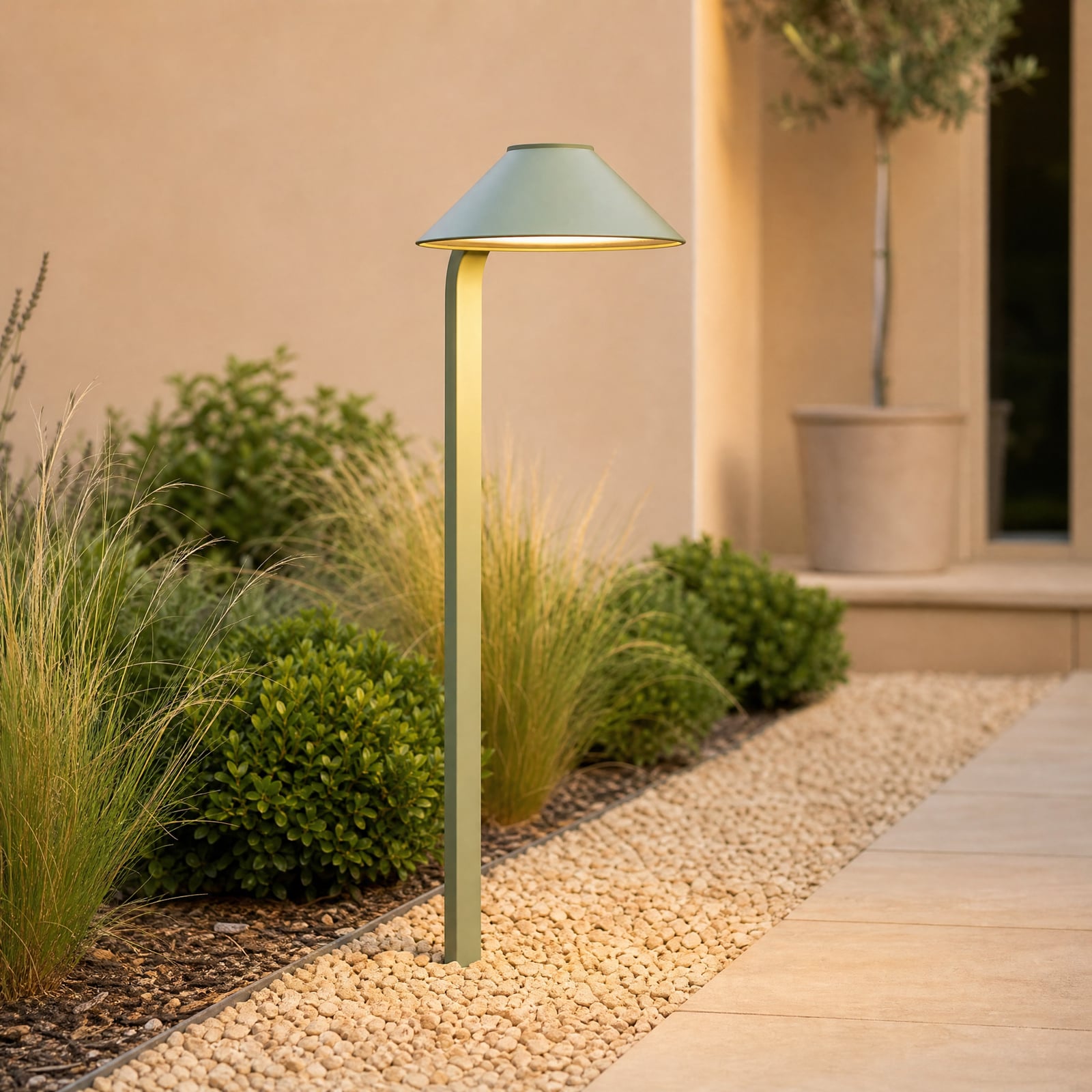
Path lighting in the garden should blend in with the surroundings, as the lights remain visible even during the day. Anthracite blends discreetly into modern façades, dark window frames and grey paving stones. Stainless steel has a brighter appearance and goes well with railings, letterboxes or door handles made of a similar material. Aluminium comes in many shapes and colours, whilst plastic can be a practical solution for simple outdoor lights. Glass influences the effect of light and plays a part in determining whether the light appears clear, soft or more diffused.
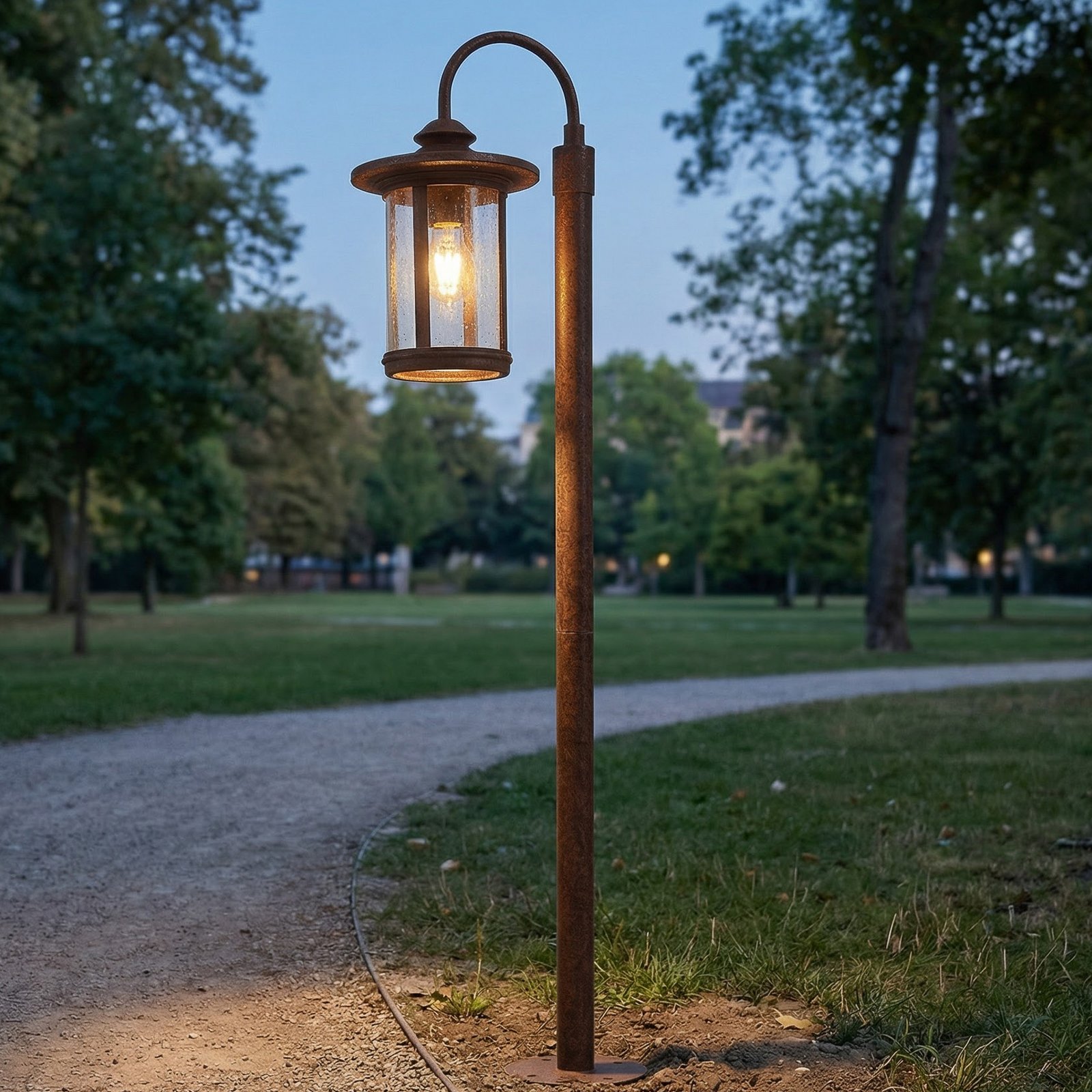
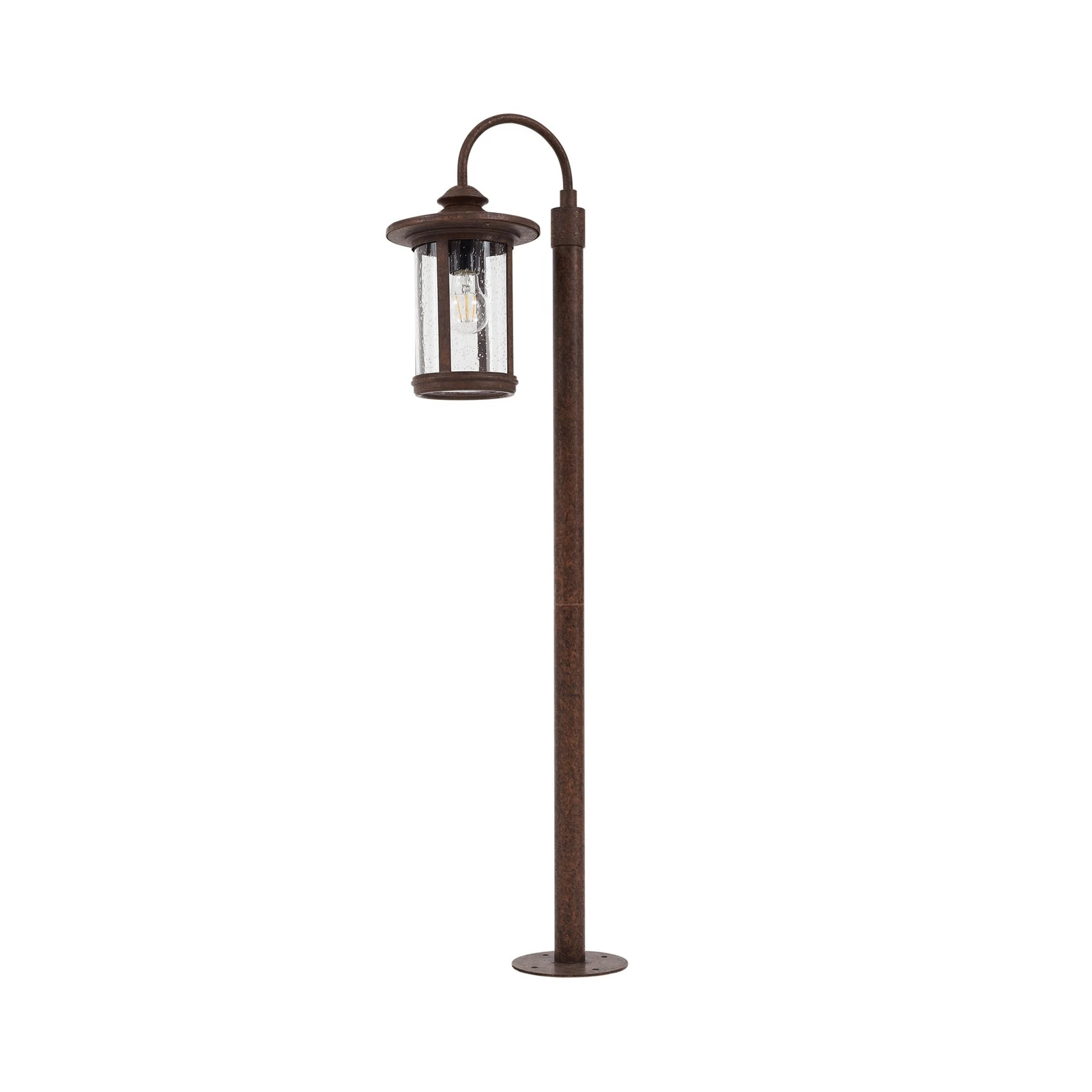
The style of the light also alters the impression the path makes. Modern path lights with clean lines are visually unobtrusive, allowing flowerbeds, lawns or paving to take centre stage. Vintage designs and lantern-style fixtures stand out more and are better suited to classic front entrances, natural stone or gardens with mature plants. Choosing a consistent range of materials and colours helps when wall lights, pillar lights and path lights are used together. This creates a calm overall impression rather than a jarring mix of individual outdoor lights.
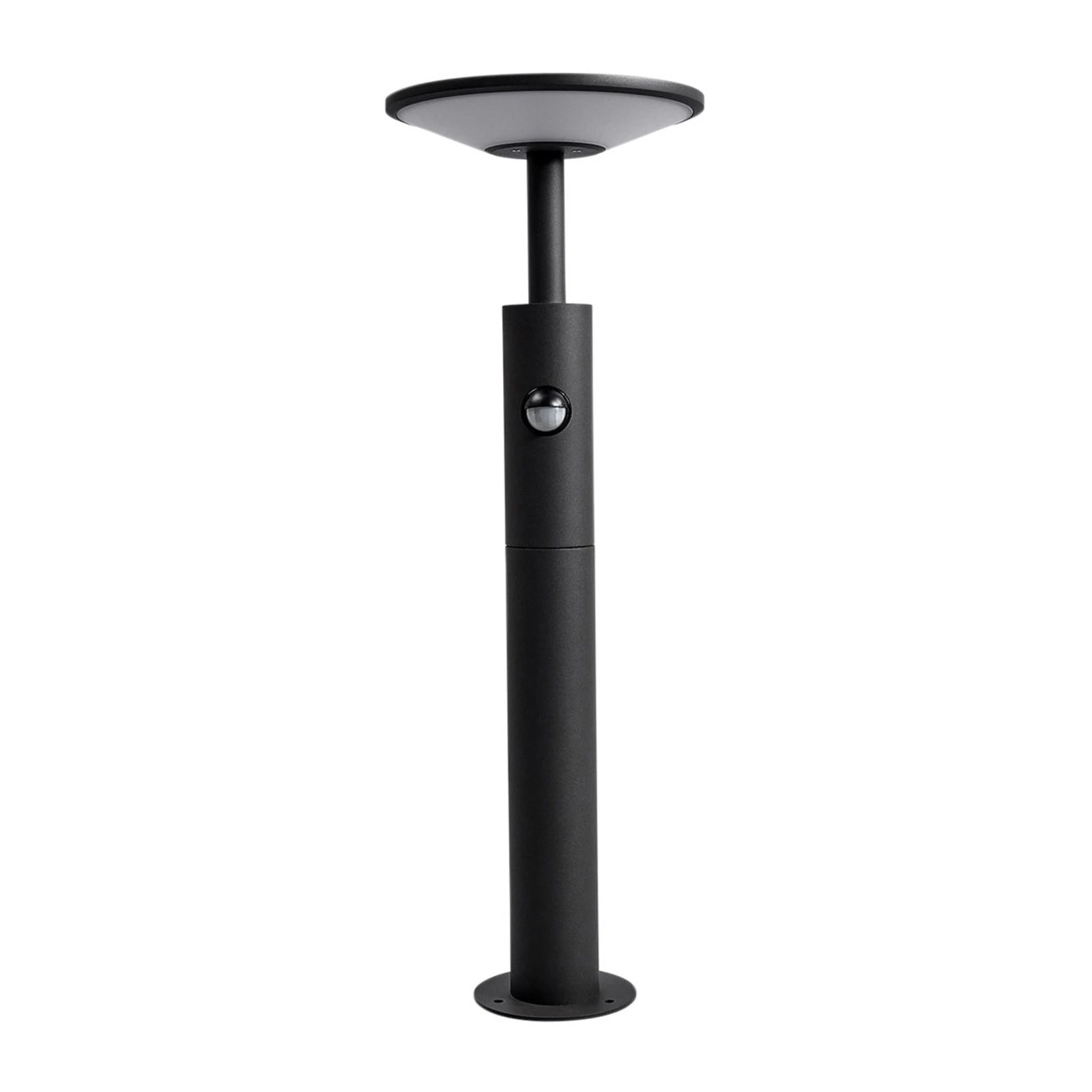
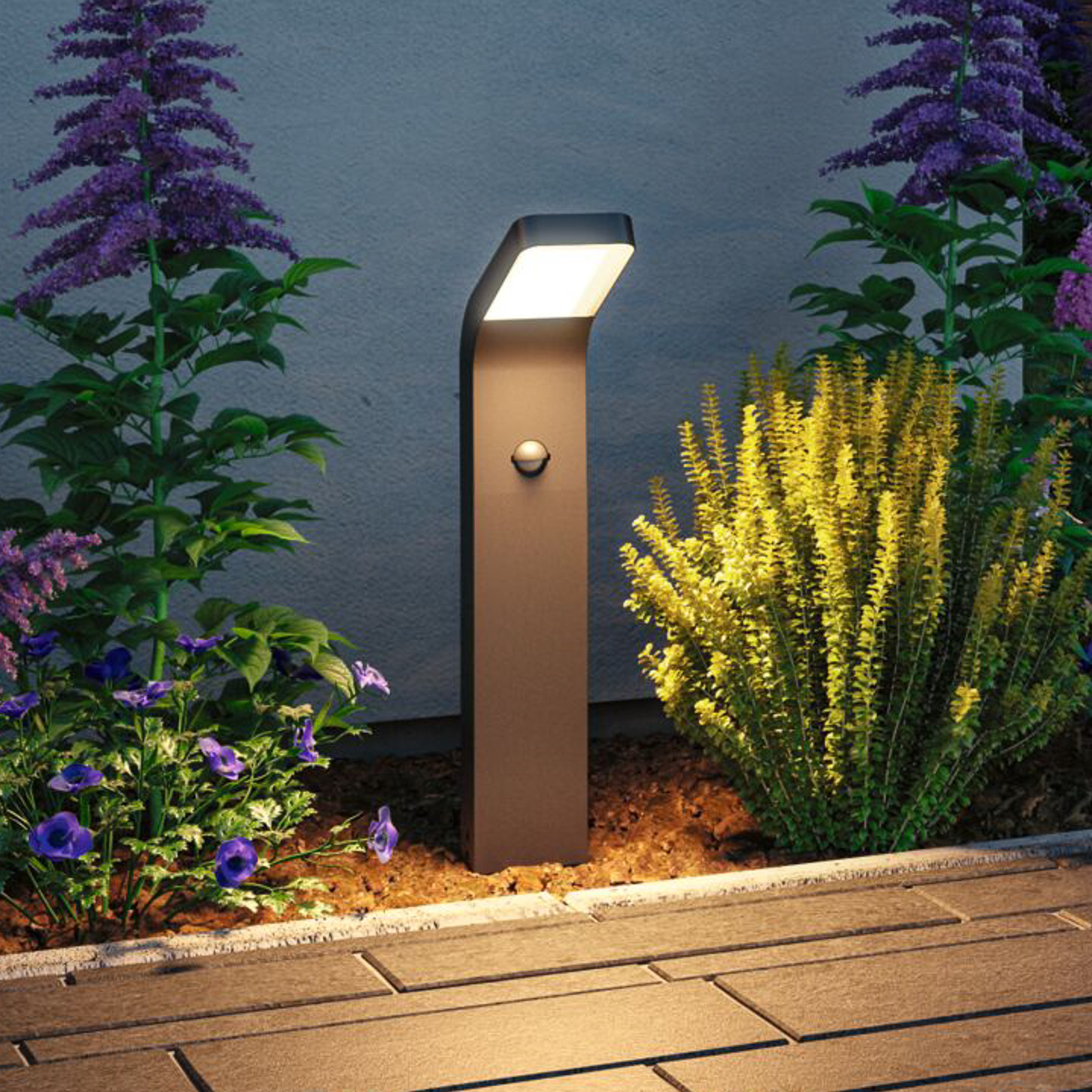
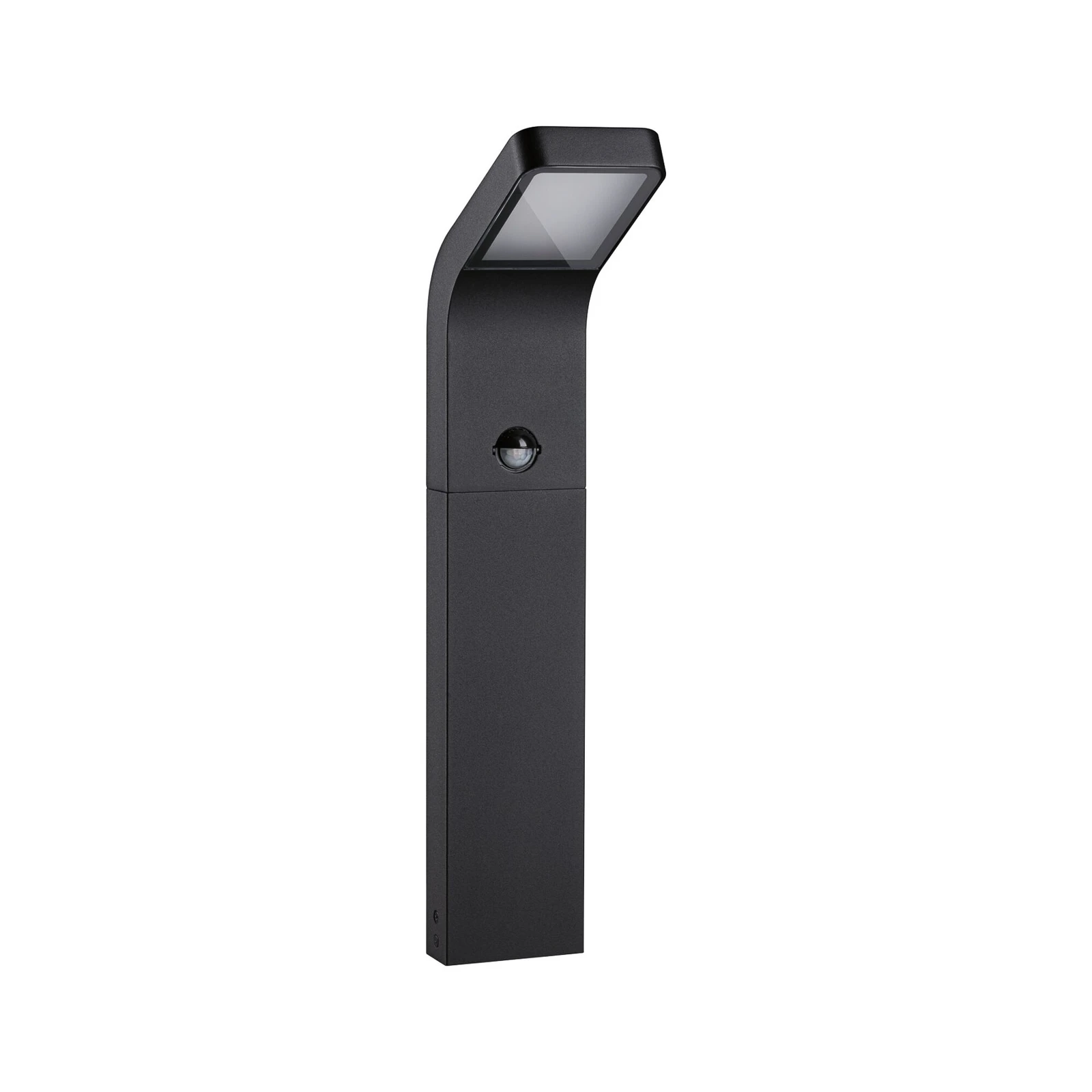
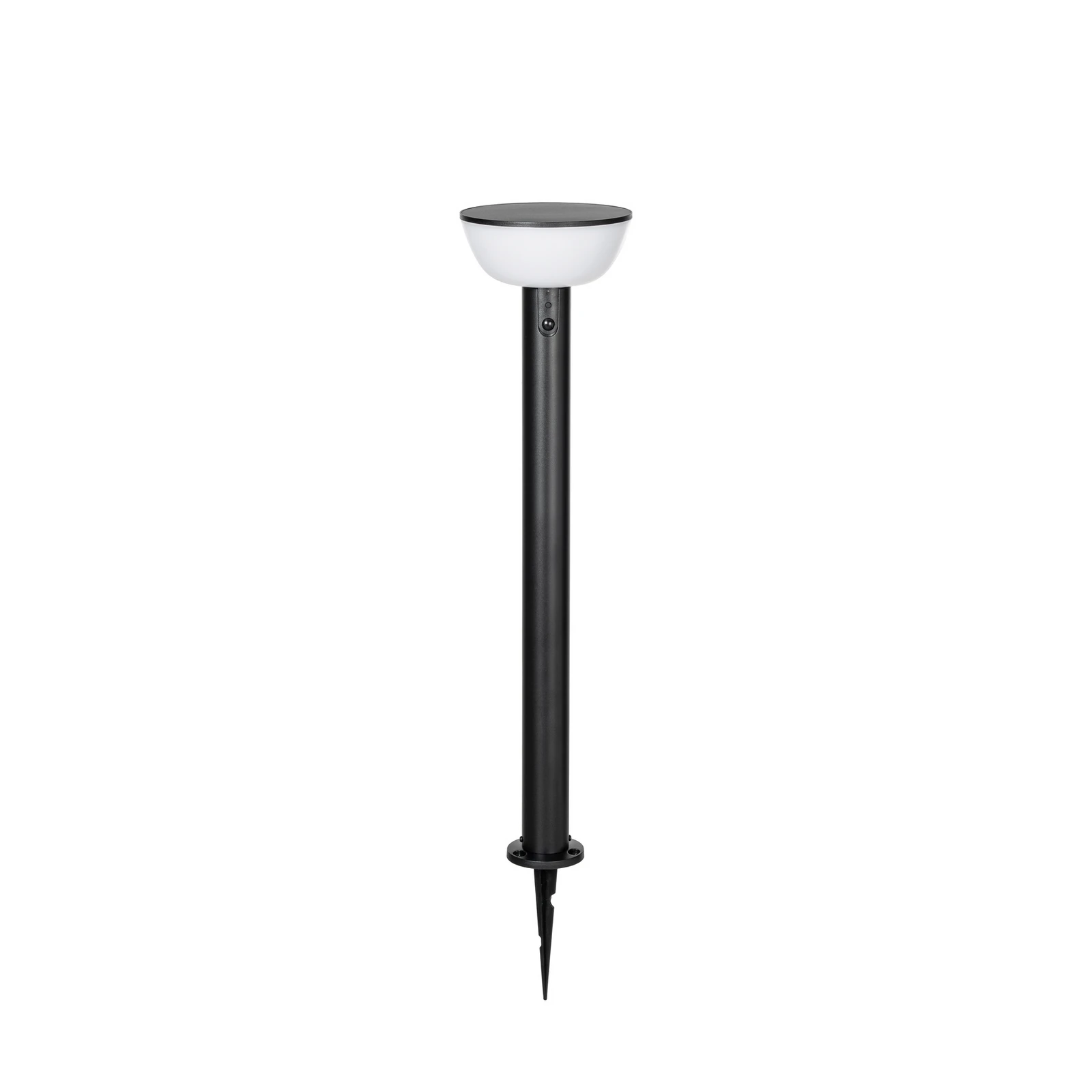
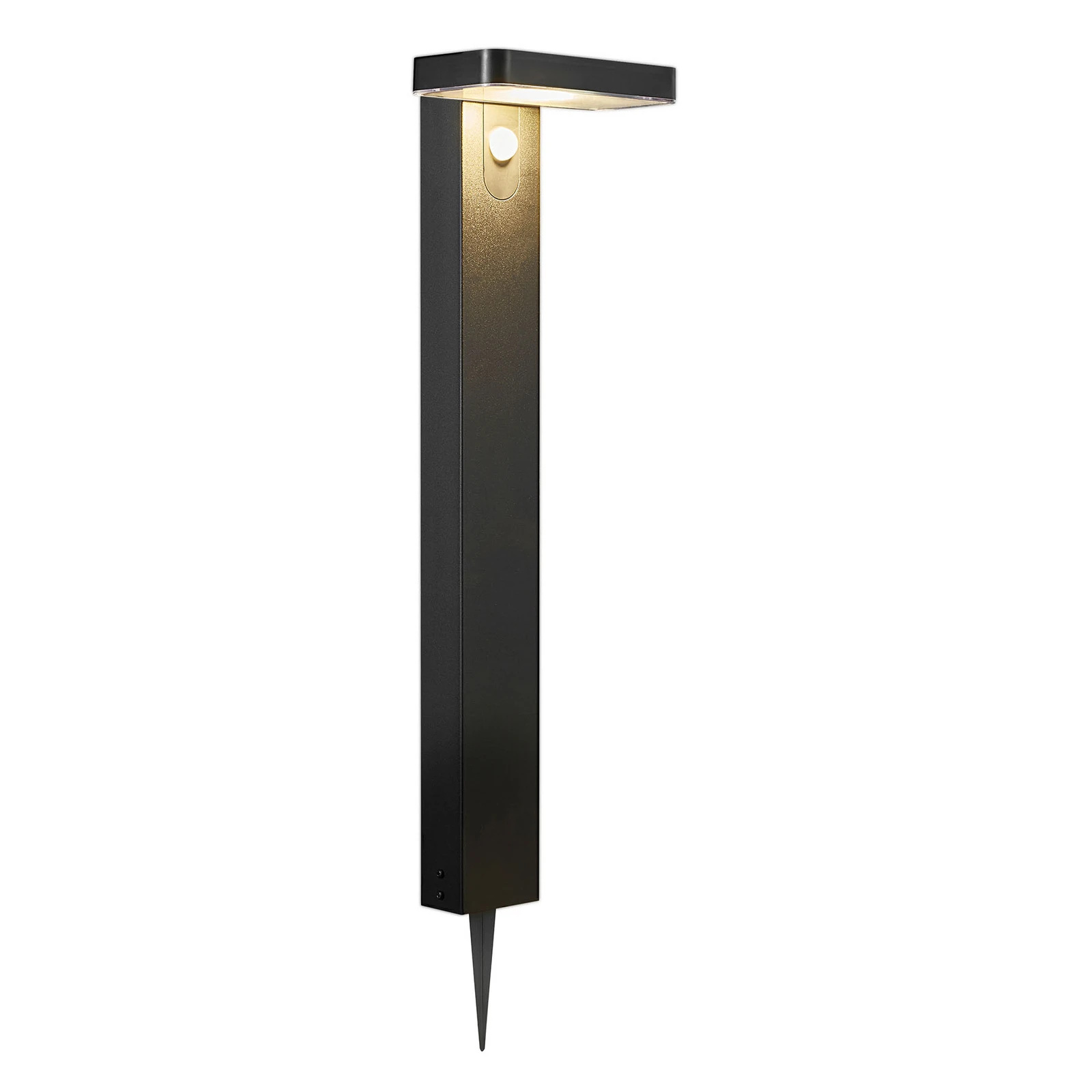
Path lights with motion detectors switch on when someone approaches. This is handy at the front door, by the carport or by the rubbish bins, as the light is only switched on when needed. On paths where there are pets, people walking past or nearby bushes, the sensor should be positioned so that it detects the desired section of the path. Otherwise, the light will come on more often than necessary. Models with adjustable range or operating time help to adapt the detection range and operating time to the specific section of the route.
Solar lights are suitable for garden areas without a mains power supply, provided the location receives sufficient sunlight during the day. They can be arranged flexibly, for example along a flowerbed or beside a footpath. For main routes, staircases and entrances that are used regularly, a fixed power supply offers greater planning certainty, as the lighting can be designed to be permanently available. LED path lights are widely available as solar-powered and mains-powered models, and are available with either a built-in LED module or a replaceable bulb. Smart models may also offer timers, dimming or app control. A central control system is useful if several outdoor lights are to be operated at the same time.
The IP code indicates how well an outdoor light is protected against foreign objects and moisture, and serves as an important criterion when selecting a location for installation. It is important for outdoor lights because rain, splashes, dust and fluctuating temperatures have a constant effect on the housing, socket and connections. An outdoor path light should therefore be suitable for exposure to rain, the location and the method of fixing. Under a roof overhang, the light is less exposed to direct rain than on an open garden path, where rain and wind hit the light directly.
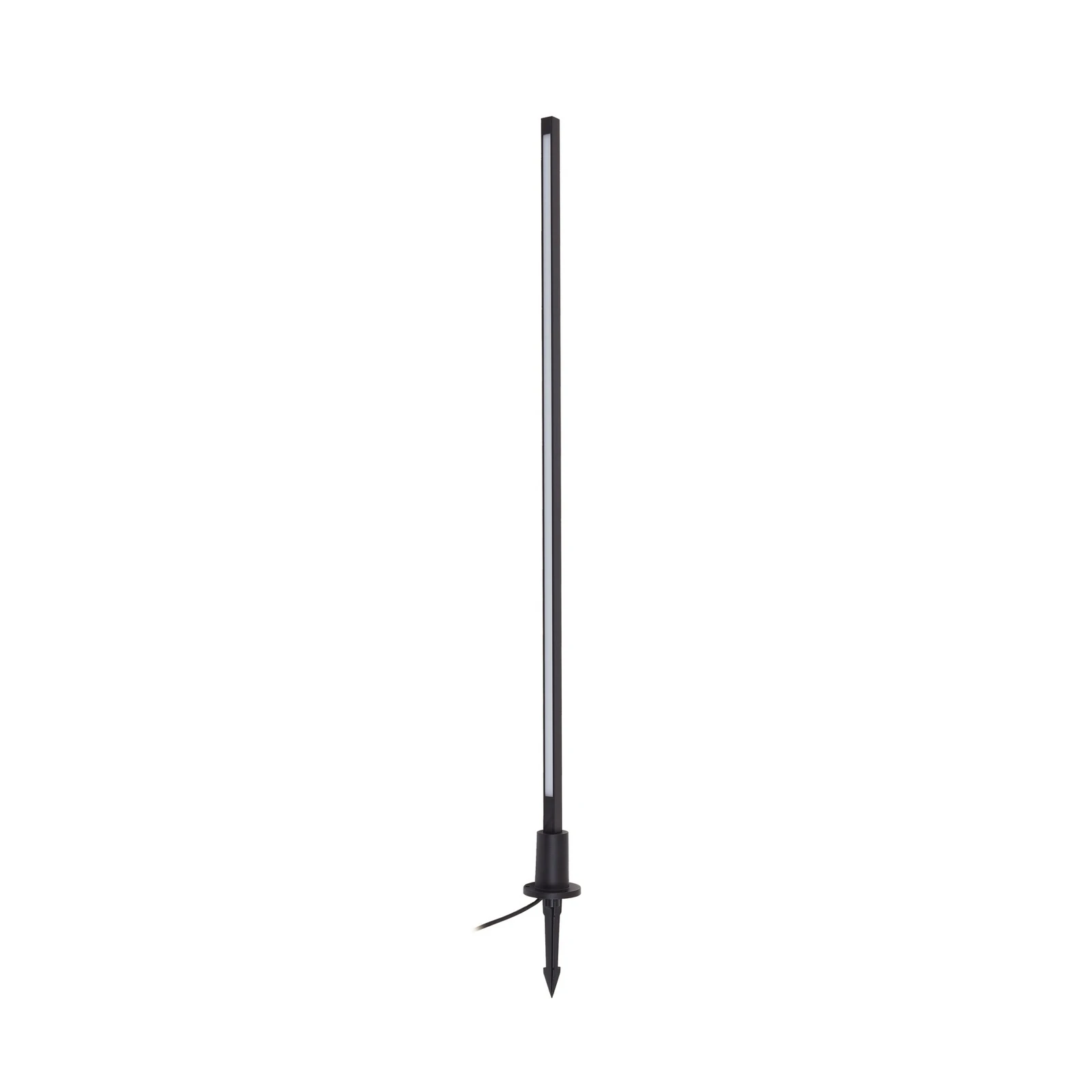
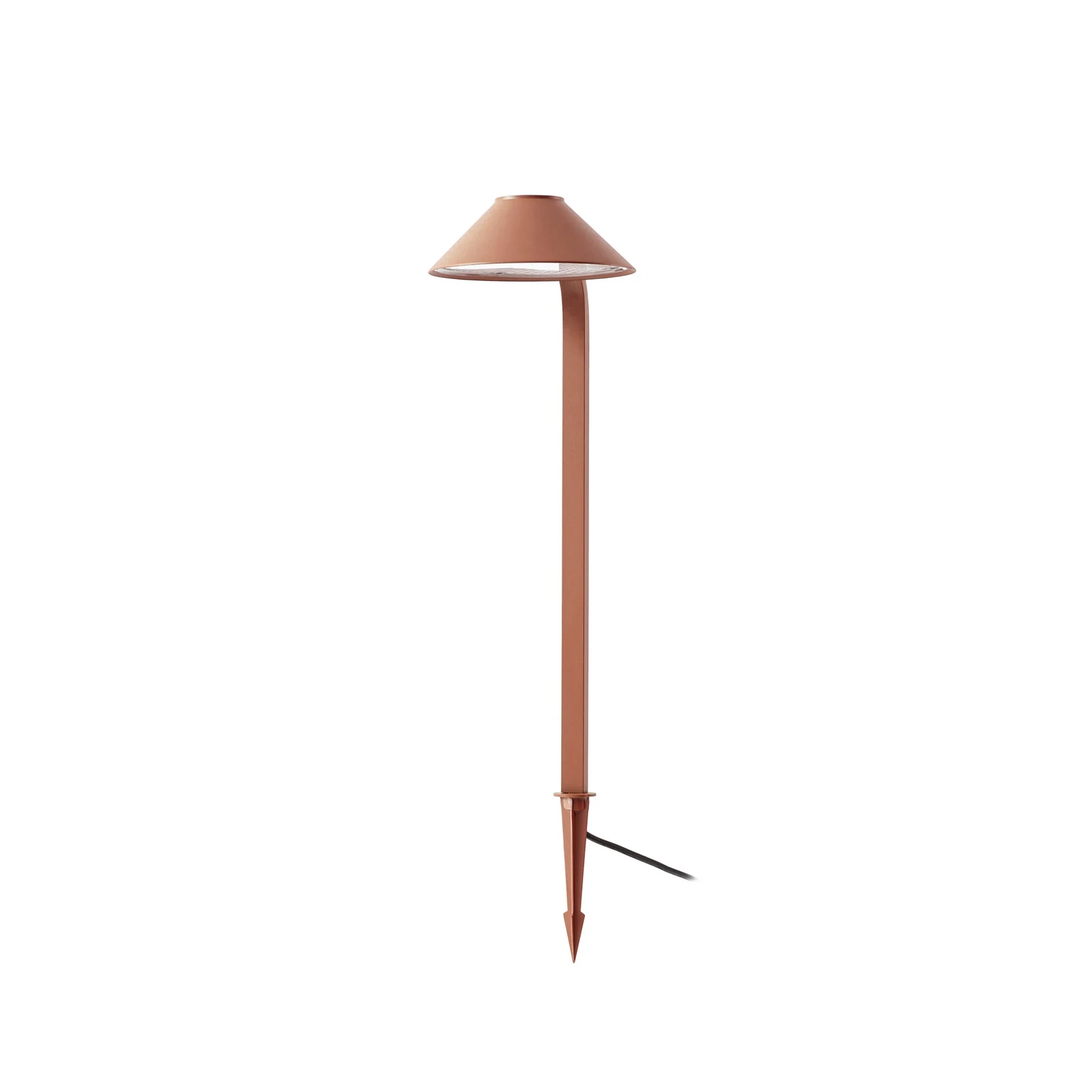
The type of mounting also determines whether a path light is permanently fixed in place or can be moved around as required. Permanently installed models require a stable base to ensure they remain secure in windy conditions, when coming into contact with garden tools, or when touched. Lights with ground spikes are easier to reposition and are ideal for flowerbeds or garden areas that change with the seasons. For electric models, the cable routing should be planned at an early stage so that paths, lawns and paving do not have to be dug up again later. A light with a socket can provide power for additional garden tools or outdoor lights on the patio or in the seating area. On the open stretch of path between the driveway and the front door, the most important factors are a secure footing, protected connections and a suitable IP code.
The strike-through prices correspond to the manufacturer's RRP.
All prices include 20% VAT, delivery costs excluded.
:format(jpeg) "Lucande Outdoor")
:format(jpeg) "House Entrance")
:format(jpeg) "Outdoor Inspiration")