






























)
Lamps featuring interplay of light and shadow
Decorative table lamps for the homeA shadow lamp projects fascinating patterns, shapes and light images onto walls and ceilings. Stylish lampshades in a variety of materials and styles, combined with tasteful perforated patterns and carefully directed light, create impressive interplays of light and shadow on ceilings and walls. This really brings living spaces to life.
Special lights
How a lamp with a play of light and shadow worksA shadow lamp works through the interplay of the light source, the lampshade and the pattern, which casts visible shadows onto surrounding surfaces. The extent of the effect depends on several factors: the light source, the lampshade, the material used, the pattern, and the distance from the wall or ceiling. In particular, perforated, woven, slotted or textured lampshades create striking light patterns. The more directional the light and the clearer the structure of the lampshade, the more pronounced the shadow effect becomes.
The best way to position a lamp that casts shadows: A lamp that casts shadows only comes into its own when the shadows and light patterns are clearly visible. You’ll achieve the best results if you position the light near walls or ceilings so that the patterns are clearly visible. With ceiling lights and wall lights, this is, of course, very straightforward; however, with table lamps, floor lamps and pendant lights, you should make a point of positioning the light source close to the ceiling or wall.
)
)
)
A play of light on the ceiling
Patterns, shapes and spatial effectA ceiling light that creates a play of shadows transforms the ceiling into a decorative projection screen. Ceiling lights with perforated, woven or slatted lampshades are particularly good at creating a play of shadows. The resulting light patterns lend ceilings and walls extra depth and texture.
Depending on the design, the light installations can appear cosy, playful, graphic or dramatic. However, particularly in living rooms and bedrooms, it is advisable to use a ceiling lamp that creates a play of shadows as accent or supplementary lighting. This ensures that the room retains a harmonious feel and the decorative effect is shown to its best advantage.
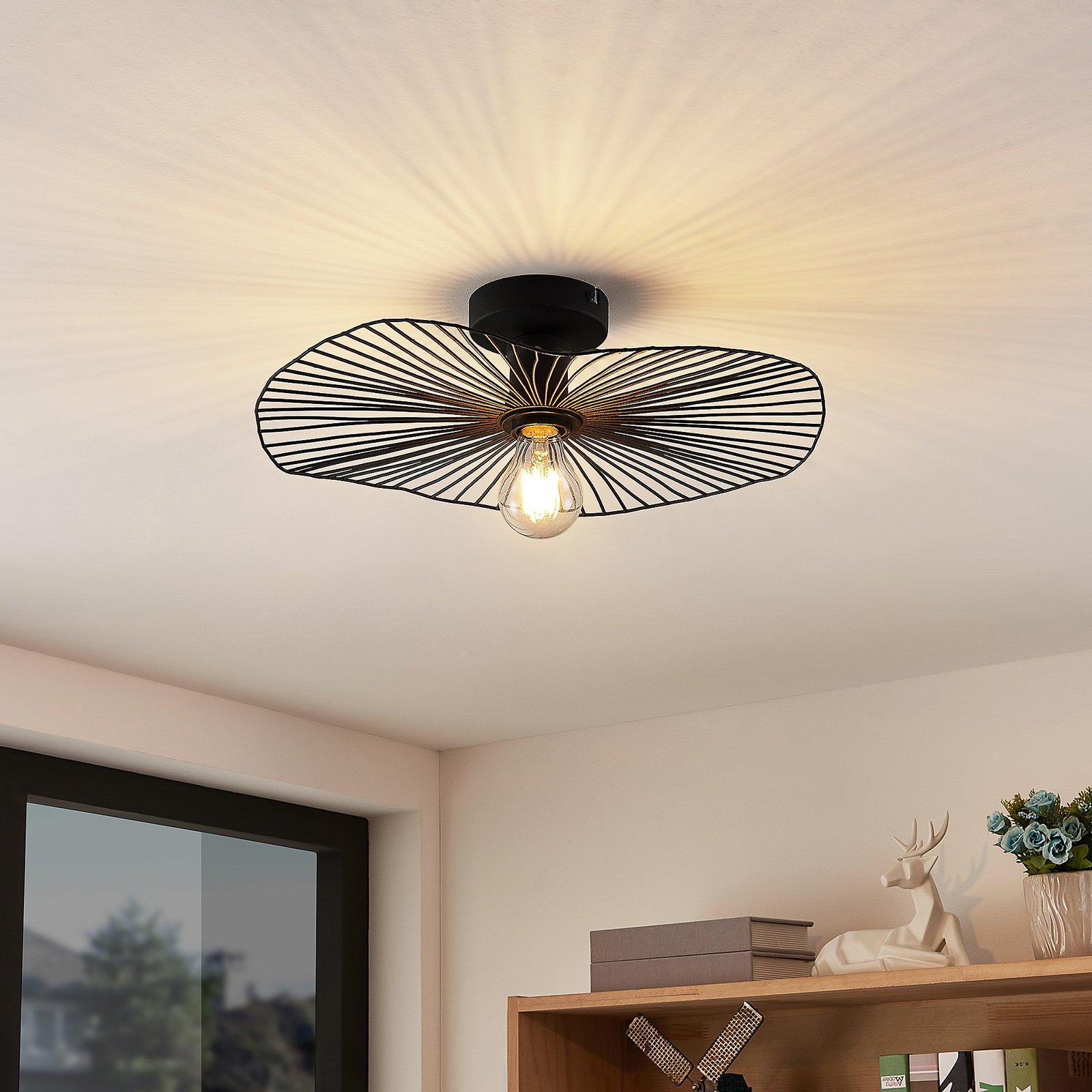
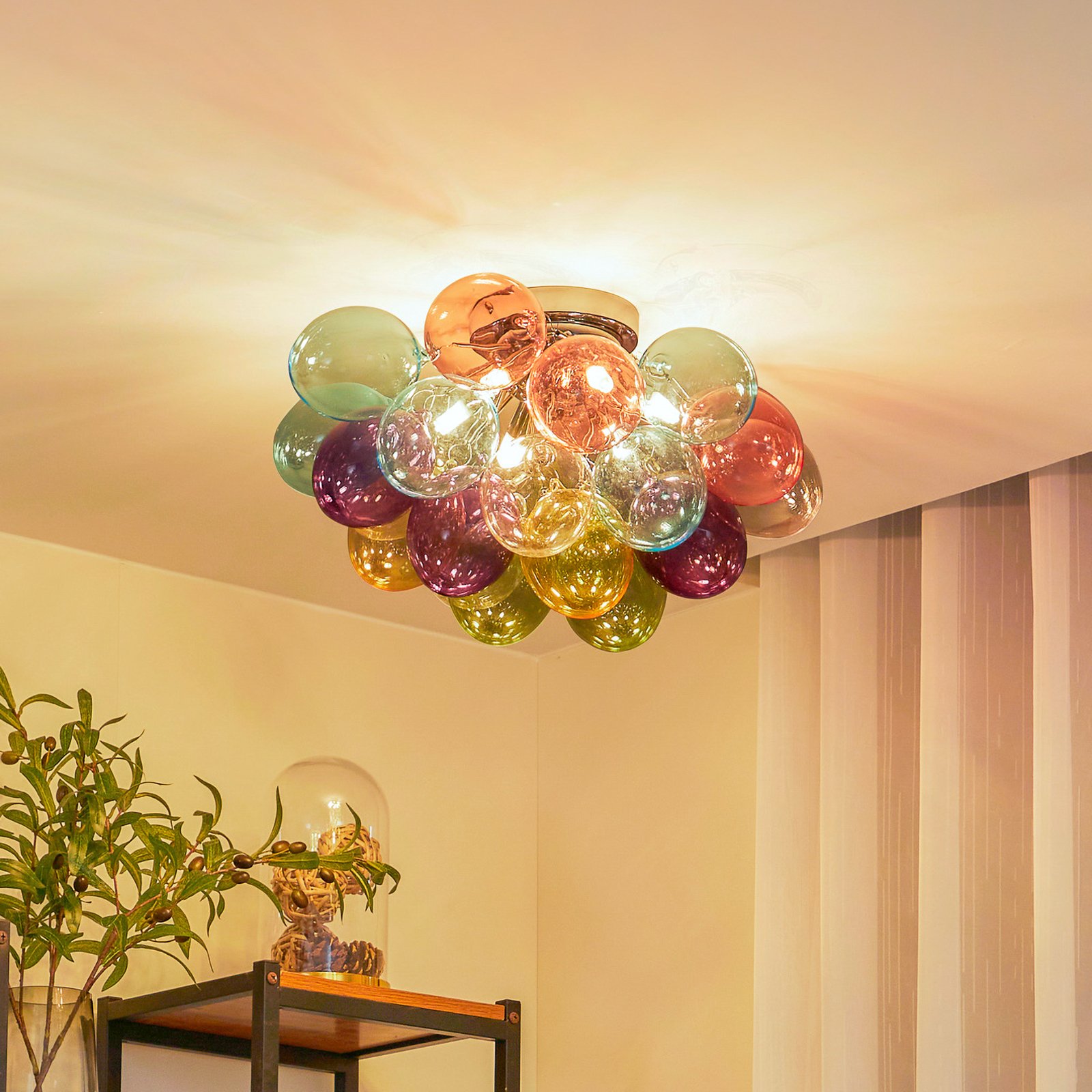
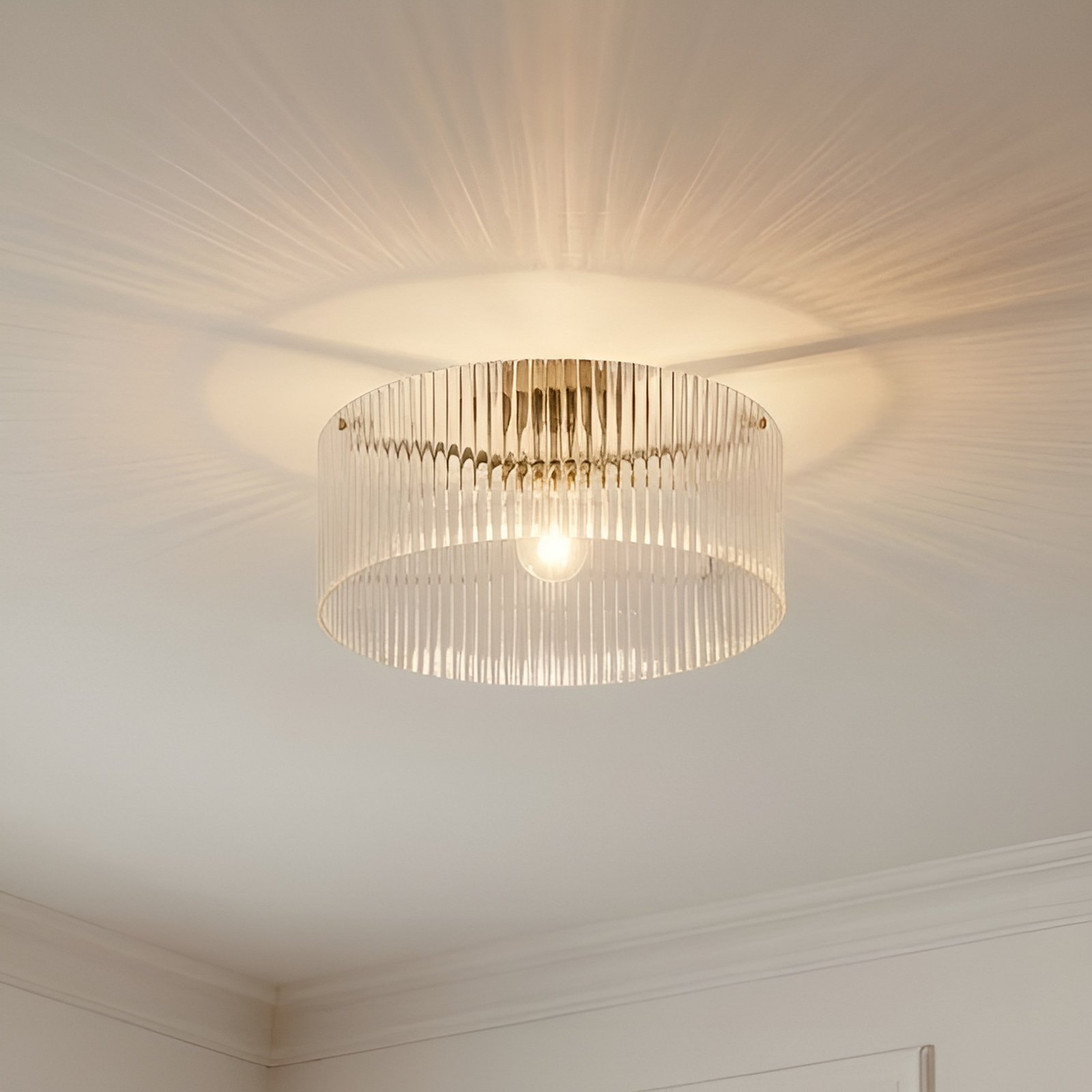
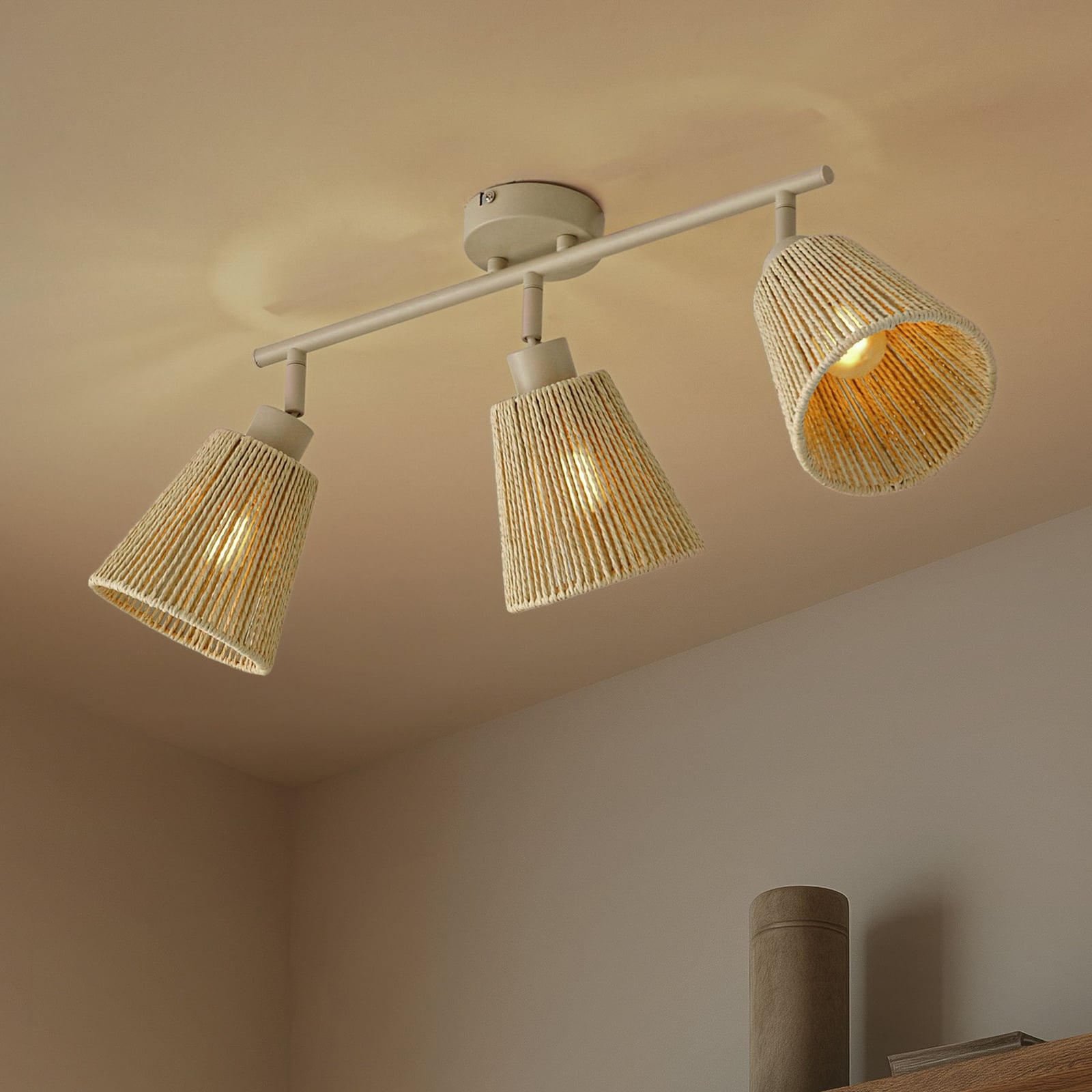
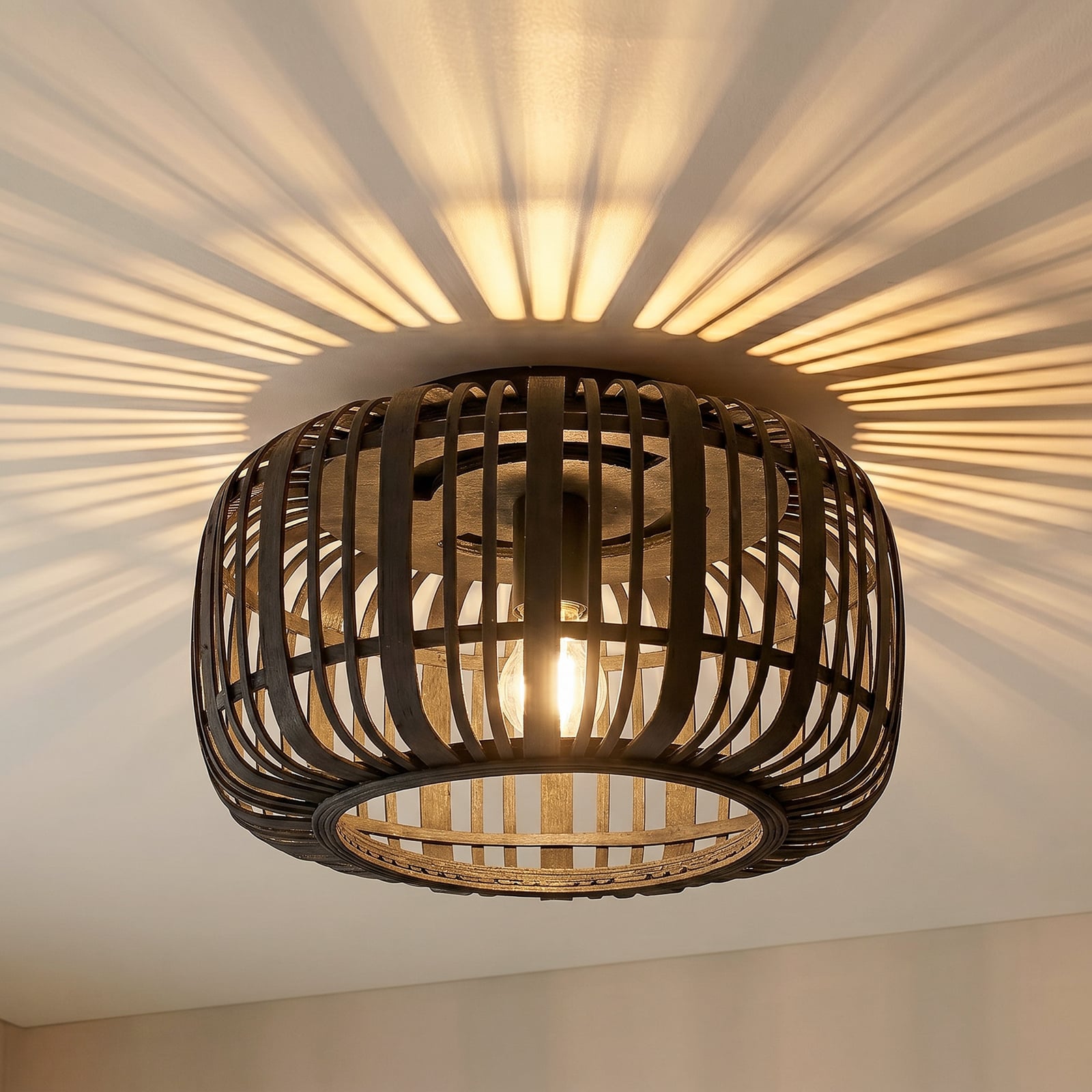
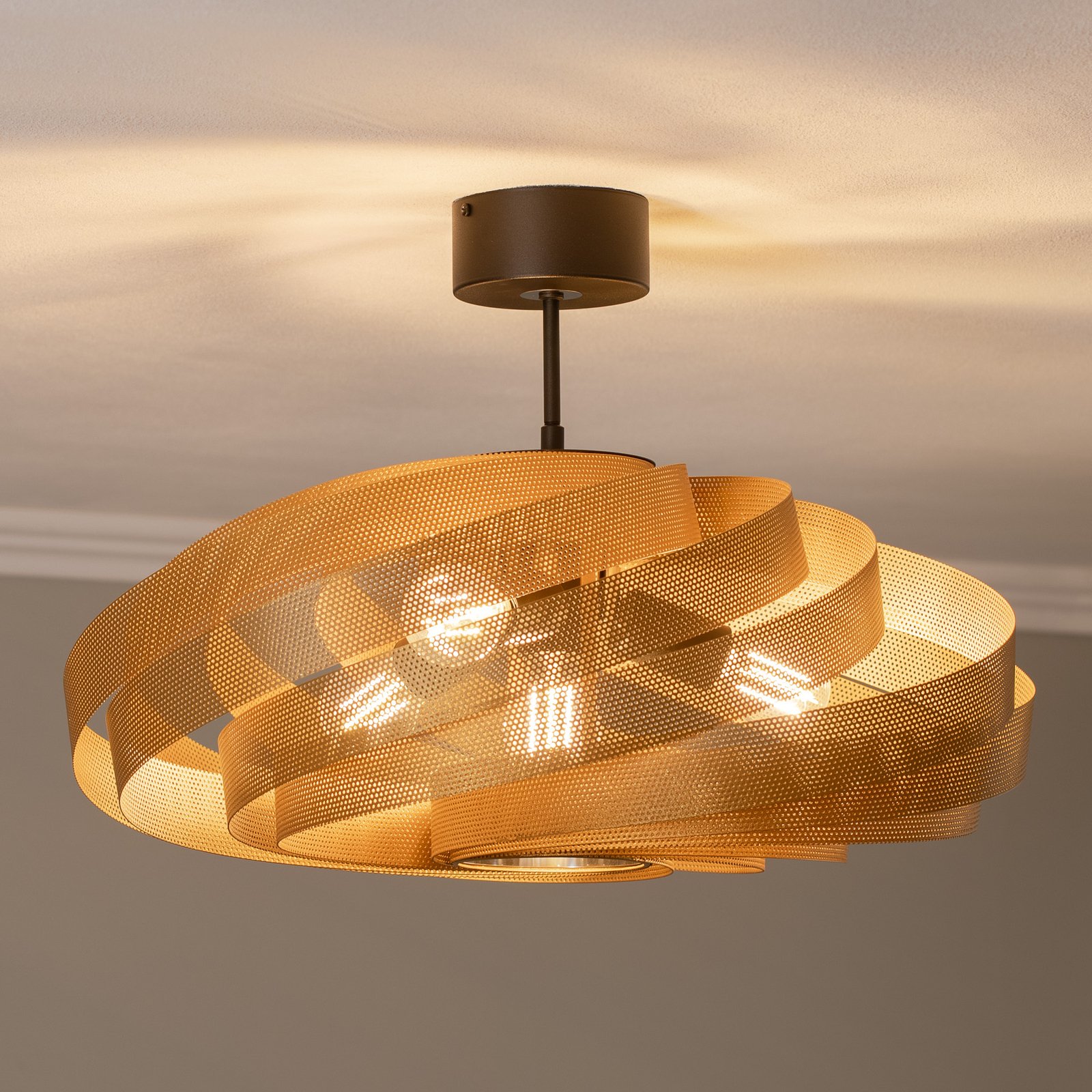
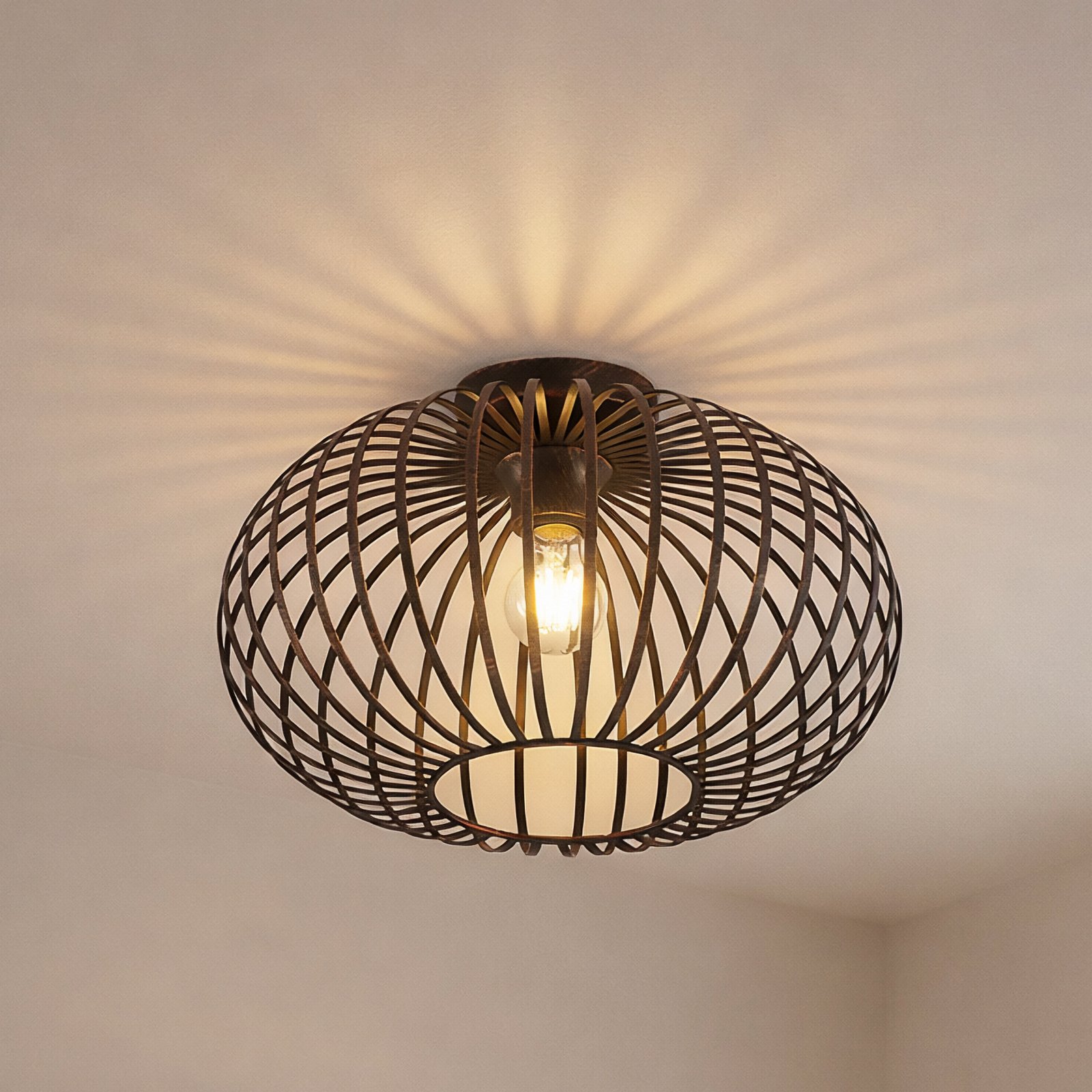
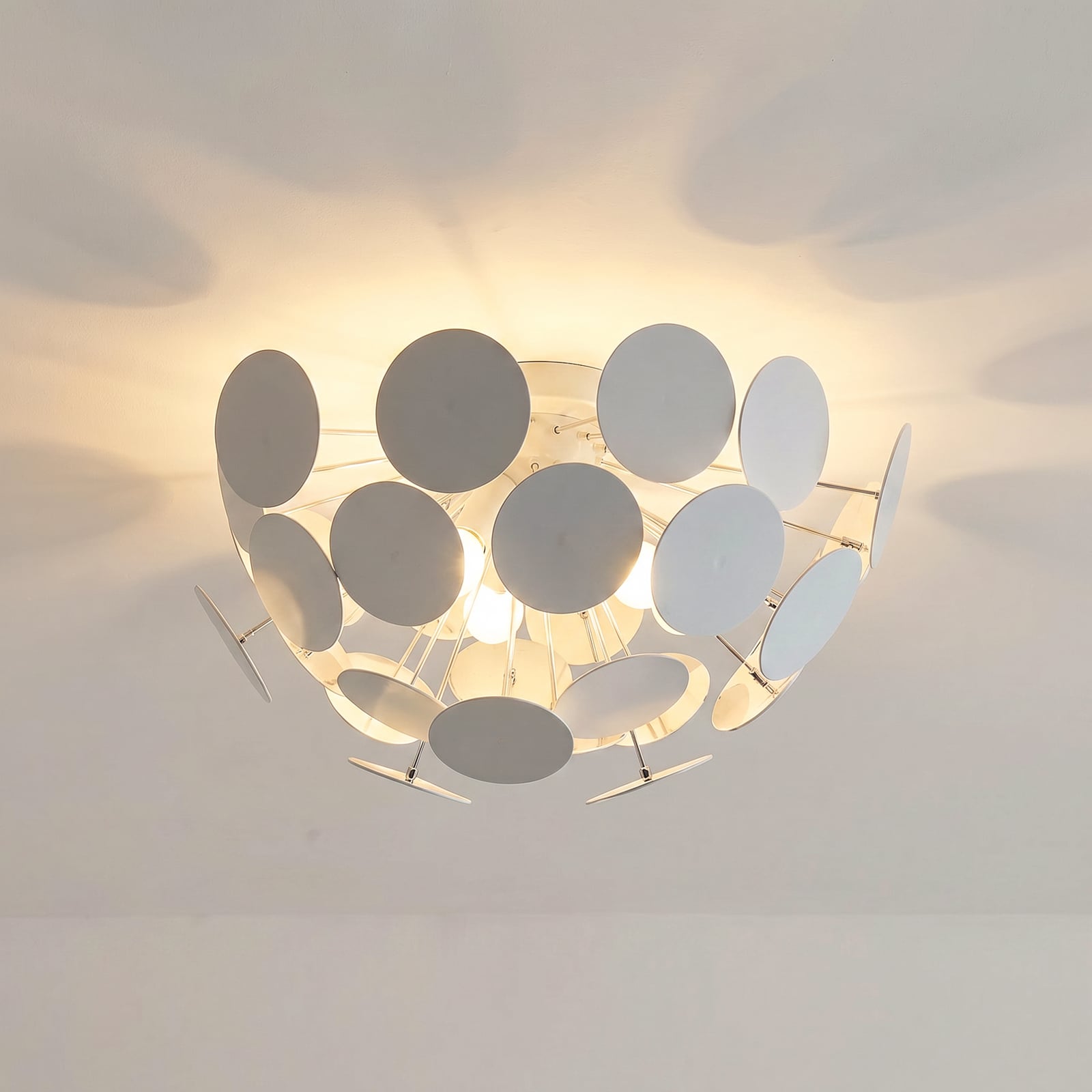
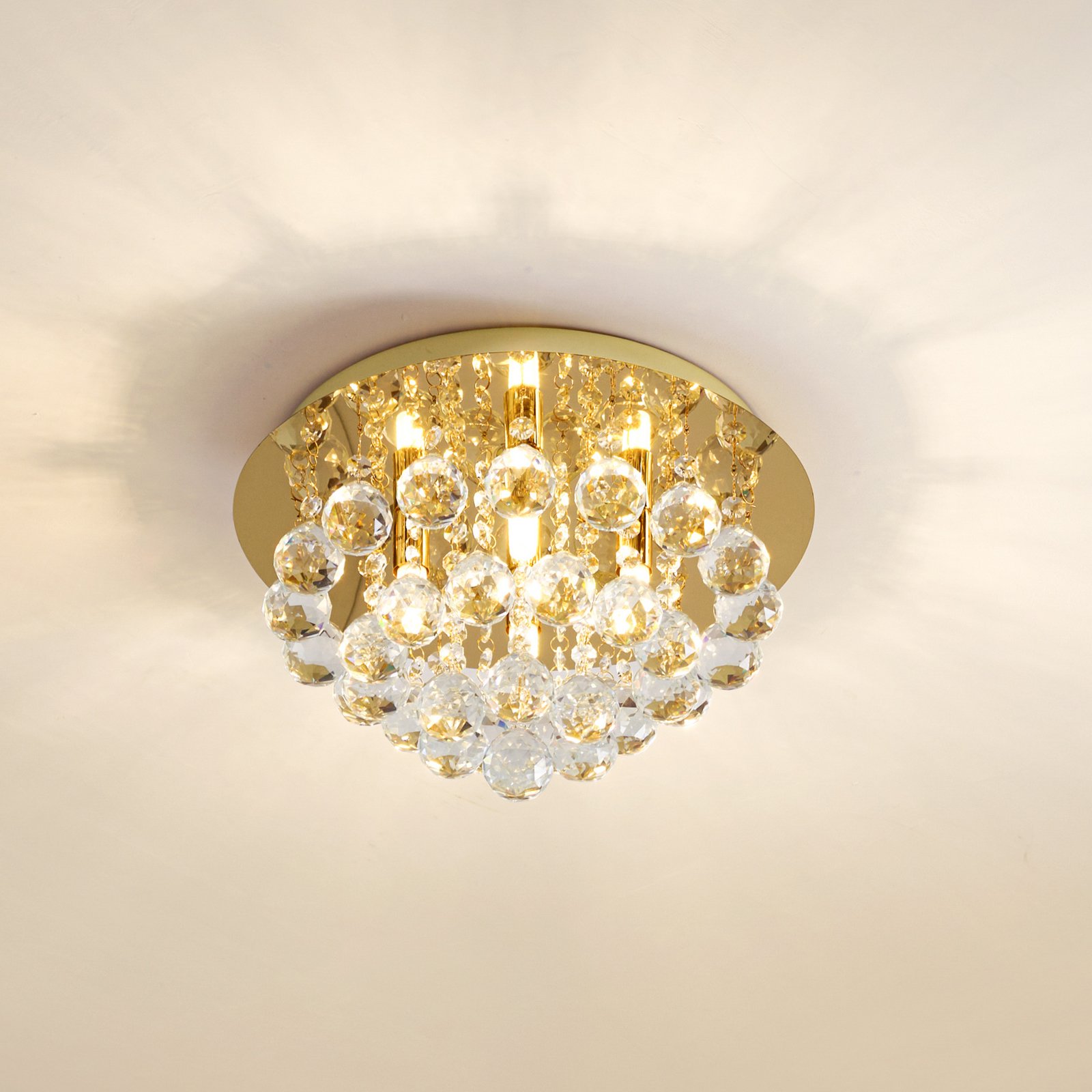
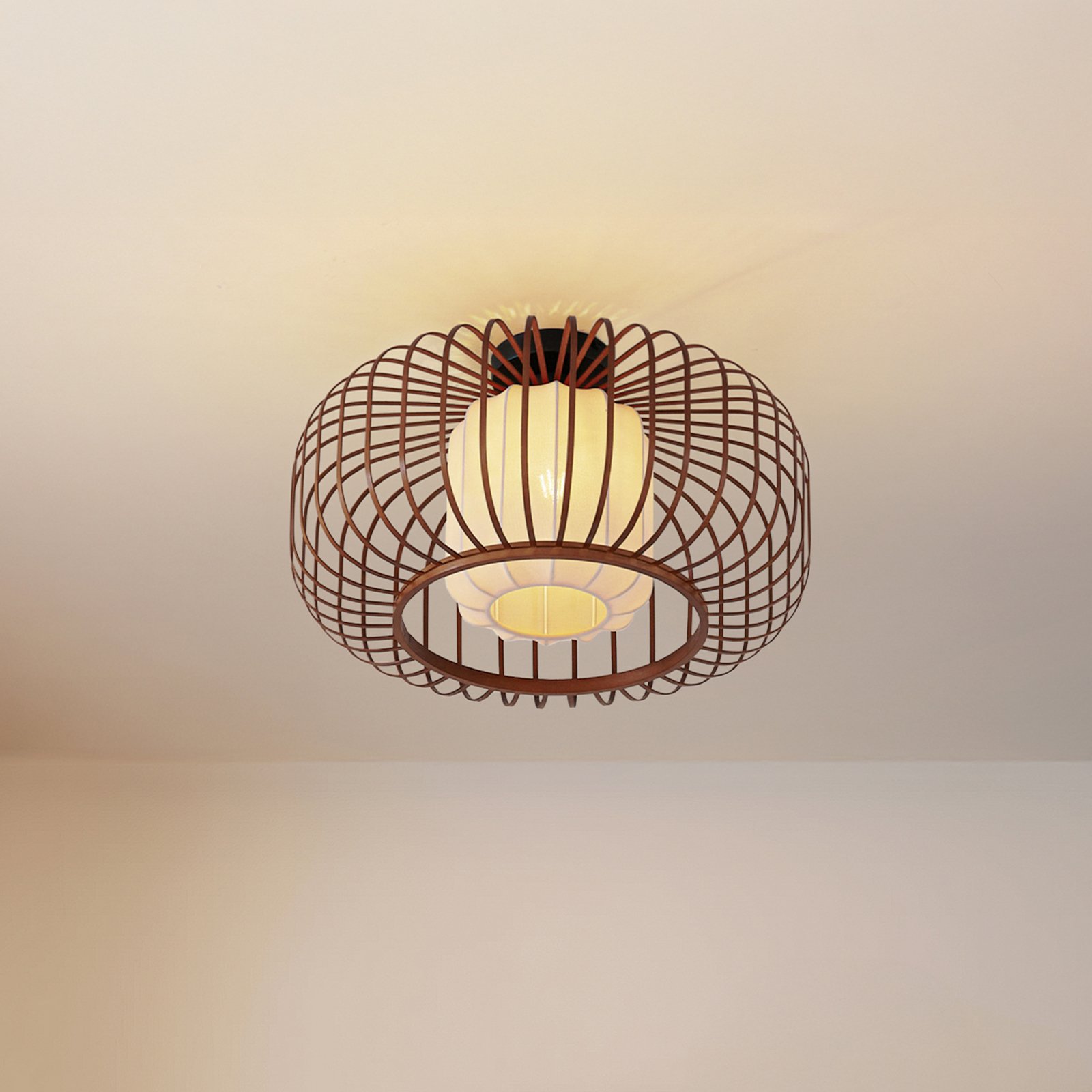
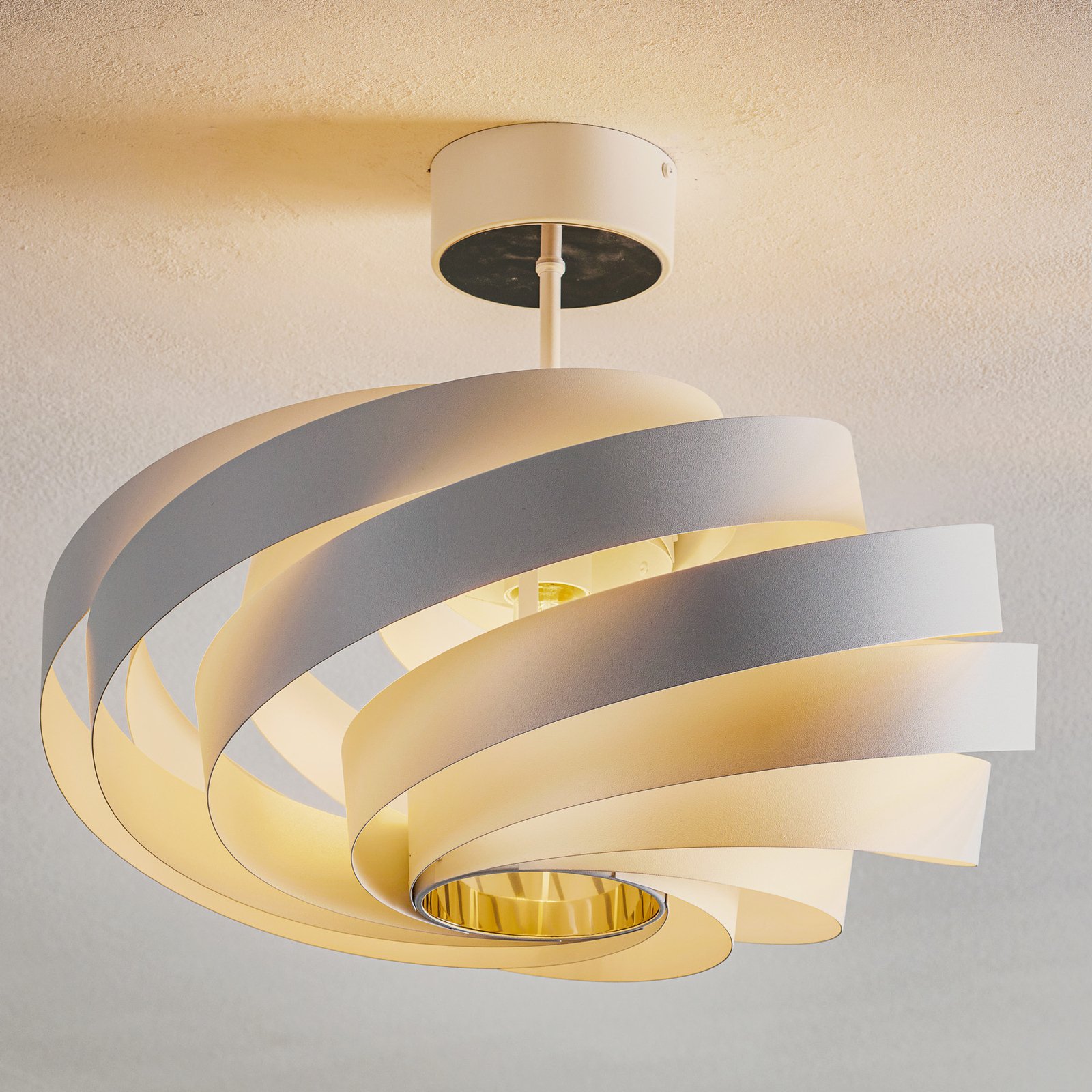
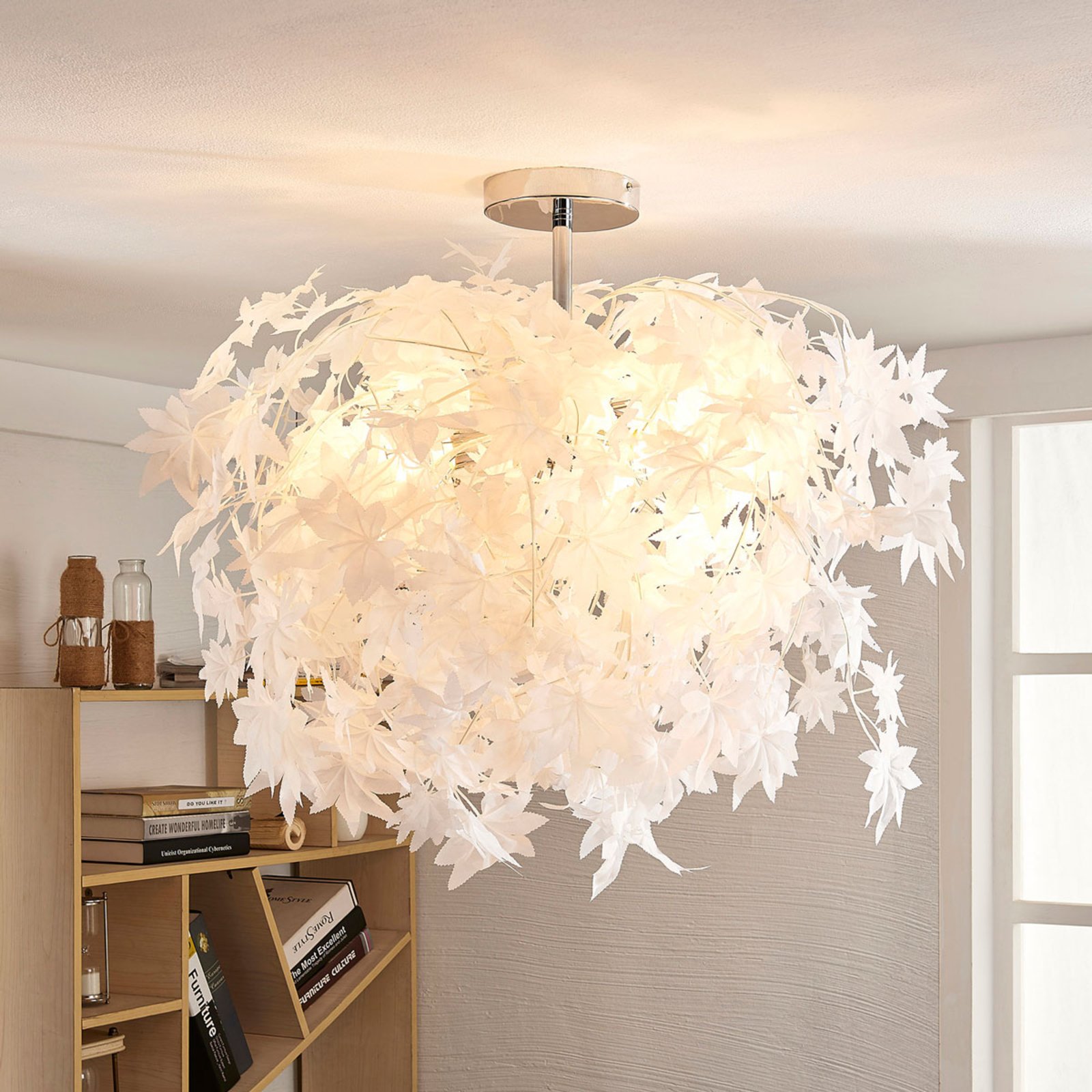
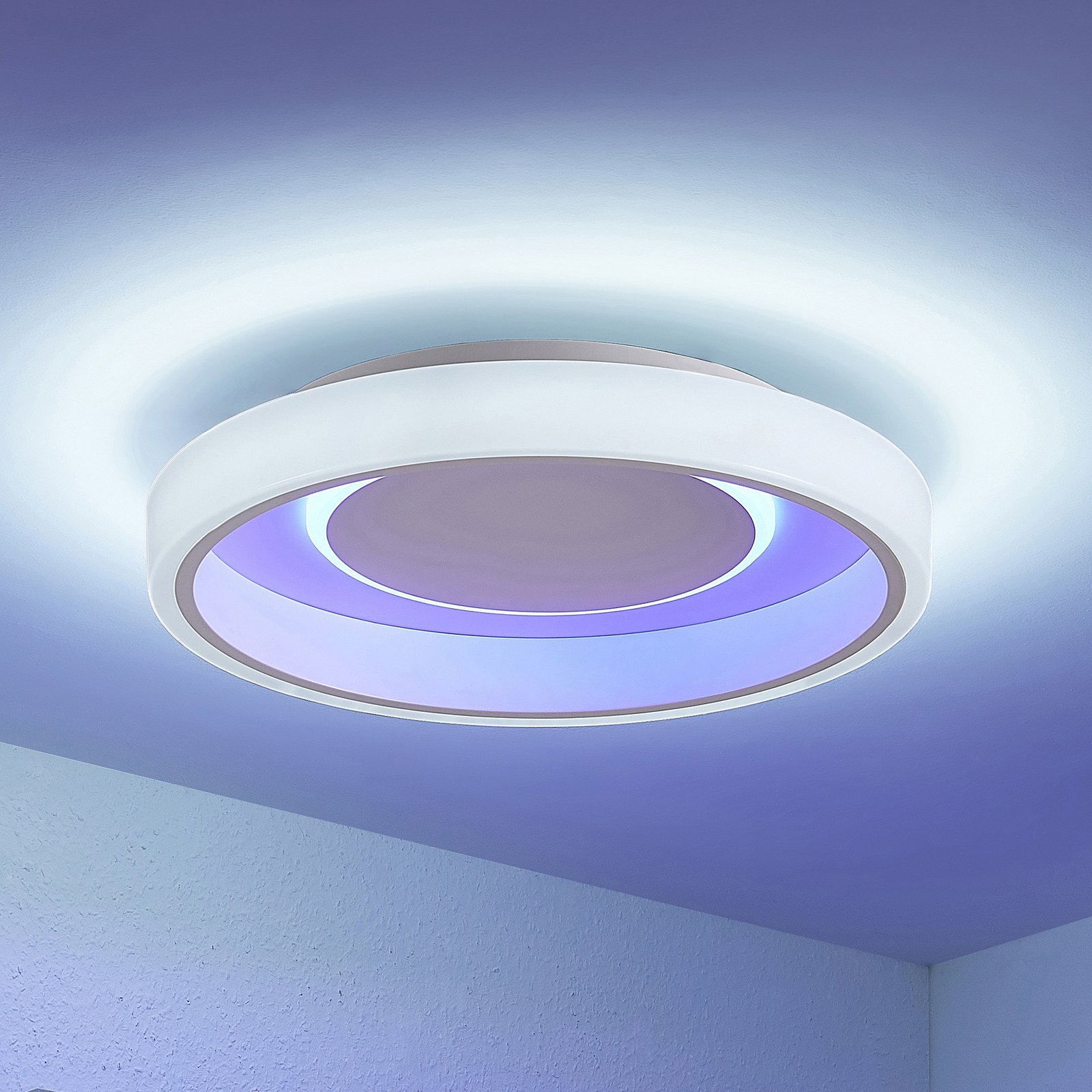
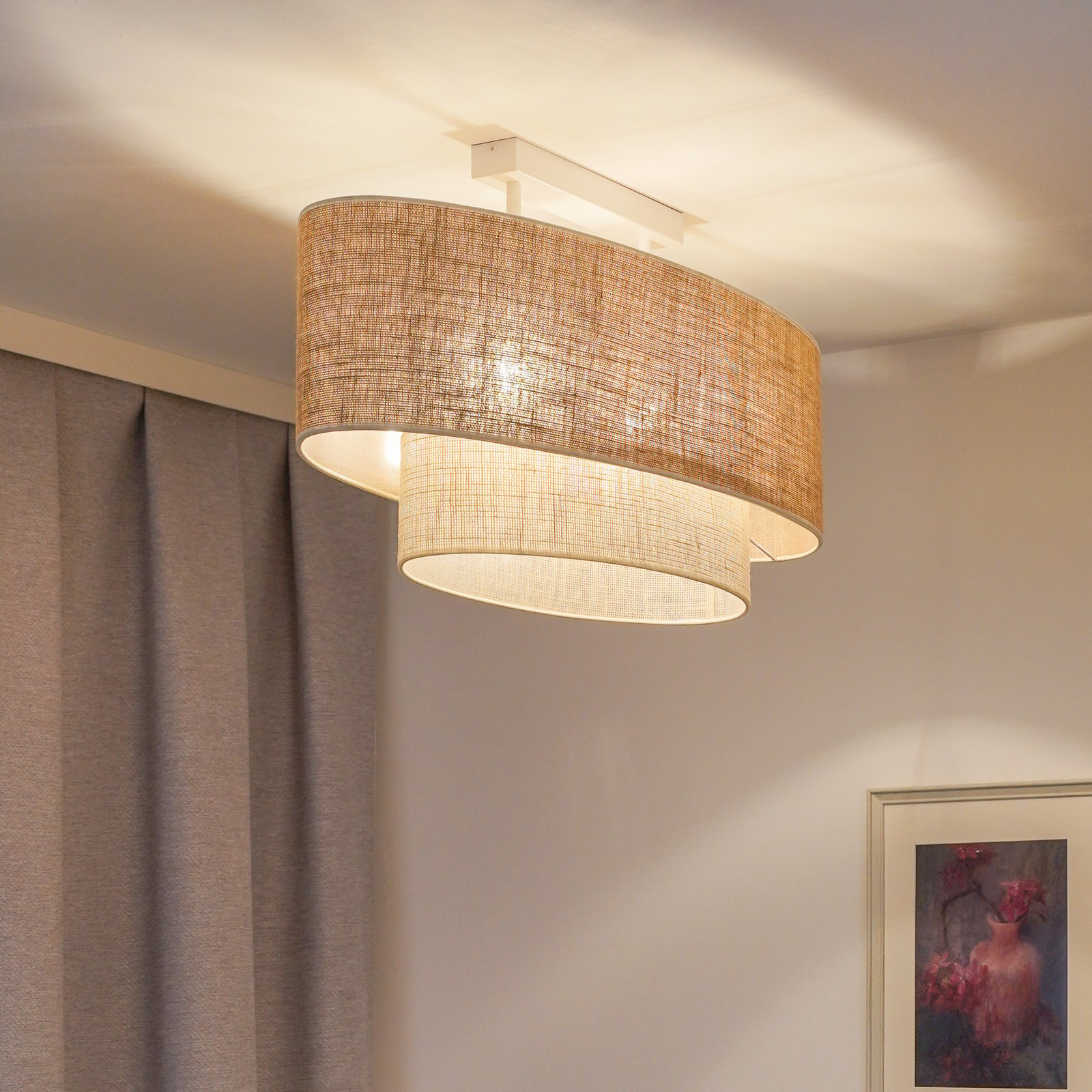
Is a shadow lamp suitable as main lighting? A shadow lamp is only suitable as main lighting to a limited extent, as the focus is usually on decorative light patterns. To create a pleasant ambience, it is often combined with other light sources.
)
)
)
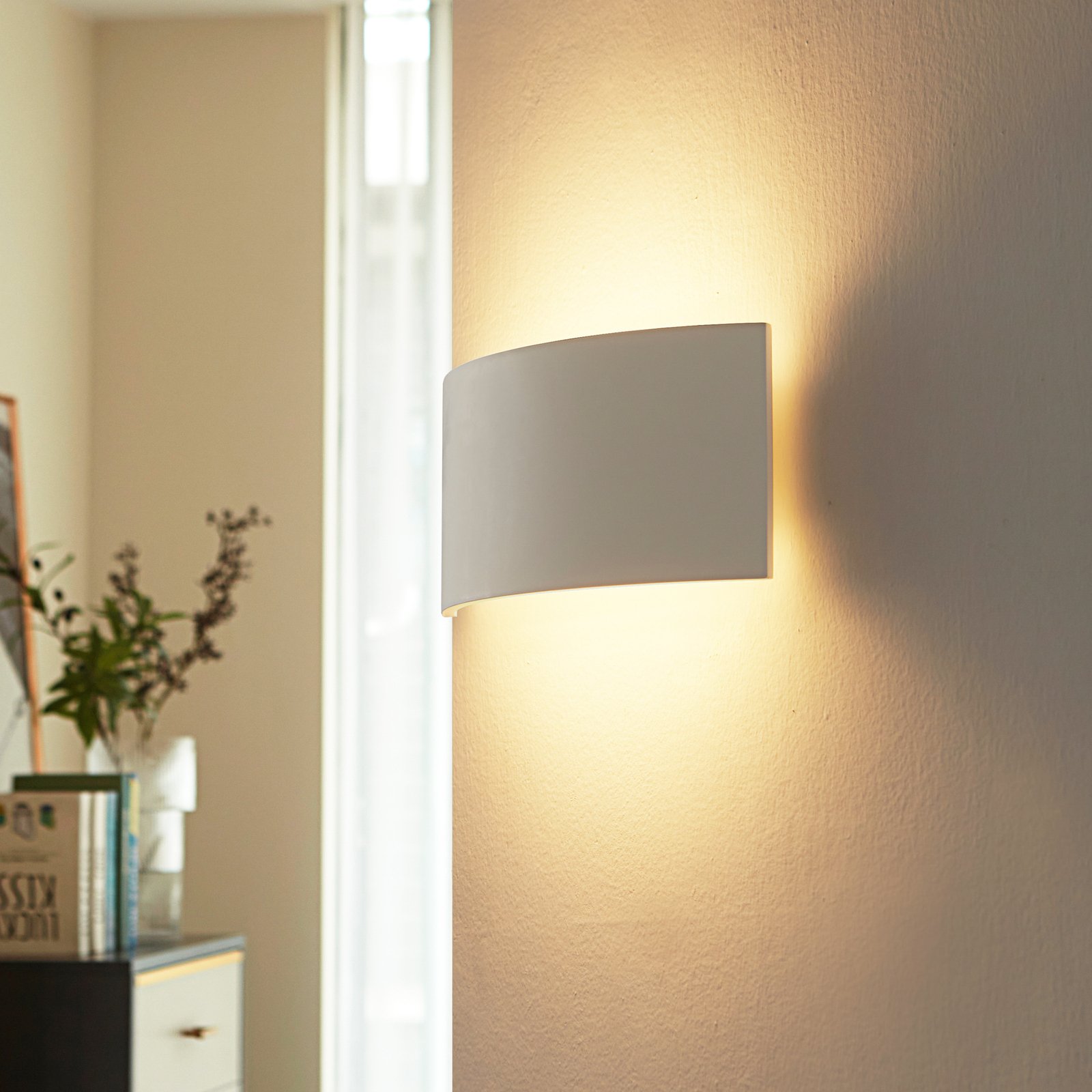
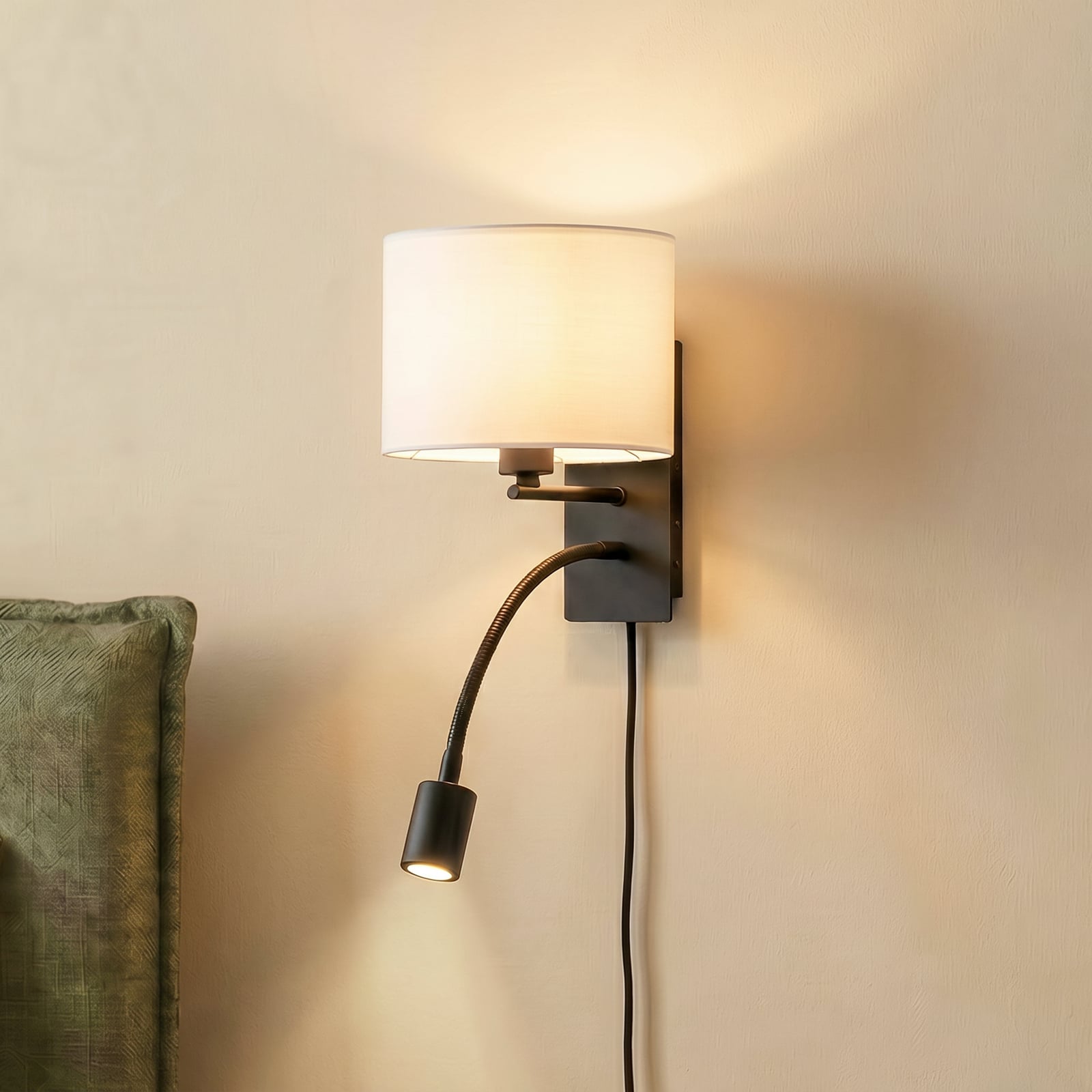
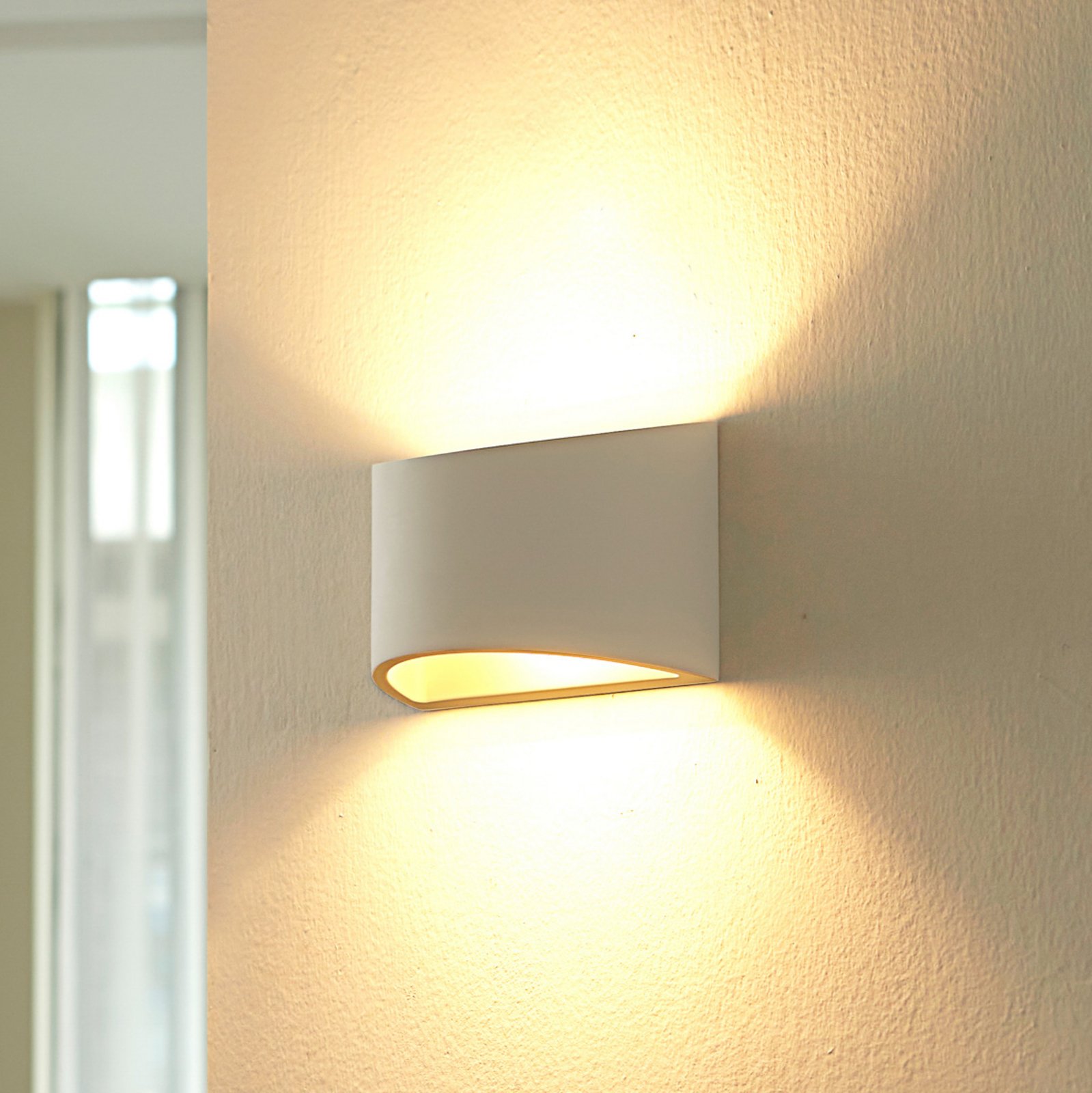
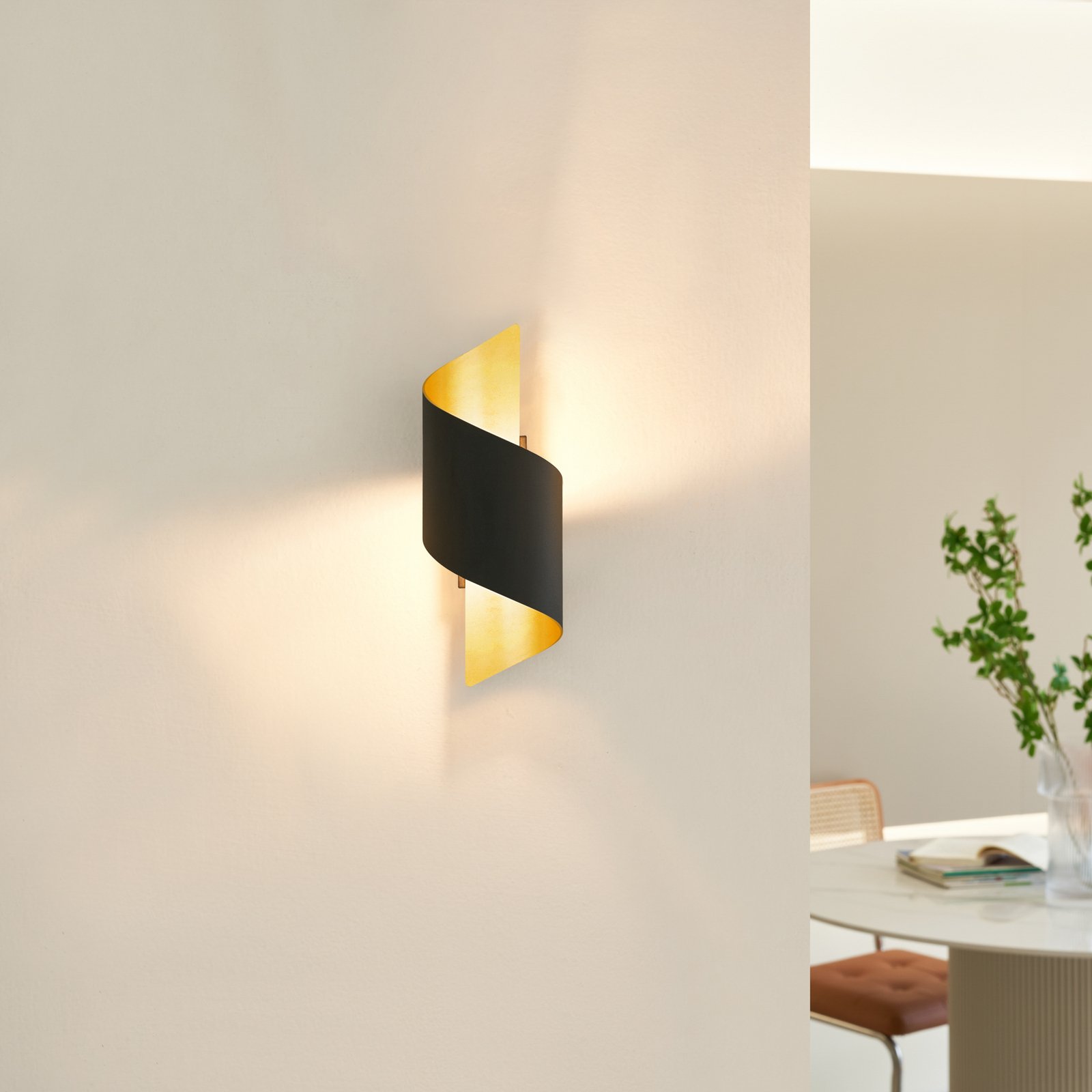
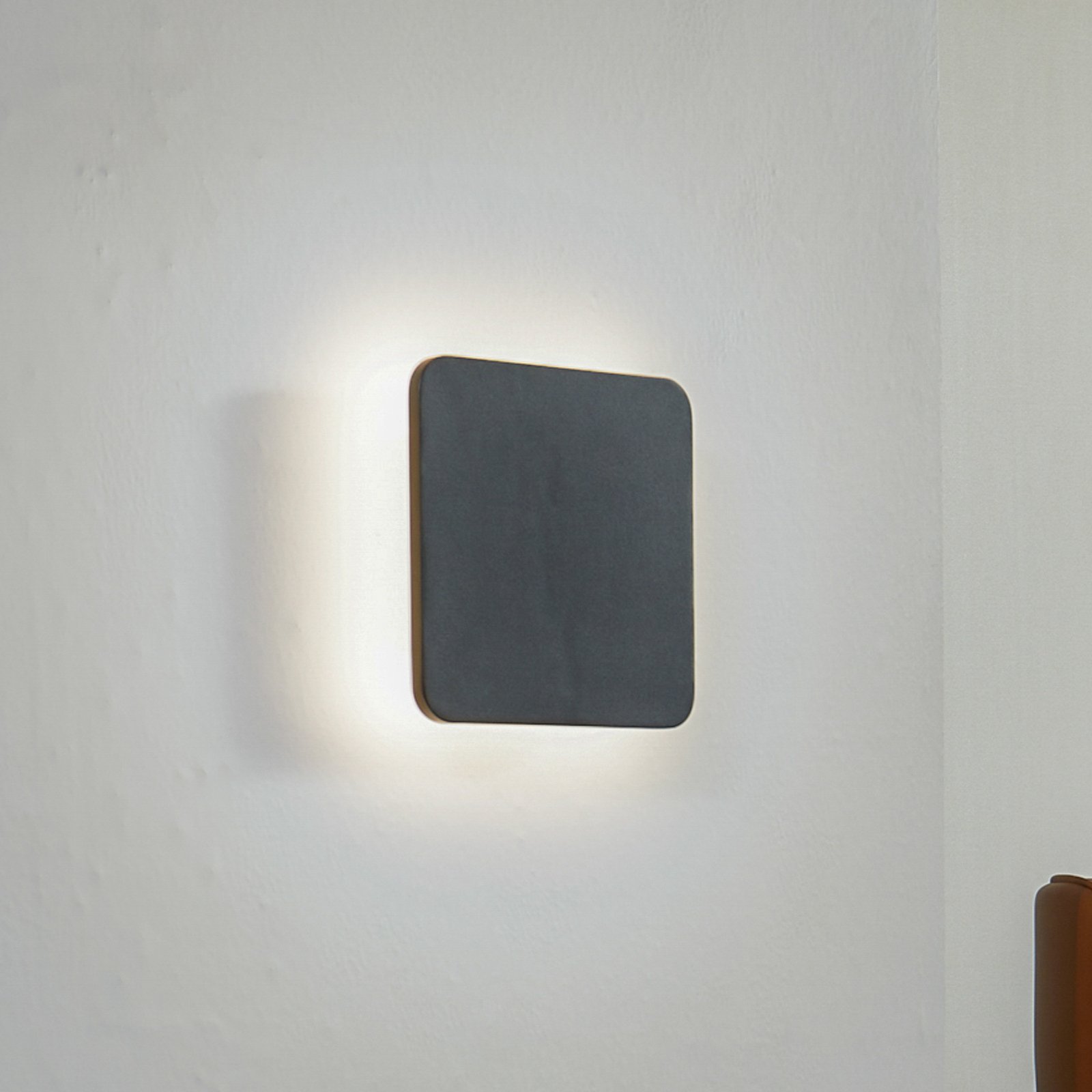
Wall-mounted shadow lamp
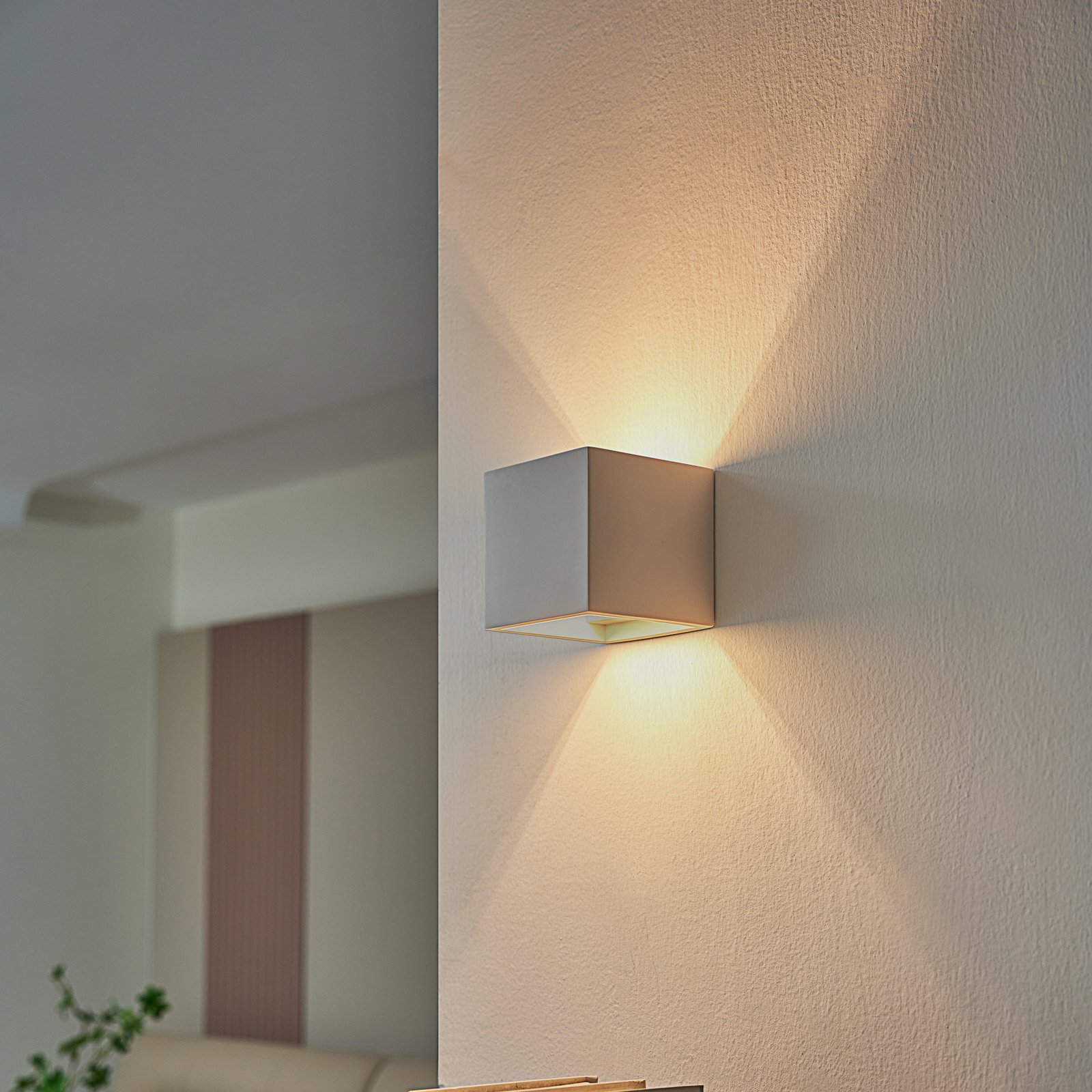
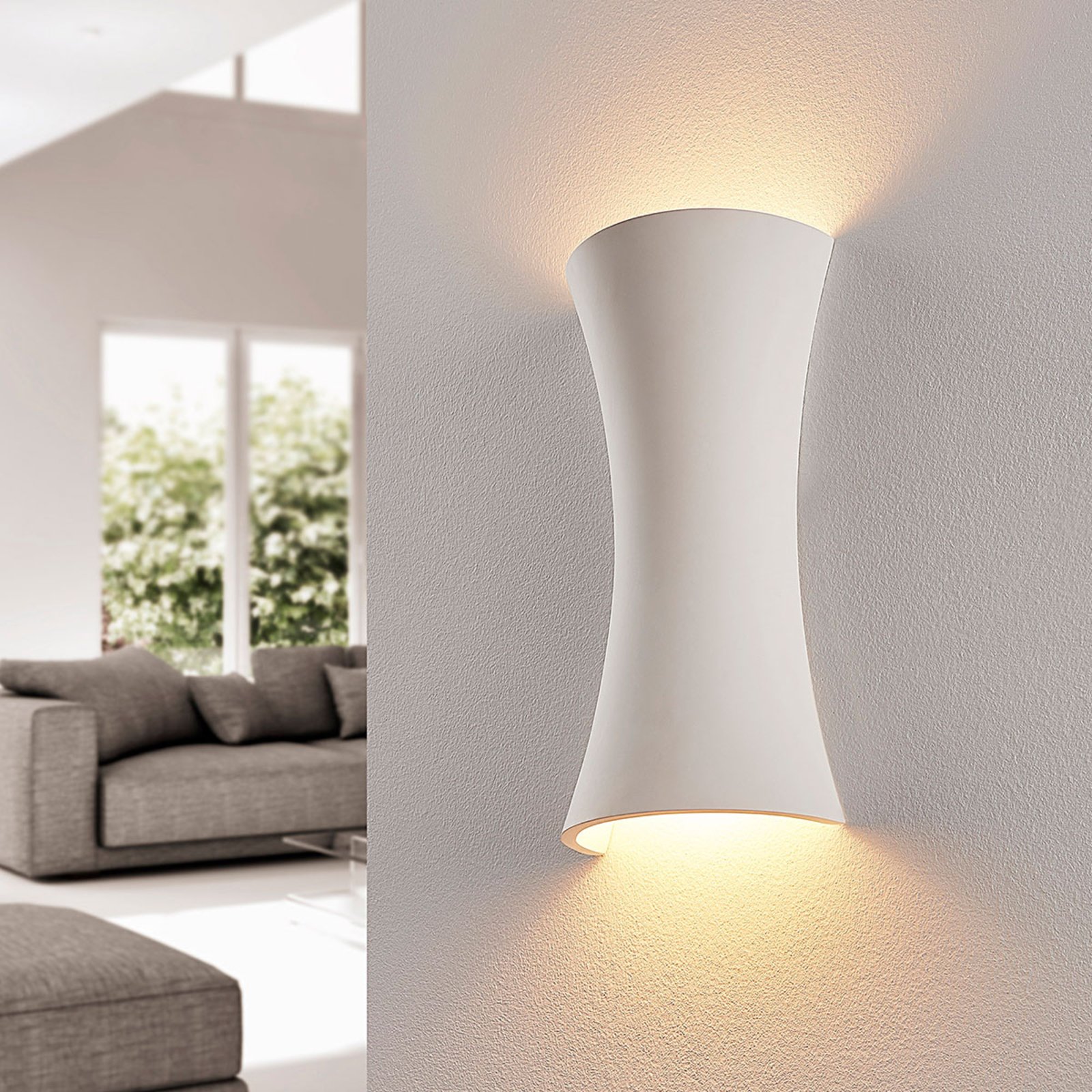
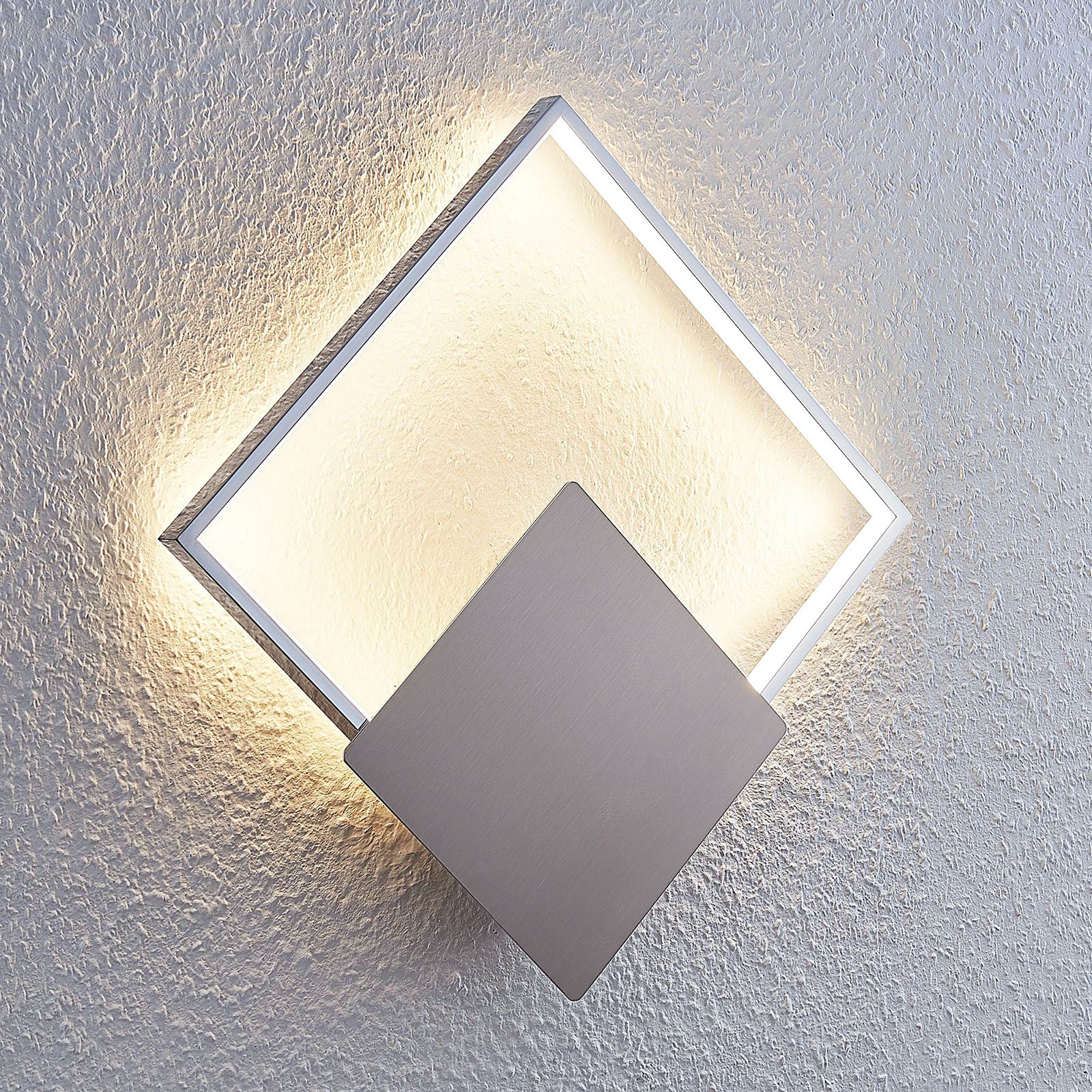
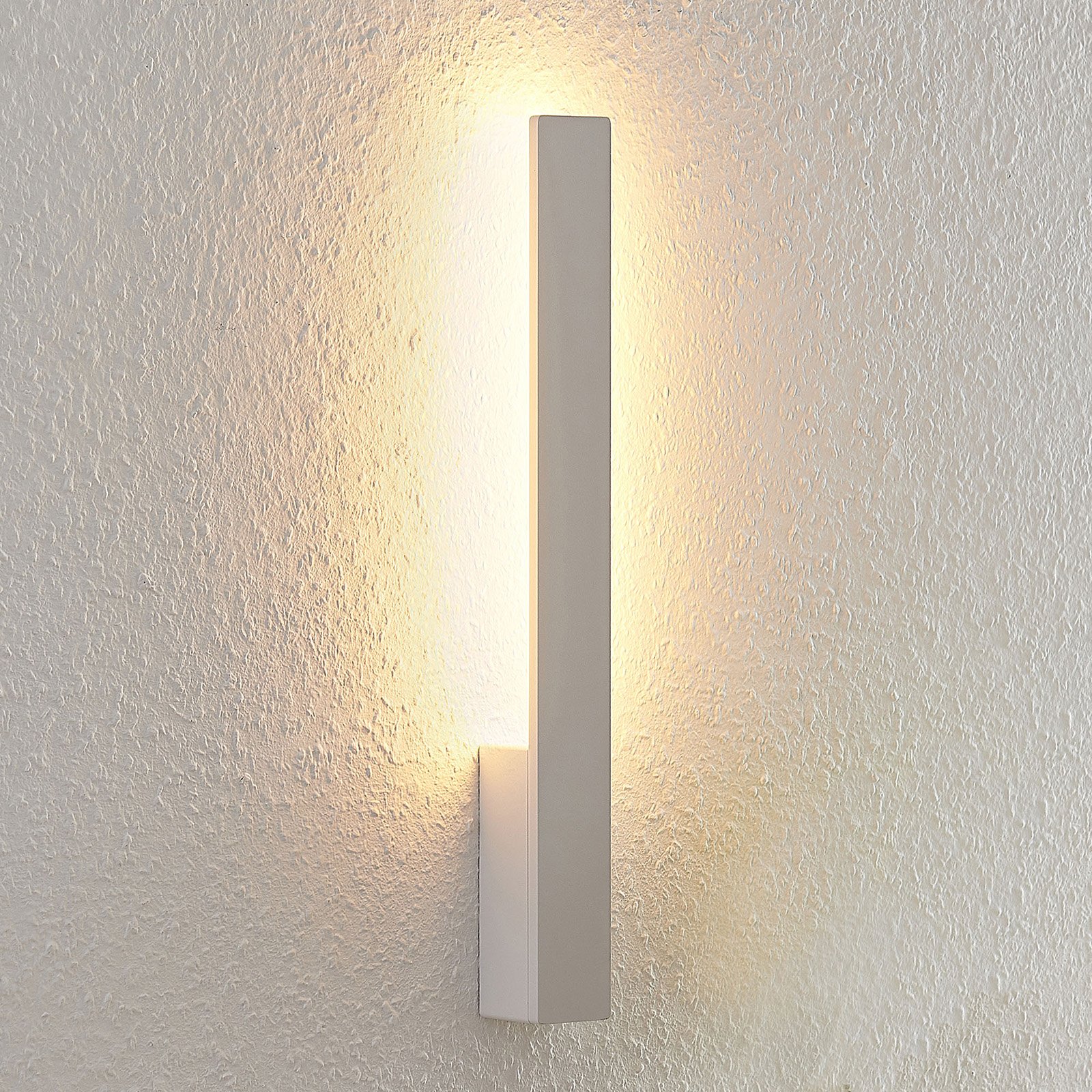
Accents rather than harsh lightA wall-mounted shadow lamp adds decorative lighting accents and creates a pleasant atmosphere without being too bright. Many wall lights direct their light upwards, downwards or to the sides, thereby creating fascinating patterns and sculpted beams of light along the walls.
These wall lights are particularly popular in hallways, living rooms, bedrooms and stairwells. There, they help people find their way around whilst also creating a cosy atmosphere.
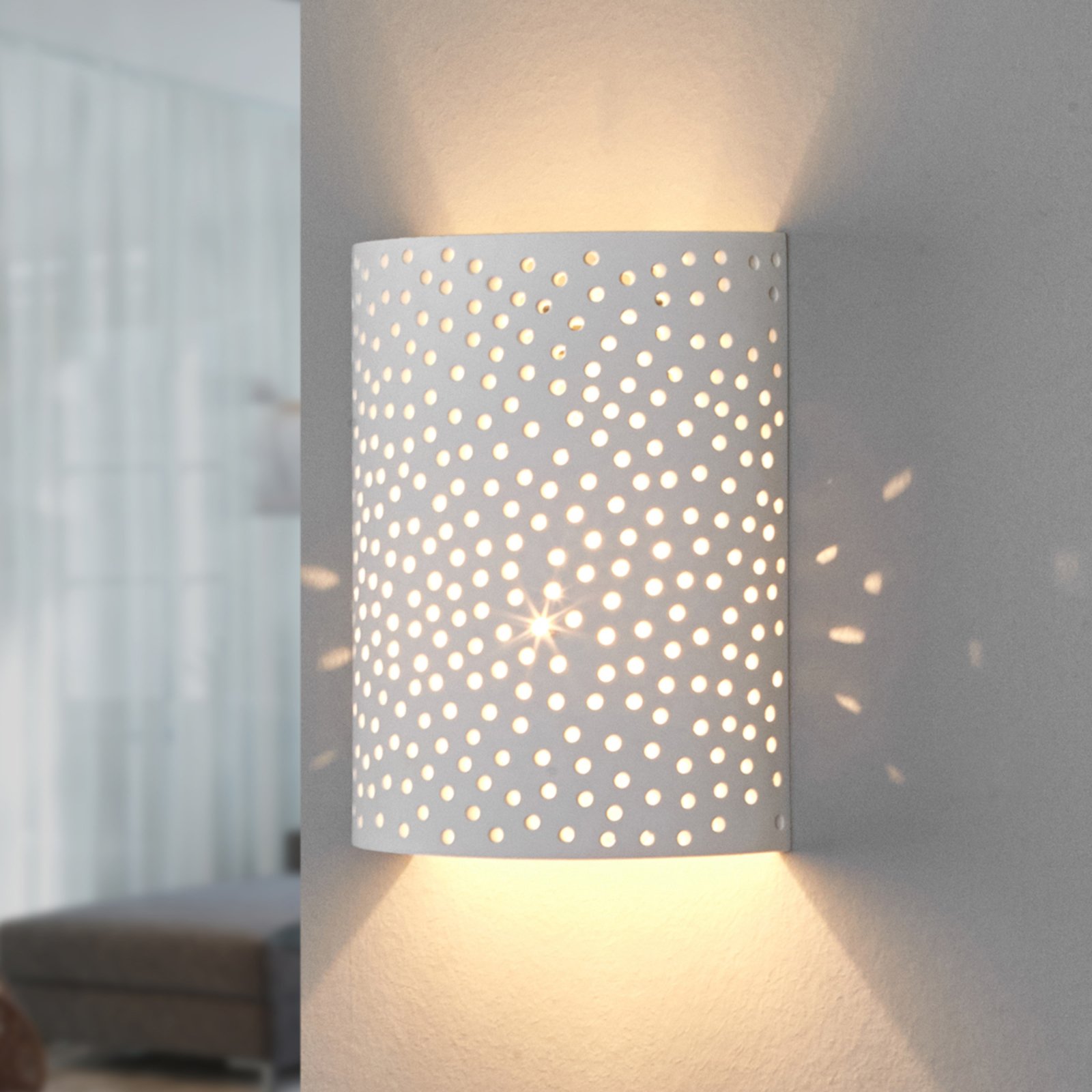
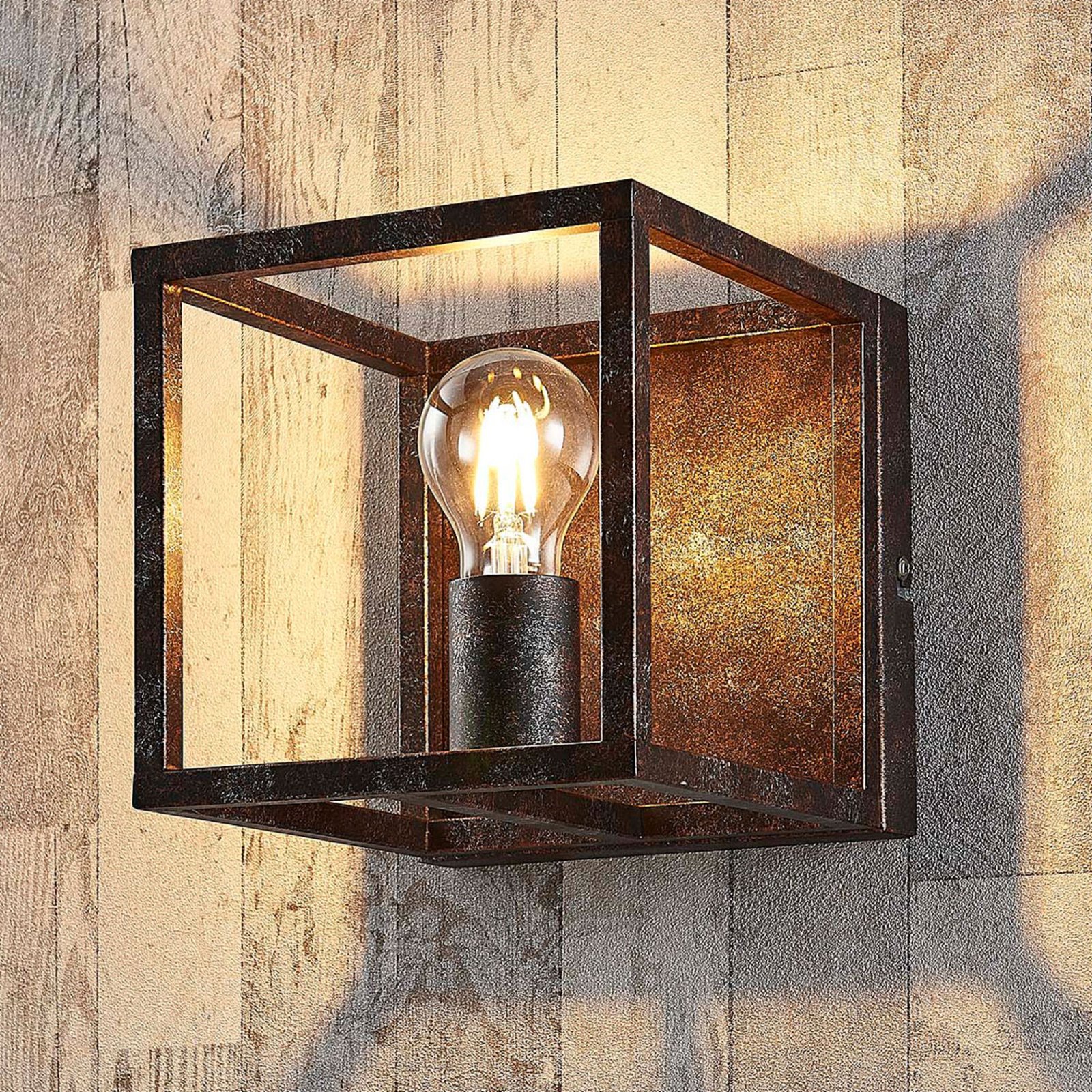
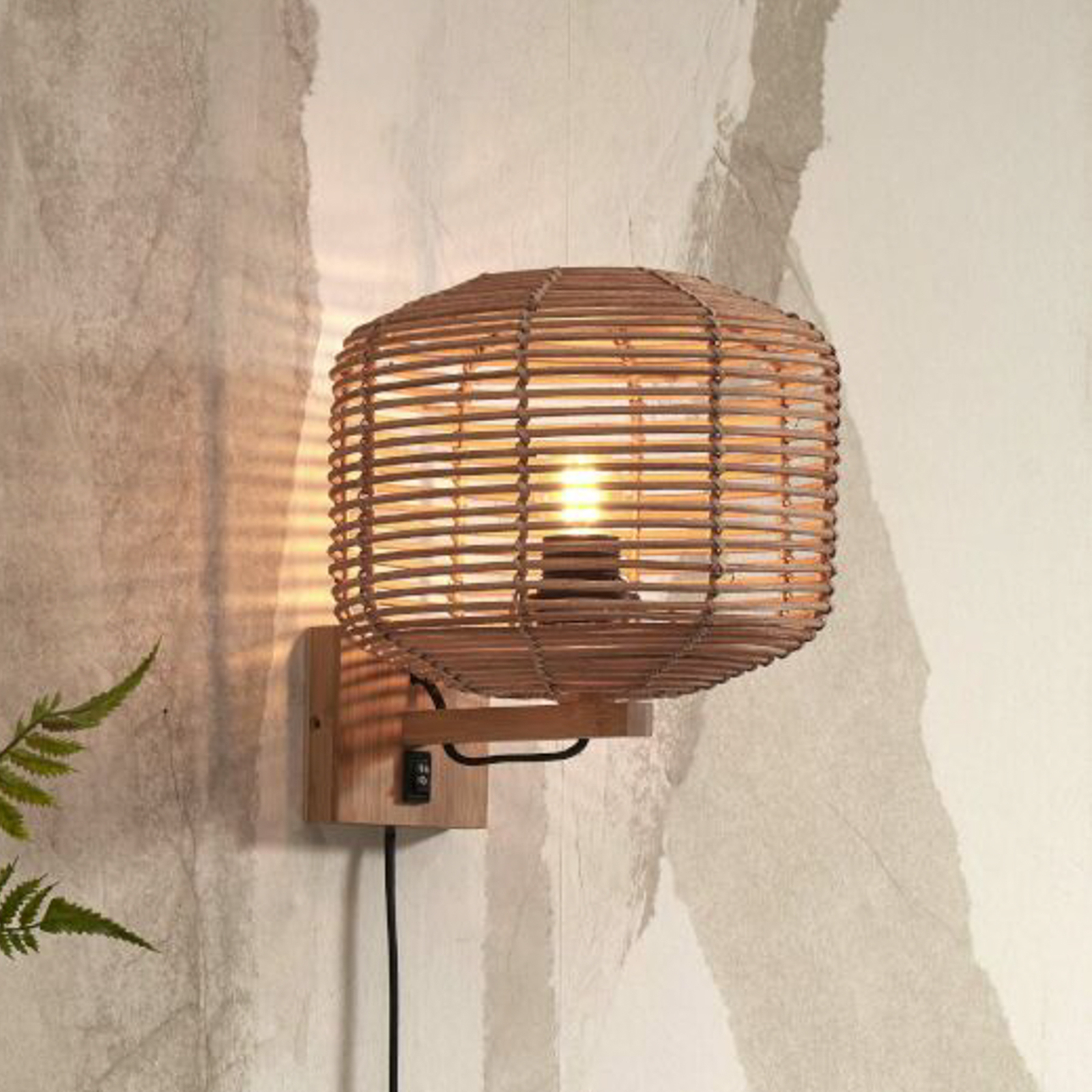
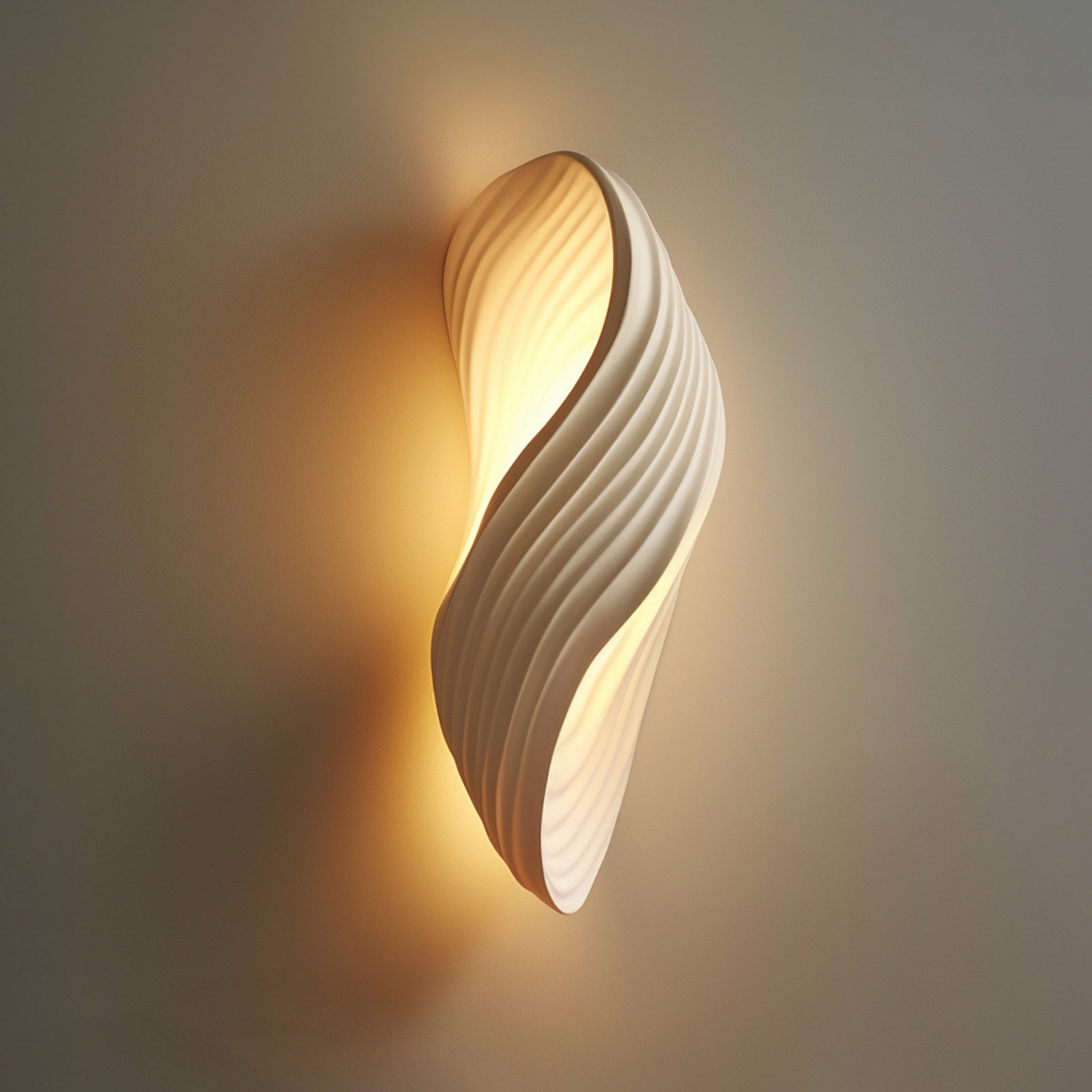
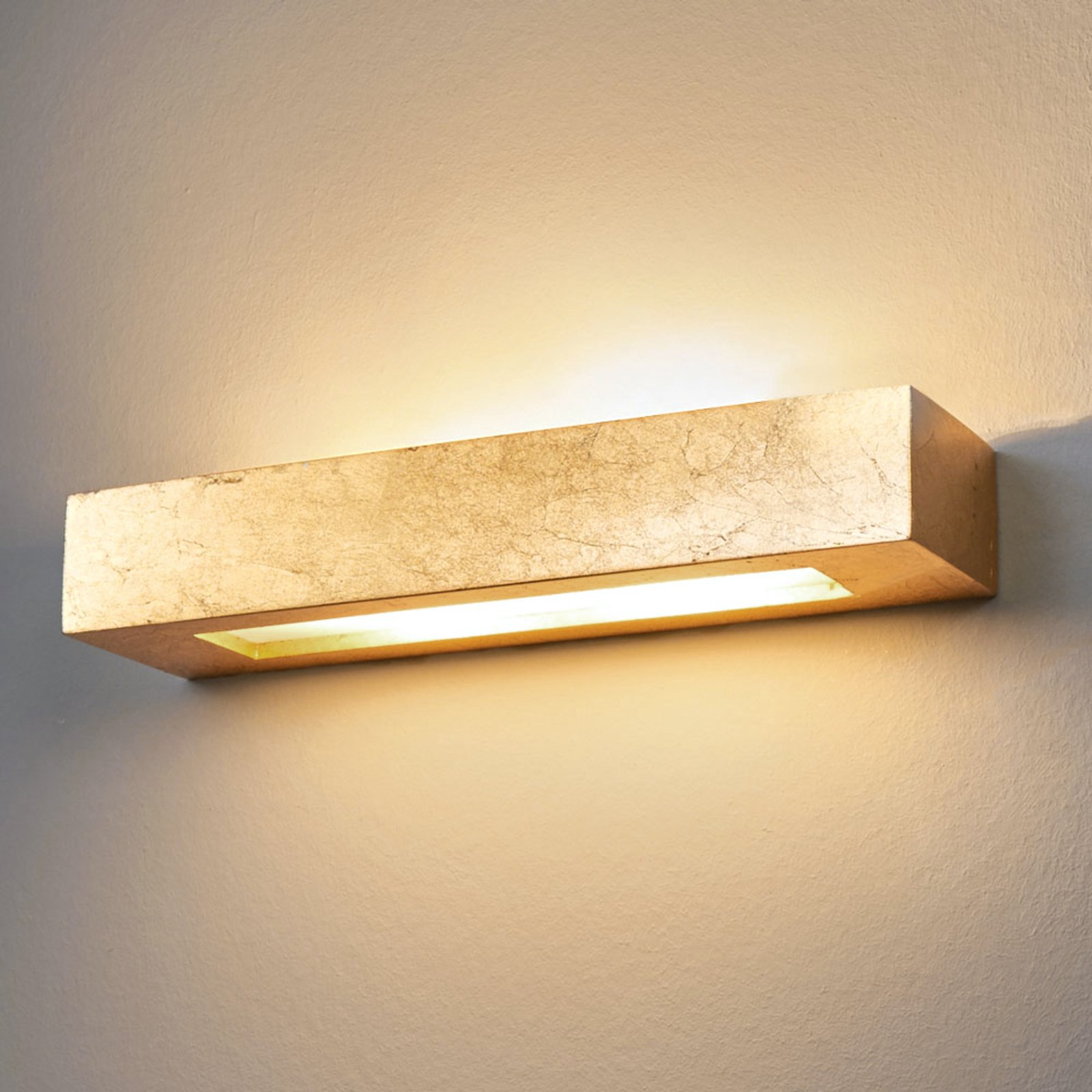
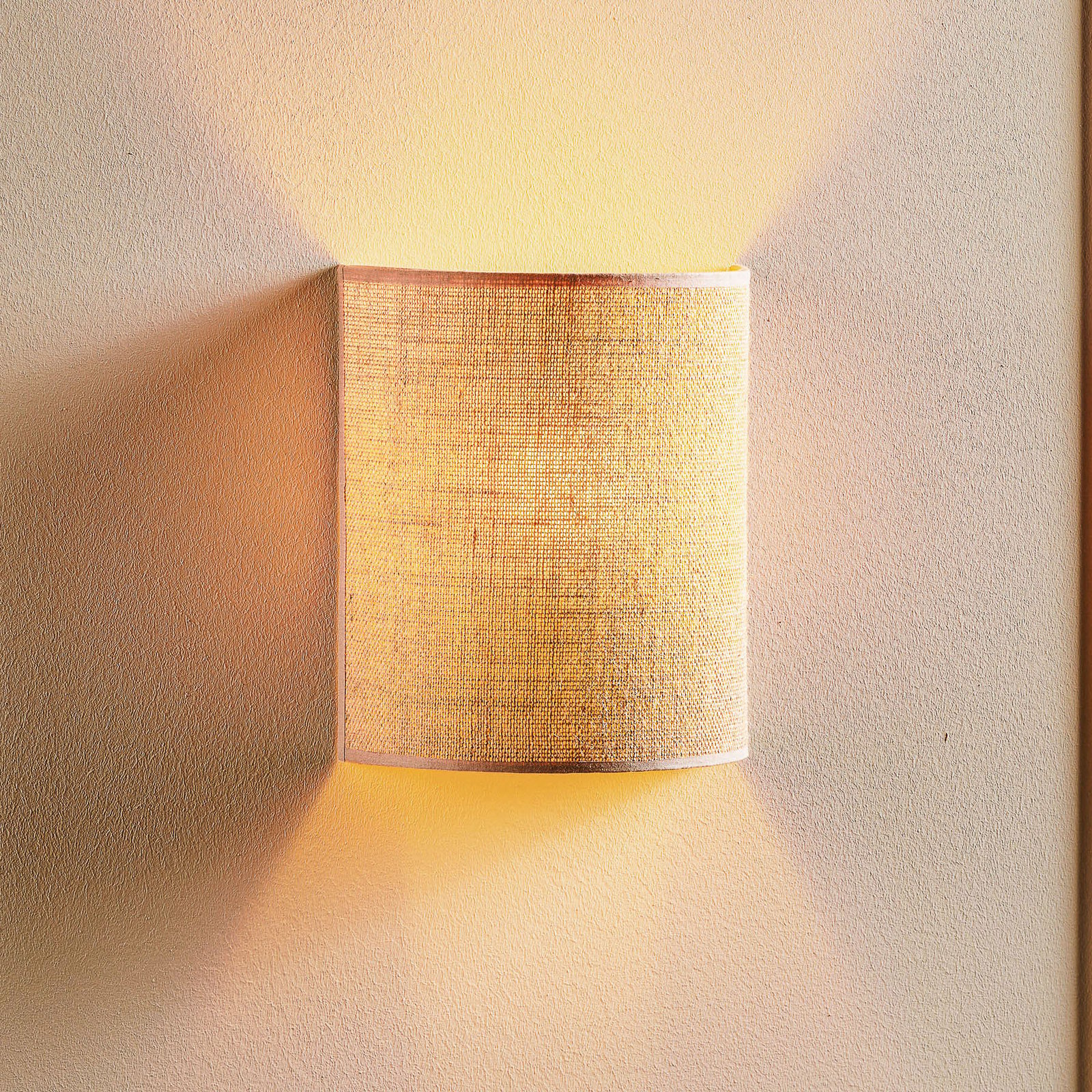
)
)
)
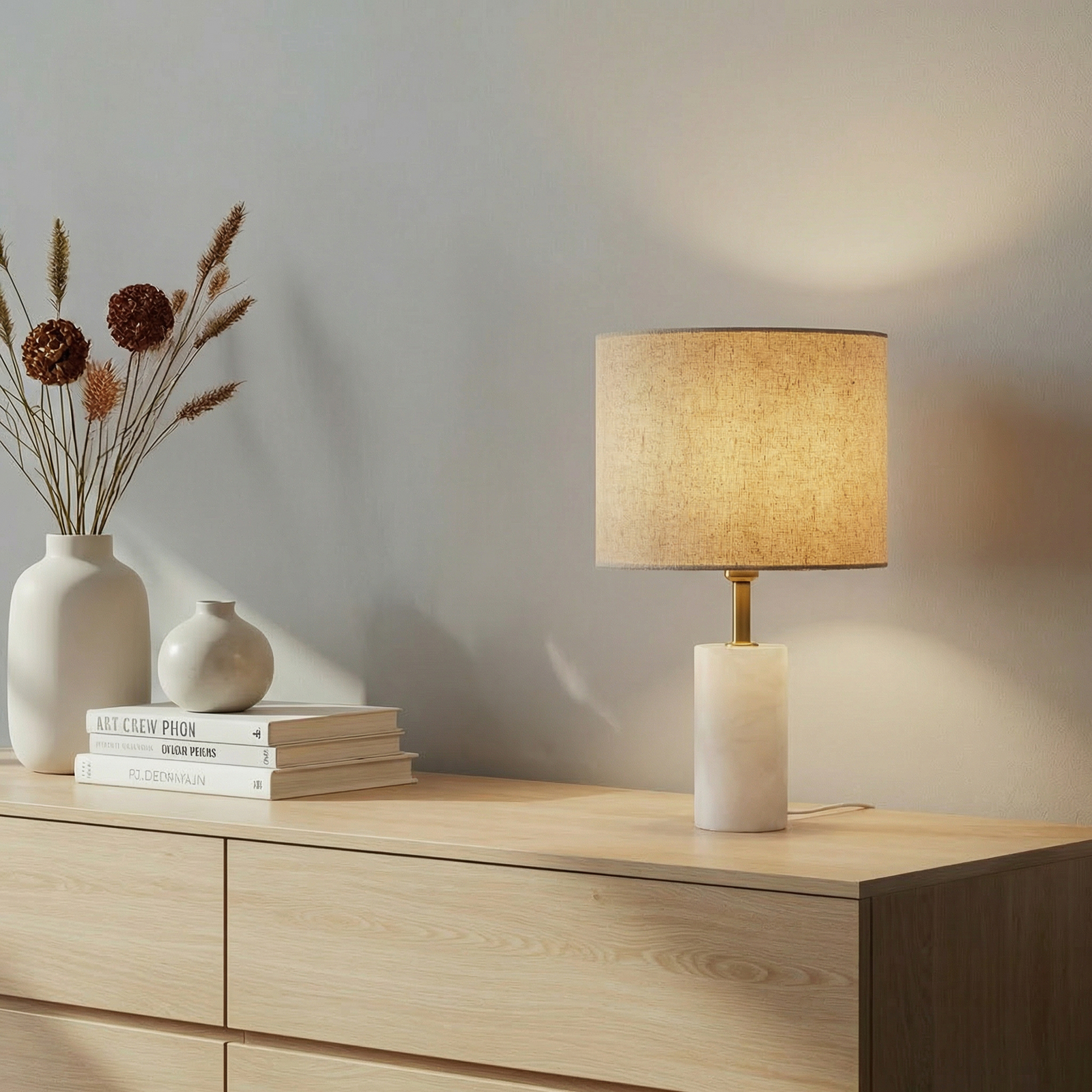
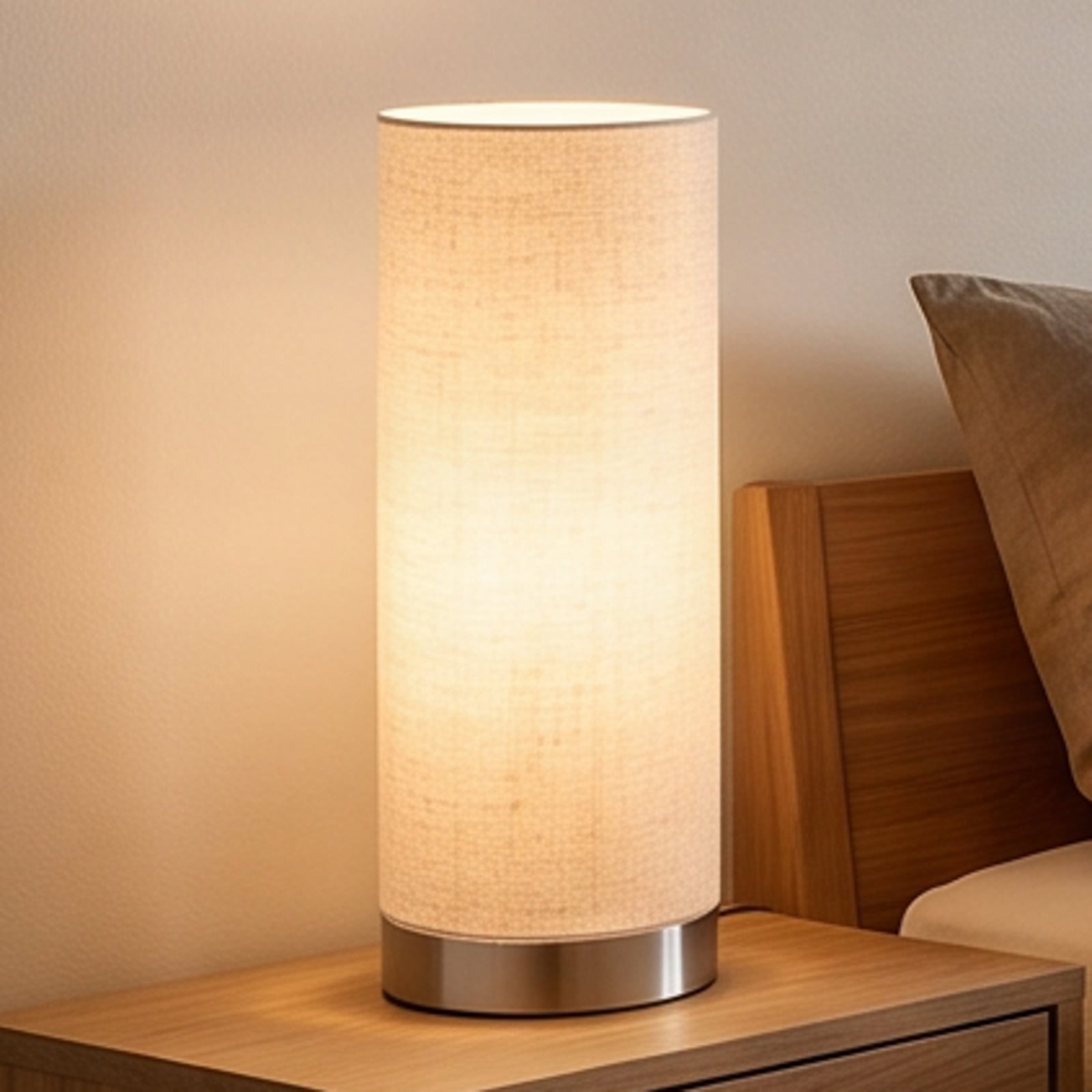
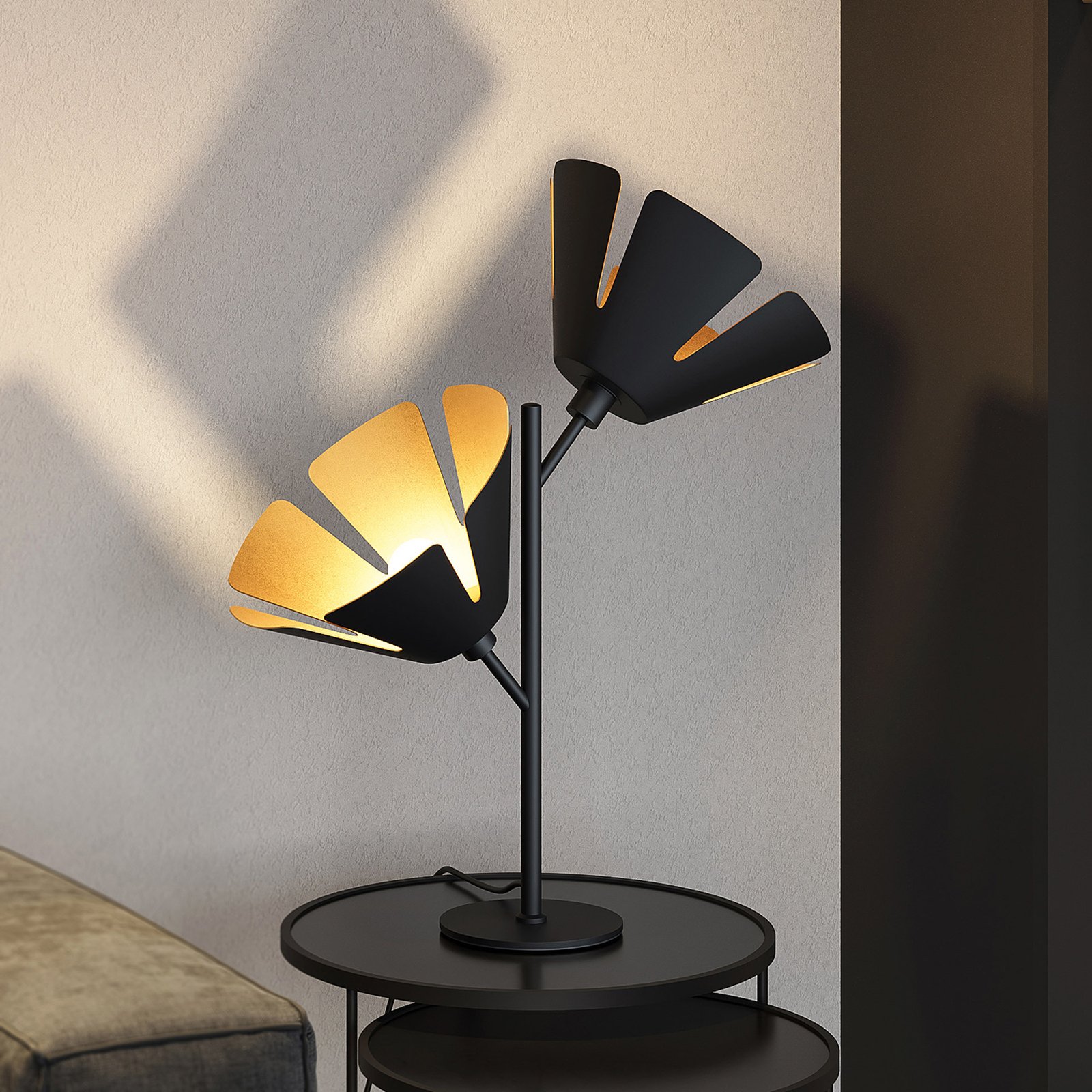
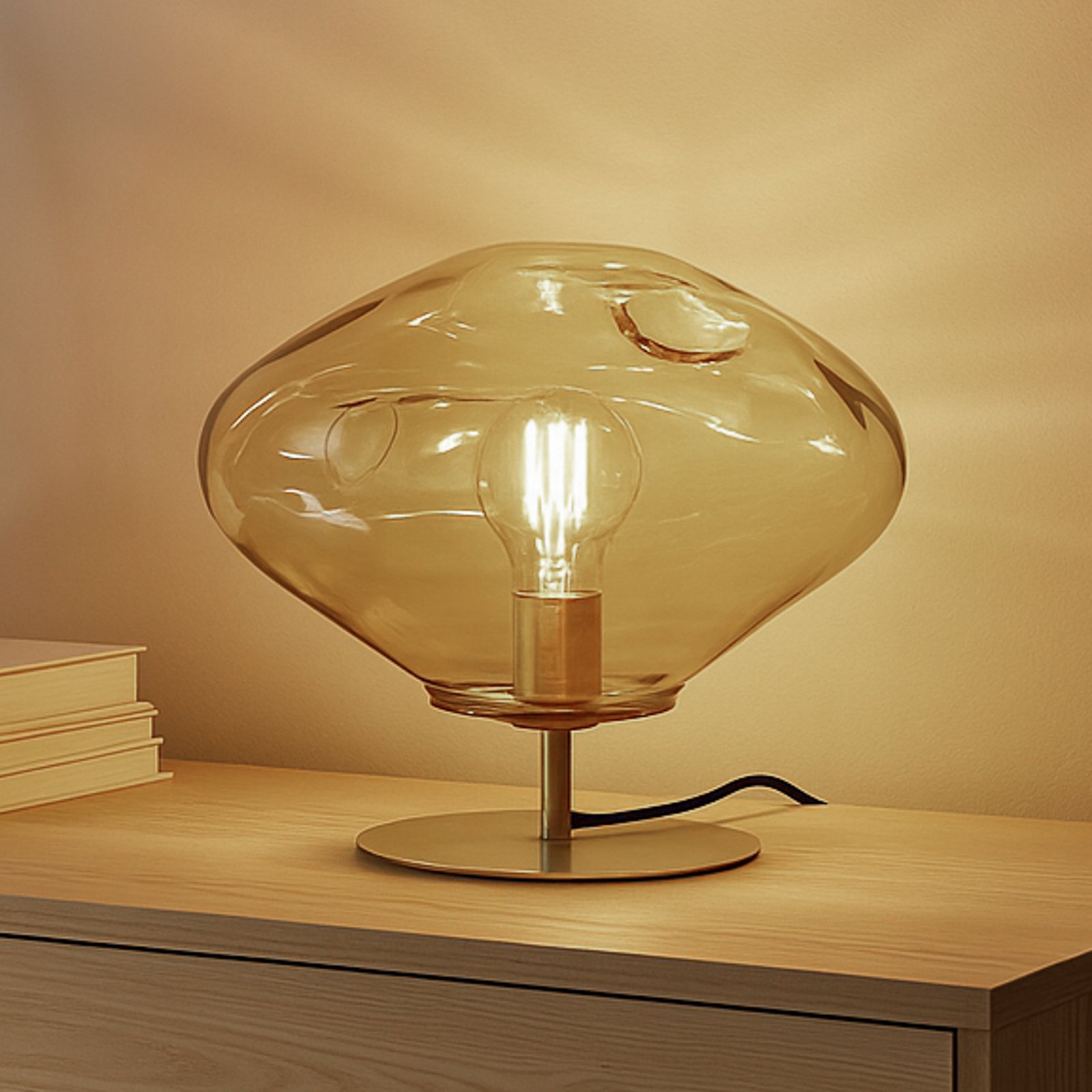
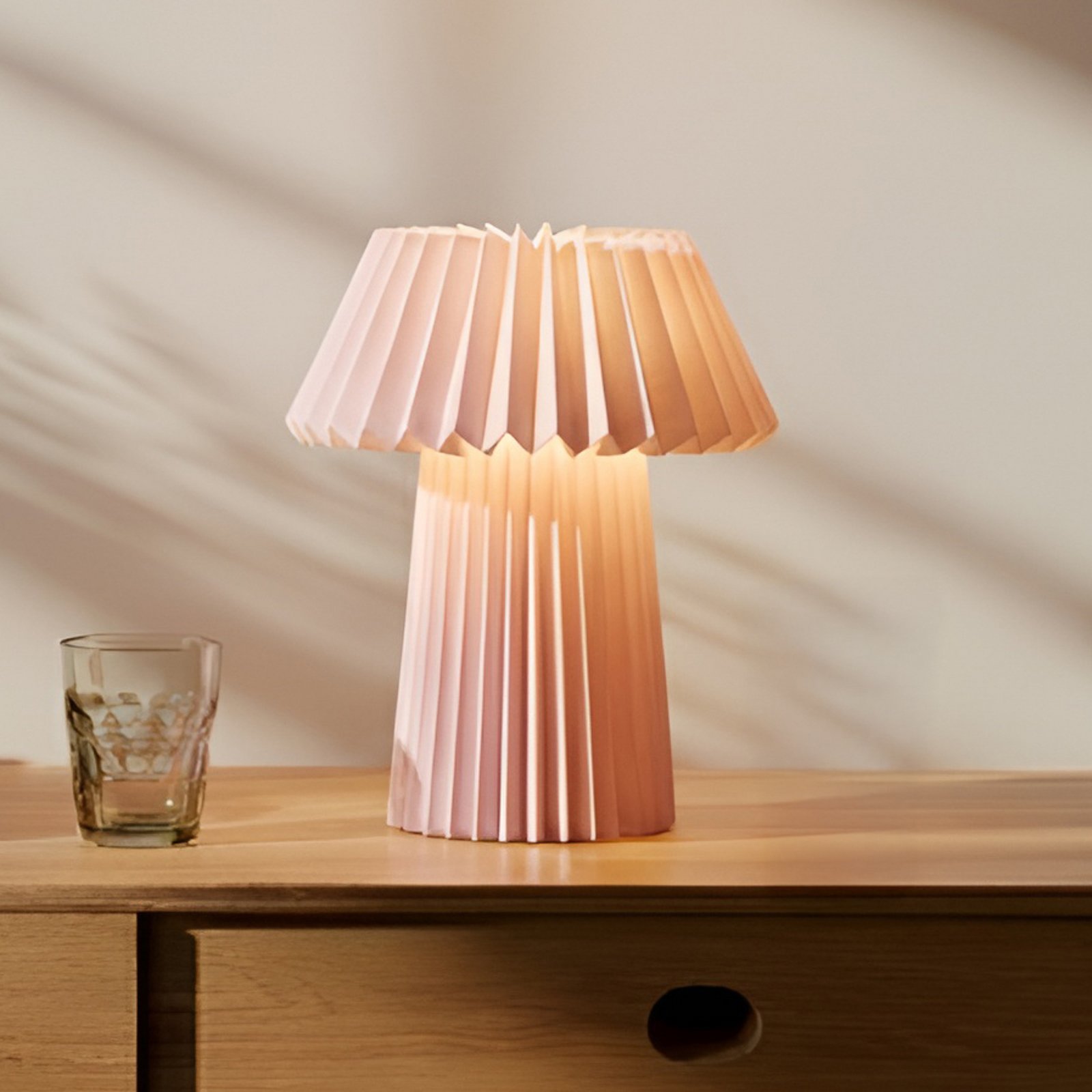
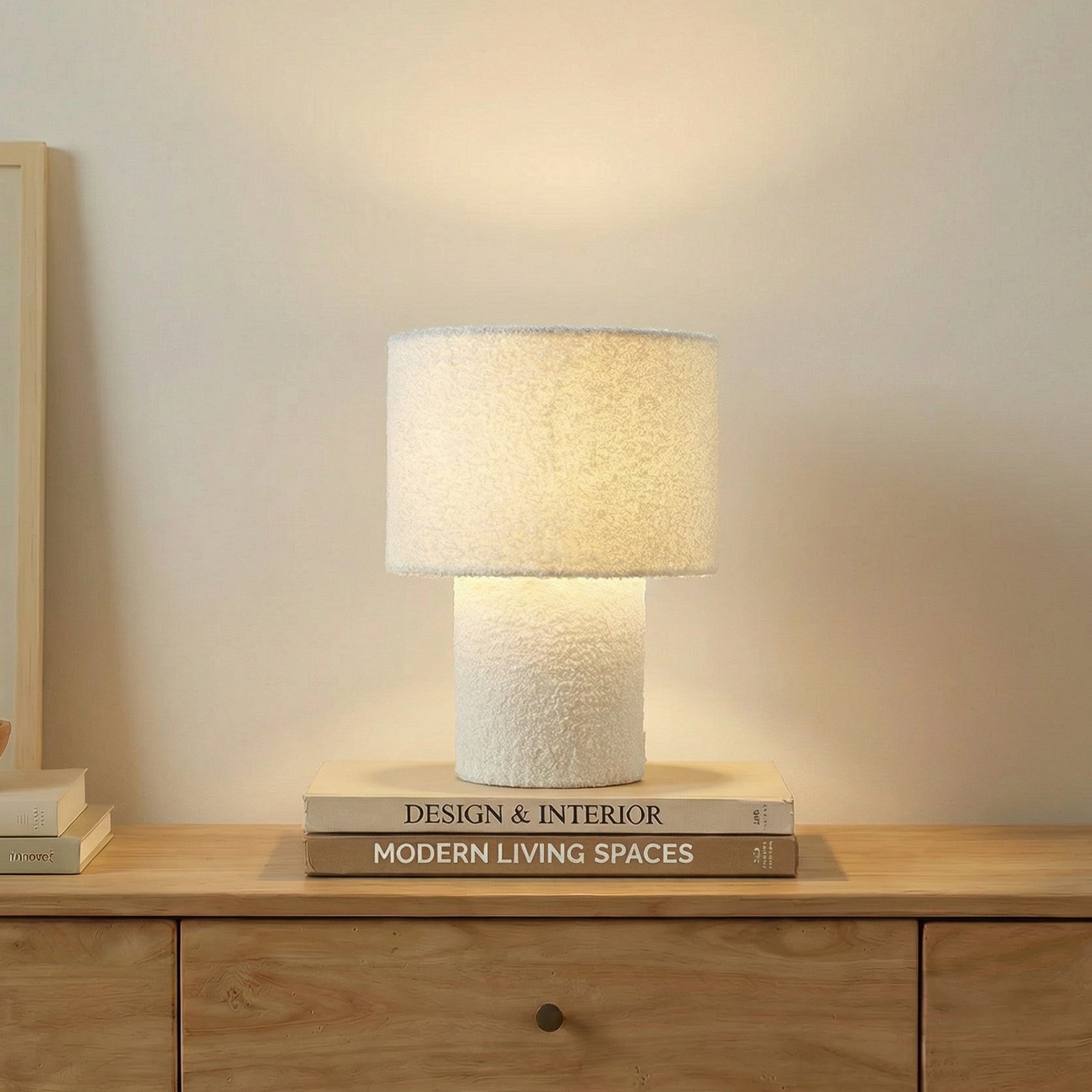
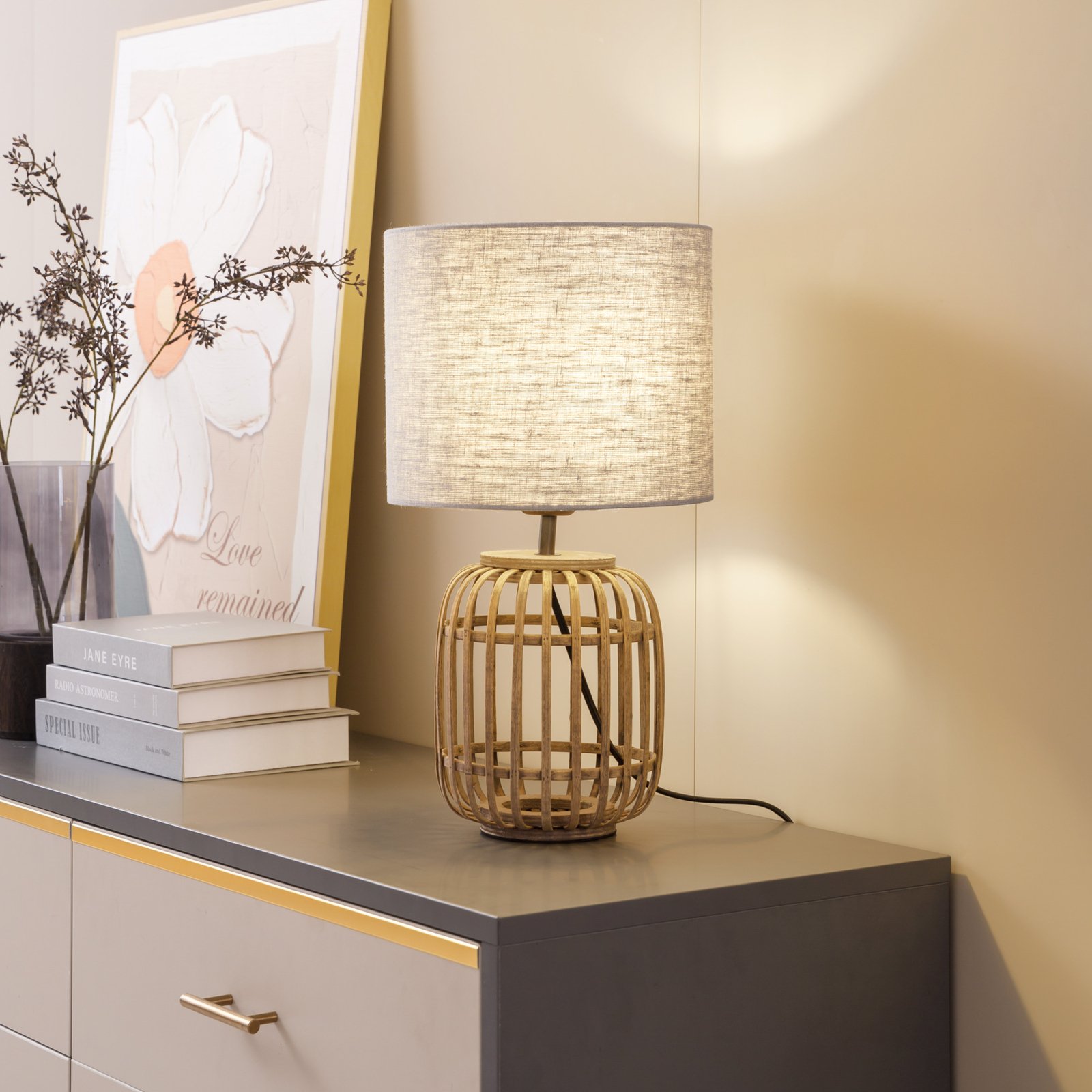
Shadow plays with table lamps
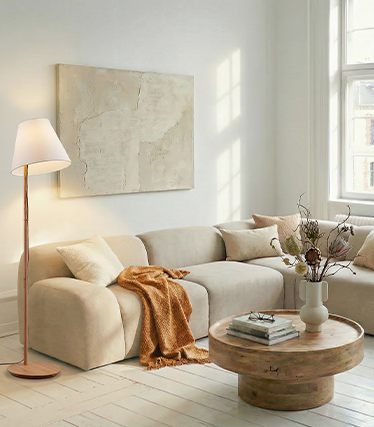
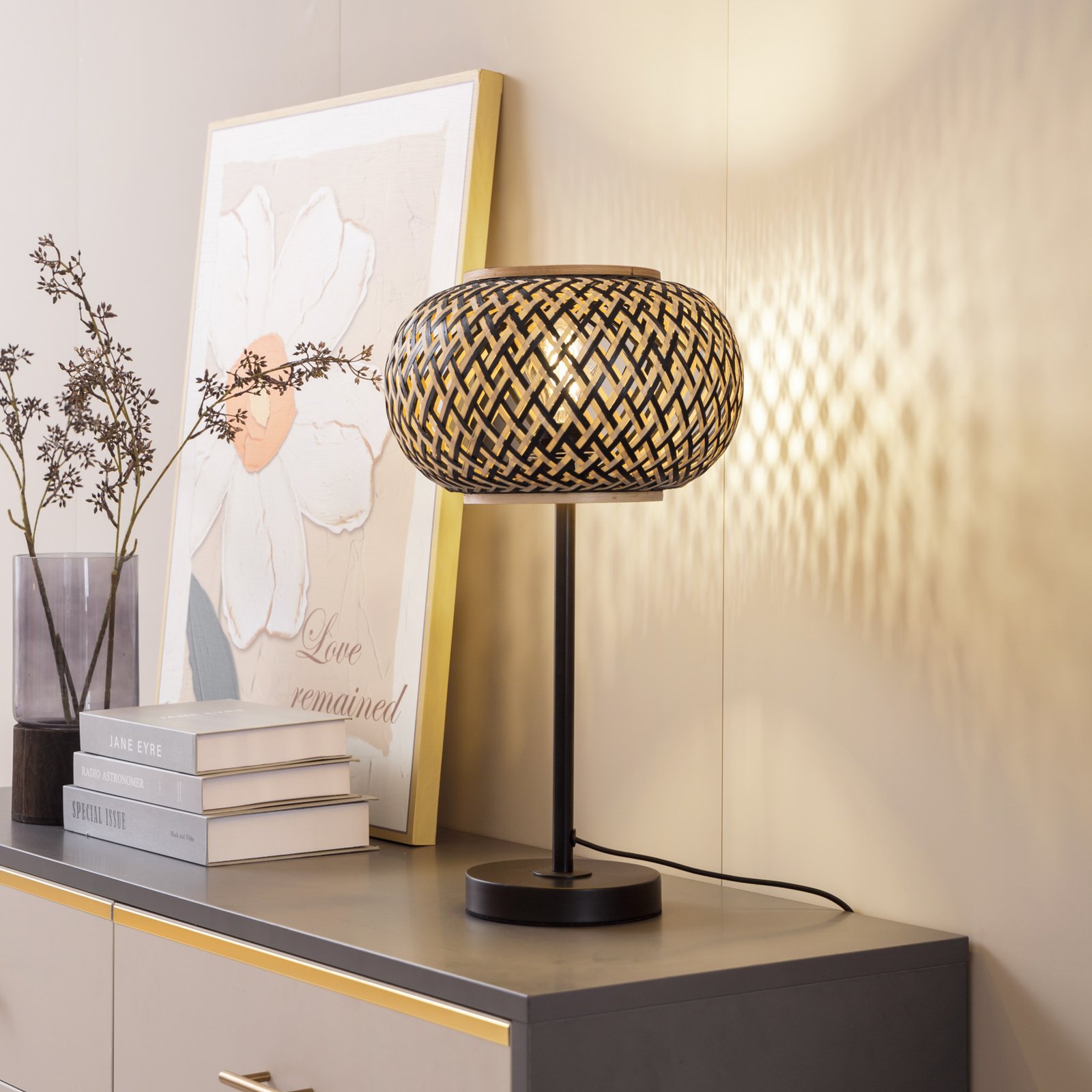
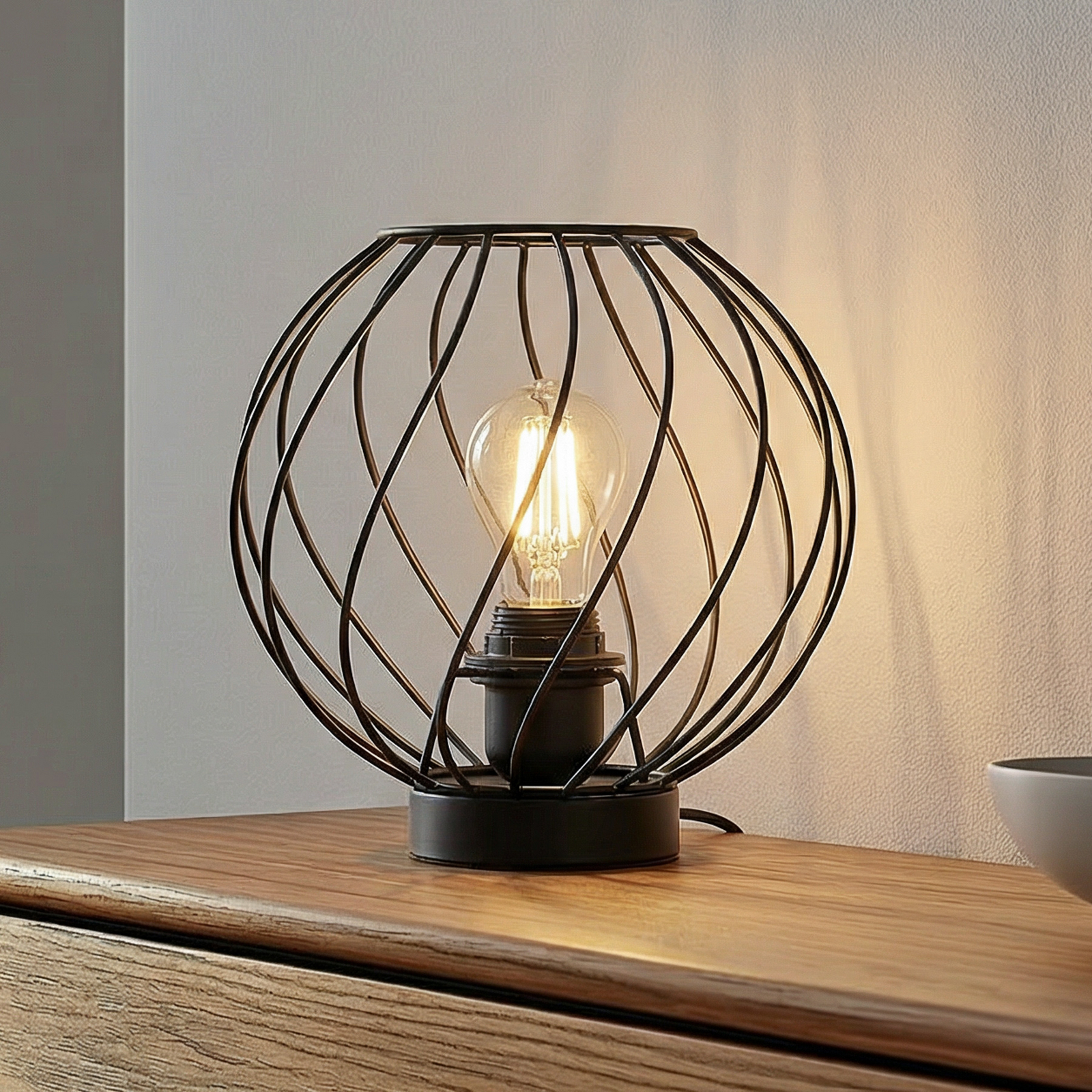
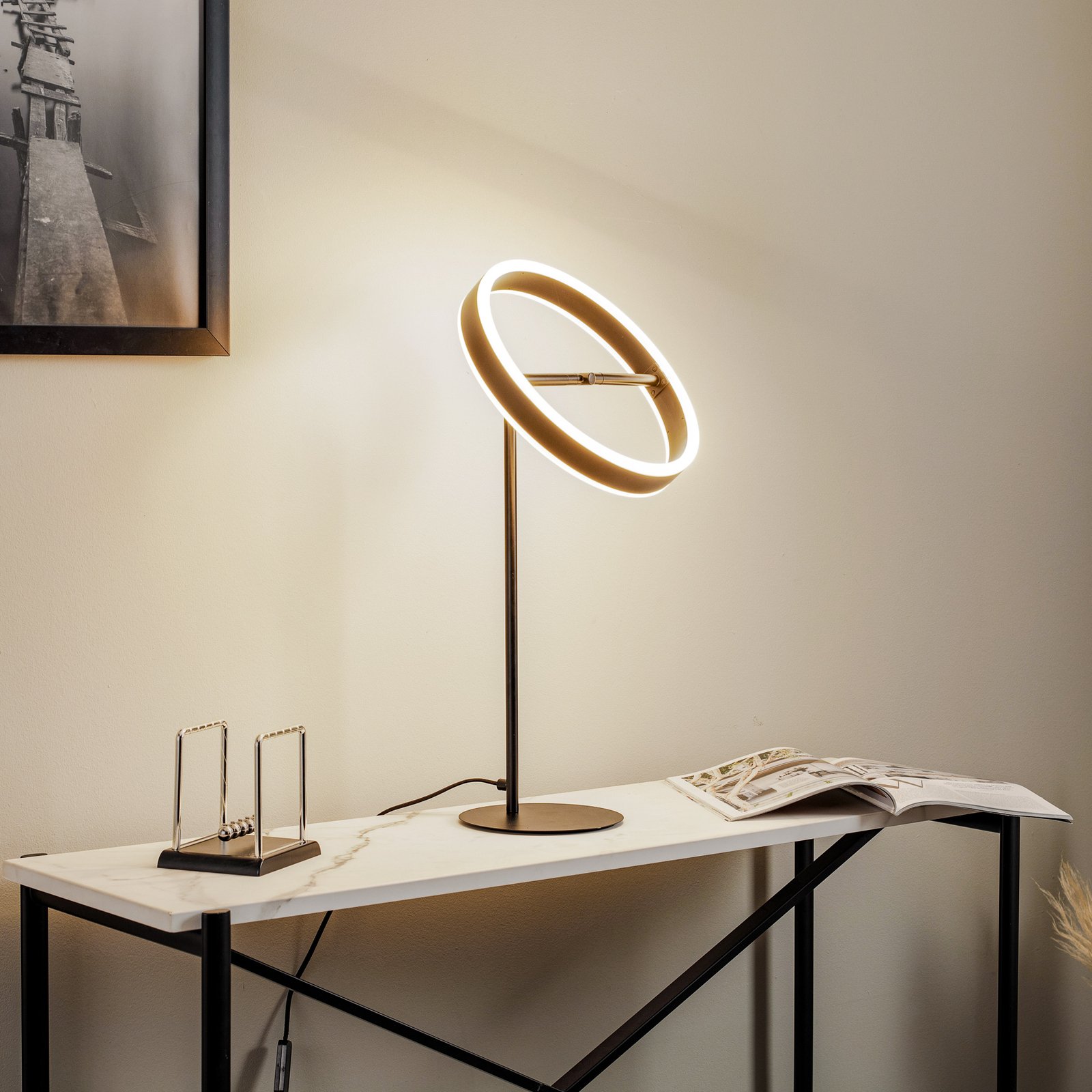
Additional lighting that can be positioned flexiblyA table lamp that casts shifting shadows can be placed anywhere in the room and creates atmospheric accents in no time at all. Placings near a wall are particularly effective, as the patterns and shadows are especially clearly visible there. Suitable places to use them are therefore sideboards, window sills, bedside tables, side tables and shelves.
In the living room, bedroom or hallway, these lights provide pleasant supplementary lighting. To ensure that the shadow effect remains decorative and that the visible light source does not cause glare when the light comes into view, the brightness should not be set too high.
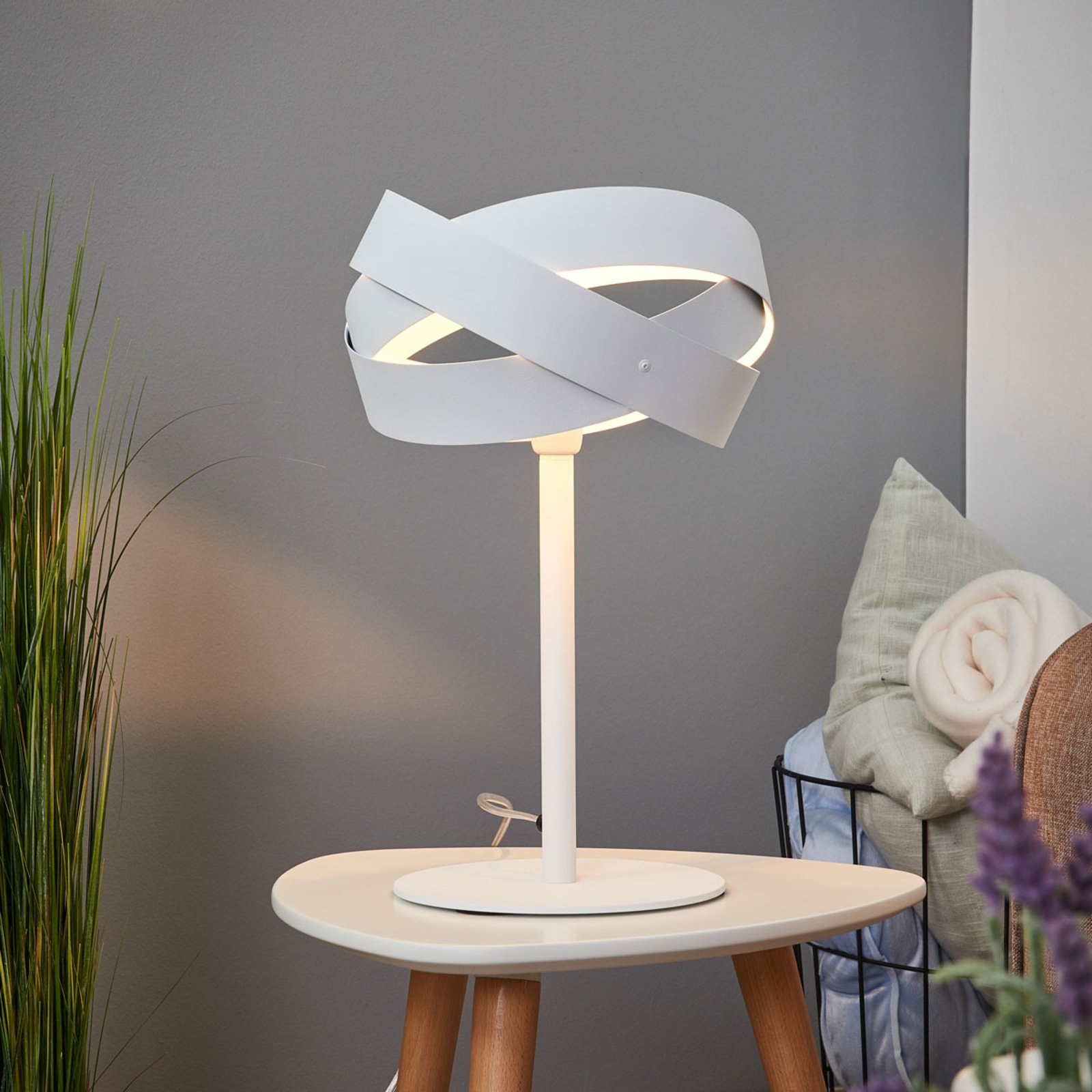
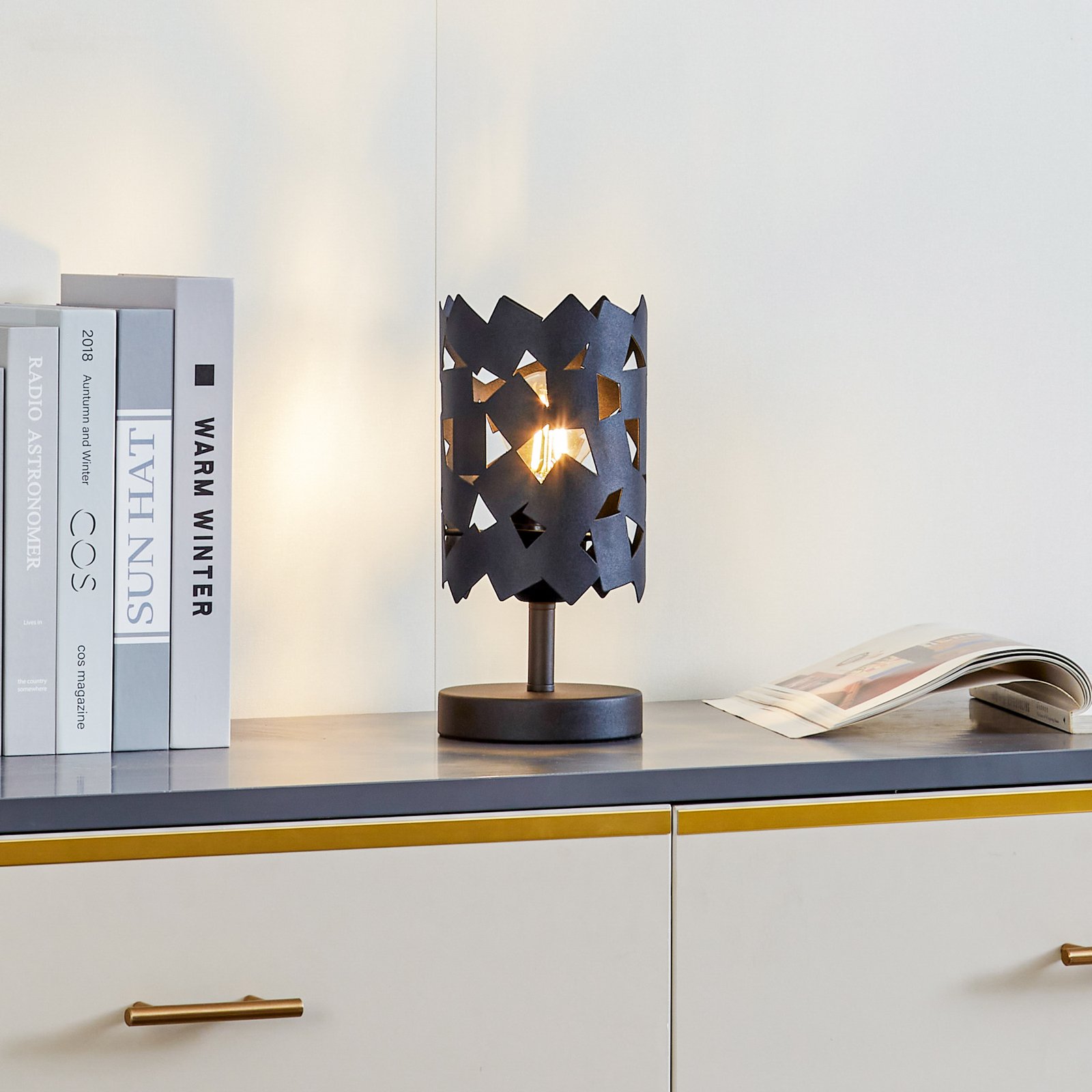
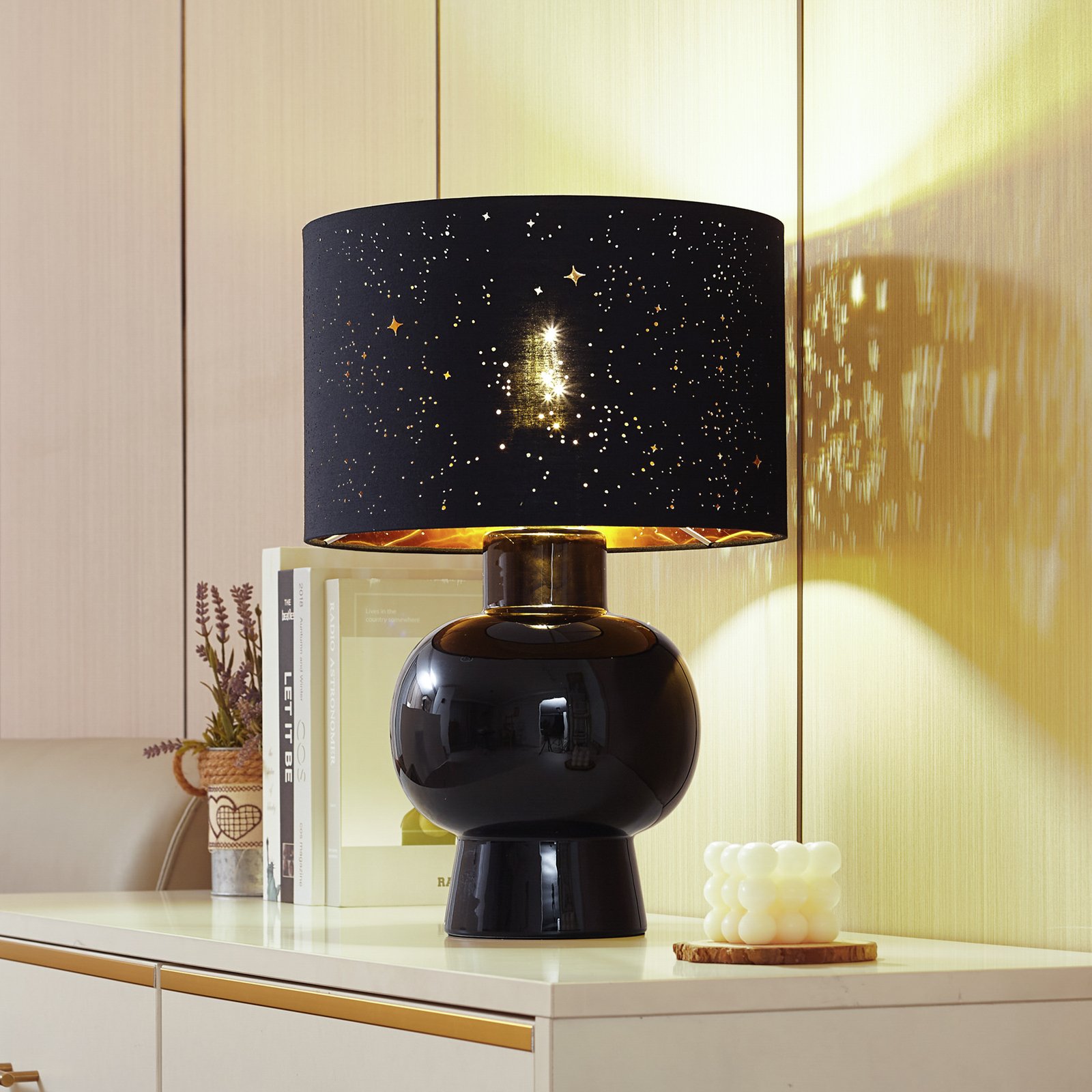
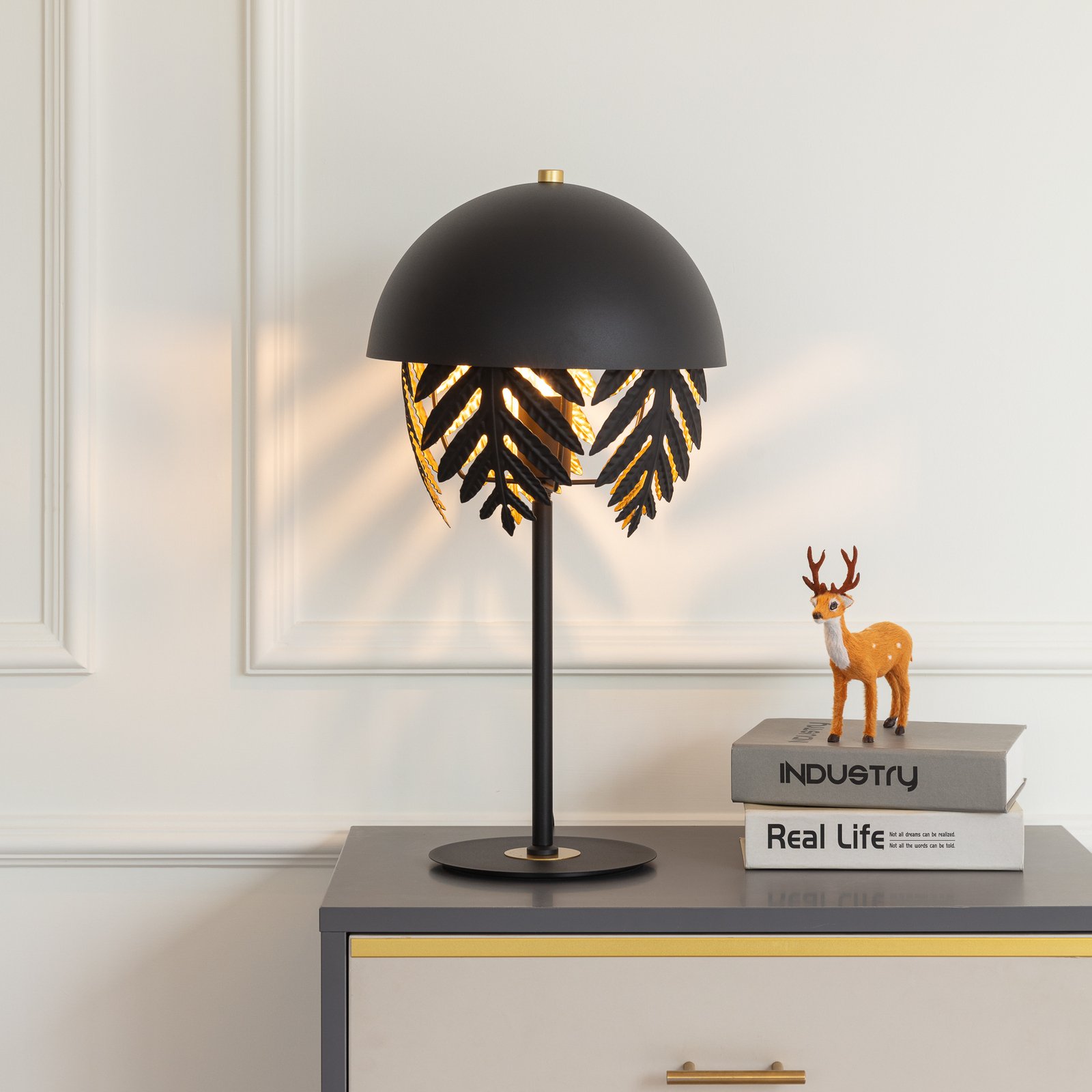
)
)
)
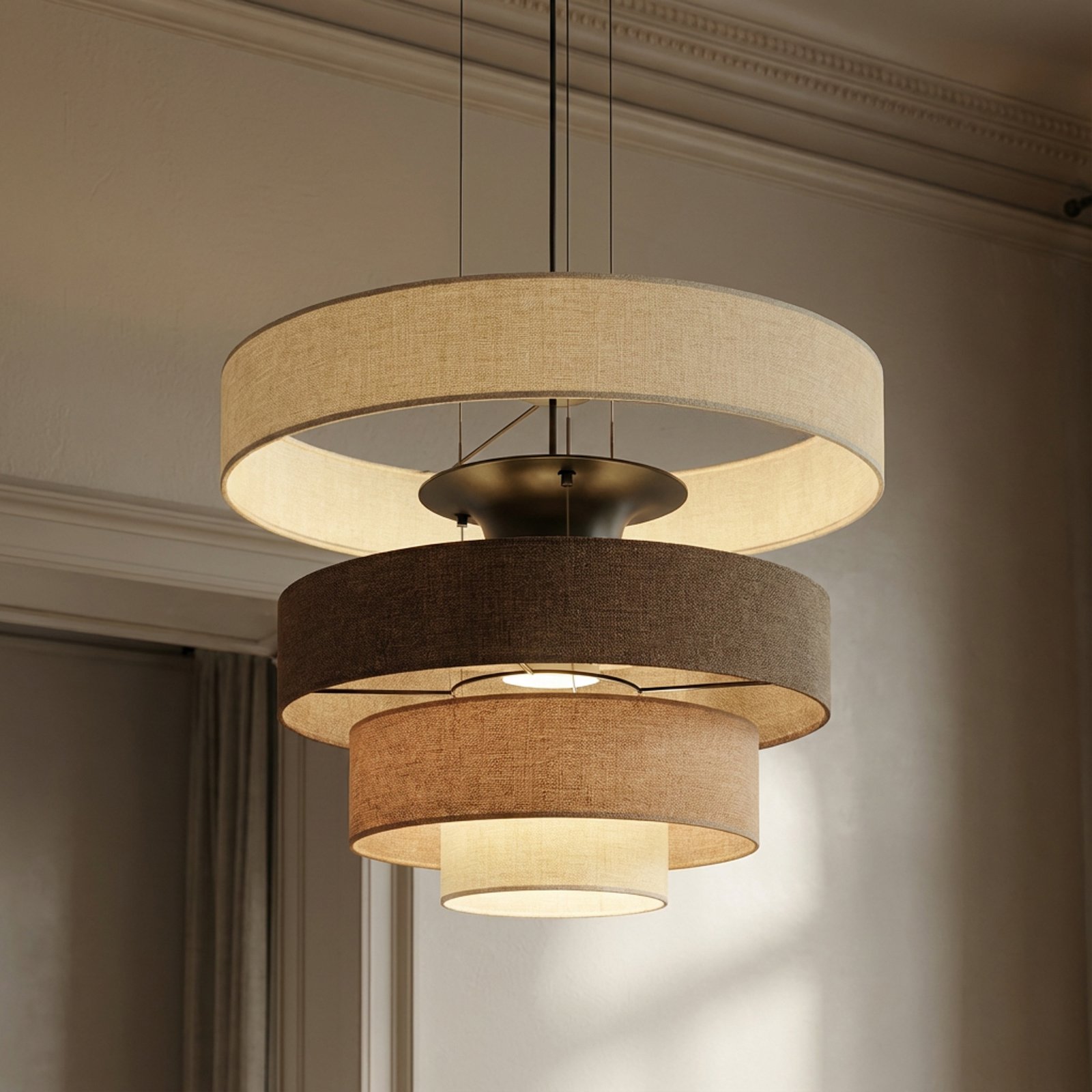
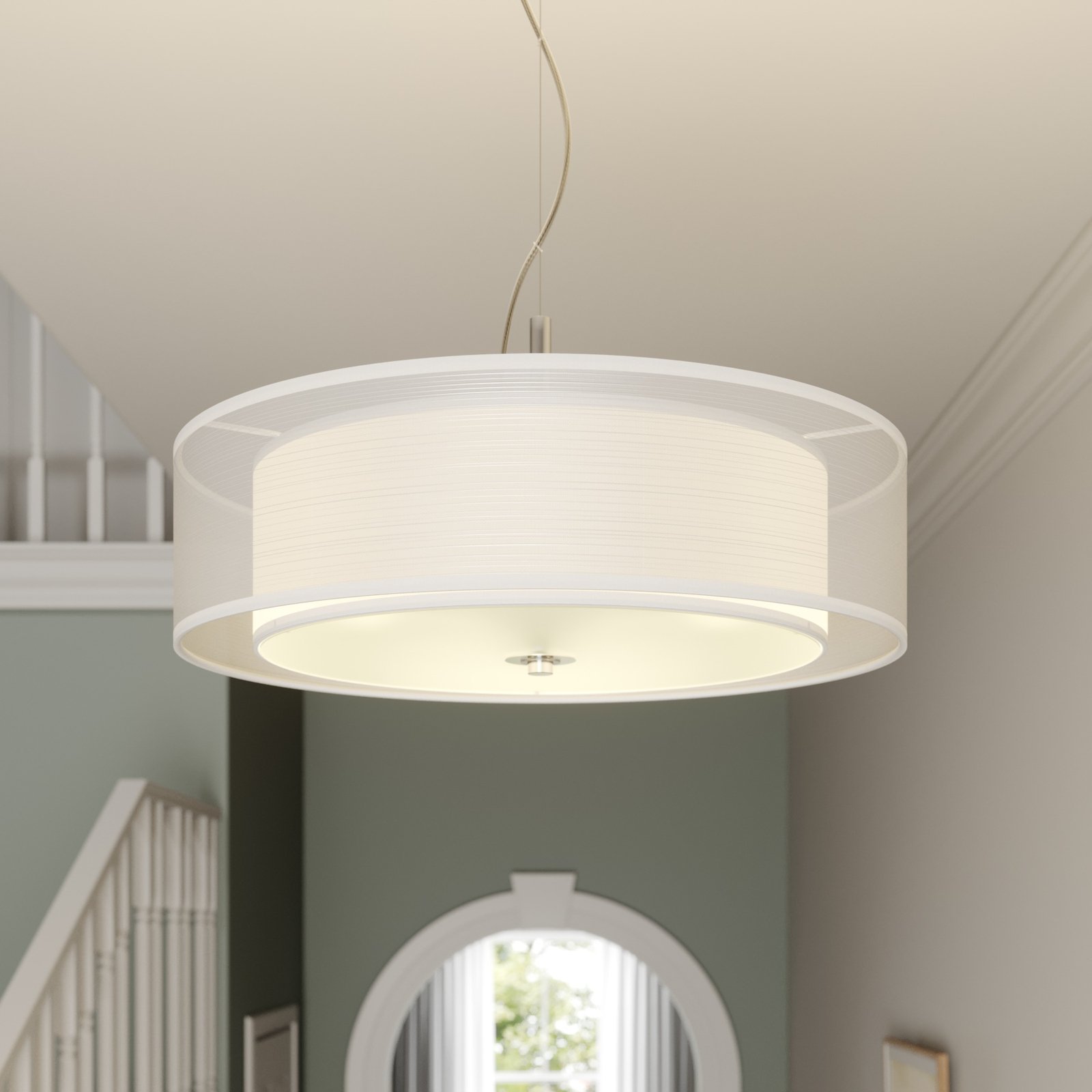
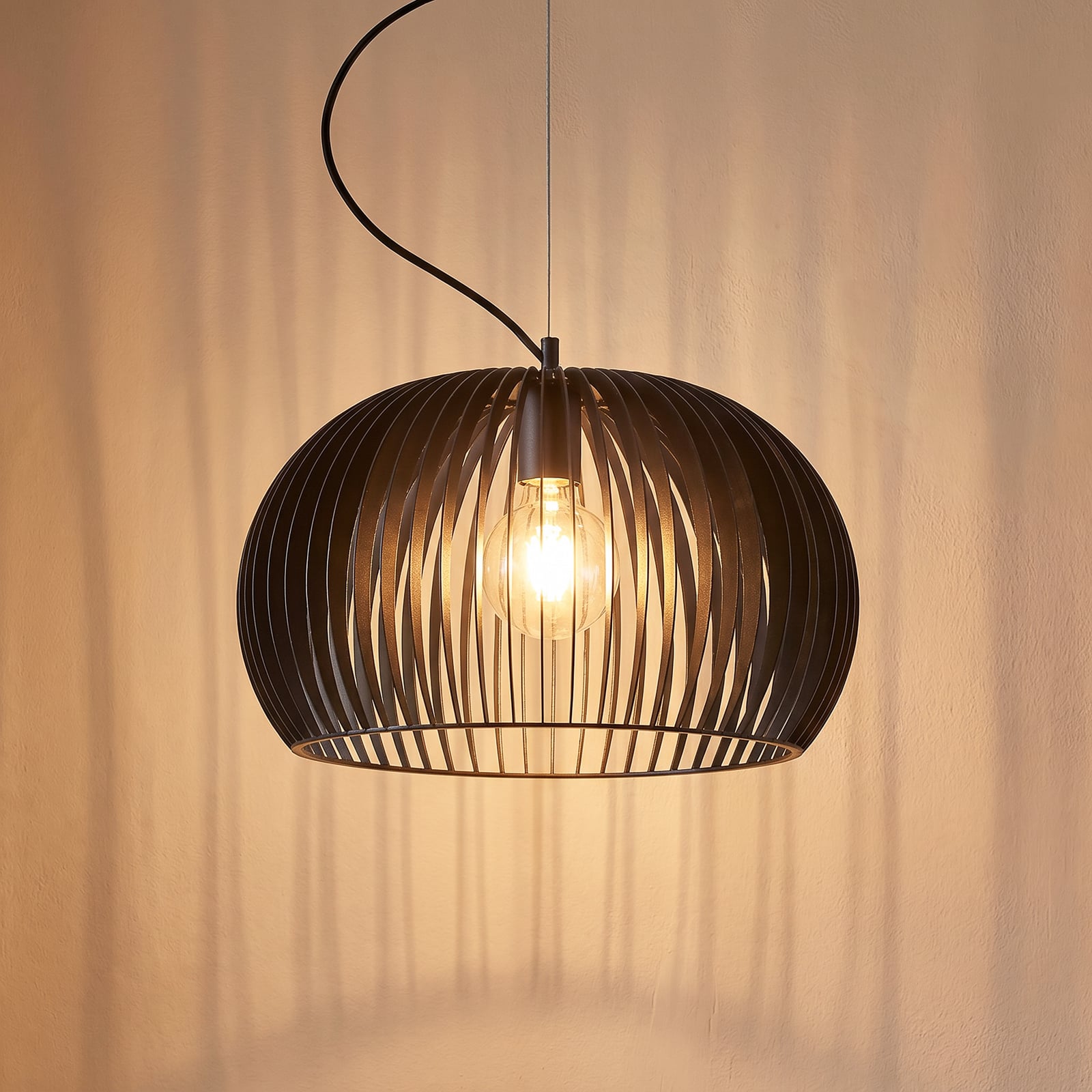
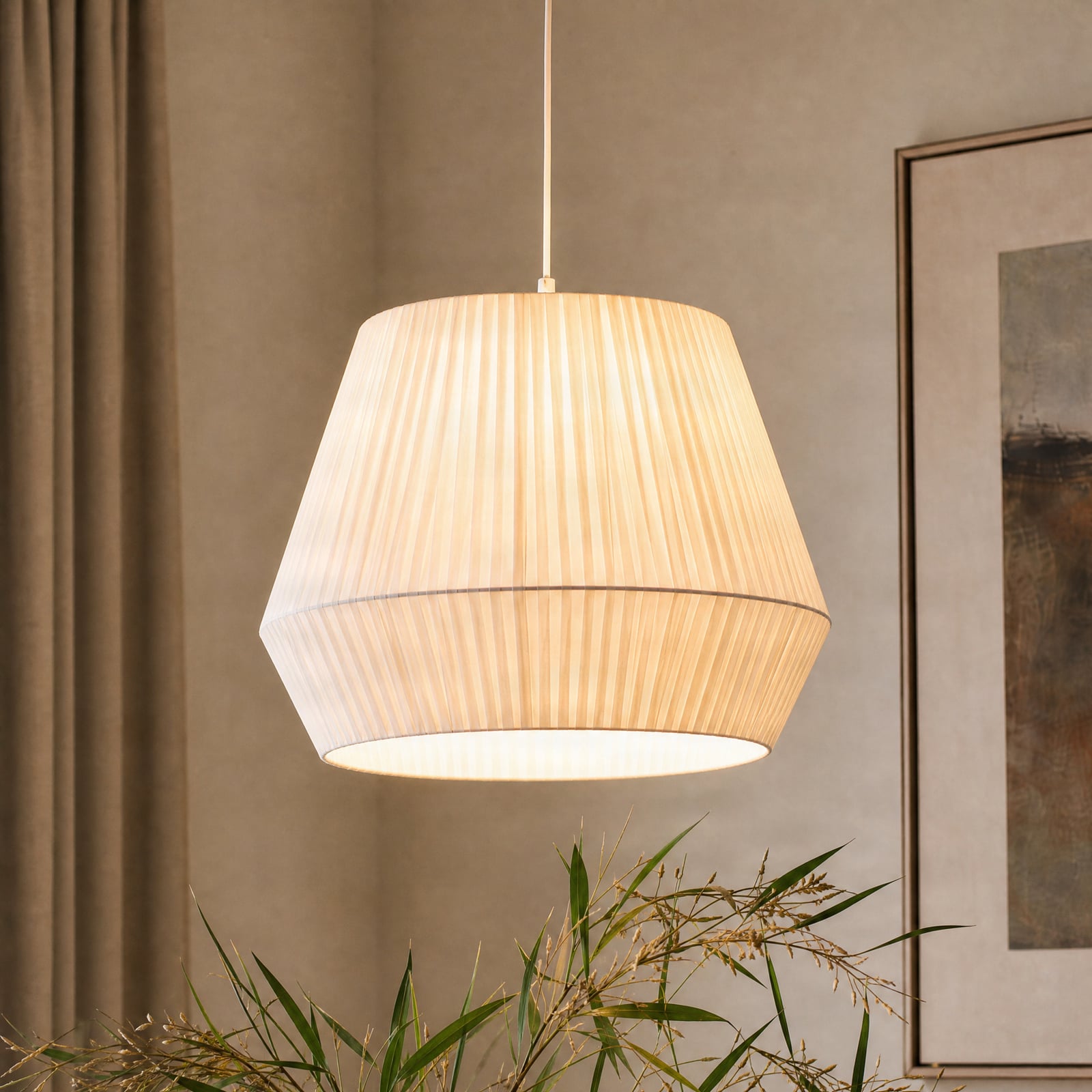
Pendant lights with light effects
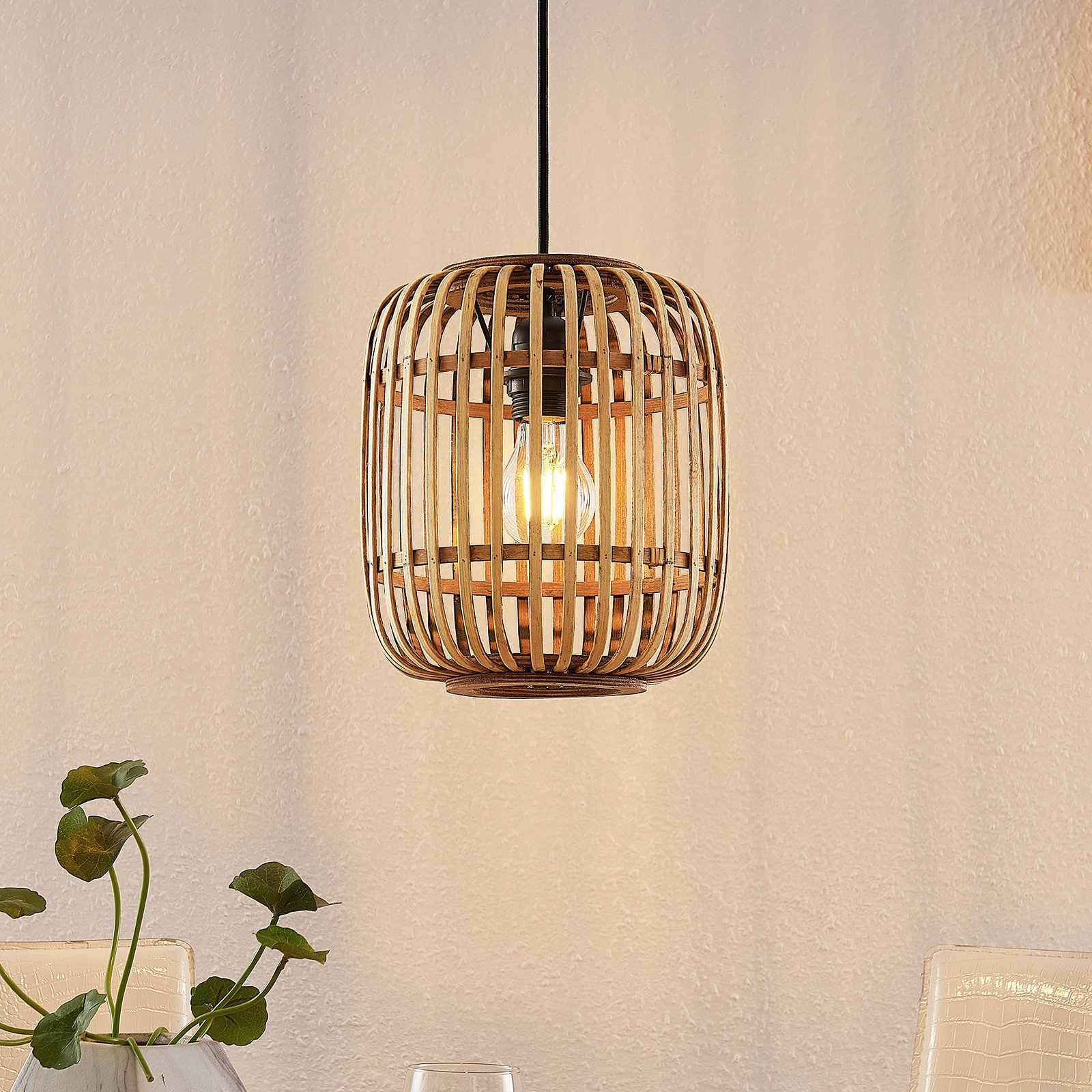
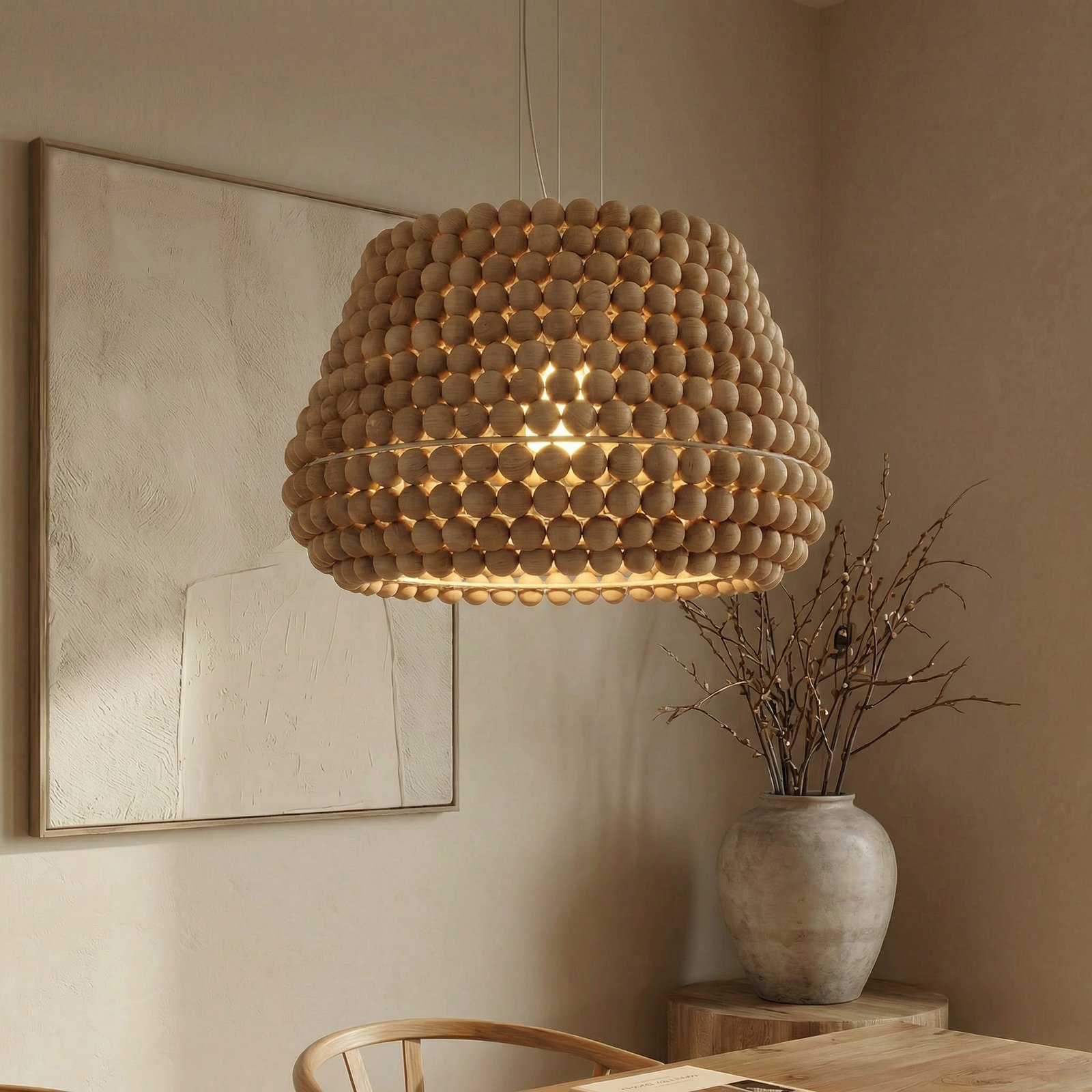
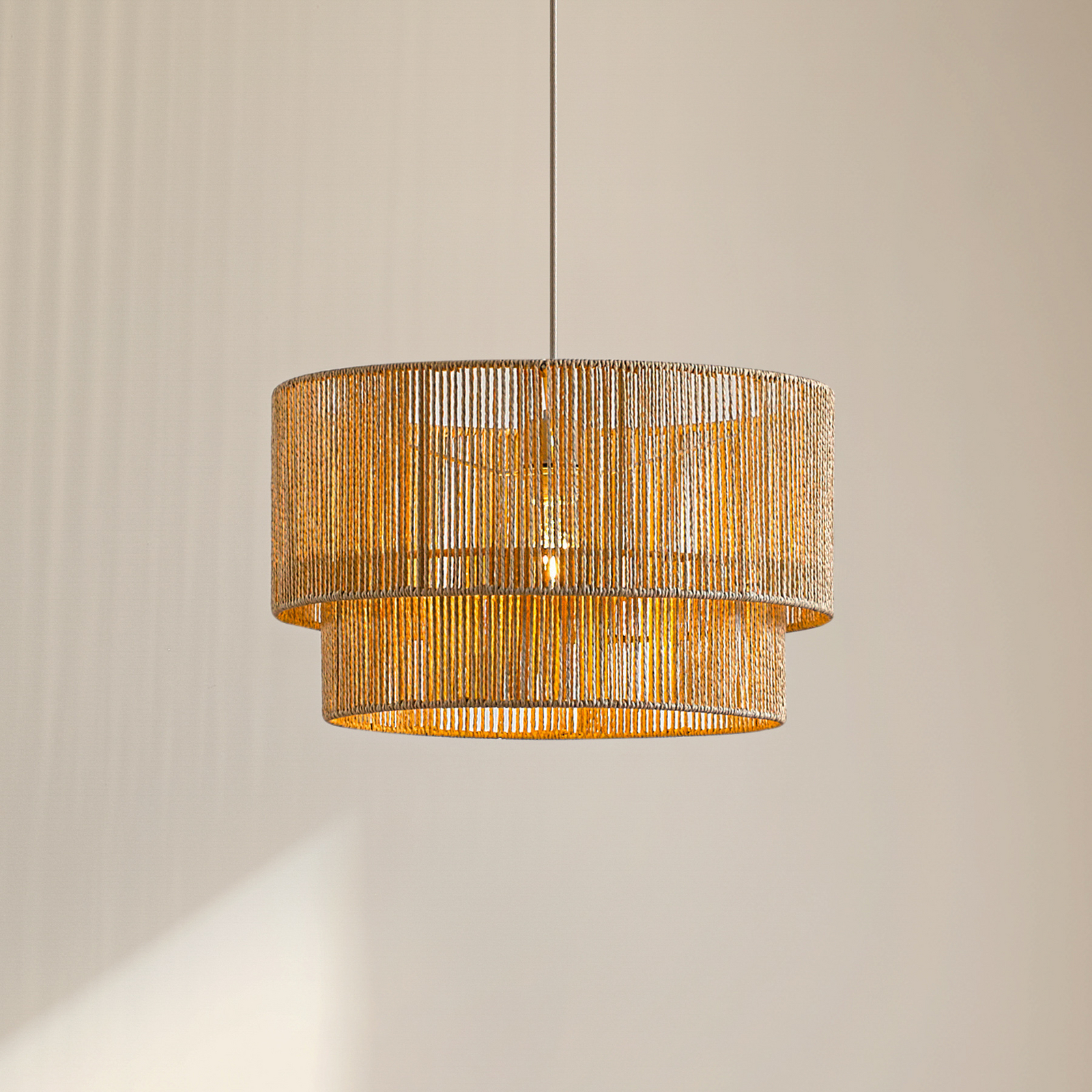
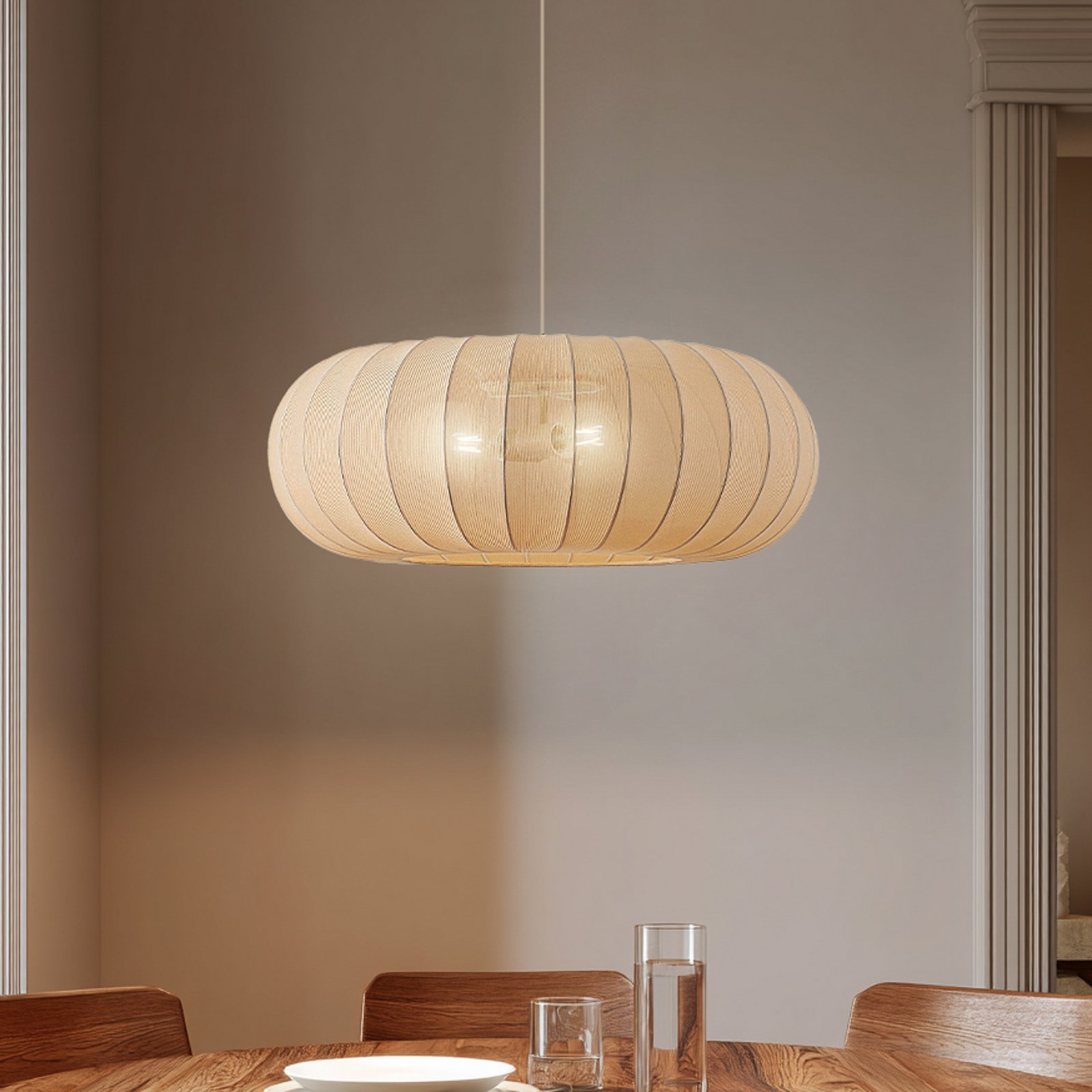
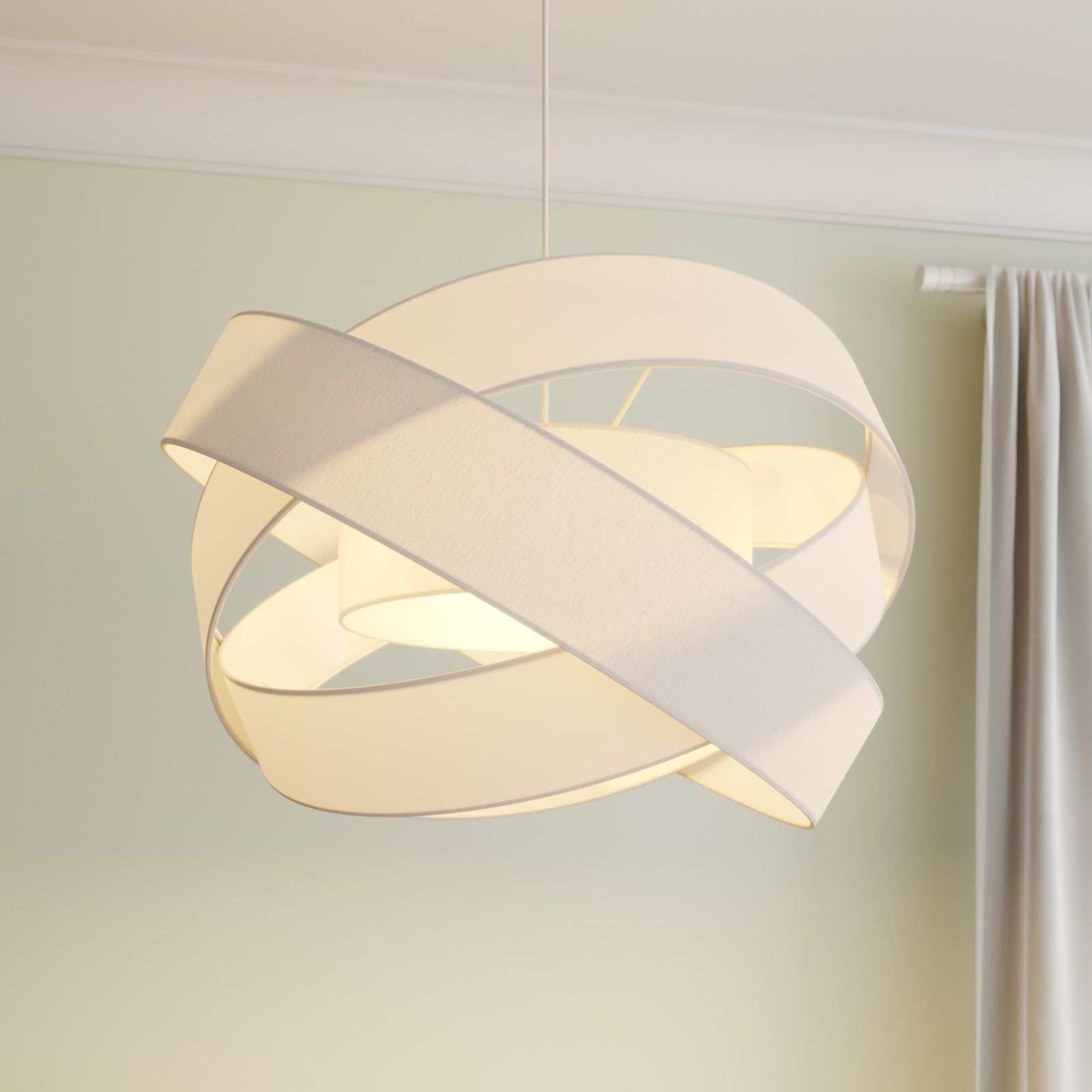
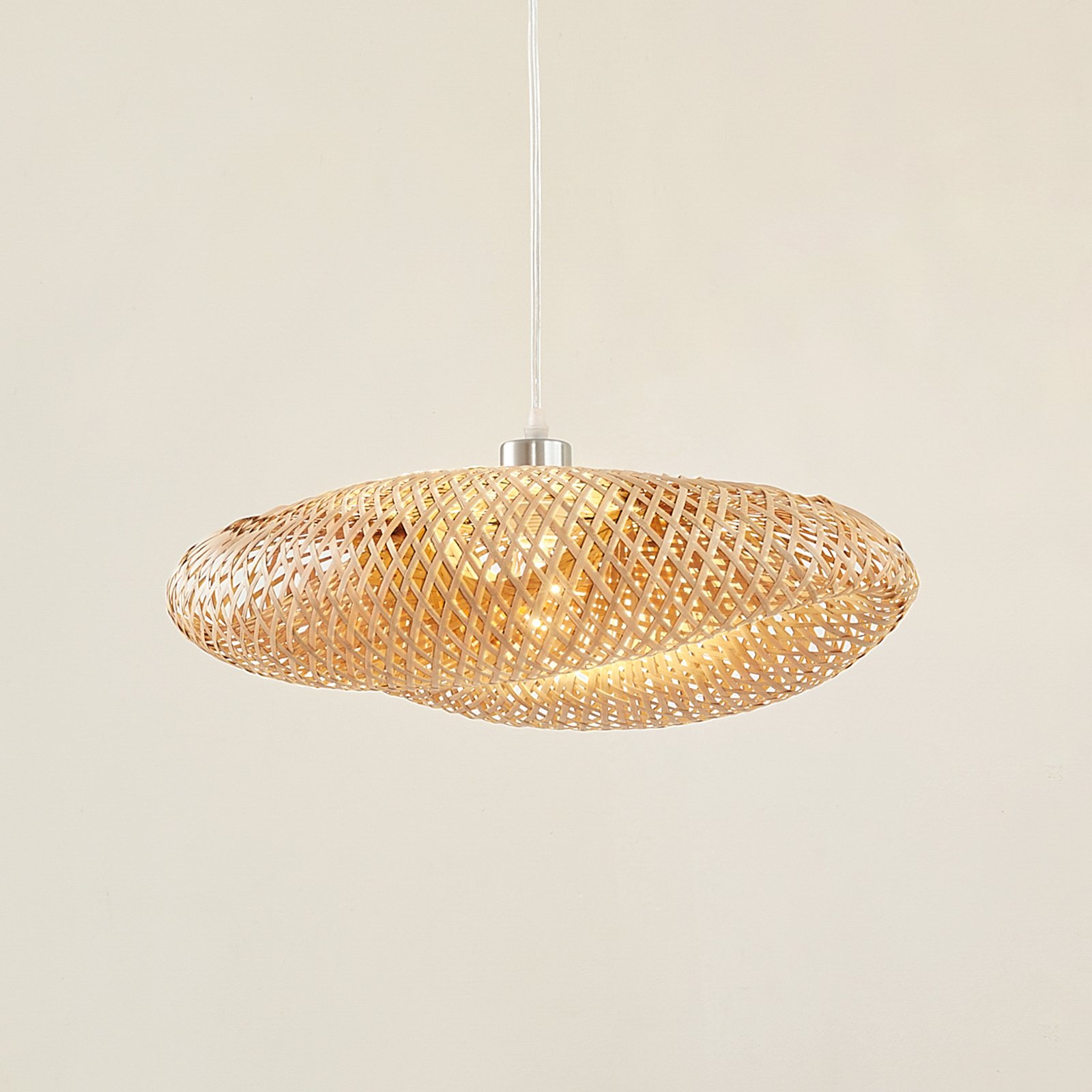
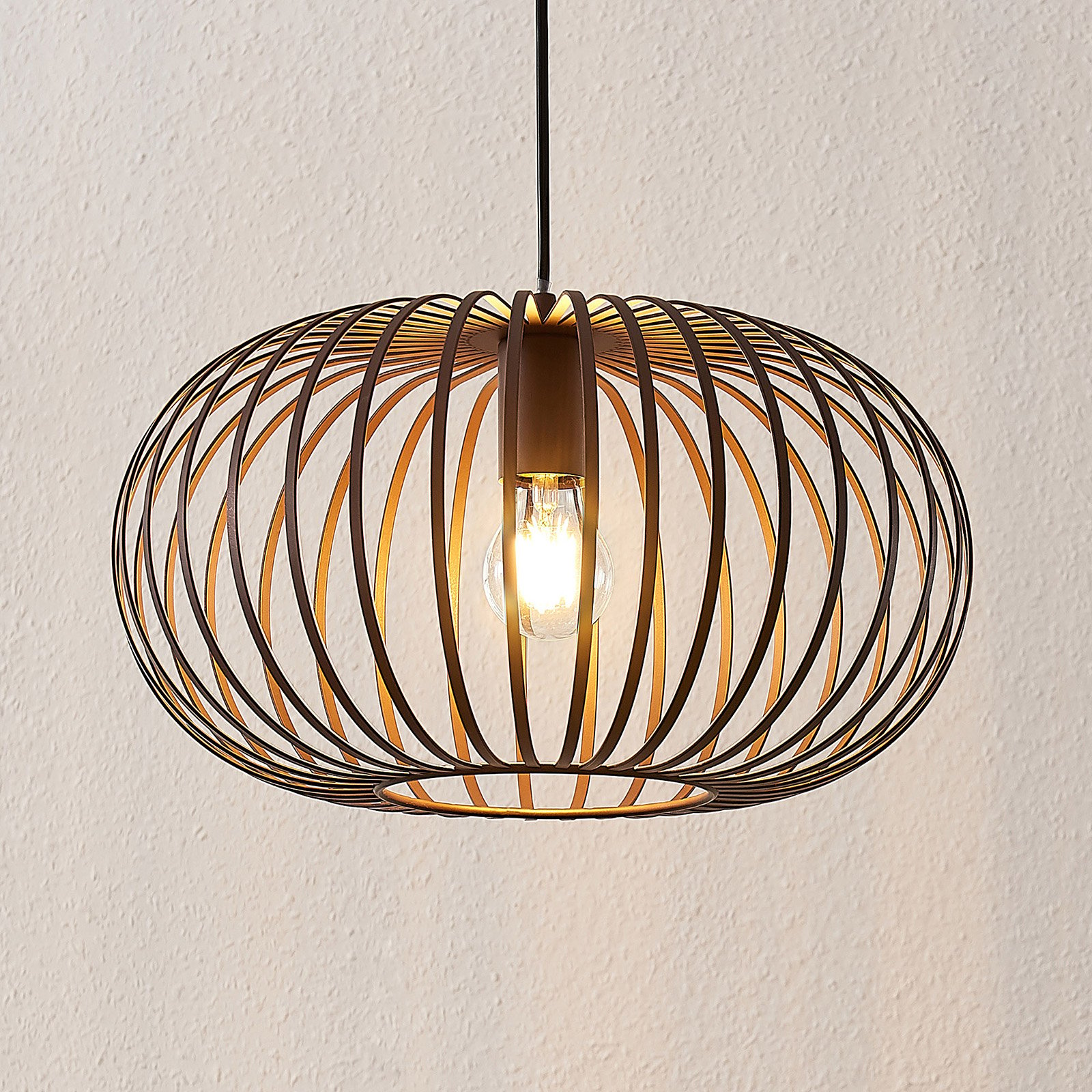
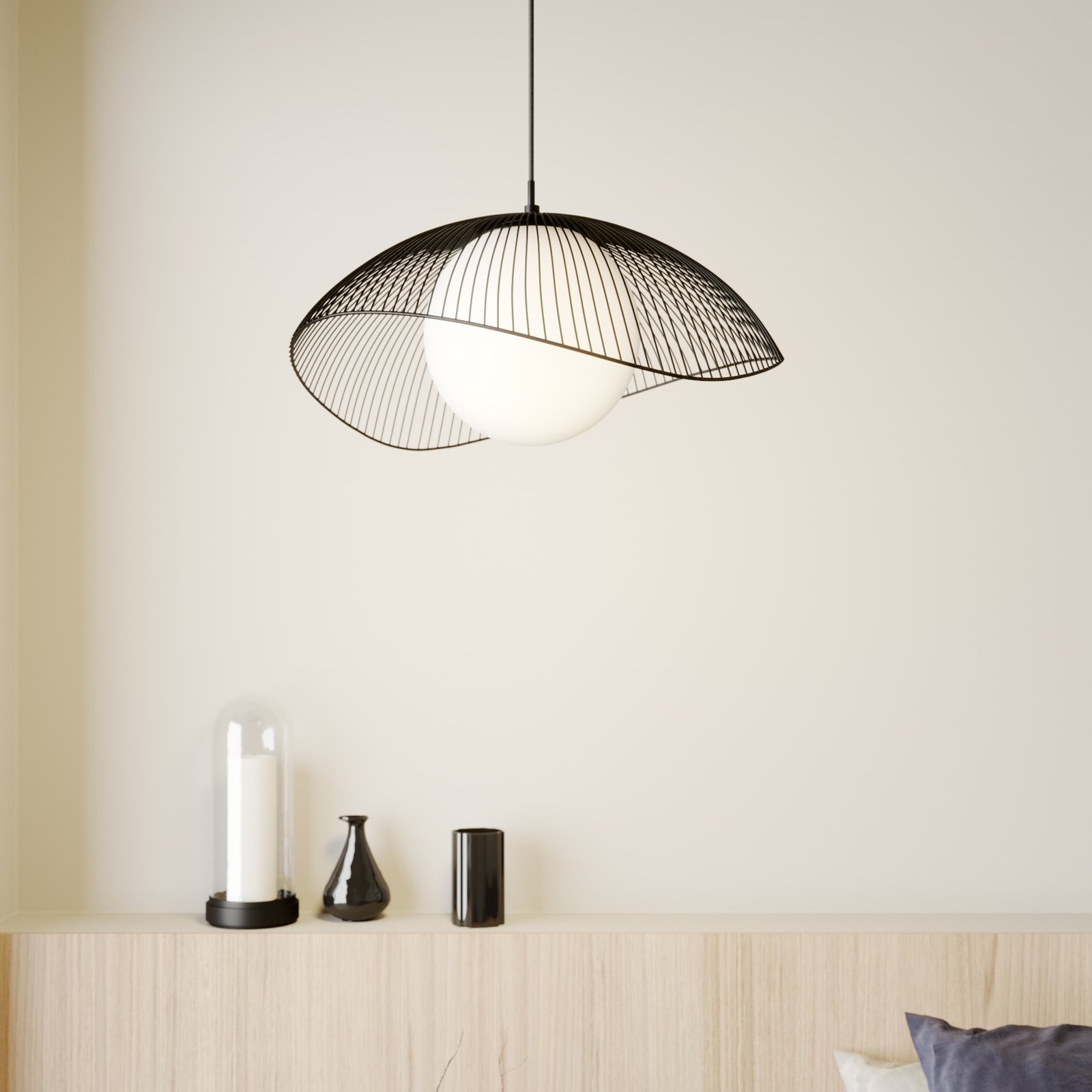
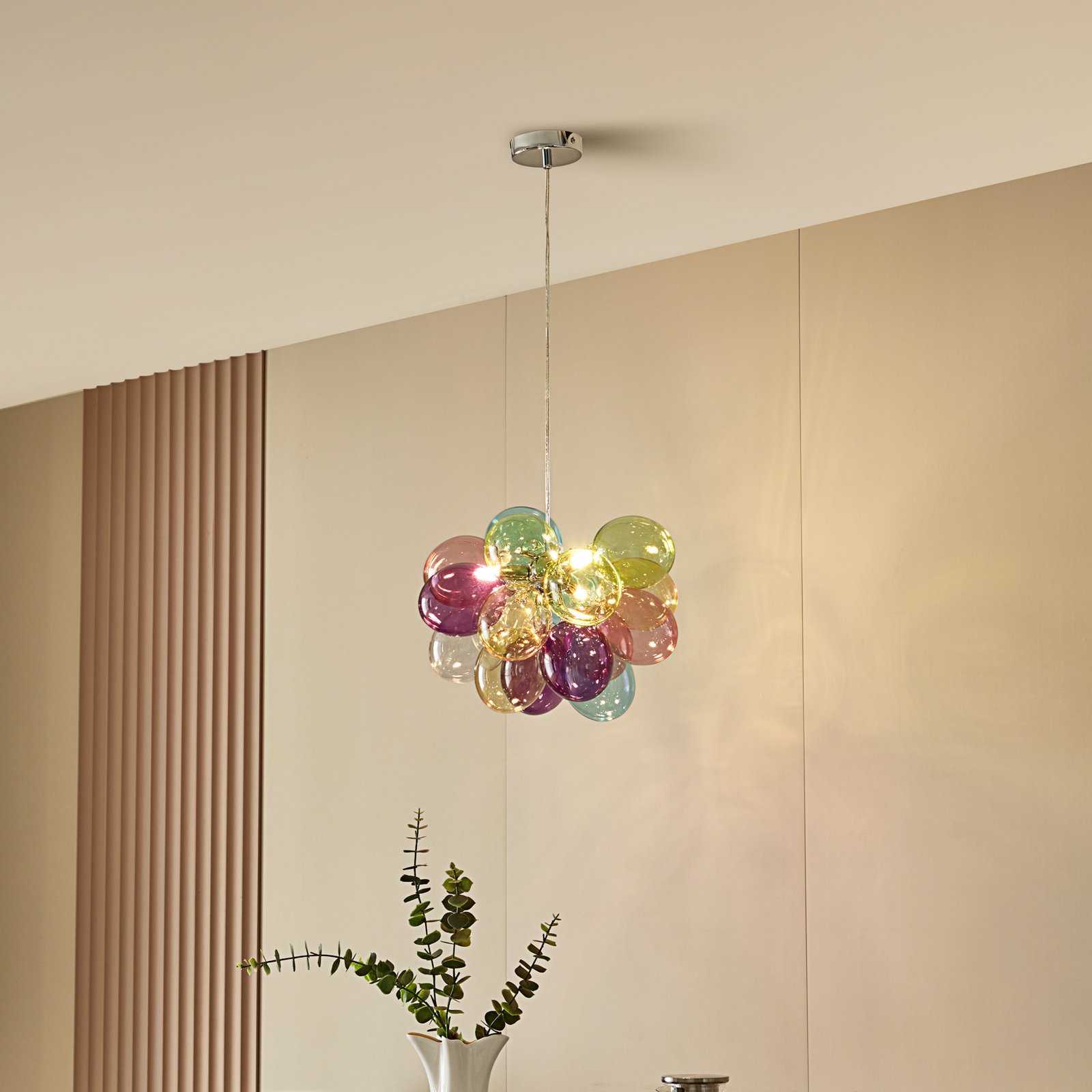
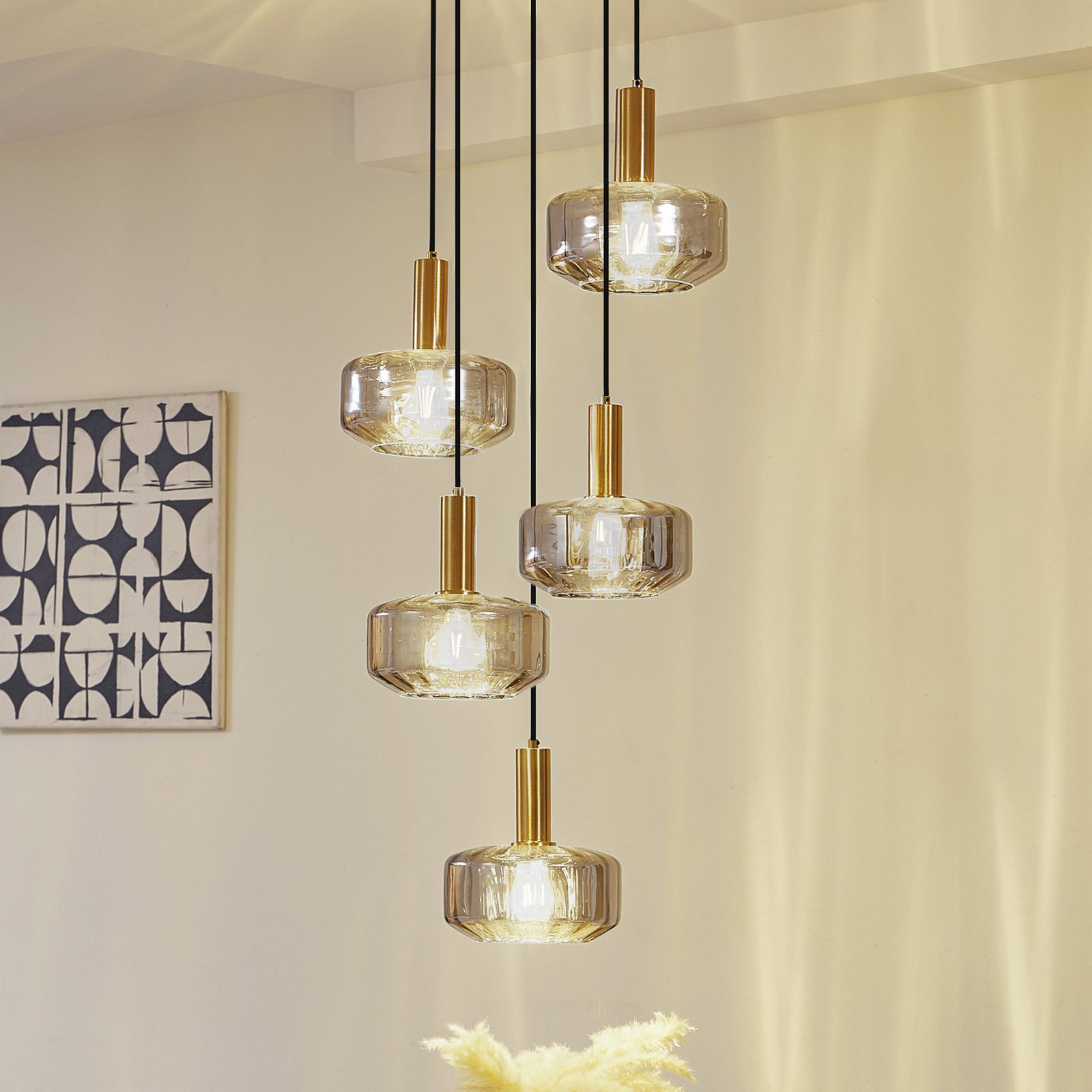
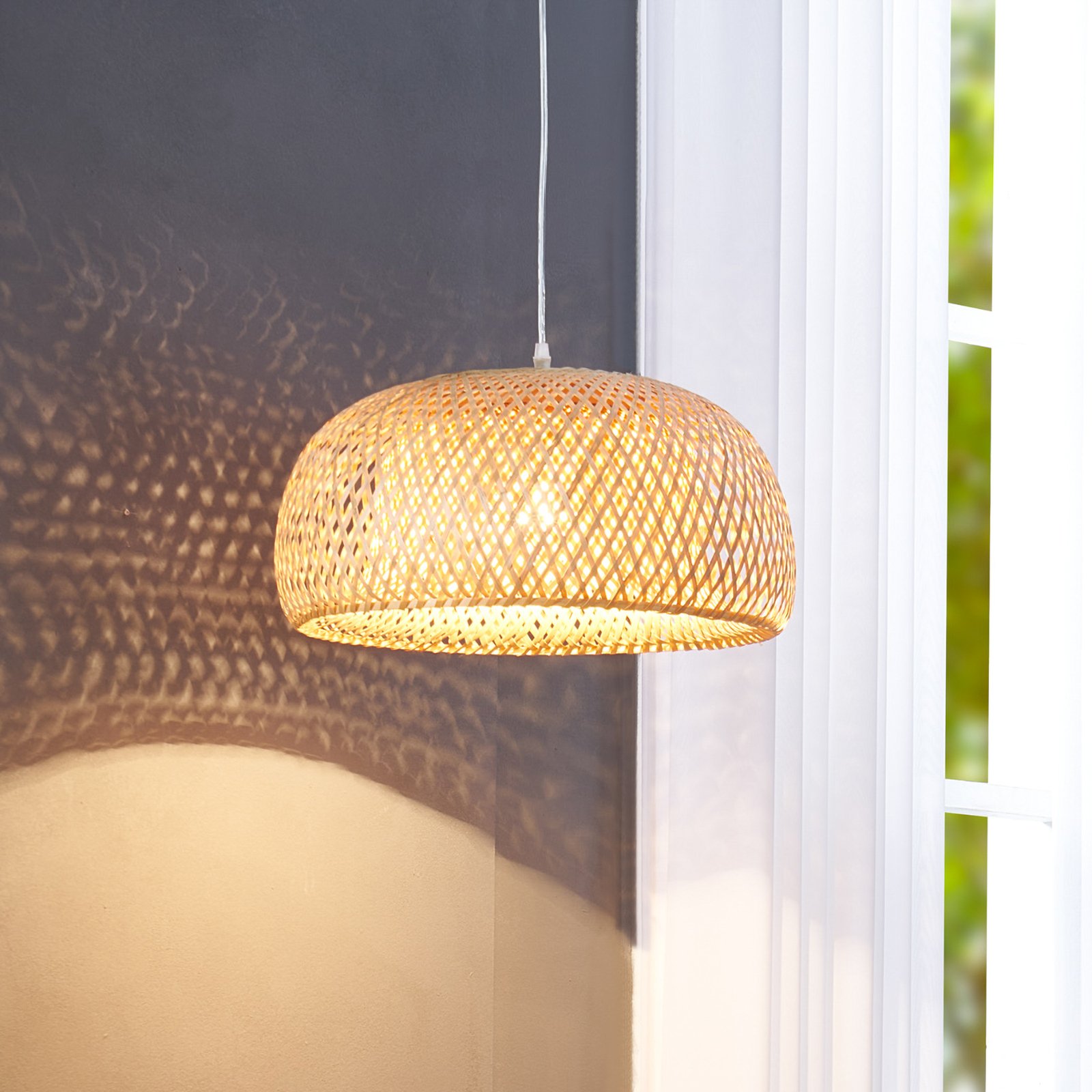
Perfect for above a dining table, coffee table, kitchen island or in the hallwayPendant lights can also create striking effects of light and shadow. Whether above the dining table, the kitchen island, the coffee table or in the hallway, openwork, woven or perforated lampshades create decorative patterns on table tops, walls and ceilings.
Geometric designs have a very modern and graphic look, whilst wicker and rattan create natural patterns, and organic shapes have a soft and cosy feel. In the case of delicate designs featuring highly visible, exposed bulbs, care should be taken to ensure that they are positioned to avoid glare and that there is sufficient supplementary general lighting.
)
)
)
Shade lamps in the garden
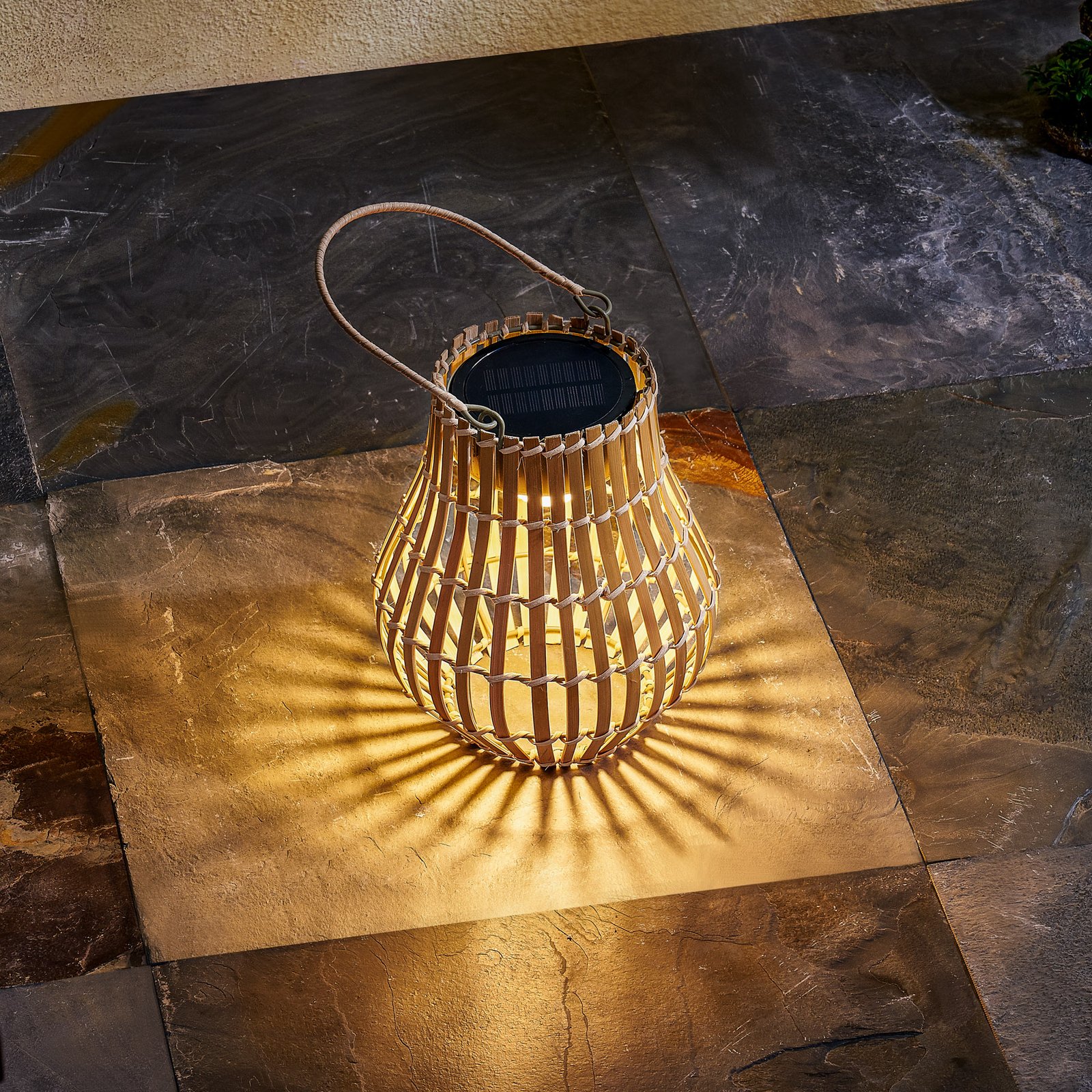
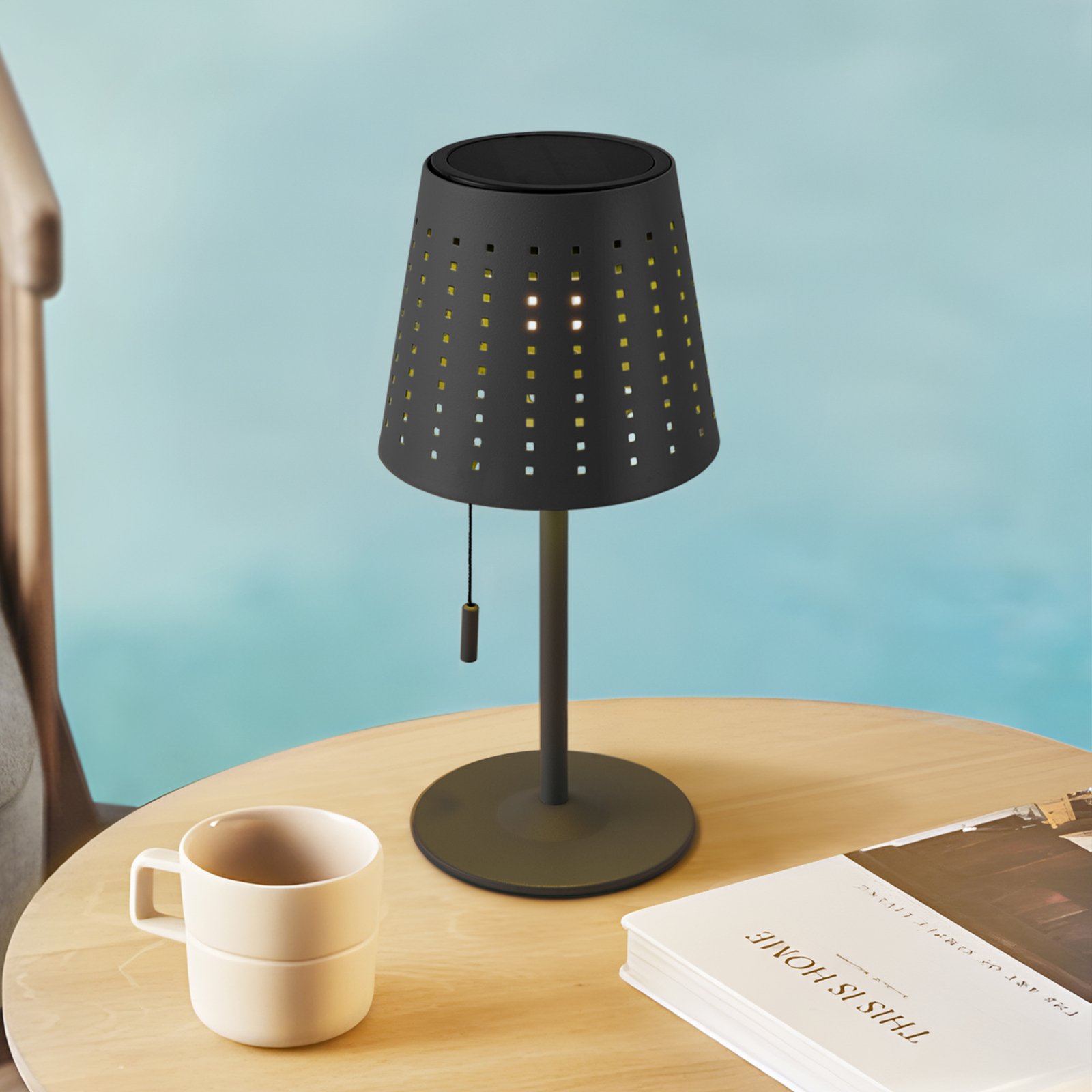
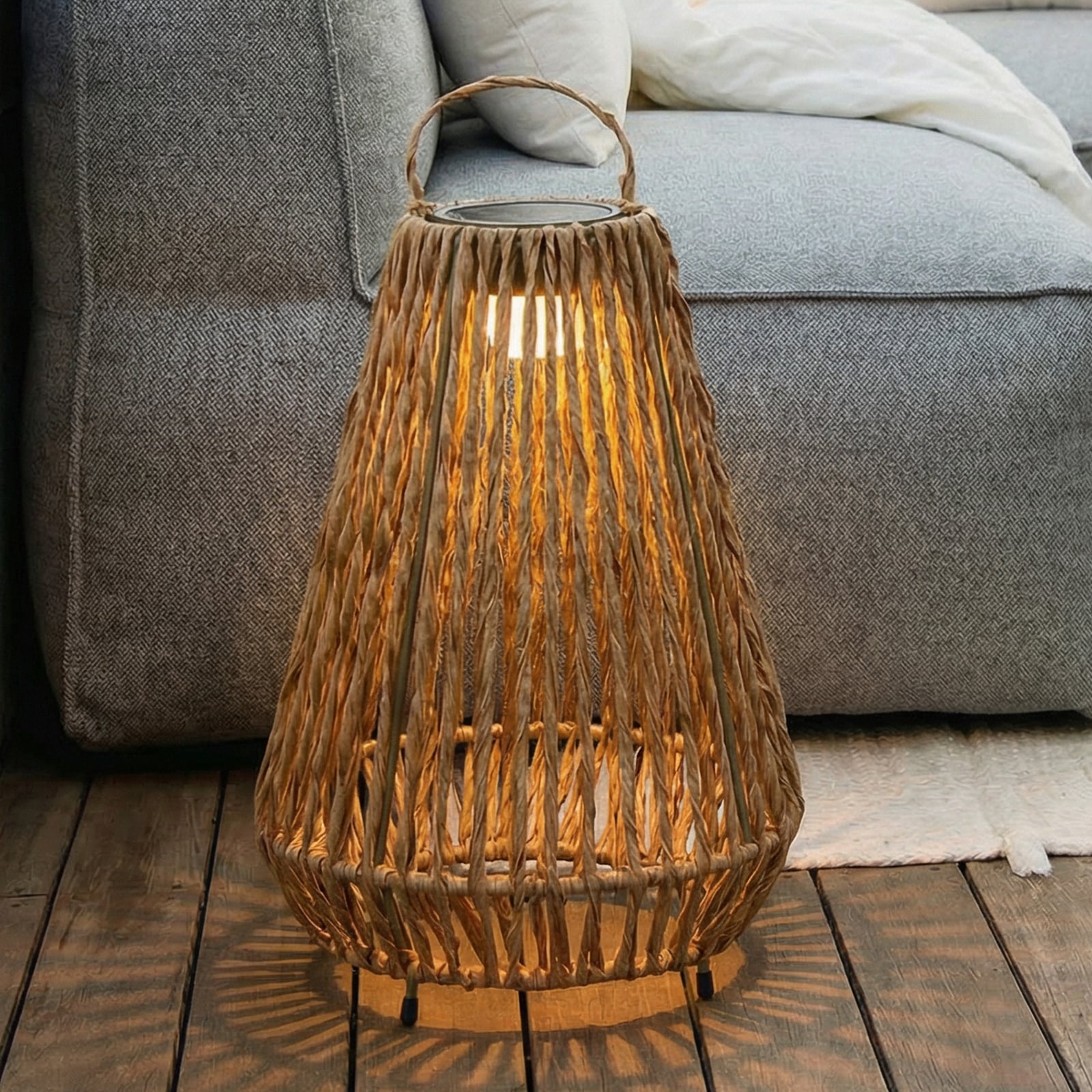
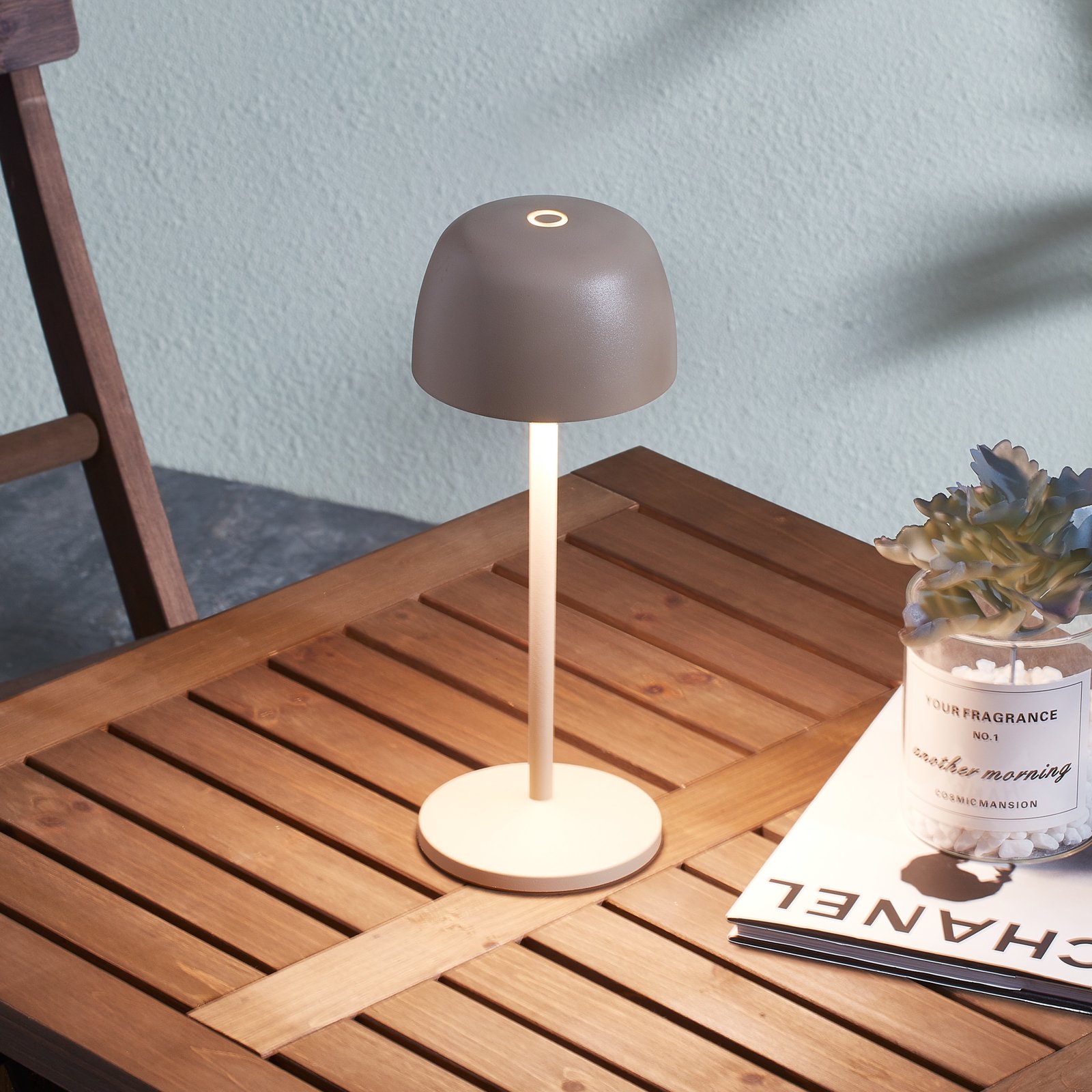
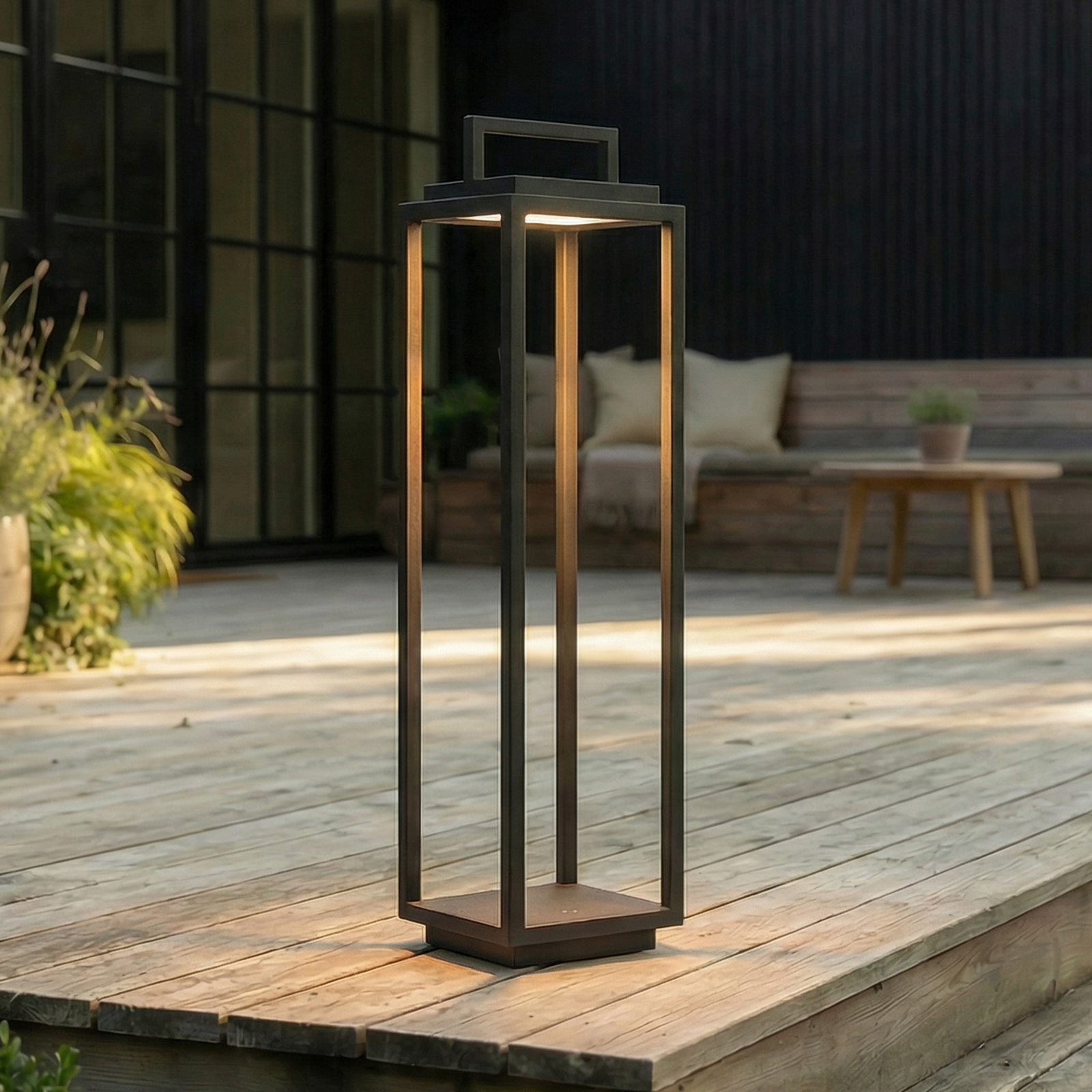
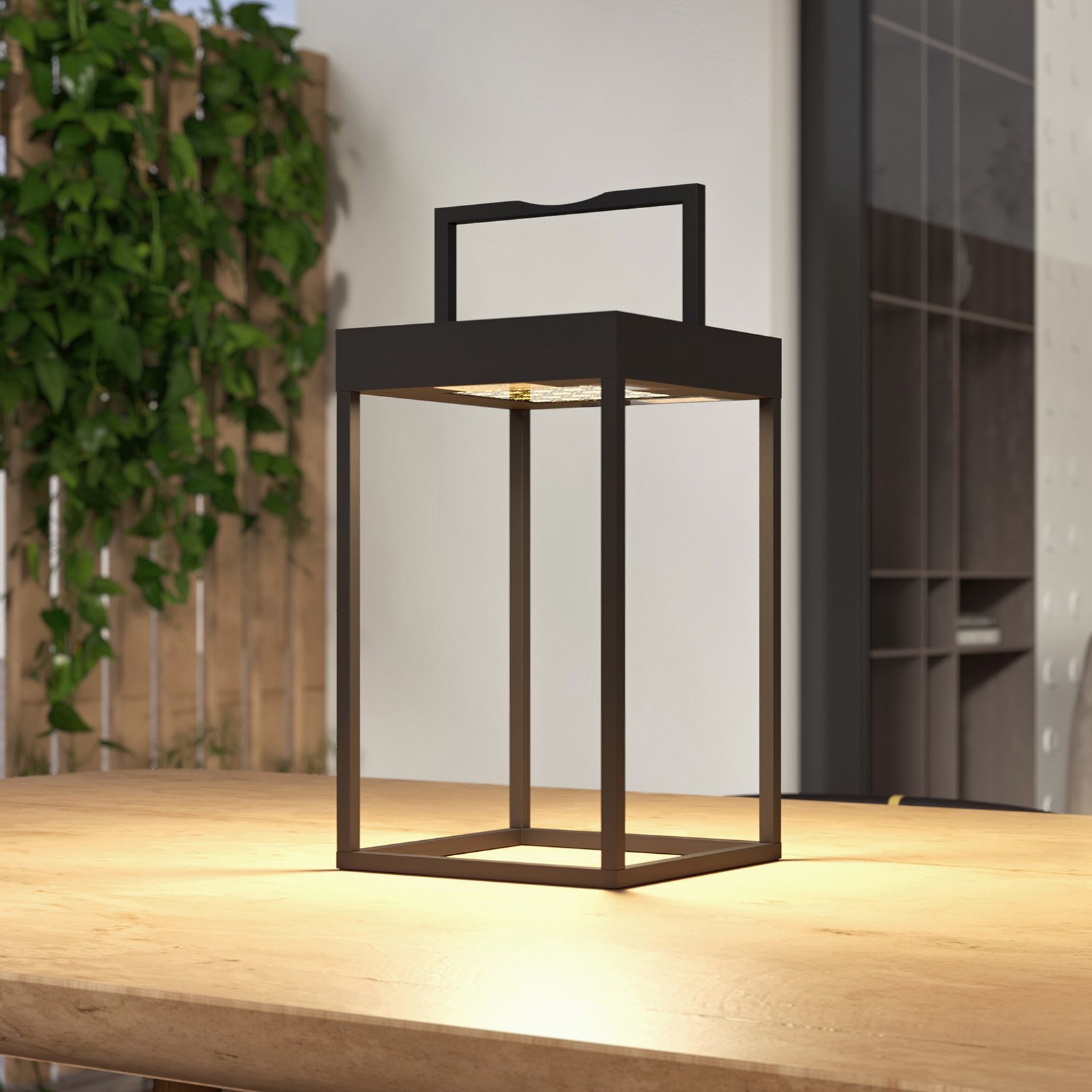
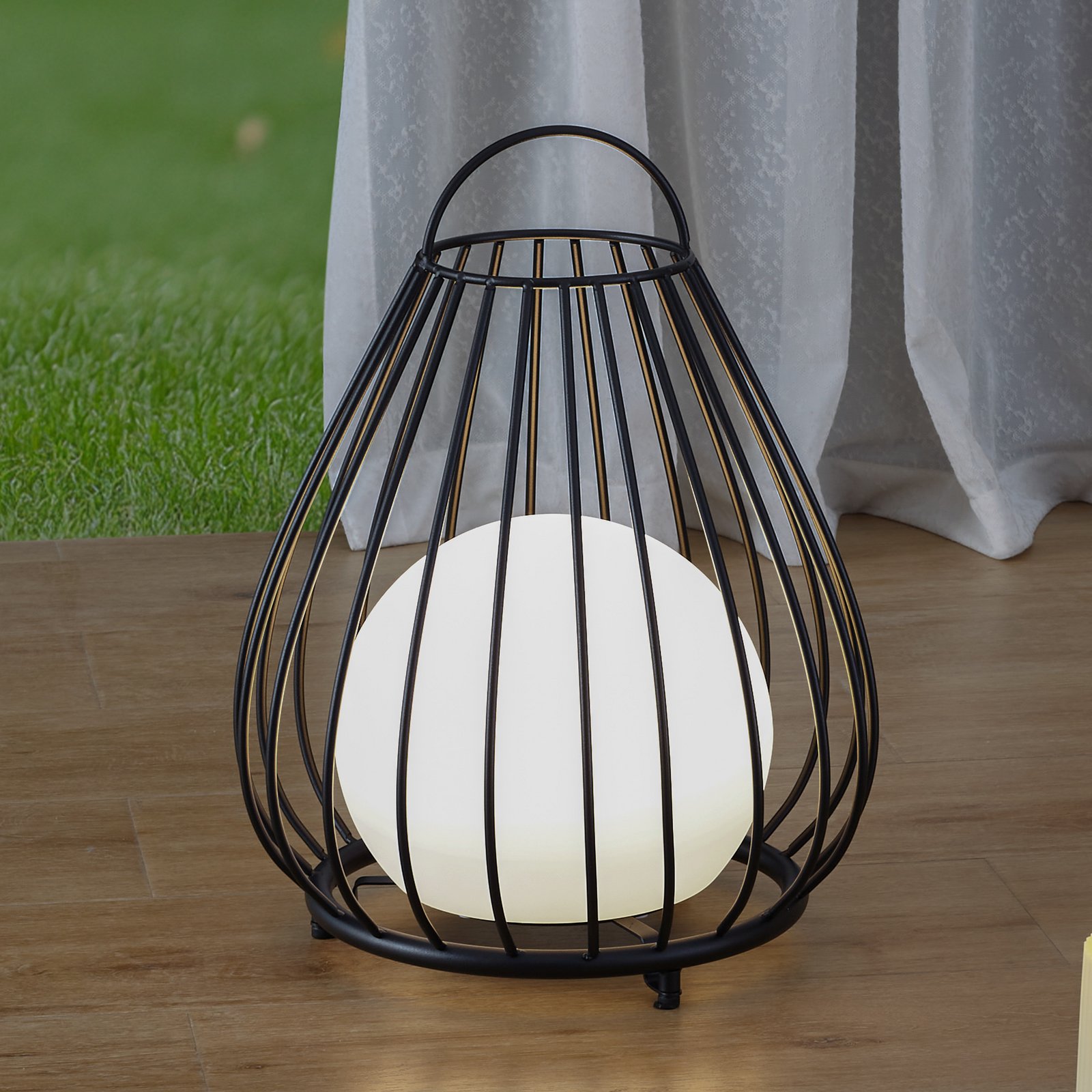
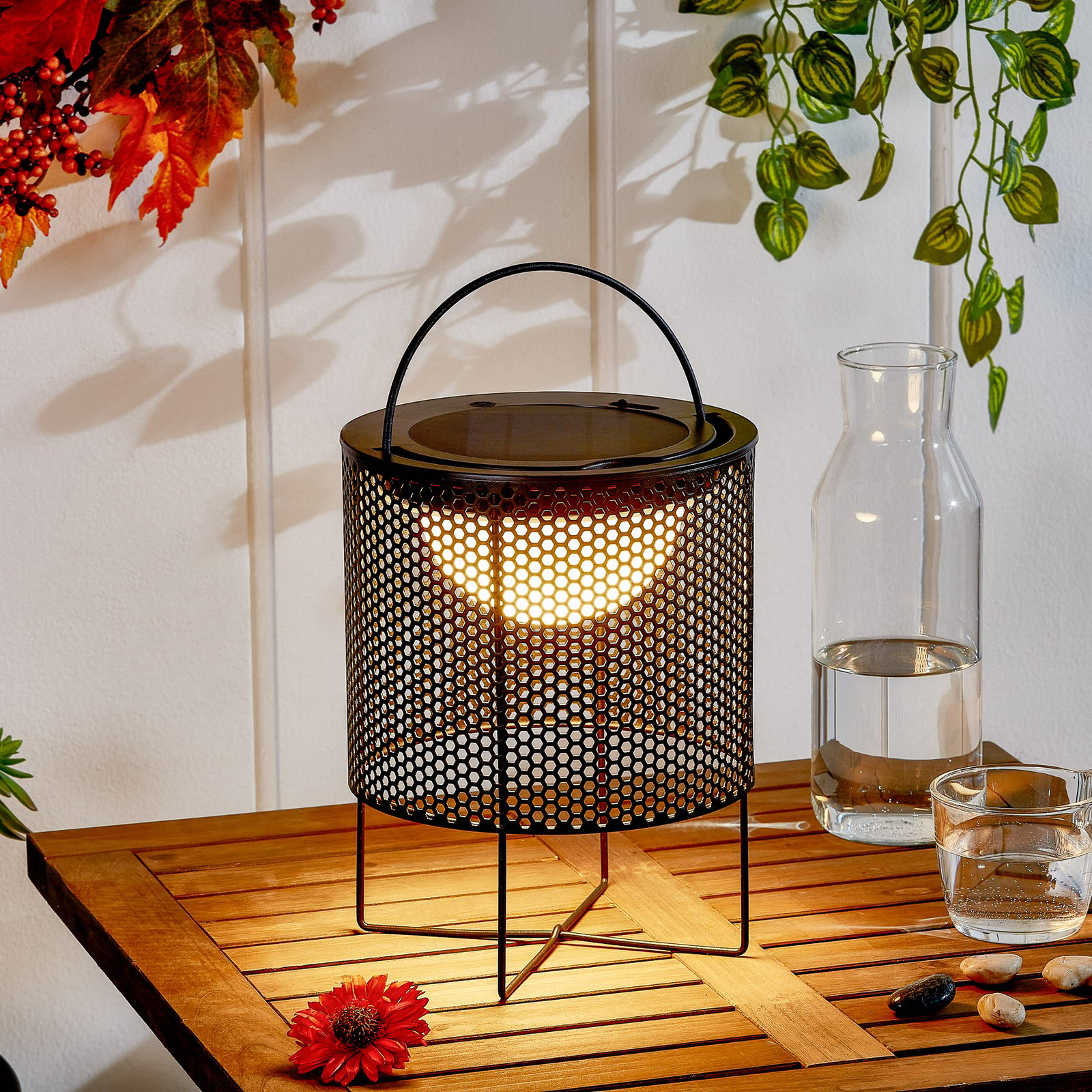
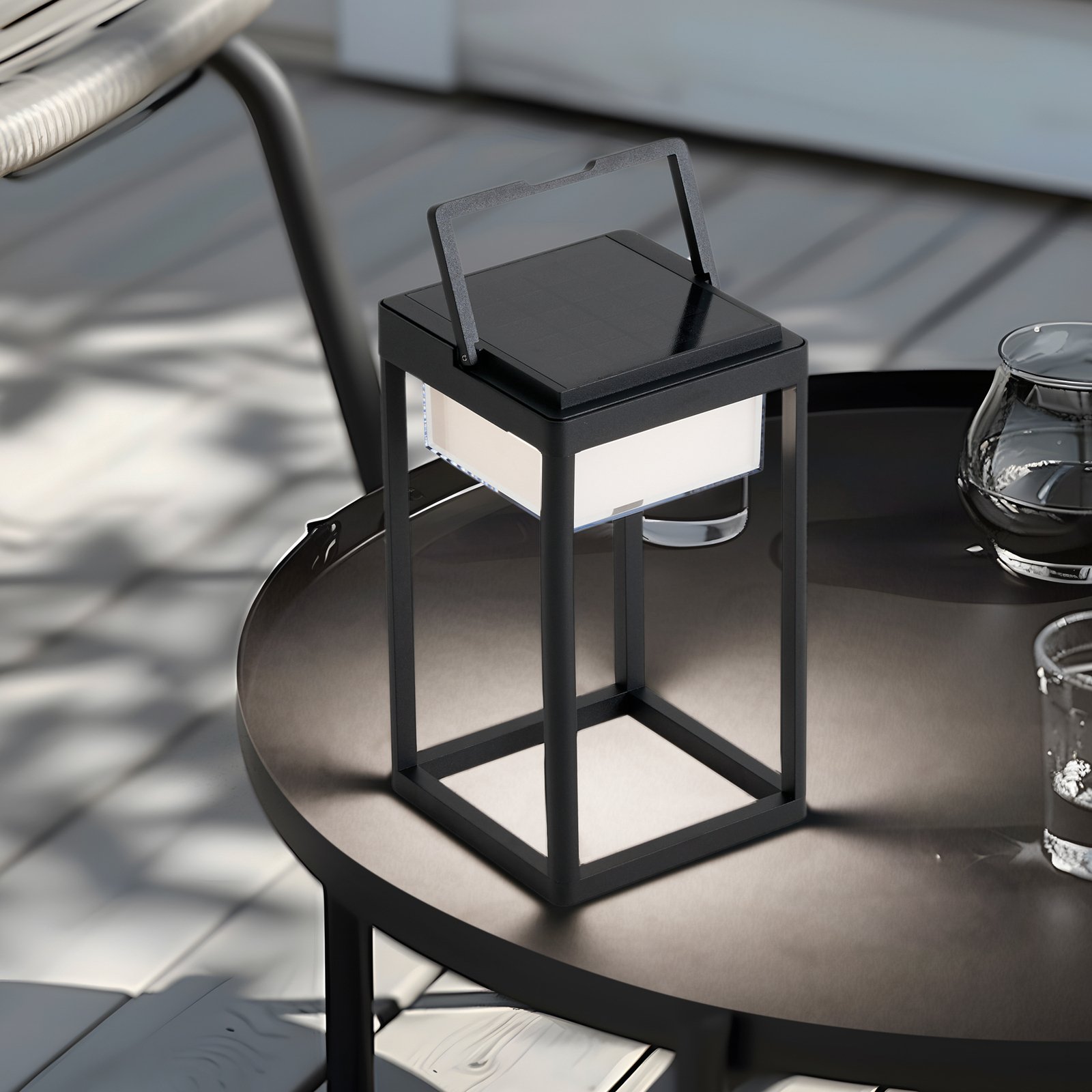
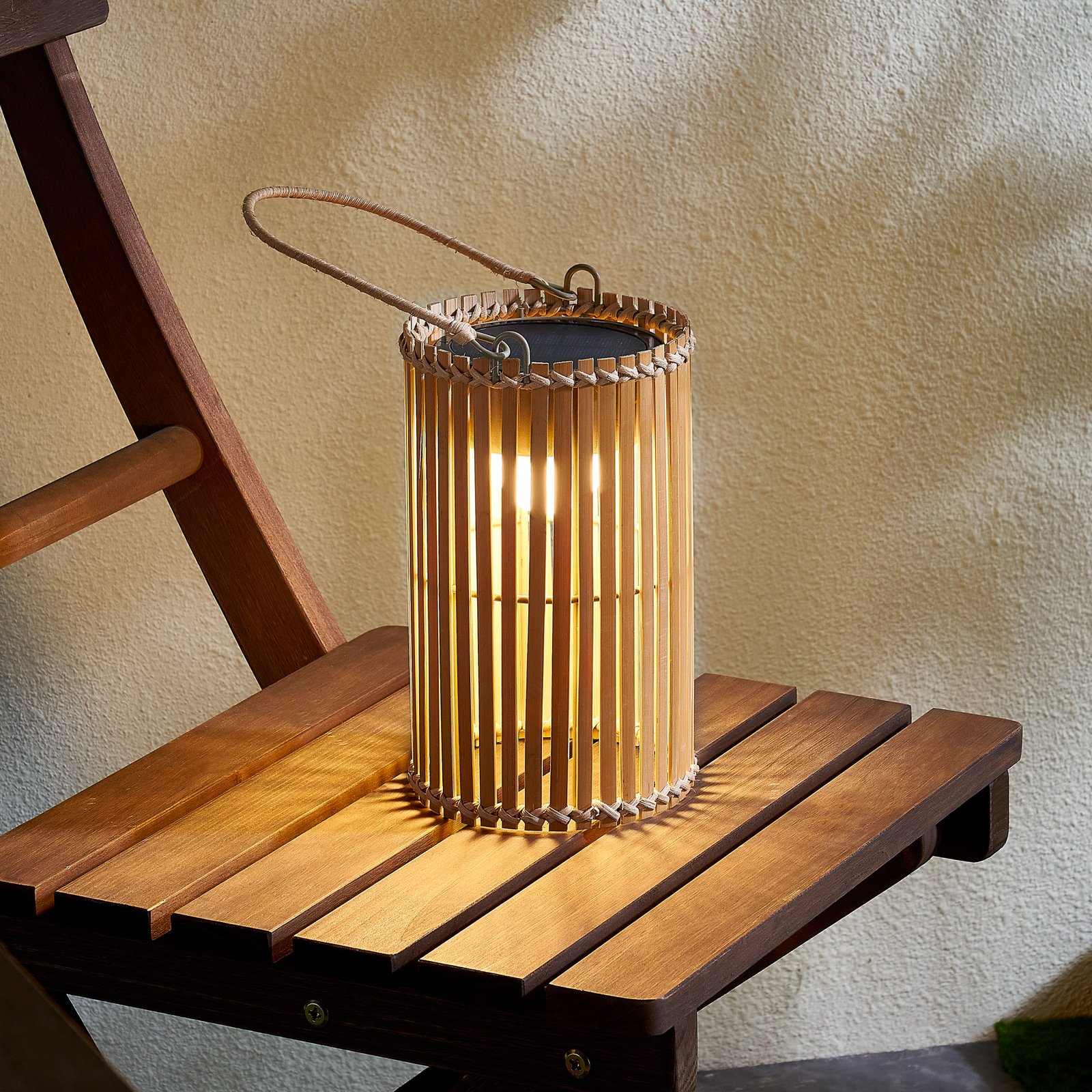
decorative outdoor lightsShadow lamps can also be used in the garden, provided they are suitable for outdoor use and have an adequate IP rating. They create atmospheric lighting effects, particularly on terraces, balconies or on the walls of houses.
Particularly popular are outdoor wall lights, decorative outdoor lights, patterned lanterns and designer lights for patios and balconies. However, it is important that, despite any decorative effects, paths and steps are always adequately lit to ensure maximum safety on the property.
)
)
)
Shadow lamps as a decorative idea
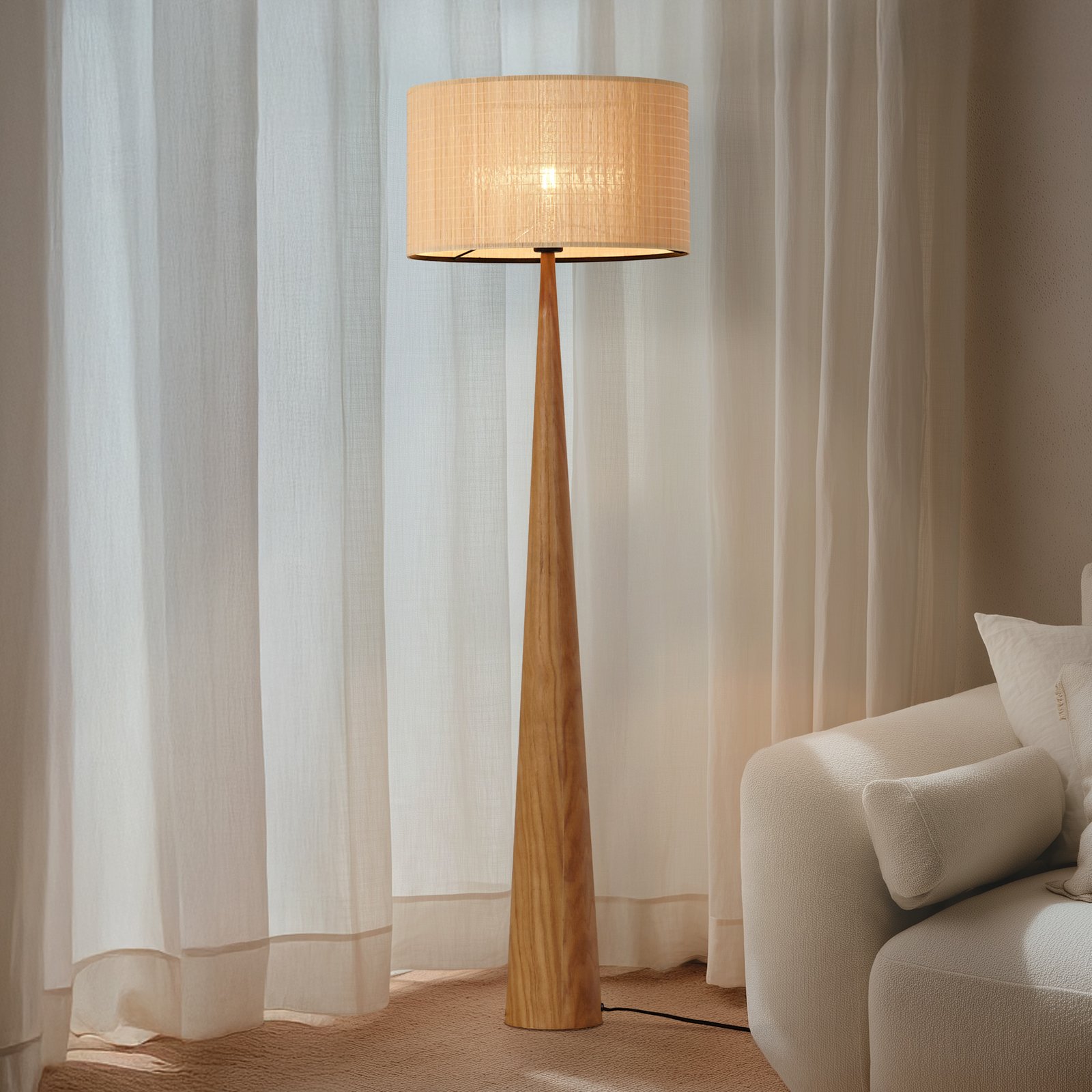
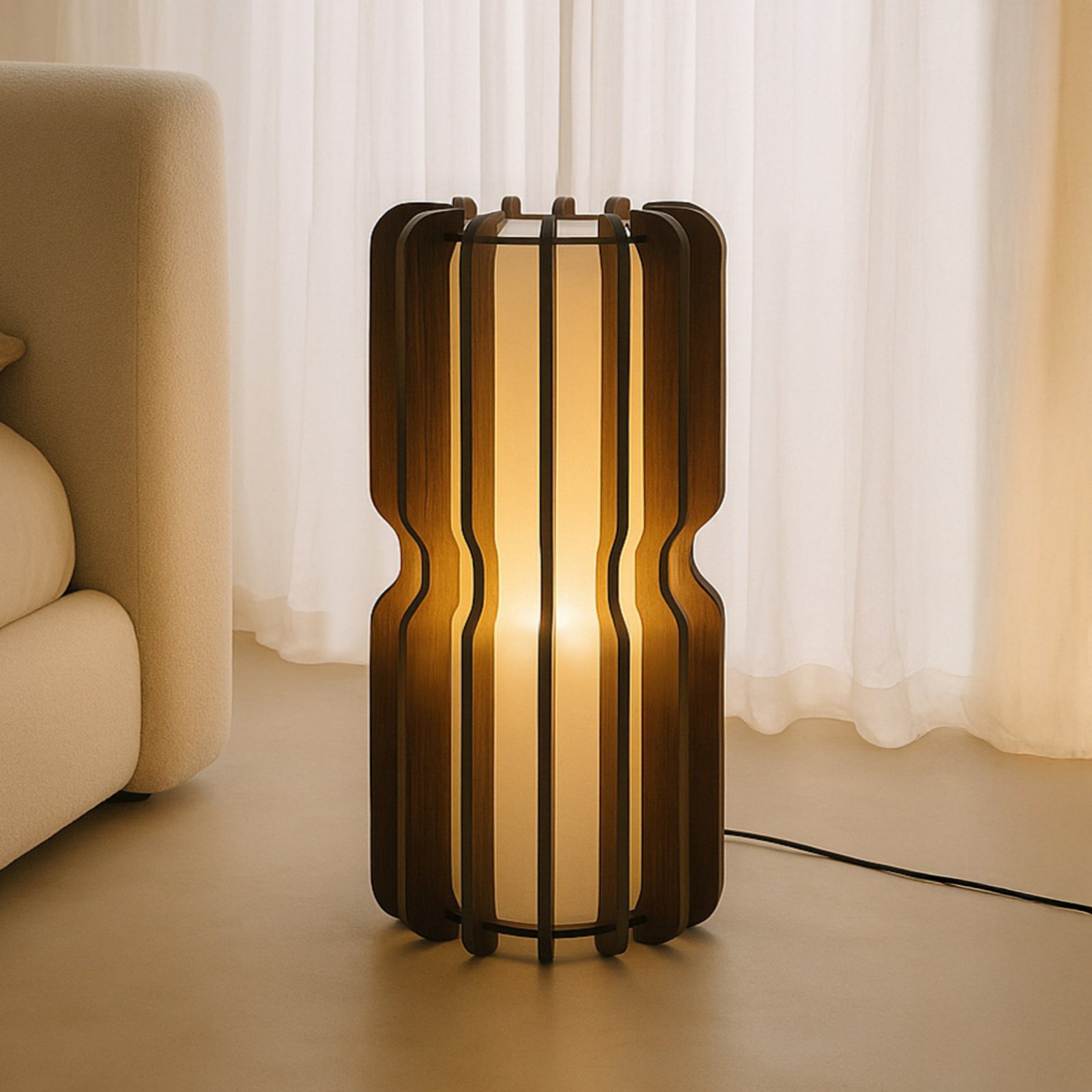
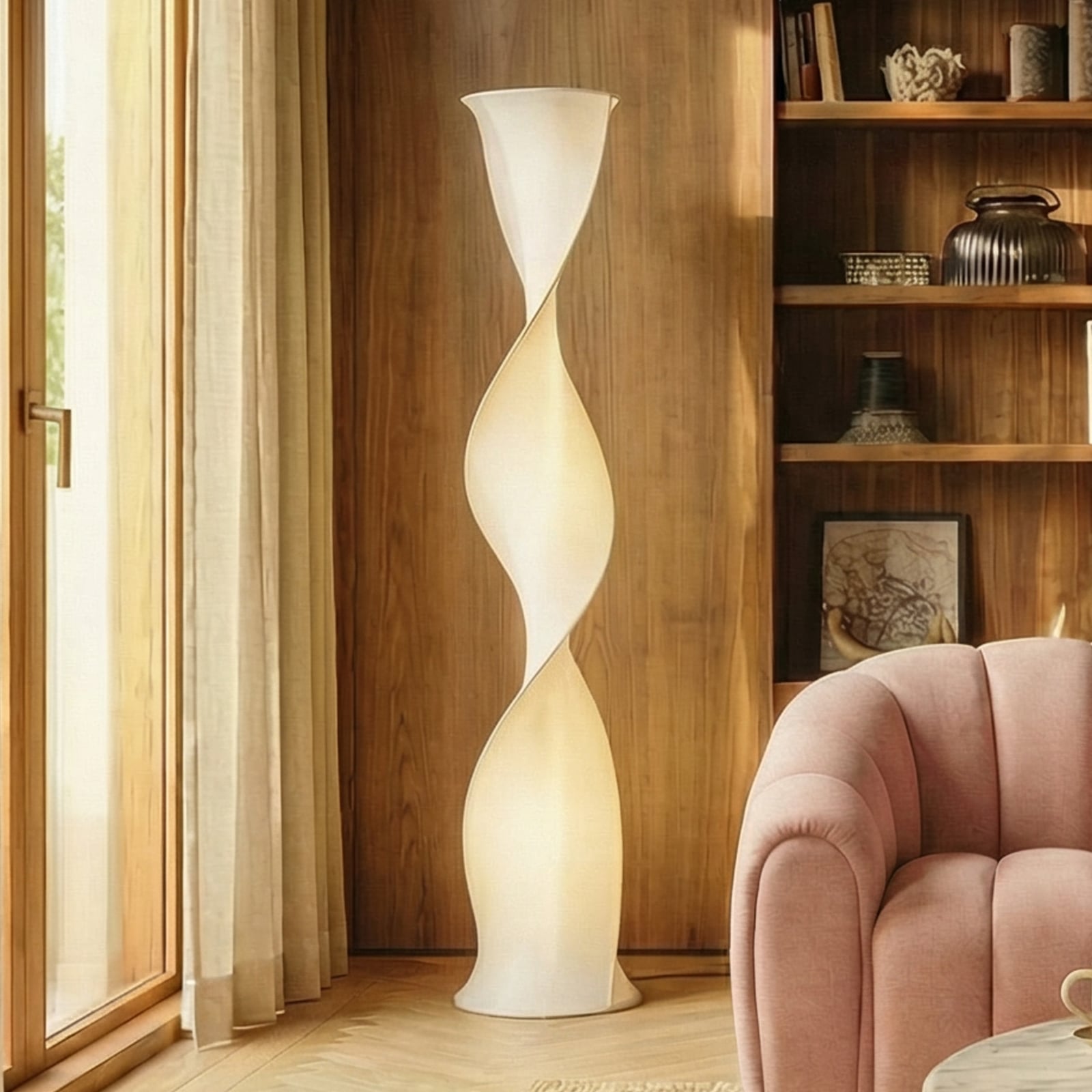
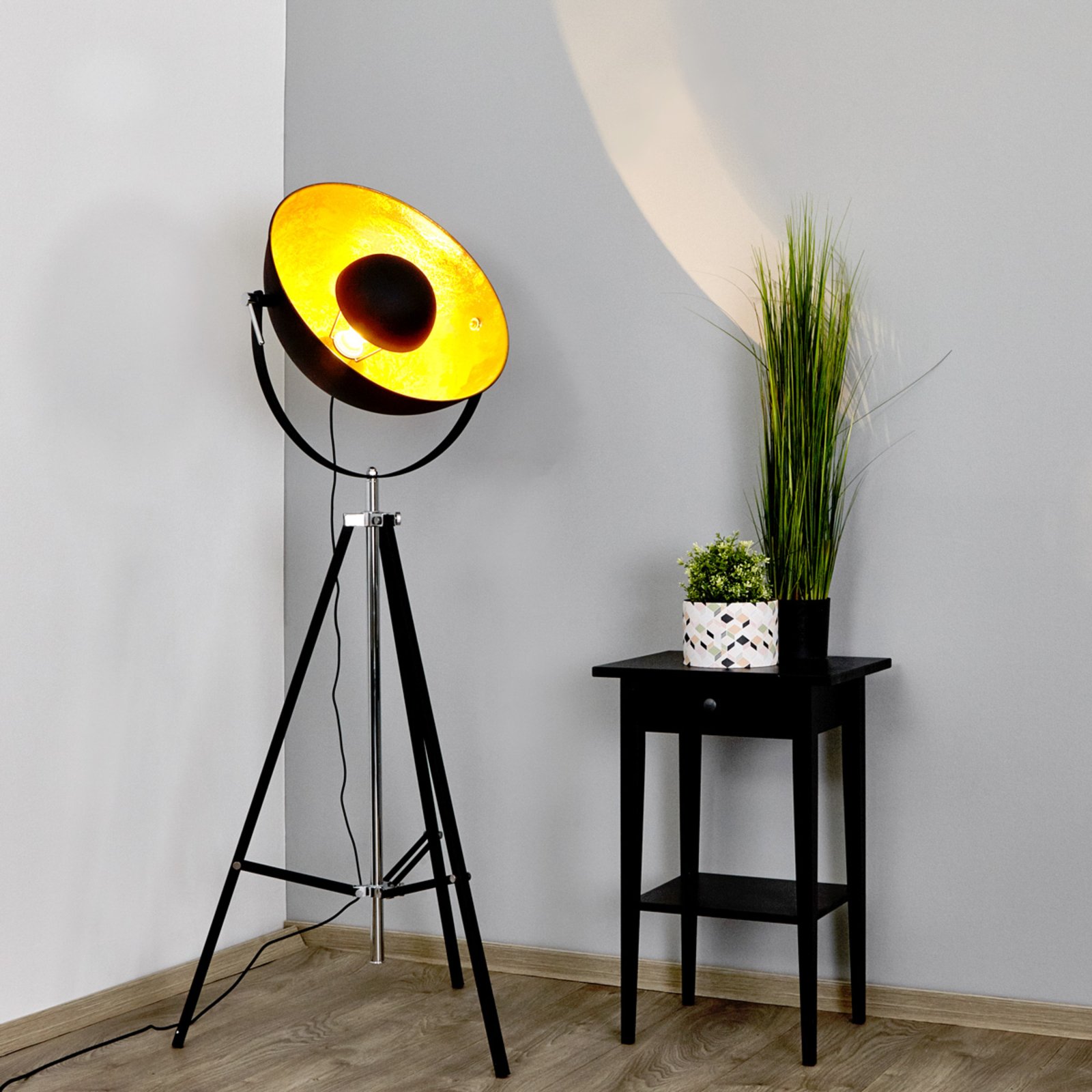
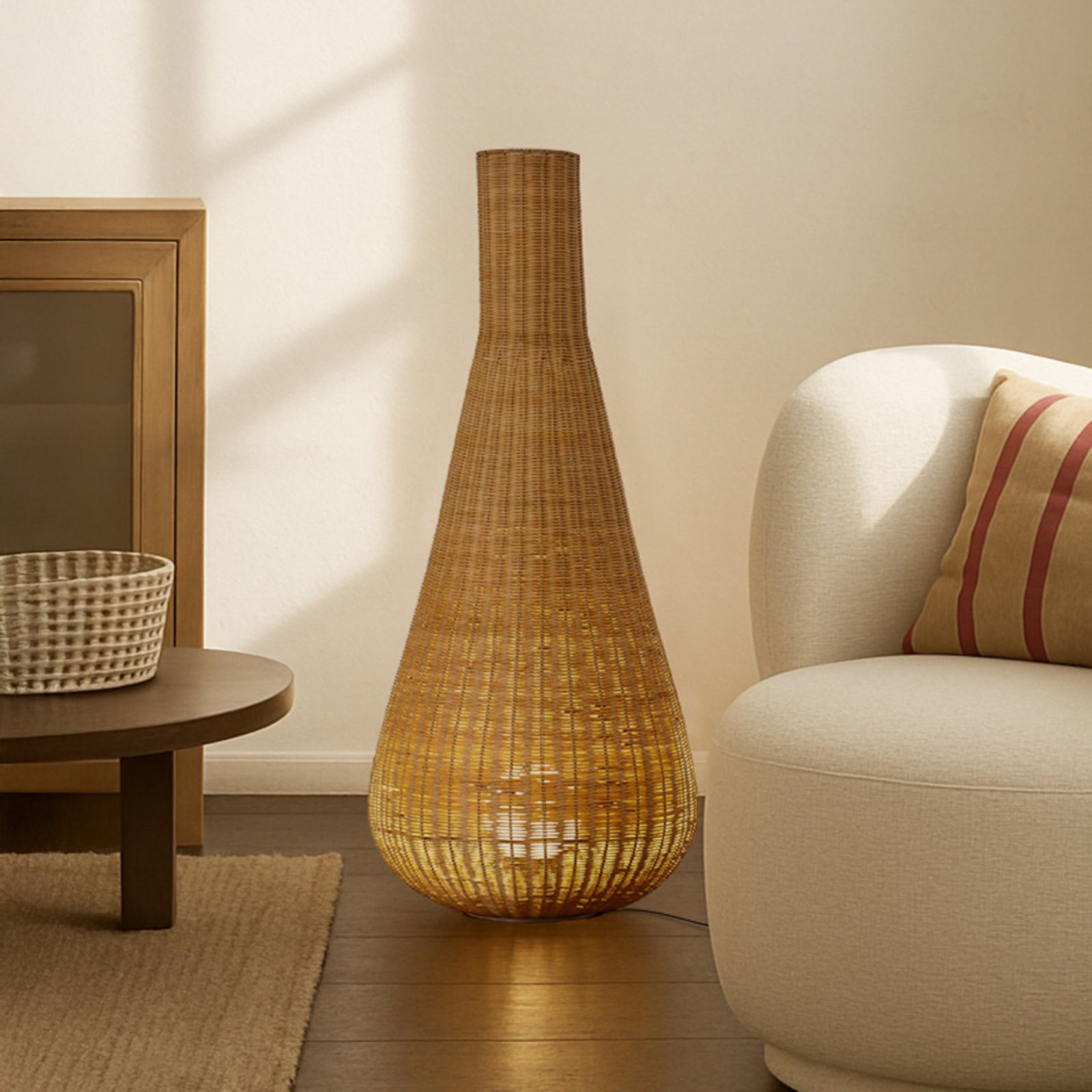
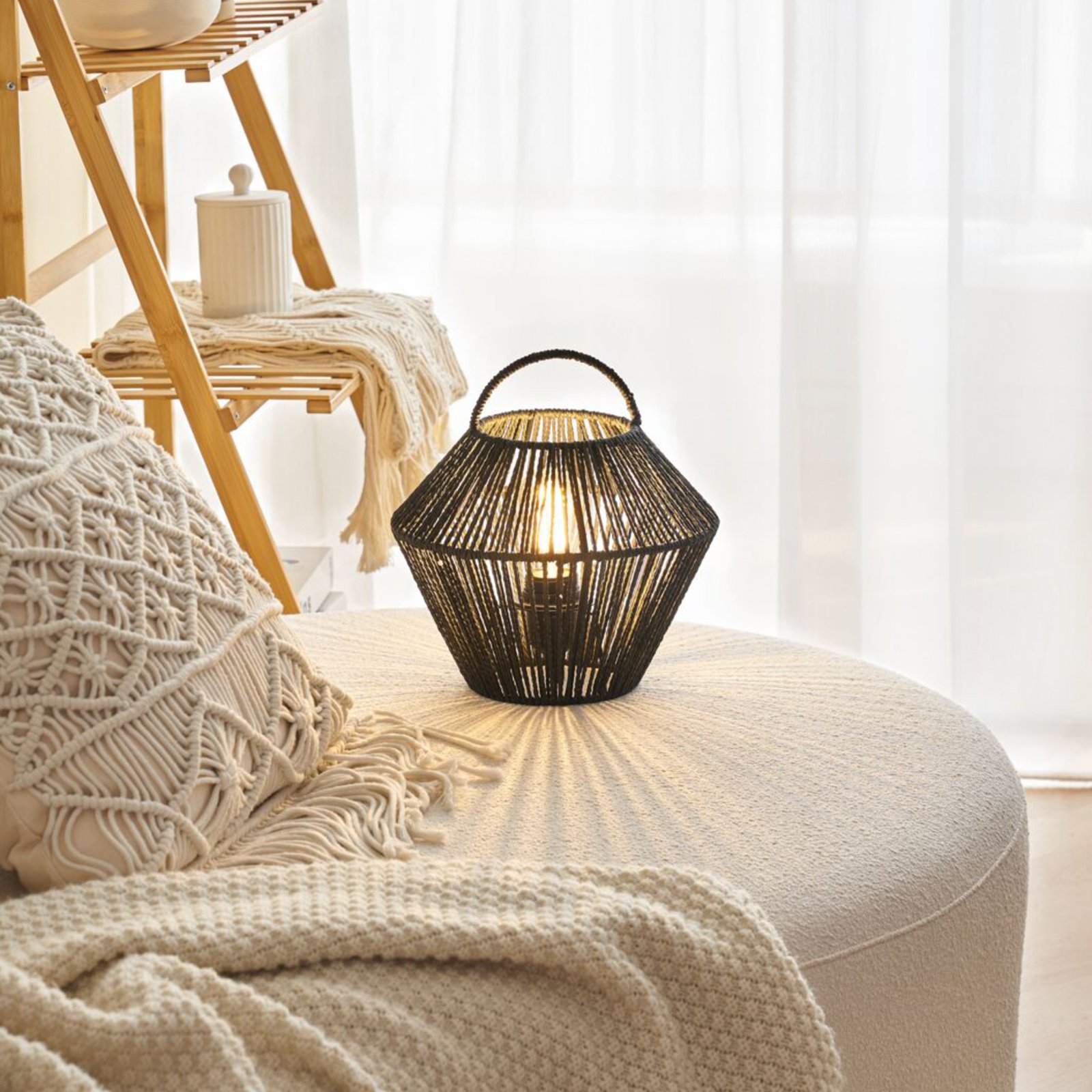
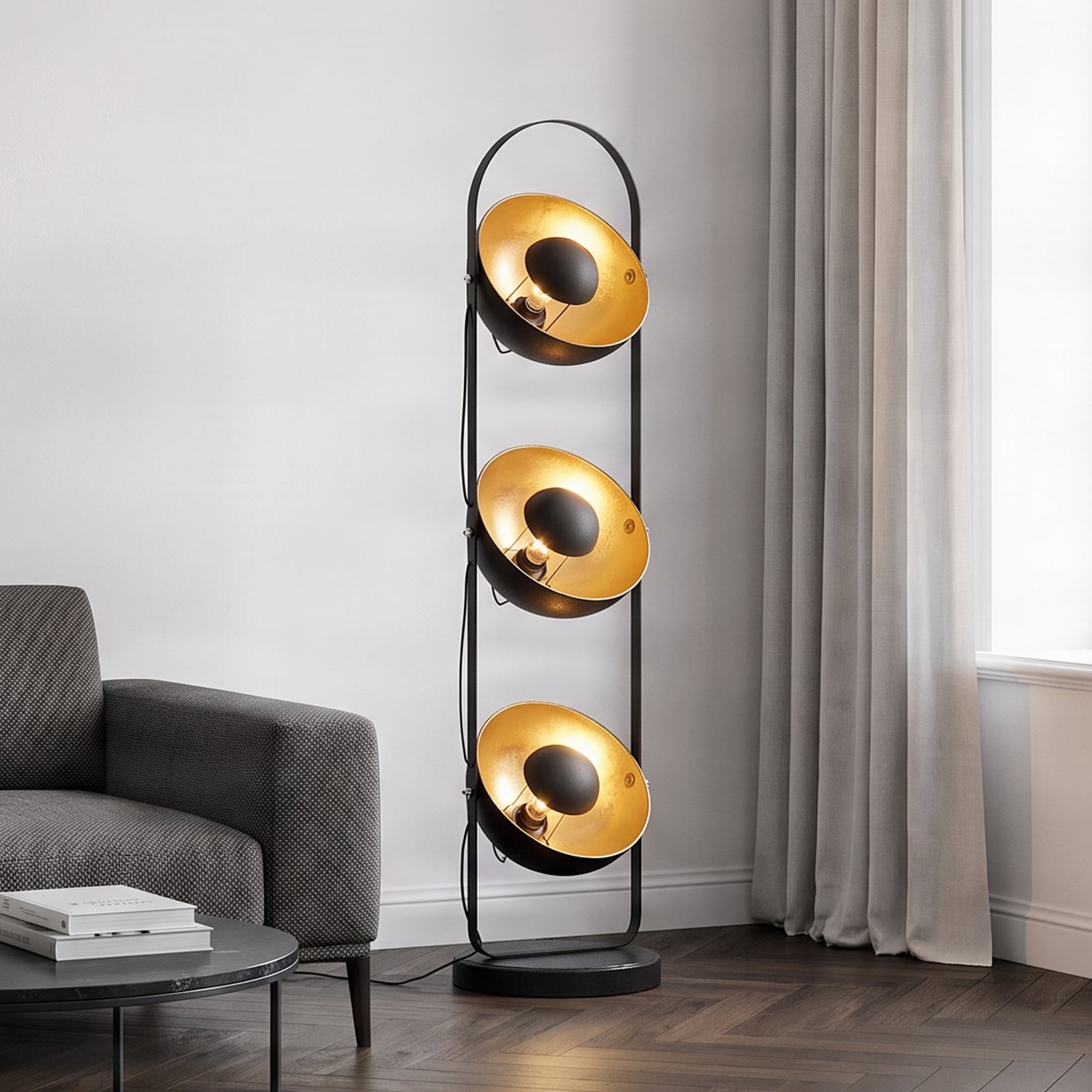
Floor and table lamps as AkzentlichtShade lamps are ideal for adding a personal touch to living spaces. In the living room, lights that create an interplay of light and shadow are often used as accent lighting on walls, shelves or in reading corners. In the bedroom, subtle patterns and indirect lighting are very popular for creating a relaxing atmosphere and a cosy evening ambience. In the hallway, on the other hand, shadow effects combine decorative wall design with practical wayfinding.

Materials and samples
Effect on the shadow effectThe material used in a lamp that creates a play of shadows has a significant influence on the effect of the light and the individual light pattern.
)
Wood
Natural materials and visible wood grain create warm, organic patterns and a cosy atmosphere.
)
Metal and steel
Metal lampshades in black, gold or anthracite are very popular as they look modern and high-quality.
)
Ceramics
Handmade ceramics create numerous small points of light and often have a Mediterranean, artistic and simply more carefree feel.
)
Glass
Glass tends to create gentle reflections and soft plays of light rather than harsh shadows, which gives the effect a particularly tasteful quality.
)
Fabric
Fabric shades filter the light pleasantly, creating subtle shadow effects and soft light that is easy on the eyes.
)
Rattan and wicker
Natural woven patterns create a particularly cosy and eye-catching play of light and go well with styles such as boho.
Style ideas ranging from modern to whimsical
Lampshades to suit your personal interior design styleThe variety of designs makes shade lamps versatile design elements.
)
Modern
Black, anthracite, geometric shapes and LED technology create crisp, contemporary lighting effects.
)
Of course
Warm colours, wood and other natural materials create a relaxed living atmosphere.
)
Elegant
Gold, glass, ceramics and designer lights add stylish touches to tastefully decorated living spaces.
)
Playful
Vibrant colours and unusual shapes are ideal for creative interior design ideas or as a light feature that sparks conversation.
)
Artistic
Handmade light fittings and unusual designs transform both light and shadow – as well as the light fitting itself – into a decorative work of art.
)
Children's bedroom
A night light for a child’s bedroom should combine safe LED technology, warm white light and appealing designs to create a soothing atmosphere.
The right light colour and brightness
for the interplay of light and shadowFor a cinema lamp to perform to its full potential, light colour and brightness play a crucial role.
)
For a lamp that creates shadow effects, warm white light with a colour temperature of less than 3,300 Kelvin is the most popular choice, as it makes the shadow effects appear harmonious and cosy. Dimmable bulbs also allow you to customise the lighting effect. Modern LED bulbs offer an energy-efficient and long-lasting solution.
)
A shadow lamp should be bright enough to make patterns and shadows clearly visible, without causing glare. If the light is too bright, it can detract from the decorative effect and make the room feel unsettling. If you have the chance, try a bulb with around 200 lumens alongside one with around 400 lumens and see which light intensity suits you best.
:format(jpeg) "Kai")
Lighting expert at Lights.co.uk
Expert tip
“The effect of a table lamp depends not only on the design of the light itself, but above all on its position in the room and the type of bulb used.” It is best to position the shadow lamp at a distance of around 30 to 100 cm from a wall, so that the light and shadows have enough space to take effect. When combined with warm white, dimmable light, this creates a particularly harmonious interplay of light and shadow, making living spaces feel significantly more homely. By the way: as an LED is a point light source, the boundaries between light and shadow appear much sharper than with conventional lighting technologies – this is one of the reasons why the ‘shadow lamp’ is so popular.”
 "Boho Chic Lamps")
 "Geometric lamps")
 "Cosy light")
 "Brilliant ideas for holiday souvenirs")
 "Feng Shui Rules")
 "Unusual lamps")