



































:format(jpeg) "Small rooms")
Lighting for small spaces: Lighting ideas with a big impact
Properly illuminate small spaces and tricky layoutsIn small rooms or with complex layouts, the right lighting particularly shows its effect: With suitable lighting solutions, the room appears larger, more inviting, and every hidden corner is perfectly illuminated. This creates genuine living quality or the perfect light for working.
Our best sellers
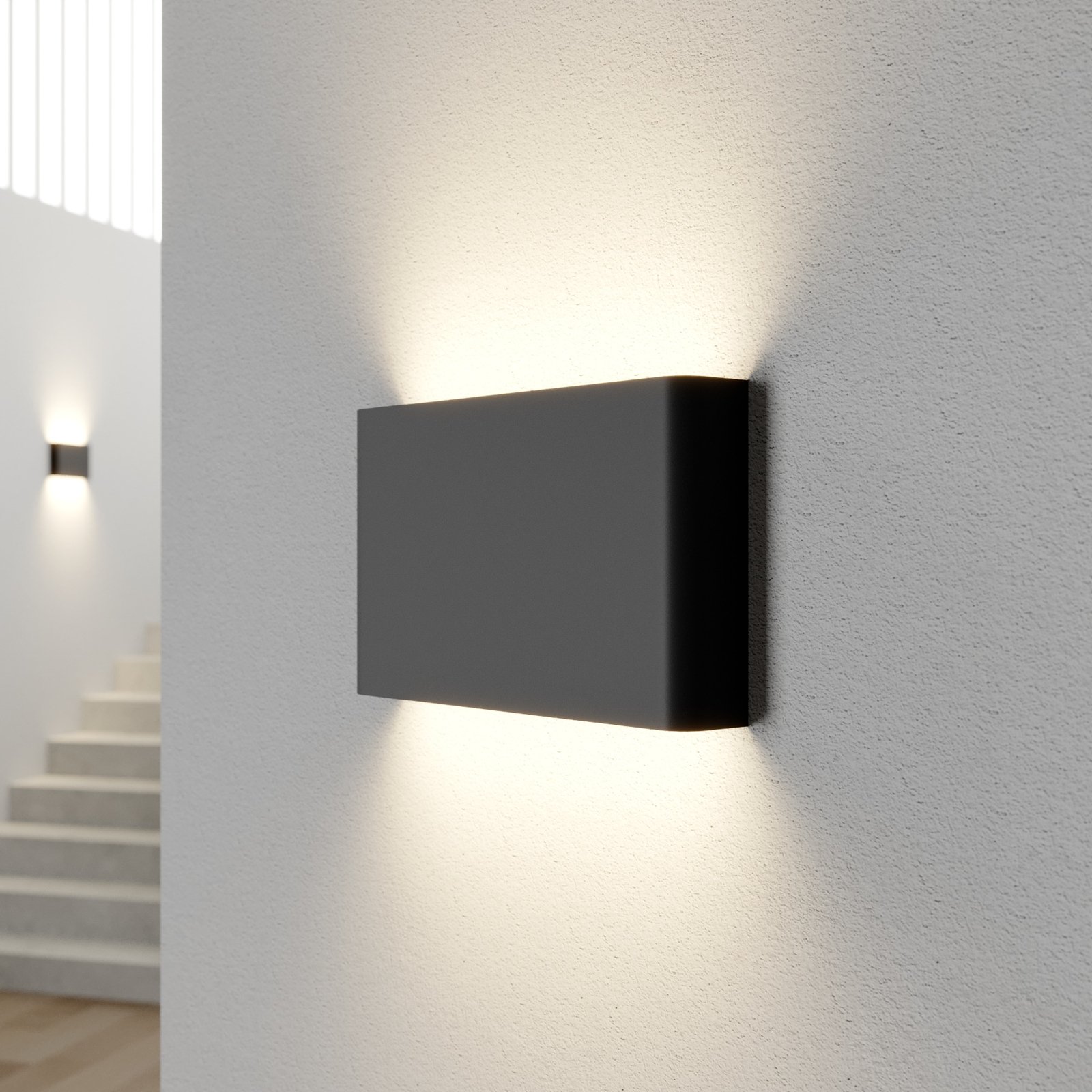

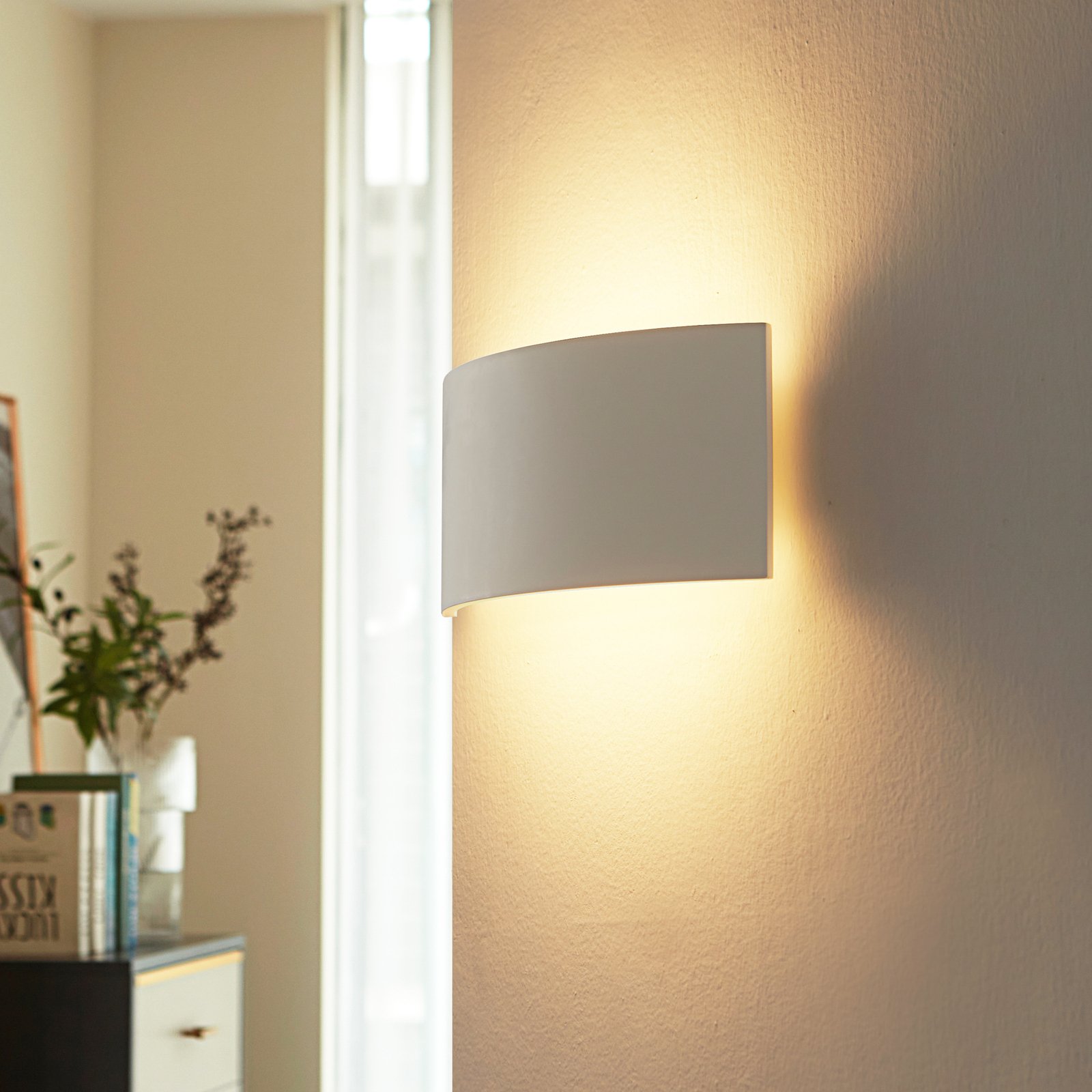
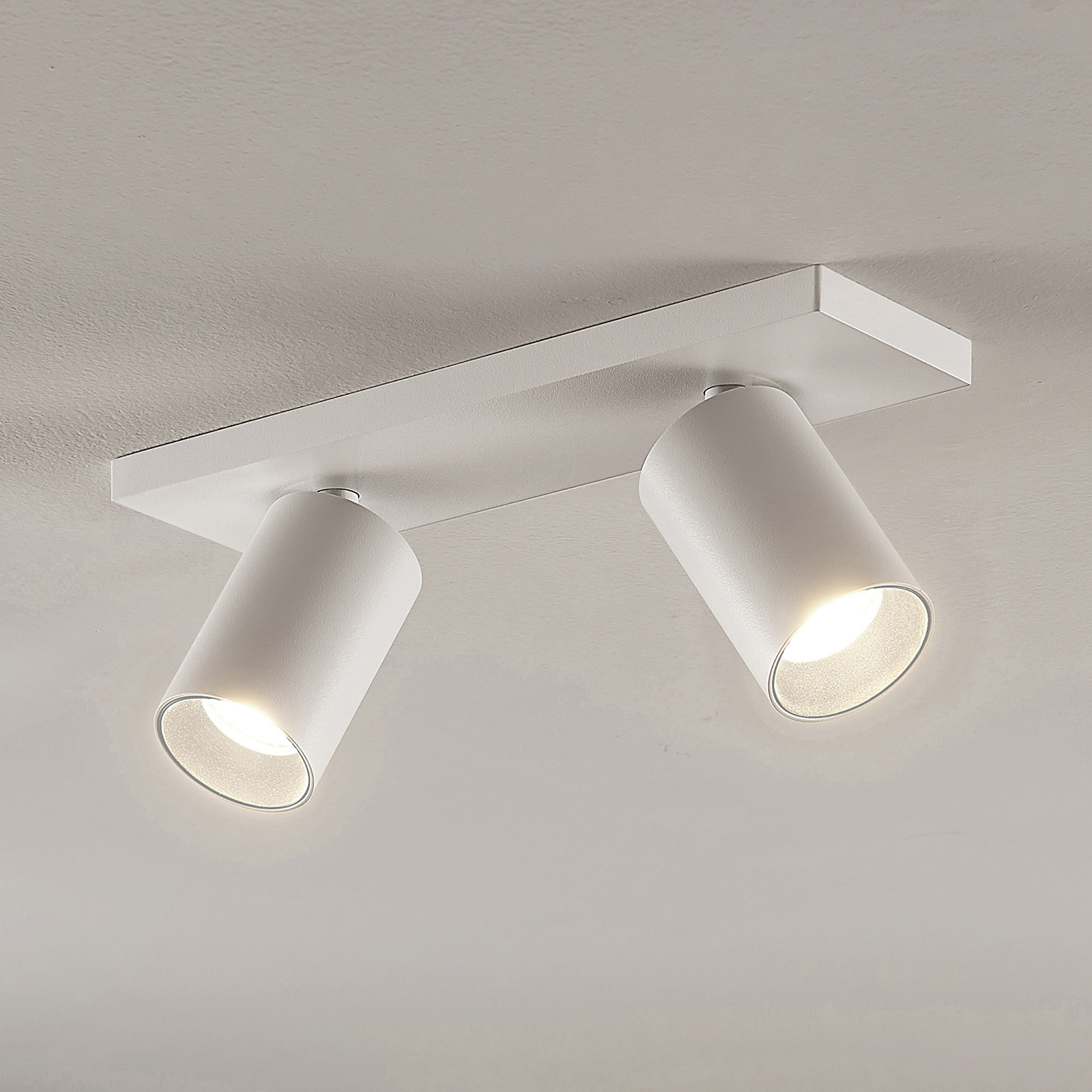
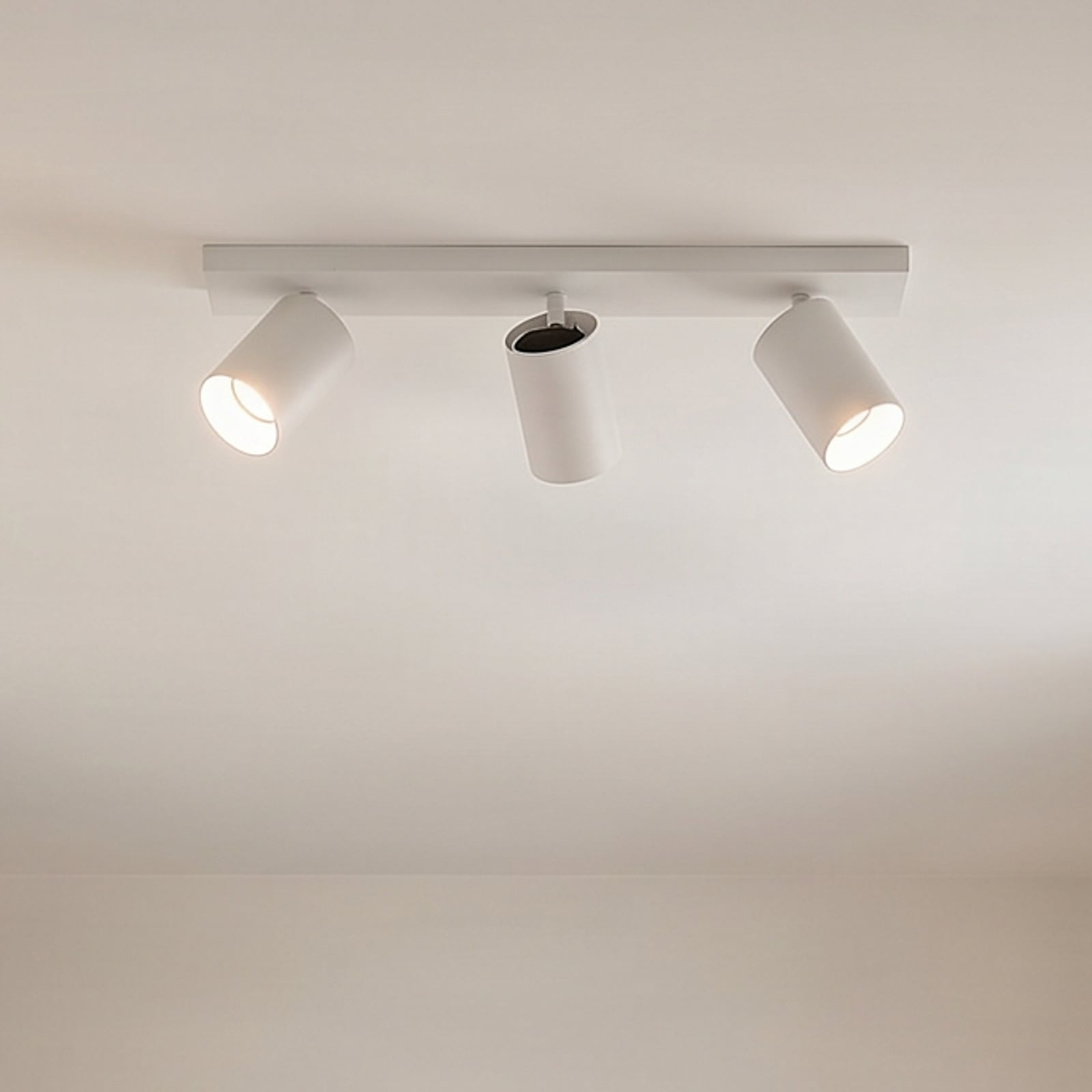
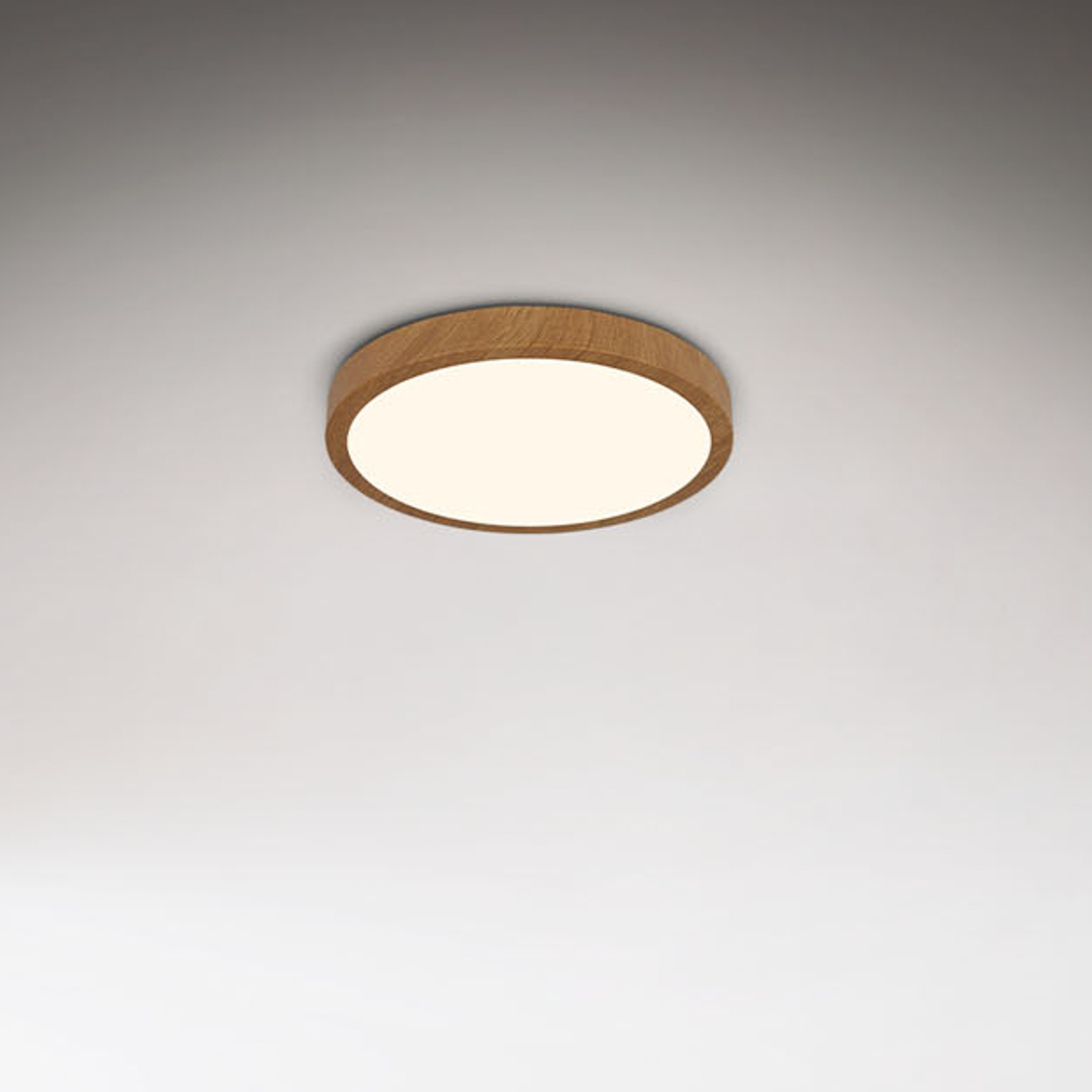
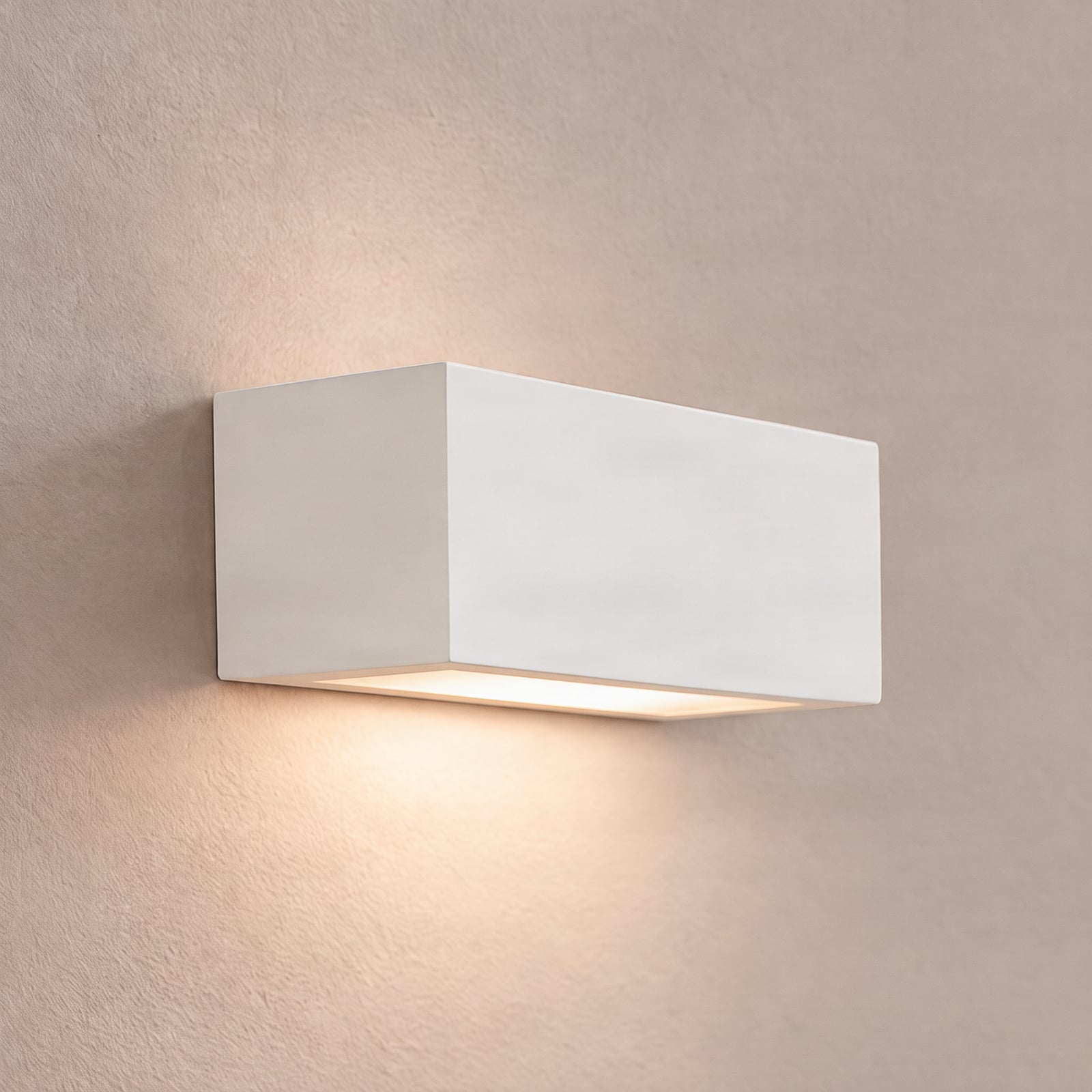
New trends for stylishly furnished small spaces
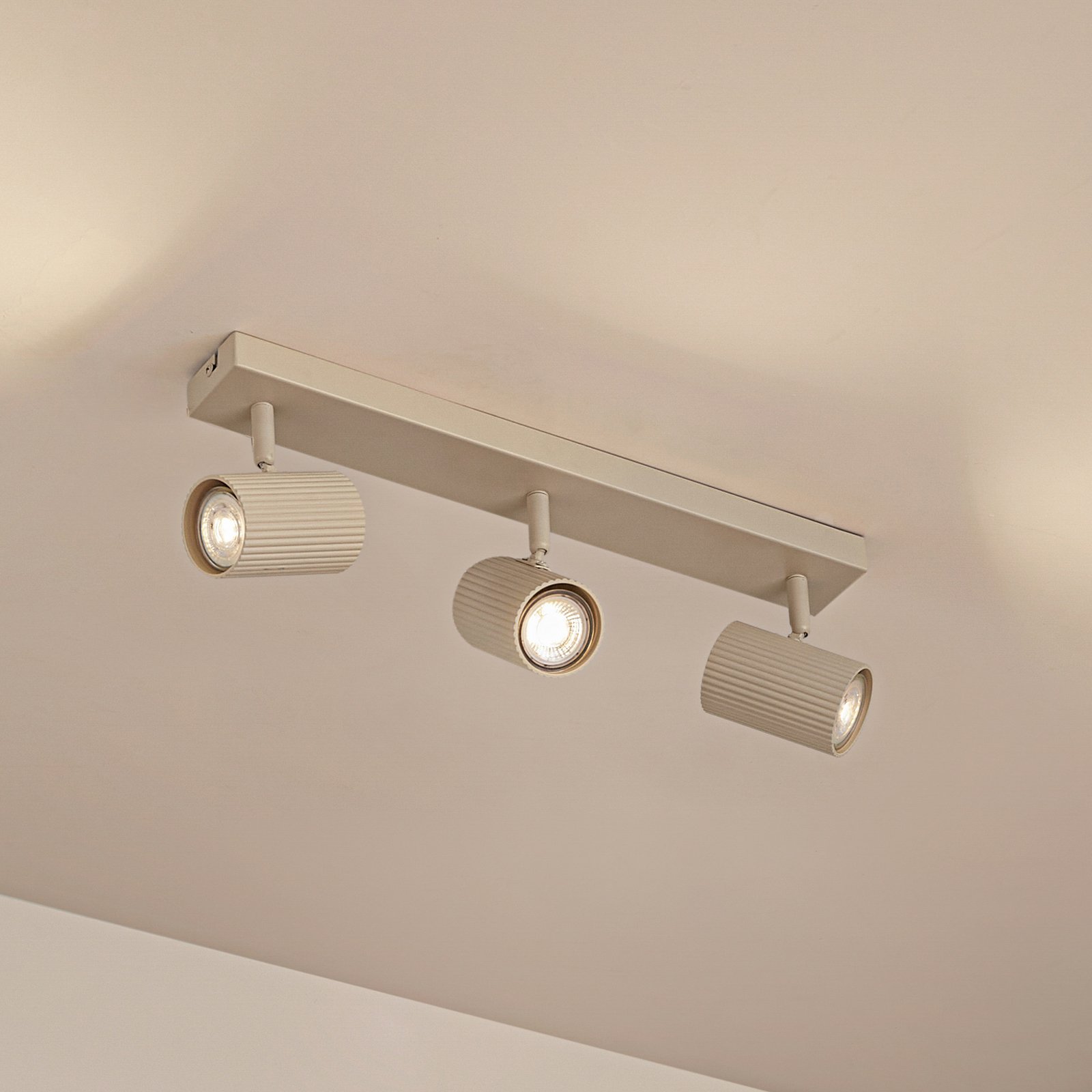
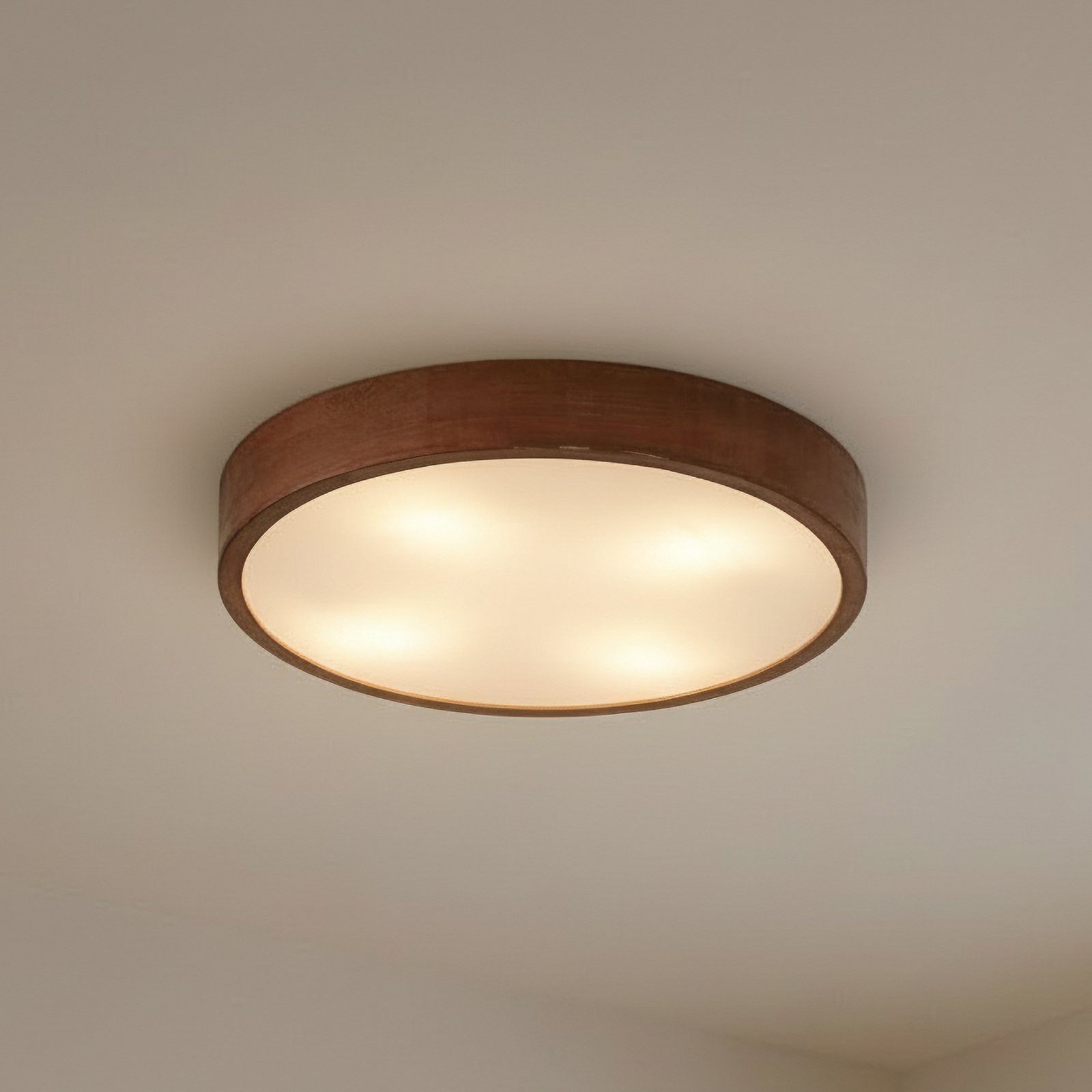

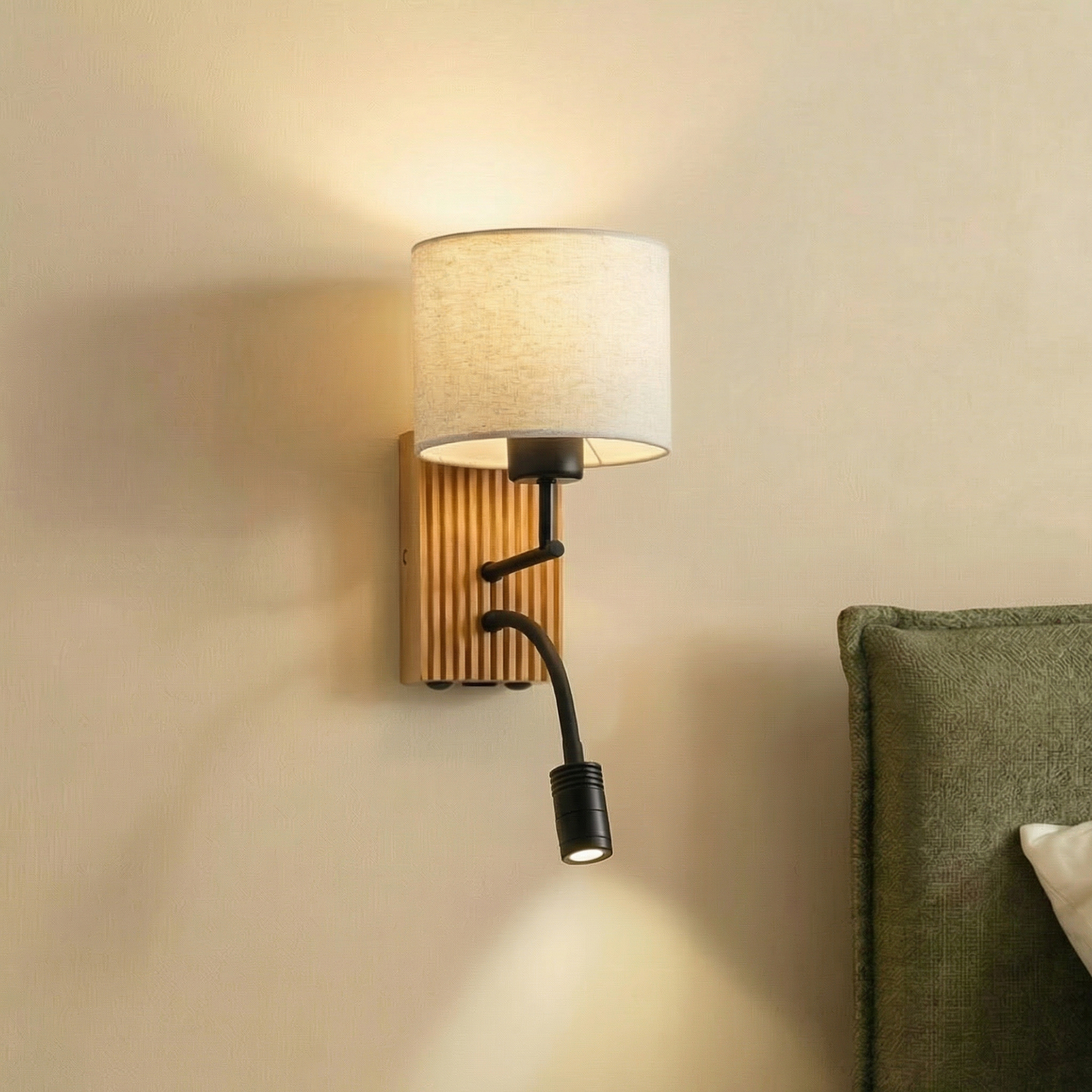
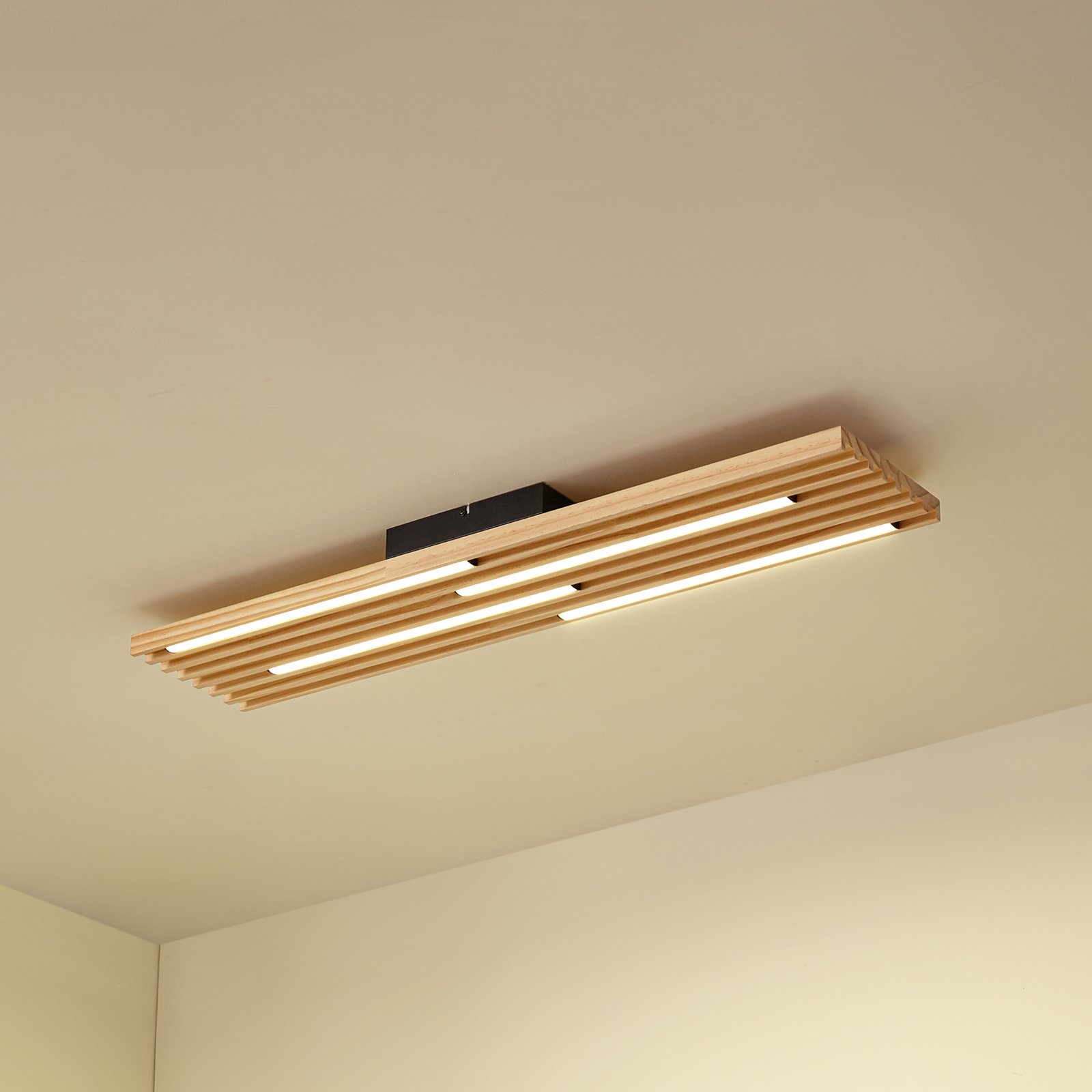
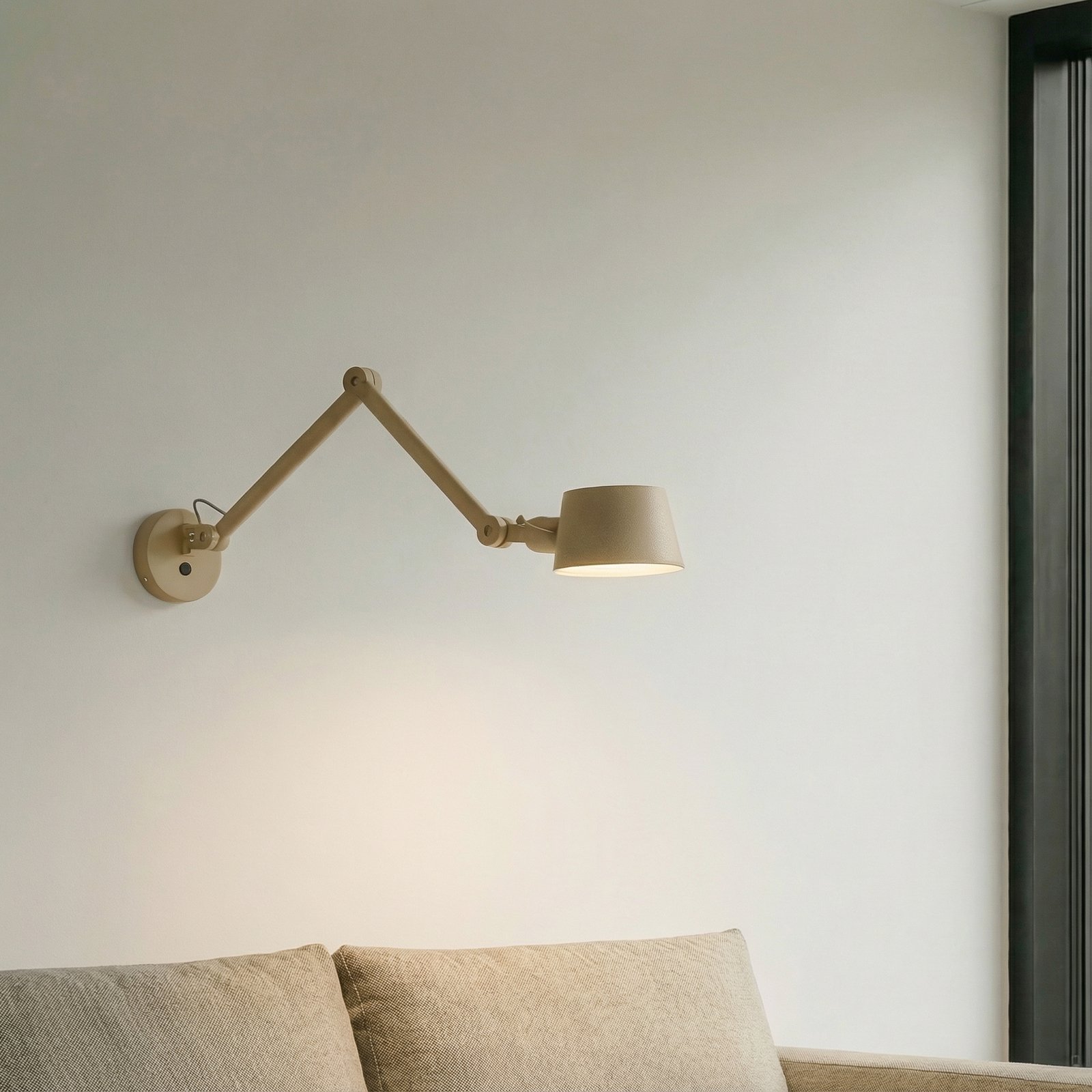
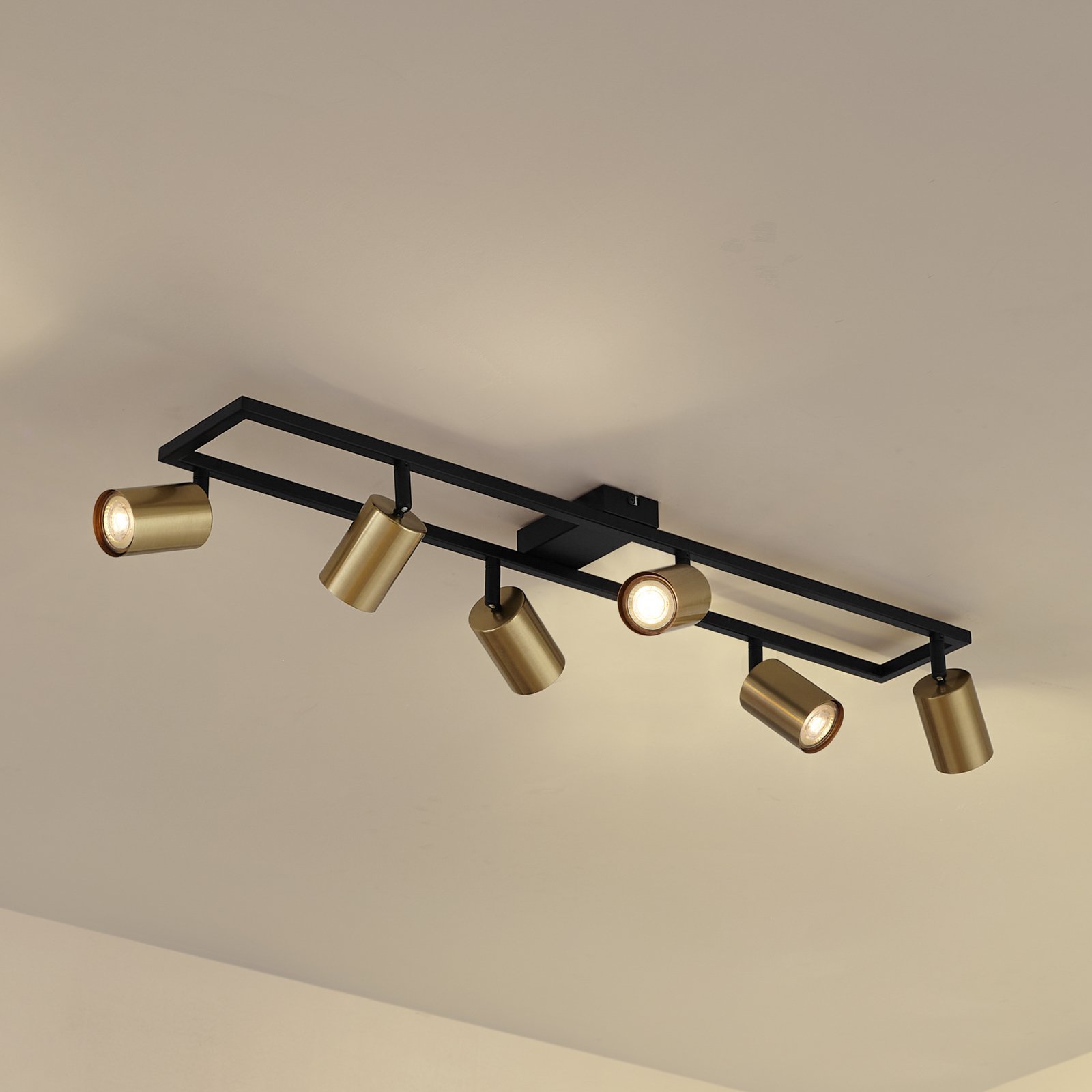

How to properly illuminate small spaces
Several coordinated light sources usually make small rooms appear more open and inviting than a single, very bright ceiling light. It's important not only to illuminate the center of the room or the floor. Walls, ceilings, and dark corners should also be included in the lighting concept.
)
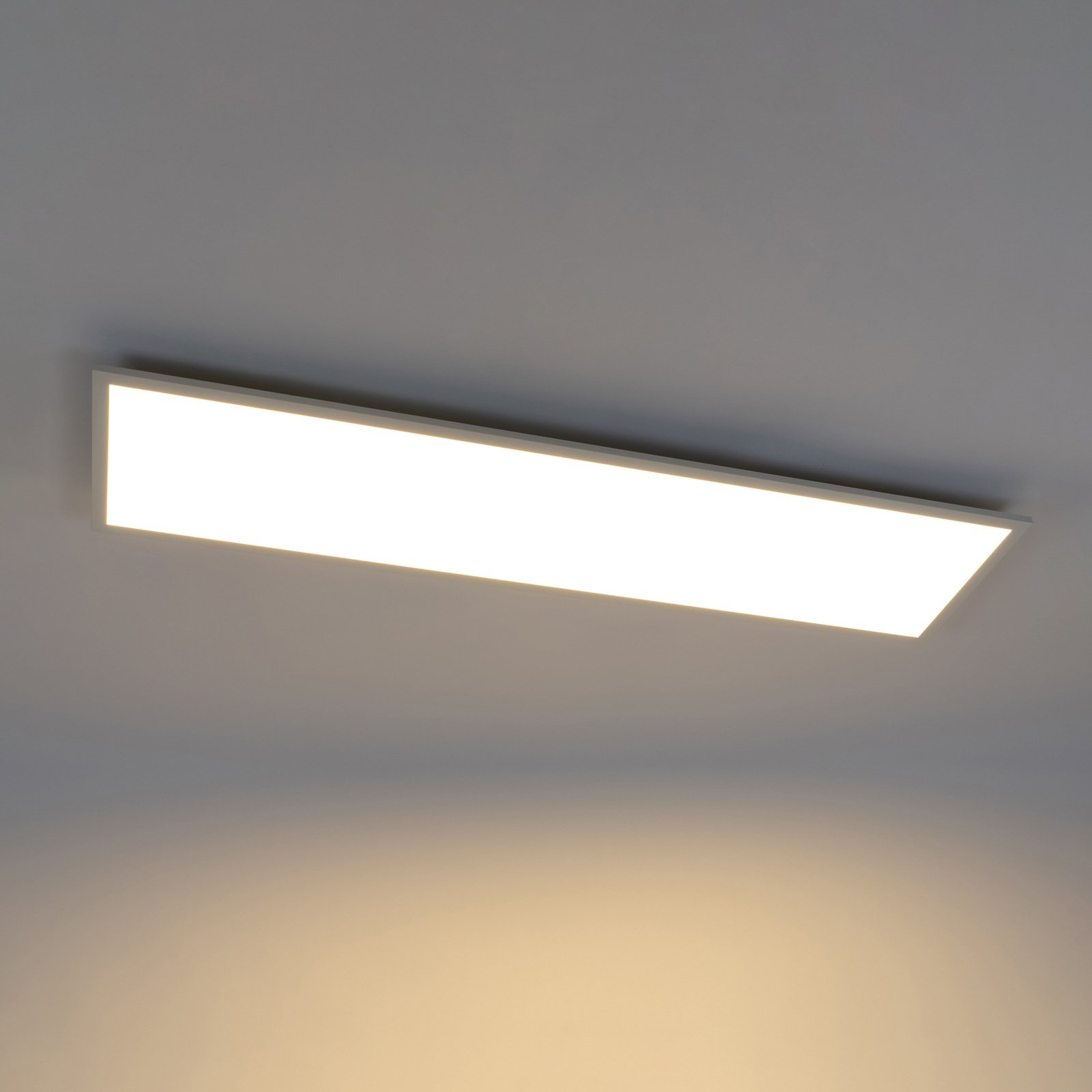
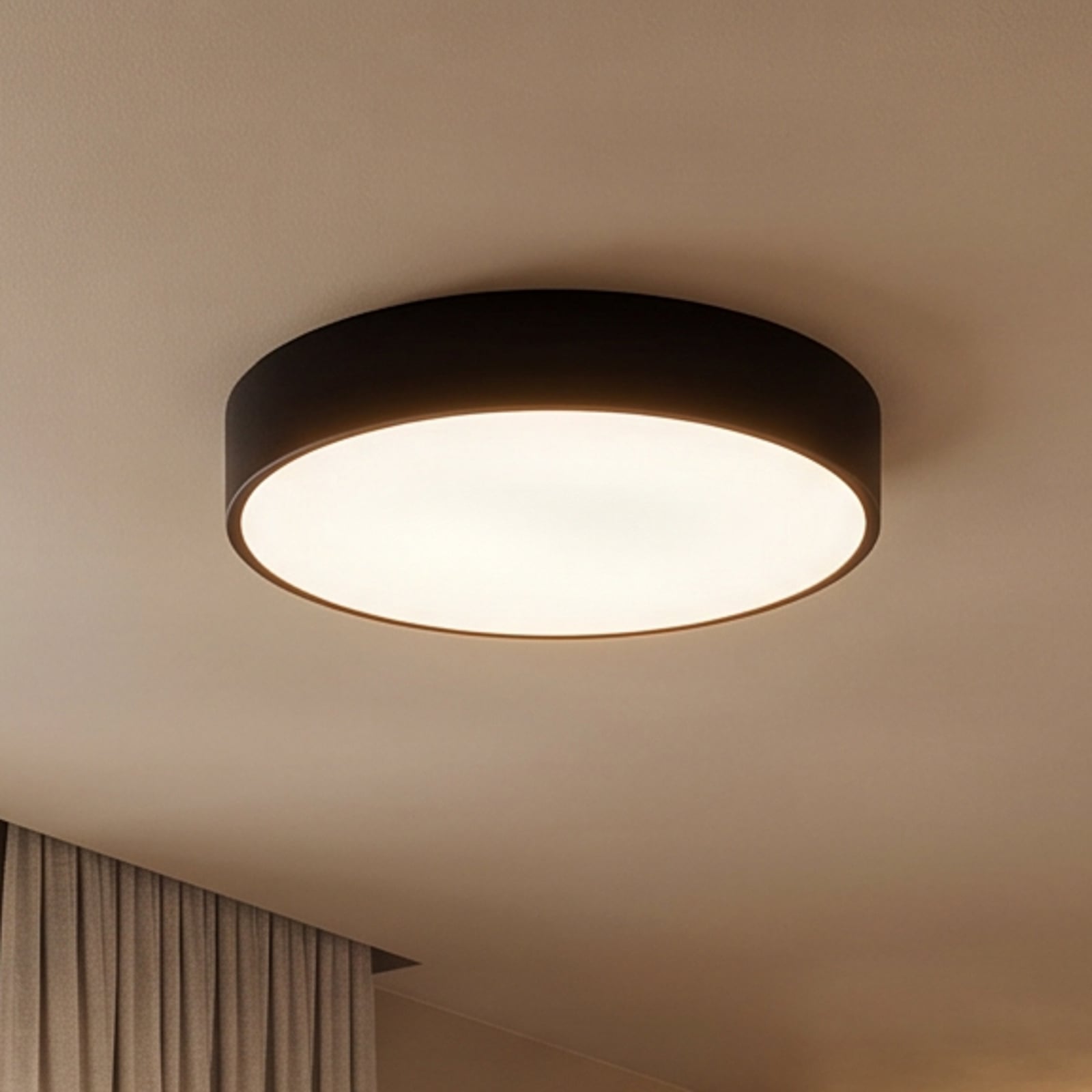
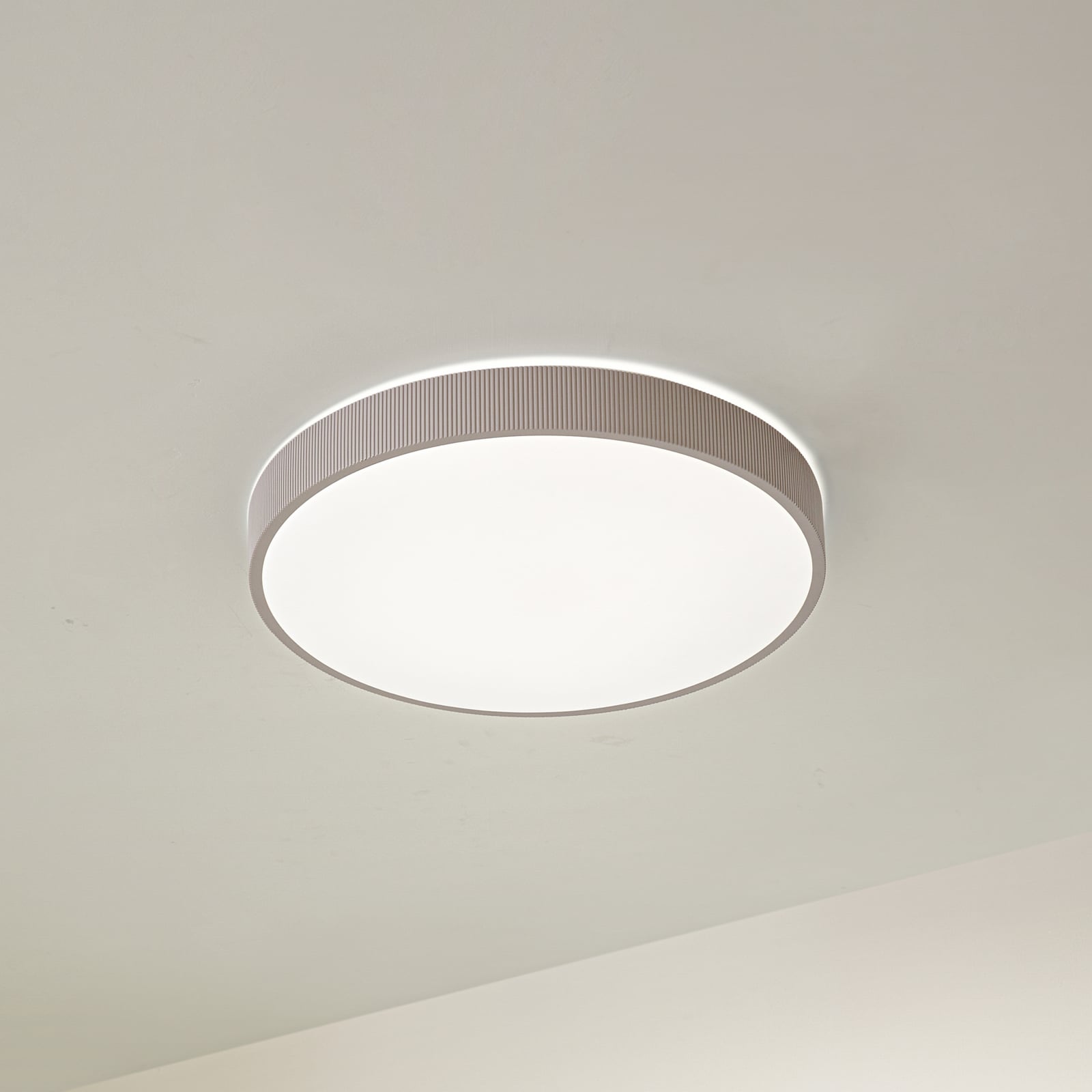
An even ambient lighting creates orientation and makes small rooms appear calmer and more spacious. Flat ceiling lights or compact recessed lights are particularly practical when space is limited.
)
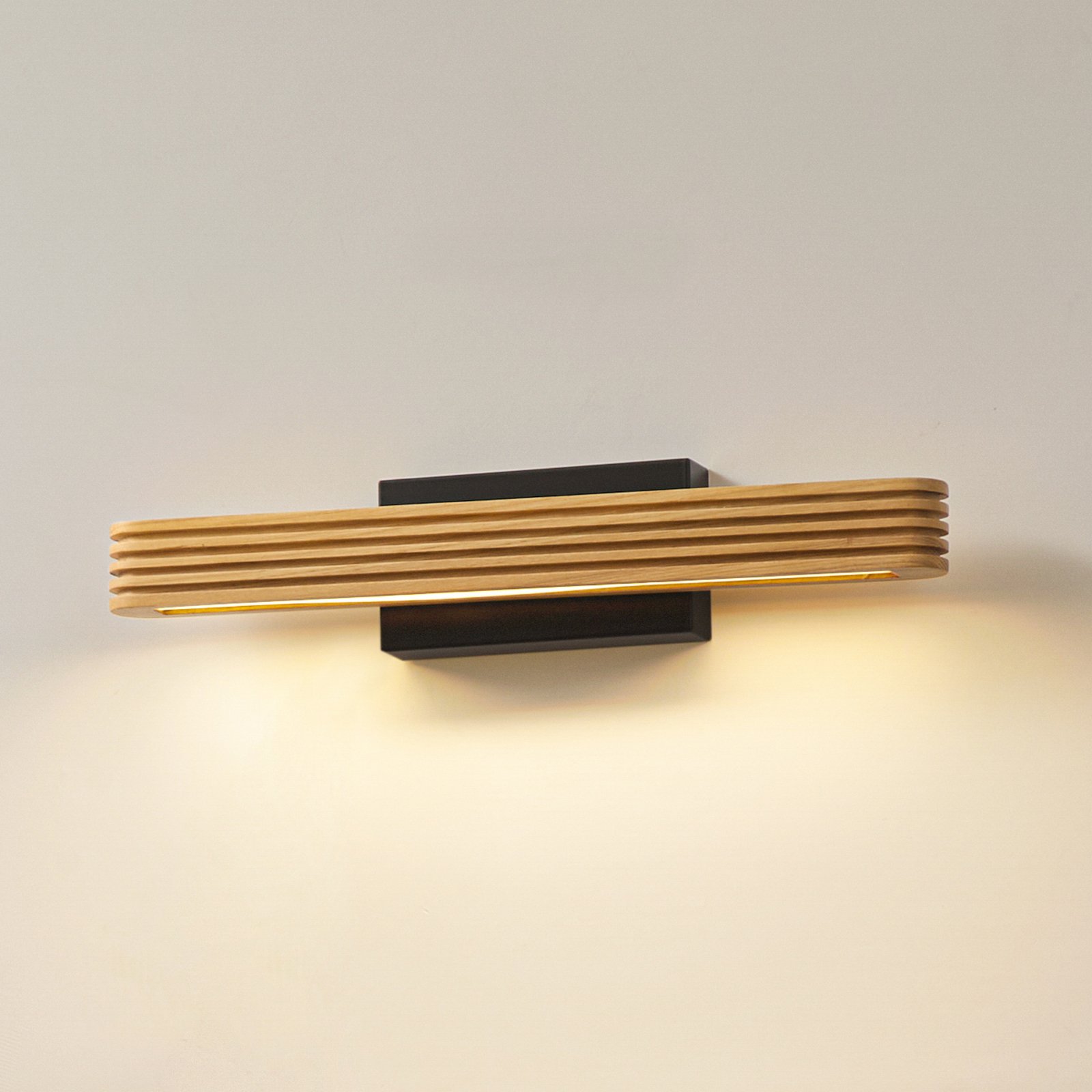
Flat lights on the wall or ceiling take up little space and pleasantly brighten their surroundings. With their light emission, the room visually expands. Lights that cast light onto the wall and reflect it from there open up the room particularly effectively.
)
Unlit areas quickly make small rooms appear cramped. Additional light sources in niches, corners, or poorly lit places create more depth and are particularly helpful in complex layouts.
)
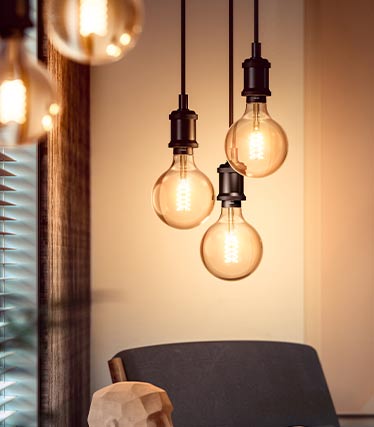
A combination of ceiling, wall, table, pendant, or floor lamps makes lighting more flexible and creates different lighting moods. Especially in small rooms, battery-powered table lamps without fixed installation are practical.
)
)
)
Ceiling lights for small spaces and low ceilings
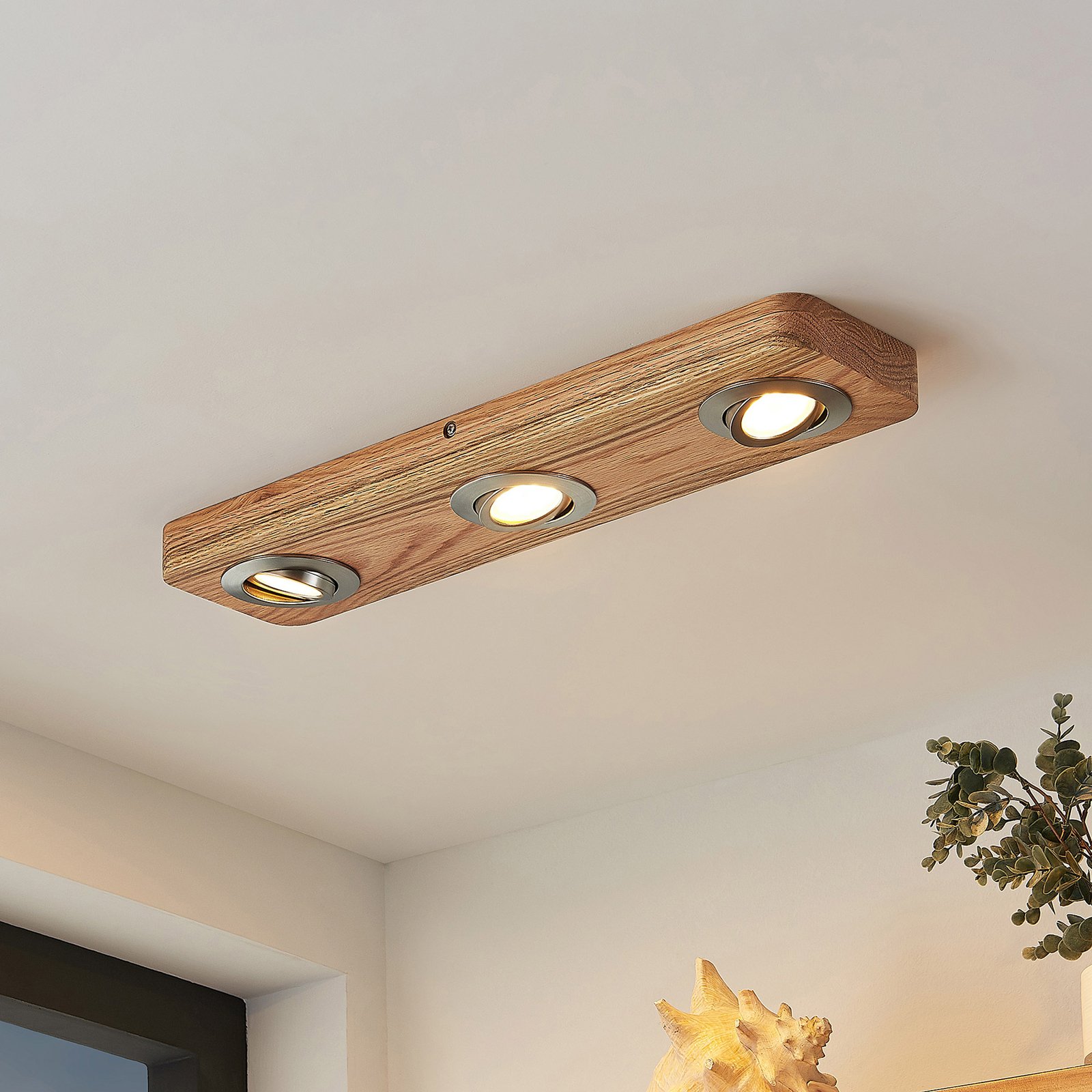
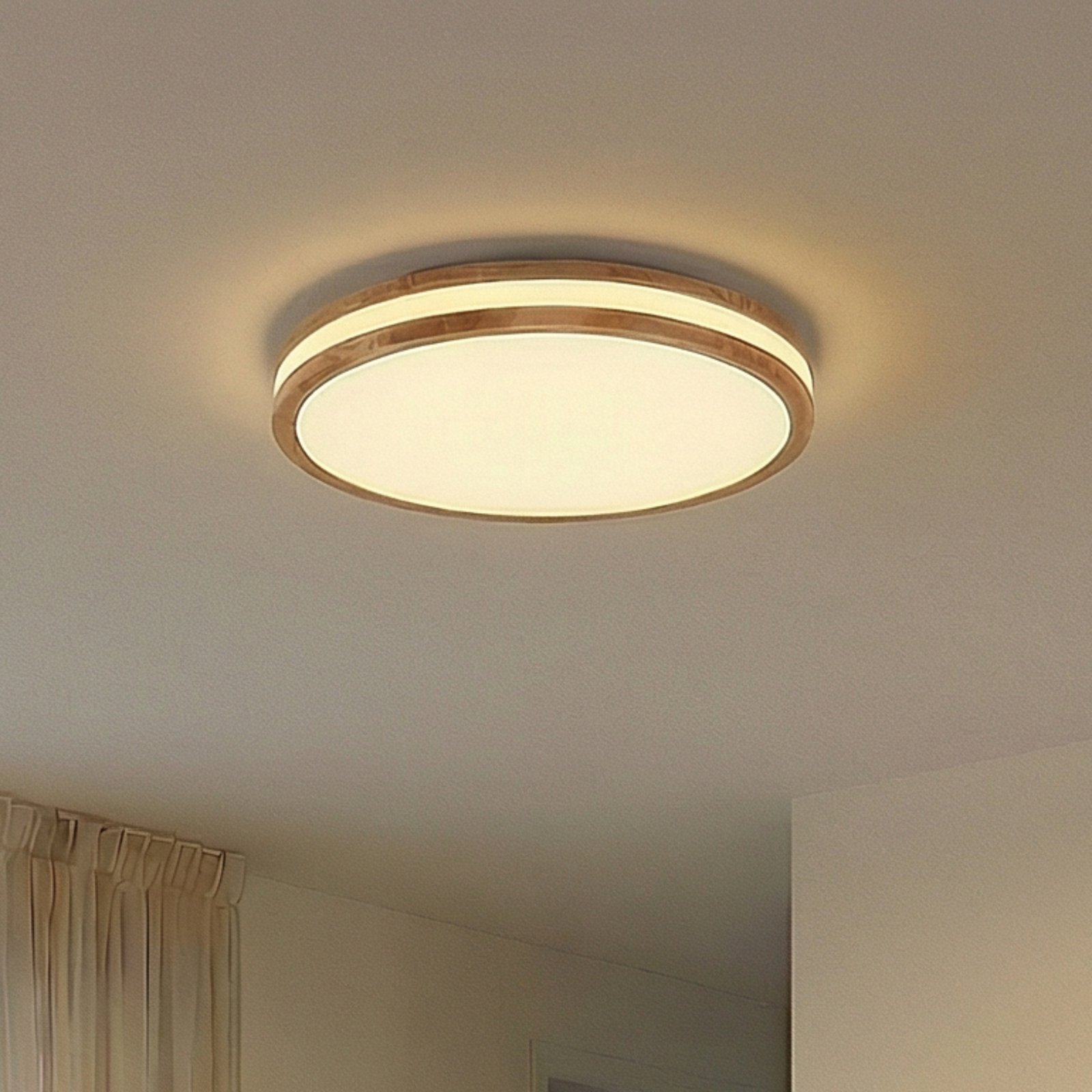
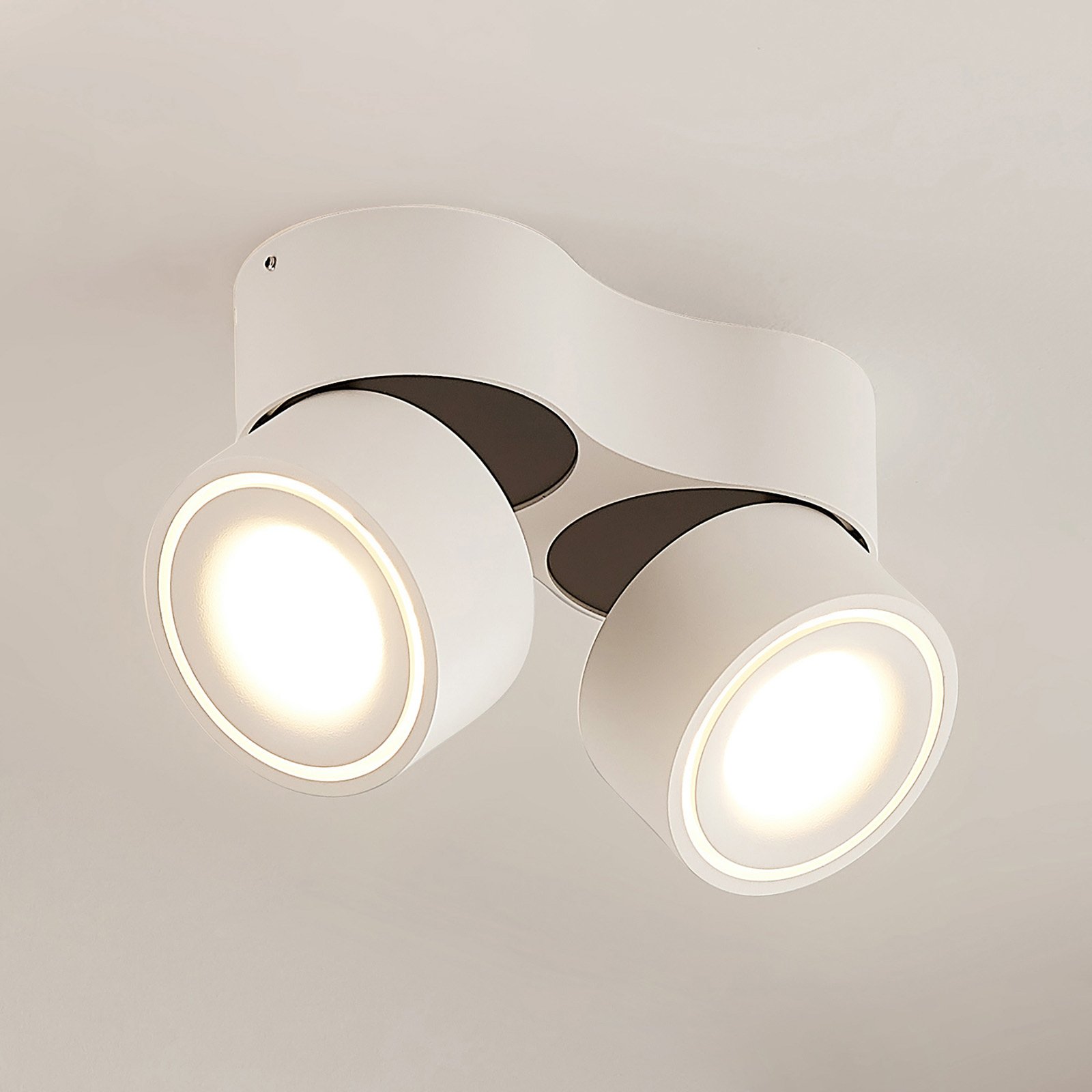
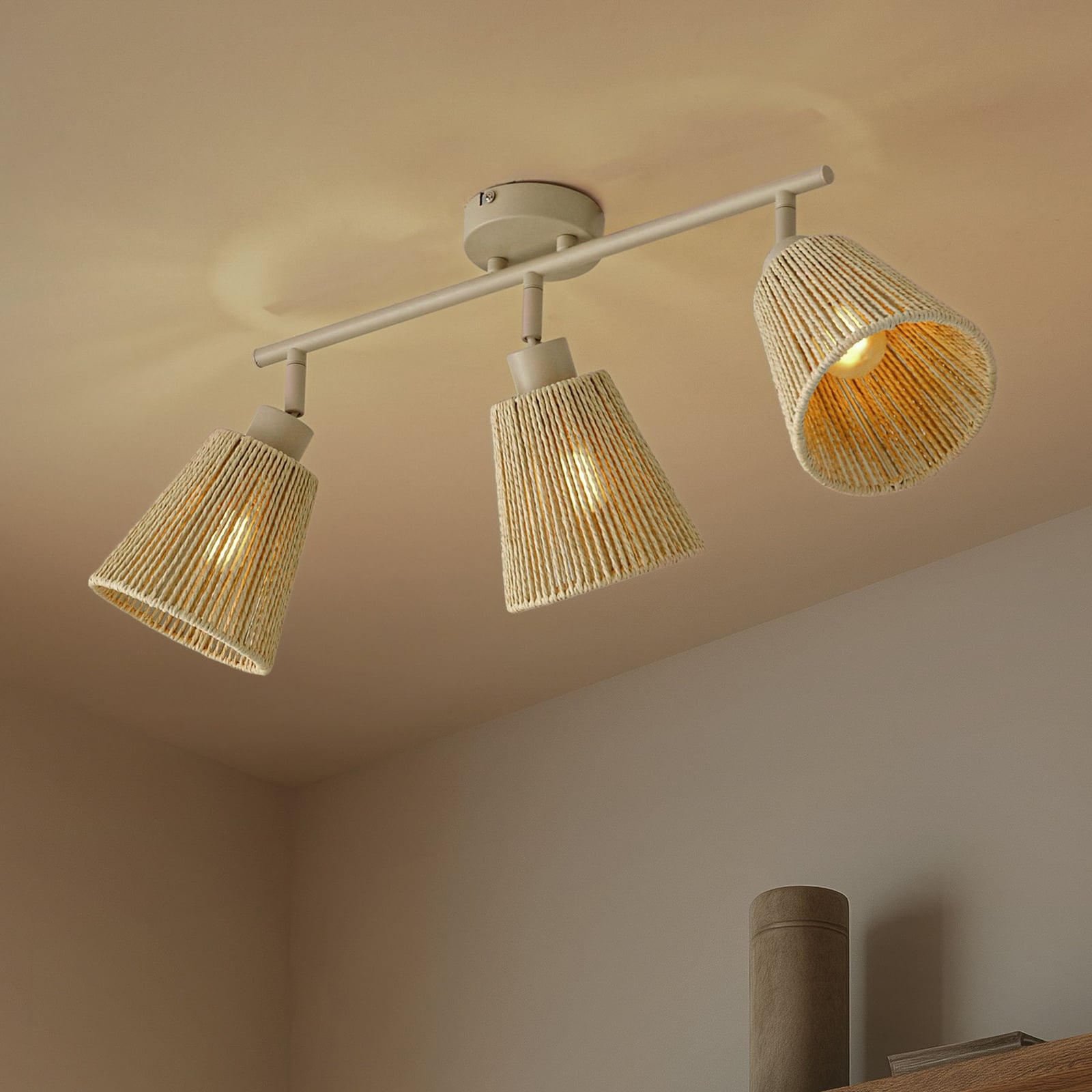
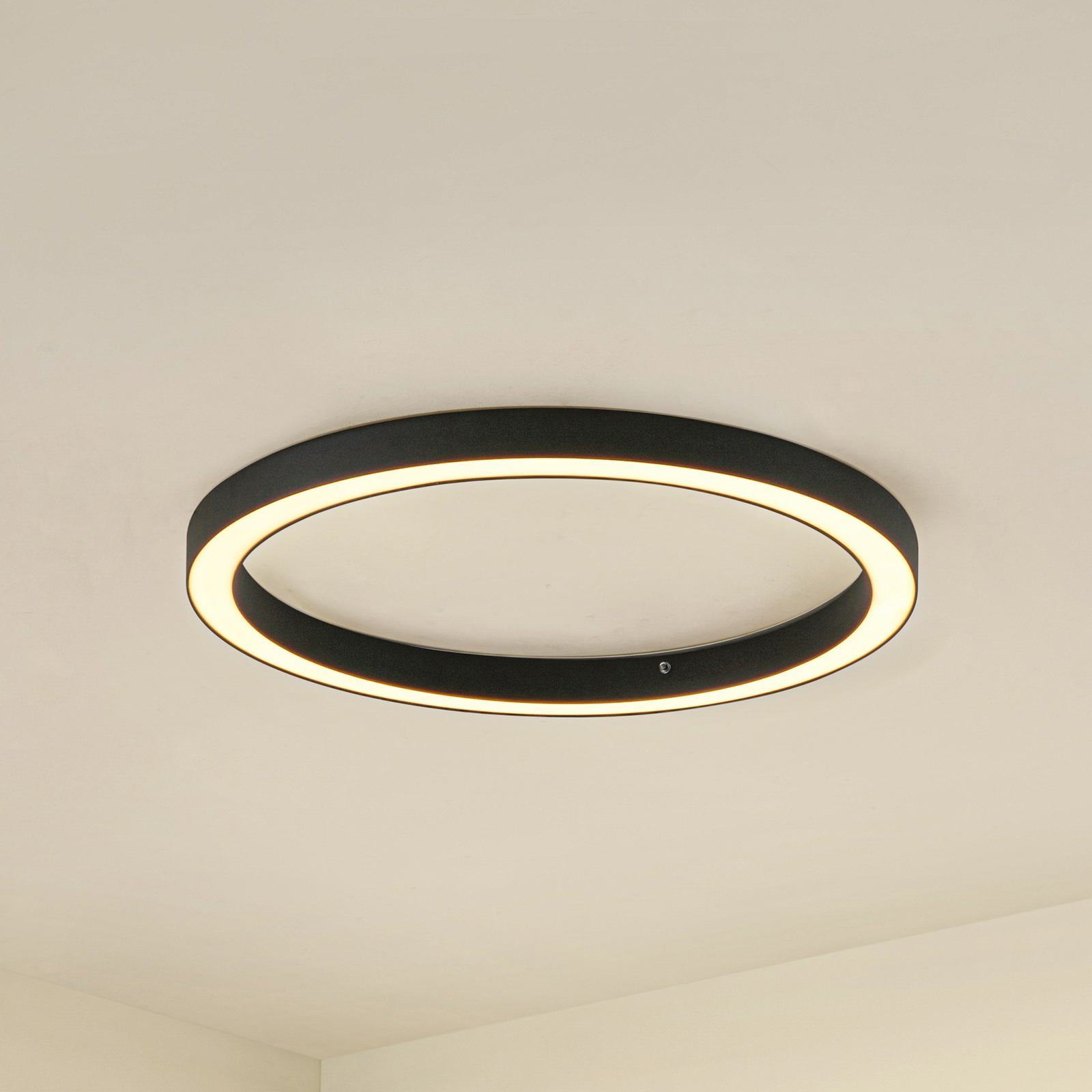
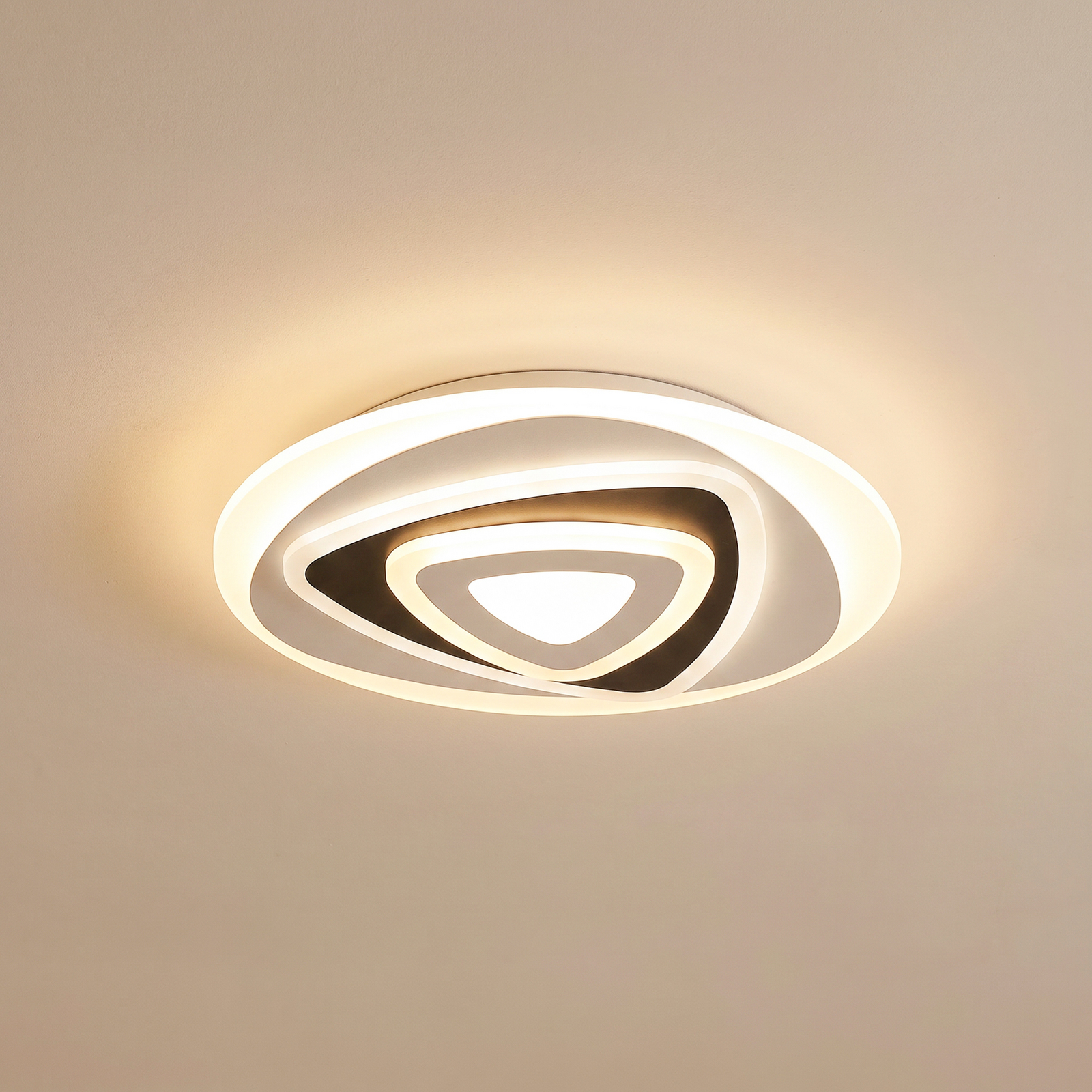
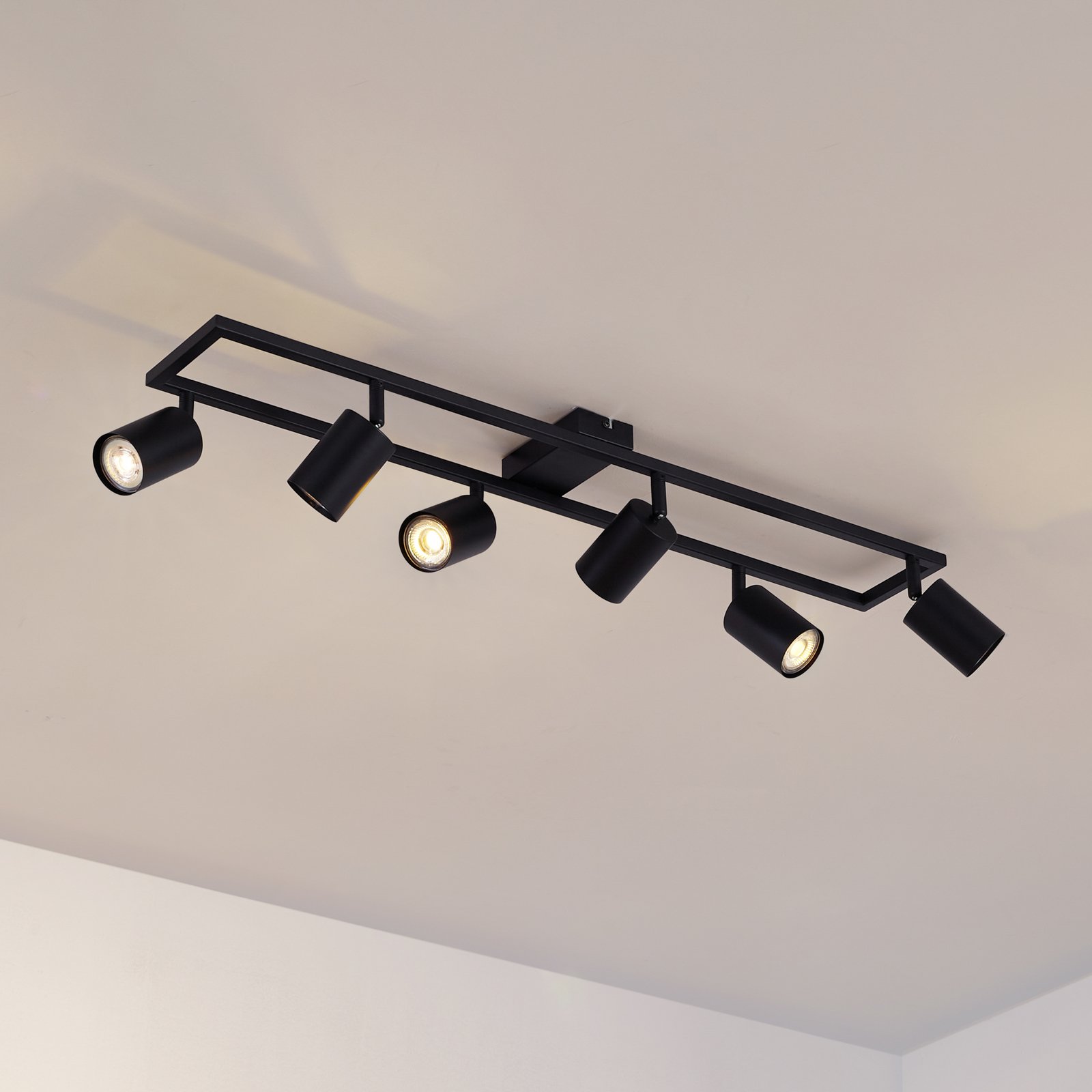
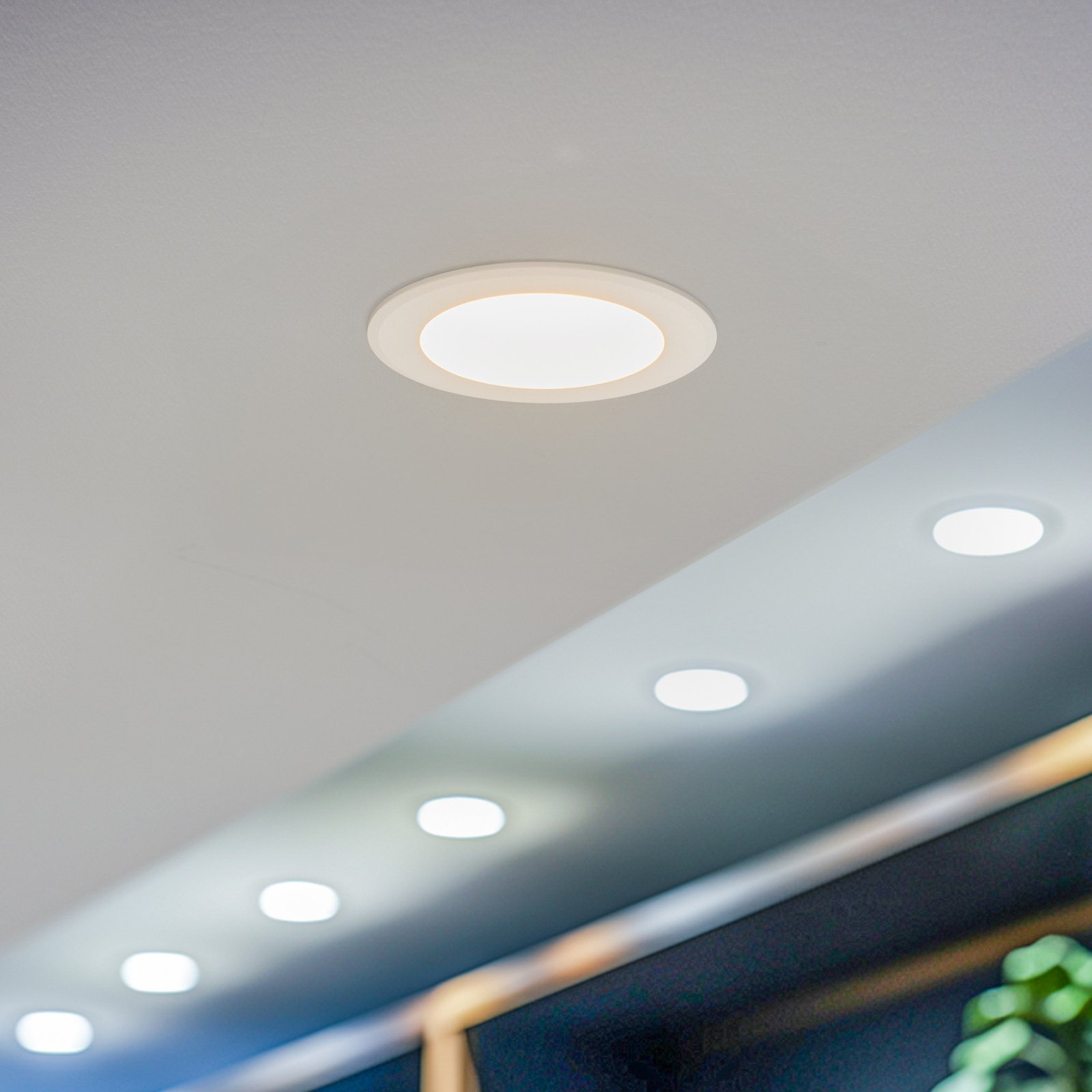
Ceiling lights provide even ambient lighting in small rooms. In low rooms, a flat ceiling light is recommended, which is unobtrusive and maintains the perceived room height. Flat surface-mounted lights and LED panels are particularly suitable, while spots and spotlights can specifically illuminate individual areas. Recessed lights are also a space-saving solution as they sit almost flush with the ceiling. In complex layouts, multi-head ceiling spotlights offer additional flexibility to target different areas of the room.
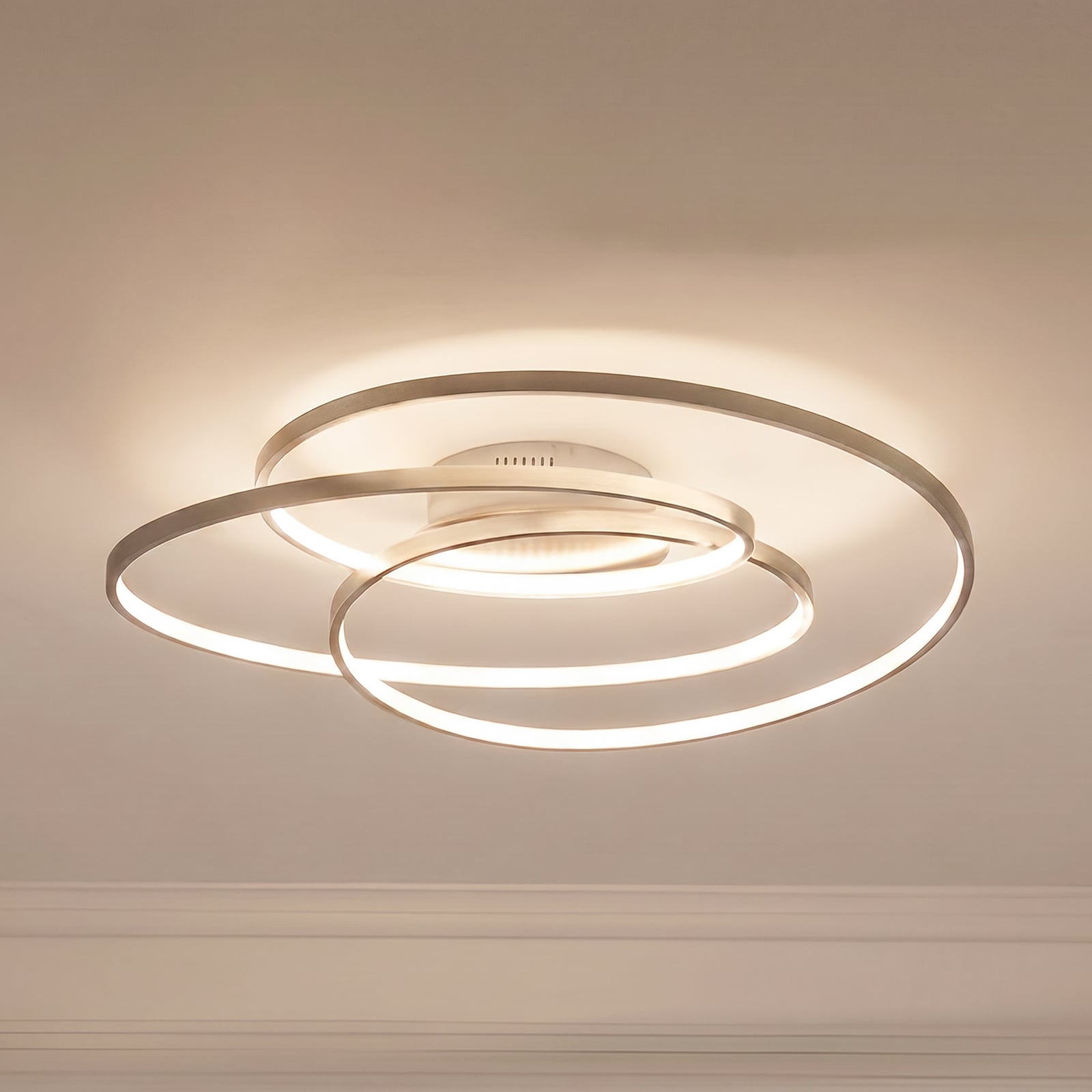
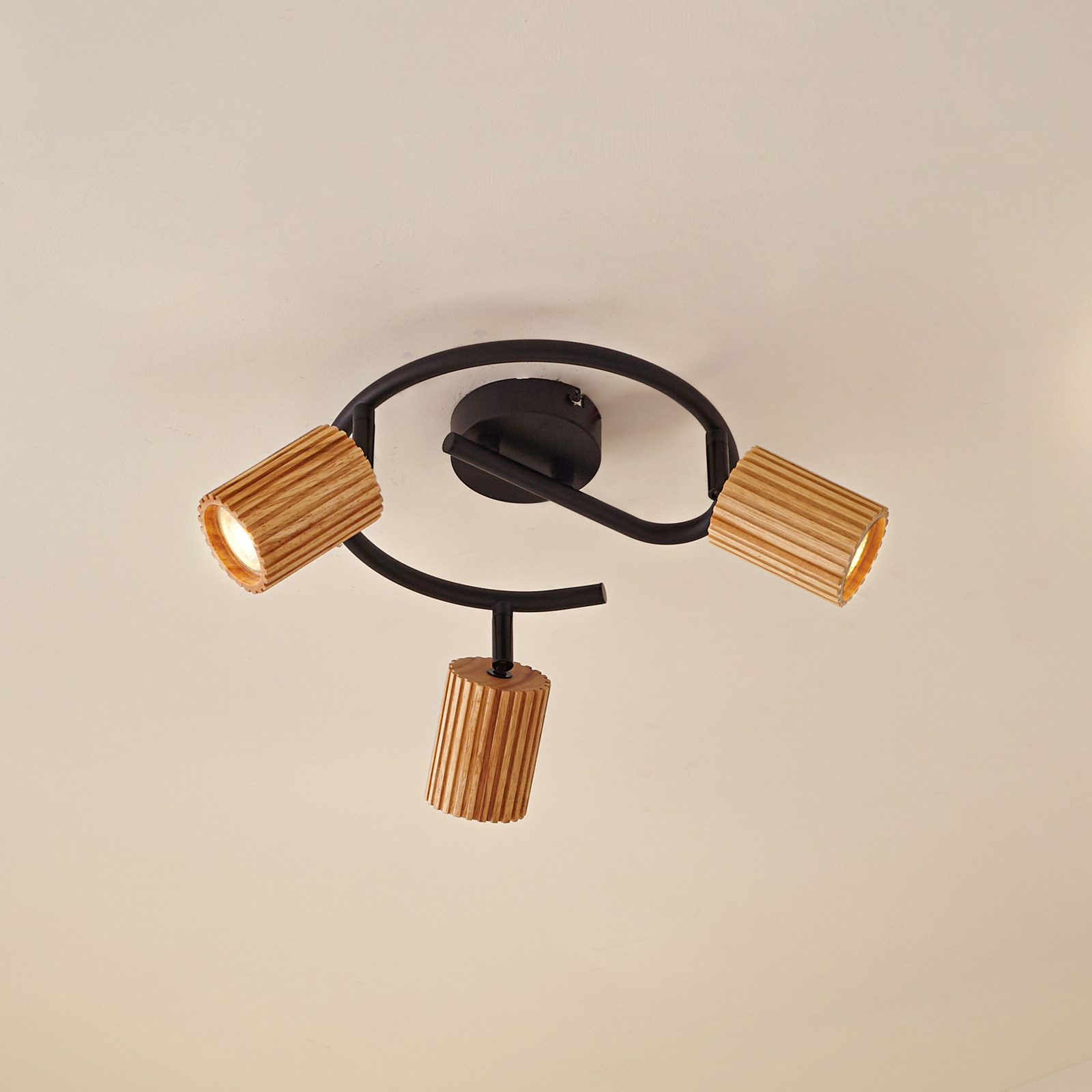
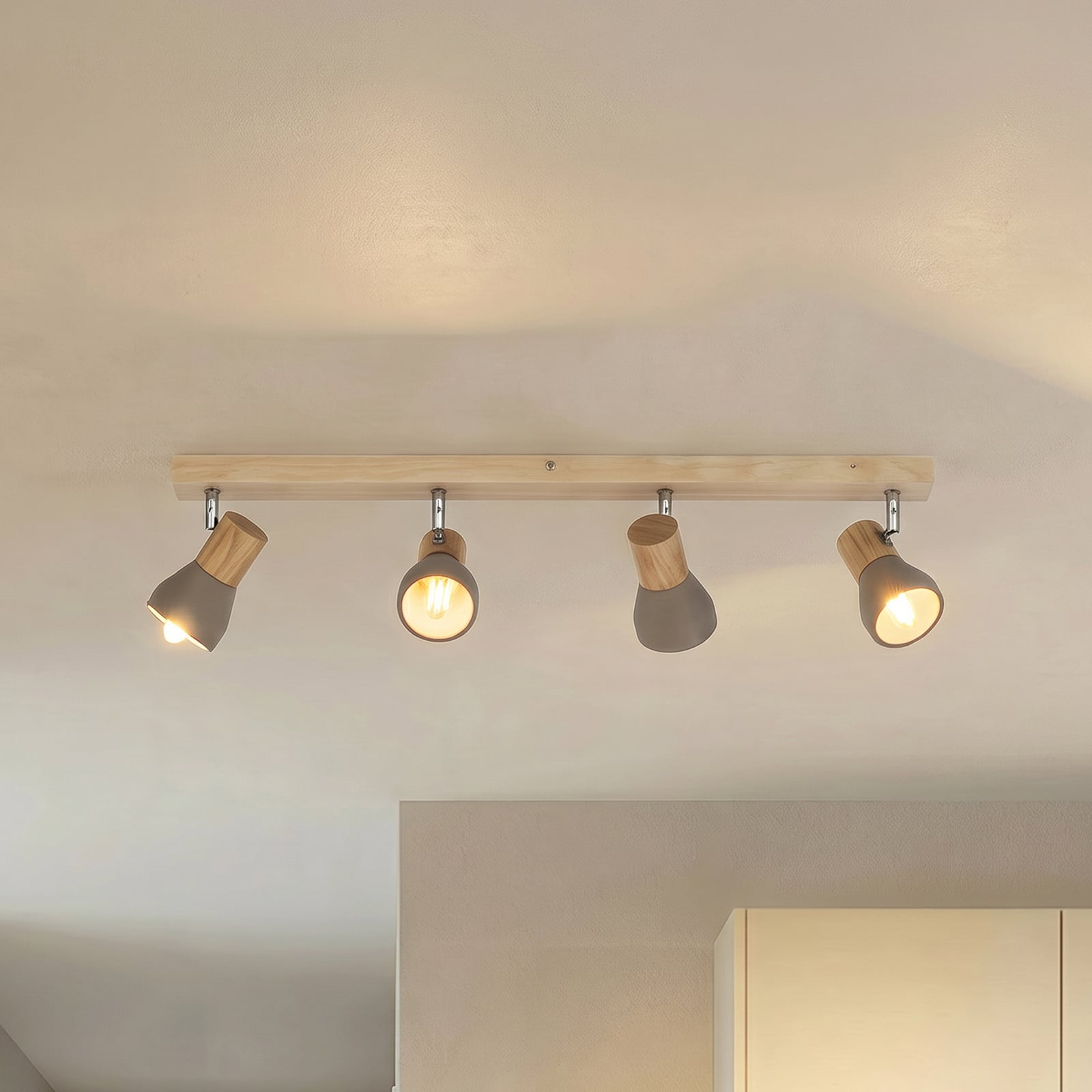
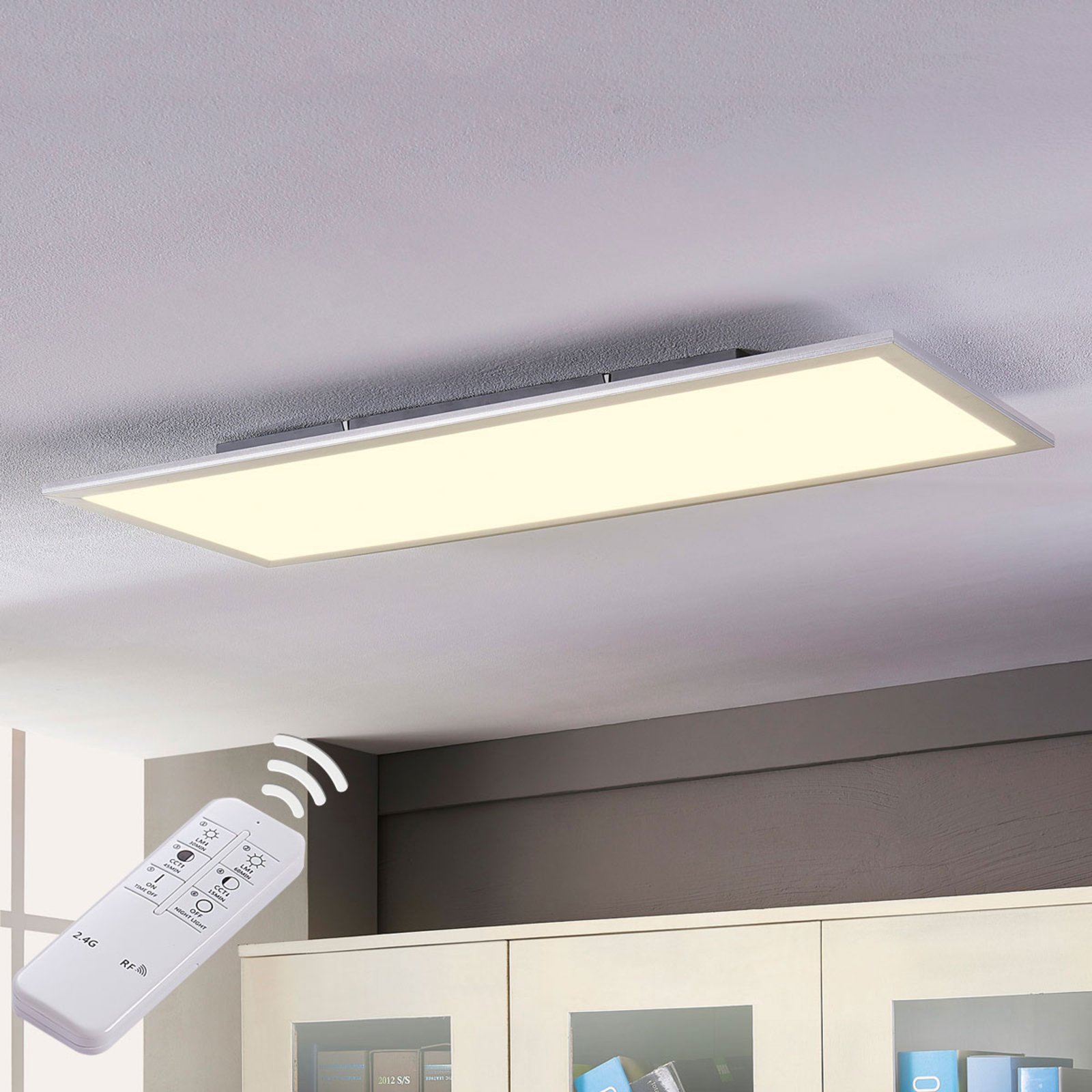
)
)
)
Wall lights for small spaces and complex layouts
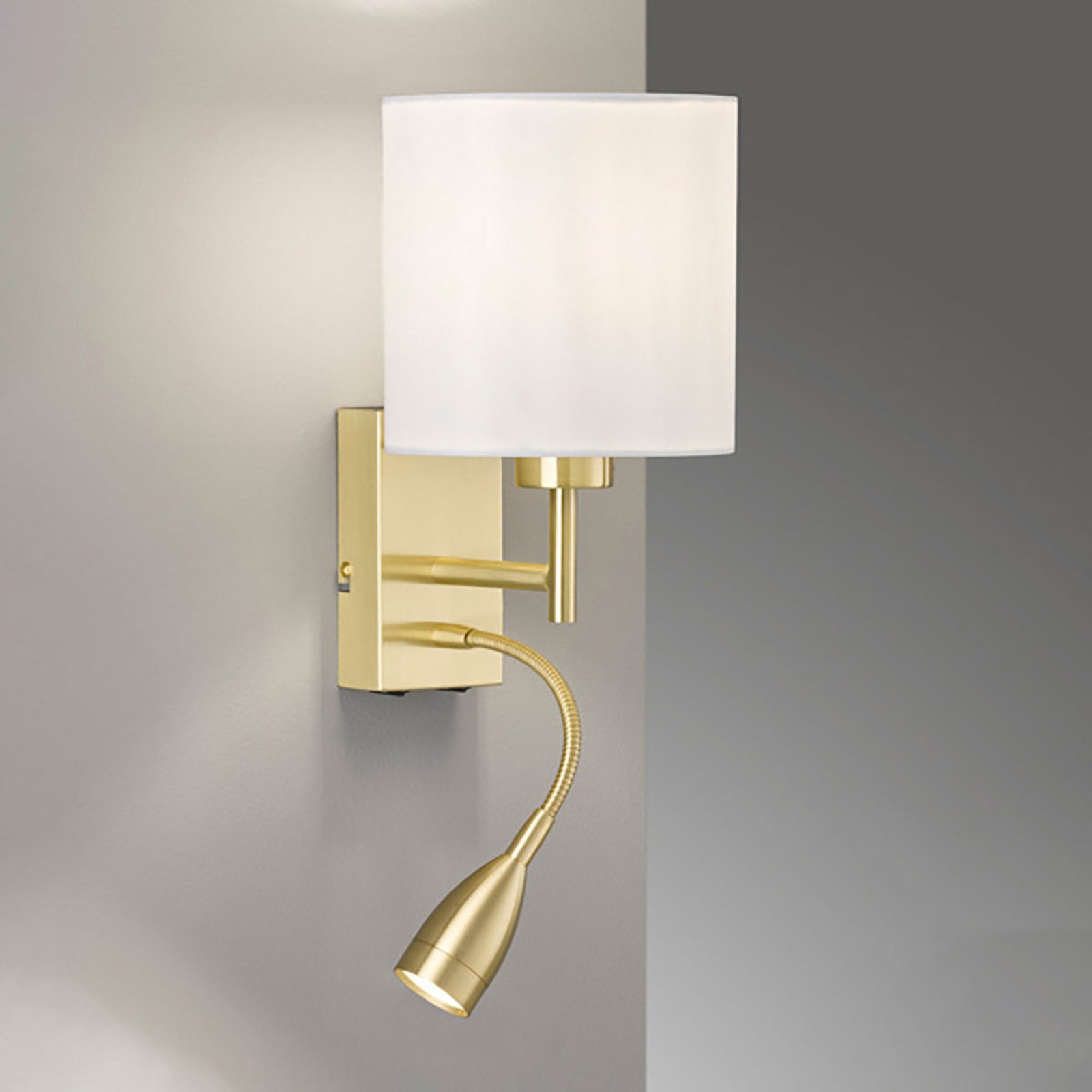
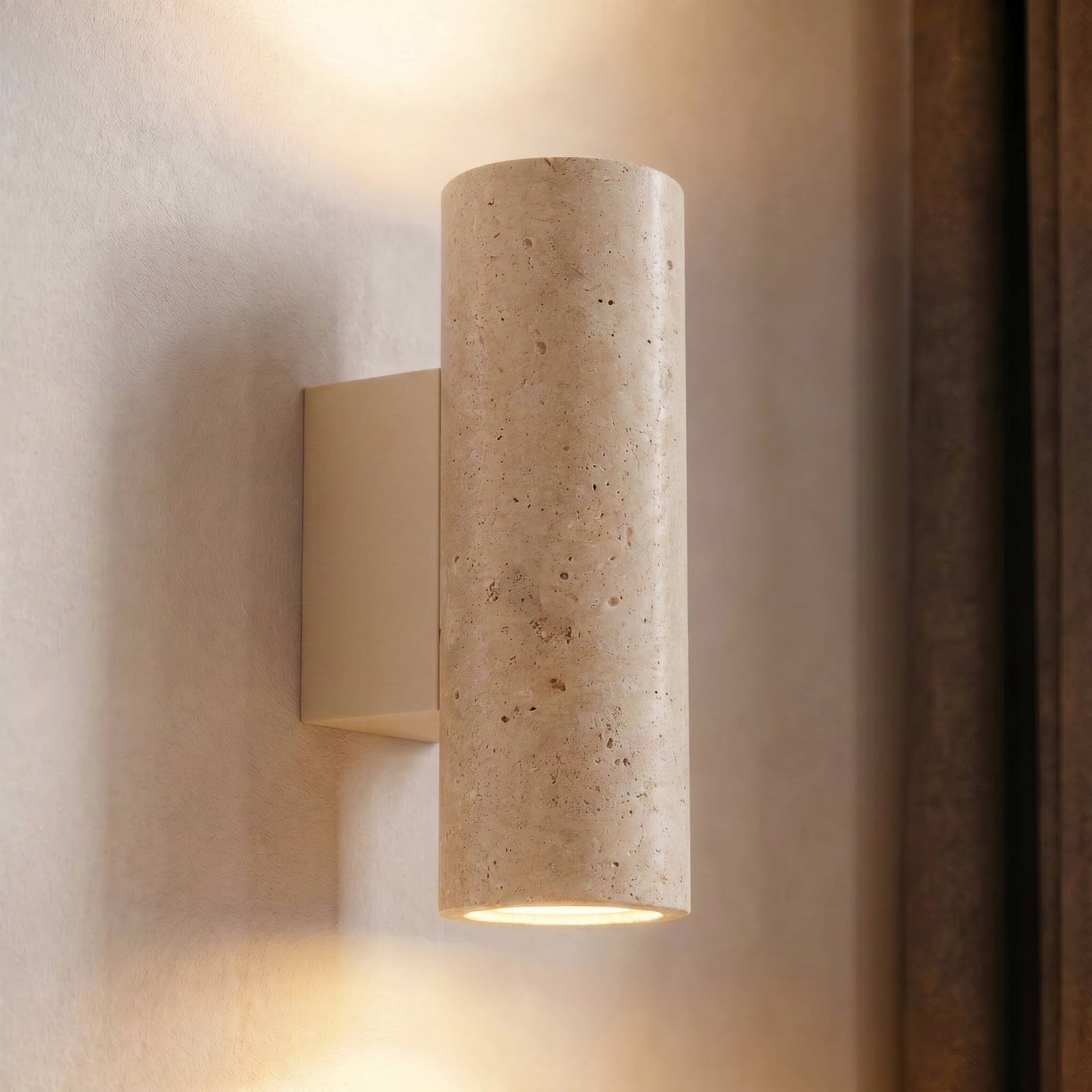
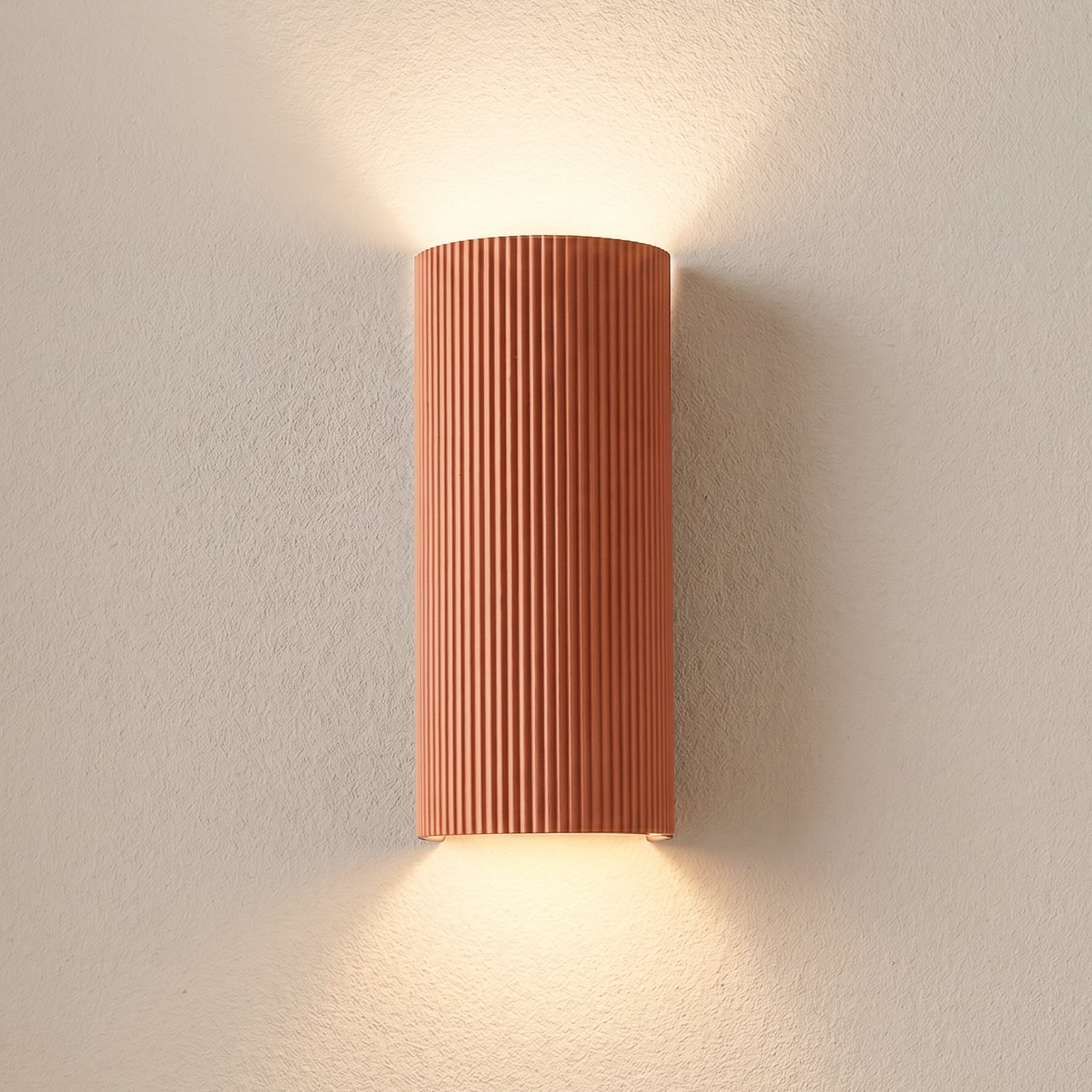
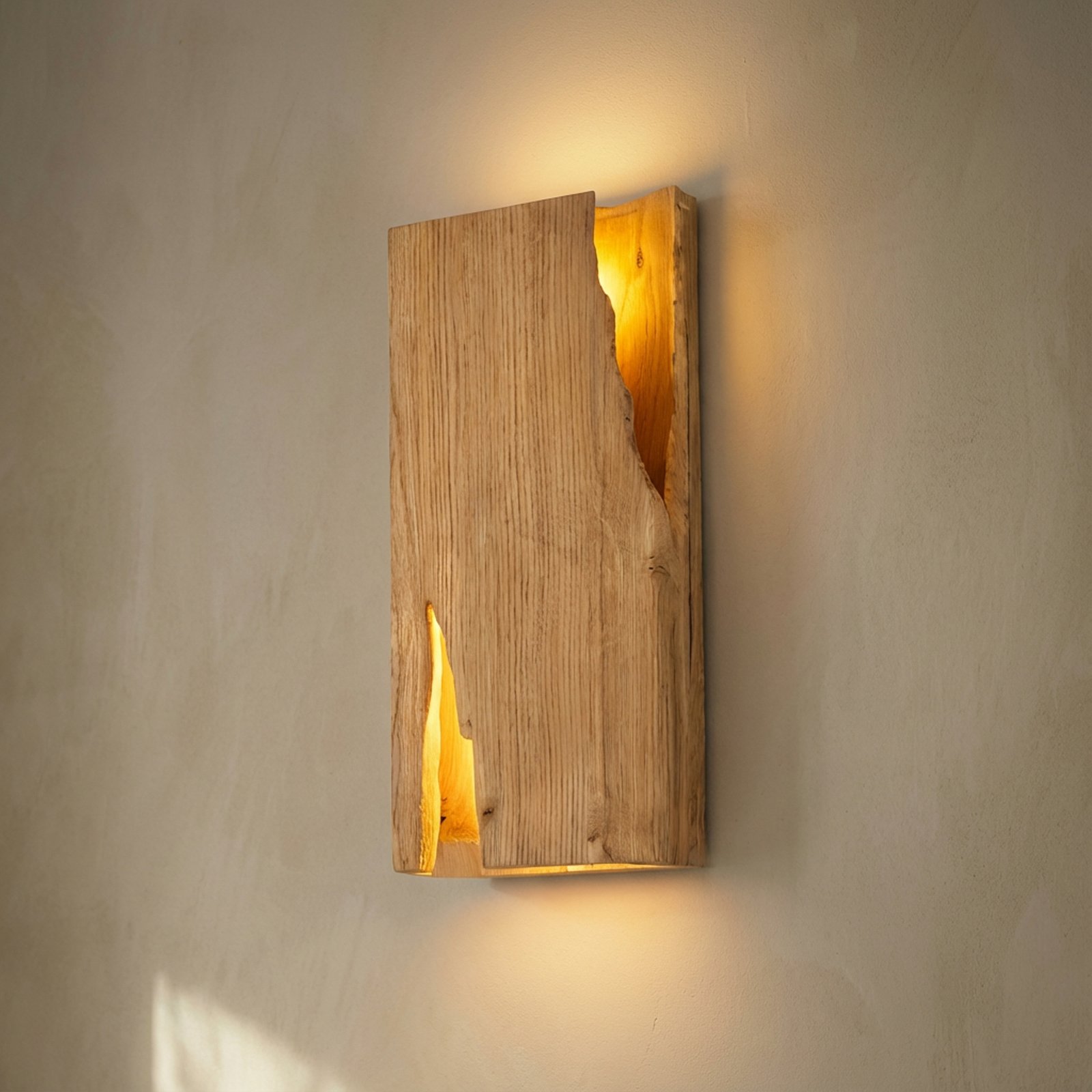
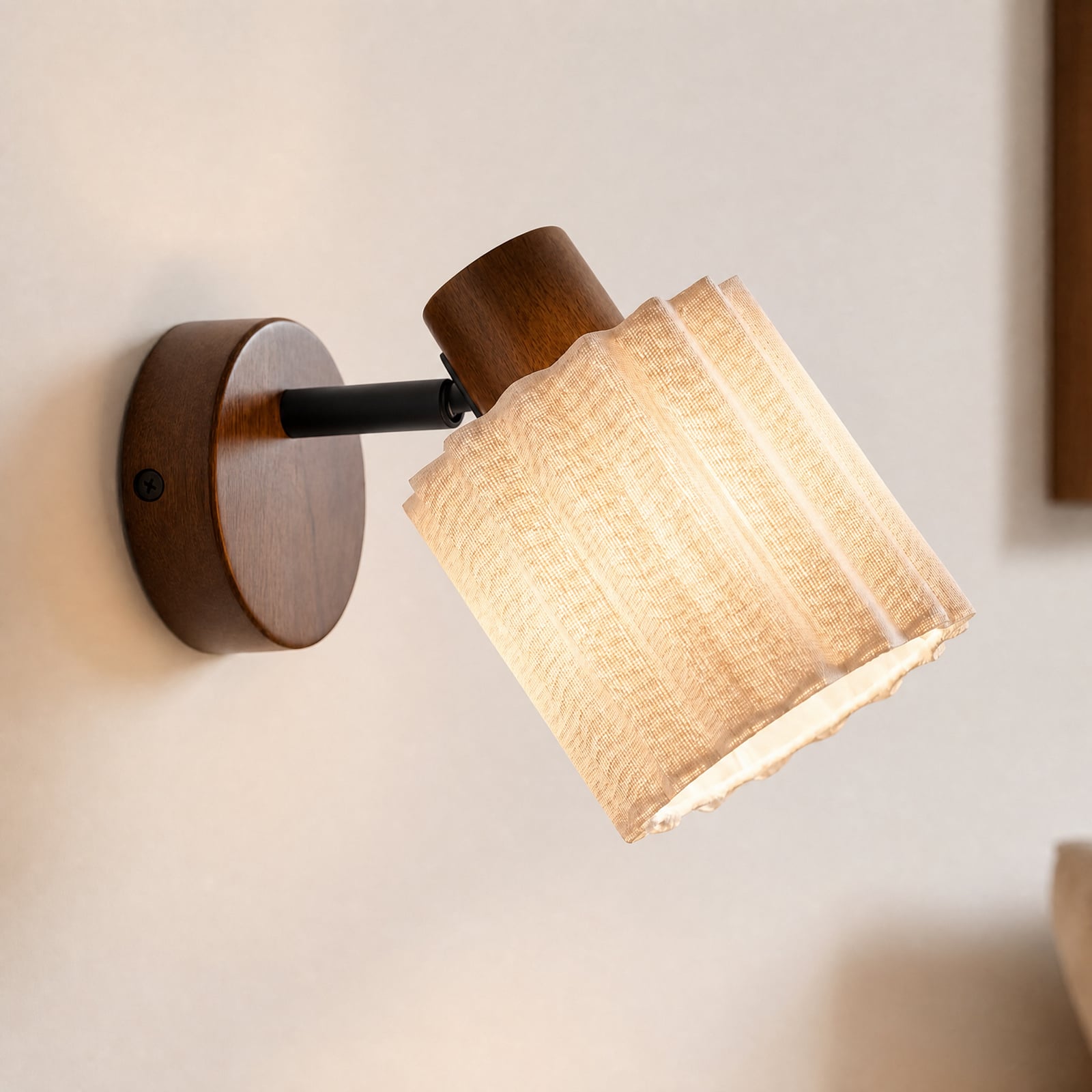
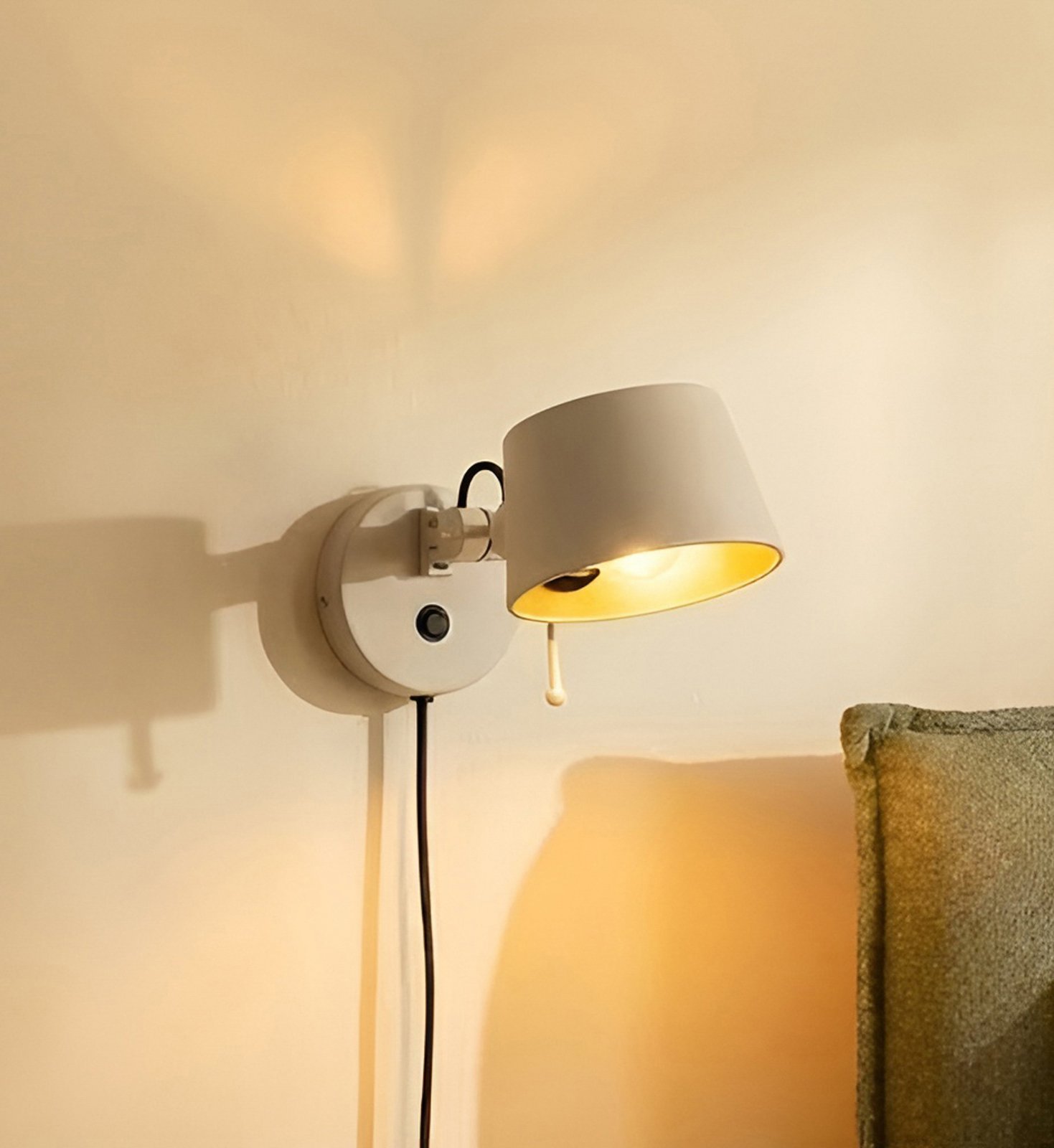
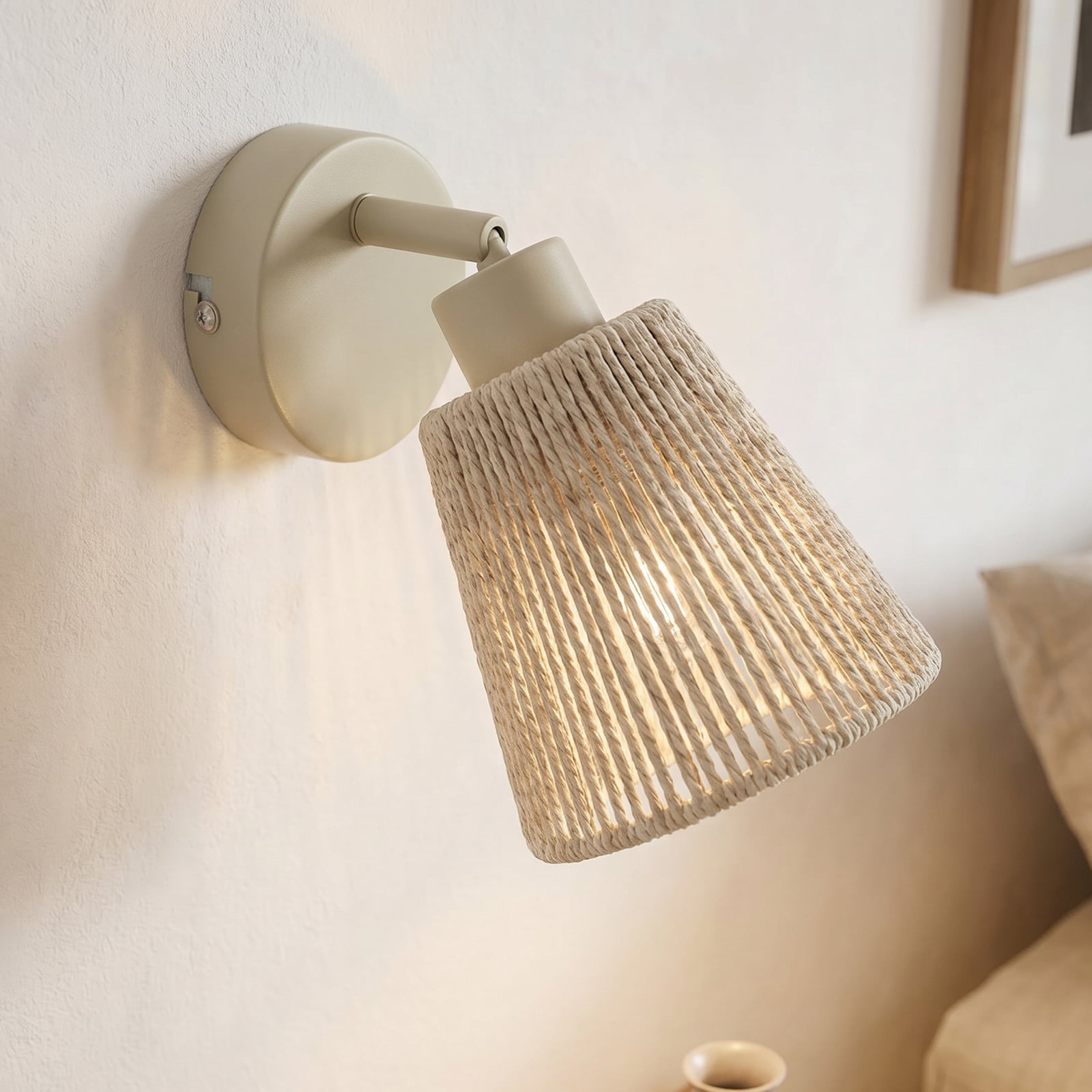
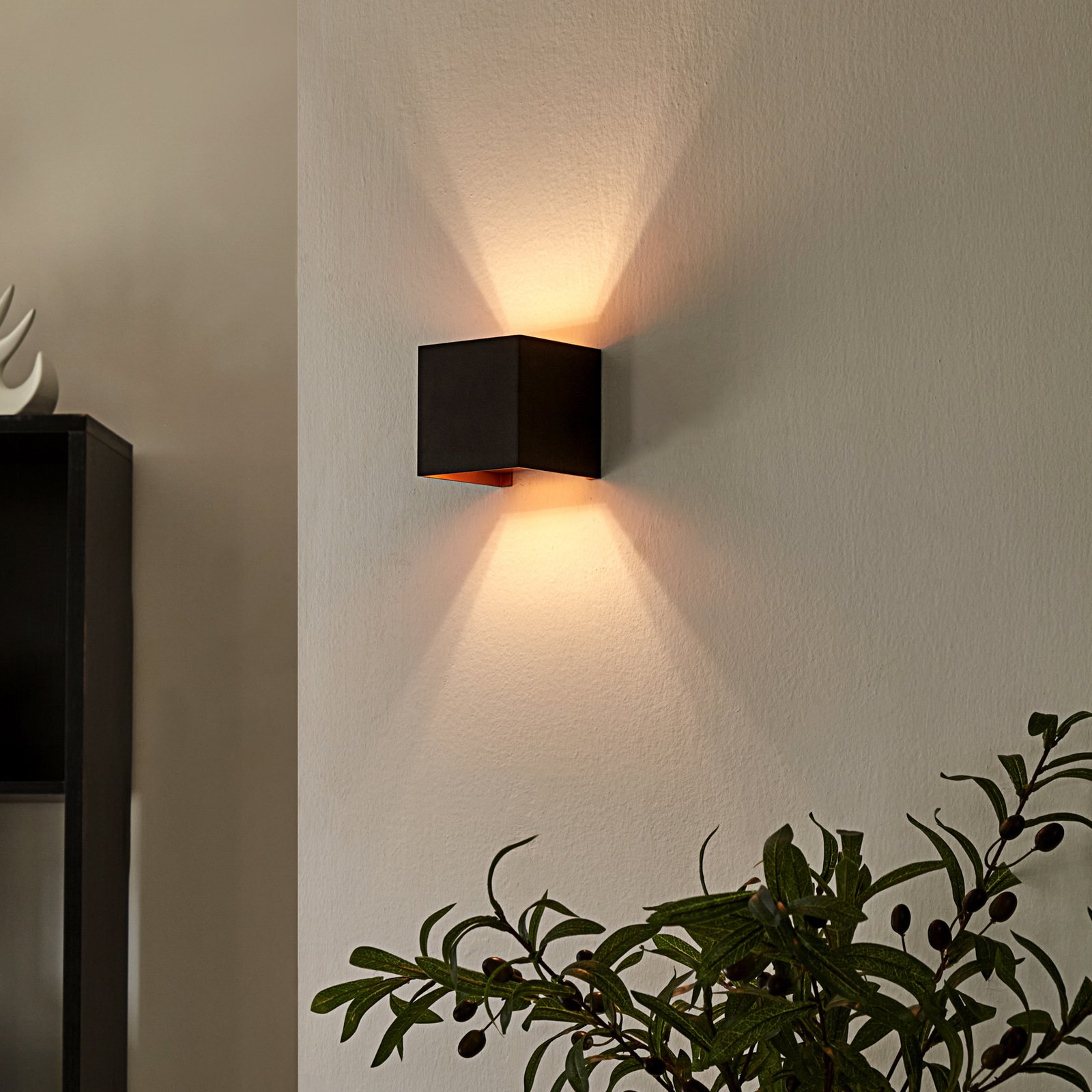
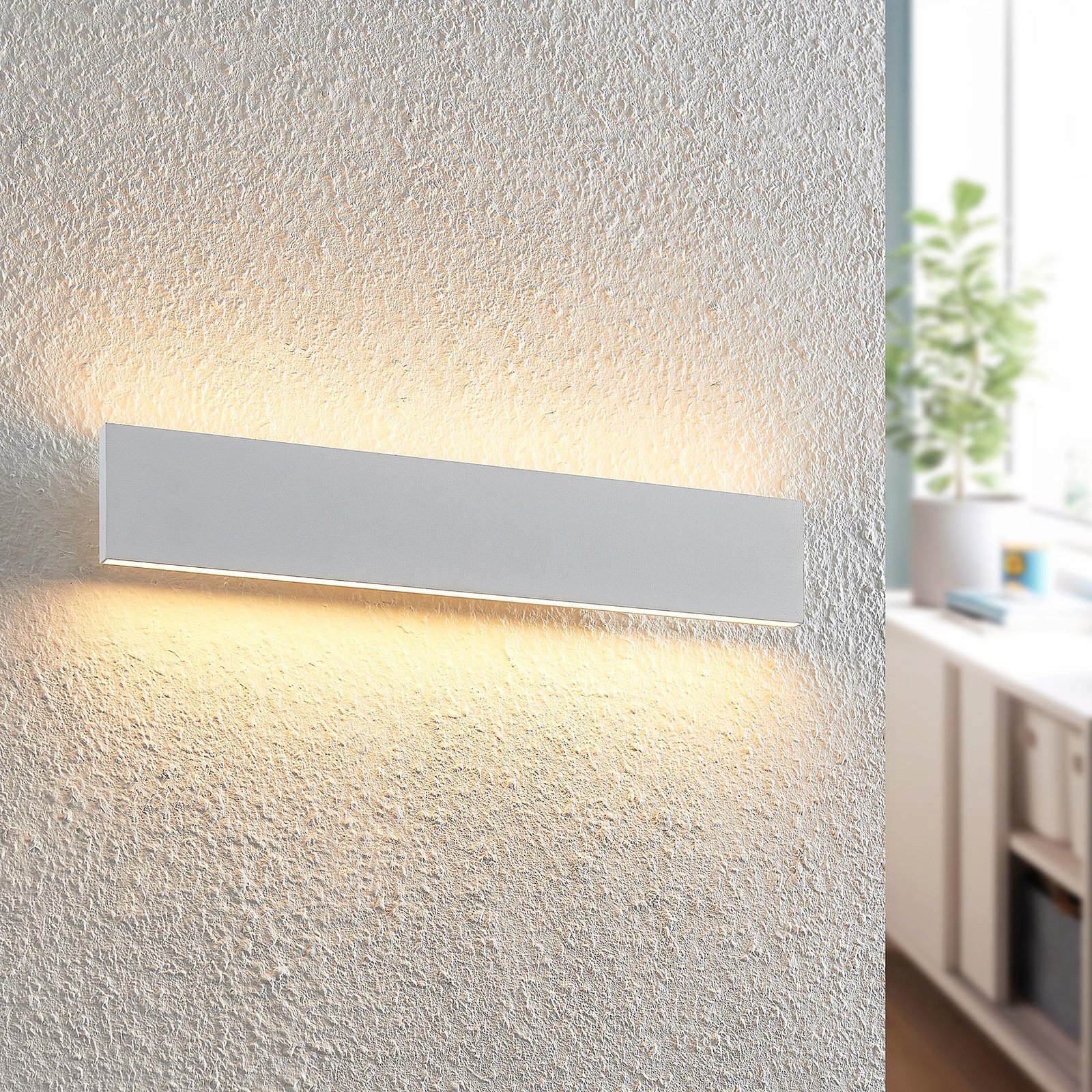
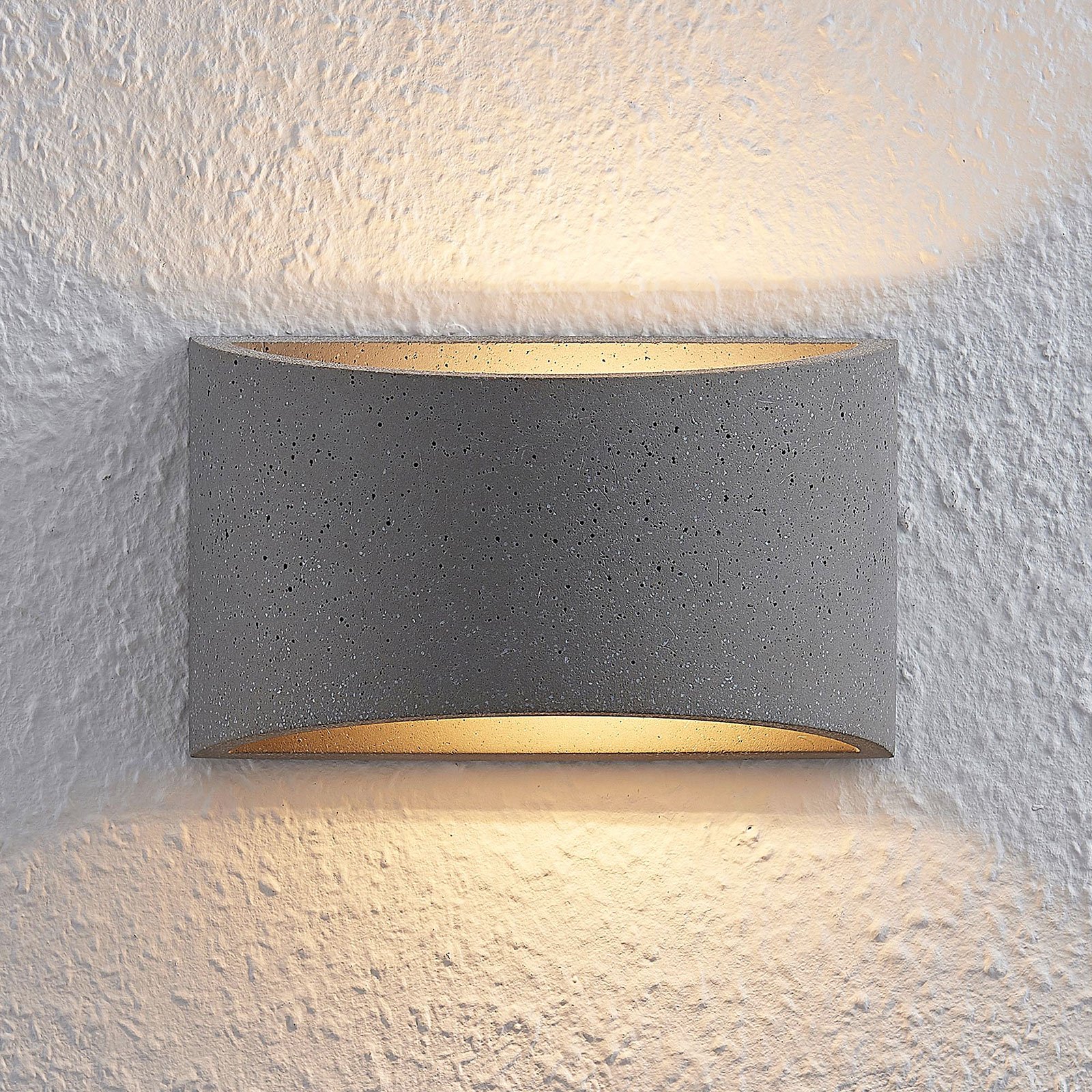
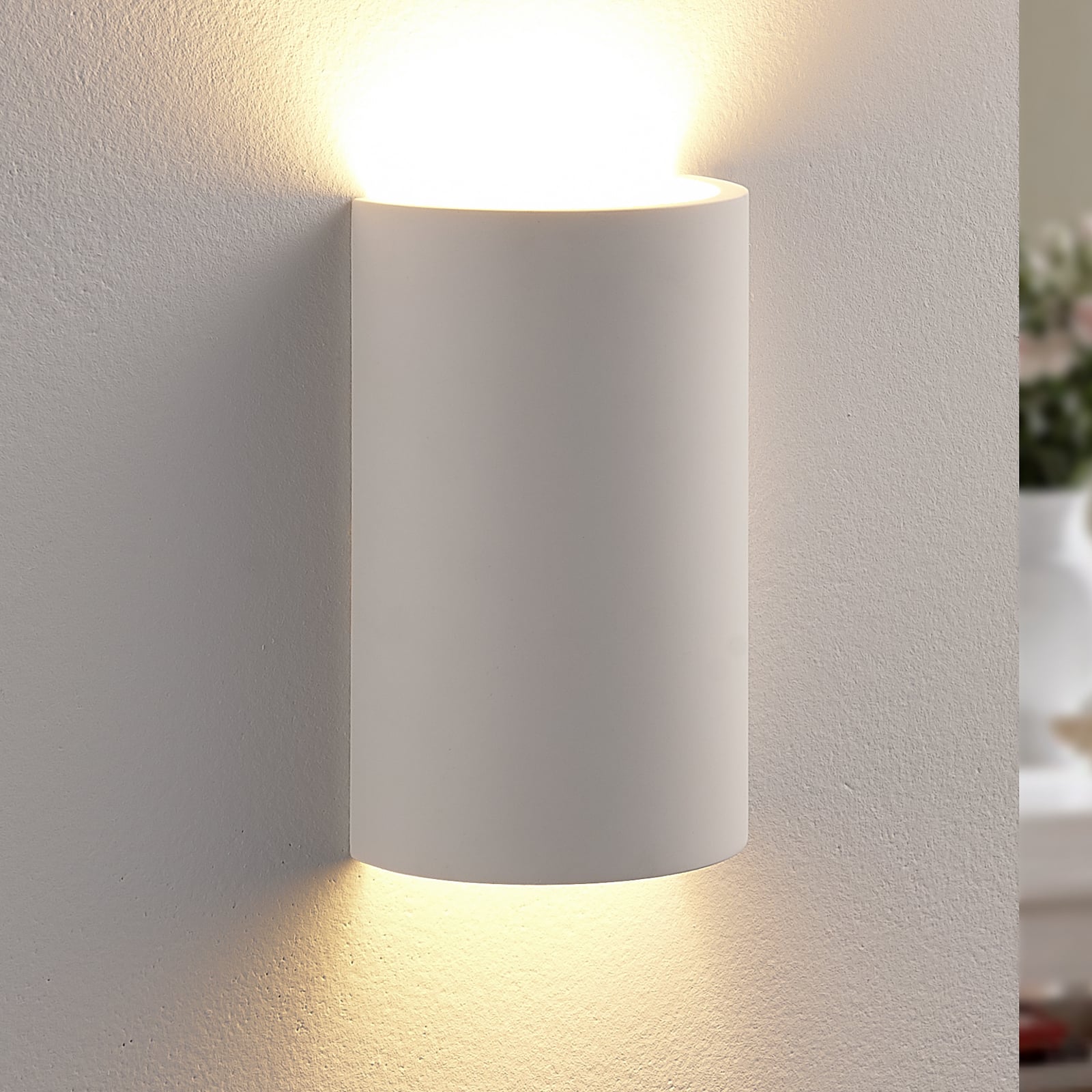
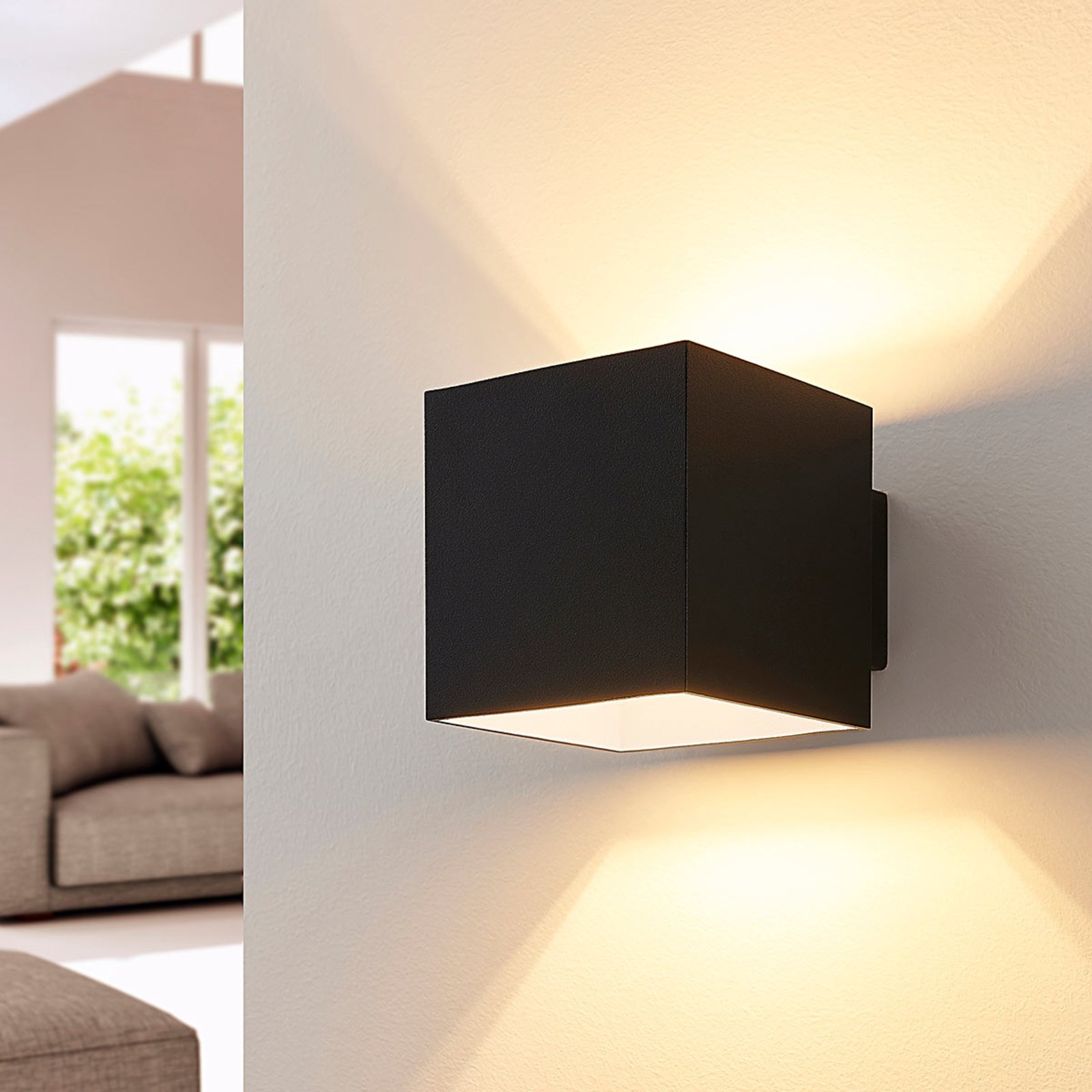
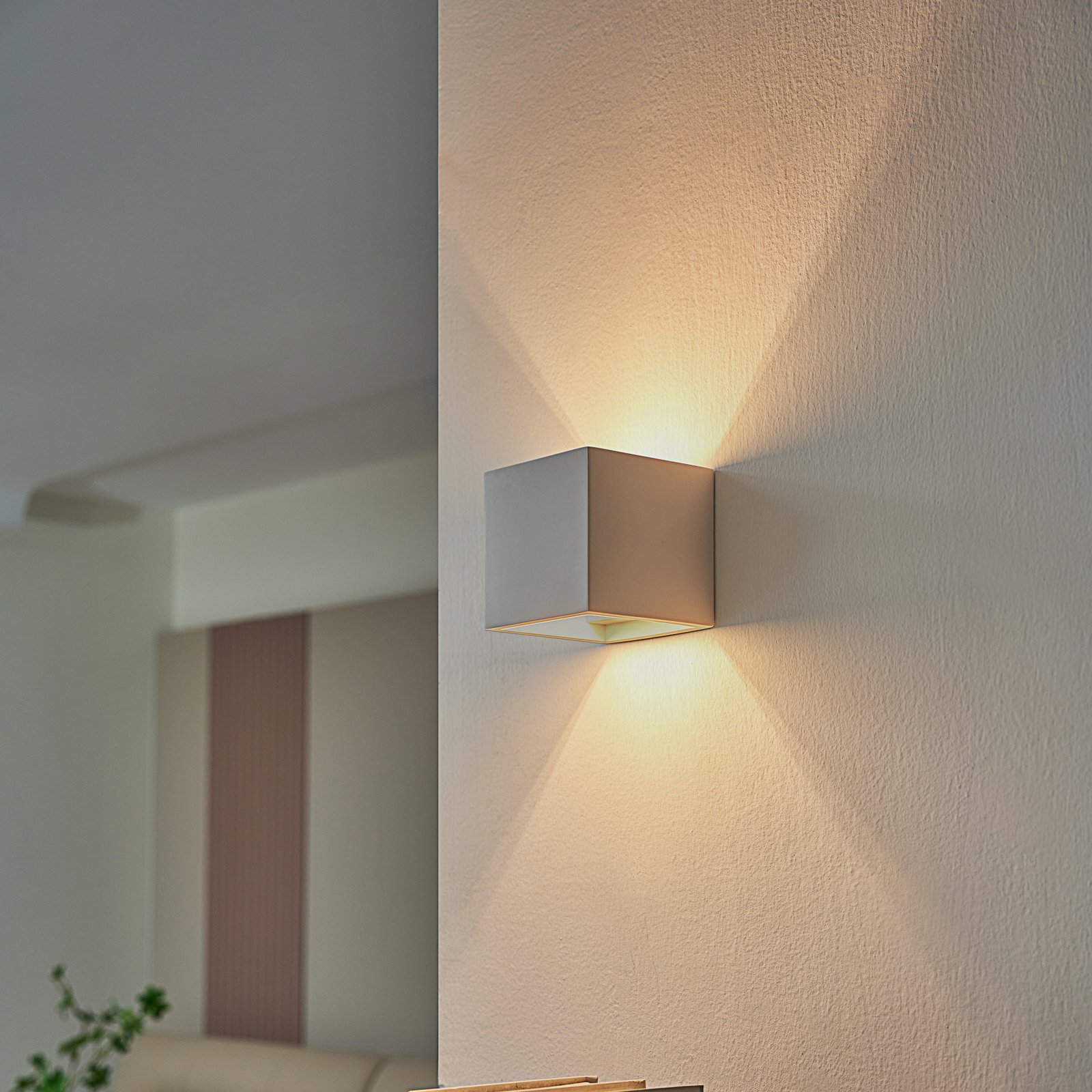
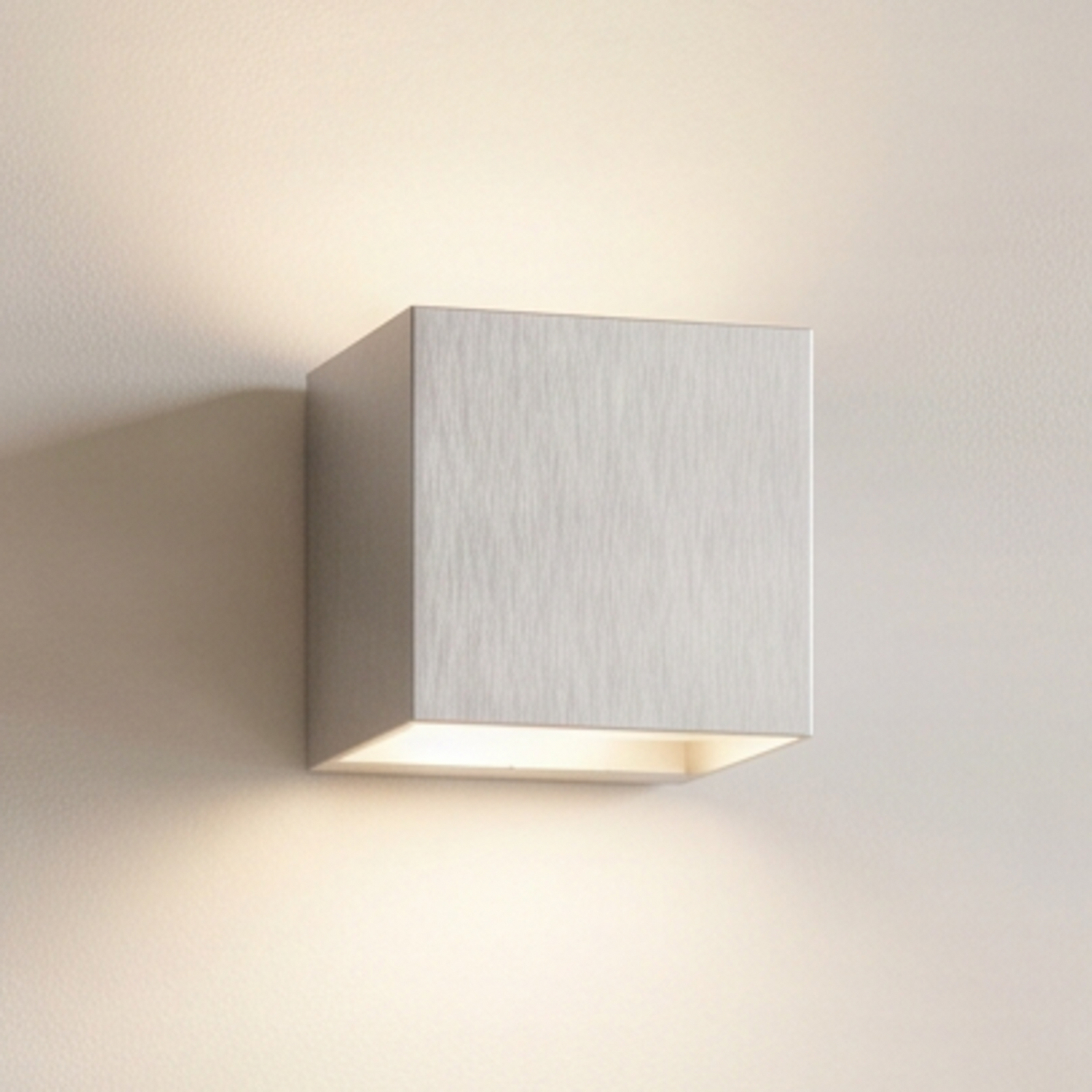
Wall lights take up neither floor space nor ceiling space, making them particularly suitable for small rooms. In hallways, next to the bed, on the sofa, above a mirror, or in a reading corner, they place light precisely where it's needed. In narrow areas, models with minimal projection are sensible, as they do not extend far into the room.
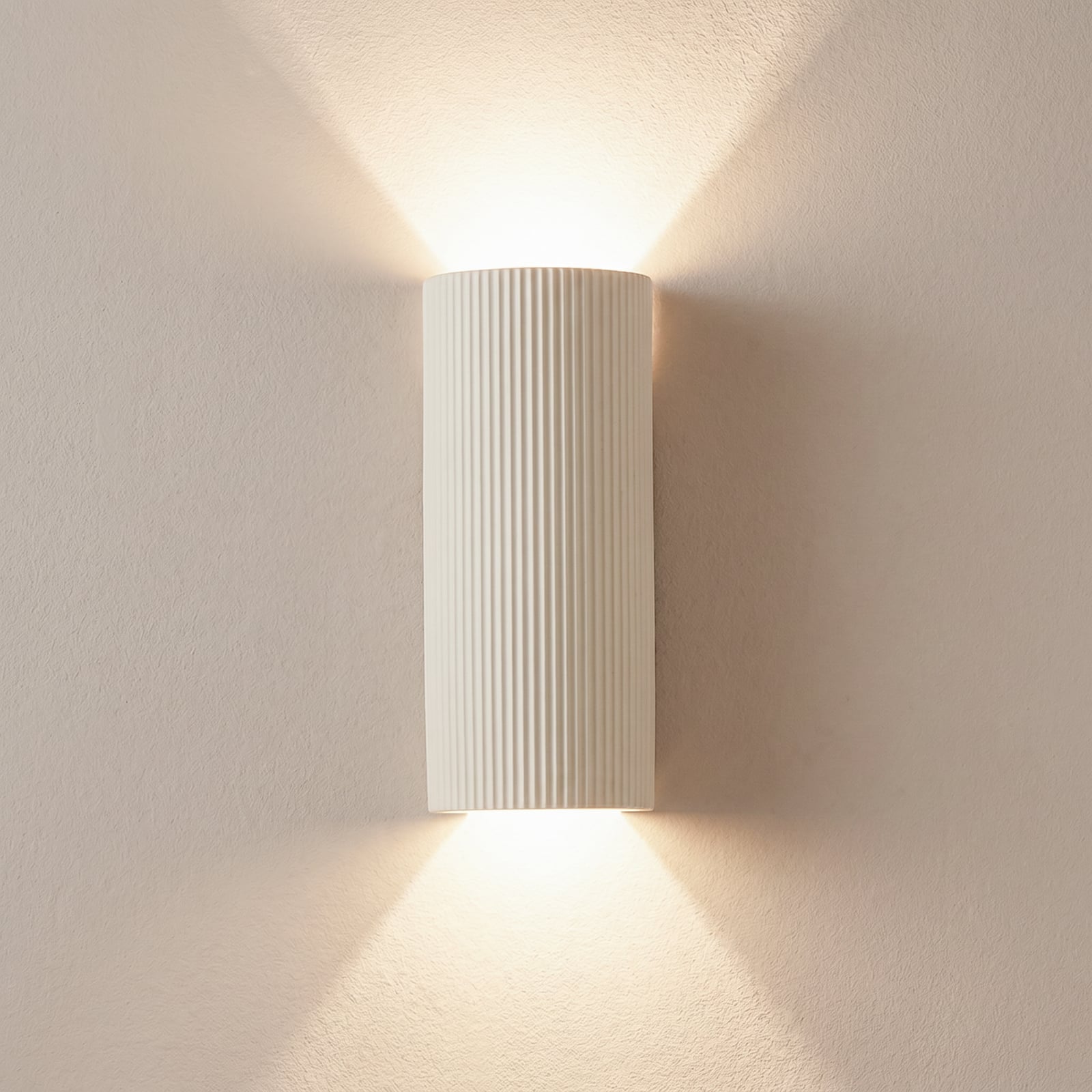
Wall lights with up-and-down light create a stronger vertical lighting effect: they direct the light upwards and downwards, potentially brightening walls and ceilings. Swivel models allow for flexible orientation for reading or targeted lighting of individual areas. For those who prefer even, calm brightness, diffuse wall lights are an option. For small wall surfaces, less is often more. Combining too many decorative light cones can quickly make the wall appear restless. It's better to set individual light accents and coordinate them with other light sources in the room.
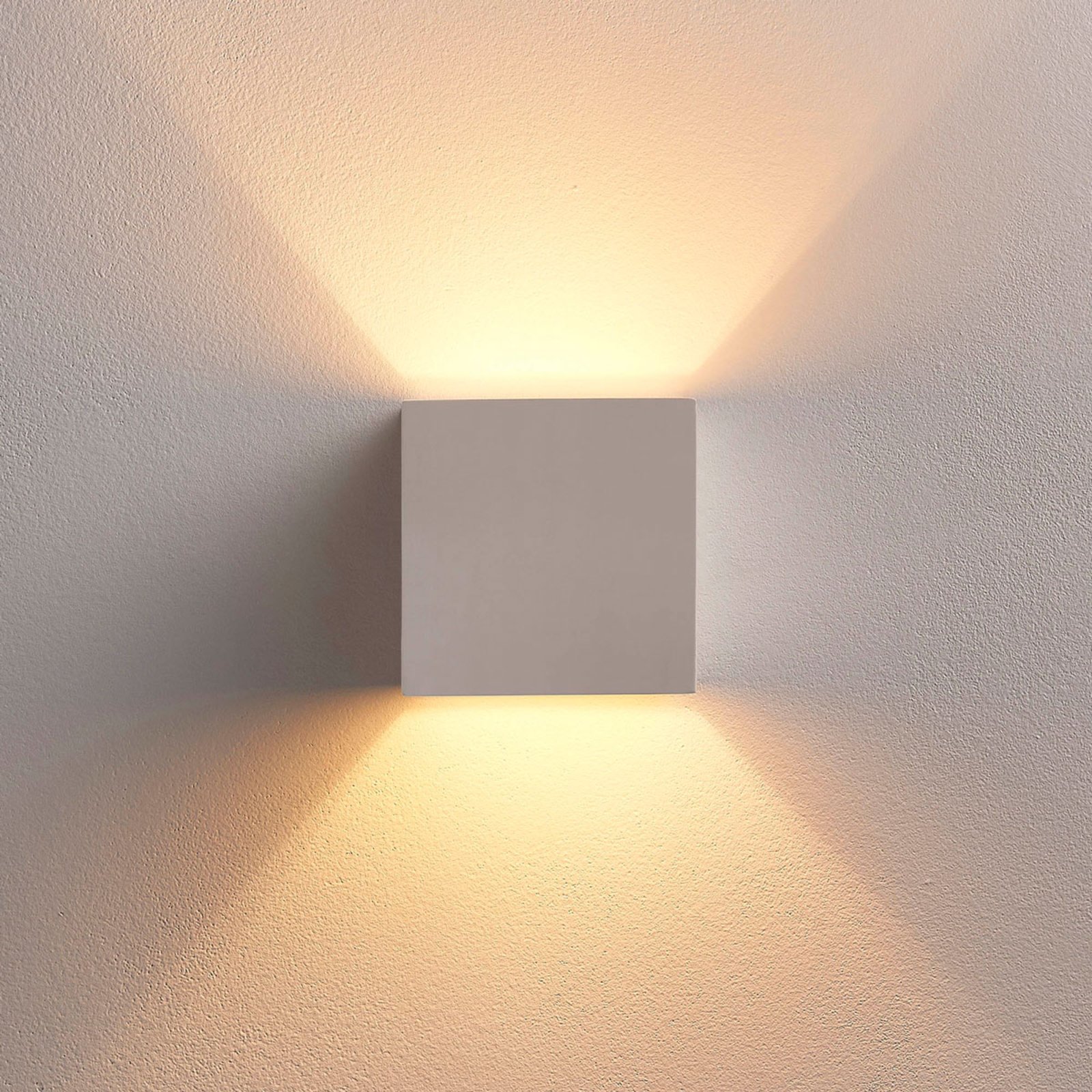
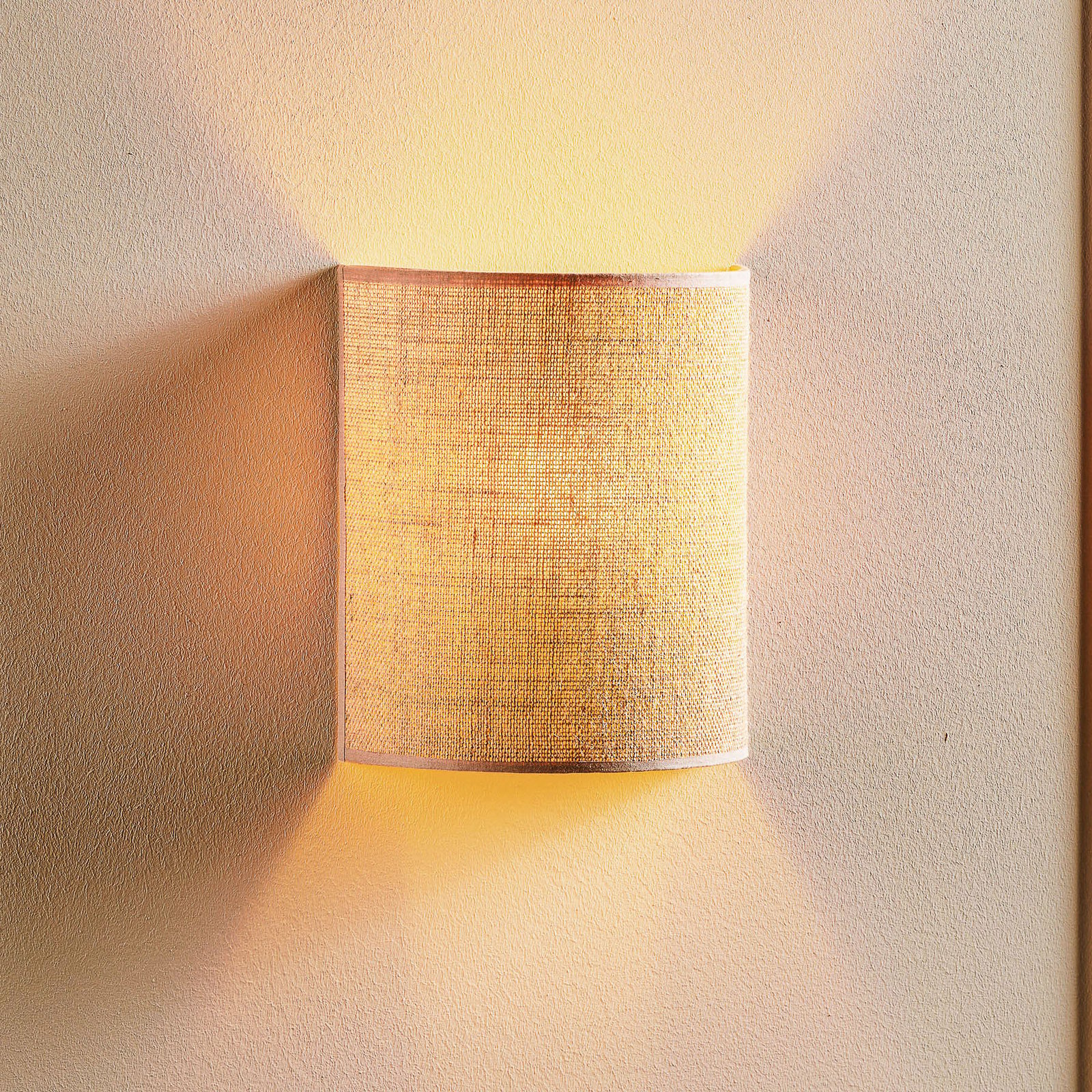
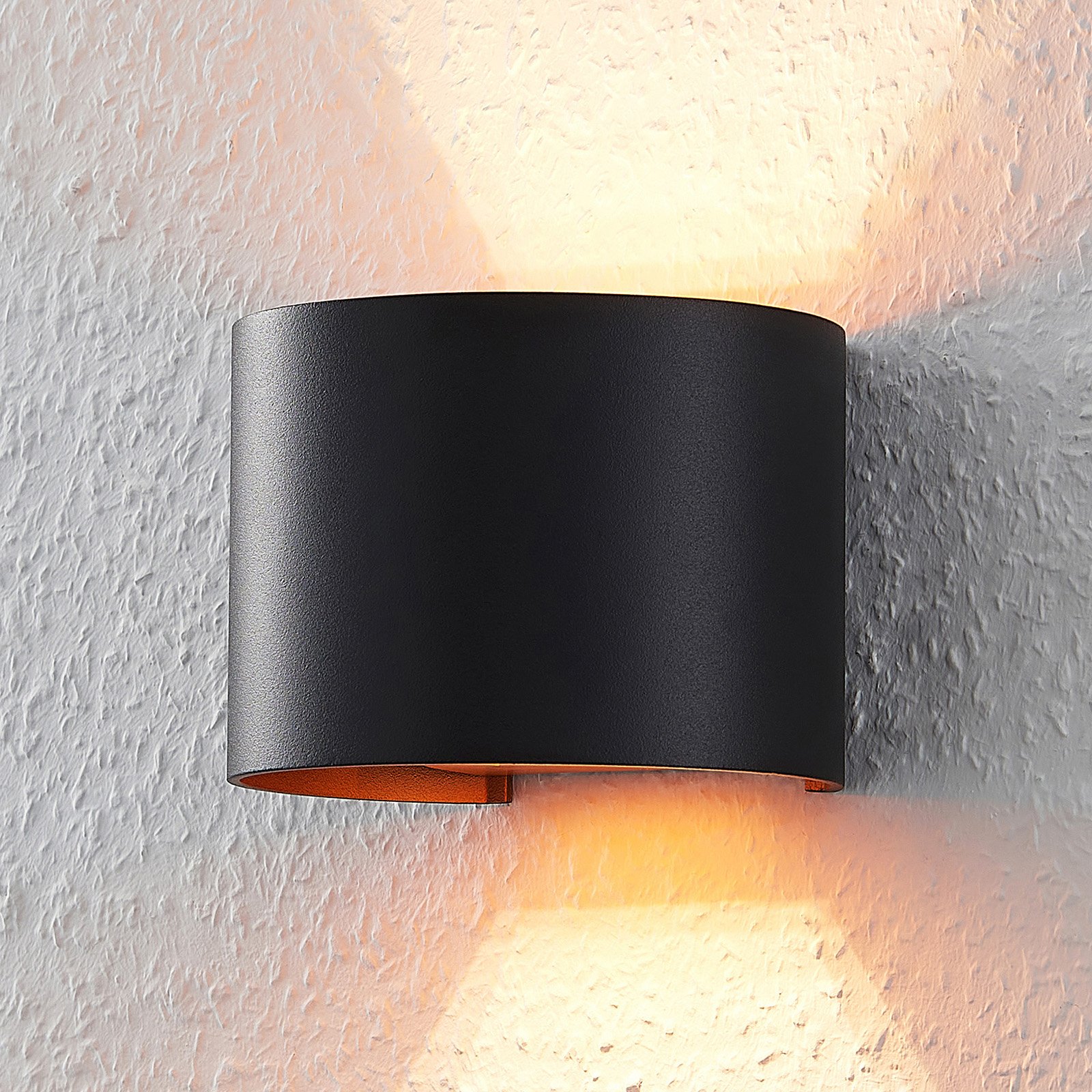
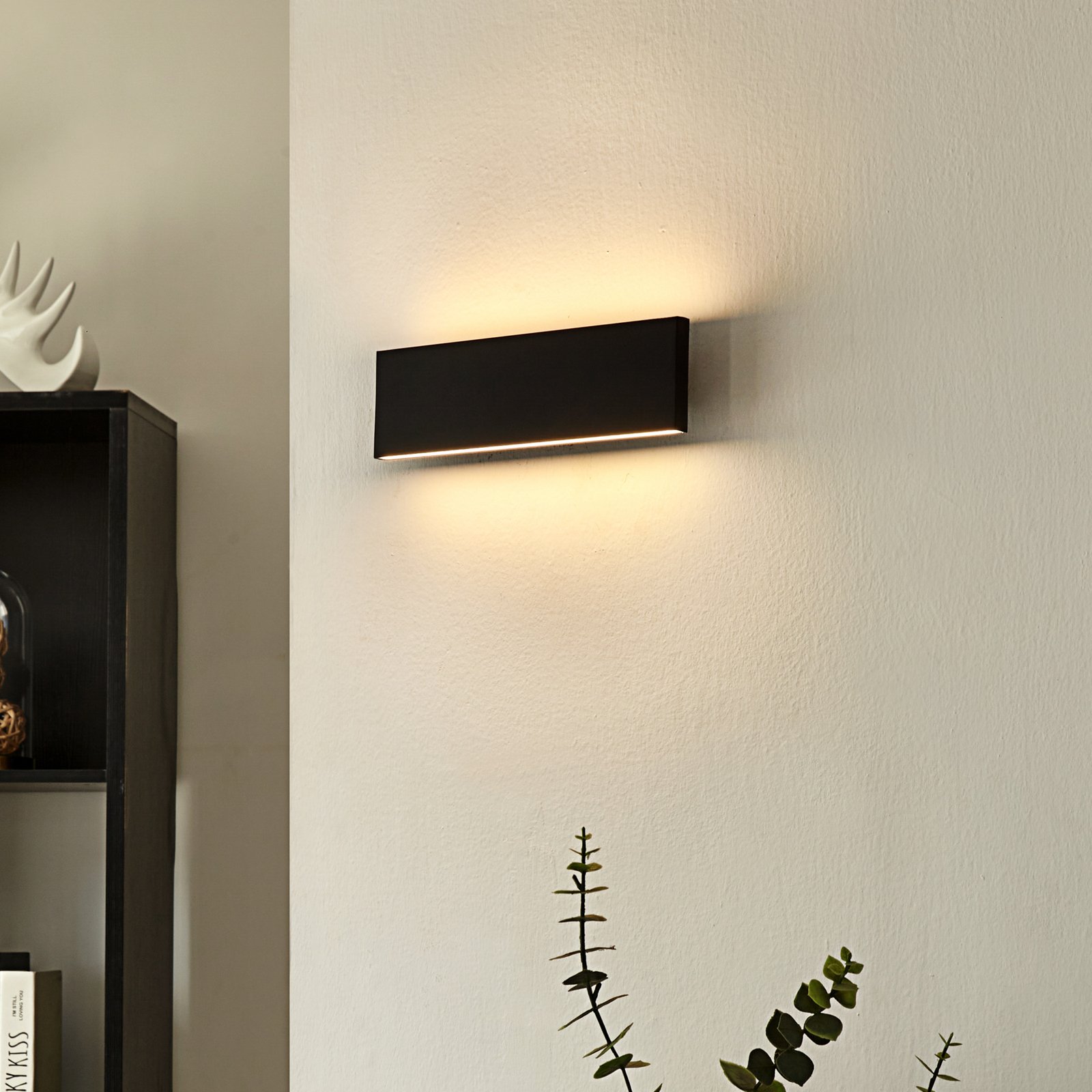
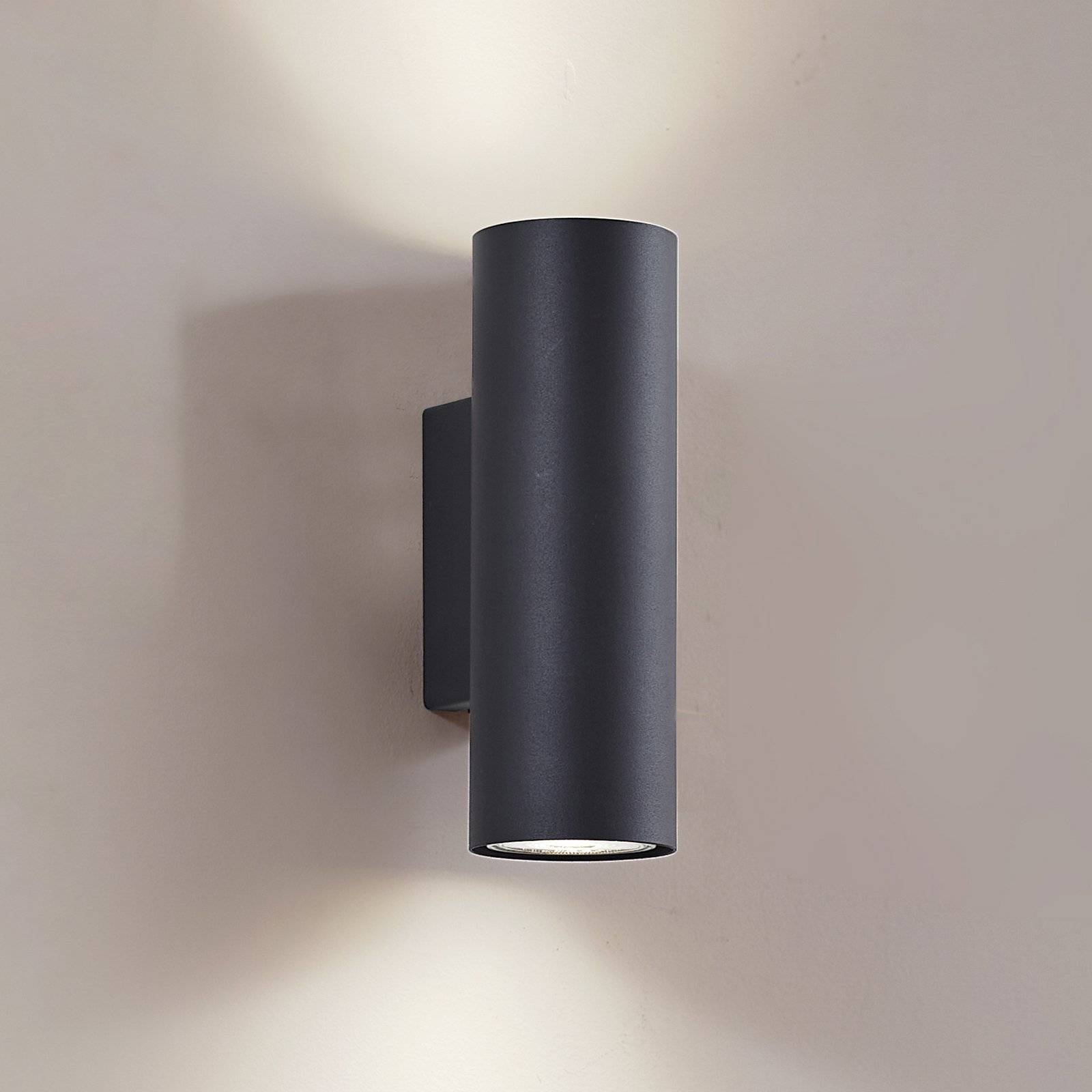
)
)
)
Floor lamps for small rooms
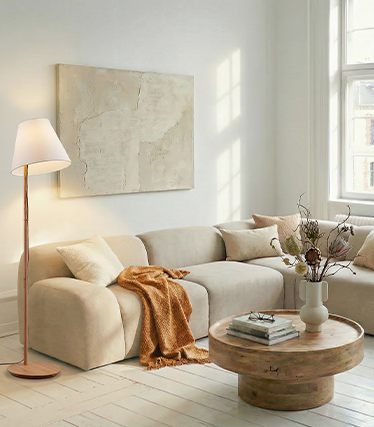
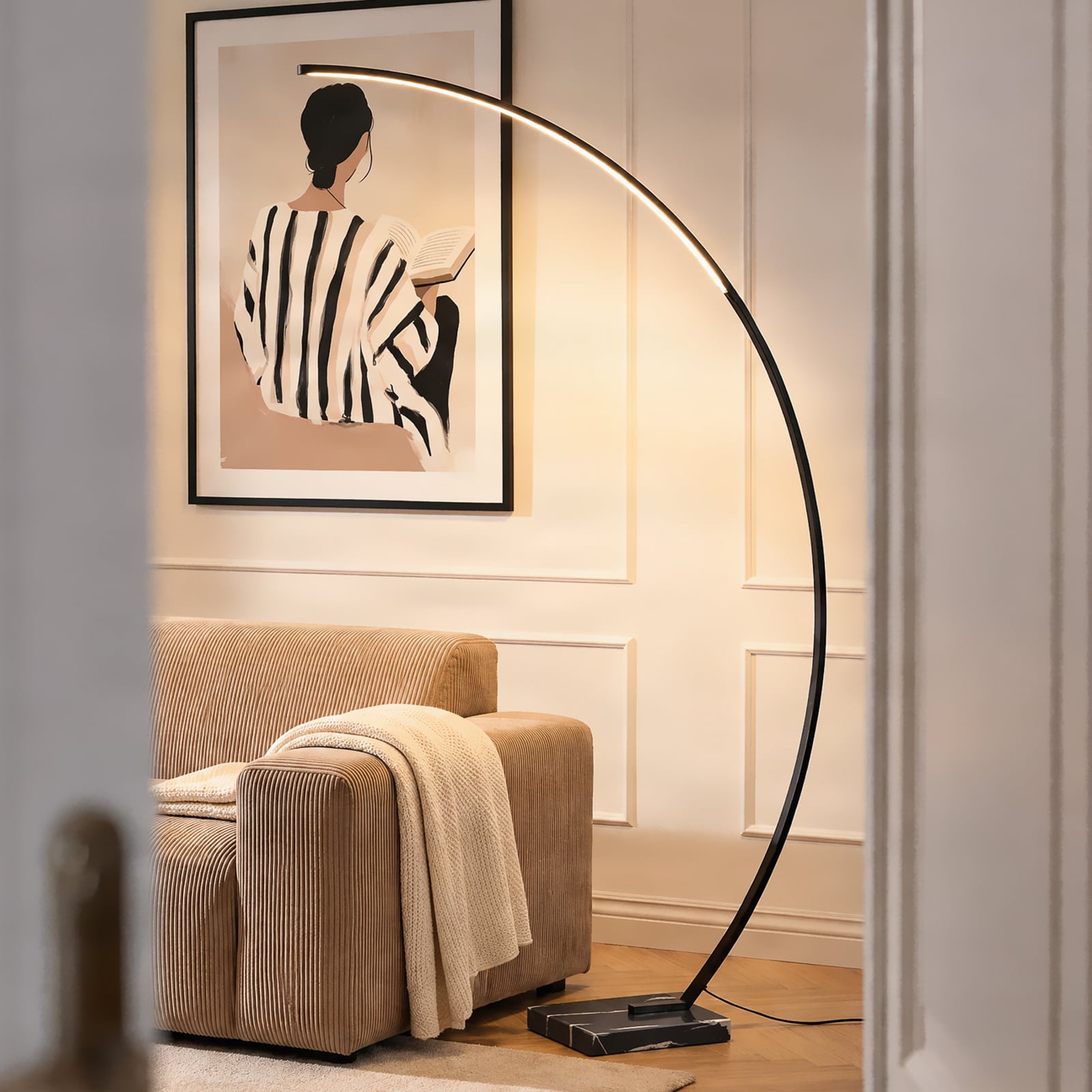
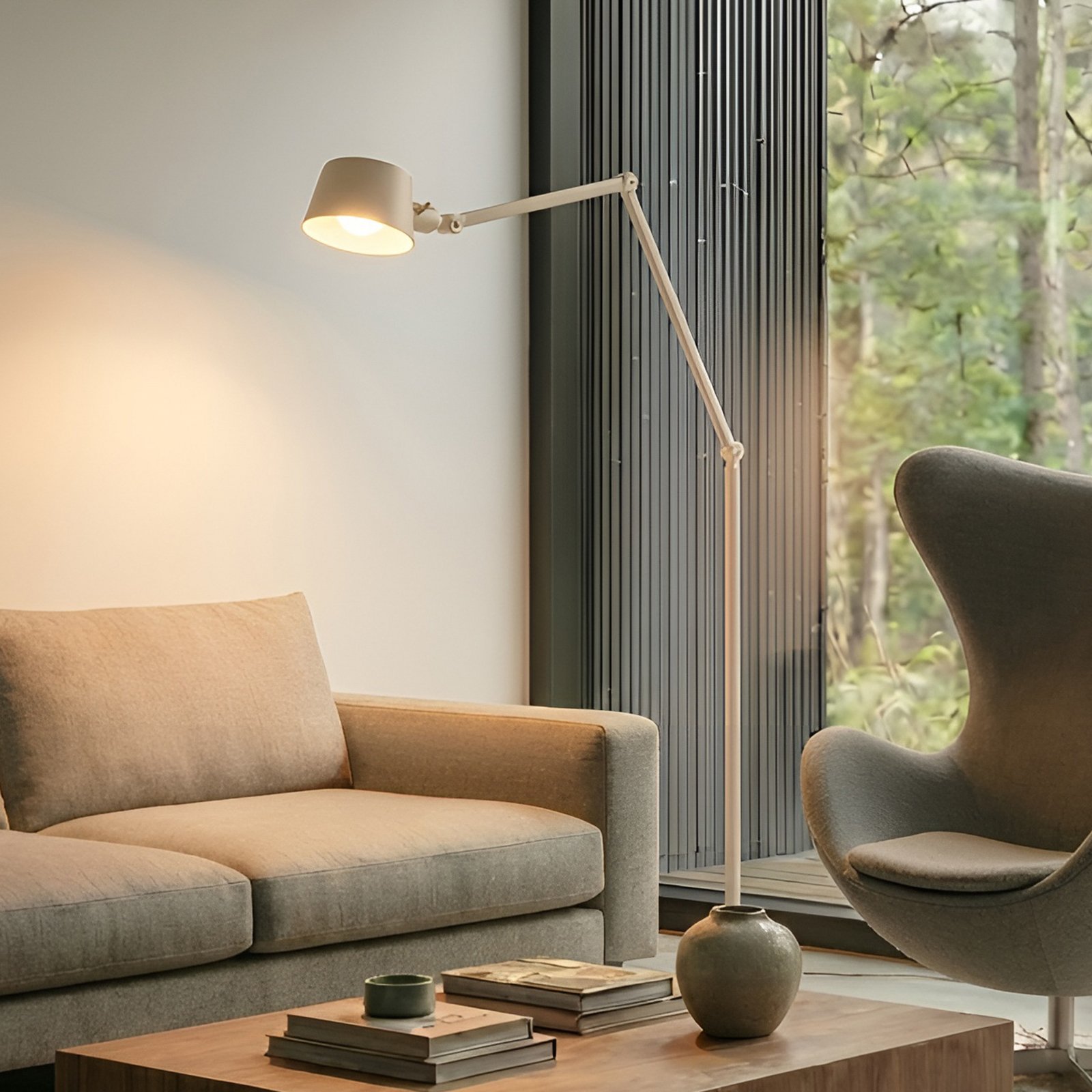
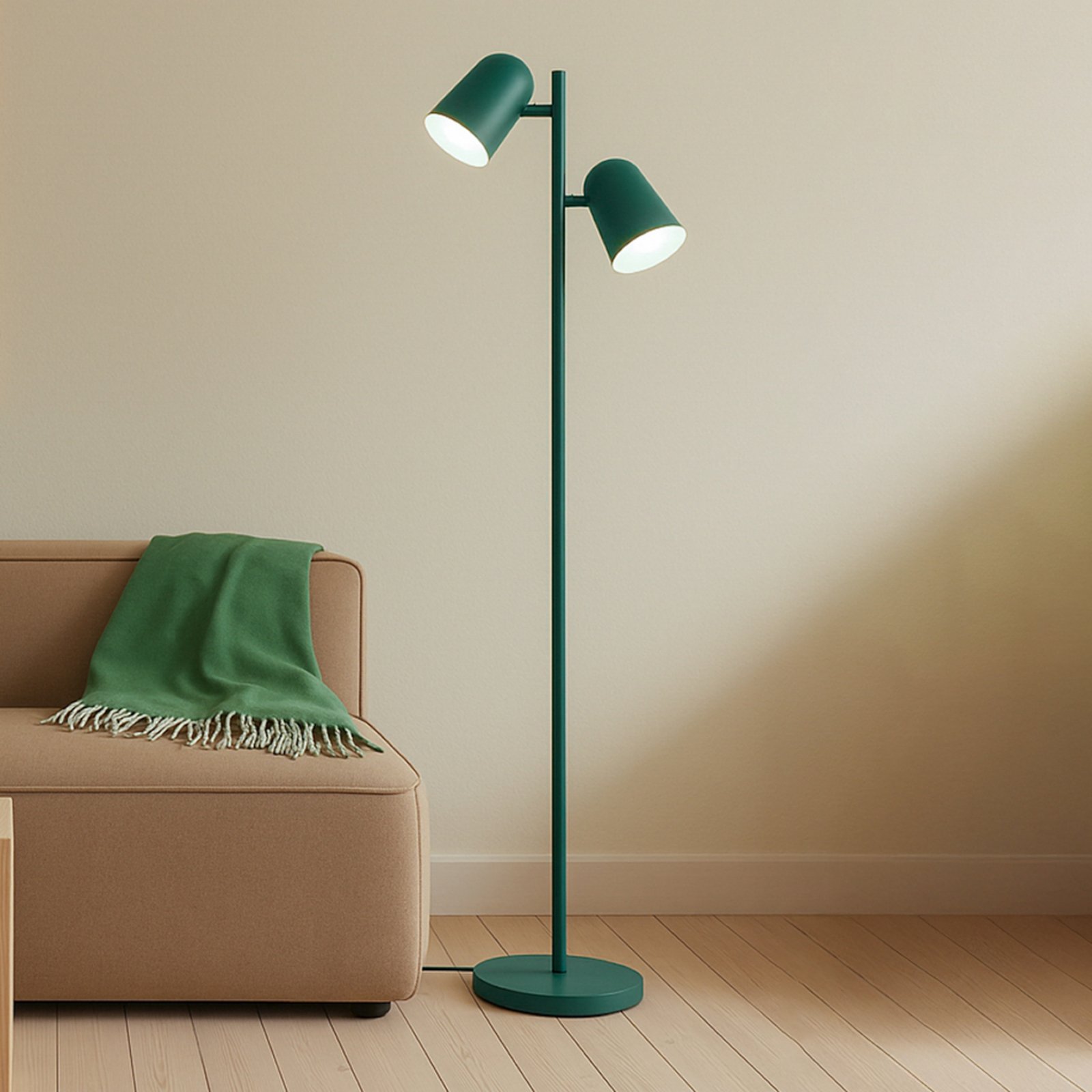
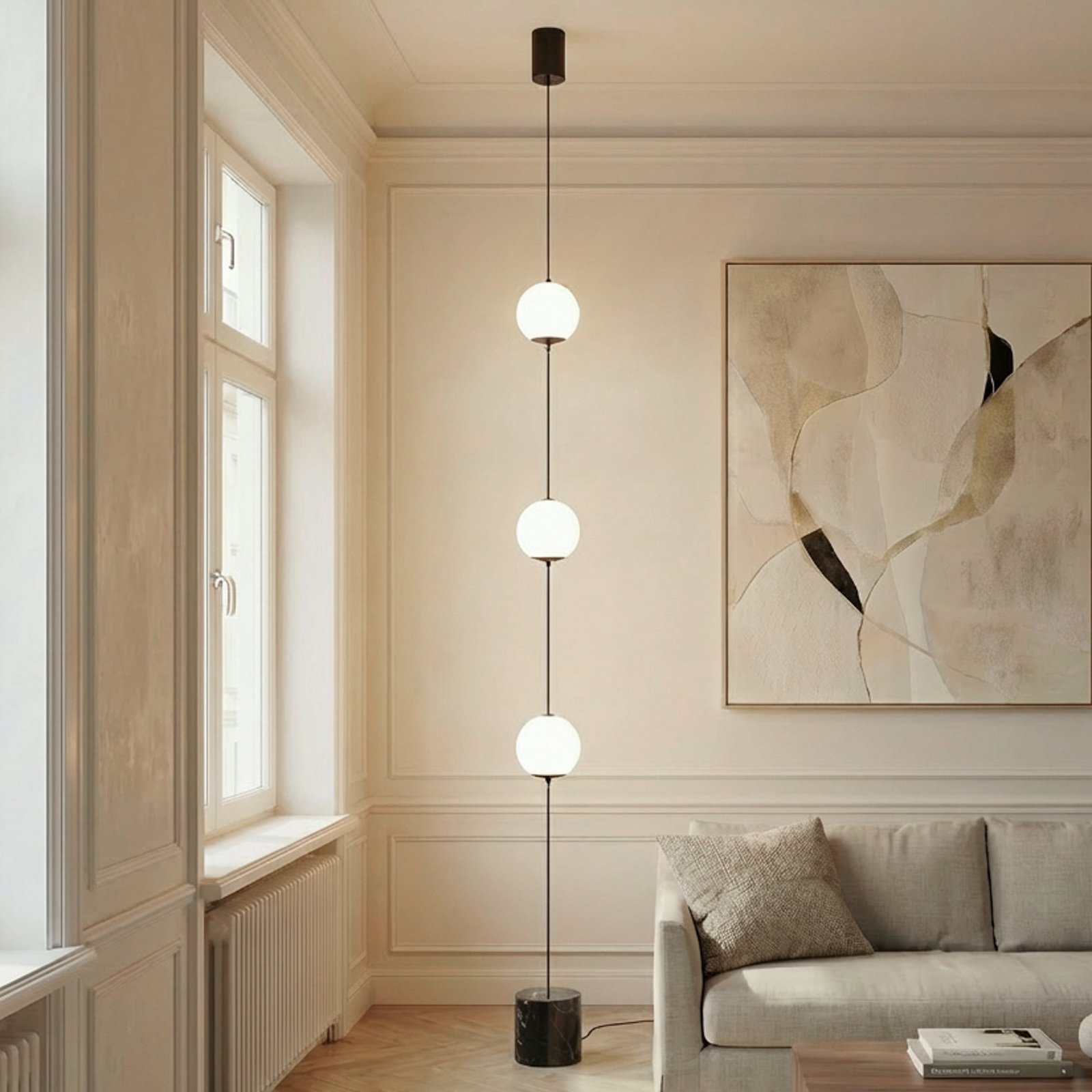
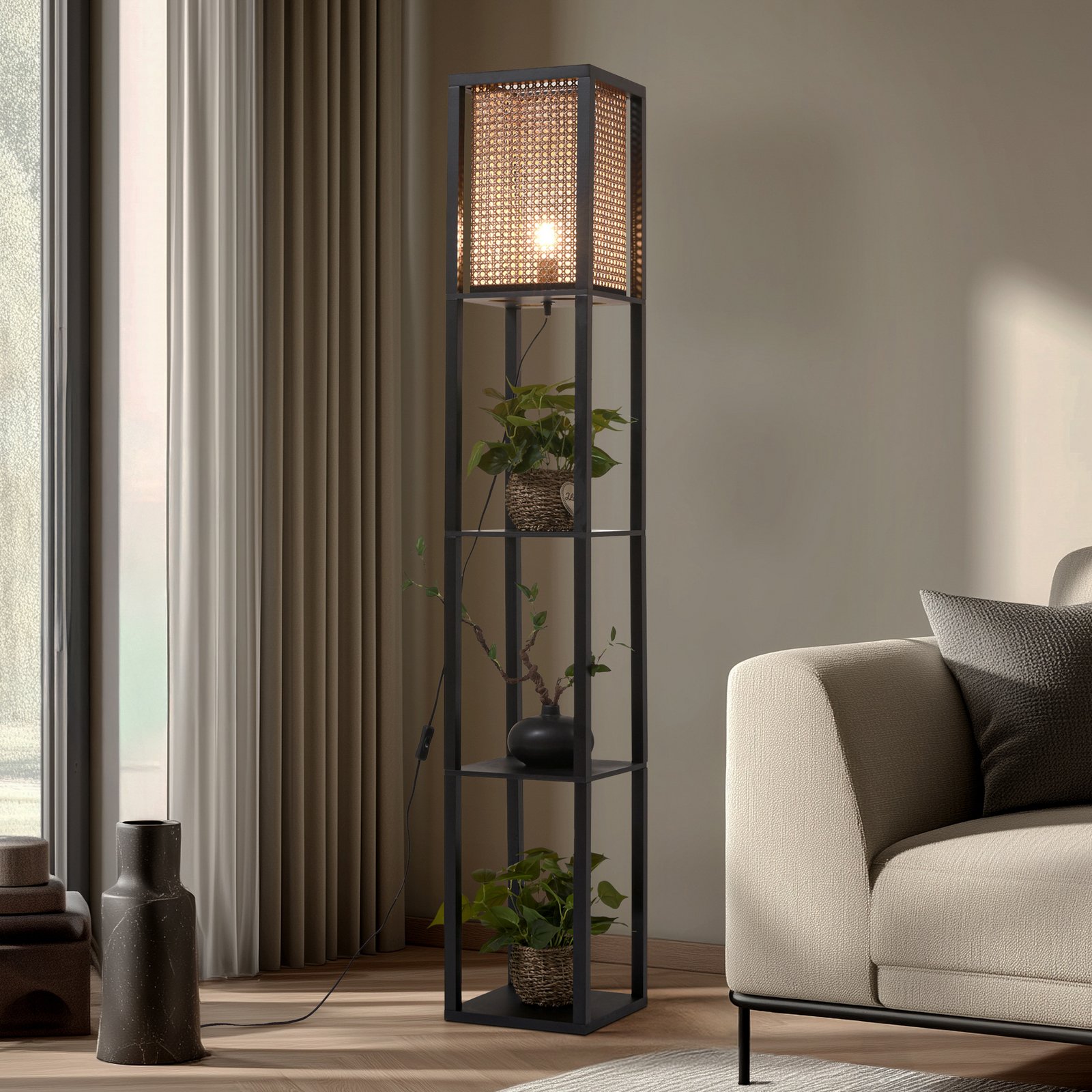
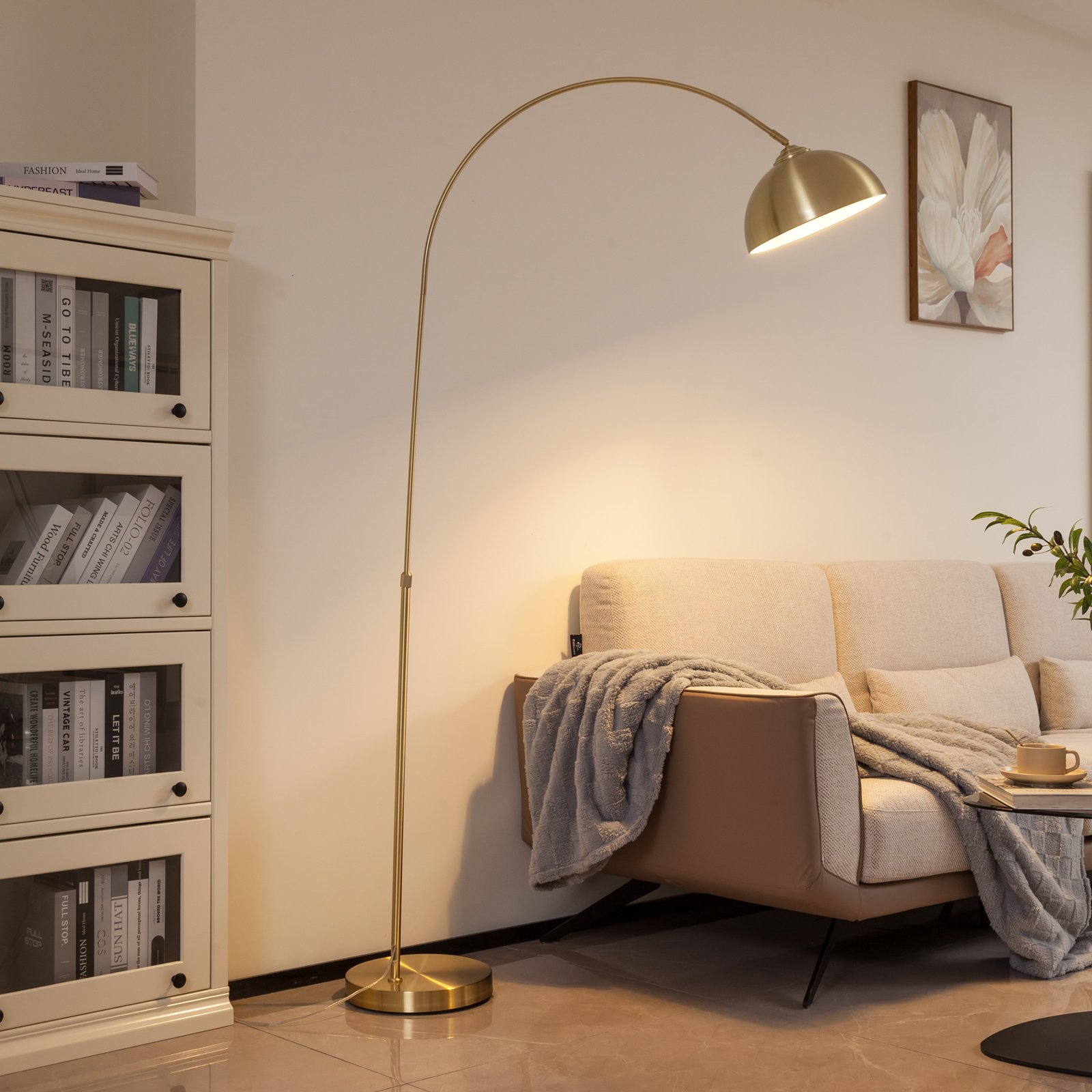
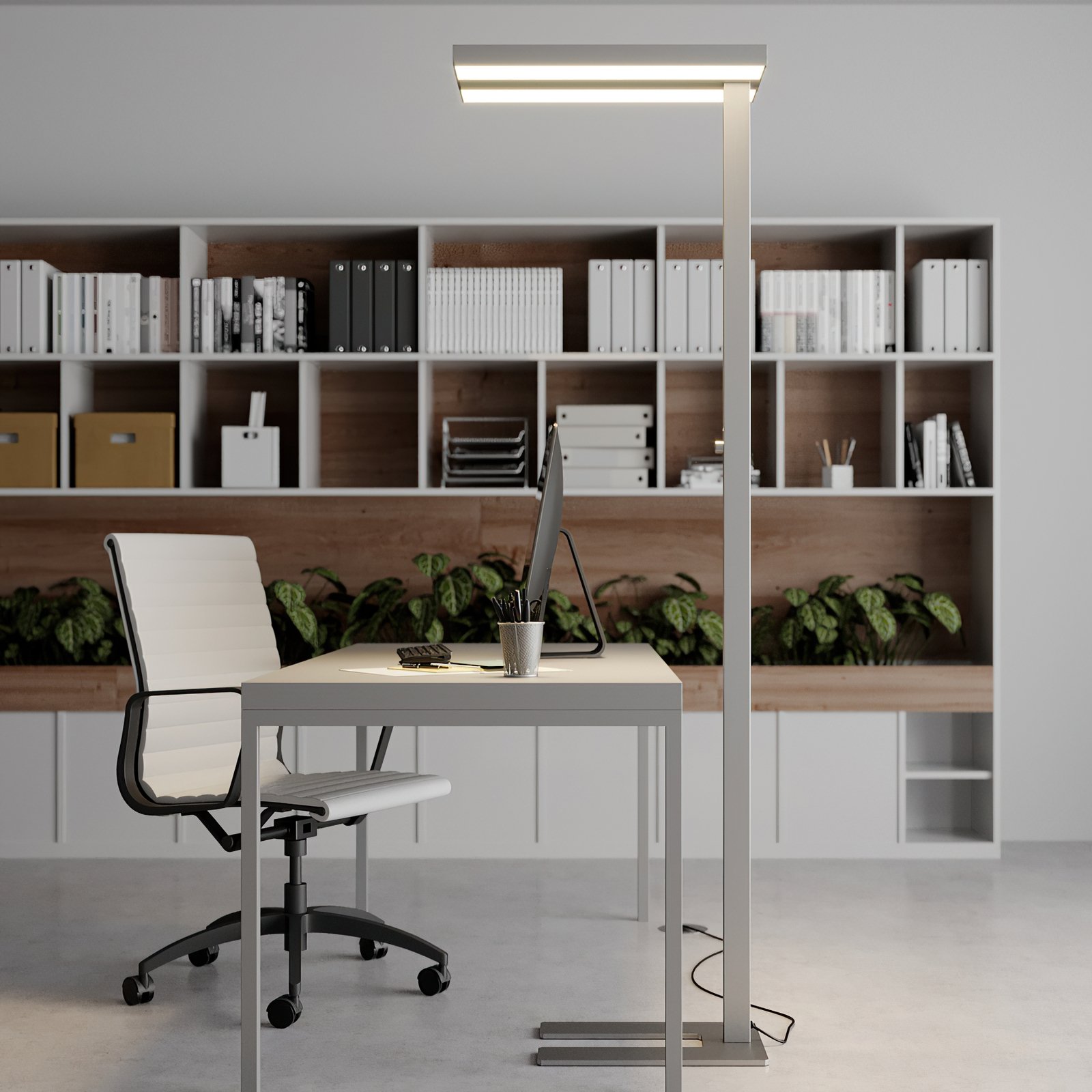
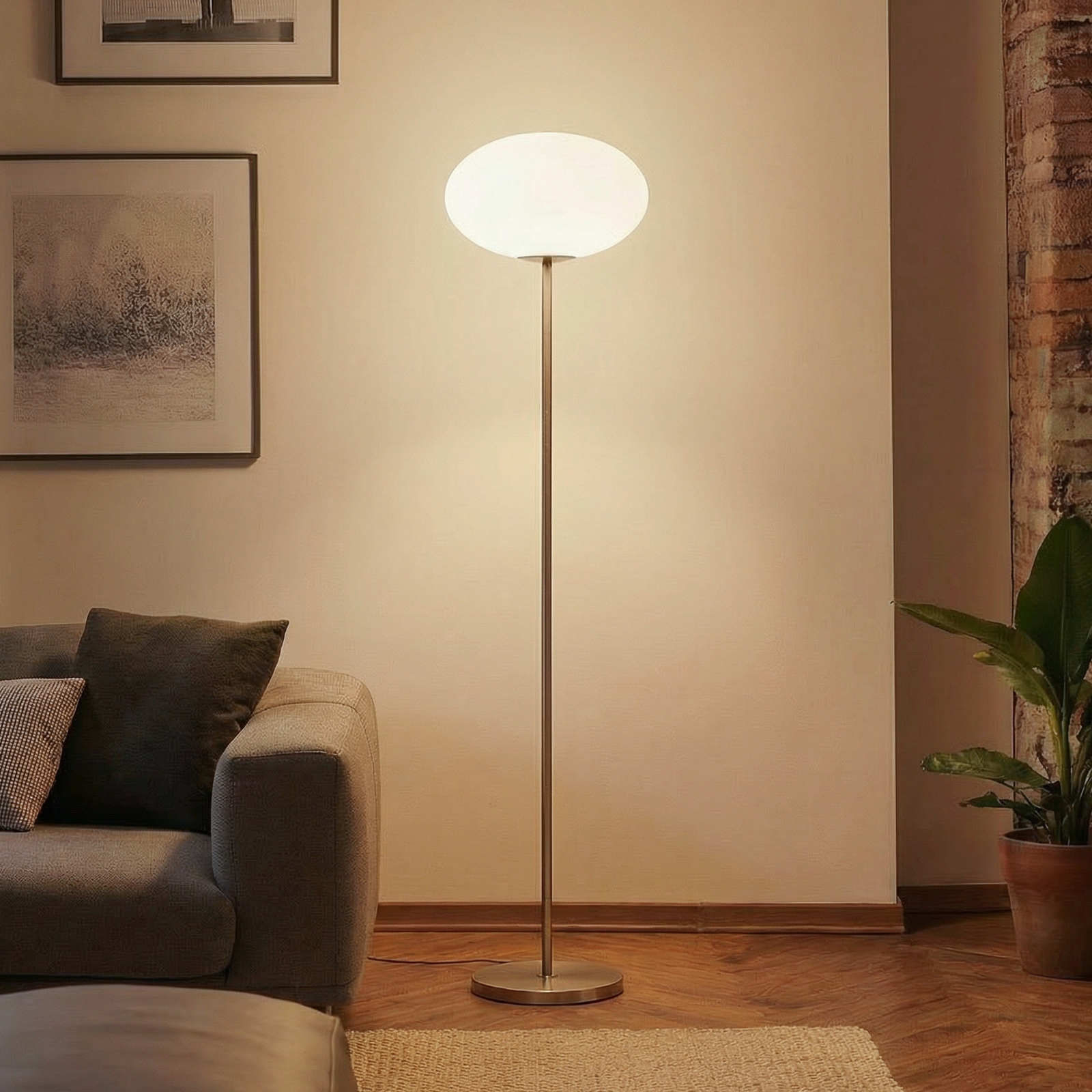
Floor lamps can also be a meaningful addition to ambient lighting in small rooms. Key are a compact base, a slim form, and correct placement. Slim floor lamps, ideally with reading lights, beside the sofa, armchair, or bed are particularly suitable. Compact-standing uplights can brighten dark corners without taking up much floor space.
Dimmable models allow for flexible adjustment of light intensity to suit the situation. For small rooms, lamps with storage or multifunctionality are also practical, combining lighting with additional uses. Previously underutilized corners can thus be included in the lighting concept without occupying valuable central floor space.
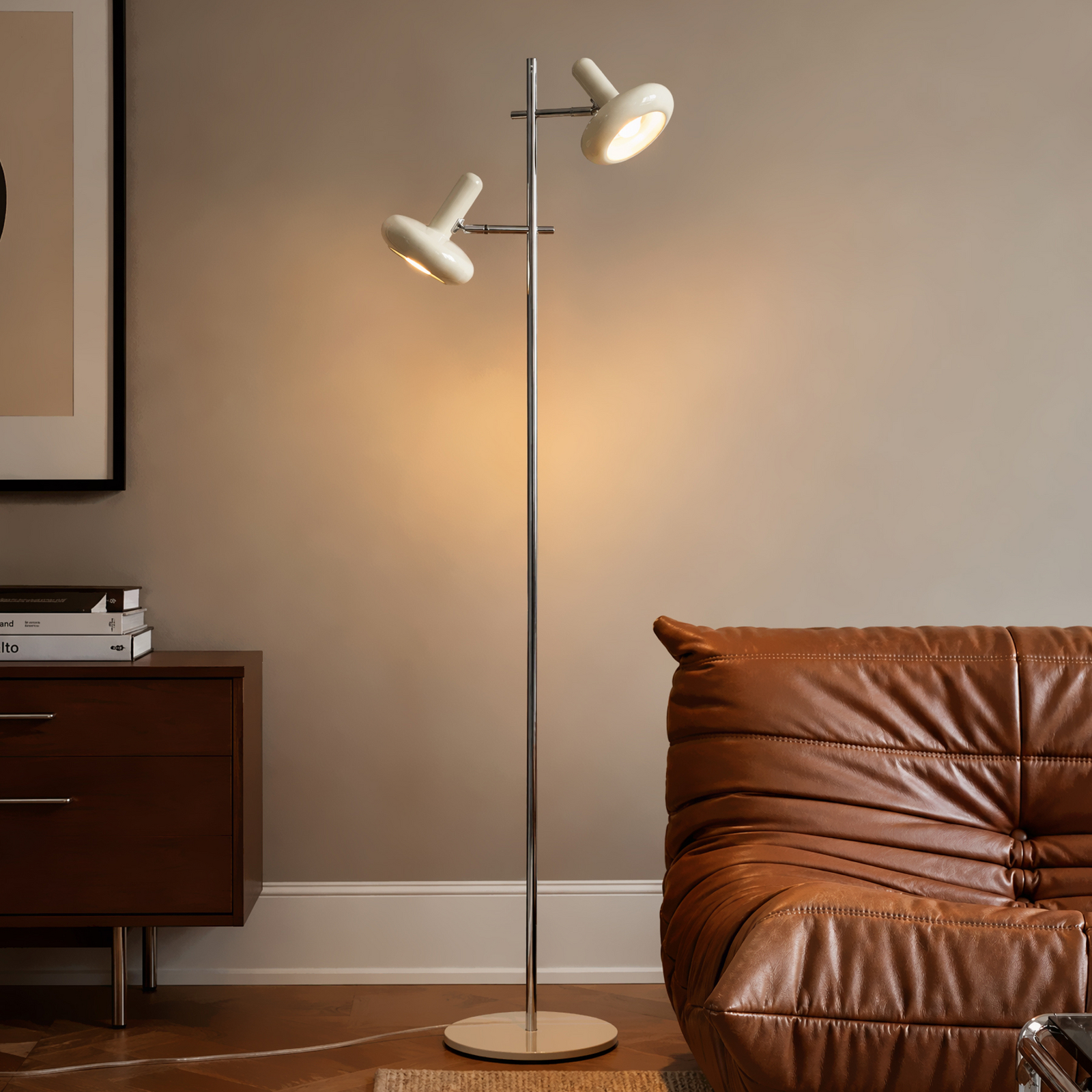
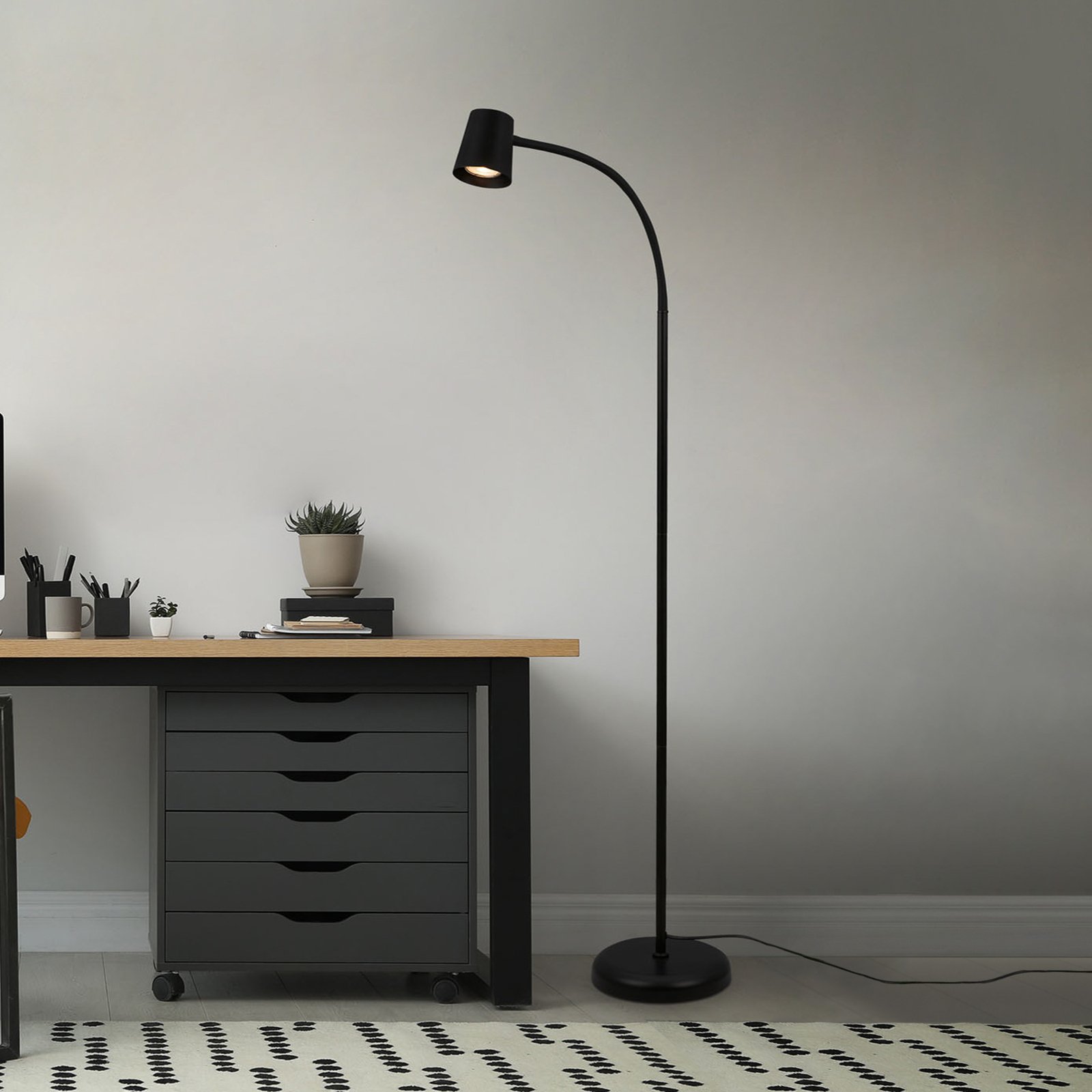
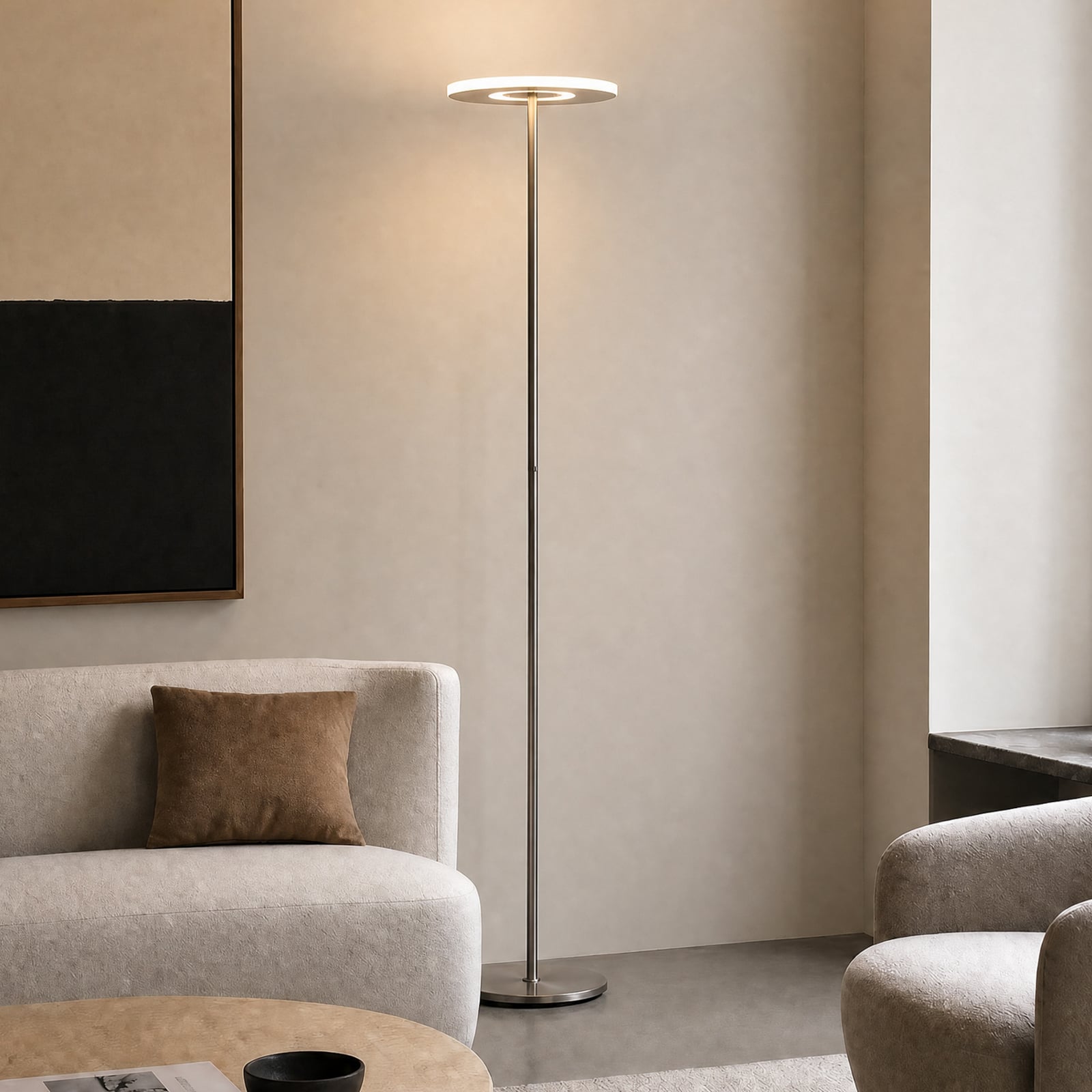
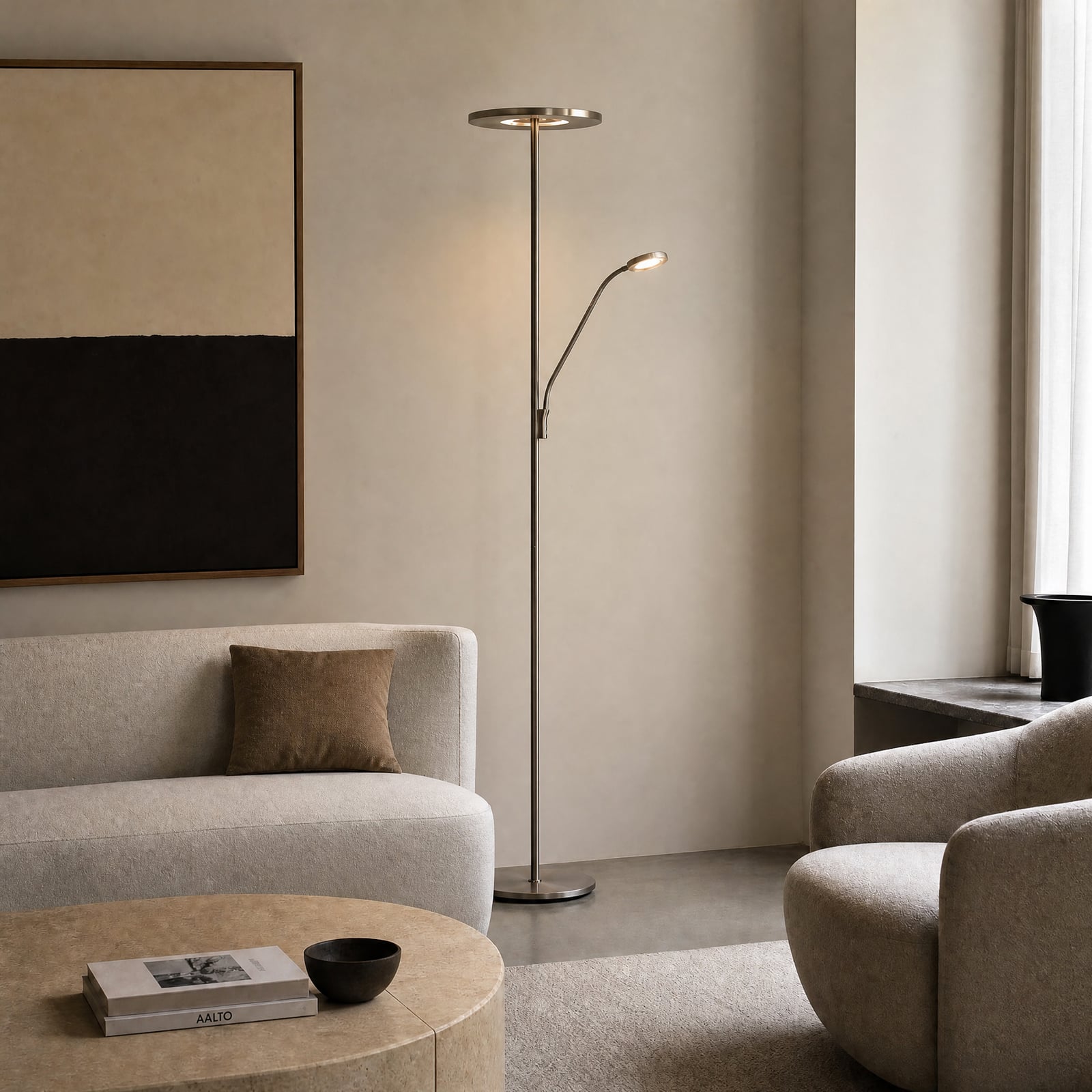
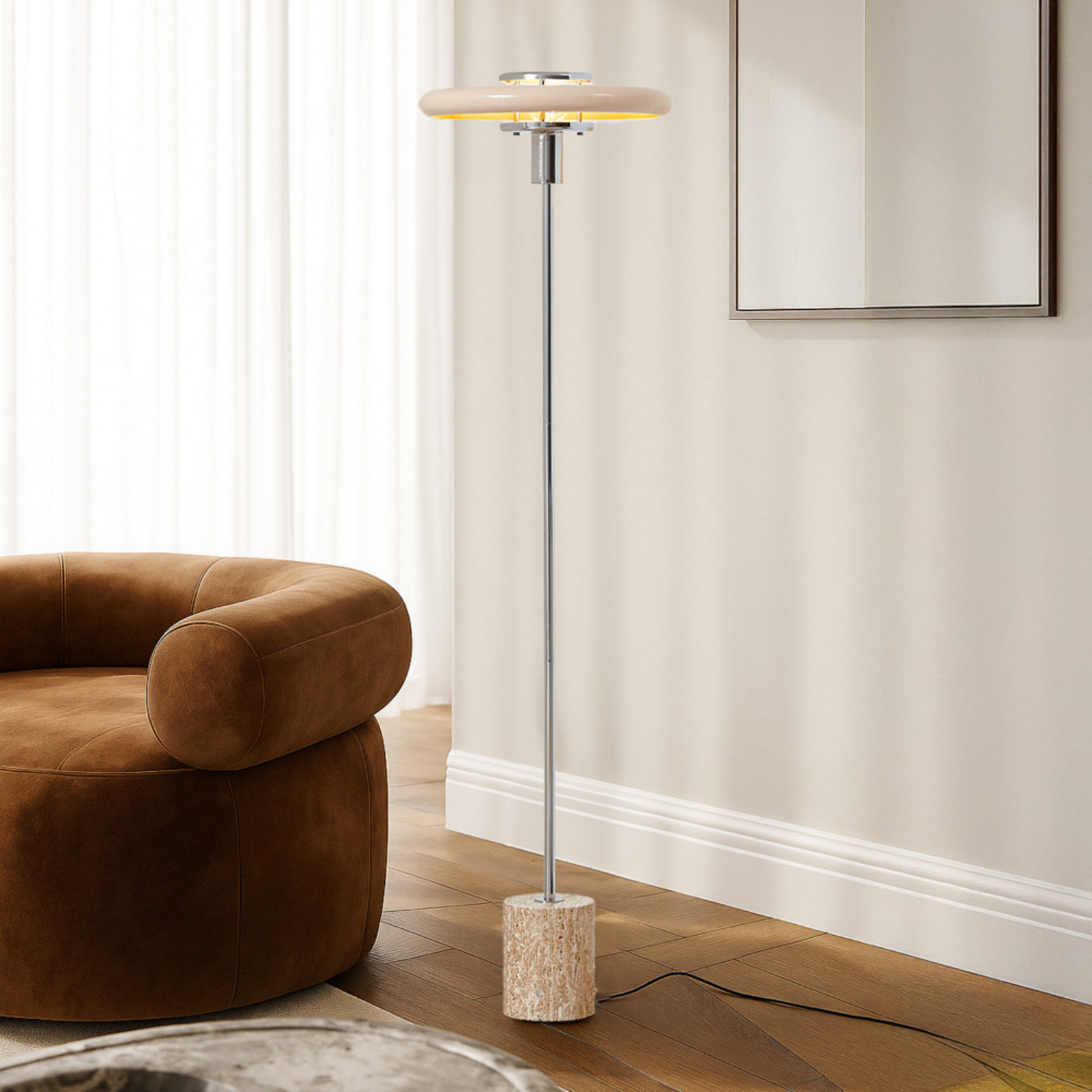
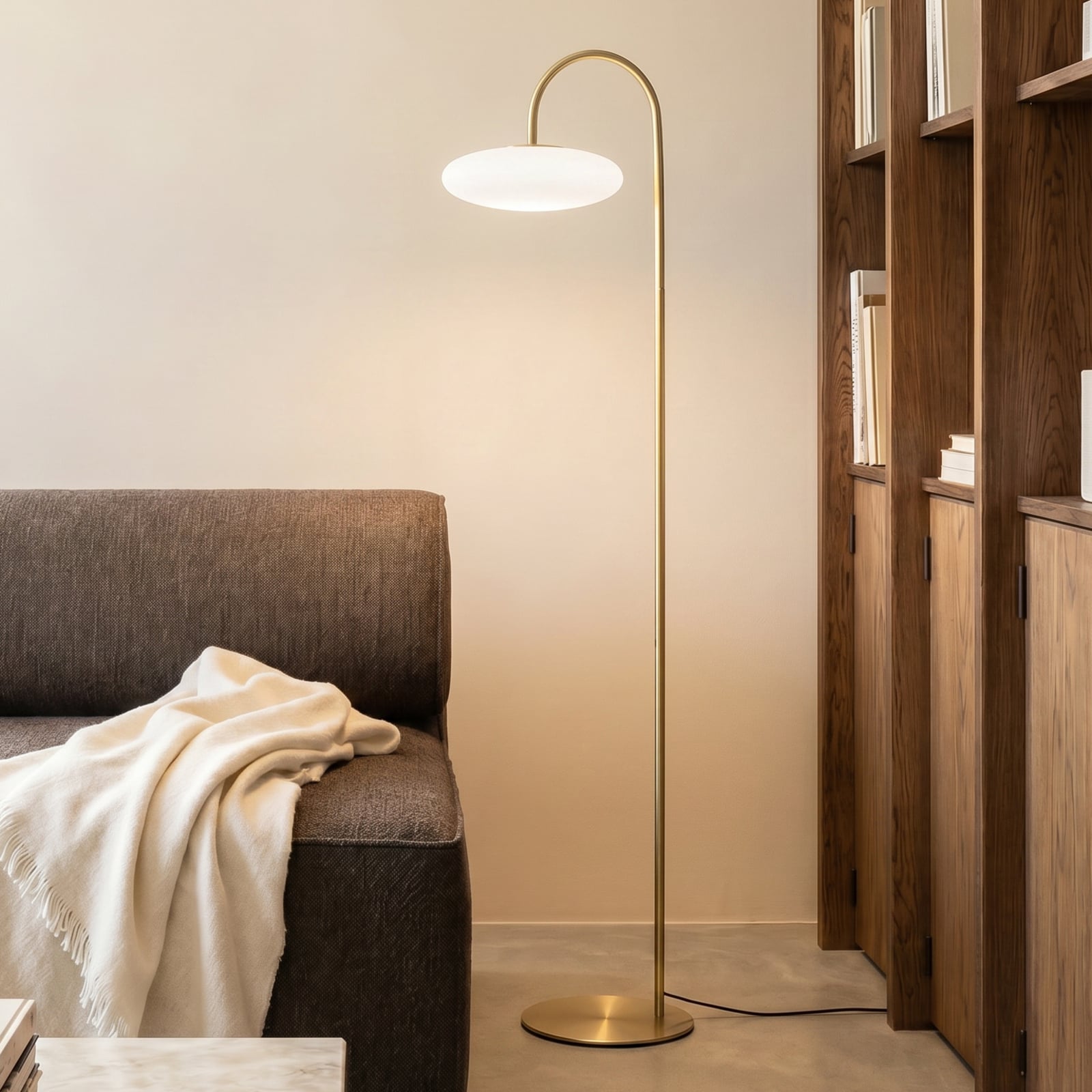
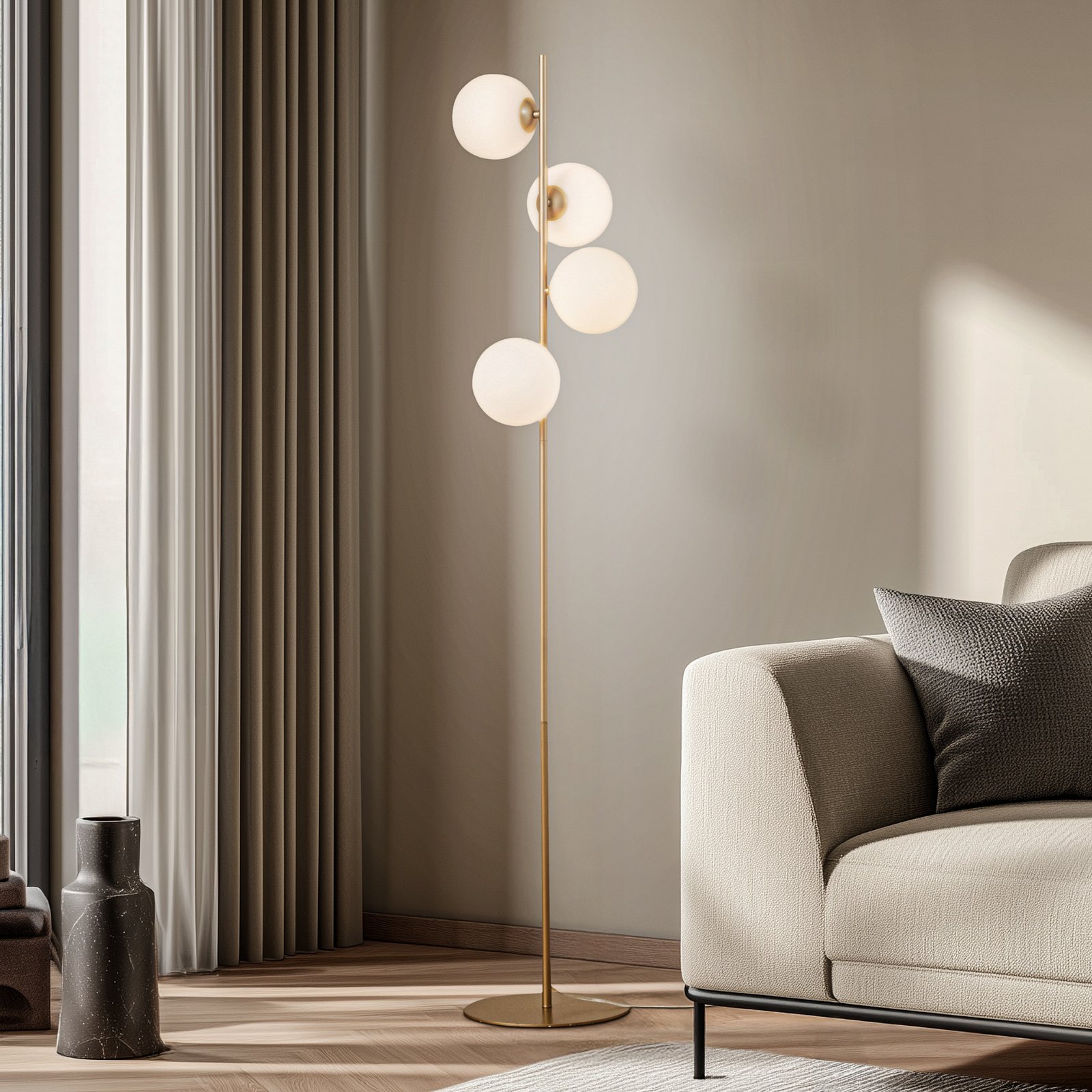
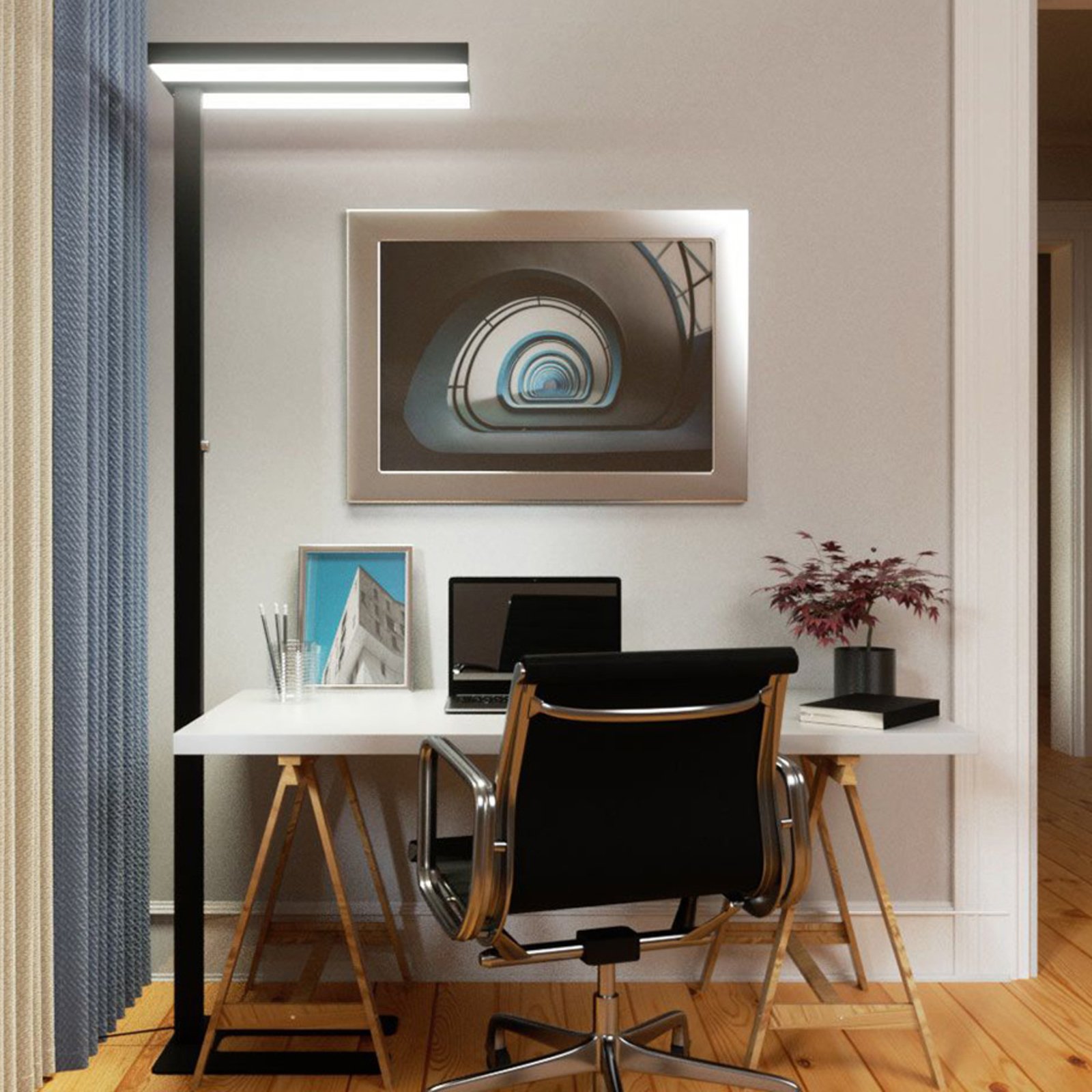

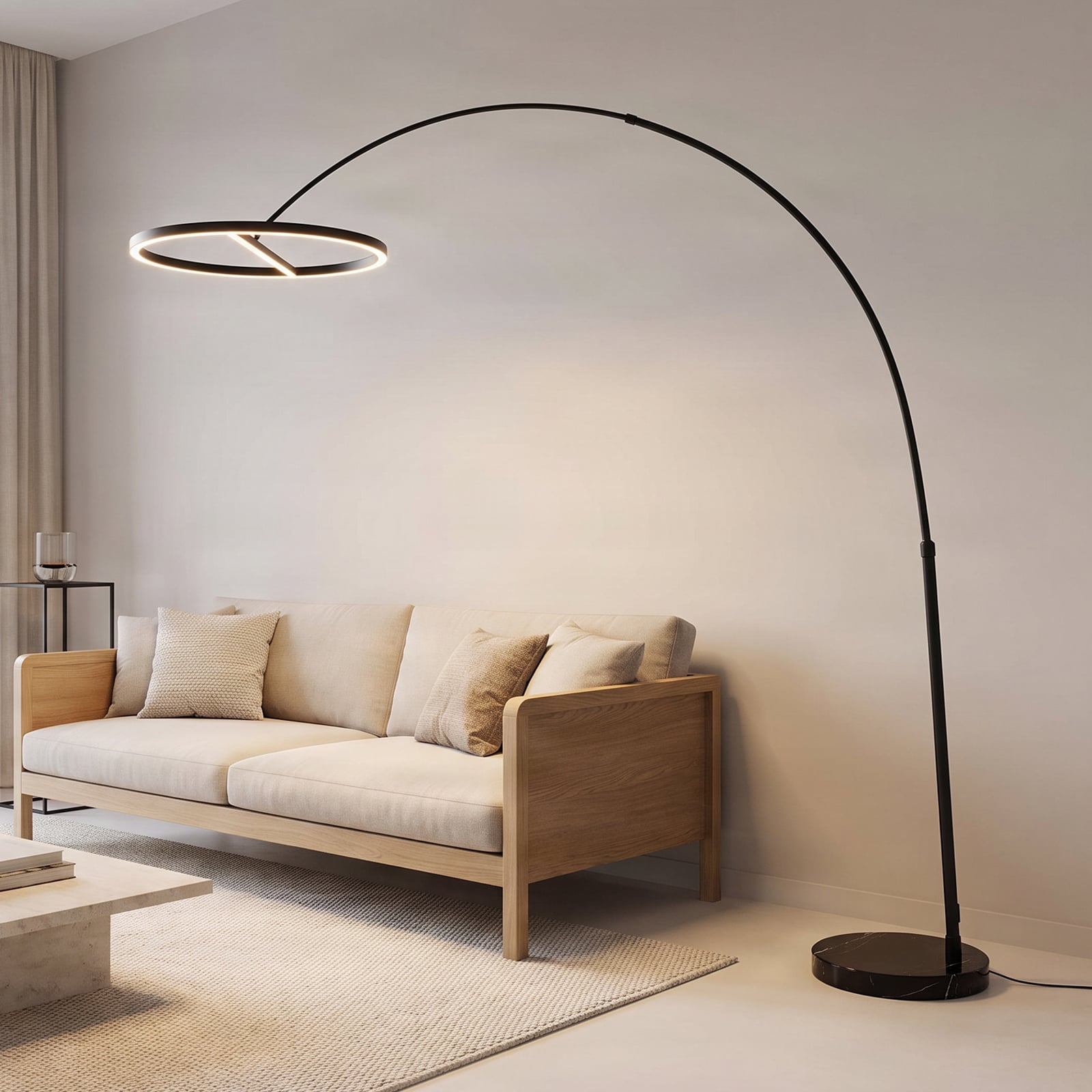
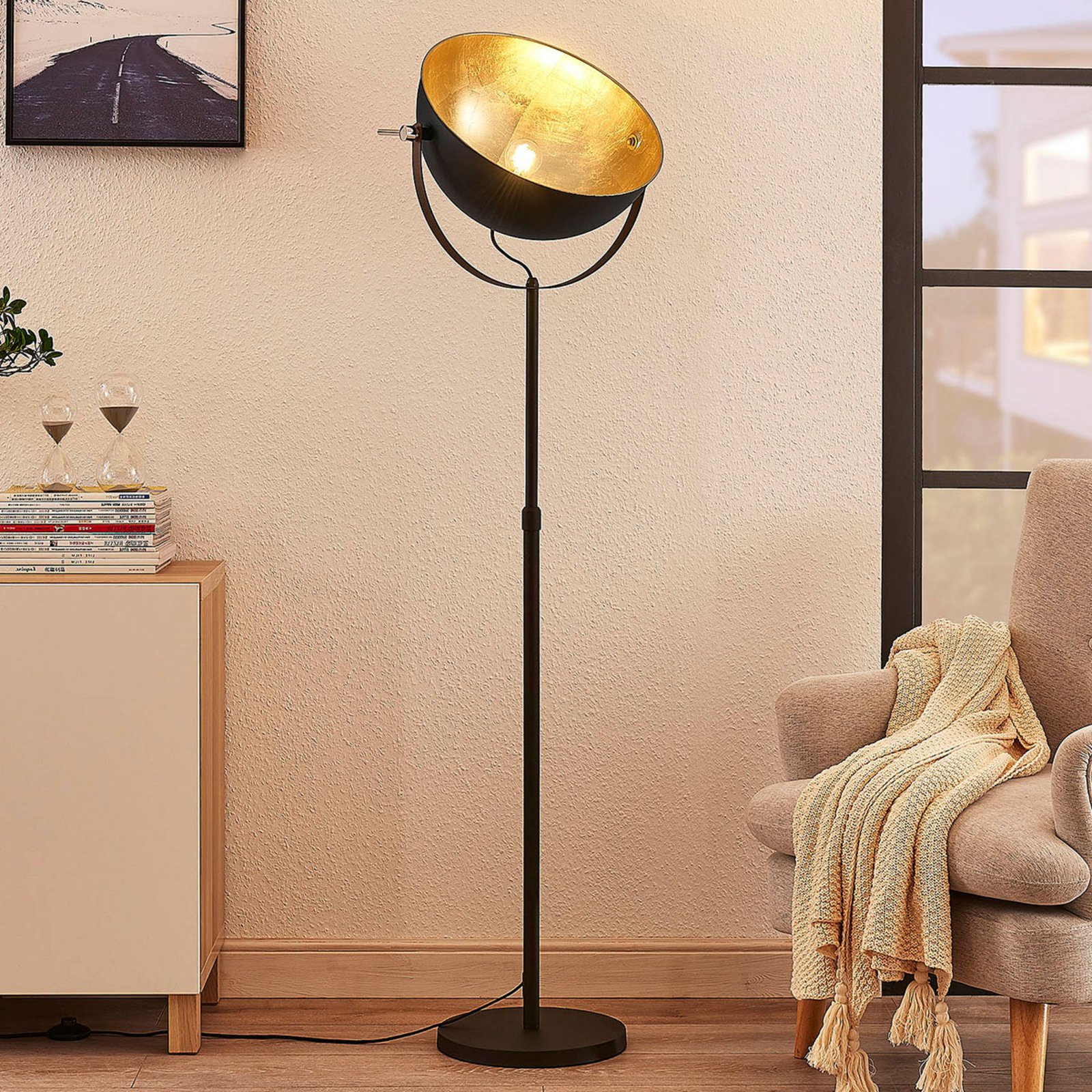
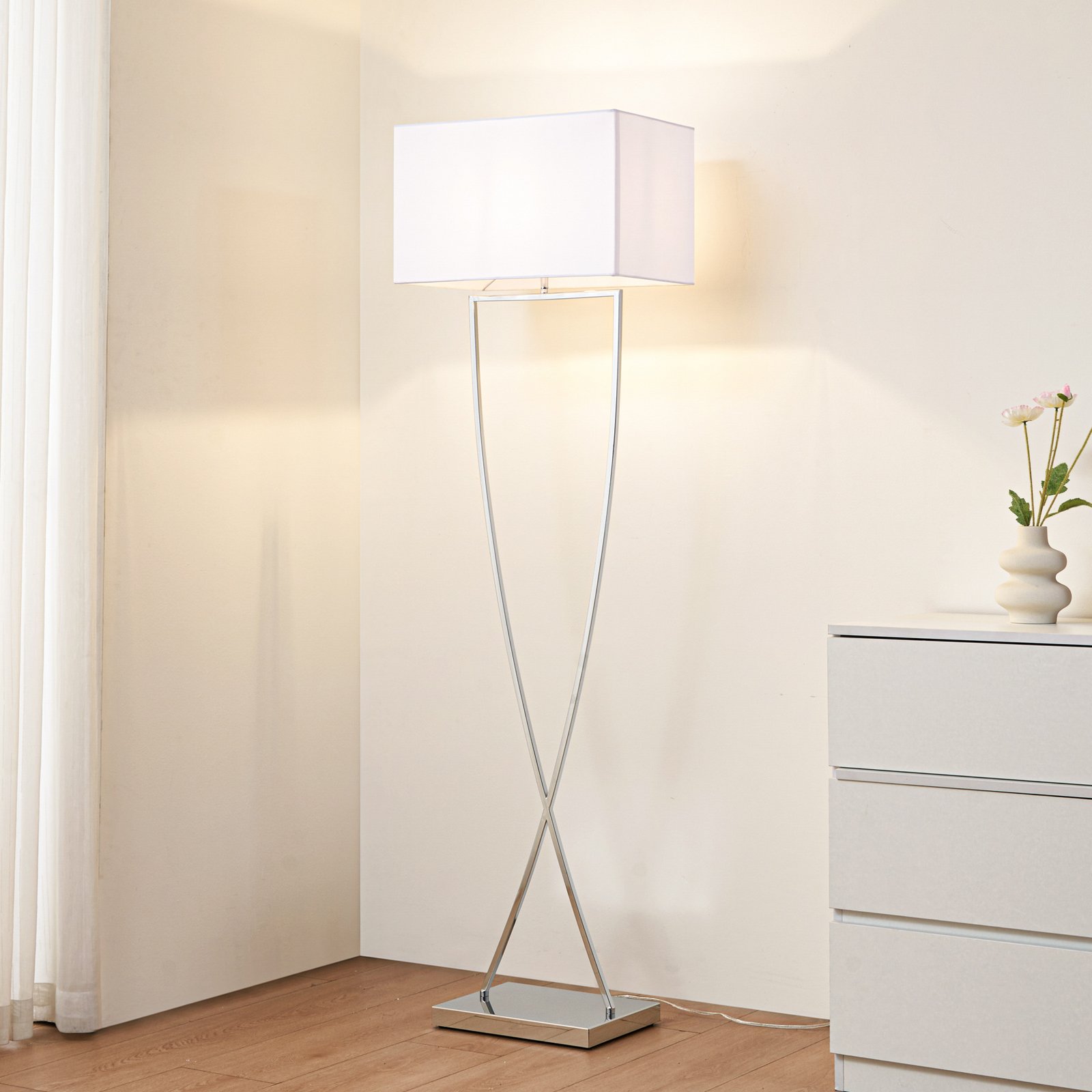
)
)
)
Table lamps for pleasant additional light
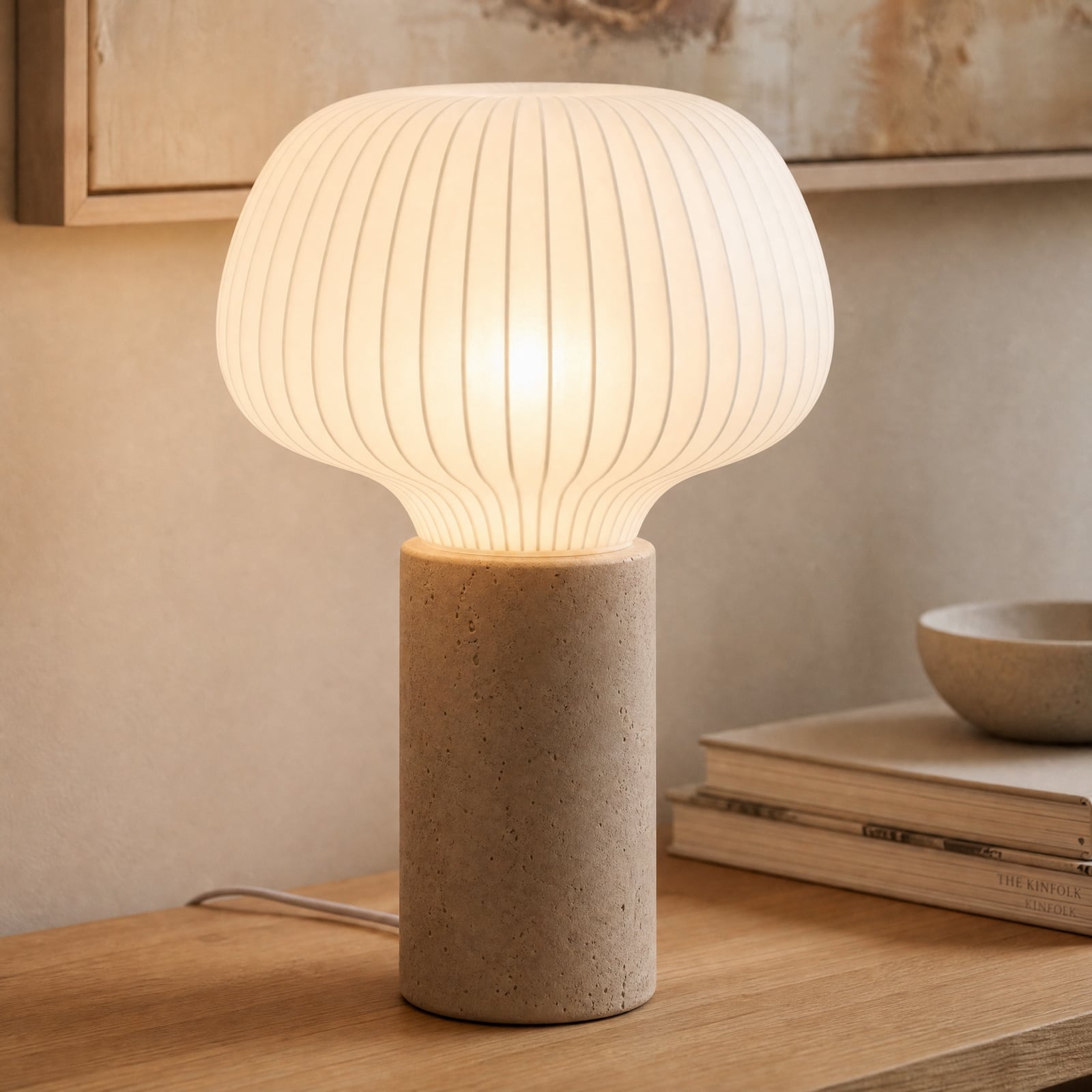
Table lamps add extra light to sideboards, shelves, windowsills, or small side tables. Particularly practical are compact models with a small footprint or flexible battery-powered table lamps that can be repositioned as needed. As a supplemental light source, they create cozy light islands and can specifically brighten dark areas. For small rooms, dimmable table lamps are ideal, as the brightness can be flexibly adjusted to the time of day and usage.
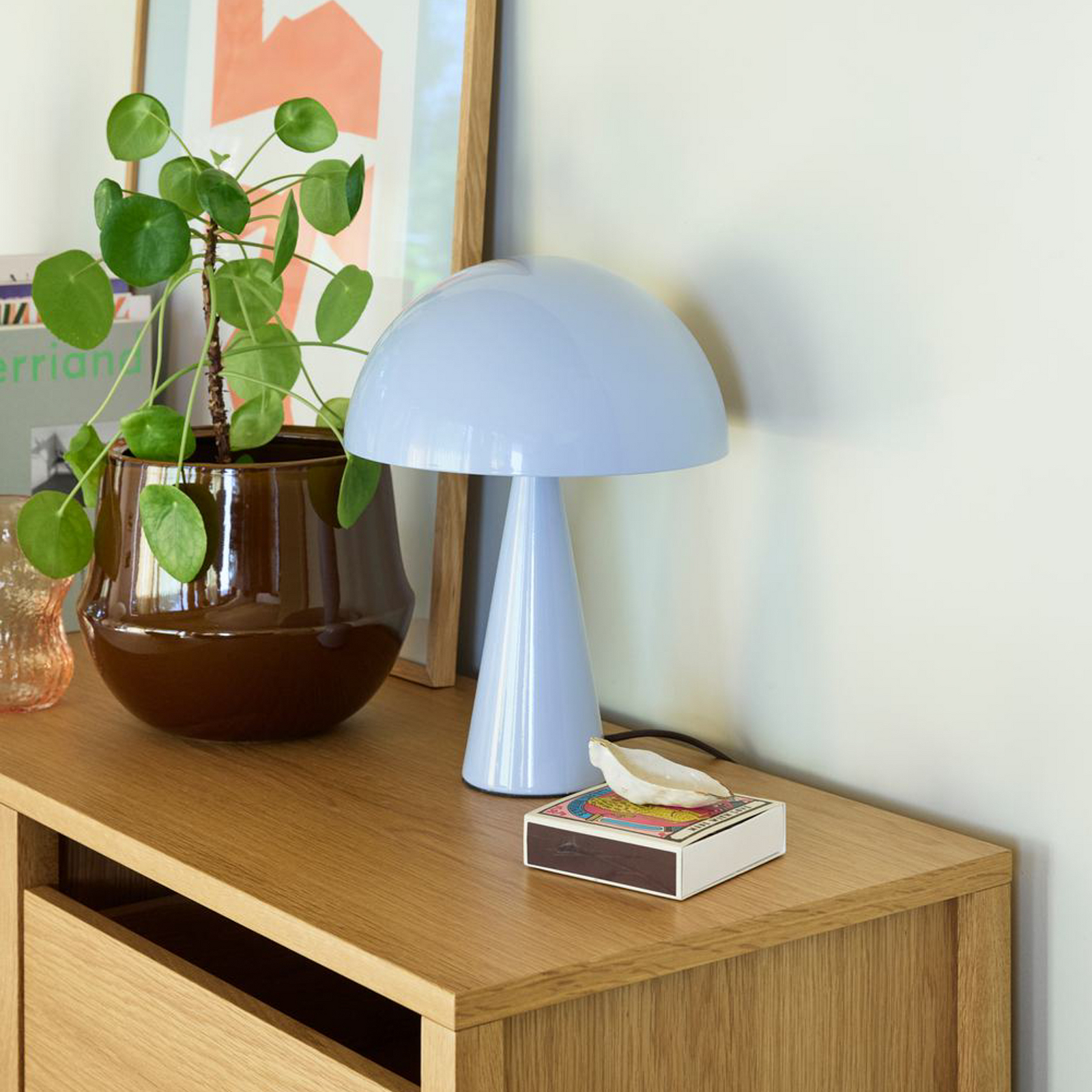
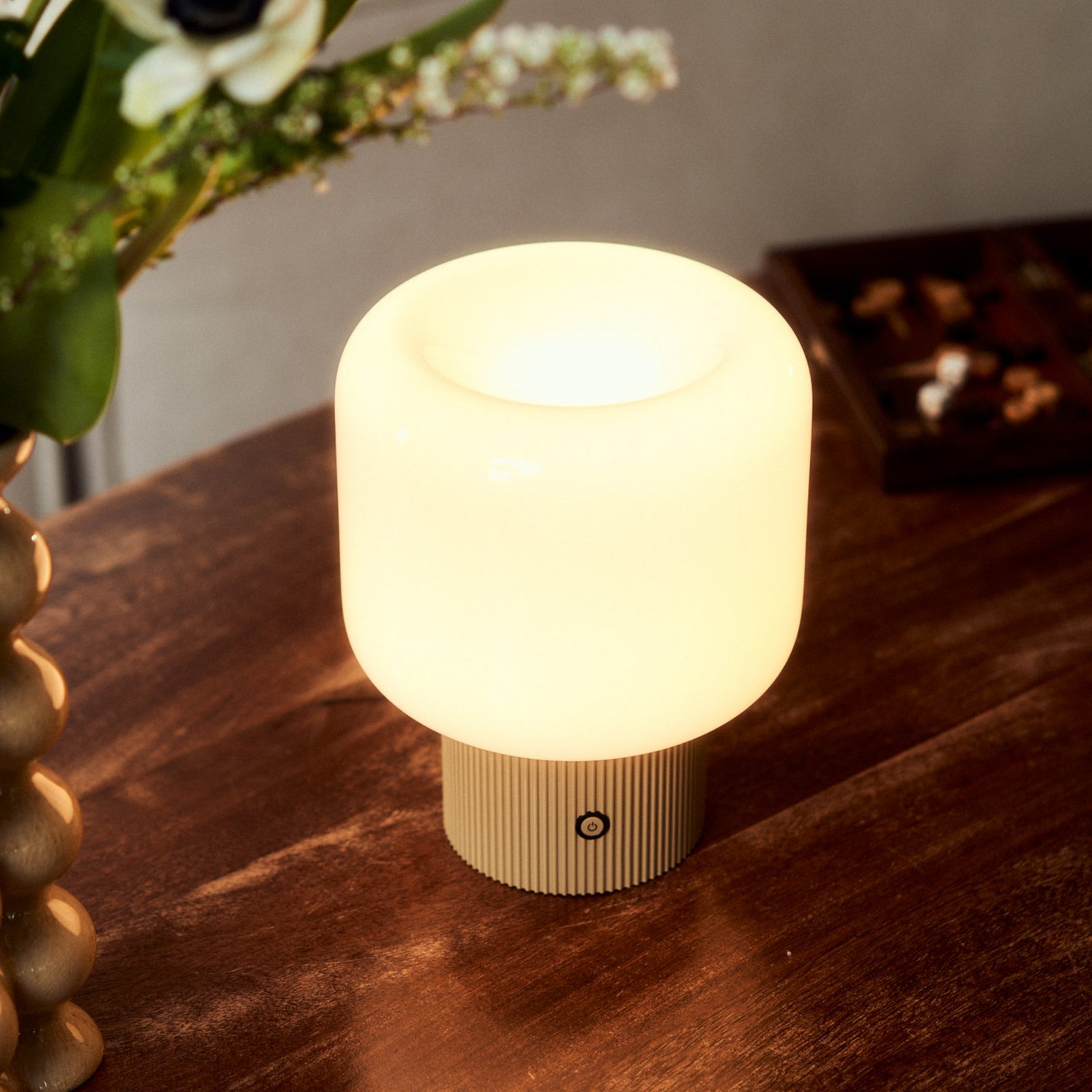
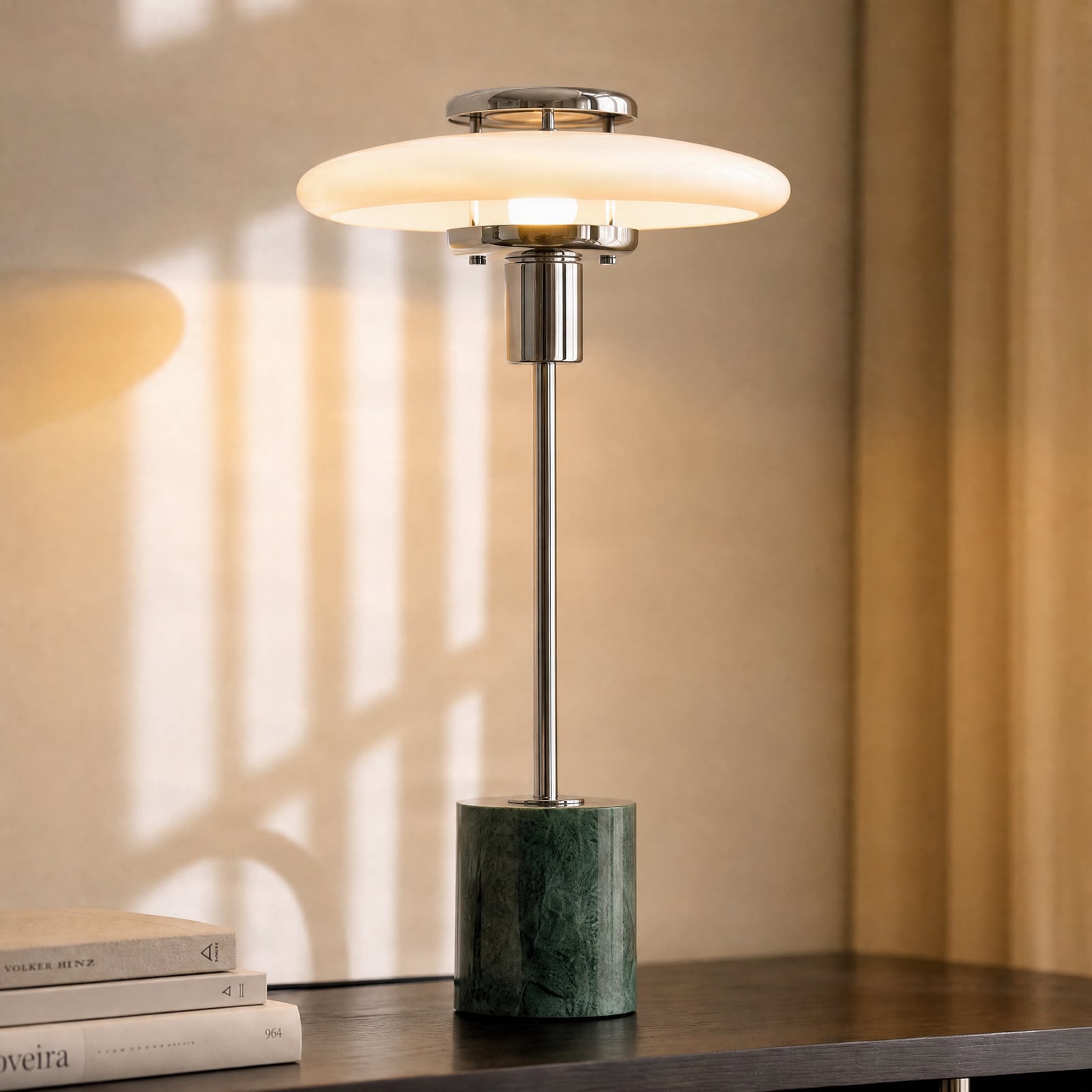
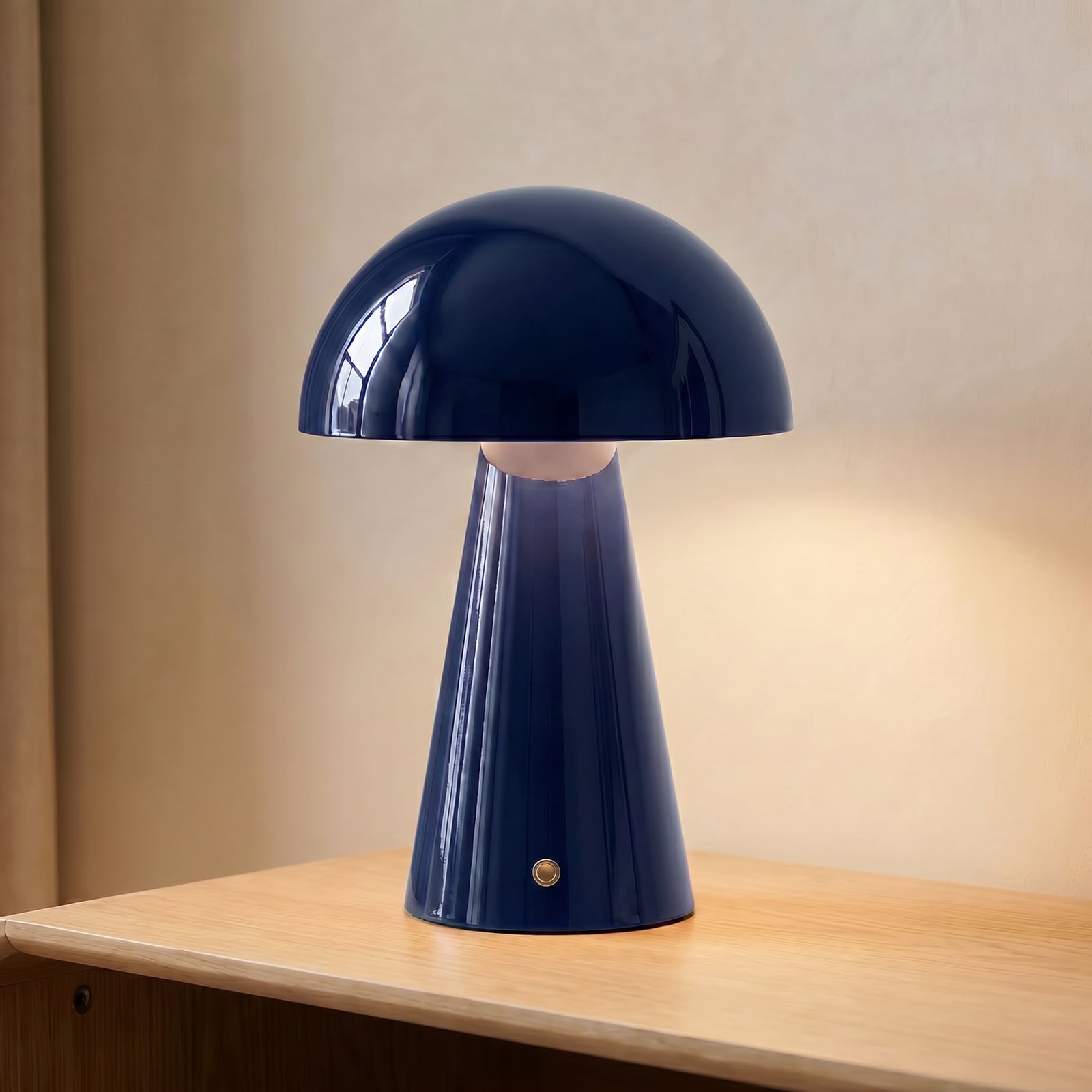
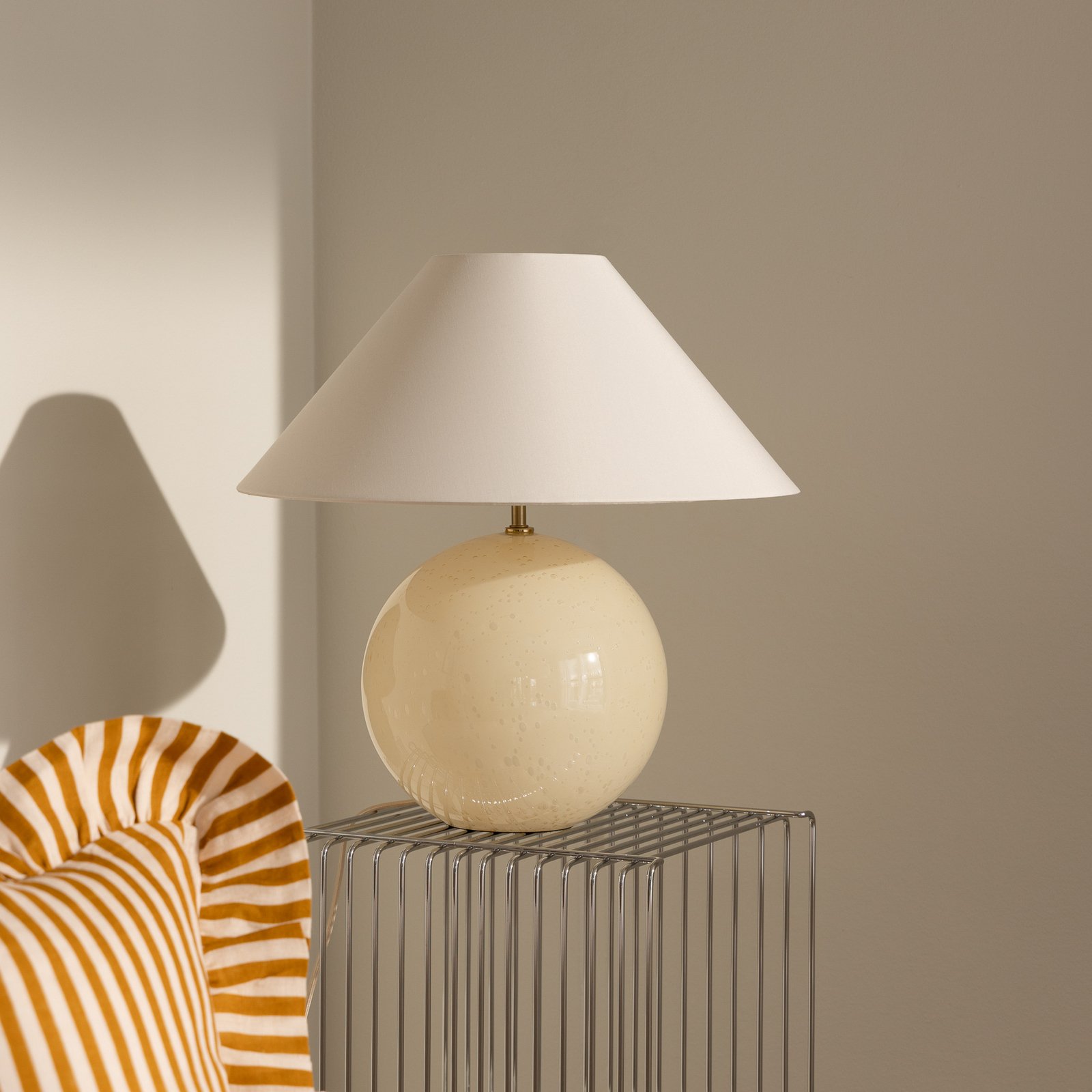
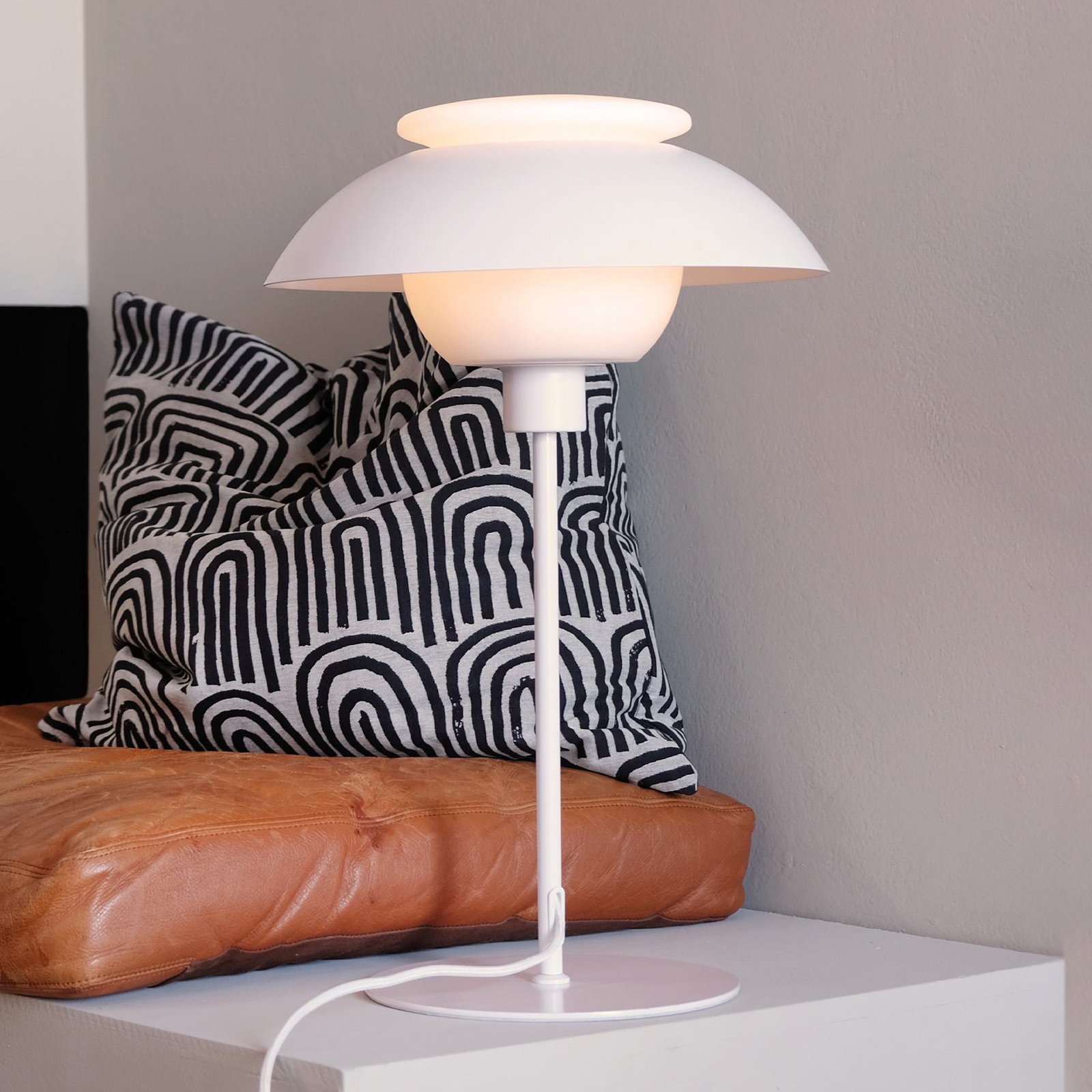
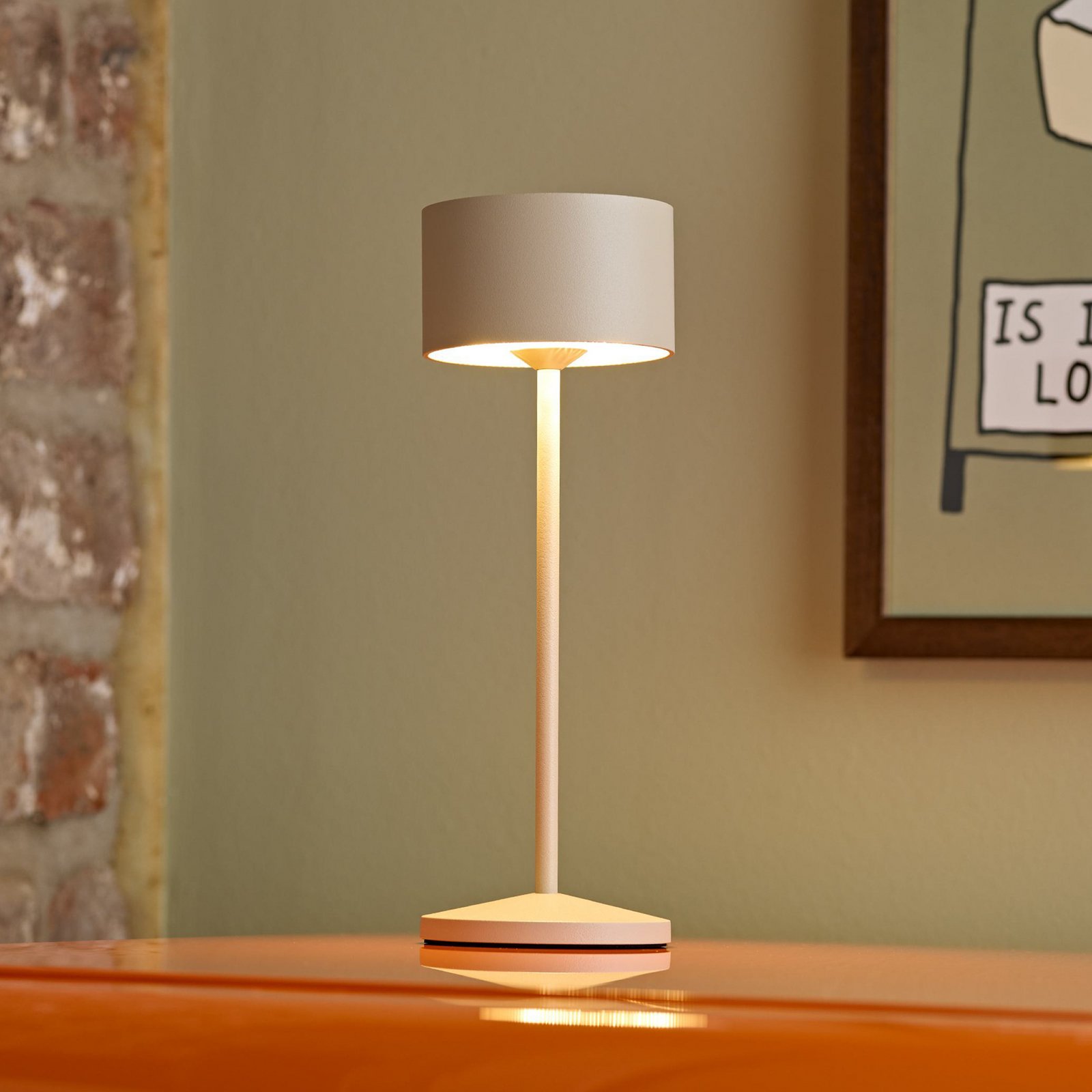
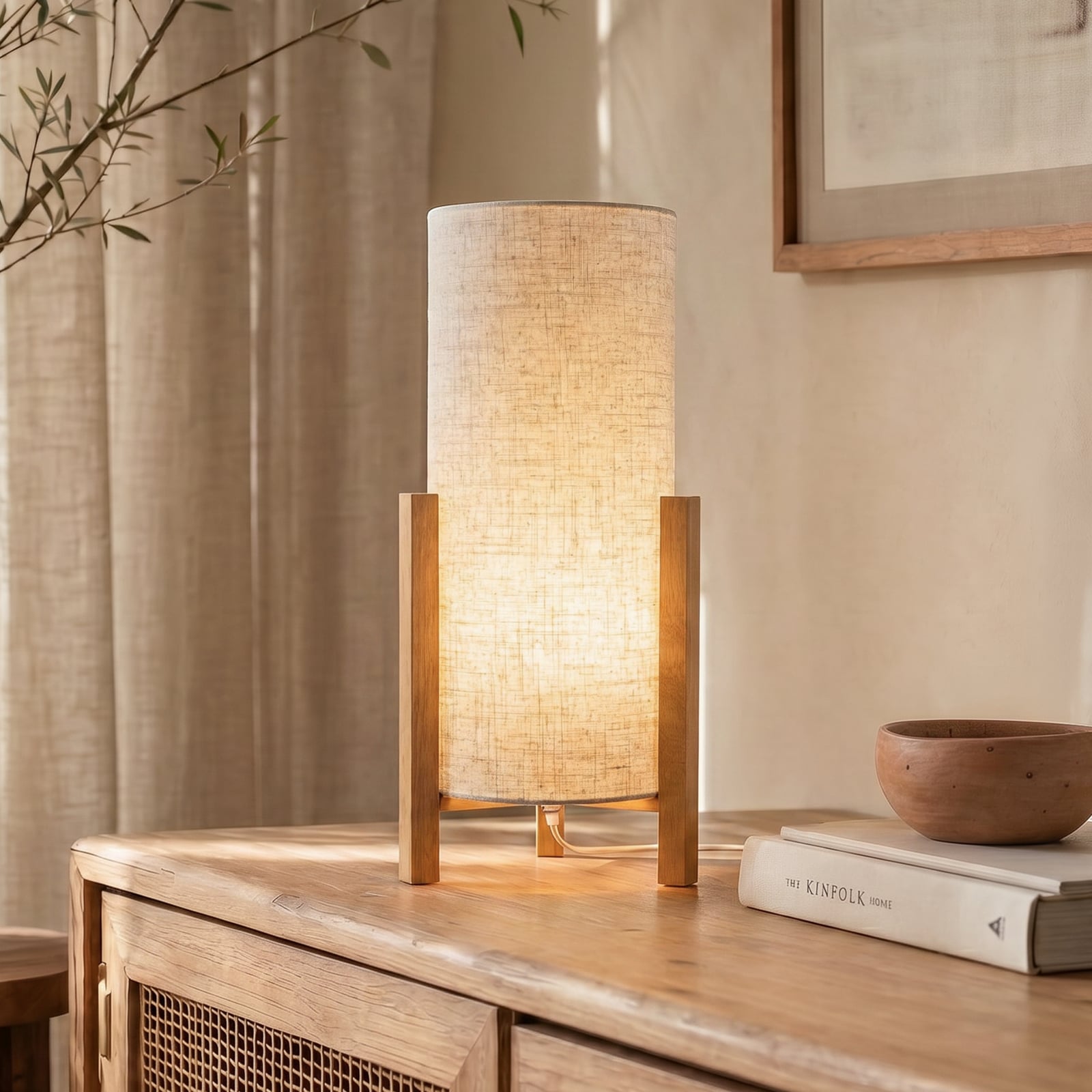
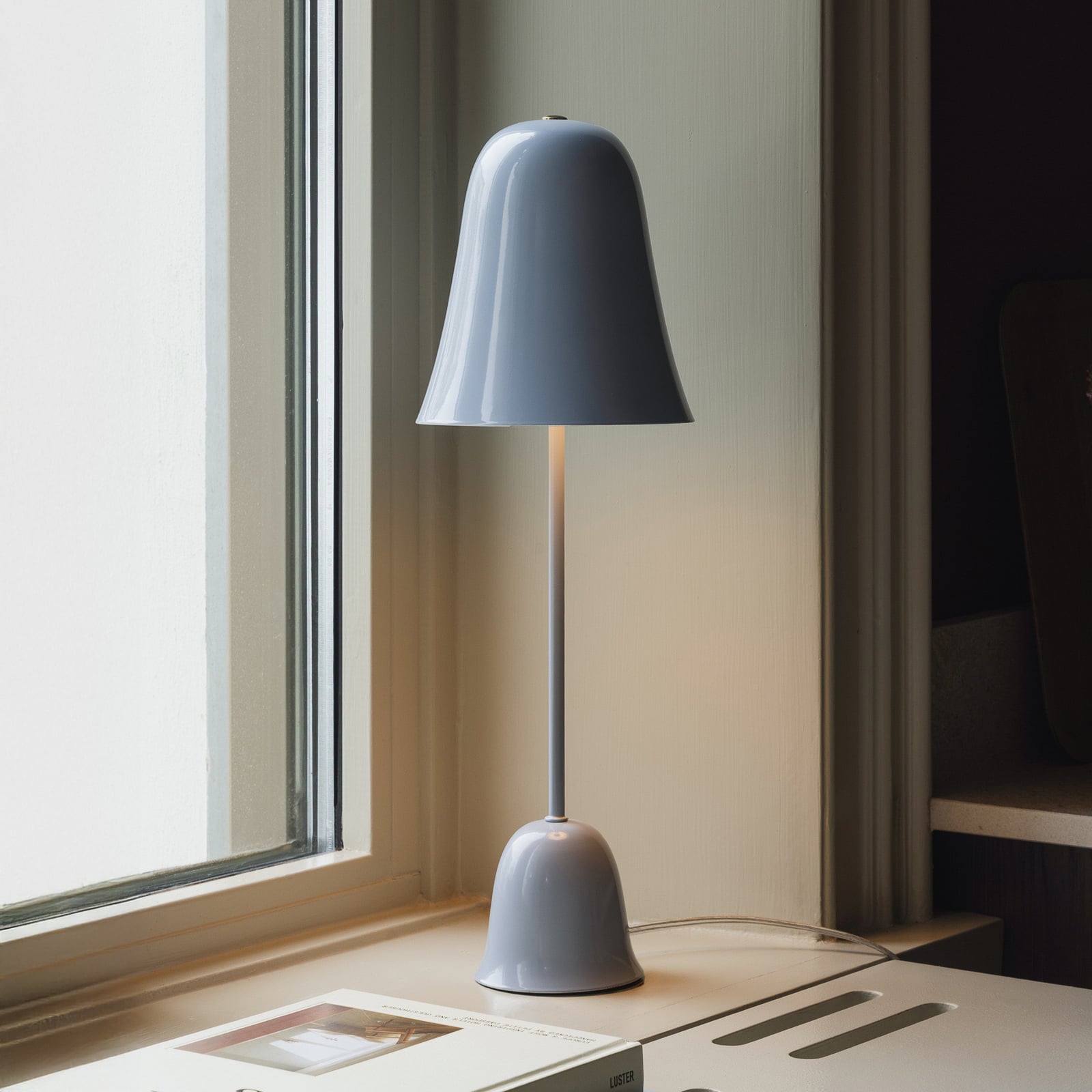
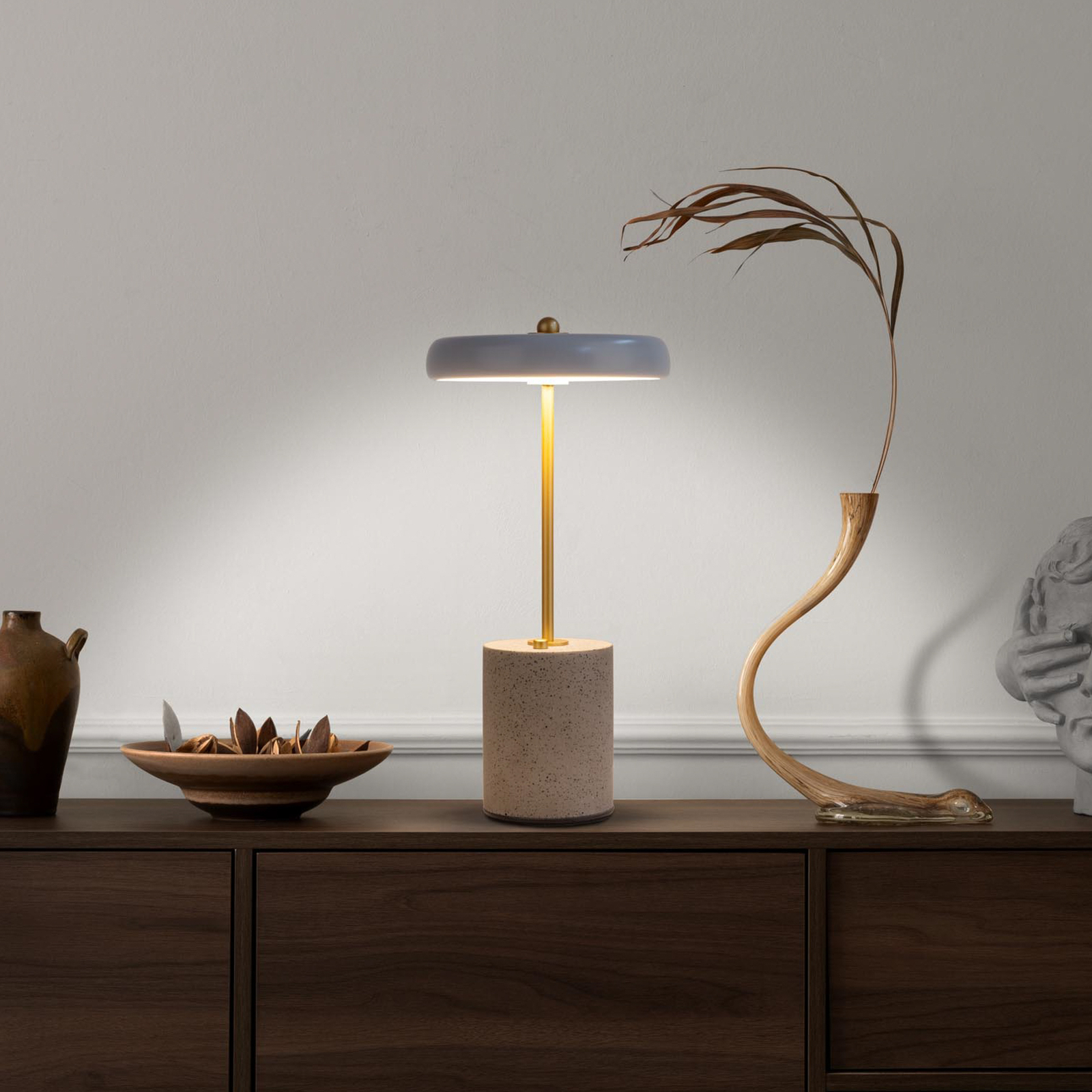
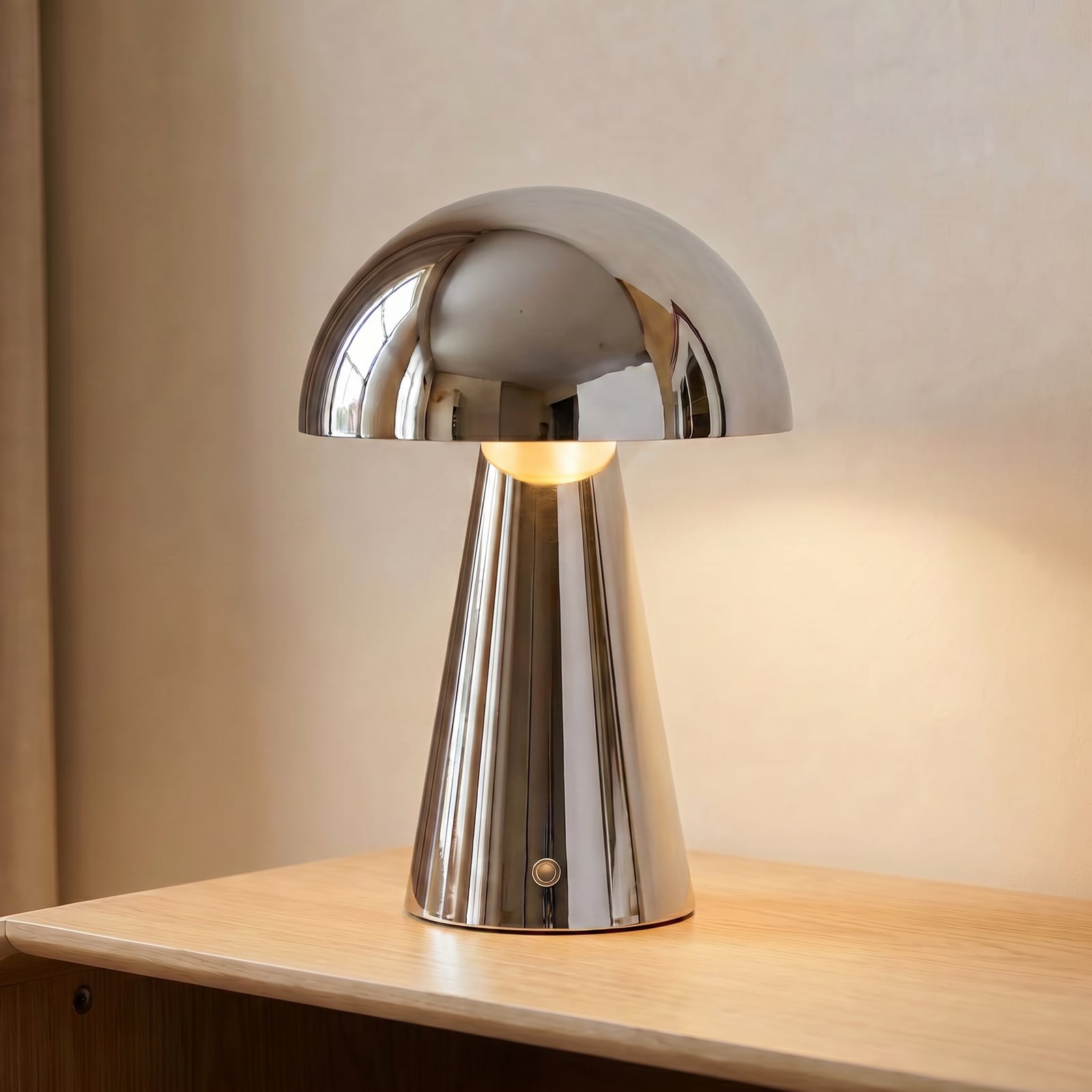
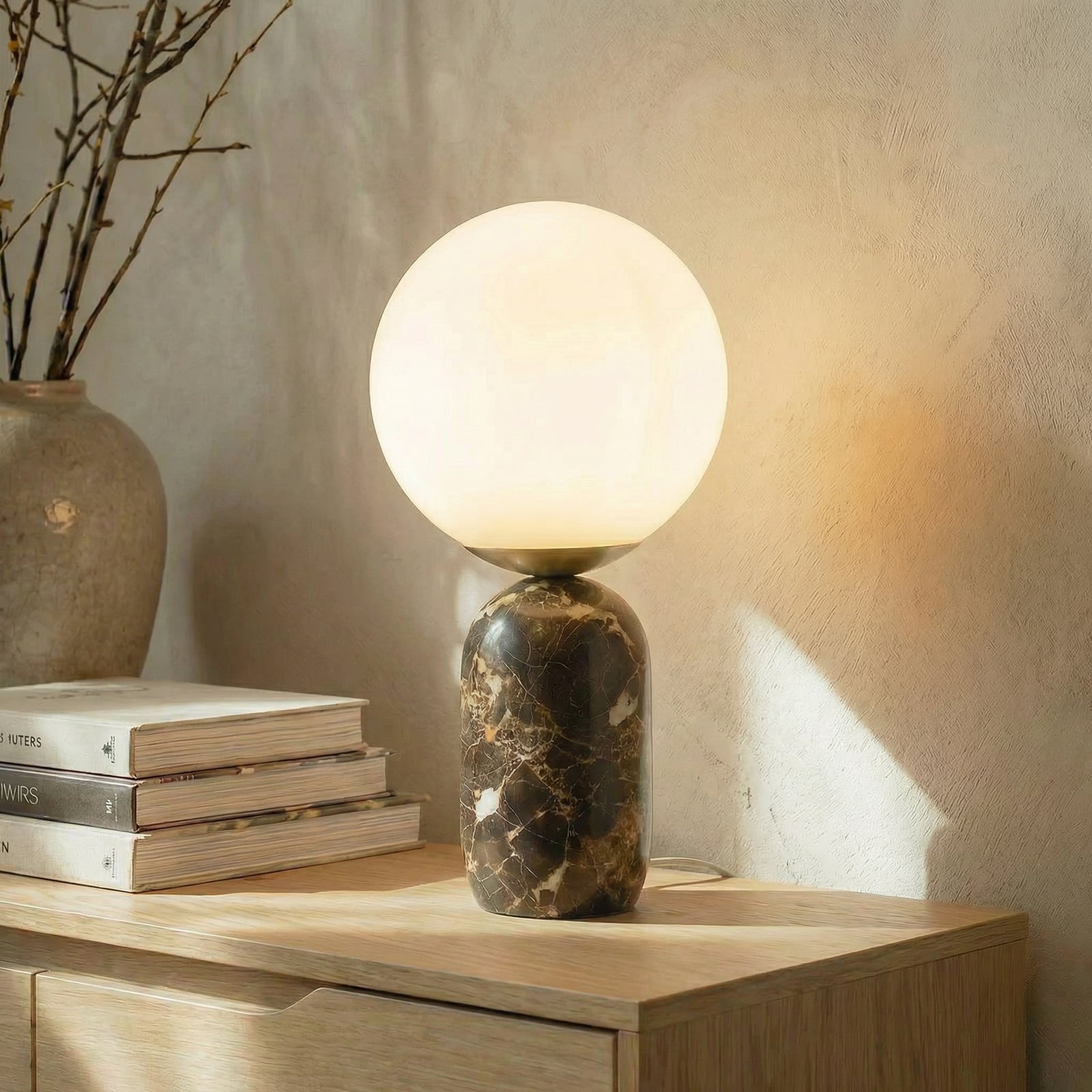
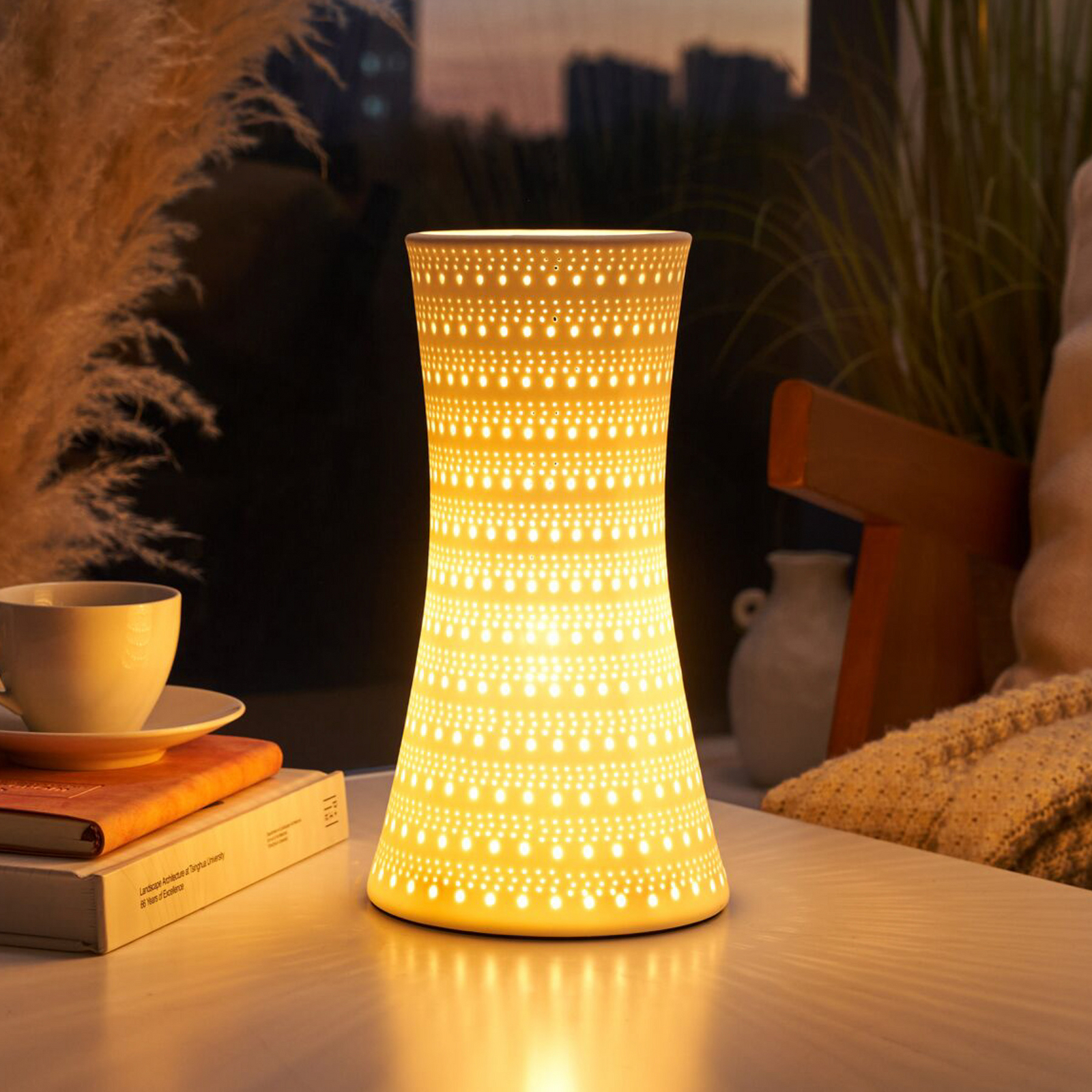
Lighting ideas for small spaces
Every small space has different lighting requirements. While good orientation and unobstructed passageways are important in hallways, the living room is more about depth and cozy light islands. In the bedroom, space-saving and glare-free lighting solutions can enhance comfort. The following examples demonstrate how using targeted light sources can create a harmonious and functional lighting setup even in limited space.
)
In small hallways, it's important to create as much light as possible without further obstructing the passageway. A flat ceiling light provides even ambient lighting, while several spots or additional lighting points can structure long hallways. If the mirror or a bright wall surface is also illuminated, the entrance area feels friendlier and more spacious visually.
Tips:
- choose flat lights with minimal projection
- combine several lighting points in long hallways
- deliberately illuminate mirrors and bright wall surfaces
- add motion sensors for more comfort
)
A small living room also benefits from multiple light sources that illuminate different areas and levels. A flat ceiling light provides the ambient light, while a compact reading lamp, wall lamp, or indirect lighting behind a sideboard, shelf, or TV creates additional light islands. This adds depth without overloading the room with large lights.
Tips:
- create multiple light islands instead of one single, very bright light source
- use slim floor or space-saving wall lights
- use indirect light for more spatial depth
- prefer dimmable lights for different lighting moods
)
In a small bedroom, space-saving lights help keep surfaces on bedside tables and floors clear. Wall, pendant, or clip-on lights can illuminate the bed without occupying additional space. Warm white, dimmable, and preferably glare-free light creates a pleasant atmosphere. Indirect lighting at the headboard or under the bed can also provide gentle orientation.
Tips:
- Use wall lights, pendant, or clip-on lights instead of large bedside lamps
- Plan for glare-free reading light at the bed
- Choose warm white and dimmable light for a cozy atmosphere
- Use indirect light as an additional light source
More Lighting Tips for Small Rooms
Aside from choosing the right lights, lighting for small rooms comes down to the combination of brightness, light color, and placement. With a few simple tricks, existing daylight can be optimally utilized, the room's effect improved, and a pleasant atmosphere created even with limited square footage.
)
Utilize daylight and bright surfaces
Natural daylight makes small rooms appear brighter and airier. Light-transmitting curtains allow as much of it as possible into the room, while light walls, ceilings, and floors reflect the incoming light. Bright furniture and surfaces can also help brighten dark areas and make the room appear larger.
)
Use mirrors strategically
Mirrors can enhance the room's effect by reflecting light and expanding the space visually. They are particularly effective opposite or near windows and on walls illuminated by lights. This creates more brightness and depth without needing additional square footage.
)
Choose the right light color
The light color affects how a small room is perceived and the atmosphere it creates. Warm white light is particularly suitable for living rooms and bedrooms, as it provides coziness. Neutral white light, on the other hand, can create a clear and more active effect in hallways, kitchens, or work areas. For flexible lighting, lamps with adjustable light color are particularly practical.
)
Ensure sufficient brightness
Small rooms need sufficient light to avoid appearing dark or cramped. How much brightness is needed depends on room size, usage, and existing surfaces. The light output of a lamp is given in lumens and should be considered when planning general lighting. It's usually more sensible to distribute brightness over several light sources rather than relying on a single especially bright lamp.
)
Prefer dimmable lights
Dimmable lights allow the brightness to be adjusted to the time of day and use. This way, a light can provide sufficient bright working light during the day and be dimmed in the evening to create a cozier atmosphere. This flexibility is particularly worthwhile in the lighting of small rooms, as a single light intensity doesn’t suit every situation.
)
Use track systems with few power connections
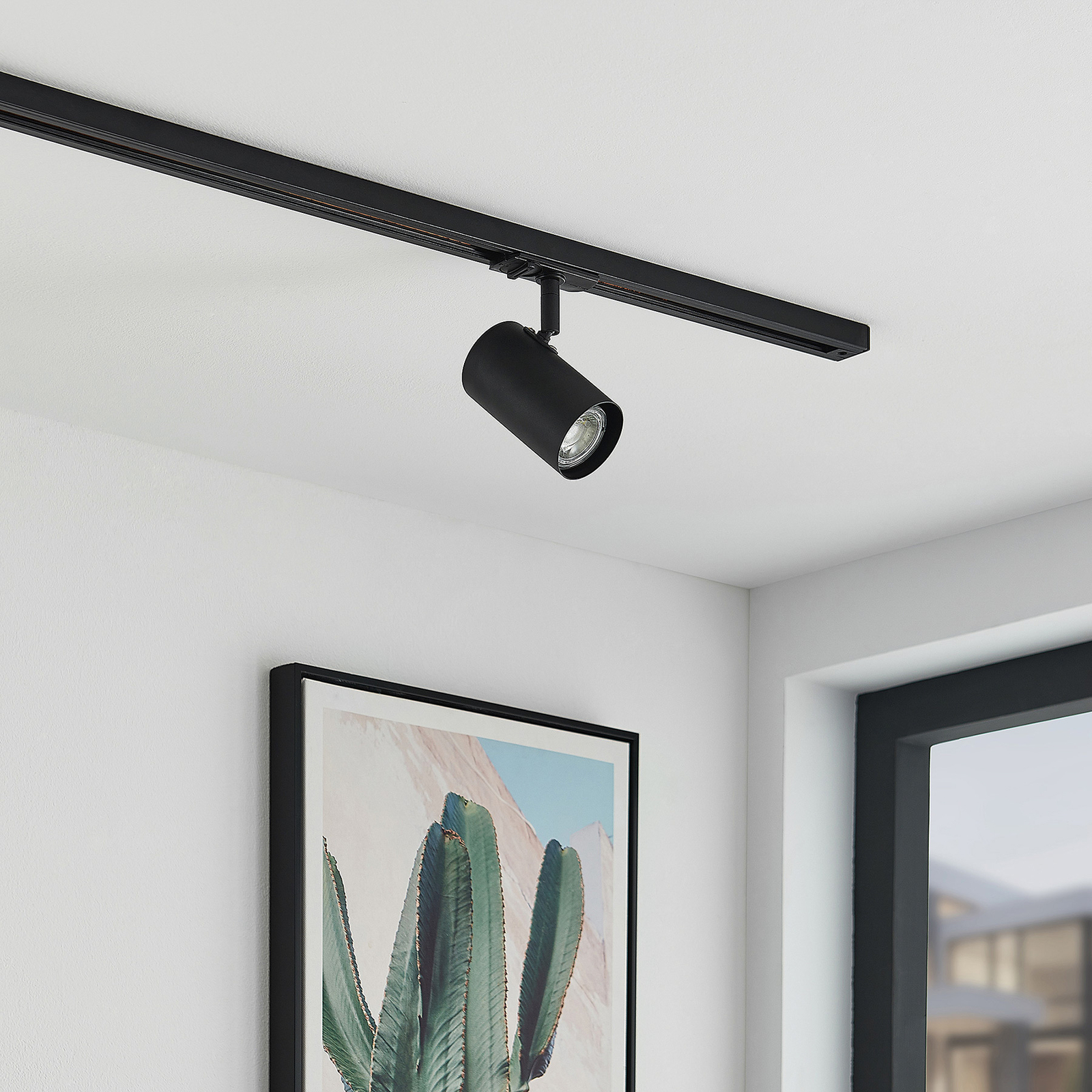
In complex layouts or with few existing power connections, track systems can be a flexible solution. Multiple lights can be positioned on a single track and directed at different areas. This way, for example, dark corners, furniture, or individual zones can be illuminated without needing a separate ceiling outlet for each light source.
)
Use LED strips for indirect accents
LED strips are suitable for indirect lighting of furniture, shelves, or architectural areas. Behind a sideboard, under wall cabinets, or along a shelf, they create a soft light accent that adds depth to the room. Especially in small rooms, indirect light should be used strategically and combined with general lighting to ensure a calm and balanced light design.
Lighting Mistakes Make Small Rooms Appear More Constricted
Even a bright lamp does not automatically create a good room effect. Especially in small rooms, unsuitable lights, incorrect placements, or too many light sources can make the space feel cramped or restless. These typical mistakes are easy to avoid:
 "Große Räume")
 "Beleuchtungskonzept")
 "Schienensysteme")
 "Gemütliche Leuchten")
 "Feng Shui Regeln")
 "Naturmaterialien")