



































)
Floor lamp guide
Inspiration & ideas for atmospheric livingWhether as a gentle lighting accent, stylish design object or striking interior designer: floor lamps characterise the look of your own four walls. They create targeted islands of light, bring cosiness to dark corners and lend depth and structure to living spaces. Unlike permanently installed lights, floor lamps can be repositioned at any time and thus flexibly adapted to changing living situations.
This guide shows inspiring ideas for creating individual, modern and atmospheric living spaces with floor lamps.
The latest floor lamps
Stylish illumination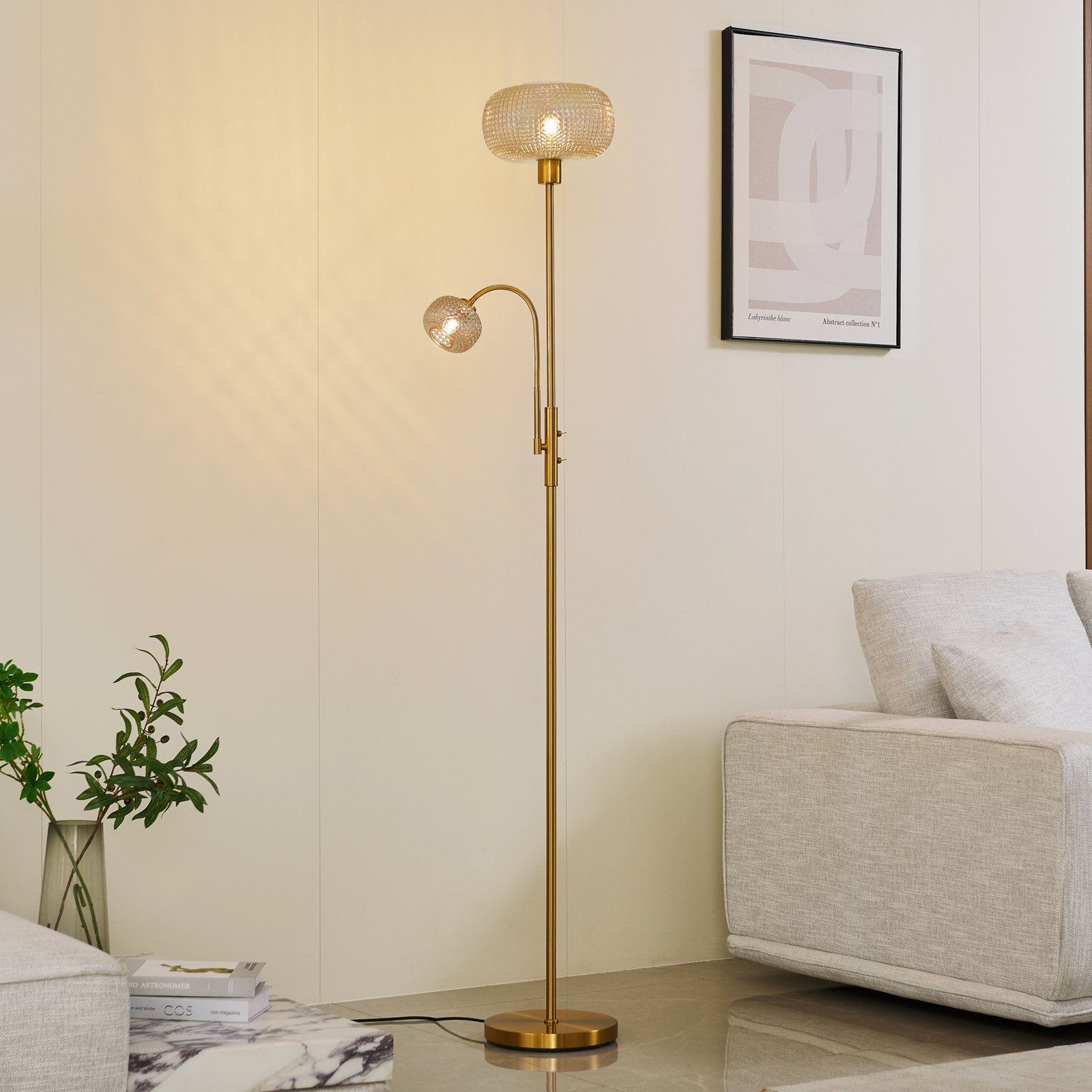

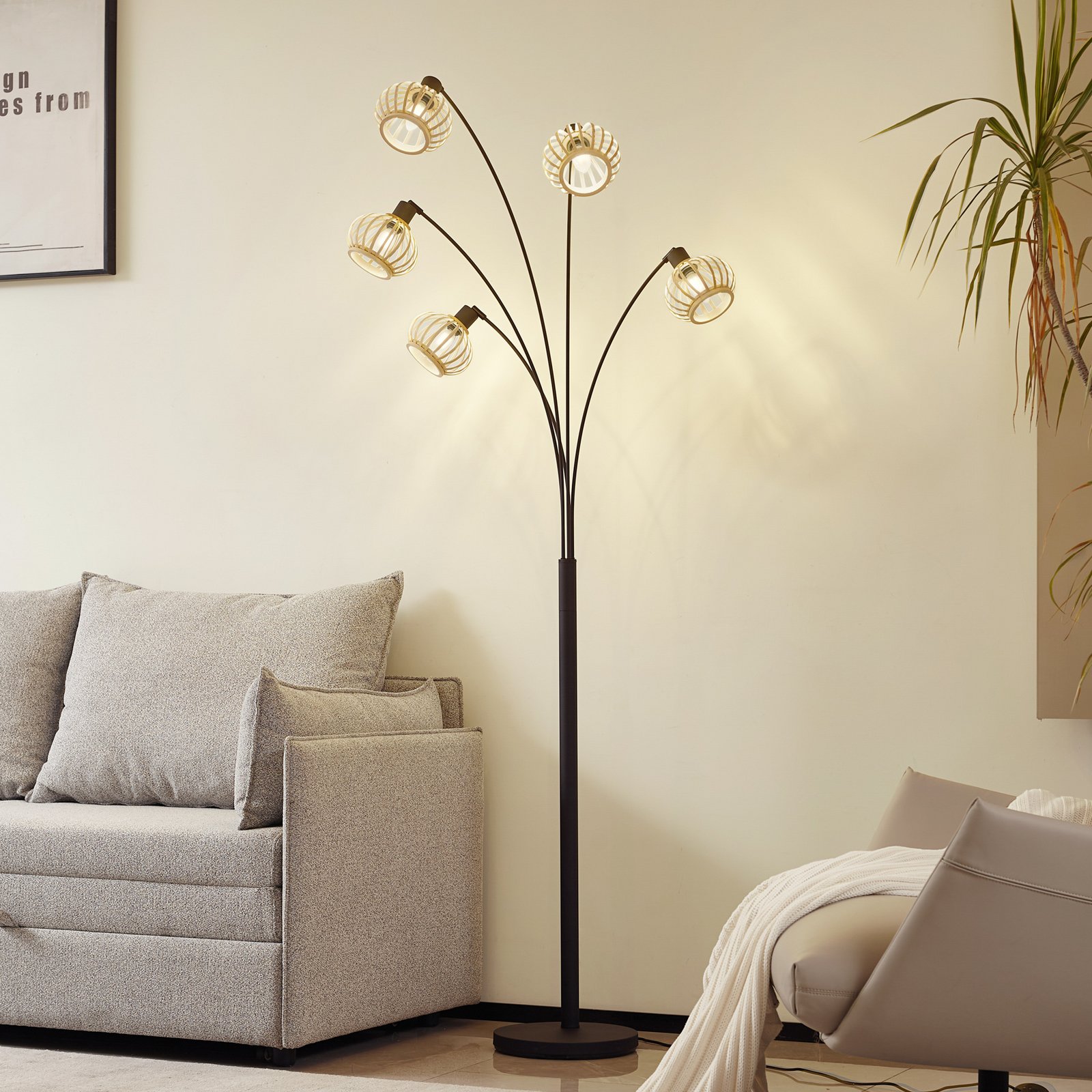
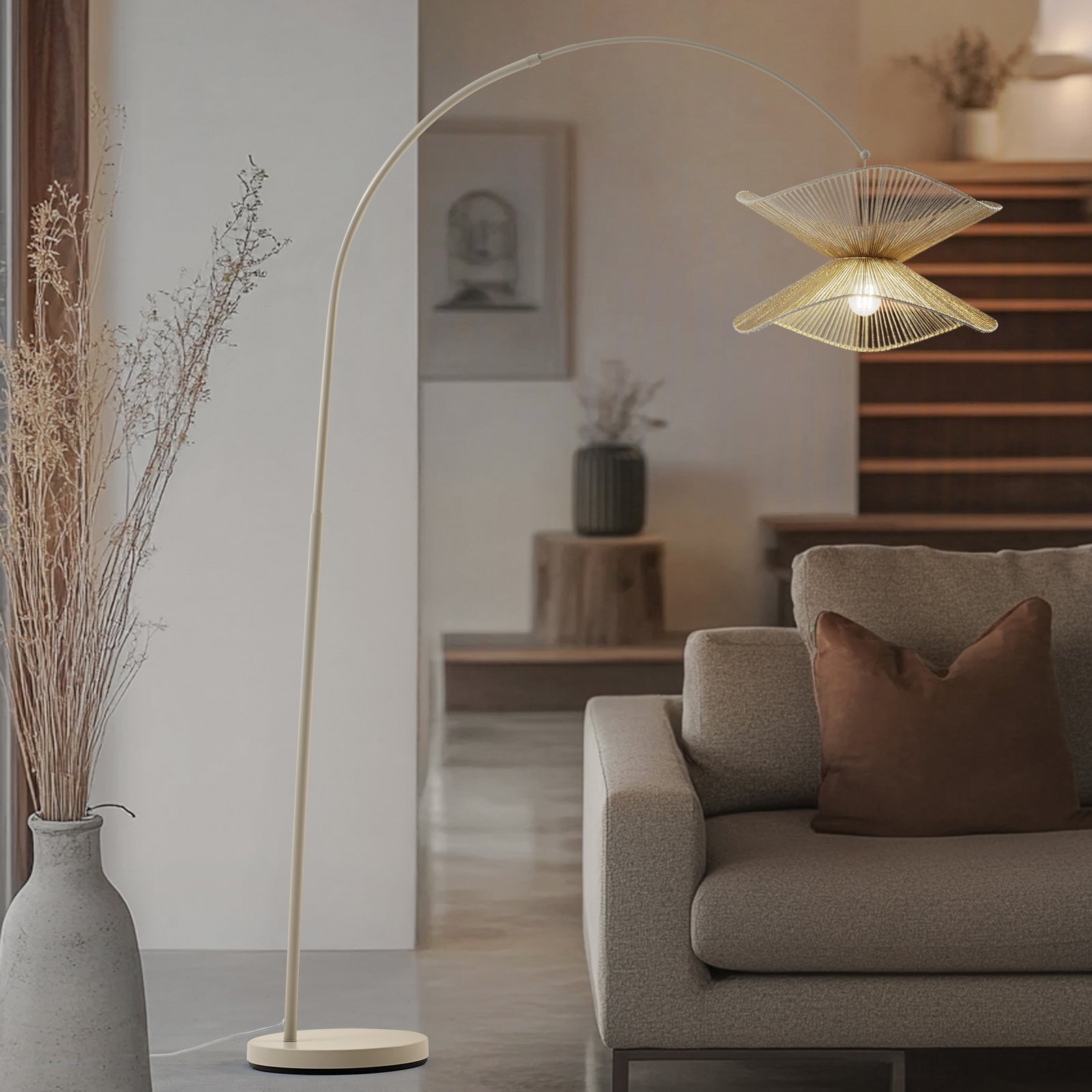
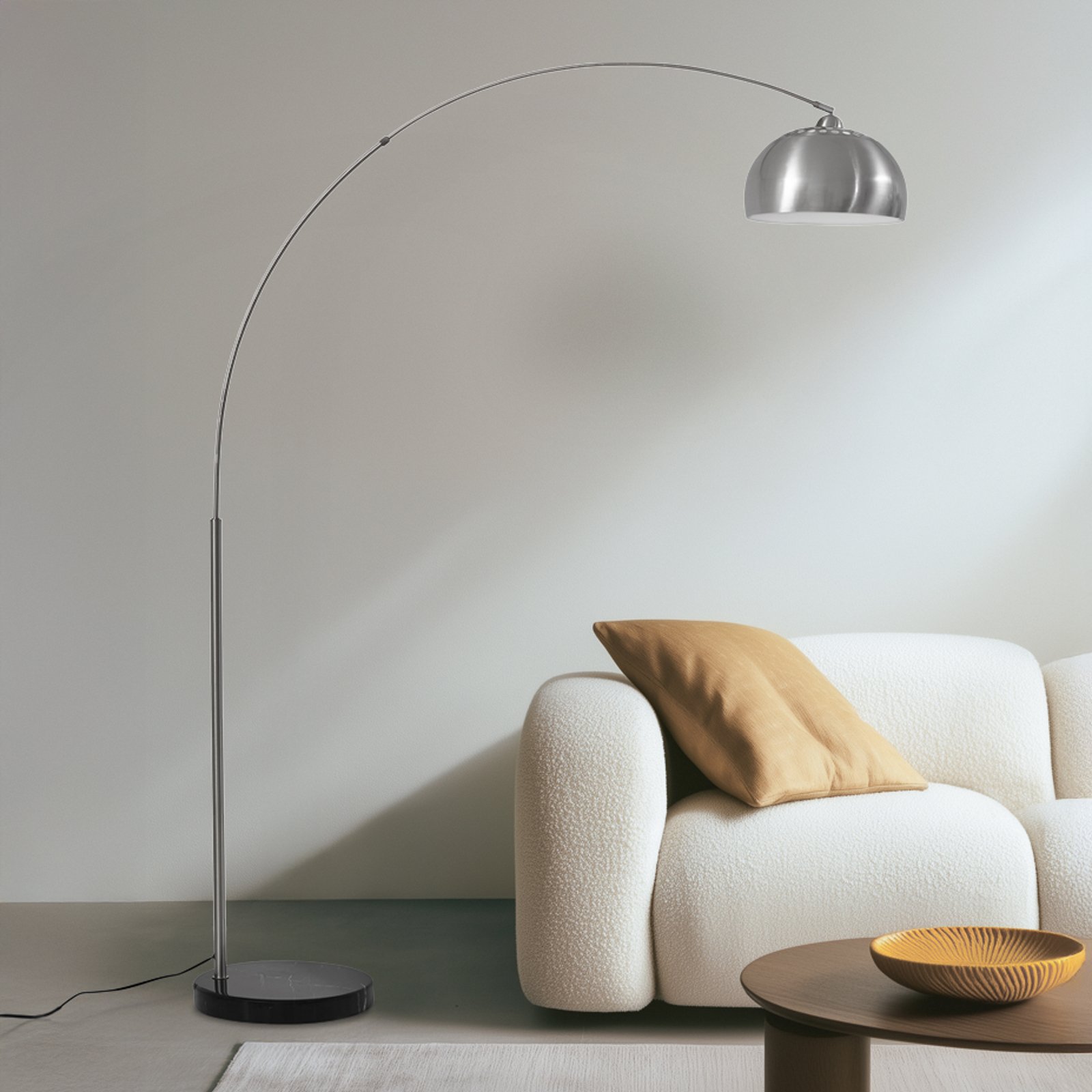
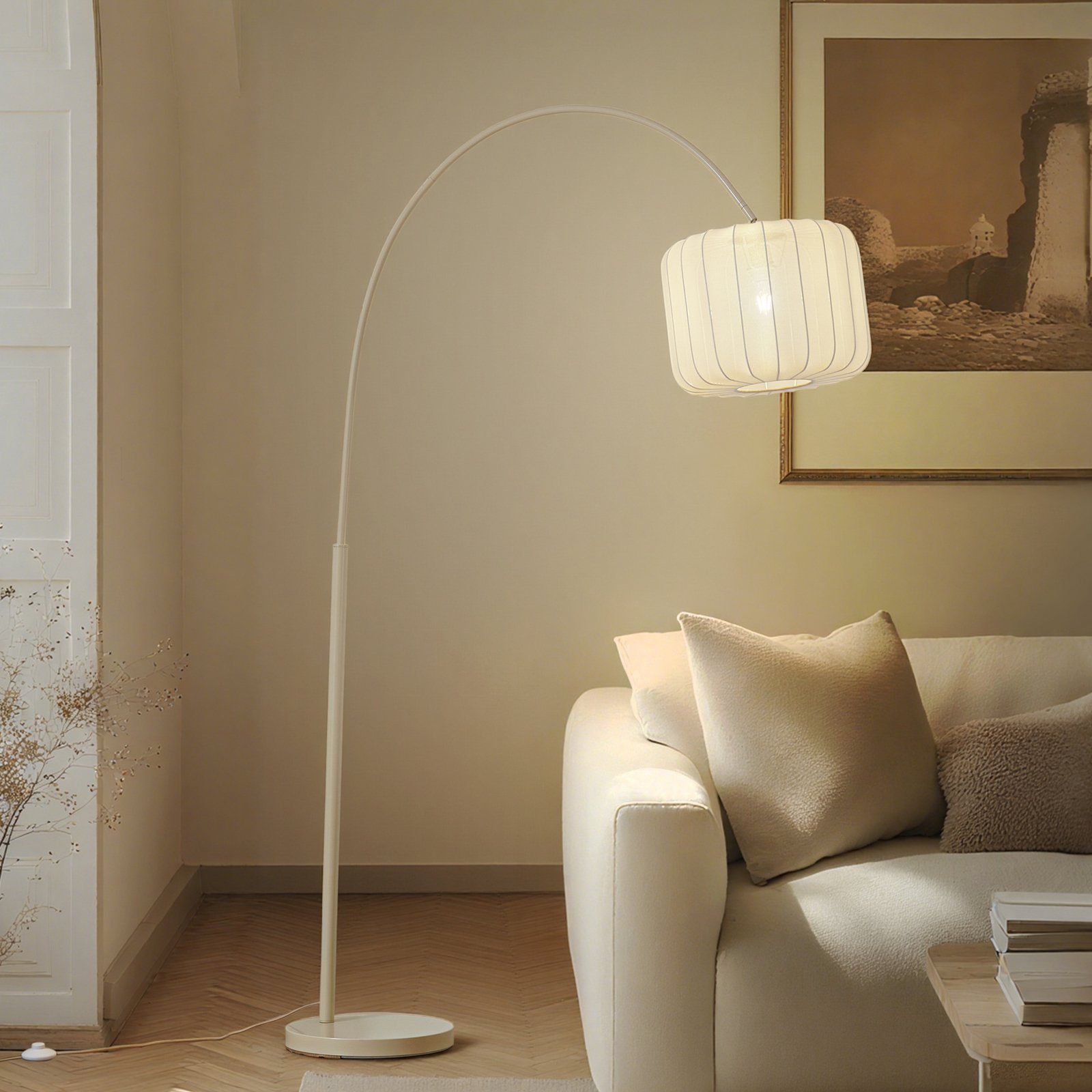
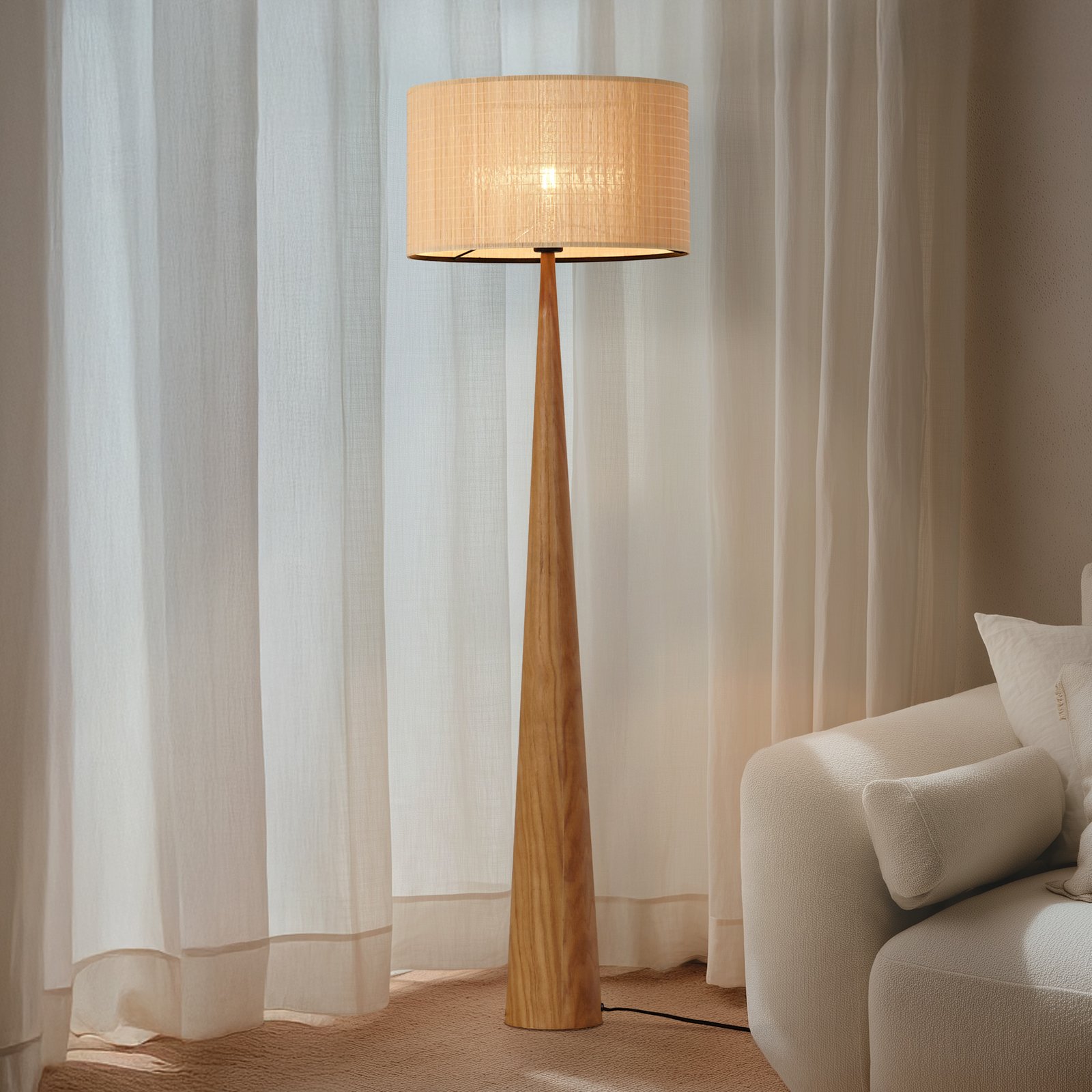
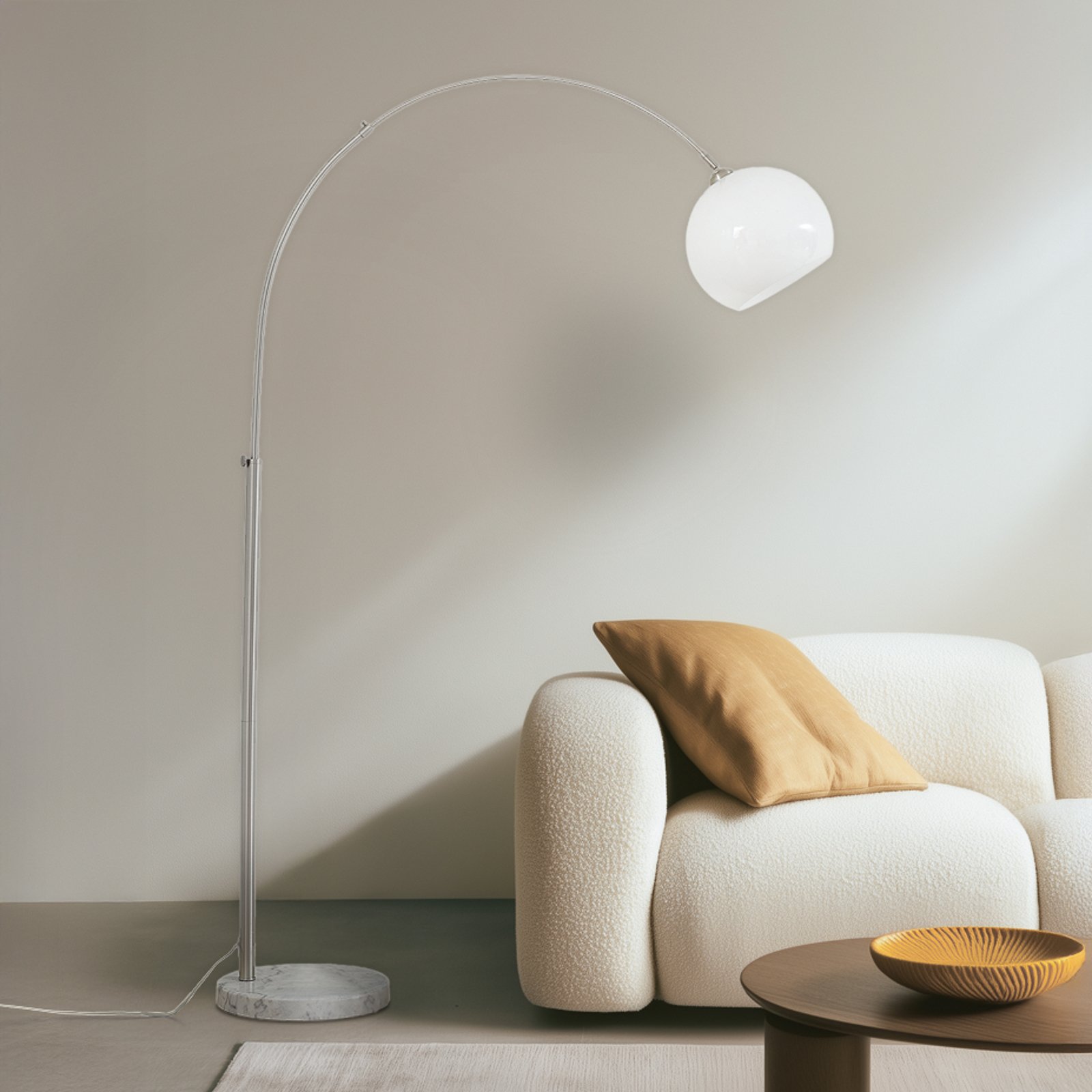
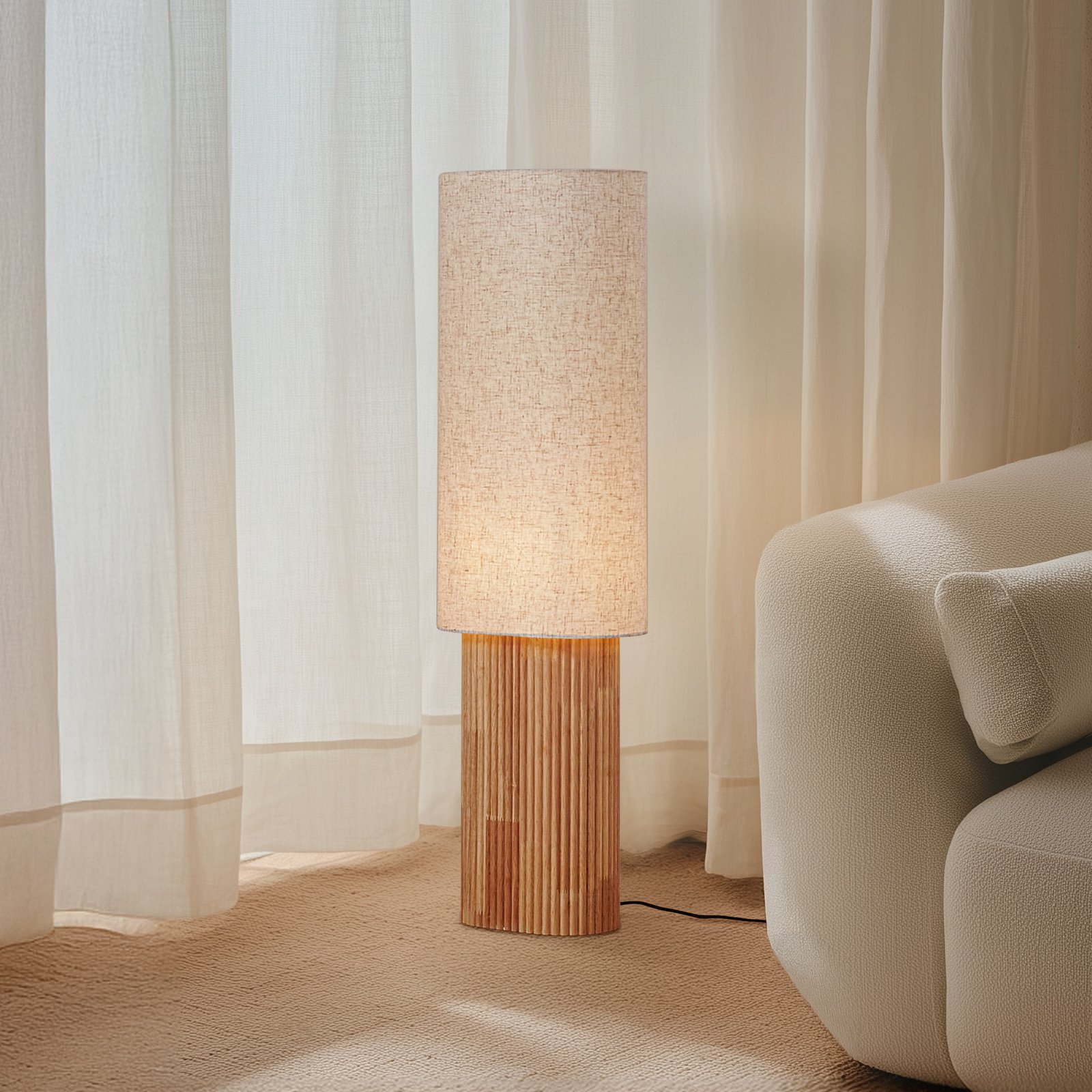
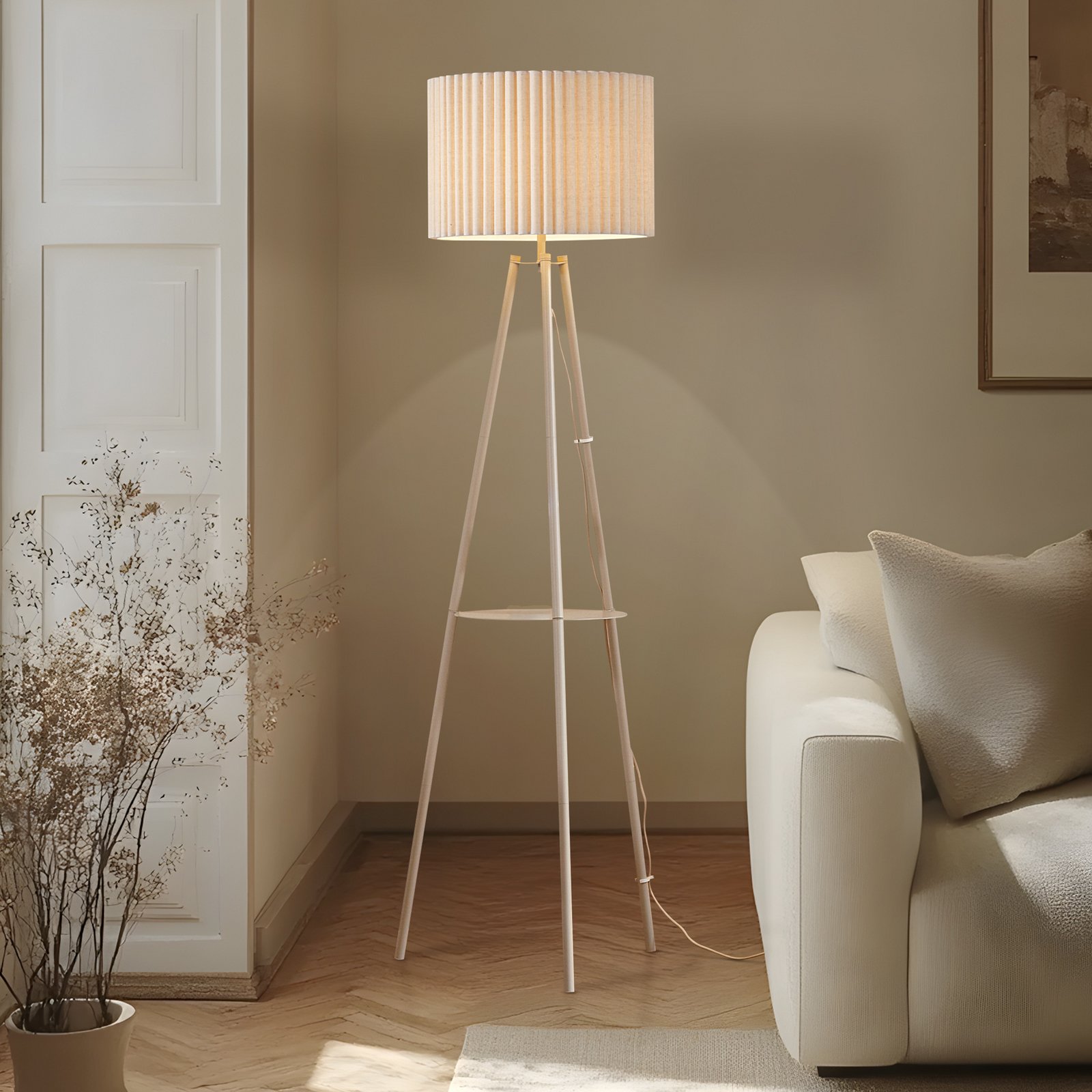
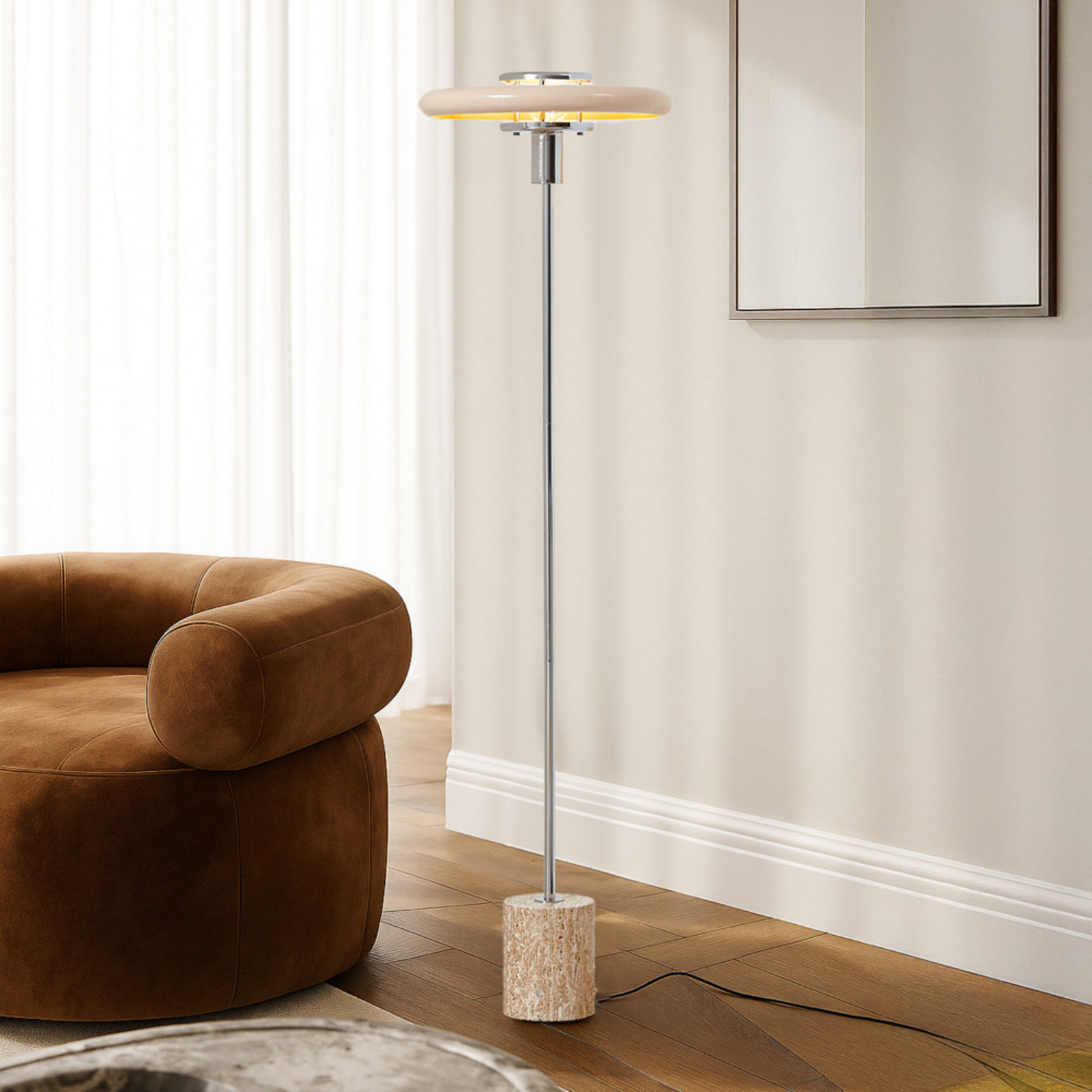
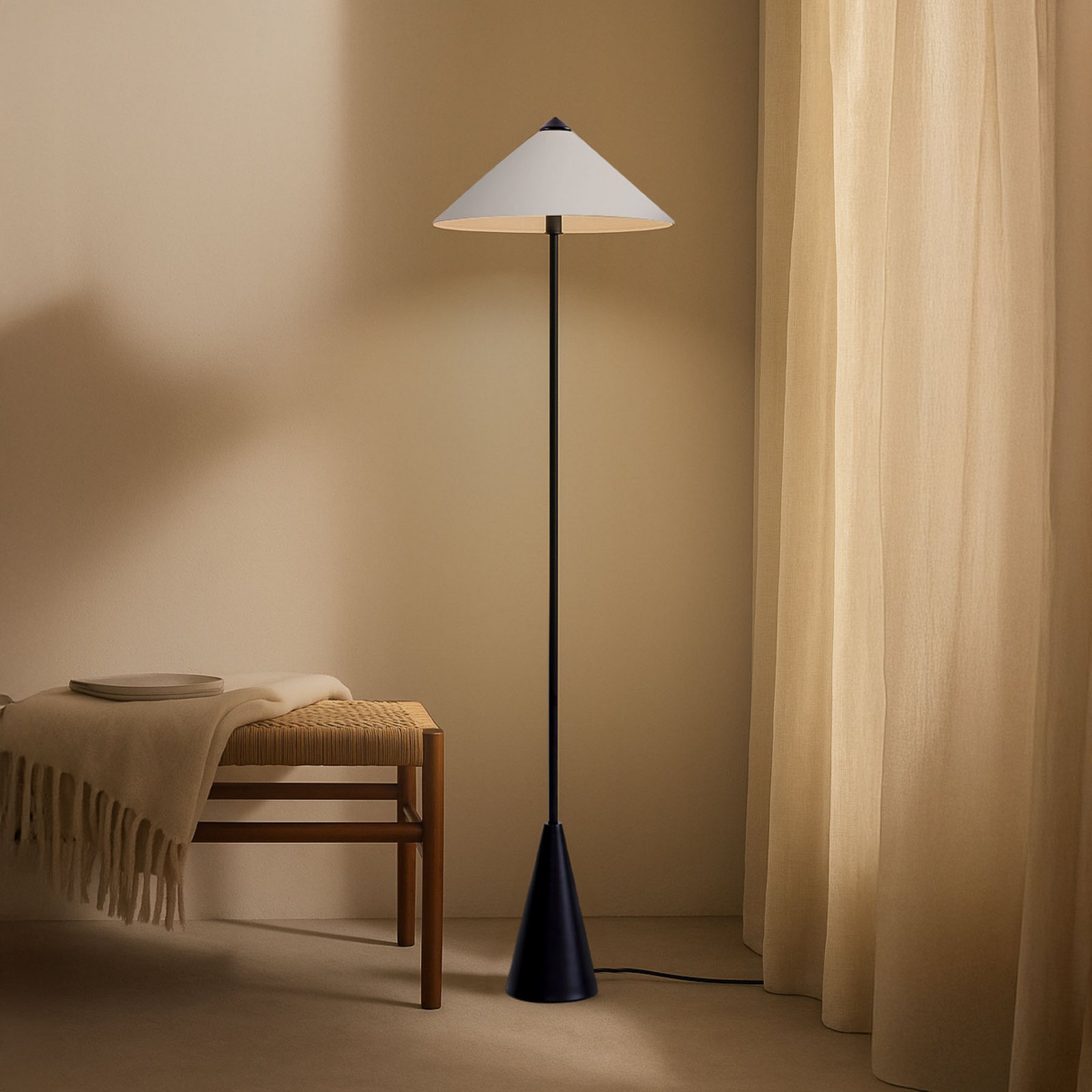
Floor lamps in all shapes
Which design is right for you?)
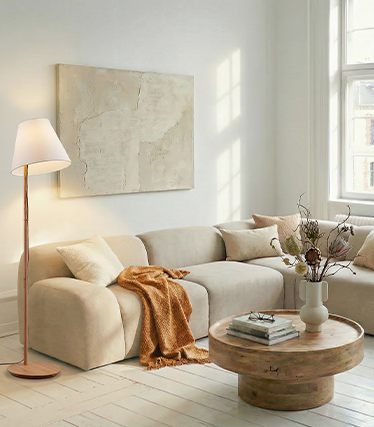
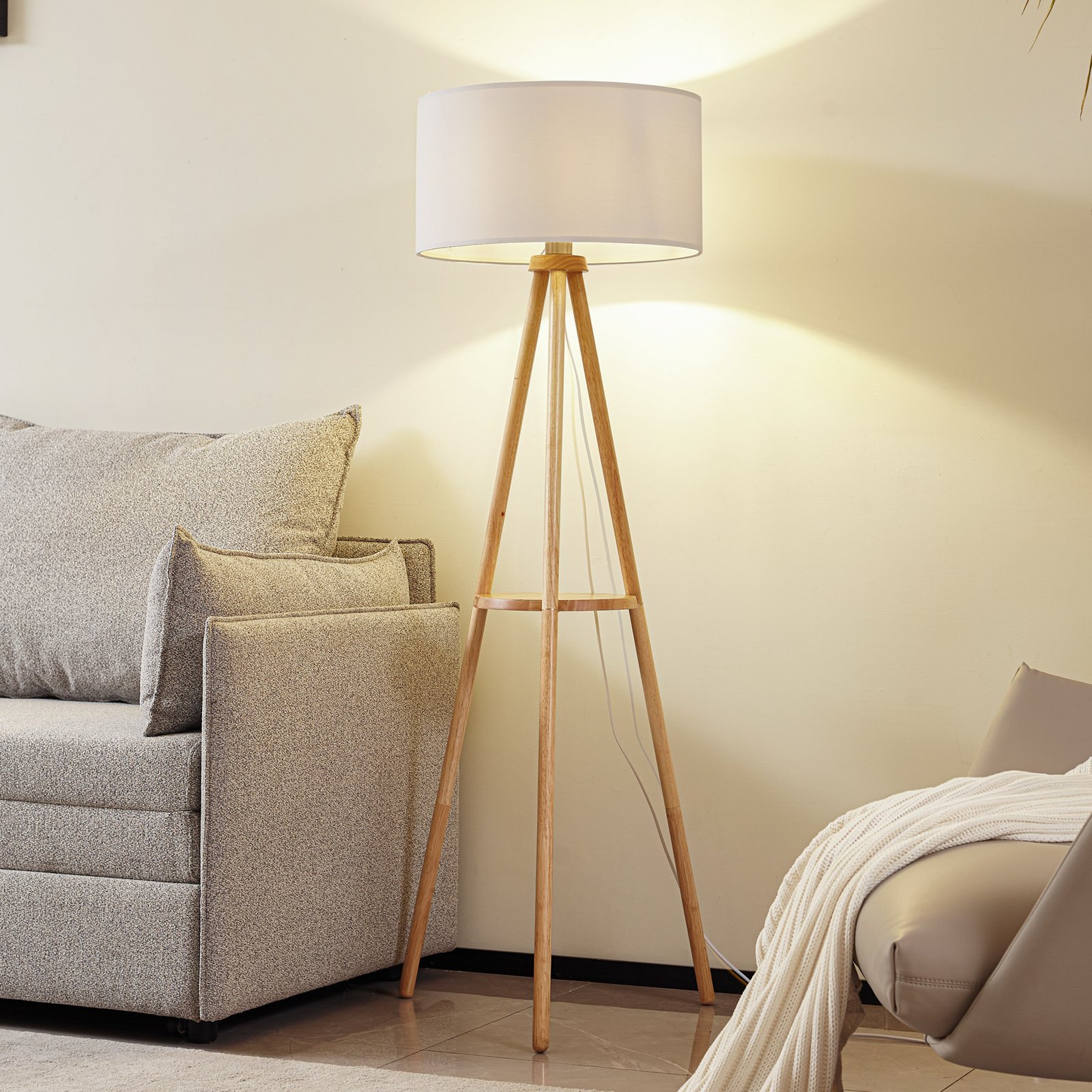
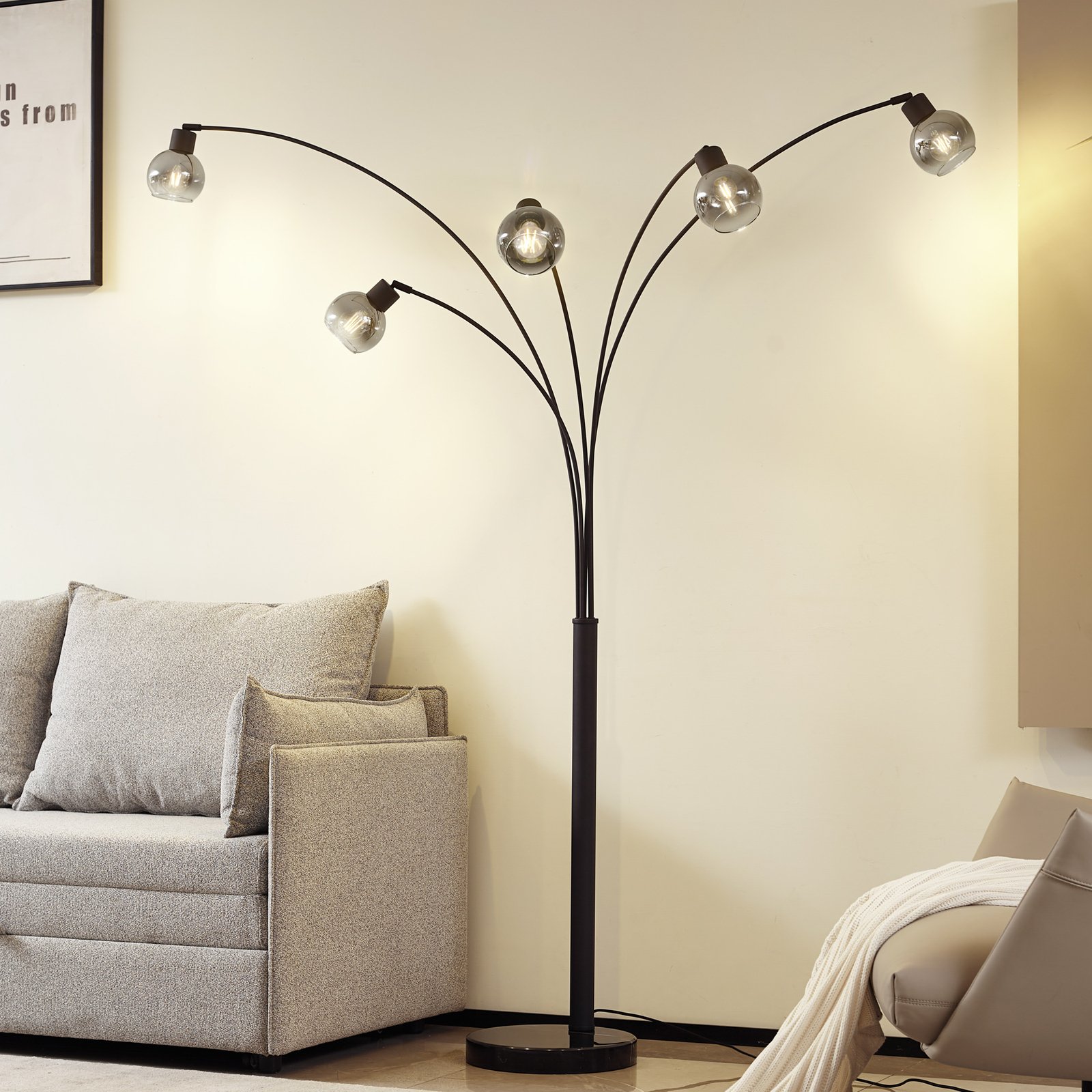
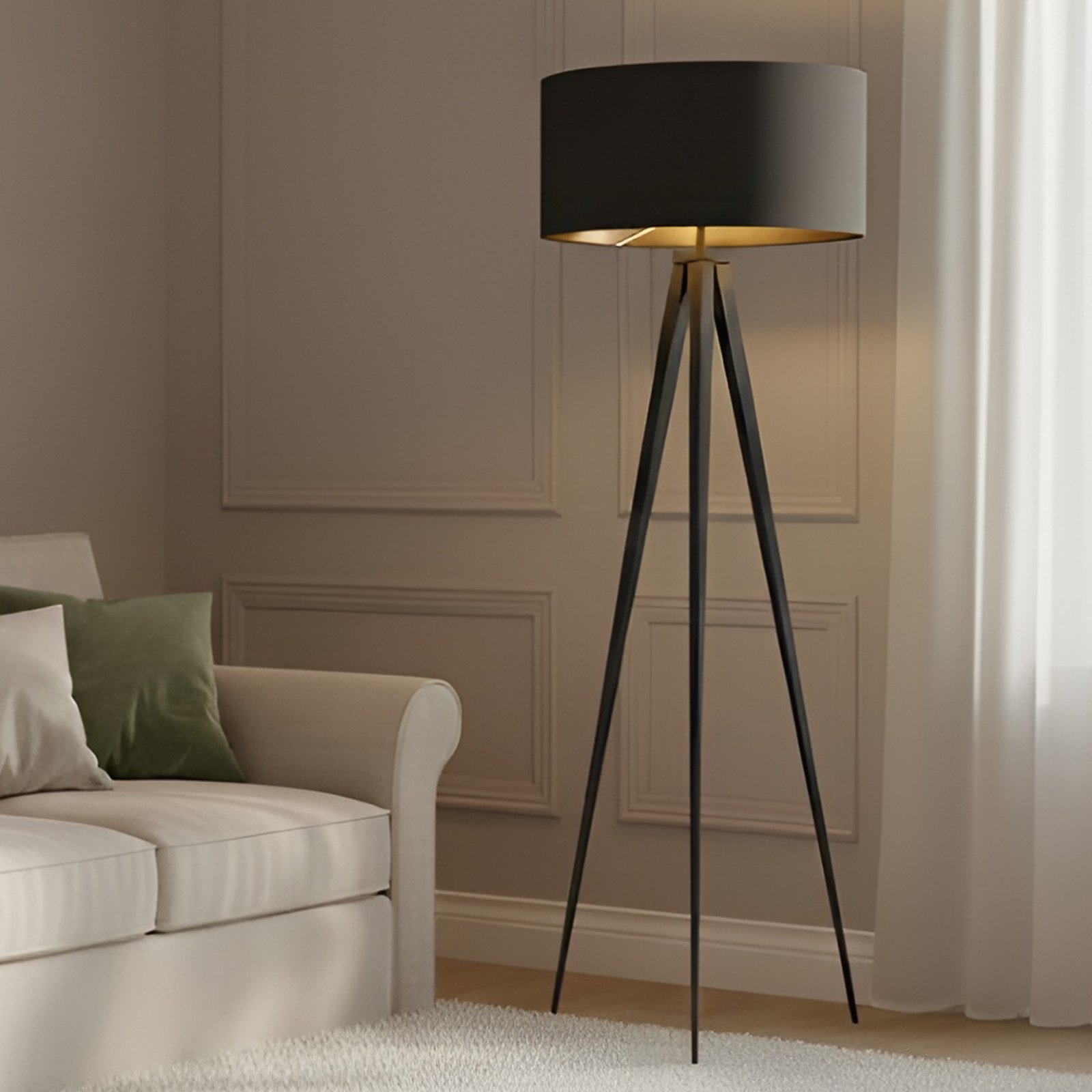
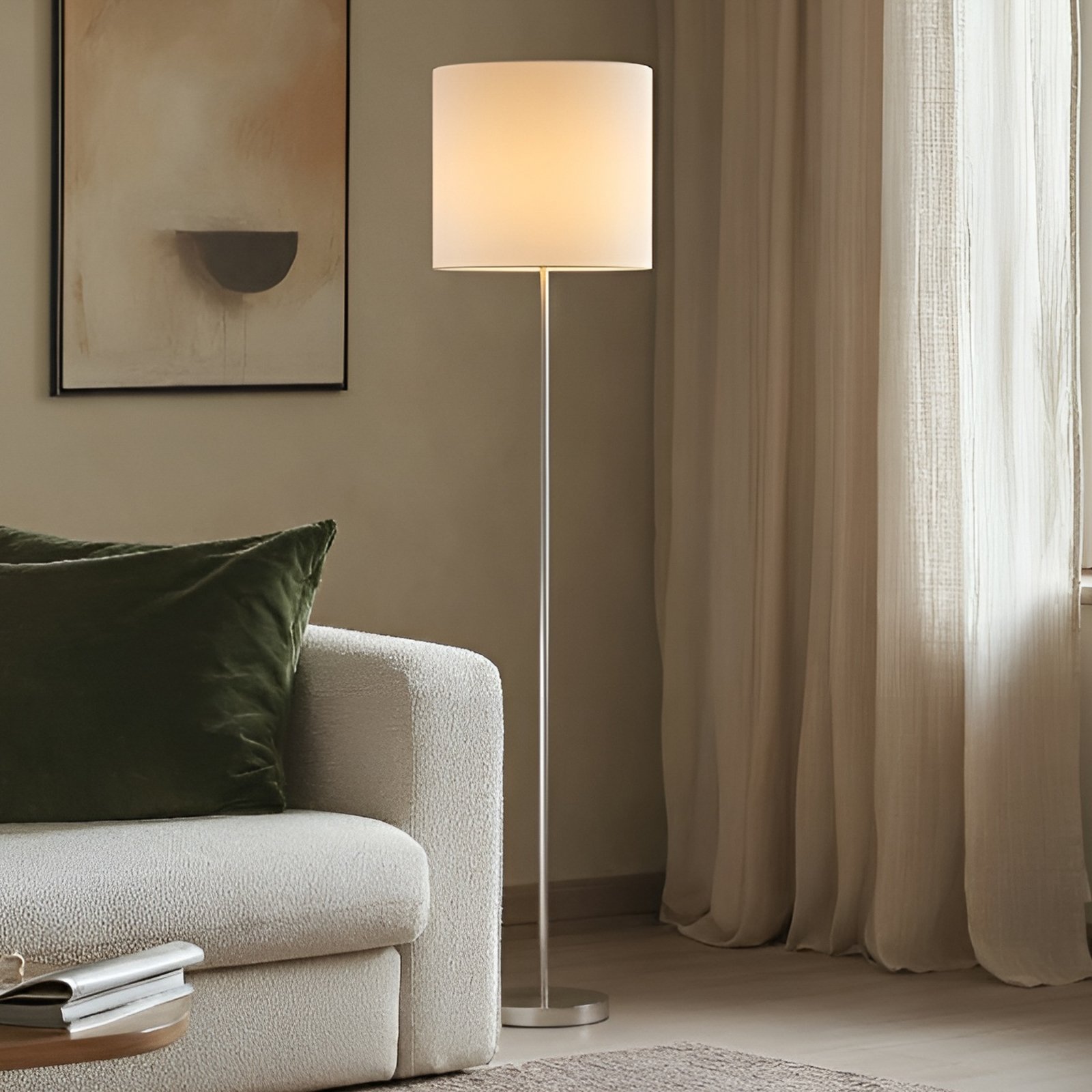
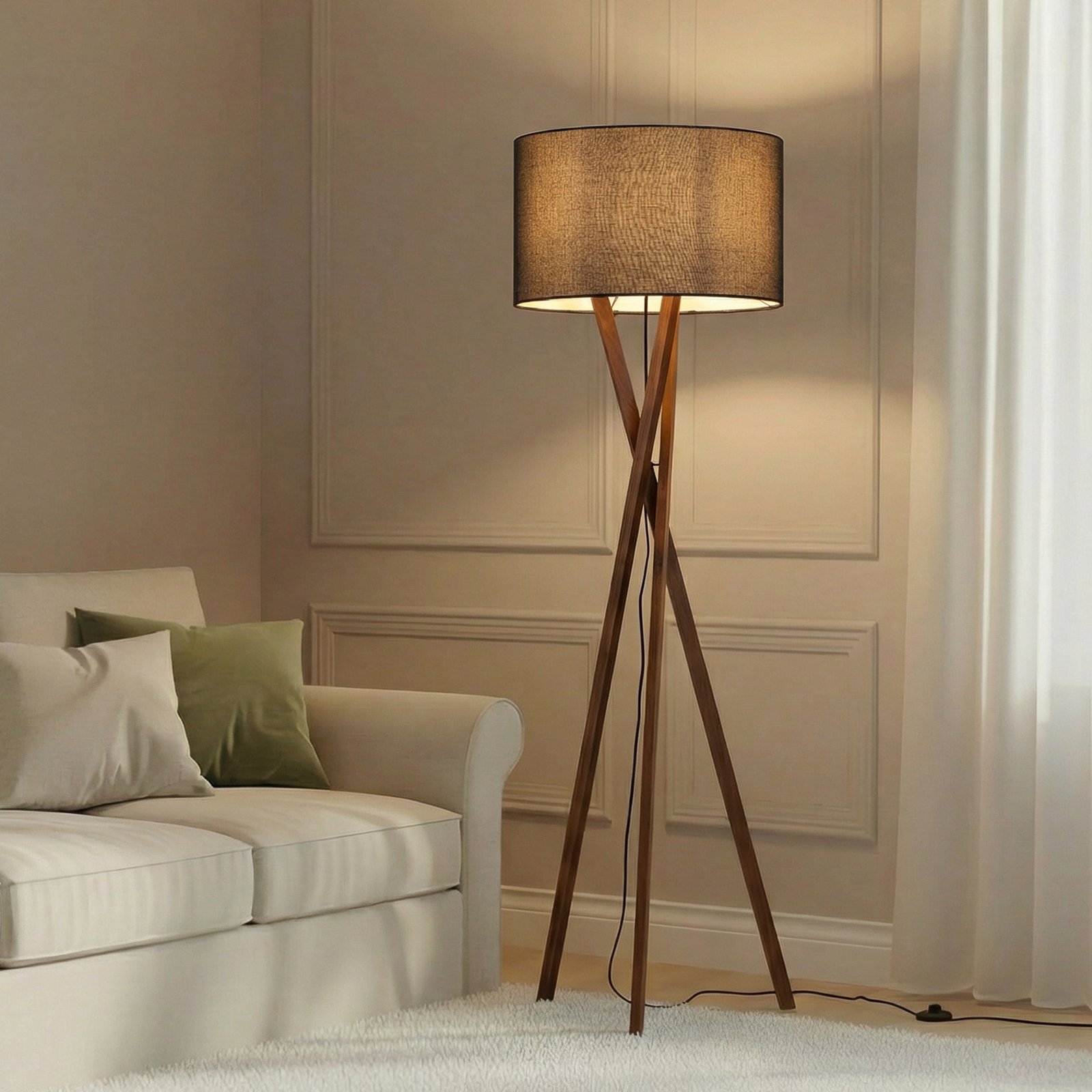
The typical floor lamp consists of a sturdy frame and a fabric shade. The light shines through it softly and glare-free. A decorative and functional model that is constantly reinventing itself with trendy variations such as the tripod.
)
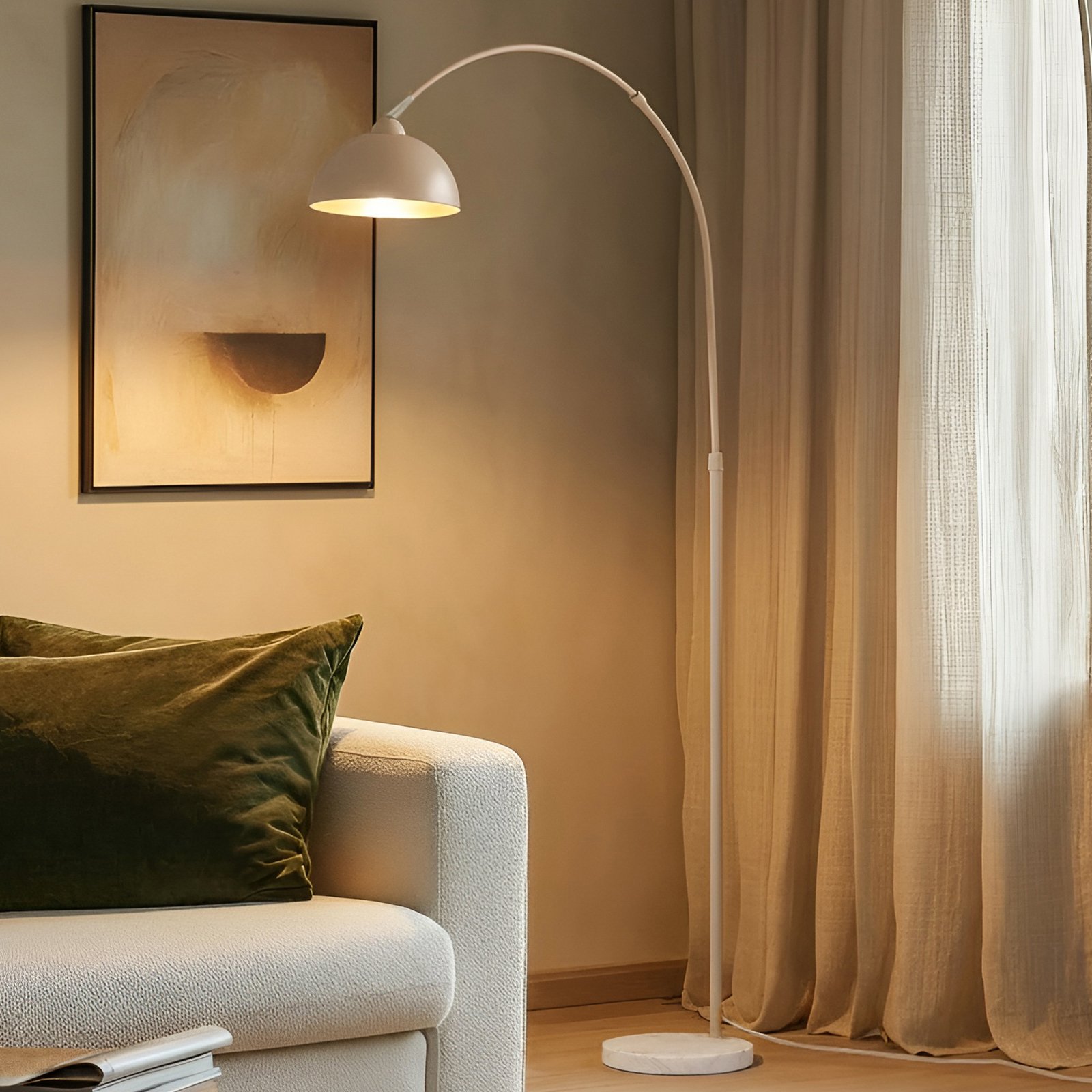
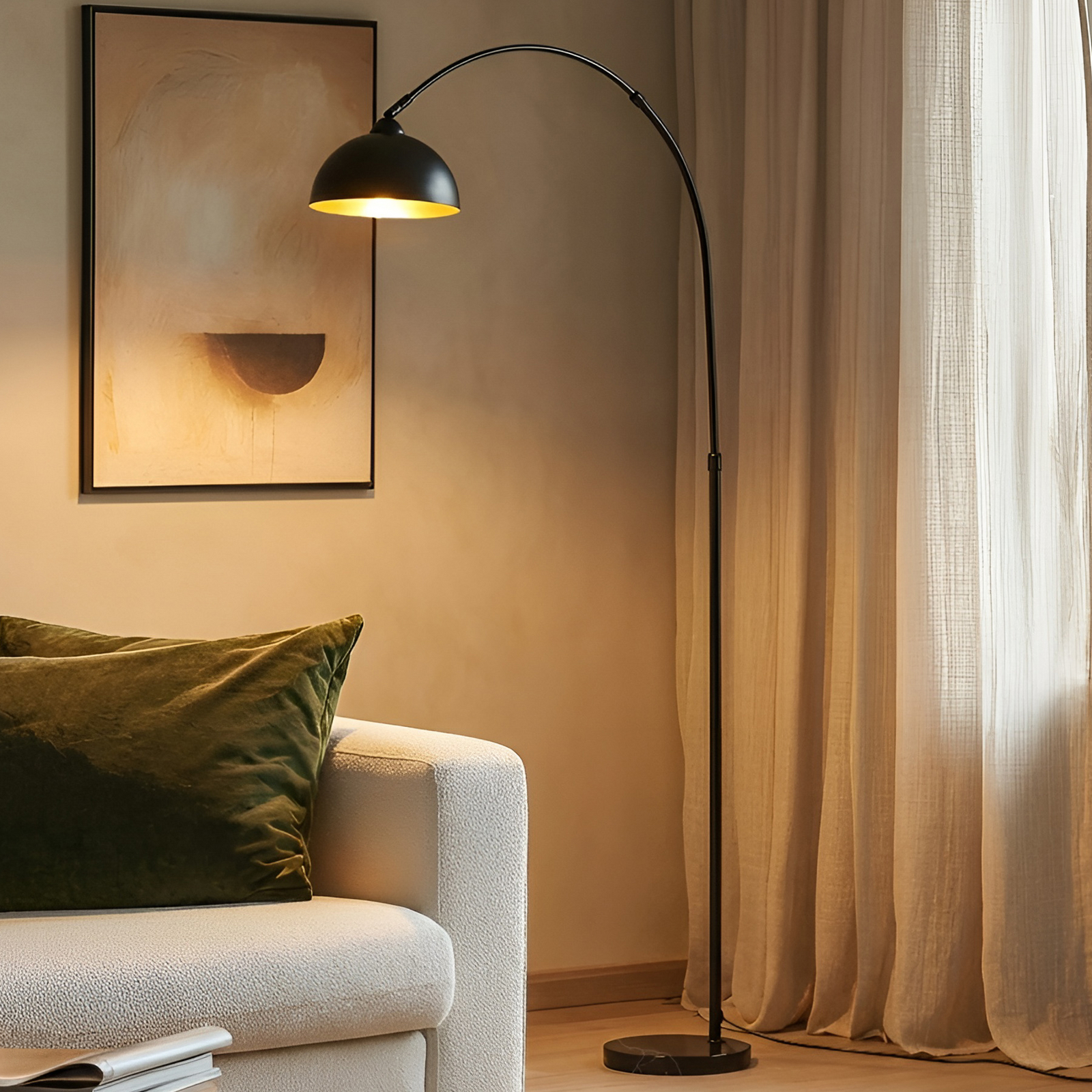
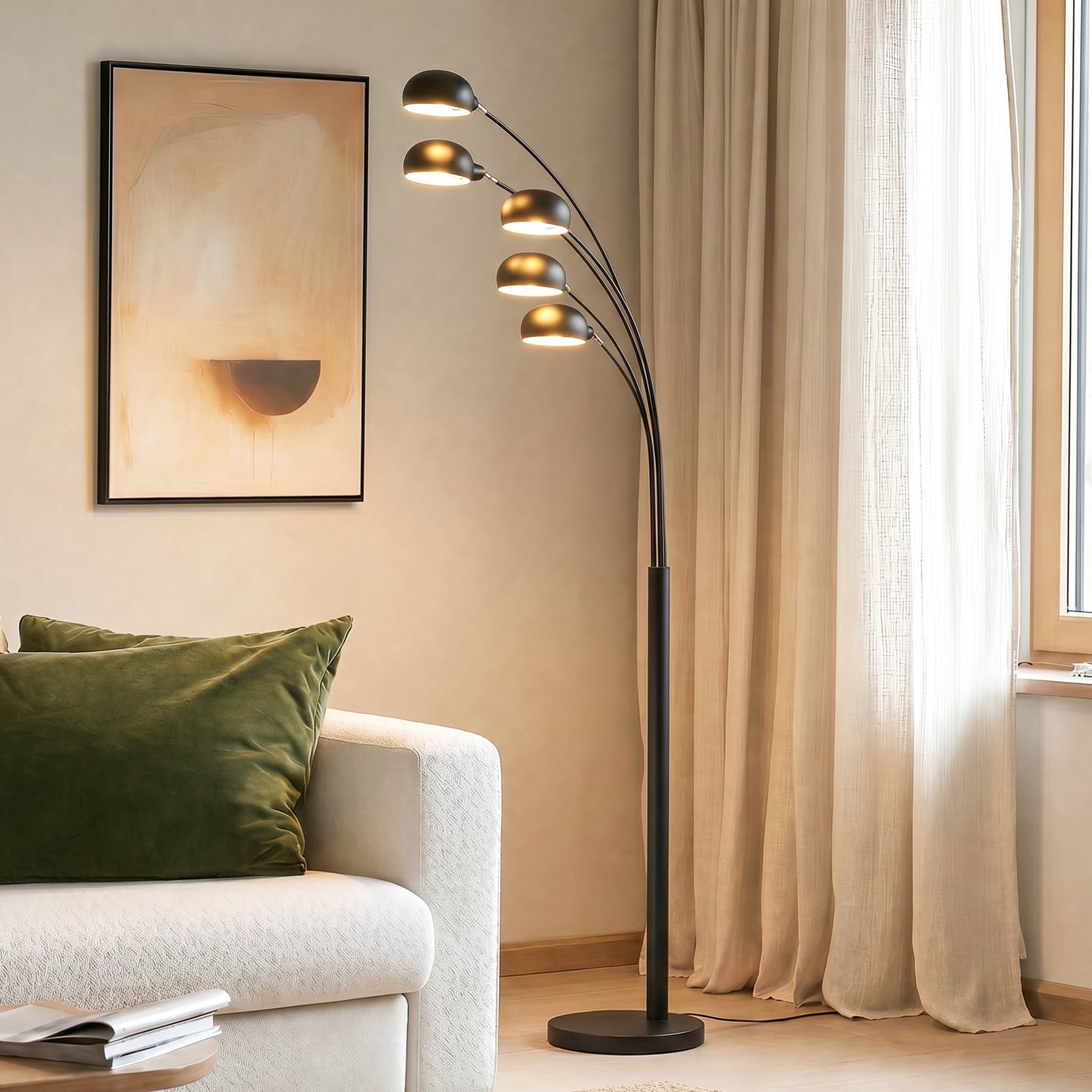
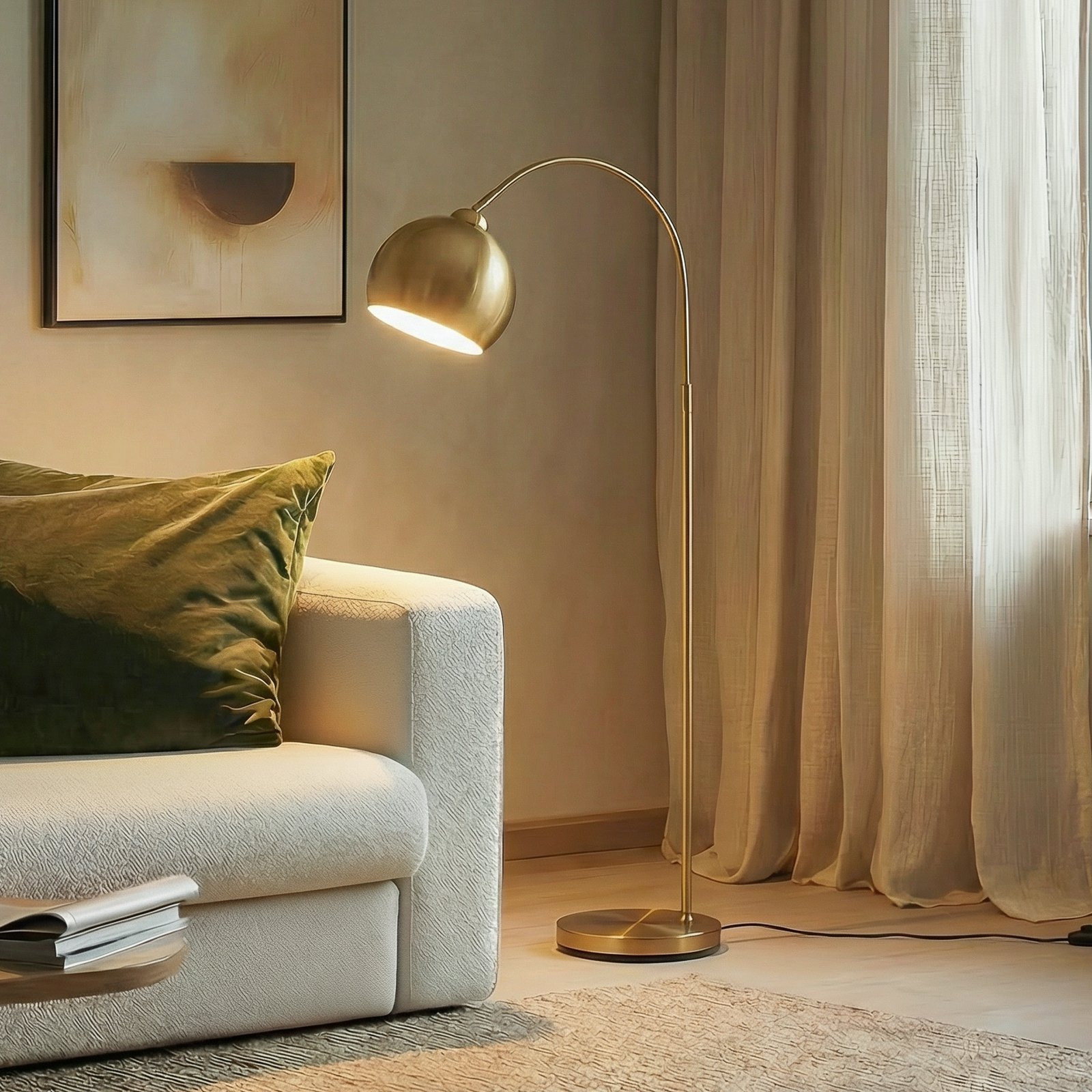
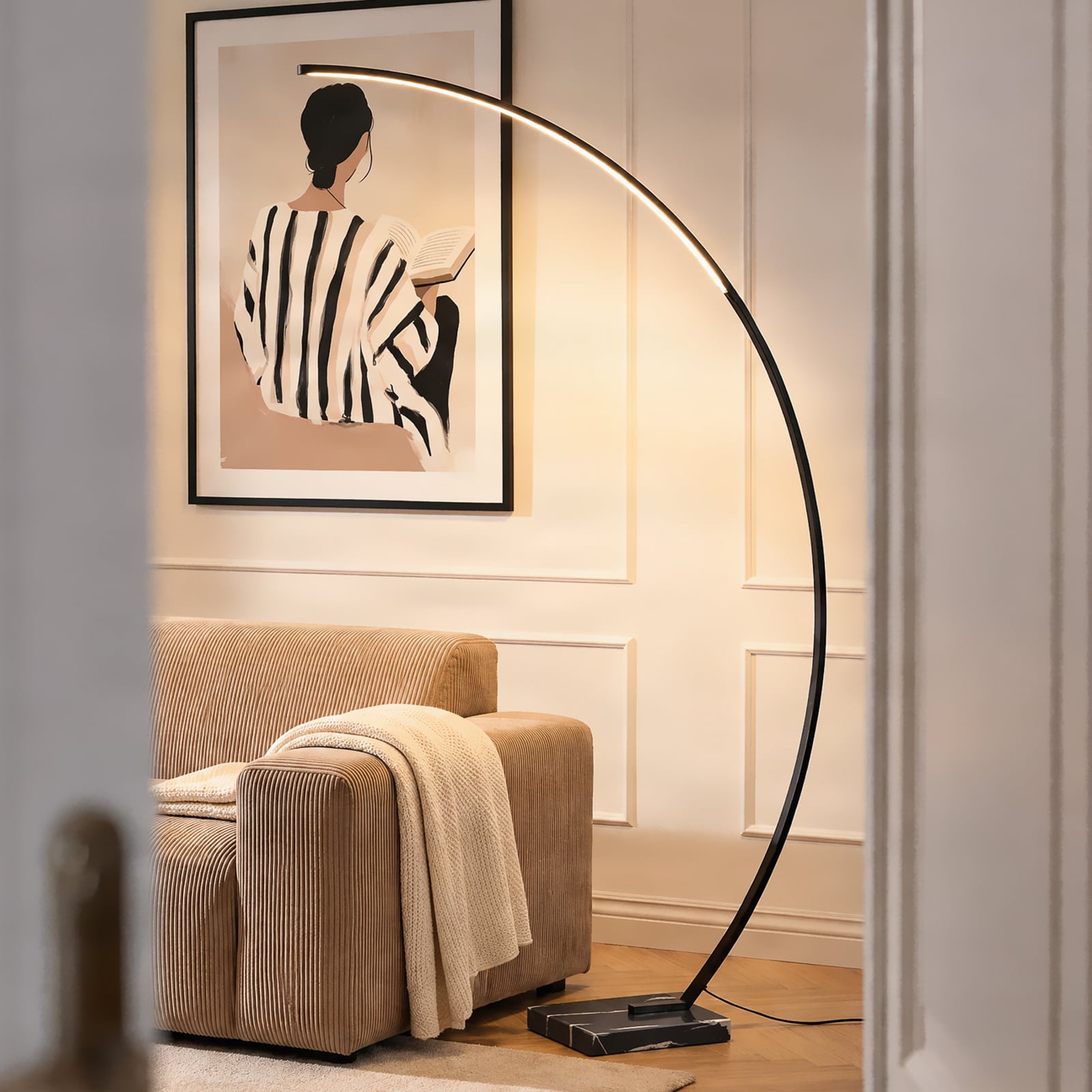
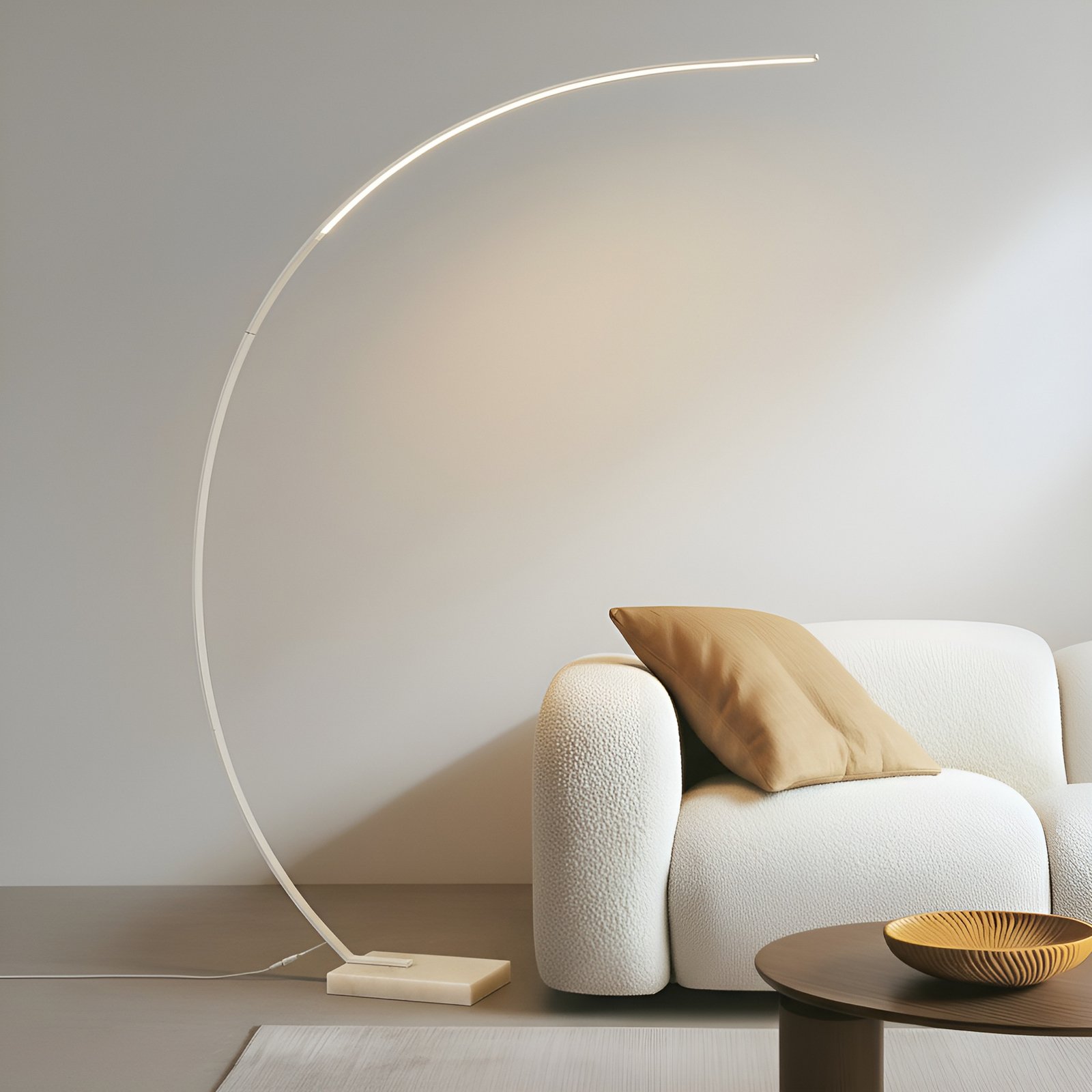
The arc lamp consists of a more or less curved stand and a lampshade that hangs down from above. It is used as area lighting for sofas or reading chairs and stylishly adapts to the relaxation zone.
)
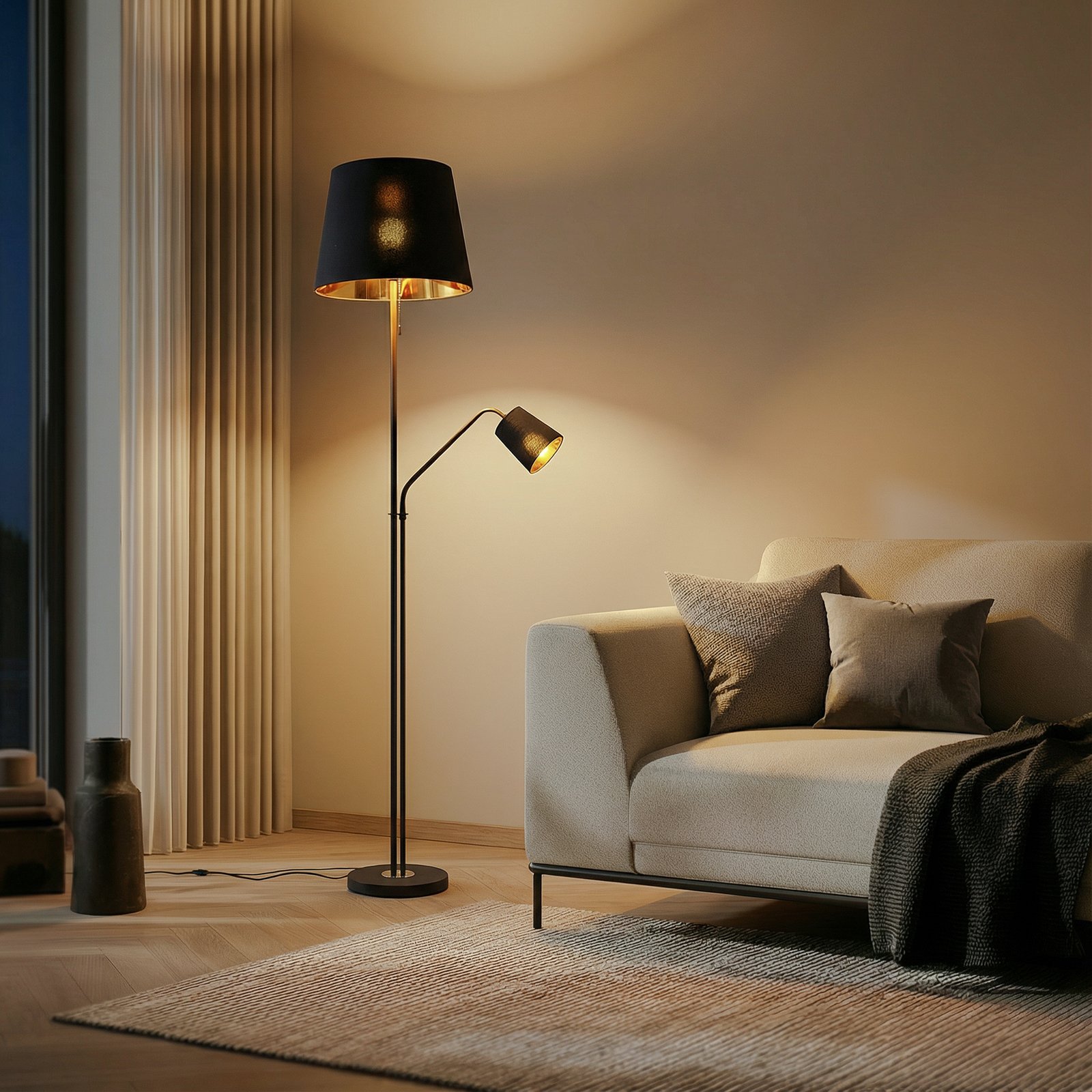
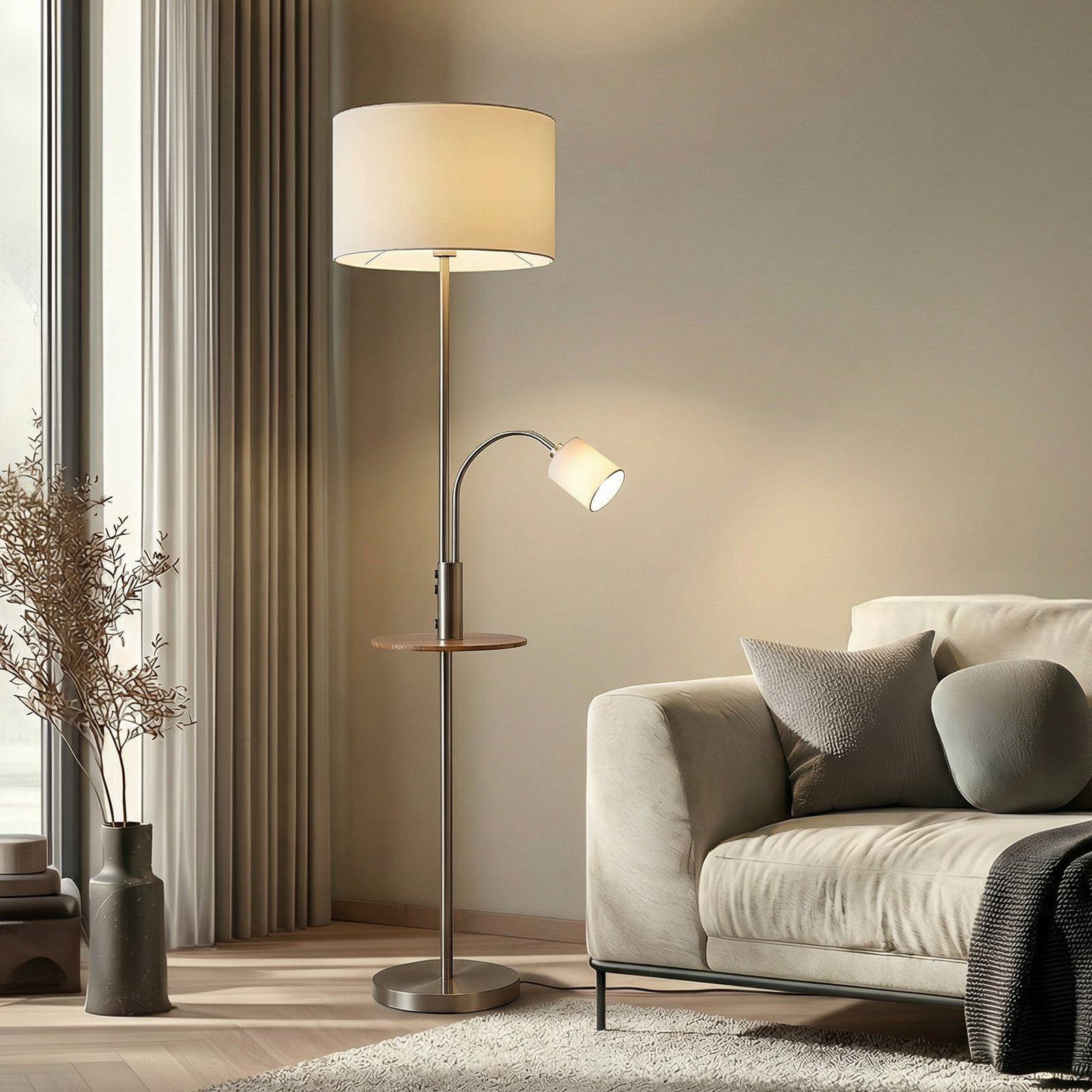
There is a light source at the head of the ceiling washlight that shines towards the ceiling. The light is reflected there so that it supports the room lighting indirectly and glare-free. Ceiling washlights with reading light on an adjustable arm are a convenient additional feature.
What effect does a floor lamp have in a room?
Targeted design of light, atmosphere and living comfortFloor lamps act as functional light sources as well as mood enhancers, design statements and design elements at the same time. Instead of illuminating rooms over their entire surface, floor lamps deliberately bring more light to places where it is needed and where people like to spend time. In addition, they make living an emotional experience, increase well-being and organise the space - and they do this again and again.
Floor lamps in the living room - a good choice! Especially in living rooms, this form of lighting creates a cosy atmosphere: the eye is guided, contrasts appear softer and the room is given a homely structure. Floor lamps combine function, design and emotion - they provide light where it is needed and at the same time emphasise the furnishing style. Their flexibility makes them a tangible added value in everyday life: light adapts to life, not the other way round.
Positioning floor lamps correctly
How they unfold their full effectIf you place a floor lamp, it should be consciously integrated into the furnishing concept. Floor lamps should not be placed randomly in the room, but should be used specifically where light either fulfils a function or creates atmosphere. Dark corners are broken up, transitions between living areas are gently blended and open-plan layouts are more clearly structured, with the free-standing lamp unfolding its full effect as a room divider: In open-plan living concepts in particular, floor lamps help to visually separate individual zones. Floor lamps in the living room make it possible to visually divide living zones without any structural measures, and the light becomes a design element: a soft glow behind furniture creates depth, while spotlighting defines seating or reading areas.
)
Floor lamp behind sofa or seating furniture
A floor lamp behind the sofa provides spatial depth and, last but not least, excellent lighting for reading and relaxing. Arc lamps are particularly suitable here: their curved arm allows the light to float elegantly over the seat without blocking any floor space. In open-plan living areas or corner sofas, a floor lamp behind the piece of furniture can act as a connecting element.
)
Floor lamp for reading corners and retreats
A floor lamp is indispensable for relaxing retreats such as the reading corner. Placed next to an armchair or lounge chair, it provides directional, glare-free light for concentrated reading. Models with a swivelling light head or dimmer offer even greater living comfort. These floor lamps are perfect for the quiet hours of the day.
)
Floor lamp in the bedroom
In the bedroom, floor lamps can replace a bedside lamp. They look modern and create free space on the bedside table - or are used when there is no room for a bedside table. Dimmable light sources with an easily accessible switch provide additional convenience. Placed at the side of the bed or in a corner, they create soft light sequences that calm the room.
)
Floor lamp in the hallway and entrance area
Corridors also benefit from free-standing luminaires. As an inviting light accent on arrival, they provide orientation and warmth. Narrow, space-saving models are ideal for small corridors and niches. Larger corridors, on the other hand, offer plenty of space for appealing design statements. Floor lamps are ideal for illuminating dark areas in the hallway and create targeted lighting accents without overloading the room.
)
Floor lamp in the work and home office area
In the home office, free-standing luminaires create a cosy alternative to classic workplace lighting. They add a pleasant mood to functional task lighting and prevent sterile lighting conditions. The balance is crucial: sufficient brightness for concentrated work, combined with warm light components for a pleasant feeling of space.
)
Floor lamps for indirect light
Indirect lighting is created when the light from a floor lamp is reflected from the wall or ceiling and falls into the room particularly softly and without harsh shadows. An indirect floor lamp complements the ceiling light and makes a significant contribution to a balanced lighting concept. With warm light colours, fabric shades or dimmable light sources, they accompany the course of the day - from brighter light in the evening to subdued lighting for quiet moments during the day.
)
Floor lamps as room dividers
In open-plan layouts, free-standing luminaires take on an additional role: they structure rooms without separating them structurally. As a visual room divider, a floor lamp is an elegant solution for marking transitions between certain areas and improving orientation. It visually defines living and dining areas or work and relaxation zones. Light becomes an architectural tool here - flexible, light and changeable at any time.
Floor lamps to match the interior style
Floor lamps as an integral part of the furnishing conceptFloor lamps can be perfectly integrated into the living concept. Material, colour and shape play a decisive role here. Wood looks warm and natural, metal modern and clear, fabric creates soft light, glass lends lightness. Whether black, white or natural tones - floor lamps can be combined to match the sofa, carpet, home accessories or shelves. As a unifying element, they lend the room harmony and character.
)
Modern floor lamps
Modern floor lamps impress with their clear lines, minimalist design and high-quality materials
)
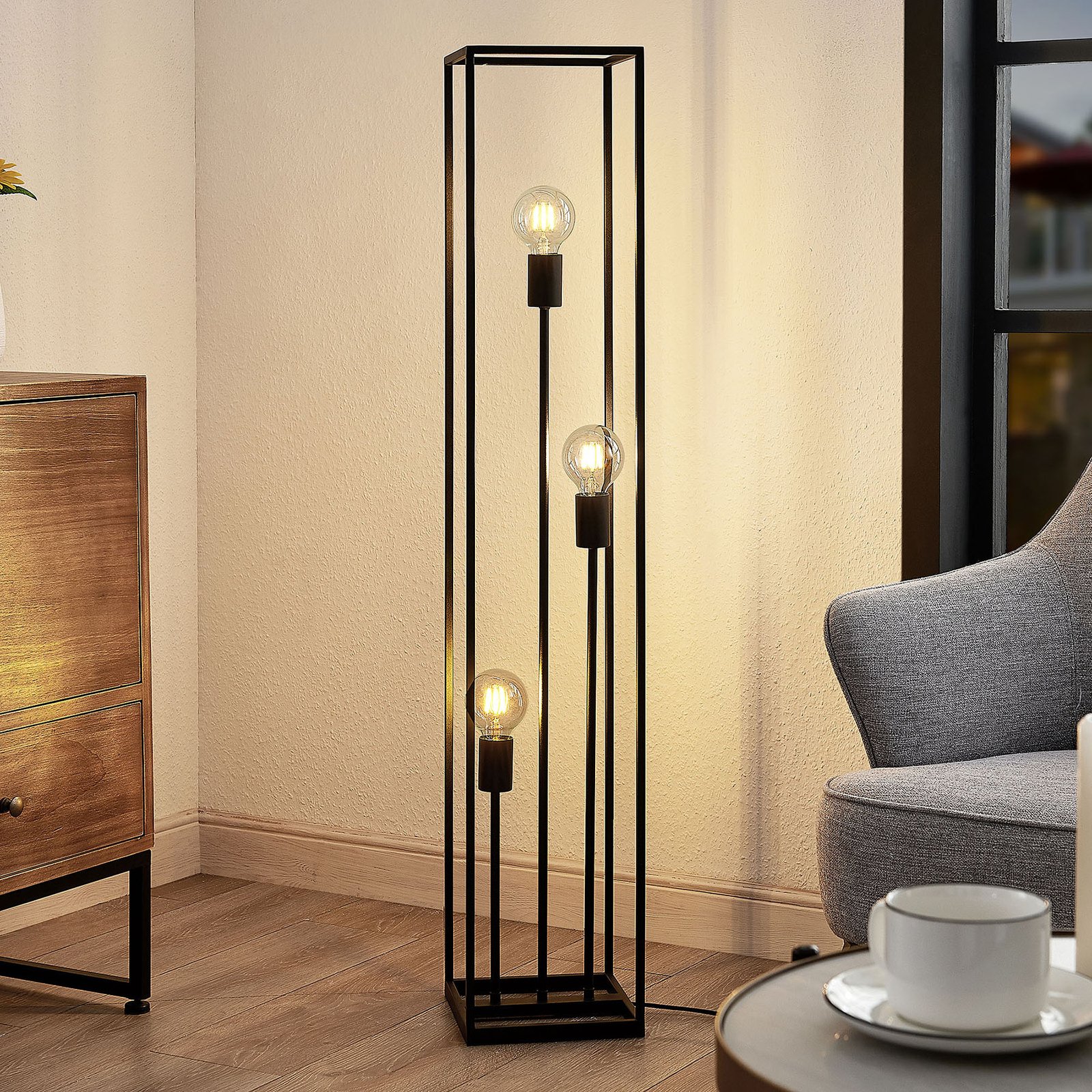
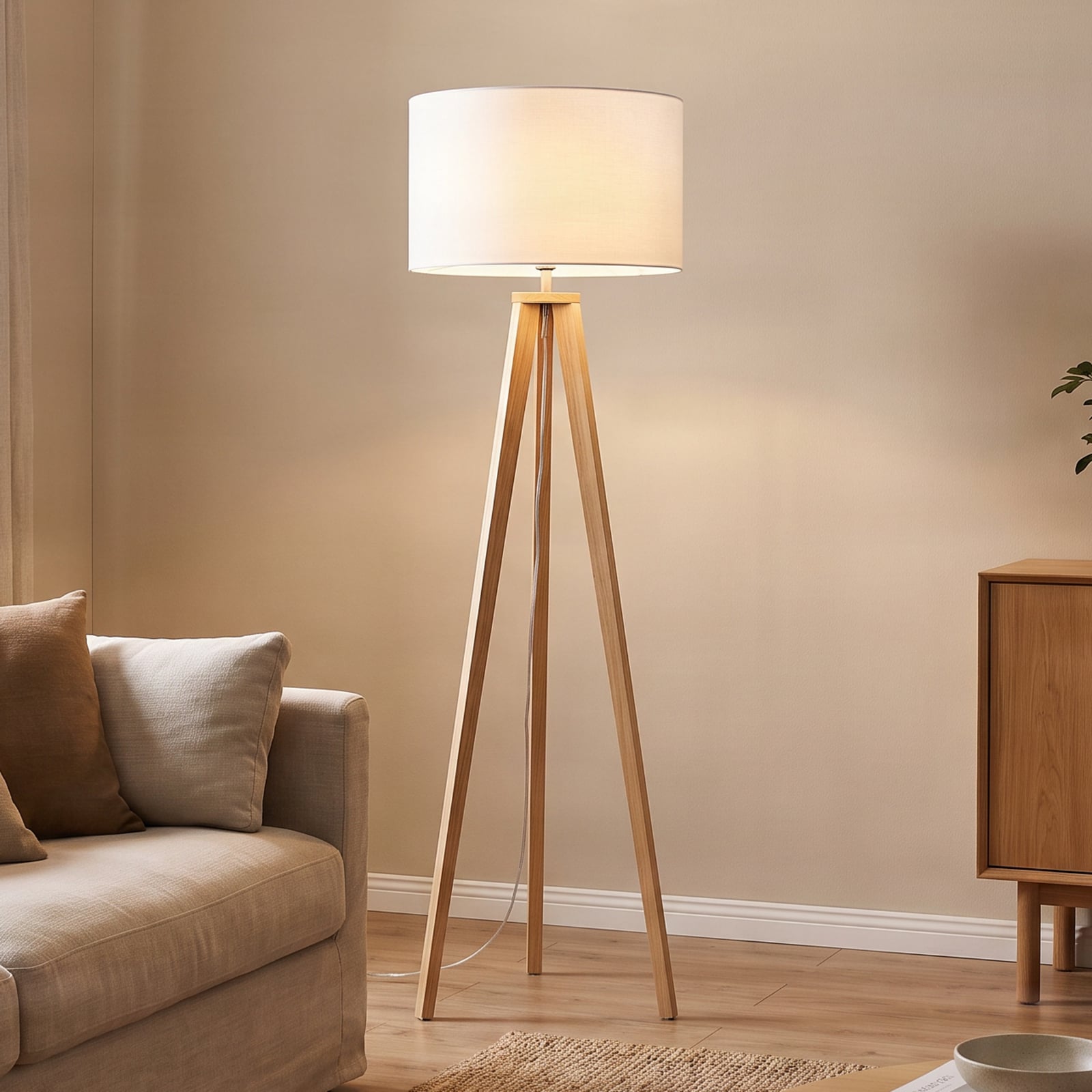
Tripod floor lamps
Depending on the materials used, tripod floor lamps stand for Scandinavian lightness or industrial charm.
)
Vintage and retro
Vintage and retro models bring personality and character to the room.
)
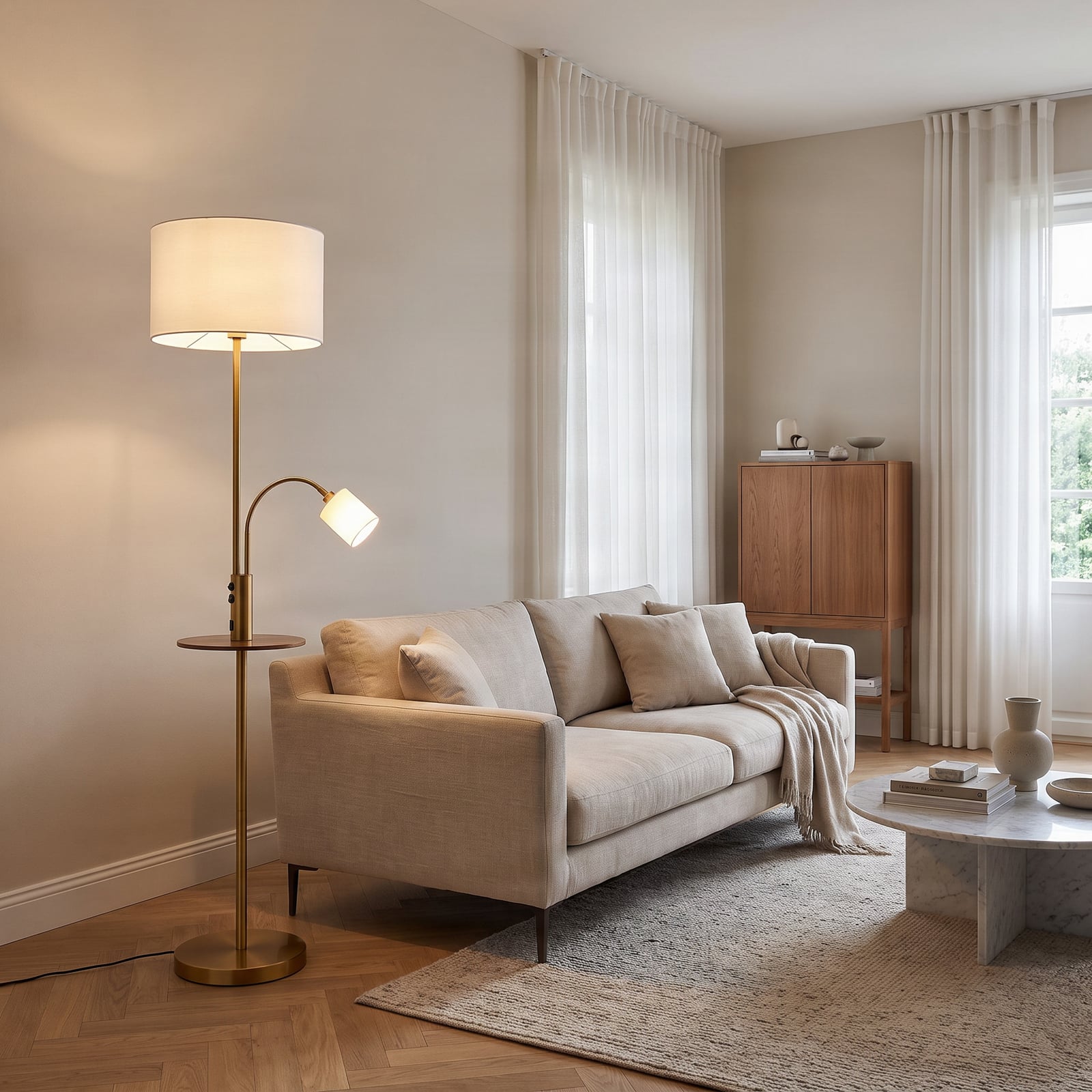
Floor lamps in gold
Gold-coloured floor lamps embody elegance as well as a modern, warm living atmosphere.
)
Designer floor lamps
Designers from every era have always perfected the floor lamp and given it an unmistakable character.
)
White floor lamps
Floor lamps in white look unobtrusive and at the same time incredibly tasteful.
Creative ideas with floor lamps
Inspiration for the whole homeWhether as a statement piece in the living room, deliberately placed in an unusual position or deliberately staged - floor lamps offer space for creative lighting ideas.
)
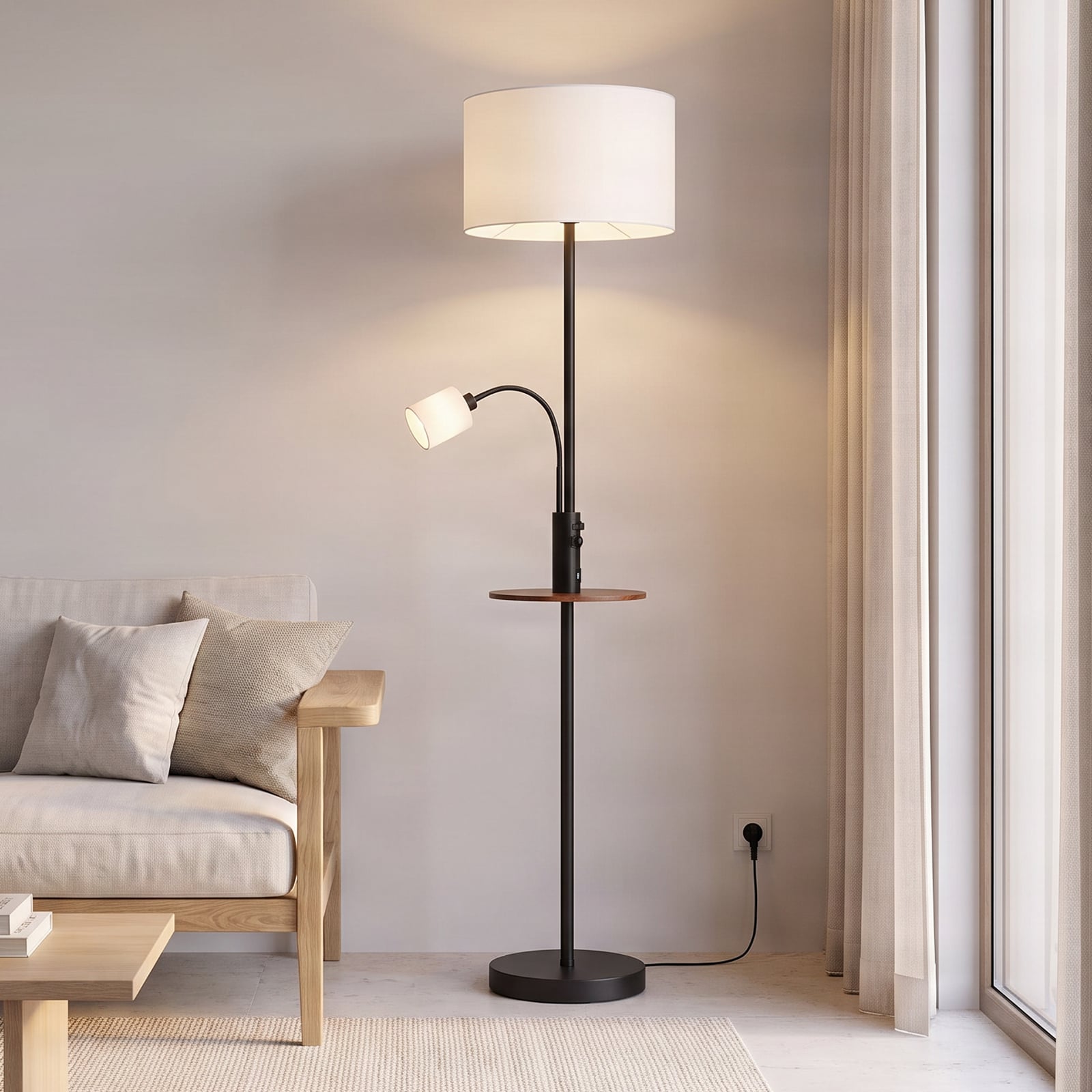
A floor lamp that doubles as a side table is a must-have for people who love additional features.
)
Customise your lighting, control it digitally and integrate it into your smart home.
)
Height-adjustable floor lamps adapt perfectly to armchairs, sofas or the chosen corner of the room.
)
Creative shapes turn floor lamps into particularly unusual models that bring a fascinating eye-catcher into living rooms.
Conclusion
Use floor lamps consciously and be inspiredA floor lamp has a greater effect on the room than you might think at first glance. It creates targeted light zones, adds depth to the room and creates a cosy atmosphere. Floor lamps can organise rooms visually without separating them structurally. They direct the eye, emphasise furniture or walls and make rooms appear more structured, calmer and often larger. Placement behind the sofa or next to the couch, in dark corners of the room, next to armchairs or in reading corners and at transitions between living areas is particularly effective. This makes them versatile, mobile all-rounders for living room lighting. This means they can be used anywhere in the home - from the living room and bedroom to the hallway or home office. Used correctly, they not only improve the quality of light, but also noticeably enhance the feeling of living.
:format(jpeg) "Lighting expert Kai Krzyzelewski")
Kai Krzyzelewski
Lighting expert at Lights.co.uk
Expert tip
If you want to relax on the sofa or armchair in the evening, the 'big light' on the ceiling is often too bright. In moments like these, floor lamps are used that are precisely tailored to the relaxation area. From the shape and functions to the design and light source, you select the floor lamp as if following a step-by-step guide. Example: I choose an arched luminaire that I can align exactly next to the sofa to save space. A black metal shade with a gold-coloured inner shade suits my interior style best. This gold-coloured inner shade enhances the homely effect of the light, for which I use a warm white, energy-saving LED light source. When I switch on this light, everything is set to feel good!



 "Lighting concept for the living room")
 "Indirect lighting")
 "Cosy light")
 "Table lighting guide")
 "Minimalist Lamps & Lights")
 "Retrofitting smart lighting control")