
































)
Dim light
Modern and classicFor many people, dimming is a basic feature of a living room. With conventional incandescent and halogen lamps in combination with an external dimmer, it was always possible to adjust the light to personal preferences and make it cosier. Today, not every light source is dimmable, but there are numerous new alternatives to classic dimming - even without installing an external dimmer.
Is every lamp dimmable? In the past, incandescent lamps and halogen lamps could be easily dimmed with an external dimmer or an integrated dimmer - e.g. in the floor lamp. Today's LED light sources must be explicitly labelled as dimmable and require a suitable LED dimmer. You can find out whether a lamp is dimmable or not in the article details. The information "dimmable: yes" can be found in the product details and on the lamp packaging itself.
Bestseller
Dimming without additional dimmers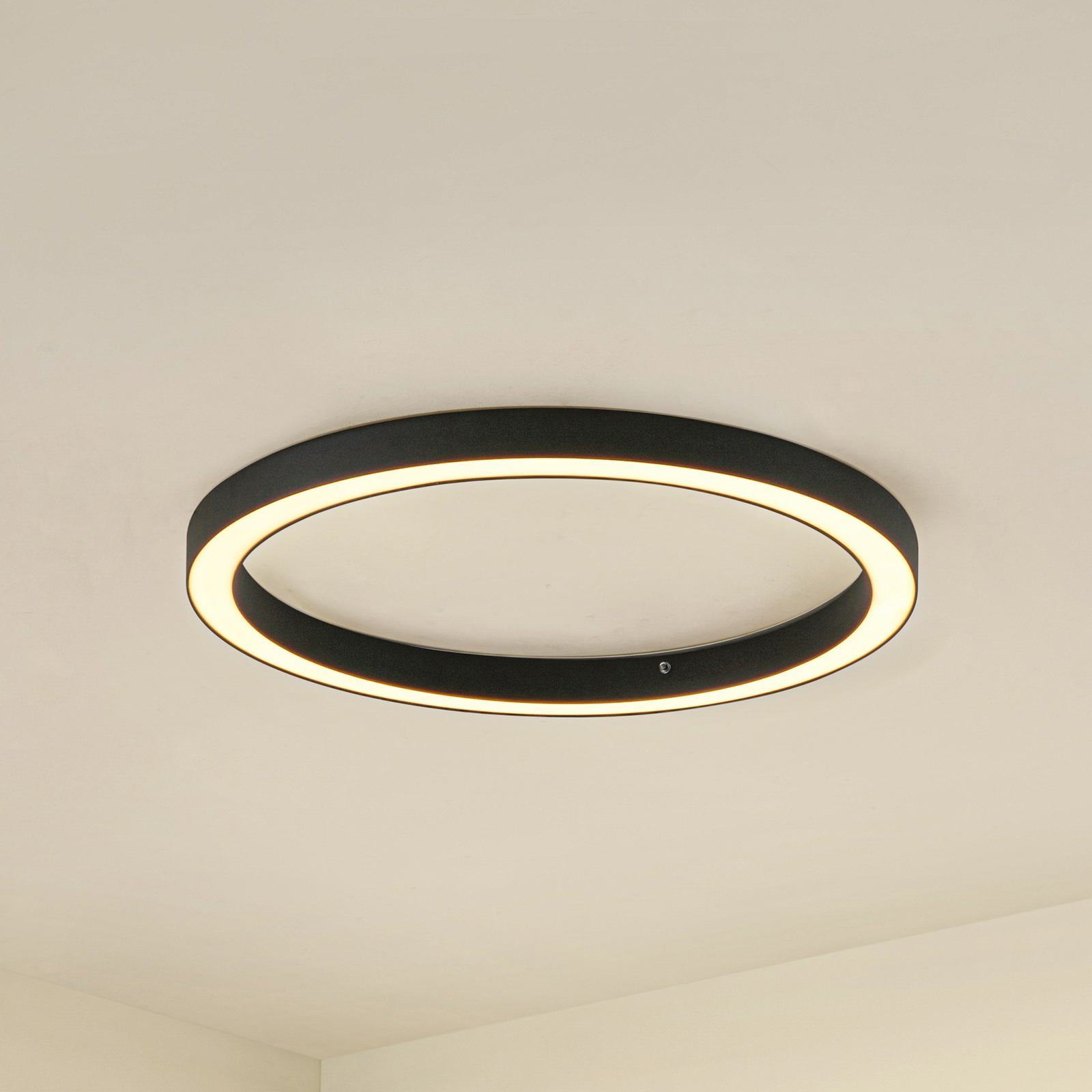
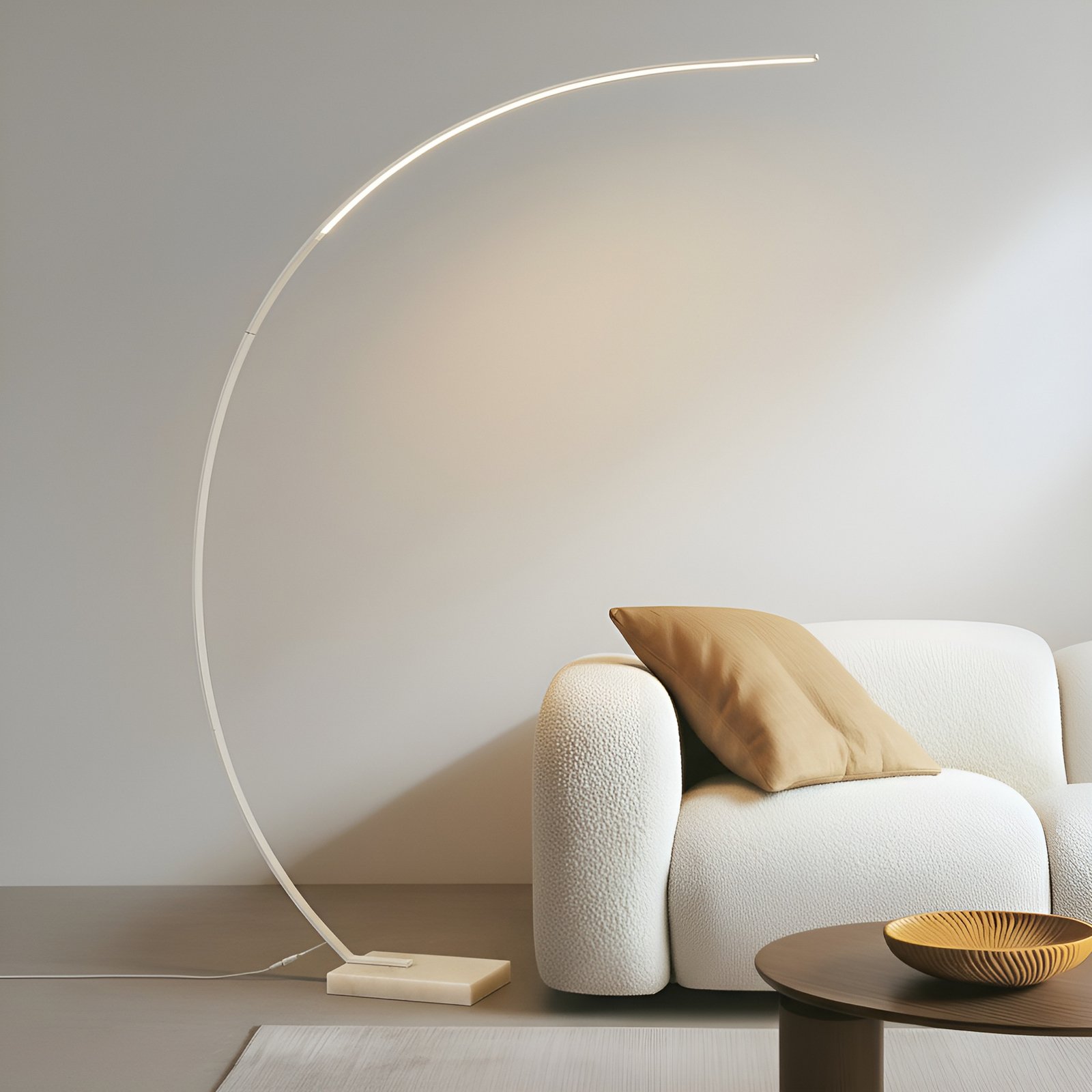
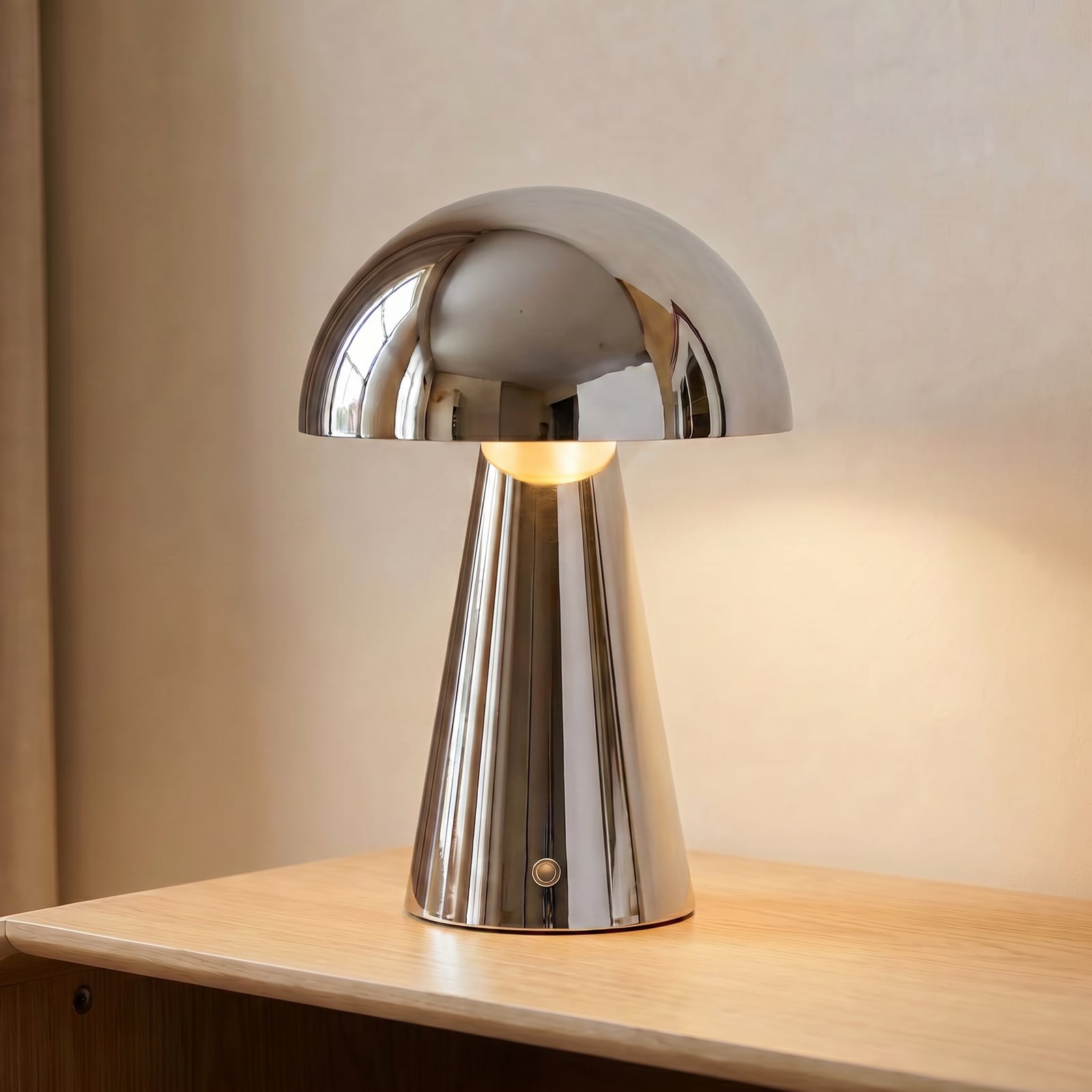
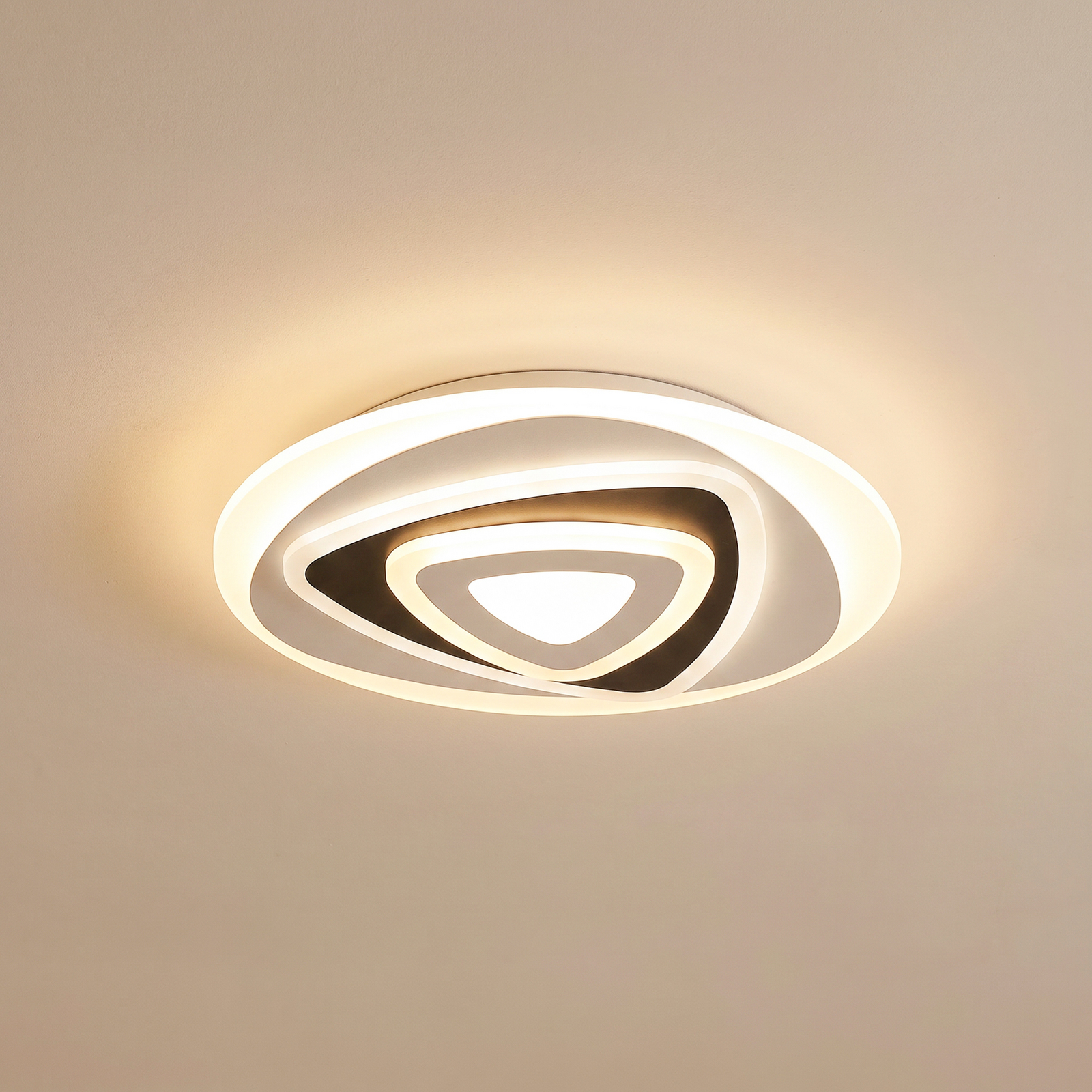
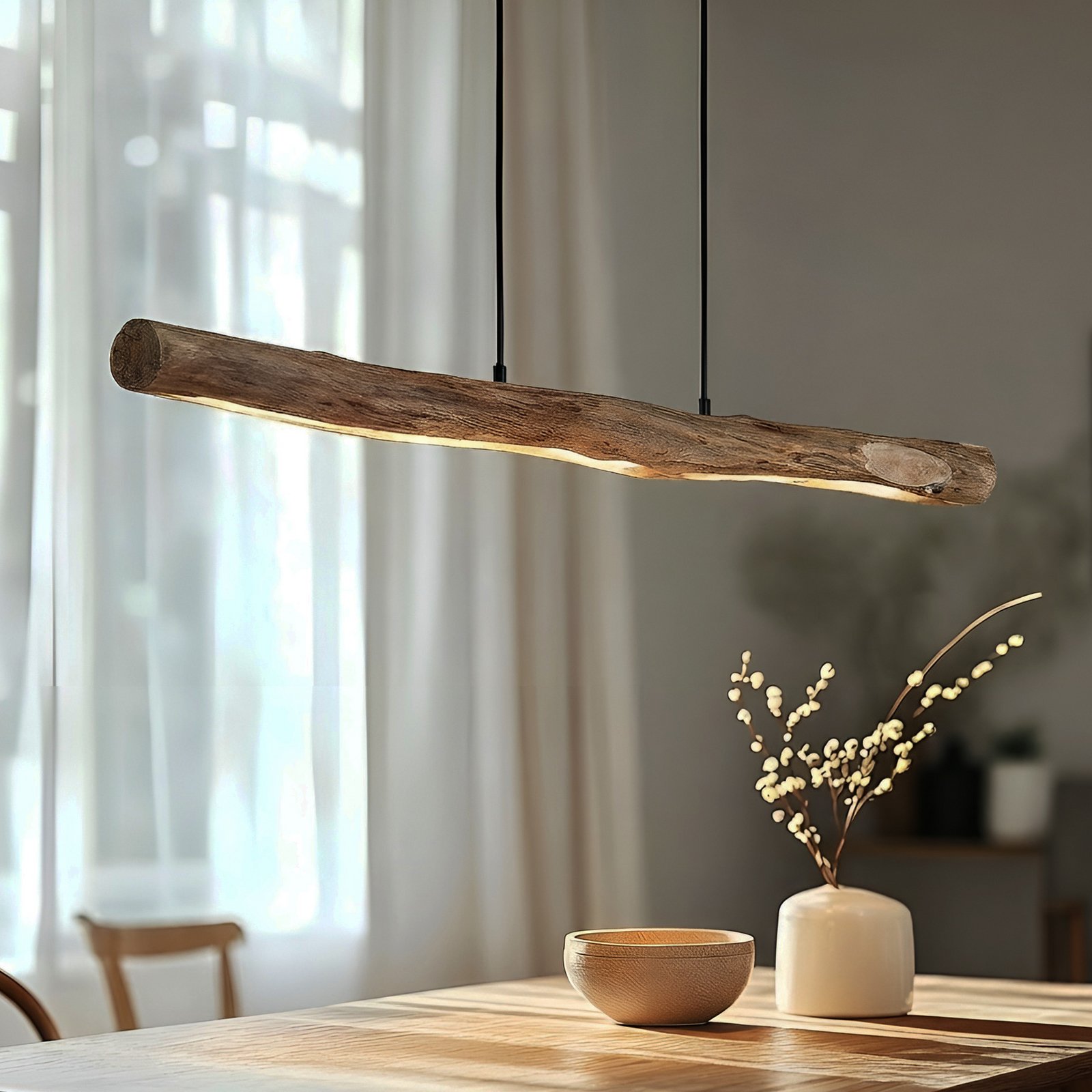
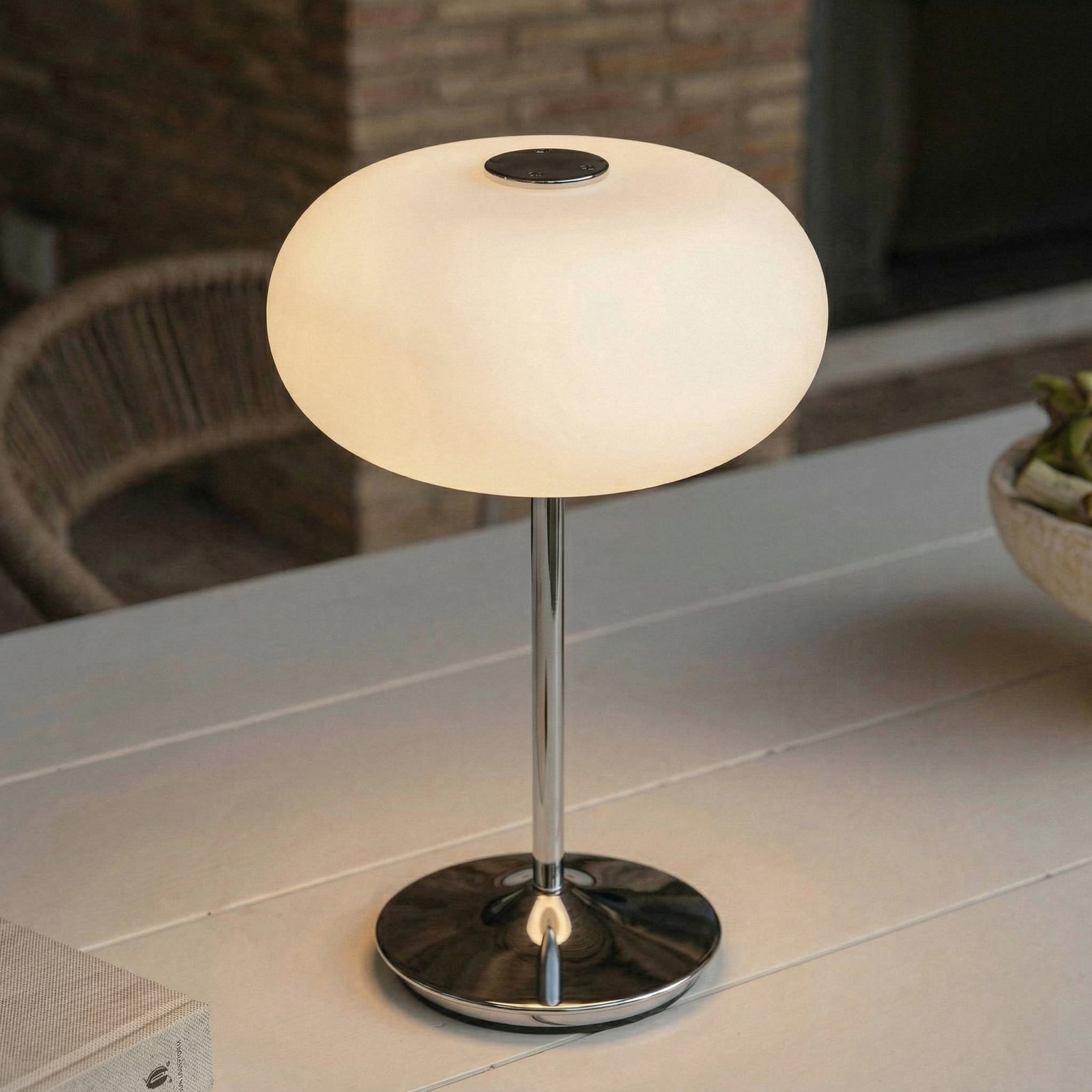

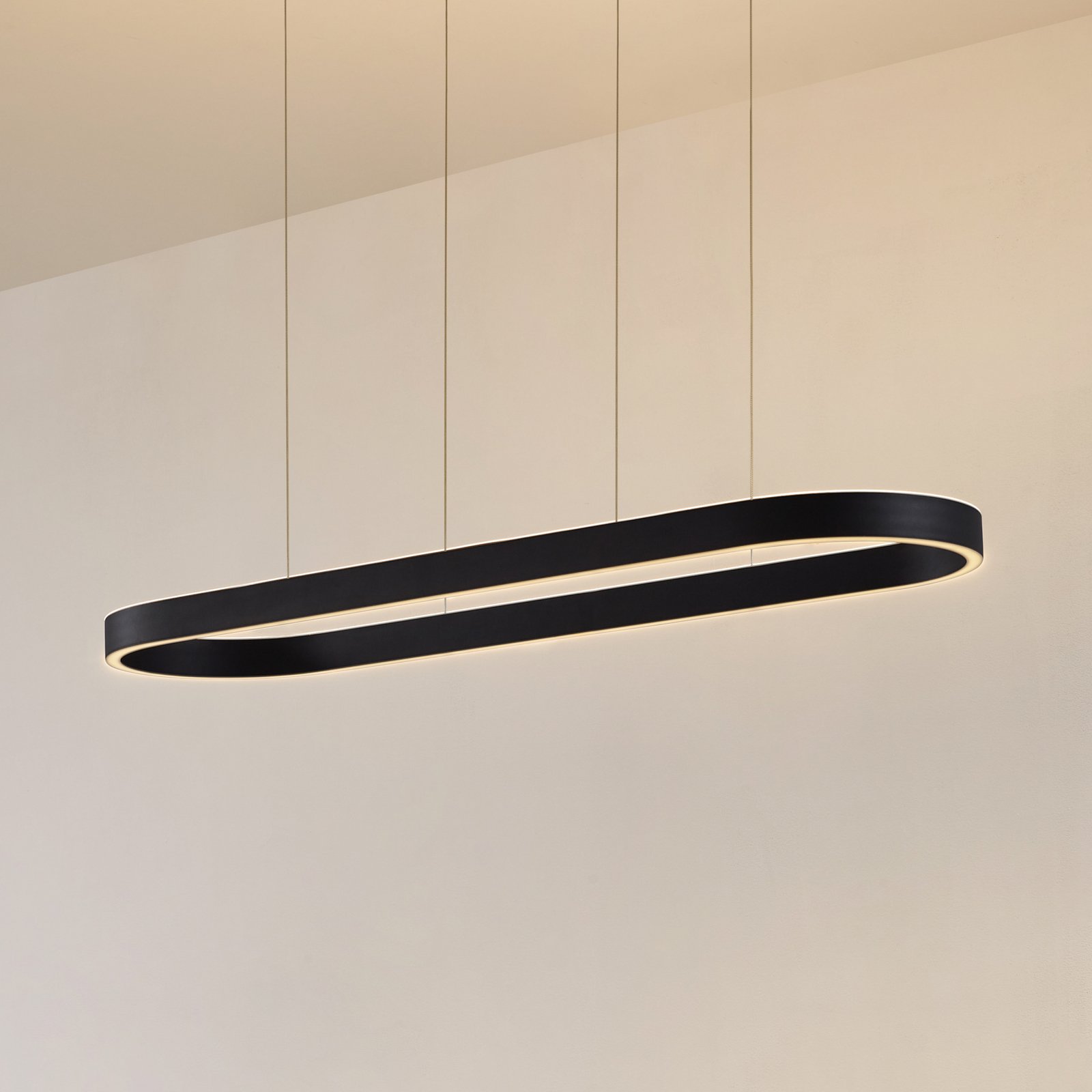
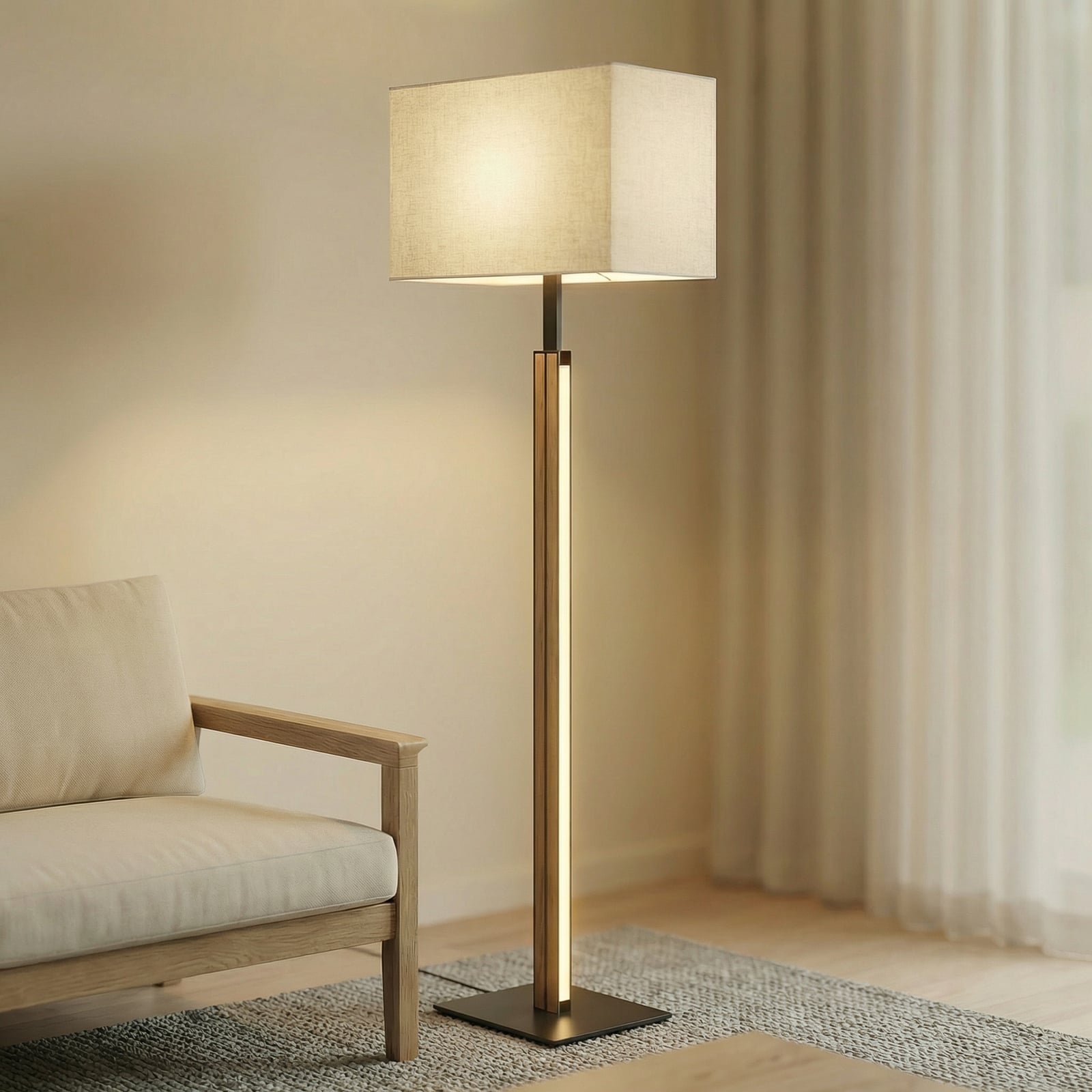
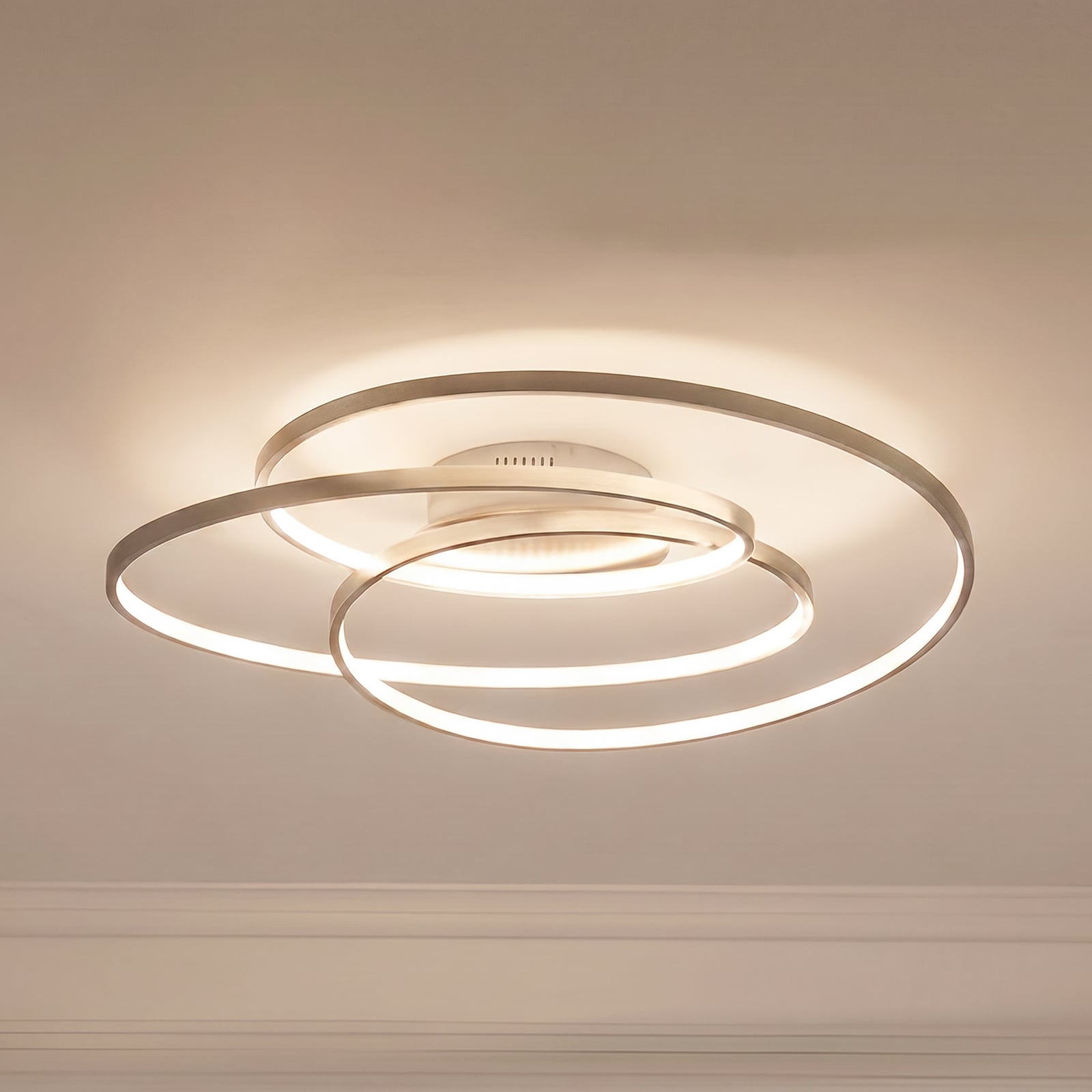
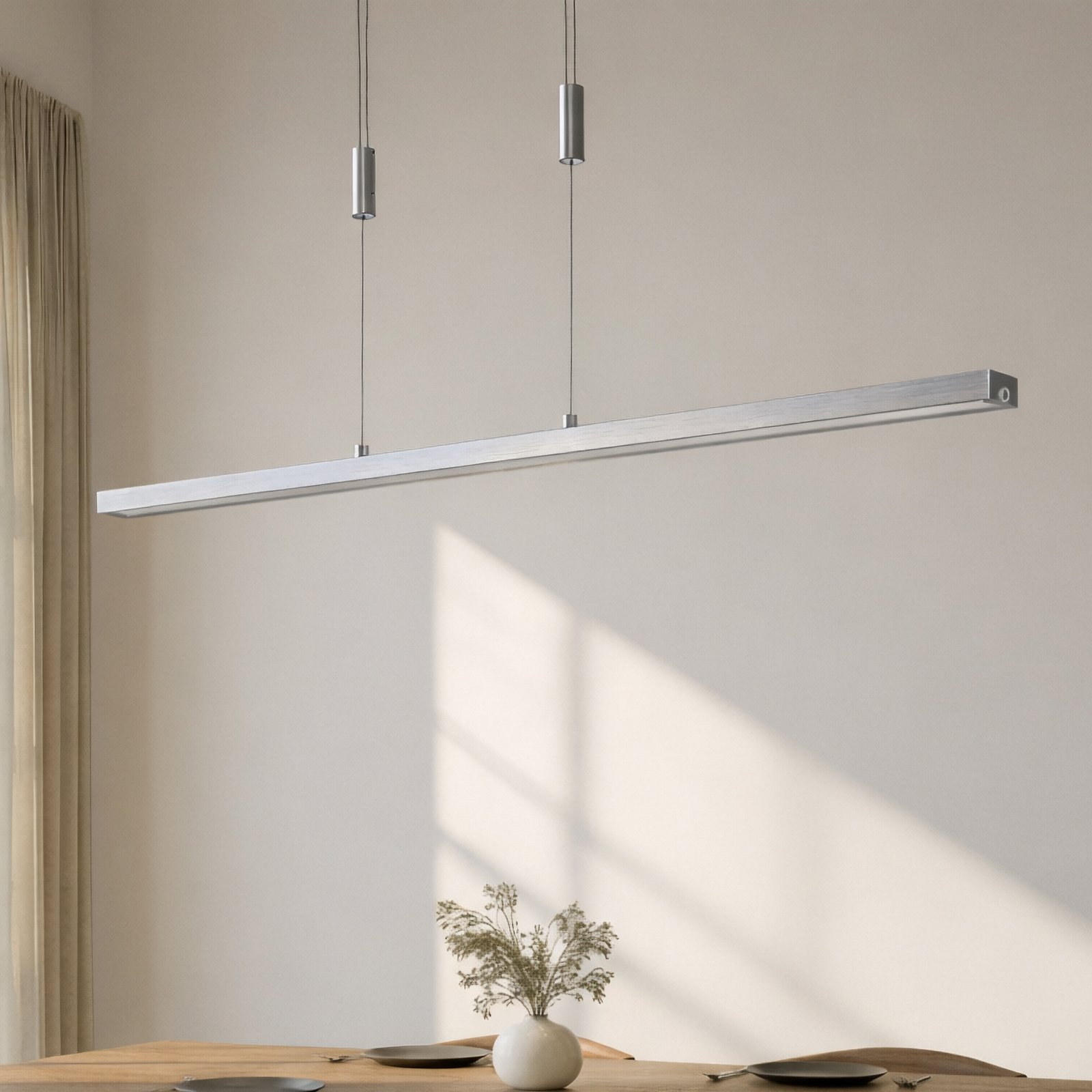
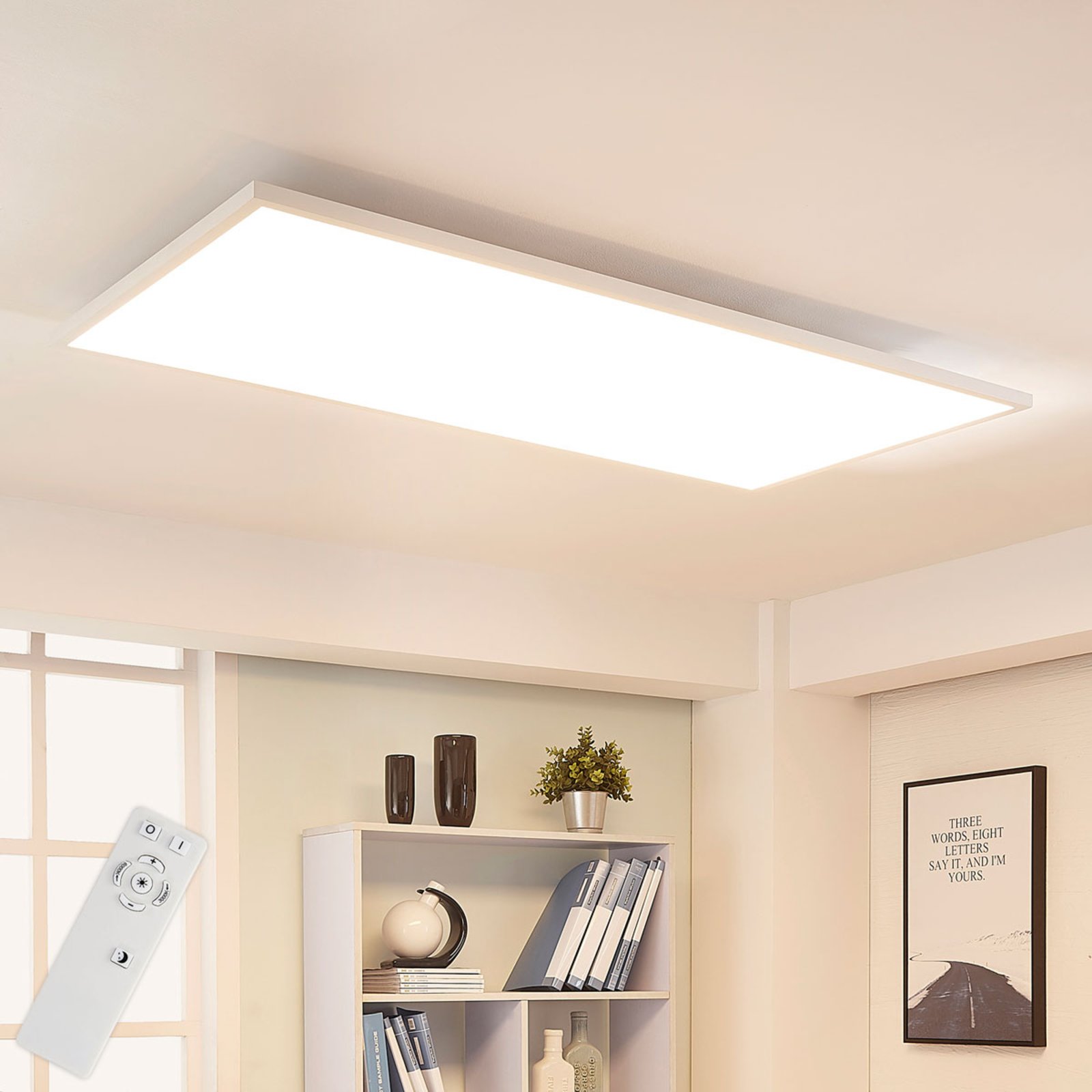
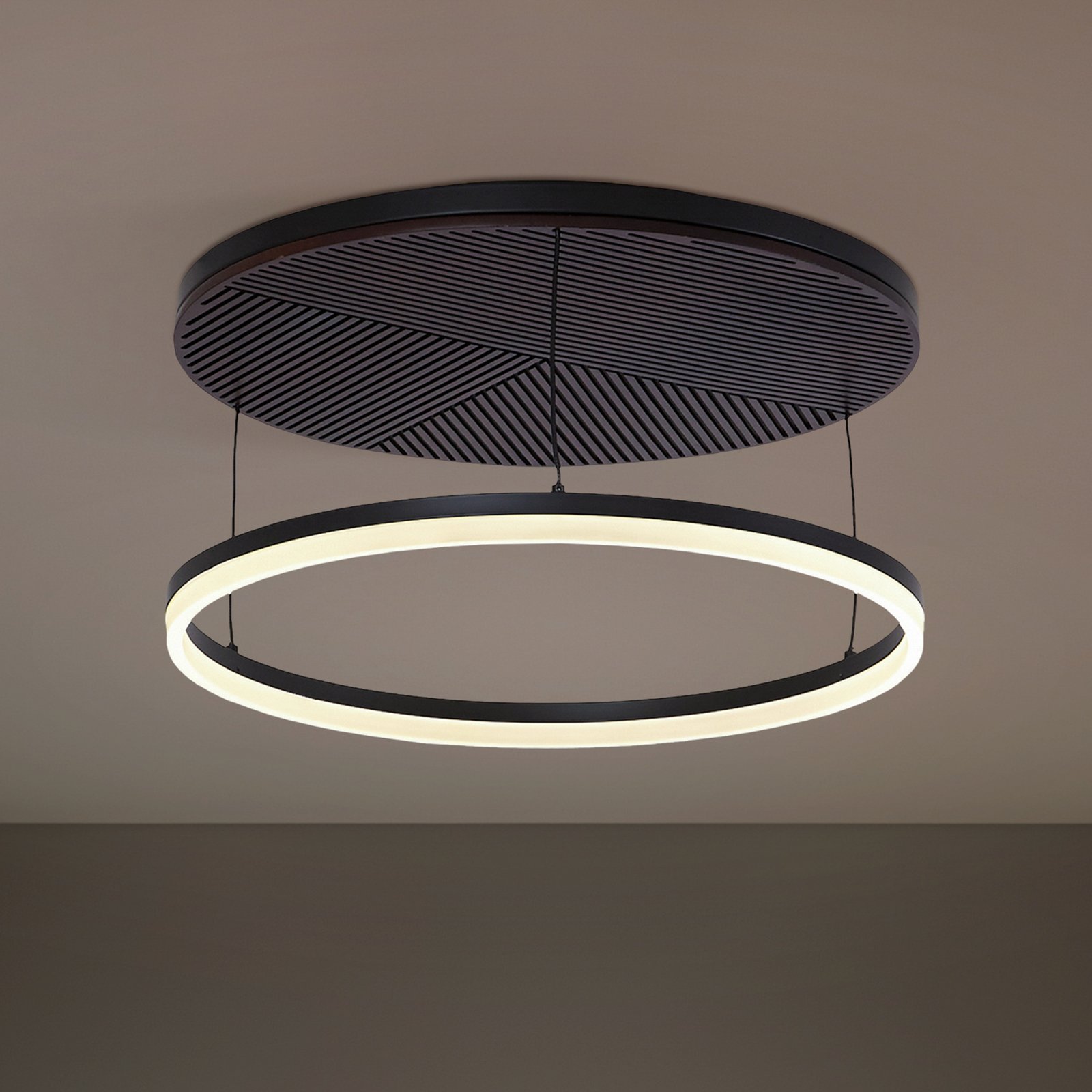
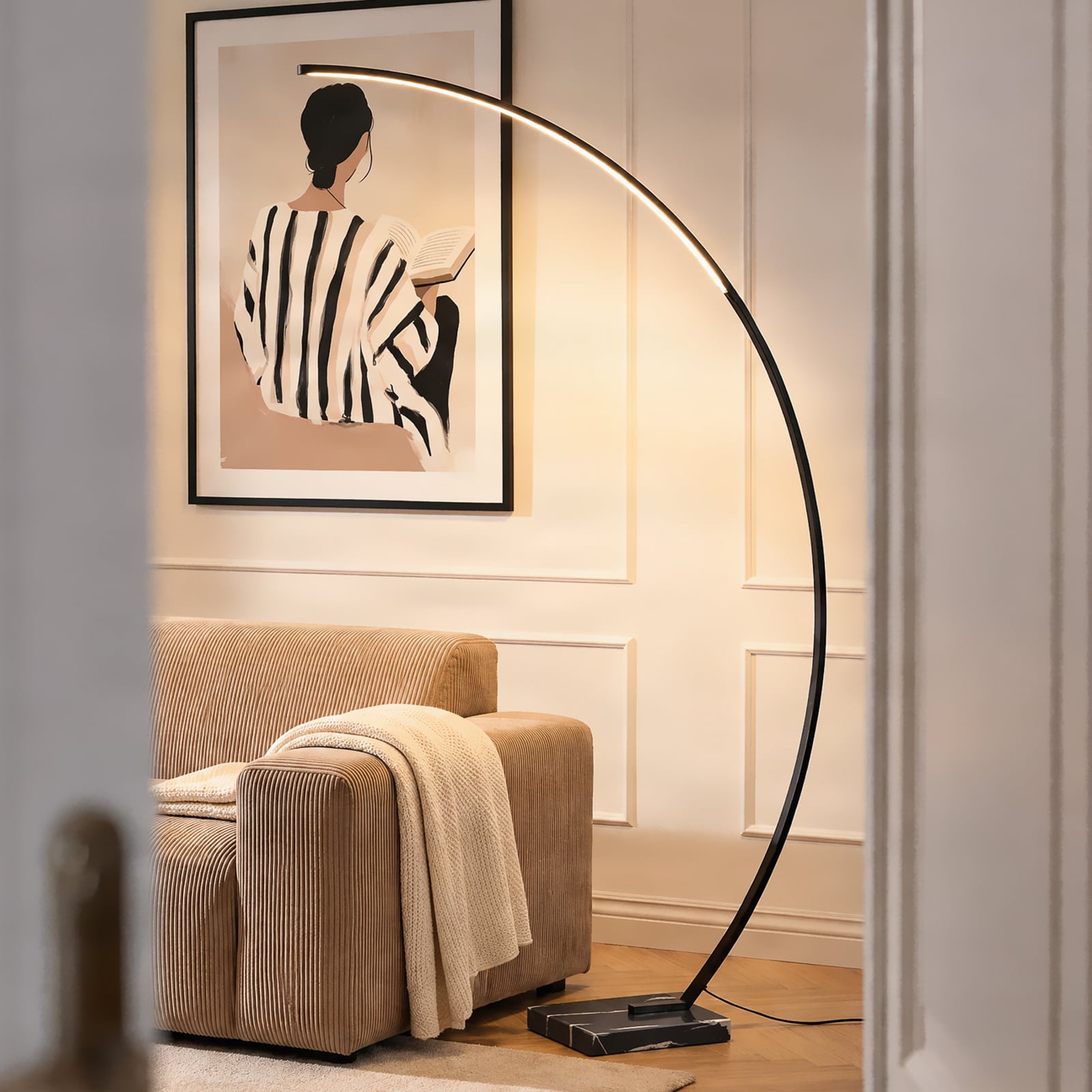
Dimming made easy - everywhere!
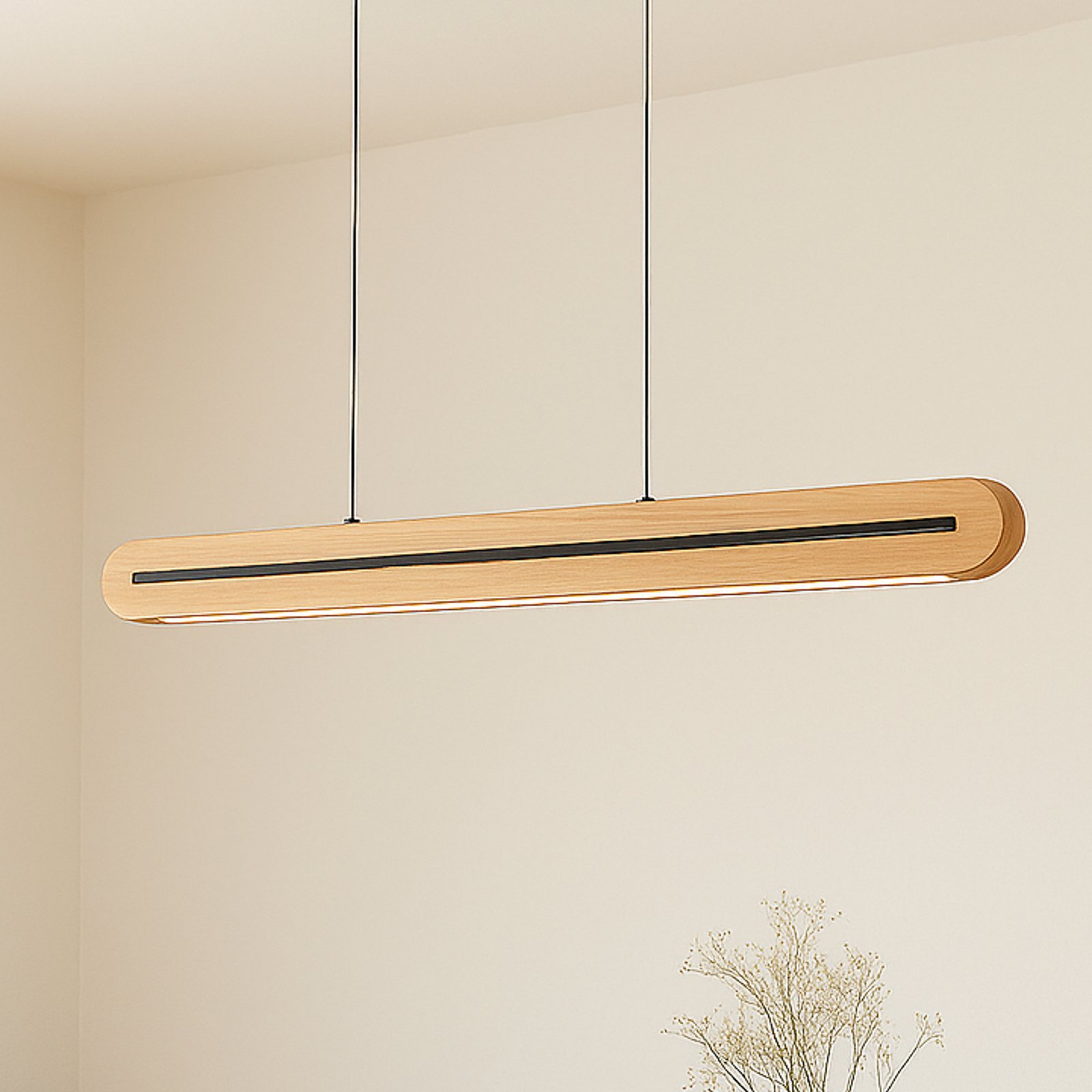
With many modern LED products, you don't need an external dimmer or a smartphone - all the technology is in the light source. Lamps and luminaires with technologies such as Easydim, Simply Dim or 3-Step-Dim are dimmed using the normal wall switch and without a smartphone. Repeated actuation simply switches through the dimming levels.
 "Ilira from Lucande")
 "Josefin from Lindby")
 "Yekta con Lucande")
 "Ezan from Lucande")
 "LED lamp from Arrchio")
 "Gradient Signe from Philips Hue")
Important note on working on the electrical installation: For safety reasons, all work on the domestic installation should always be carried out by qualified specialists.
Smart dimming
via app, remote control and wall switchIf no dimmer is installed in your four walls and none of the lights have a built-in dimmer, Dimm-Comfort is particularly easy to retrofit with smart light sources. These are controlled either by smartphone, remote control or a wireless wall switch. The latter can usually be mounted on the wall using adhesive strips and then works just like a classic wall dimmer. Many smart light sources can also be operated using a system-specific remote control (included or available separately, depending on the product) as an alternative to a smartphone.
)
Smart simply explained
Smart lighting provides more convenience and makes lighting much more individualised. Whether cosy evening light in the living room, concentrated working light in the home office or colourful accents for a special mood: with smart luminaires and smart light sources, the lighting can be conveniently adjusted.
)
What smart light can do
Brightness, colour temperature and, depending on the product, even millions of colours can be flexibly adjusted. For example, warm white light can provide relaxation, while universal white light supports work. In addition, many systems offer customised lighting scenes that can be saved and called up to suit the time of day, mood or activity.
)
Smart lamps and lights
Smart light sources are simply inserted into existing lamps and make them intelligent in no time at all. Smart lights, on the other hand, are permanently installed and have the technology already integrated and often offer additional functions that go far beyond classic dimming, as well as a particularly modern design.
)
No dimmer required
Both variants enable convenient control via app, voice assistant, remote control or wireless wall switch, without the complicated installation of an external dimmer. Conventional dimmers can even impair the function and should therefore generally not be used.
)
Start smart
If you want to retrofit individual rooms, the easiest way to start is with smart light sources. For a particularly modern overall look, on the other hand, smart lights with permanently integrated LED technology are ideal. Smart LED strips create an atmospheric ambience behind furniture, by the TV or along shelves.
Making lamps dimmable
Further options for retrofittingIf you want to create a cosy lighting atmosphere or adjust the brightness flexibly, you can retrofit a dimmer in various ways.
The classic dimmer is permanently mounted on the wall and replaces the regular wall switch. This type of dimmer can be retrofitted relatively easily. However, we expressly advise you to consult an electrician when working on electrical systems, as there is a danger to life if they are handled incorrectly.
When buying a classic dimmer, it is important to ensure that it is suitable for the light source. Nowadays, this will generally be an LED dimmer, i.e. a trailing edge (or more rarely leading edge) dimmer designed for operation with dimmable LED lamps and luminaires. With some LED dimmers, you can also conveniently select later whether you want to use leading edge or trailing edge phase control.
If a dimmer is already installed, the type of dimmer determines which light source can be used. If you are unsure, your electrician or our customer advisory service will be happy to help you choose the right light source. Ideally, you should have a universal LED dimmer that allows you to choose between leading edge and trailing edge phase control and is easily compatible with dimmable LED lamps (but not with smart home lamps).
Flickering and humming when dimming LEDs: Flickering of an LED light source when dimming often occurs if the wrong dimmer is used. Check the product details of a light source to find out which dimmer can be used. If in doubt, our customer service will be happy to help.
 "Ceiling Lights Guide")
 "Modern light bulbs")
 "Retrofitting smart lighting control")
 "What is Lumen")
 "Light bulb packaging")
 "Home is a sanctuary")