




























:format(jpeg) "Lamp for the loft")
The perfect lights for the loft
LED solutions for flexible lightingWhether used as storage space, a workshop, a hobby room or for future expansion – an attic places particular demands on the lighting. Choosing the right light fitting for your loft depends primarily on how you intend to use the space, whether there is an existing power supply, the size of the room, the sloping ceiling and how often you plan to use it. With the right lighting, you can improve safety, make it easier to find your way round and enhance your comfort. Modern LED technology offers energy-efficient solutions for this: from permanently installed lights to lamps for the loft that run on battery power or solar energy without the need for mains electricity. Find out which lighting is best suited to your needs and what you should bear in mind regarding brightness, light colour and installation.
Top sellers for the top floor
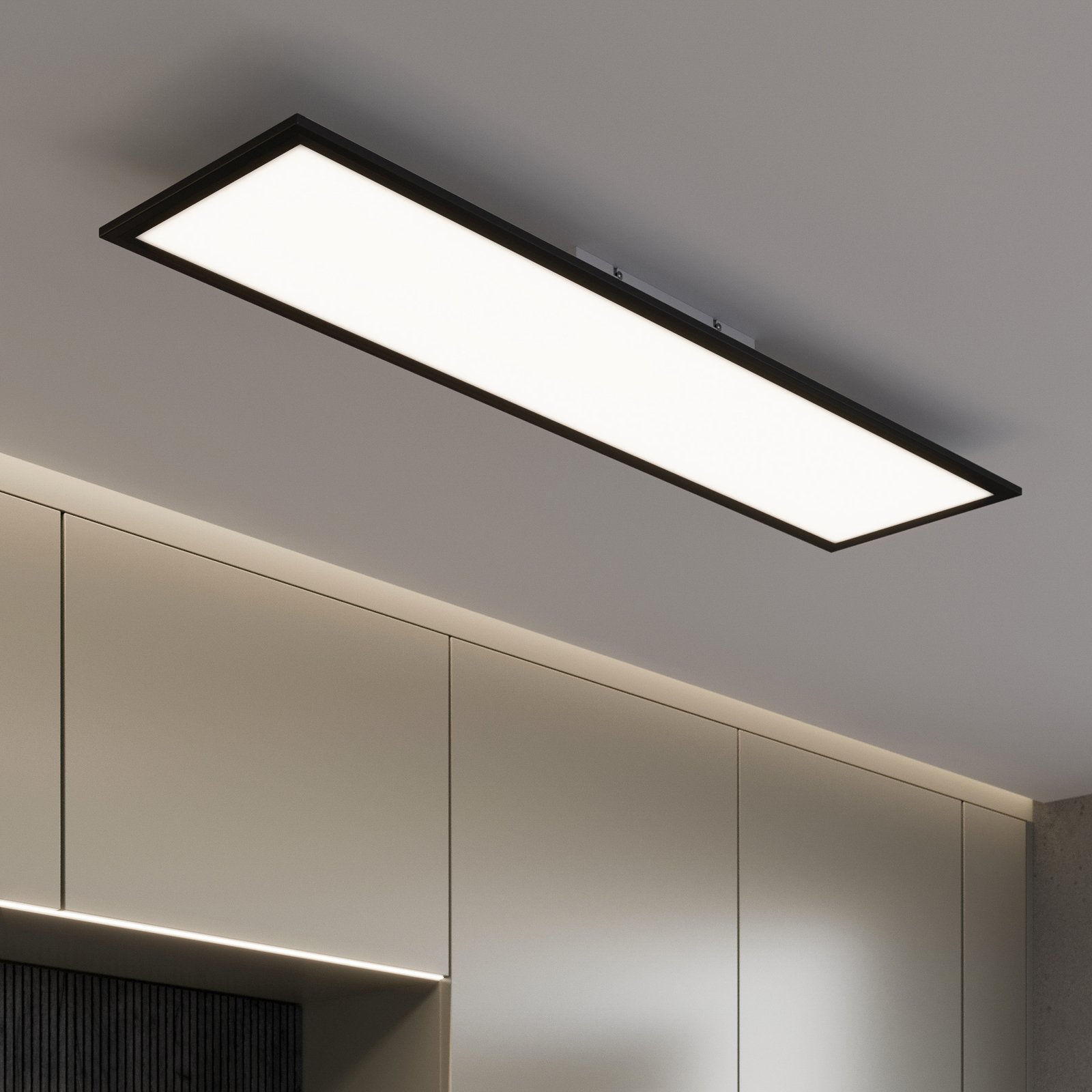
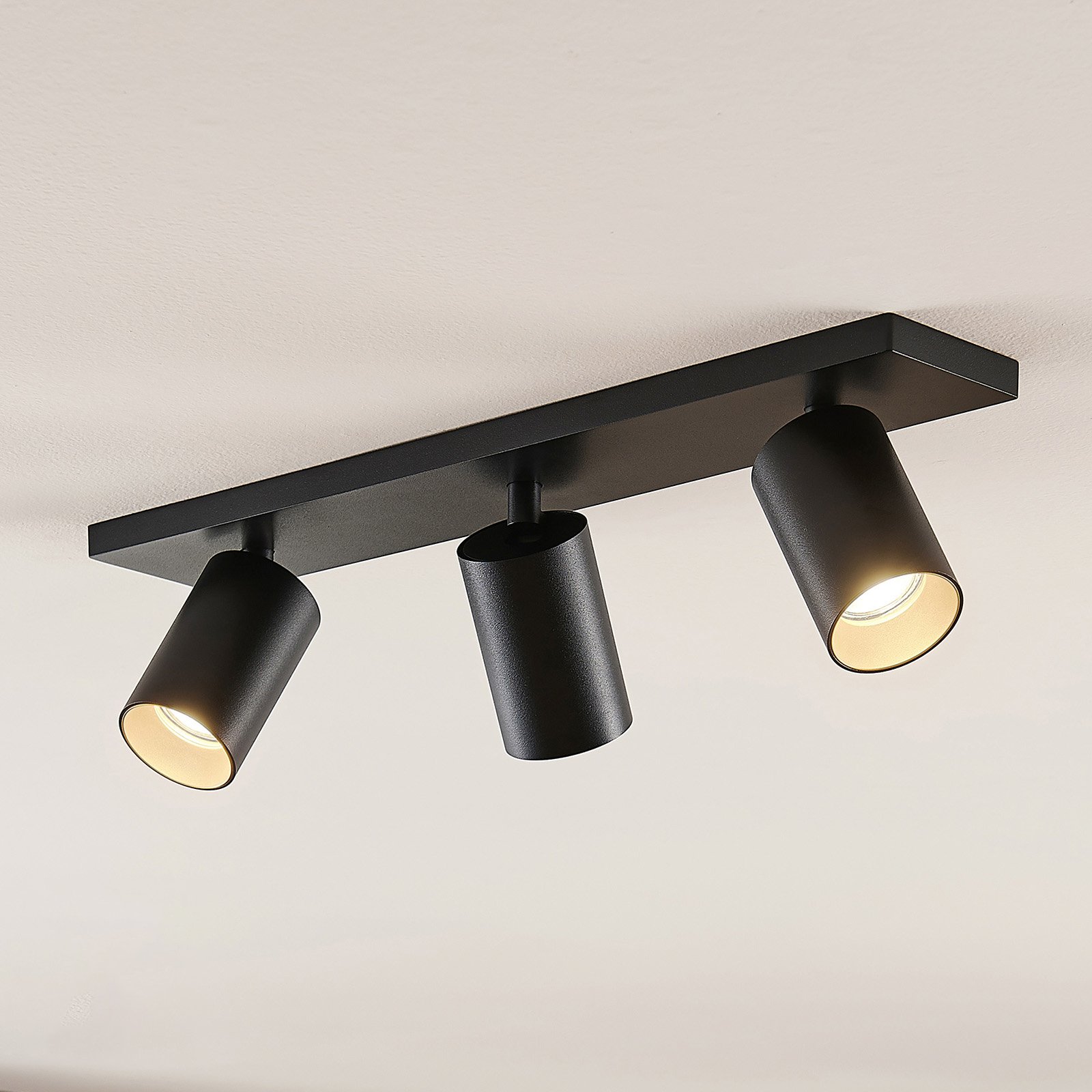
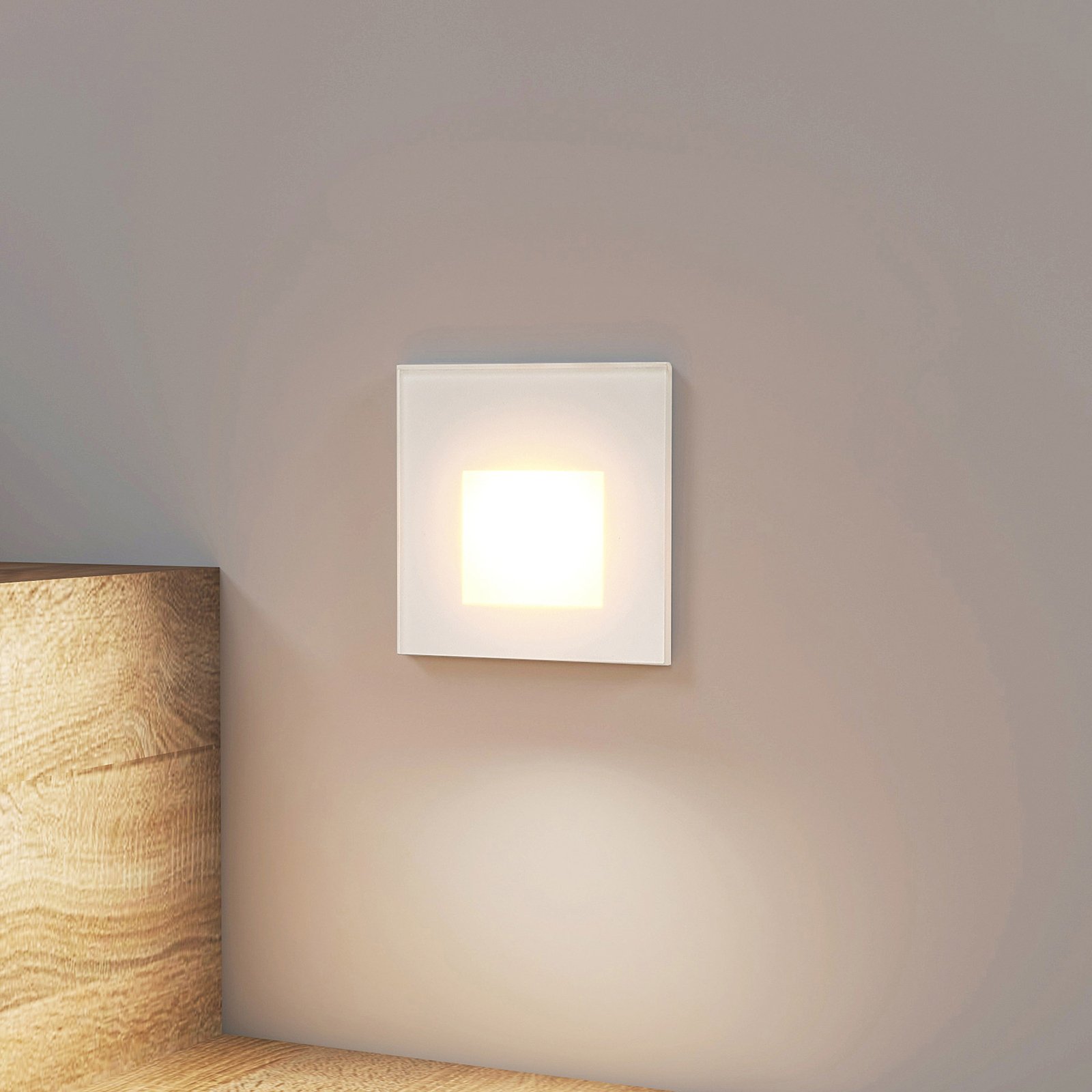
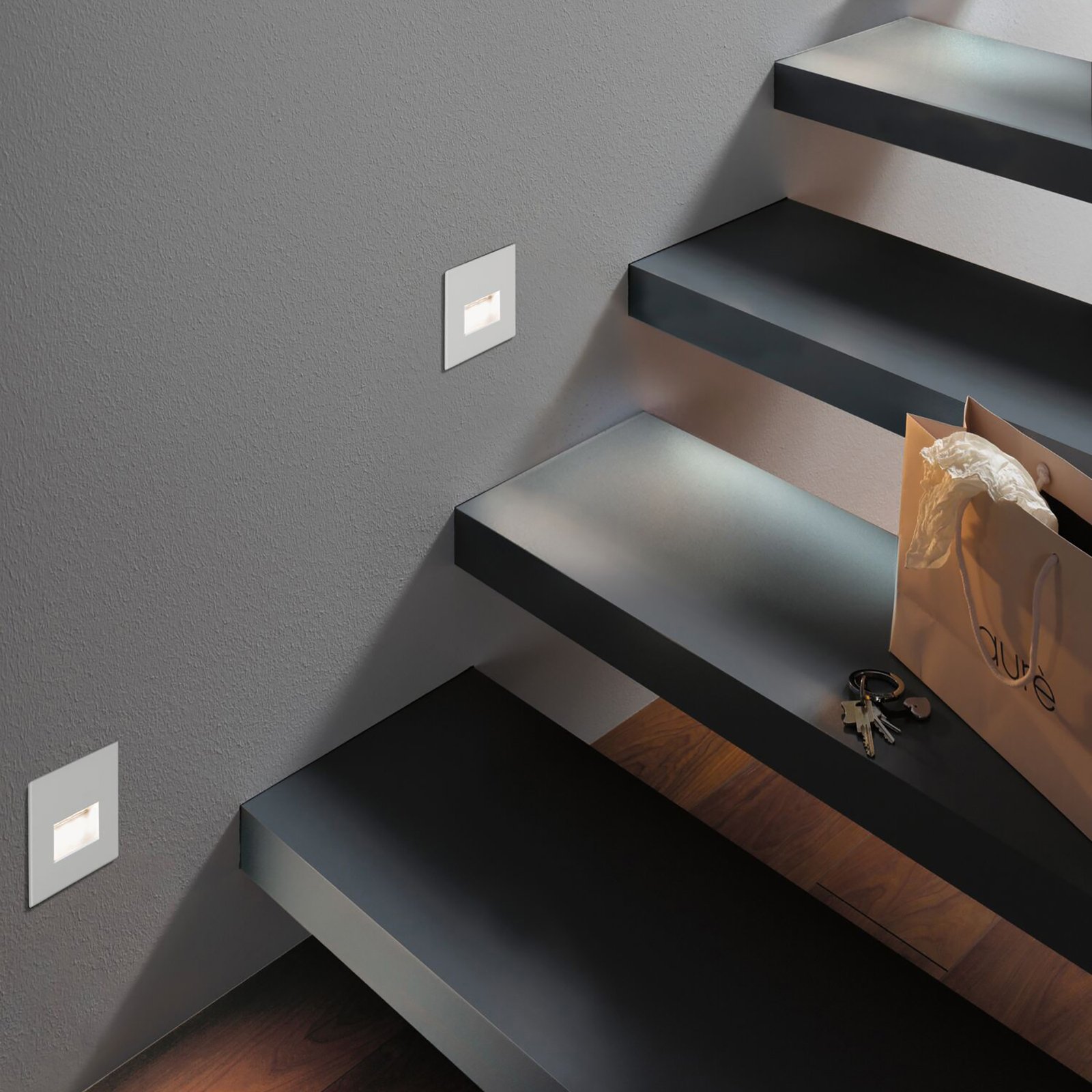
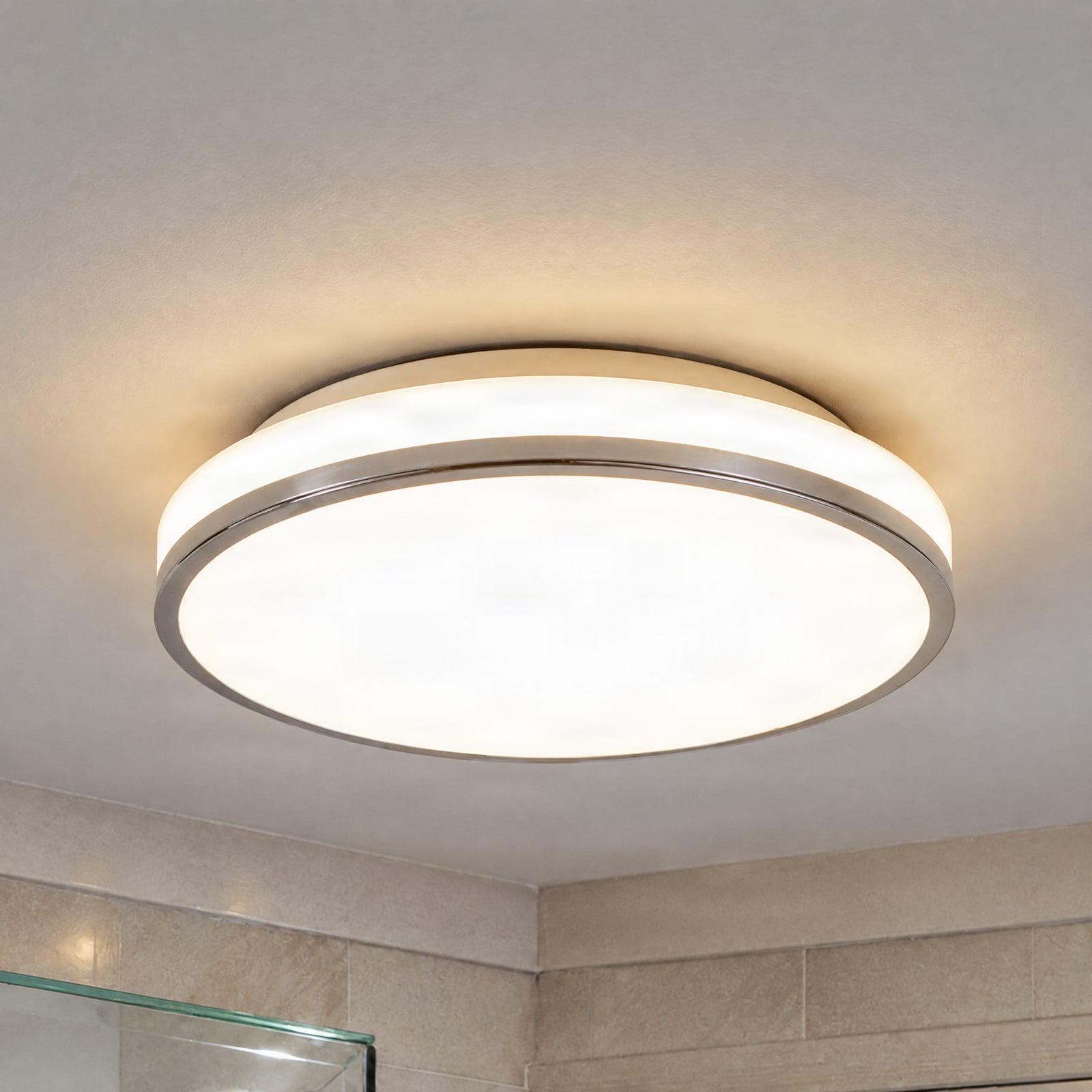
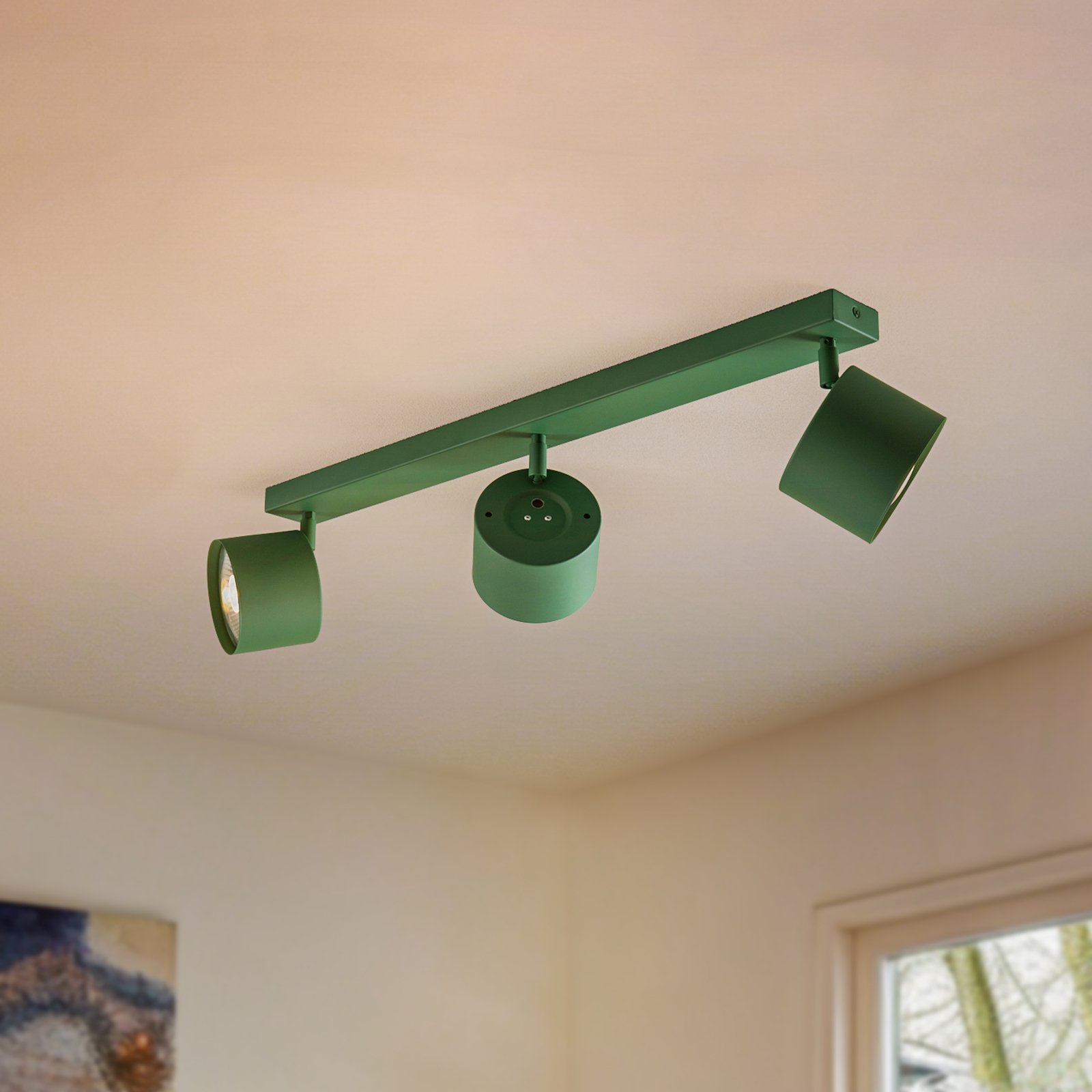
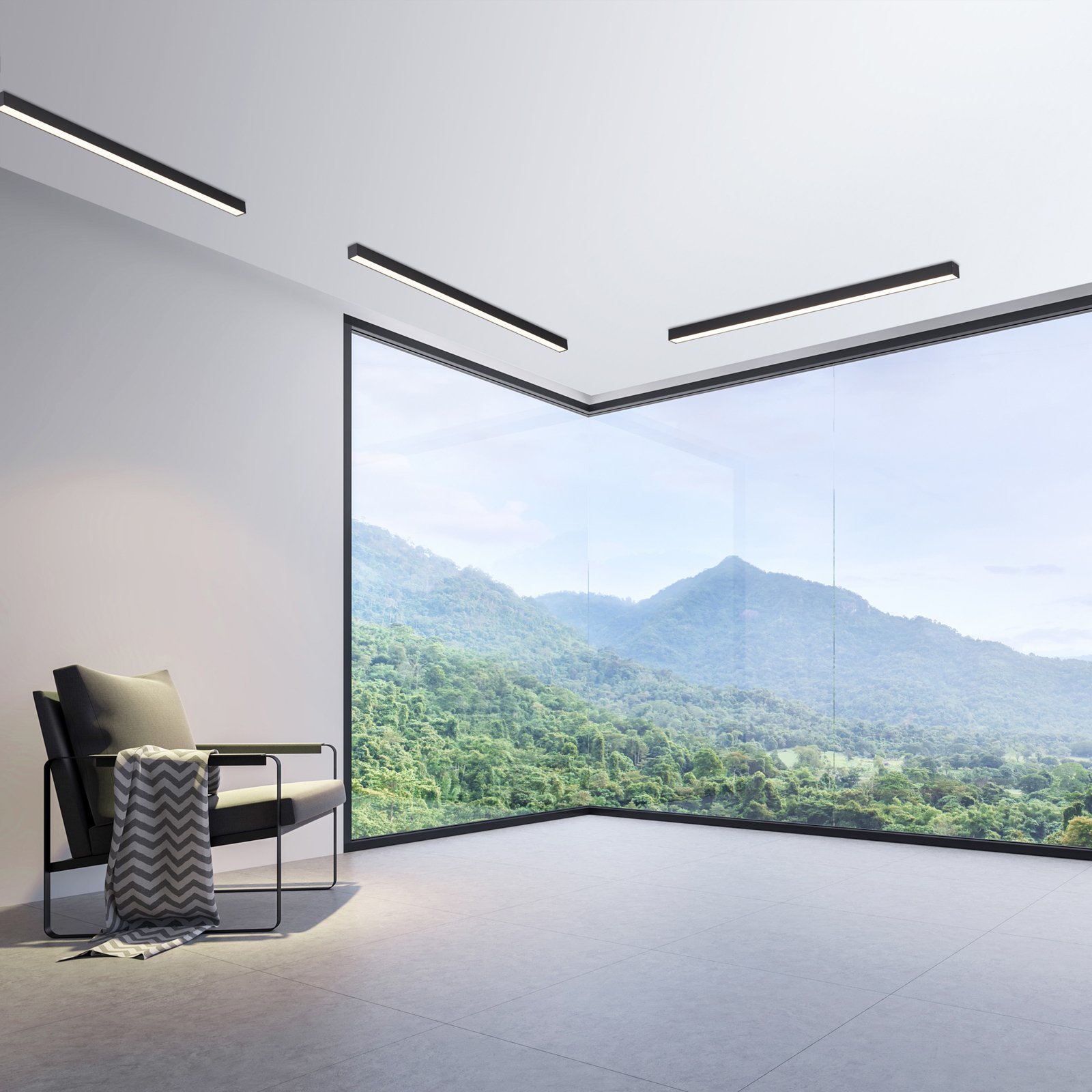
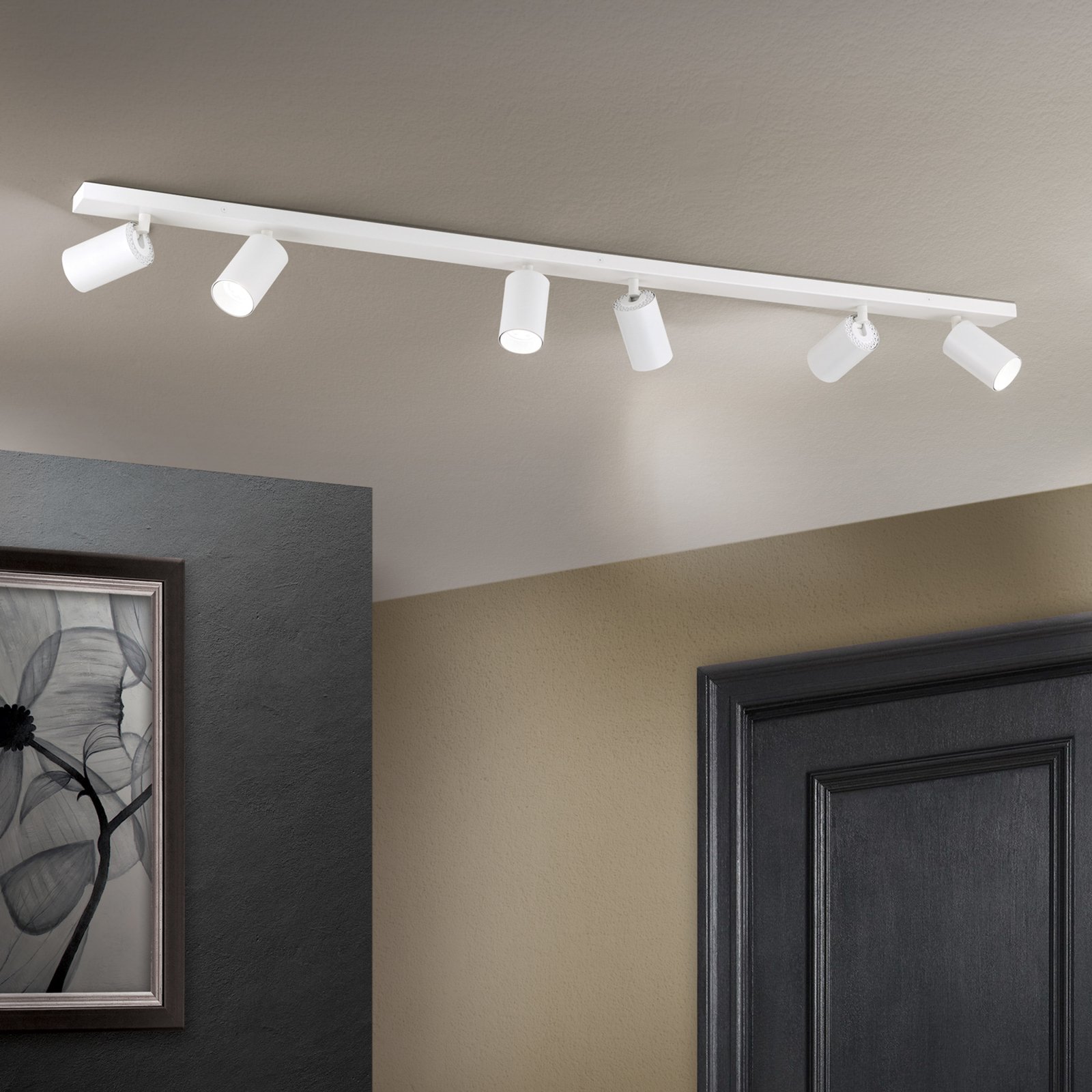
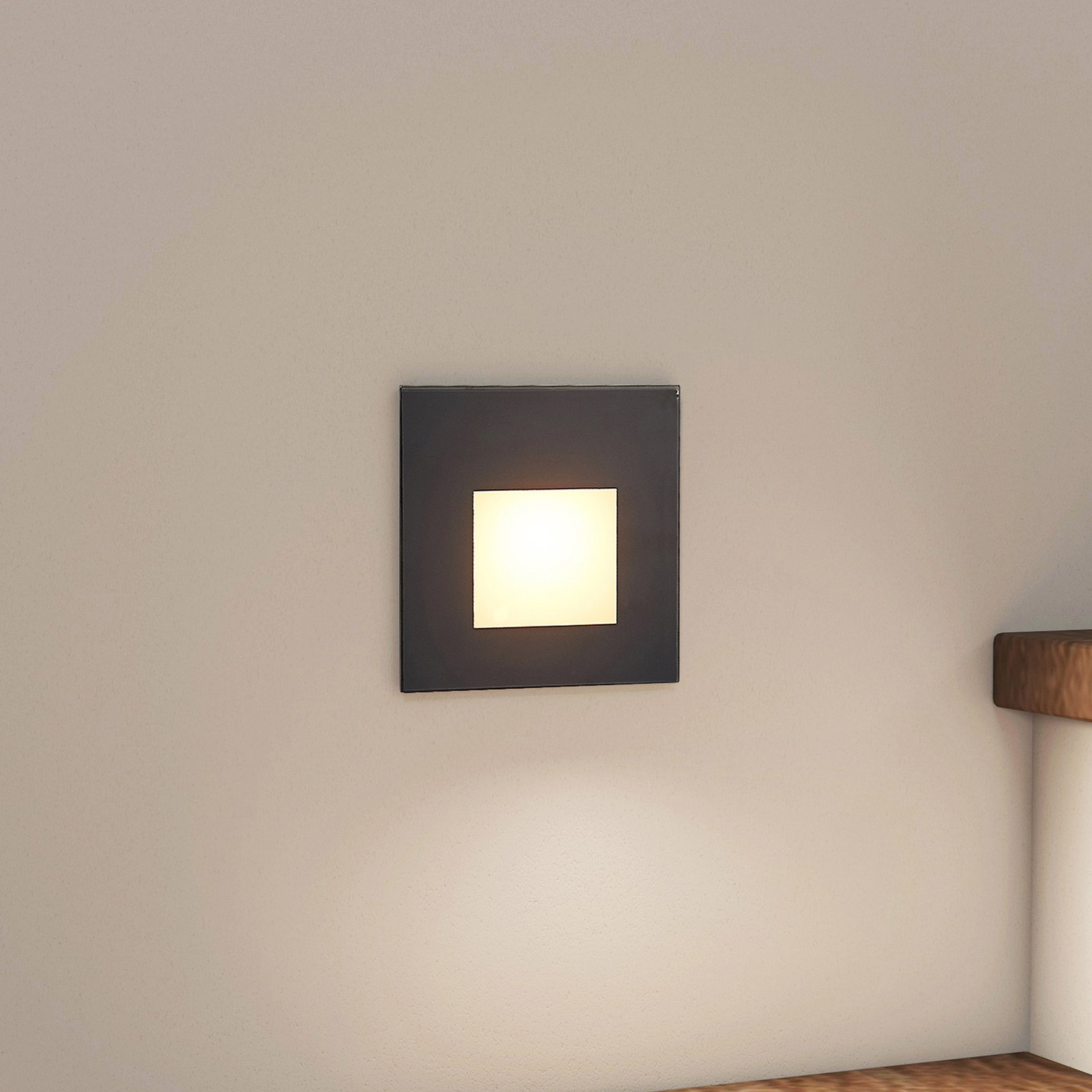
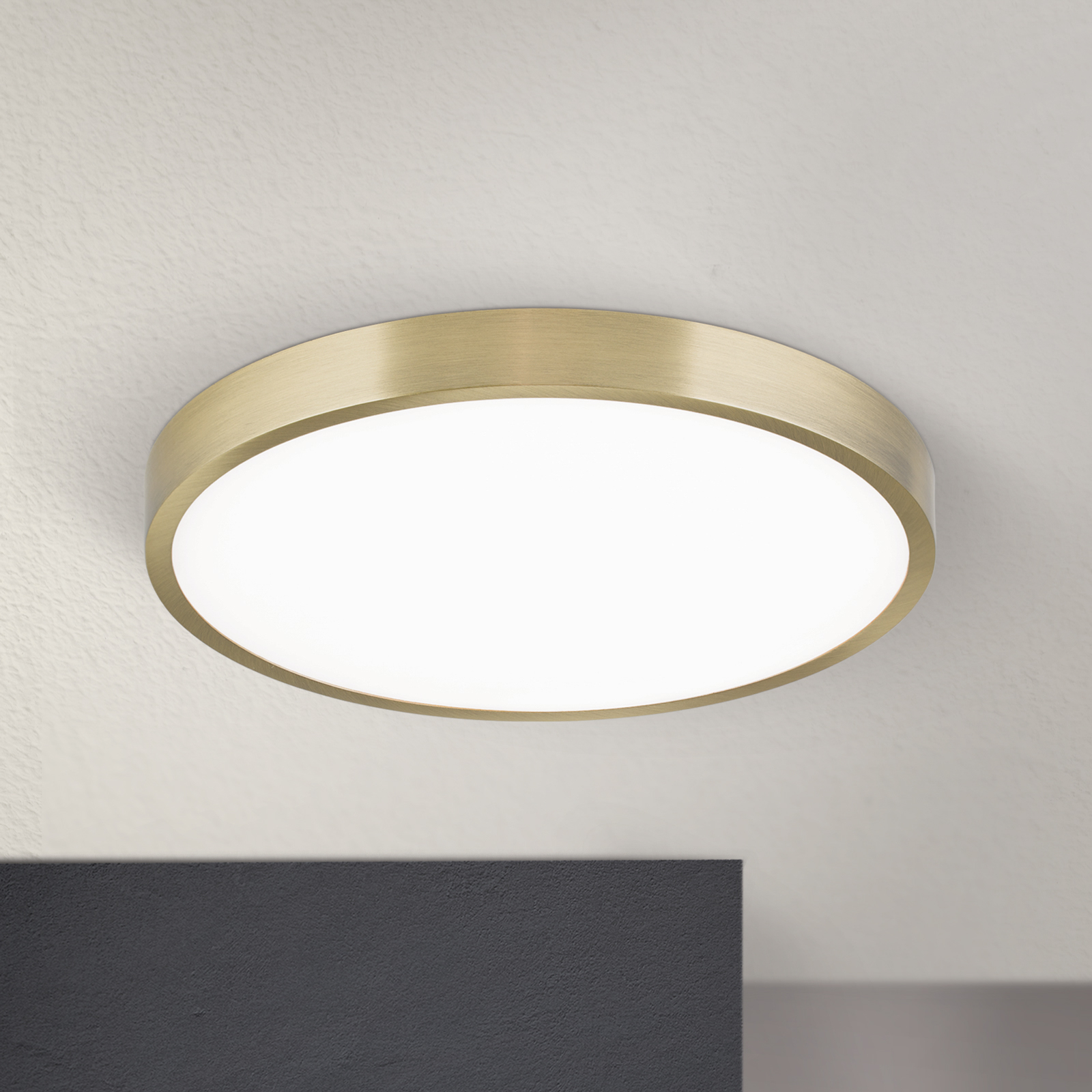
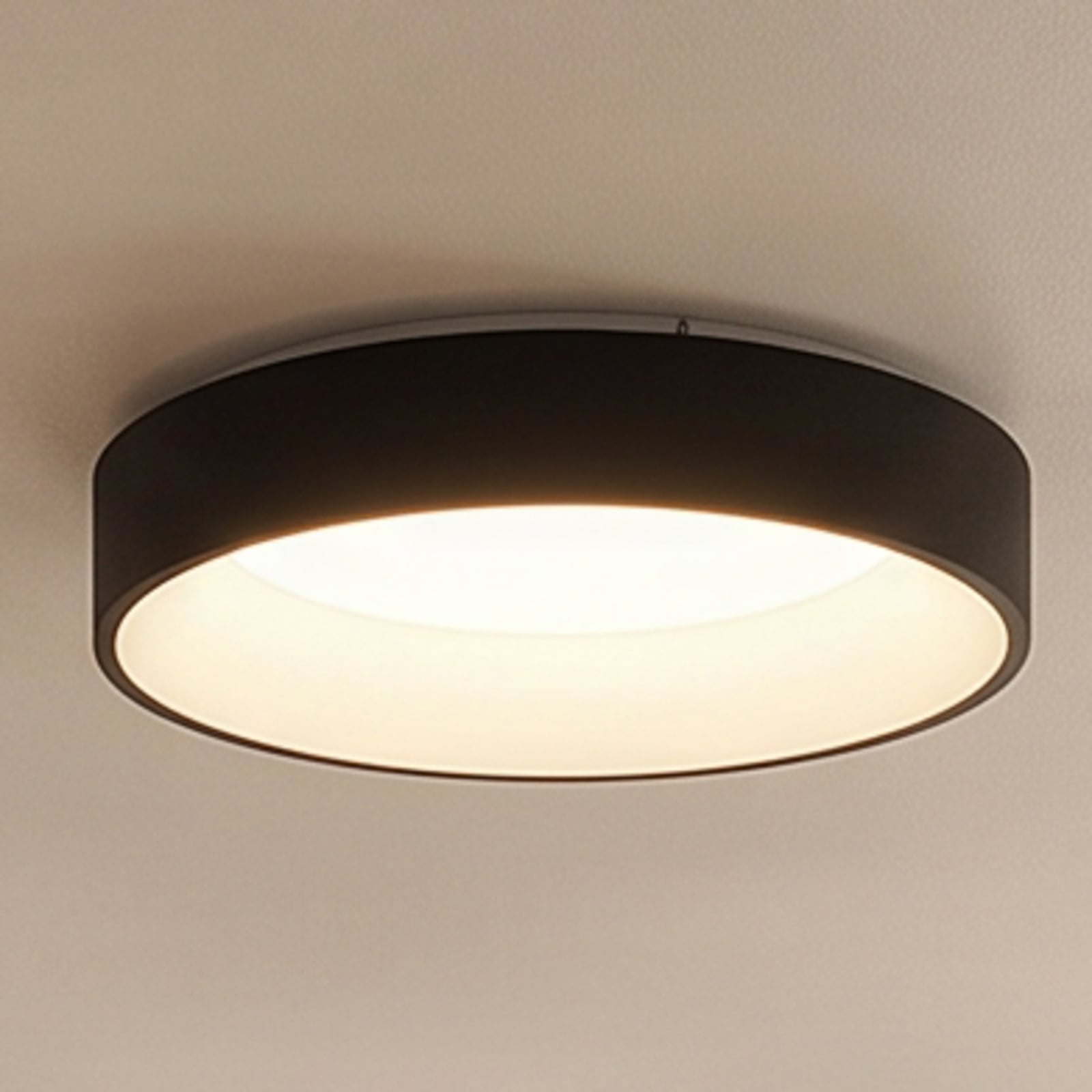
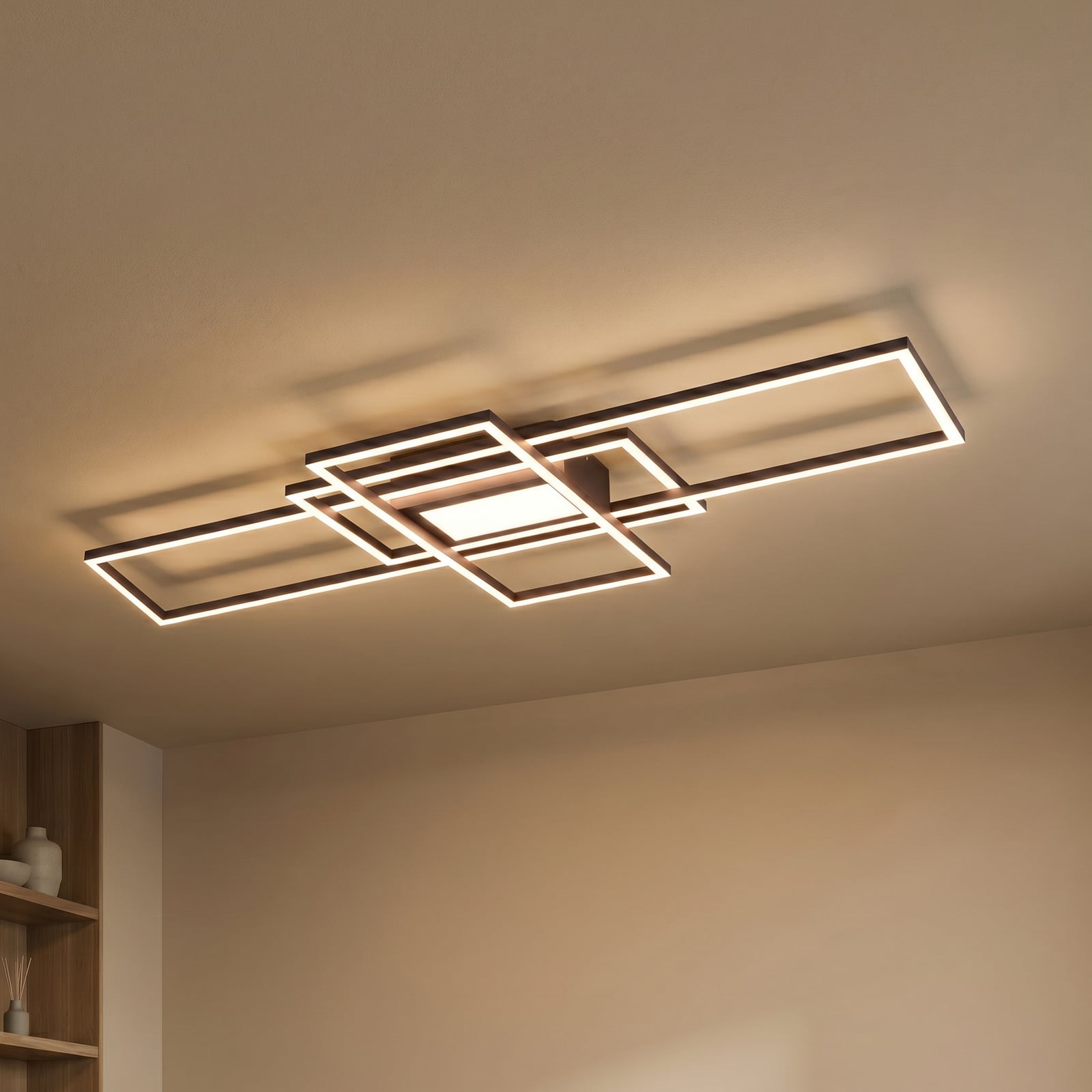
Planning loft lighting correctly
Well-designed loft lighting ensures that every area is safely accessible and can be used to its full potential. The first step in planning is to consider what the loft will be used for: whilst general lighting is usually sufficient for a storage room, a workshop or hobby room requires additional, targeted task lighting. You should then check whether there is a power supply available, or whether battery-powered or solar lights would be more suitable. Only then is it worth choosing the right type of light fitting. Depending on the size of the room, the sloping ceilings and the ceiling height, options might include, for example, flush-mounted ceiling lights, moisture-proof lights, LED batten lights or individual spotlights. For larger attics, it is also advisable to combine several light sources to ensure that even nooks and crannies are evenly lit. This ensures clear wayfinding, sufficient lighting and a comfortable, practical loft space.
Which light fitting is suitable for the loft?
Which light is the right one depends primarily on its intended use, the size of the room and the available power supply. Modern LED bulbs for the loft are now the norm and offer impressive luminous efficiency, a long service life and low energy consumption.
)
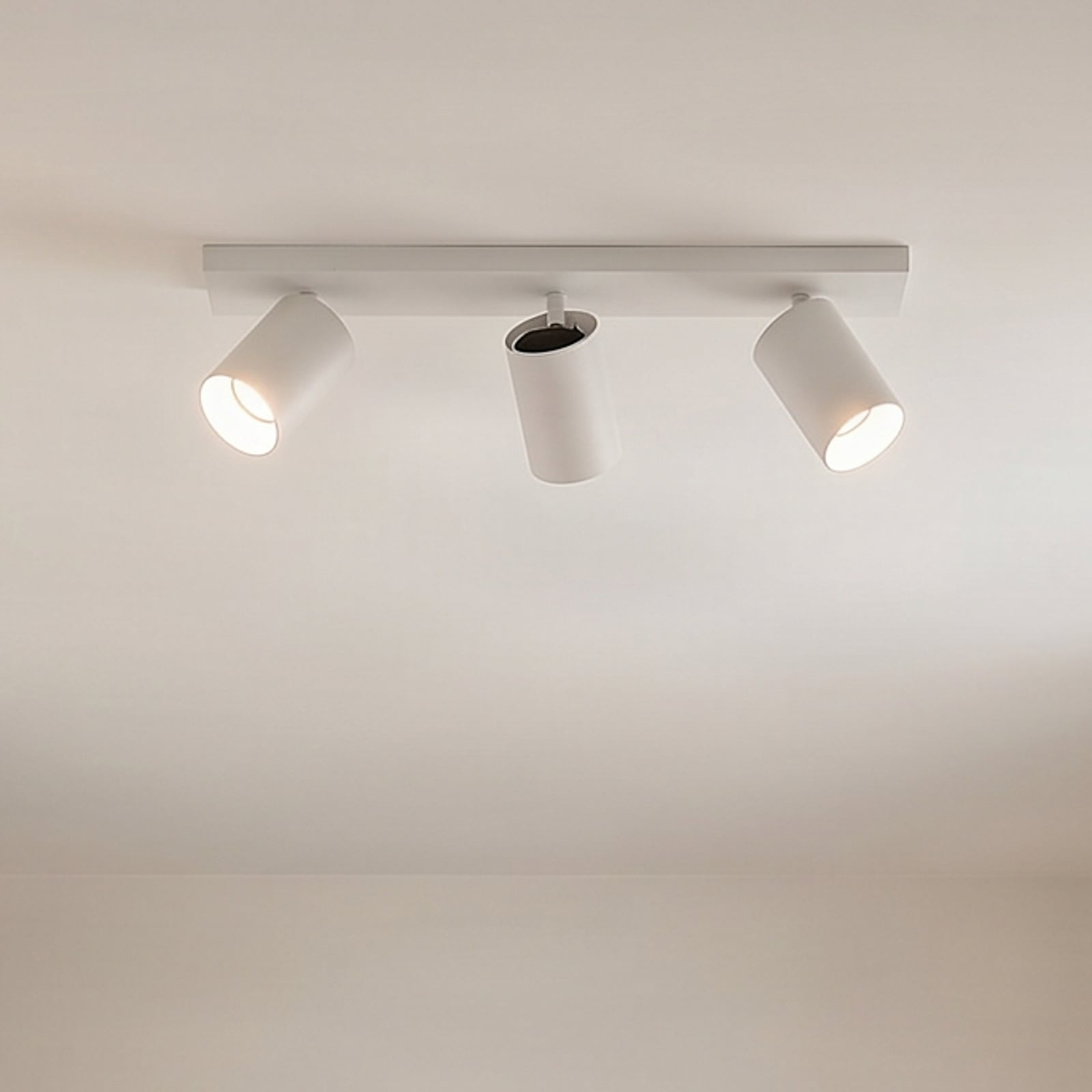
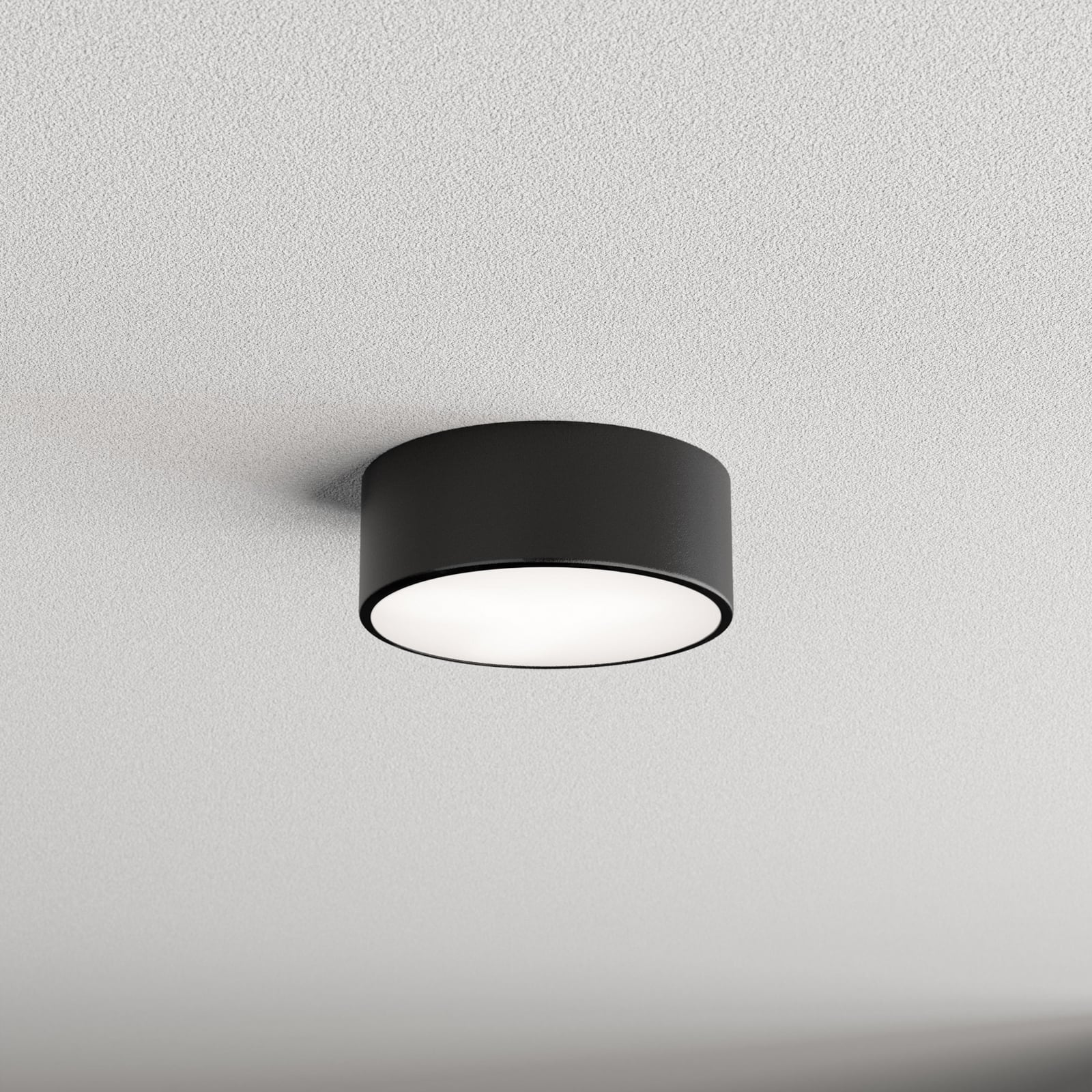
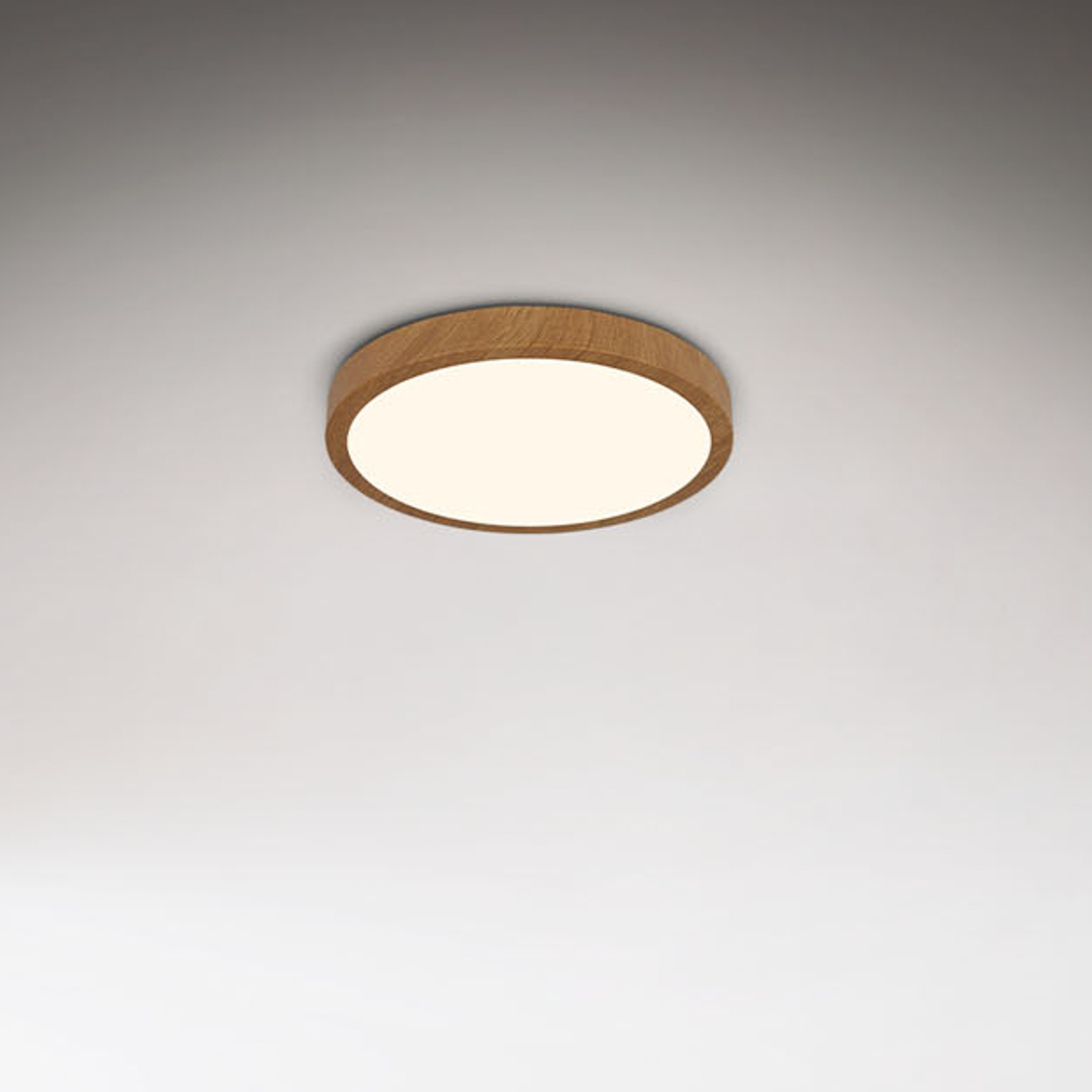
LED ceiling lights
For general lighting in traditional attics, LED ceiling lights are often the simplest solution. They are particularly suitable for small to medium-sized storage facilities or warehouses with a clear layout. However, in winding areas or larger rooms, they quickly reach their limits when operating on their own.
)
LED panels
are ideal when uniform, wide-area lighting is required – for example, in larger, open-plan loft spaces or workshops. Compared with traditional ceiling lights, they provide a more even, shadow-free light and are therefore better suited to rooms that are used regularly.
)
Moisture-proof lights
are used wherever the loft is exposed to significant temperature fluctuations or high humidity. They are less a matter of design or lighting and more a functional solution for challenging environmental conditions.
)
LED tube bulbs
are particularly useful if the loft is long and narrow, or if walkways, shelves and work areas need to be specifically illuminated. They can be easily fitted in a row and are particularly suitable for functional spaces where the focus is less on creating a cosy atmosphere and more on ensuring a clear view.
)
LED strips
are usually used as a supplementary light source. They are ideal for providing indirect lighting for sloping ceilings, shelves or walkways, and help people find their way around in areas with lots of nooks and crannies. They are generally not sufficient on their own for general lighting, but should be combined with ceiling lights, panels or tube bulbs.
)
Lamps with motion detectors
These are not a separate category of lights in the traditional sense; rather, the sensor is a useful additional feature. They make things much more convenient, as the light switches on automatically as soon as you step into the loft – which is particularly handy when your hands are full of boxes or tools.
)
The benefits of modern LED technology
LED lights are now the first choice for lofts too. They use significantly less energy than conventional bulbs, generate hardly any heat and reach their full brightness immediately – even at low temperatures.
:format(jpeg) "The right brightness")
The right brightness
depends very much on the specific area of application. For small storage areas or storage spaces that are rarely used, uniform general lighting of around 1,500 to 2,500 lumens is usually sufficient. In larger attics or areas used regularly, such as hobby rooms, around 3,000 to 5,000 lumens is a sensible choice. In workshops or work areas where detailed work is carried out, the required brightness may be even higher, particularly when several light sources are used in combination.
Lights for the loft without electricity
Not every loft has a permanent electricity supply. In such cases, there are various solutions available, which differ significantly depending on the intended use, the expected lifespan and the structural conditions. As a general rule, a permanent electricity connection is the most convenient and reliable long-term solution for attics that are used regularly. Rechargeable, battery-powered or solar lights are particularly useful when light is only needed occasionally.
)
offer the most flexible solution among the non-electric options. They can be recharged at any time and used exactly where light is needed. Compared with battery-powered models, they are usually more economical and more powerful in the long run. They are therefore particularly suitable for lofts that are accessed regularly but do not (yet) have a permanent mains connection.
)
are the simplest and quickest solution for spot lighting. They are ready for use straight away, but usually have a limited burn time and are therefore more suitable for storage areas that are rarely used or for short stays. They are not suitable for long-term or intensive use.
)
These solutions are only practical for the loft under certain conditions: sufficient daylight from roof windows, skylights or other light openings is essential. If this condition is met, they can provide an energy-self-sufficient solution. However, in dark or poorly lit attics, they quickly reach their limits.
)
These are not standard general-purpose lights, but rather targeted task lights for temporary use. They are mainly used for renovations, repairs or DIY projects, providing bright light exactly where it is needed for a short period of time. They are not a substitute for a permanently installed solution when it comes to long-term loft lighting.
)
)
)
Motion detectors for greater convenience and security
A motion detector in the loft makes life much more convenient: the light switches on automatically when you enter the room and switches off again after a set time. This solution is particularly useful in attics that are rarely used, on staircases, along walkways or in storerooms with lots of shelving. As well as providing greater security, a motion detector also saves energy, as the light is only switched on when it is actually needed.
Attic lighting by purpose
:format(jpeg) "Storage space and storage capacity")
In areas used solely for storage, the main priority is being able to find your way around quickly. Uniform general lighting ensures that stored items can be found quickly and that no dark areas form between the shelves. LED ceiling lights are well suited to small to medium-sized areas with a clear layout, whilst LED tube bulbs provide linear, well-directed lighting, particularly in elongated or highly compartmentalised spaces. The main advantage of these solutions lies in the safe routing of traffic and the reduction of shadows between shelves and crates.
:format(jpeg) "Workshop")
In workshops, high and uniform luminous intensity is essential for working precisely and safely. LED panels are particularly suitable here when large-area, low-shadow general lighting is required. High-output LED ceiling lights may also be sufficient if the room is smaller or has clearly defined work areas. Portable work lights are used as a supplementary measure when particularly bright light is required in specific areas directly on the workpiece. In practice, the best solution usually comes from a combination of fixed general lighting and flexible task lighting.
:format(jpeg) "Hobby room")
The right lighting for a hobby room depends very much on the type of activity. When carrying out detailed or intricate work – such as craft projects, model-making or needlework – even, glare-free lighting is important to prevent eye strain. When it comes to creative or more relaxation-oriented hobbies, the effect of light in the room also plays a role, meaning that general lighting and indirect lighting can be combined effectively. The key factor is whether the focus is on concentrated work, longer stays or a more atmospheric use of the space.
:format(jpeg) "Converted loft")
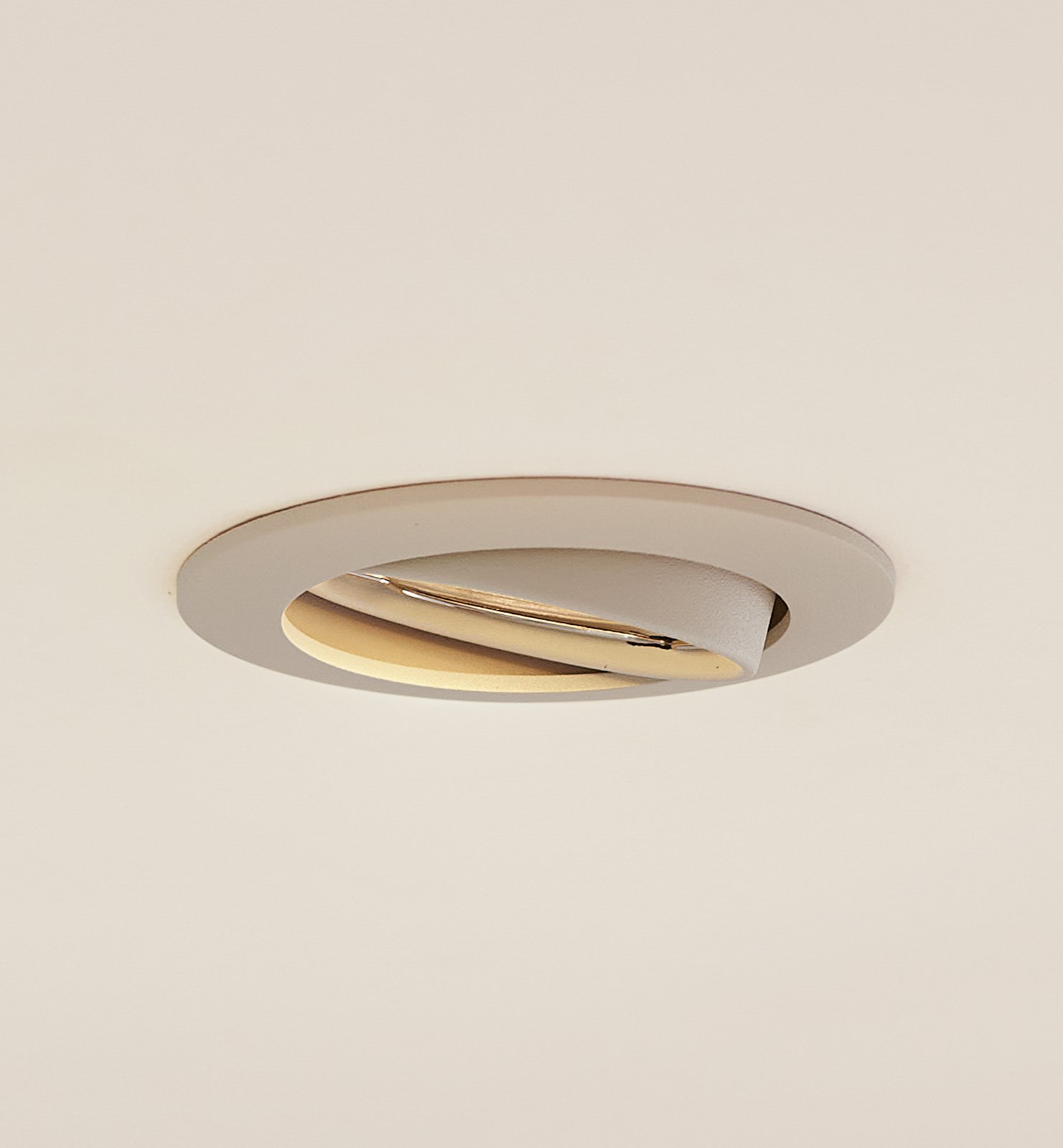
If the loft is used as living space, the lighting should be both functional and cosy. Ceiling lights or spotlights provide reliable general lighting, whilst wall lights or indirect light sources create atmosphere and zoned lighting. This creates a balanced combination of clarity and cosiness that can be flexibly adapted to different everyday situations.
Common mistakes when fitting loft lighting
A common planning mistake is to treat the loft as a conventional living space and to light it solely from the centre of the ceiling. In attics in particular, with their shelves, beams, sloping ceilings or low-ceilinged areas, this quickly leads to areas of shadow – for example, behind boxes, along the walls or in corners. A more sensible approach is to use zoned lighting design, which takes specific account of different areas: walkways require safe, uniform guidance; storage areas need a uniform background level of brightness; and work areas require significantly stronger, directional lighting.
Closely linked to this is the often underestimated positioning of the lights. If light sources are fitted directly behind beams, placed too close to sloping surfaces or installed exclusively over open areas, the light will not adequately reach the key areas. Light sources positioned at the sides, linear lights running along shelves, or adjustable spotlights that shine directly onto problem areas work better. Rather than a single, very bright light source, a well-thought-out interplay of several light sources is therefore usually the better solution. This helps to reduce shadows and makes it possible to use the loft much more evenly and safely overall.
Conclusion
The ideal light fitting for an attic always depends on how the space is used, the structural conditions and the electricity supply. Ultimately, rather than individual products, the focus is above all on finding the right combination of light type and application:
Storage areas with a power supply generally require uniform general lighting to aid navigation and ensure safe passage. Workshops and hobby rooms where good visibility is essential benefit from a combination of bright, targeted task lighting and supplementary general lighting to illuminate both large areas and fine details optimally. In the case of rarely used attics without a mains power supply, a simple, quick-to-set-up lighting solution is usually sufficient for short stays and occasional use. If the loft is used regularly without mains electricity, more convenient battery-powered or similar solutions make sense, although they do have clear limitations compared to permanently installed systems in terms of continuous power output and convenience. In the converted attic, the carefully chosen lighting combines functional lighting for everyday situations with a cosy, atmospheric touch. Modern LED technology offers energy-efficient, durable and reliable solutions for all these scenarios – ensuring greater safety and comfort, and making the best possible use of the entire loft space.
 "track lighting systems")
 "Brightening up dark rooms")
 "Fans")
 "Guide to Pendant Lights")
 "Choosing the right wall lights")
 "Wall lights without a power connection")