
































:format(jpeg) "Brighten up dark rooms")
Brighten up dark rooms
Making your home and rooms look brighterDark rooms often appear smaller, lower and more subdued. This makes the flat less spacious and cosy. Sometimes it is enough to screw in a more powerful light source to brighten up dark rooms. However, to make rooms not only brighter, but to create a real feel-good space, it is worth having a well thought-out lighting concept, because lighting not only influences brightness, but also mood, concentration and well-being. If you also take a few tips on furnishing into account, you can use furniture, colours and more as an amplifier for a real living space, often without major alterations.
Why rooms appear dark - the most common causes: If you want to brighten up dark rooms, you should first understand why rooms appear dark. One of the most common reasons is that the windows are too small, the flat is north-facing or the floor plan is angled so that too little daylight comes in. Another reason is too few or incorrectly positioned light sources, because a central ceiling lamp is rarely enough to brighten up dark rooms. Dark corners and shadow zones are created. After all, dark walls, heavy curtains or matt surfaces are a common reason for dark rooms, as they barely reflect the light so that it is literally "swallowed up".
Brighten up dark rooms with light
3 simple principles)
Dark rooms should be brightened up without using just a single "bright" ceiling lamp. Instead, several coordinated light sources should be combined. The aim is to avoid harsh contrasts and to lighten dark areas. This avoids creating islands of shadow - rooms appear brighter and more structured.
)
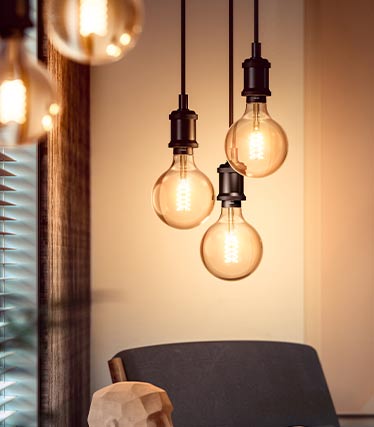
The more uniform the light distribution, the larger the home appears. Dark rooms need at least three light sources, which are made up of three types of light: Basic lighting (ceiling luminaires), zone lighting (free-standing luminaires) and accent lighting (indirect lighting).
)
Indirect lighting is a key to making rooms appear brighter. When light sources shine upwards onto the ceiling or walls, the light is reflected and distributed gently throughout the room. This means that even dark rooms can be made significantly brighter. The targeted illumination of rooms ensures that the light also reaches the depths.
Select light-coloured lamps for dark rooms
That's what mattersIf you want to brighten up dark rooms, you should be strategic in your choice of lighting.
)
More light for dark rooms usually means, above all, planning in sufficient lumen. A bright lamp for dark rooms should have sufficient luminous flux (the sum of the lumens) to evenly illuminate larger areas. You need around 150 lumens per m² for a generally bright interior, and significantly more for dark colours.
)
The light colour (also called colour temperature, as it is the quality of white light) has less influence on brightness than on atmosphere. Warm white (<3,300 K) is suitable for living spaces as it appears very cosy. Universal white (3,300 to 5,300 K) has a sobering effect in workspaces and promotes concentration.
)
Diffusers, textile lampshades or opal covers over the light sources ensure that the light is softly distributed throughout the room. Spotlights without diffusion often produce hard shadows and, in the worst case, glare. Wide-area lighting, on the other hand, makes rooms appear brighter and larger.
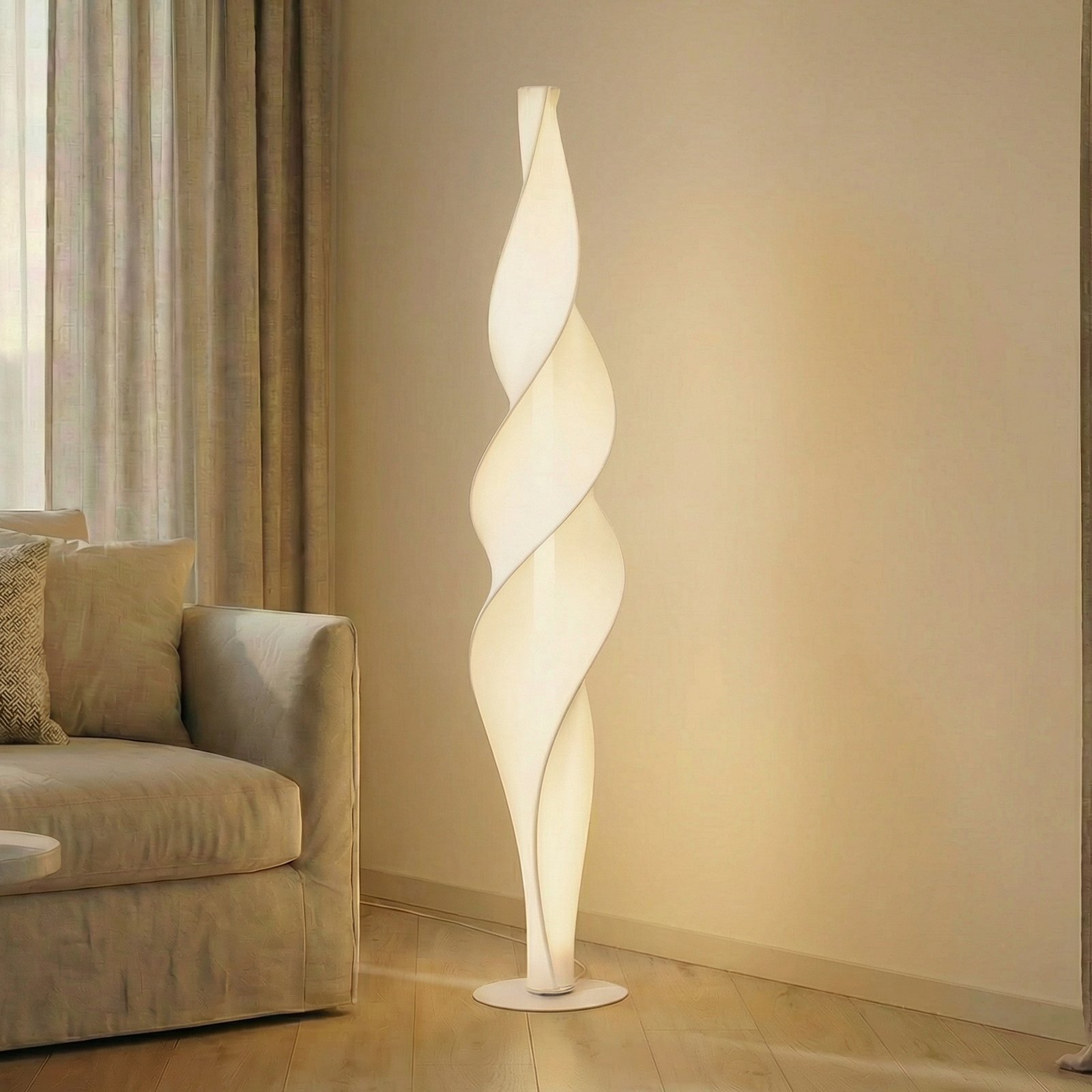
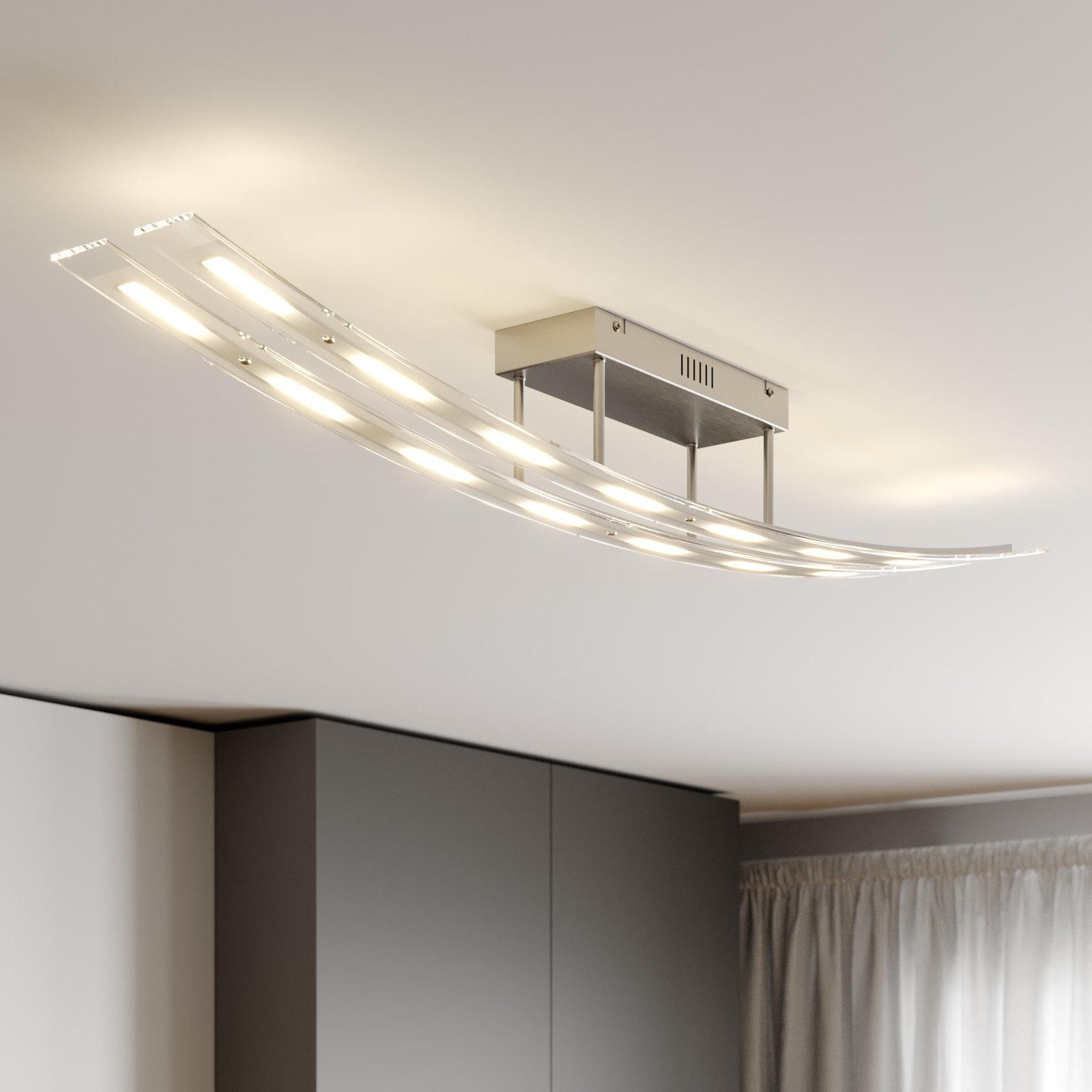
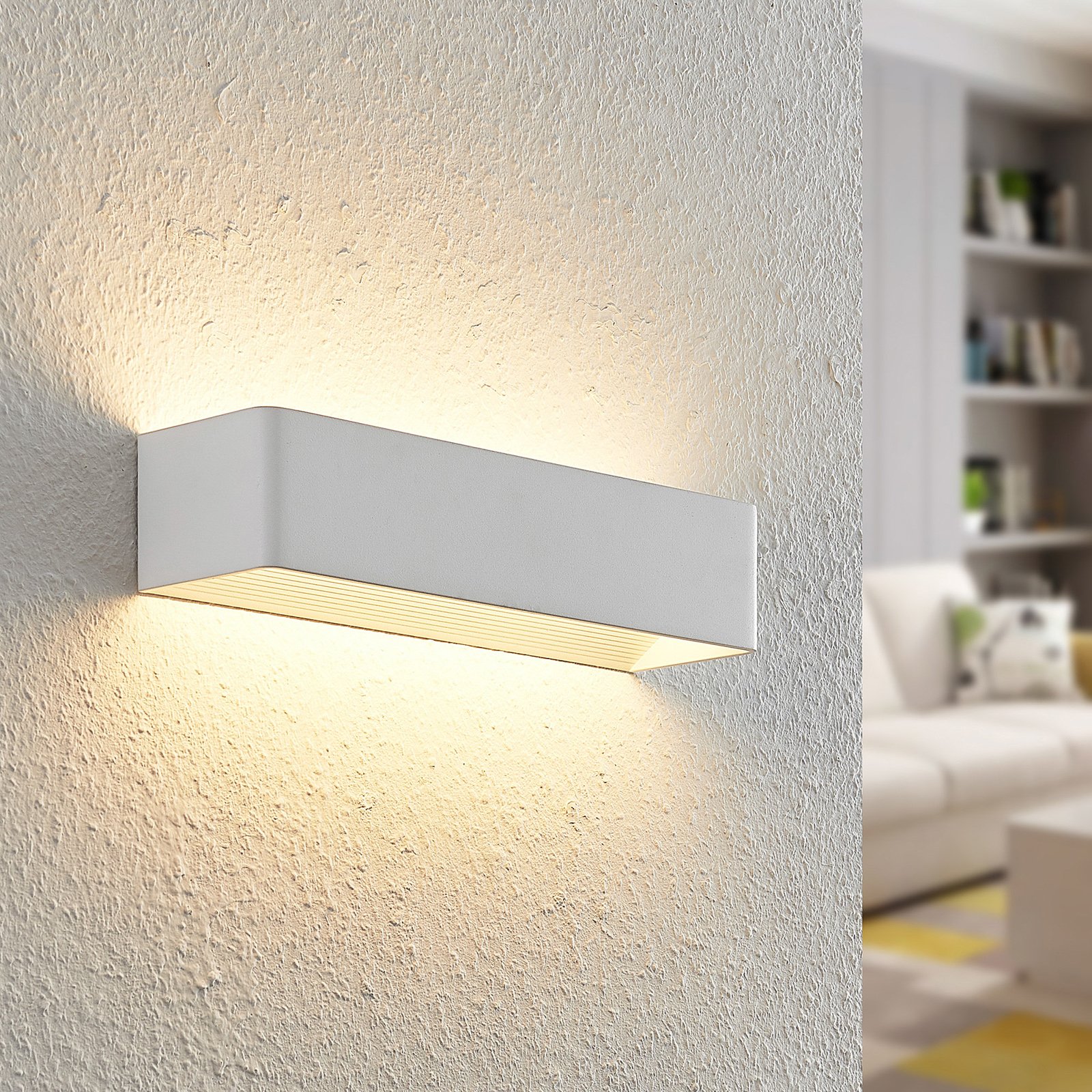
Bright lamps for dark rooms
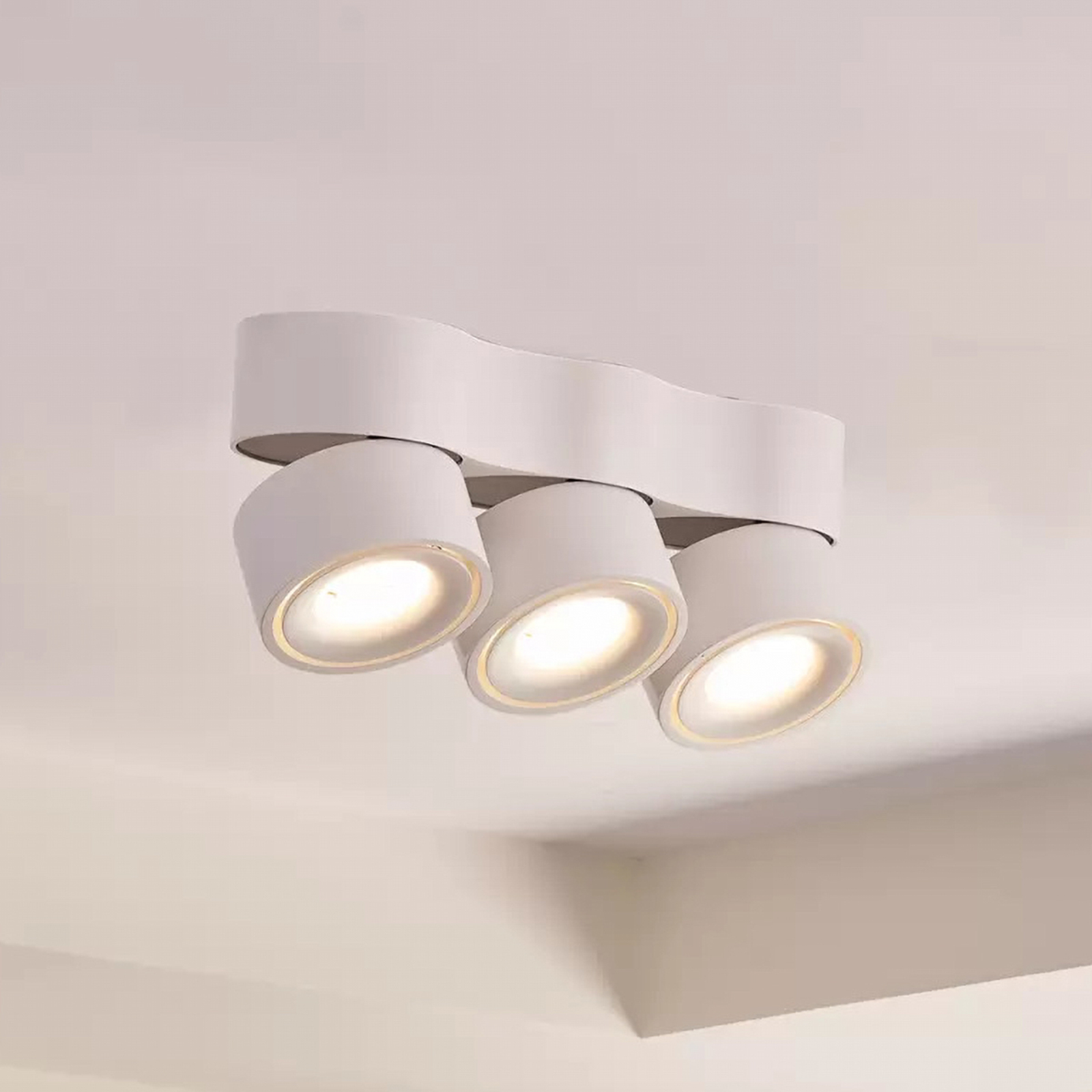
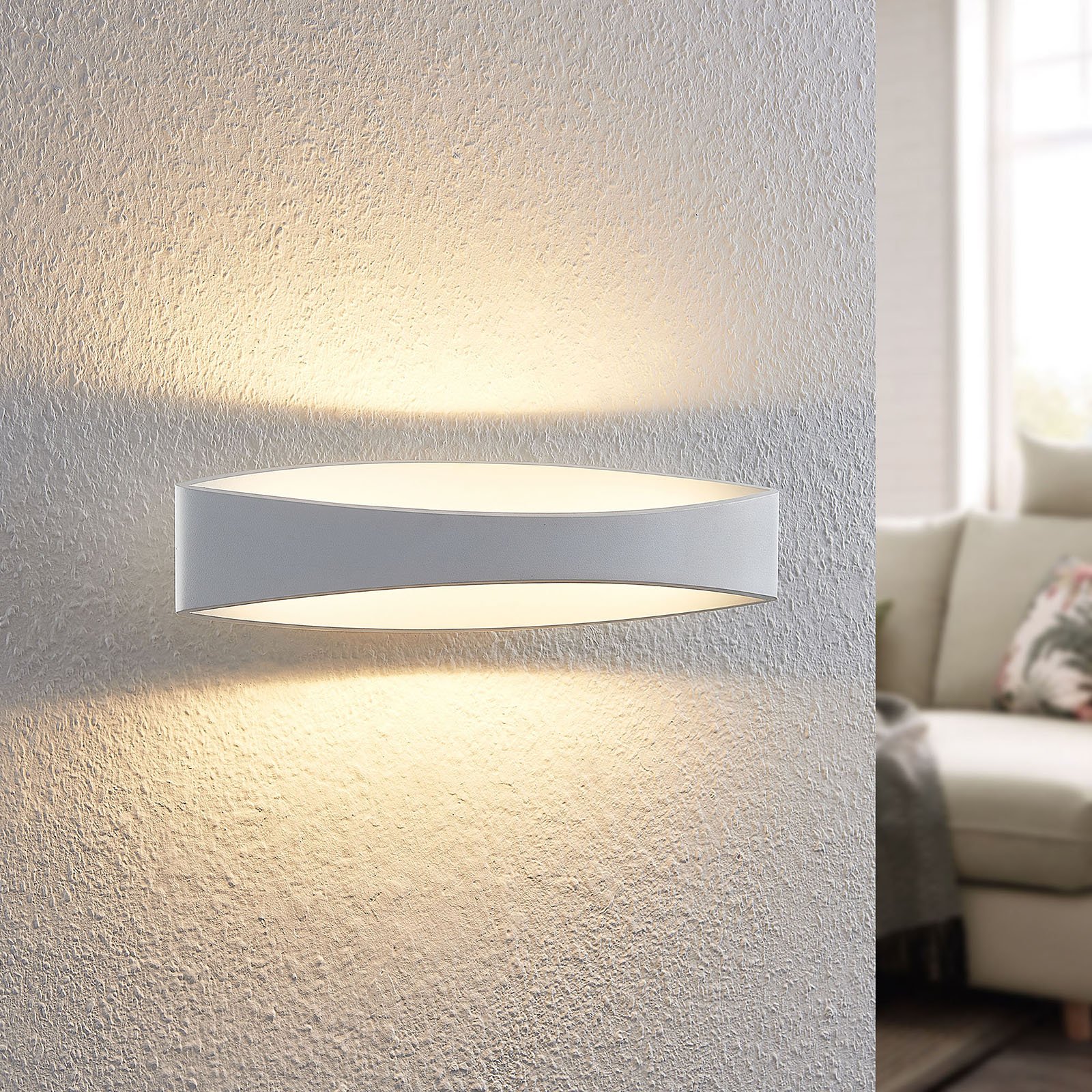
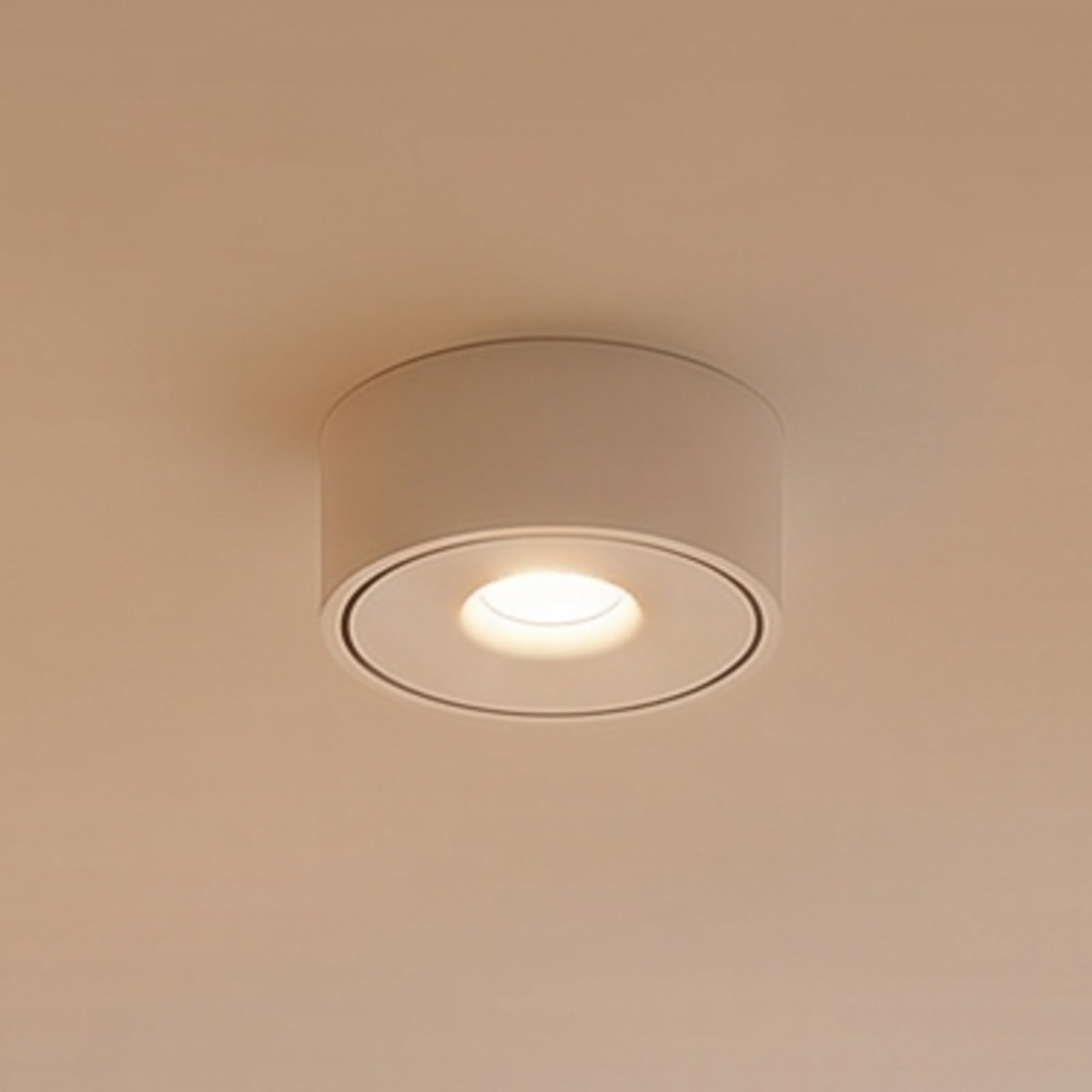
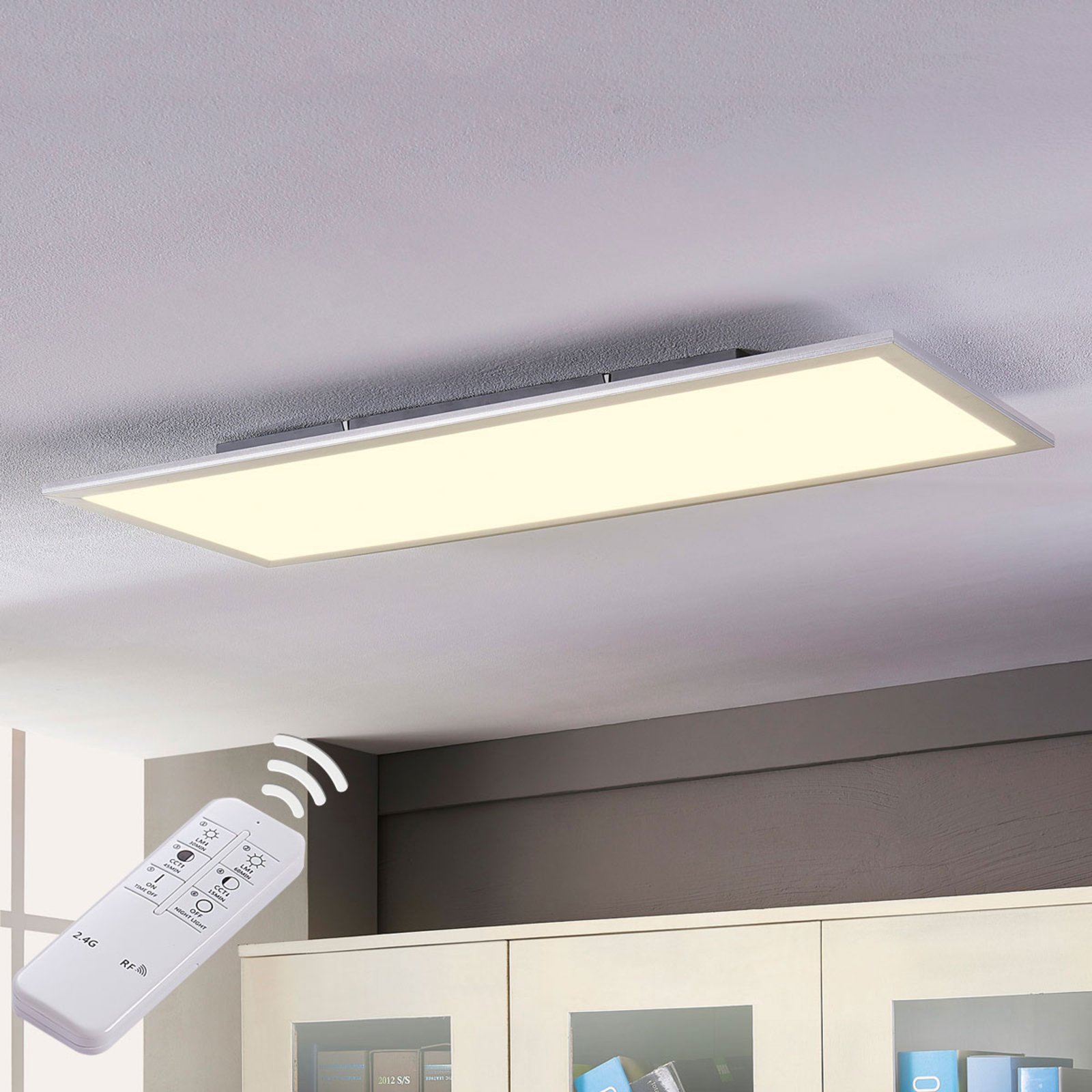
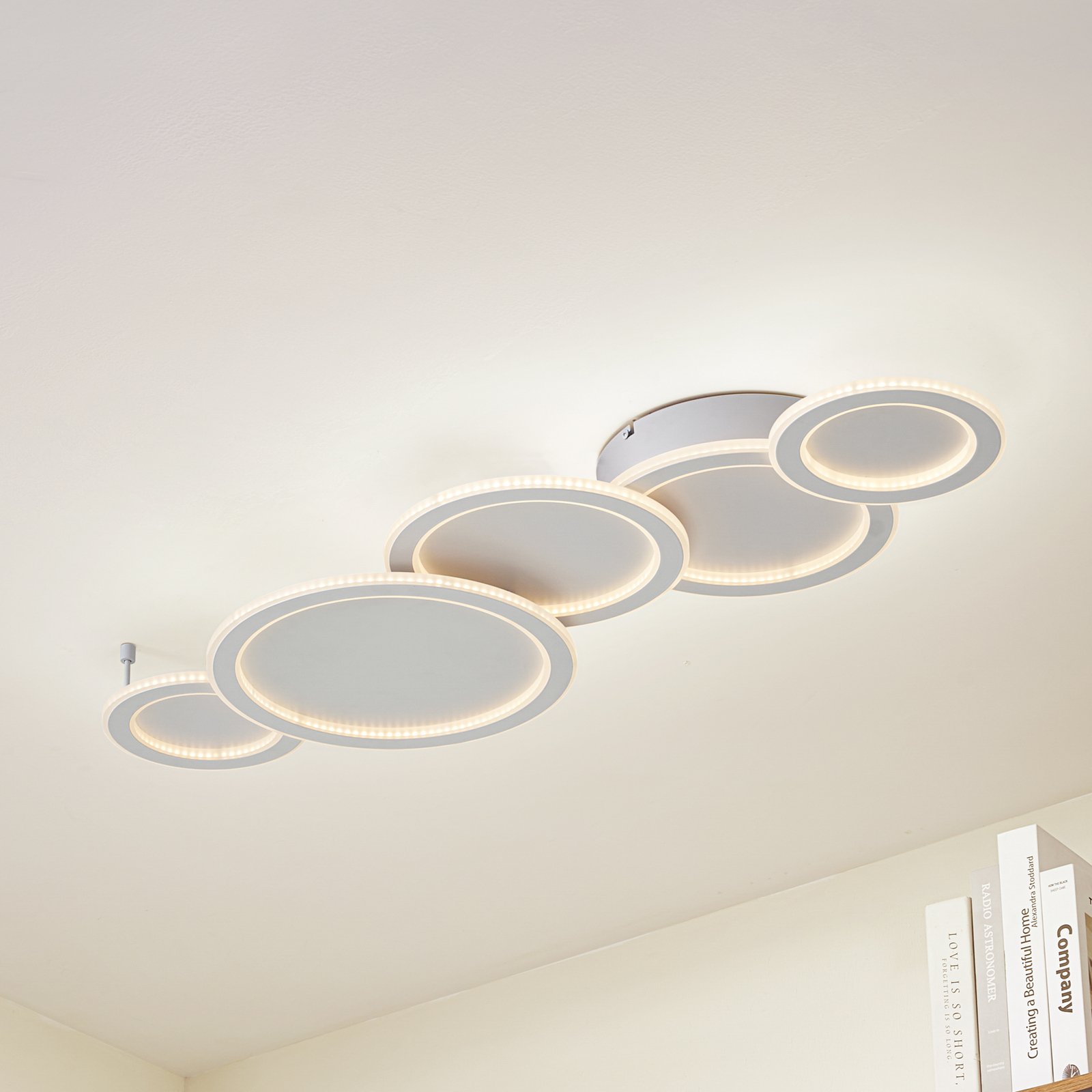
Our top sellers >1,500 lumen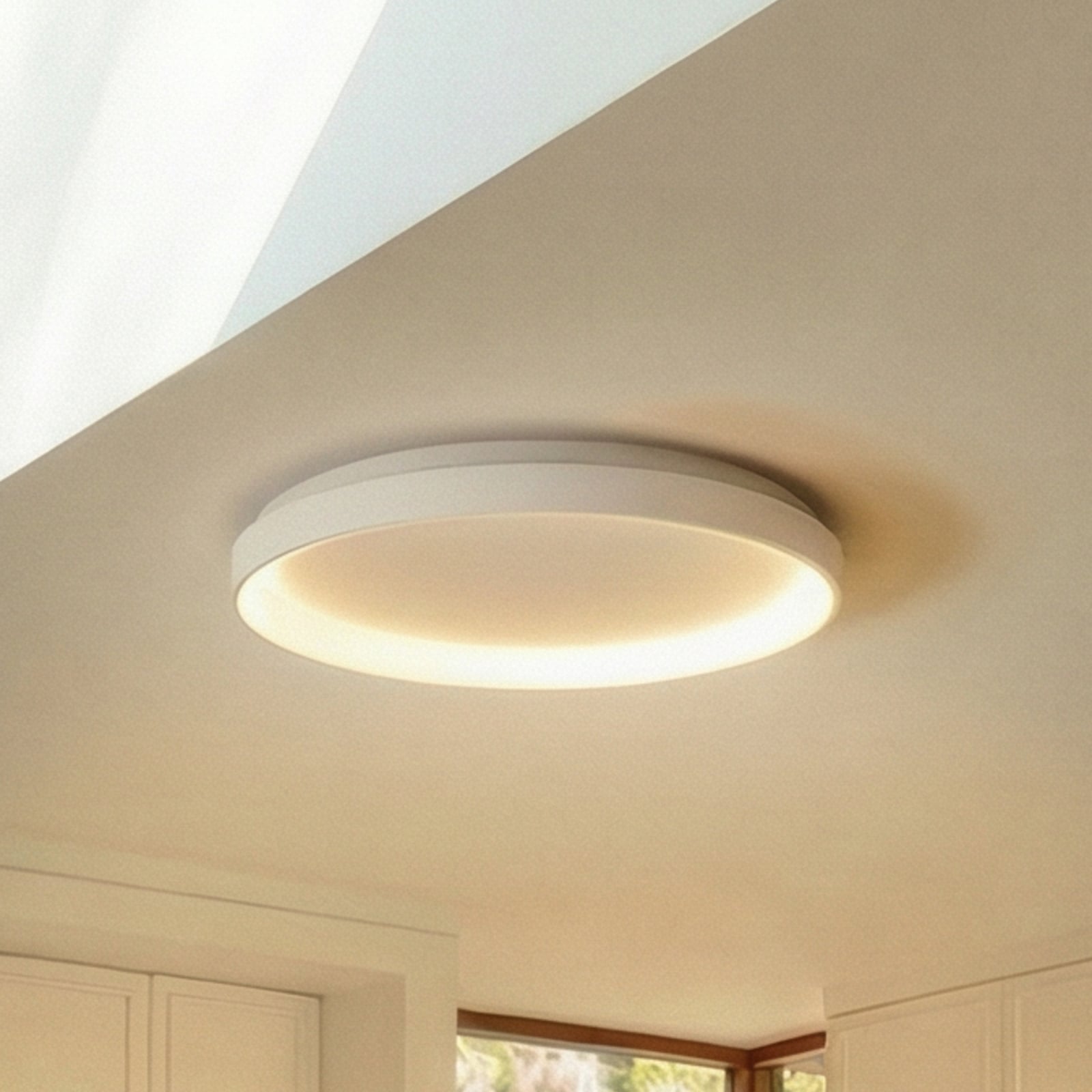
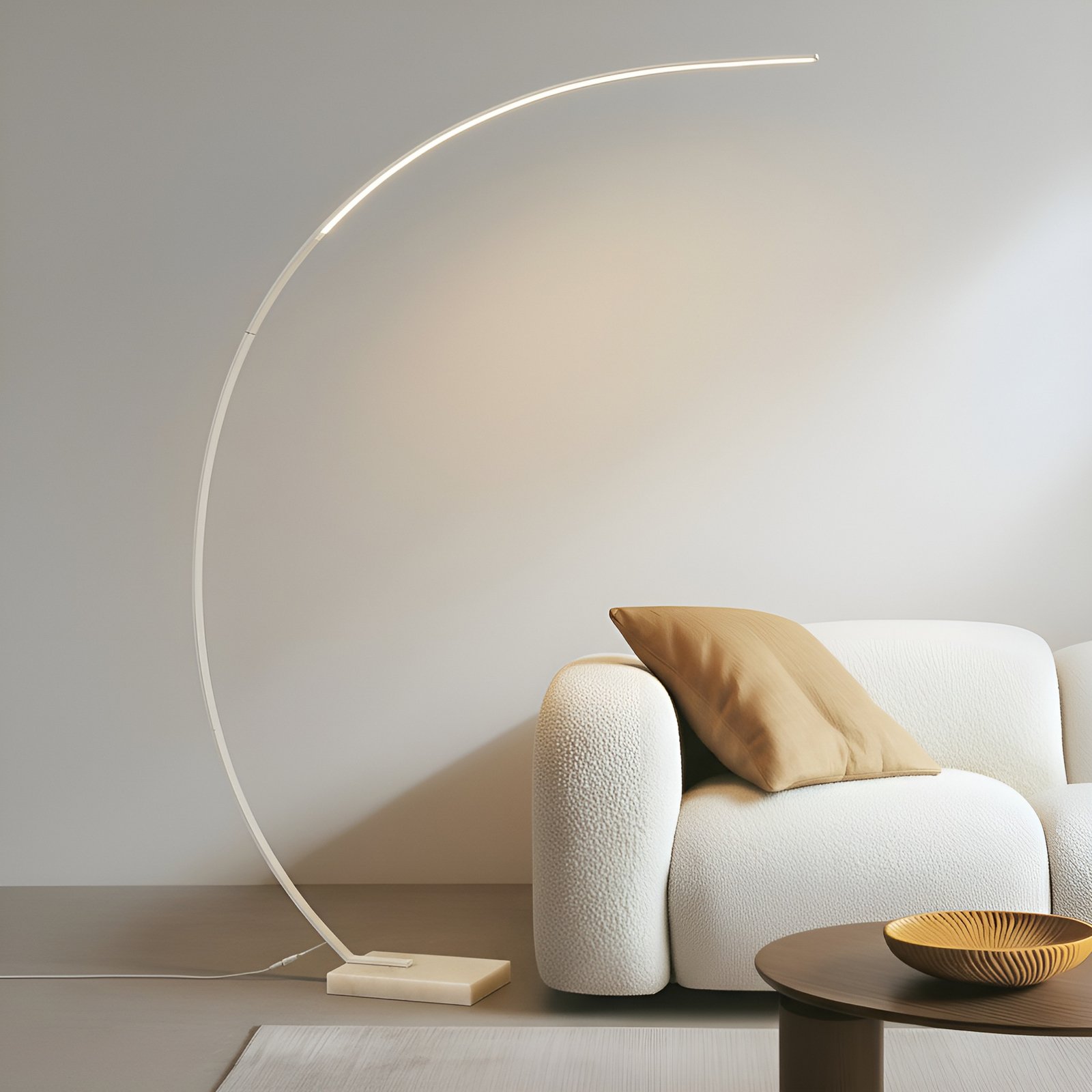
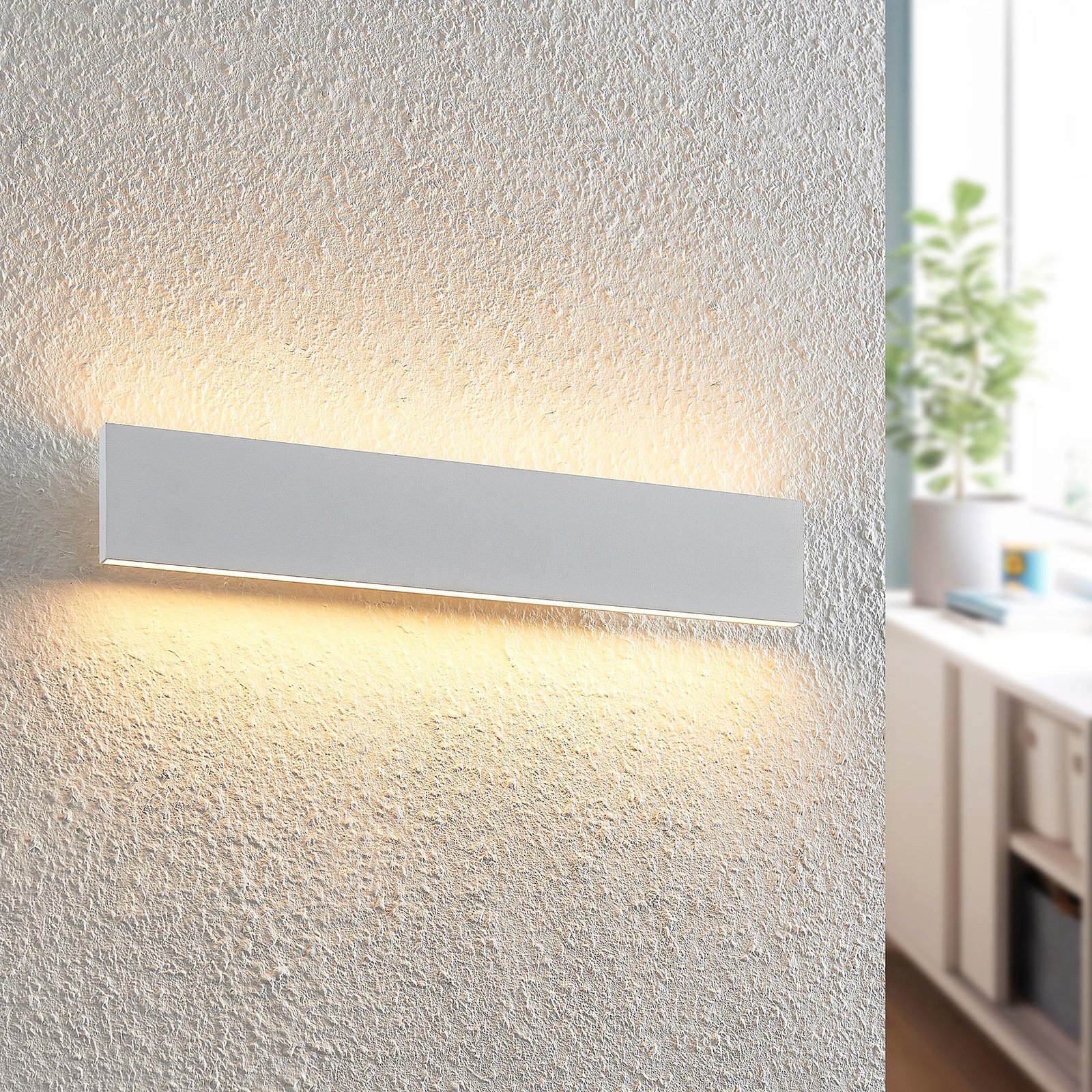
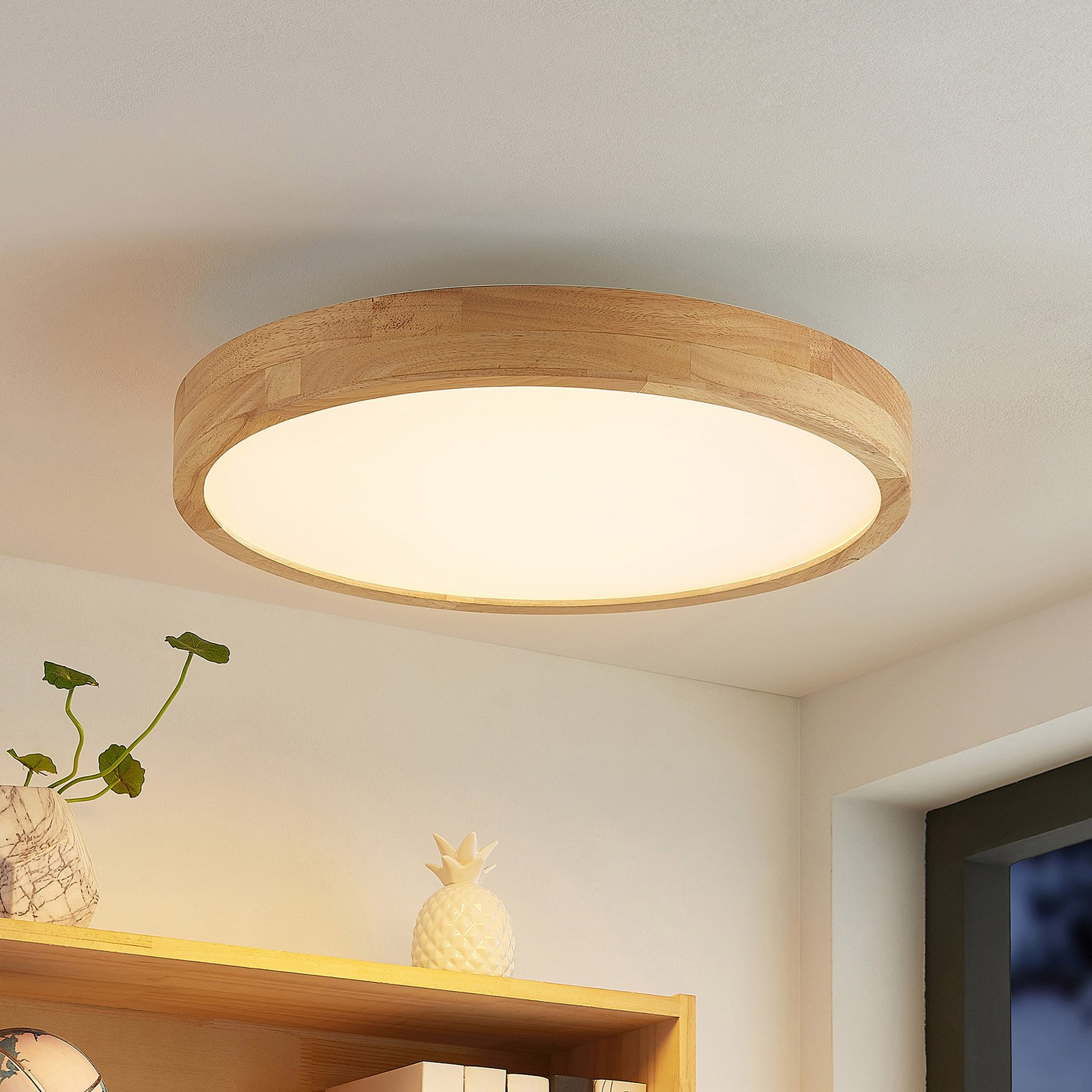
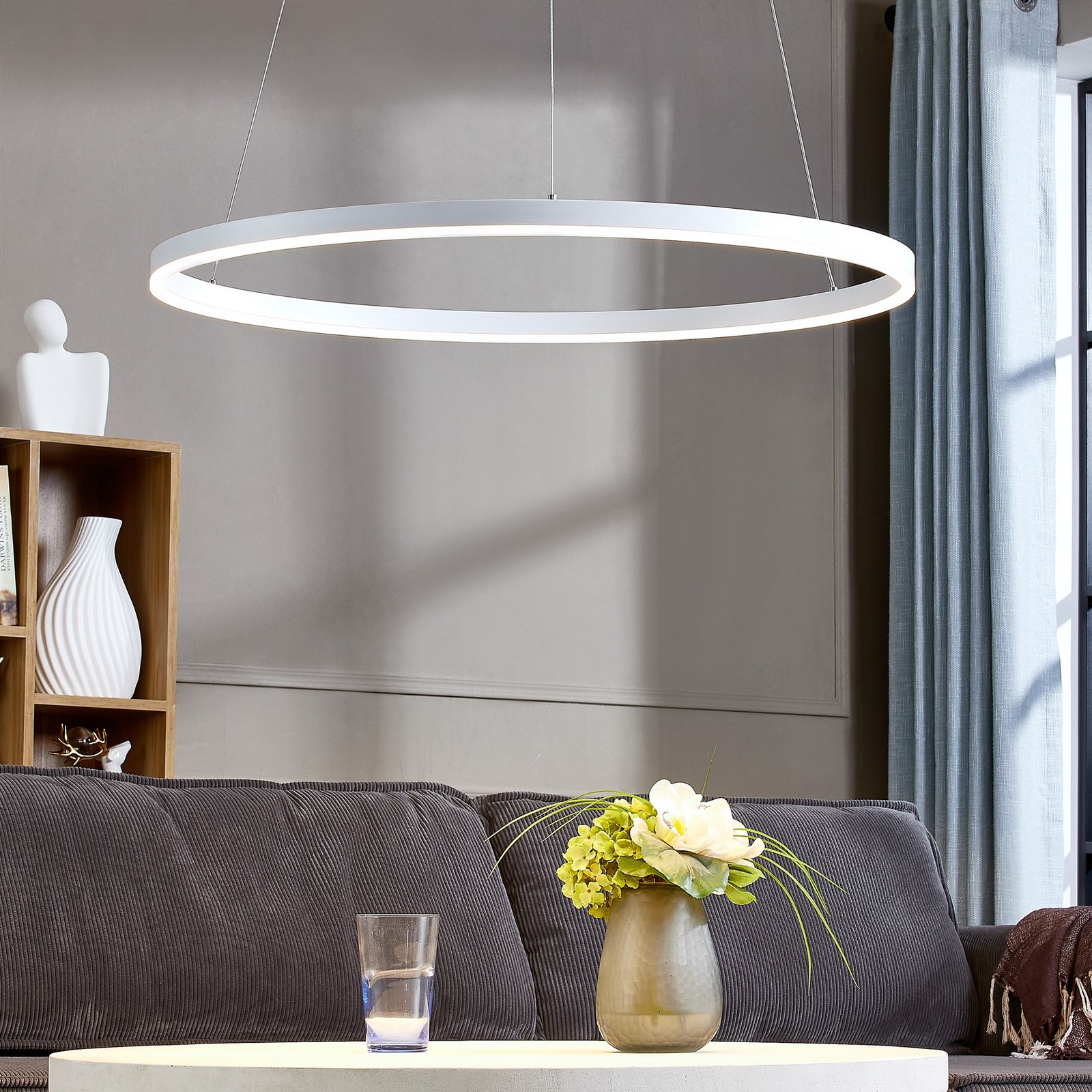
Solve problem areas
Brighten up low rooms and dark corners in a targeted manner)
To make low rooms appear higher, it is important to select a flat ceiling light, for example an LED panel, so that nothing is "taken away" from the already low room height. The ceiling should also be indirectly illuminated, for example with LED strips, so that it appears visually raised.
)
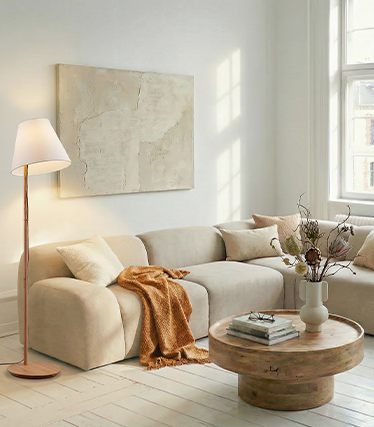
Floor lamps are a very popular way of creating an additional light source in a room that effectively illuminates dark corners. Similar to table lamps, they do not require a fixed electrical installation, making them an uncomplicated and quick option for brightening not only dark corners but also dark rooms.
)
Indirect light makes it very easy to create more brightness without creating glare in the room. As the light sources shine upwards or against walls, the light is reflected and softly distributed in the room without shining directly into the room and causing glare. Popular for this are wall lights with cover or ceiling washlights.
Colours and furnishings
Brighten up rooms additionally)
Light, light-reflecting colours such as white, cream or light shades of grey make rooms appear brighter, whereby a light ceiling is particularly important as it reflects the light back into the room over a large area. Dark wall and ceiling colours, on the other hand, "swallow" the light: incident brightness is only reflected to a small extent, making the entire room appear darker.
)
Mirrors can be used to "double" the light to a certain extent. If a larger mirror is placed opposite or to the side of a light source or window, the incident light is reflected. It is important to ensure that the light does not dazzle, which is why diffusers, i.e. lamps with a glare-reducing shade, can be used.
)
Dark furniture and heavy textiles absorb light - they "swallow" it. Large pieces of furniture can also block light sources and prevent the light from being optimally distributed. A solid wardrobe can also subjectively "darken" the room. Light colours, glass surfaces and "light" furniture on legs, on the other hand, can increase the brightness of a room.
Conclusion
Making dark rooms brighter in the long termBrightening up dark rooms requires a combination of analysis, suitable lighting and conscious design. These tips can be used to brighten up dark rooms, make rooms lighter and make the entire home more welcoming:
- Plan several light sources
- Choose bright lamps with sufficient lumen for dark rooms
- Targeted lighting of walls and ceiling
- Choose colours and materials that reflect the light
 "Lighting Concept")
 "What is Lumen")
 "Light colour simply explained")
 "Minimalist Lamps & Lights")
 "Indirect lighting")
 "Small rooms")