
































)
Lighting design for home offices
Perfect lighting for focused workA well-thought-out lighting scheme in your home office is crucial for focused work, productive hours and a pleasant atmosphere. This is because, particularly when working at a computer screen, poor lighting conditions can quickly affect concentration, well-being and health: tired eyes, glare, harsh shadows or reflections on the monitor are among the most common problems encountered in everyday working life at home. On the other hand, if you plan the lighting in your home office carefully, you can create a working environment that is both functional and cosy.
The be-all and end-all of a lighting scheme for a study
To create a harmonious lighting scheme in your home office, it is not only brightness and light colour that play an important role, but also the right combination of general lighting, desk lighting, indirect lighting and decorative lighting accents. A good lighting design for a home office takes into account both the room itself and individual requirements: how much daylight is available, the size of the work surface, the main activities carried out there, and the length of time spent in front of a screen.
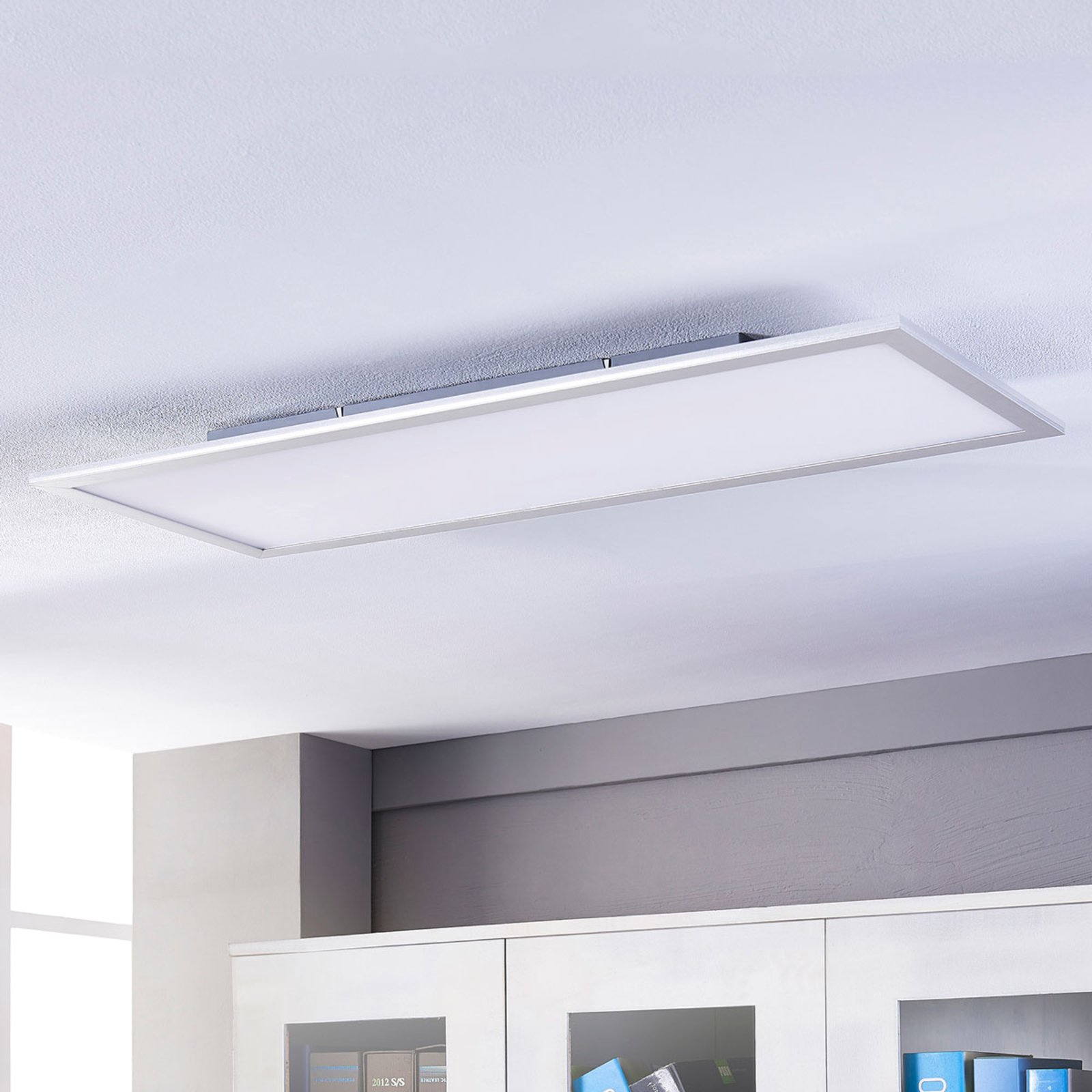
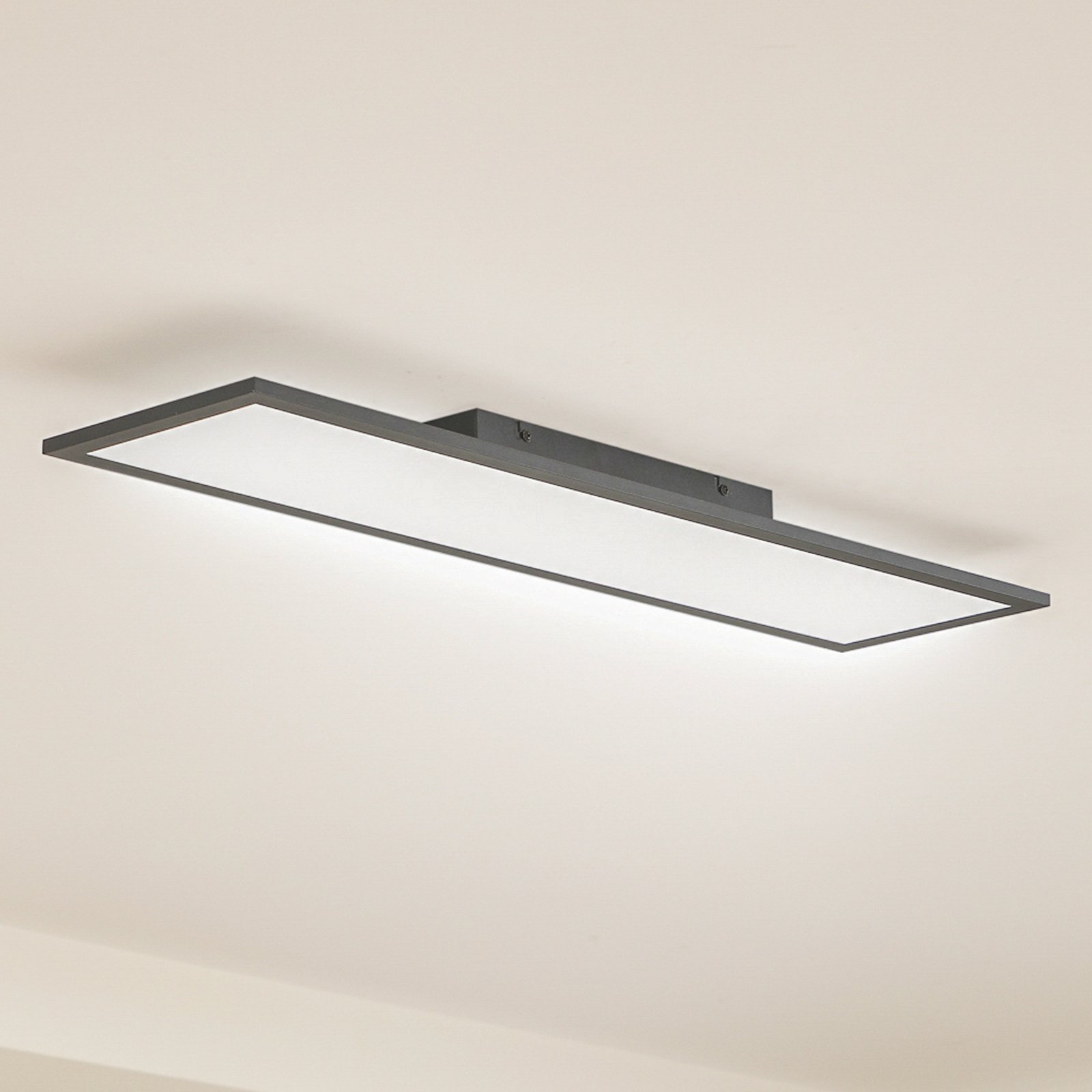
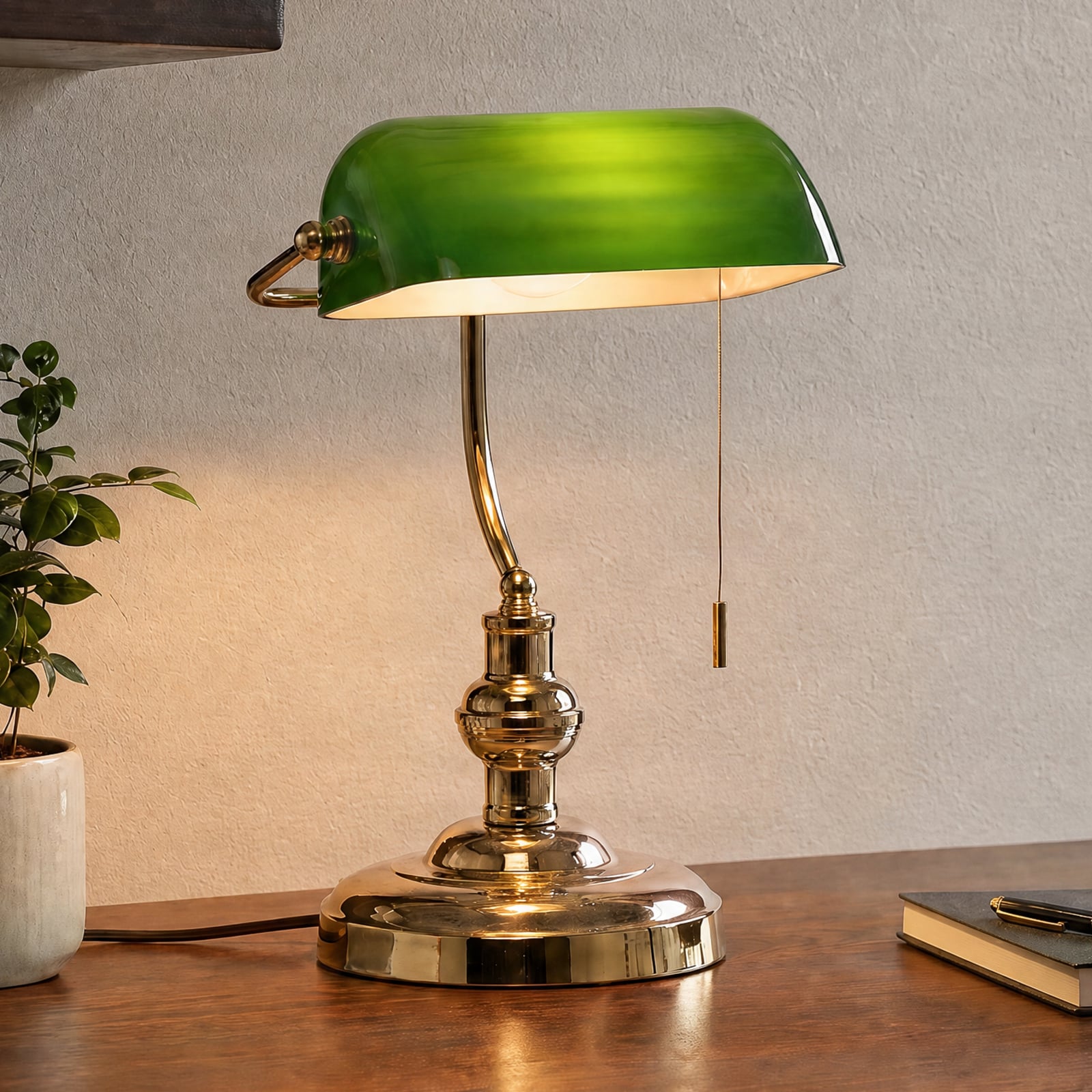
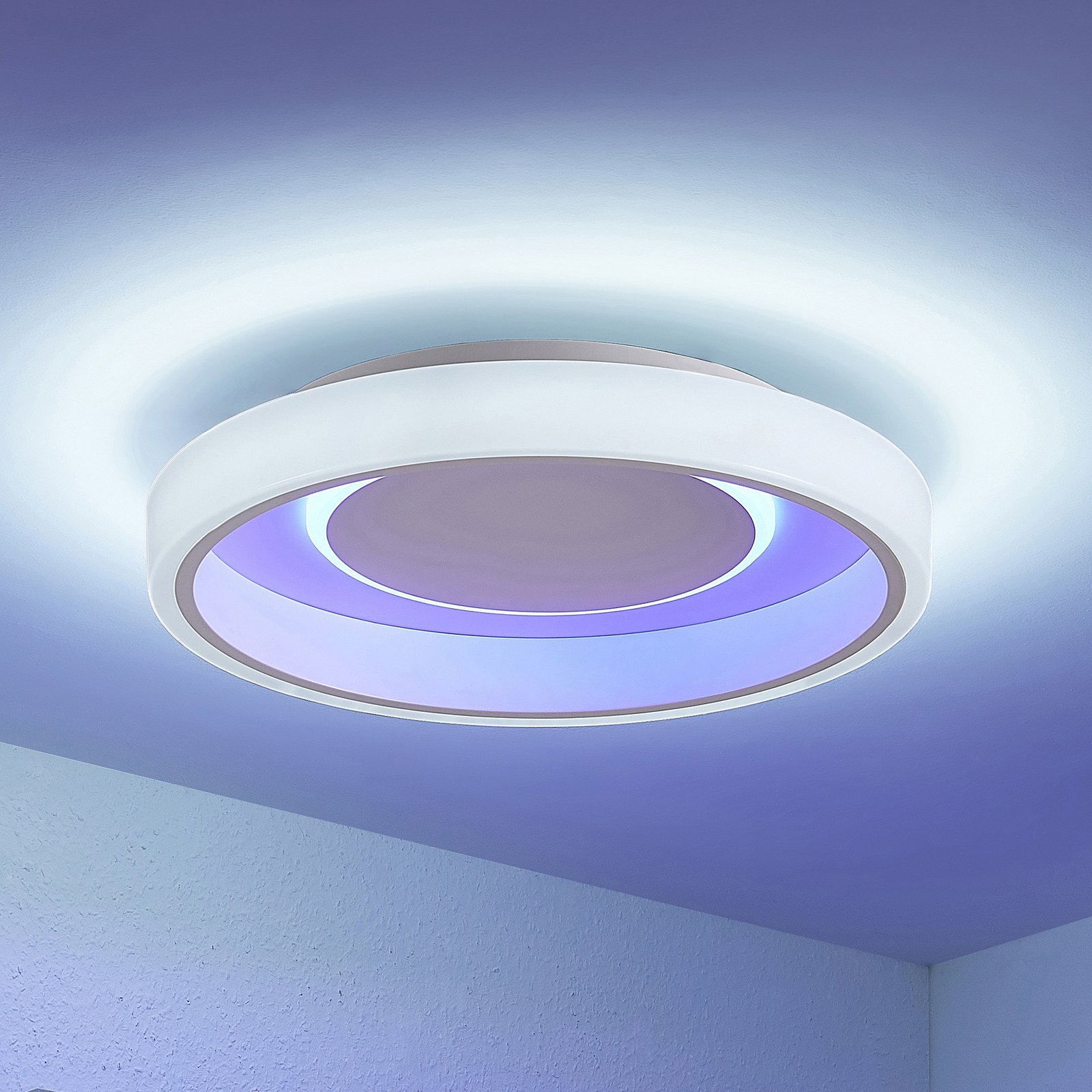
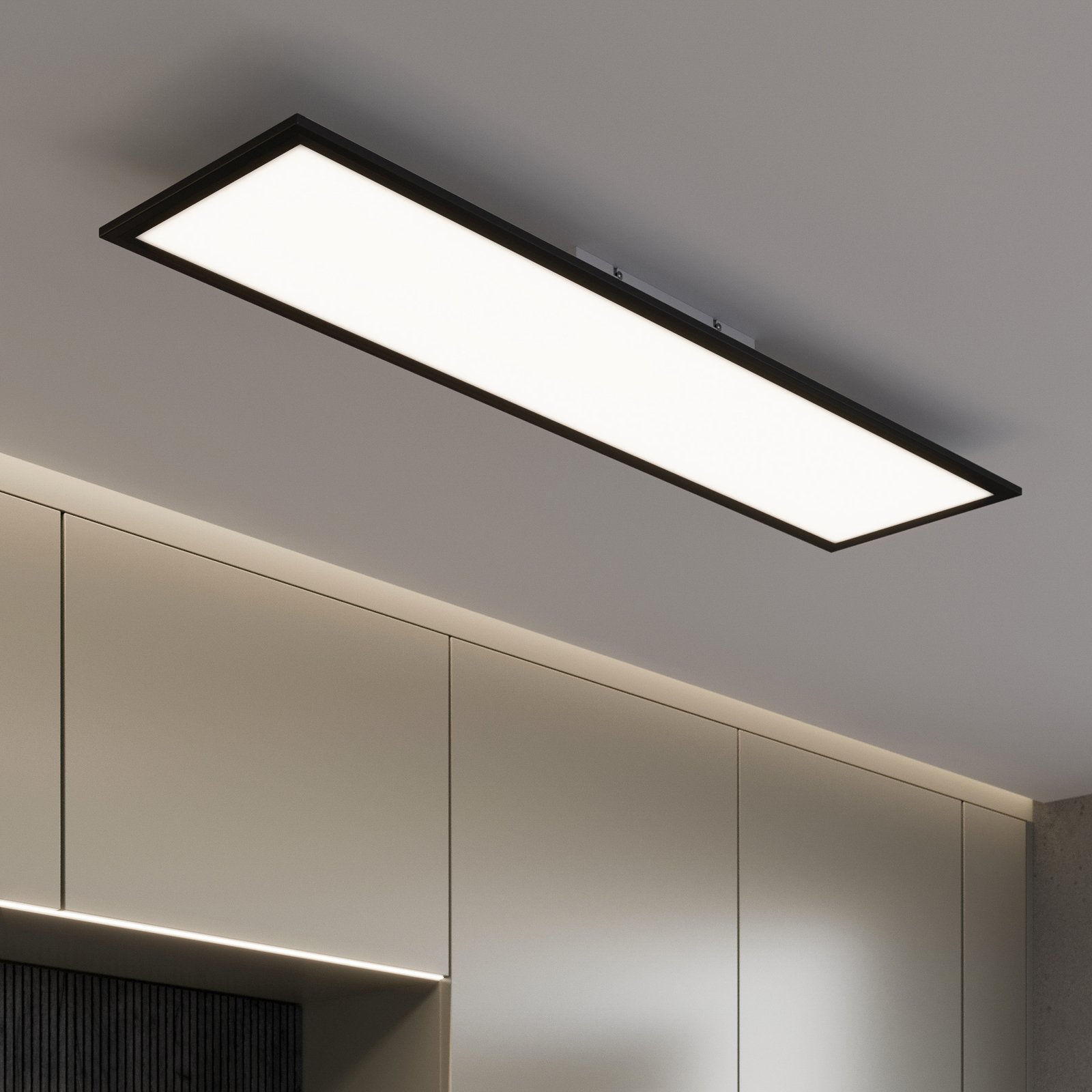
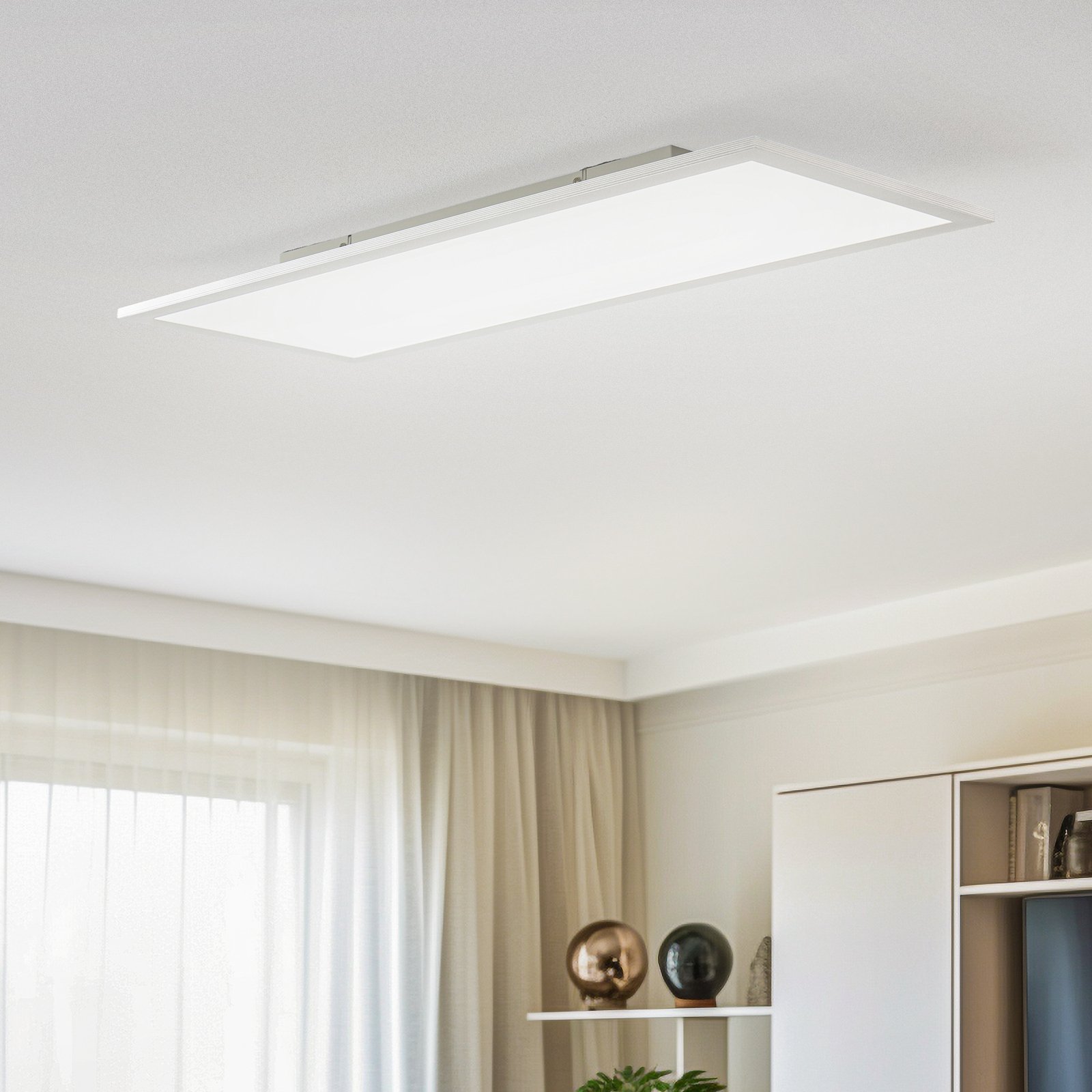
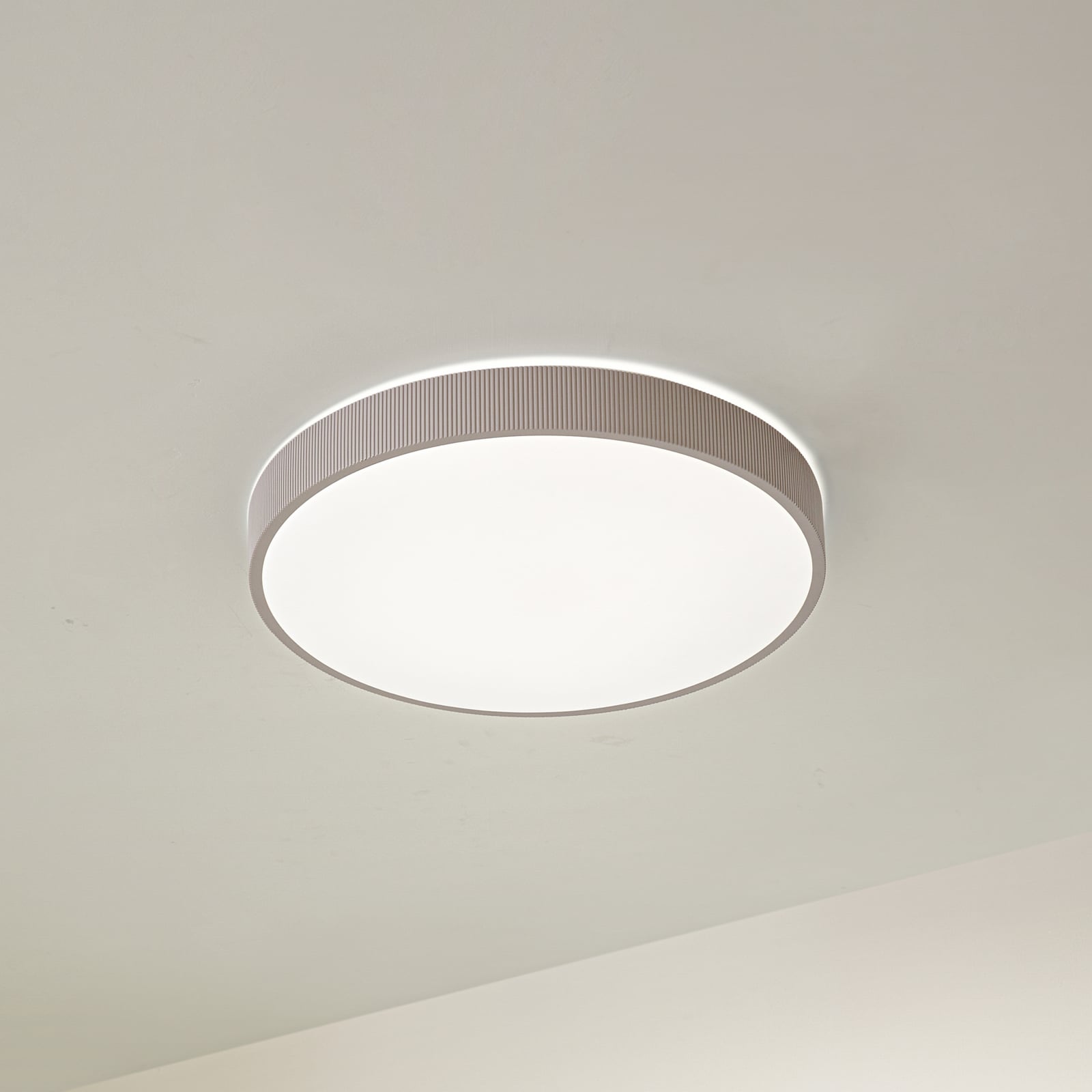
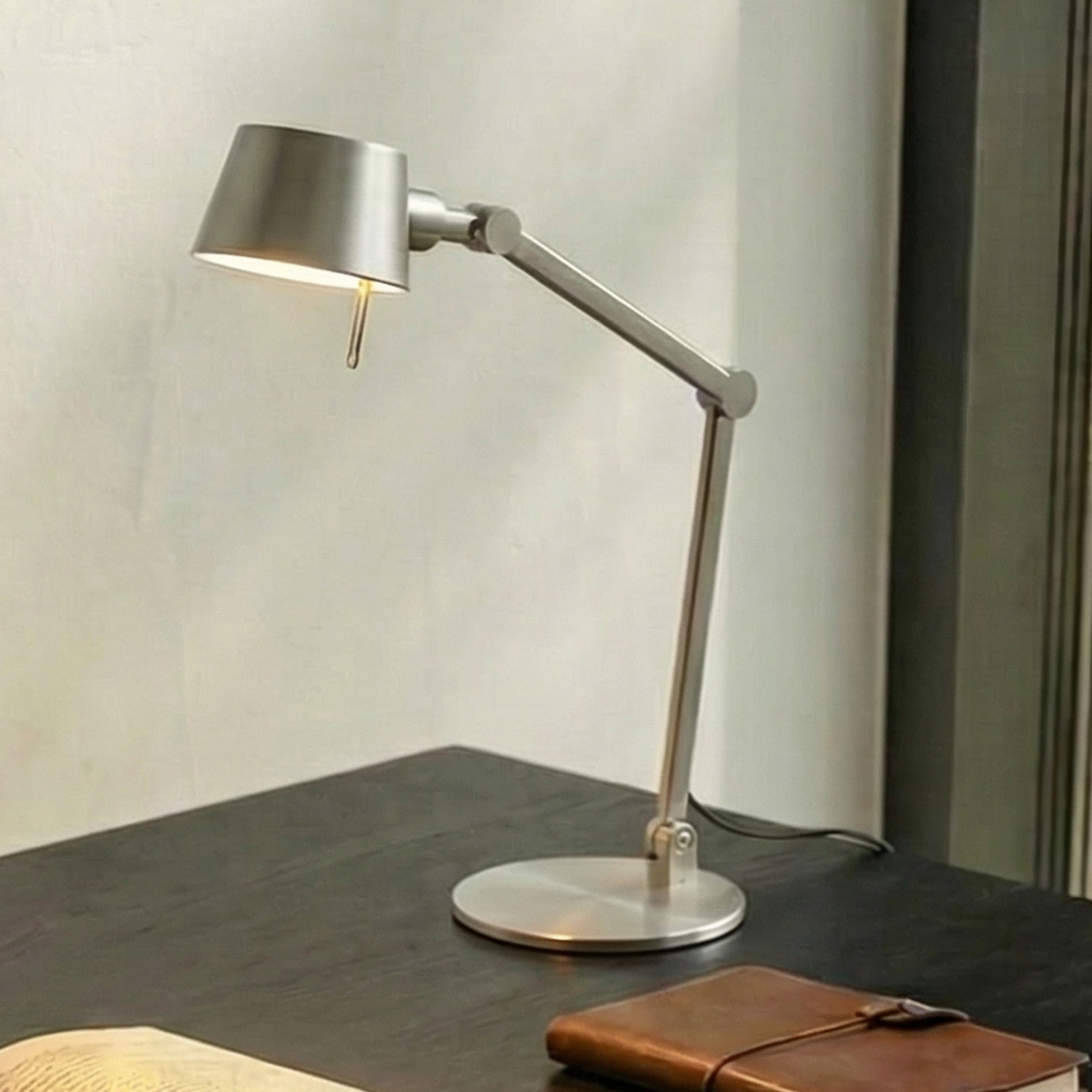
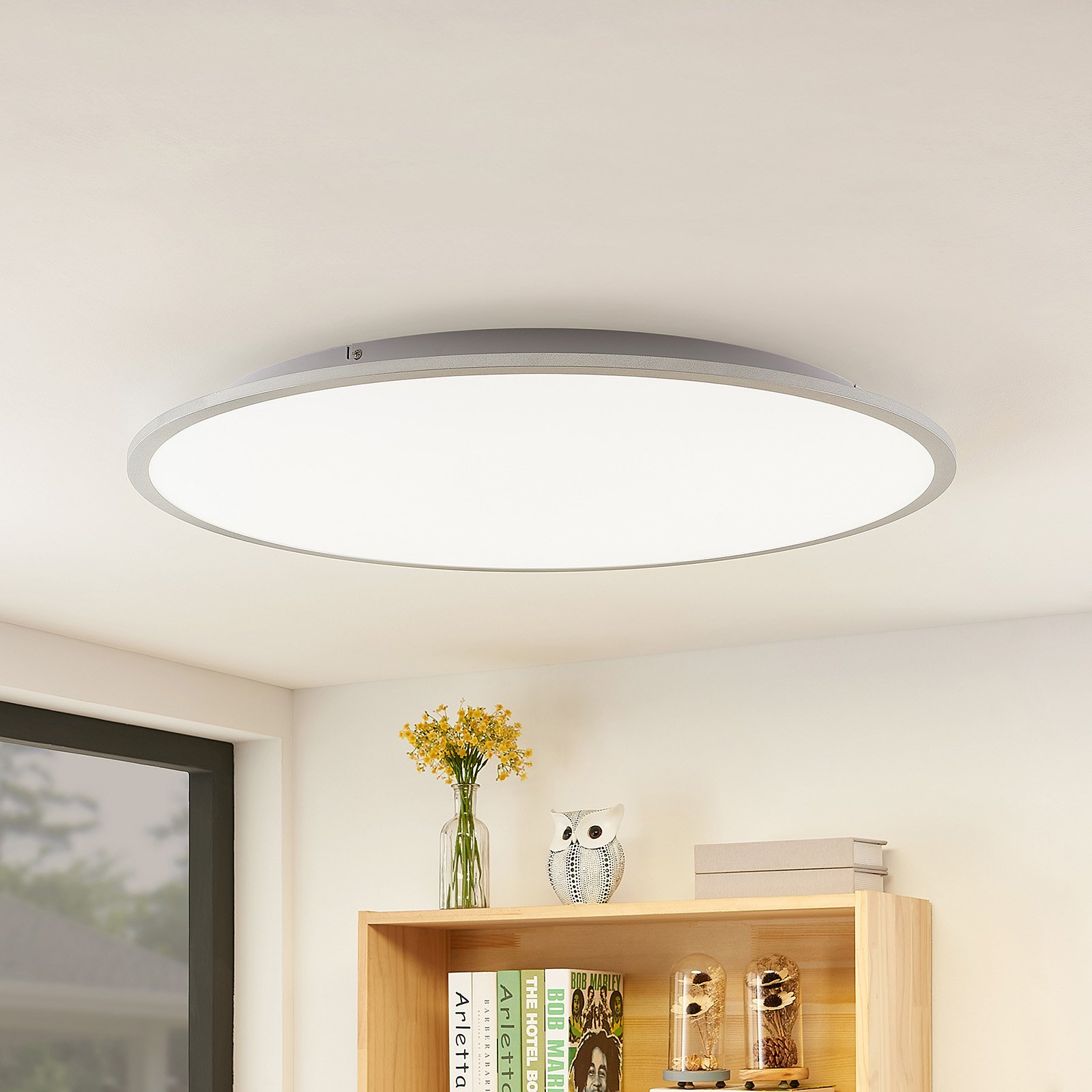
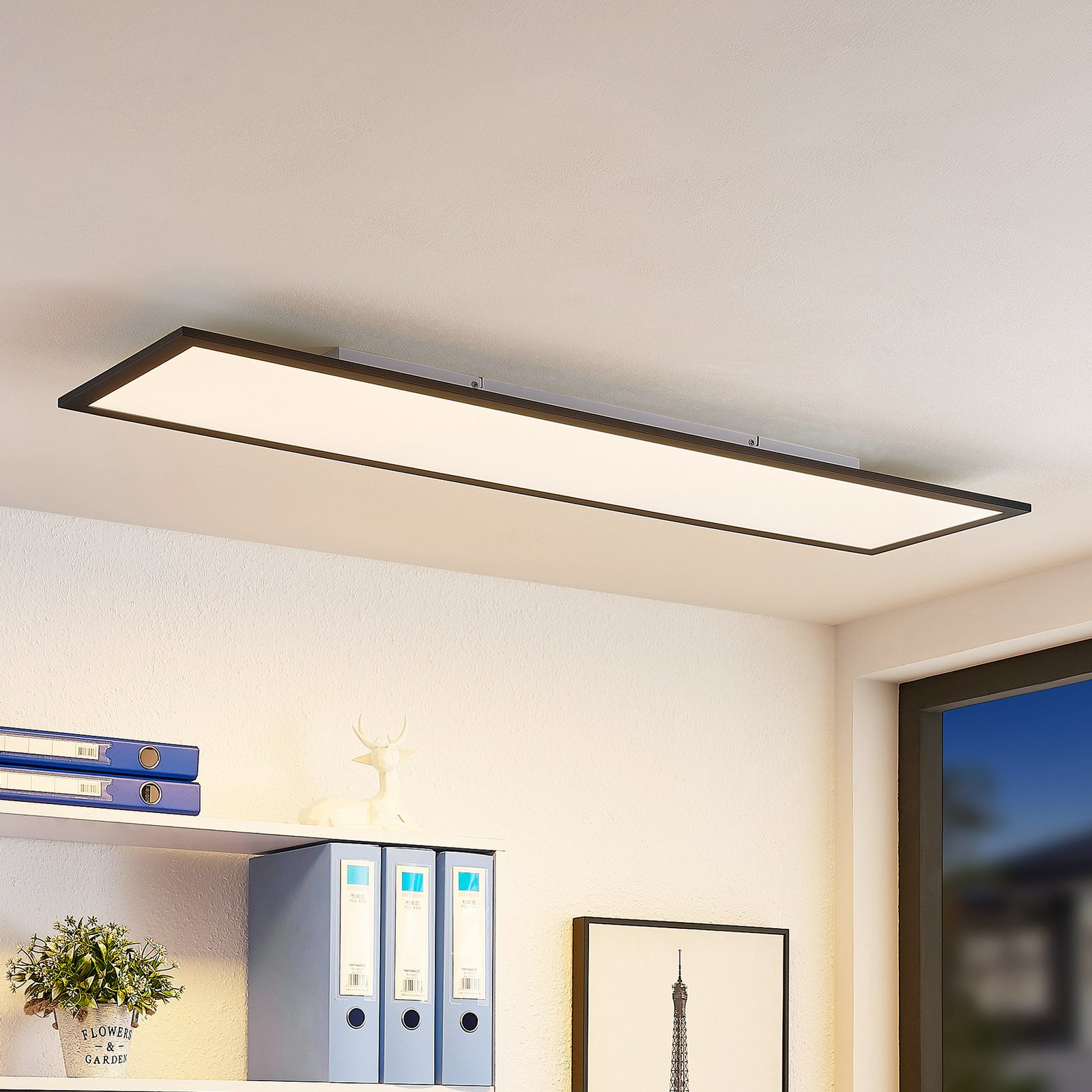
Our bestsellers for the home office
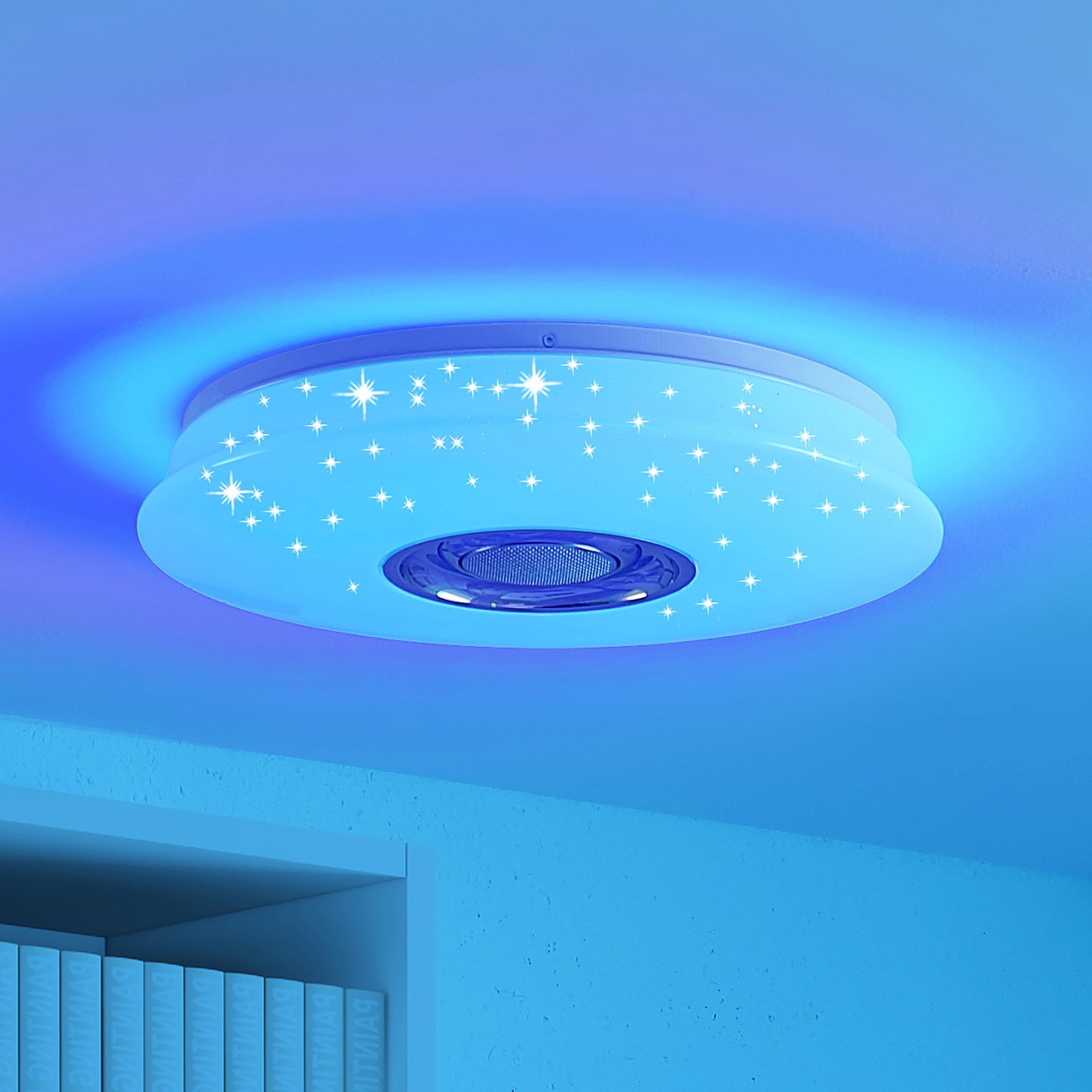
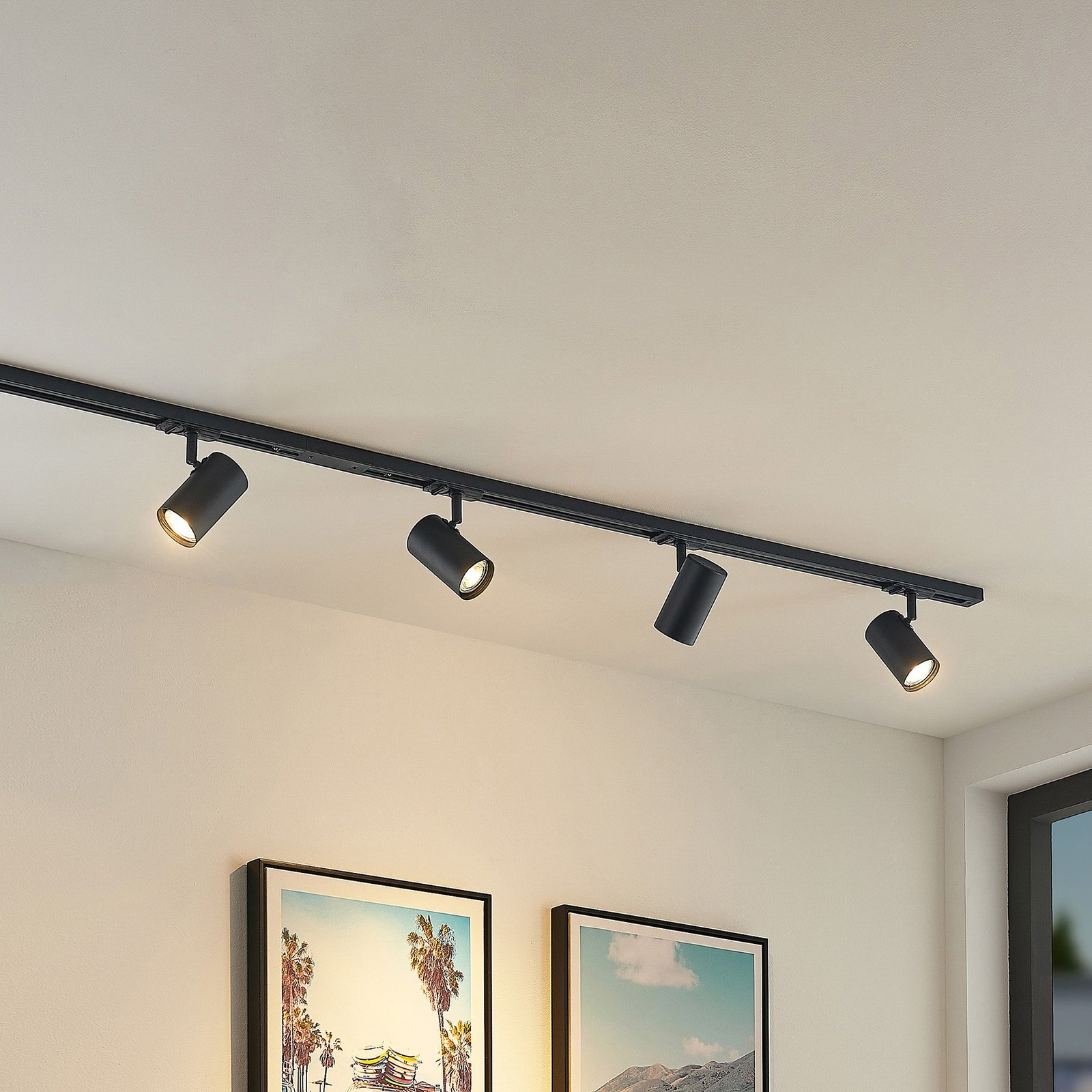
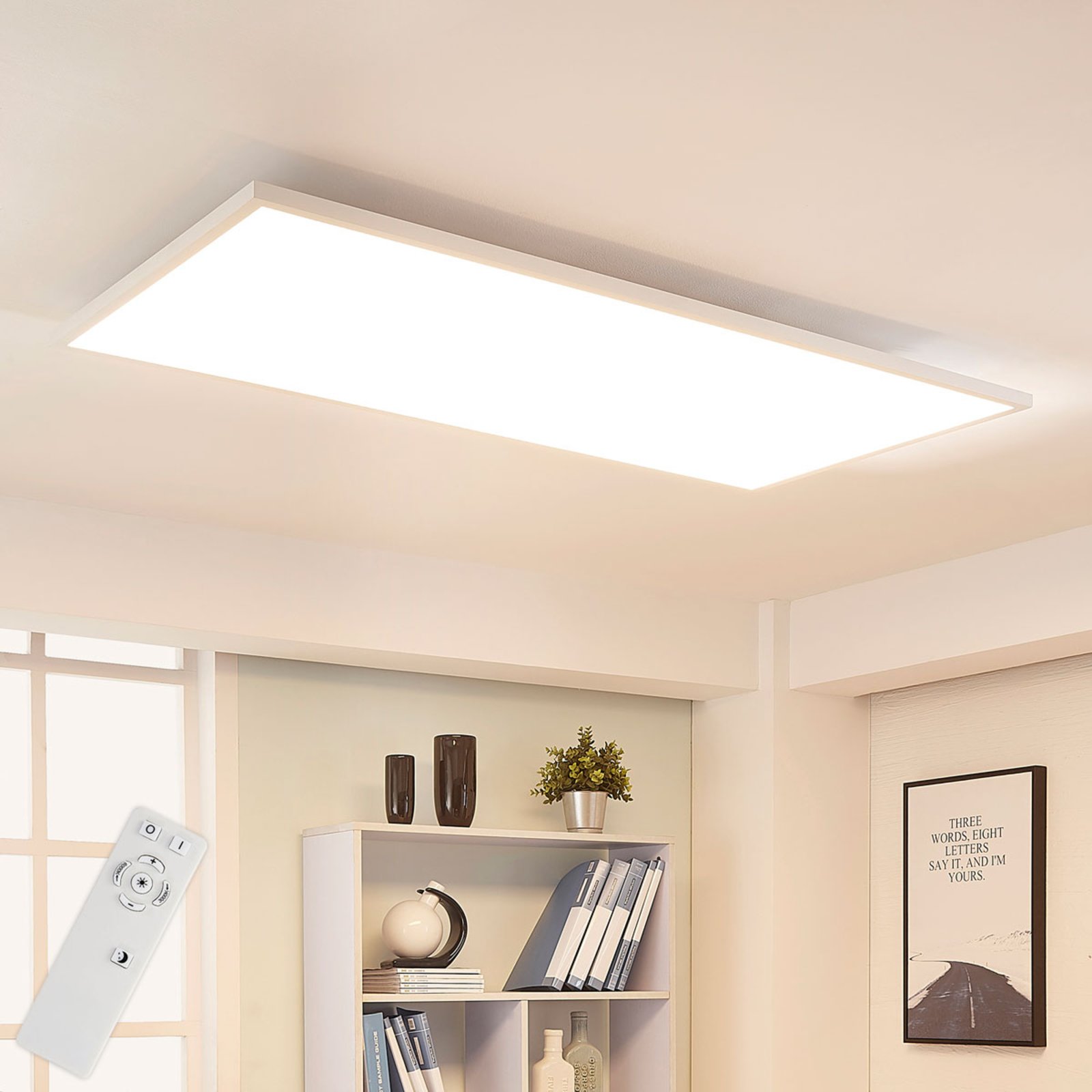
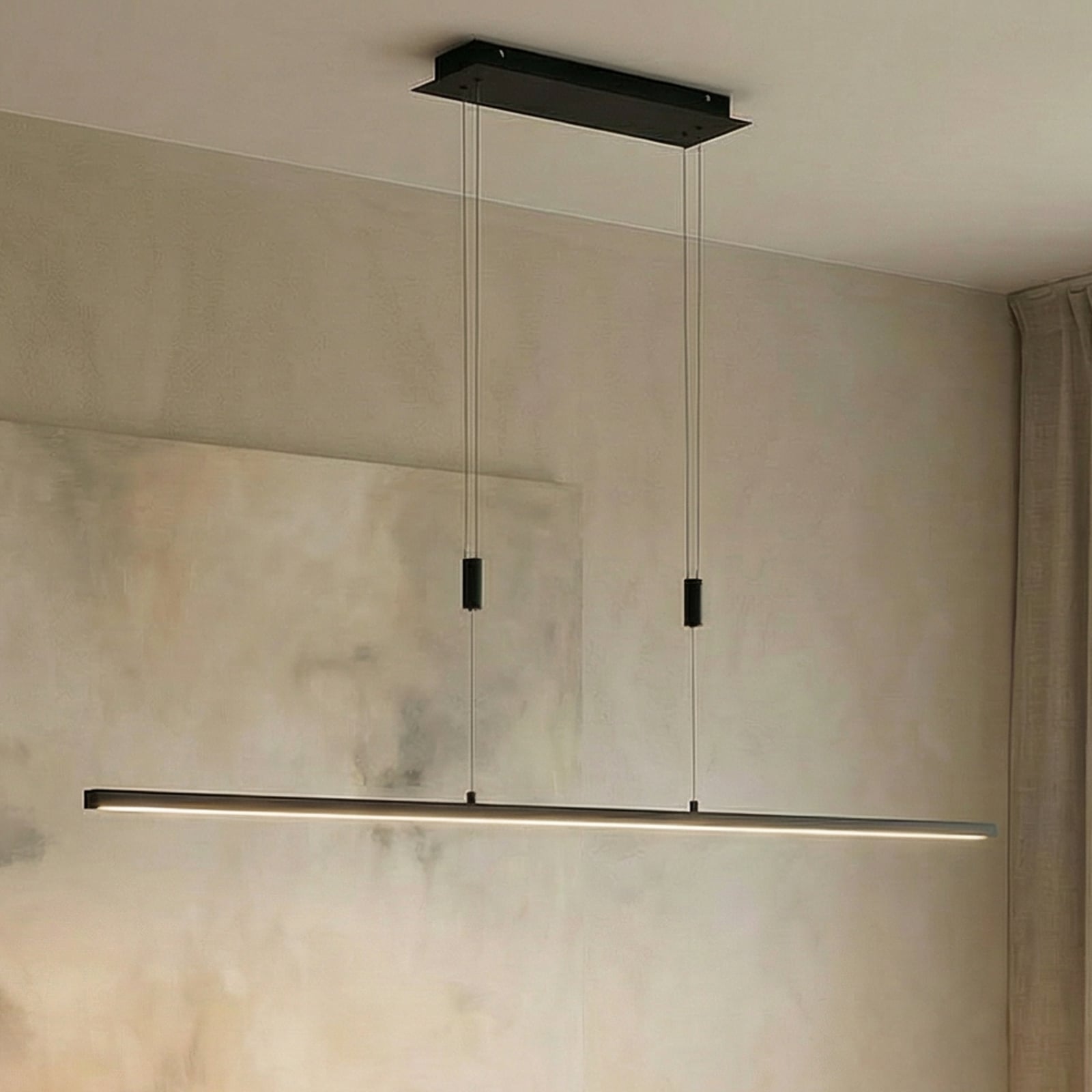
:format(jpeg) "Working from home")
)
)
Why good lighting is so important
Both functional and cosyGood lighting has a significant impact on much more than just the atmosphere in a room. The right lighting in your home office can boost concentration, motivation and productivity, whilst also reducing strain on your eyes. Particularly when working at a computer for long periods, balanced lighting conditions are crucial for preventing fatigue and discomfort.
The importance of good lighting for your eyes and when working at a computer
Well-designed home office lighting reduces significant differences in brightness between the screen and the surrounding area. This means the eyes have to adjust less, making it more comfortable to concentrate on work. At the same time, good lighting in a home office helps to create a pleasant atmosphere – which is important for anyone who spends many hours at their desk.
The difference between functional task lighting and a cosy atmosphere
Unlike traditional living room lighting, lighting in a study needs to be functional above all else. Whilst warm, rather subdued lighting is often sufficient in the living room, a workspace requires uniform ambient lighting and targeted task lighting. Nevertheless, a home office should not be purely functional. Particularly in living spaces with integrated workspaces, a well-balanced lighting scheme helps to visually separate work and leisure whilst maintaining a cosy atmosphere.
)
)
)
Lighting concept for the study
The main lighting zonesA functional lighting scheme for a home office ideally consists of several lighting zones. Rather than using just a single central ceiling light, combining different light sources creates a more pleasant and ergonomic lighting environment.
)
General lighting as a Basis
The general lighting ensures an even level of brightness throughout the room. It forms the Basis of any lighting design for a study and prevents stark light-dark contrasts. Ceiling lights, pendant lights, large LED panels and downlights are suitable for providing general lighting. It is particularly important to ensure even lighting without any dark corners.
)
Workplace lighting for focused work
The task lighting is specifically directed at the desk, keyboard, documents and work surface. A high-quality table lamp or floor lamp improves visibility and reduces eye strain. It is important to have glare-free light, flexible adjustment, sufficient brightness and the right light colour. Particularly when working at a computer, the light source should be positioned so that there are no reflections on the monitor.
)
Indirect lighting for a cosy atmosphere
Indirect lighting helps to reduce harsh contrasts in a room. LED strips, floor lamps or wall lights that cast indirect light create a soft glow that is easy on the eyes. Indirect lighting is particularly well suited to long working days, as background lighting for video calls, to help create a cosy atmosphere, and to add a touch of warmth to functional workspaces.
)
Akzentlicht und dekorative Ideen
Decorative lighting adds structure and a homely feel to the study. Small table lamps, designer lights or shelves with indirect lighting ensure that your home office doesn’t look like a traditional office. Particularly in open-plan living spaces, Akzentlicht helps to visually distinguish the workspace from the rest of the room.
Planning lighting for your home office
Step by step towards a lighting conceptGood lighting design begins with an analysis of the space. By positioning light sources strategically and taking different requirements into account, you can create the ideal conditions for focused work.
:format(jpeg) "A young man studying")
Analysing the room and lighting conditions
Room size, ceiling height, wall colours and the amount of daylight available all affect the level of brightness required. Dark furniture and wall colours absorb light more effectively than light-coloured surfaces.
Small rooms often benefit from compact LED lights and indirect lighting, whilst larger studies require several light sources.
:format(jpeg) "Young woman at work")
Making the most of daylight
Natural daylight improves well-being and motivation. Ideally, the desk should be positioned at a right angle to the window. Make sure that there is no direct backlight on the screen to avoid distracting reflections. In addition, a flexible desk lamp can provide targeted support for lighting conditions as the time of day changes.
:format(jpeg) "Skylight by Philips")
Replicating daylight in dark rooms
For working from home in dark rooms or rooms without windows, there are special lighting technologies that mimic natural daylight, such as Philips’ Skylight solutions. This allows you to bring a natural, daylight-filled atmosphere straight into your workspaces. This innovative lighting system realistically replicates the colour tones, brightness and depth of sunlight, and can thus noticeably enhance your well-being, motivation and productivity in everyday life.
)
Adjusting the screen to reduce glare
Light sources should never shine directly onto the screen, as this can cause distracting reflections; bright window panes can also cause glare. Indirect light sources that illuminate the room evenly are particularly helpful, as are adjustable desk lamps that allow you to direct the light where you need it. In addition, diffused lamp covers and matt screen surfaces help to significantly reduce glare and relieve eye strain.
)
Adjust the light colour and brightness
The light colour has a significant impact on mood, concentration and well-being in the study. Light ranging from cool white to daylight is particularly suitable for work requiring concentration, as it helps to focus the mind and makes colours appear more vivid. Warm white light, on the other hand, has a calmer and more relaxing effect, which is why it is well suited to breaks or less focused activities and creates a pleasant atmosphere in the room.
)
Planning for smart lighting solutions
Dimmable LED lights and smart lighting systems significantly enhance comfort. Brightness and colour temperature can be flexibly adjusted to suit the time of day, your mood and what you’re doing.
Smart lights support flexible lighting control and can help regulate the body’s natural circadian rhythm. Light that energises you in the morning and warmer light colours in the evening create more pleasant lighting conditions throughout the working day.
)
Benefit from HCL lighting technology
Anyone who spends the whole day sitting at a desk can use special HCL lights – which stands for Human Centric Lighting – to recreate the natural course of the day through lighting. This has a positive effect on the circadian rhythm – the sleep-wake cycle that influences metabolism, hormone levels, circulation and so on. A full spectrum of light can help improve concentration during the day, whilst warm white light in the evening helps you wind down.
:format(jpeg) "Writing from home")
)
)
Lighting in the study
lumens, lux and lighting requirementsLumens and lux play a key role in lighting design for home offices. Both values describe brightness – though in different ways.
The difference between lumens and lux
Lumens describe the total amount of light emitted by a light source. Lux, on the other hand, indicates how much light actually reaches a surface. A lamp can produce a lot of lumens. However, if the light is poorly distributed, the work surface will still not receive enough lux. Both of these factors are therefore important for the lighting in the study.
This is how many lumens you should allow for your study
The amount of light required depends on the size of the room, the amount of daylight and the activity being carried out. As a guide, allow for approximately 100 to 150 lumens per square metre for general lighting, plus additional task lighting for activities requiring concentration. A 15-square-metre study therefore often requires a minimum of 1,500 to 2,500 lumens of ambient light – in addition to the desk lamp.
This is how much light your workplace should have
For computer work, a light level of around 500 lux on the work surface is generally recommended. Activities such as drawing, creative work or tasks requiring a great deal of attention to detail often require even more light. Whilst there are no regulations regarding lighting for home offices in the private sector, binding requirements and guidelines must be observed in the commercial sector.
Lighting requirements vary depending on the activity and the layout of the room
Requirements vary depending on the work situation: reading and writing require focused task lighting, whilst working at a computer screen calls for glare-free lighting. Creative activities benefit from high colour rendering, whereas video calls require even lighting around the face. As a general rule, light-coloured rooms reflect light better and often require less lighting. Dark furniture or wall colours, on the other hand, increase the amount of light required. The position of the lights also has a significant effect on the actual brightness. If you want to be able to adjust the brightness flexibly during your working day, dimmable LED lights are a good choice. This allows the light intensity to be adjusted to suit individual preferences.
)
)
)
The right light colour for your home office
Colour temperature for focused workThe light colour, measured in Kelvin, is a key element of any good lighting design for a home office. It affects concentration, well-being and the overall atmosphere in the room. Whilst warm light tends to have a relaxing effect, cooler light colours help promote concentration and boost productivity when working at a computer screen. To achieve a balanced lighting scheme in your home office, it is therefore worth tailoring the lighting specifically to the time of day, the activity you are doing and your personal preferences. With lights featuring a CCT function or HCL lights, adjusting the lighting is child’s play.
Warm white light for a cosy atmosphere, breaks and unwinding after work
Warm white light, with a colour temperature of around 2,700 to 3,300 Kelvin, creates a cosy and homely atmosphere in the study. This light colour is particularly suitable for breaks, creative activities or the transition from the working day to the evening. Particularly when a home office is integrated into the living area, warm white light creates a pleasant balance between functionality and comfort.
Cool white light for focused screen work and traditional office tasks
Cool white light between 3,300 and 5,300 Kelvin is considered ideal for standard office tasks and focused work at a desk. It comes across as objective and clear, without seeming too cold. This light colour helps you to concentrate, particularly when working at a screen for long periods, and ensures pleasant lighting conditions in your study.
Glare-free light on the screen
Avoid reflections and shadowsTo ensure that working at your desk at home is easy on the eyes, it is essential to avoid glare. We have put together some advice on the best way to go about this:
:format(jpeg) "direct glare")
Avoid direct glare from visible or incorrectly aligned light sources
Exposed or poorly positioned bulbs can shine directly into your field of vision and cause unpleasant glare. We therefore recommend lights with diffusers, an indirect light component or flexibly adjustable heads. Particularly with desk lamps, the light should be directed specifically at the work surface.
:format(jpeg) "Mirror glare and reflection")
Reducing glare and reflections on the screen
Windows, pendant lights or bright light sources behind the workstation often cause glare on the screen. Ideally, the desk should be positioned to the side of the window. In addition, matt finishes and indirect lighting help to minimise glare and create pleasant lighting conditions.
:format(jpeg) "Table Lamps")
Adjust the desk lamp to suit your sitting position and dominant hand
The position of the desk lamp affects comfort and ergonomics in the workplace. Right-handers should ideally position the light on the left, and left-handers on the right. This means there are fewer shadows on the keyboard, notes and work surface.
:format(jpeg) "Shadows on the keyboard")
Minimise shadows cast on the keyboard, notes and work surface
Shadows that are too harsh make it difficult to concentrate on work and strain the eyes. Multiple light sources – such as a combination of general lighting, a desk lamp and indirect lighting – ensure even lighting in your home office.
:format(jpeg) "floor lamp")
Using indirect light to counter strong light-dark contrasts
Indirect lighting creates a pleasant atmosphere and reduces sharp contrasts between the screen and the surroundings. Floor lamps and wall lights with an element of indirect light are particularly well suited to creating harmonious lighting in a study.
:format(jpeg) "uniform lighting")
Creating even lighting for video calls and online meetings
For video conferences, your face should be evenly lit. Light sources behind the workstation often create unwanted shadows or backlighting. A combination of soft, front-facing light and indirect room lighting ensures a professional appearance in online meetings.
Home Office Lamps: Ideas & Selection
The right light for every workplaceChoosing the right lights is an important part of lighting design for a home office. After all, different light sources serve different purposes – from focused task lighting to cosy ambient lighting. We have put together a curated selection of home office lights for you:
)
)
)
Desk lamps for focused work
A high-quality desk lamp provides focused light on the work surface. Dimmable LED lights with adjustable light colour and a flexible arm are particularly practical for creating customised lighting conditions.
)
)
)
Clip-on lights for small workstations
Clip-on lights are ideal for compact desks or small workspaces. They save space whilst still providing targeted lighting exactly where it’s needed. They can be attached to the tabletop, but also to shelves next to the desk.
)
)
)
Floor lamps for indirect lighting
Floor lamps provide pleasant lighting and improve the overall brightness of the room. They are particularly well suited to reducing strong contrasts between the screen and the surroundings. Models with a space-saving frame are particularly suitable for small rooms. When it comes to light distribution, there are also floor lamps such as the Logan by Arcchio, which direct their light both upwards and downwards – providing both direct and indirect light from a single light.
)
)
)
Pendant lights for the study
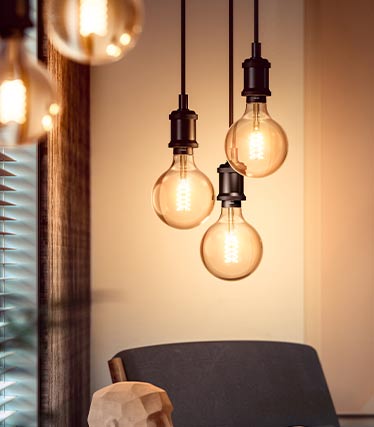
Pendant lights bring stylish elegance and a pleasant glow to the study. Positioned above the desk, they provide targeted lighting and create a focused working atmosphere. Height-adjustable models offer added comfort and can be flexibly adapted to suit different needs.
)
)
)
Ceiling lights for the study
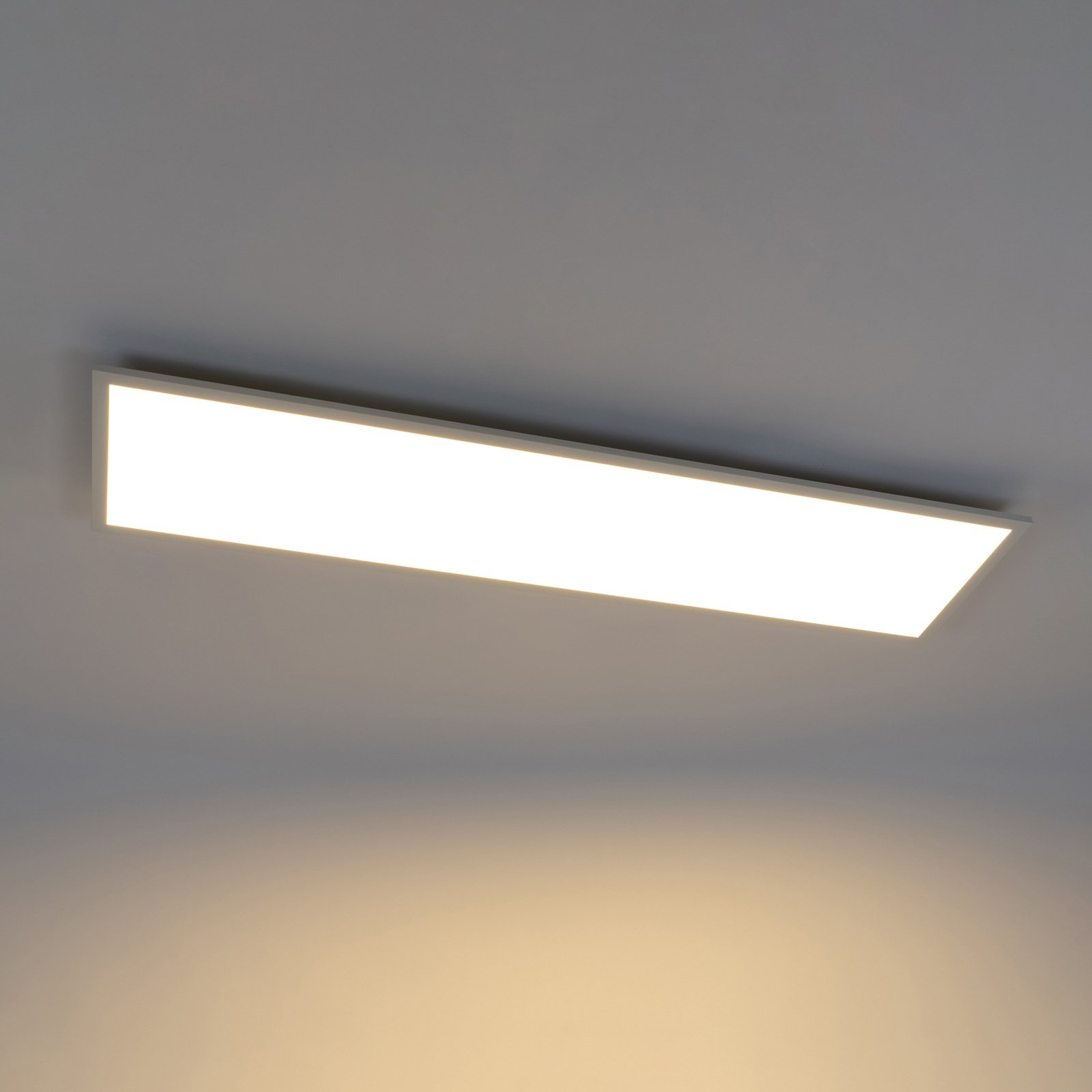
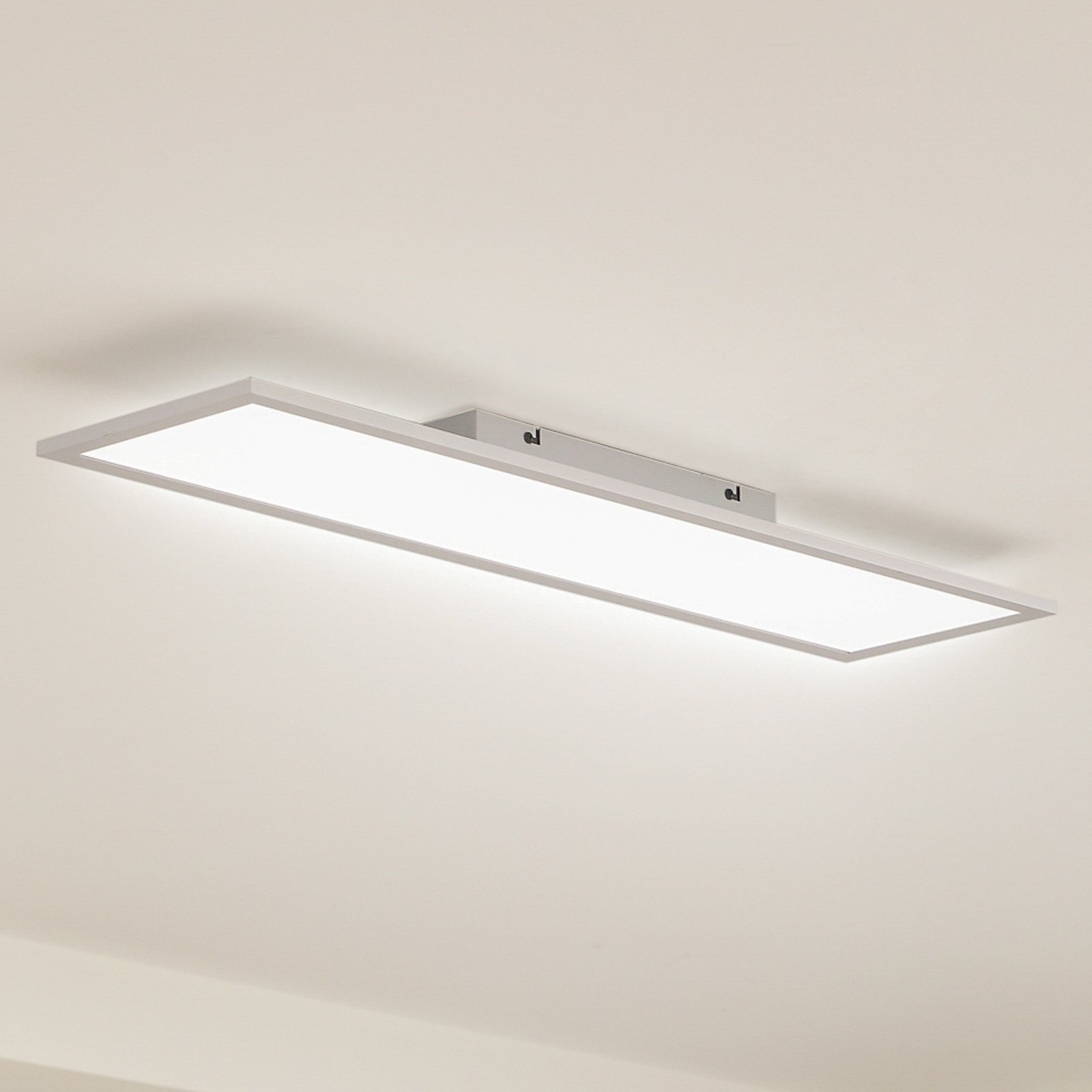
Ceiling lights provide the ideal basic lighting for a study and ensure that the whole room is evenly lit. From traditional ceiling lights and LED panels to entire strips of spotlights that can be individually adjusted, there is a wide range to choose from.
)
)
)
Wall lights for the study
Wall lights add highlights of light and create a cosy atmosphere. Particularly when working from home, they help to incorporate indirect light sources into the overall design. Models with a plug are an option if there is no wall socket available.
)
)
)
Smart LED lights for flexible lighting solutions
Smart LED lights allow for flexible lighting control via an app or voice command. Brightness, colour temperature and lighting scenes can be customised – ideal for modern home office lighting ideas.
Lighting design for a study
Solutions for different roomsNot every home office offers the same conditions for optimal lighting. The size of the room, the amount of natural light and the position of the workstation have a significant influence on the lighting design in the study. That is why the lighting concept should be tailored to the specific layout of each room.
:format(jpeg) "Separate study")
Lighting a separate study
Having your own study provides the ideal conditions for a comprehensive lighting scheme comprising general lighting, desk lighting and accent lighting.
:format(jpeg) "Home office in the living room")
Planning a home office in the living room
Lighting zones help to visually separate the workspace from the living area whilst still blending harmoniously into the room.
:format(jpeg) "Shared study")
Lighting a shared study
If there are two workstations, both areas should be lit individually to cater for different lighting requirements.
)
Lighting up a small work area
Compact lights, clip-on lights or wall-mounted solutions provide targeted lighting for small workstations without taking up much space.
)
Making the most of dark rooms with little daylight
Additional light sources help to compensate for a lack of daylight. Powerful floor lamps for desks are popular, as are ceiling lights such as Philips’ Skylight range.
Mistakes to avoid when lighting your home office
Avoiding these problemsWhen planning lighting for a home office, people often make common mistakes that can affect concentration, well-being and productivity. Planning your lighting carefully at an early stage creates better conditions for ergonomic and comfortable working. Avoid these situations when working from home:
- Use just one central ceiling light instead of several light sources
- Not allowing for enough light on the desk and work surface
- Underestimating glare, reflections and harsh shadows
- Choosing an unsuitable light colour for work that requires concentration
- Lighting the room in a way that is too functional and lacks a homely atmosphere
- Do without dimmability, flexible positioning or smart control
- Failing to take sufficient account of daylight in the lighting design
:format(jpeg) "Tina")
Tina Ducke
Lighting expert at Lights.co.uk
Expert tip: Make a point of lighting the background behind the subject
An often underestimated factor when working from home is not the desk itself, but the light directly in your line of sight behind the screen. Many people work in front of a dark wall or in a room where there is generally too little contrast. As a result, your eyes have to constantly adjust between a bright monitor and a dark environment – which can cause eye strain more quickly than having too little light on your desk. In practice, therefore, soft background lighting behind the monitor or on the wall behind it works well – for example, using indirect LED strips or small wall lights. This noticeably reduces eye strain whilst also creating a more pleasant atmosphere in the room during prolonged screen work. Particularly during the darker months, many people find this type of lighting much more relaxing and conducive to concentration.
 "Lighting design for the kitchen")
 "Lighting design for the bathroom")
 "Lighting design for the bedroom")
 "Lighting scheme for the living room")
 "Lighting scheme for the cellar")
 "Lighting ideas for the hallway")