








































)
Carport Lighting
Ideas for driveways, parking spaces and moreA carport is designed to protect your car whilst ensuring that getting in and out, manoeuvring and the walk to the front door remain comfortable and safe, even in the evening. A well-thought-out lighting plan is essential for this: the light sources should be distributed across the driveway and the parking space itself, with a particular focus on ensuring the boot and access routes to the house are well lit. The approach to lighting design: provide functional lighting wherever it is needed – from the drive right up to the front door – ideally with sensors for convenience and energy saving – complemented by subtle wayfinding lighting and accent lighting to create a welcoming atmosphere.
)
)
)
Lighting your carport properly
Driveway, parking space and path to the houseWhen it comes to successful carport lighting, the planning process does not begin with the choice of a particular light fitting, but with identifying the areas that require lighting after dark. The driveway, parking space and path to the house each have different requirements. Whilst you need to get your bearings at the entrance, the parking space should be well-lit enough to get in and out of the car and to load it. On the way to the front door, individual light sources provide clear guidance.
A successful lighting concept therefore combines different types of lighting: general lighting ensures uniform brightness, wayfinding lighting guides the way, and accent lighting can highlight posts, materials or architectural details. Several well-positioned light sources create a more pleasant effect than a single, particularly bright light fitting.
)
Light sources at the sides or along the access route help with orientation. It is important that they do not shine directly at the driver’s eye level and thus cause glare when pulling in.
)
There should be sufficient light under the carport roof to get in and out of the car. Particular attention should be paid to the area next to and behind the vehicle, as this is where bags or shopping are often unloaded.
)
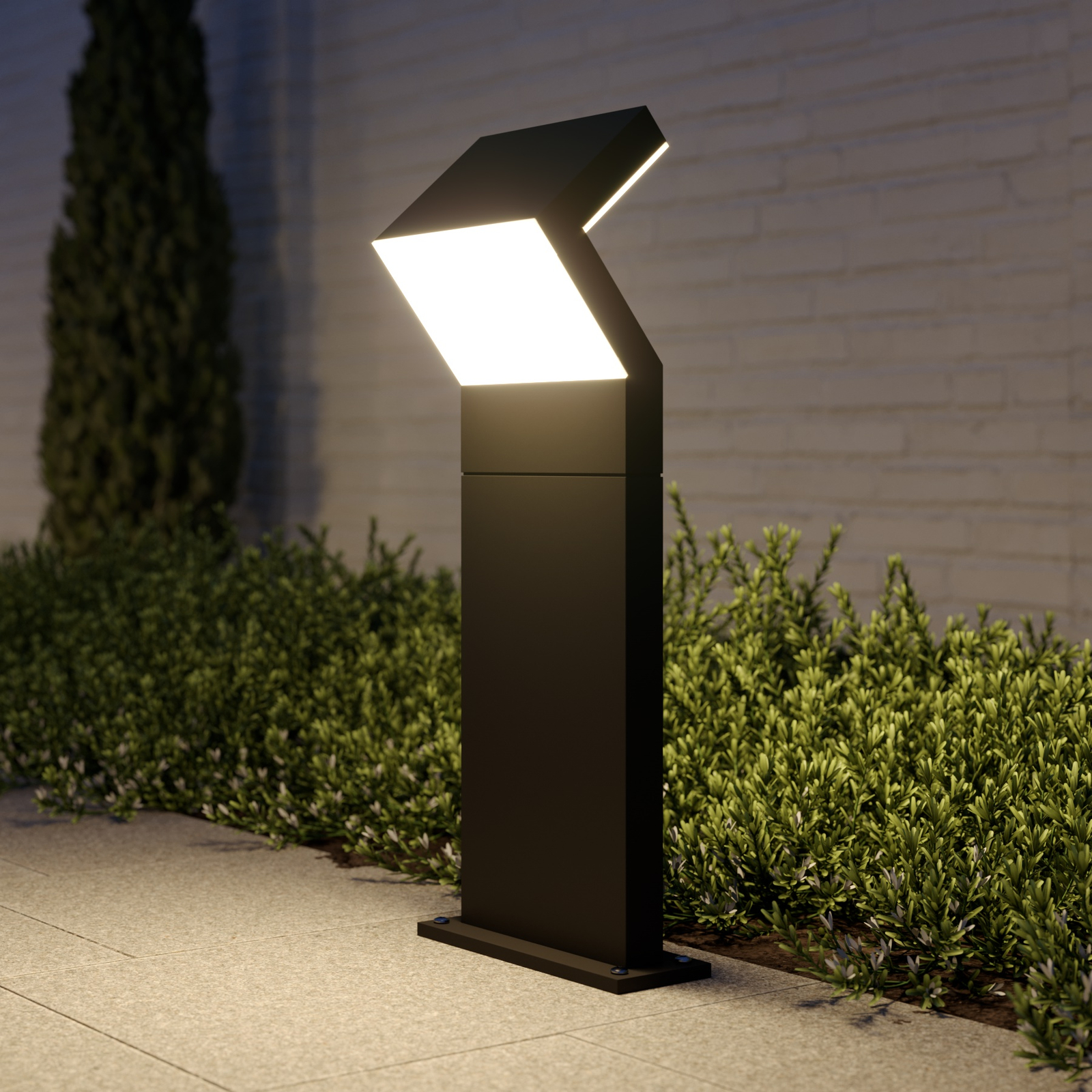
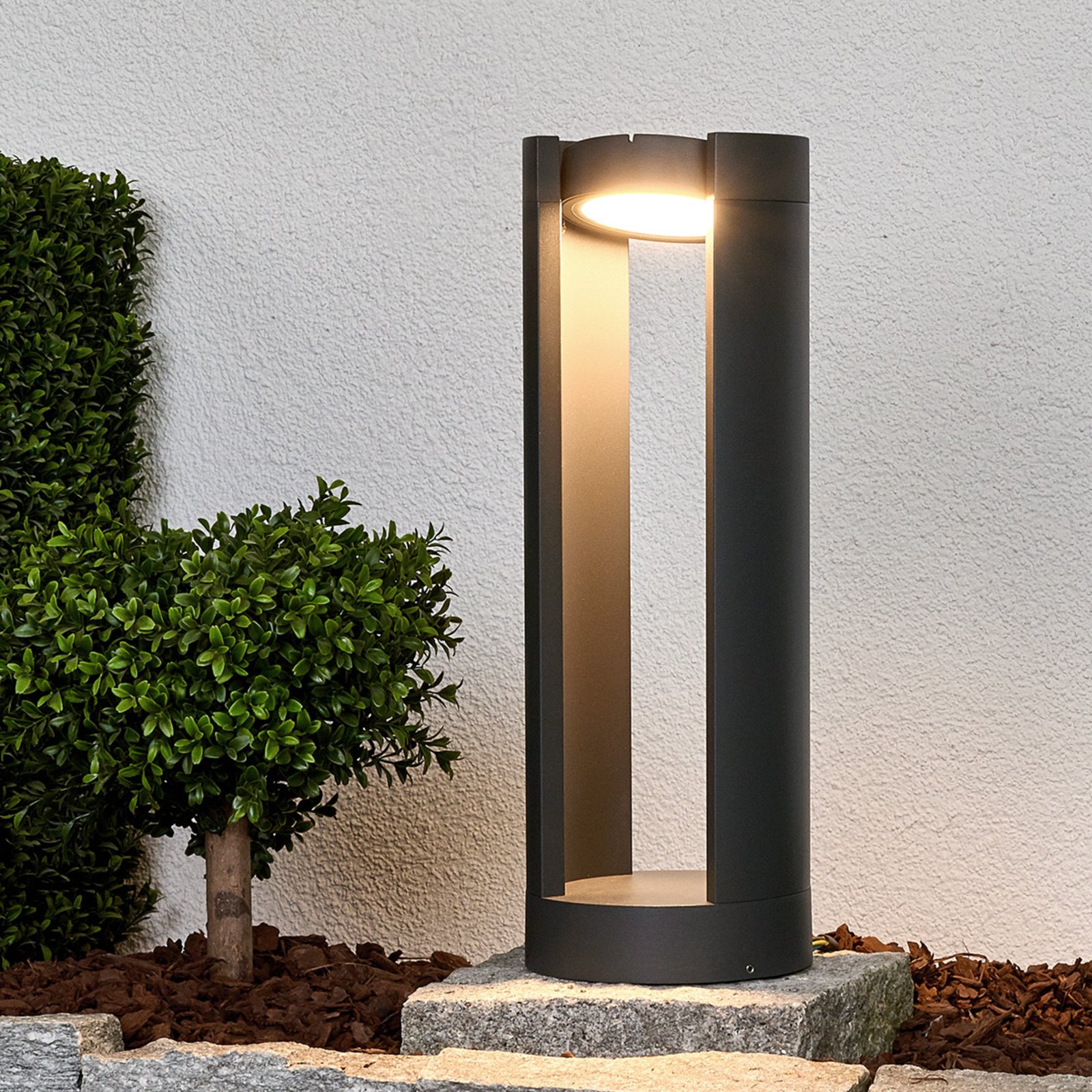
Pathway lights or bollard lights create a visual link between the carport and the entrance. The individual light sources do not need to be particularly bright – what matters is that the lighting design is clear and logical.
)
)
)
Lighting ideas for the parking space under the carport roof
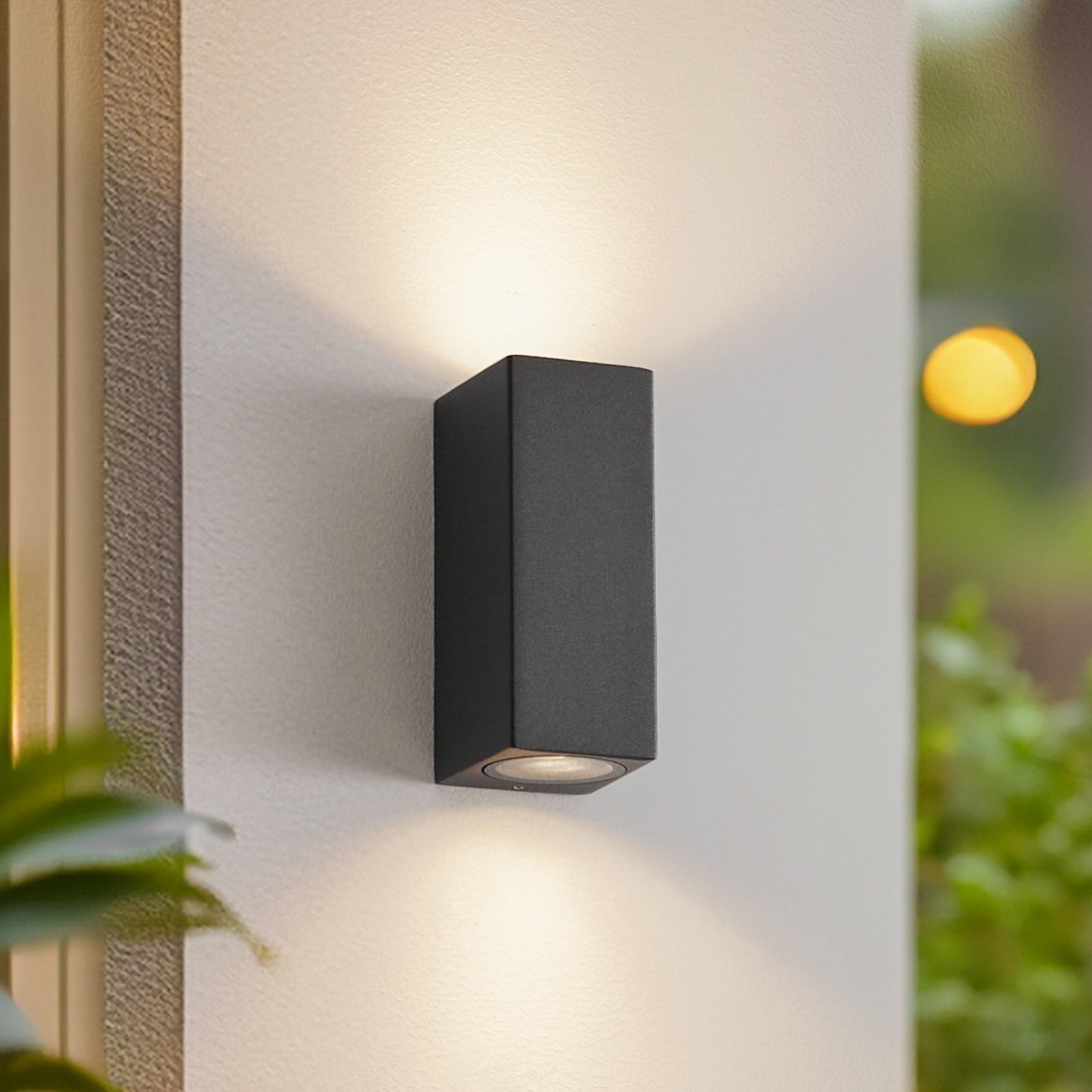
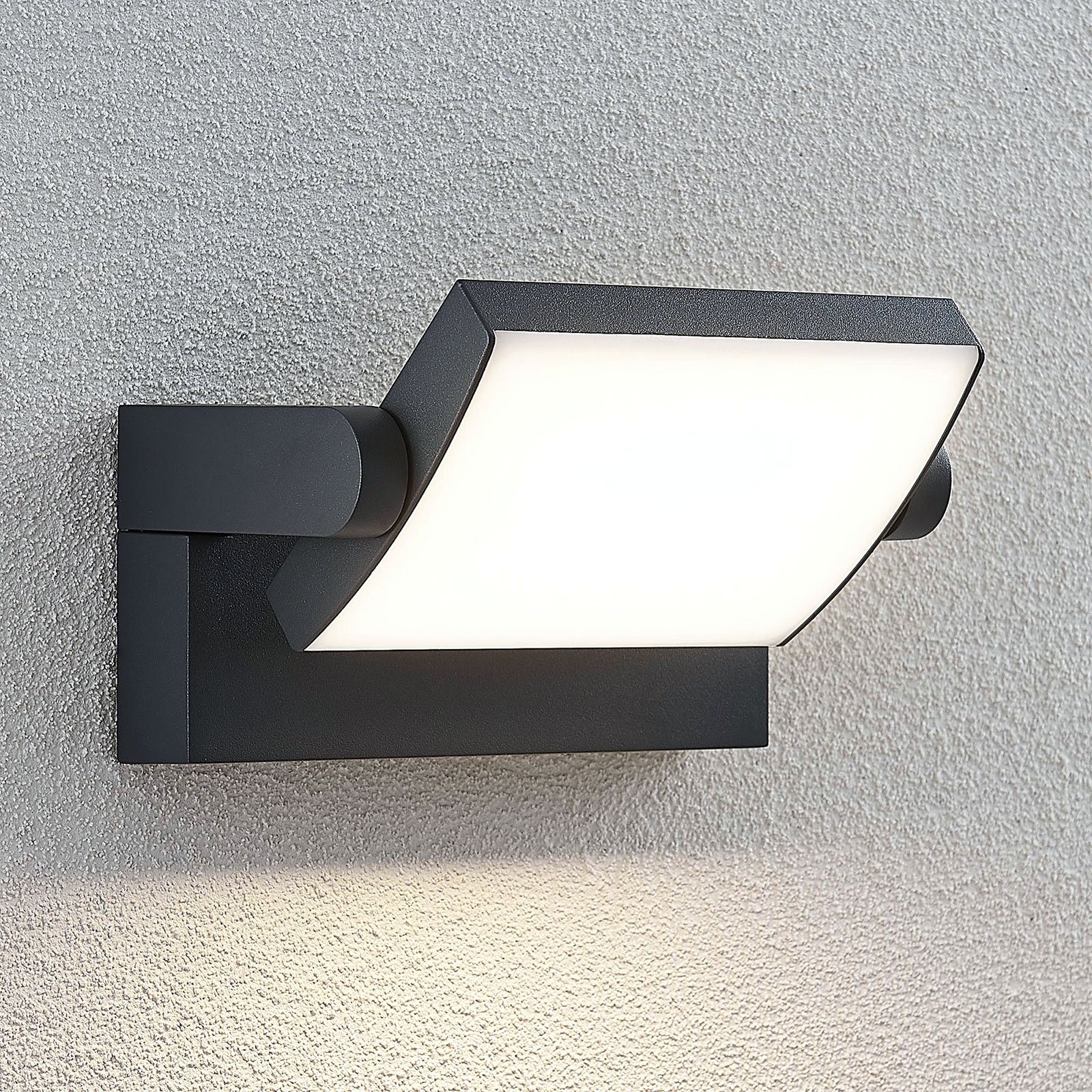
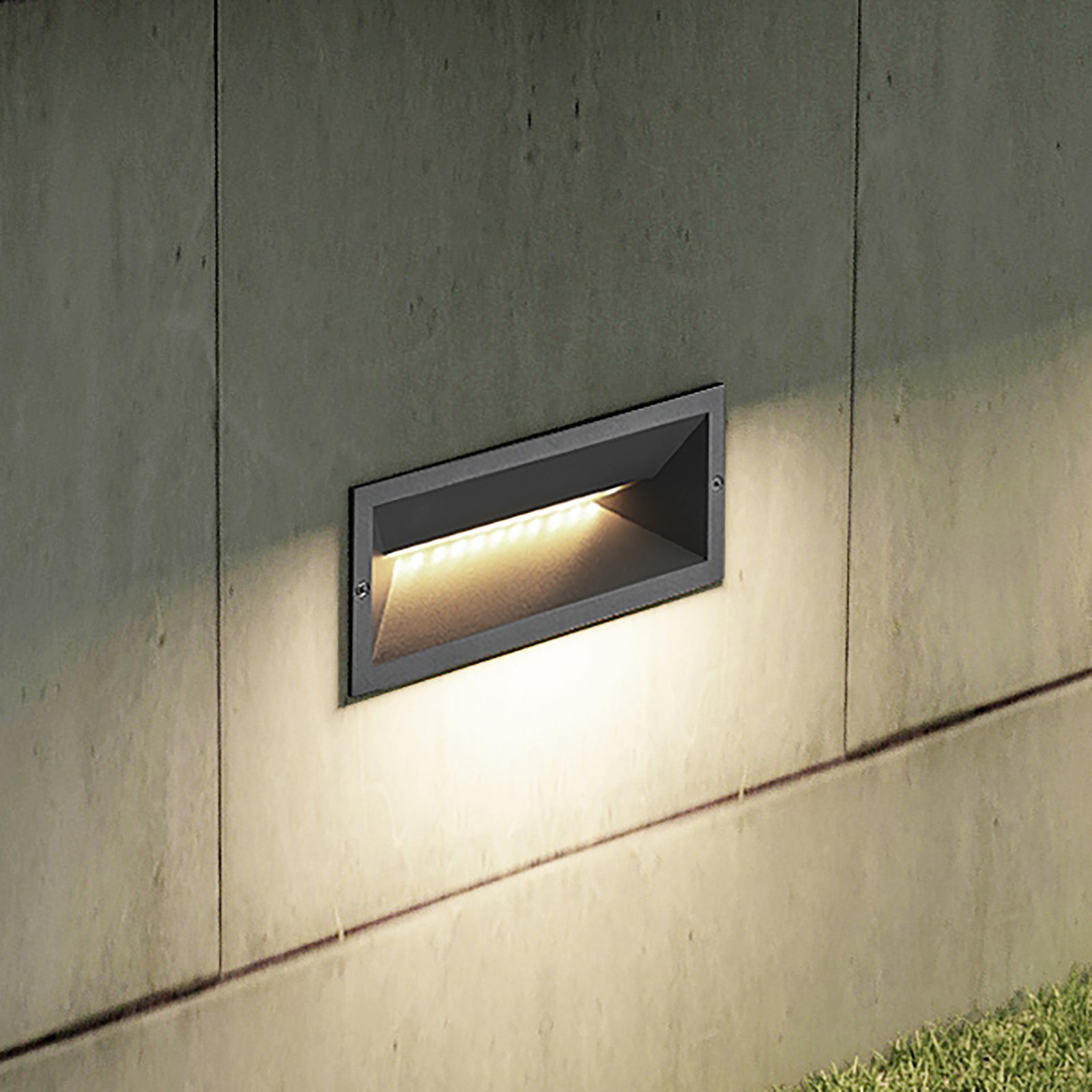
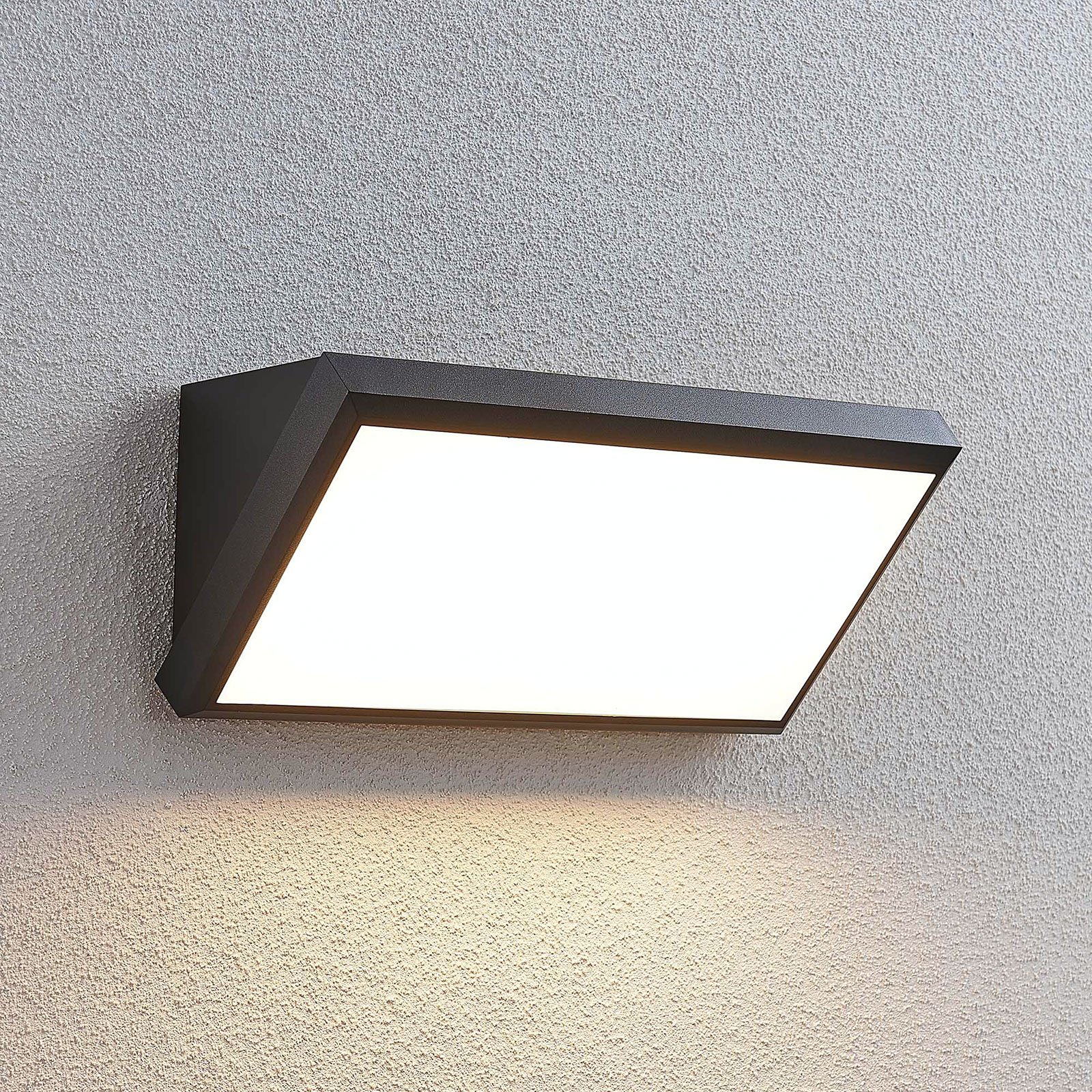
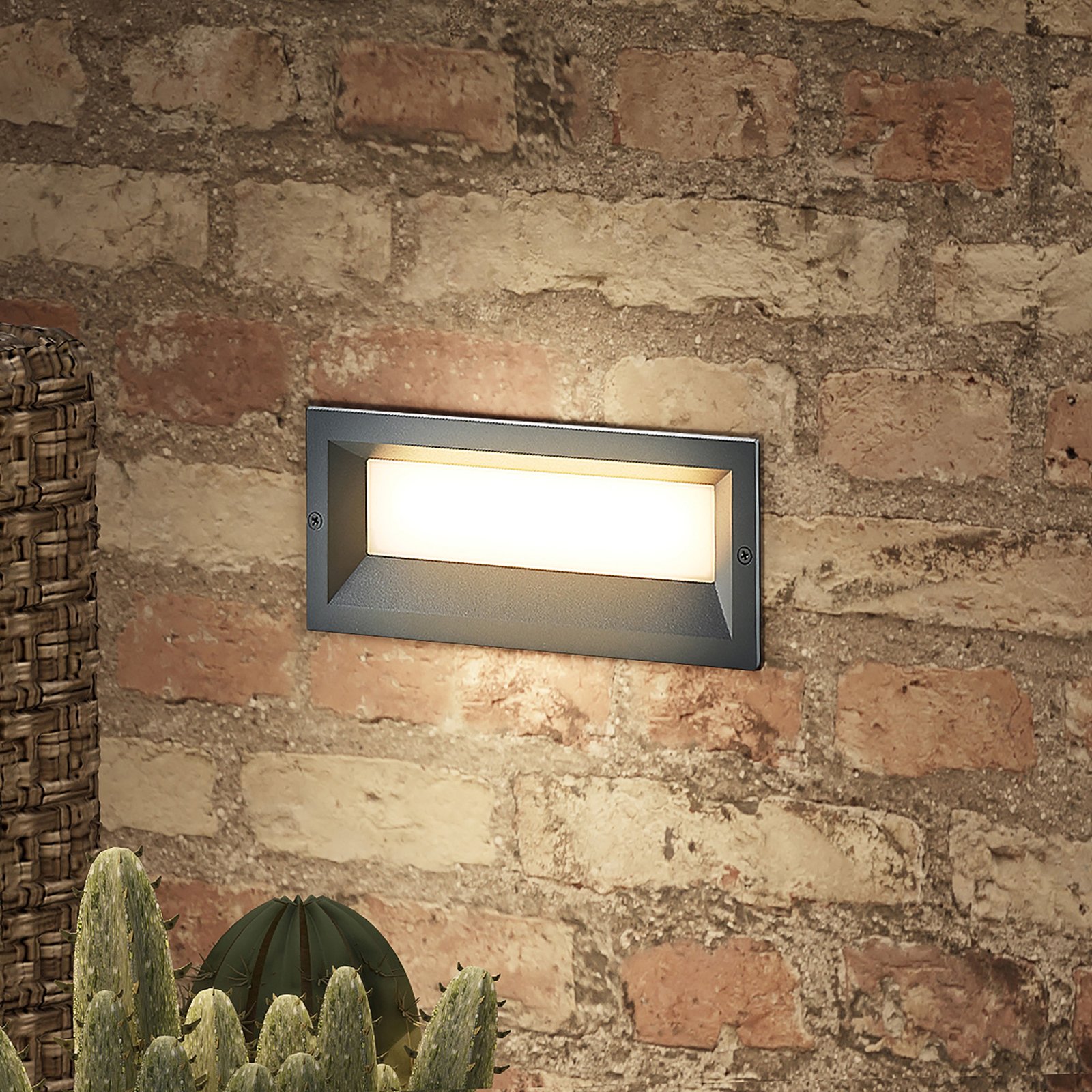
From recessed floor lights to ceiling spotlightsWhere lights are fitted in a carport depends primarily on the size and design of the carport. A ceiling light in the centre can provide good general lighting in a small parking space. For larger or longer carports, it makes more sense to use several light sources to ensure there are no dark areas. Recessed spotlights or flush-mounted ceiling lights can be discreetly integrated into the structure. Lights fitted to the sides can create additional areas of light, whilst directional spotlights can illuminate specific zones.
Particular attention should be paid to the boot area: after all, anyone who regularly unloads shopping, pushchairs or other items from their car will benefit from a light source that helps them see clearly whilst carrying out these tasks. The rule here is: rather than using only top lighting, side lighting or specifically directed light can provide better visibility.
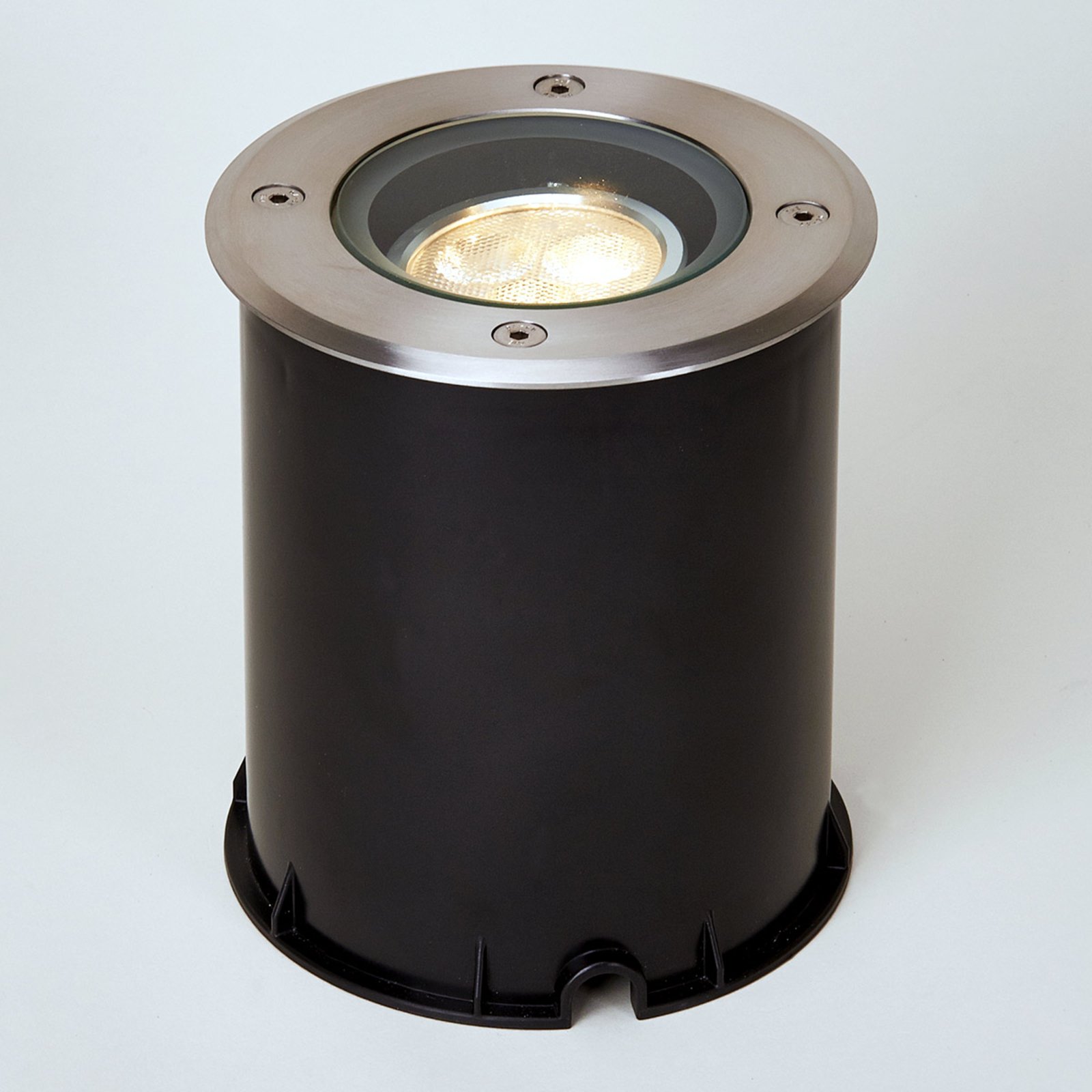
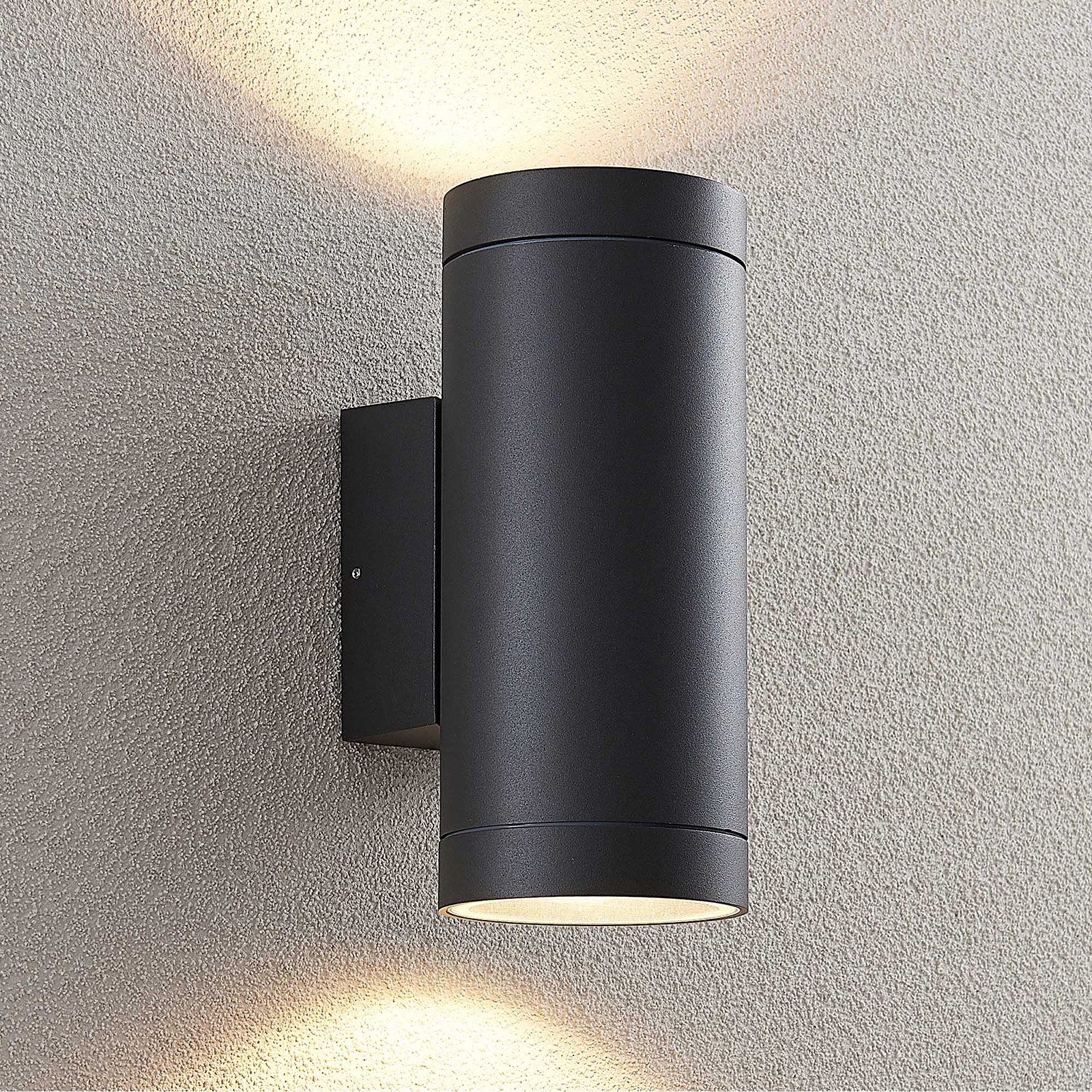
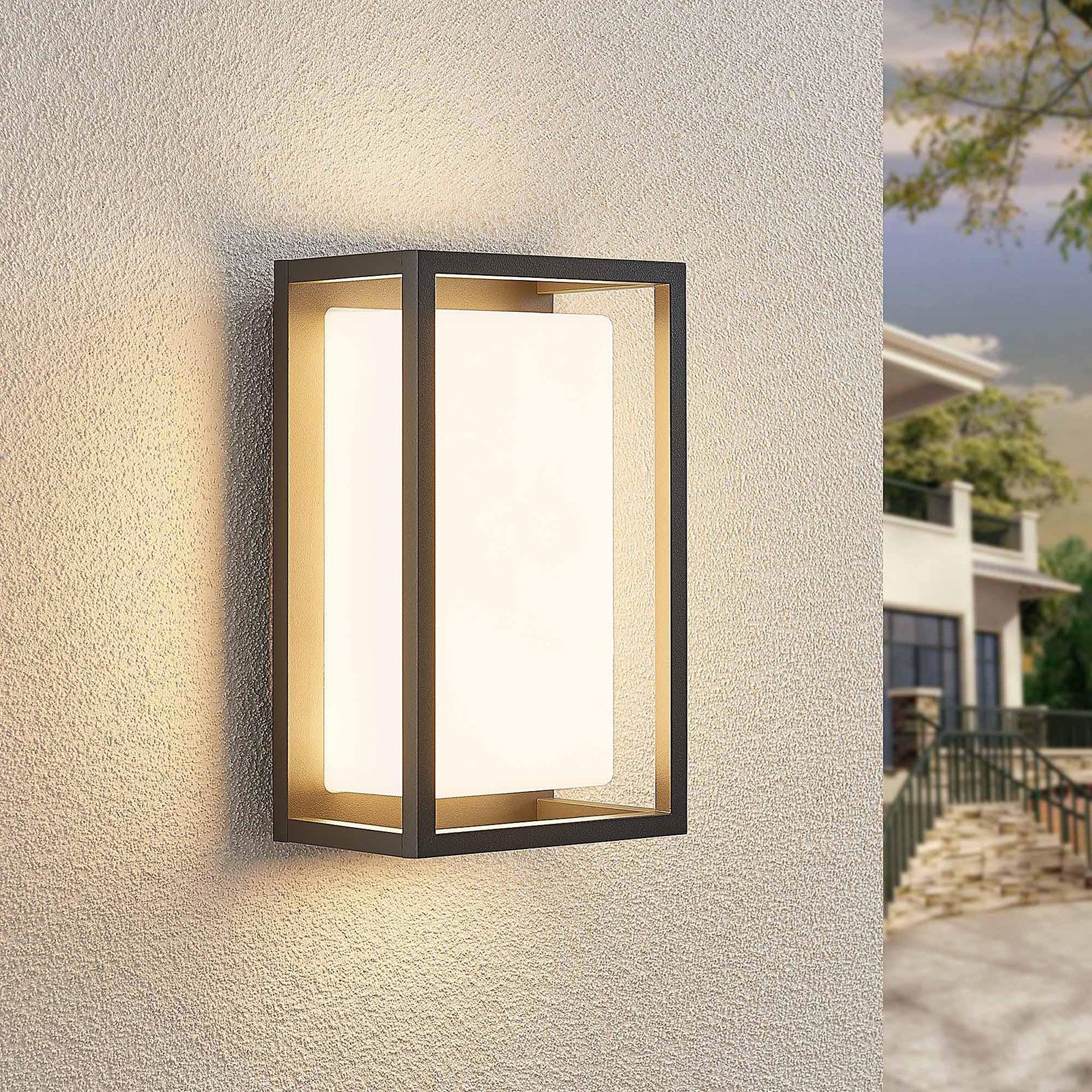
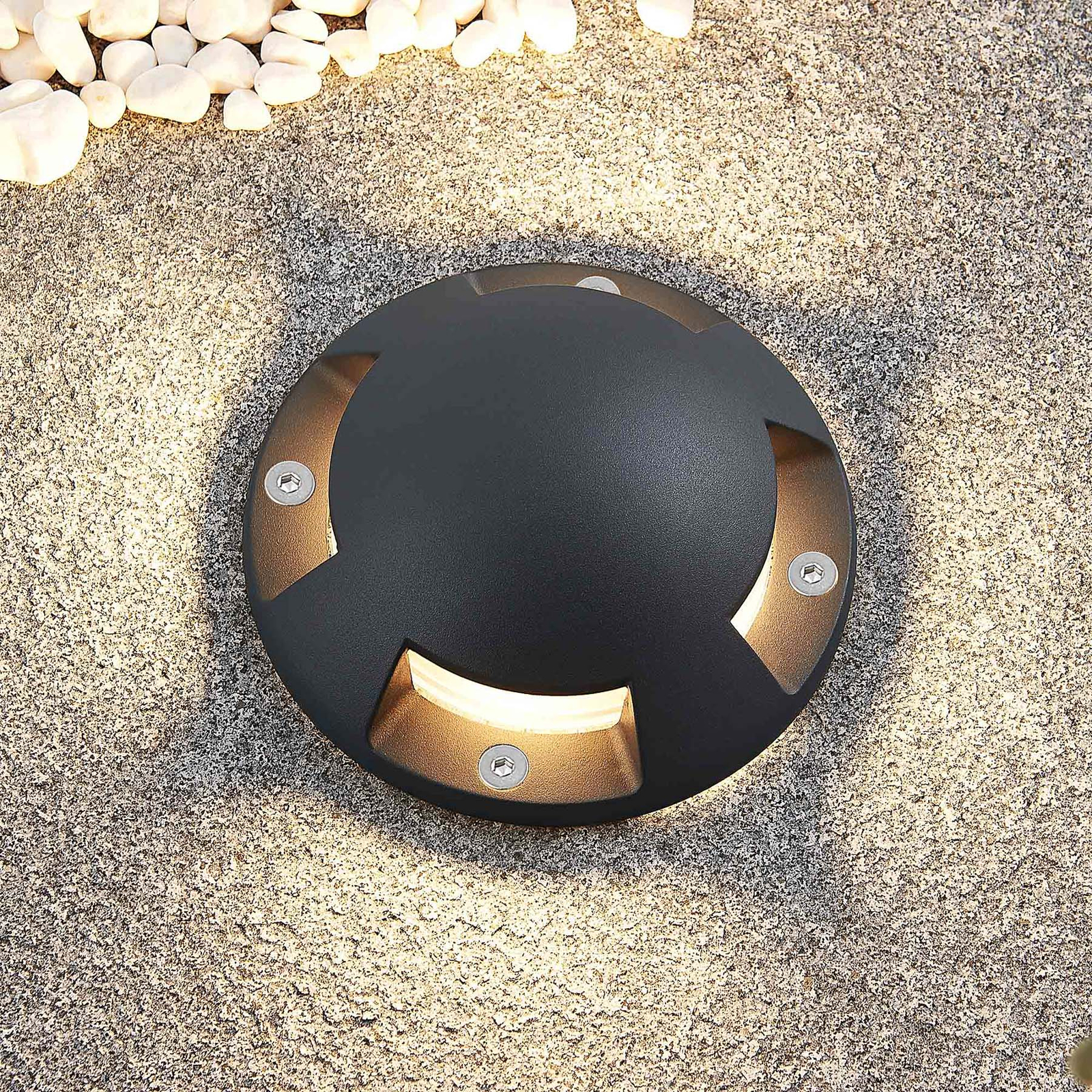
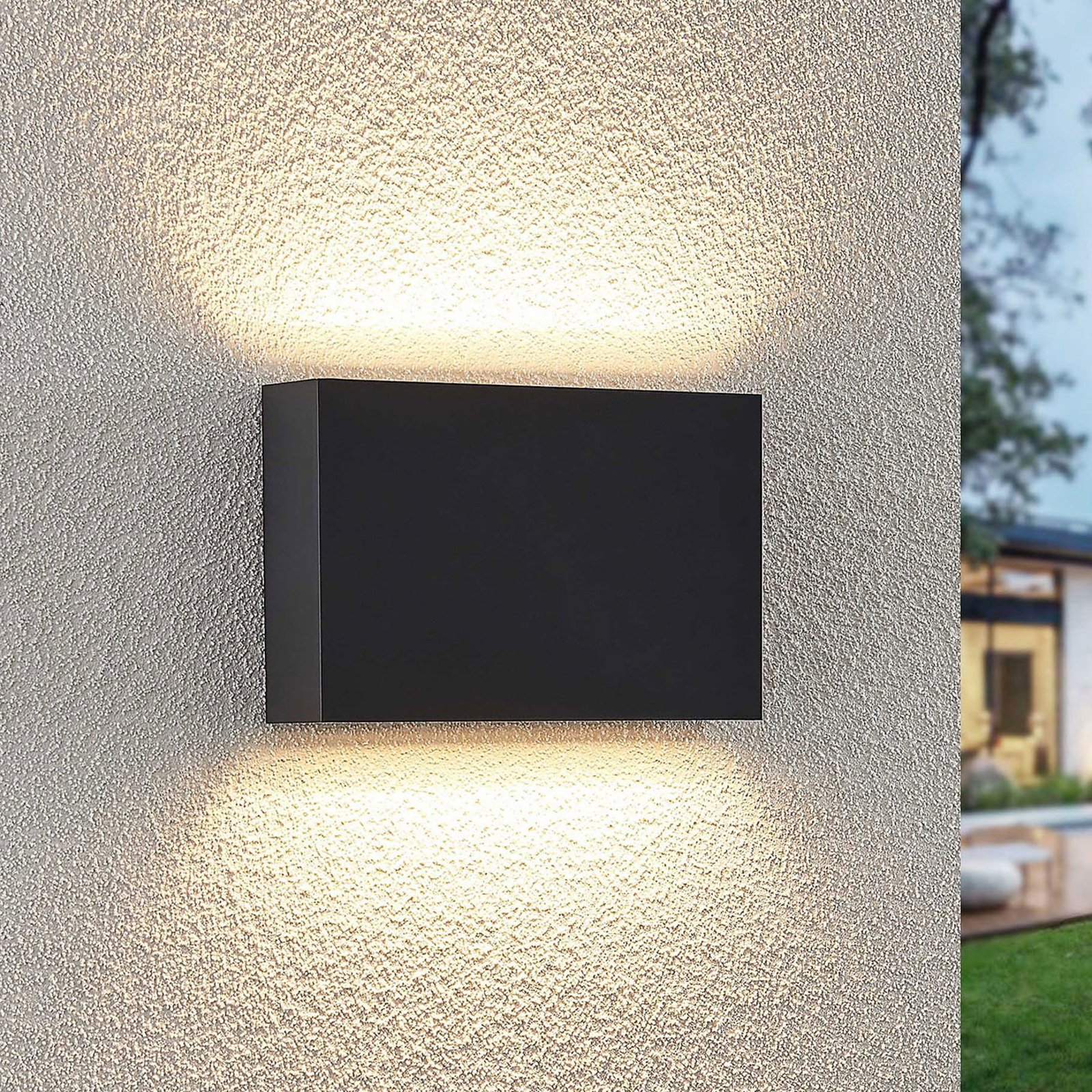
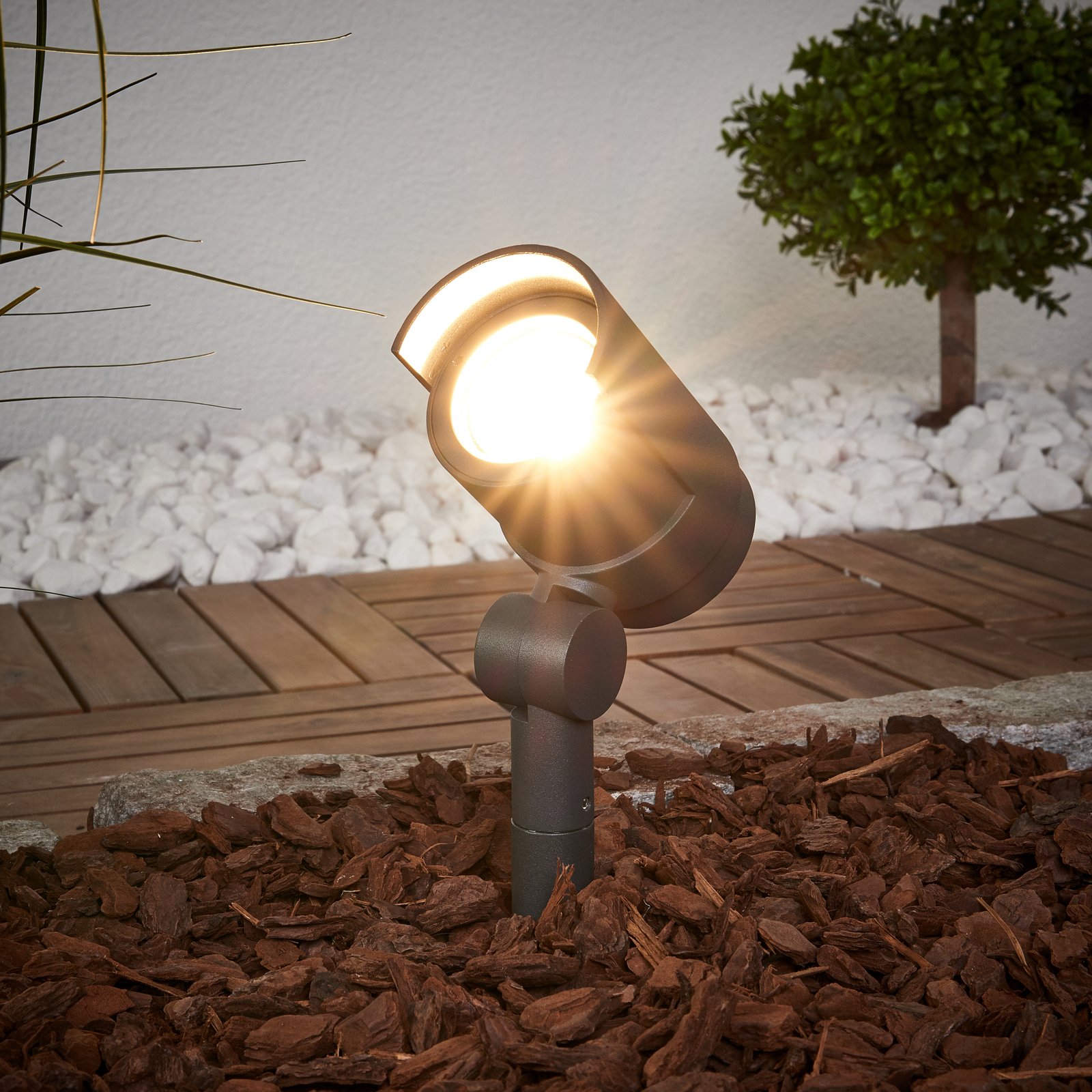
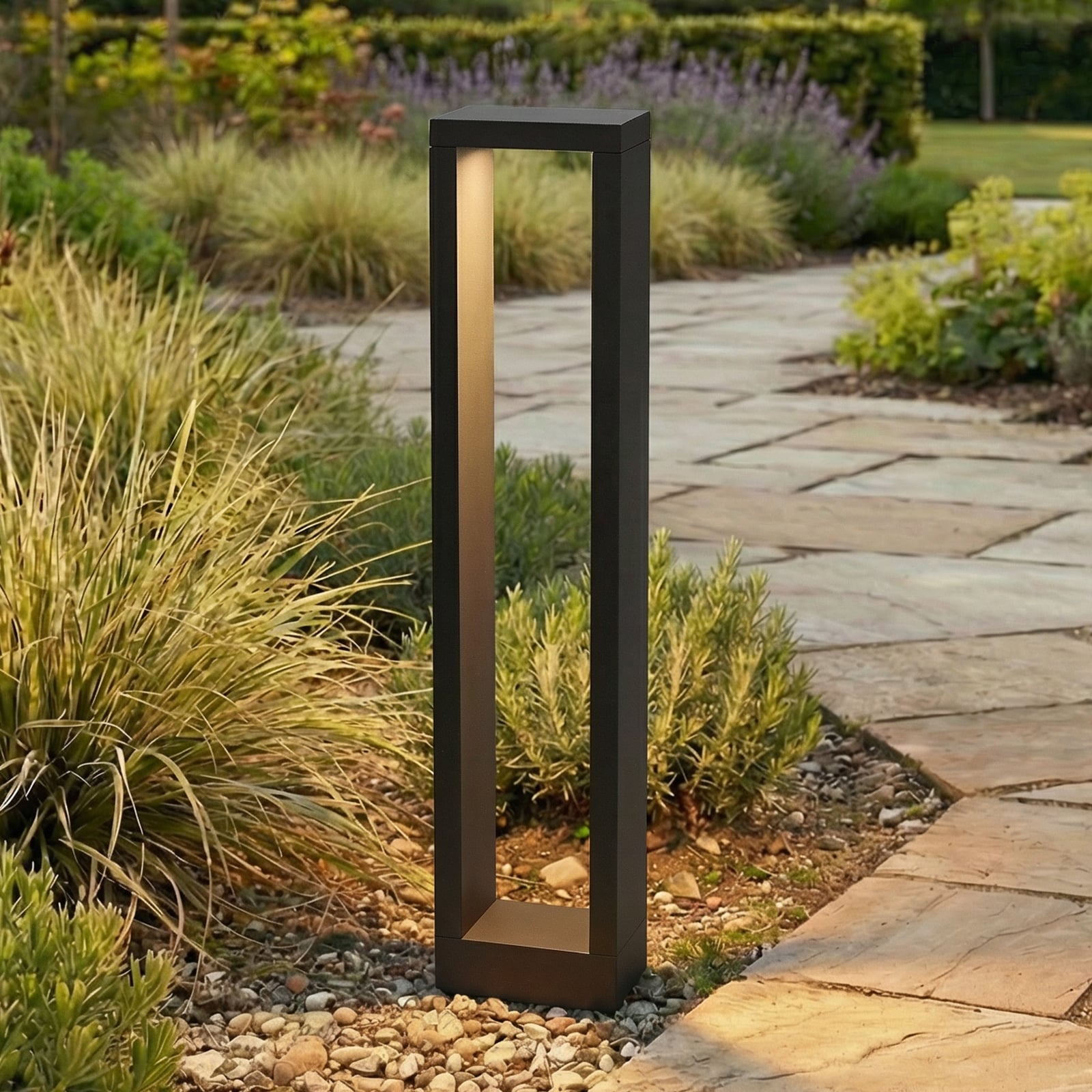
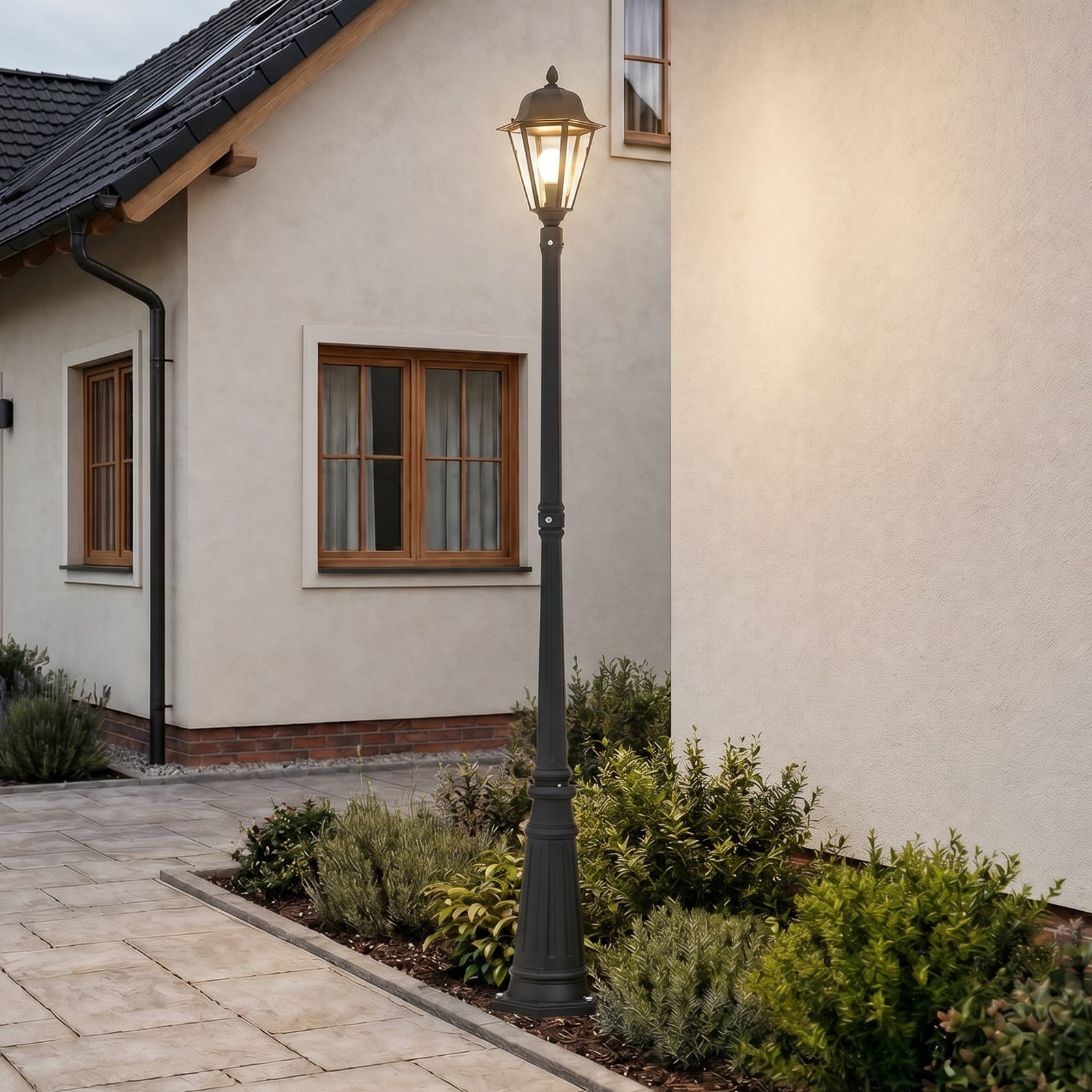
)
)
)
Indirect carport lighting using LED strips
A harmonious blend of charm and balanced brightnessIndirect lighting adds a particularly modern touch to the carport. Rather than focusing on the light source itself, the light is directed onto a surface and softly reflected back into the room from there. LED strips are particularly well suited to this because they can be integrated into the structure as narrow lines of light. One option is to install LED strips along the edge of the roof. They can also provide subtle lighting between wooden beams or in narrow profiles. When mounted behind a diffuser, the light source itself remains largely invisible and only the glow is visible. Tip: To ensure the parking space is adequately lit, indirect lighting can be combined with spotlights or a ceiling light.
)
)
)
Highlight posts and carport structures with lighting
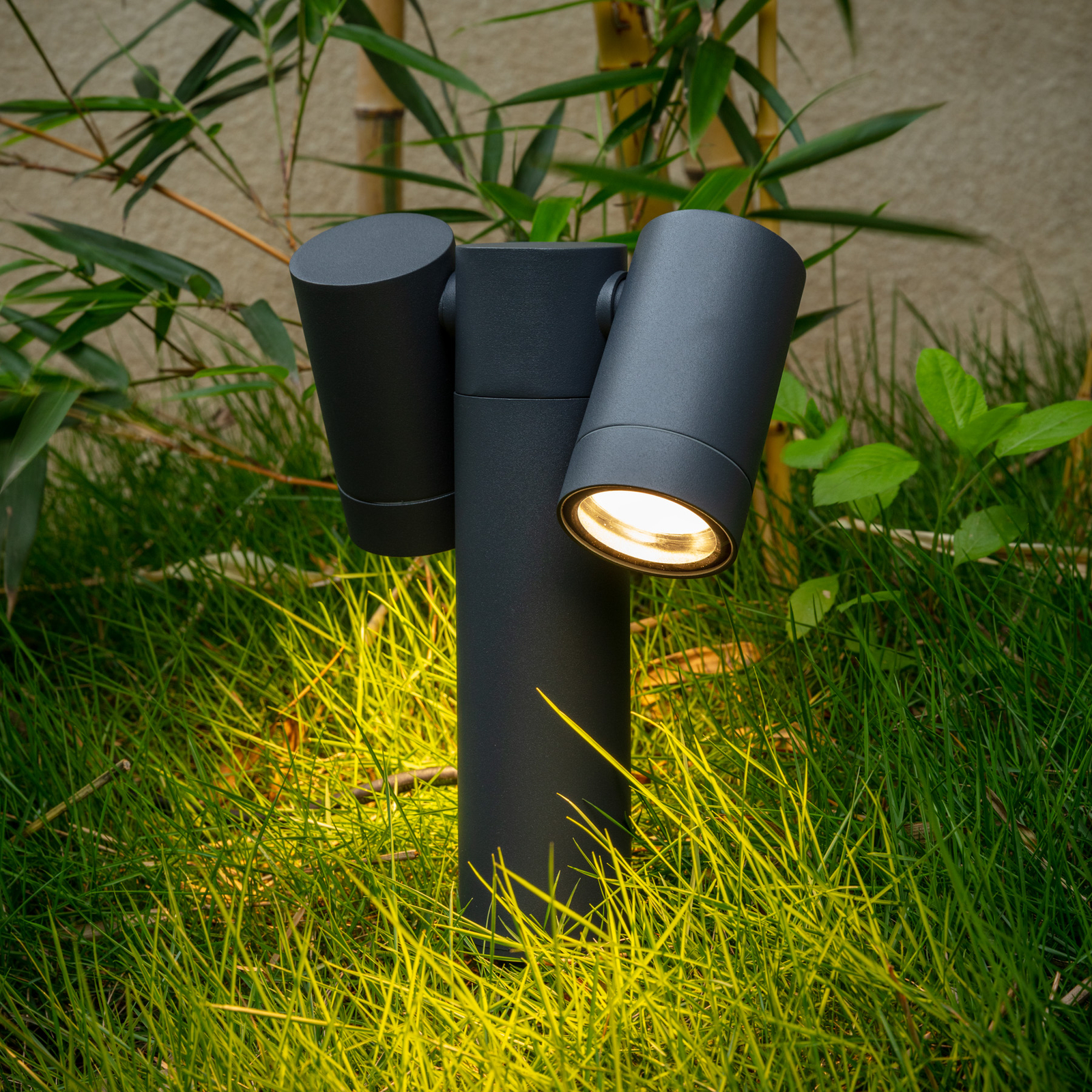
For a calm, architectural effectPosts are not merely structural elements. They can also become the central focal point of the lighting concept. This is because narrow spotlights or up-and-down lights highlight individual posts whilst also helping people find their way around the car park. For a wooden carport, warm white lighting is ideal for subtly highlighting the material’s natural finish. With modern aluminium structures, a slightly cooler, universal white light can also emphasise the architecture, depending on personal taste.
Light coming from below can also be interesting. Small ground spotlights highlight posts or individual architectural features and create a calm, architectural effect in the evening. The light should be directed specifically at the structure to avoid glare, for example, if it shines towards the driveway or living area.
)
)
)
Carport lighting with a motion detector
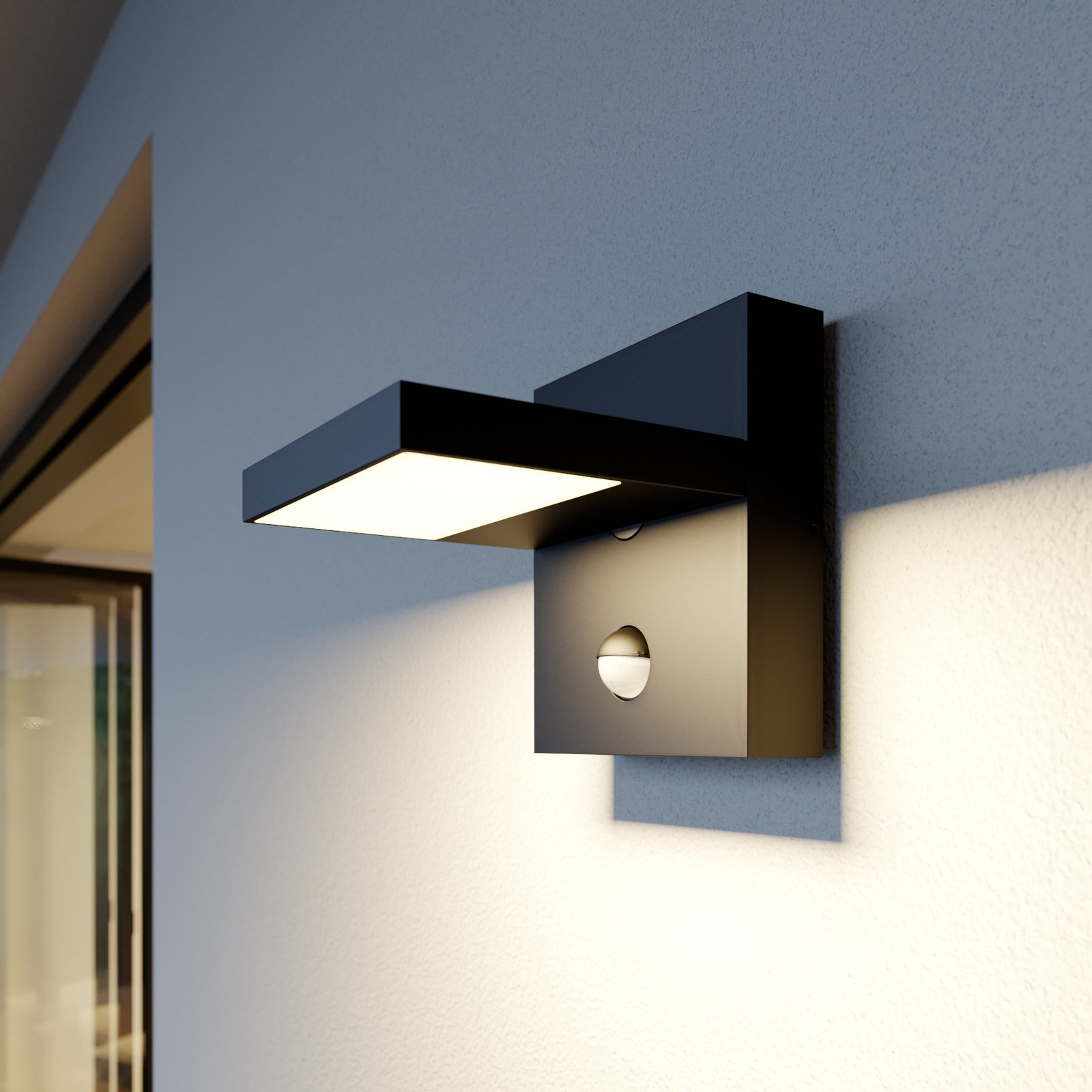
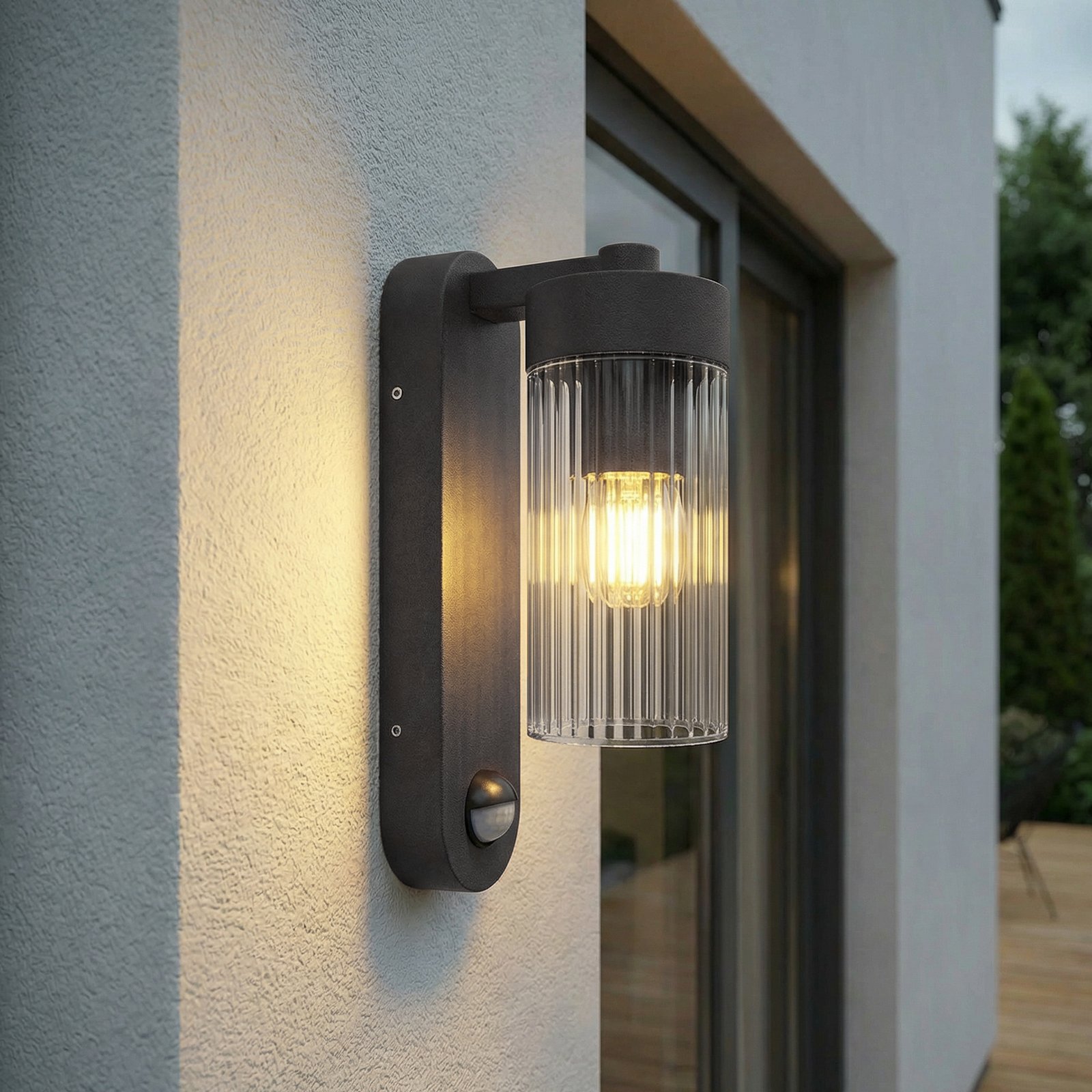
Light when you need itLighting fitted with a motion sensor is particularly well suited to areas that do not need to be lit all the time. For example, the light switches on when the car drives into the driveway or when someone enters the parking space. A lighting scheme leading from the carport to the front door is particularly practical: a sensor first switches on the light at the parking space, whilst further light sources mark out the path to the entrance. That way, nobody has to fumble around in the dark looking for a switch.
A twilight sensor can also ensure that the lighting is only switched on when the ambient light level is sufficiently low. The detection range and response time are also relevant during the planning stage. The lights should stay on long enough for you to get out comfortably, load the car and make your way back to the house.
)
)
)
Lighting a carport without electricity
Solar as a flexible solutionA carport without an electricity supply can be lit flexibly using solar lights. They do not require a fixed mains connection and can be used, for example, on posts, on building façades or along the driveway. Fitted with motion detectors, they only provide light when it is needed, thereby saving energy.
However, for solar lights, it is very important to choose a location with plenty of sunshine so that the solar panel can store energy during the day. High-quality solar lights can form a reliable cornerstone of a lighting scheme; however, it is advisable to combine wired lights with solar lights. Should there ever be insufficient daylight – as can be the case on dark winter days – basic lighting is provided by wired lights. Hybrid lights are also available, which can switch from solar power to the mains supply as required.
)
)
)
Light up the driveway and the path to the carport
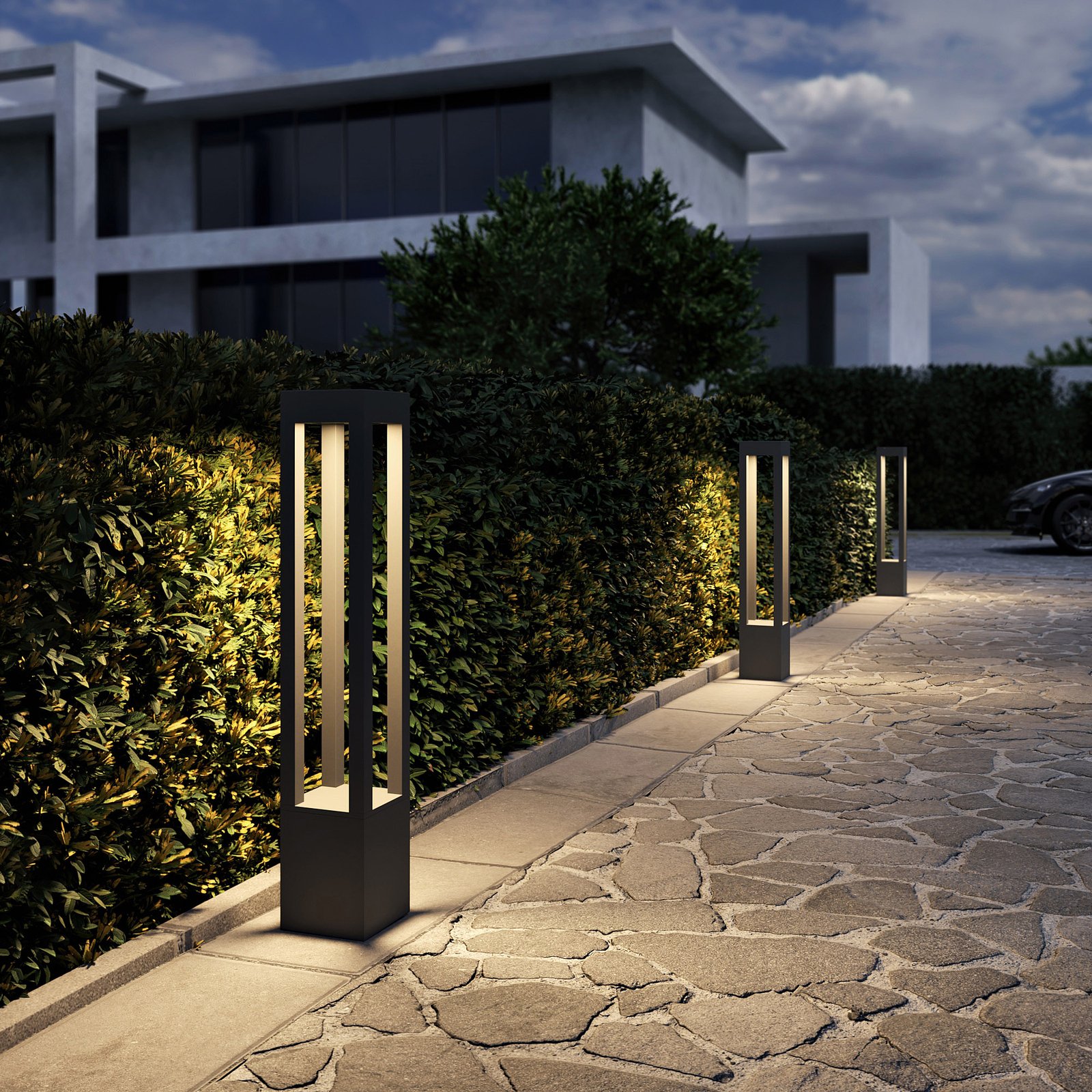
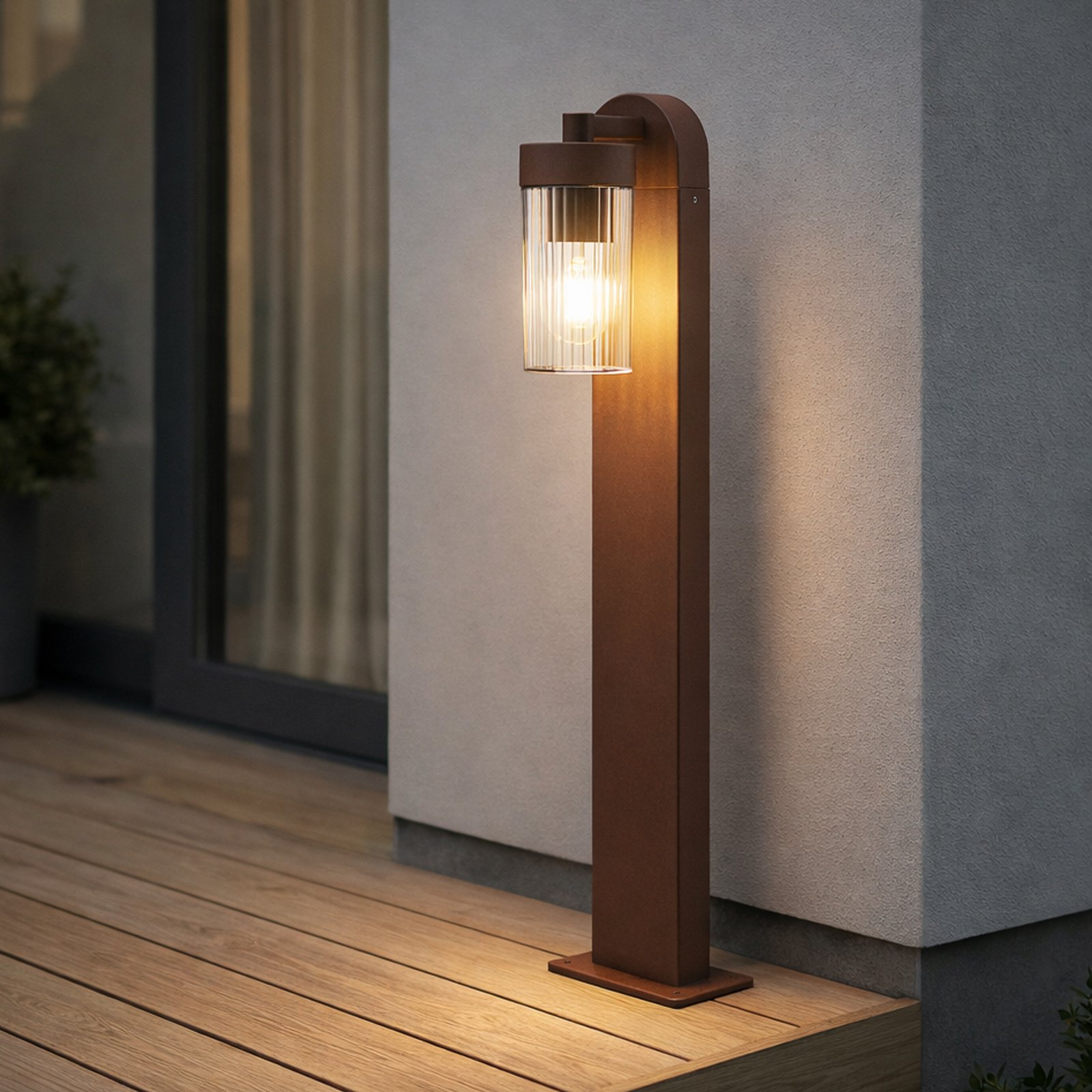
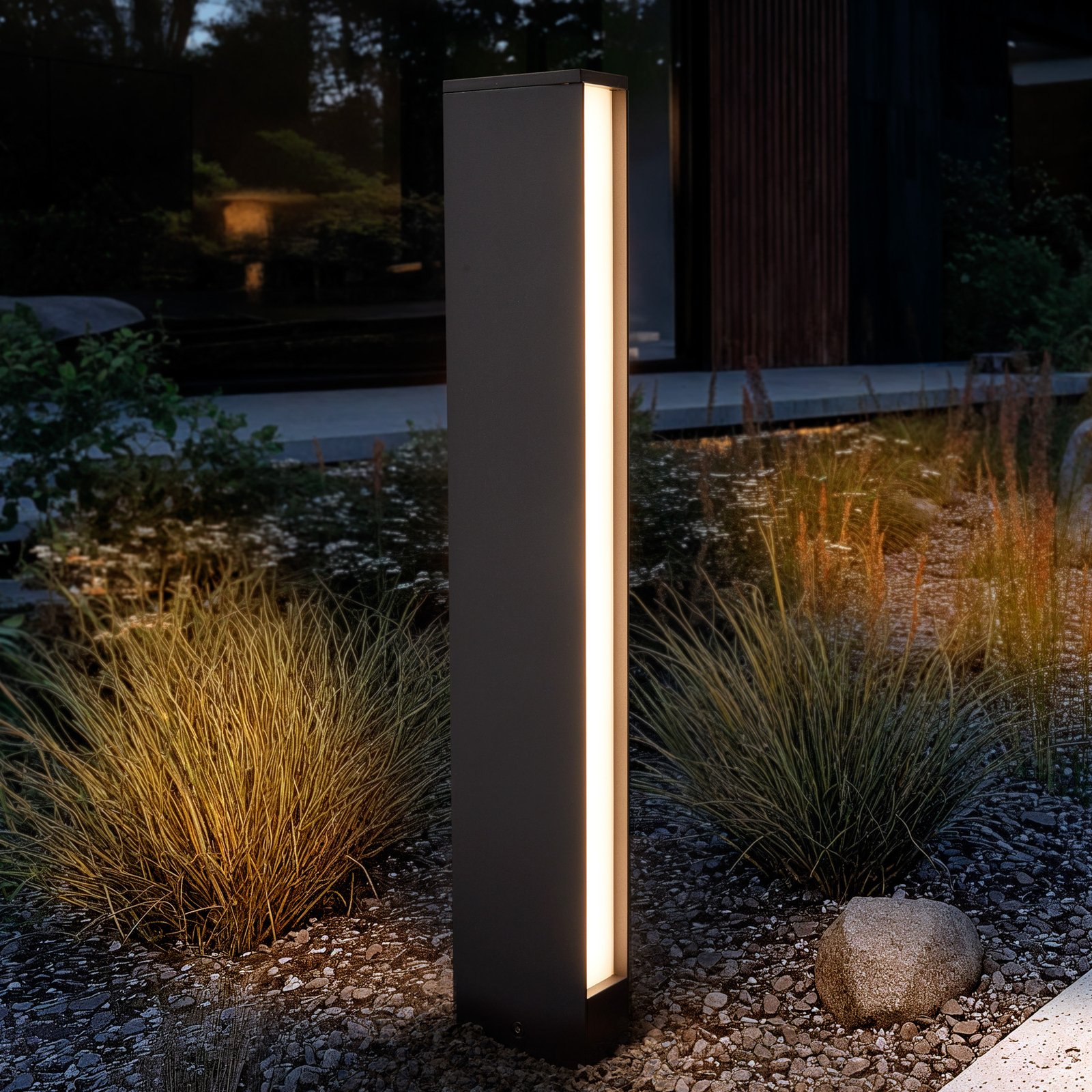
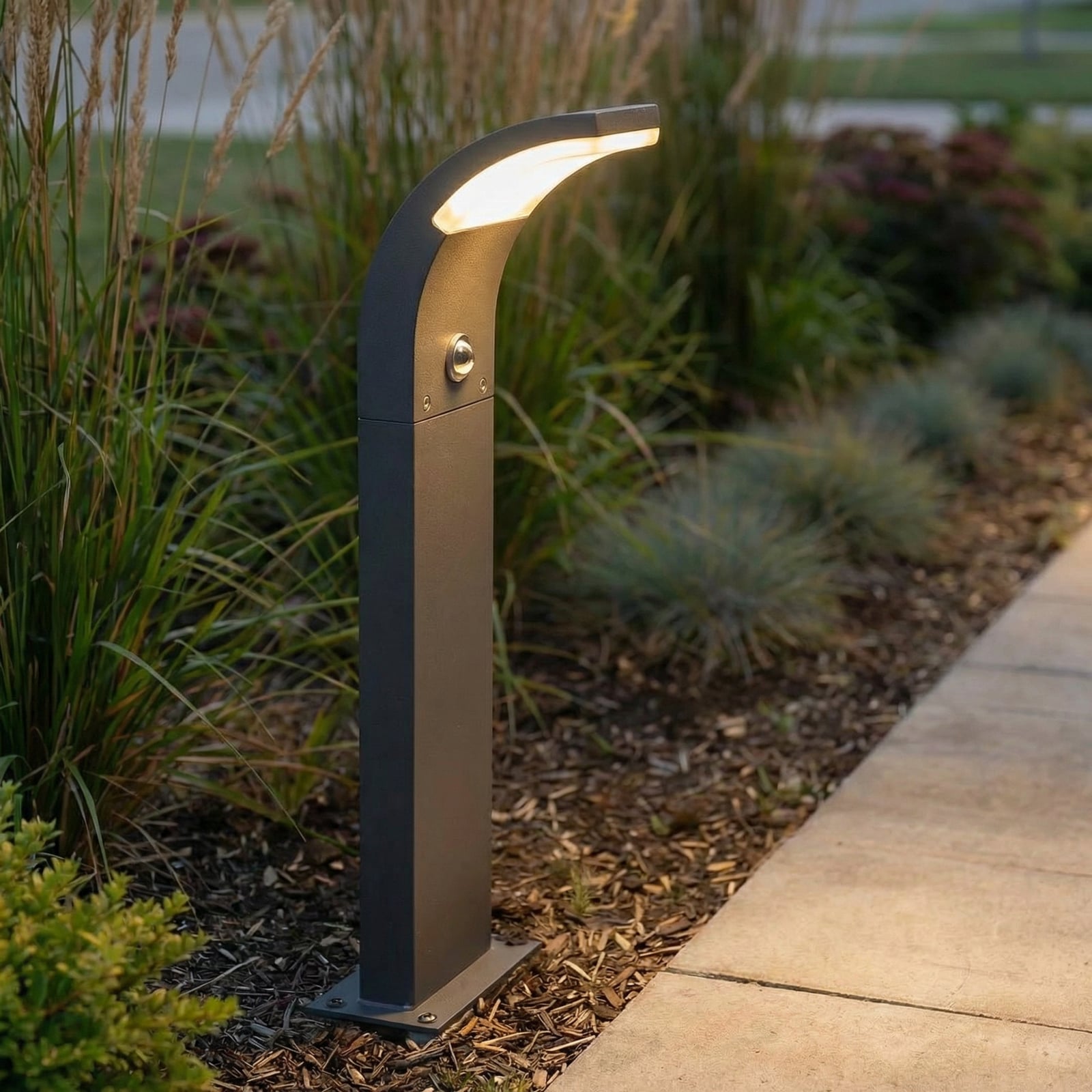
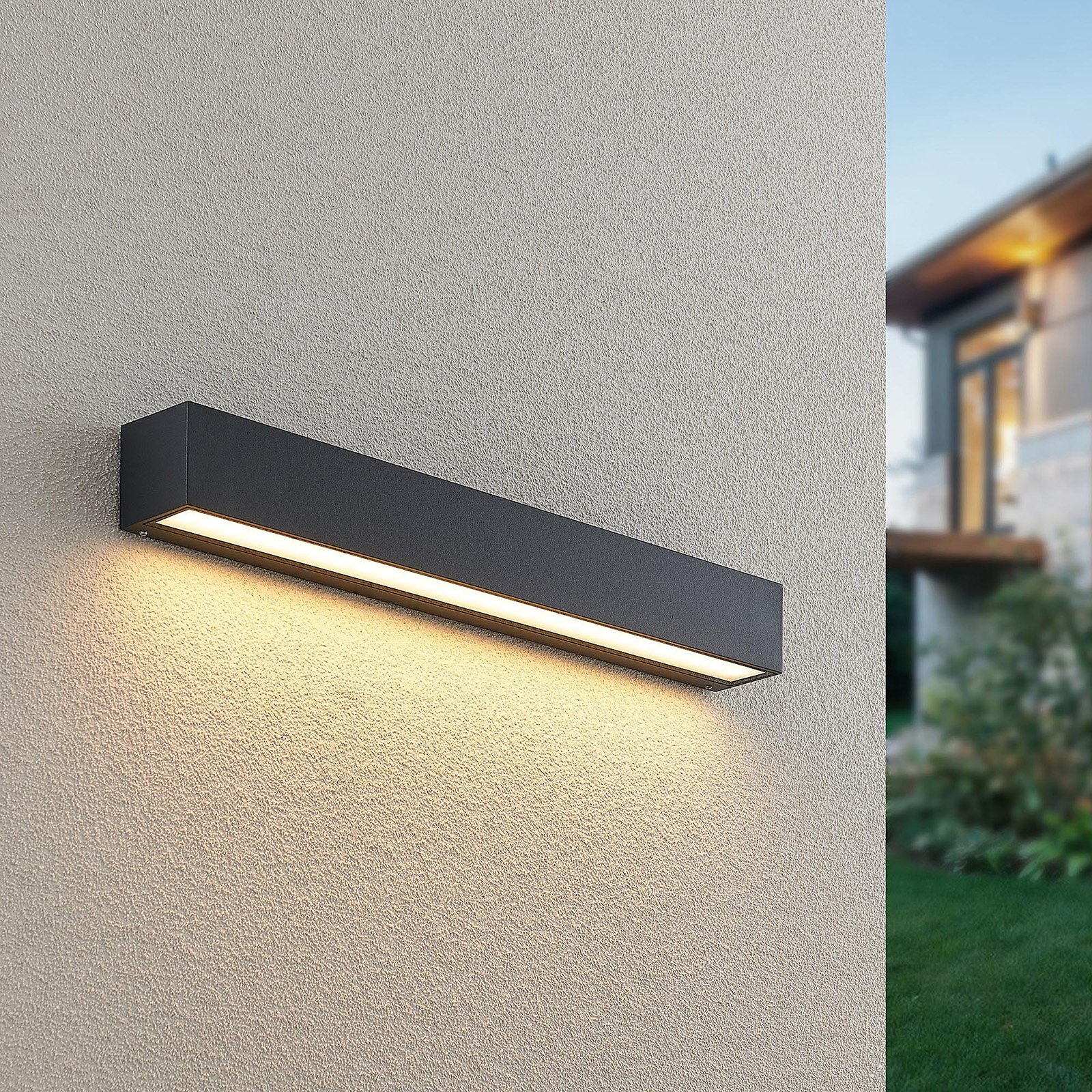
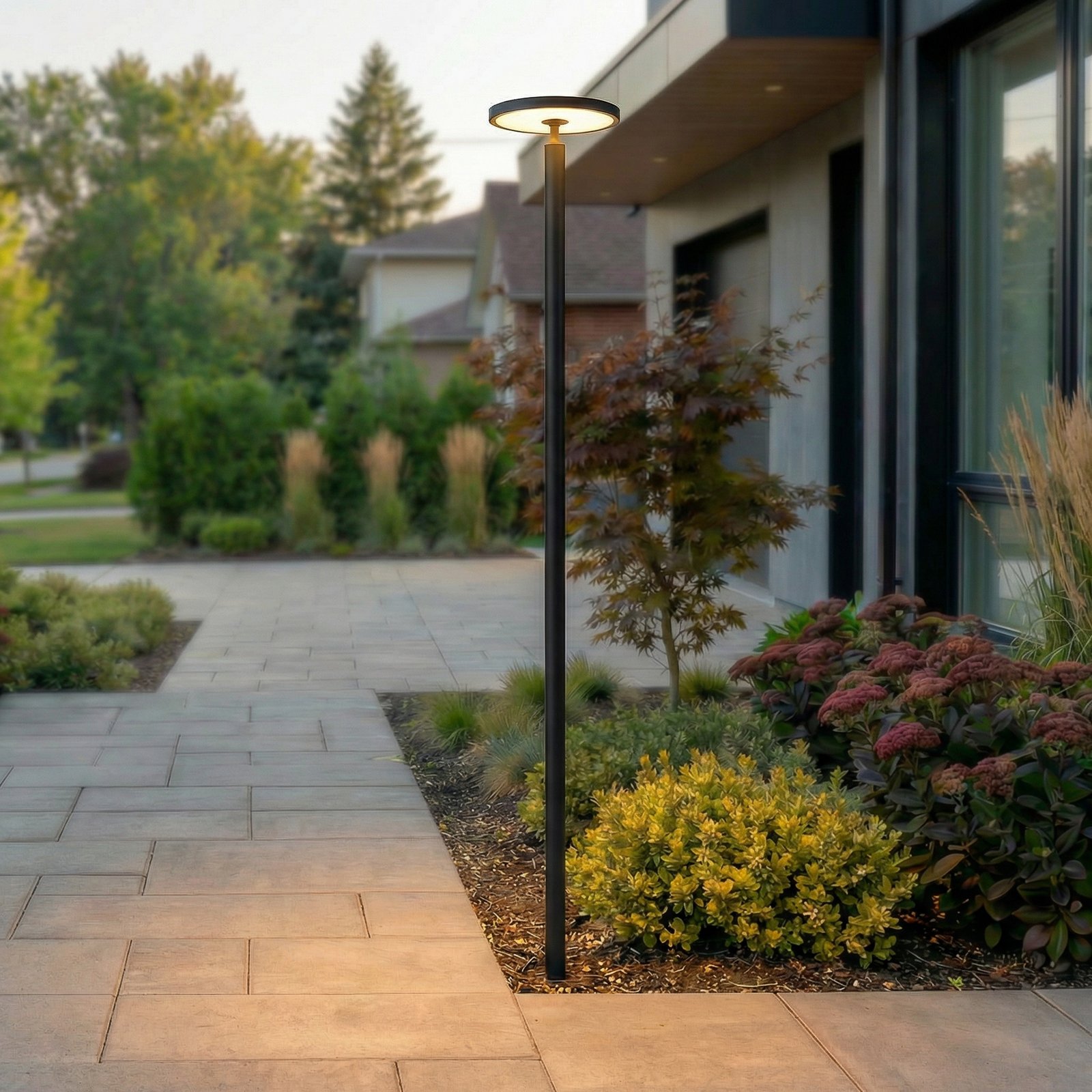
Well lit all the way from the car to the front doorIdeally, the carport lighting should begin before the parking space. A well-lit driveway makes it easier to find your way around and creates a smooth transition from the property to the carport. Bollard lights, positioned at regular intervals along longer driveways, can ensure good visibility. Recessed floor lights can be discreetly integrated into paved surfaces and can create a clear path of light. Wall lights fitted to adjacent buildings or walls are also a practical option for lighting.
The most important thing here is to avoid being dazzled when pulling in. Where possible, light sources should be positioned so that they do not shine directly towards the vehicle’s occupants. Uniform, fairly subdued lighting along the driveway is more pleasant than a few very bright spotlights. Ideally, the light should then continue all the way to the front door. This is how individual lights come together to form a cohesive lighting concept.
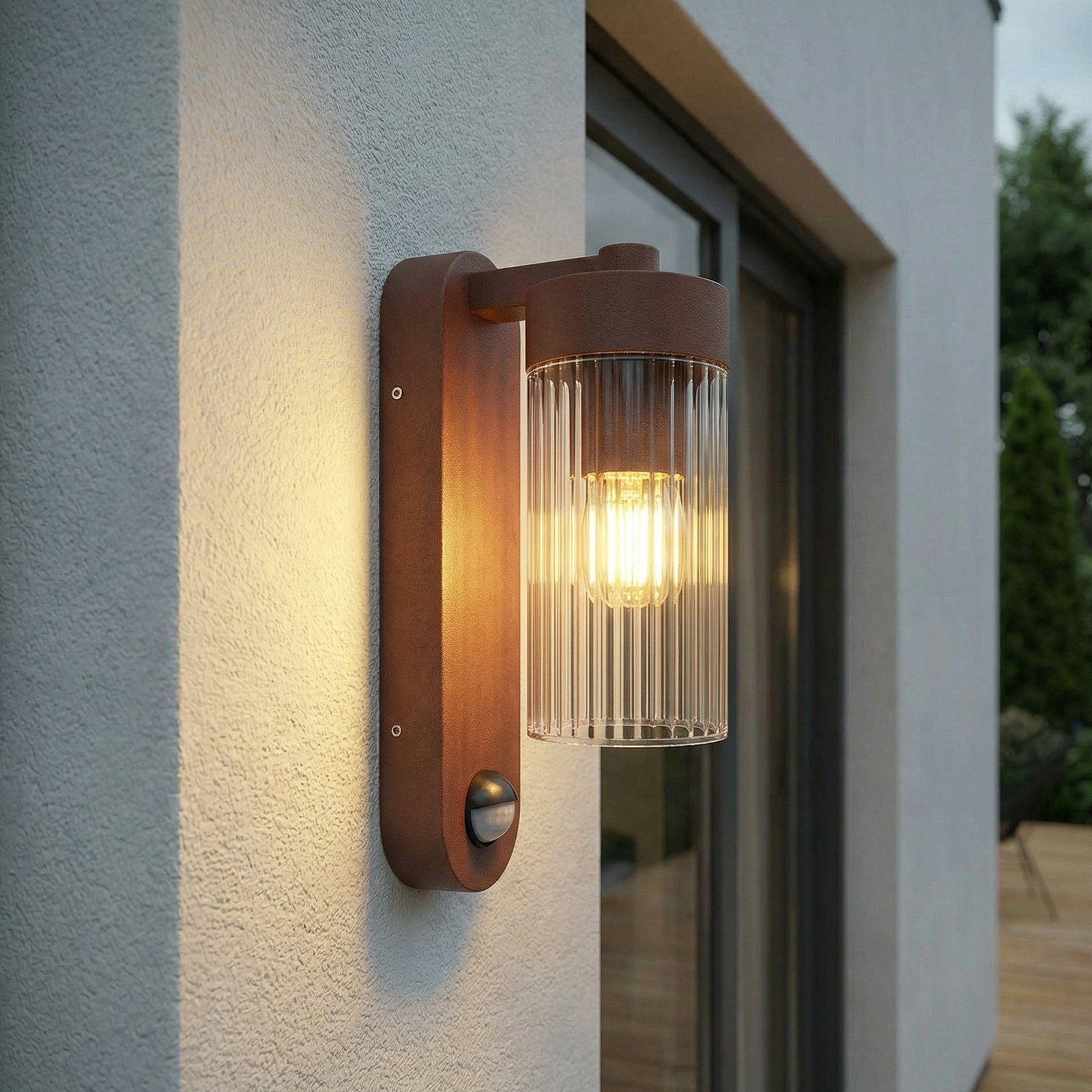
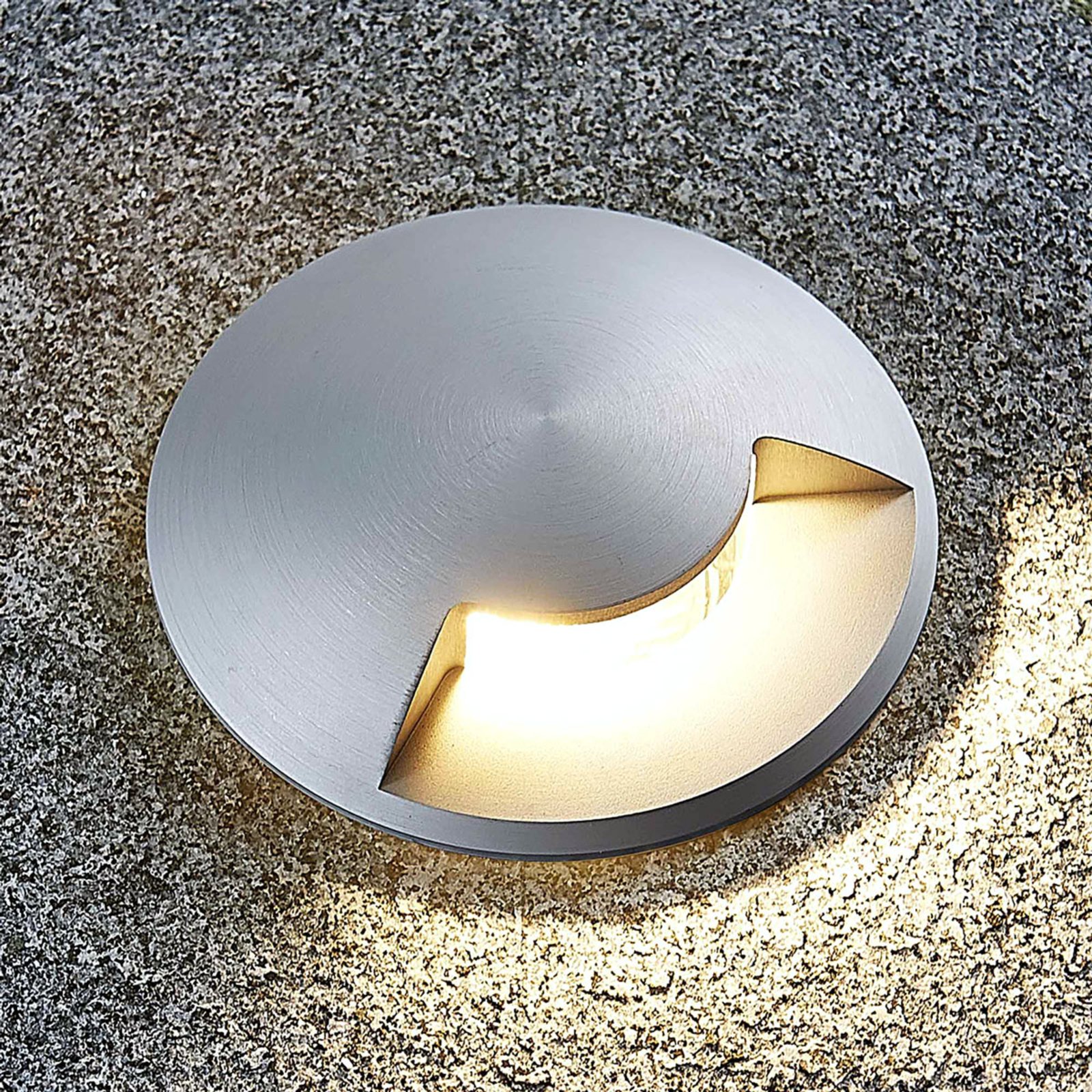

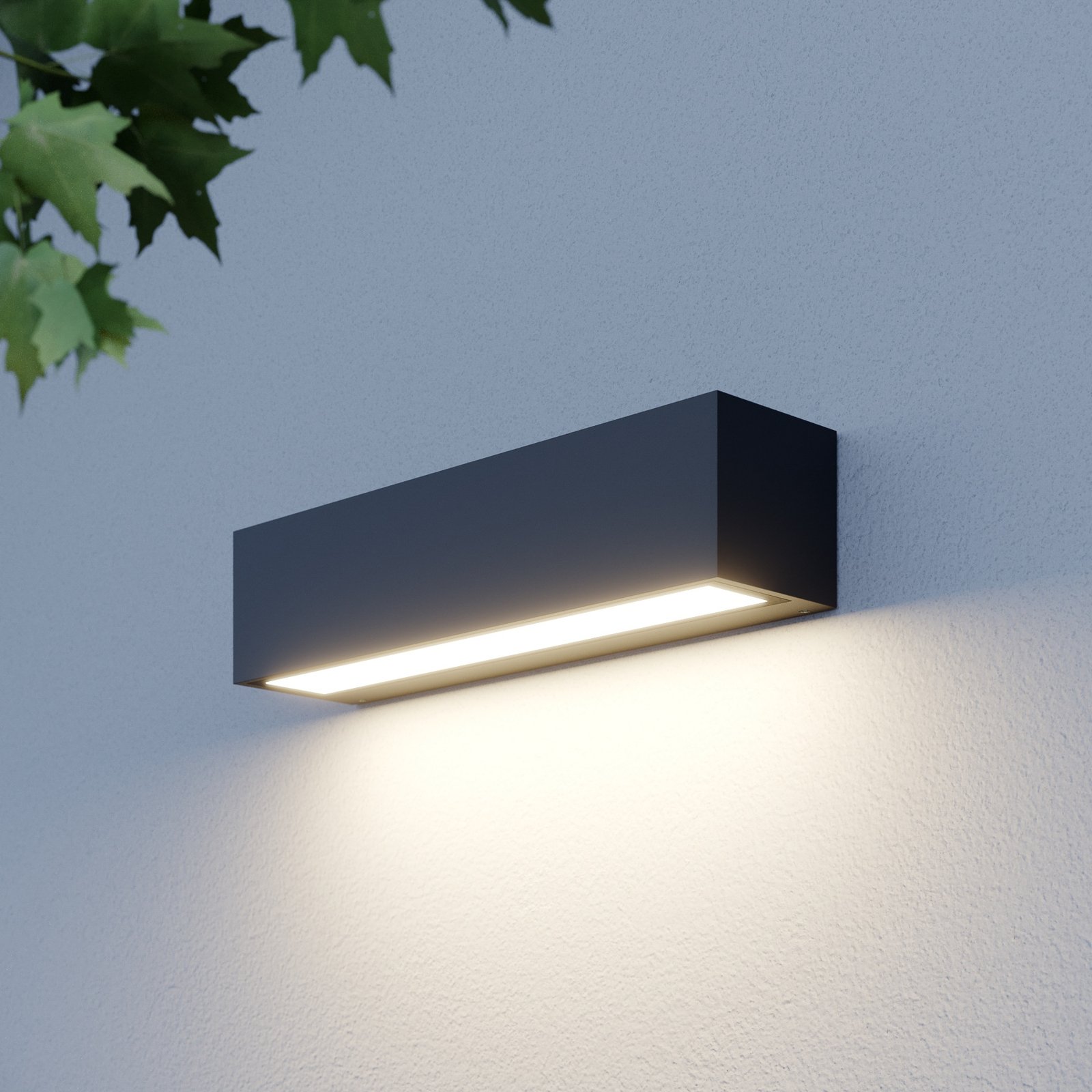

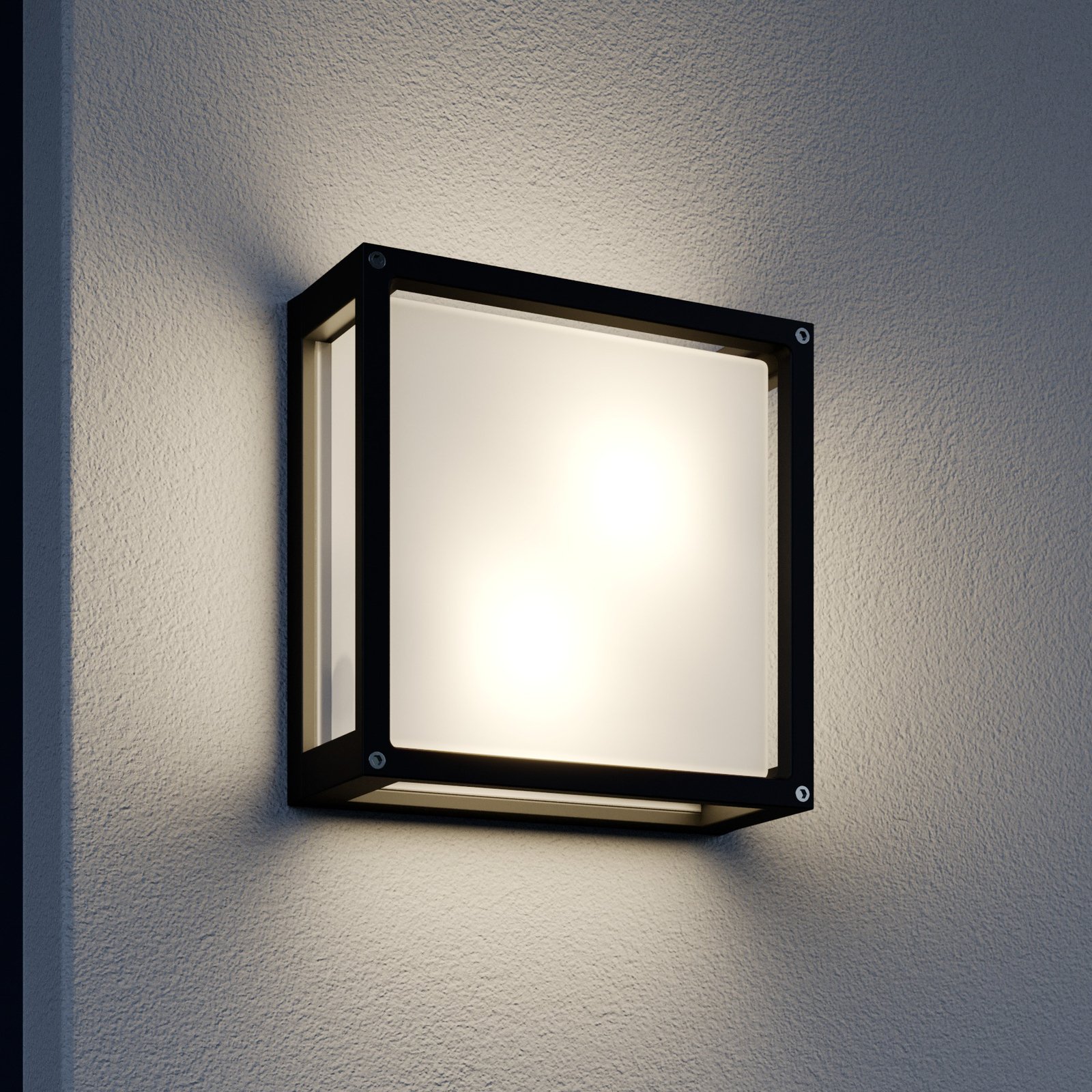

Carport lighting to match the style of the house
Light in harmony with the architectureThe lighting can reflect the architecture of the house and the carport and bring them together in a cohesive design.
)
Clean lines of light, subtle spotlights and lights in anthracite or black accentuate modern carports. Integrated LEDs, in particular, echo the linear architecture.
:format(jpeg) "Car under the carport")
Warm white light really brings out the beauty of the wood’s surface. Functional spotlights or downlights allow the structure to stand out without making it look cluttered.
)
The rule here is: less is more. A few, well-placed light sources or integrated LEDs provide guidance without disrupting the clean lines of the architecture with a multitude of visible lights.
Choosing the right light colour, brightness and IP rating
Technical criteria for the perfect lighting scheme for your carport:format(jpeg) "Tina")
Tina Ducke
Lighting expert at Lights.co.uk
Expert tip
When planning your carport lighting, it’s worth taking the time to walk the route yourself in the evening: where do you actually need light when unlocking the car, unloading it or on your way to the front door? It is particularly helpful to position lights in such a way that your own vehicle does not cast a shadow over the important areas. Height is also a factor: light sources positioned slightly to the side or above the line of sight are often more pleasant than those at eye level. If there are several lights, the beams of light should not end abruptly, but should complement one another as harmoniously as possible. If you’re unsure, you can start by testing the planned positions with temporary light sources – this will quickly show you whether any dark corners or distracting glare are created. Only then is it worth deciding on the final positioning and alignment of the lights.
 "Tree Lighting")
 "Lighting for the garden shed")
 "Smart Garden Lighting")
 "Burglary Protection with Motion Sensor")
 "High-quality solar lights for the garden")
 "Insect-friendly lighting")