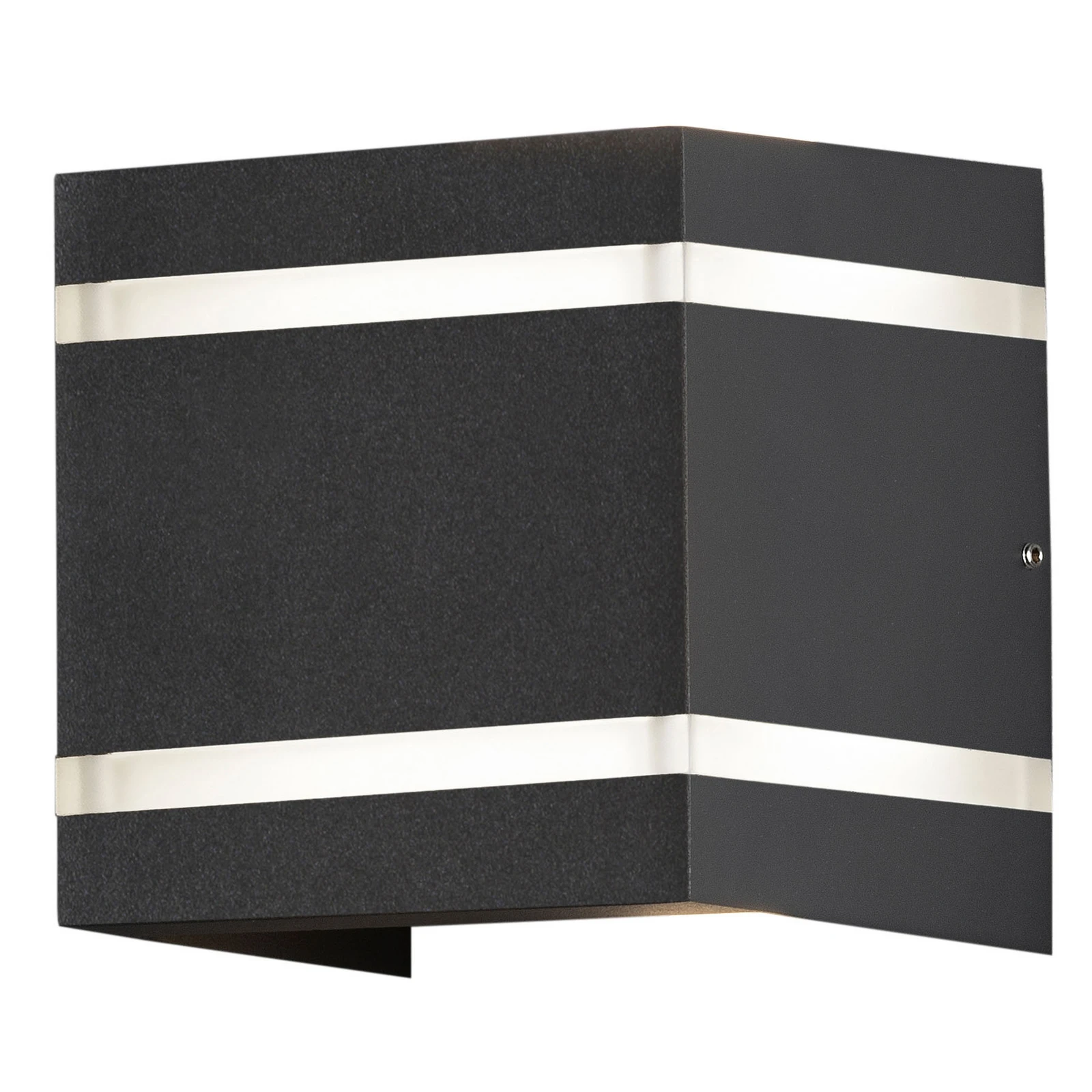
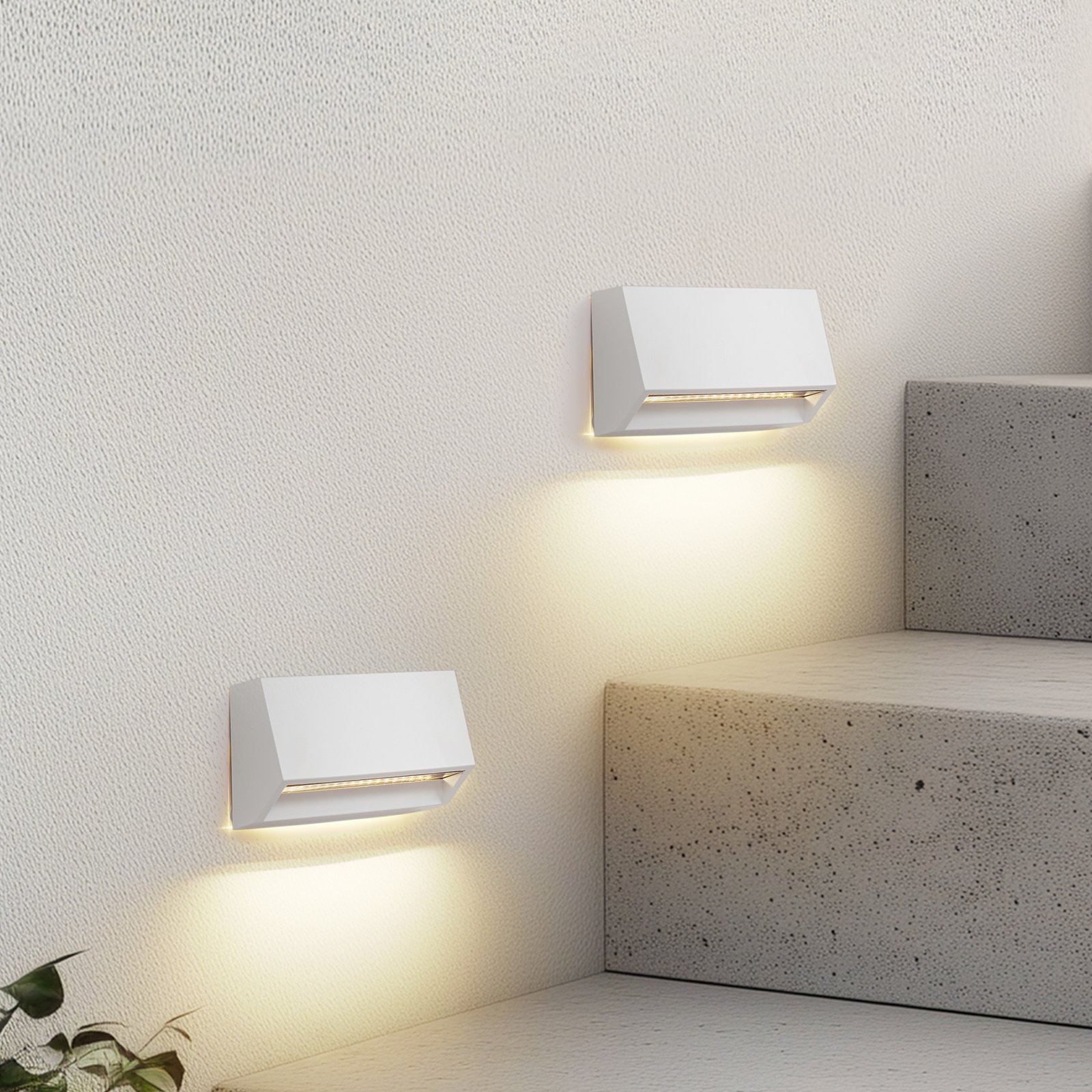
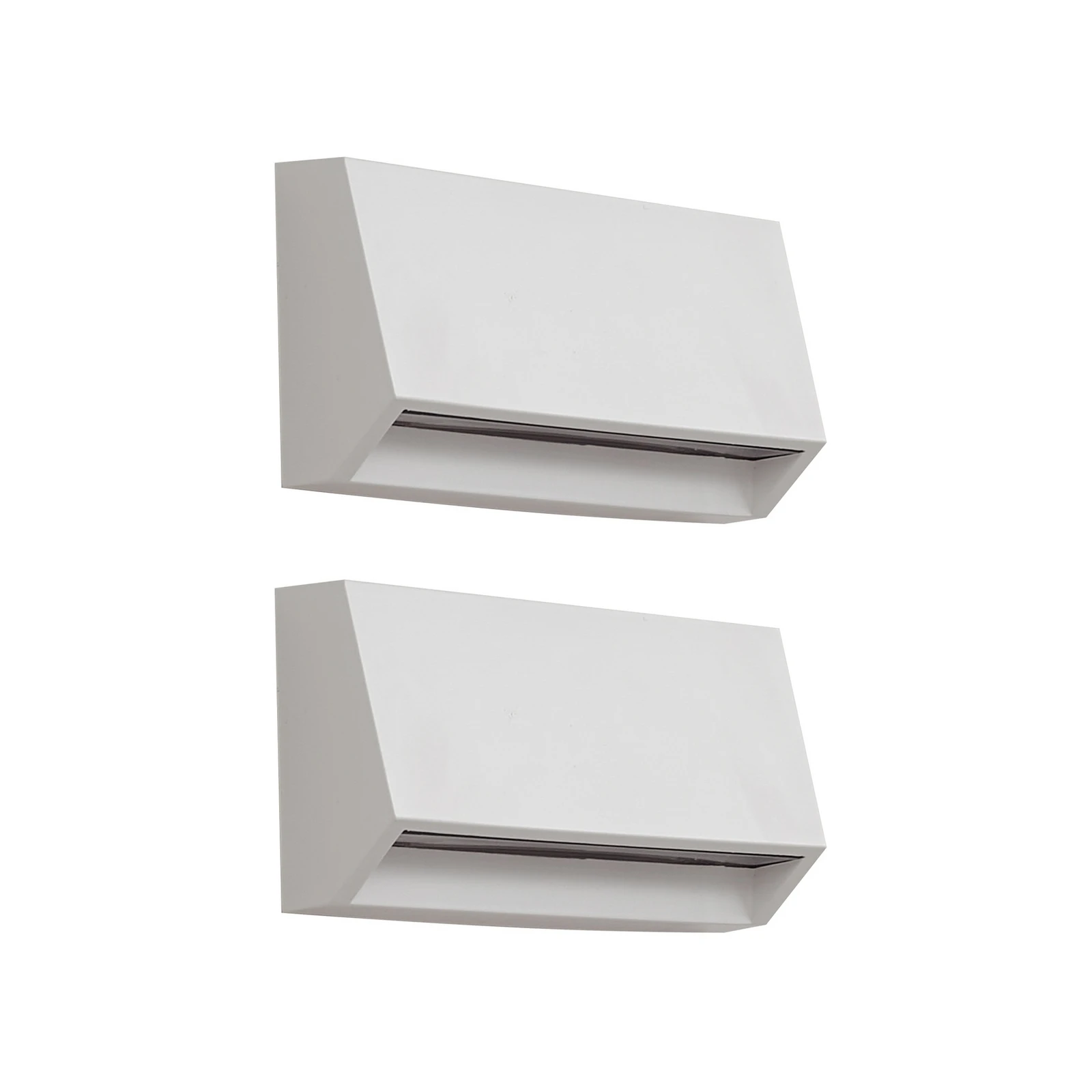
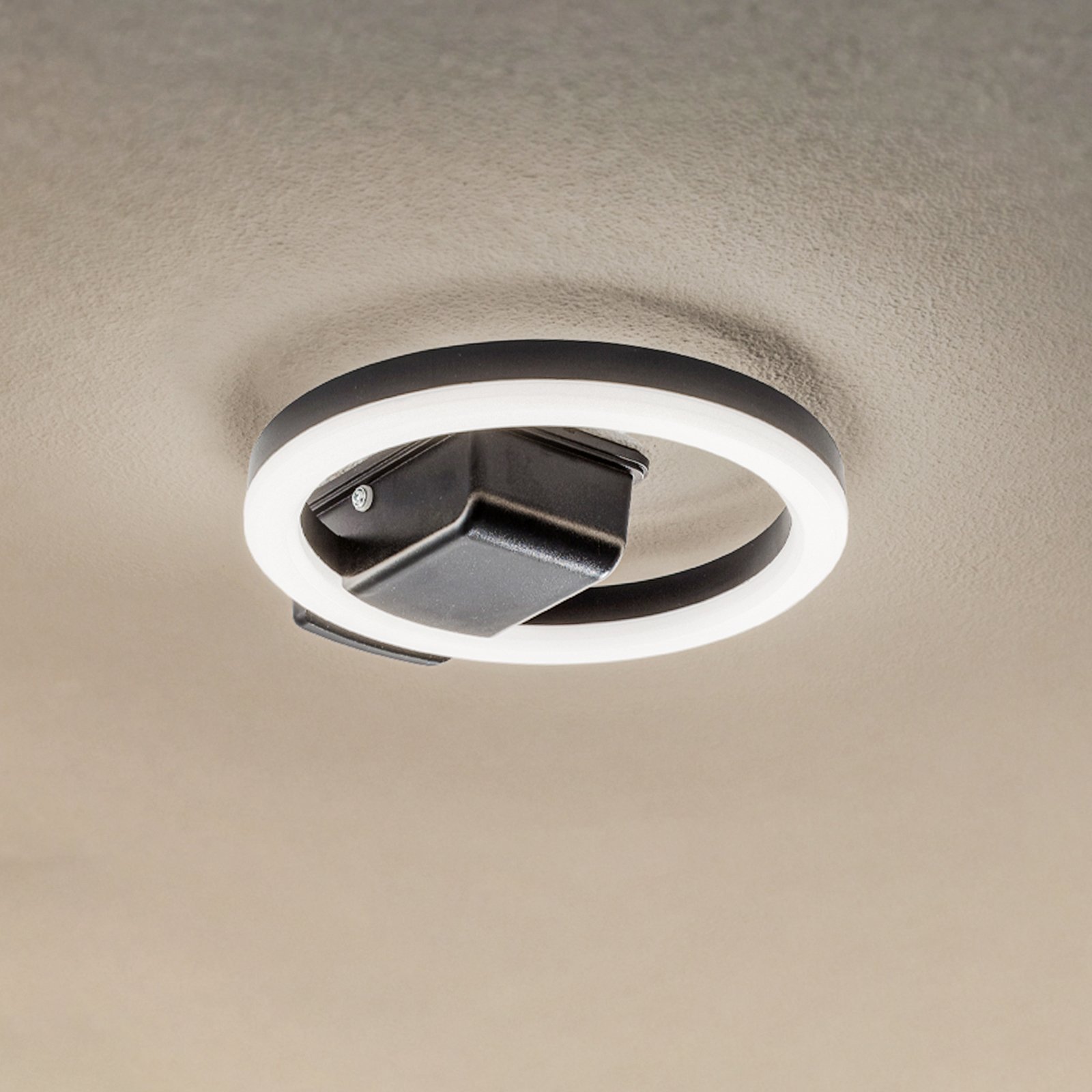
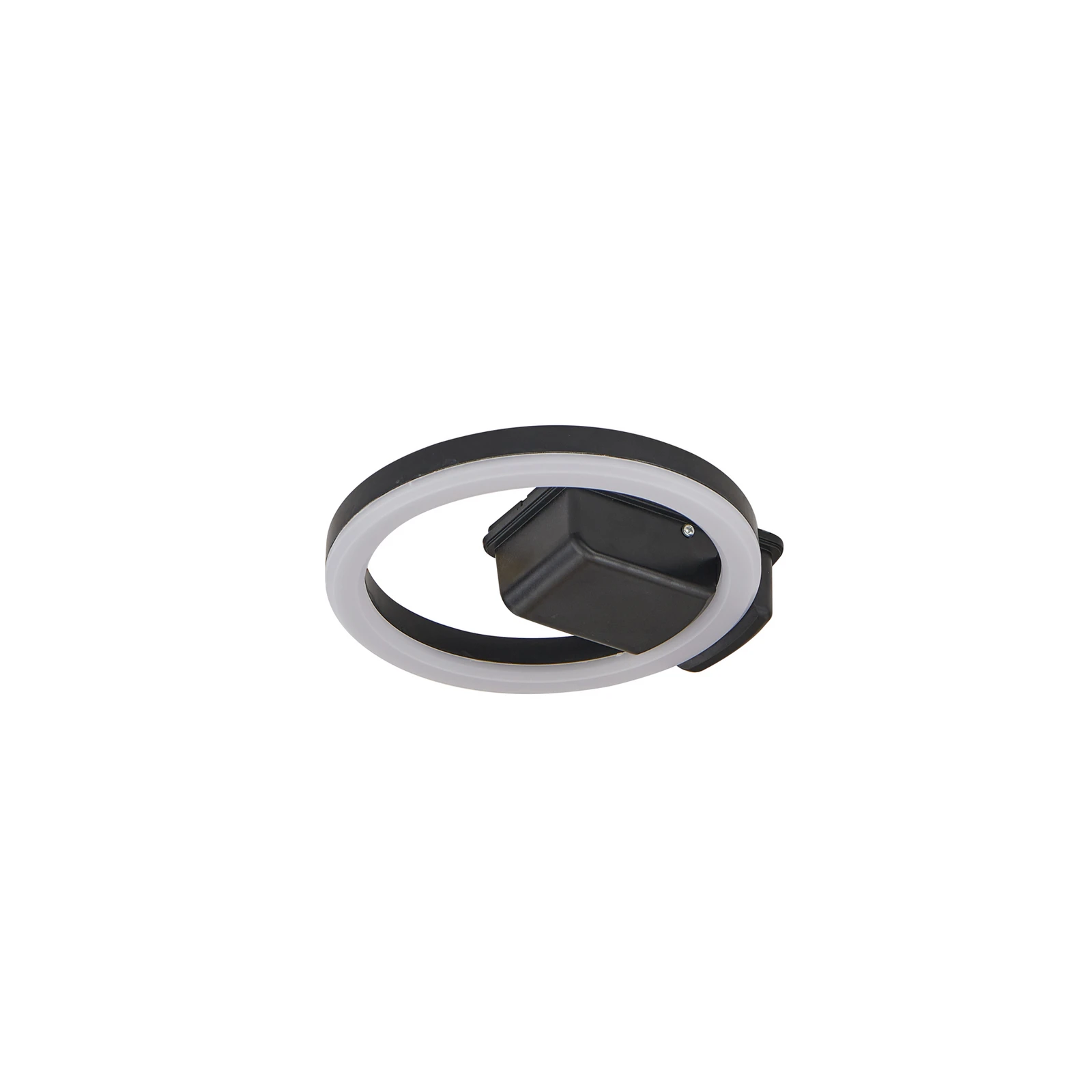
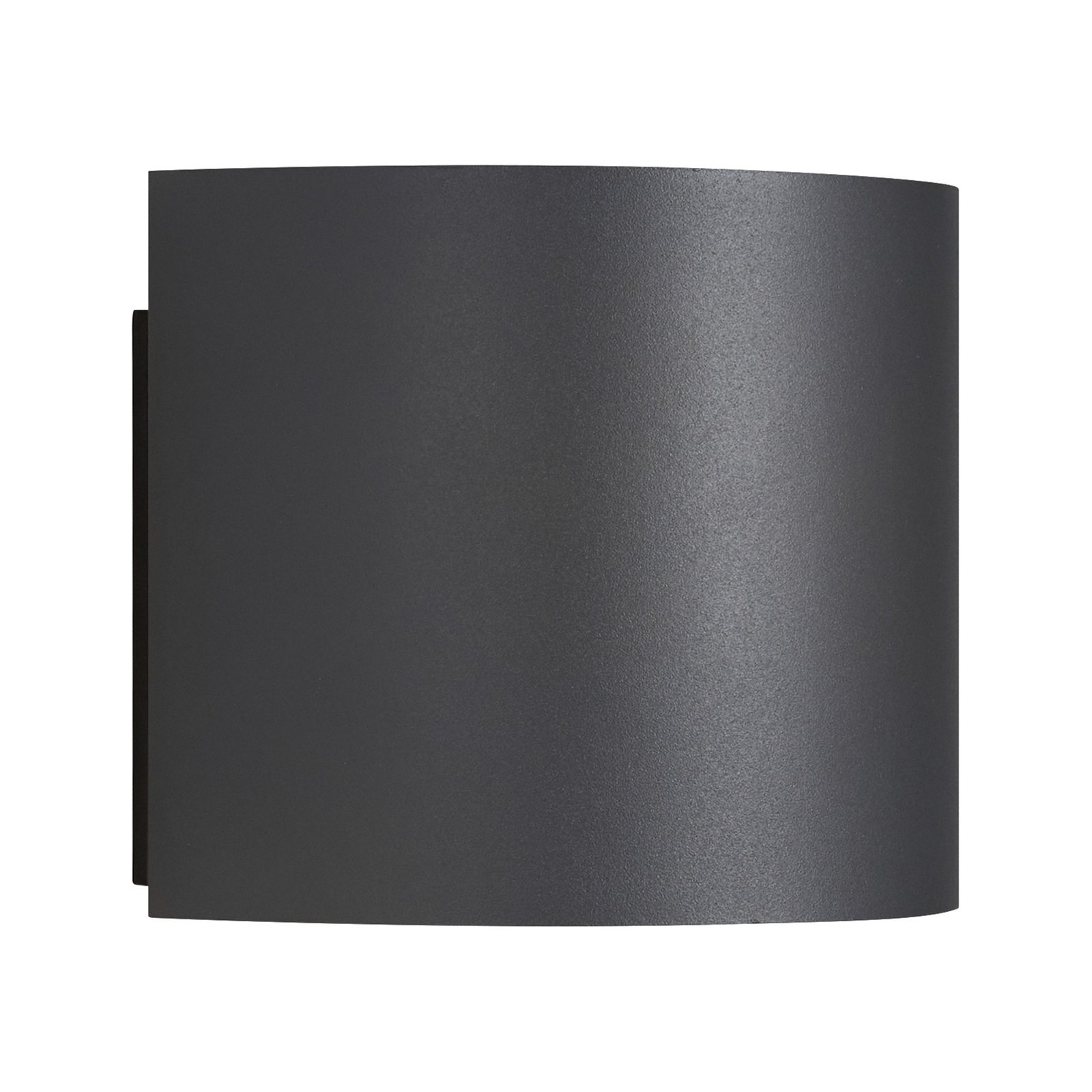
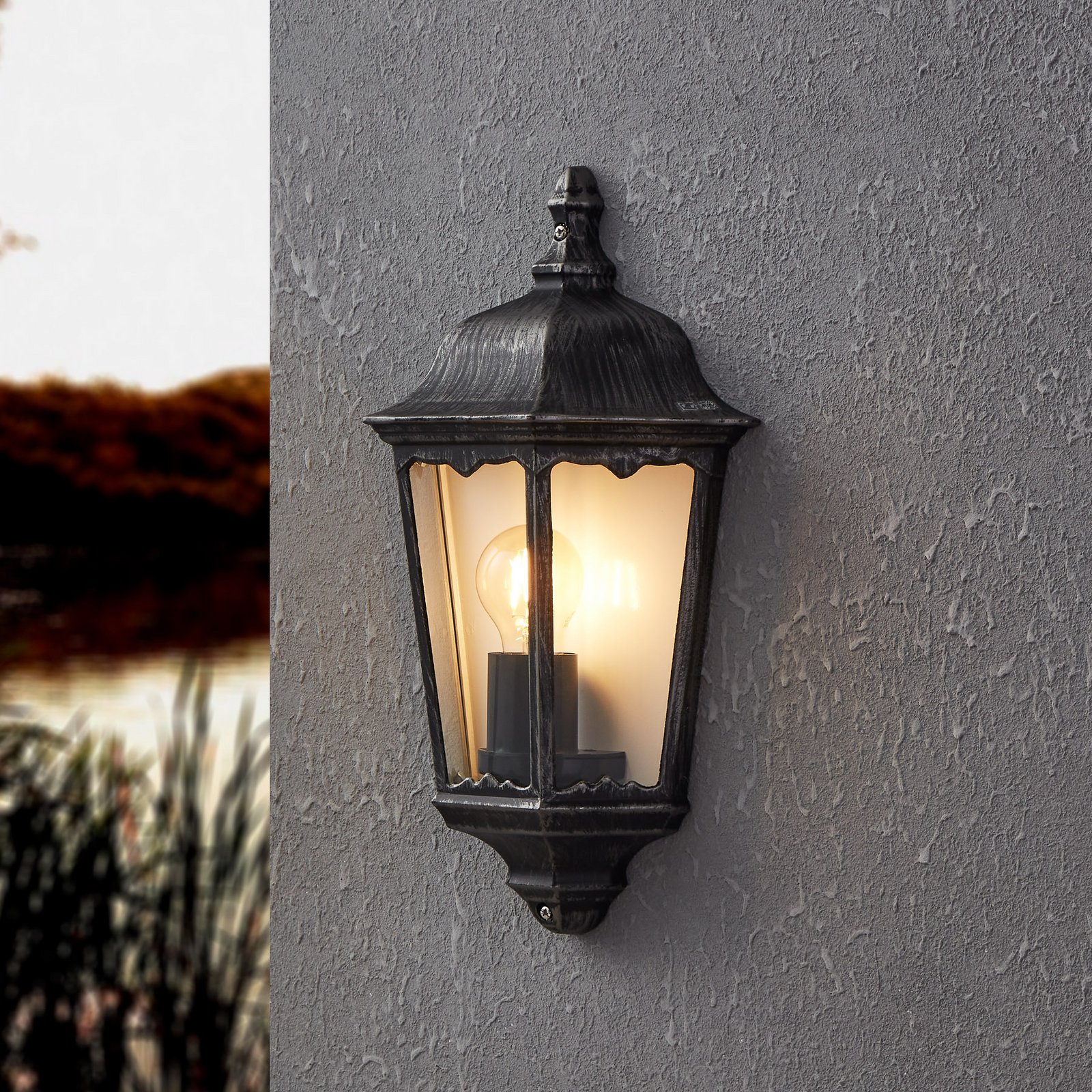
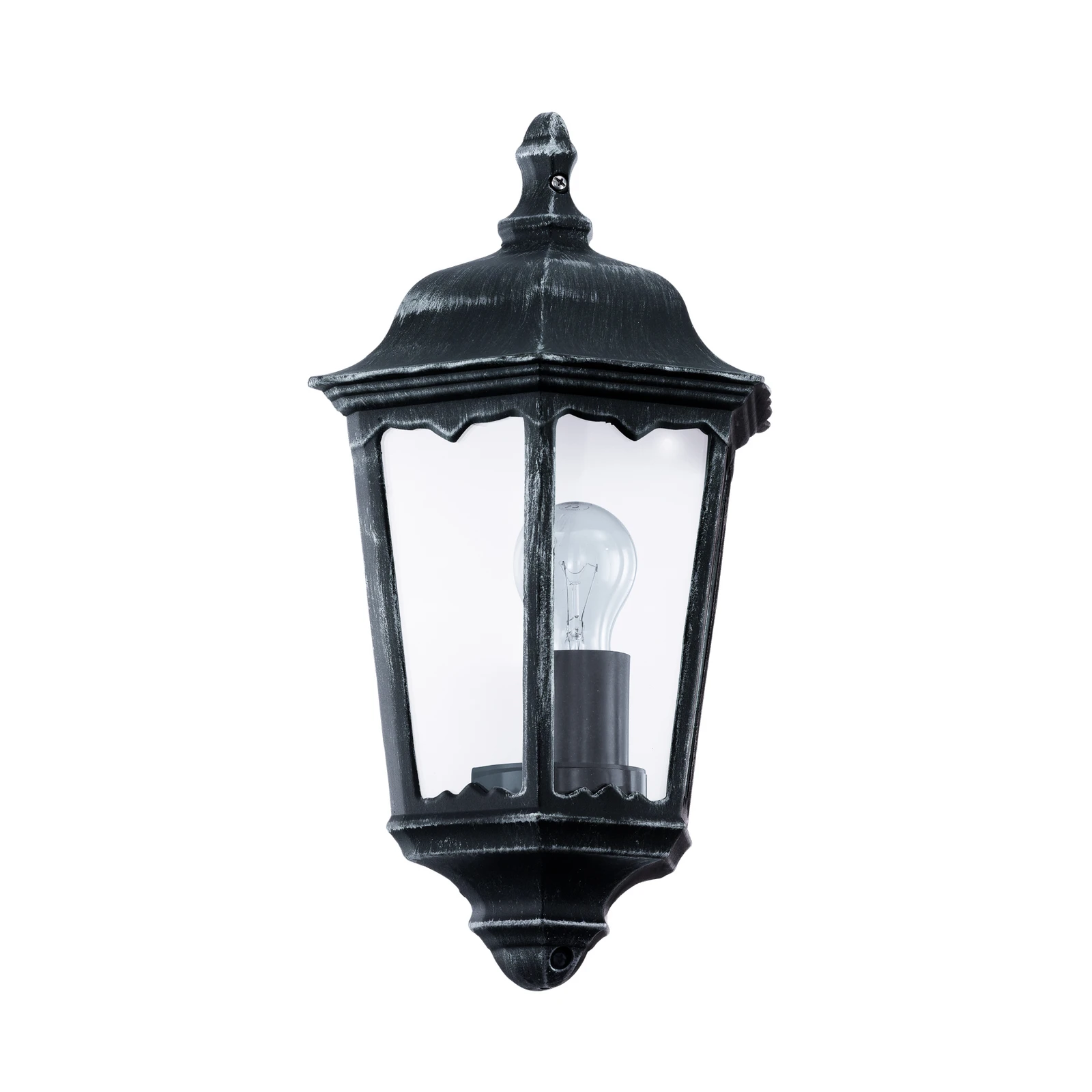
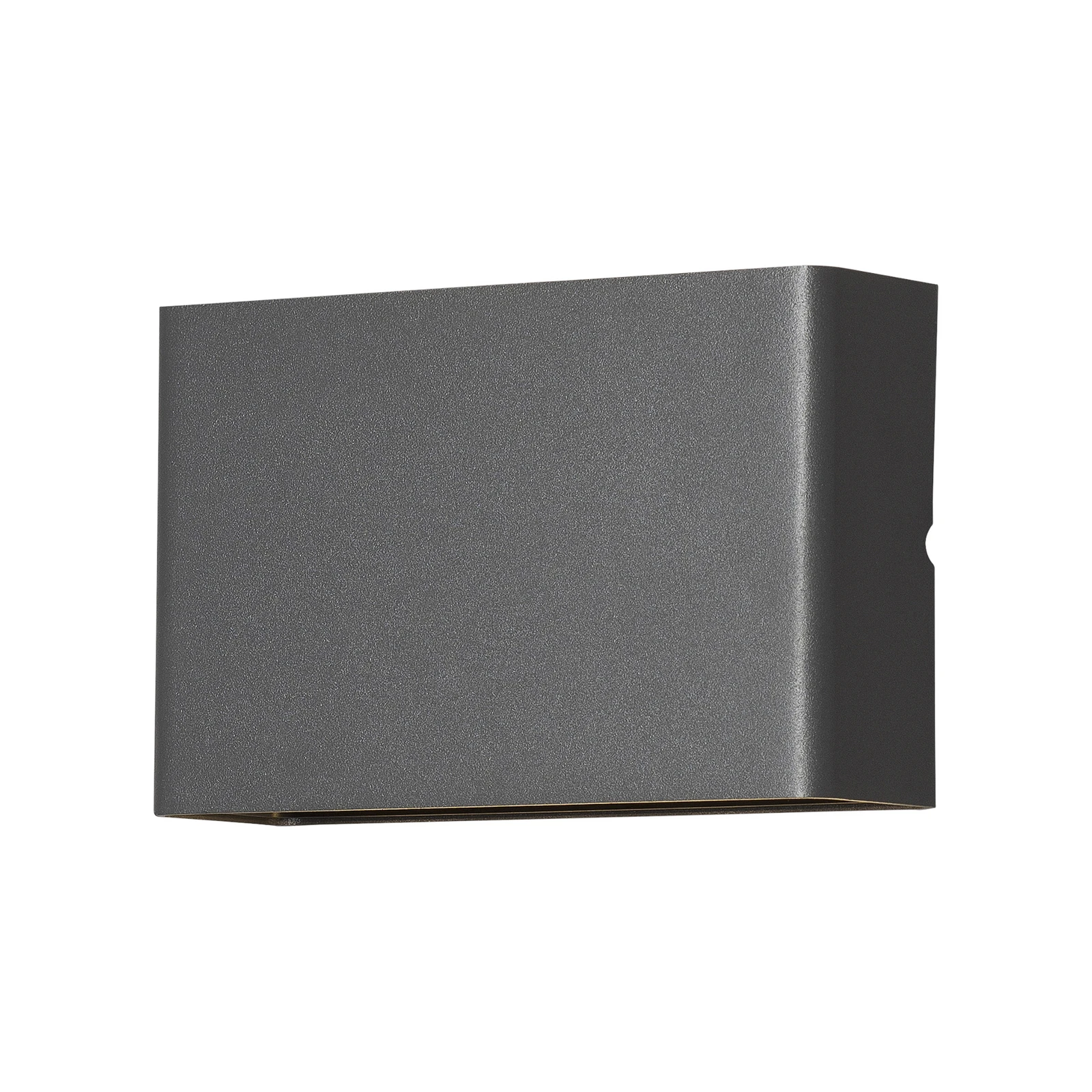
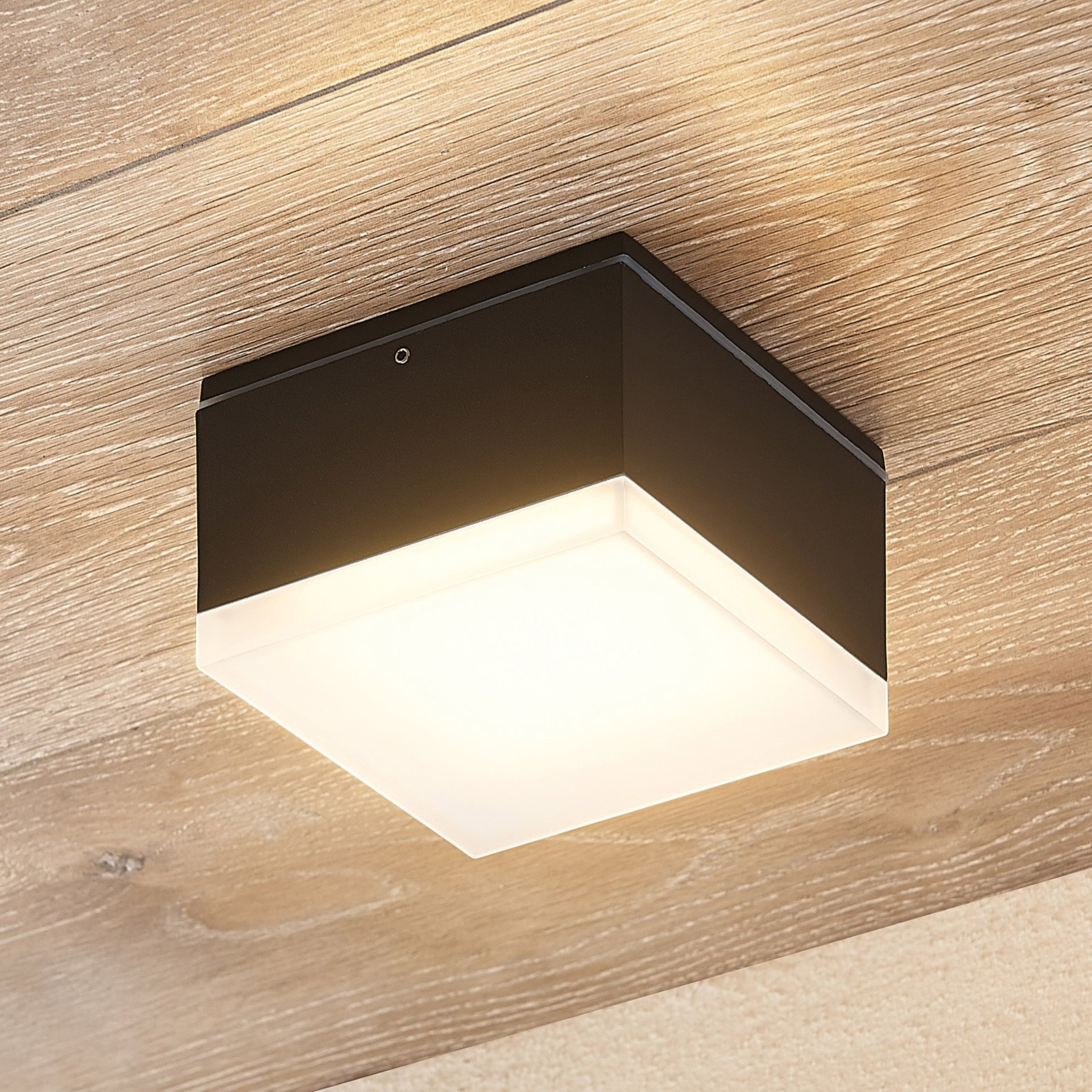
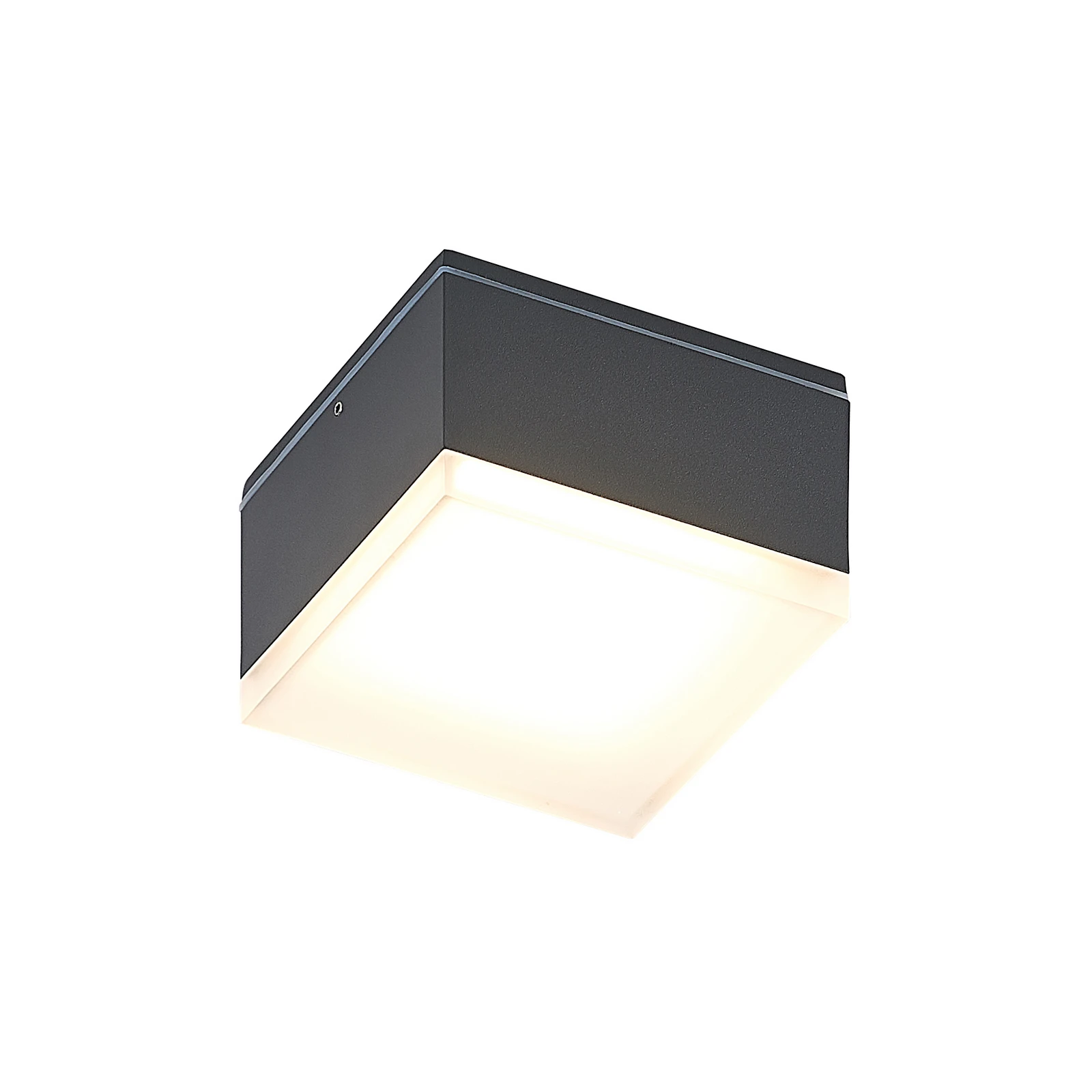
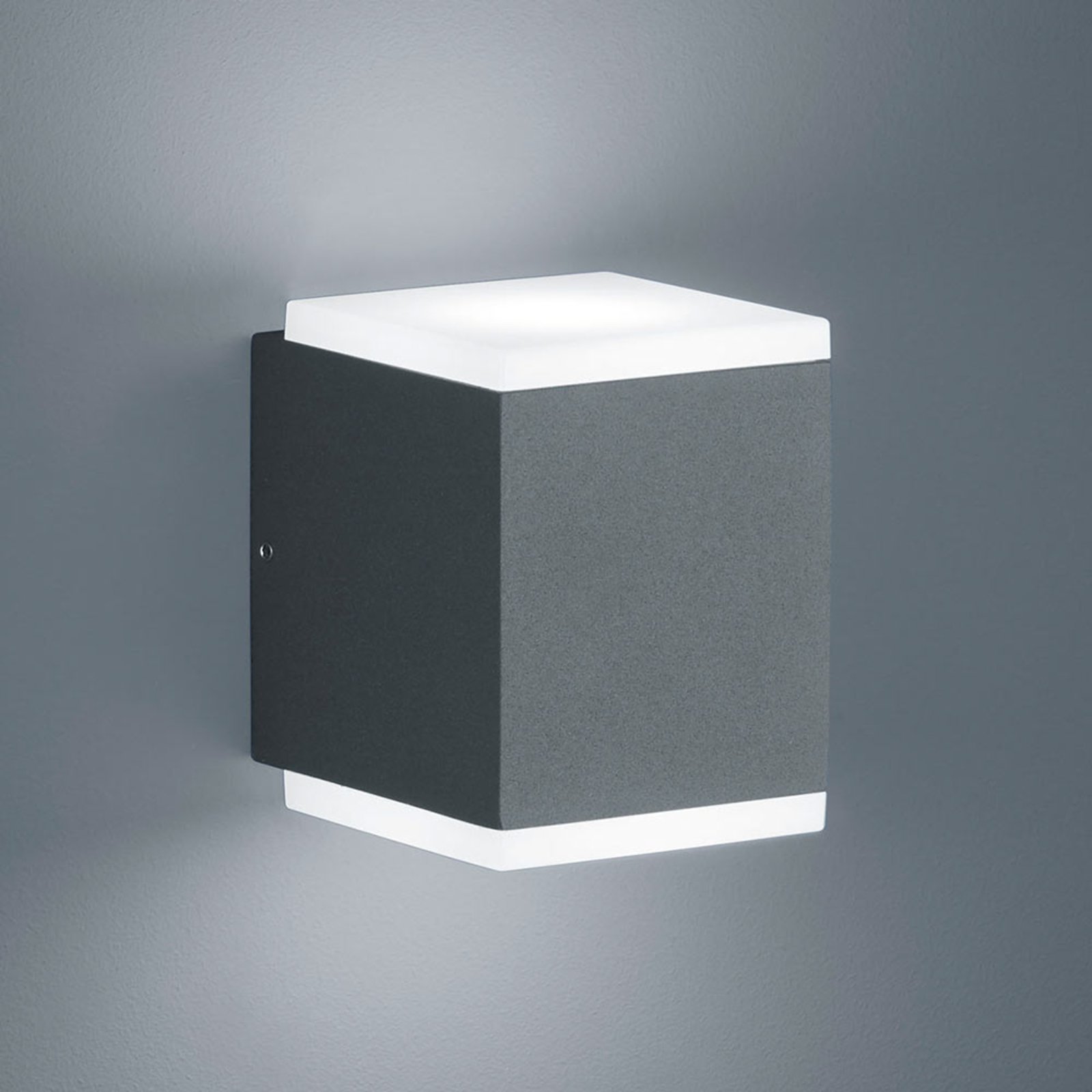
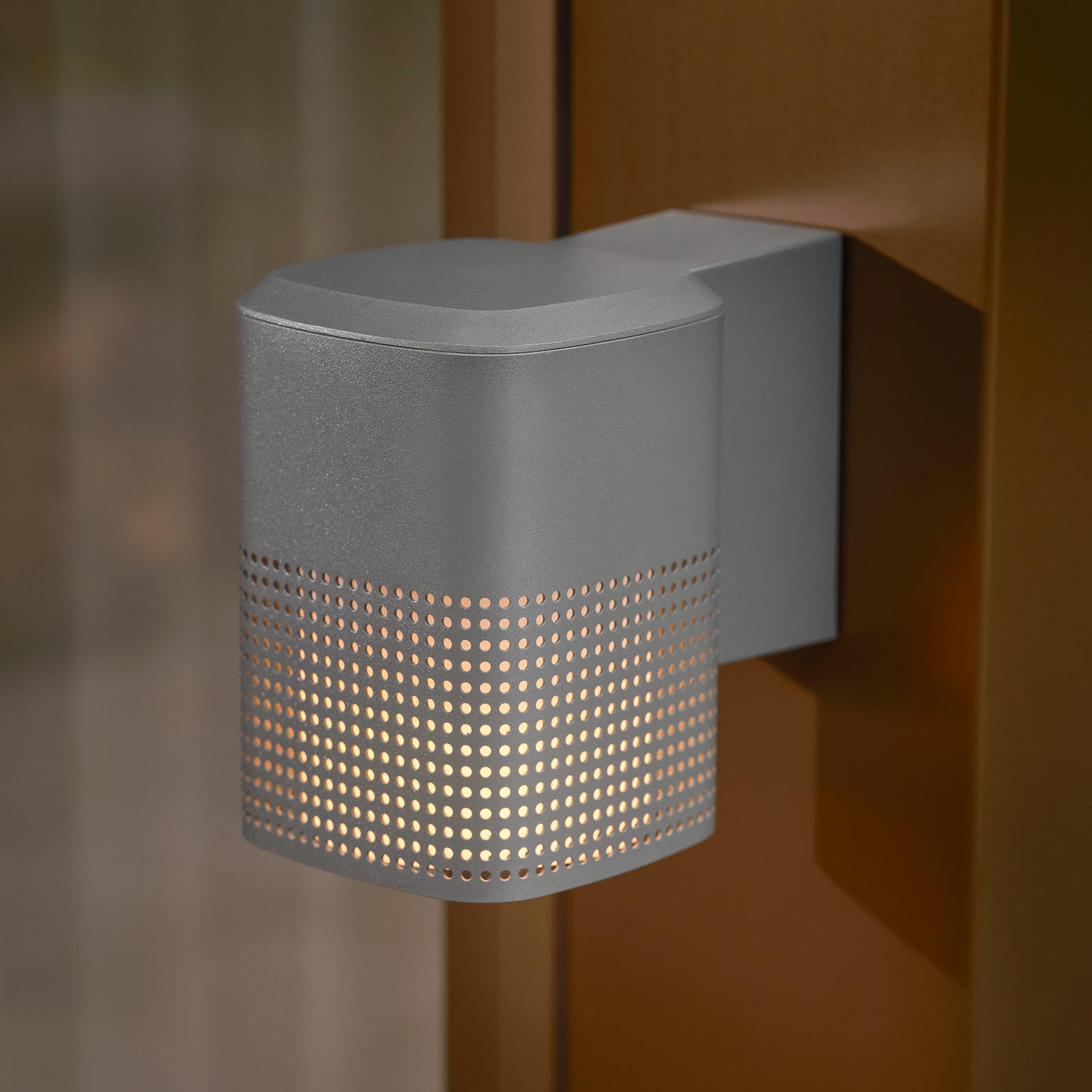
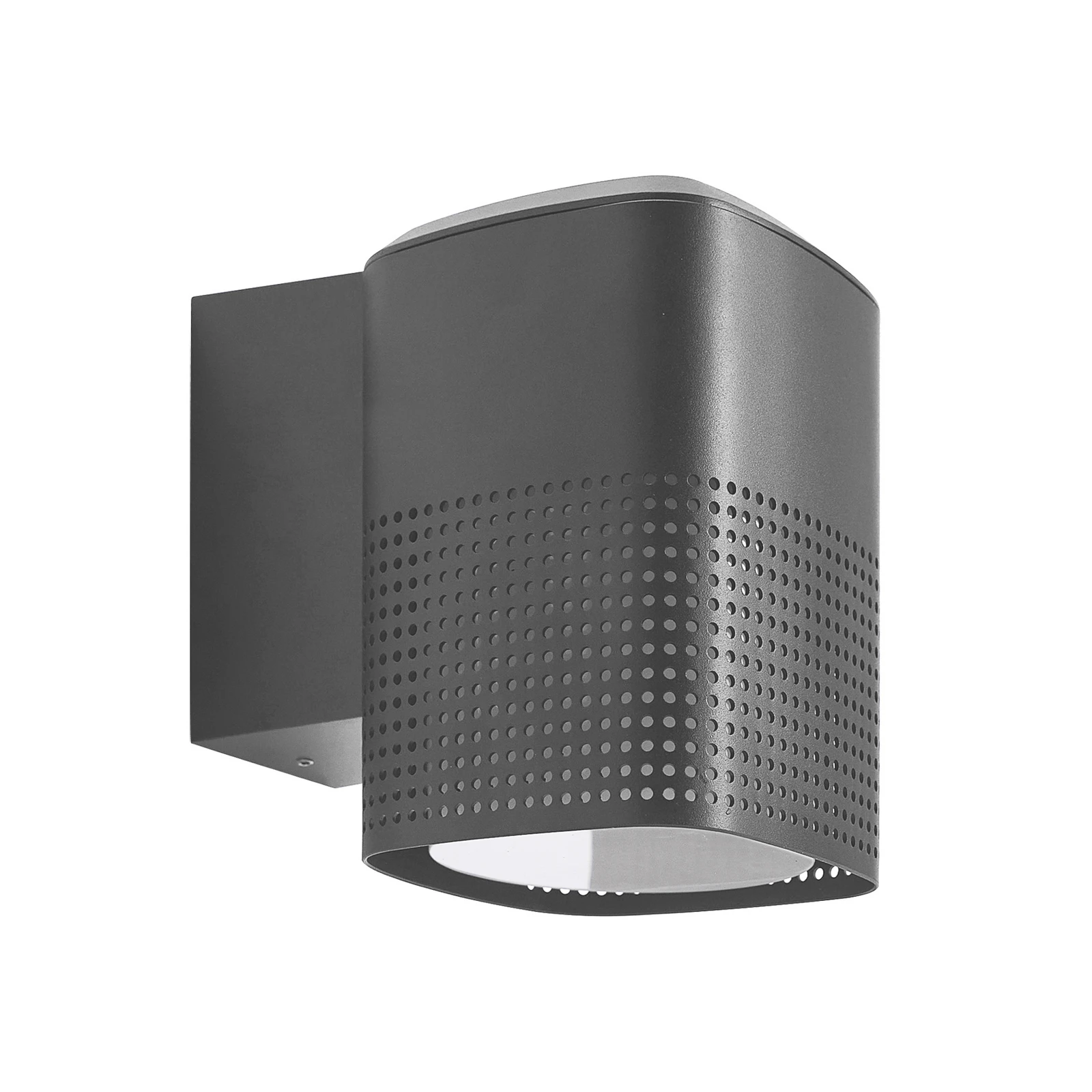
Wall lights for the terrace: suitable outdoor lighting on the wall
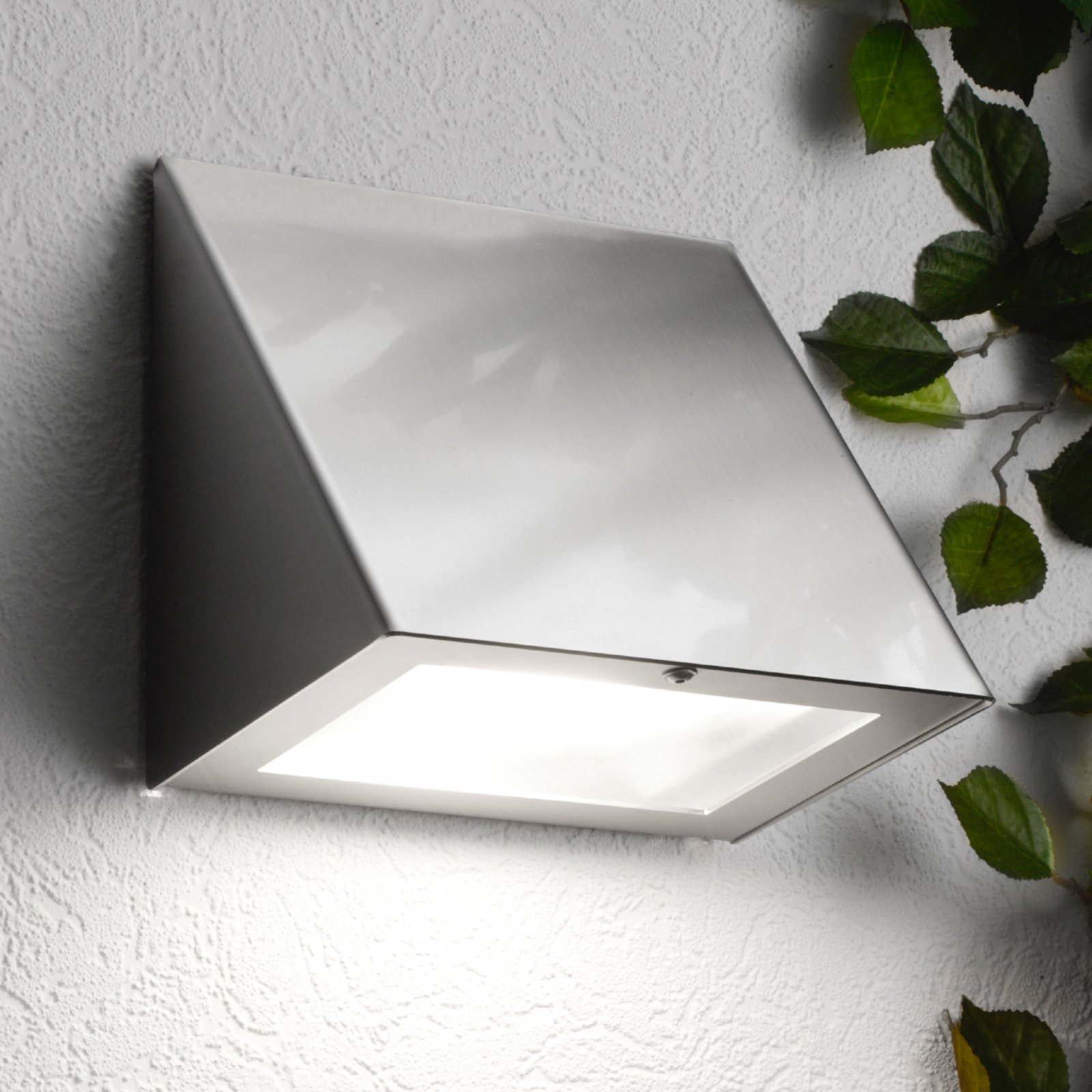
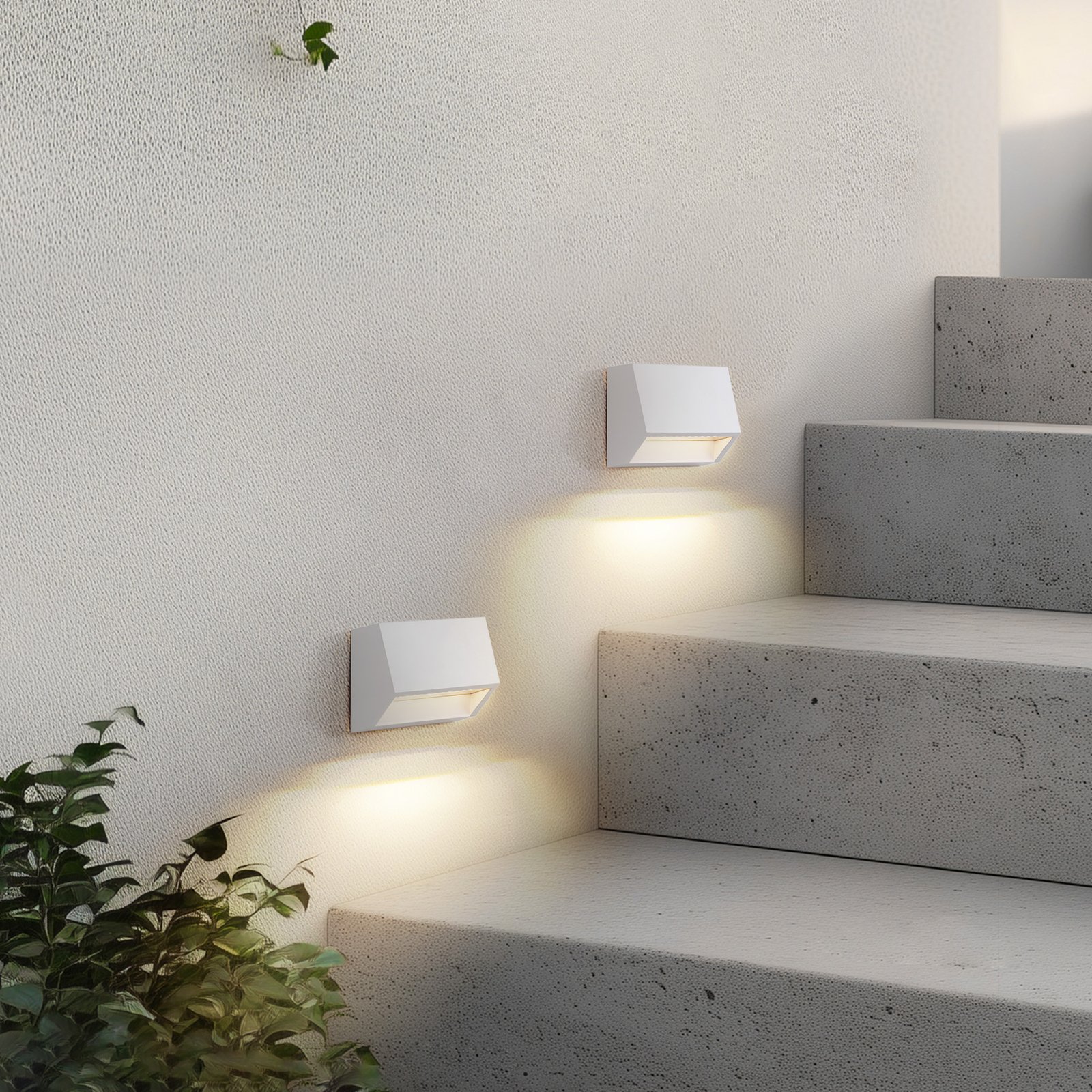
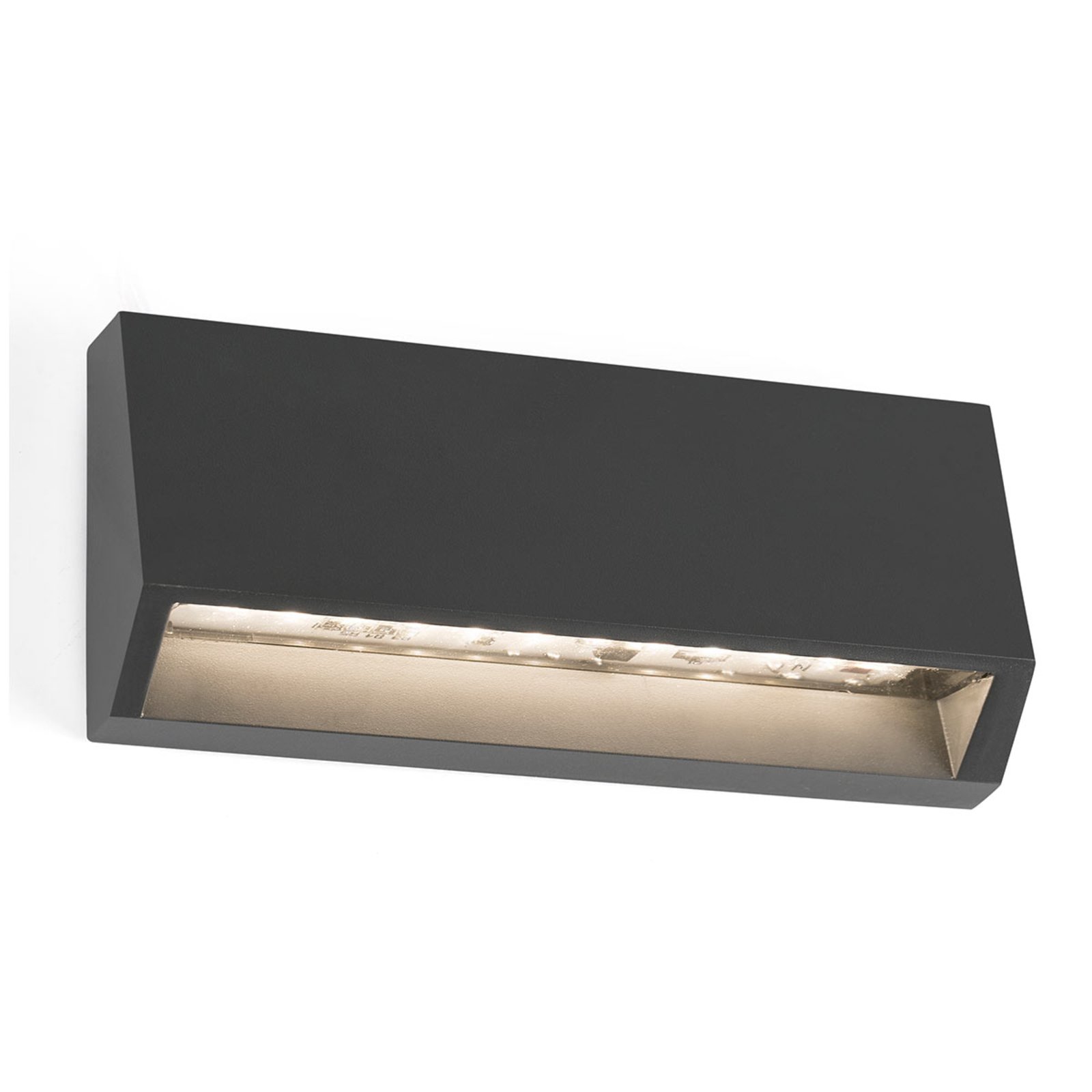
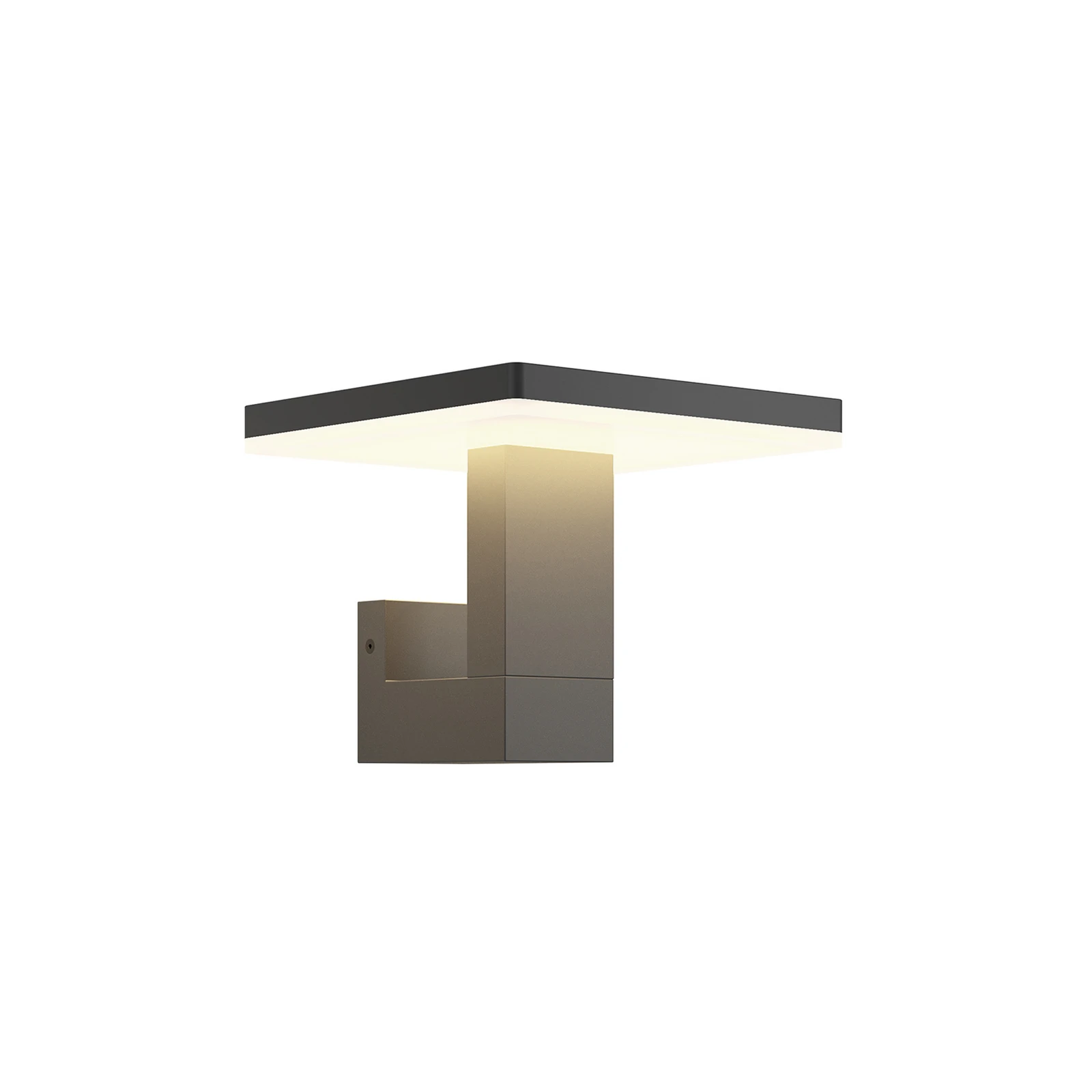
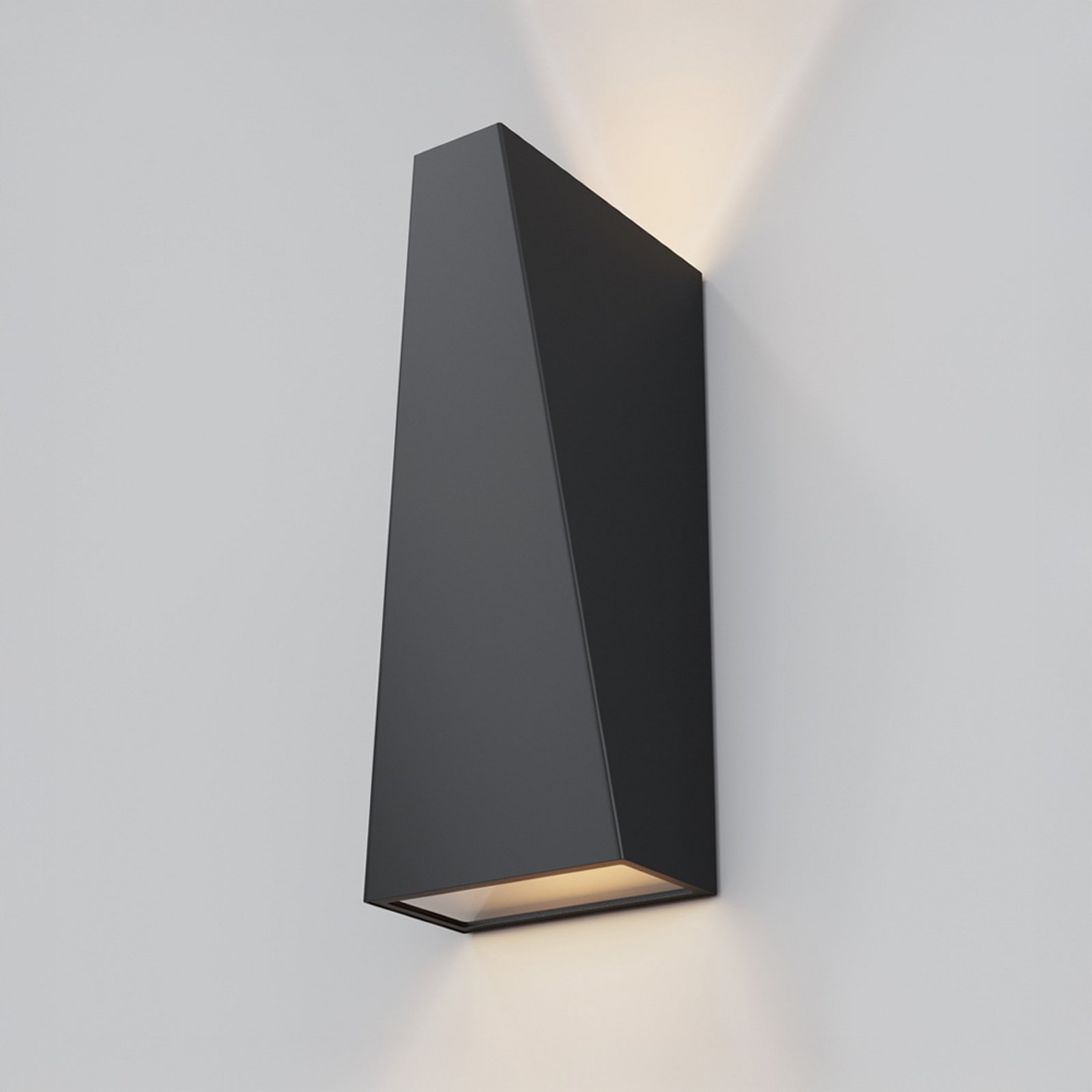
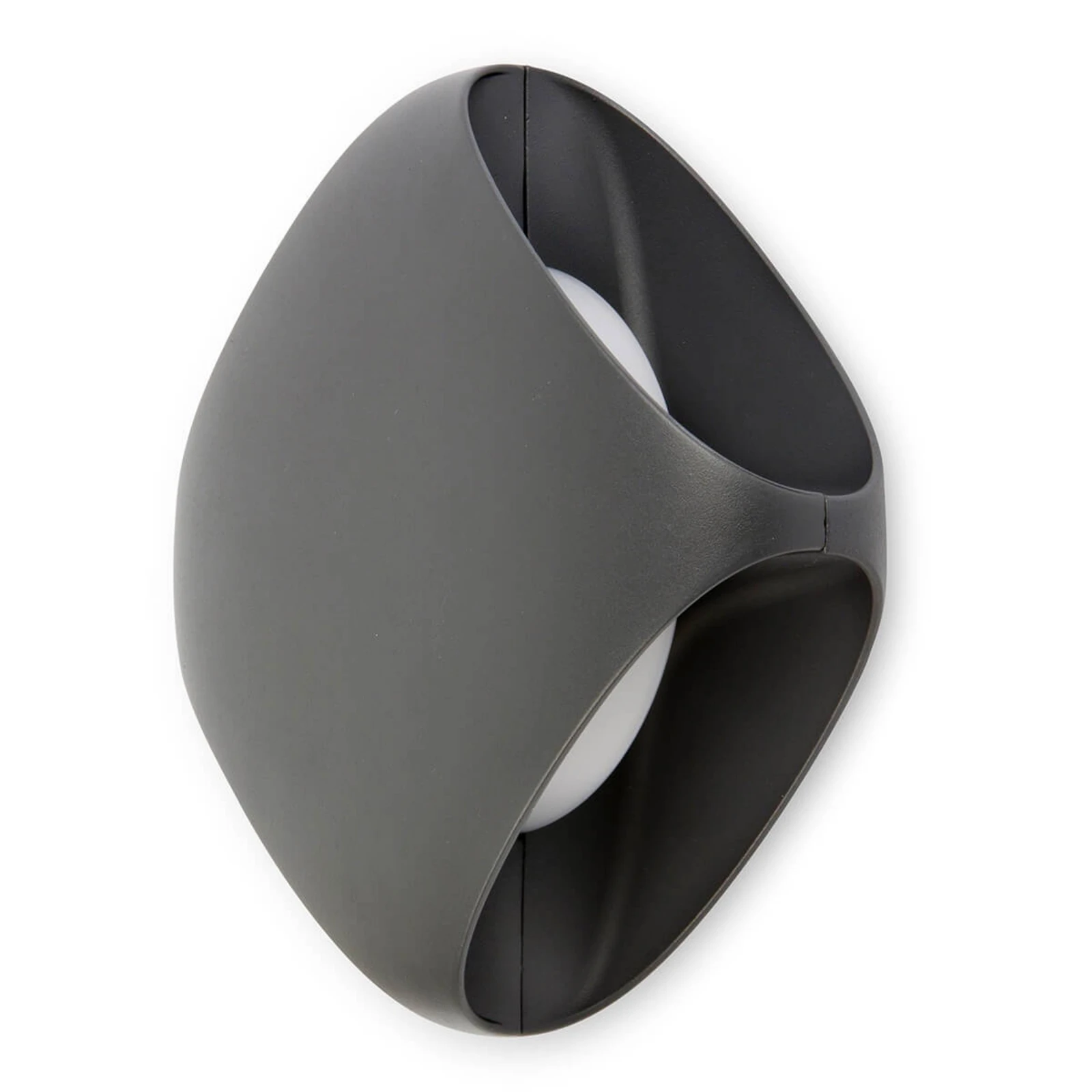
Wall lights on the terrace provide orientation and atmosphere directly on the facade, for example, at the seating area, patio doors, steps, or at the transition to the garden. Depending on the light distribution, an outdoor wall light can illuminate terrace areas, make paths more recognizable, or specifically incorporate the wall. Therefore, in addition to the design, the mounting position, suitability for outdoor use, and the desired additional functions play a role in the selection.
Terrace wall lights - Light for seating areas, access points, and transitions
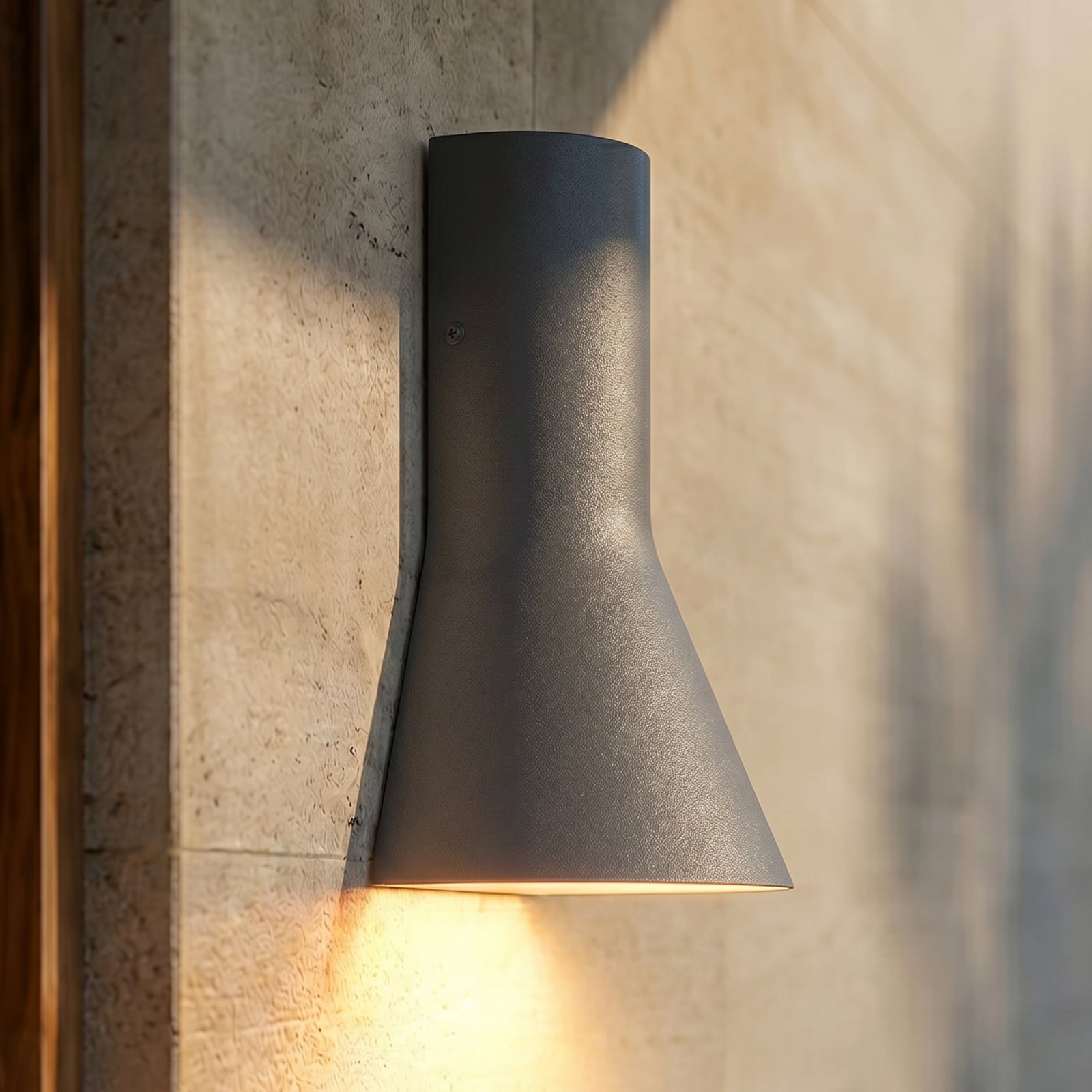
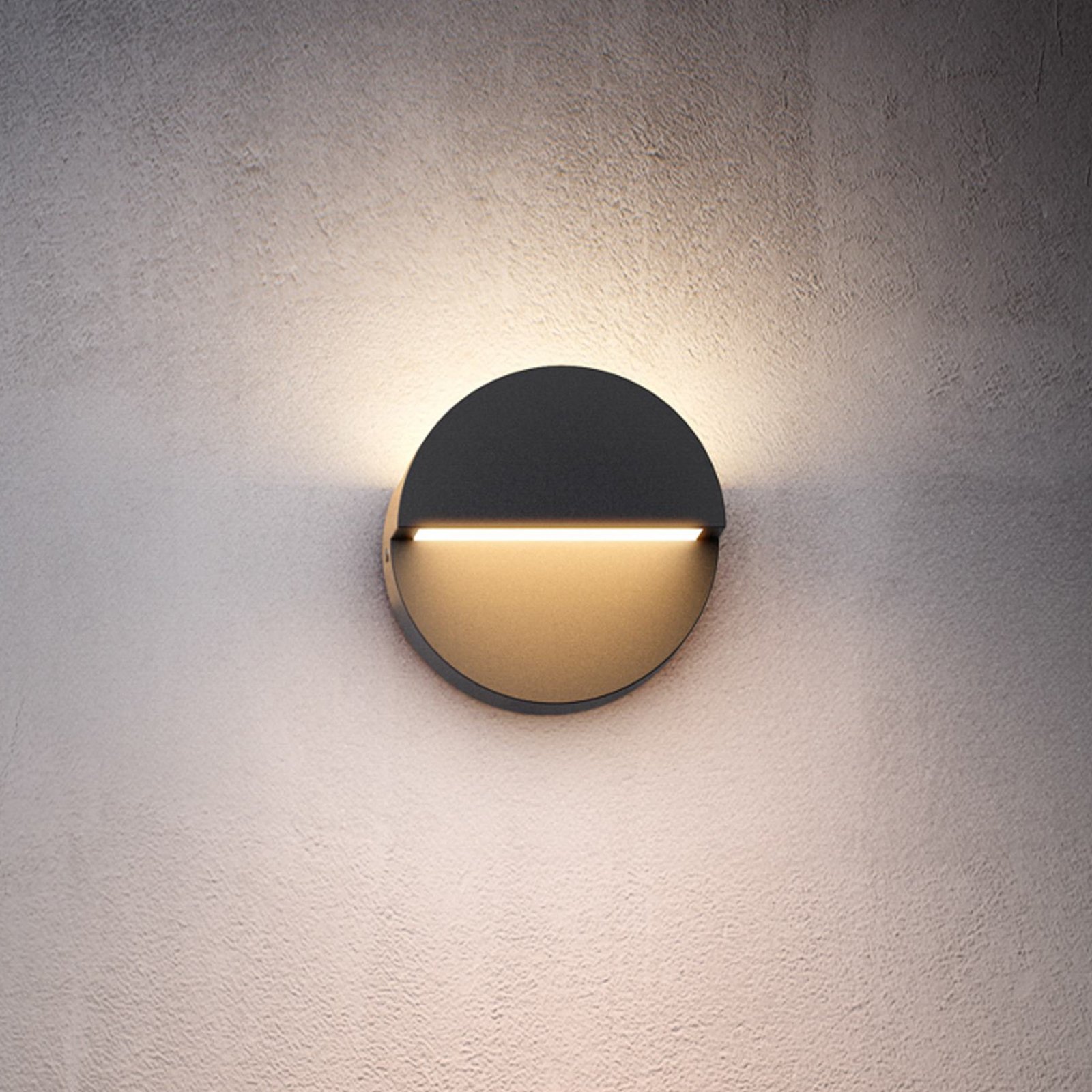
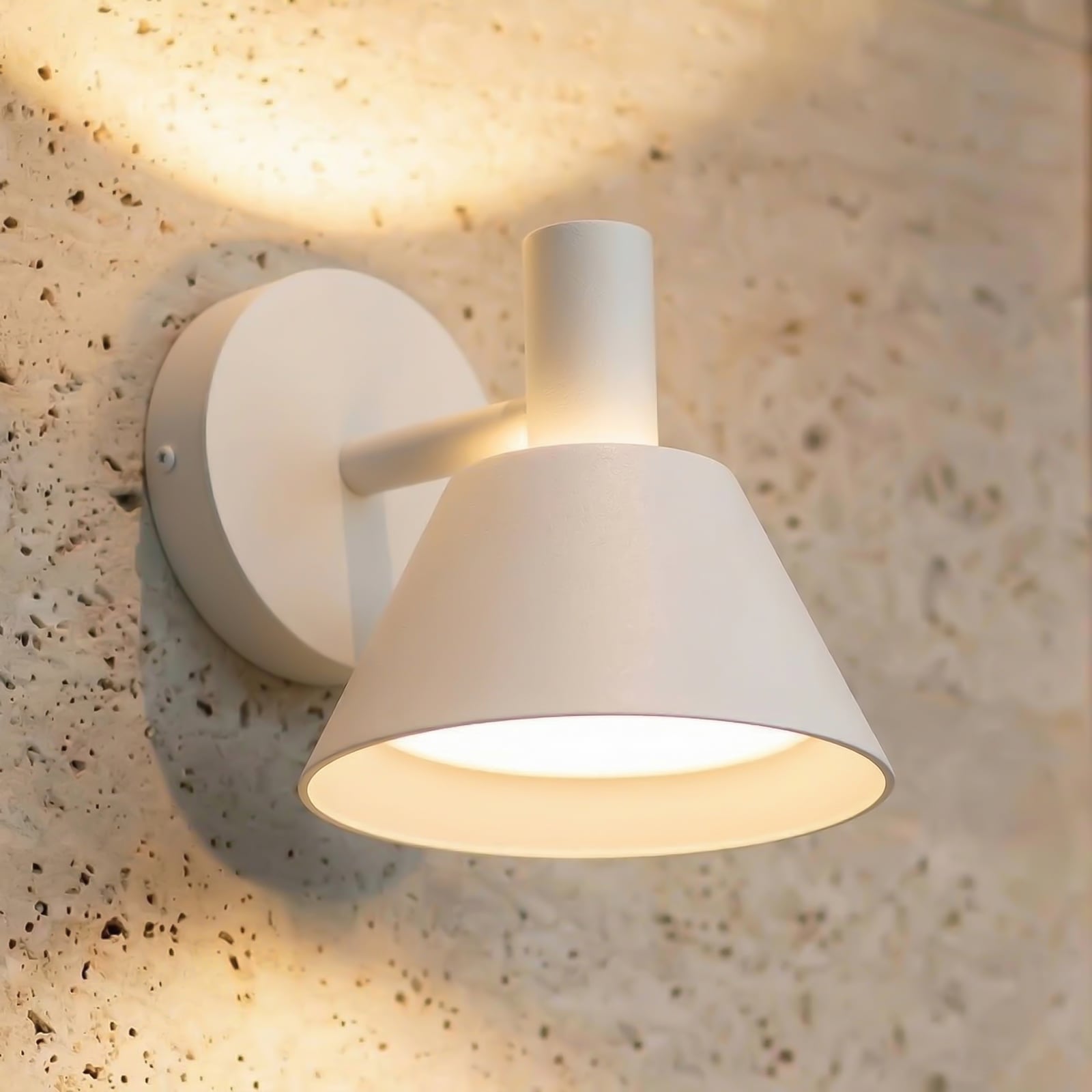
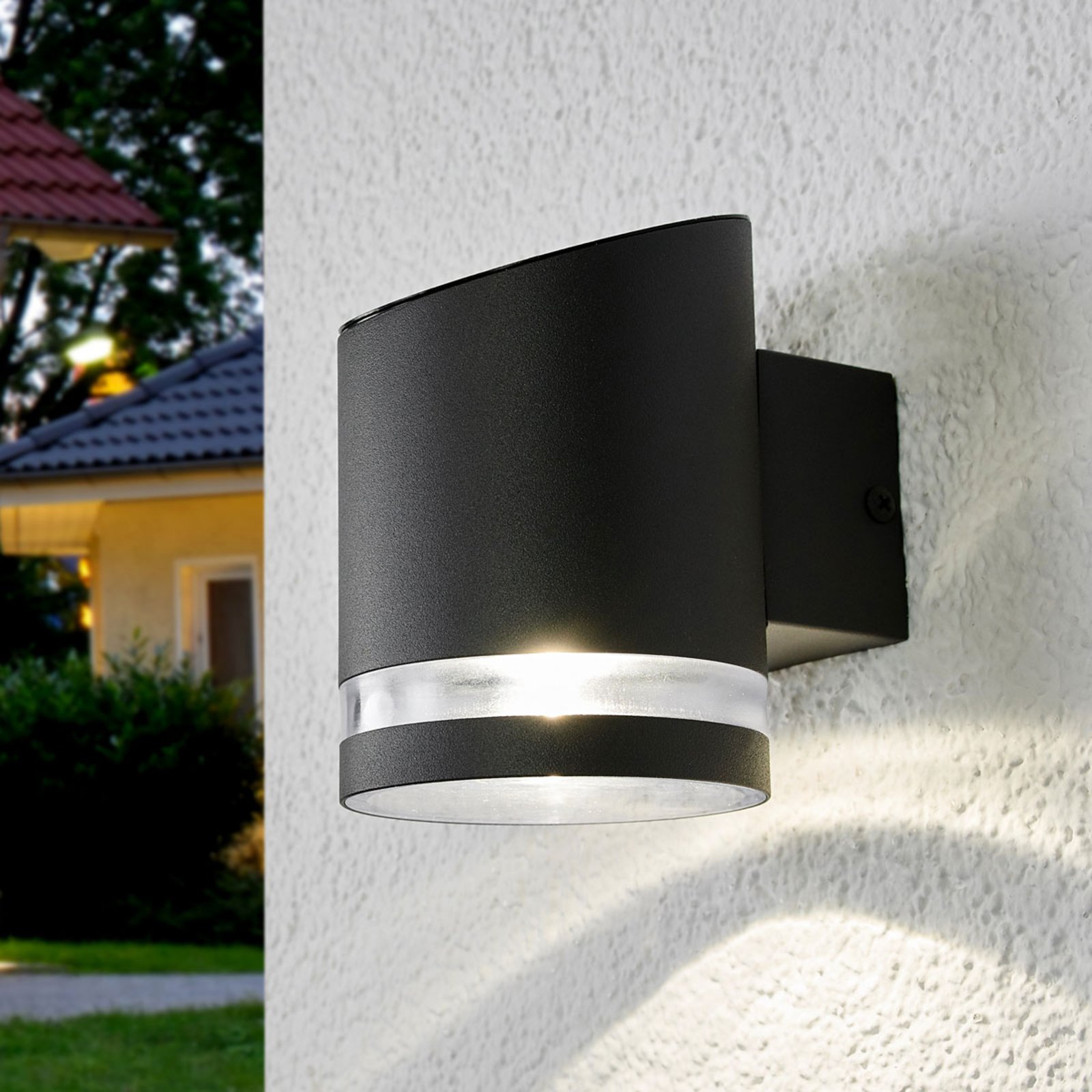
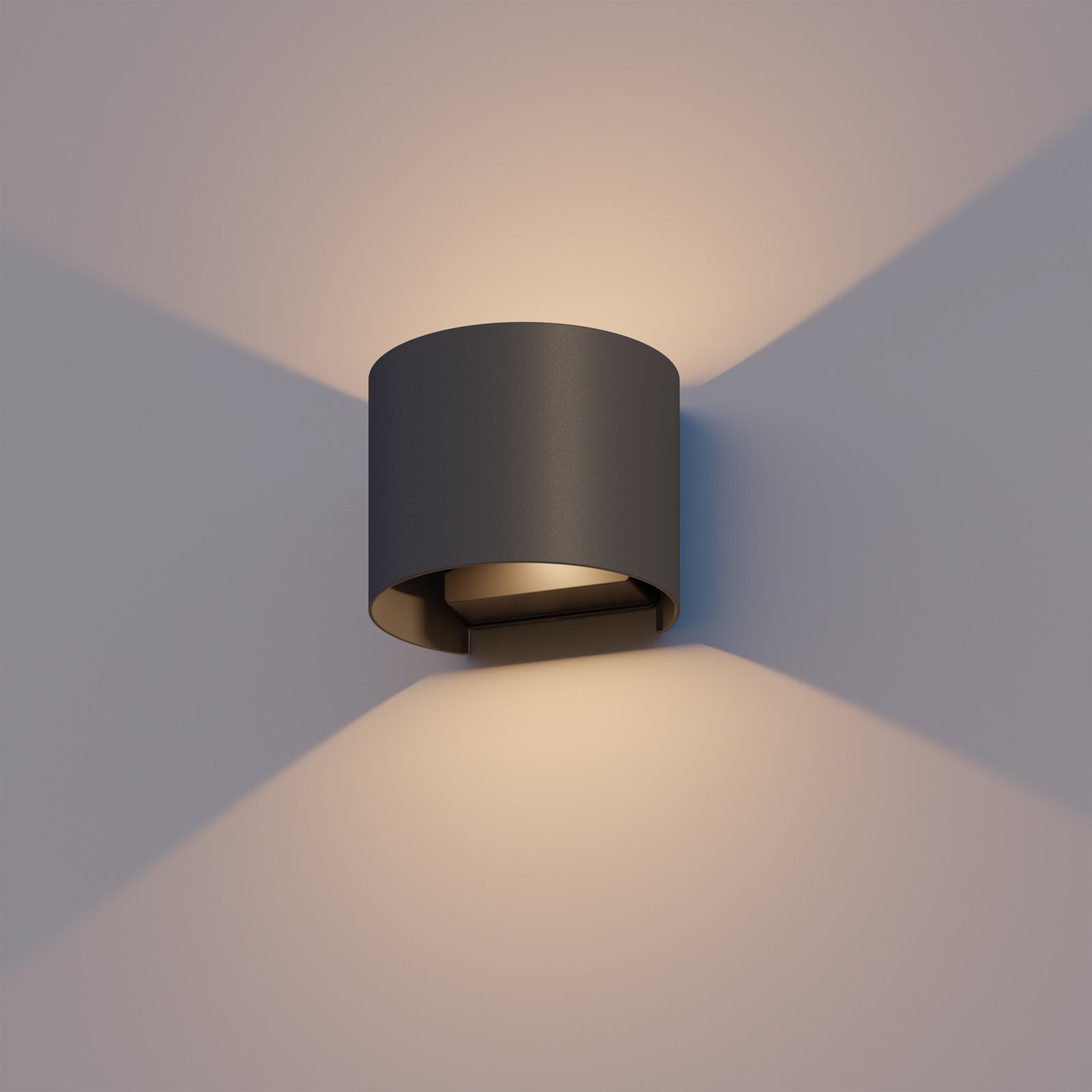
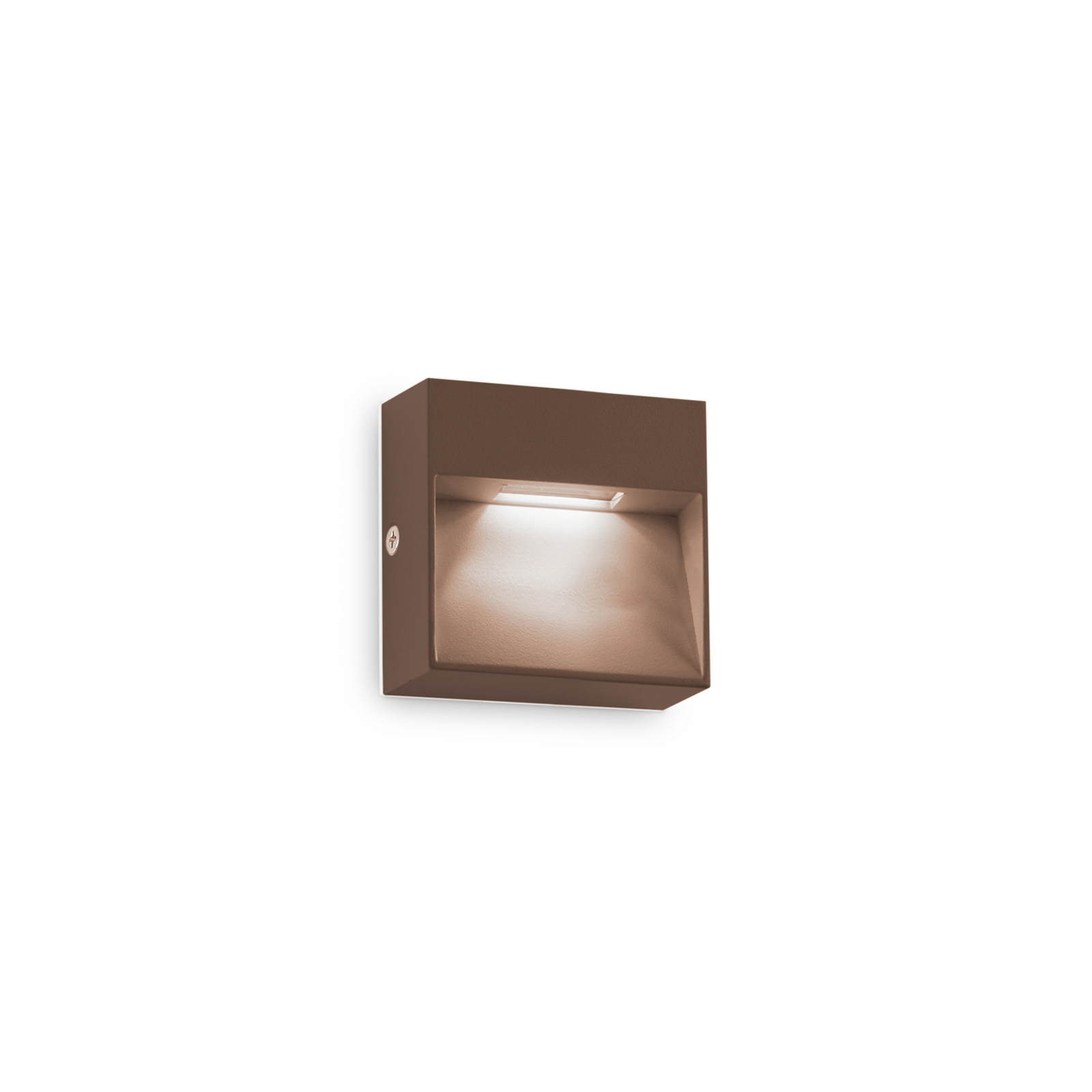
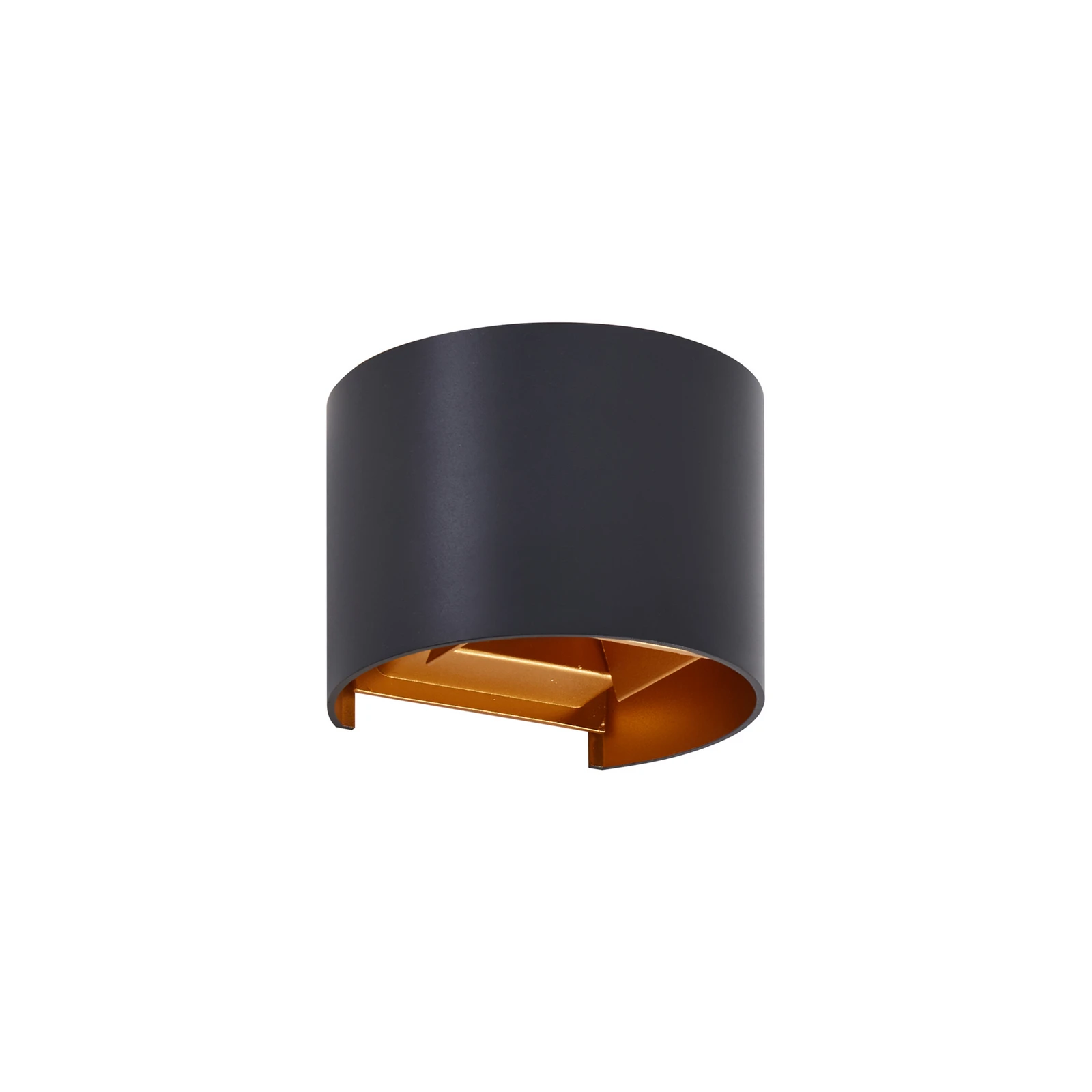
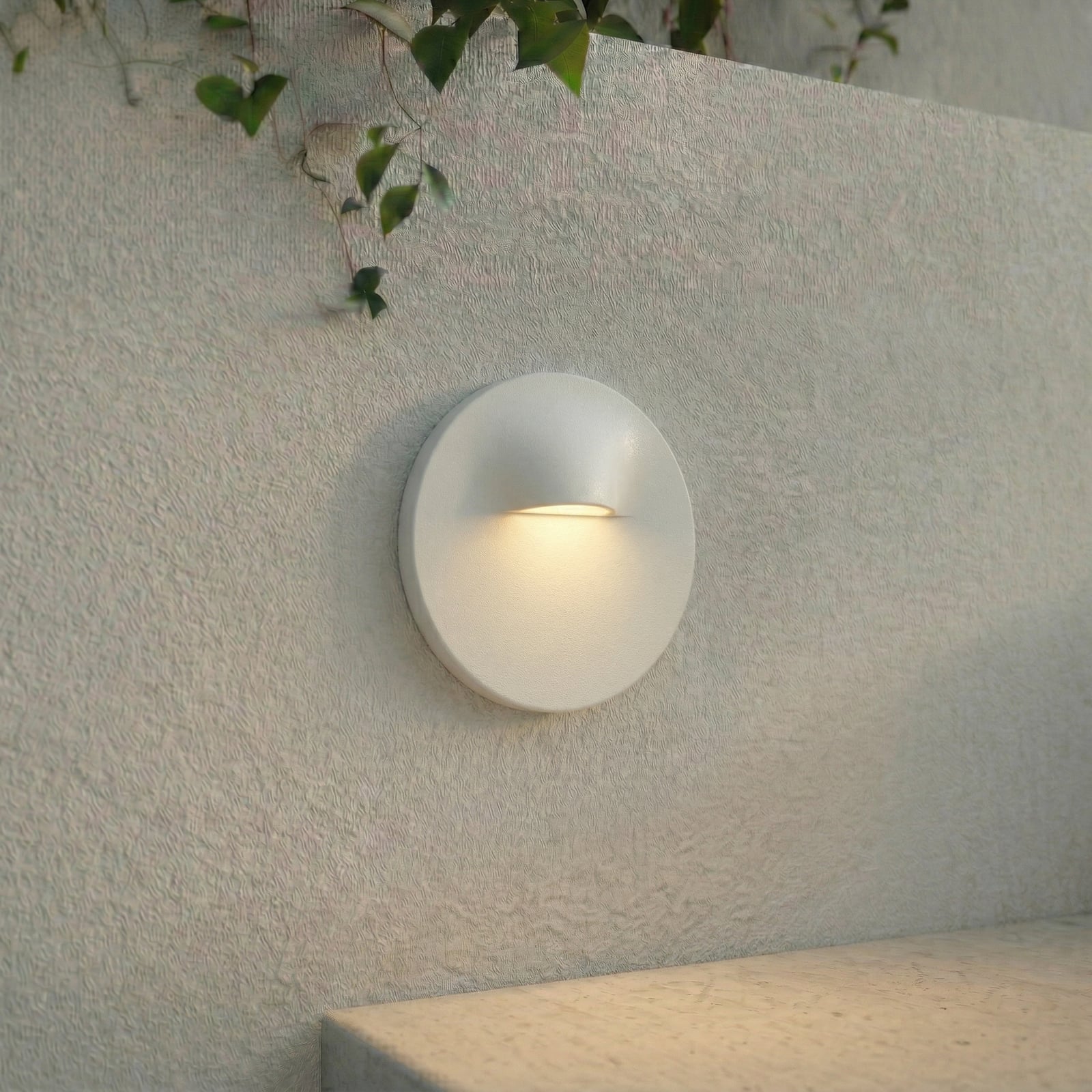
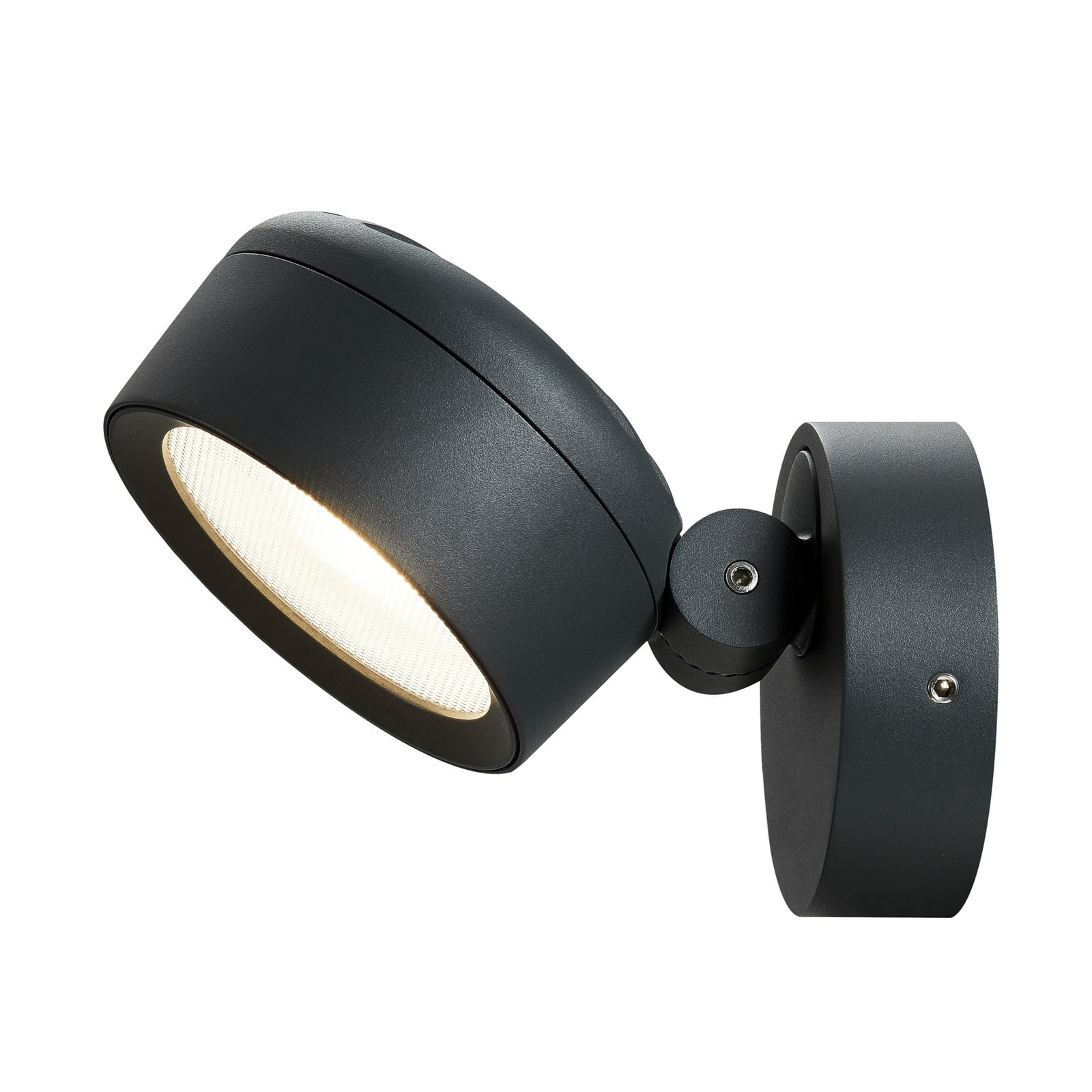
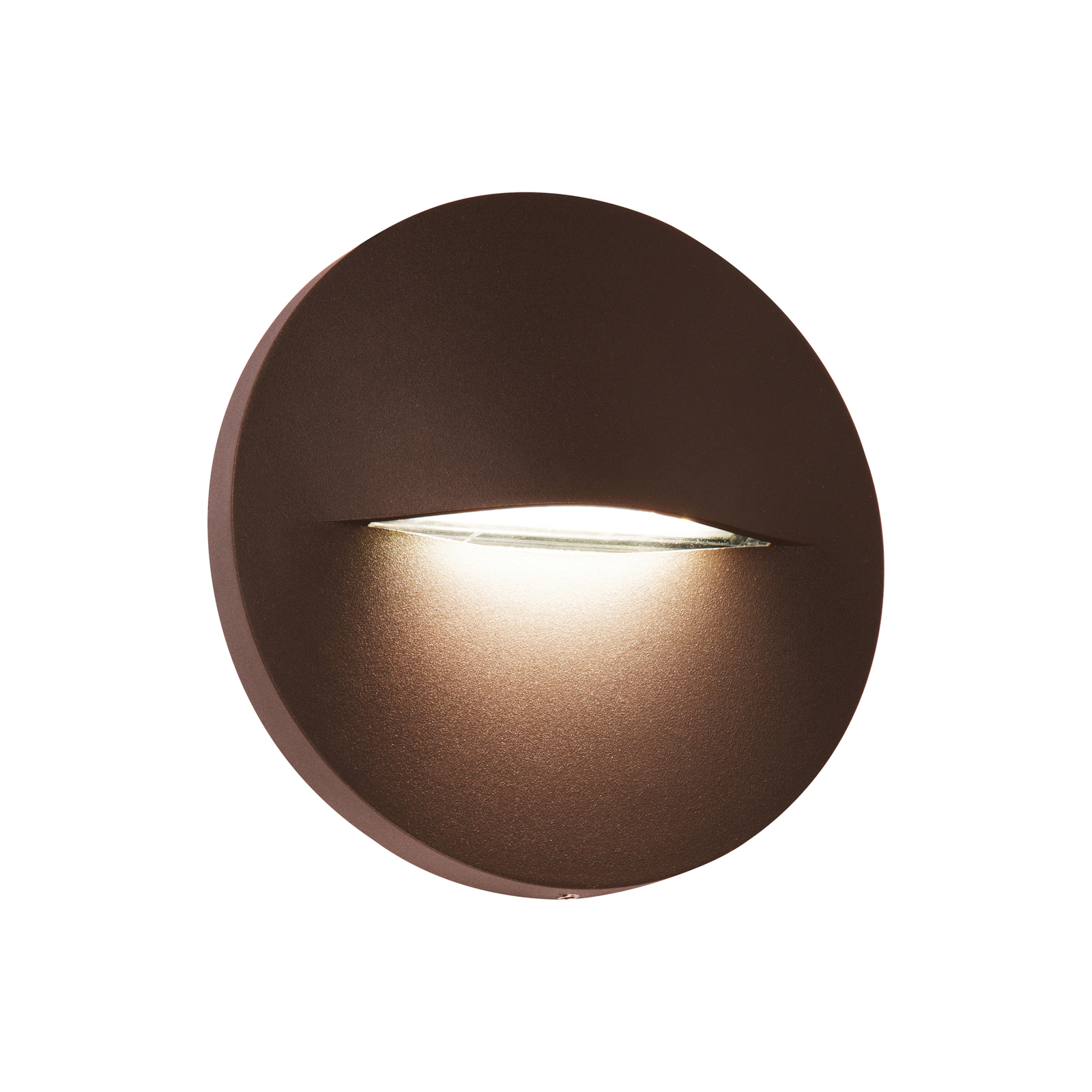
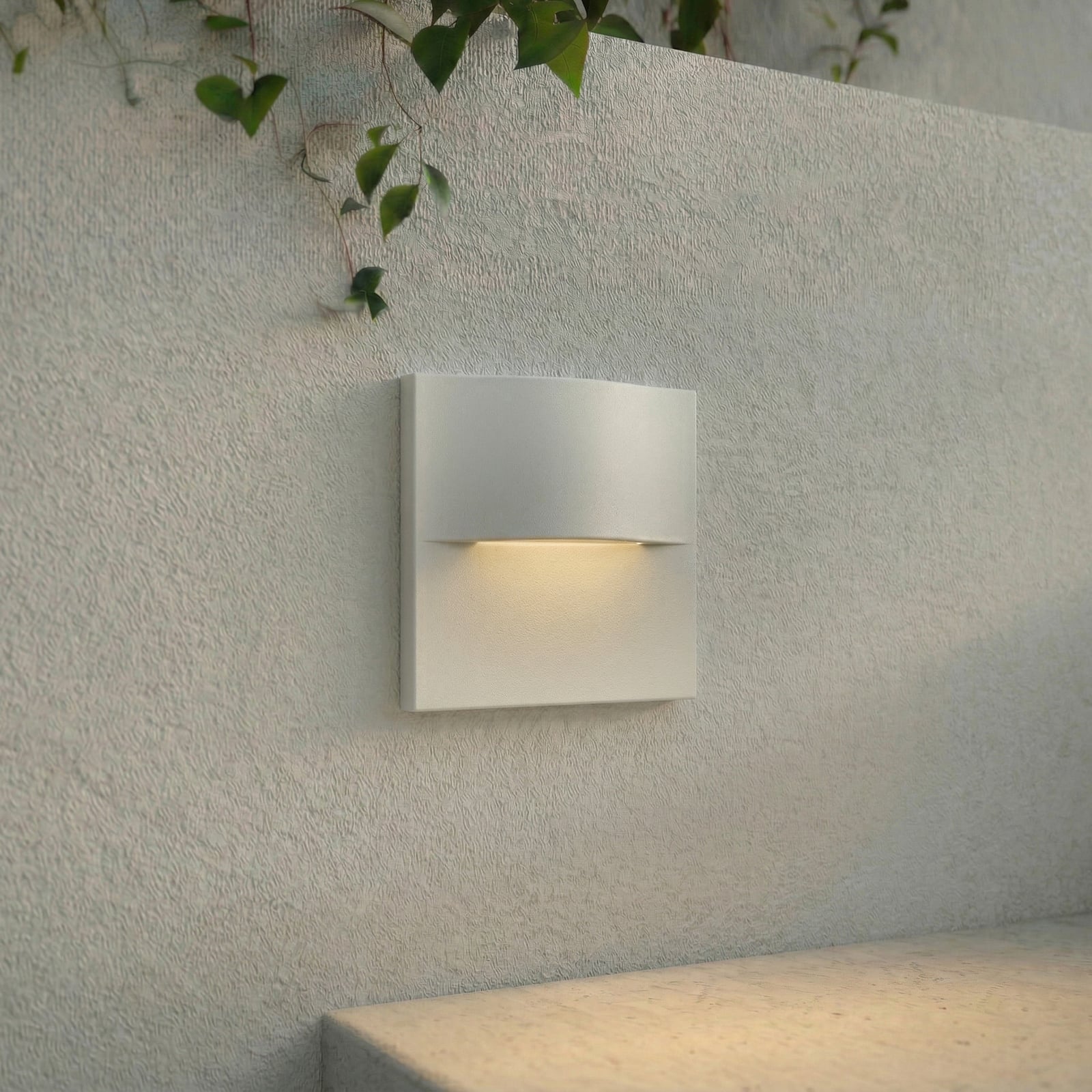
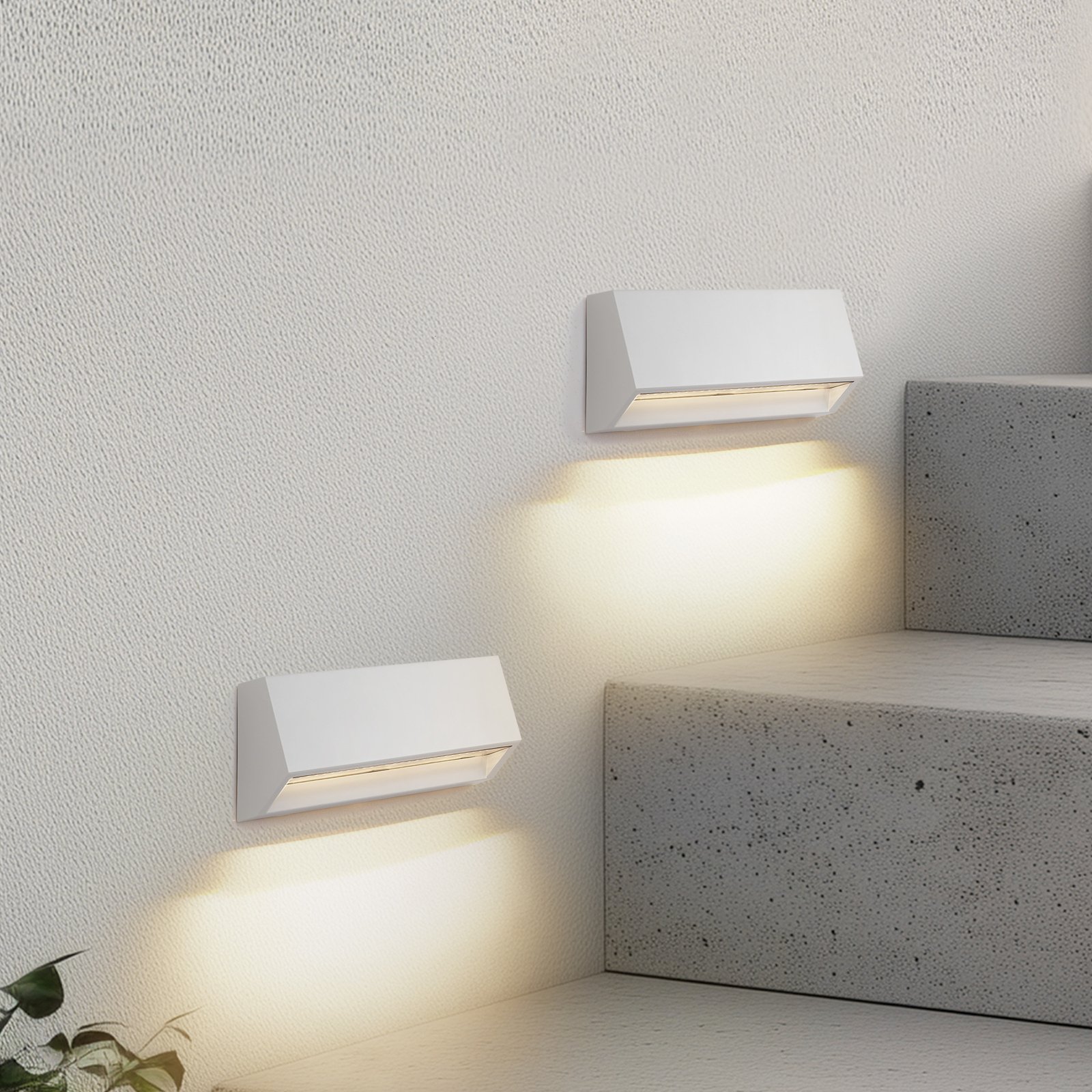
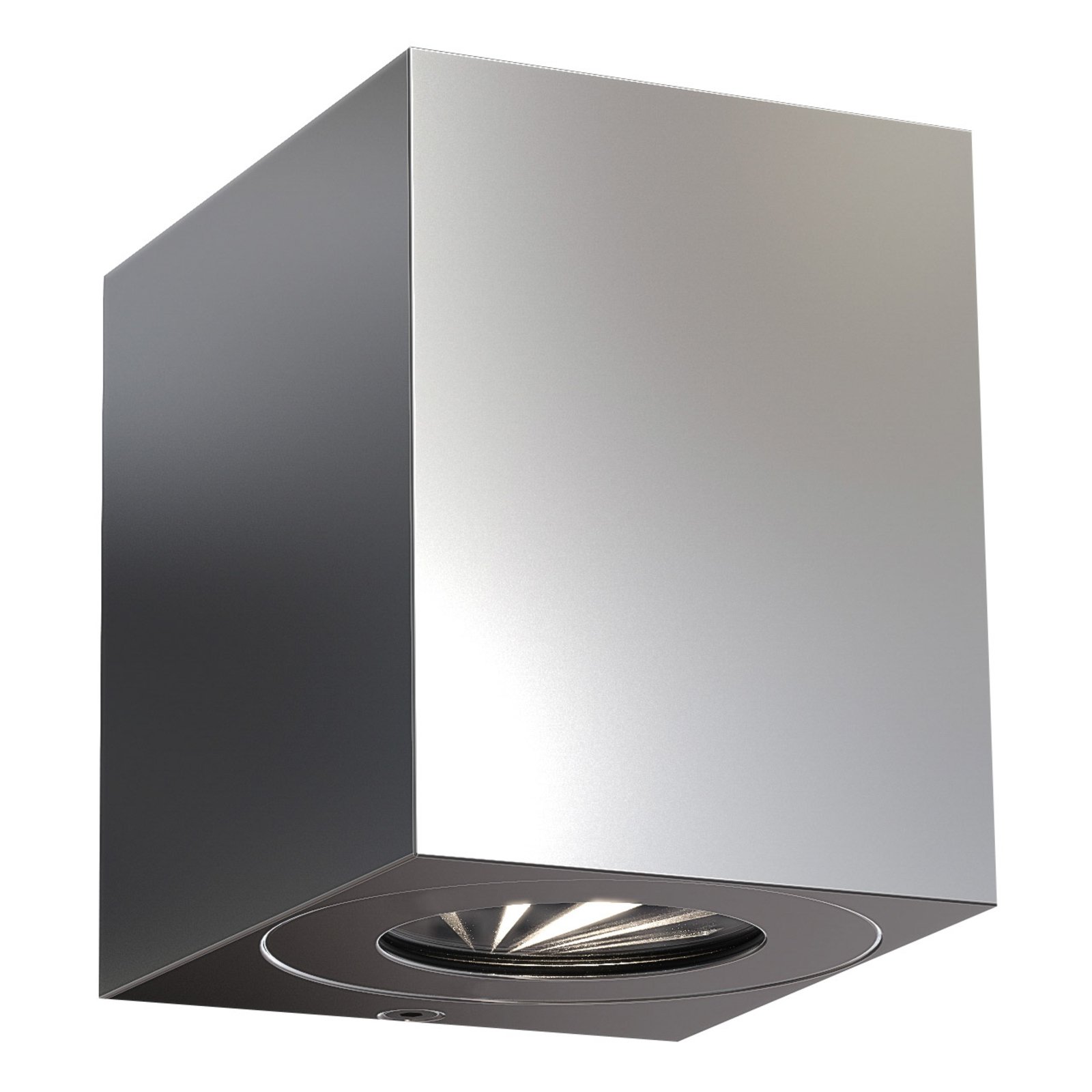
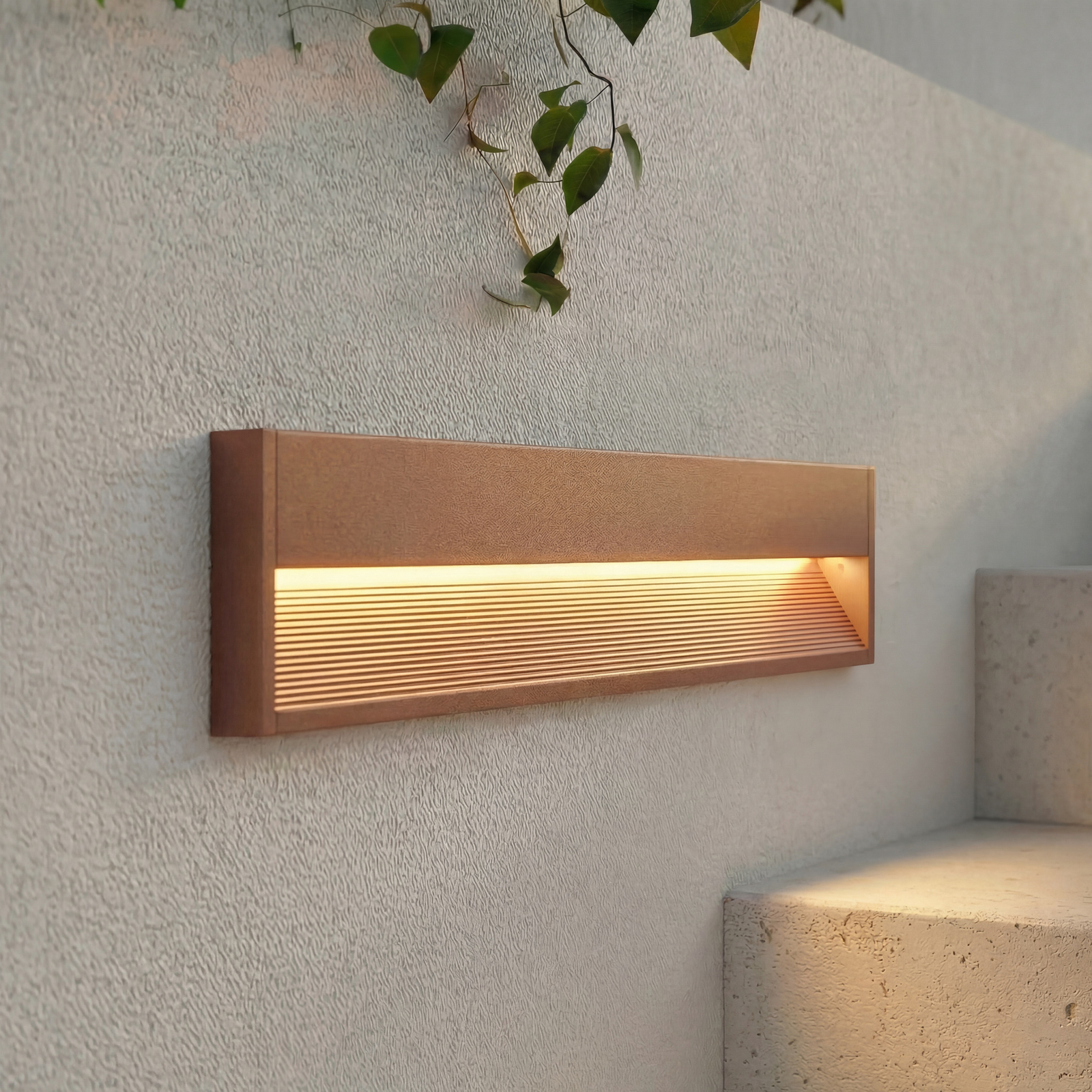
The location of the terrace significantly determines which lighting effect makes sense. If the seating area is directly on the house wall, a wide-beam wall light can cover a larger part of the area. For doors, steps, or the transition between the terrace and garden, more targeted lighting that clearly highlights the respective area is suitable. Swivel outdoor wall spotlights allow the light direction to be more focused on a pathway or a specific area.
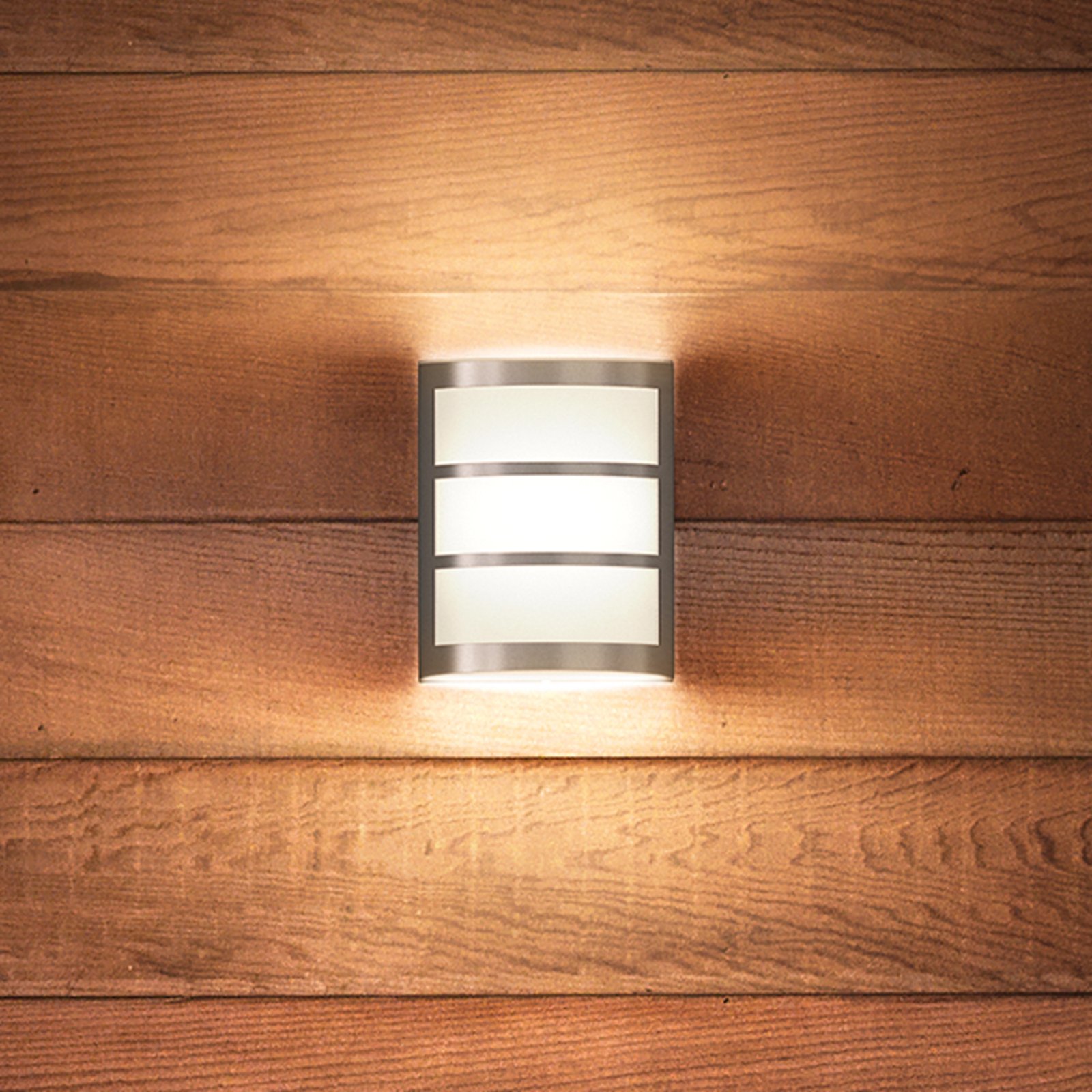
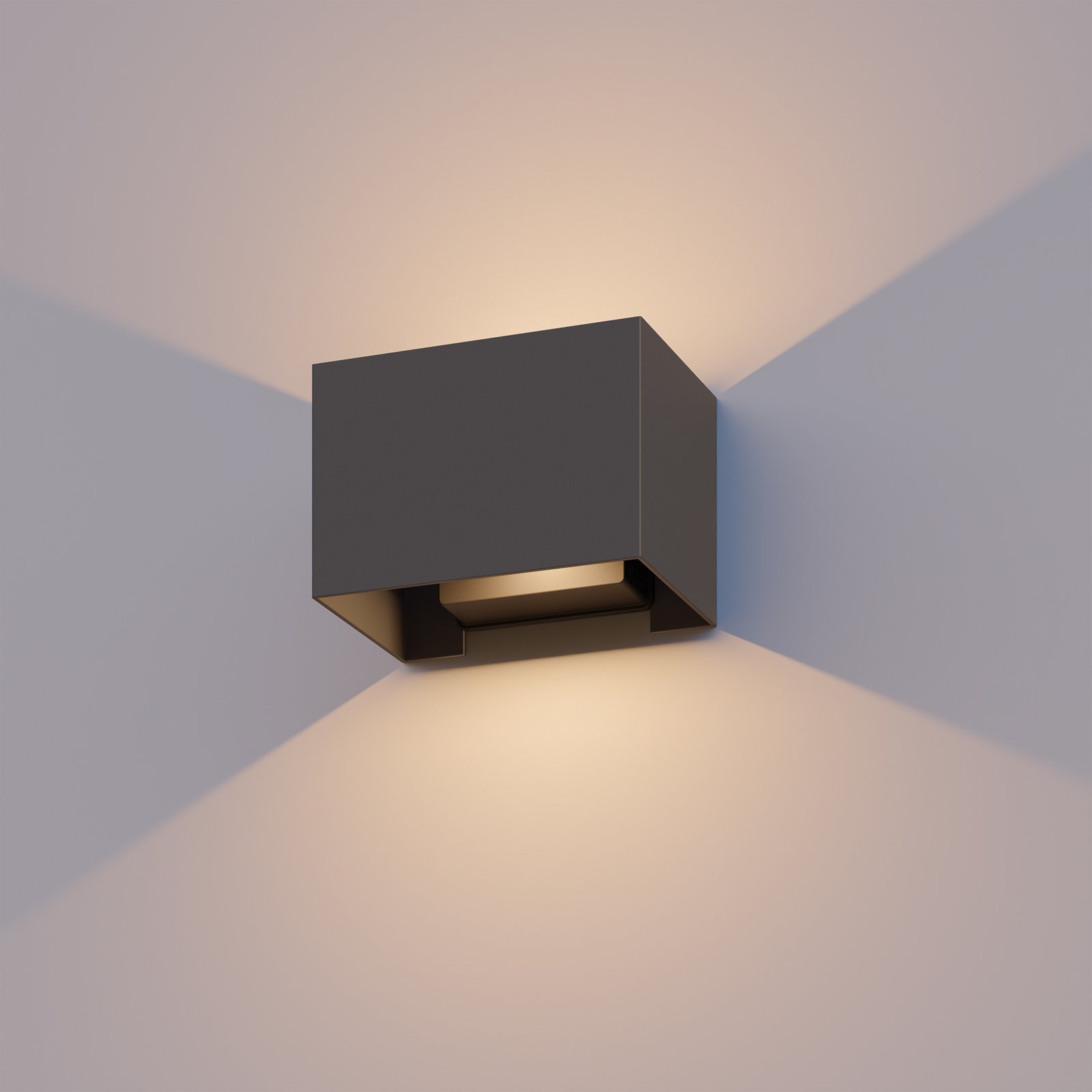
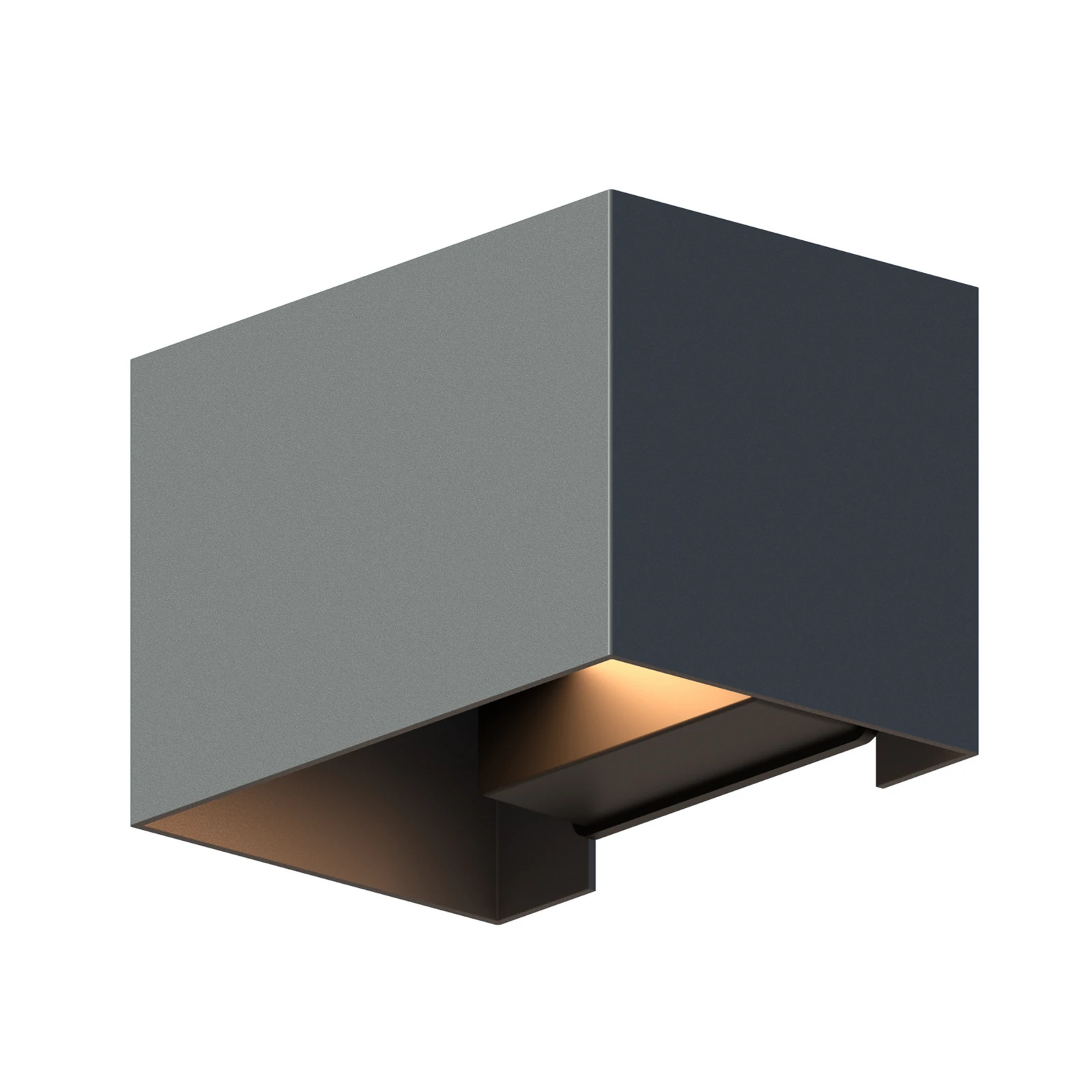
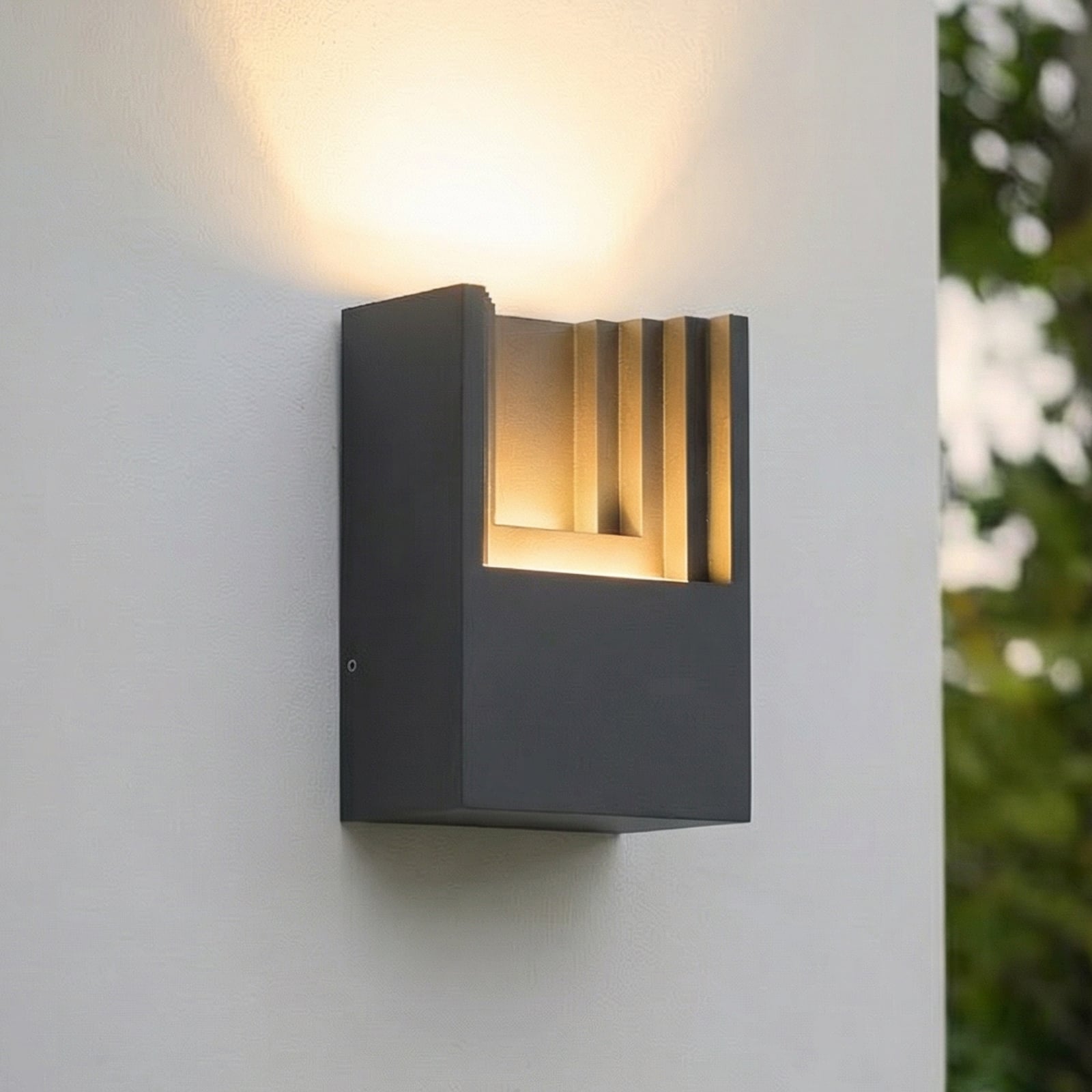
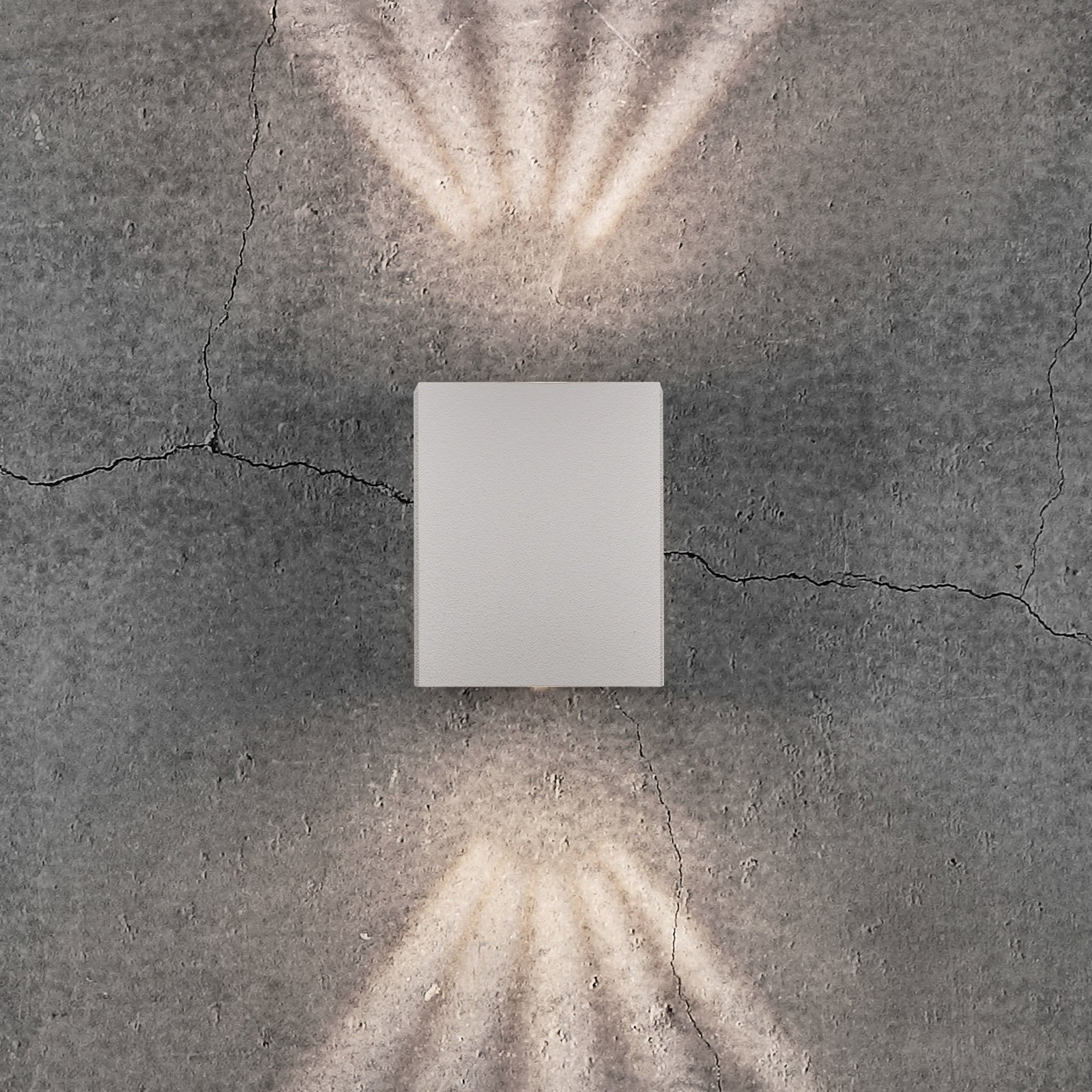
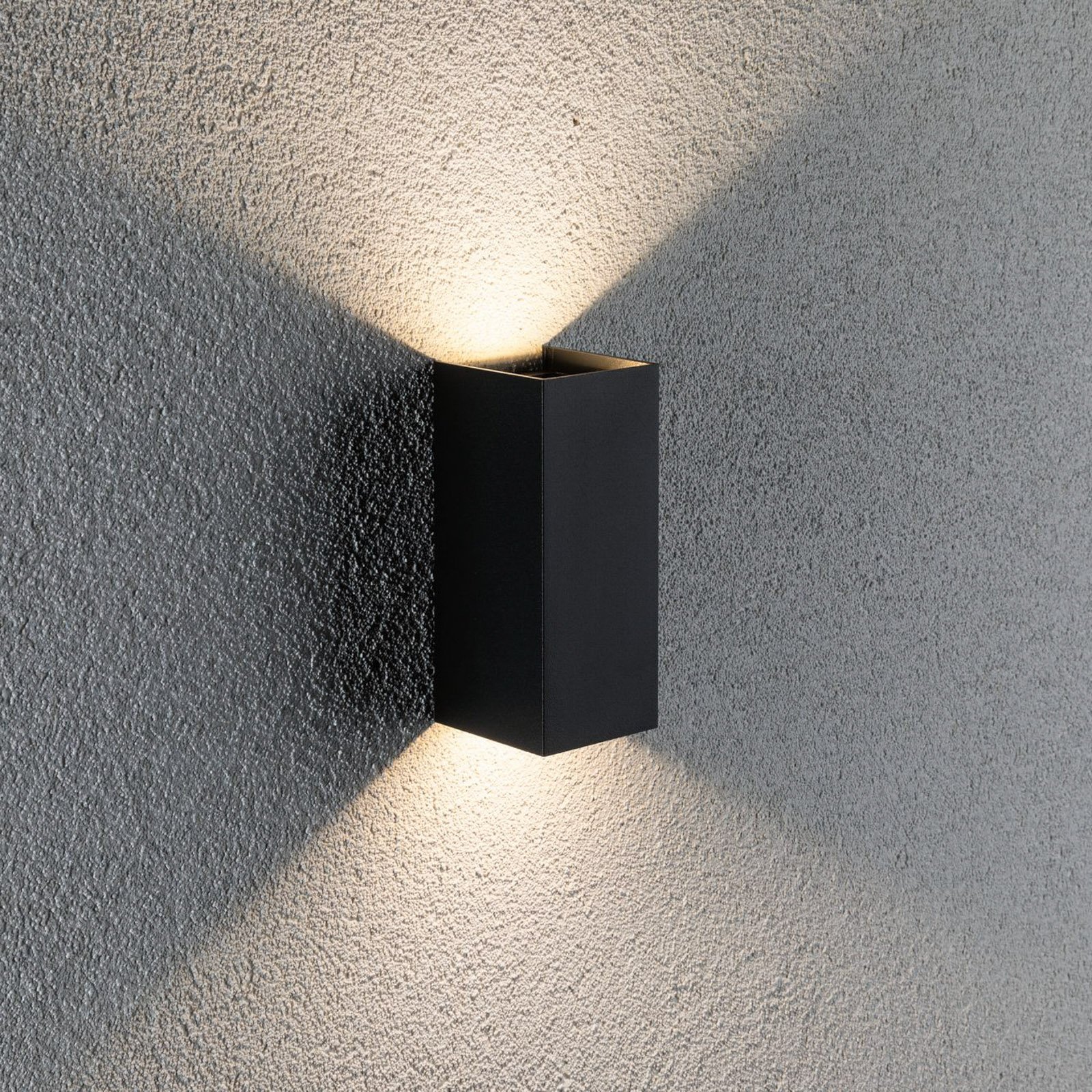
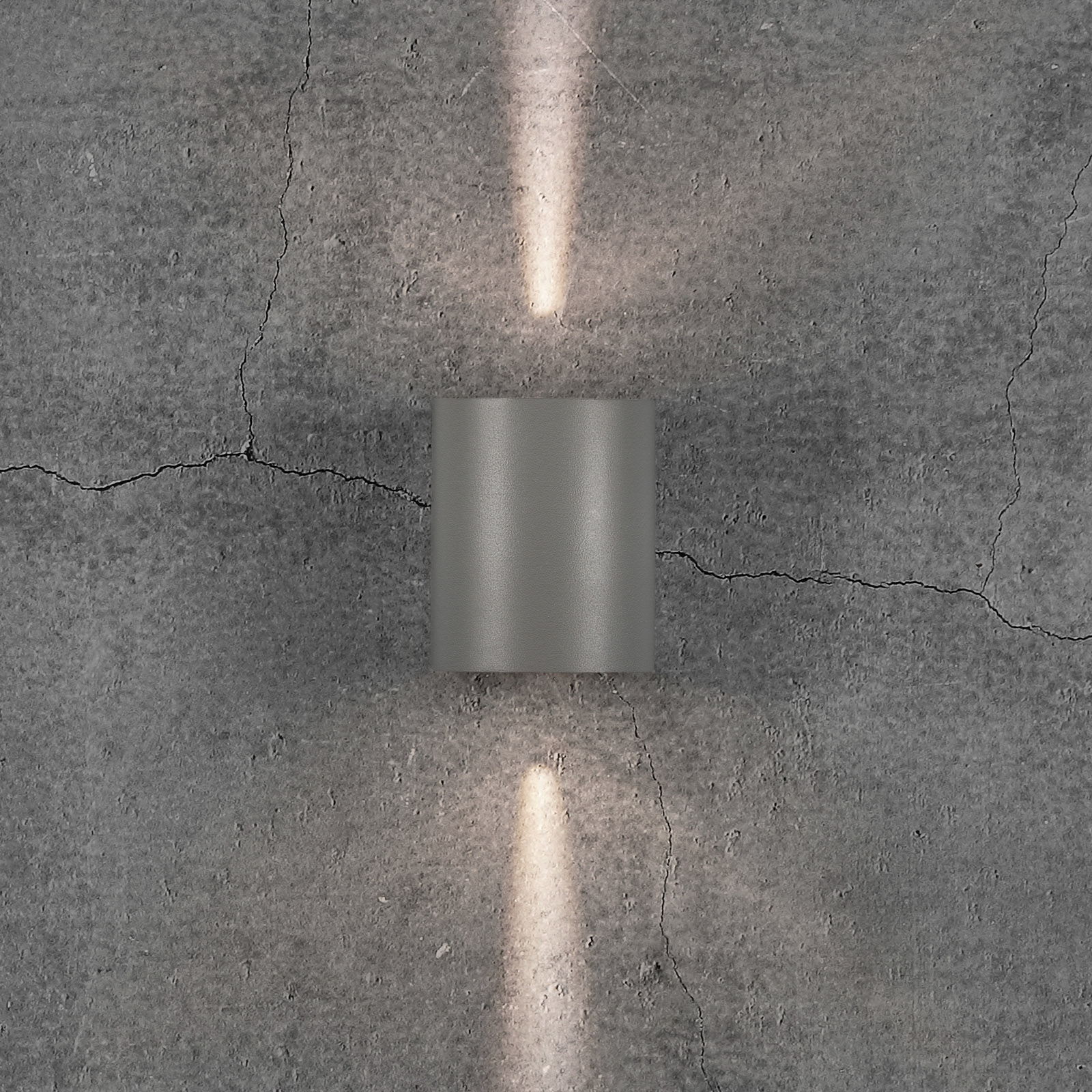
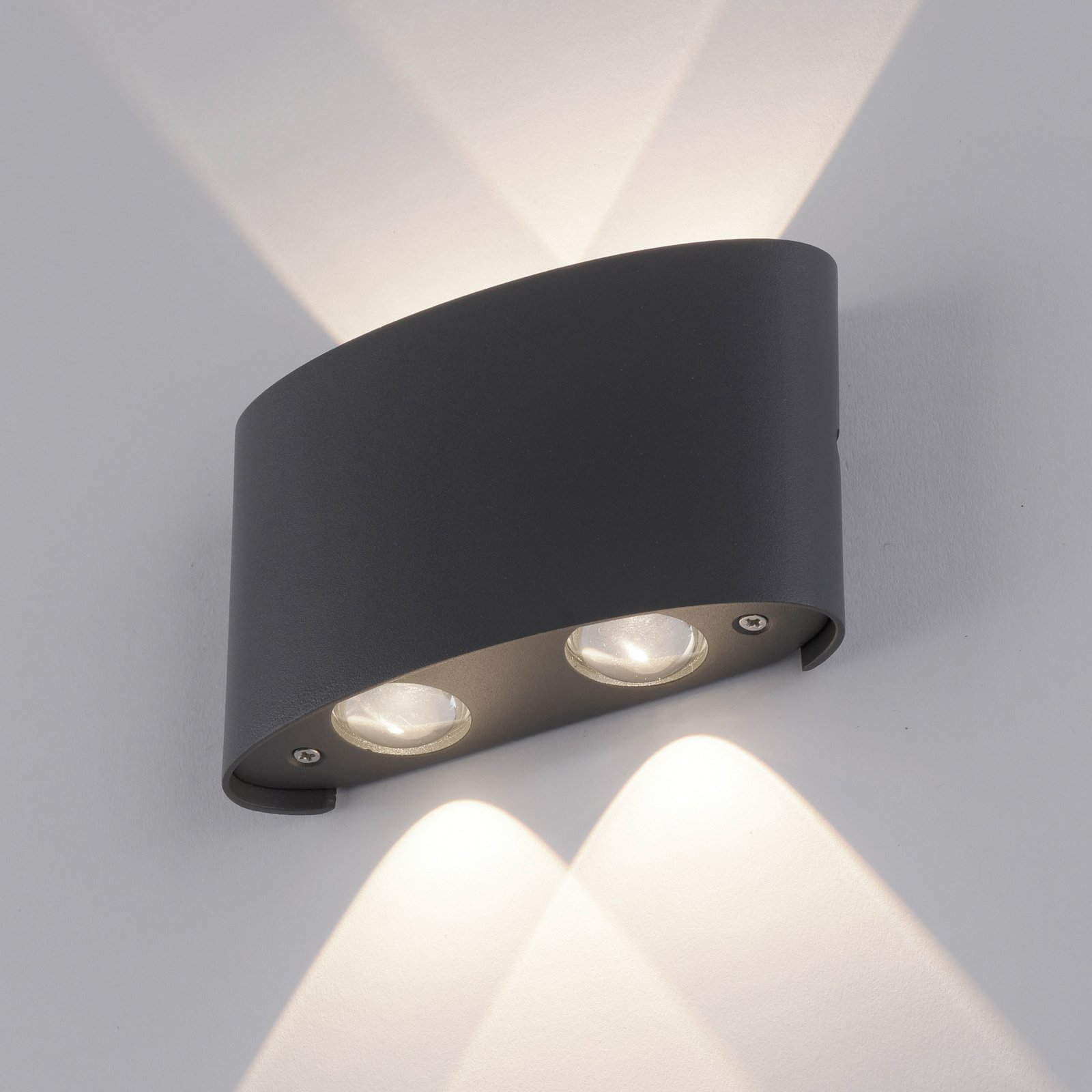
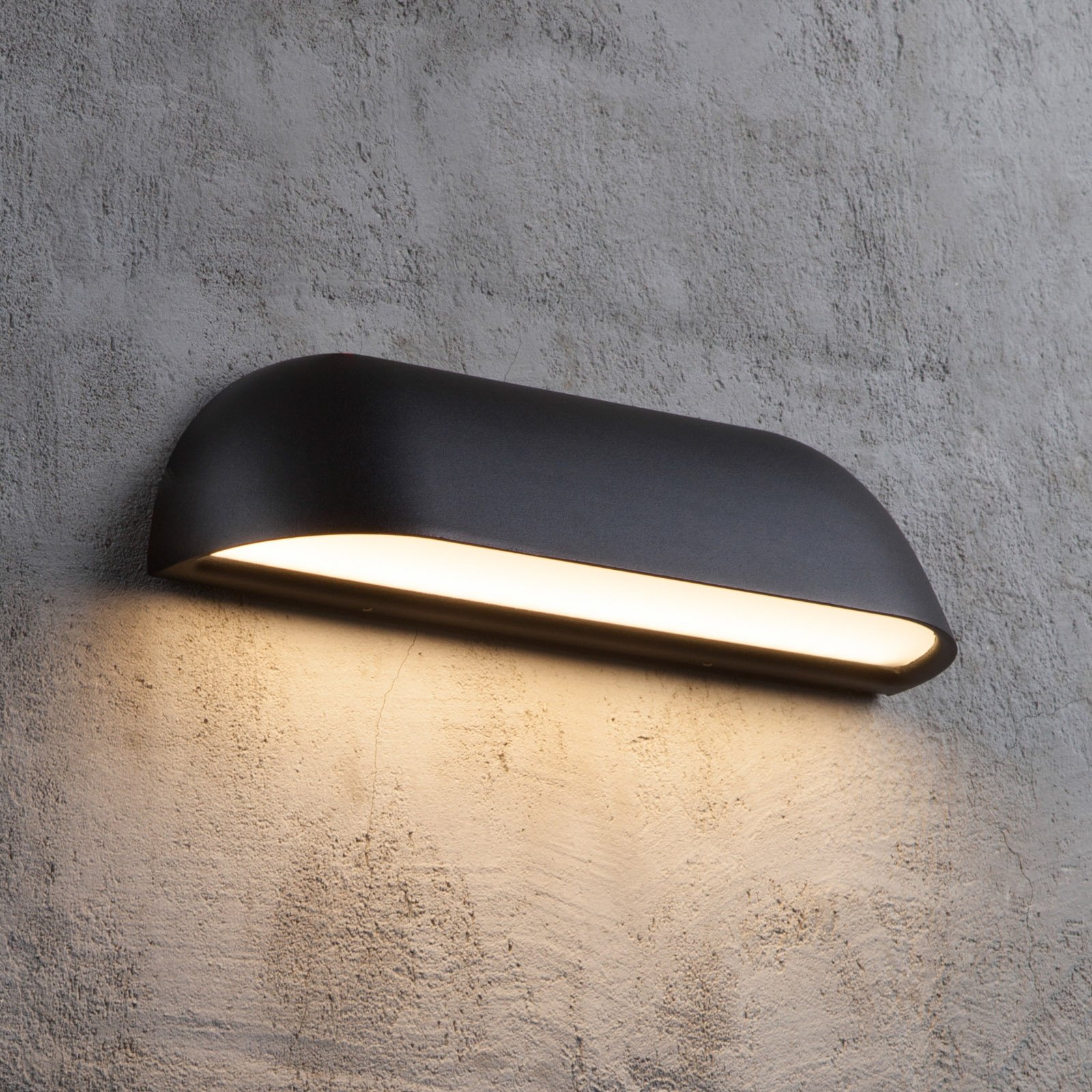
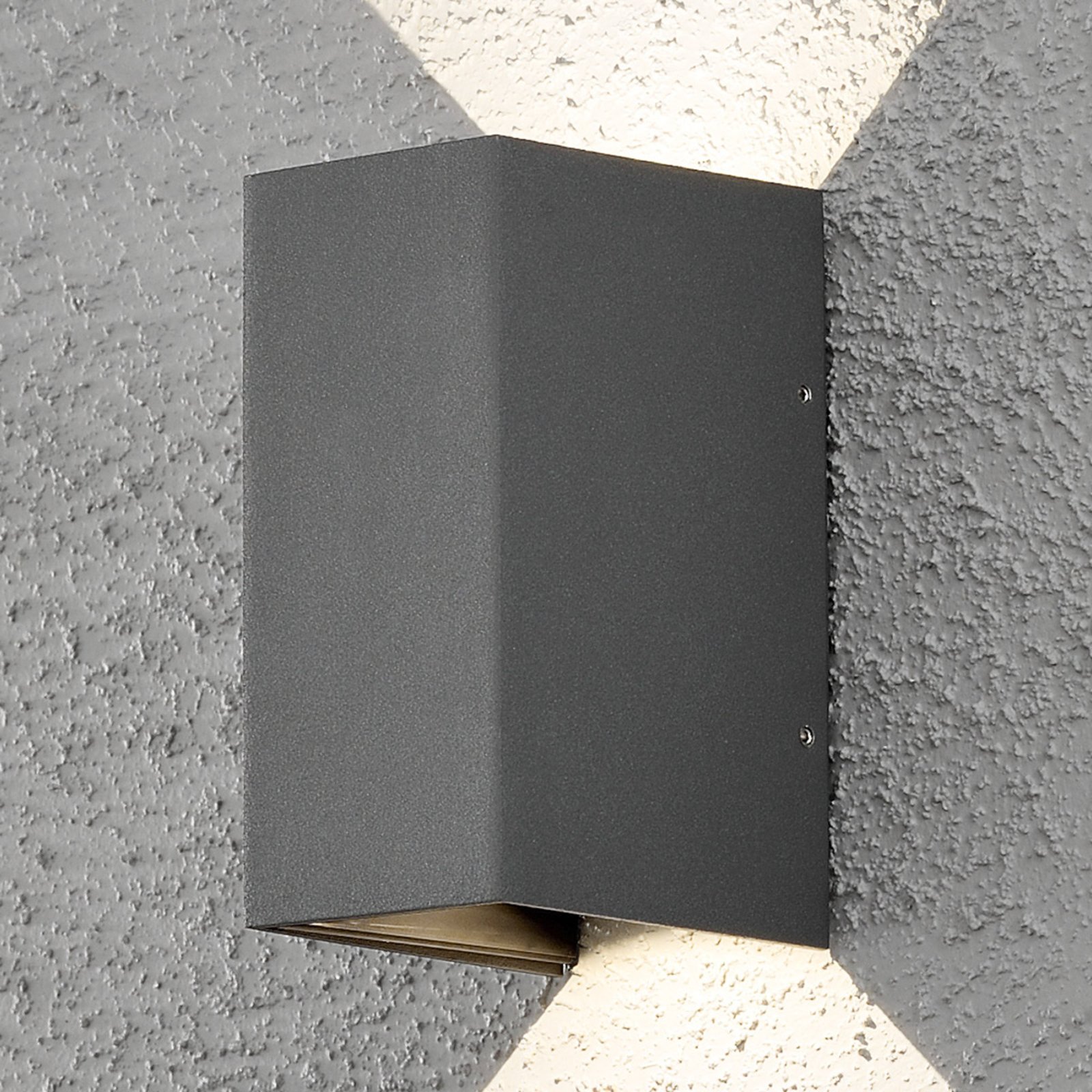
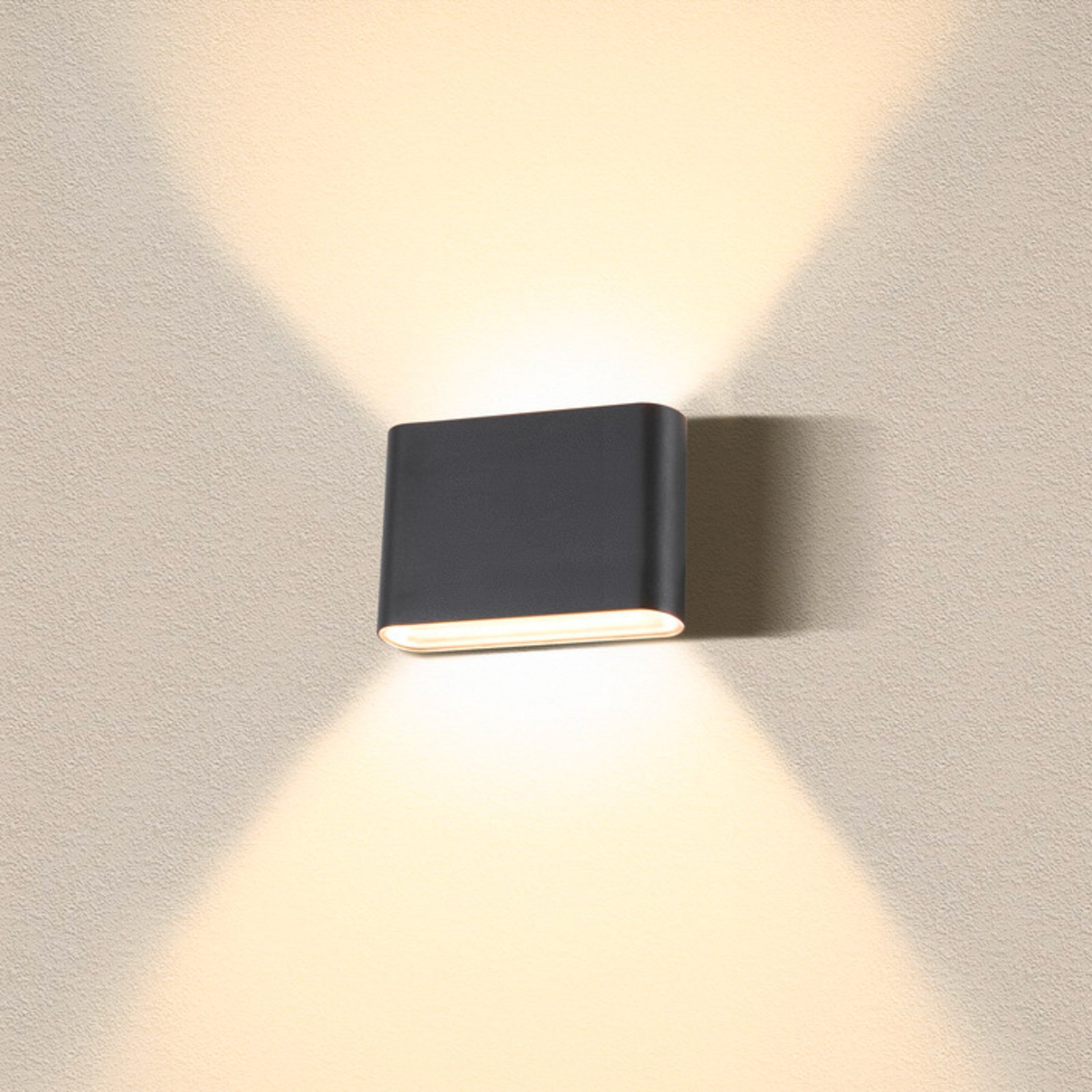
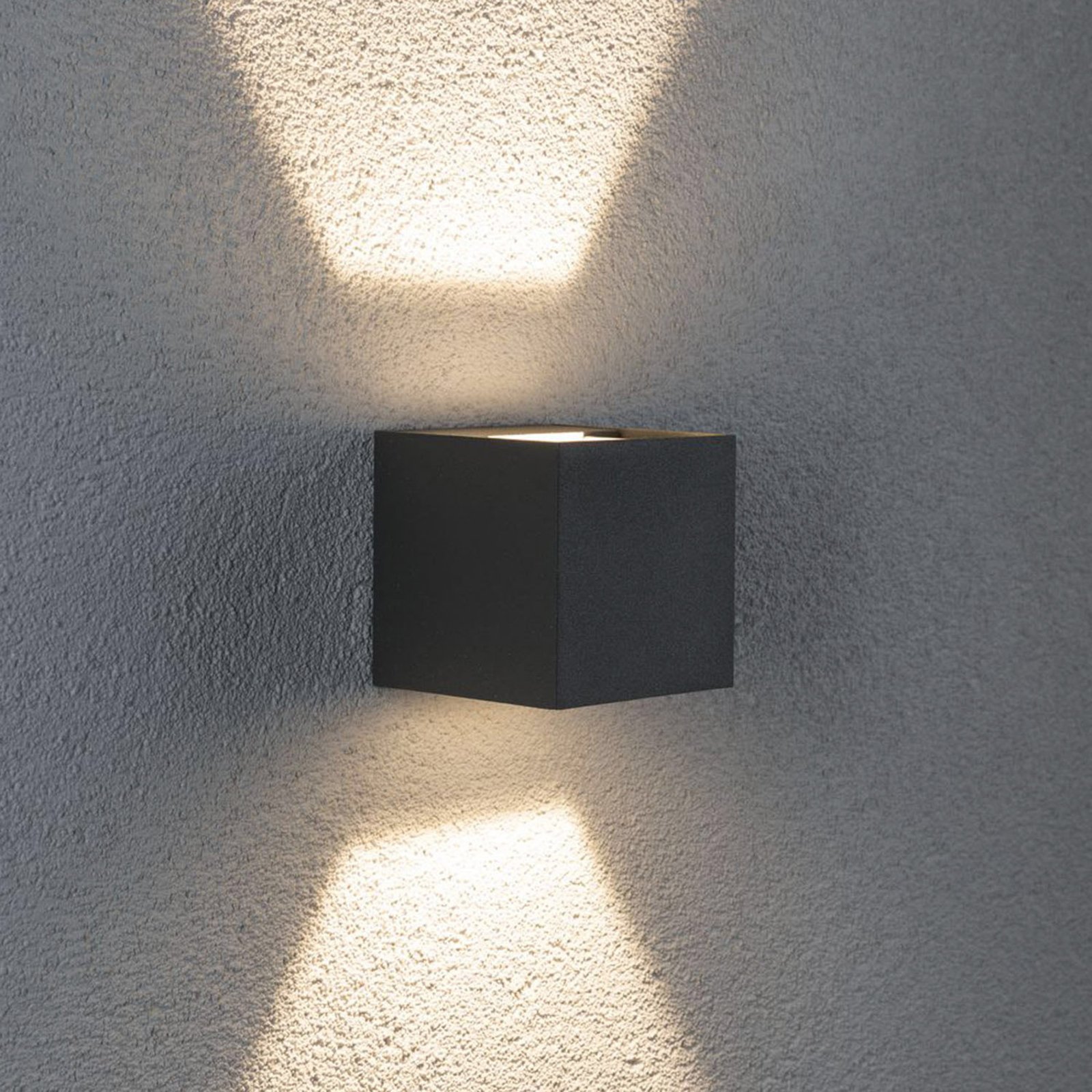
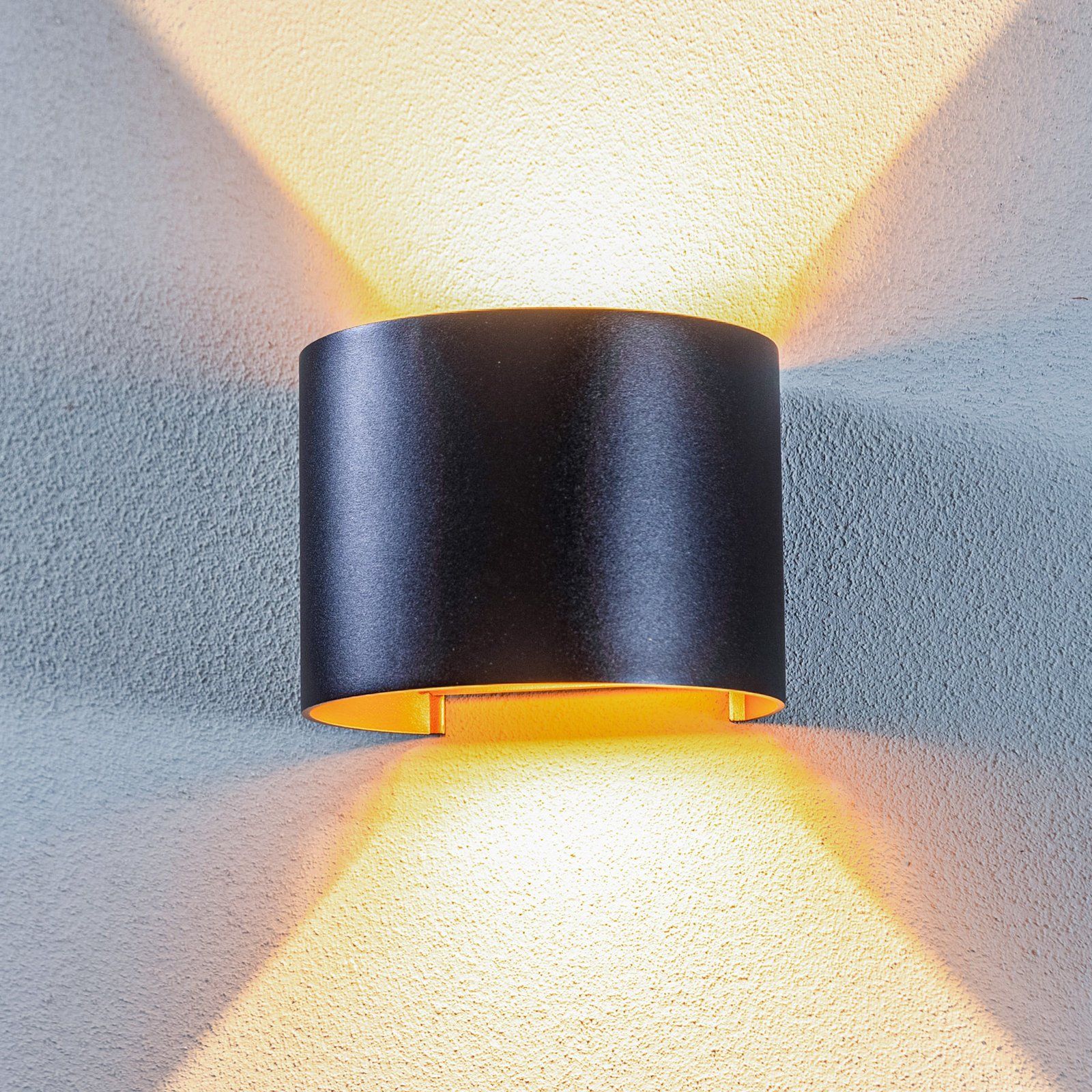
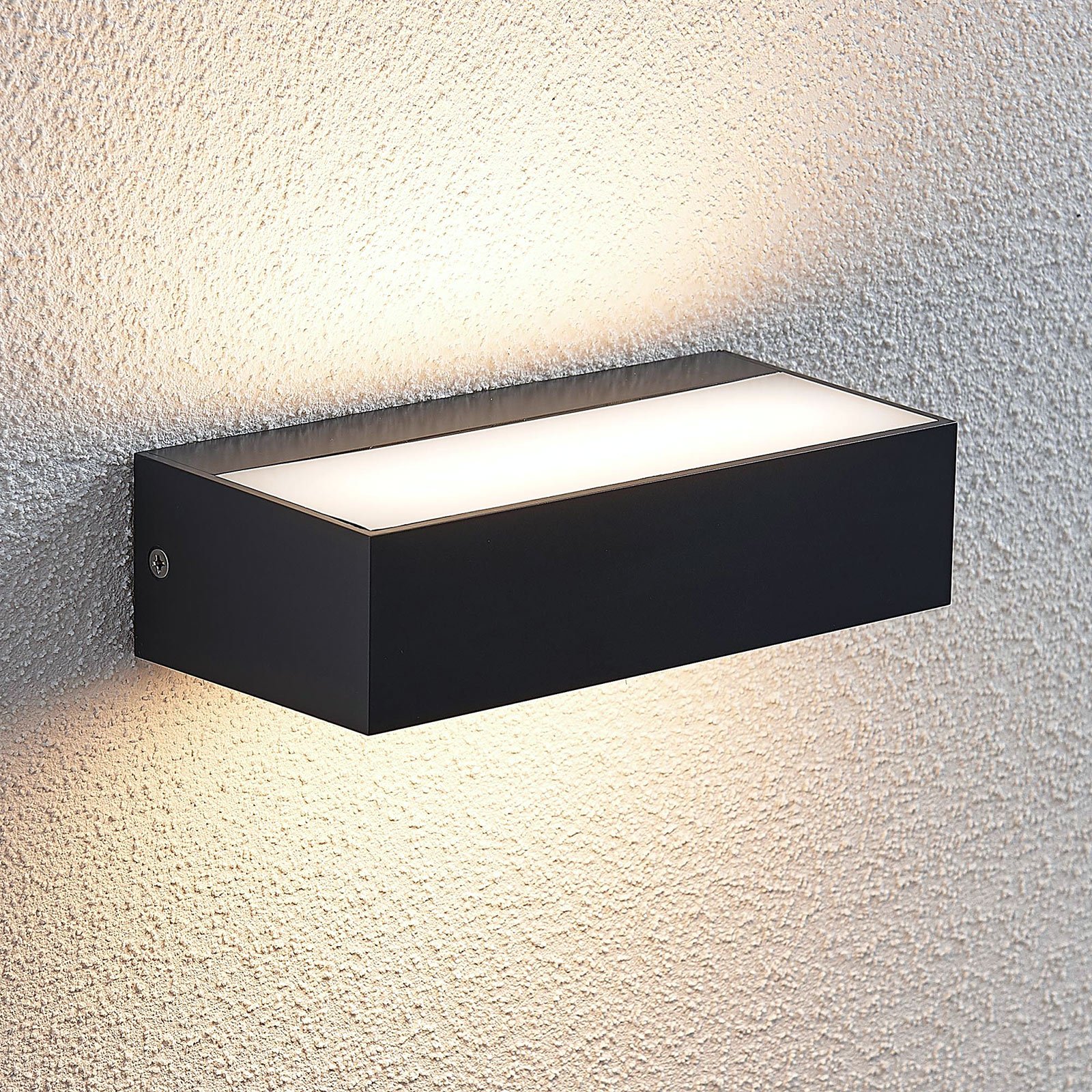
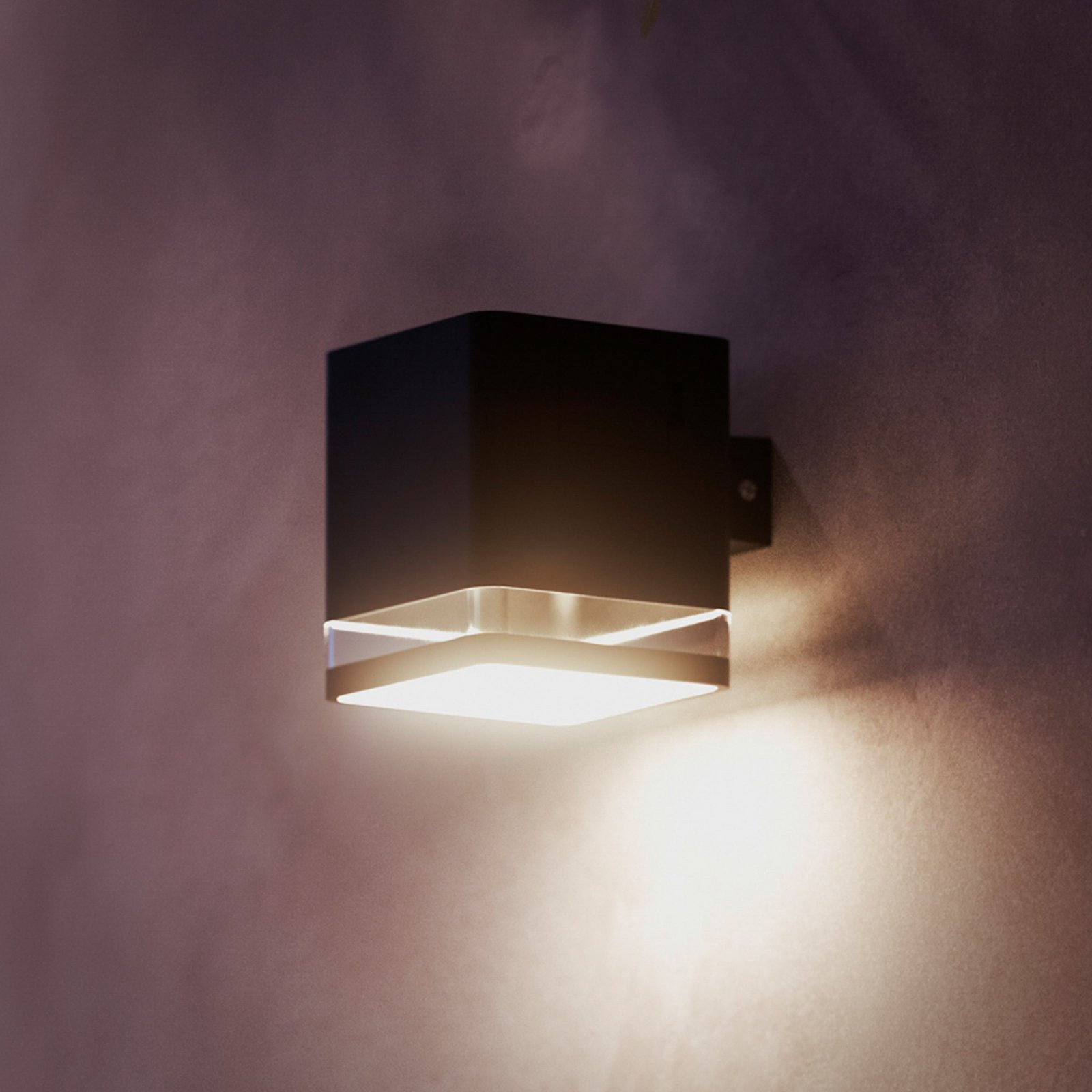
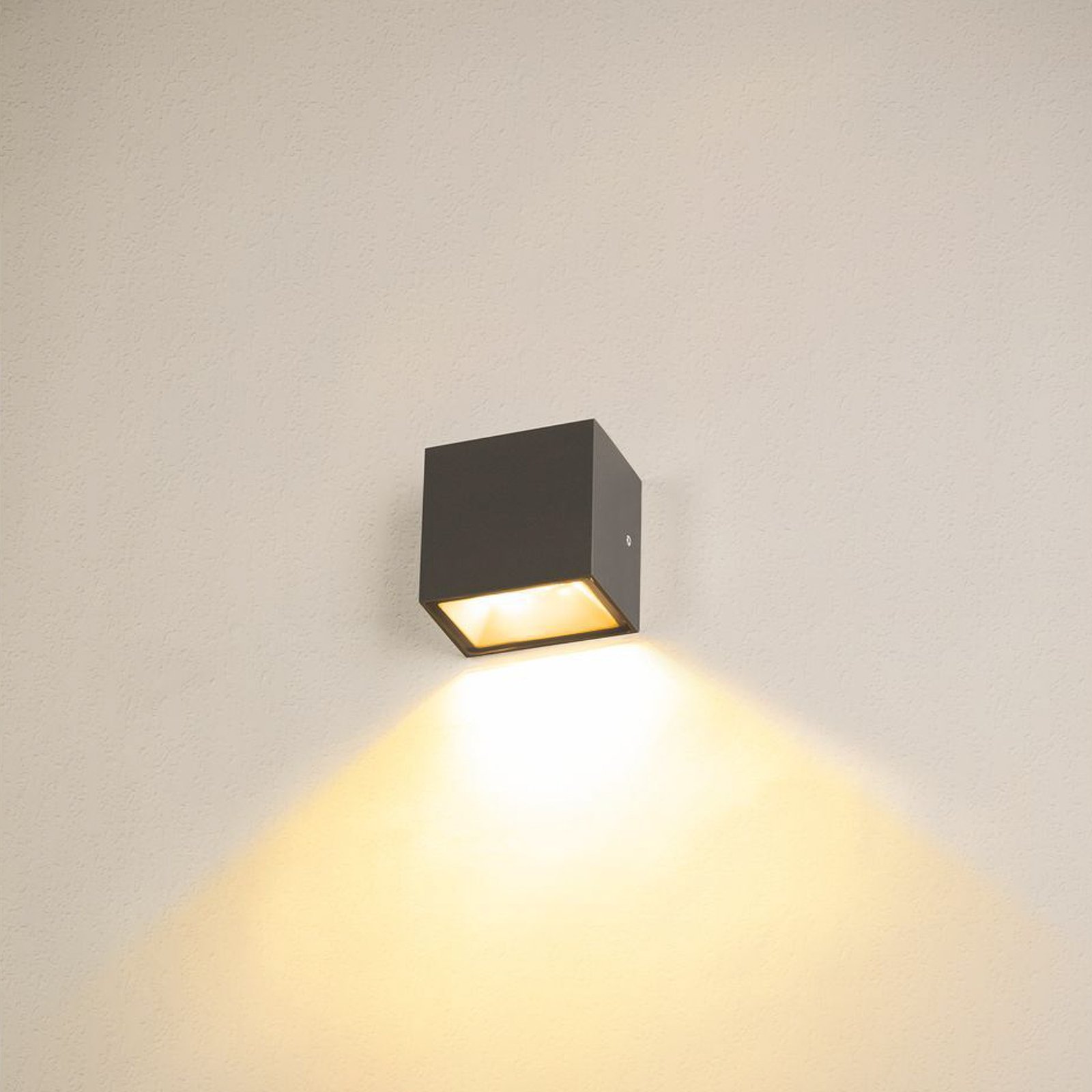
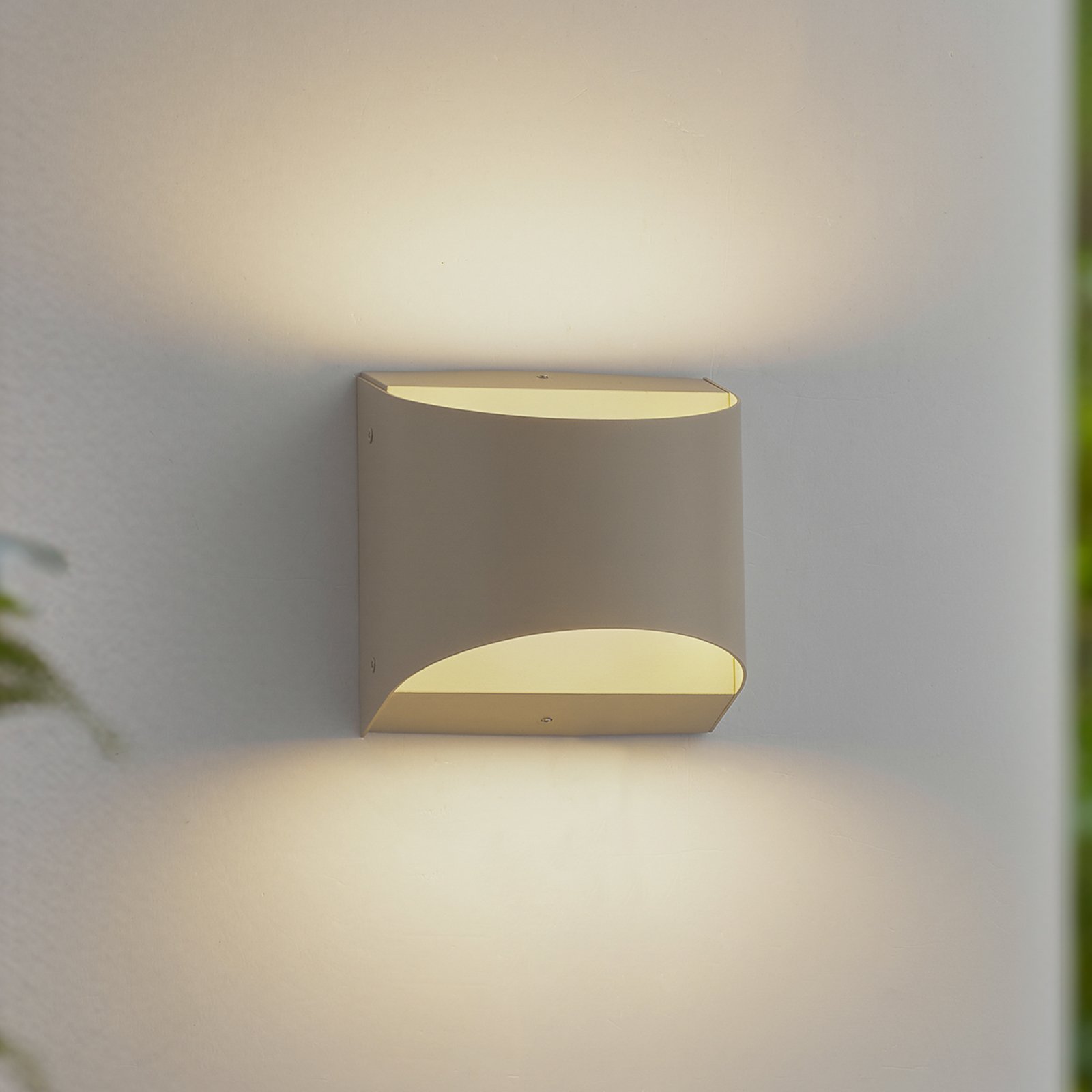
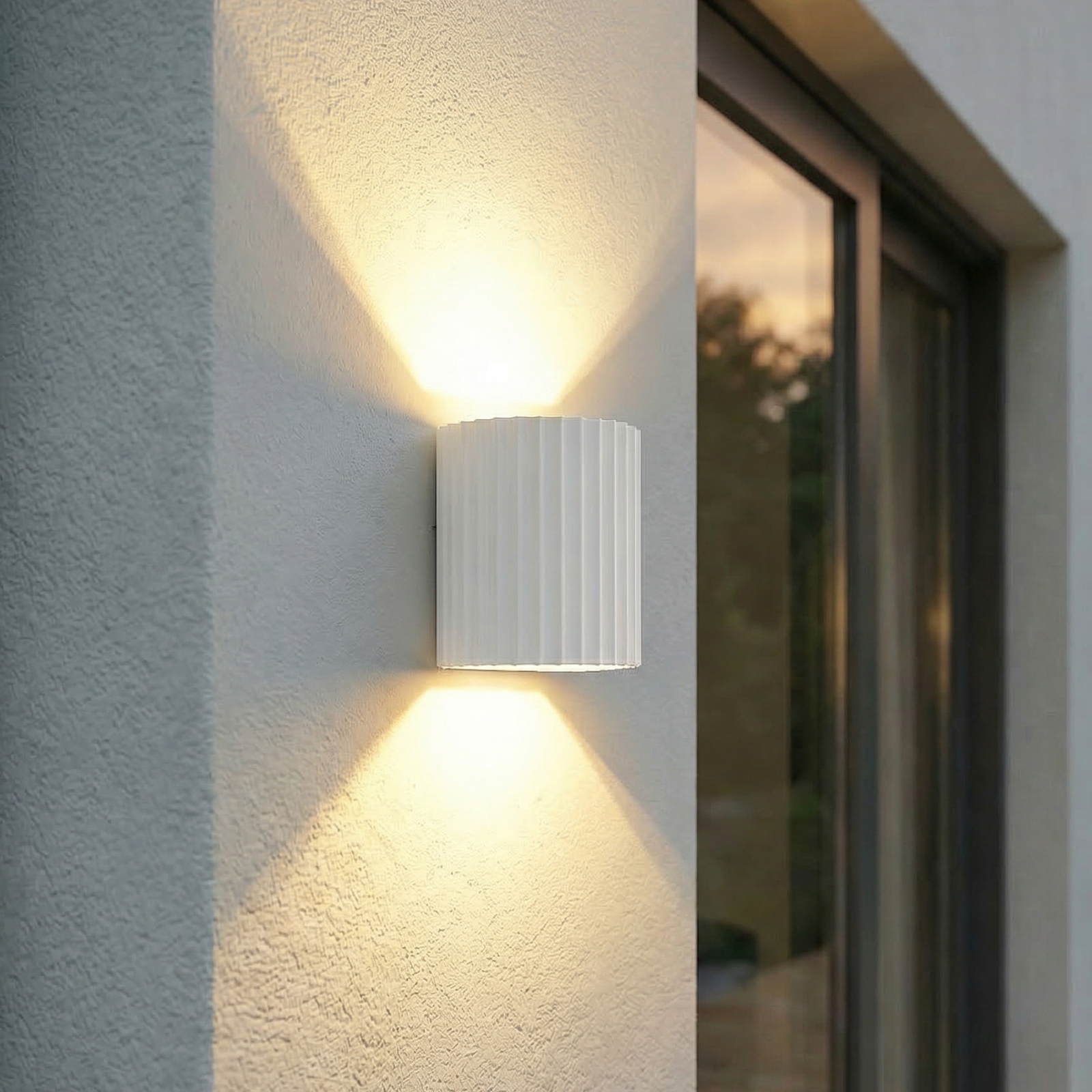
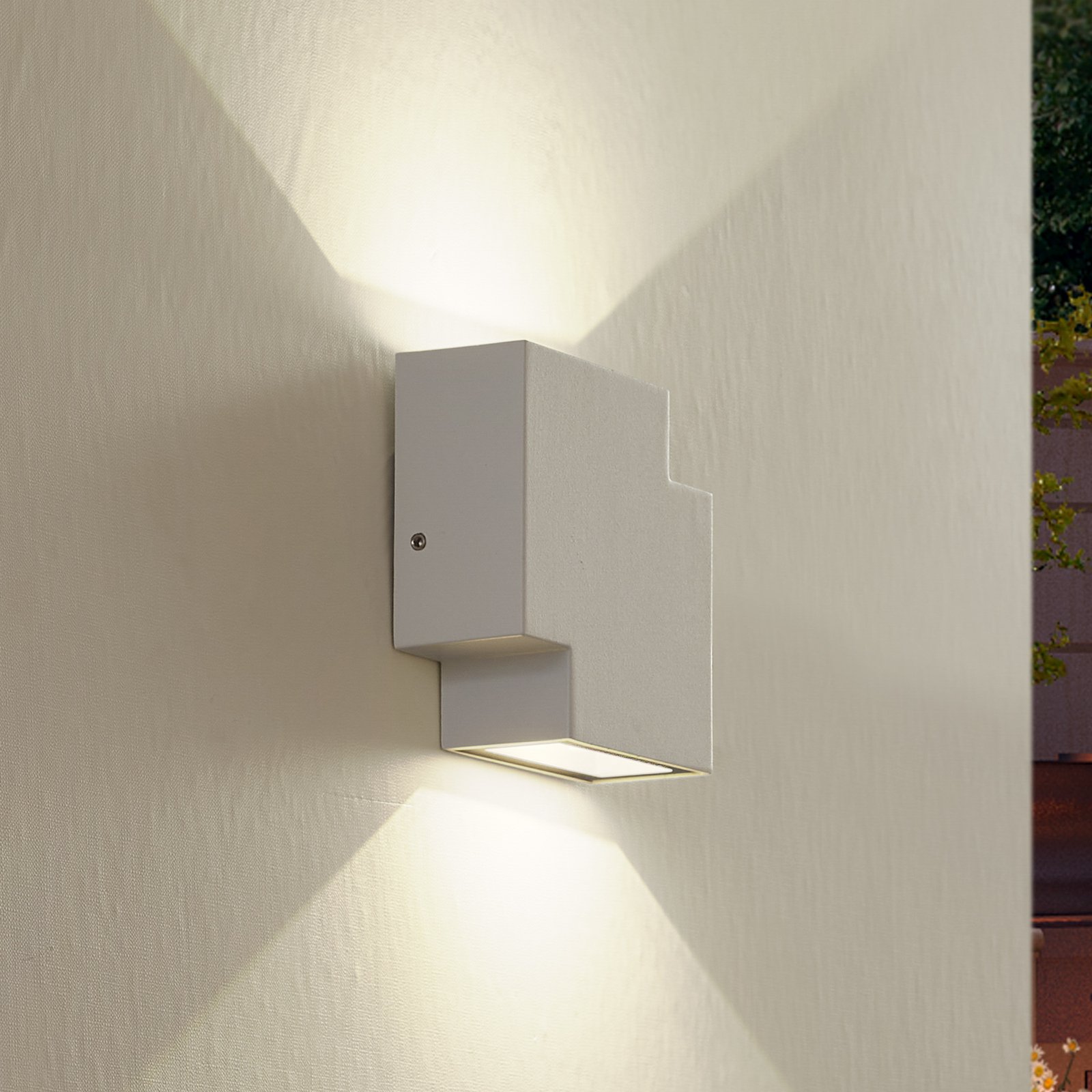
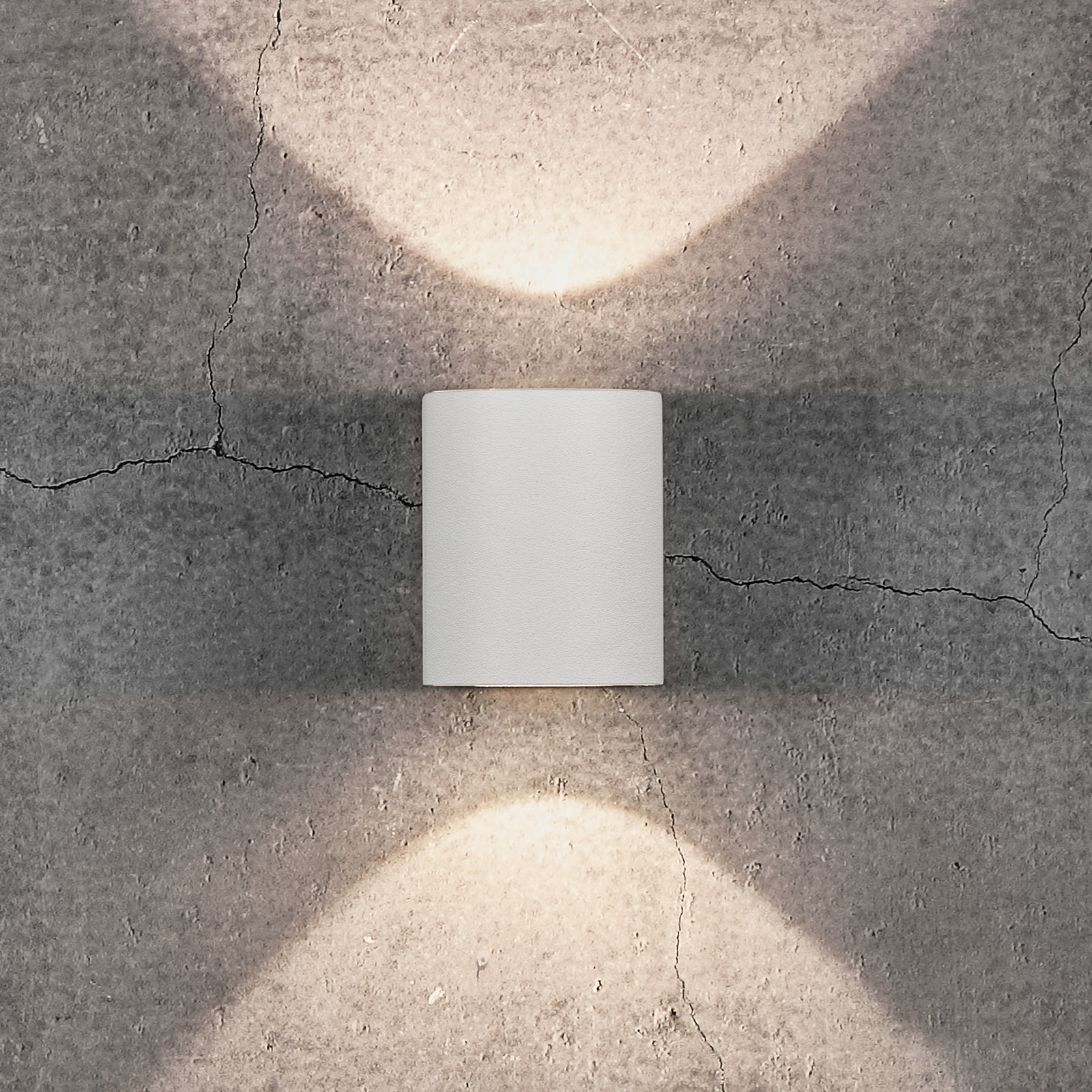
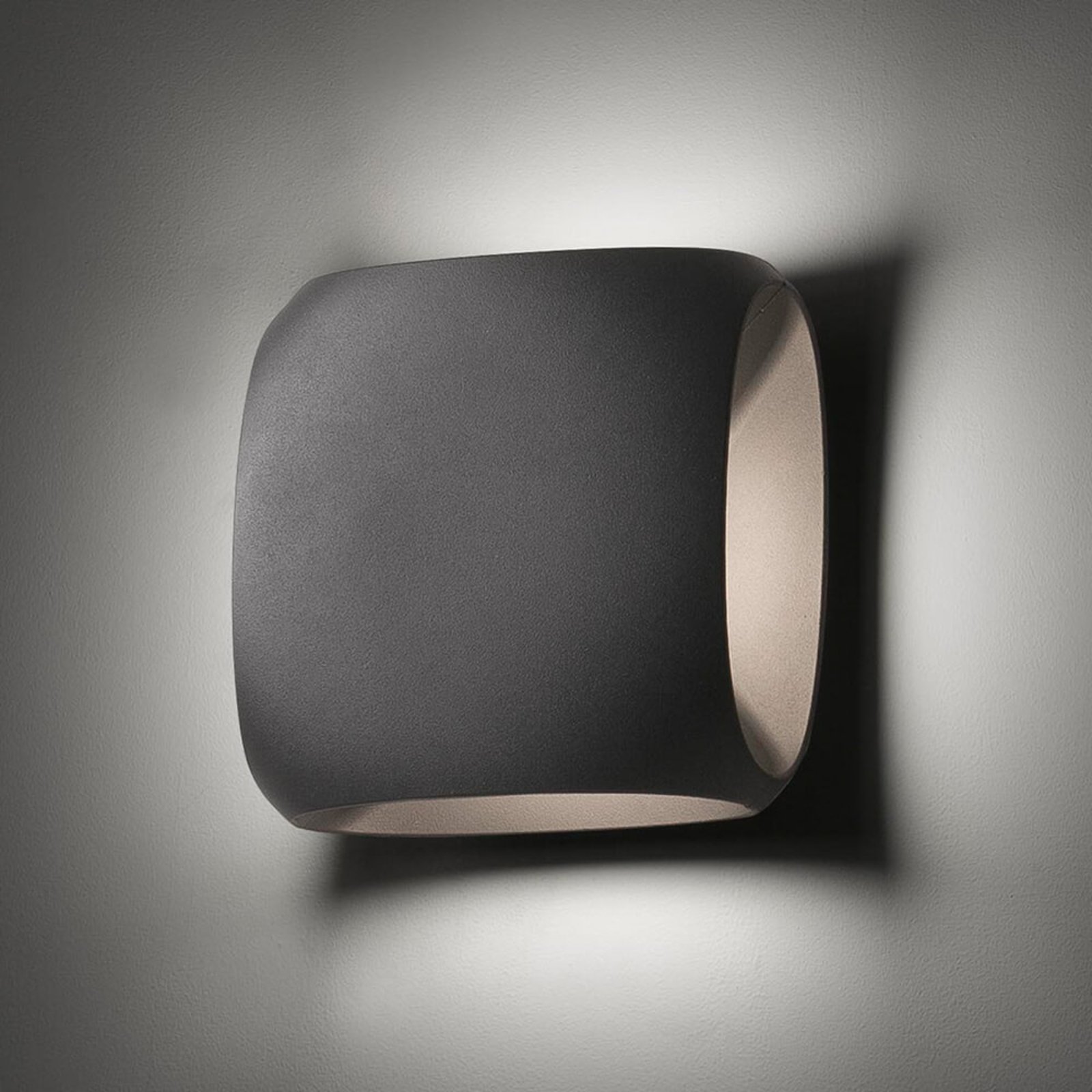
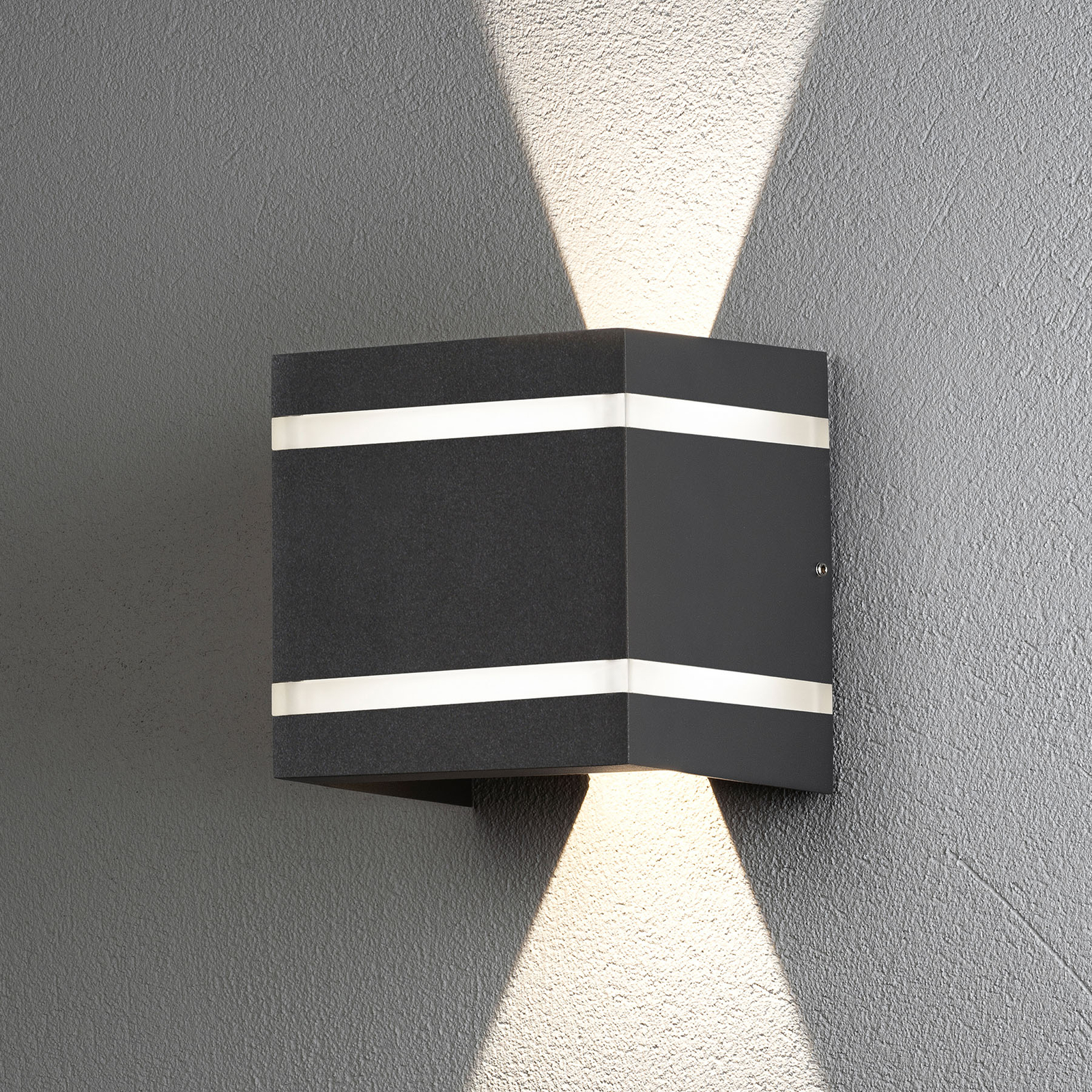
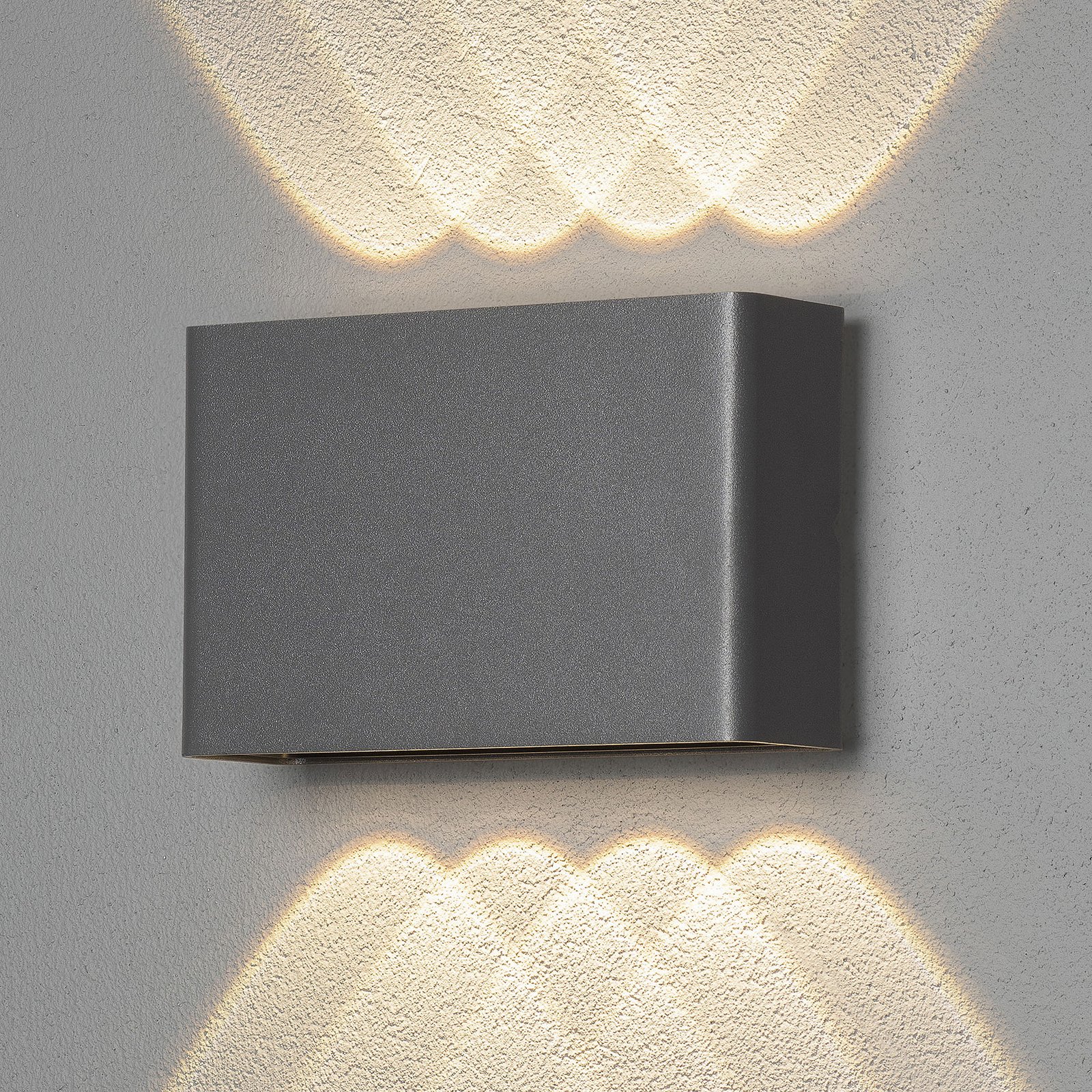
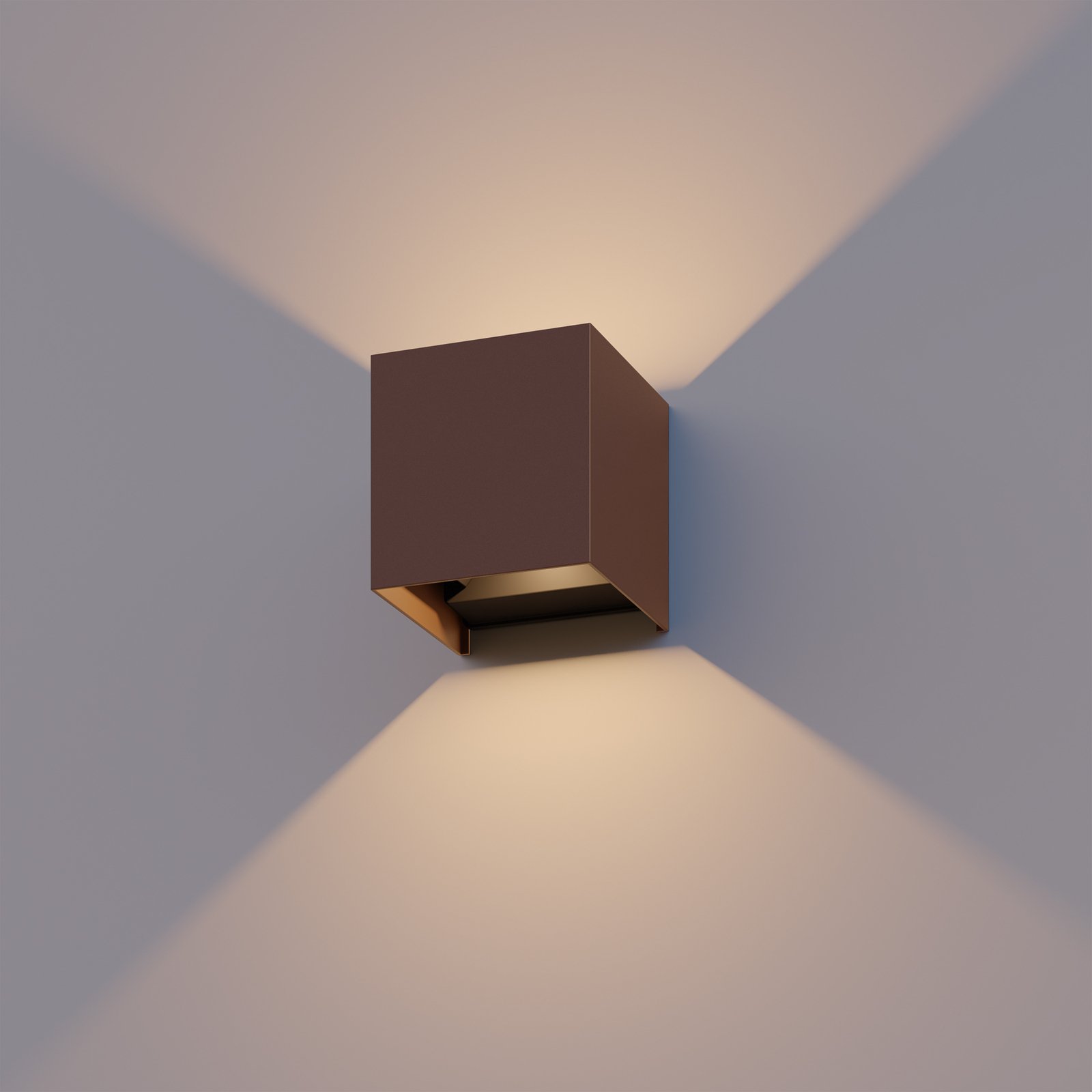
The up and down radiation also influences the use. An outdoor wall light with downward-directed light concentrates the illumination more on the area in front of the wall. Lights with both upward and downward light output additionally incorporate the facade into the lighting. For a dining table or a lounge area, as even lighting as possible is sensible, while good orientation is especially important at entrances. The appropriate light distribution allows the terrace lighting to be adjusted to the respective area of use.
Choosing the material, color, and shape suitable for the wall lamp
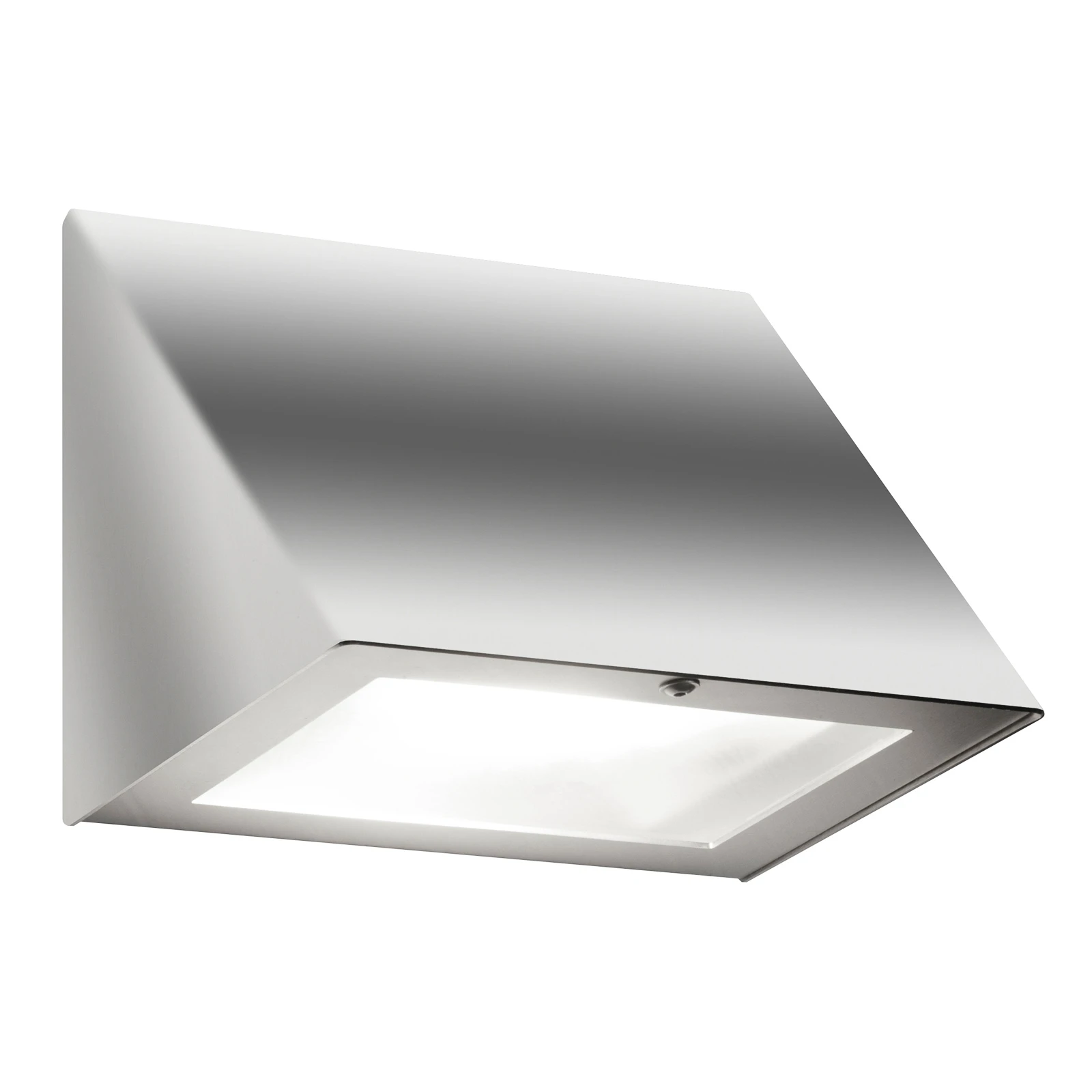
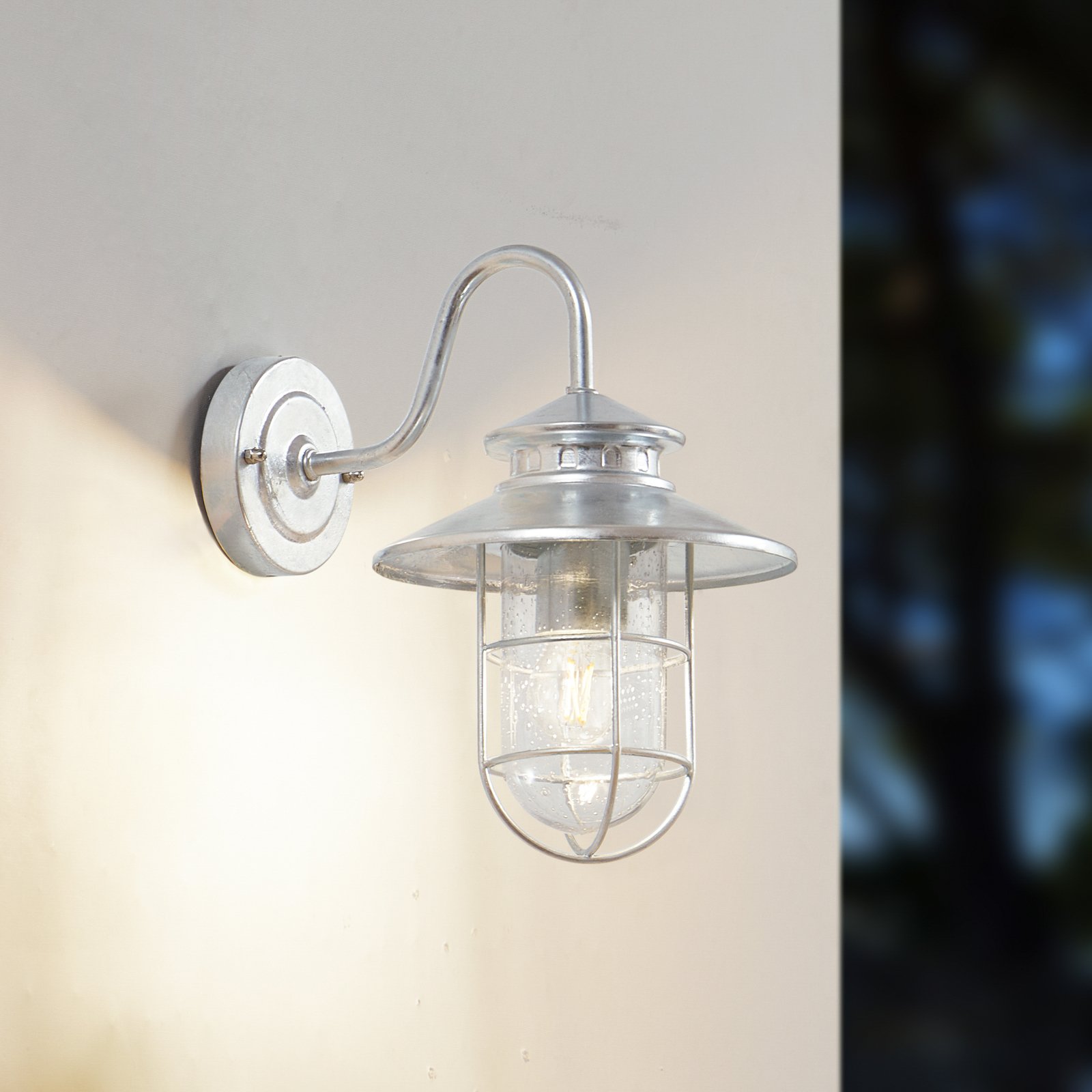
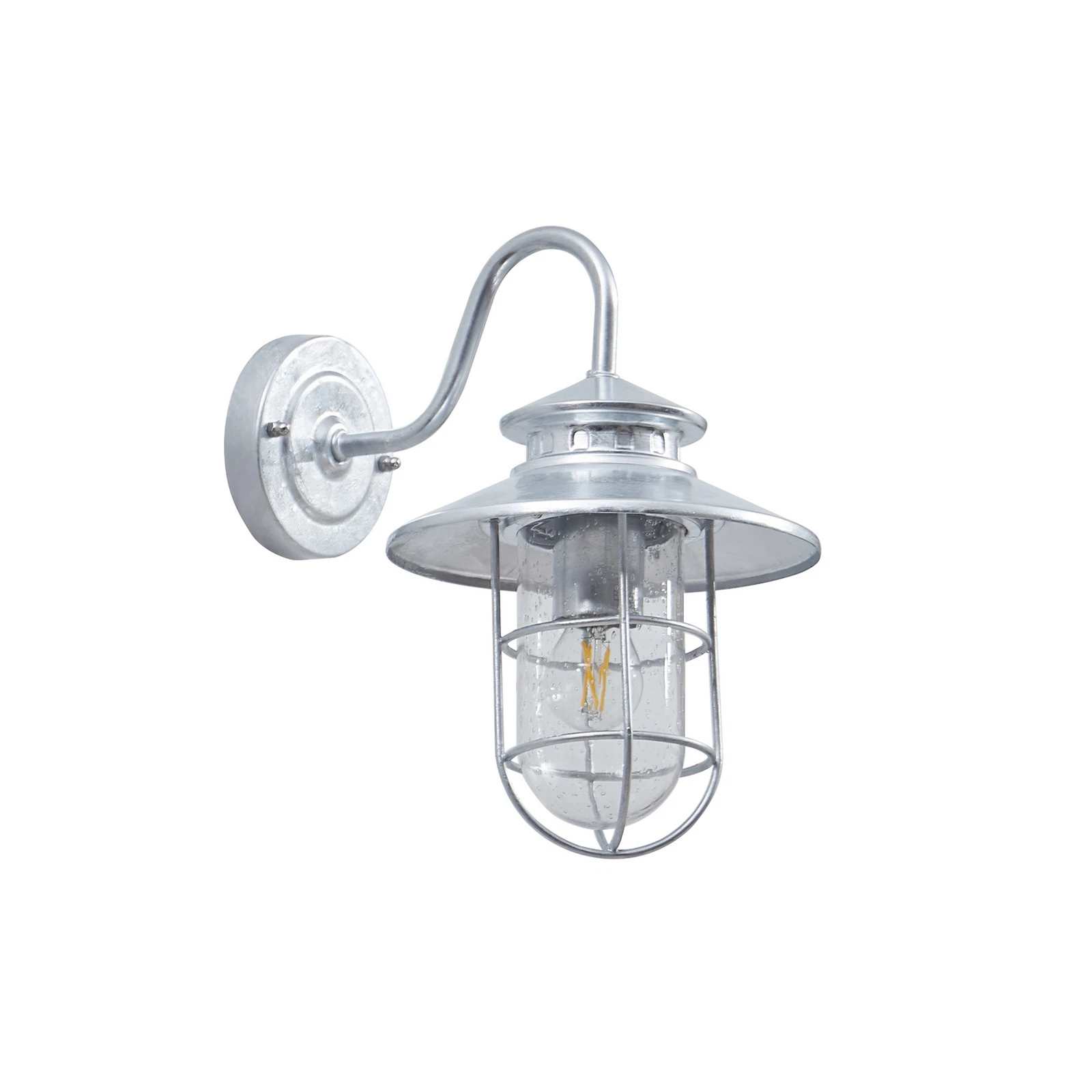
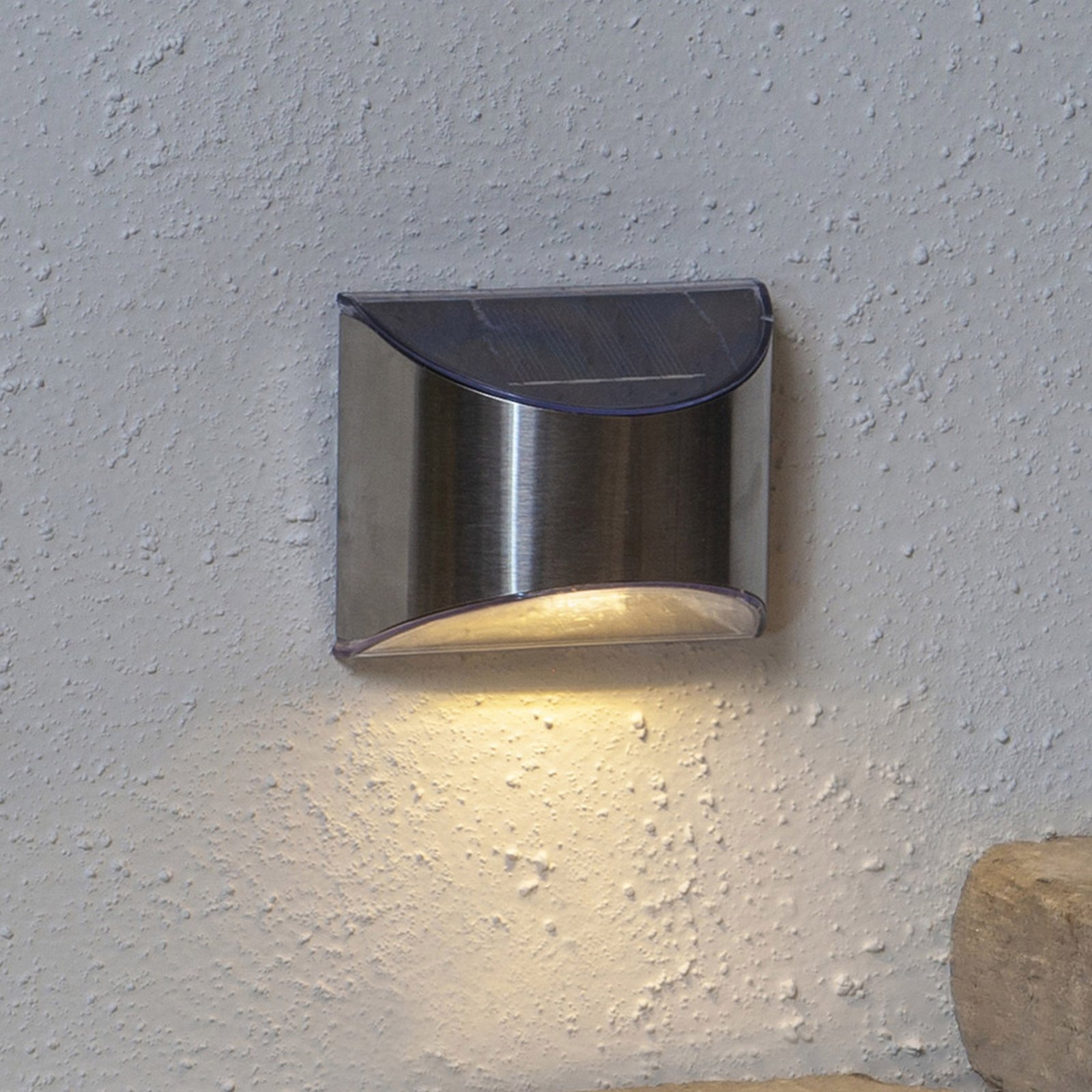
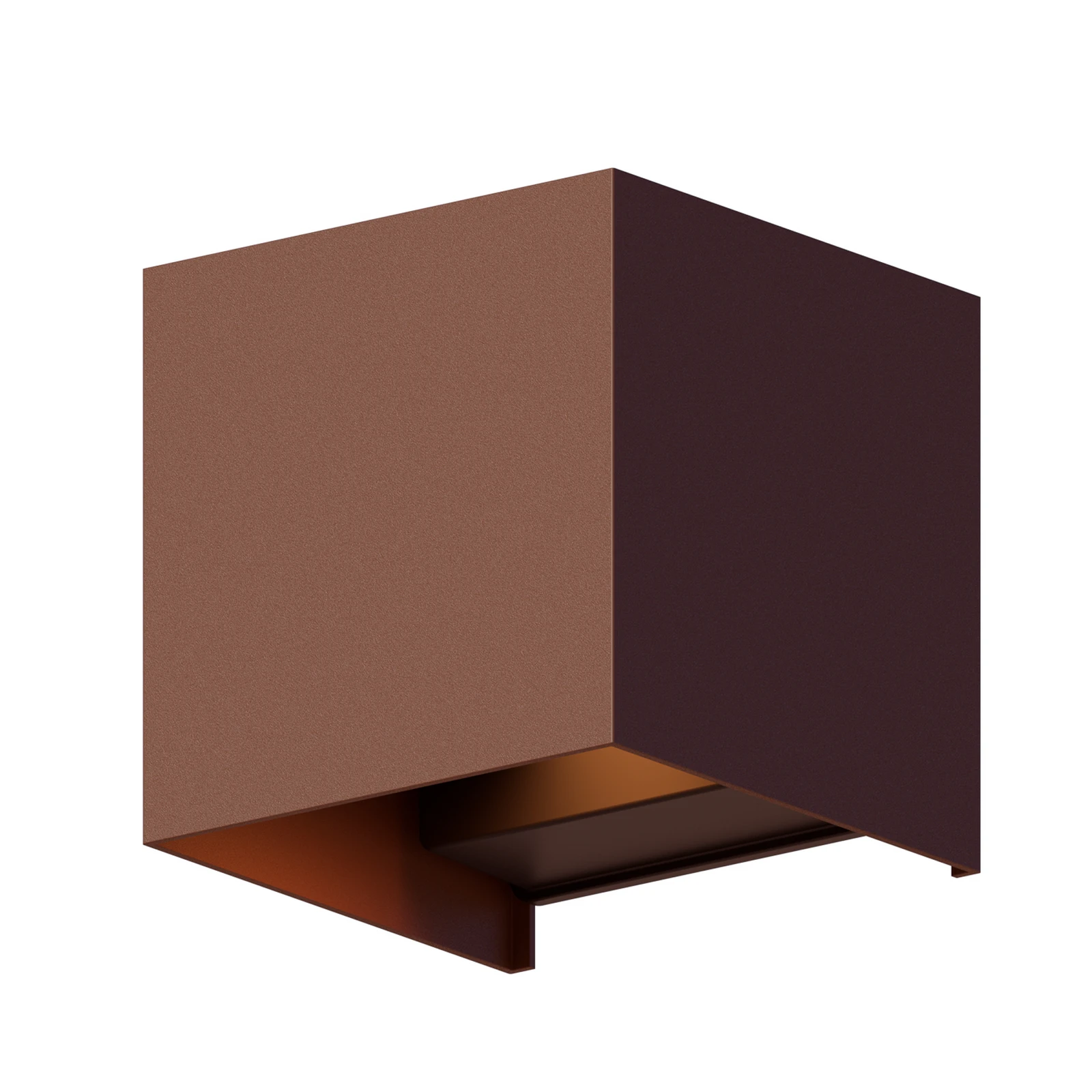
With outdoor wall lights, the material affects not only the appearance but also how well the light copes with moisture, dirt, and weather conditions. Models made of aluminum, stainless steel, or other metals differ in their properties depending on the processing and surface coating. Stainless steel, for example, is often chosen for its easy-care and weather-resistant effect, with the specific material quality and processing being crucial. Glass is often combined with a metal housing and, depending on the design, allows more of the light source or light surface to be visible.
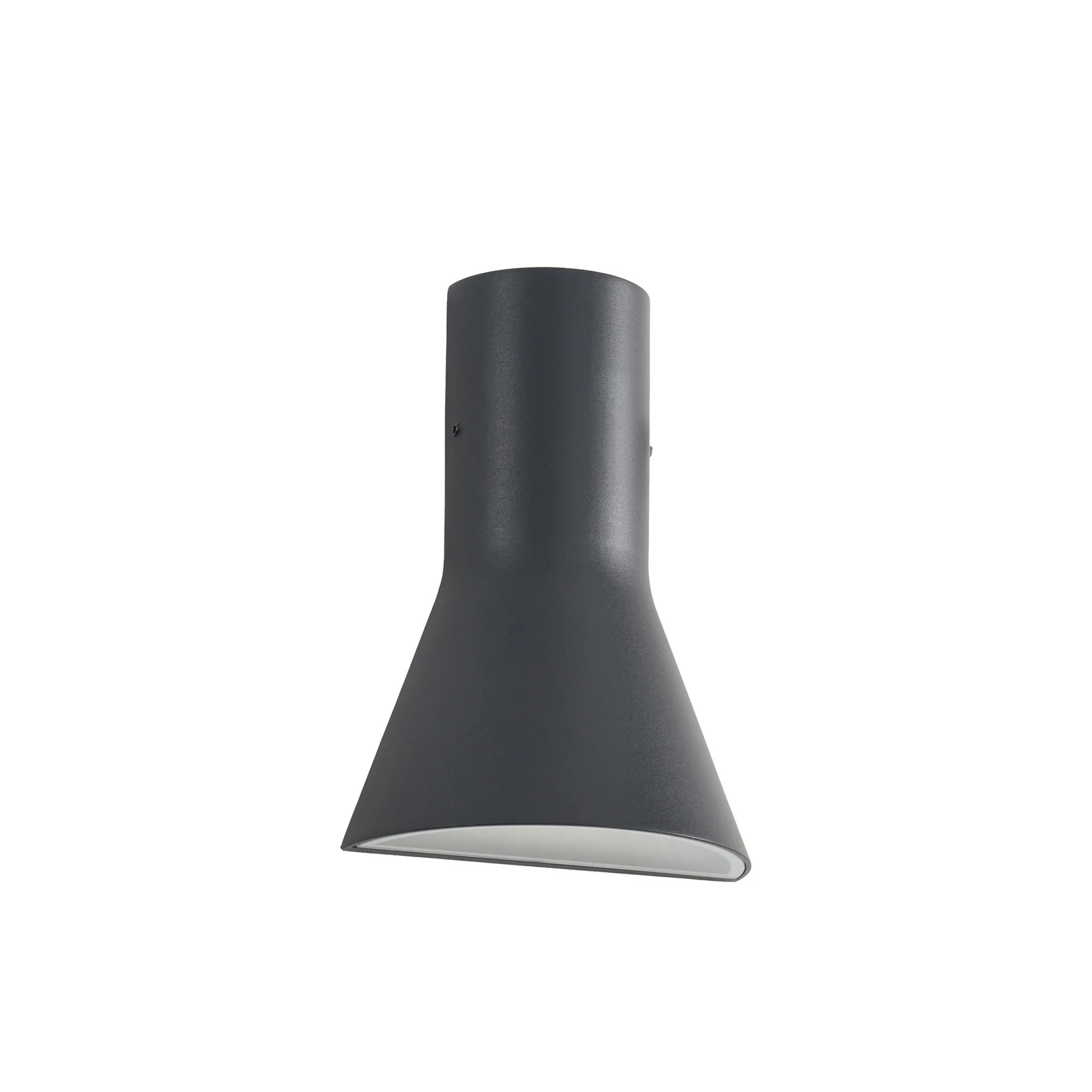
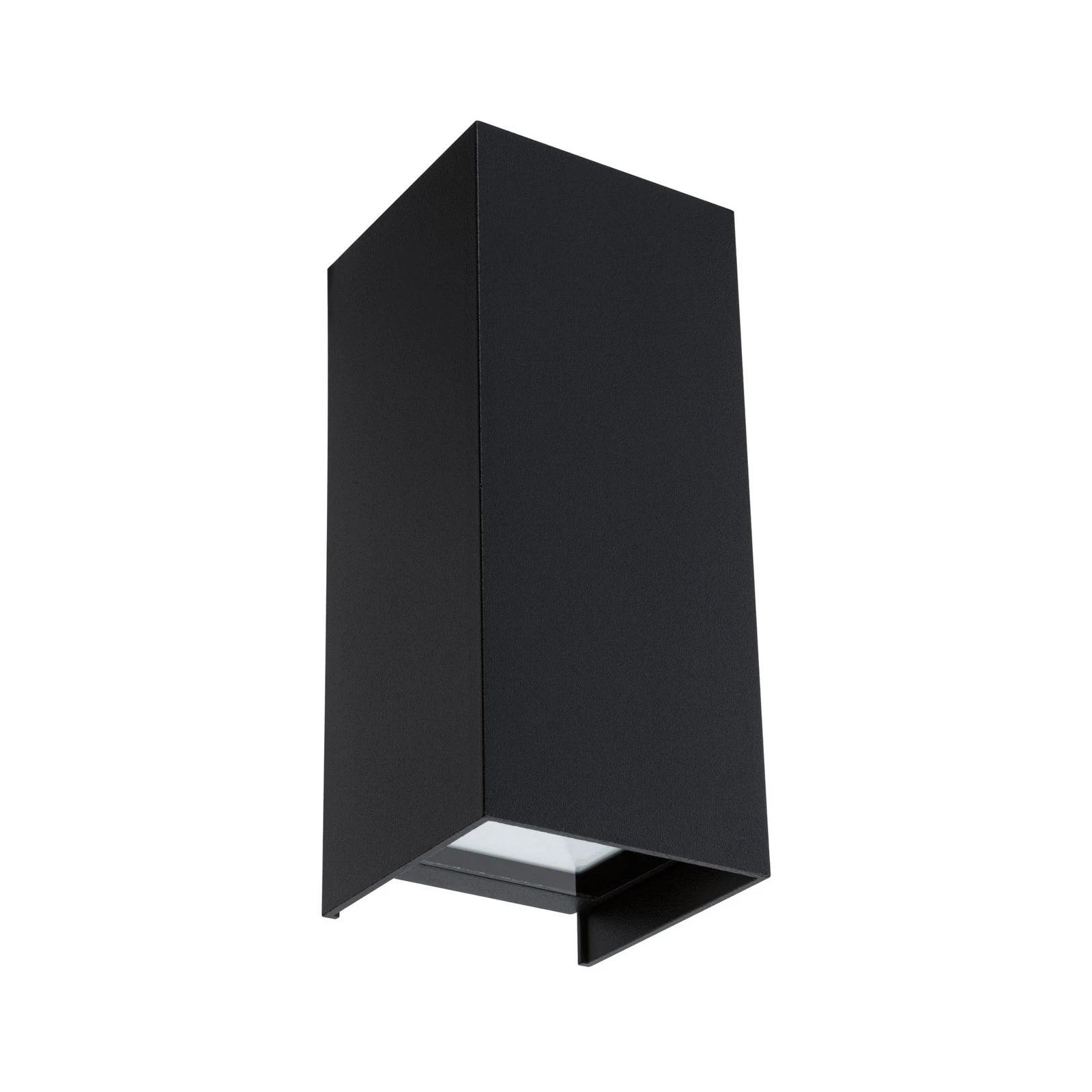
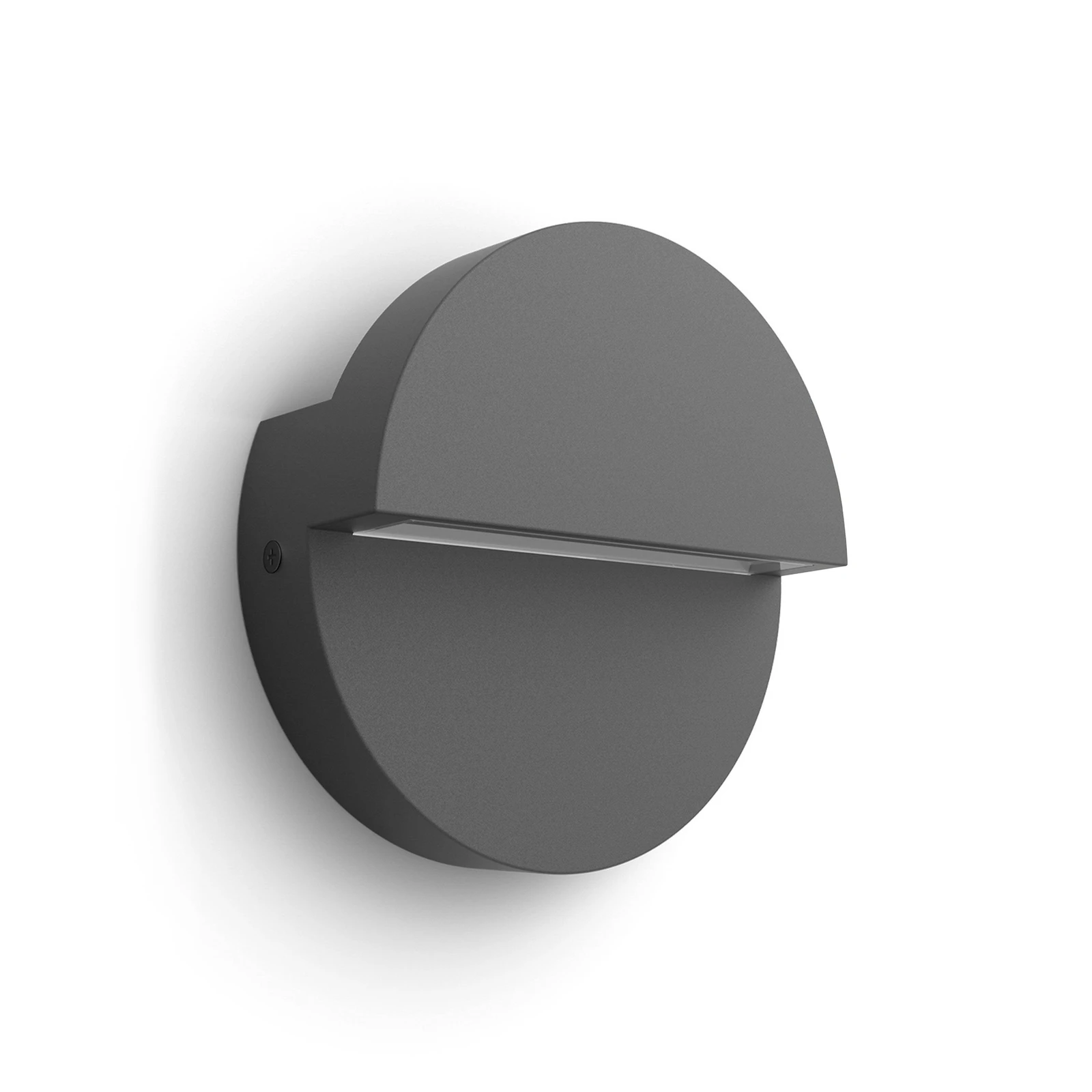
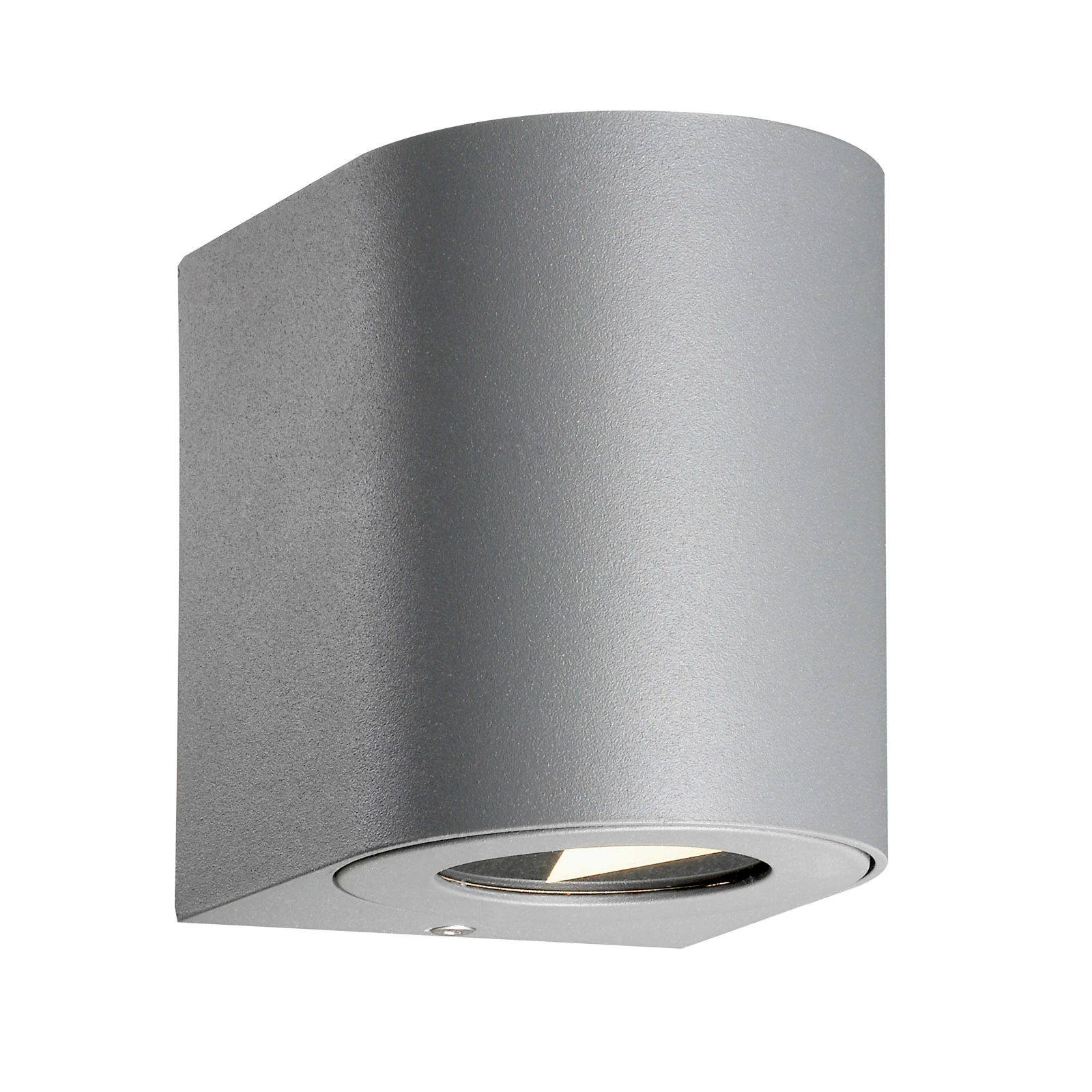
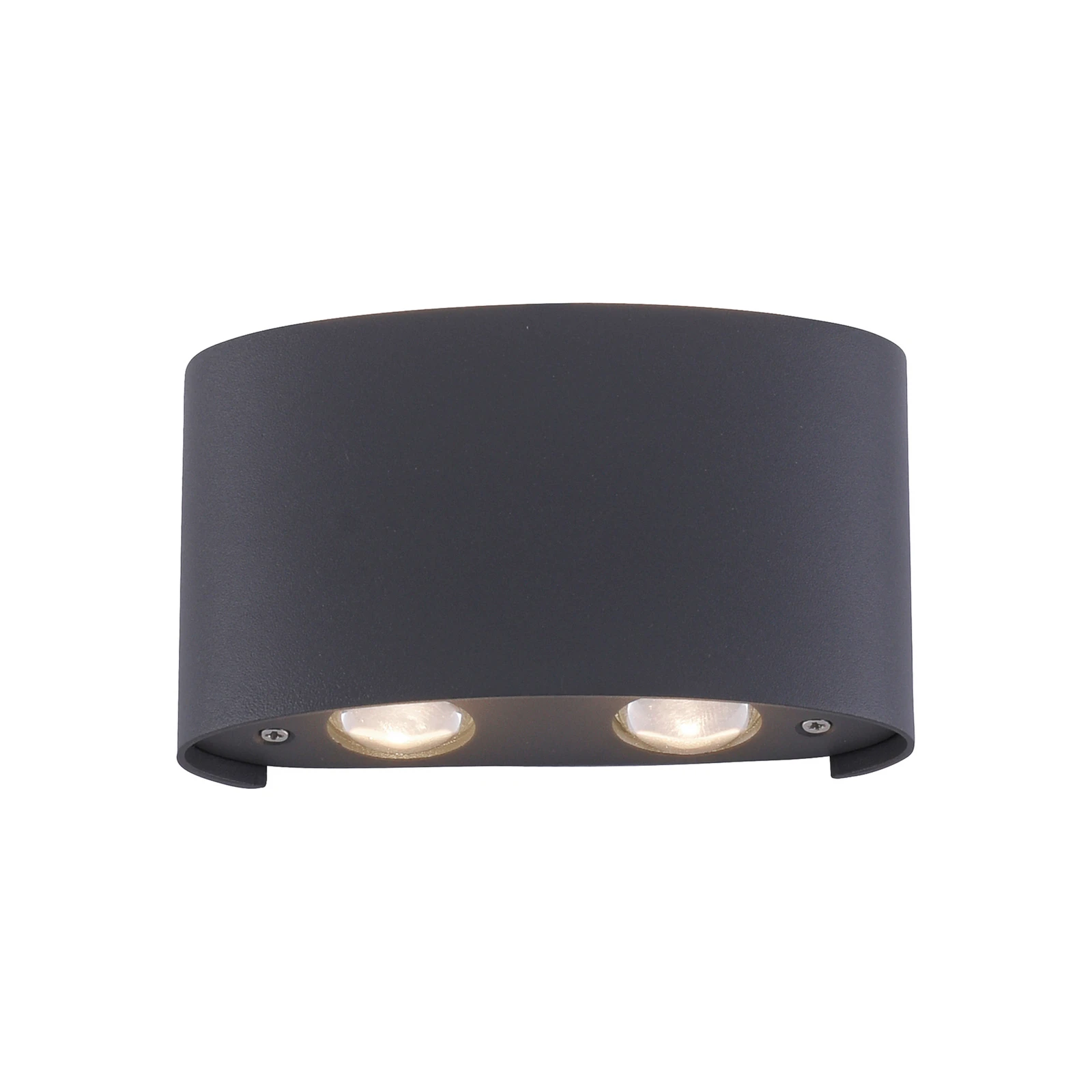
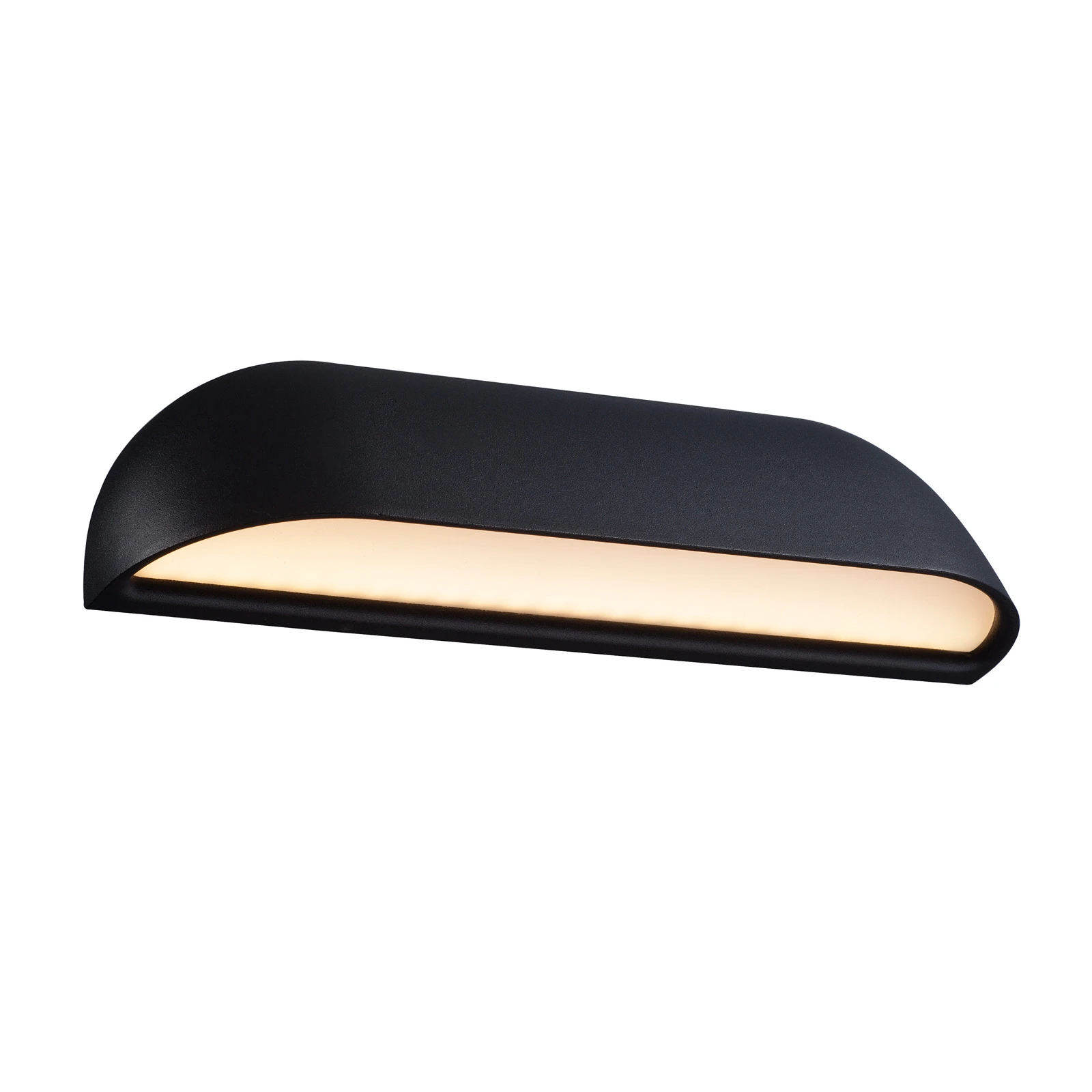
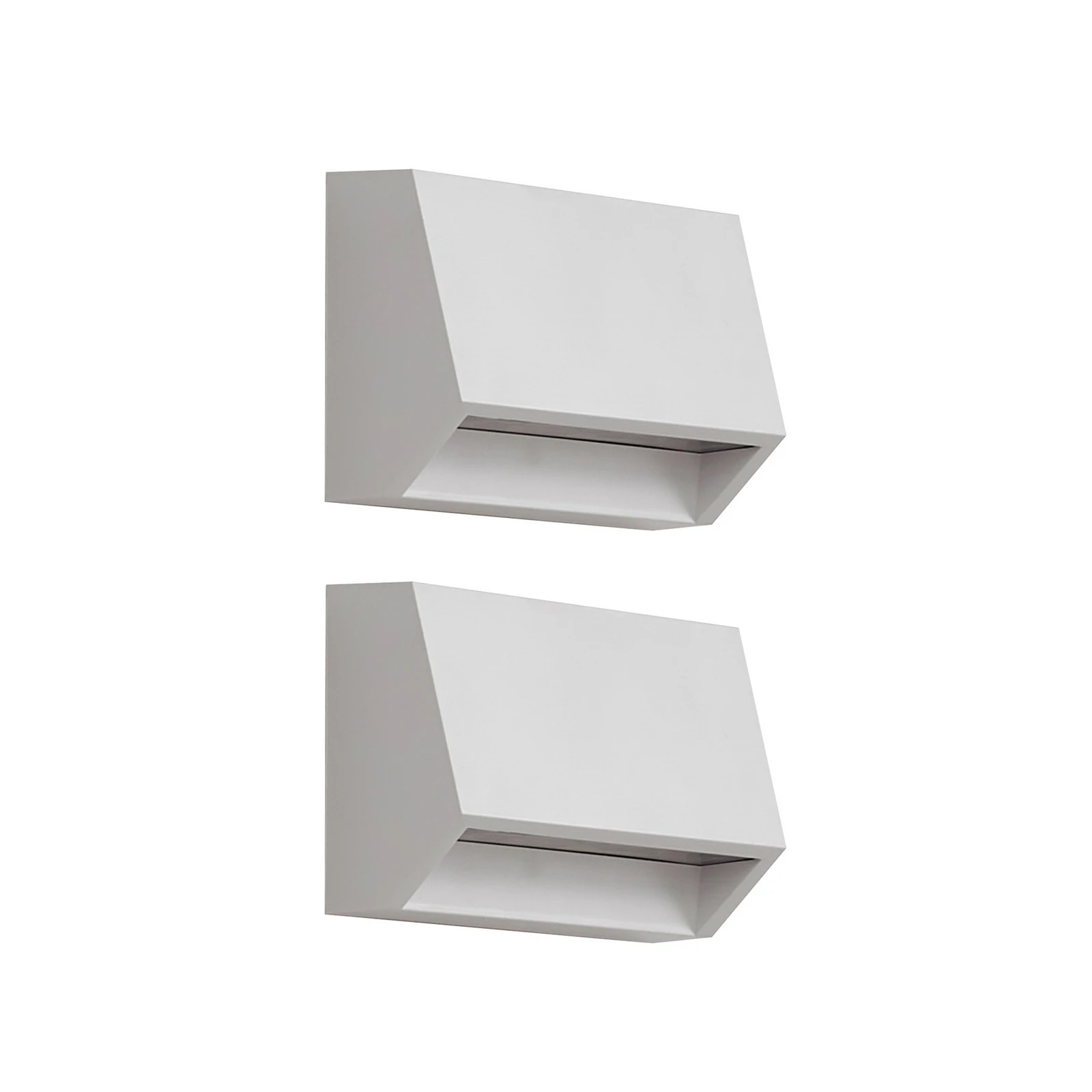
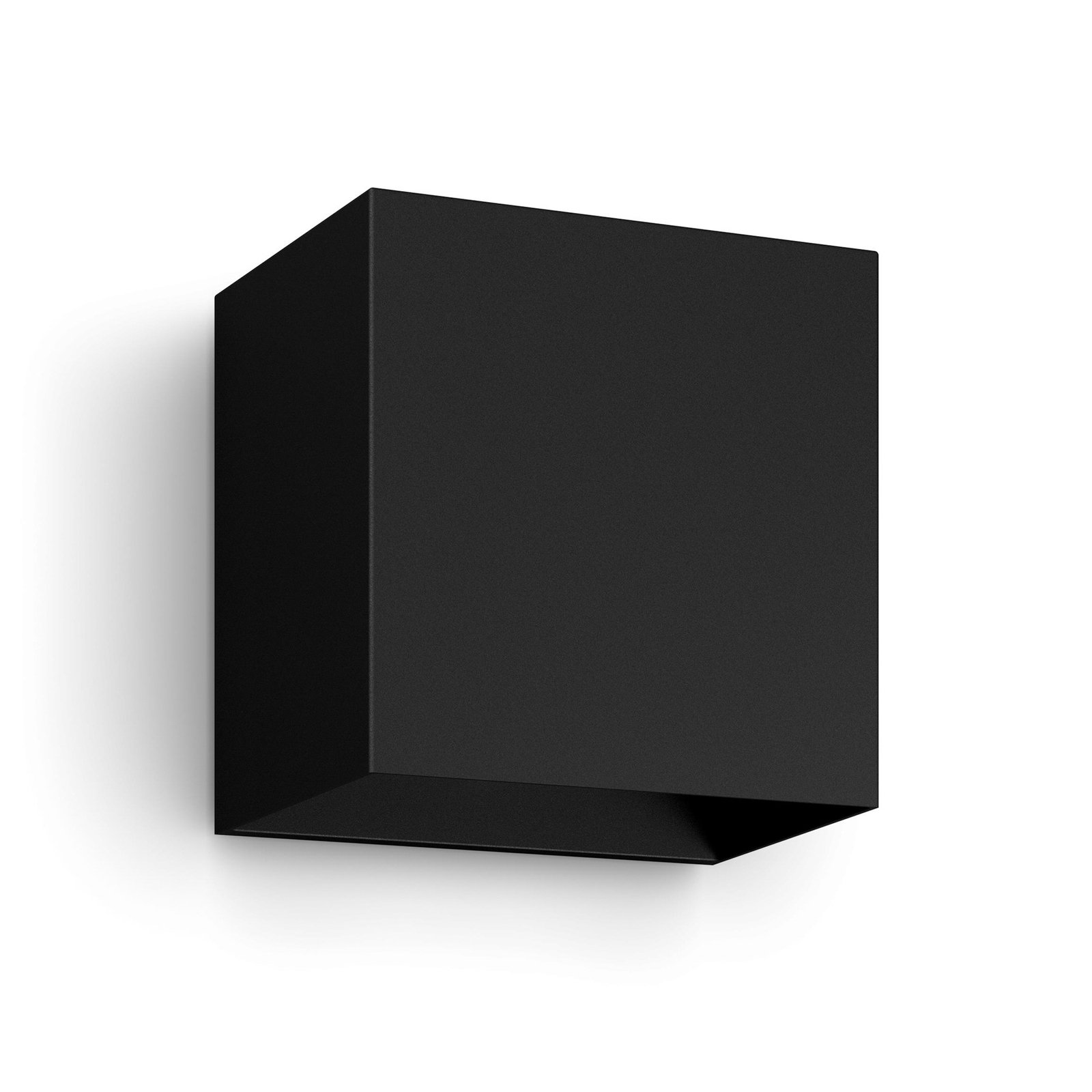
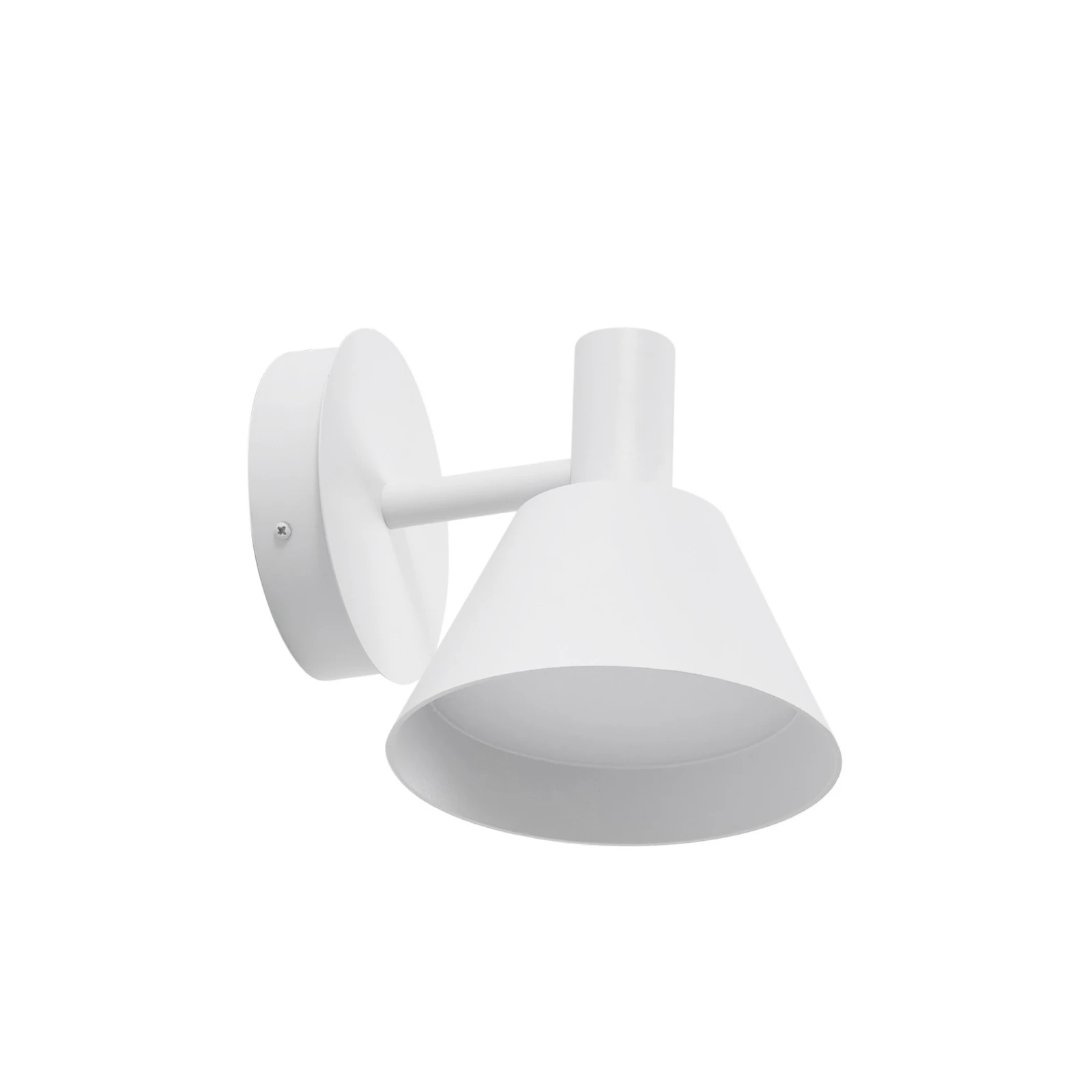
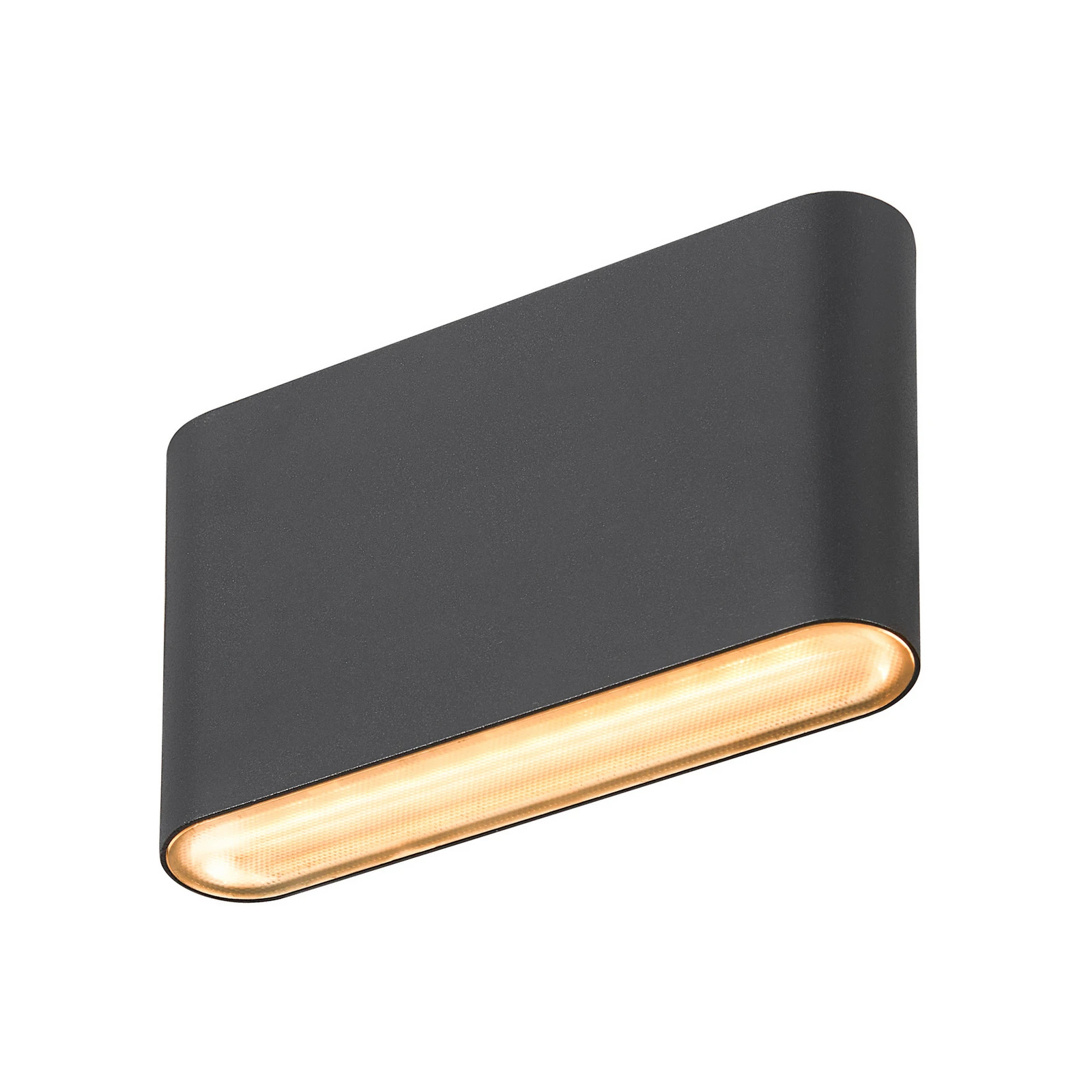
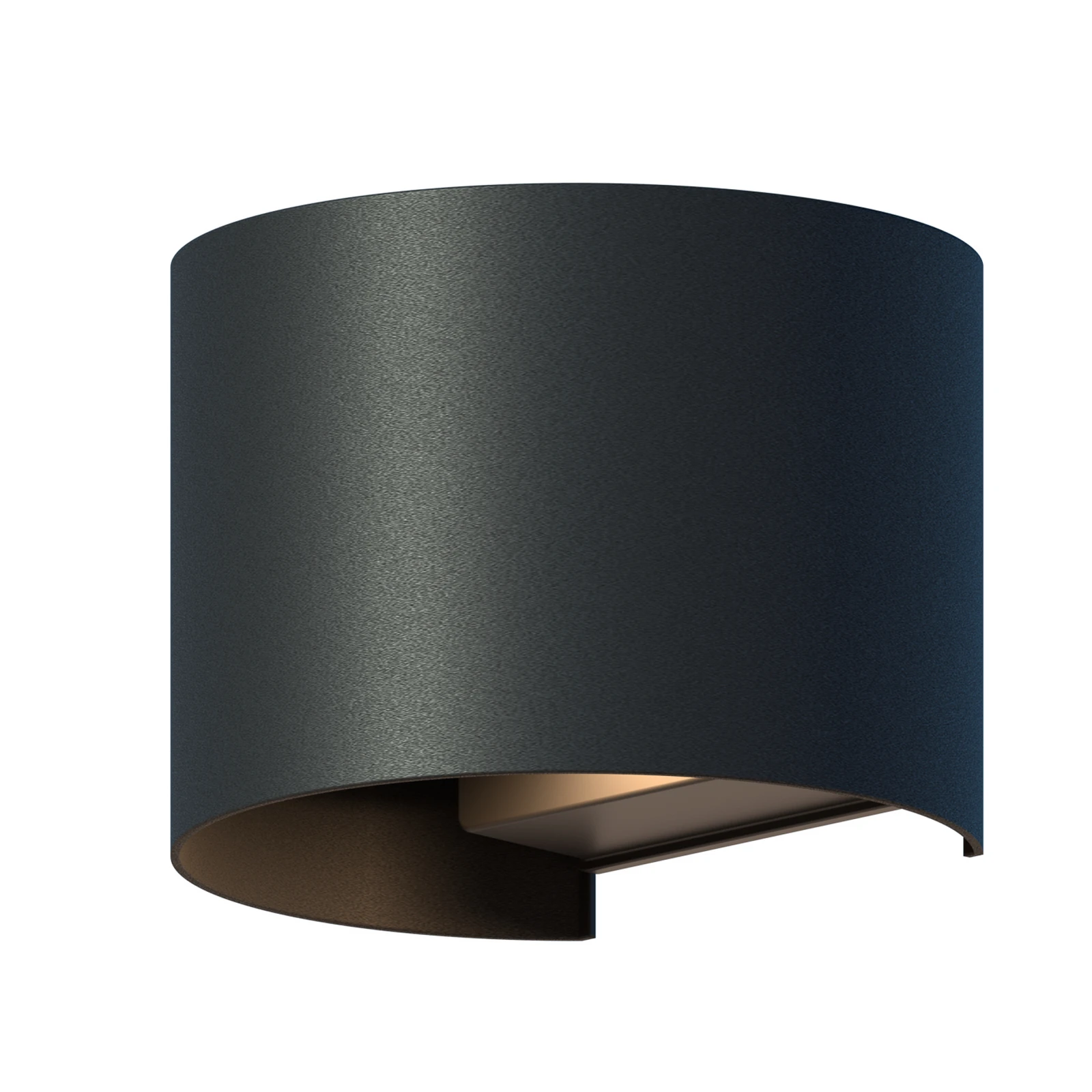
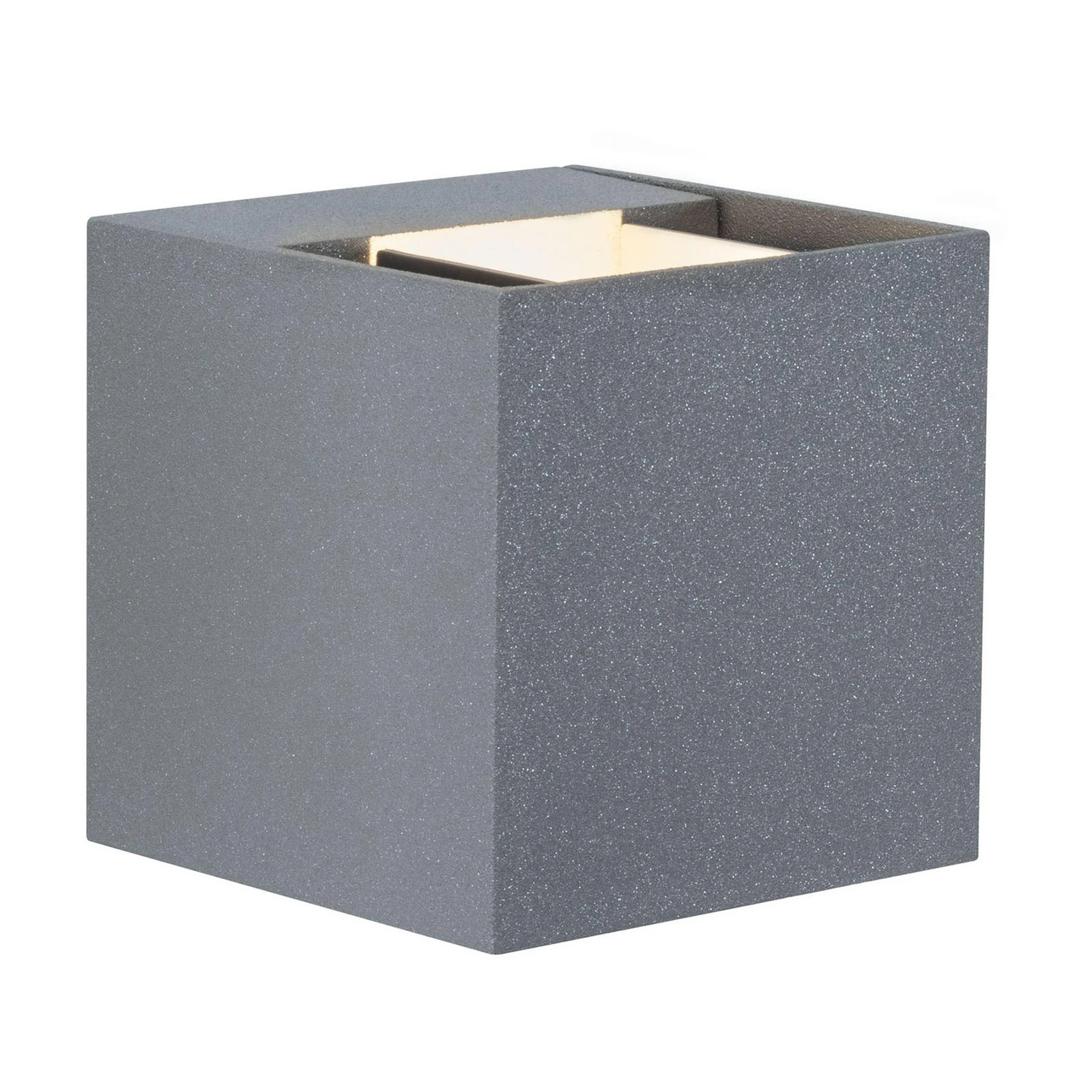
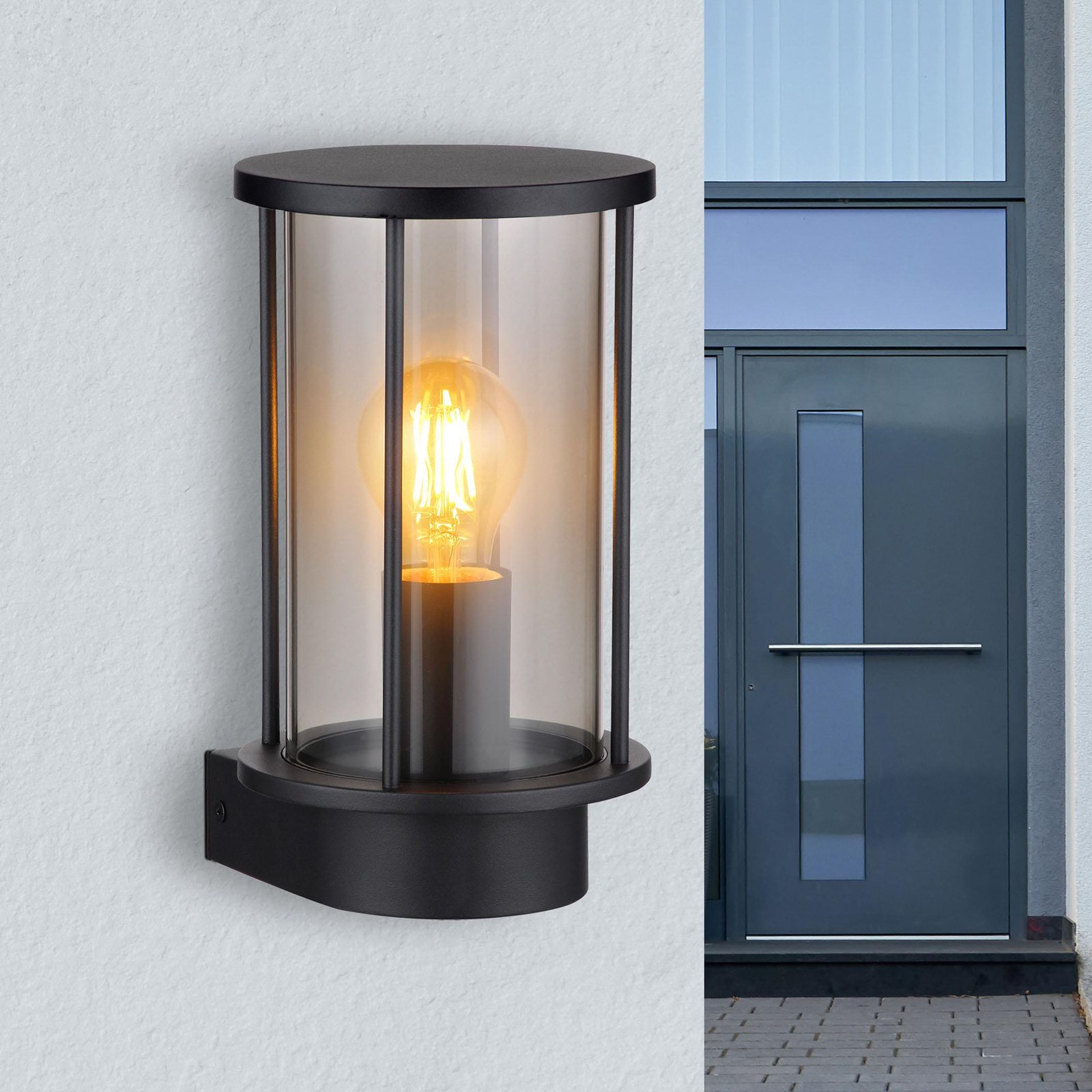
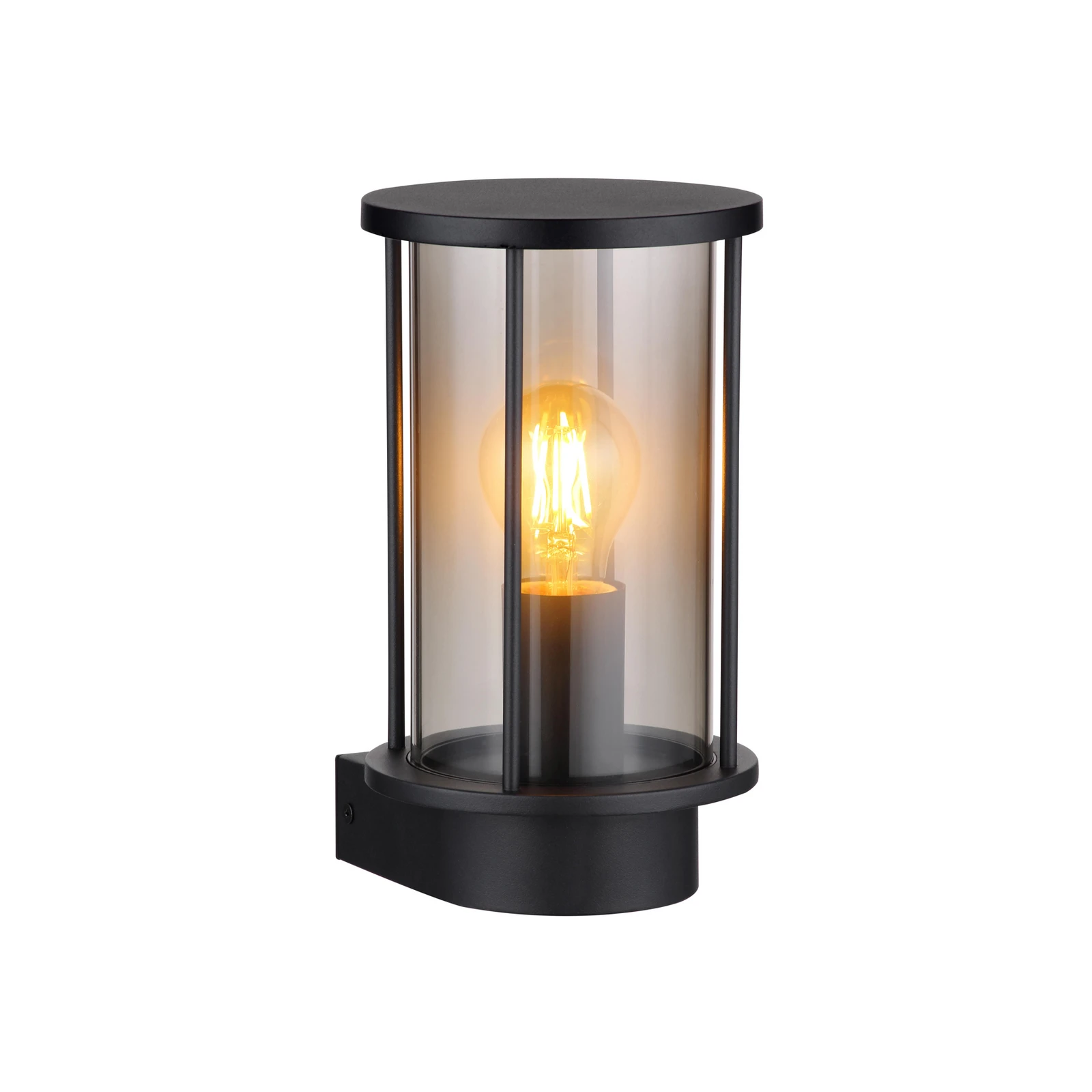
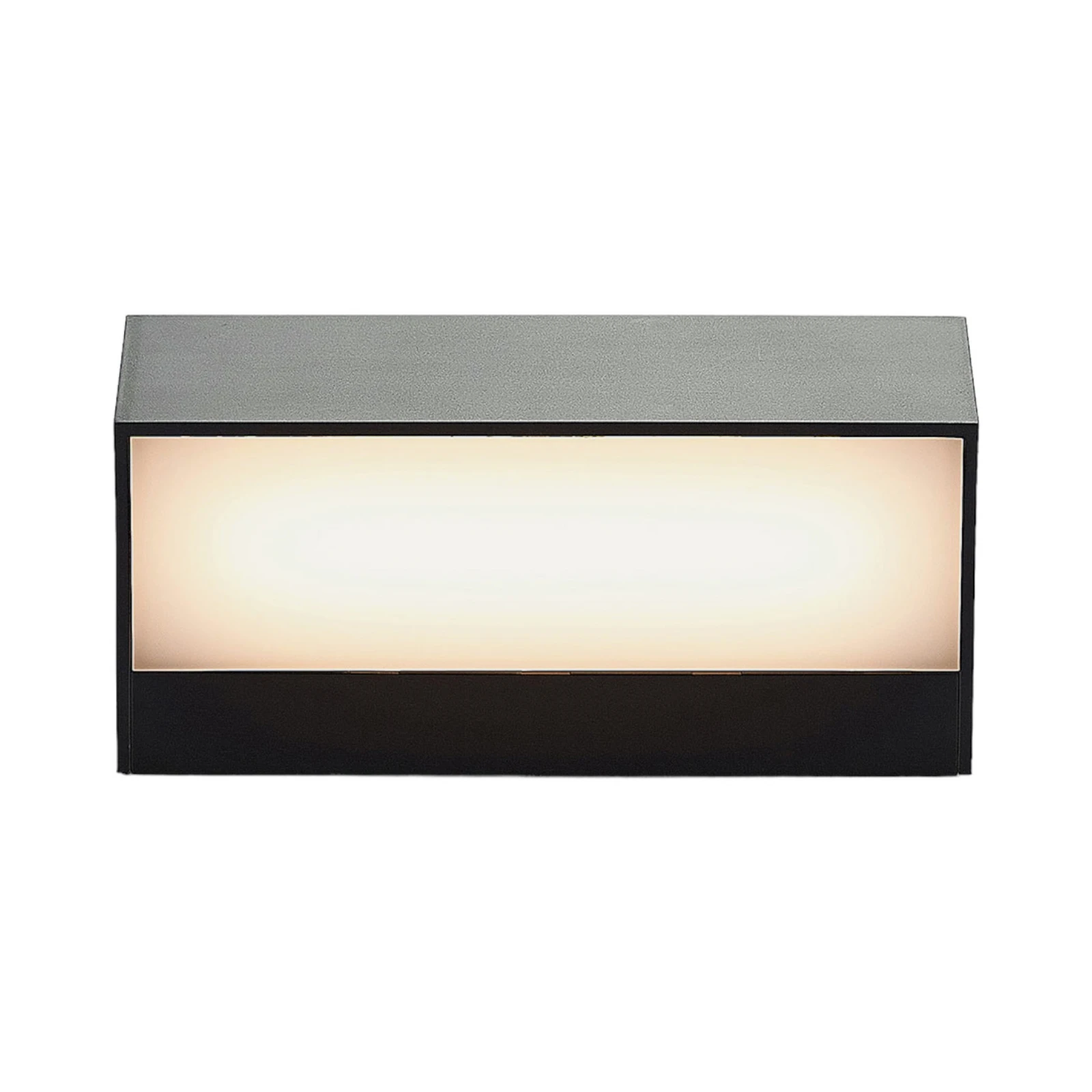
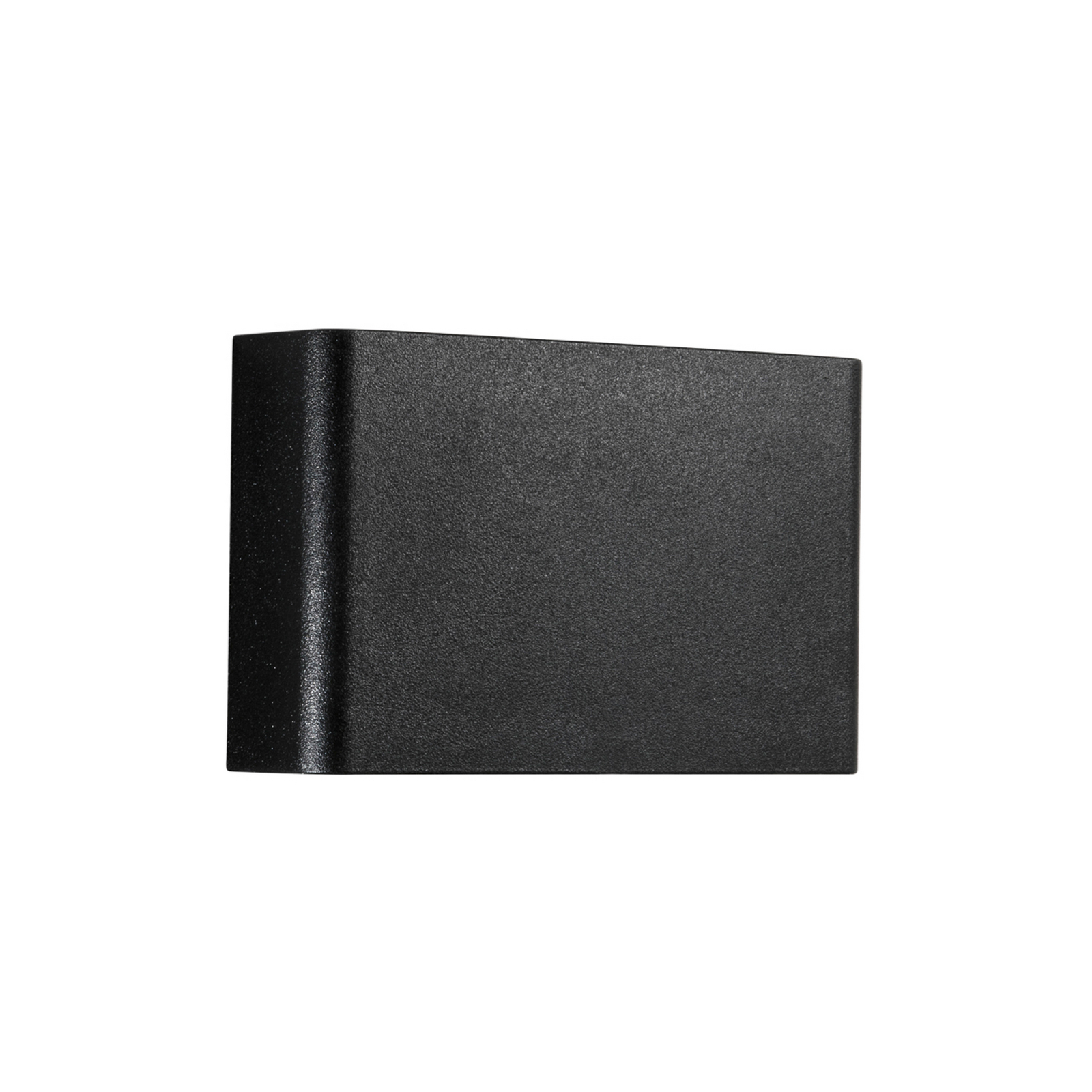
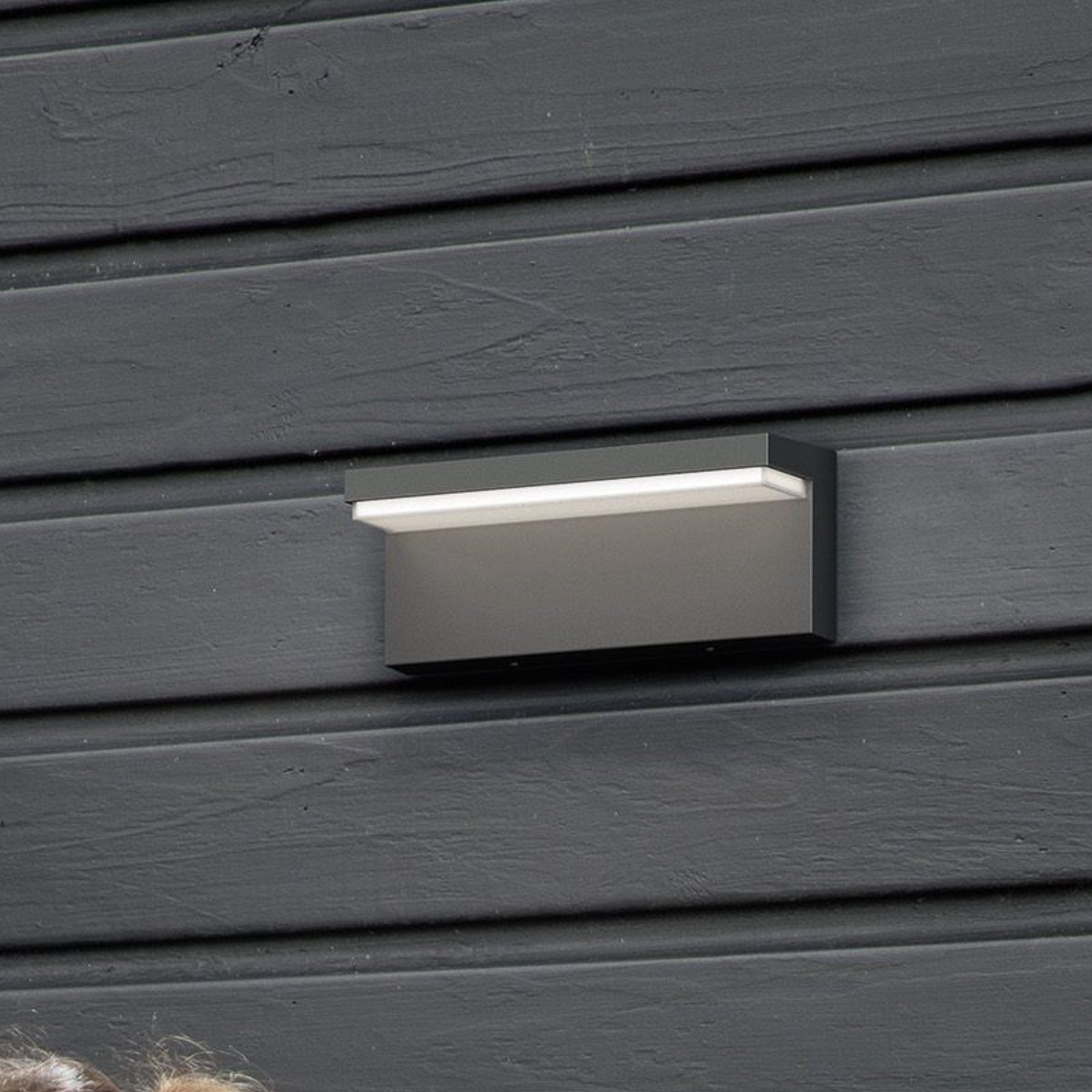
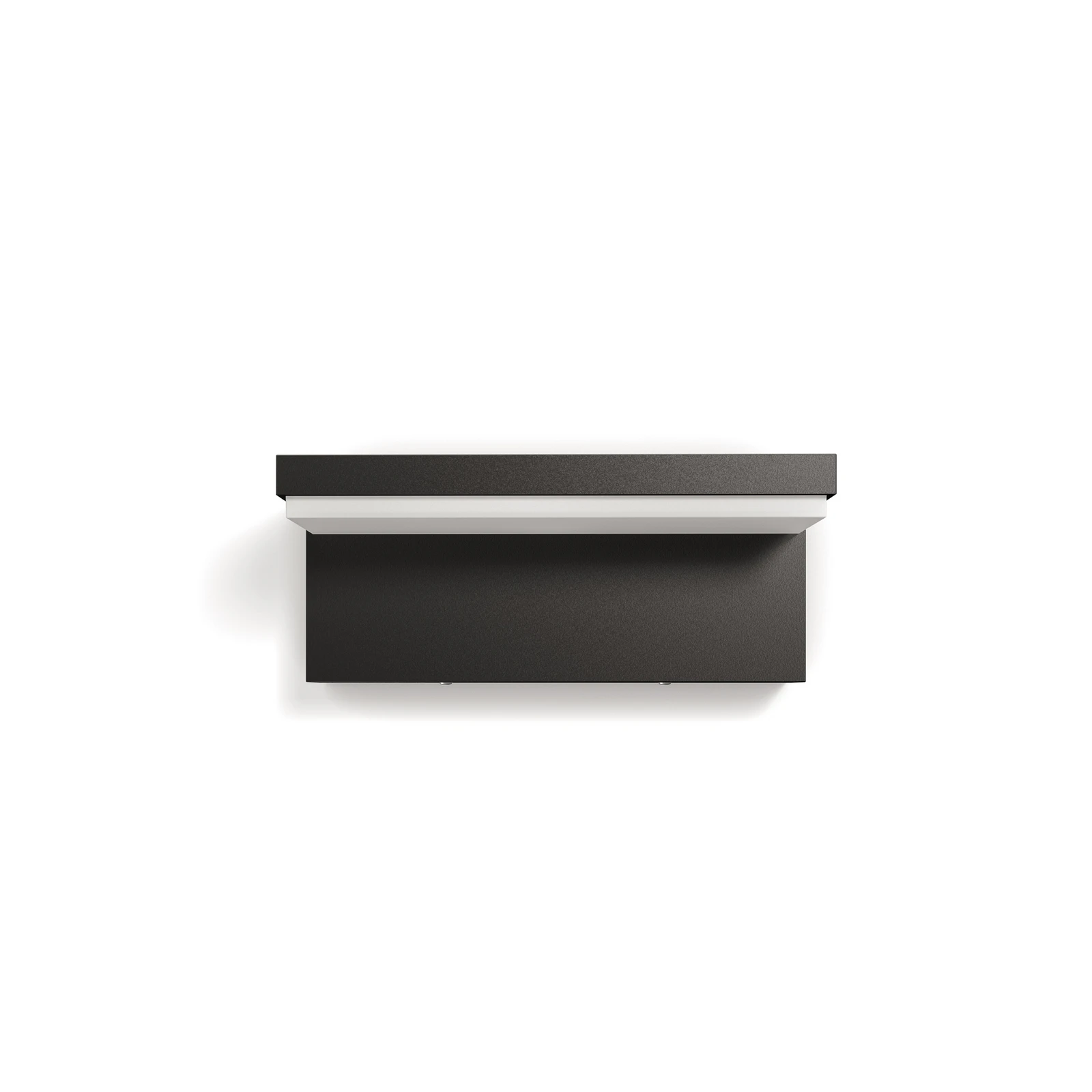
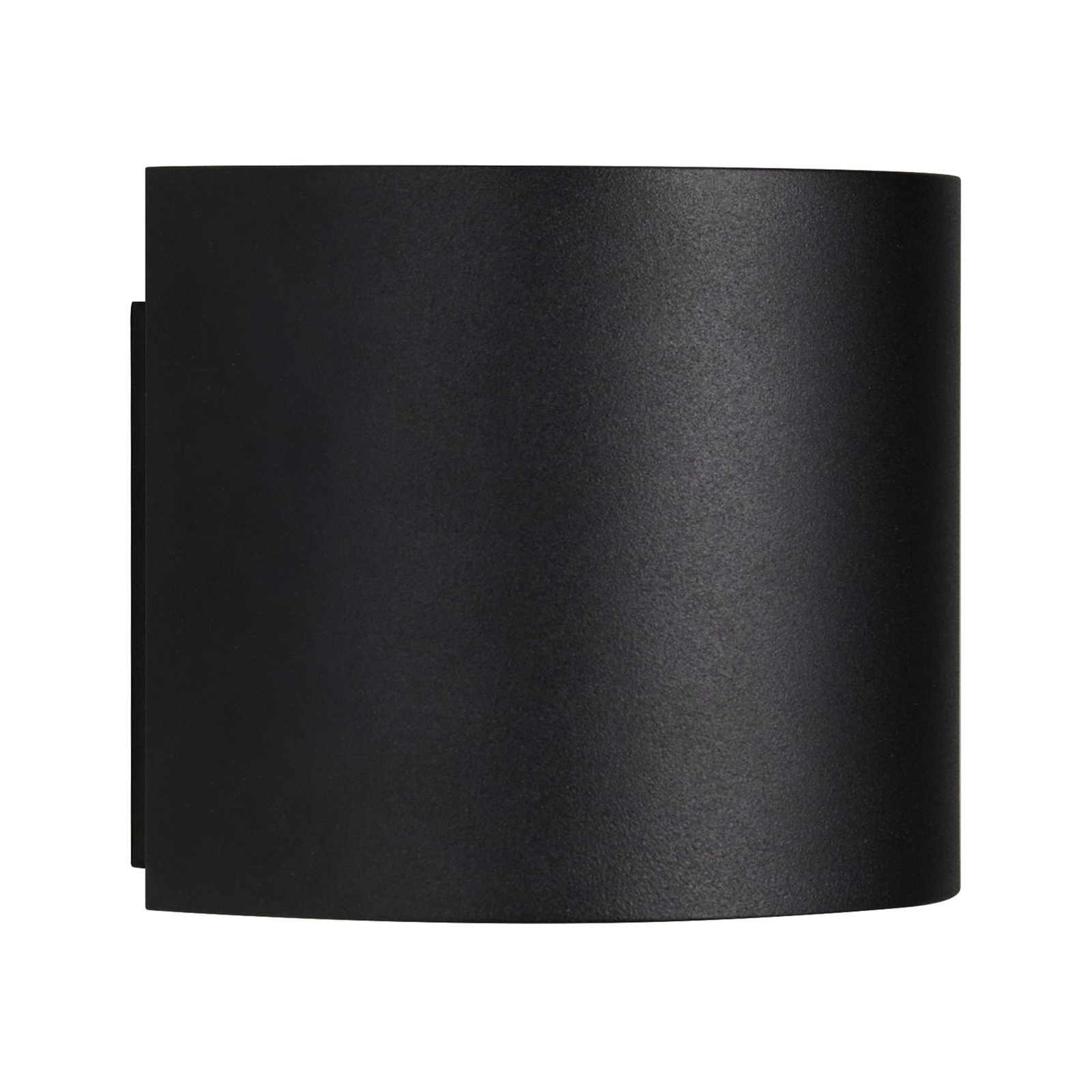
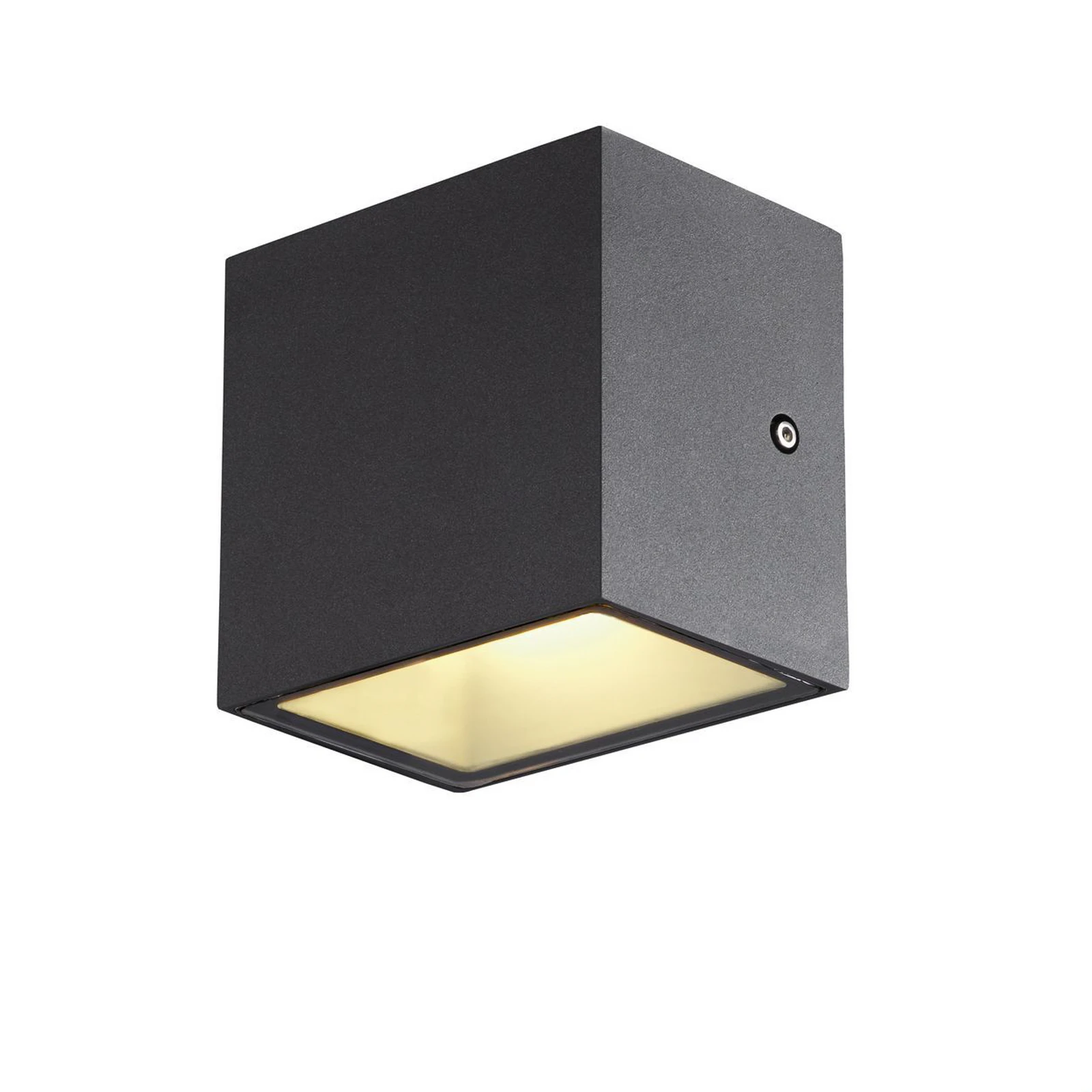
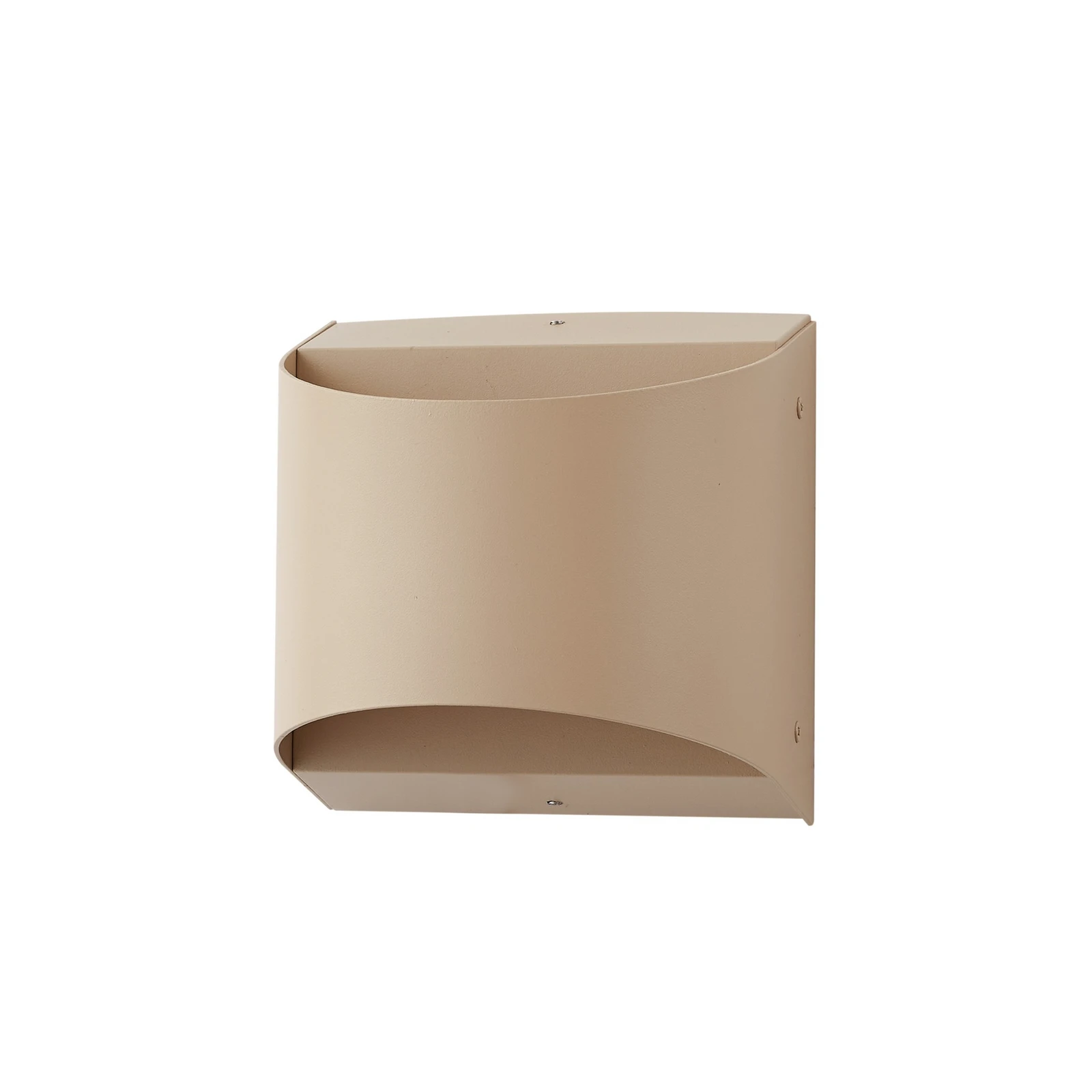
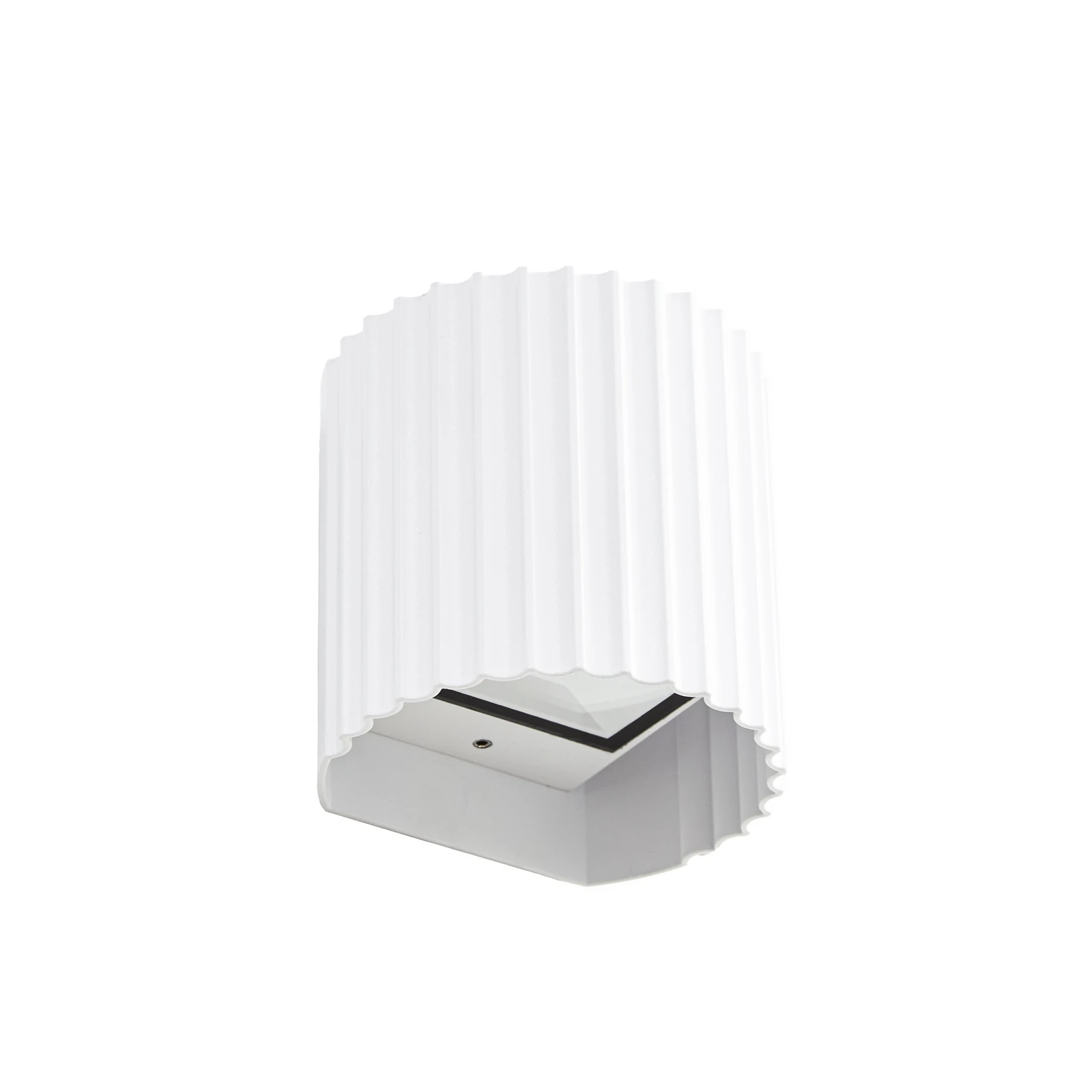
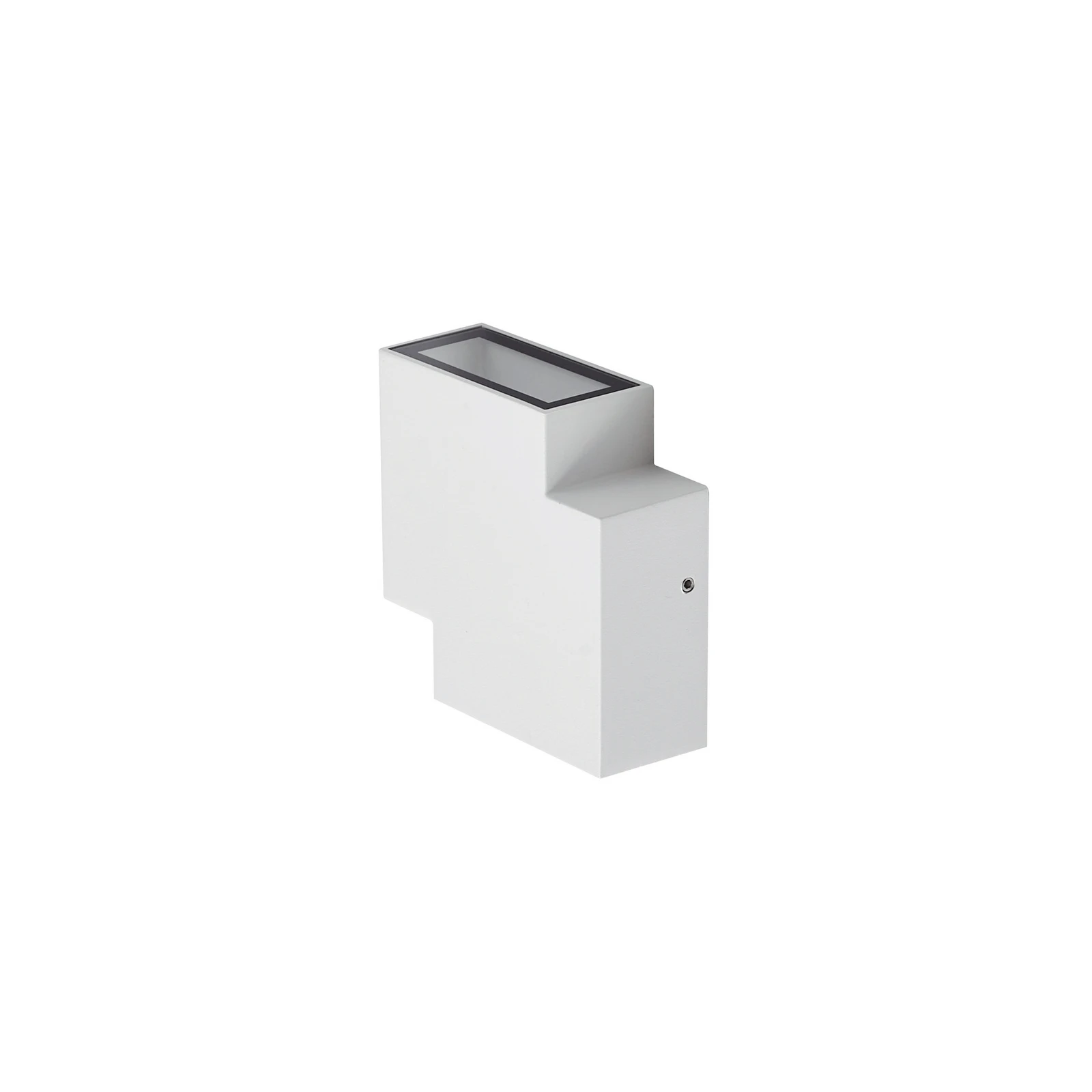
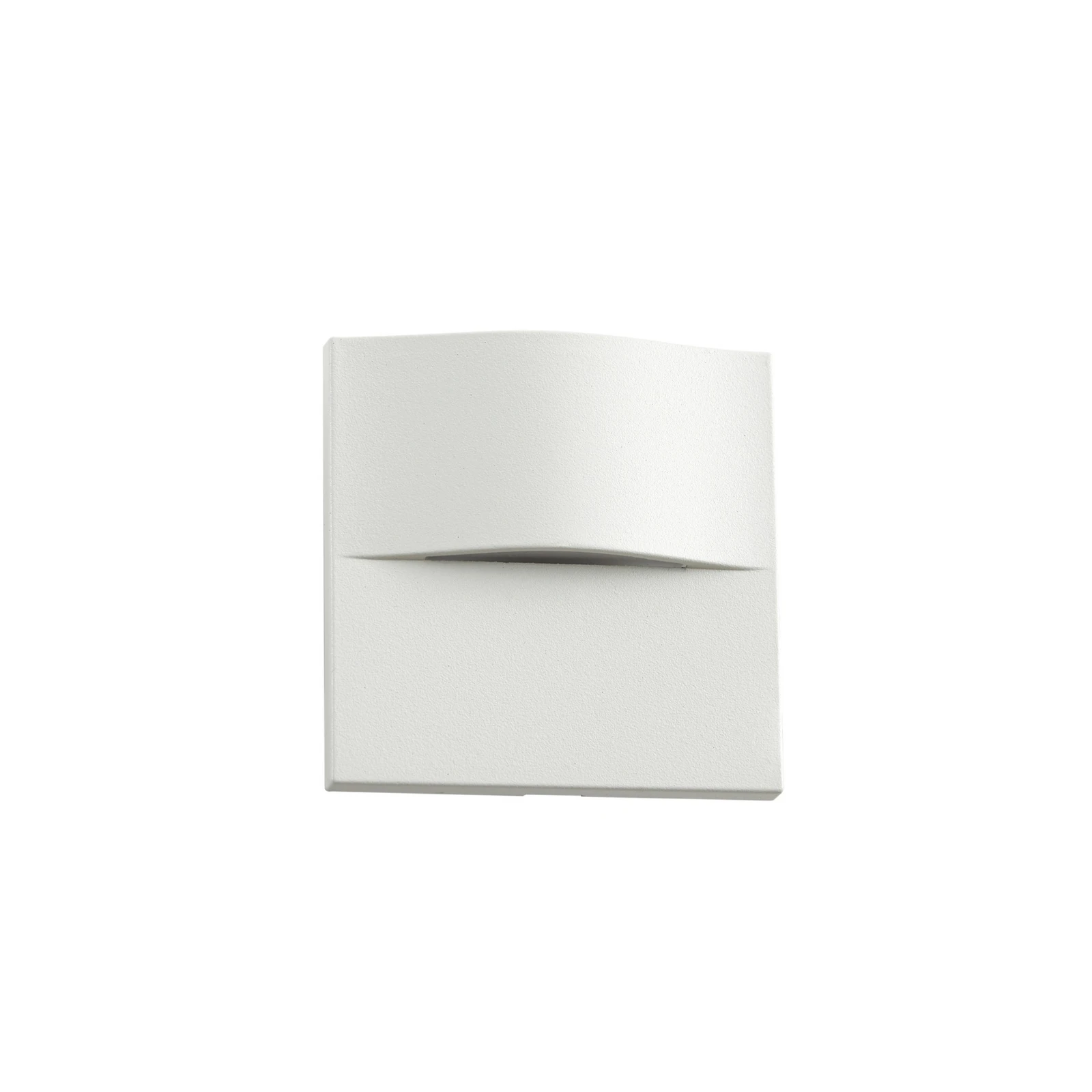
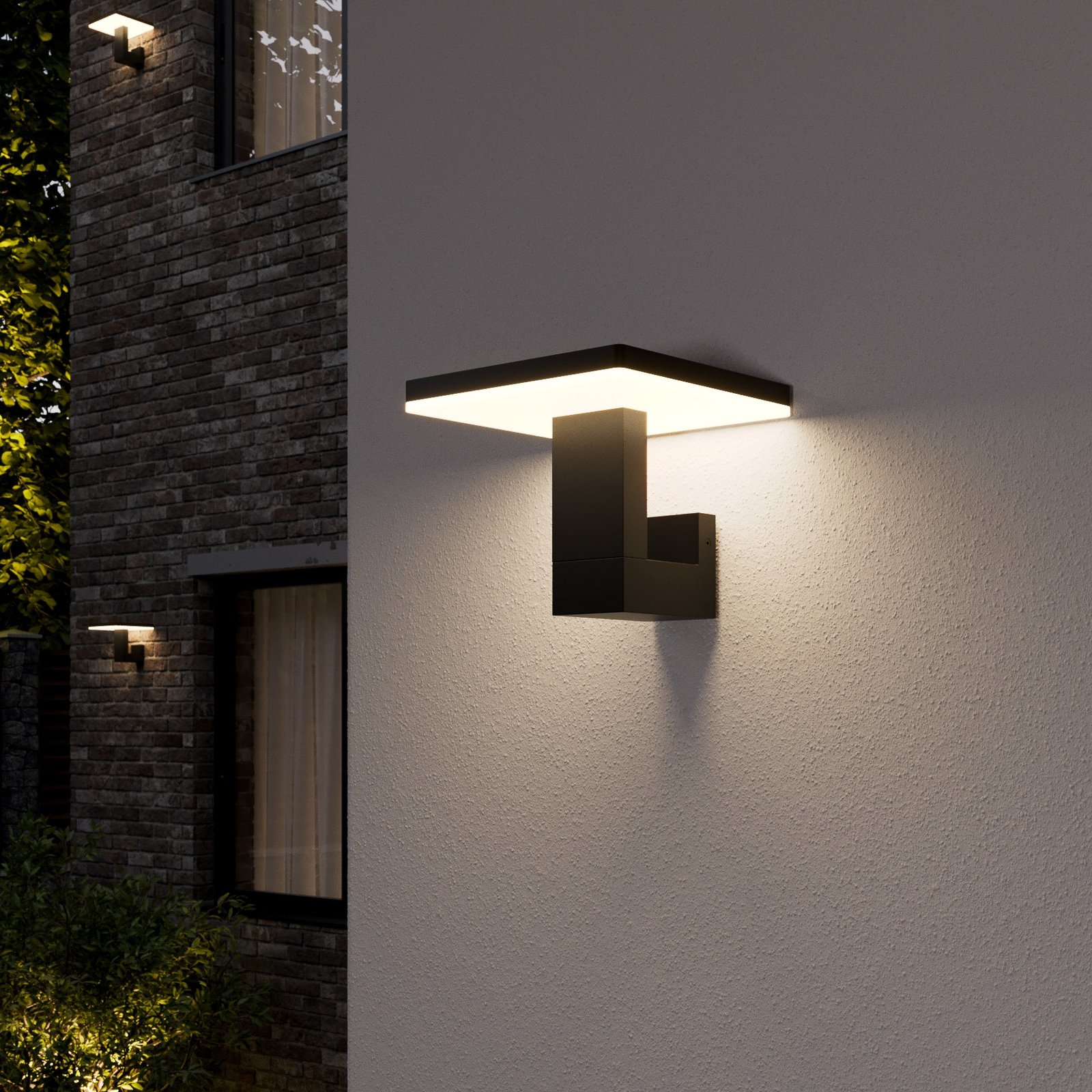
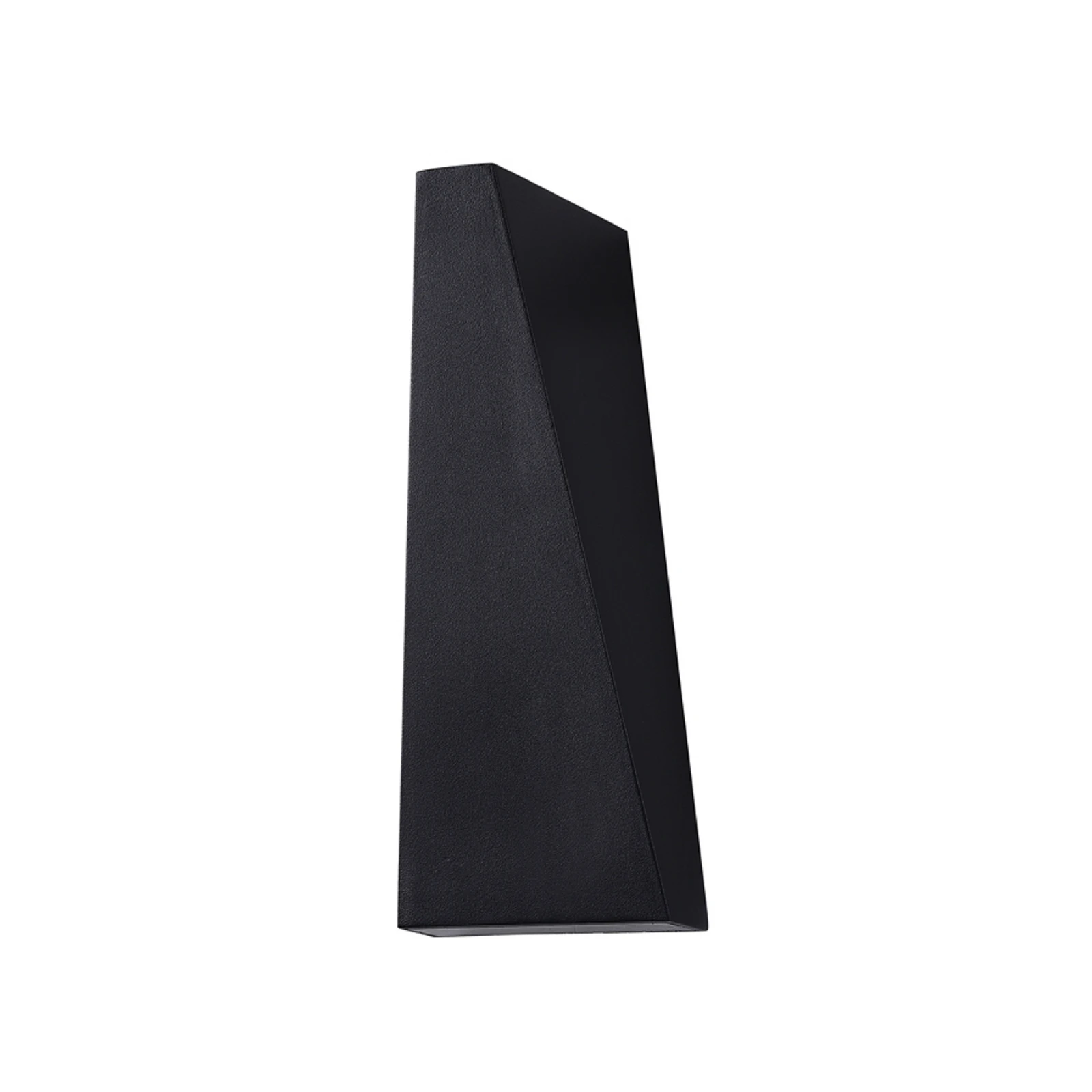
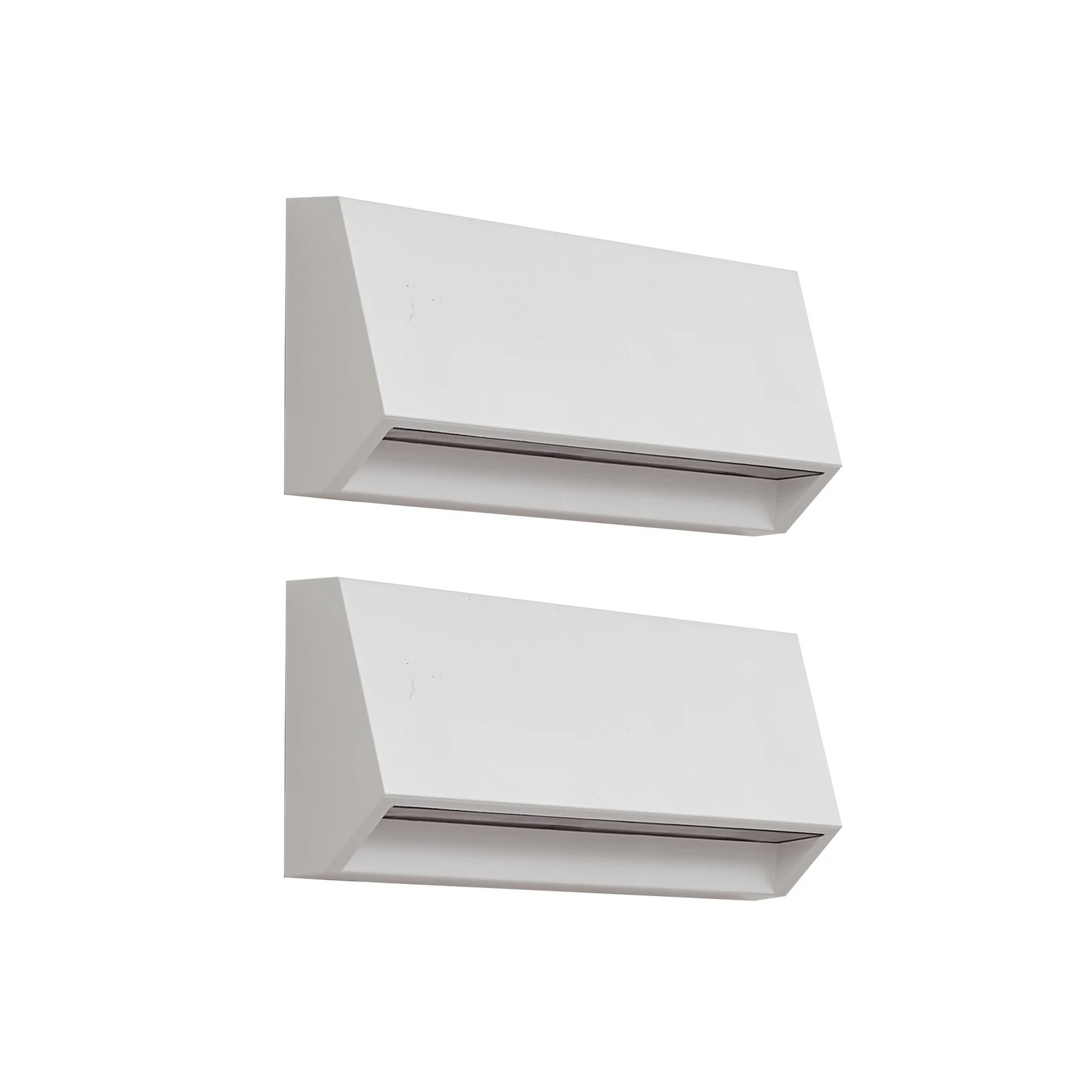
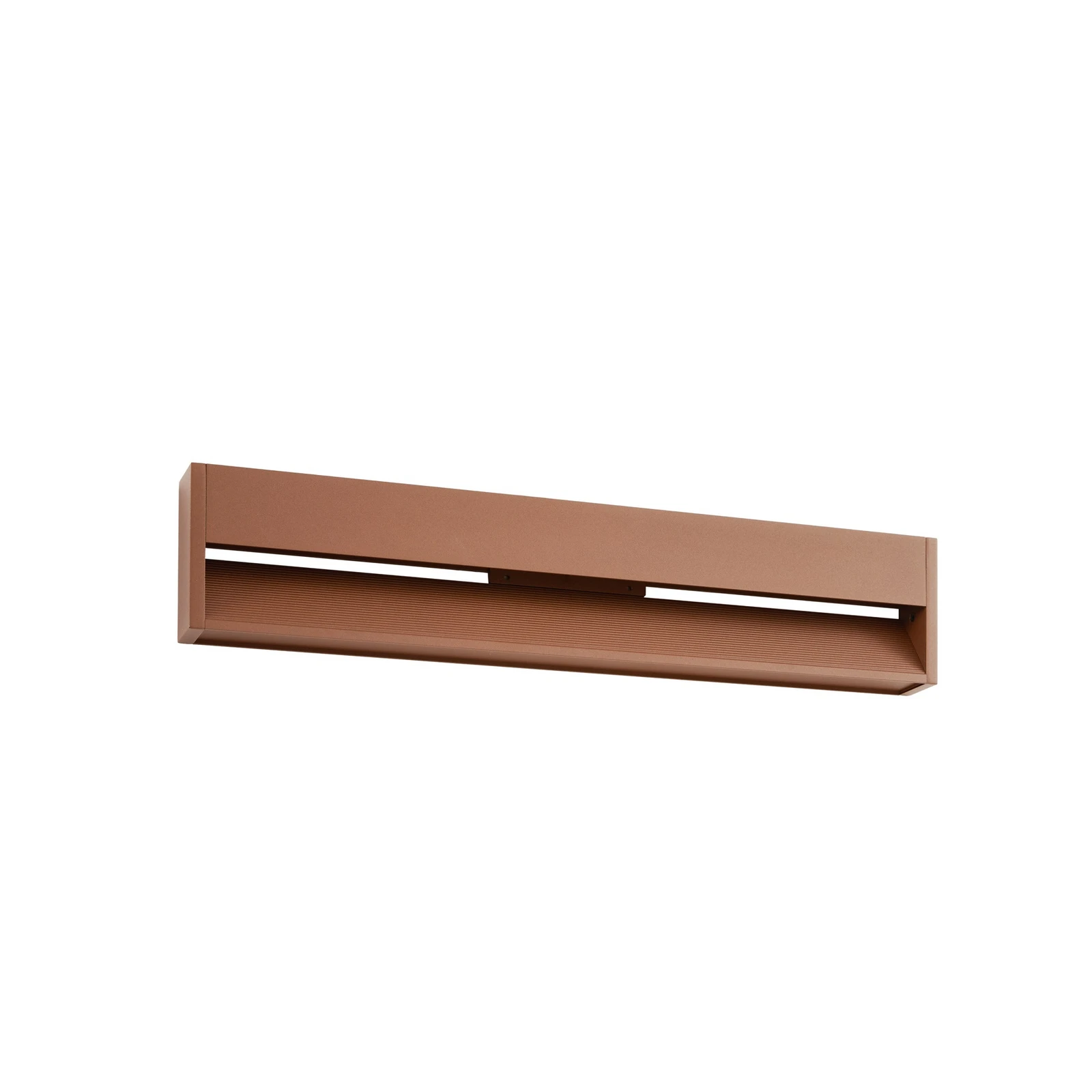
Black, gray, and anthracite lights appear more contrasting on light walls. On darker facades, similar color tones appear more subdued. Besides the color, the shape influences the overall impression. Slim or angular outdoor wall lights fit well with clearly structured facades, while a lantern shape is more perceived as an independent design element. On narrow terraces with limited space, the projection is important. A flat design keeps the area in front of the wall clear and reduces possible conflicts with doors or pathways.
Mounting height and distance: Install outdoor wall lights on the terrace without glare
Outdoor wall lights should be positioned so that the light source is outside direct eye level and does not glare at people sitting or passing by. There is no fixed standard height, as shape, radiance direction, and mounting location influence the optimal position. An openly visible light source, for example, requires more distance to the direct line of sight than a shielded light with downward-directed light.
With multiple wall lights, the distance is oriented toward the respective light output and the desired facade effect. Narrow light cones typically require a different distribution than wide-beam models. For a uniform overall picture, the illuminated areas should complement each other sensibly, without individual wall sections appearing too bright or too dark.
Doors, windows, seating areas, and pathways should also be considered in positioning. Therefore, three main points are crucial: minimal glare, appropriate illumination of the terrace, and a cohesive lighting image on the facade.
Outdoor wall lights for the terrace: IP protection class, LED, and light color
An outdoor wall light for the terrace must be suitable for the intended installation site. Outdoors, moisture, rain, dirt, and depending on the location, other weather influences affect the housing and electrical components. The appropriate IP protection class, therefore, depends on how protected or unprotected the light is mounted on the facade. A light under a wide overhanging roof is exposed to different conditions than a model on an open outer wall. Indoor lights are not automatically suitable for this application.
LED is a common lighting technology for outdoor wall lights. Depending on the model, the LEDs are either permanently integrated, or the light has a socket for a replaceable light source. The light color also influences the use. Warm white light is especially suitable for seating areas, while neutral white creates a more factual lighting effect. For an open house facade without a protective overhang, the actual weather conditions at the installation site are particularly important.
Terrace wall lights with motion sensor, dimming function, smart control, or solar
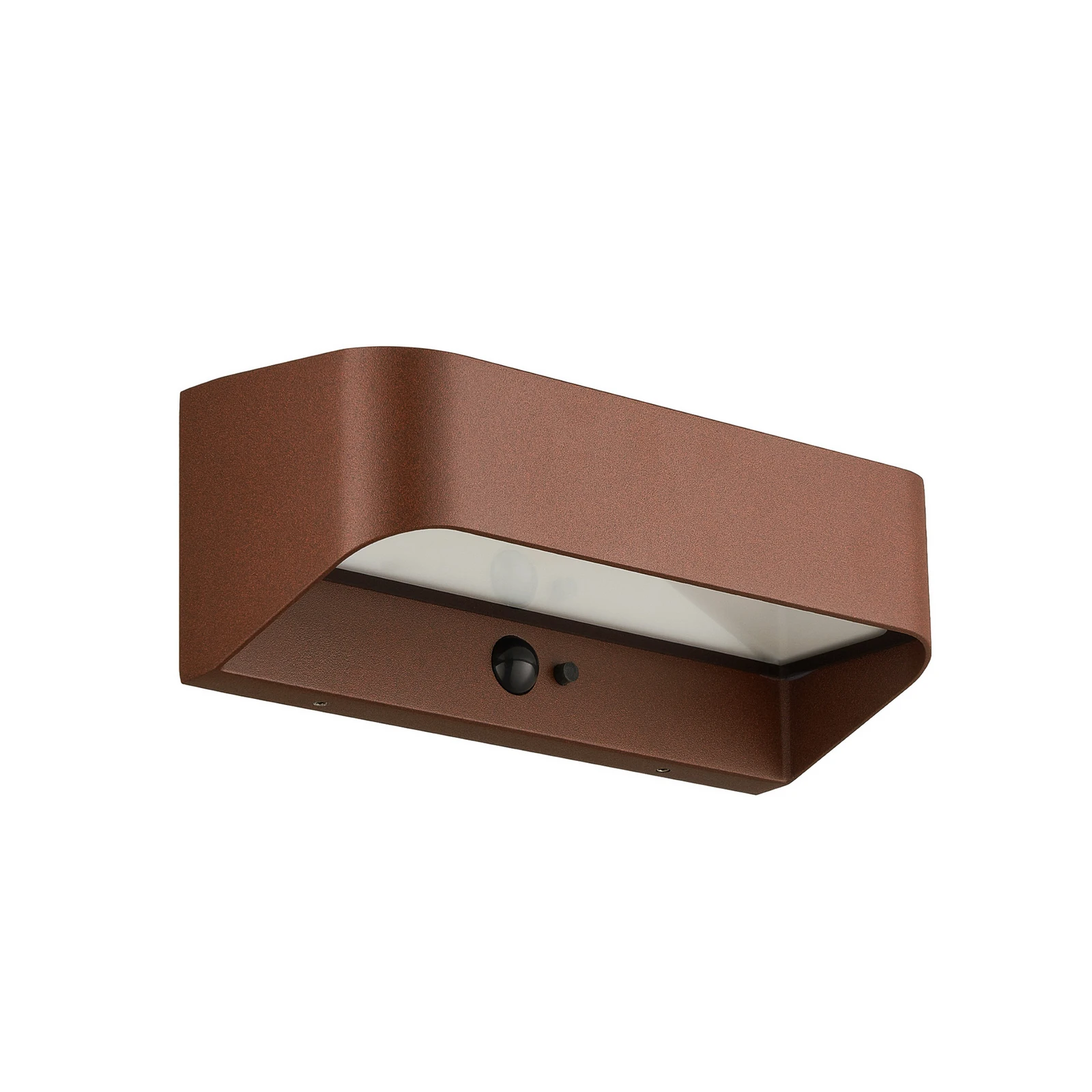
Additional functions mainly change the way the lighting is used in everyday life. A wall light with a motion sensor turns on when movement is detected and is therefore suitable for patio doors or pathways that should not be permanently illuminated. At a seating area, a dimmable light offers more flexibility when different brightness levels are desired during eating, conversations, or for orientation.
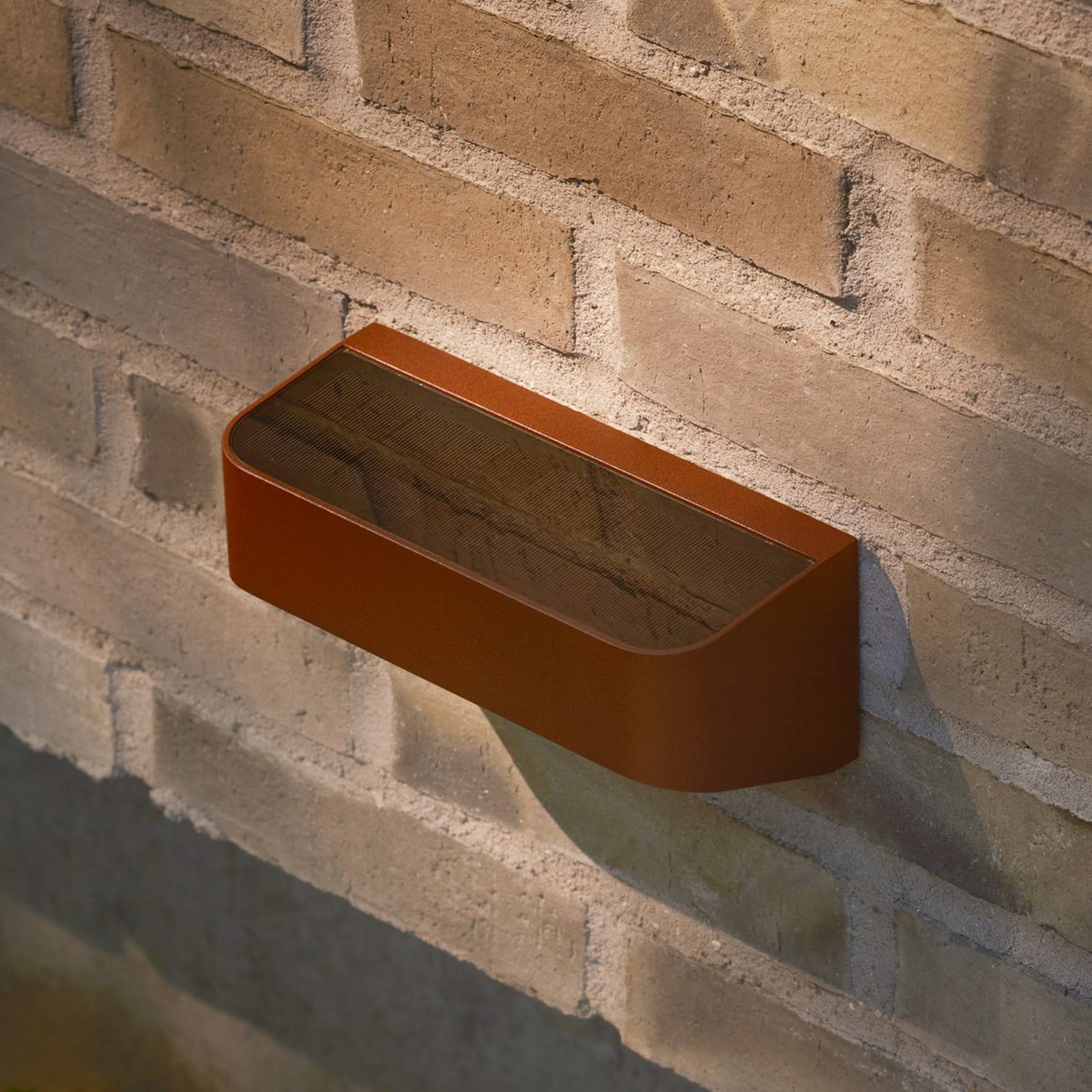
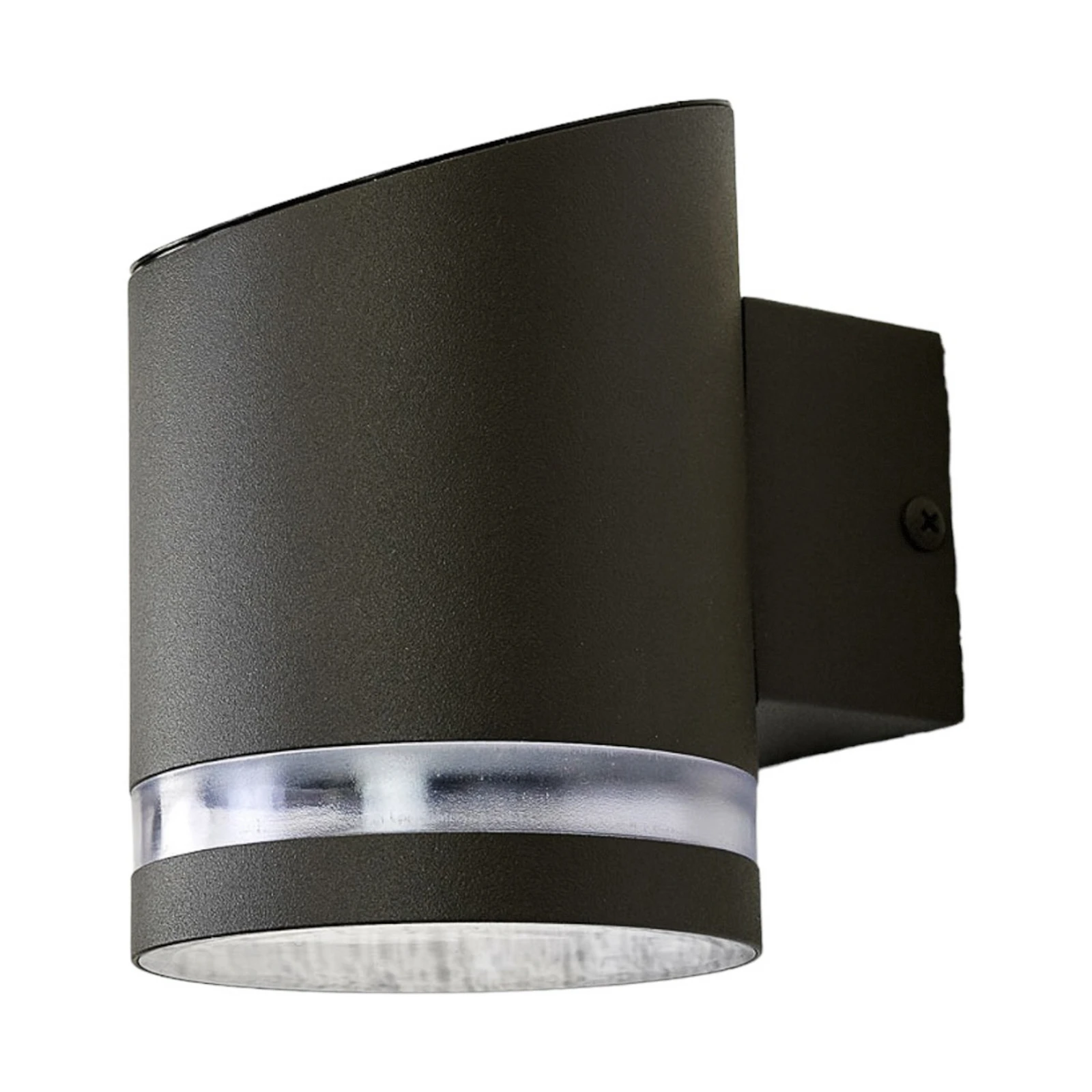
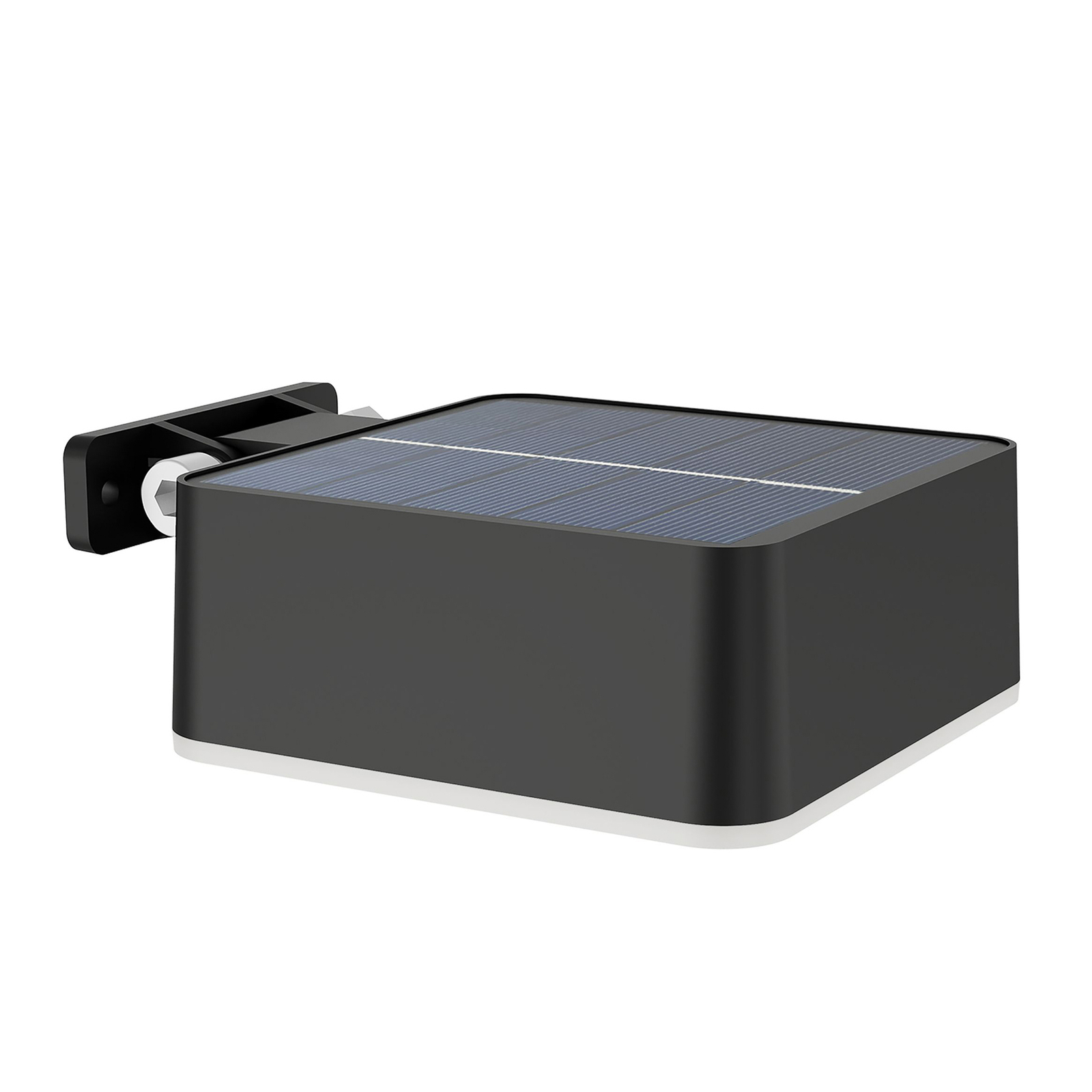
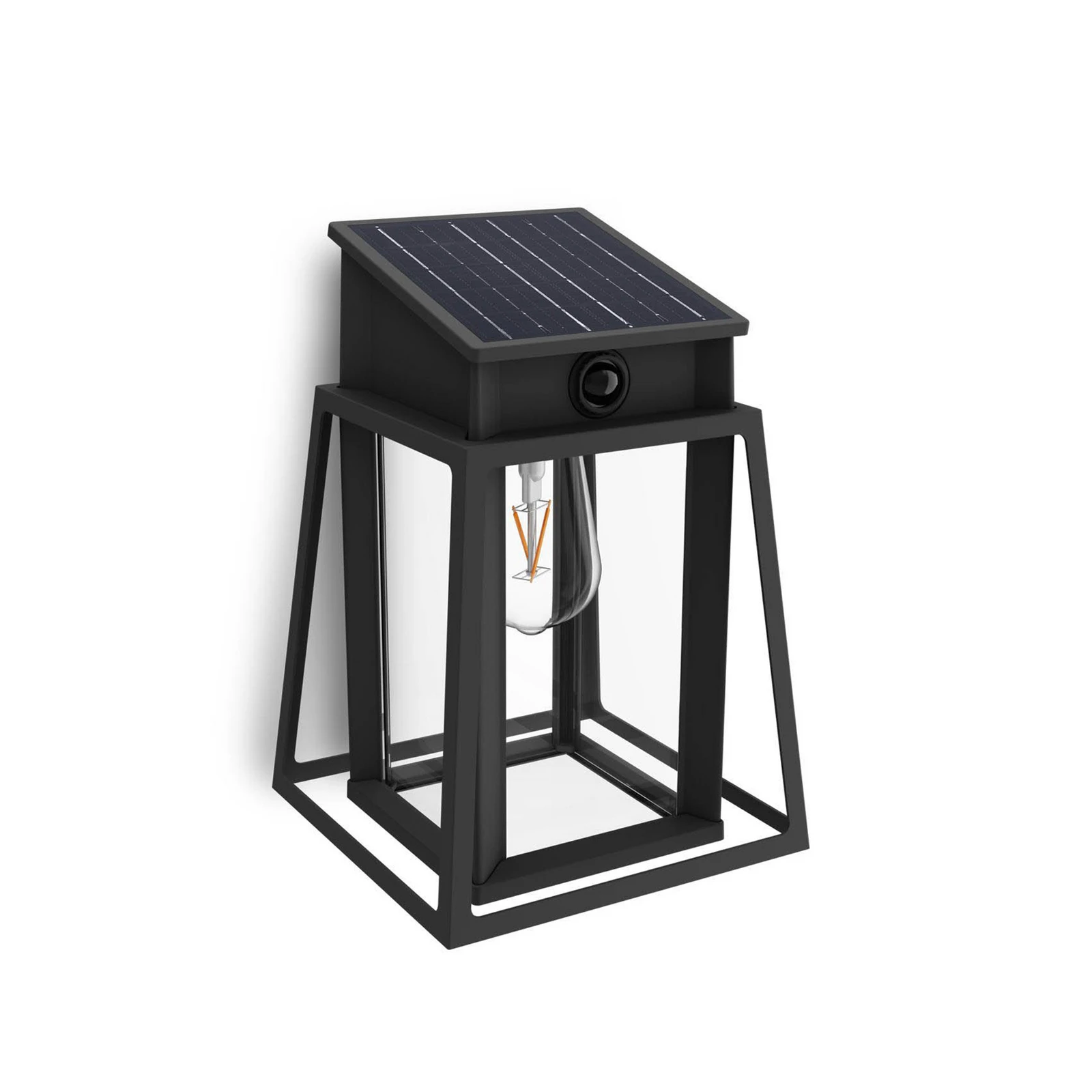
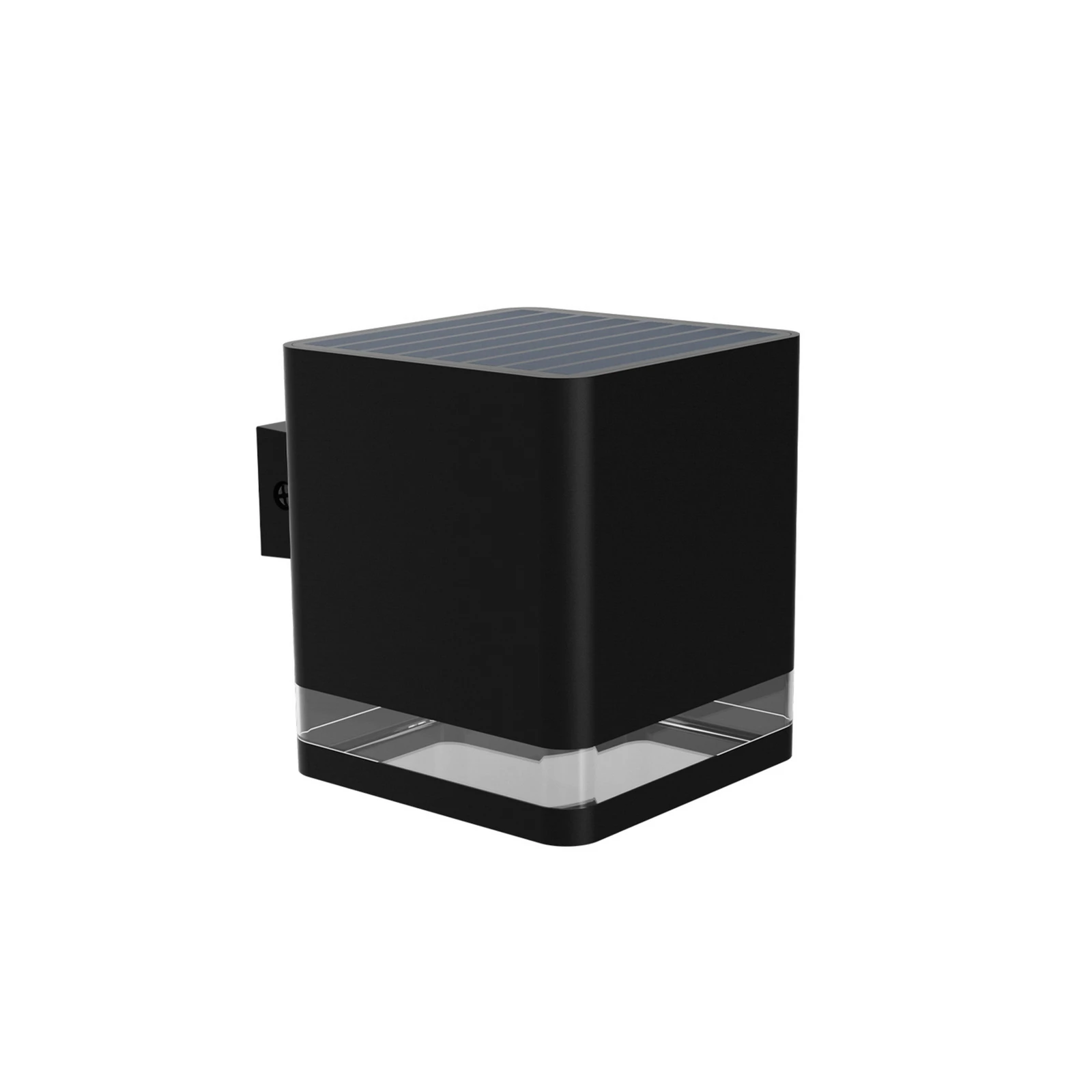
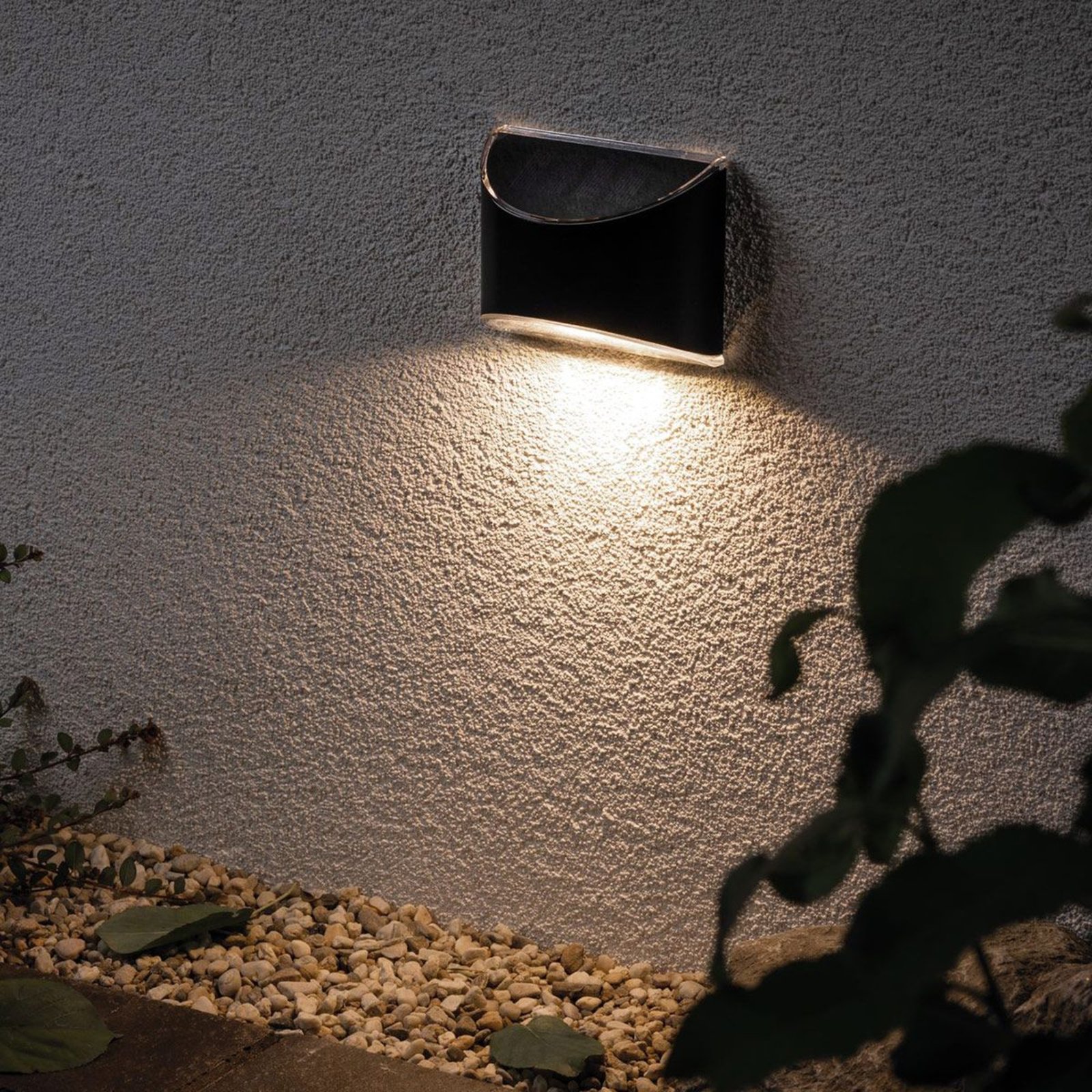
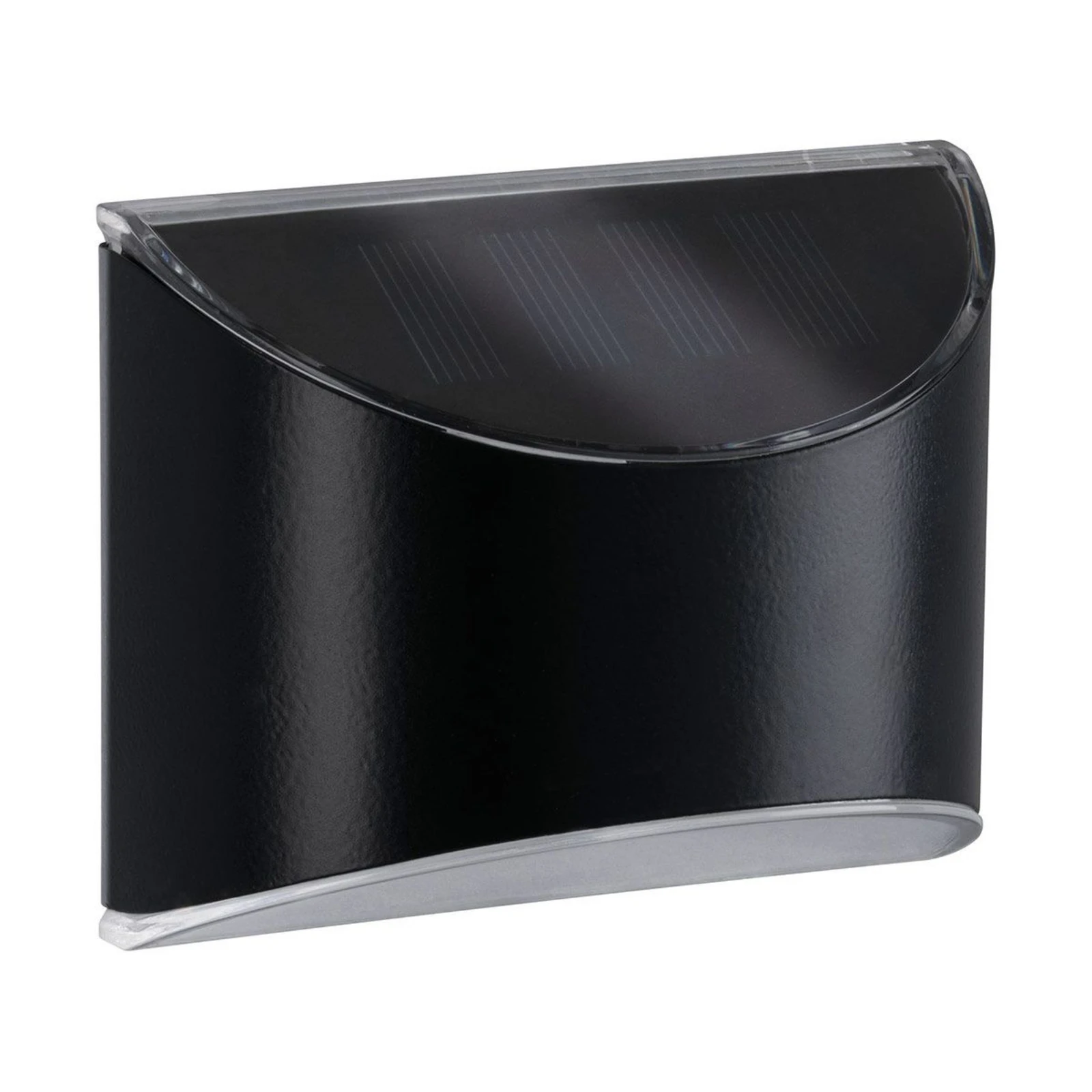
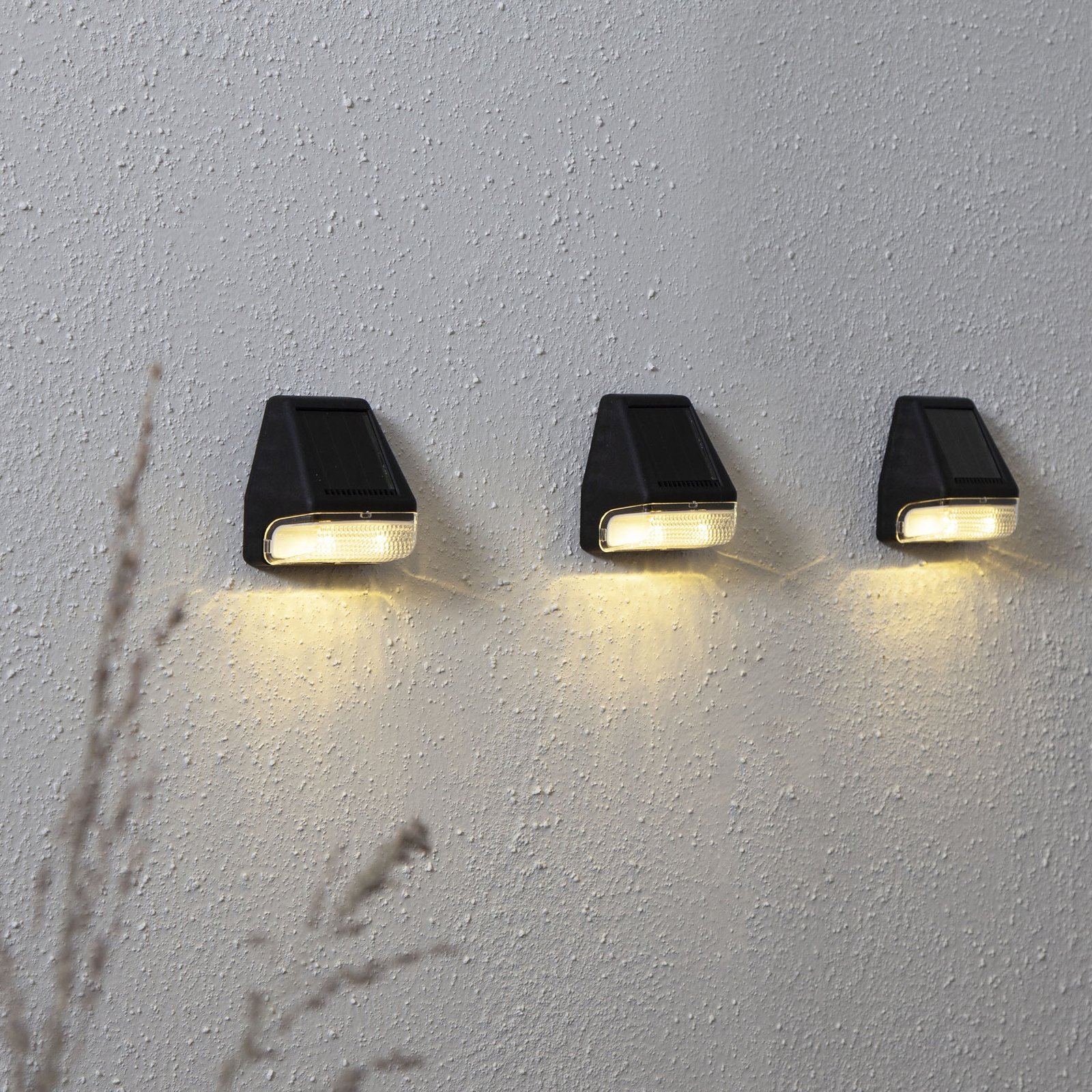
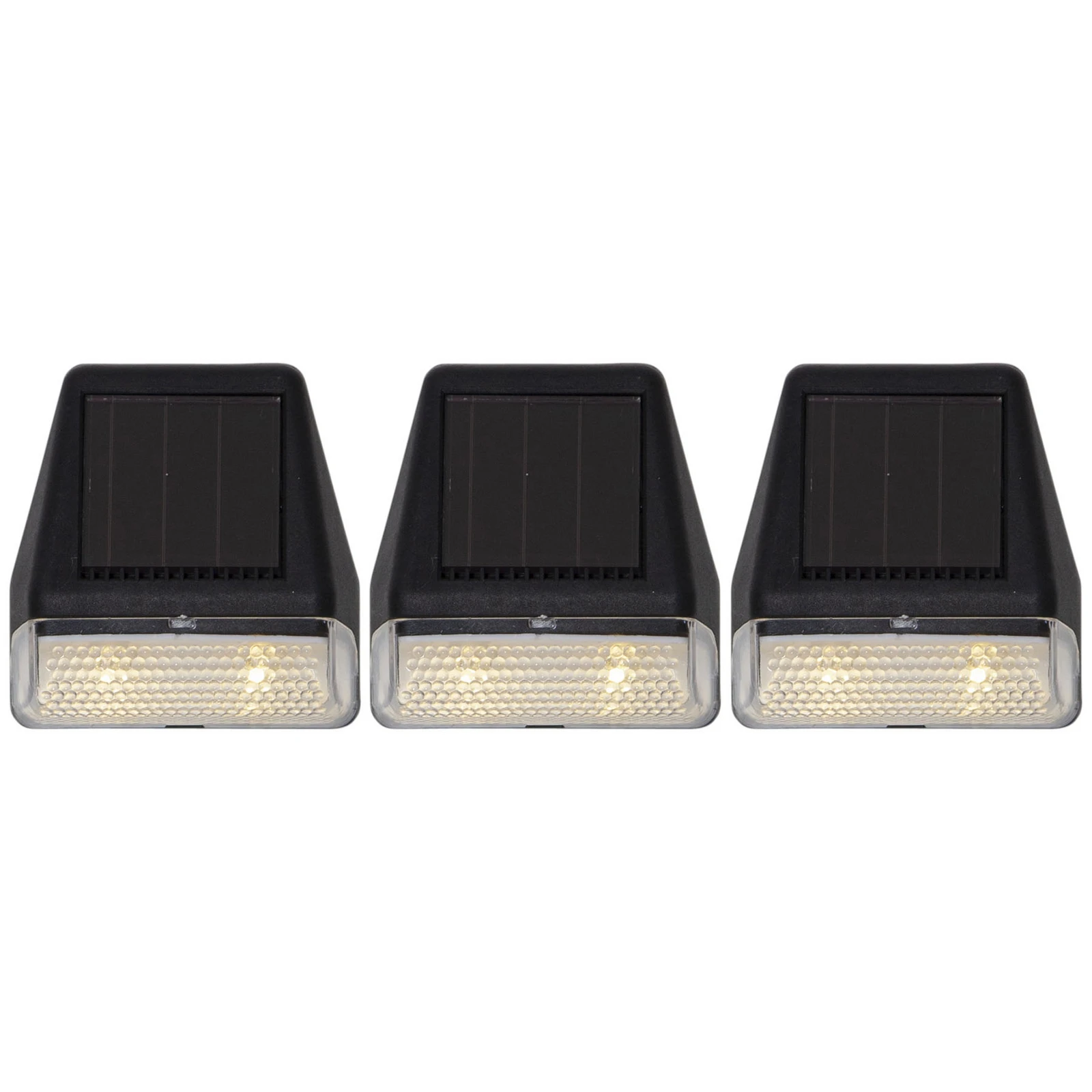
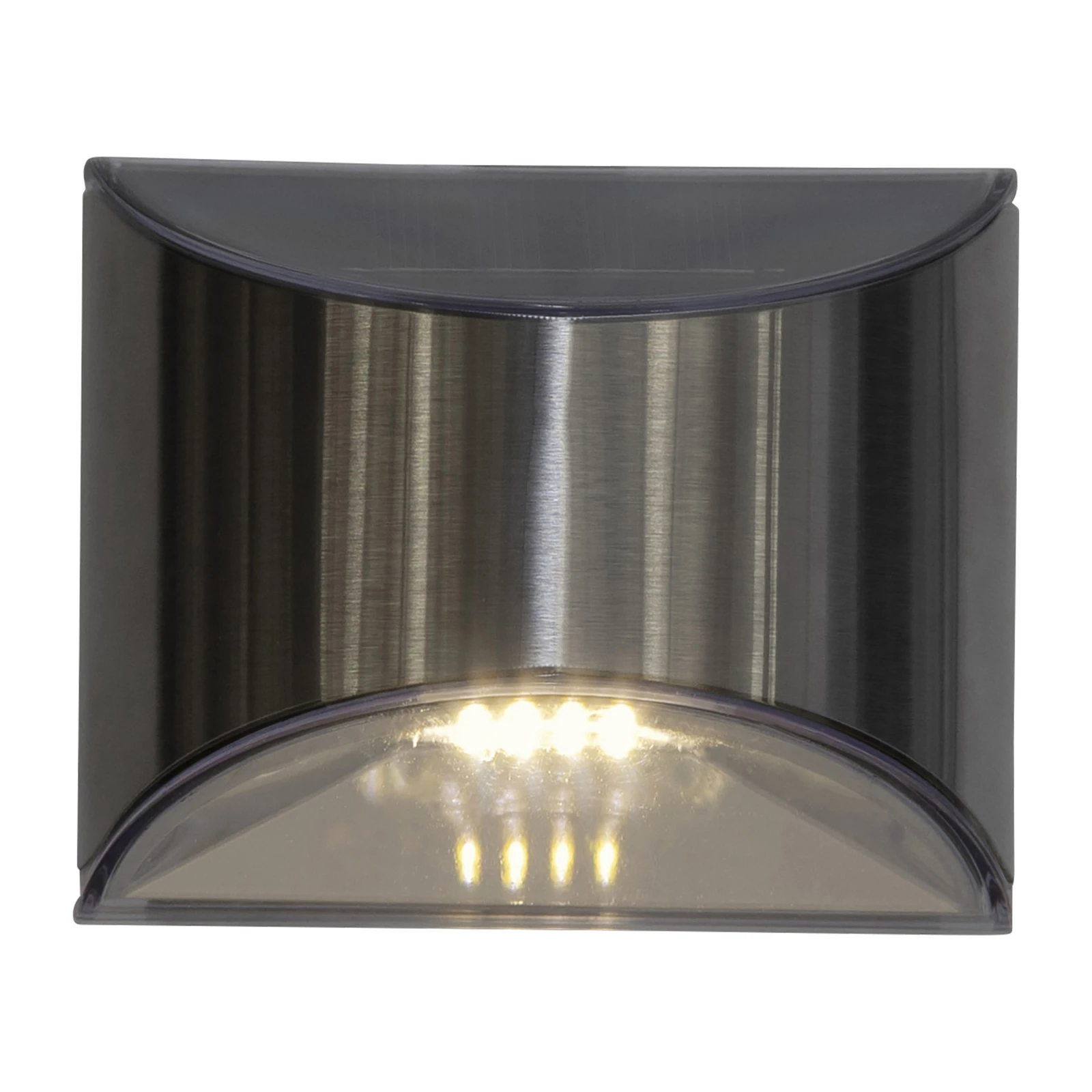
With smart-controllable outdoor wall lights, brightness, switching times, or color changes can be set depending on the model. The key is which functions actually suit the use of the terrace. Solar outdoor wall lights do not require a power connection on the wall but rely on sufficient sunlight for their energy supply at the respective location. A permanently shaded side of the house, therefore, presents different requirements than a sunny outer facade. When choosing between hardwired, smart-controllable, or solar-powered lighting, the installation site and desired controls are therefore crucial.