








































:format(jpeg) "5 Tipps zum Energiesparen")
Tips for Saving Energy
Save electricity with smart lighting choicesRising energy costs and growing environmental awareness make electricity savings more important than ever for many households. The good news: noticeable savings can be achieved with small measures. Modern smart home solutions and energy-efficient lighting, in particular, help to permanently reduce power consumption. We show you practical tips that are easy to implement.
)
)
)
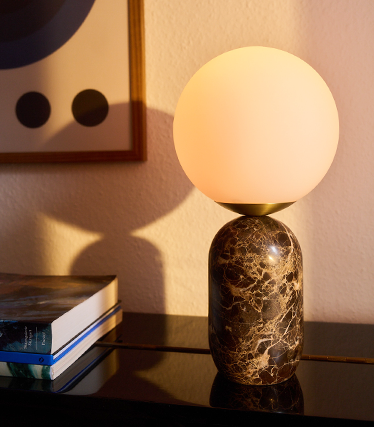
Energy-efficient LED lamps already save a lot of money
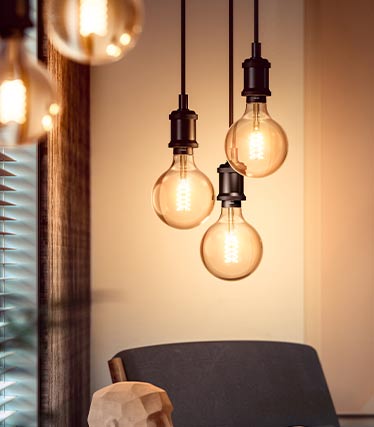
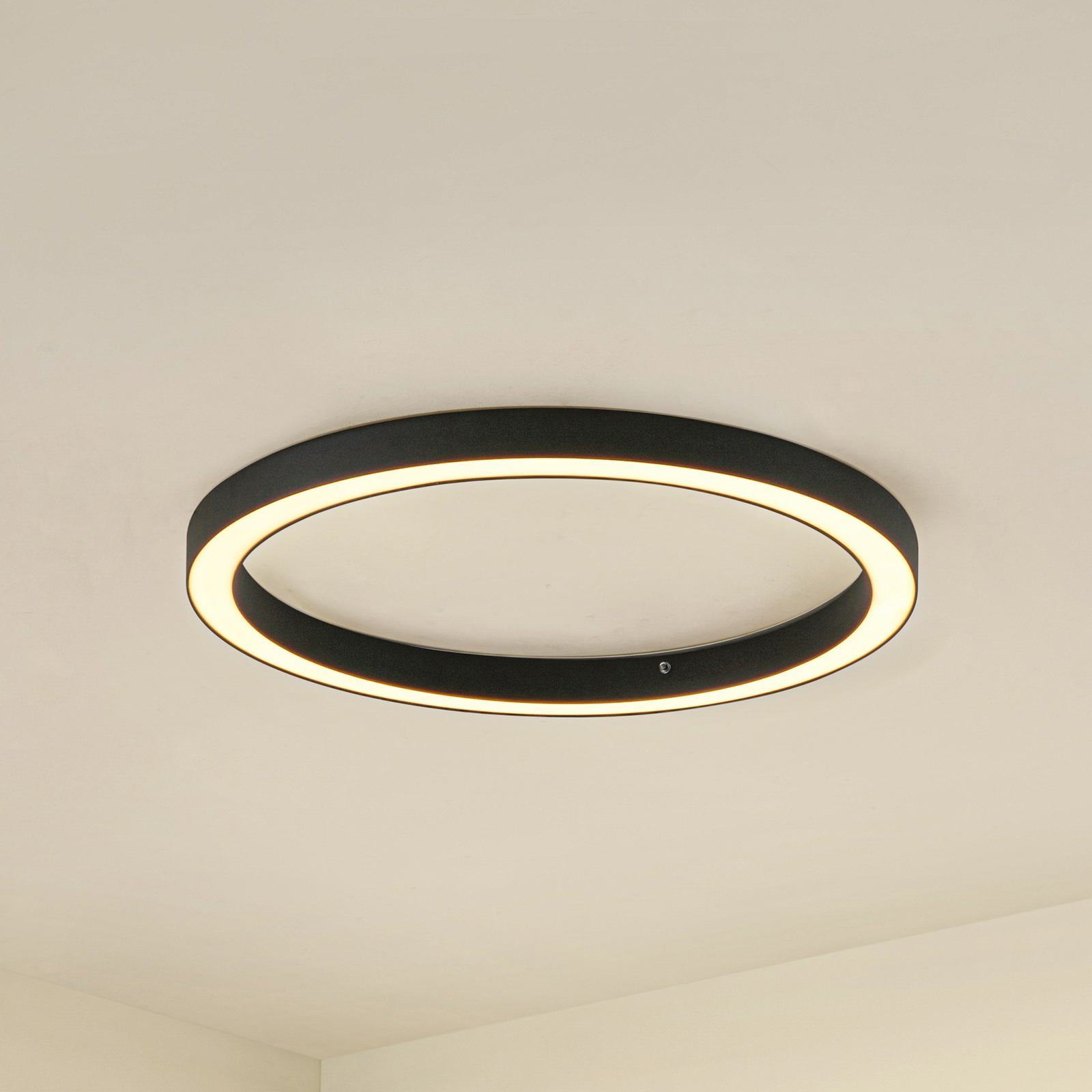
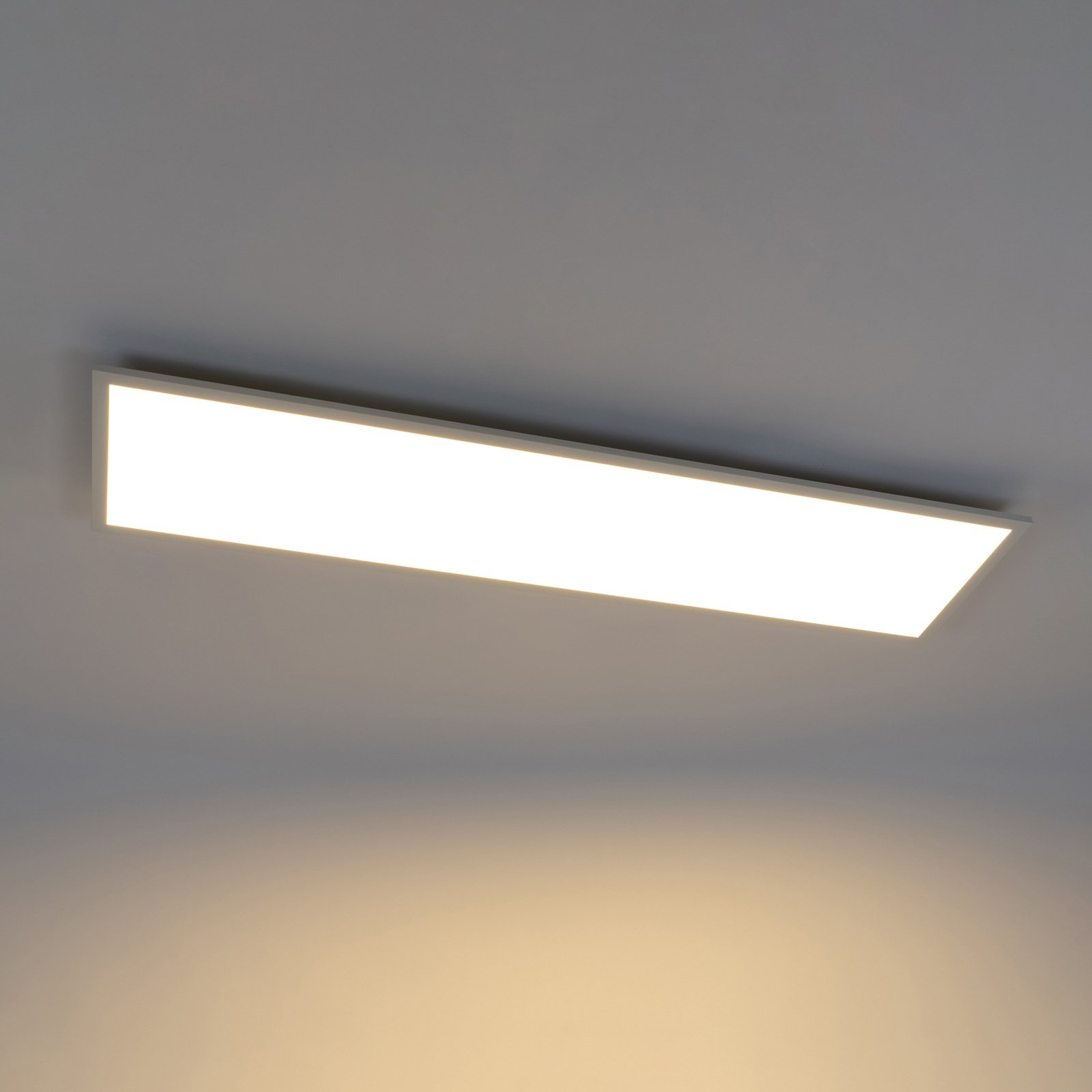
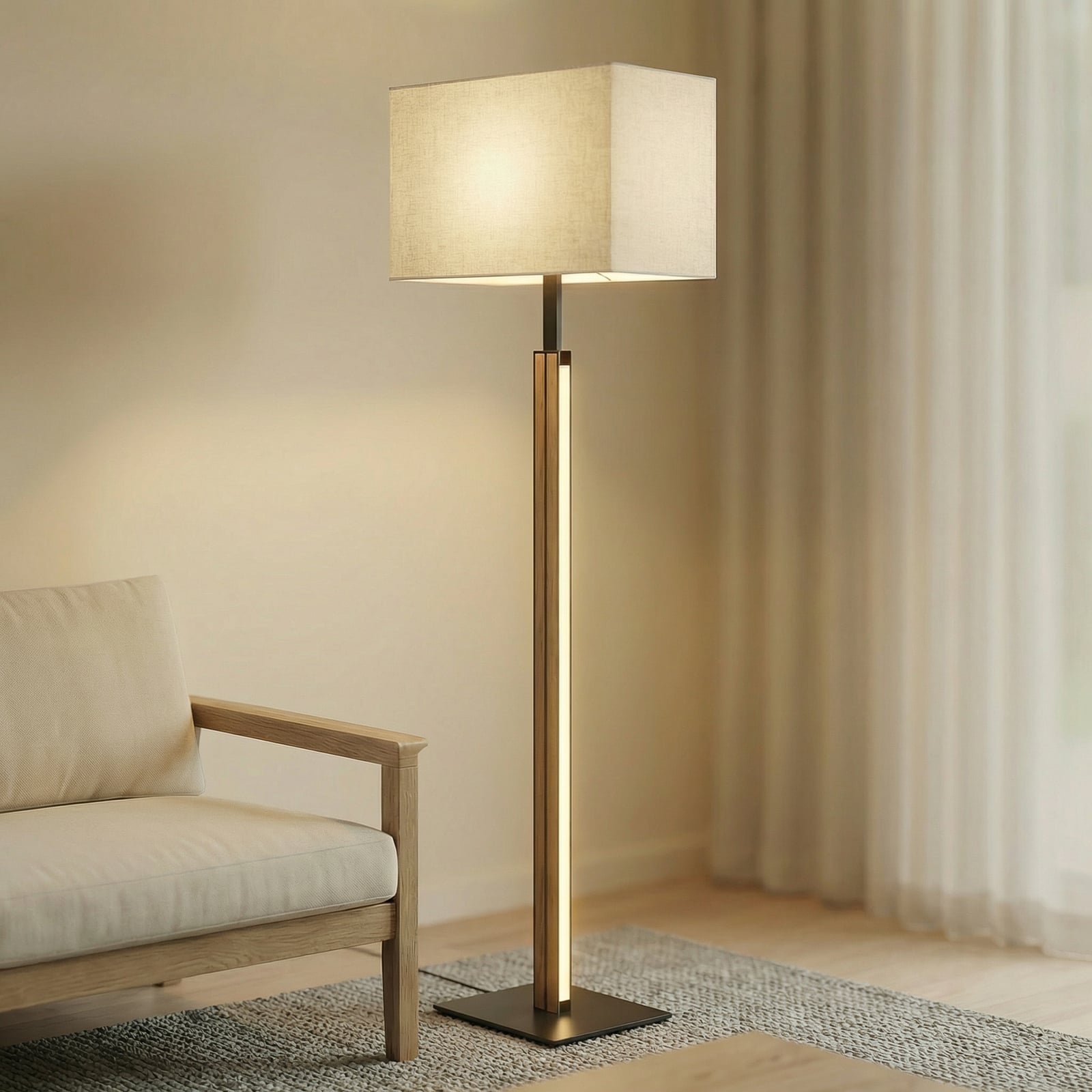
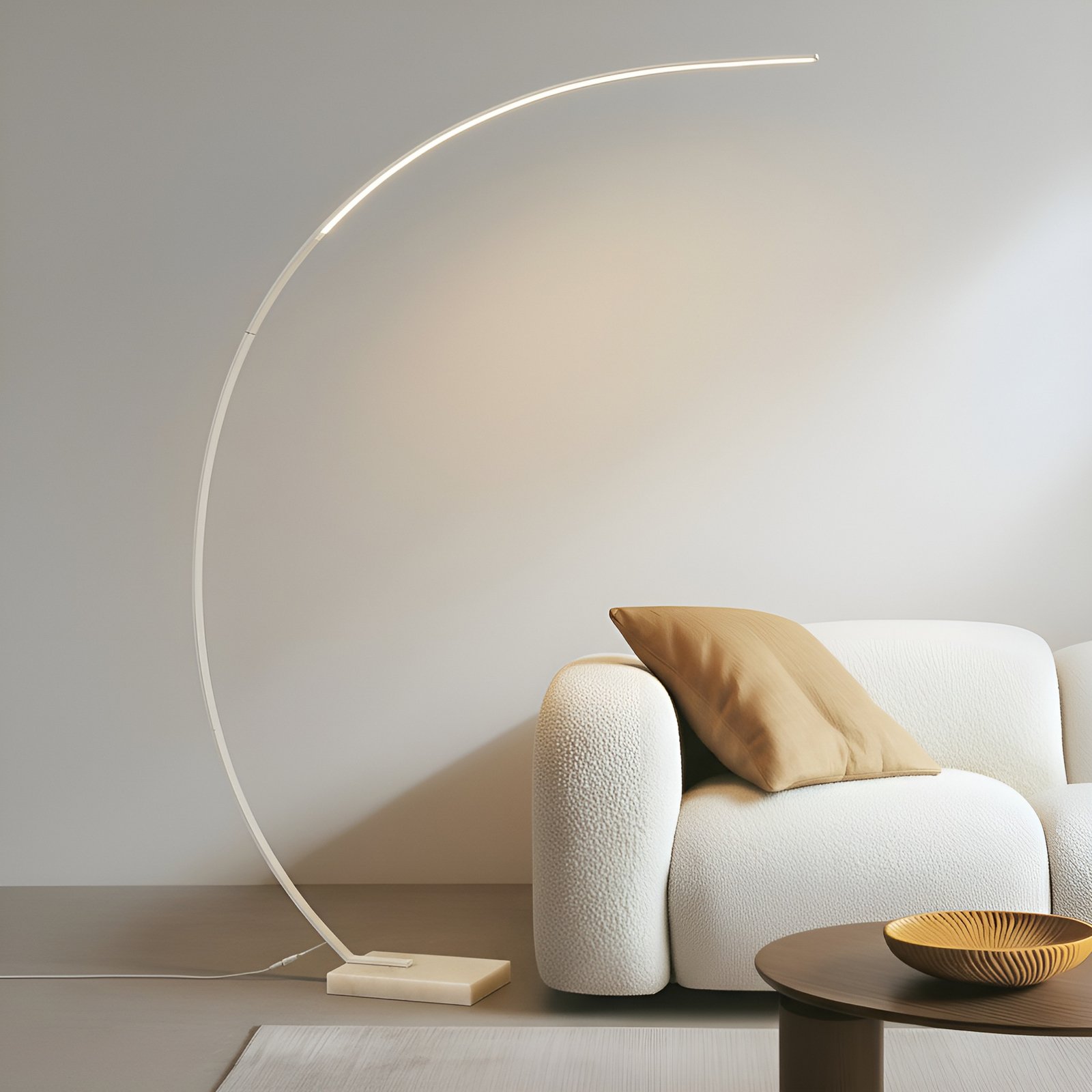
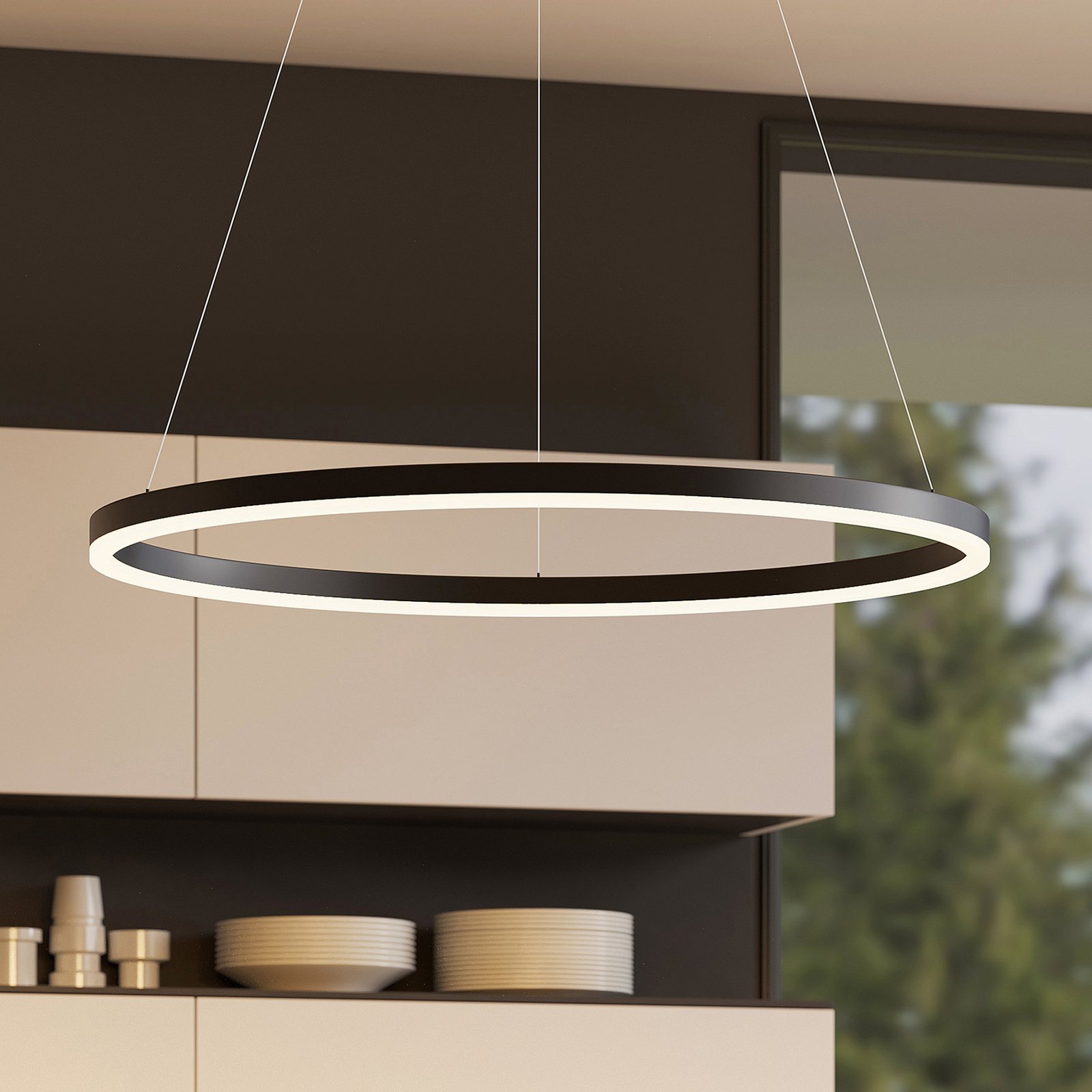
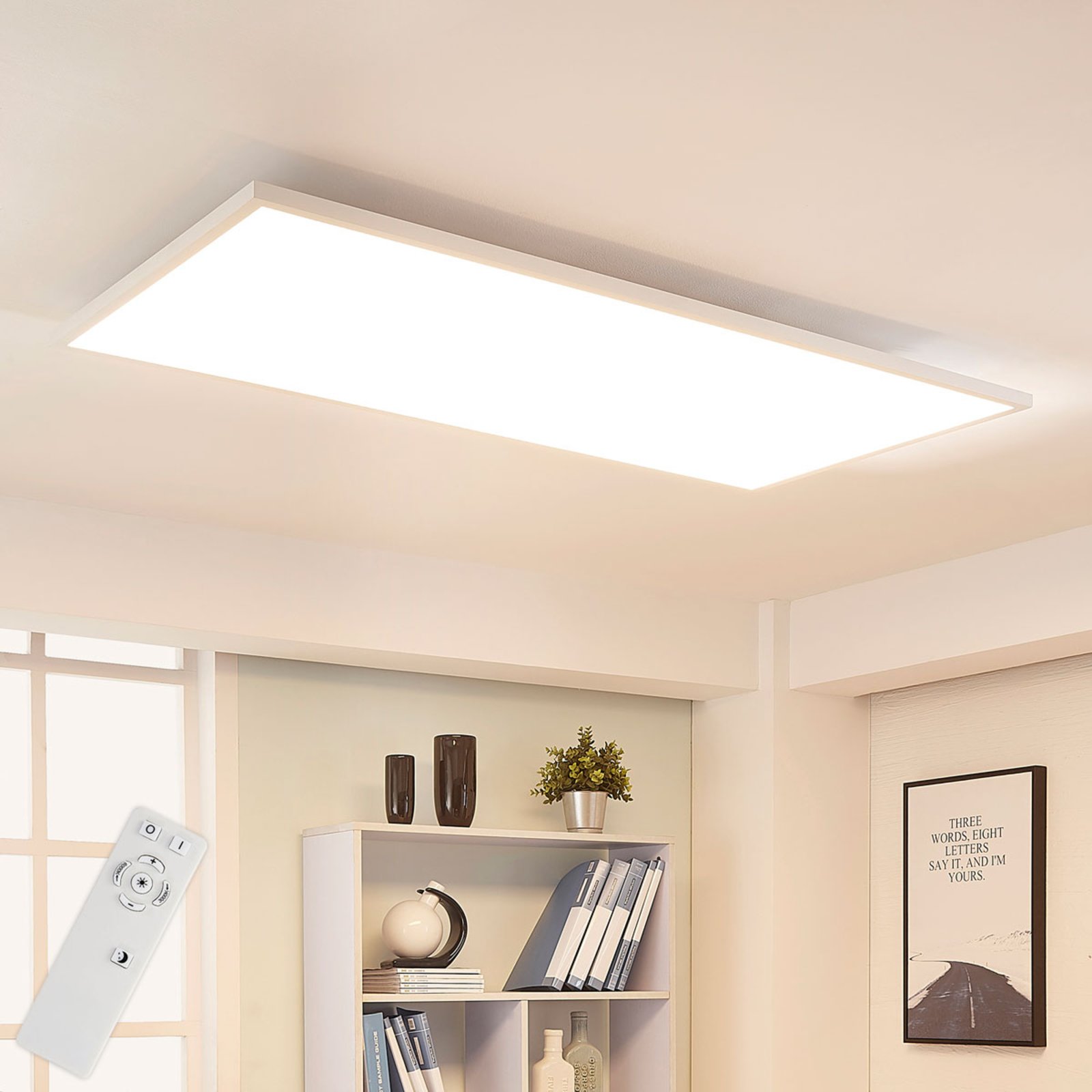
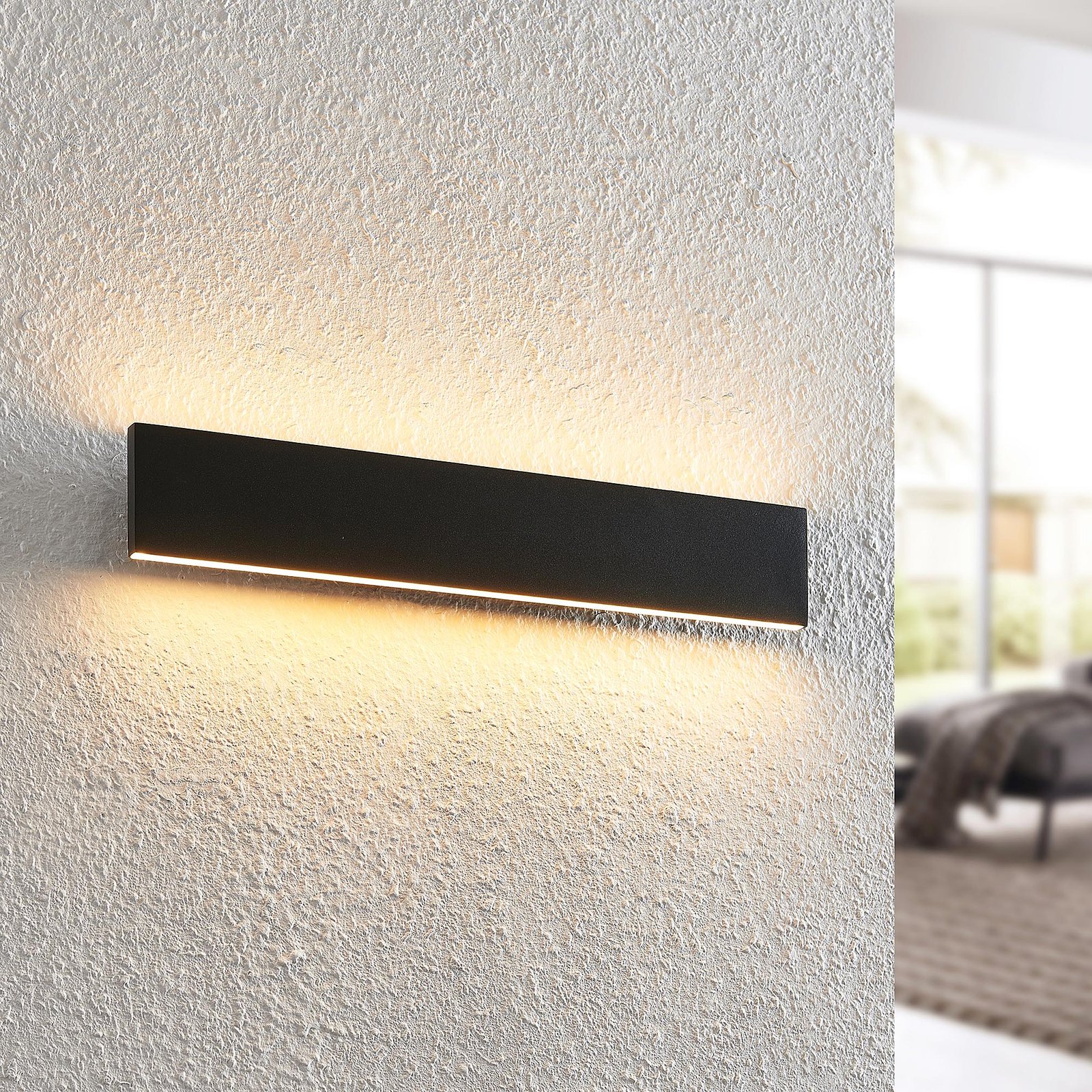
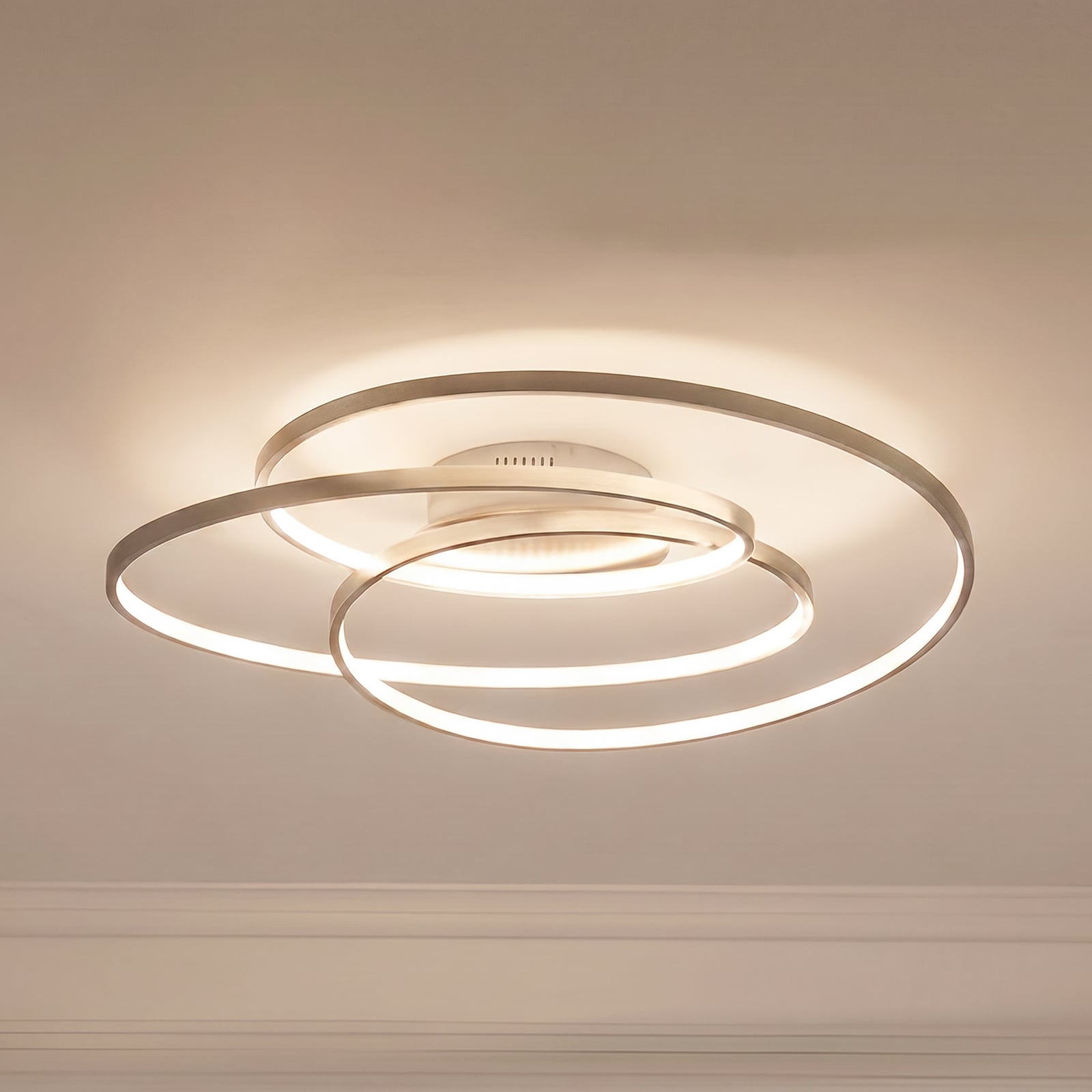
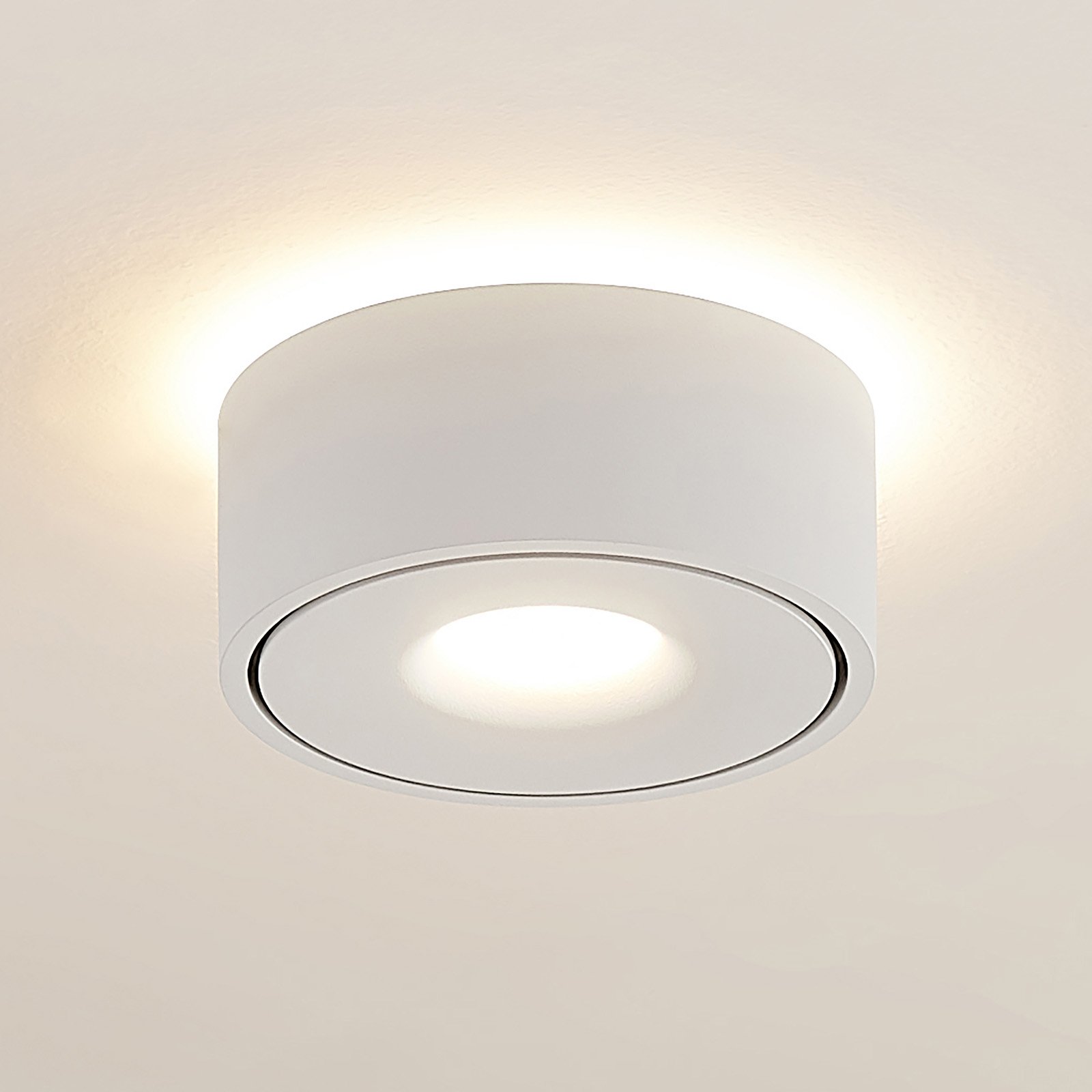
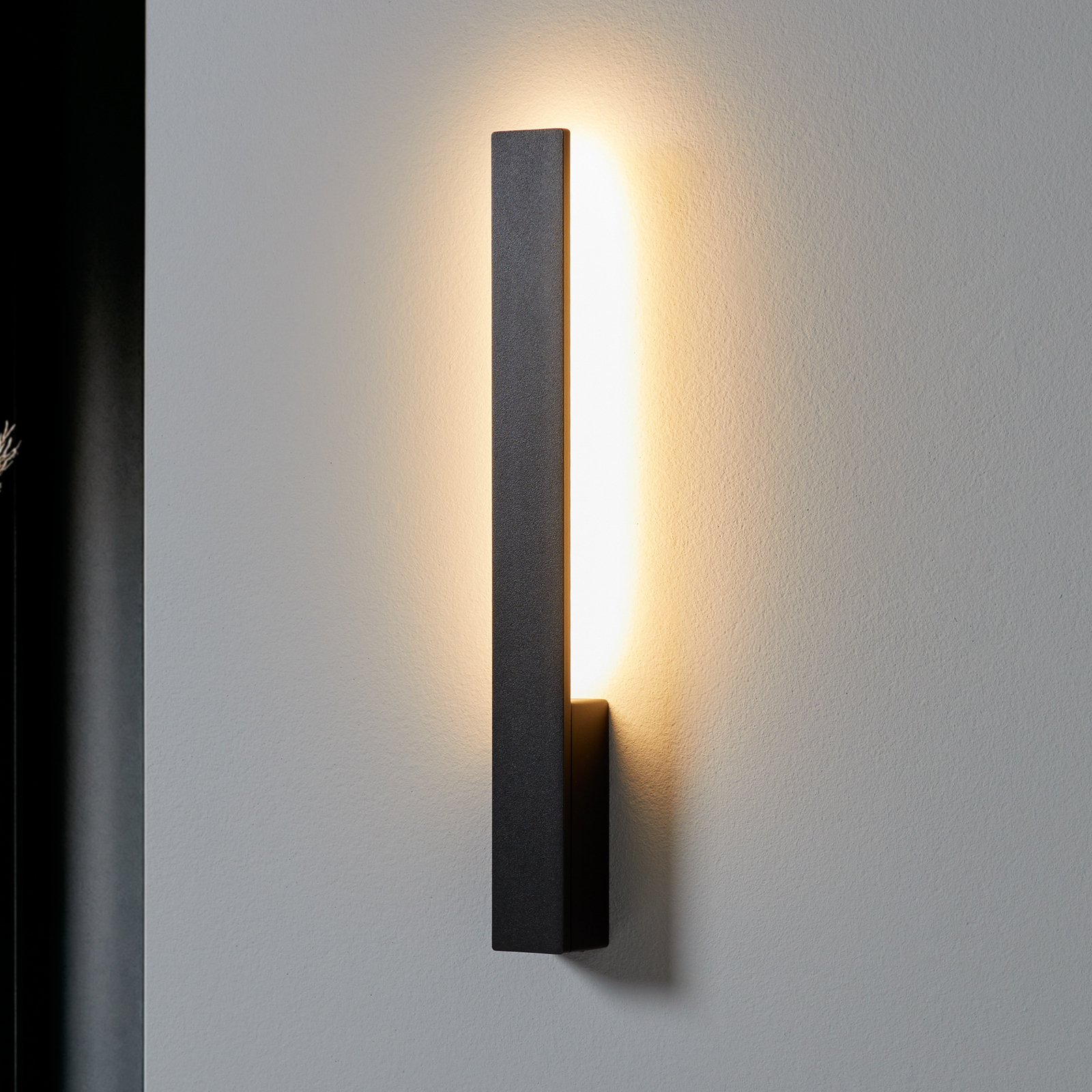
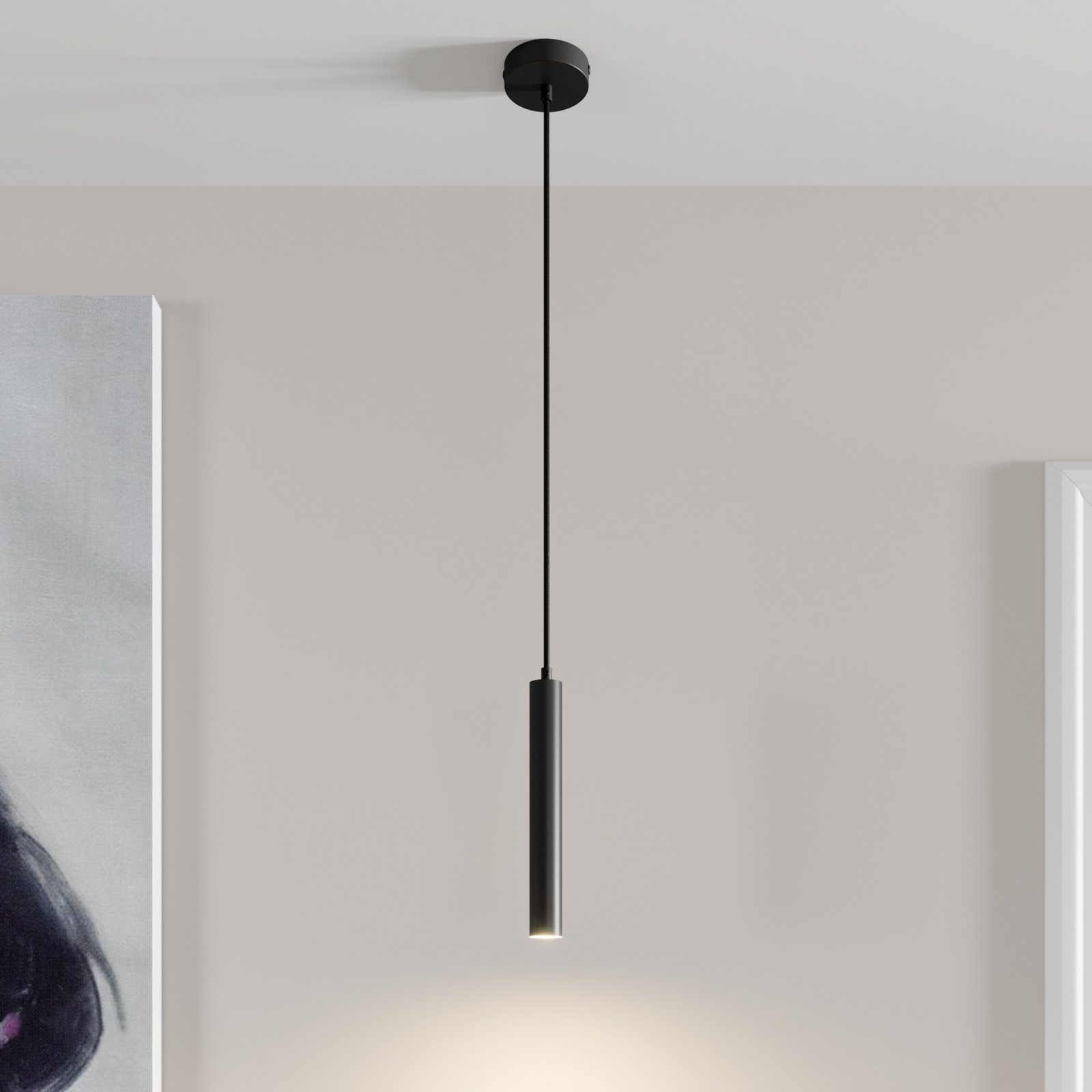
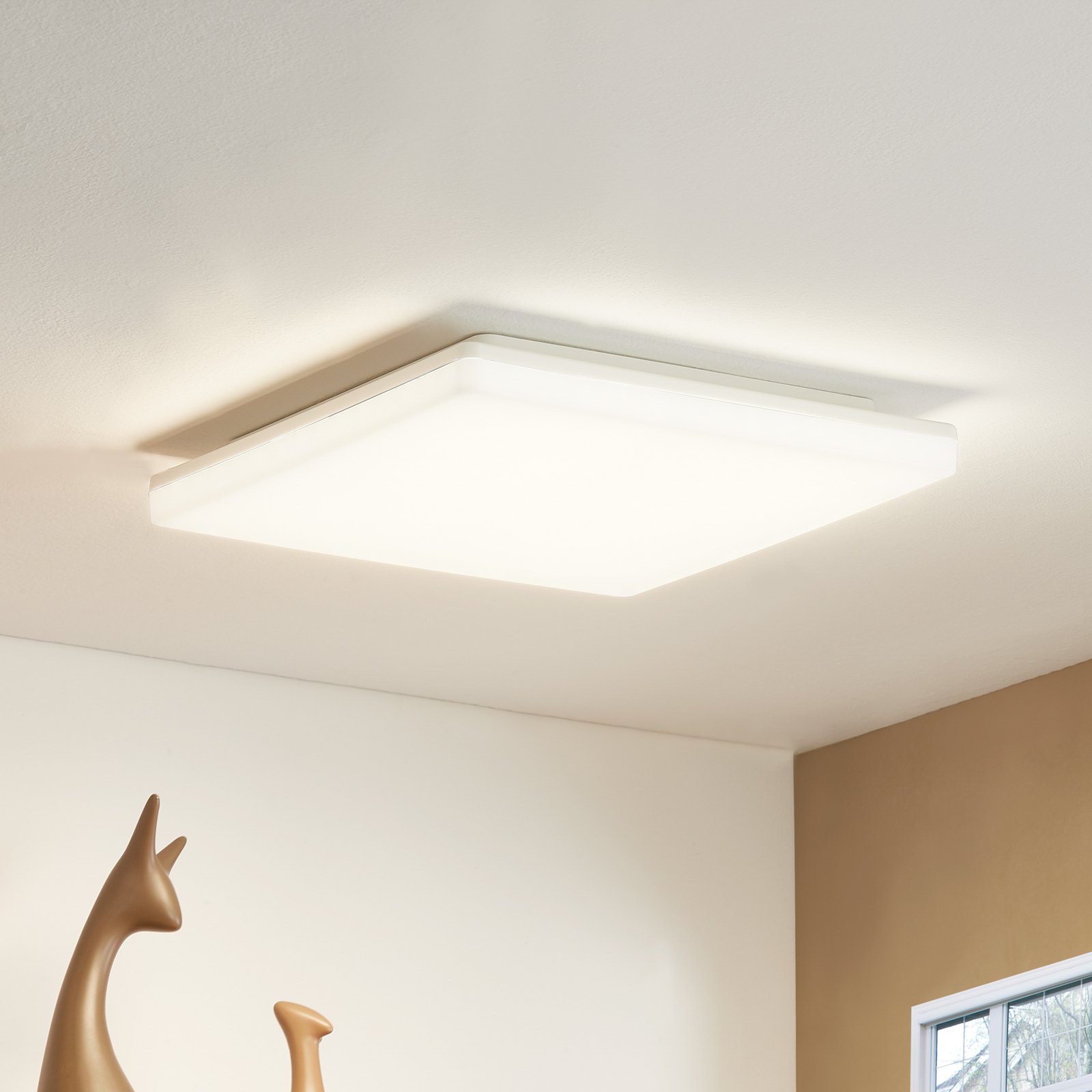
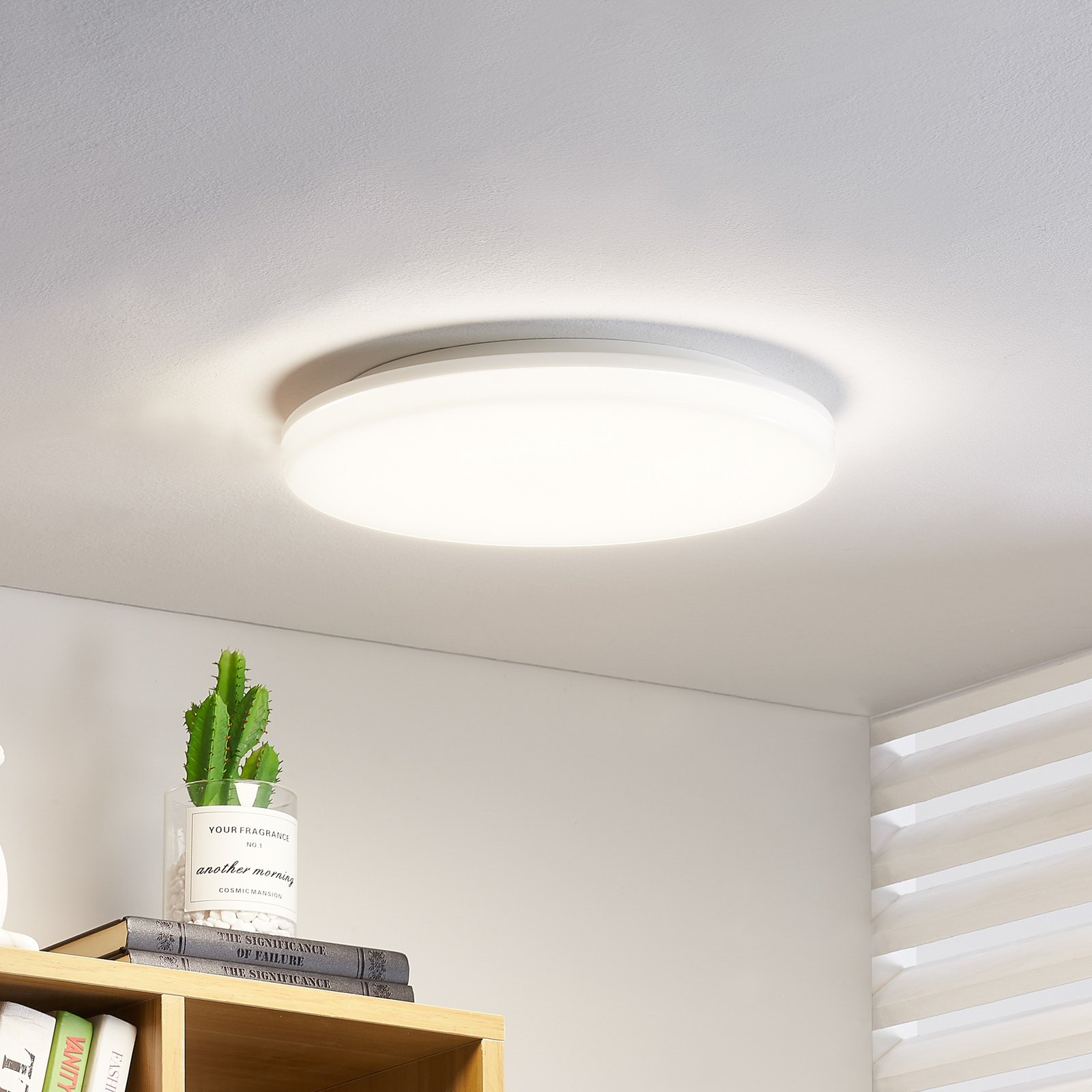
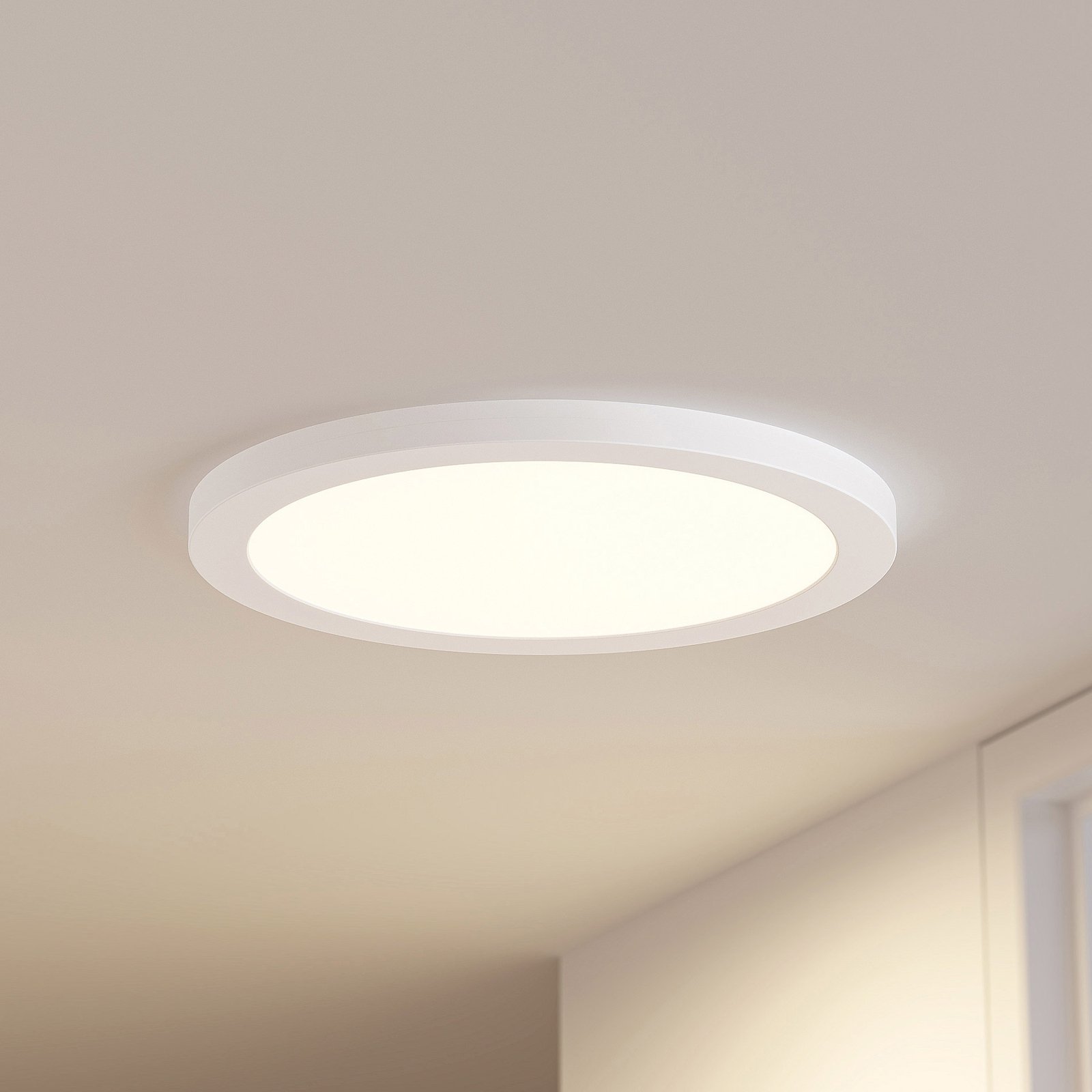
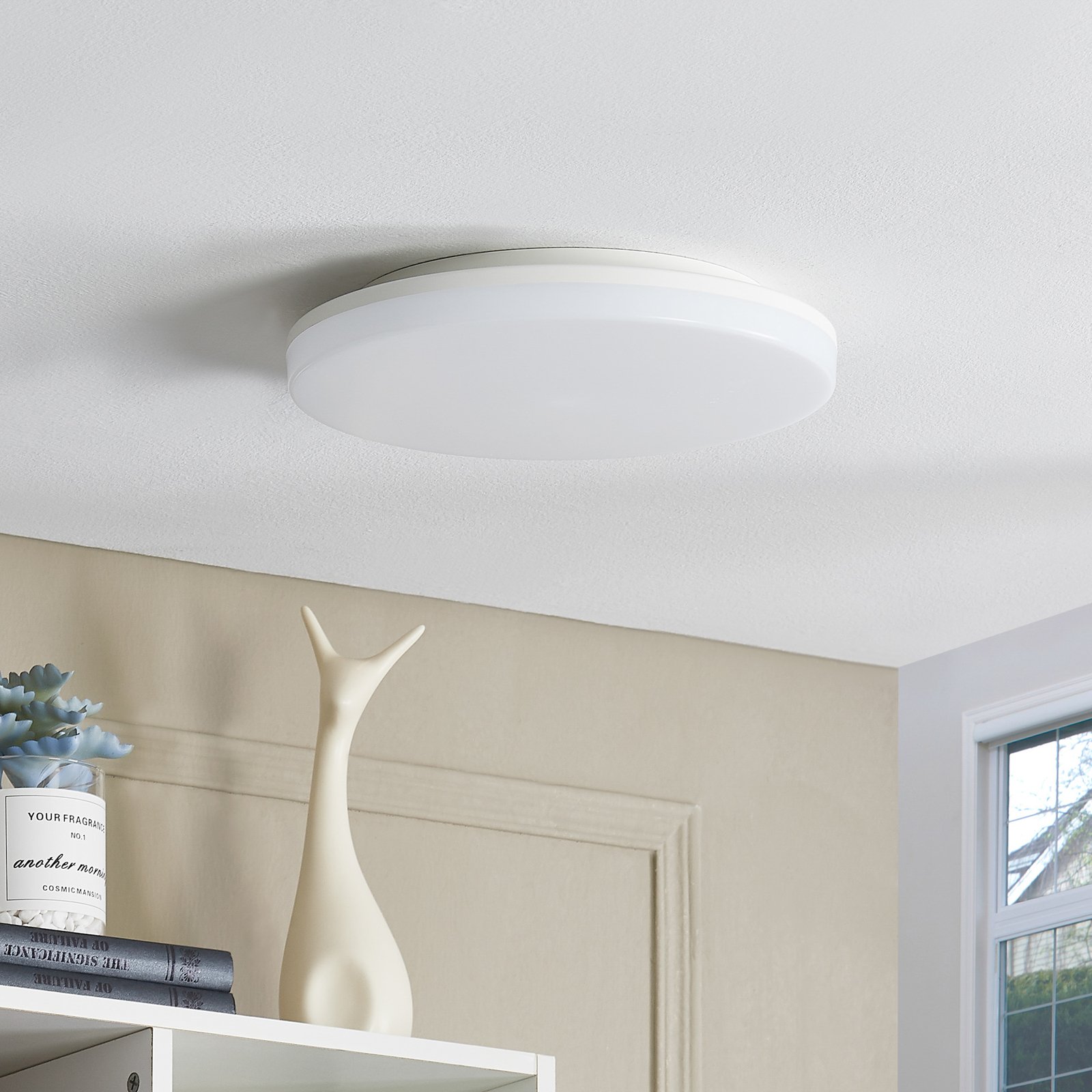
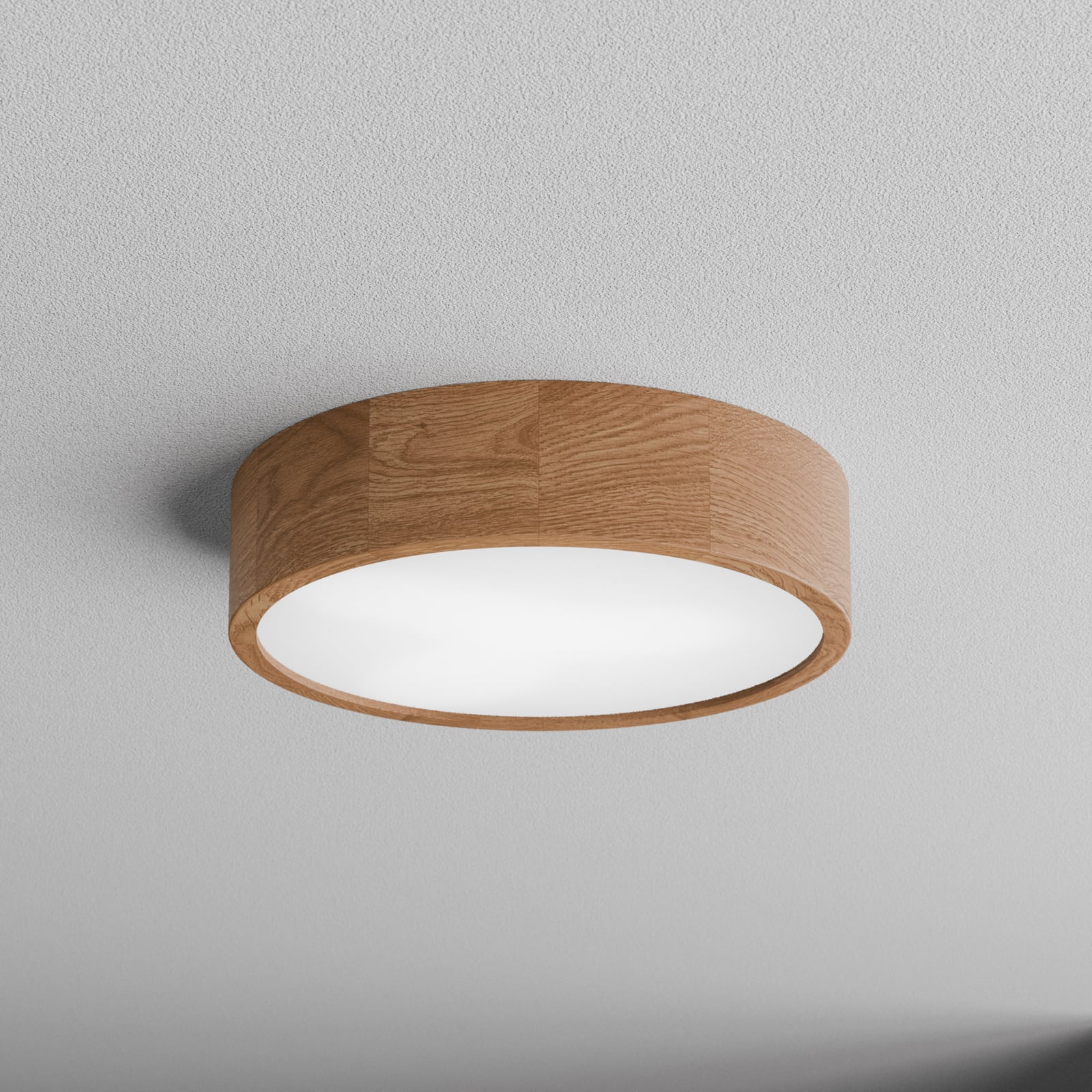
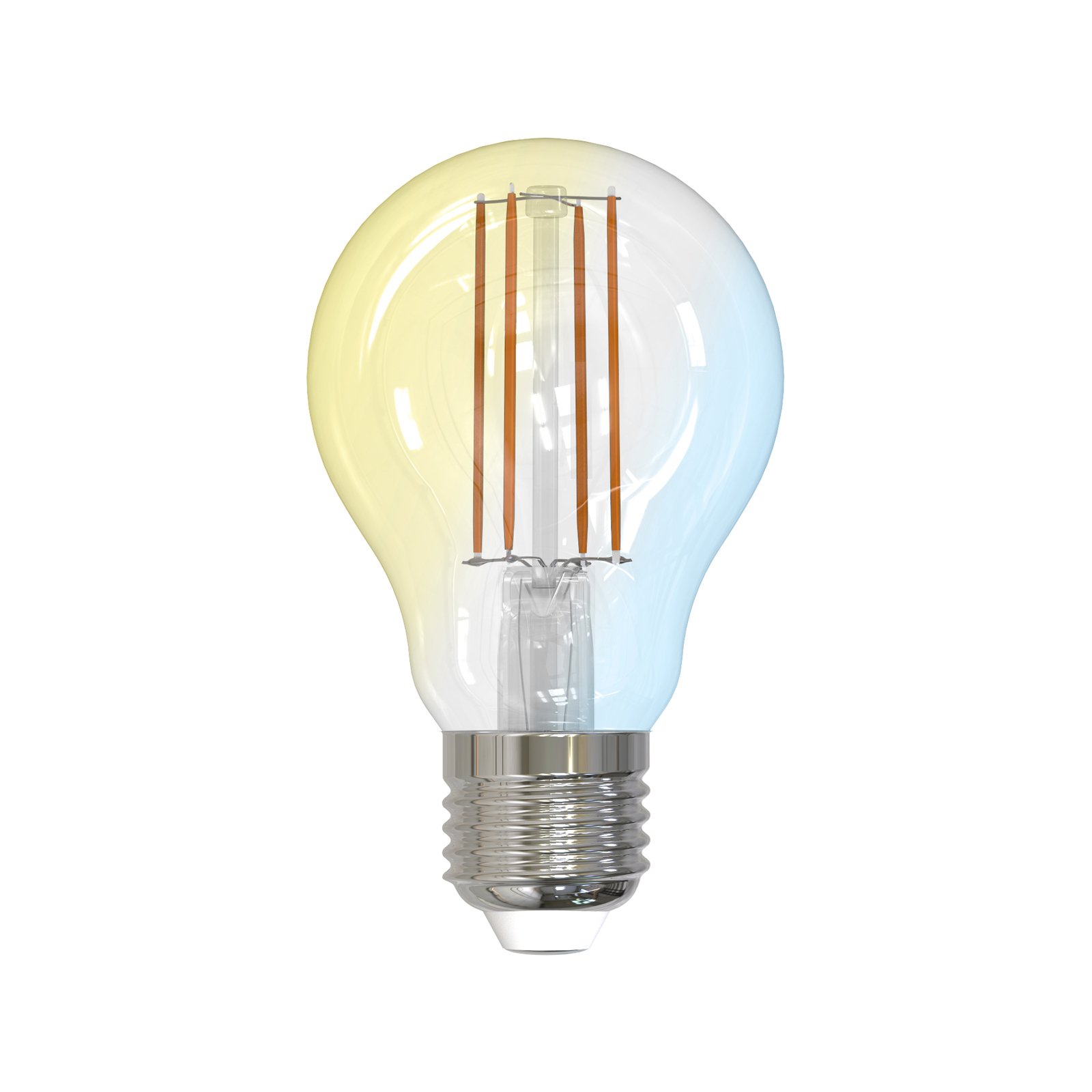
LED lamps are the most efficient lighting technology for private households as well as for commercial use. Compared to traditional incandescent bulbs, they require up to 90 percent less energy, and for lamps with the new energy efficiency class A even less.
LEDs also perform much better compared to halogen lamps. In addition to lower power consumption, they boast a significantly longer lifespan. While a traditional incandescent bulb often lasted only around 1,000 operating hours, high-quality LEDs last 15,000 to 50,000 hours.
This not only saves electricity costs but also reduces the effort for bulb replacement, which is completely eliminated in fixtures with permanently installed LED technology. Those still using older light sources in their homes can immediately save on energy costs by switching to LED bulbs.

)
)
)
Control lights automatically with sensors
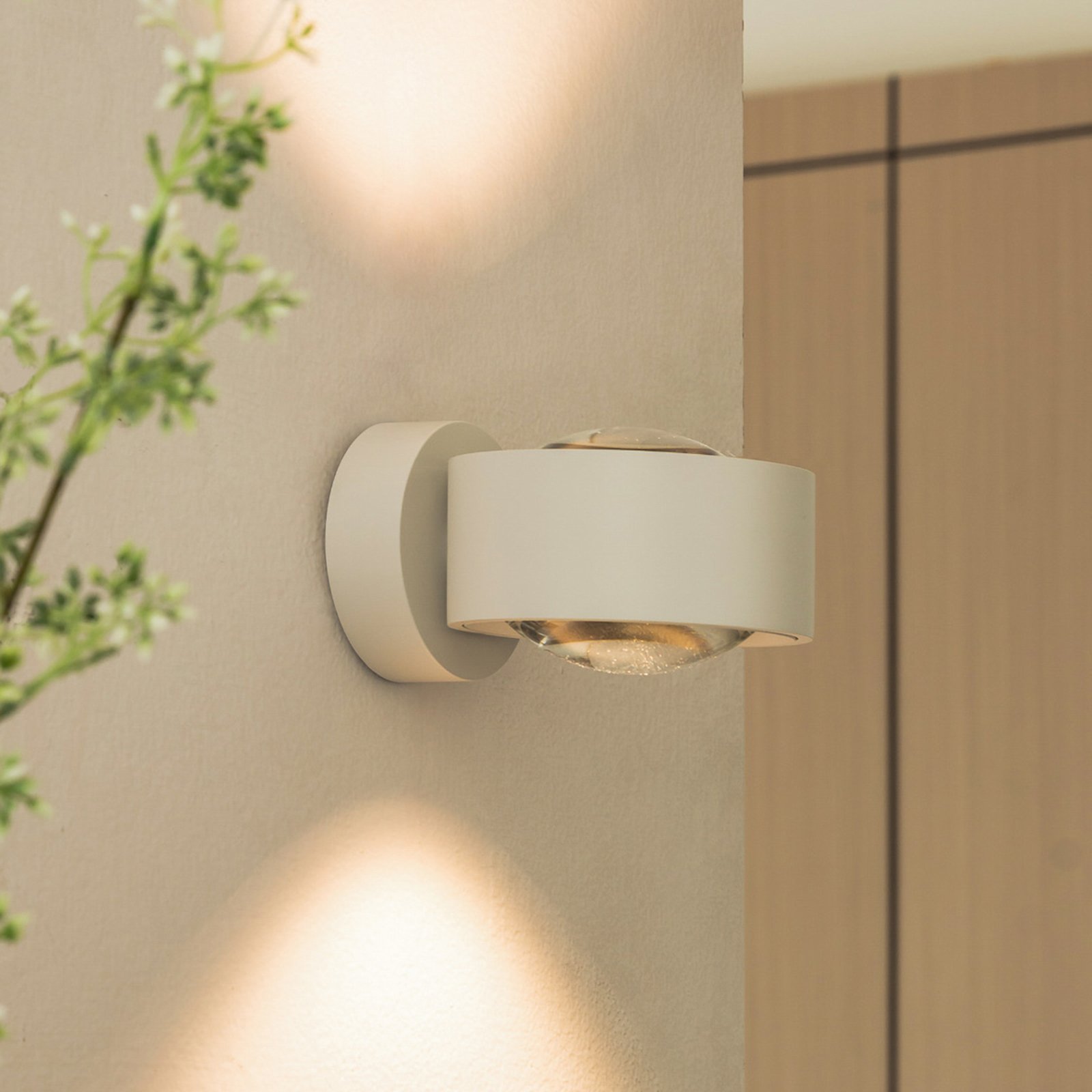
Lights are often left on unnecessarily and forgotten after leaving a room. This is quite normal in the hustle and bustle of everyday life. Sensors offer a convenient and energy-saving solution here.
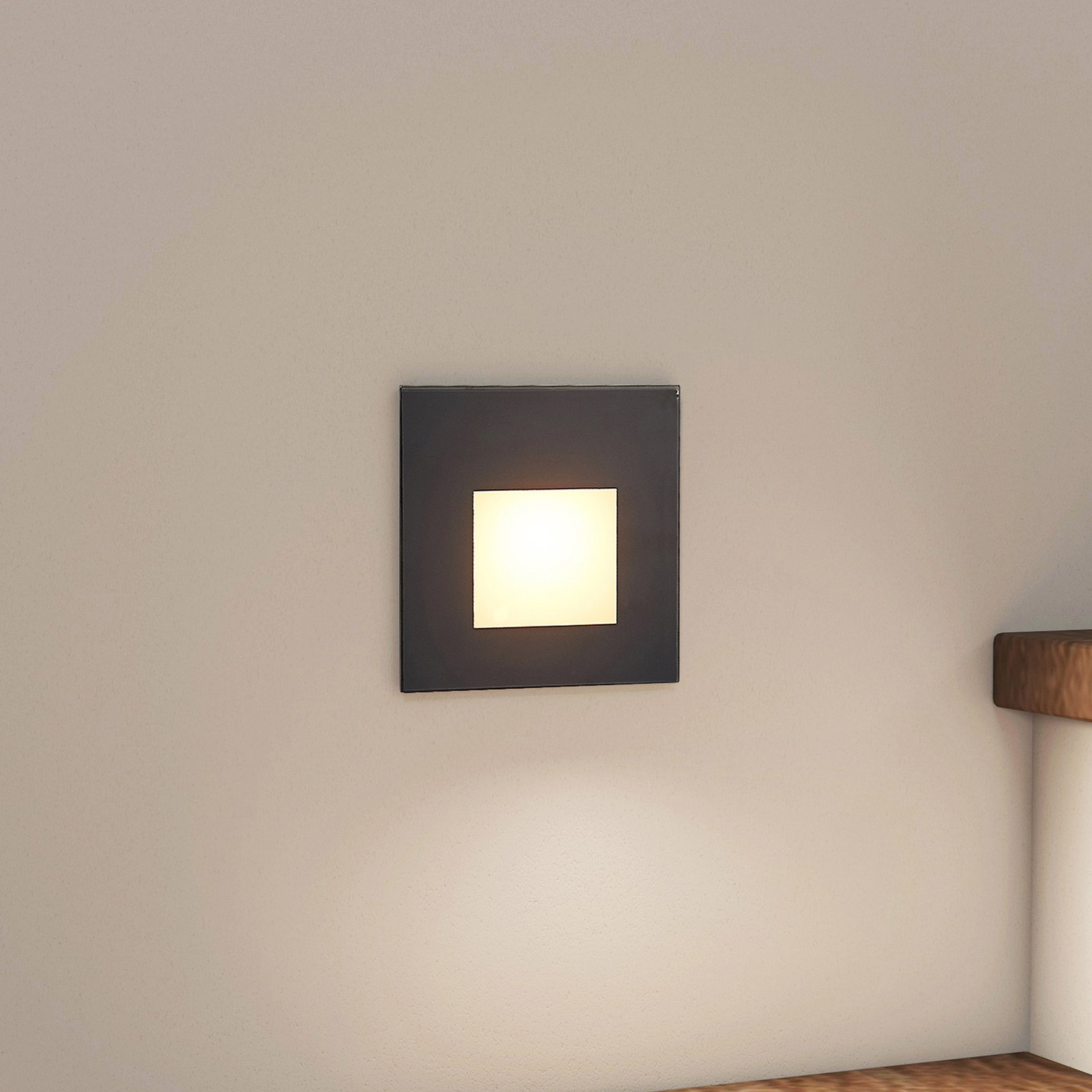
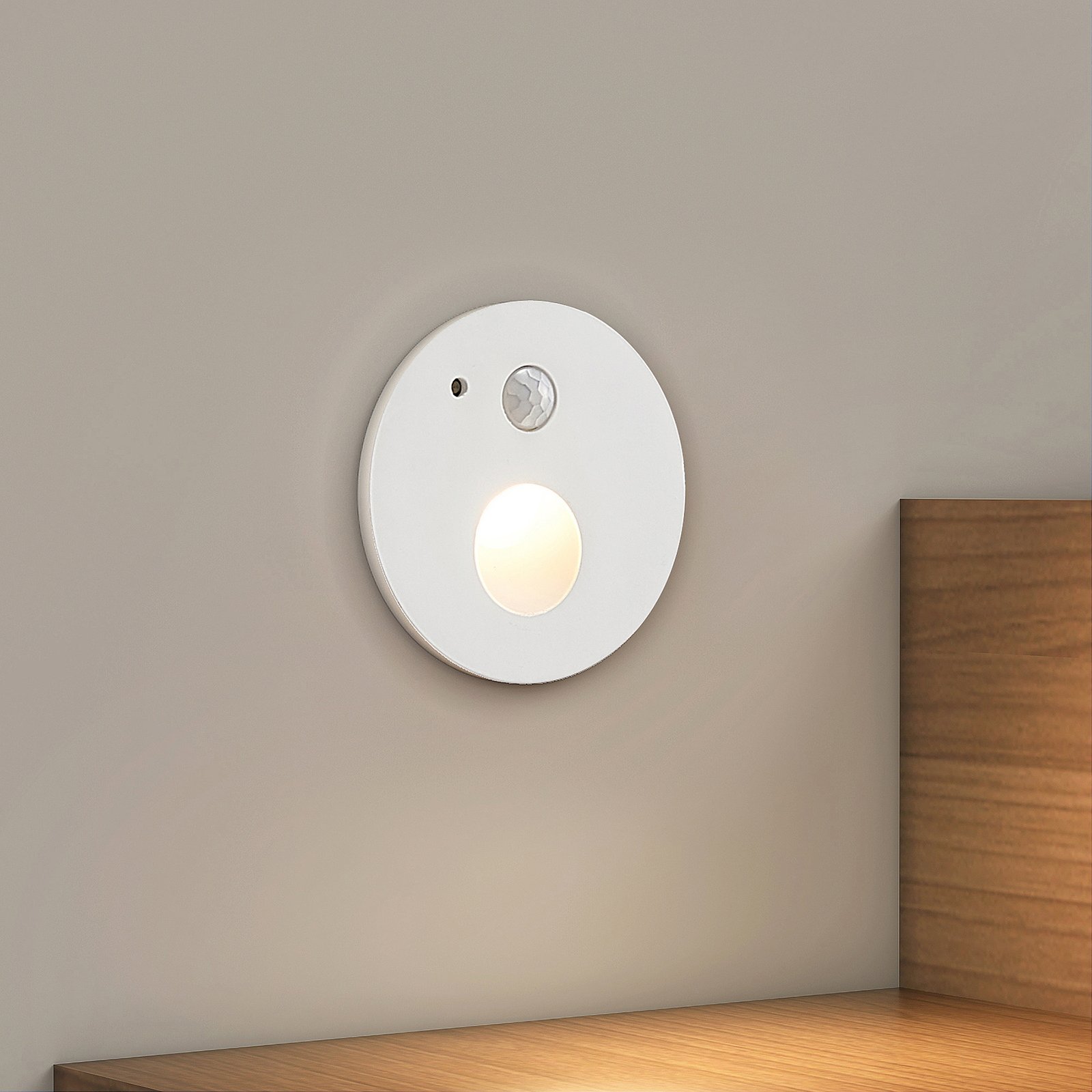
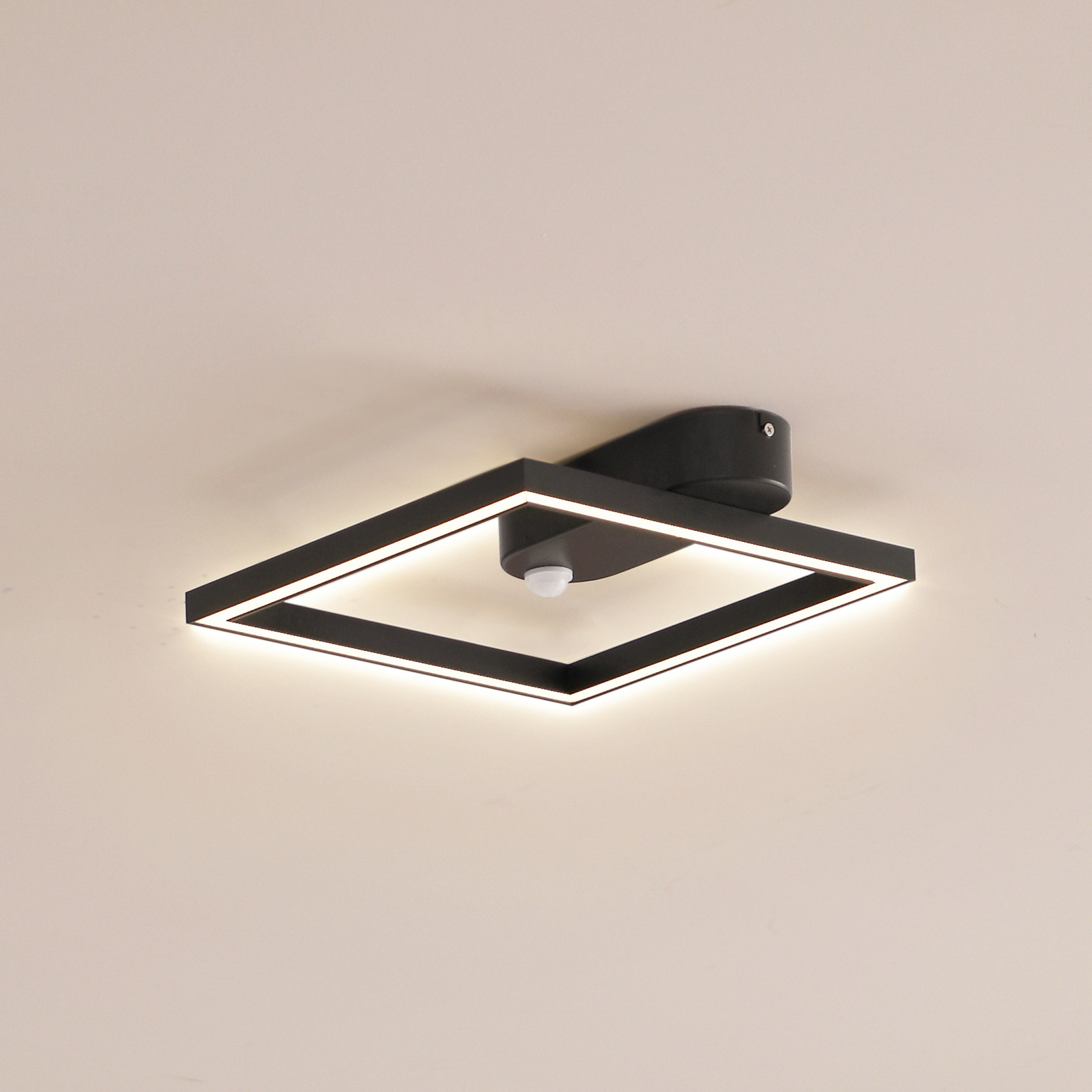
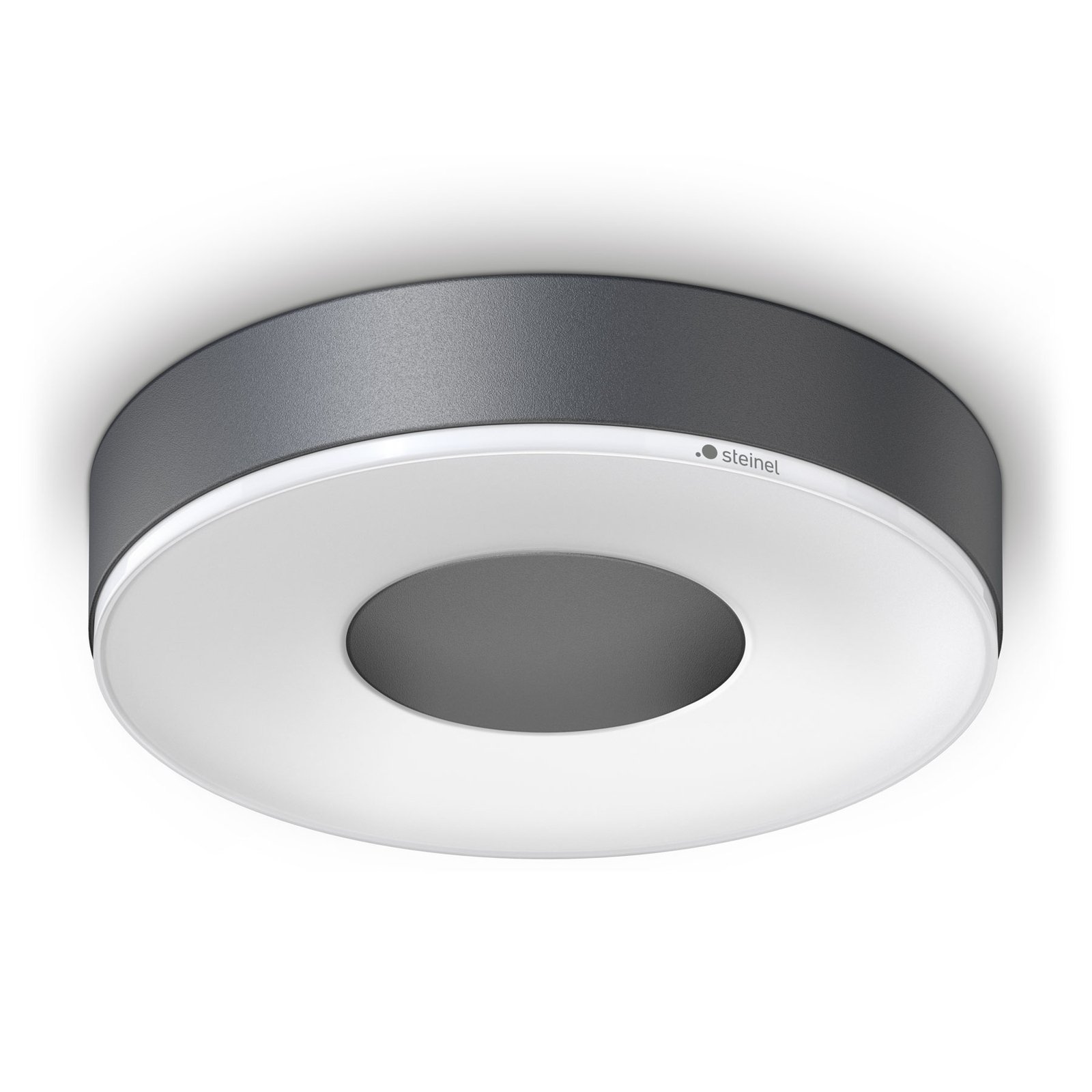
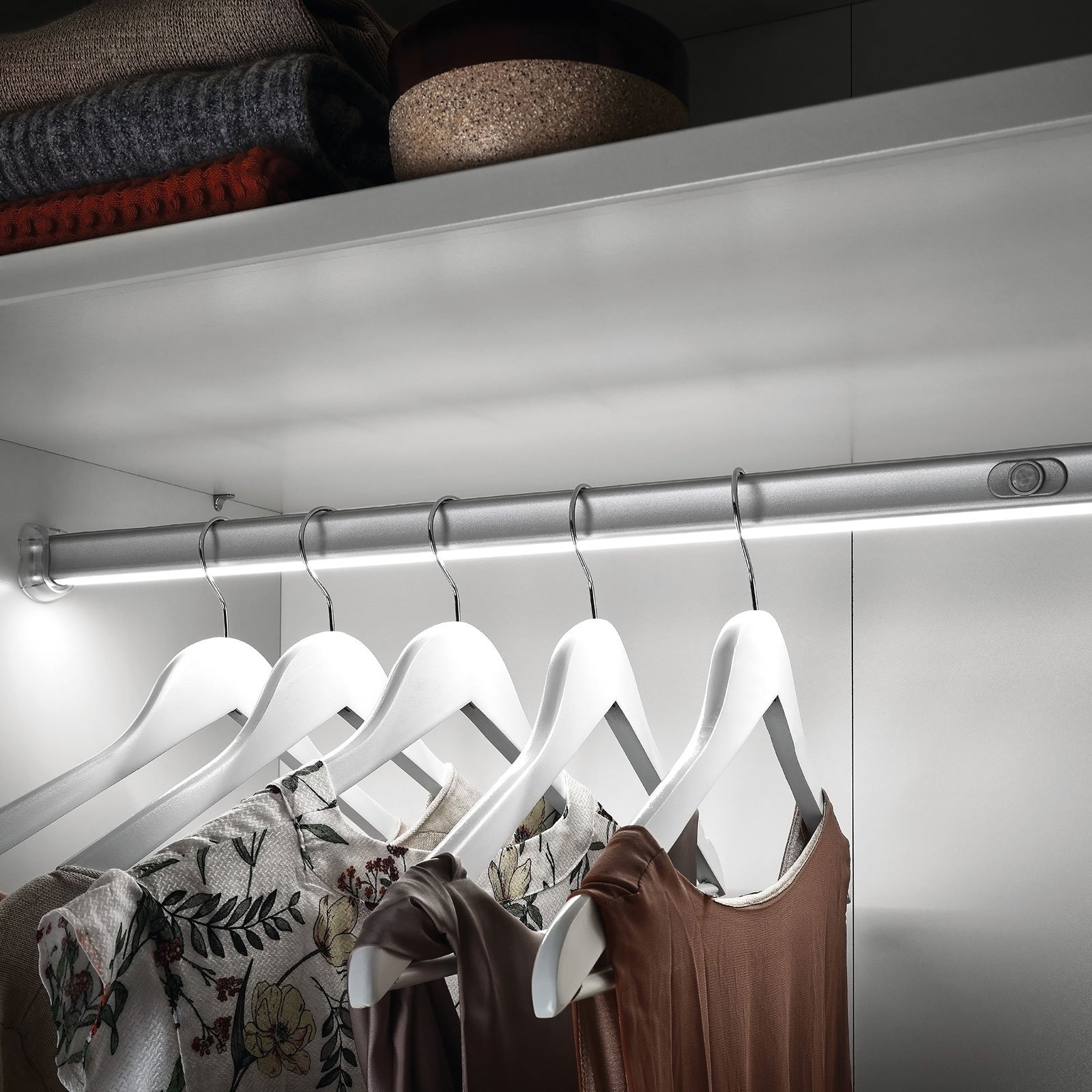
Motion detectors recognize when people are in an area and automatically turn the lighting on. After a set time, the light is deactivated again. This is particularly useful in hallways, stairwells, basements, garages, or outdoor areas.
Automatic light control combines comfort and energy efficiency, ensuring that lighting is only used when it is actually needed, saving energy sustainably.
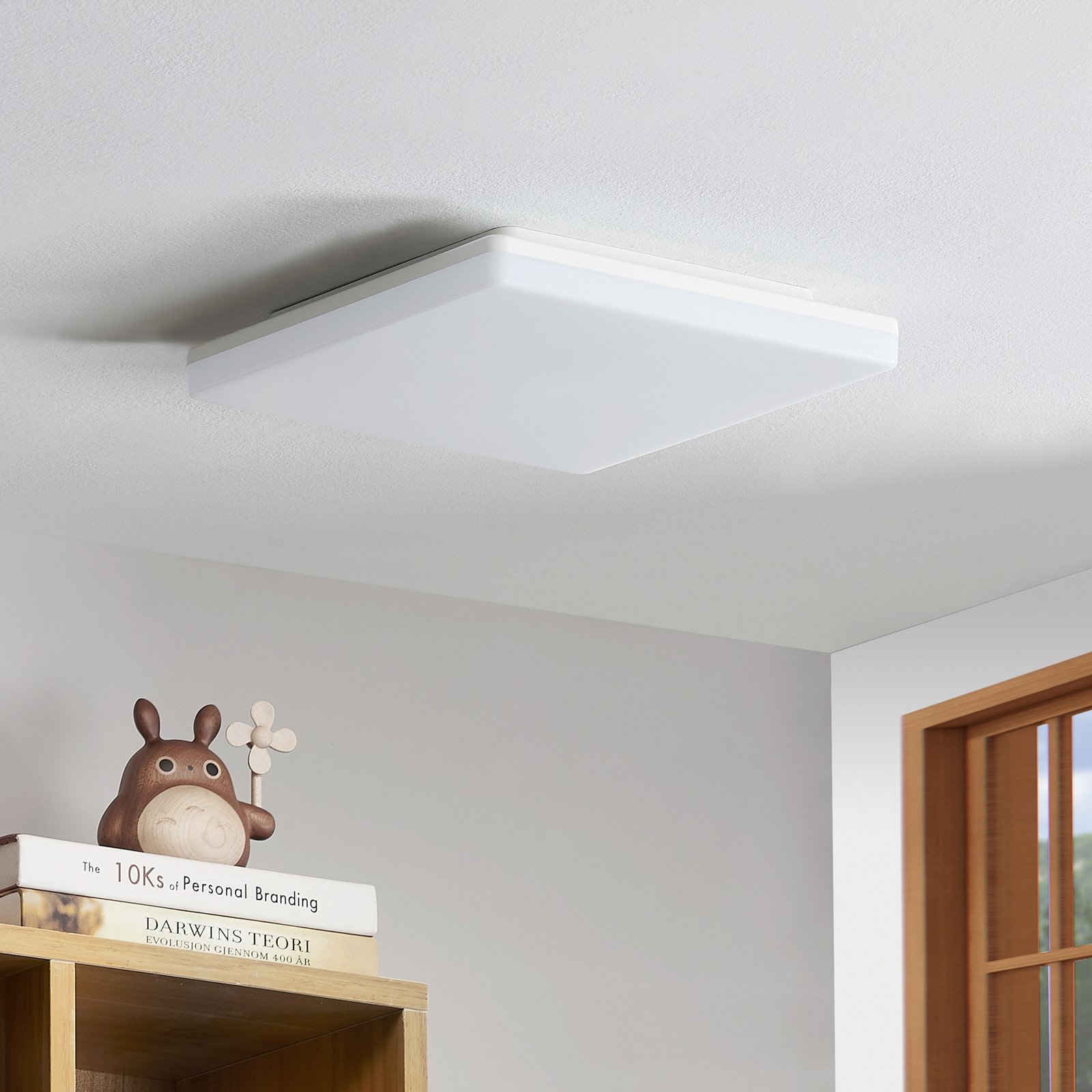
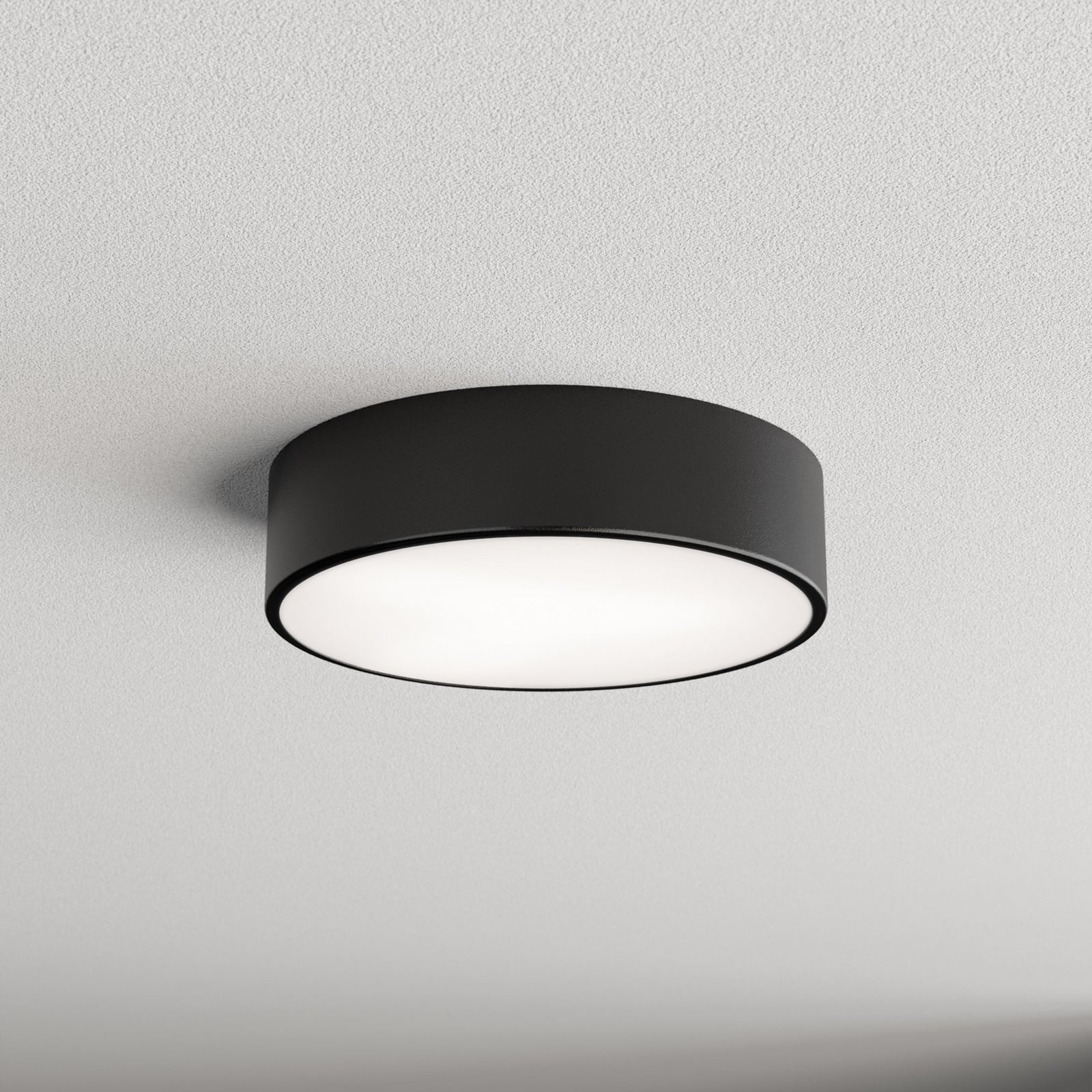
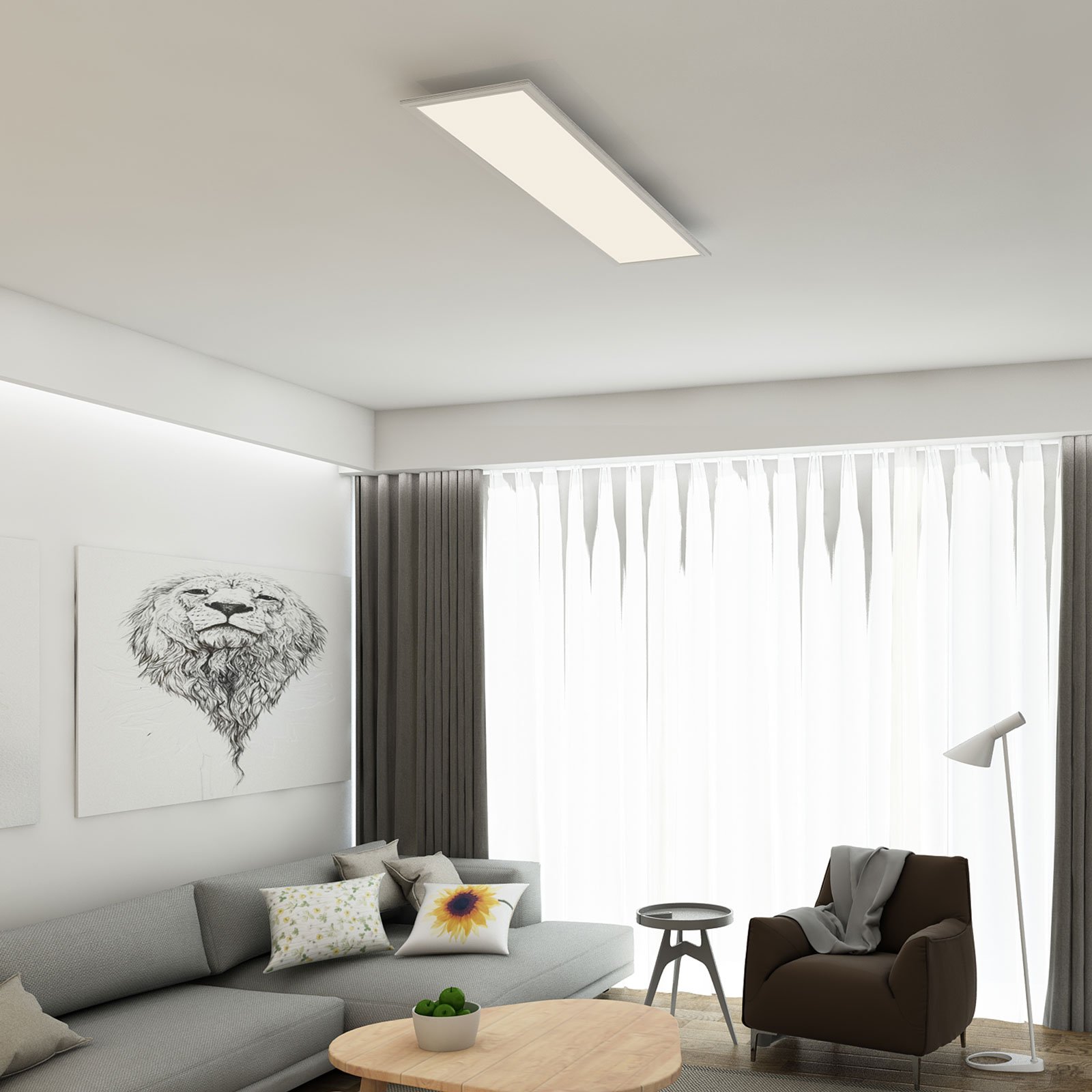
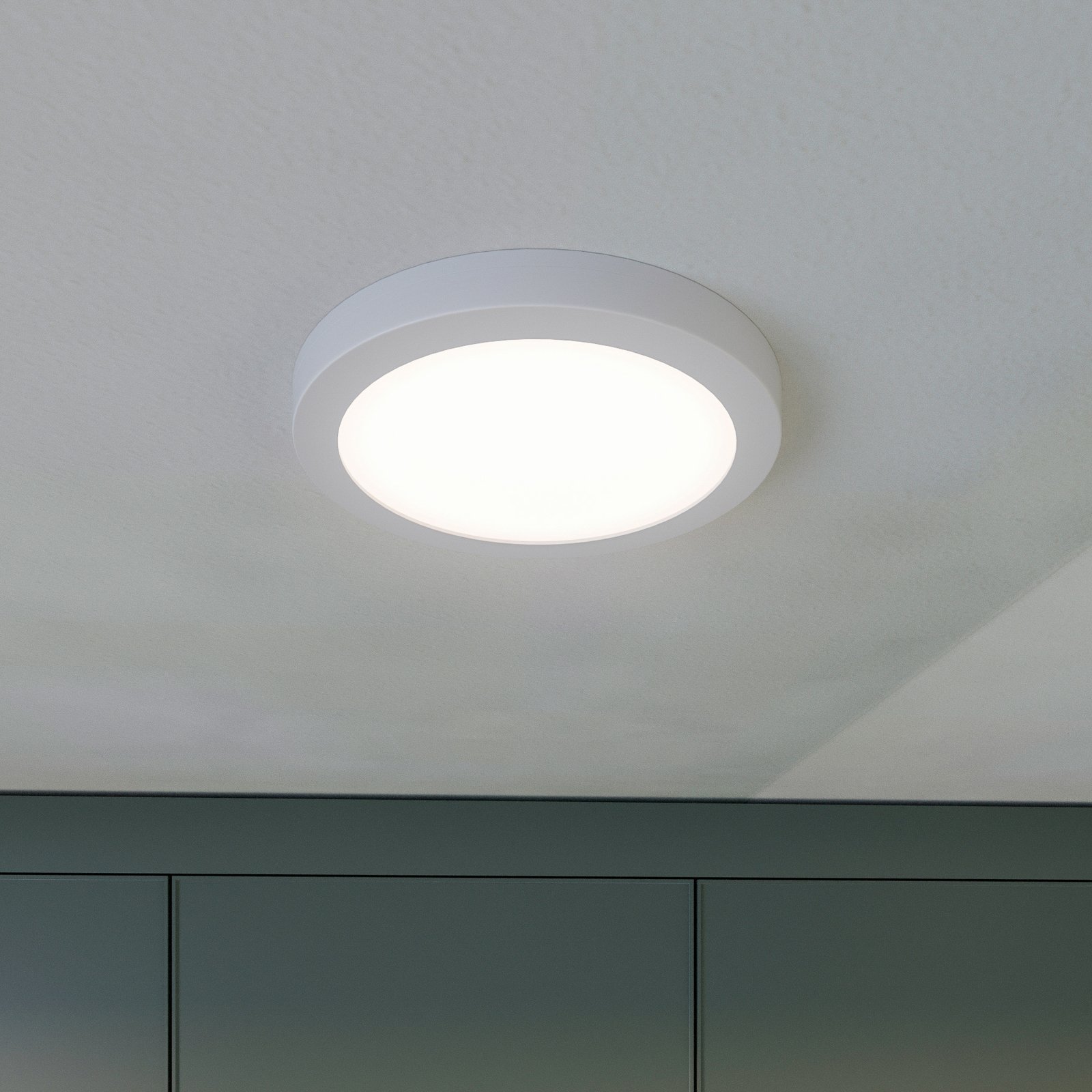

)
)
)
Save energy with smart lighting
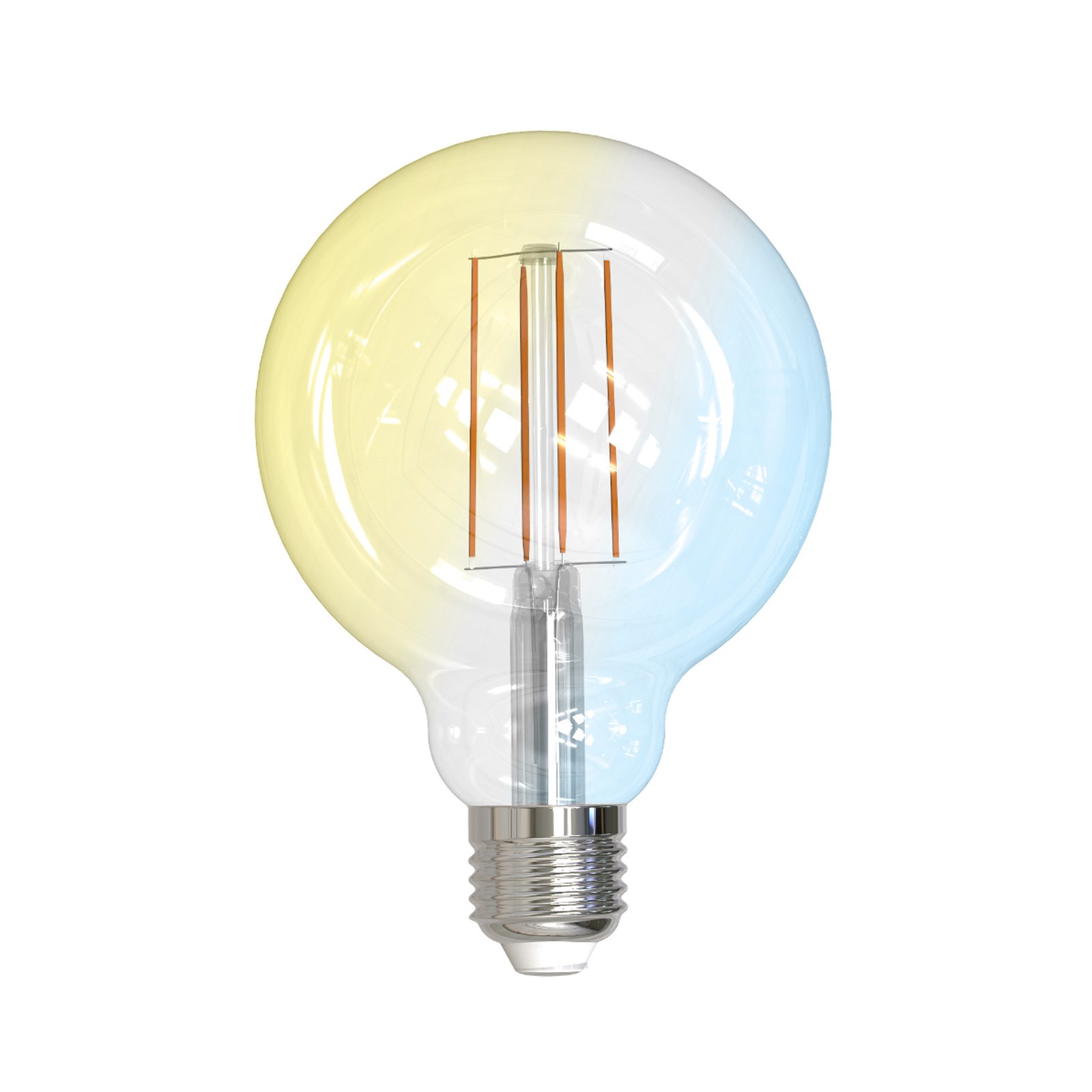
Lighting is one area where energy savings can be achieved particularly easily. Smart lighting products offer significantly more possibilities than traditional lamps: You can control the light specifically through an app or voice control and create individual schedules. As a result, the lighting is only on when it is actually needed. If you're out and forgot to turn off the light, you can fix it with just a tap from afar.
With smart lighting, you can lower energy costs, as lamps can be used specifically and according to needs. Schedules, motion detectors, or automatic shutdowns prevent unnecessary lighting times.
How much electricity you can actually save with a smart home depends on the devices used and individual habits. Through the intelligent control of lighting, sockets, and heaters, noticeable savings can be achieved in many households.

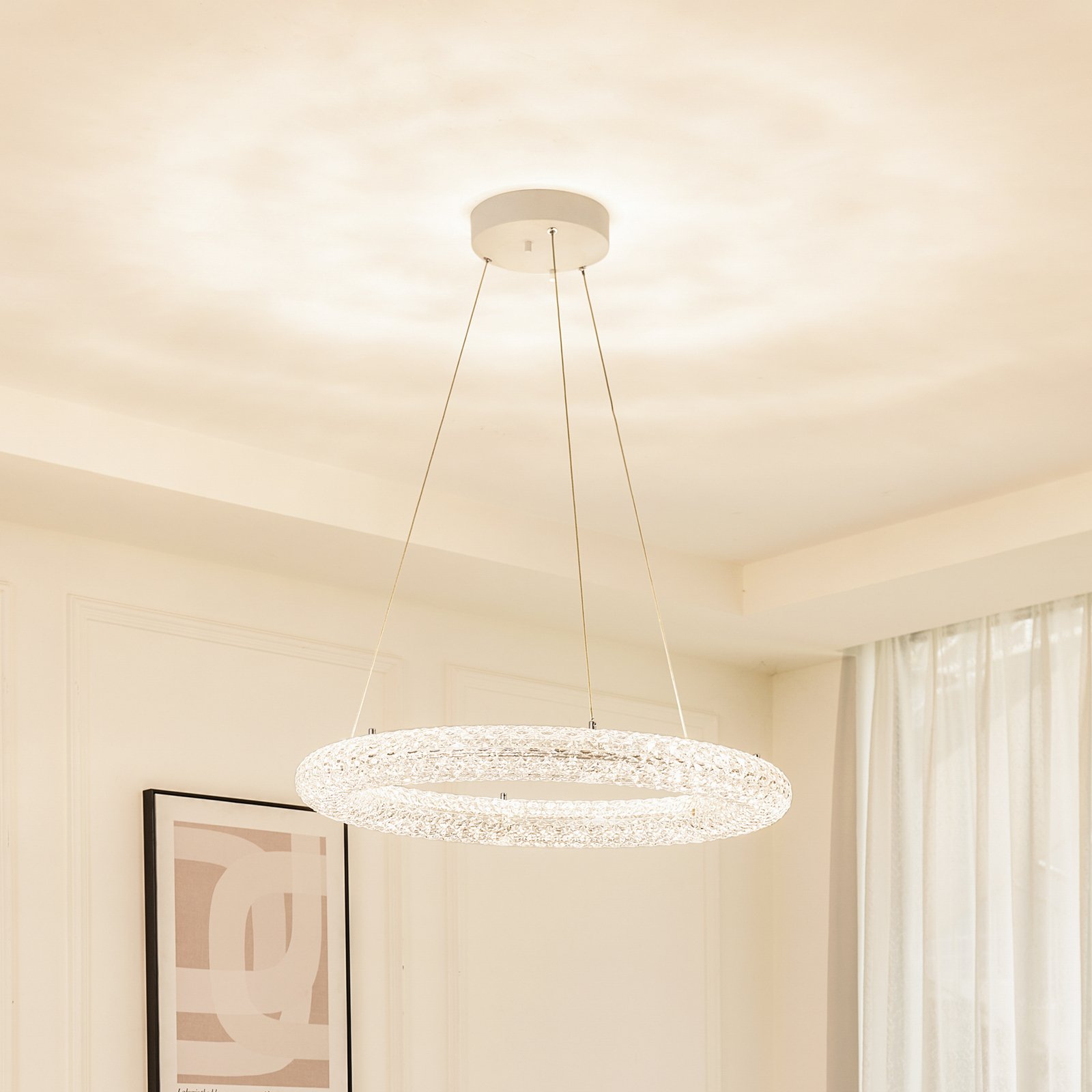
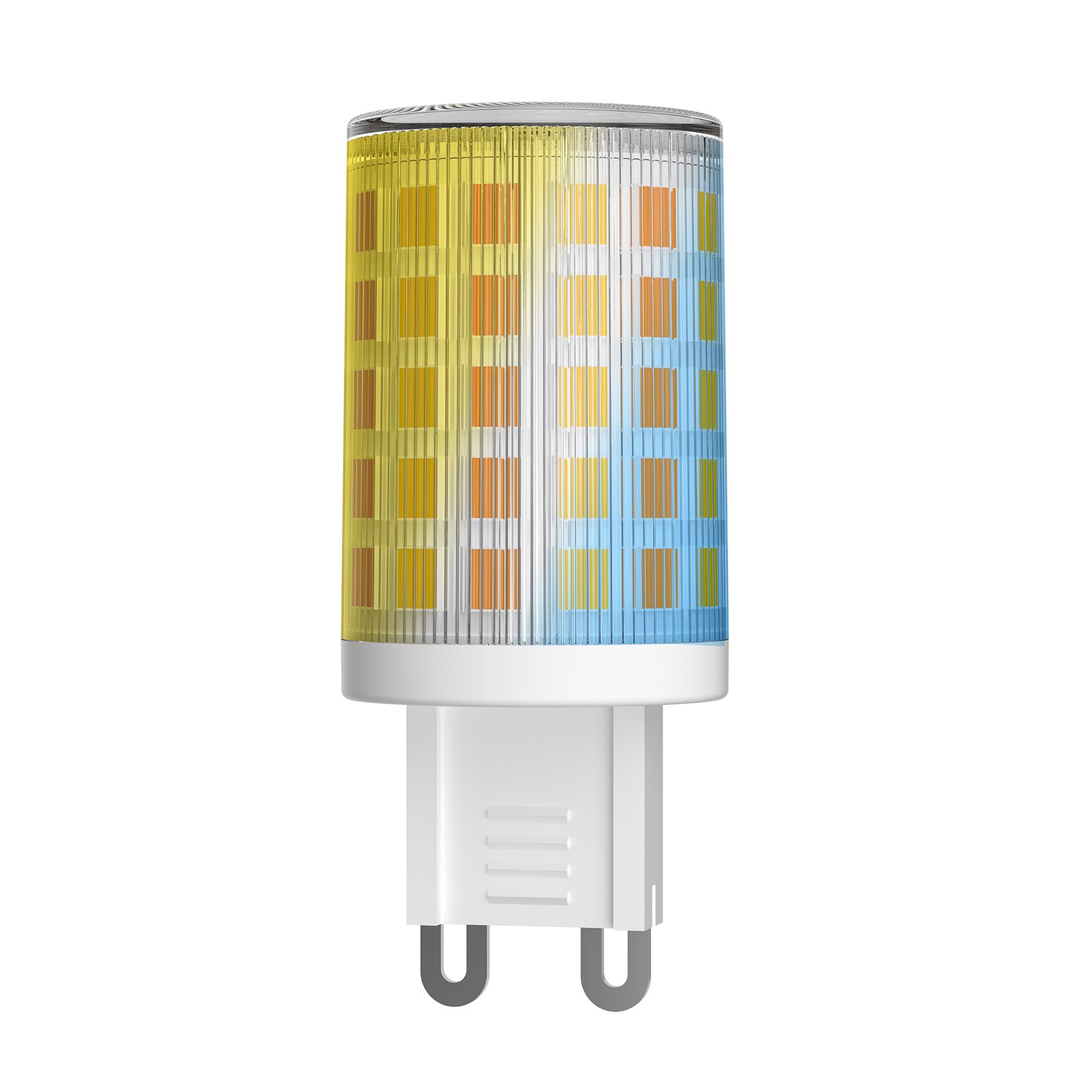
More electricity-saving tips
)
The full savings potential unfolds when various smart home components are linked together.
With a "leaving home" routine, for example, all lights can be turned off. A single push of a button or voice command is enough. It becomes particularly efficient with automated routines that do not require any manual intervention. A vacation mode can also automatically activate energy-saving profiles and switch off unnecessary consumers. This reduces energy consumption without having to think about every single setting.
)
Many electronic devices consume electricity even when they appear to be turned off. This so-called standby consumption adds up to unnecessary costs over the year.
With smart plugs, devices can be automatically completely disconnected from the power grid. Individual schedules or routines can be set up for this purpose. For example, TVs, sound systems, or game consoles can be automatically shut off at night. Even during longer absences, automatic shutdown ensures that no unnecessary energy is consumed.
)
Not only electricity but also heating costs can be reduced through intelligent technology. Smart thermostats work by automatically adjusting the room temperature to schedules, presence, or individual heating habits. You can conveniently control and program temperatures via an app. Many models can also be combined with additional sensors so that, for example, an open window is detected and adjusted accordingly. This automatically reduces heating output during ventilation, efficiently utilizing energy and avoiding unnecessary consumption.