





















Designing a forest children's room
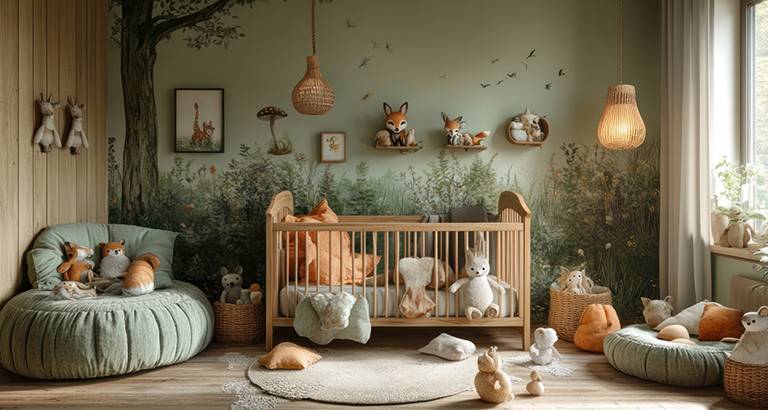
Natural ideas for little explorersA forest children's room brings a touch of nature into the home and creates an environment where little explorers can dream, play, and relax. Soft greens, beiges, and browns form the base, while wood, cozy textiles, and selected forest animals add warmth and personality to the decor. Imaginative wall designs and atmospheric lighting turn the children's room into its own small world.
The forest theme doesn’t have to be implemented in a flashy way. A few selected motifs, natural materials, and a harmonious color palette can create as much atmosphere as a detailed forest landscape. This way, the children's room can be styled as a forest without sticking to a specific style too early—from a calm baby room with deer and rabbit to an adventurous forest room for older children.
The basics for the forest children's room
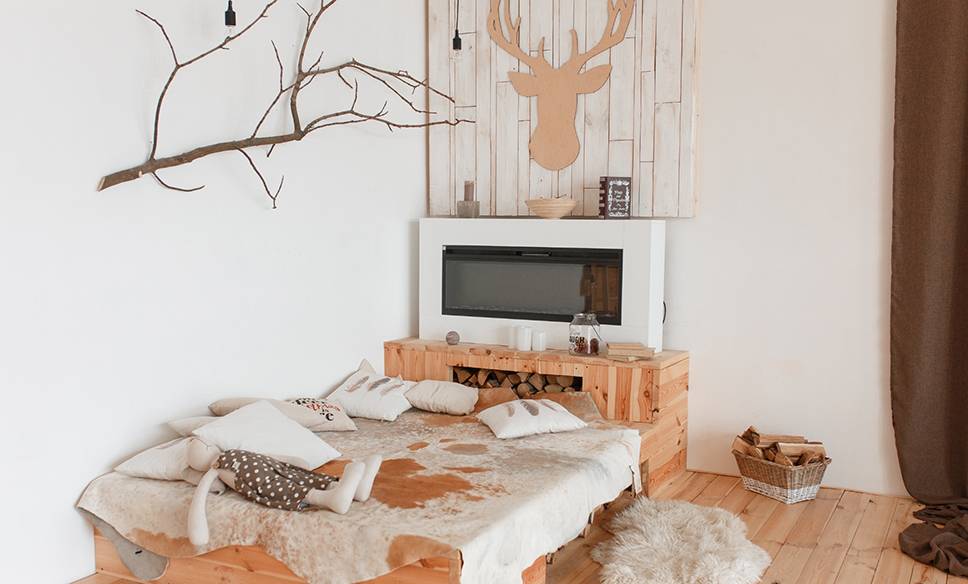
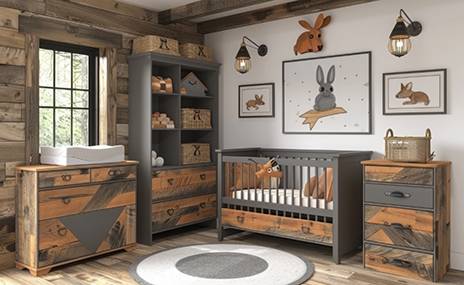
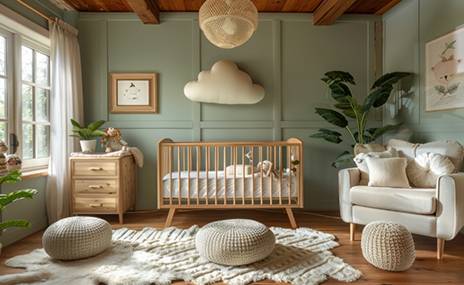
Colors, furniture, and natural materialsNature provides the best colors for a forest-style children's room. Light beiges and creams make the room appear friendly, while sage, moss, or pine green offer a connection to the forest. Warm browns echo tree bark, earth, and wood. Small accents in rust, orange, or muted yellow can remind of autumn leaves, berries, or the warm colors of a fox’s fur. A light base design is particularly practical if the room is not very big or should feel airy. Green and brown can then be brought in through selected walls, textiles, pictures, or decor.
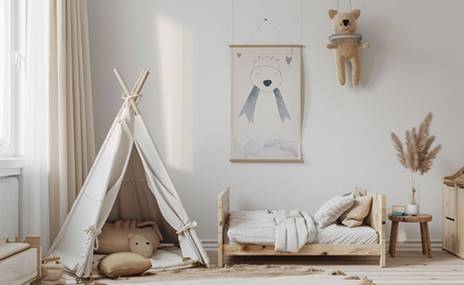
Materials can also adhere to the forest theme by orienting towards nature. Light or warmly toned wood suits beds, shelves, and dressers and provides a timeless foundation. Baskets and natural woven materials create space for toys and books. Linen, cotton, and wool bring a soft, cozy feel to the room. For furniture, it’s worth opting for a simple base. A house bed, open shelves, or low storage solutions emphasize the carefree living atmosphere simply and understatedly. Thus, there's enough room for changing decor and the child's personal favorite pieces.
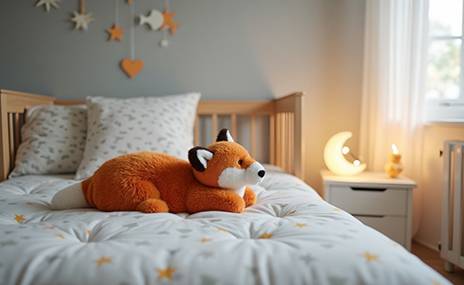
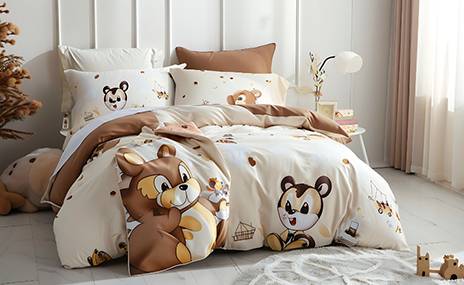
Forest animals in the children's room
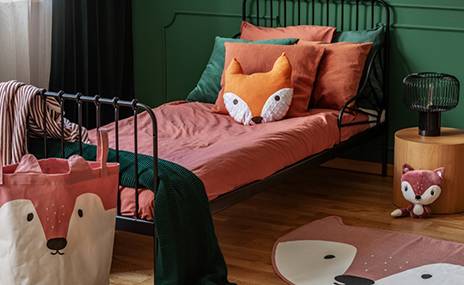
Decorating ideas with fox, deer, rabbit & co.What would a forest be without its inhabitants? Foxes, deer, rabbits, bears, squirrels, owls, hedgehogs, and raccoons turn a nature-loving children's room into an imaginative forest world. It looks especially nice when not every animal is used at once. Two or three recurring motifs often suffice to create a cohesive theme. A fox or deer motif can appear as a warm color accent, while rabbits, owls & co. come into play as cute little details.
This can occur in various places: as children's pictures on the wall, on bed linens and cushions, as small figures on a shelf, or as motifs on a height chart or coat rack with forest animals. It looks particularly harmonious if the animal motifs complement each other in color. A room with different animals does not have to appear colorful and restless. It is more important to choose the motifs deliberately and to provide sufficient calm surfaces.
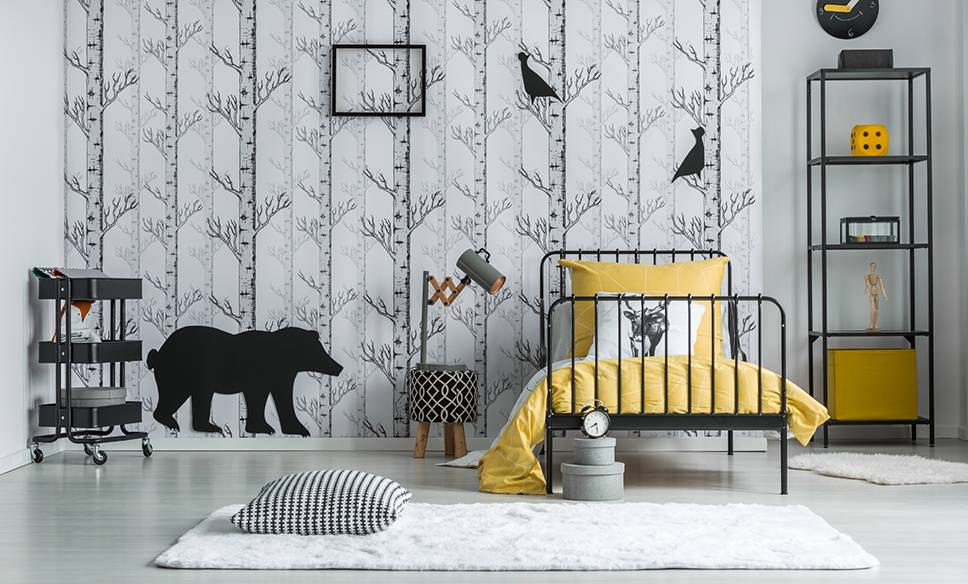
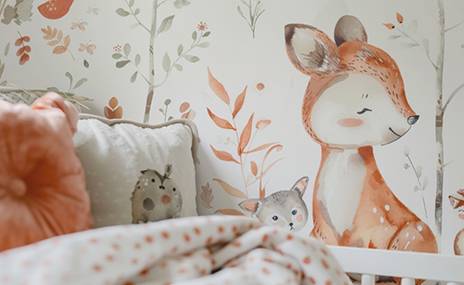
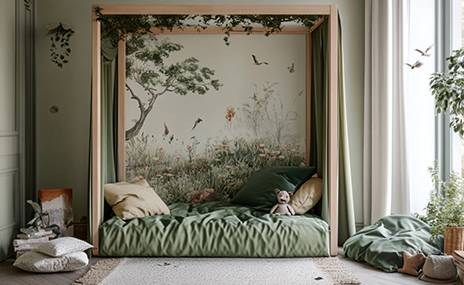
Children’s room wall in forest style
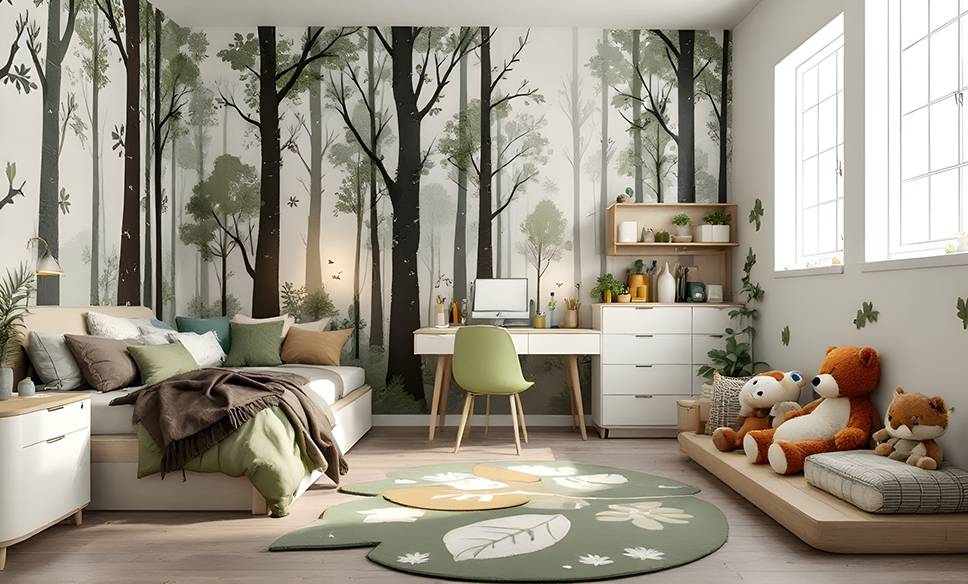
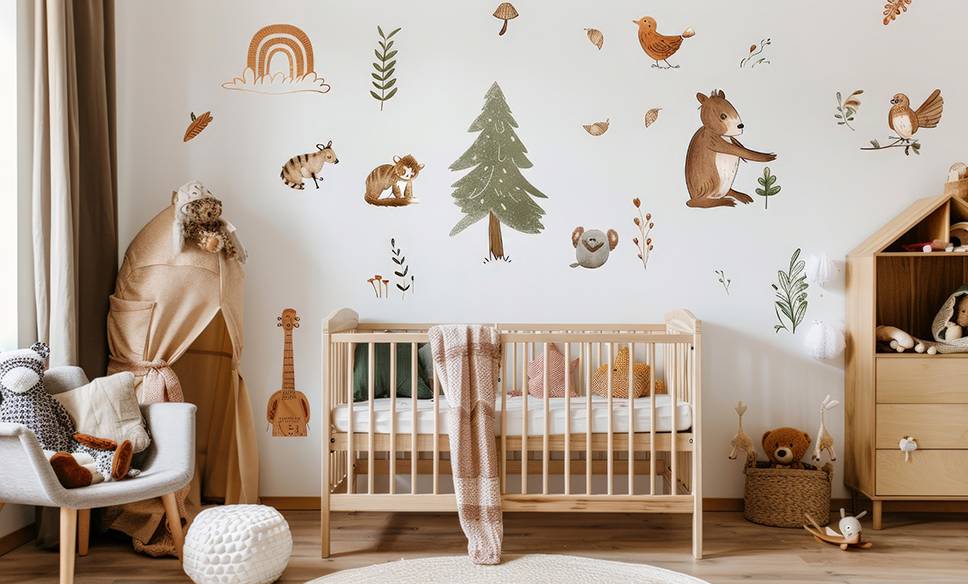
Wallpapers, forest animals, and wall decorThe wall can become a backdrop in the forest children's room. A wallpaper with trees, leaves, and small animals turns a single surface into a fairytale forest and immediately creates an atmosphere. Especially with an accent wall, the motif doesn't have to define the entire room. For a calmer interpretation, subtle leaf, twig, or tree structures are suitable. For a more imaginative look, you can choose a forest scene with animals, birds, or small details. Wall decals offer the option to add individual motifs gradually or later change them.
Another option is a deliberately simple wall in green, beige, or cream. Then come children’s pictures of forest animals, wood decor, or individual illustrations. This creates a forest feel without the wall itself becoming a complete landscape. Simple DIY ideas can also make the children's room wall in forest style more personal. Dried leaves, self-painted animal pictures, or small nature illustrations can be arranged in picture frames. A branch can – securely fastened and used appropriately for children – become a decorative element.
If you want the room to grow with the child, a neutral wall with interchangeable wall decor is a great choice. While the baby room might feature deer, rabbits, and foxes, later on, plants, landscapes, or more graphic nature motifs can take their place.
Lighting in the forest children's room
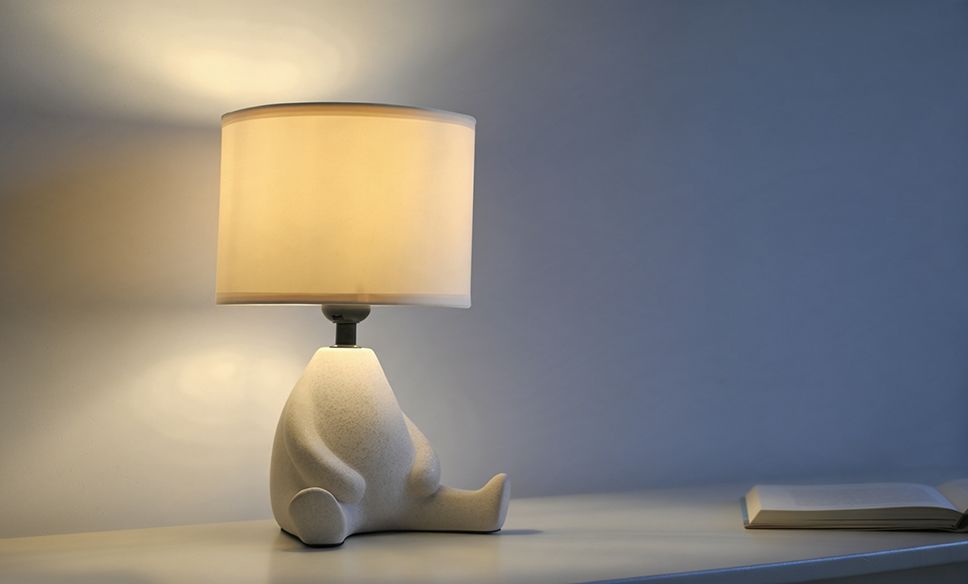
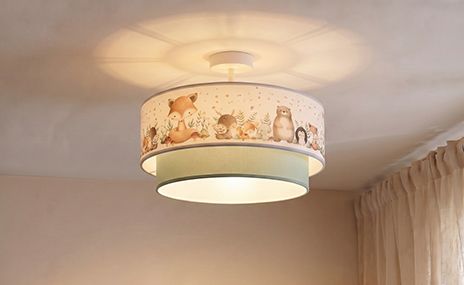
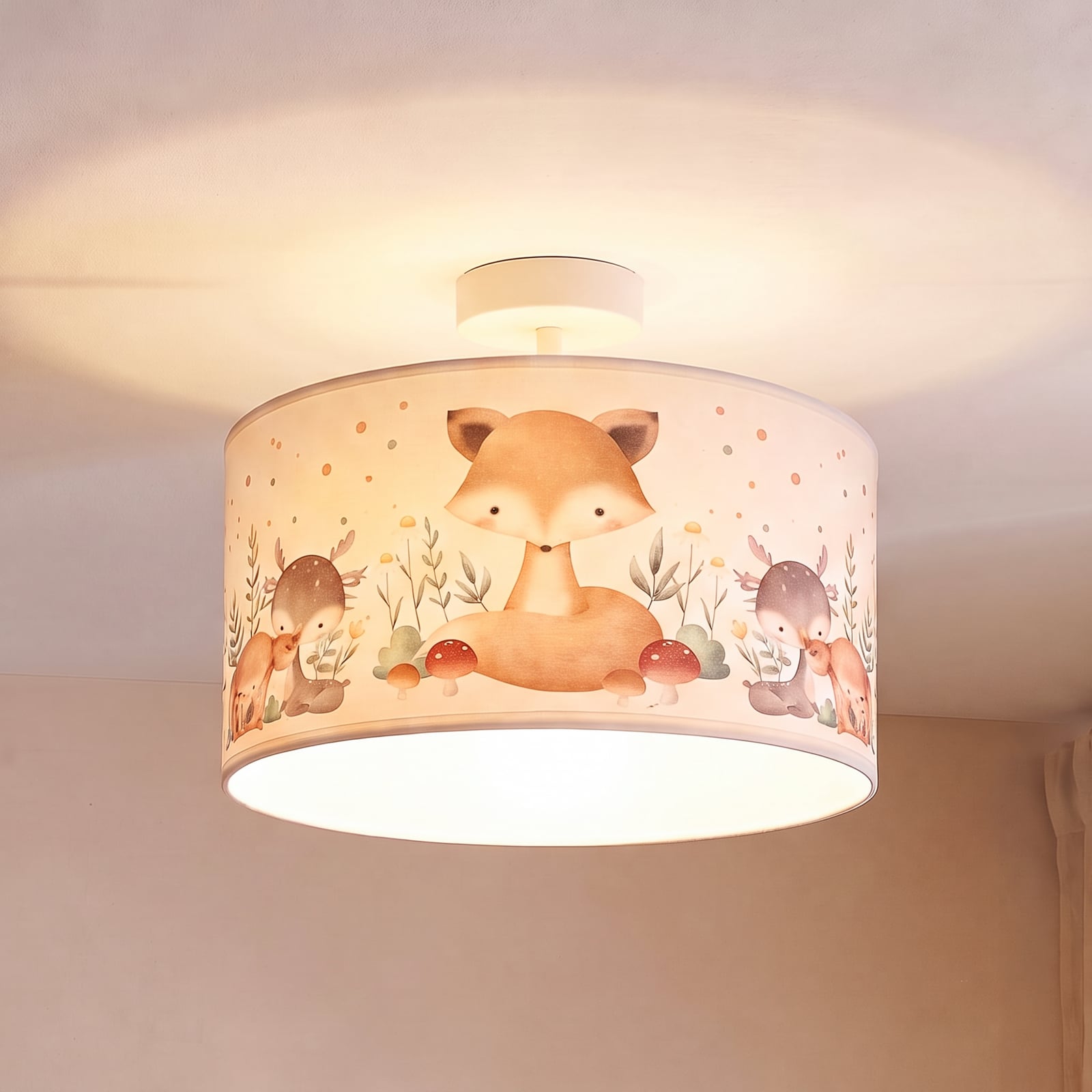
Cozy lighting ideas with nature motifsLight belongs to a forest children's room just as much as colors and materials do. The right lighting brings the various areas of the room together atmospherically. Good basic lighting ensures that the room is bright and pleasantly illuminated during play and daily activities. Additionally, several smaller light sources can create different areas: a wall light next to the bed, a light in the reading area, or a gentle night light provide individual lighting moods.
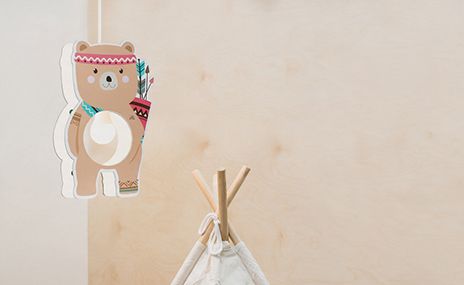
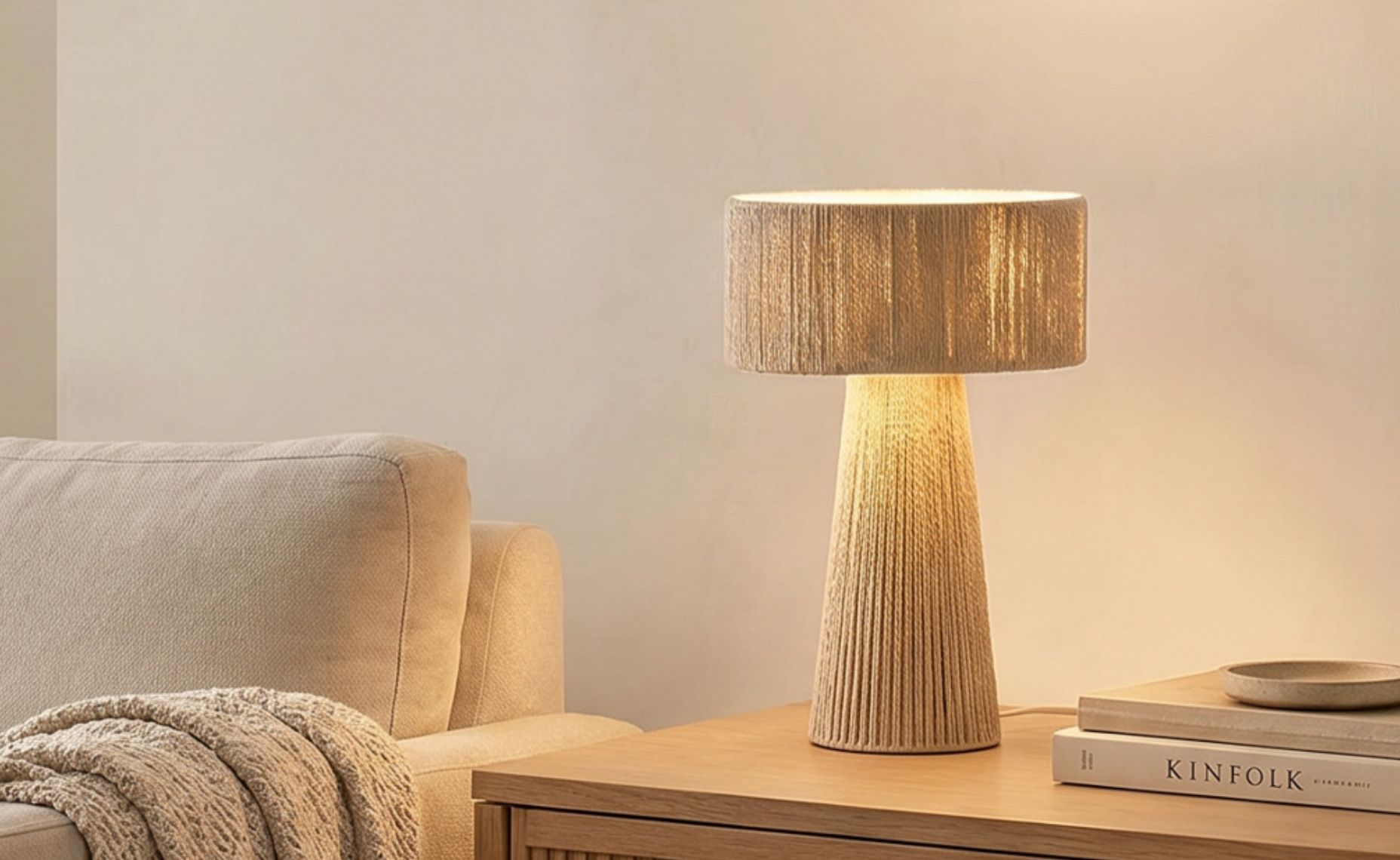
For a particularly cozy forest feeling, lights with natural materials or nature motifs are suitable. Wood, warm fabric lampshades, or organically shaped forms echo the room's design. Lights with animal, moon, or star motifs can also be used as decorative elements. It doesn't have to be that every lamp has a forest motif. The combination of a thematically fitting light and simpler light sources often has a calmer effect.
Warm white light supports the cozy atmosphere in the evening, while targeted, brighter lighting at the desk or play corner ensures good visibility. This creates a children's room that can change throughout the day: bright and active during play, soft and cozy during reading, and especially gentle when falling asleep.


Baby room with forest animals
Gentle ideas for the forest baby roomA forest baby room can be designed particularly calm and subtle. Sage green, warm beige, cream, and light wood create a gentle, pleasant, and timeless base. Warm white area lighting or nightlights add flair, while individual forest animals bring imagination into the room. Deer, hare, fox, or bear can, for example, appear as subtle illustrations on the wall or plush toys.
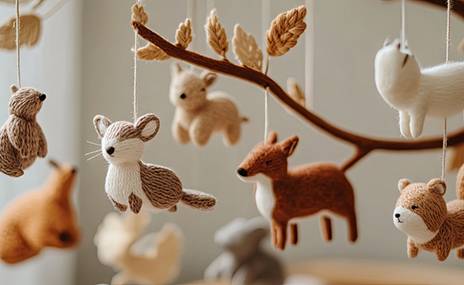
A mobile with small forest motifs or individual animal pictures above the changing table playfully continue the theme. The forest motif can also subtly reappear in textiles. A cushion, blanket, or curtain with small leaves or animals is often enough. This keeps the design flexible and can be easily changed later. It is important to have a base that is not too childish. Natural colors, simple wood, and a few selected motifs can work for many years. As the child grows, typical baby motifs and objects can be easily replaced and give the room a new look.
Play, cuddle, and reading corners with forest motifs
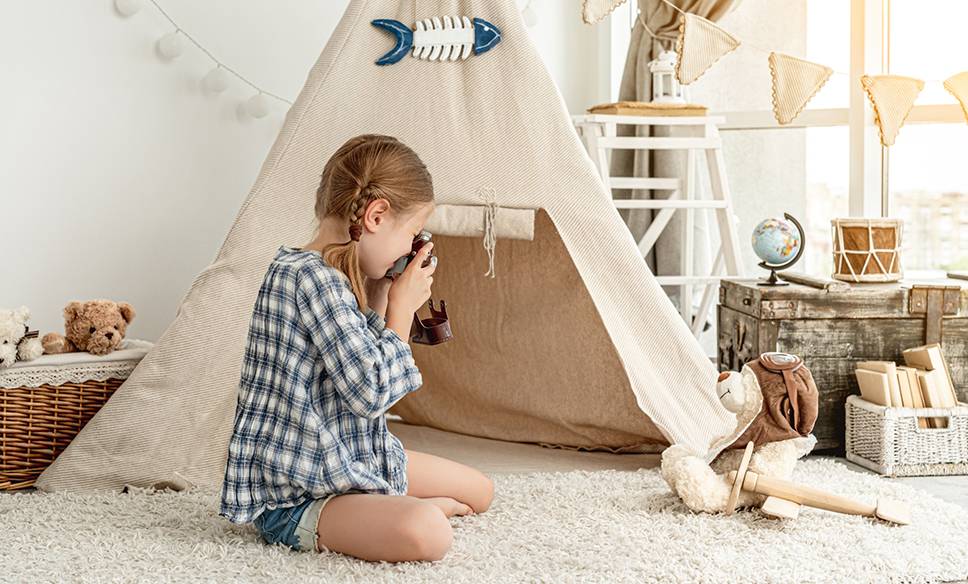
Ideas for real cozy placesFavorite corners for playing, reading, and cuddling can embrace the forest theme and create cozy retreats for children. A house bed can, for example, become a small forest hideaway, a fabric tent turns a corner into a sheltered retreat, while cushions, a soft blanket, and some favorite books make it a cozy reading nook.
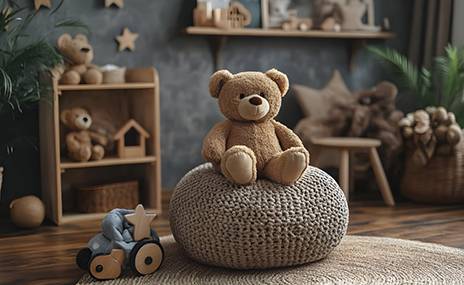
Stuffed animals can also become part of this small world. A fox, bear, or hare doesn't just have to lie decoratively on the bed. Together with books, pictures, and a small light, it creates a personal corner that invites storytelling and dreaming. For lighting, small, targeted light sources are particularly suitable. A reading lamp provides enough light for browsing, while a warm night or decorative light makes the cuddle corner even cozier. Especially in small children's rooms, such areas don't need much space. A small mattress with cushions, a narrow bookshelf, and a warm lamp are already enough ingredients for a cozy reading nook.
From the forest children's room to the teenage room
How the furnishings grow with the child's tasteA children's room doesn't need to be completely redecorated at every developmental step. Starting with a timeless base, the forest theme can be developed over many years. Simple wooden furniture, neutral wall colors, and natural textiles are particularly suitable. The more playful elements should be easily changeable: forest animal pictures, bedding, cushions, small figures, or wall decals can later disappear or be replaced with new motifs.
In the baby room, the theme can still work very gently. For kindergarten children, it can become an imaginative forest world with fox, bear, squirrel, and friends. As age progresses, the animals don't always have to be the focal point. Plants, landscapes, nature photography, or more abstract motifs can reinterpret the theme for a school or teenage room.
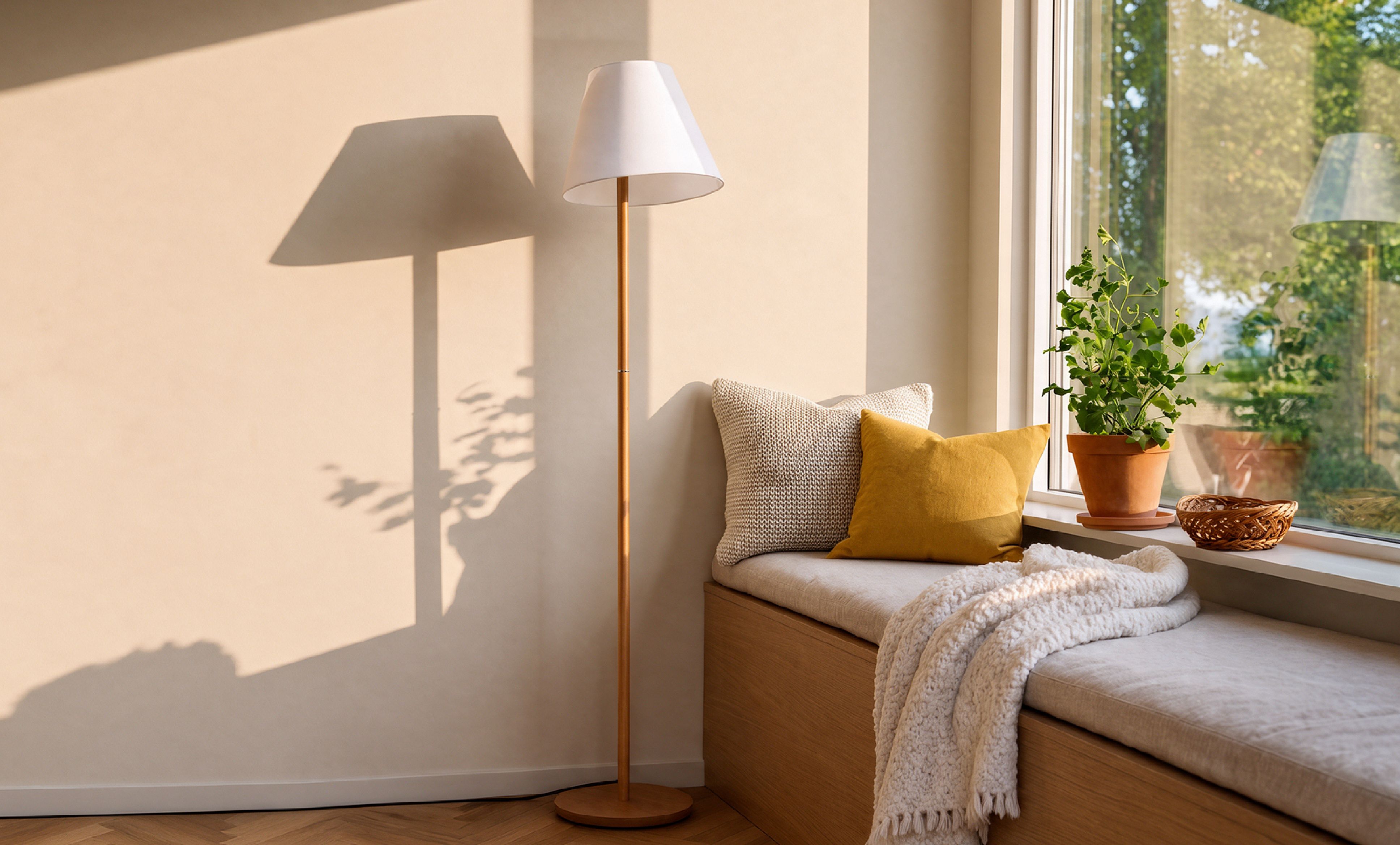
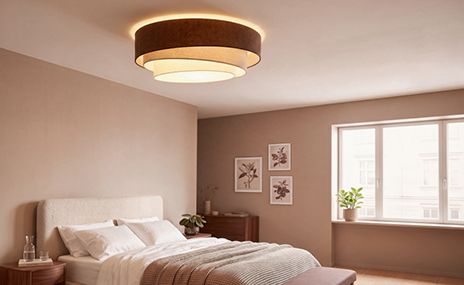
Also, the lighting can grow with them. A decorative children's light can later be replaced with a timeless pendant, ceiling, or wall light. Additional reading lights and good workspace lighting become increasingly important with school age. This way, the original children's room motto "forest" primarily retains the room's feel: natural colors, wood, cozy light, and a connection to nature.
Conclusion
Designing a forest children's room with natural colors and forest animalsA forest children's room emerges not from as many forest motifs as possible, but through the interplay of selected elements. Natural colors like green, beige, cream, and brown form a calm foundation. Wood and other natural materials bring warmth to the room, while forest plush toys, plants, and imaginative wall decor add personal accents.
The theme is particularly harmonious when individual motifs recur. A fox in the picture, a hare on the bedding, or a squirrel on the coat rack can be enough. Appropriate lighting makes it a particularly cozy small forest world in the evening. By choosing timeless furniture and base colors, while keeping decor consciously interchangeable, the forest theme can be constantly reinterpreted. This way, the forest children's room accompanies little explorers from a gentle baby room to a personal retreat for older children.