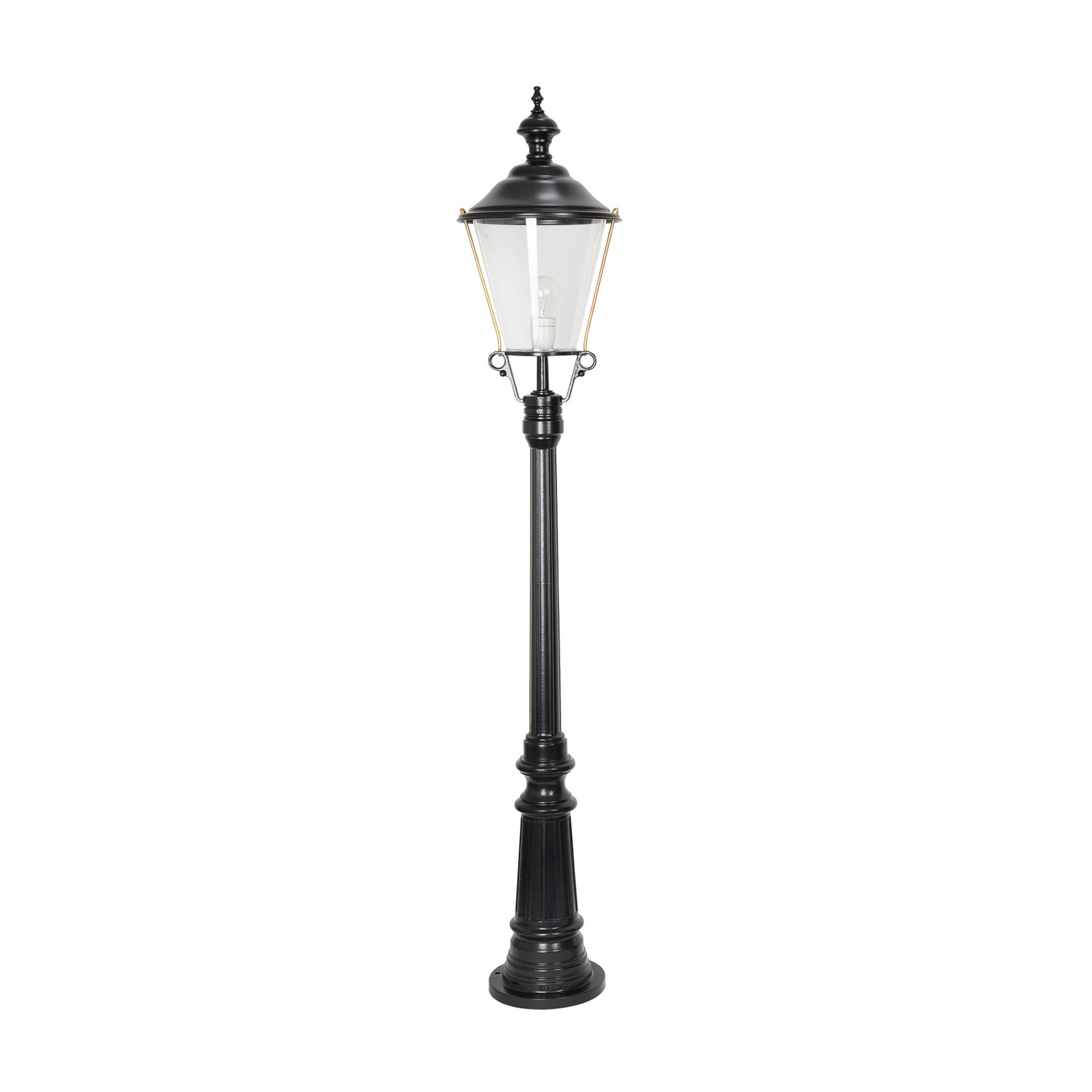
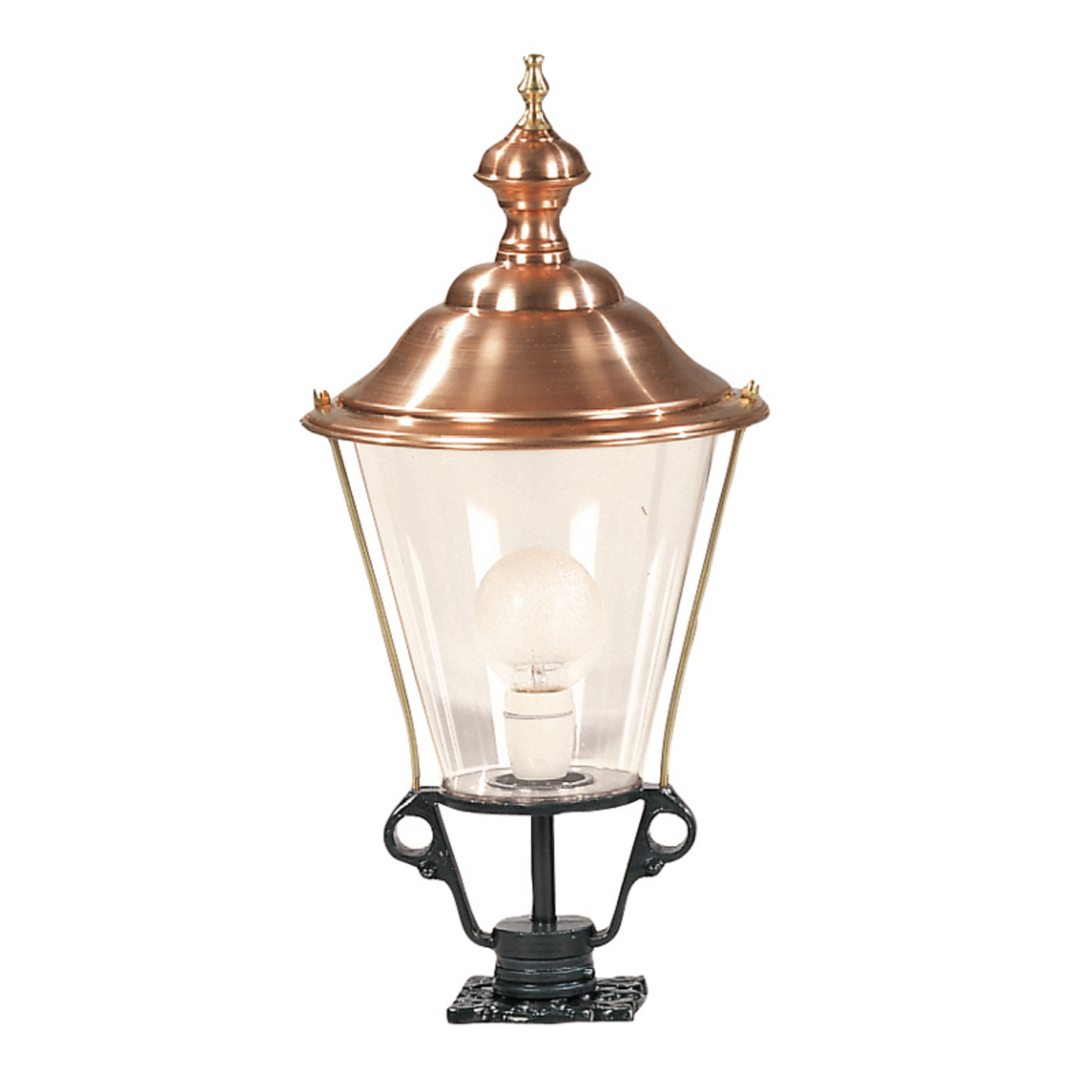
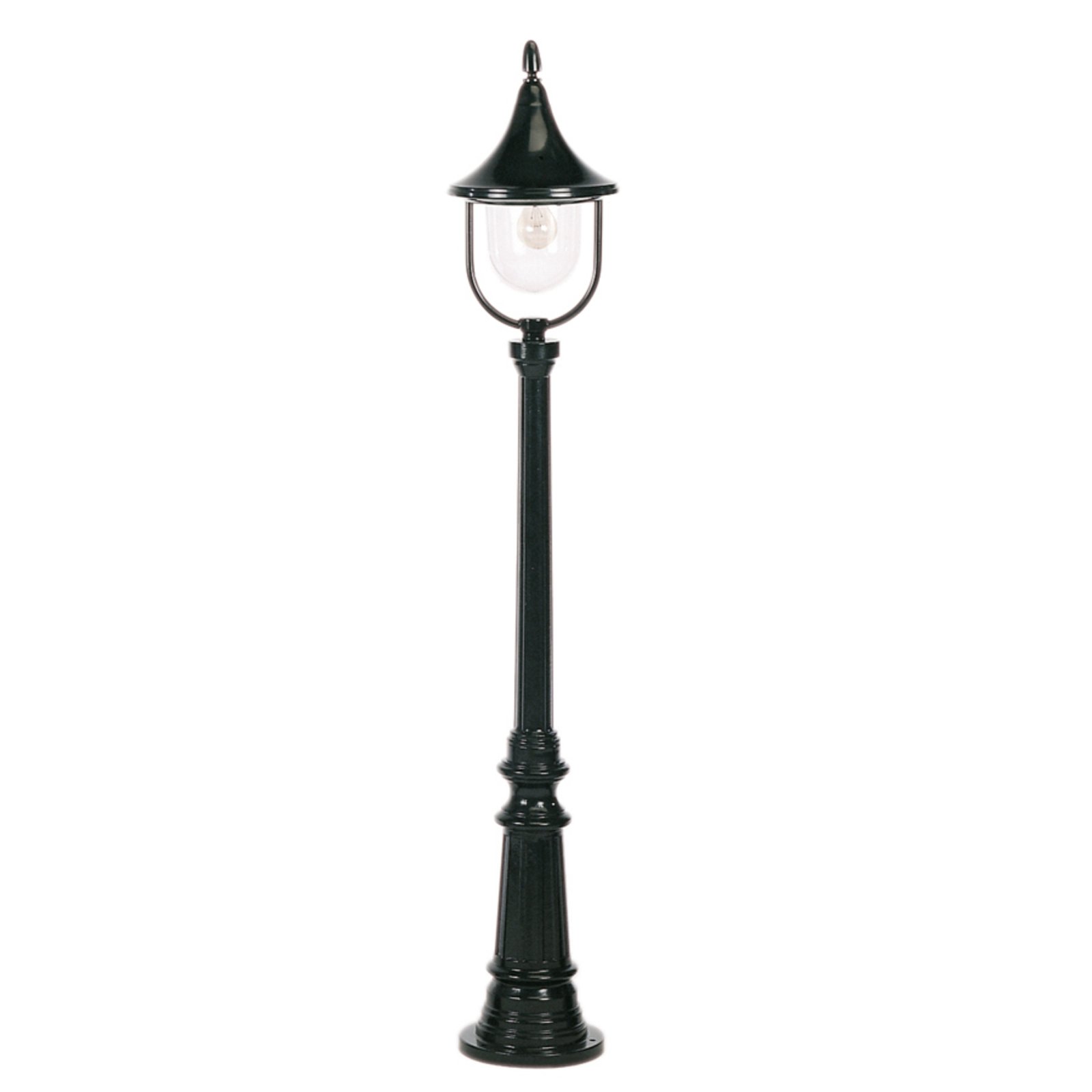
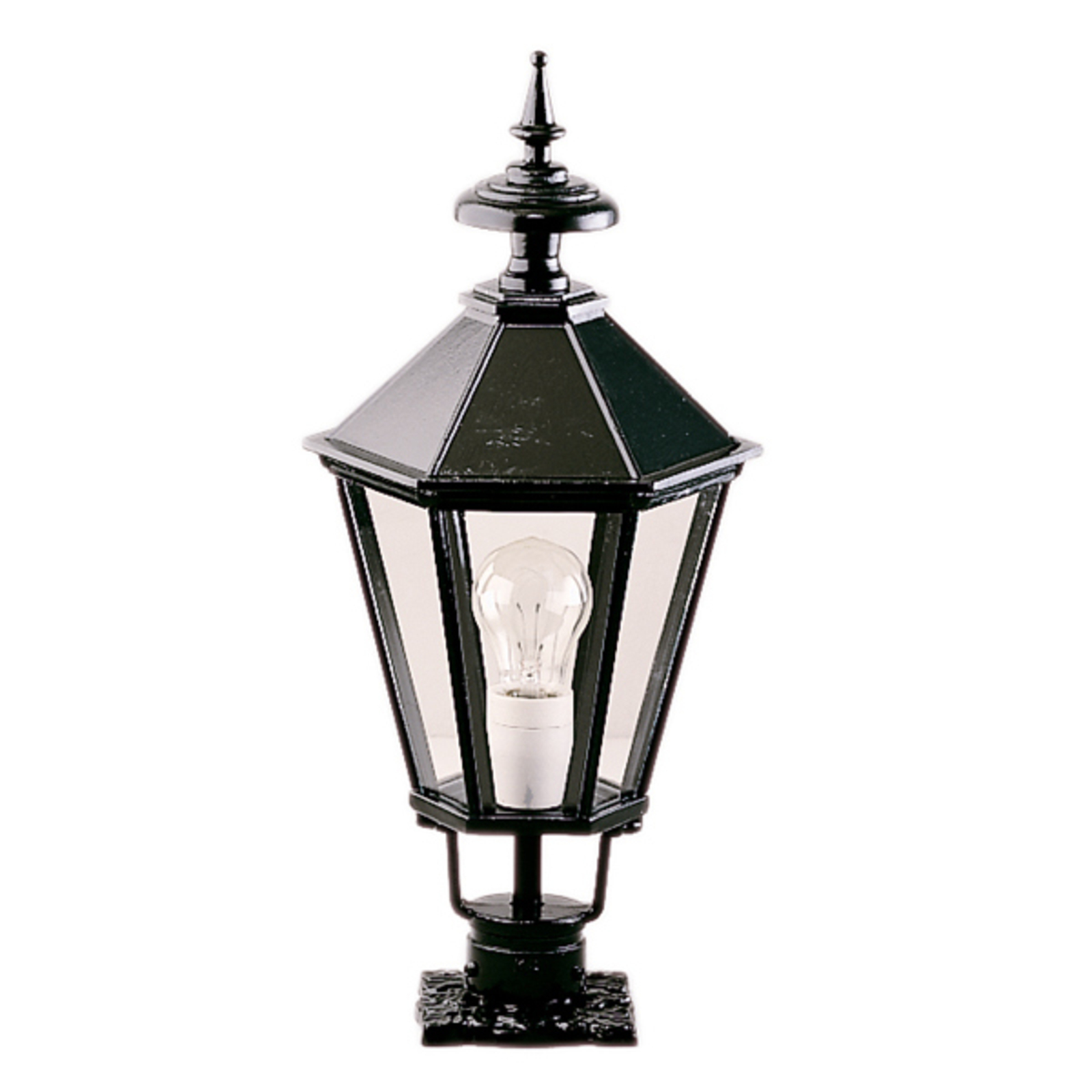
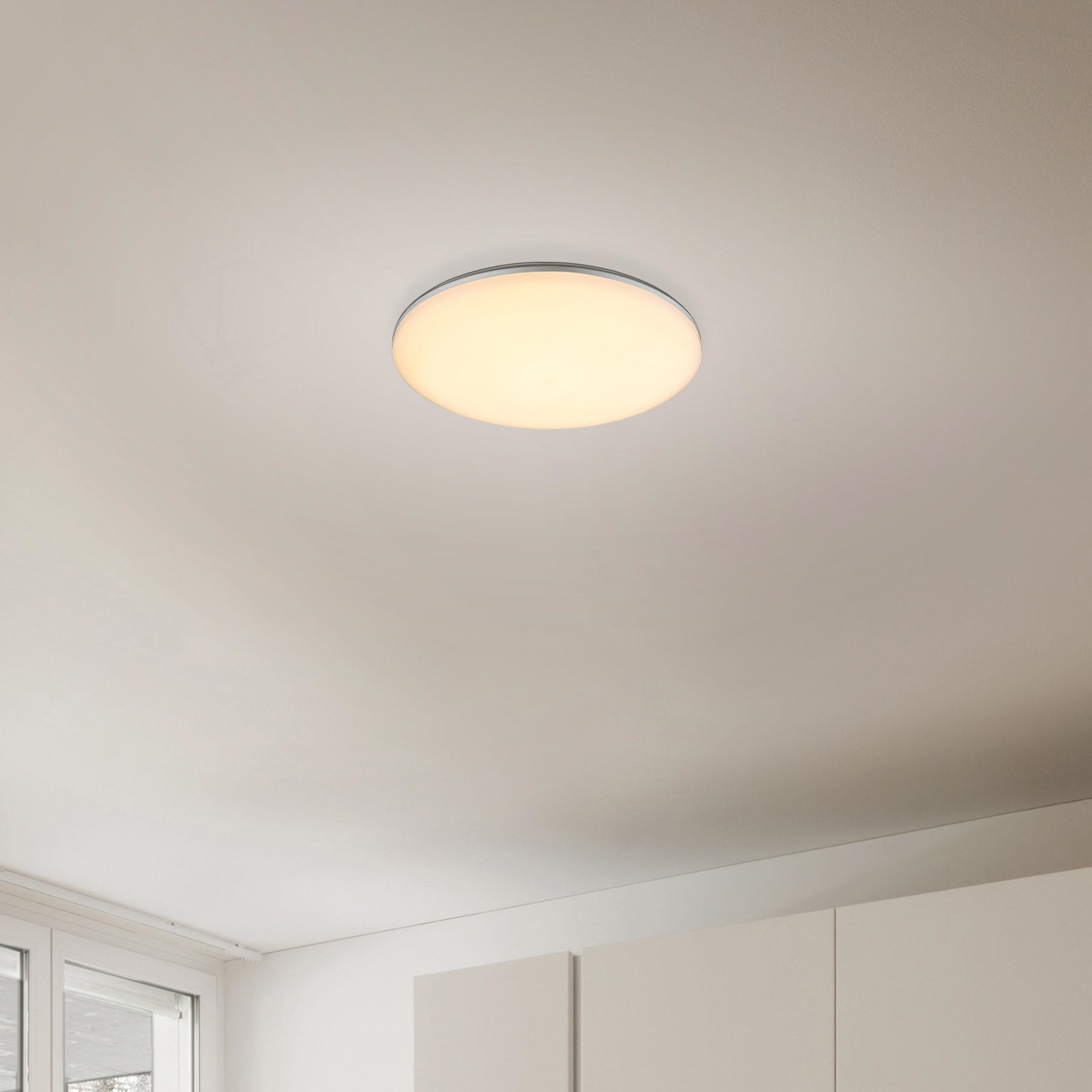
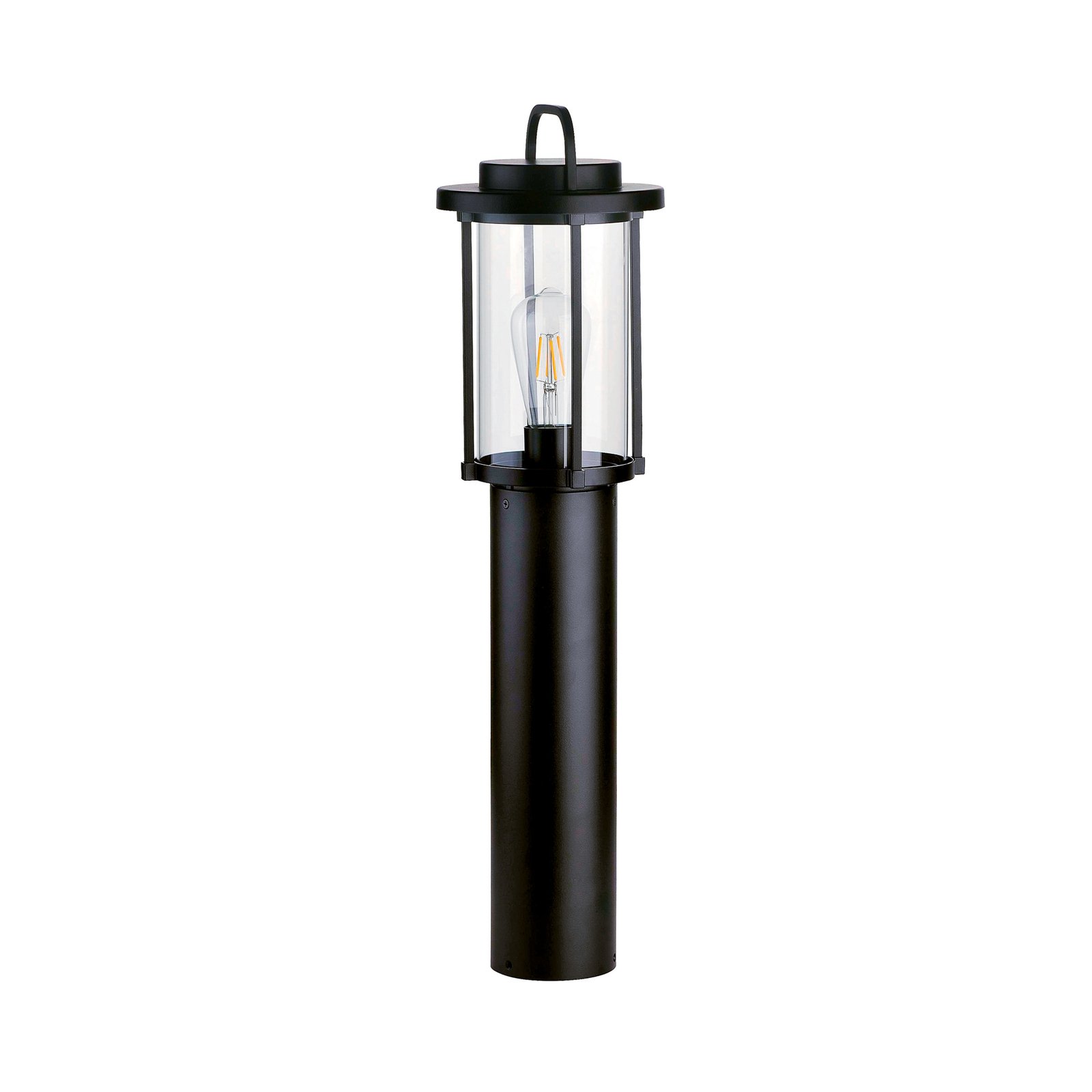
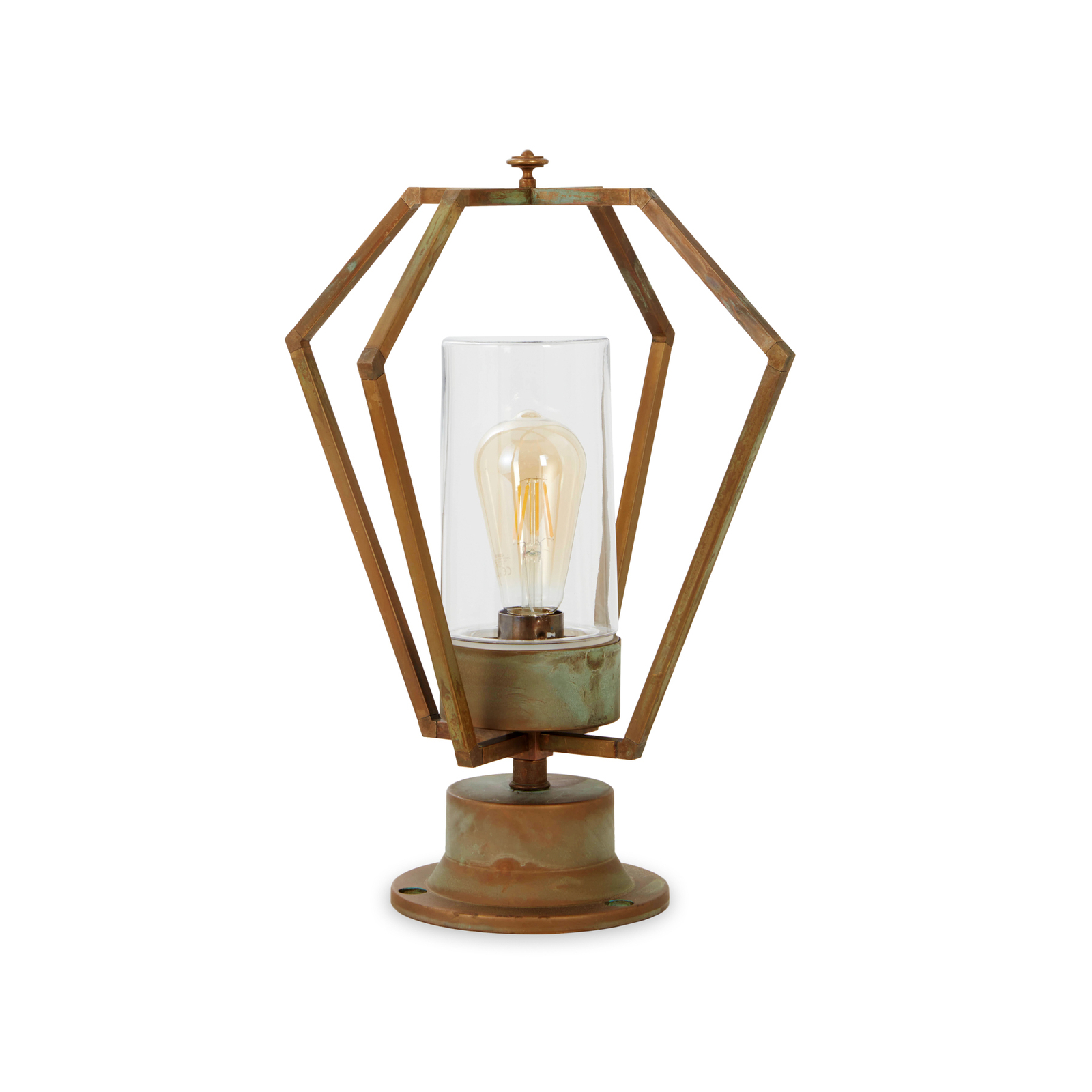
Driveway lighting for courtyard, garage entrance and carport
In everyday life, driveway lighting decides whether the driveway, parking space and path to the house remain easily recognisable in the evening. Anyone arriving by car, dropping off children or guests or carrying shopping to the door needs light with clear orientation instead of wide-area overlighting. A good solution clearly structures the outdoor area without making the courtyard look restless. This makes it easier to recognise the lane, transitions and edges, even if the garage, carport and house entrance are close together.
Driveway lighting to match the driveway, courtyard and garage entrance
Not every driveway has the same requirements. Above all, a long, narrow driveway needs clear guidance along the lane so that edges, planting and transitions to the pavement remain recognisable even in the dark. In an open courtyard, usage is more spread out because people turn, park or briefly unload there. LED courtyard lighting is suitable if the driveway and courtyard area are used as a continuous area and not just the gate itself needs light. In front of a garage or under a carport, on the other hand, the focus is on the immediate approach area, because manoeuvring and exiting take place at a short distance. The garage entrance lighting may therefore be positioned closer to the driving surface than on a long driveway. This creates light exactly where paths cross, where vehicles are parked or where people move from their cars to the front door.
Illumination of the driveway in combination with the house façade, gate and property
The effect of a driveway is created not only by brightness, but also by the relationship between the luminaire, surface and building. Light-coloured paving reflects light differently than dark asphalt, and a wide gate needs a different visual accompaniment in the form of luminaires than a narrow entrance next to a hedge. Clear shapes are usually better suited to illuminating the driveway than eye-catching housings, because the light in the outdoor area is highly visible anyway. Black and anthracite usually blend more calmly into modern façades, while aluminium, stainless steel or glass are more visible and can compete more strongly with gate fittings, letterboxes or house numbers. The light colour also changes the impression. Warm white has a more restrained effect on residential buildings, while neutral white appears more functional on large paved surfaces. If you also want to illuminate the house façade, you should separate the brightness of the driveway from the façade lighting so that not all outdoor areas have the same visual focus and the property appears uneven in the evening.
Select luminaires for the driveway according to mounting type, height and light distribution
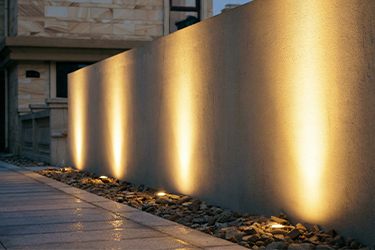
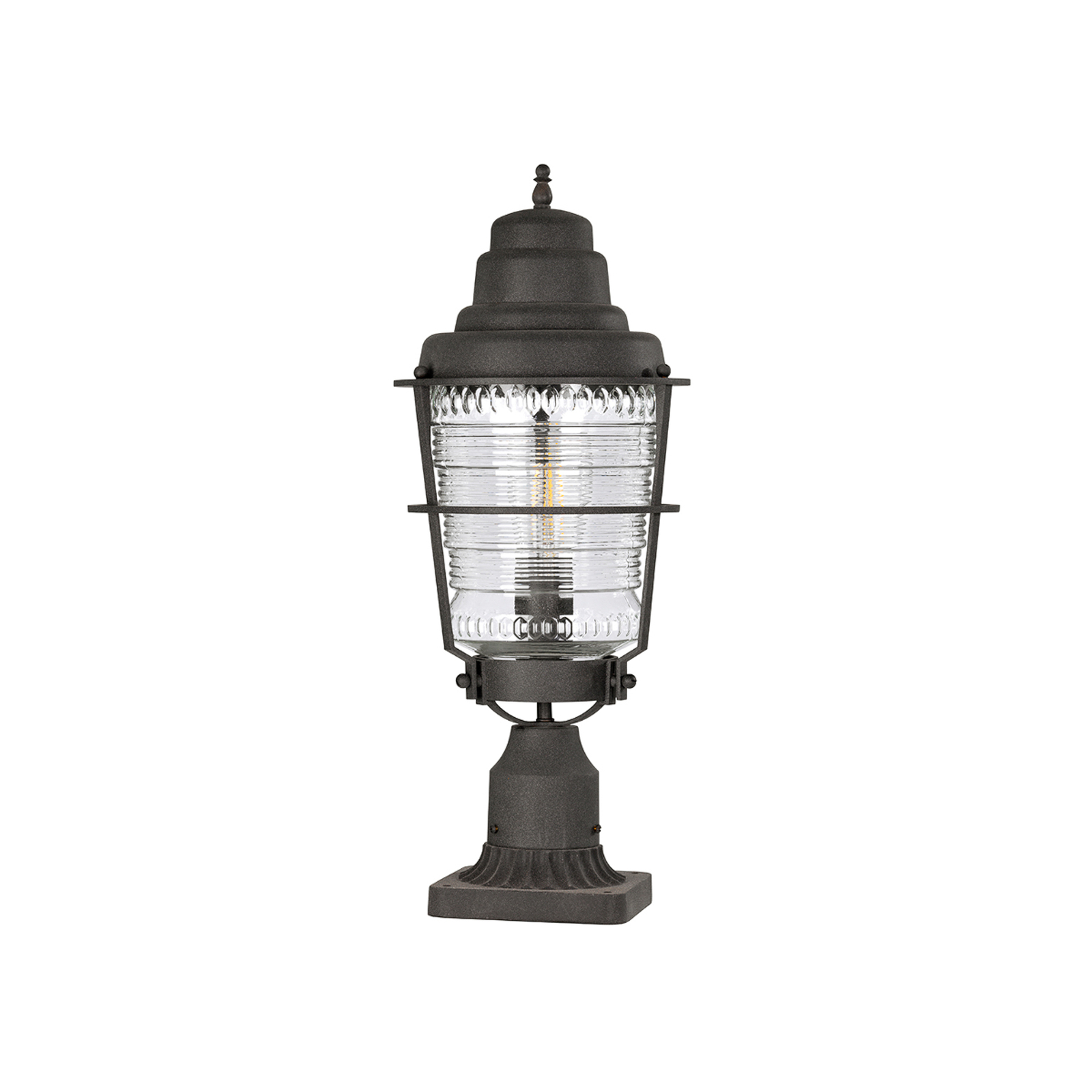
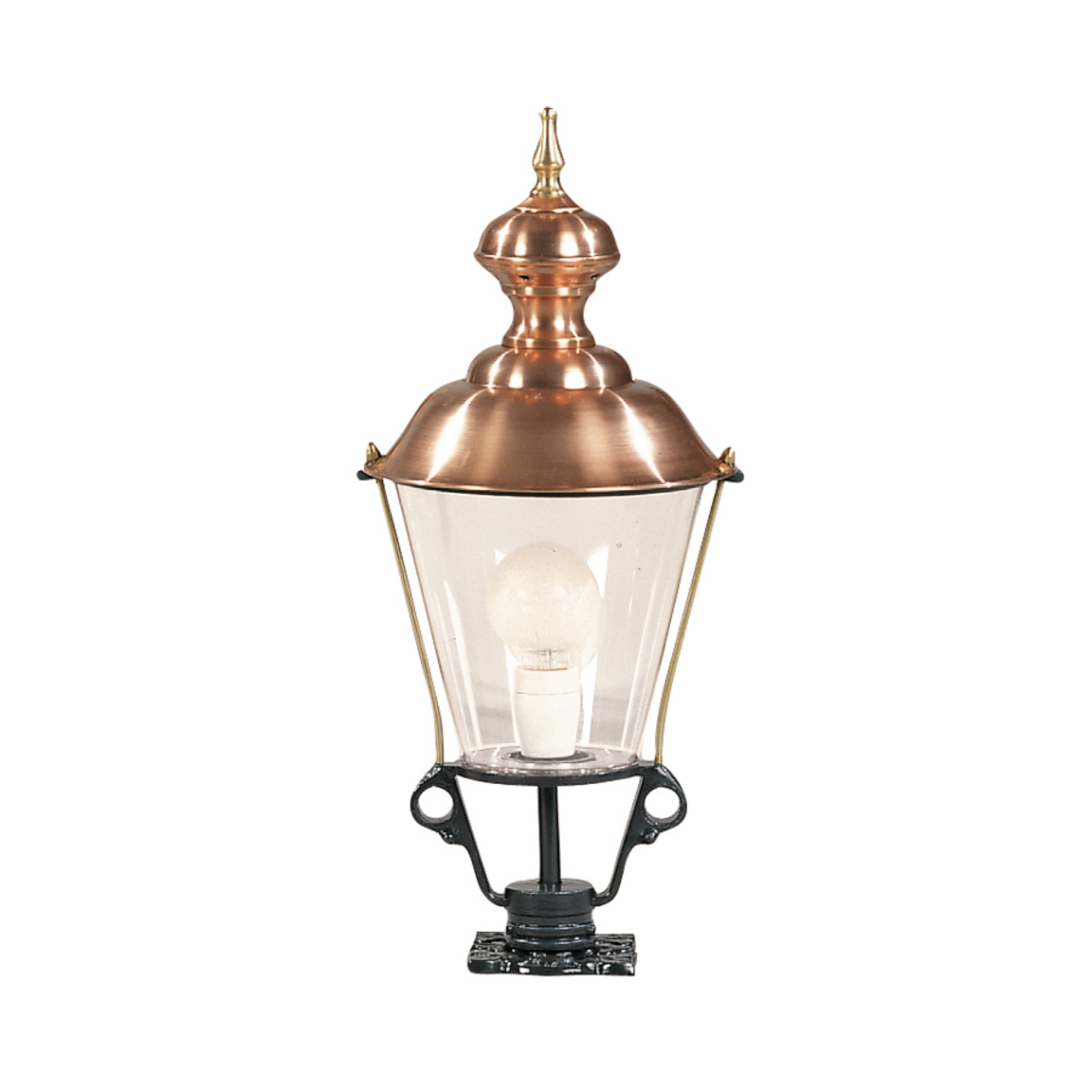
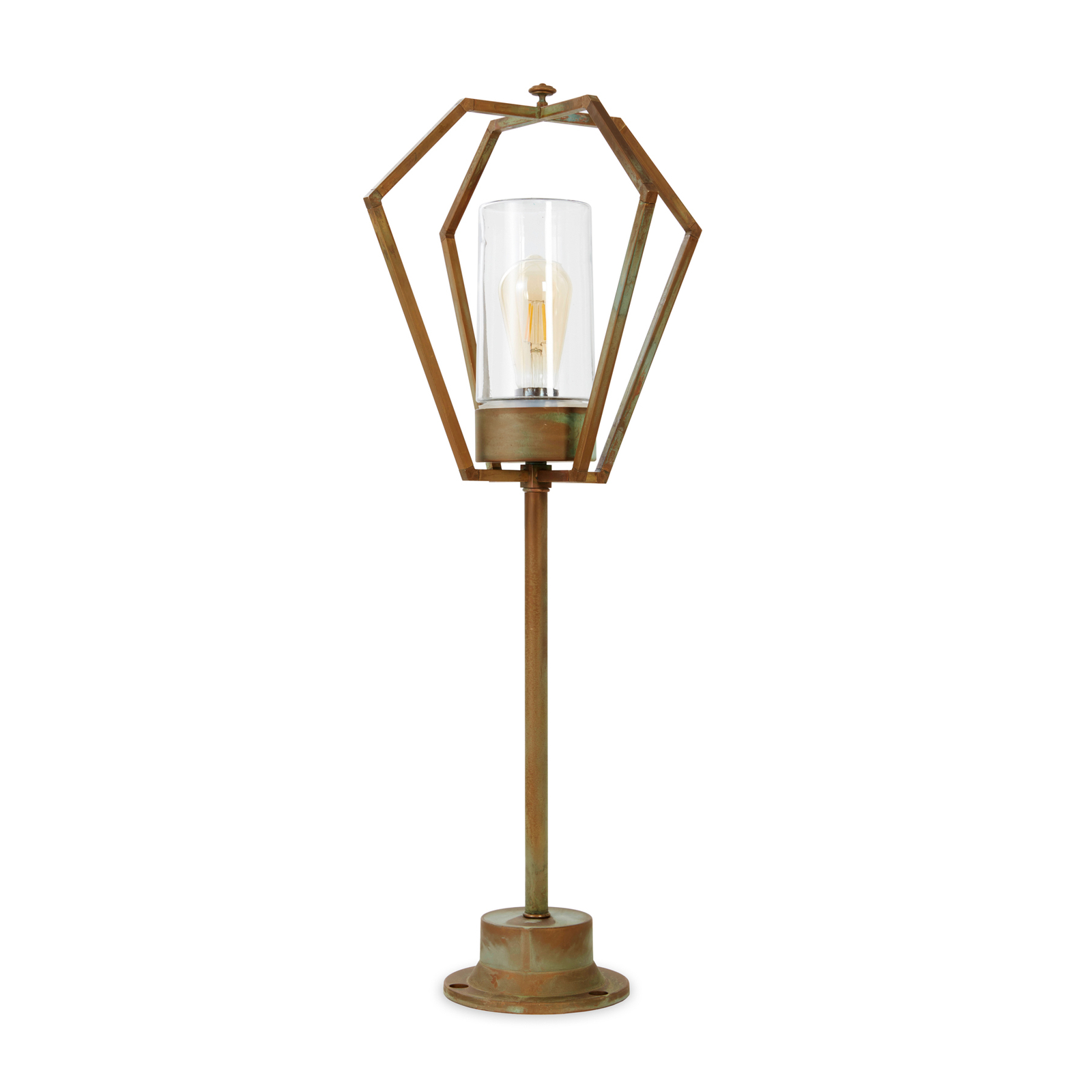
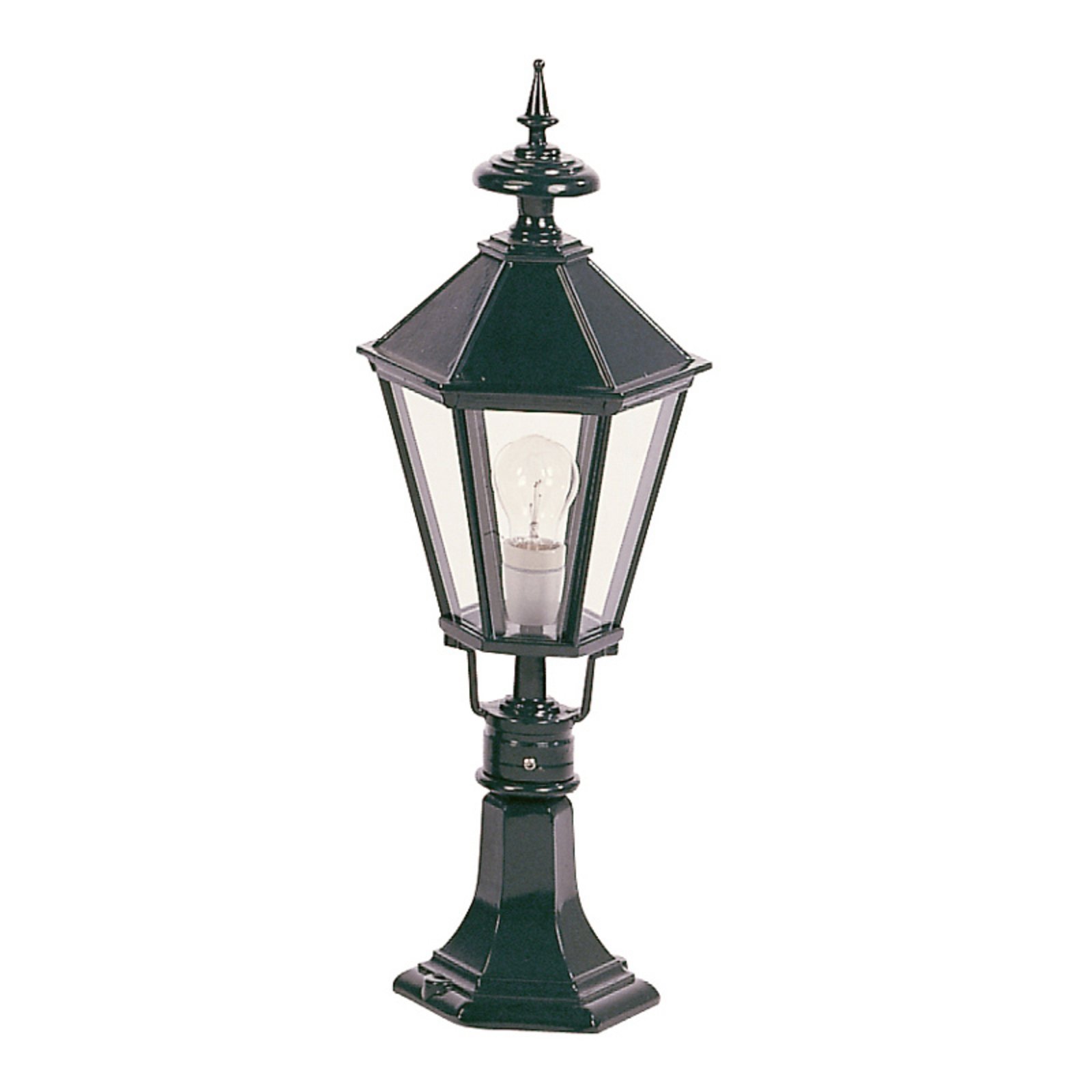
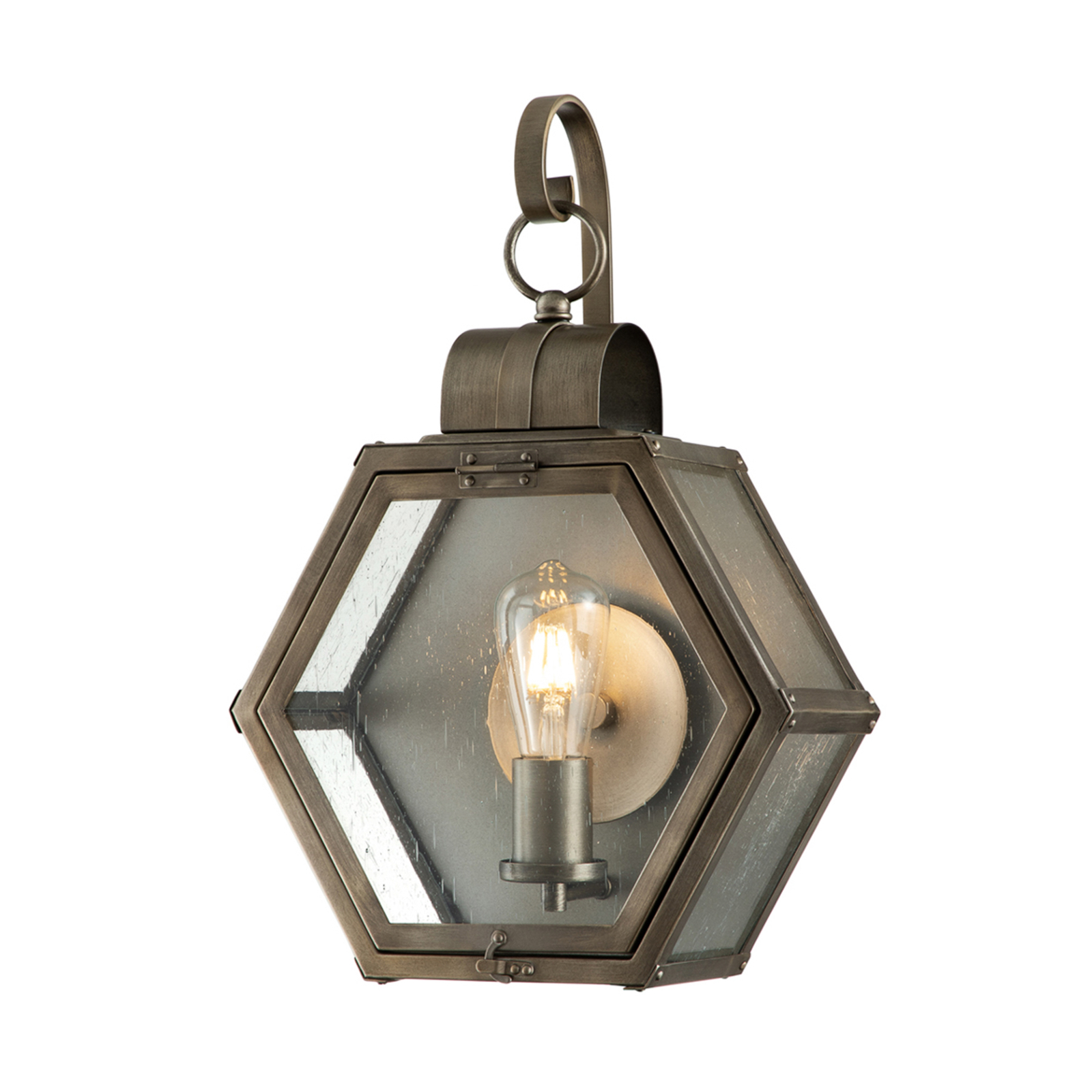
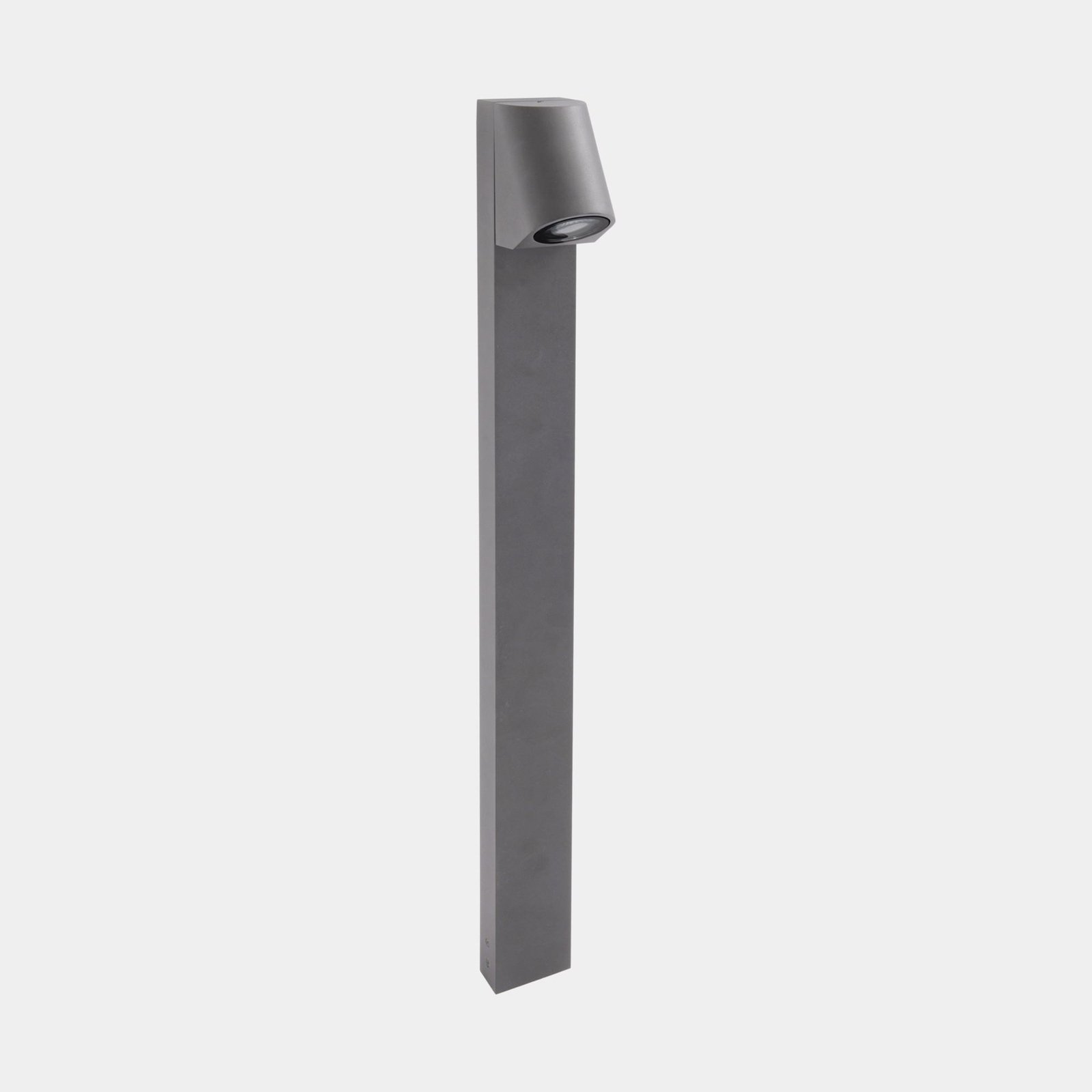
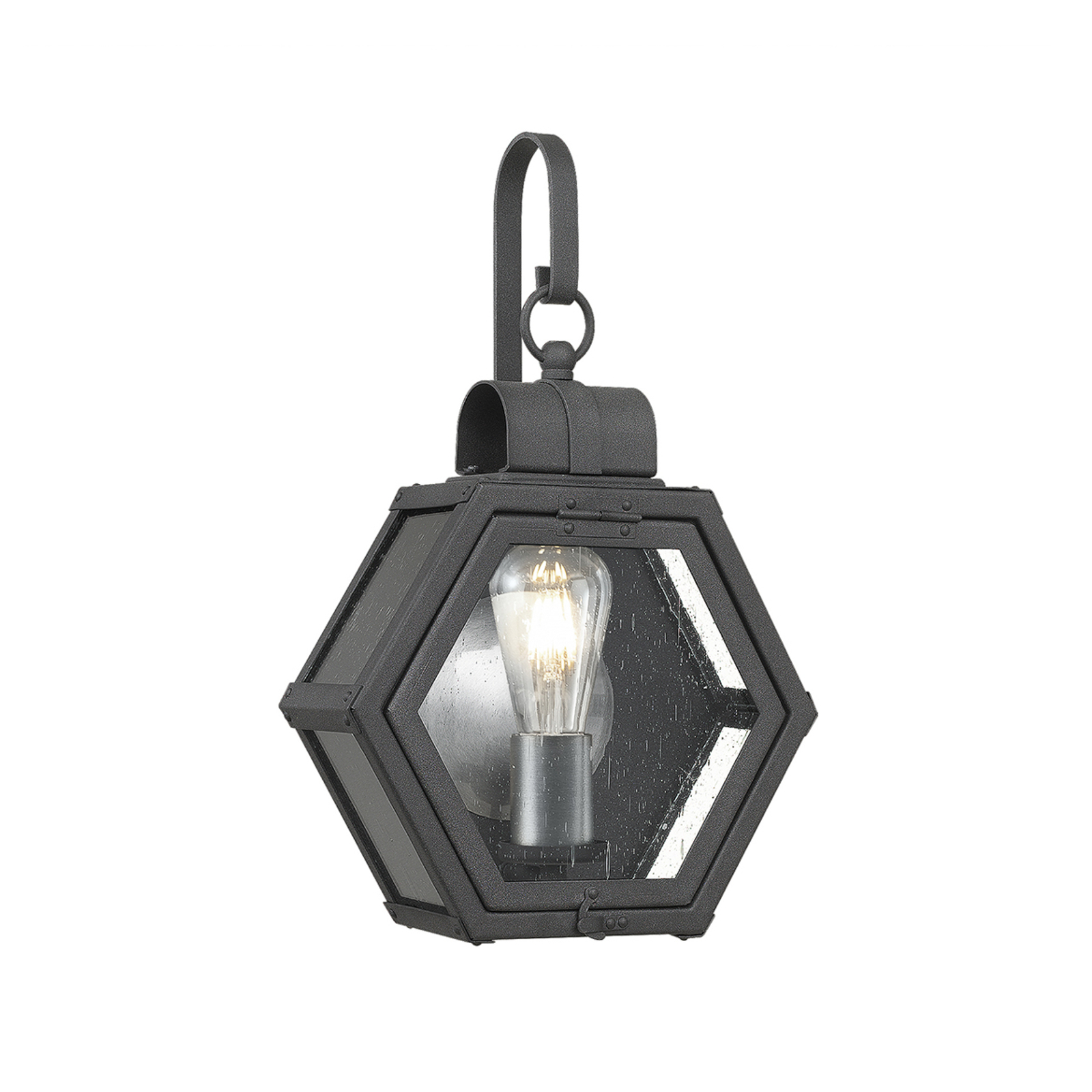
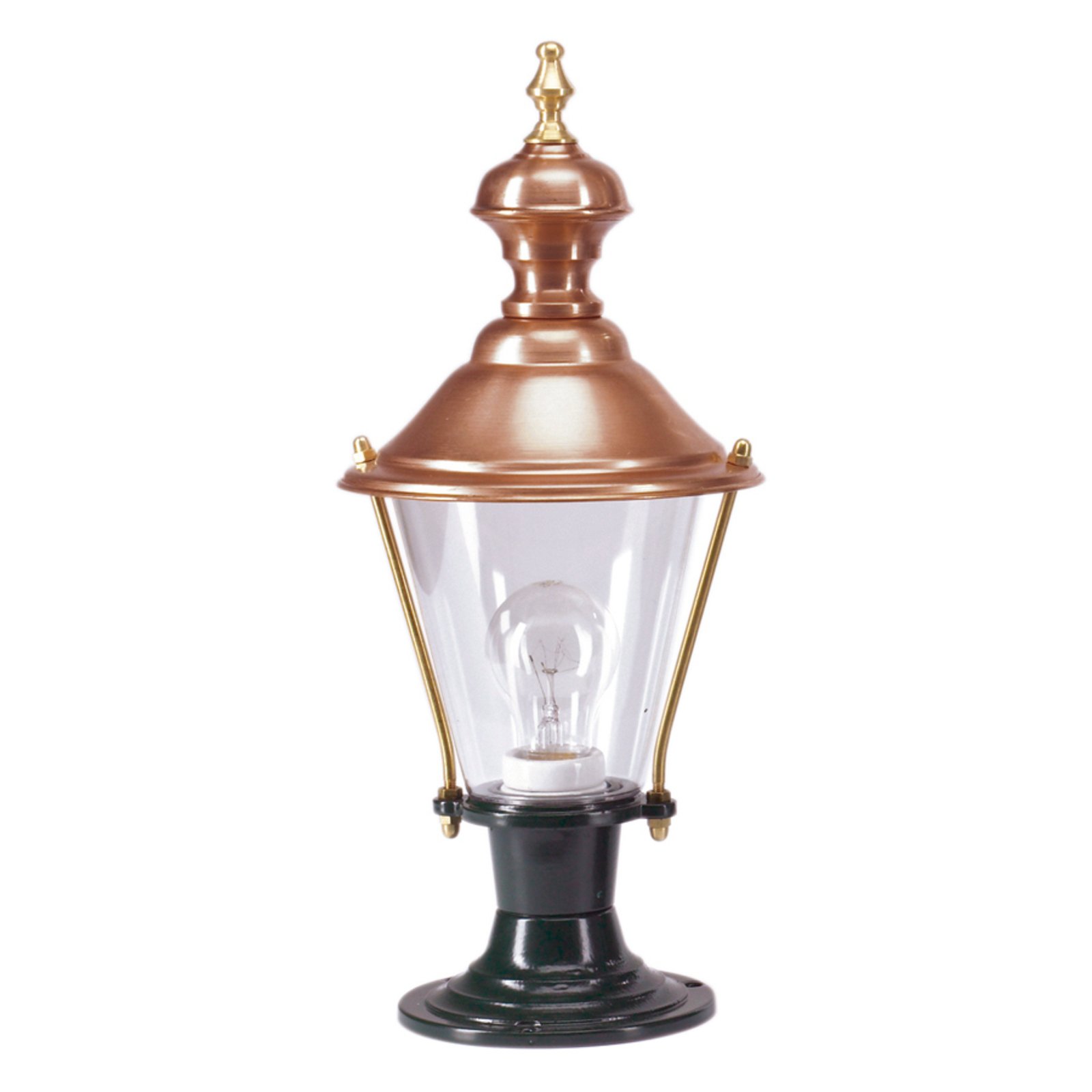
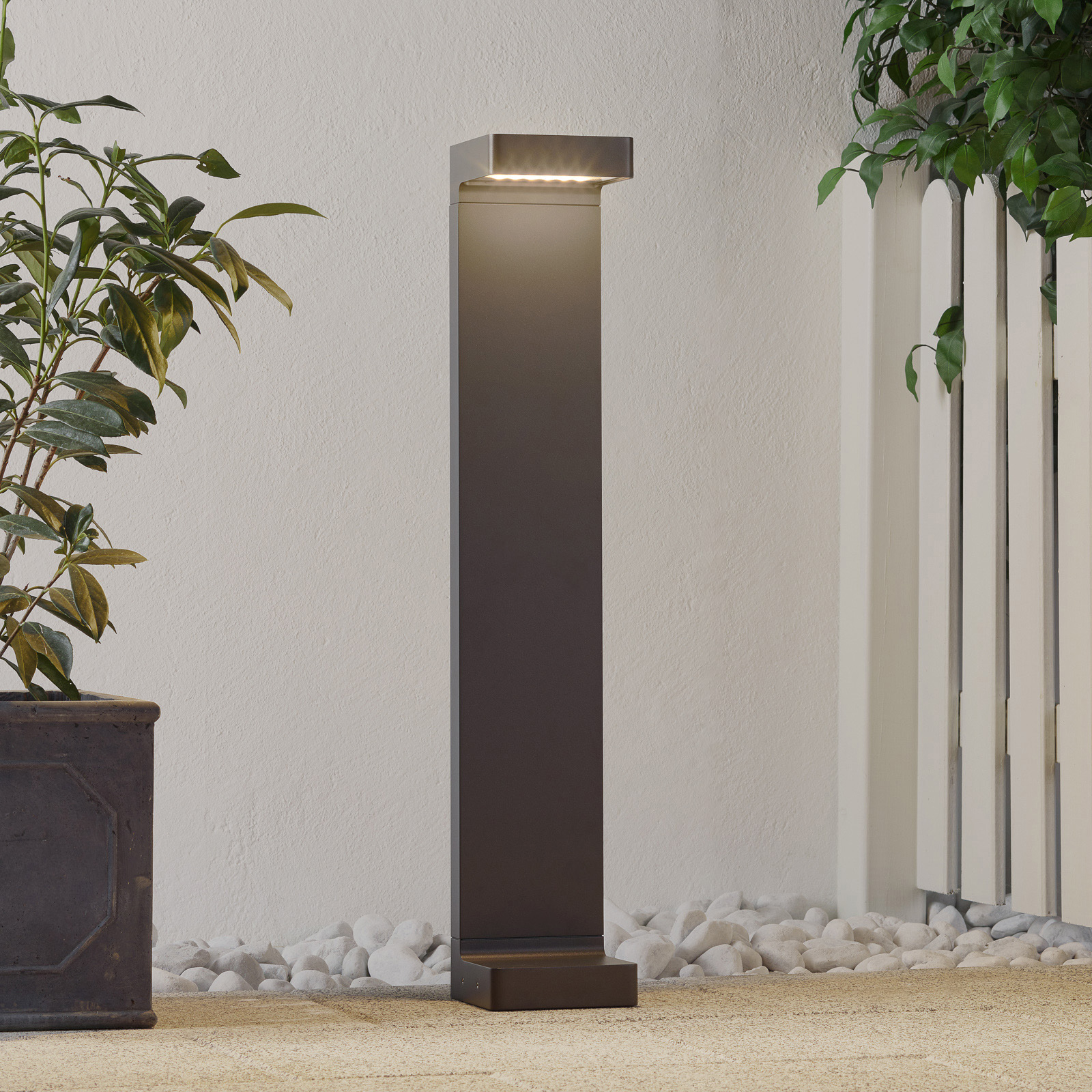
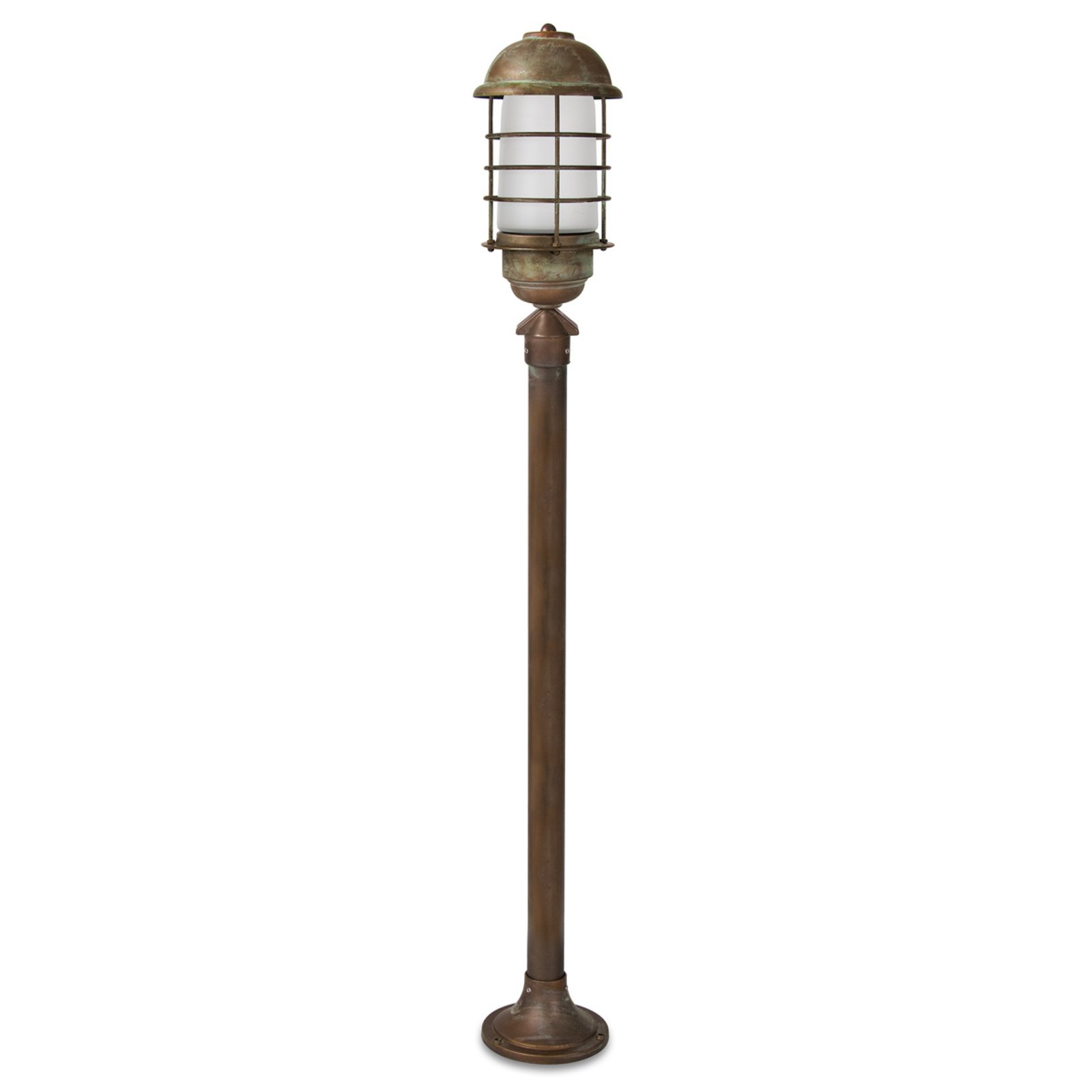
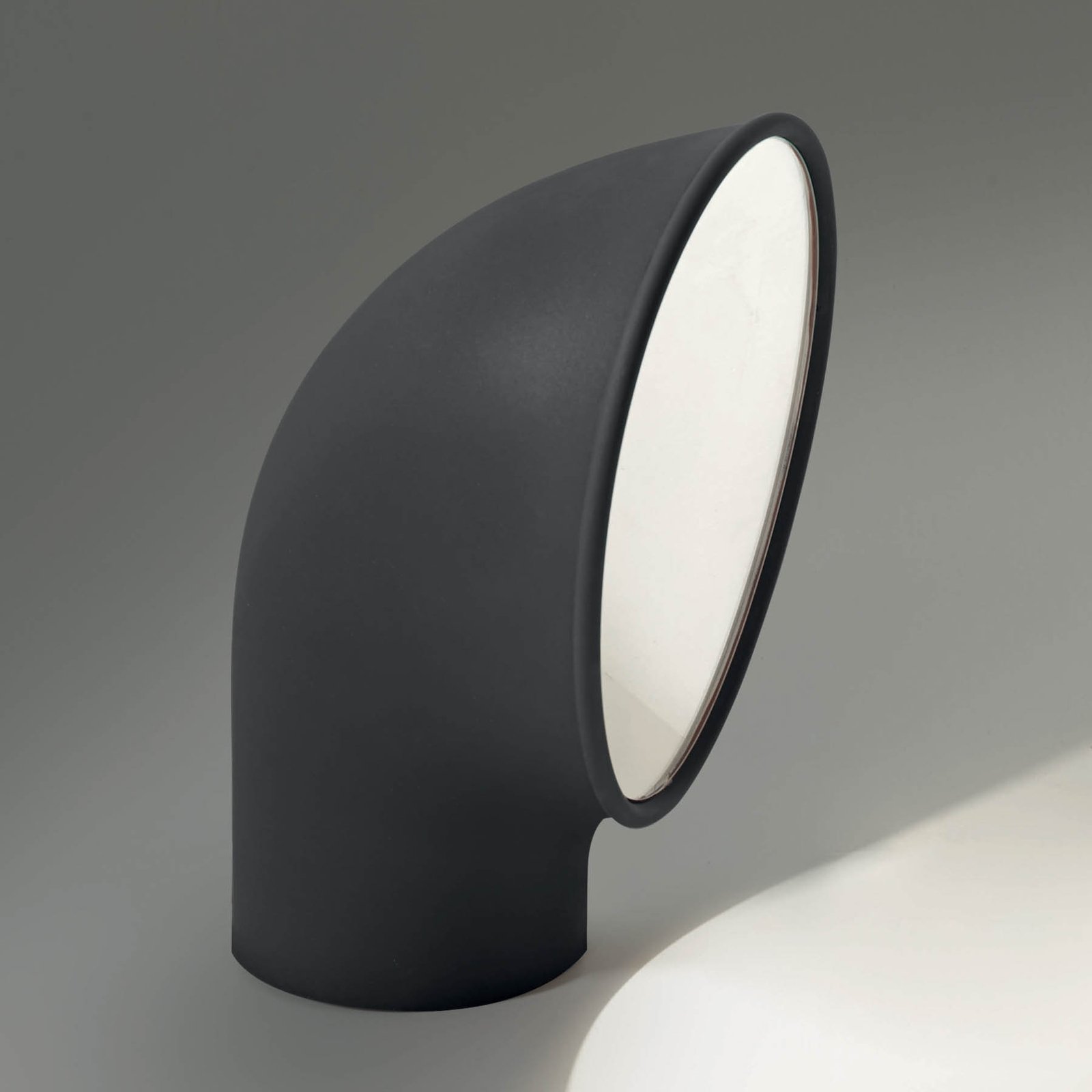
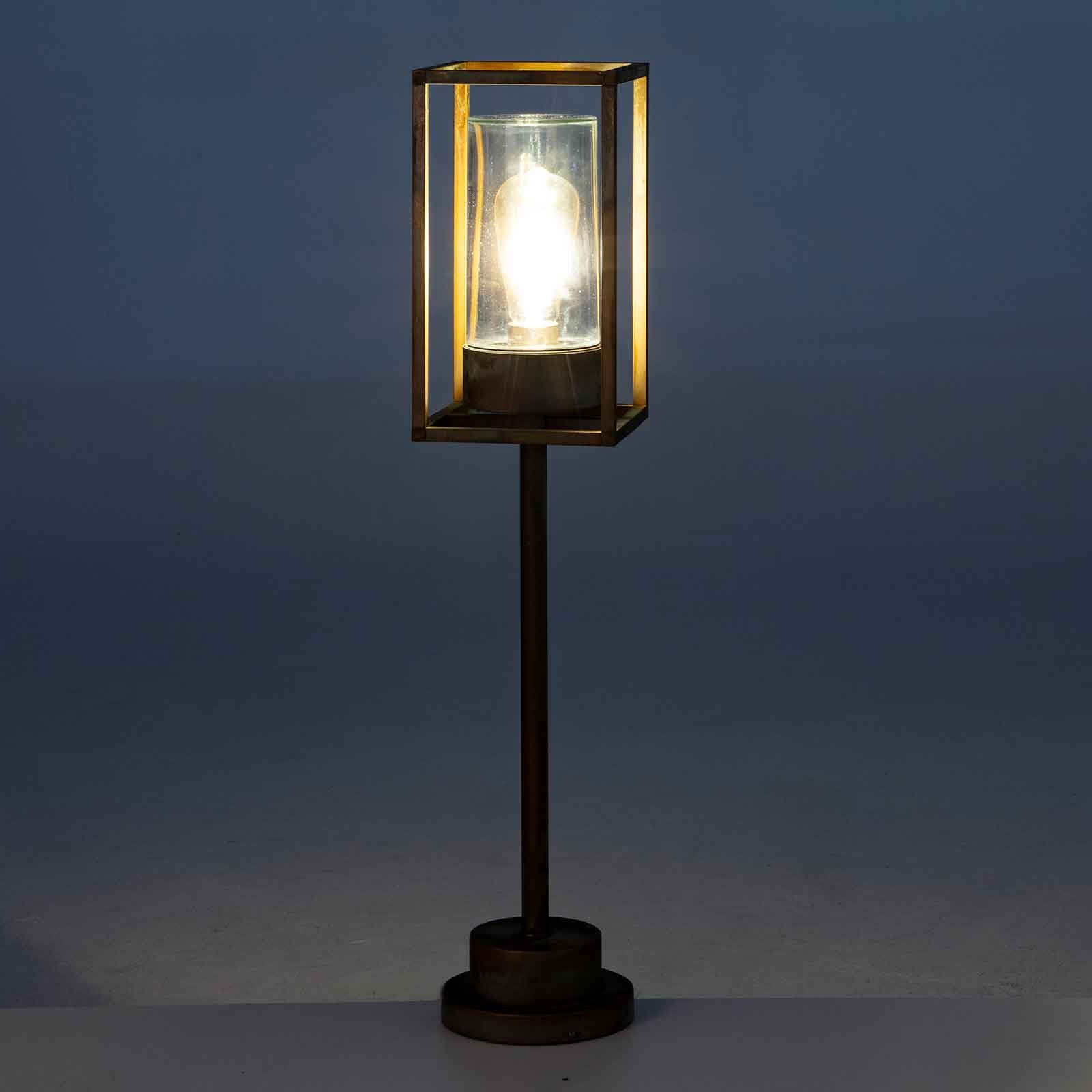
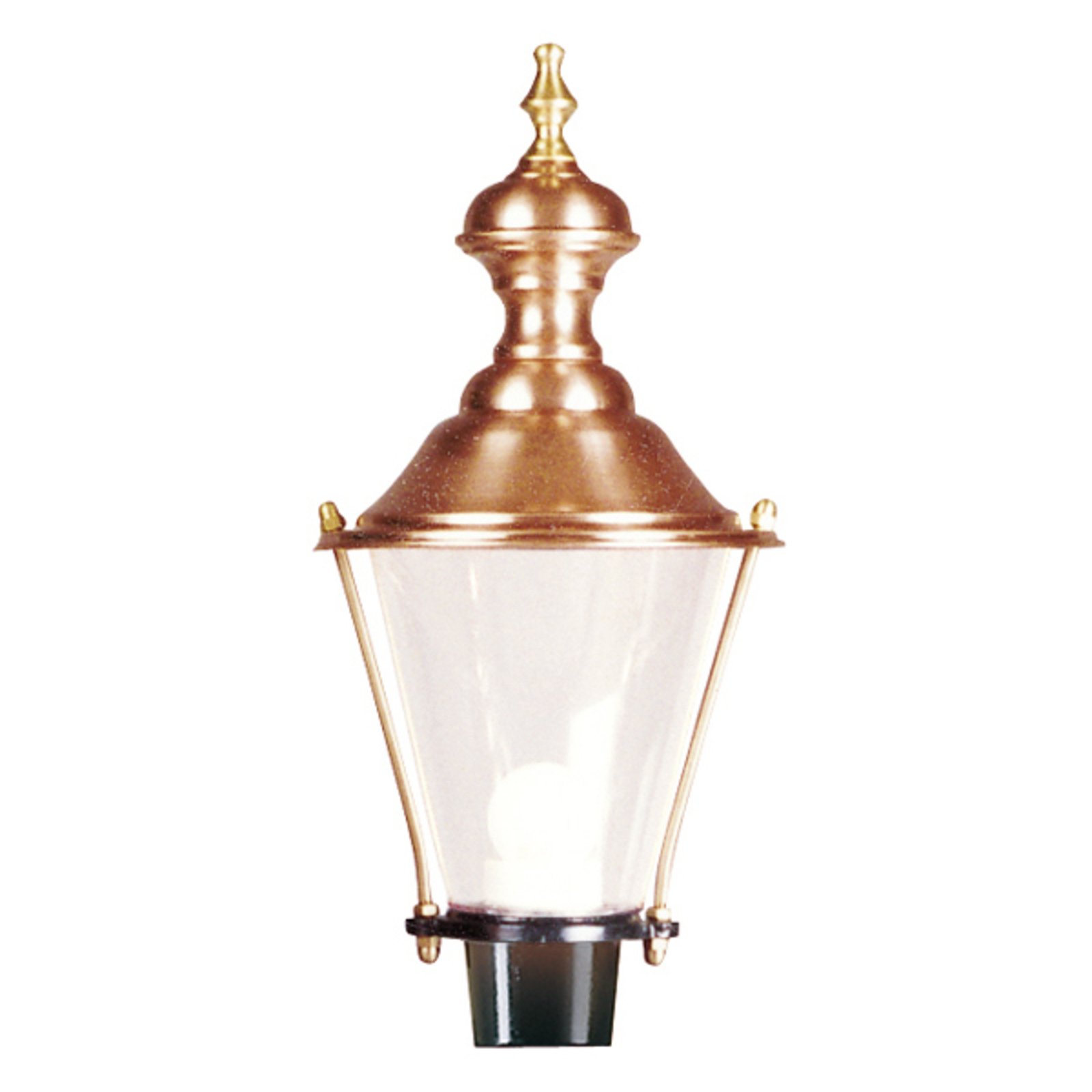
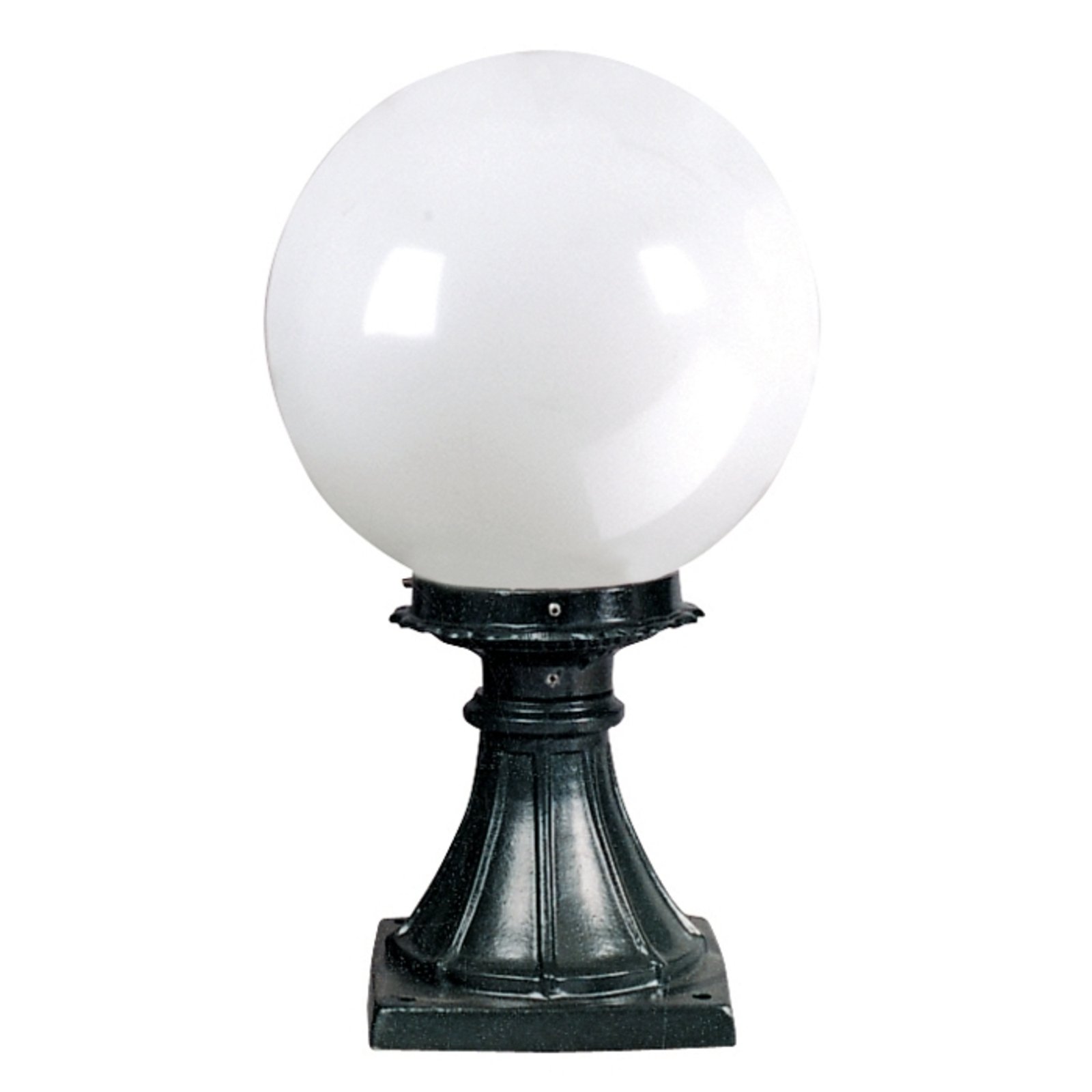
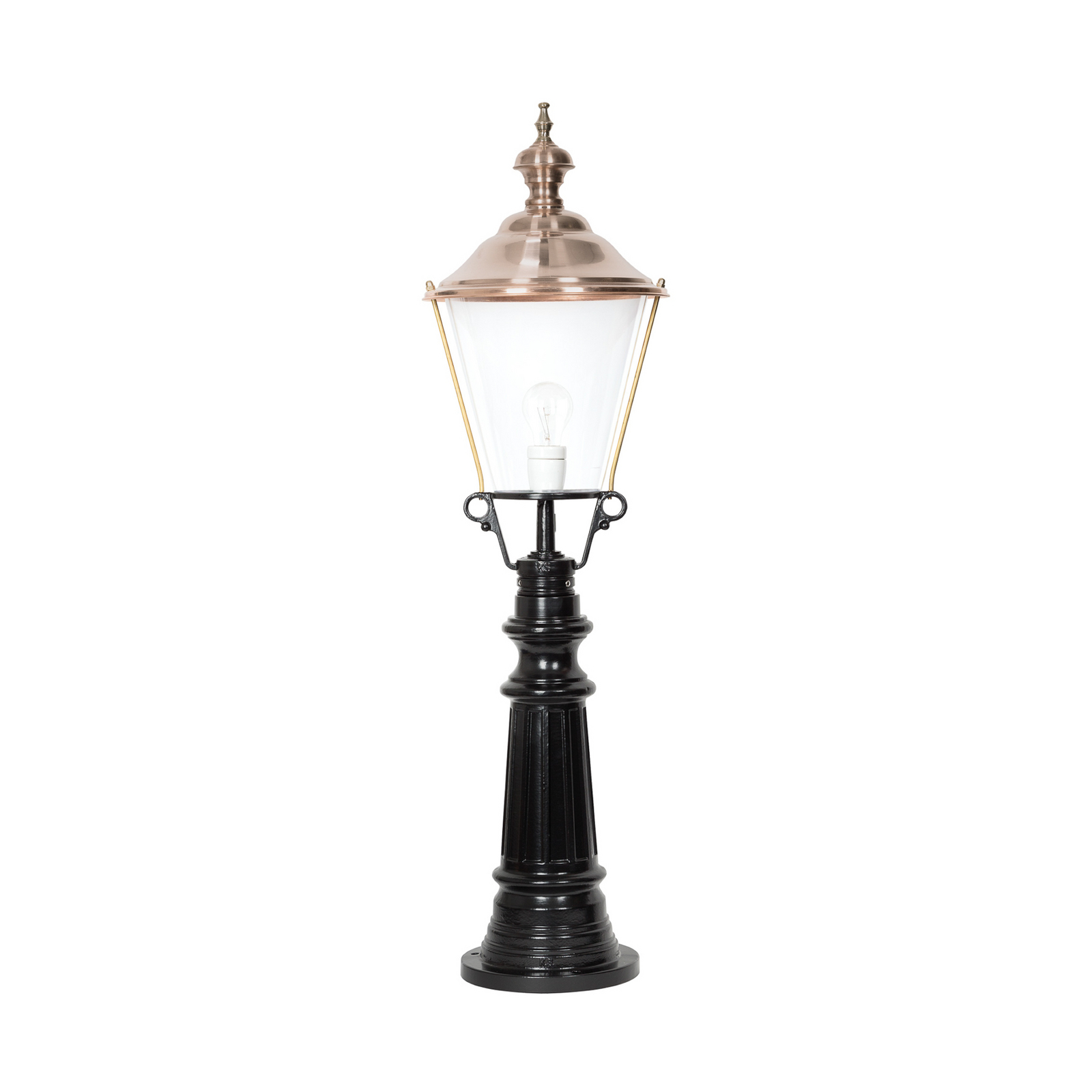
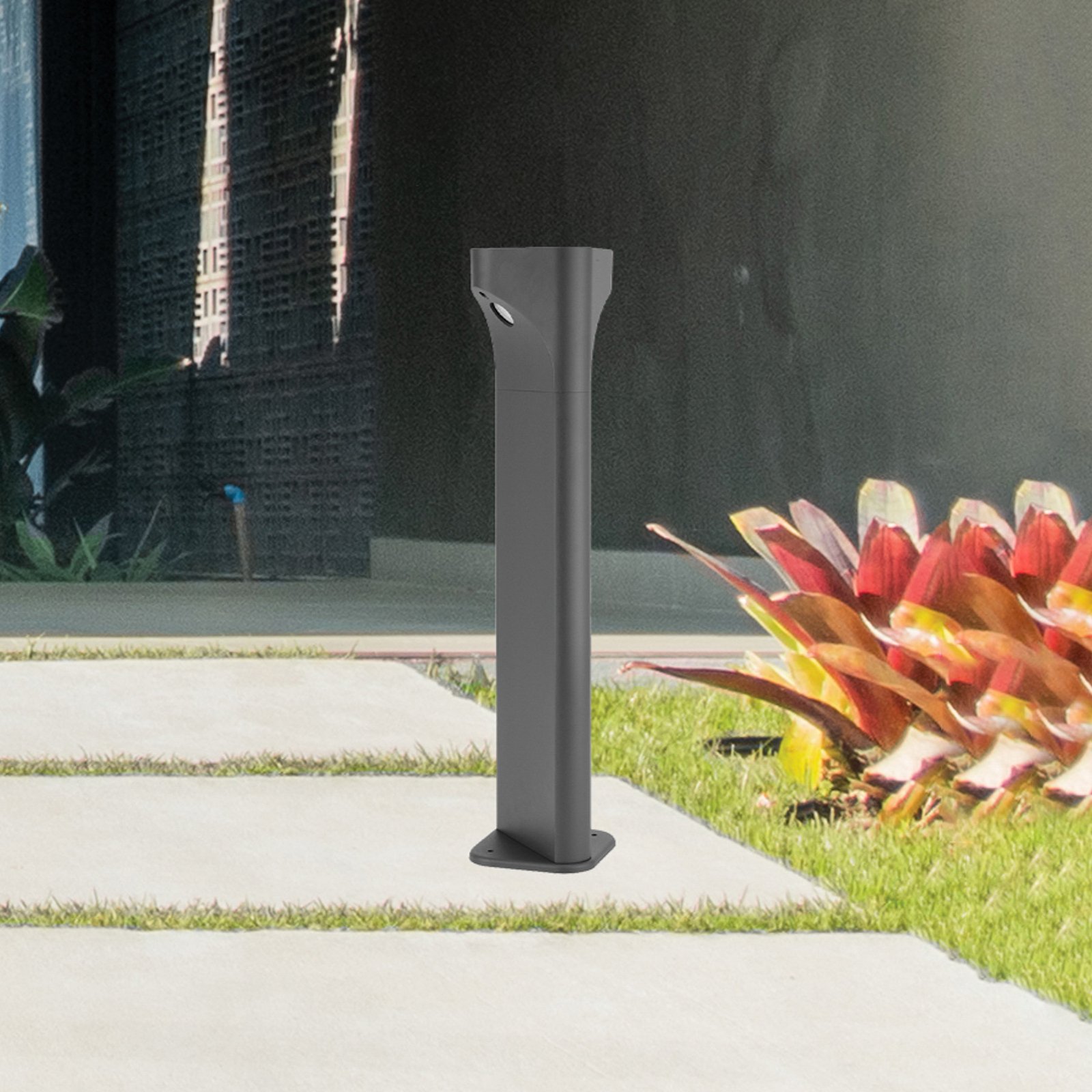
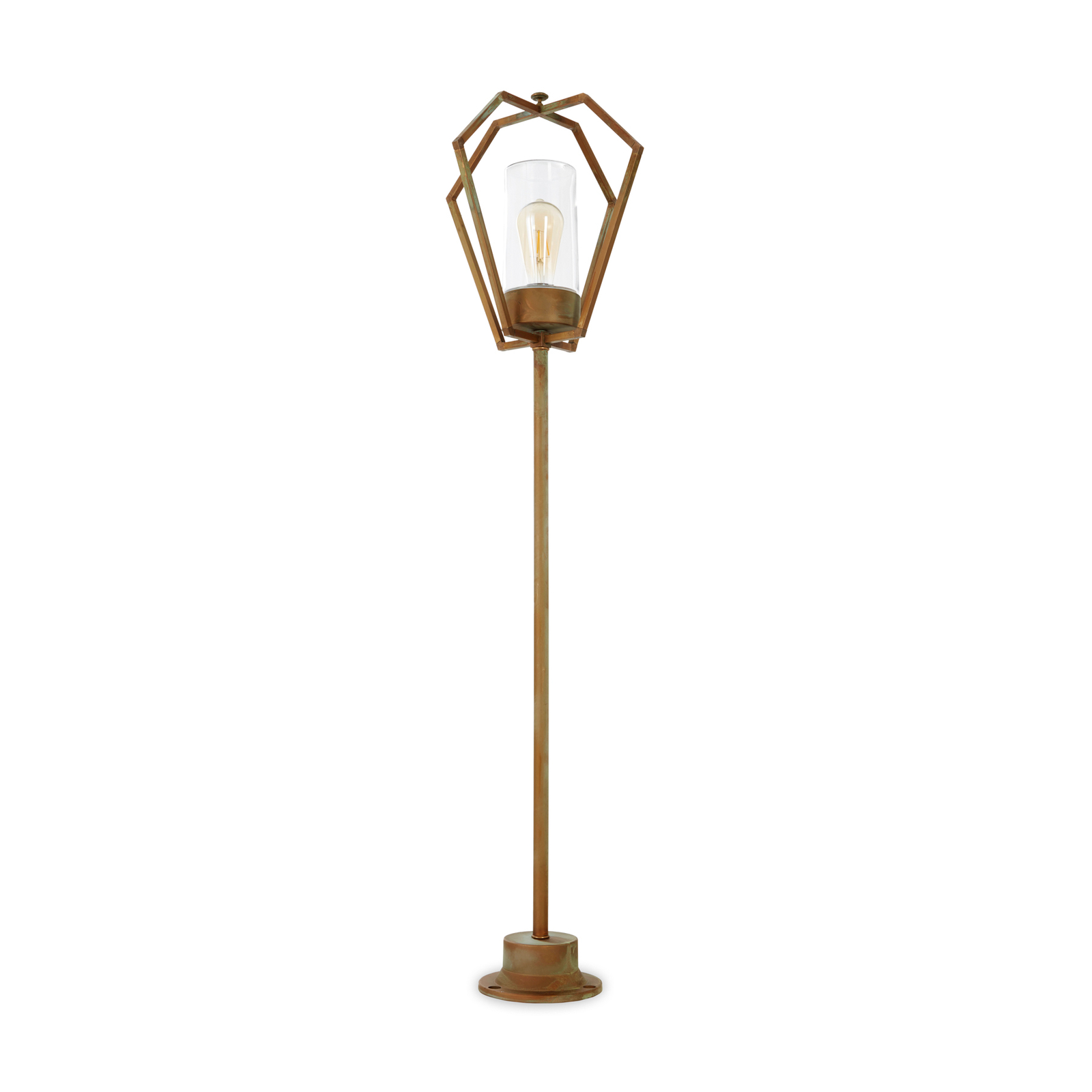
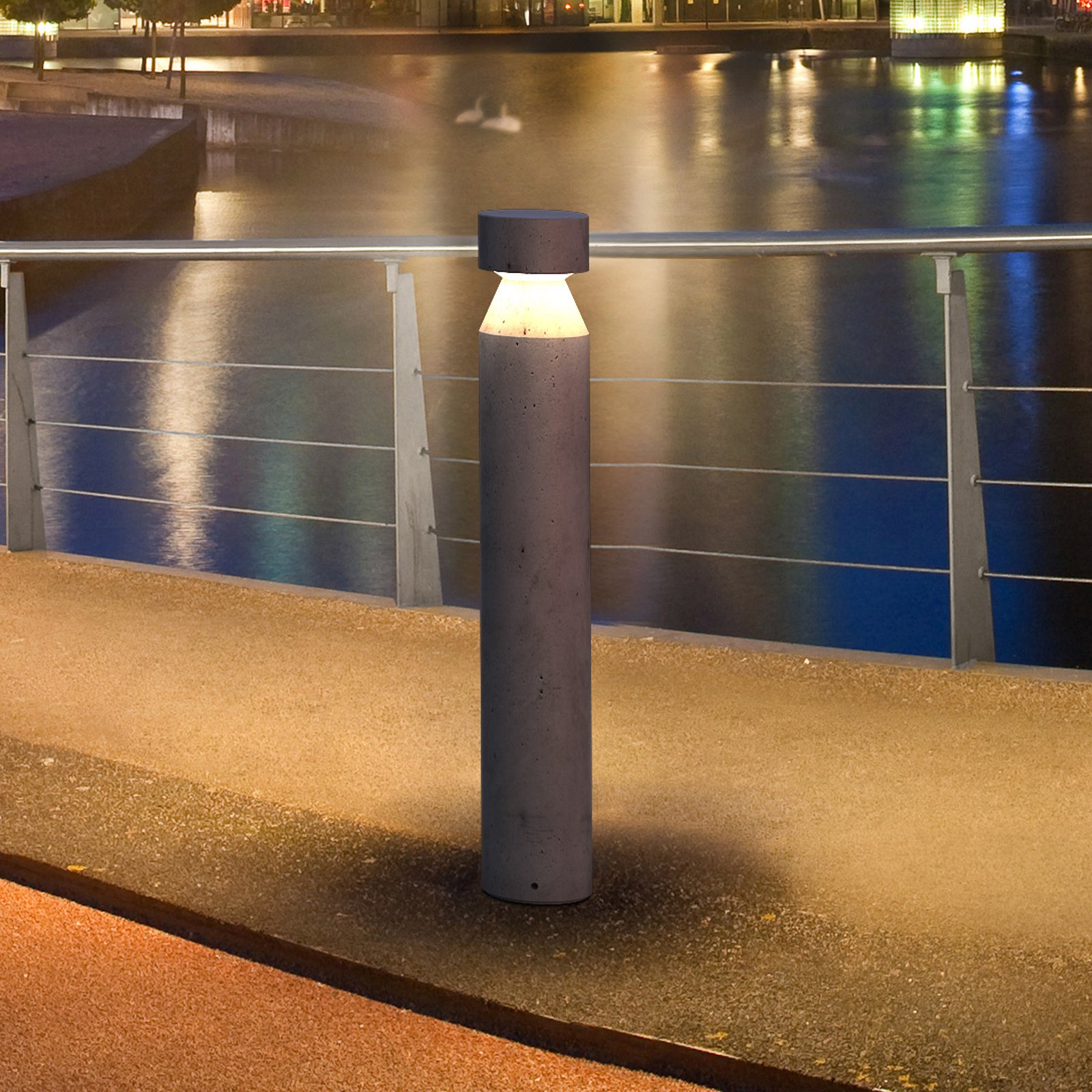
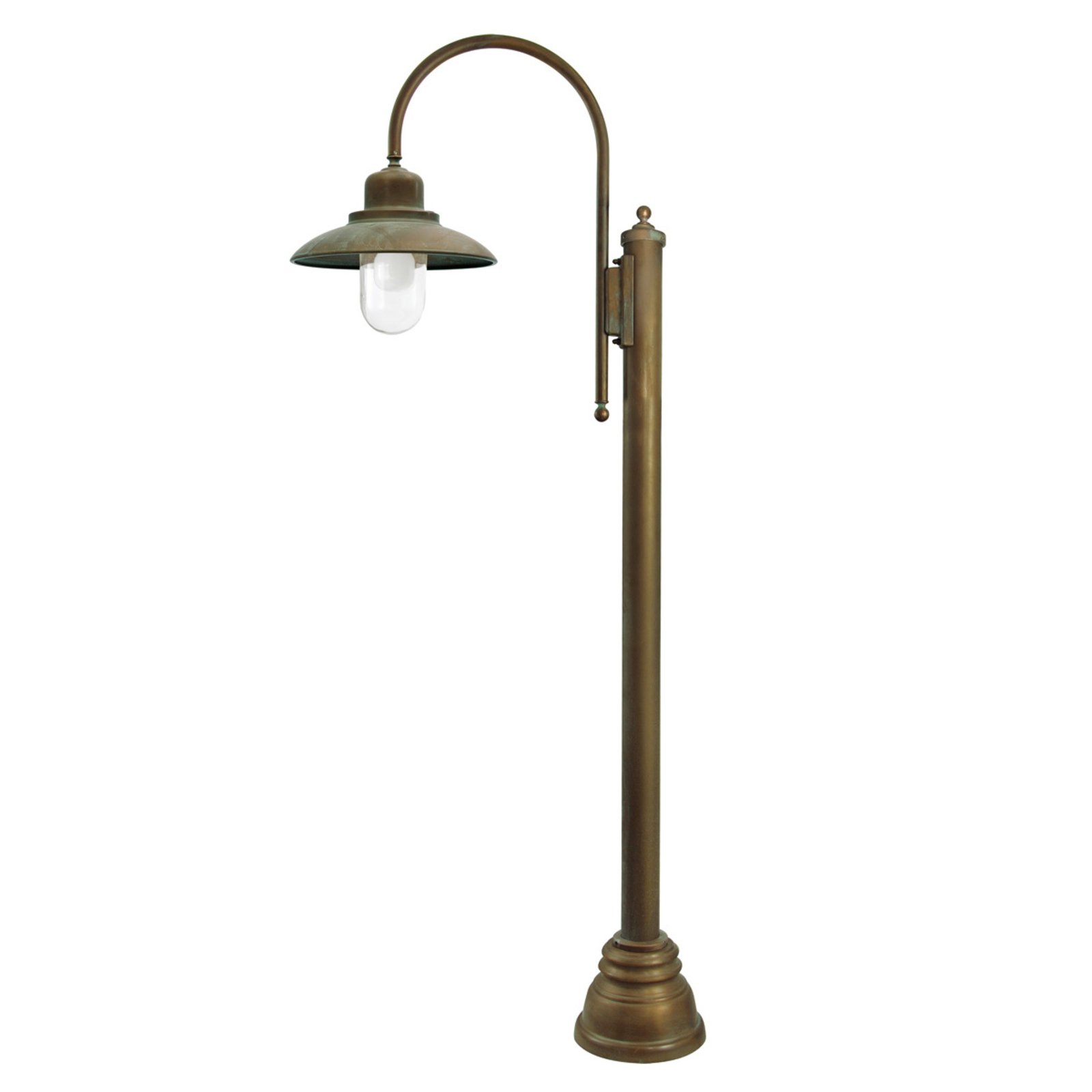
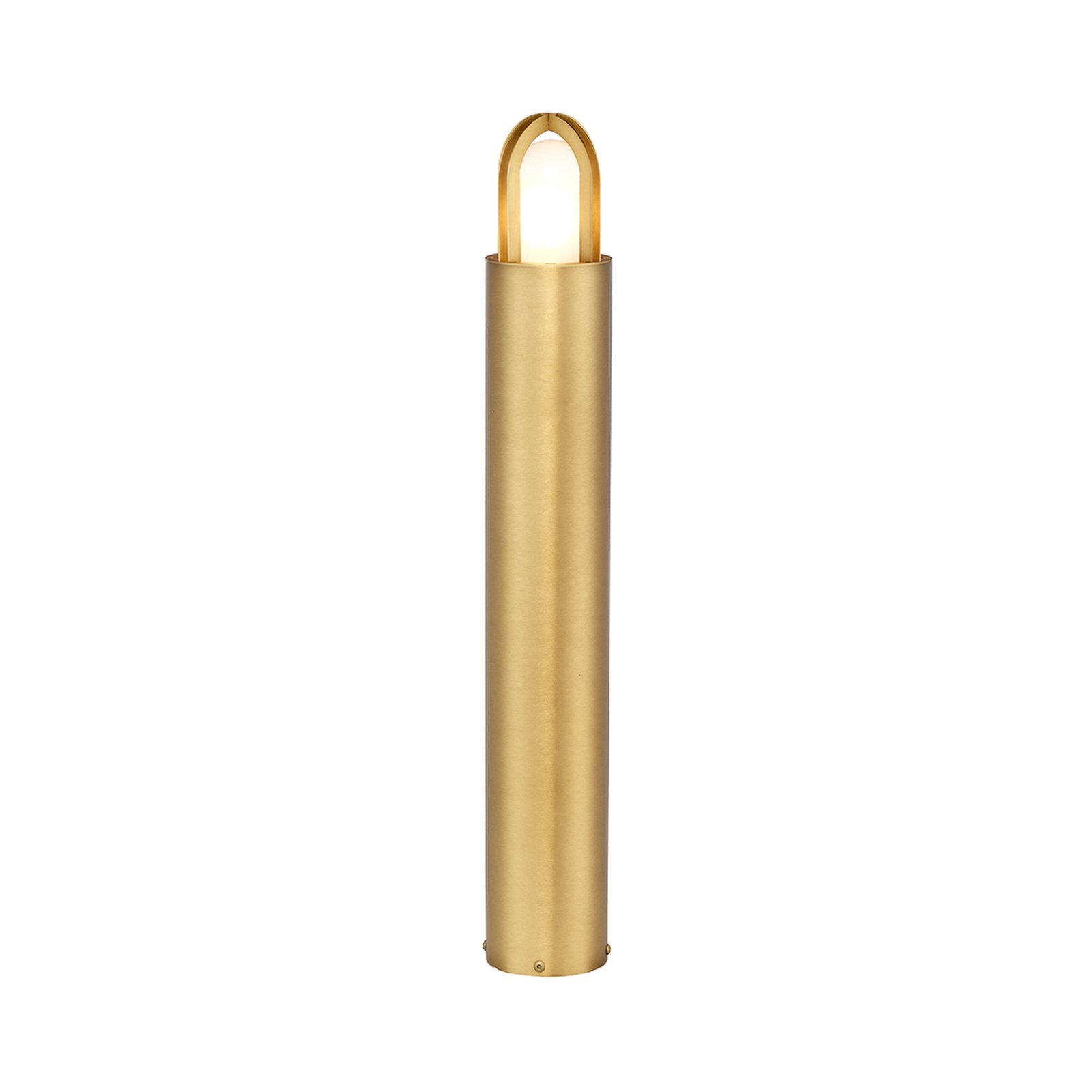
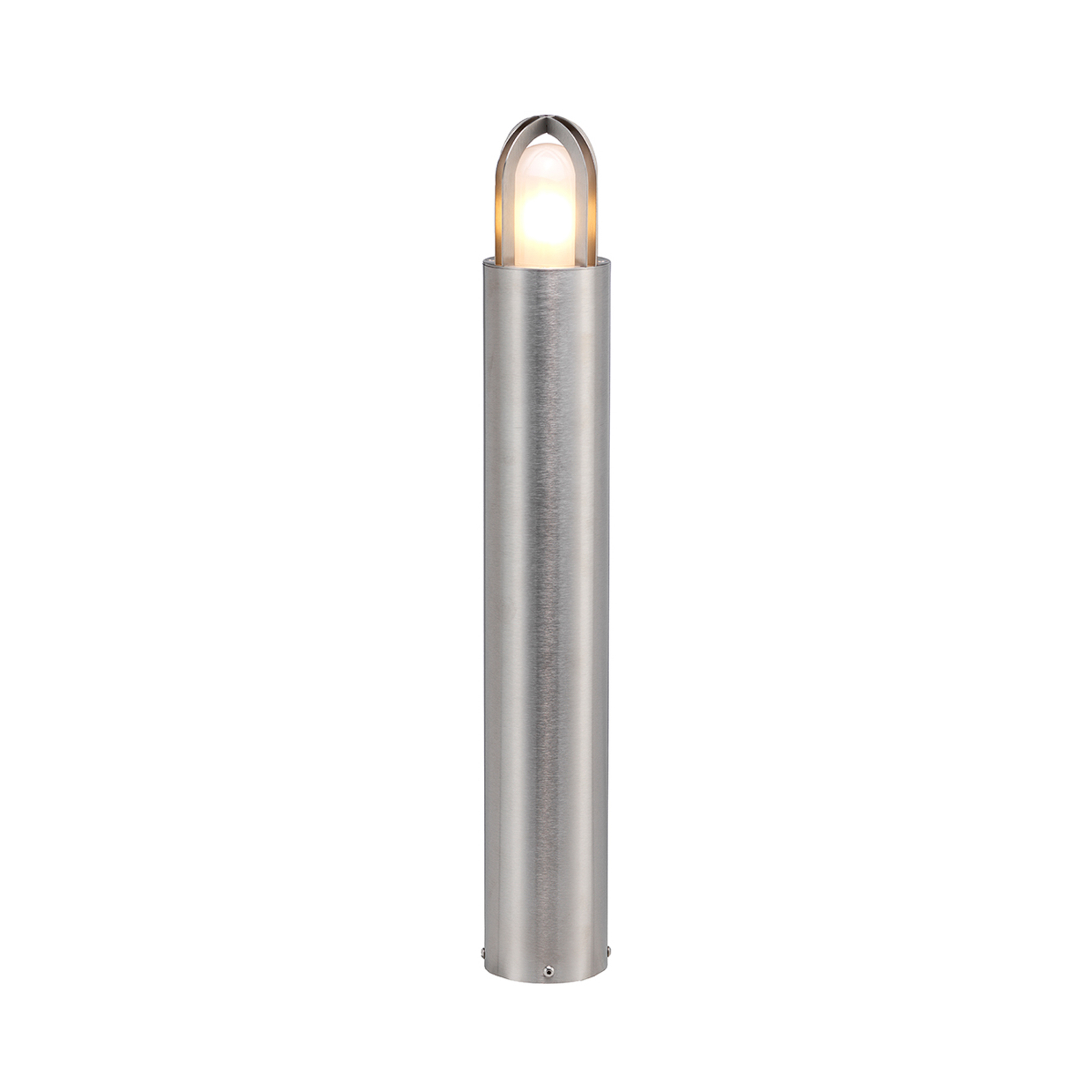
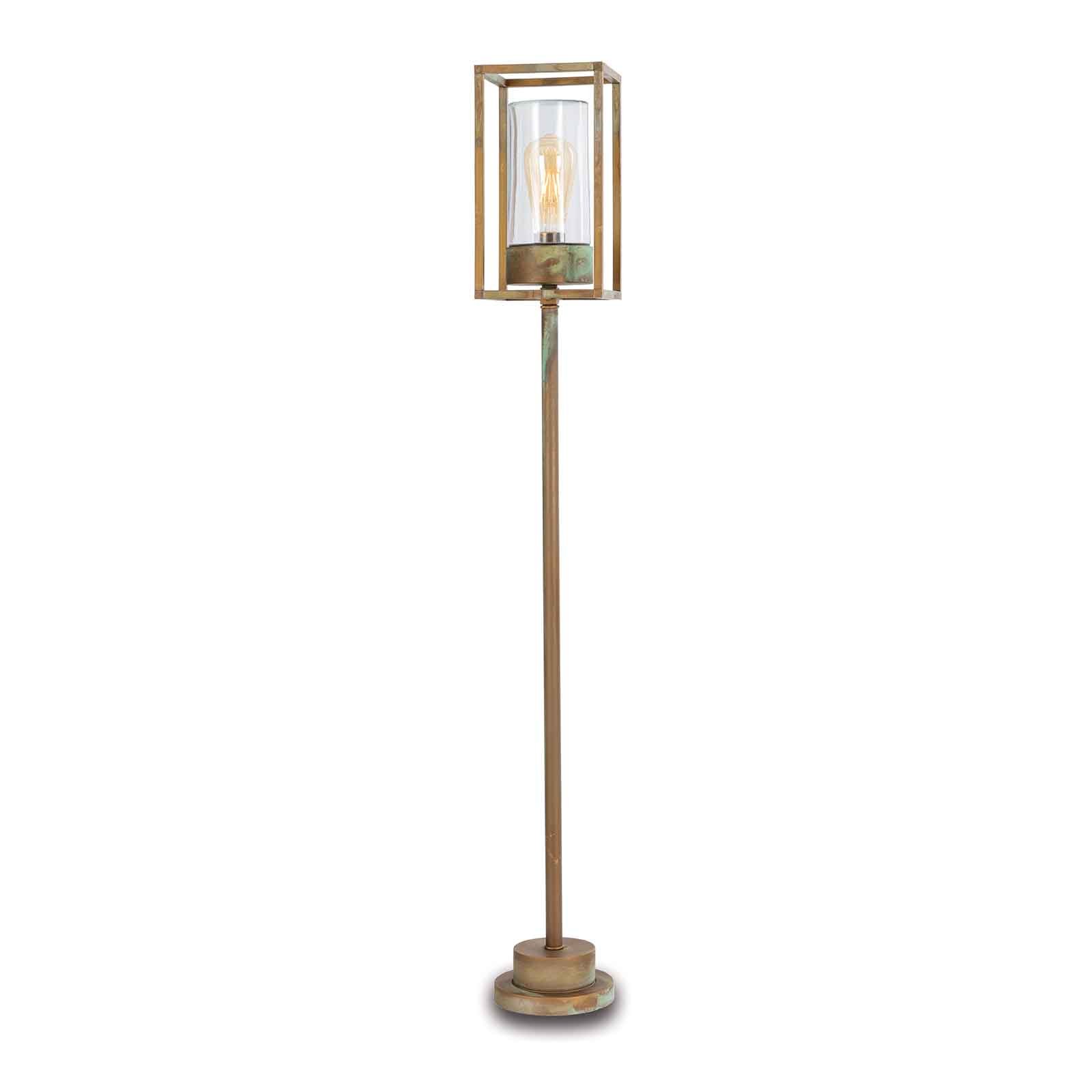
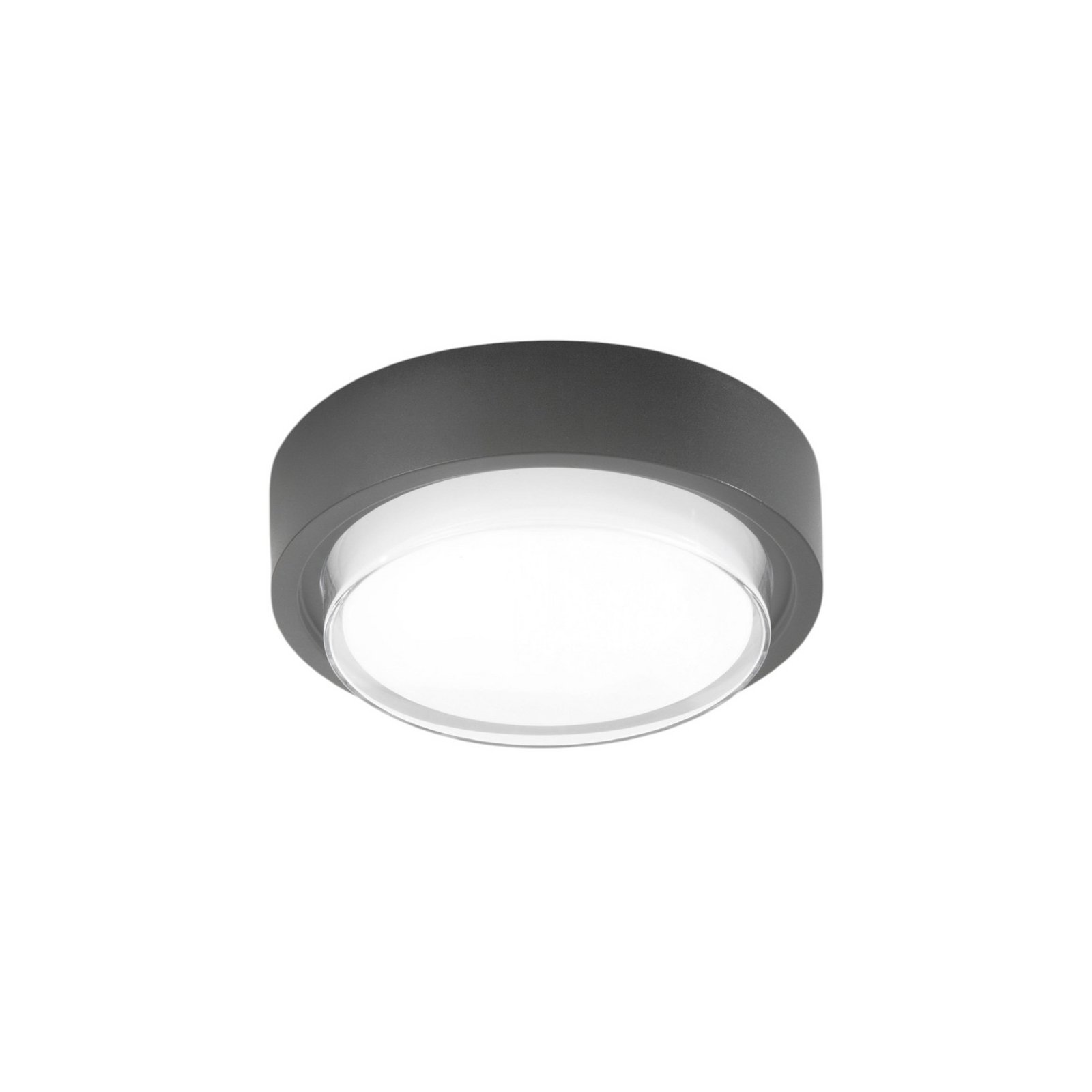
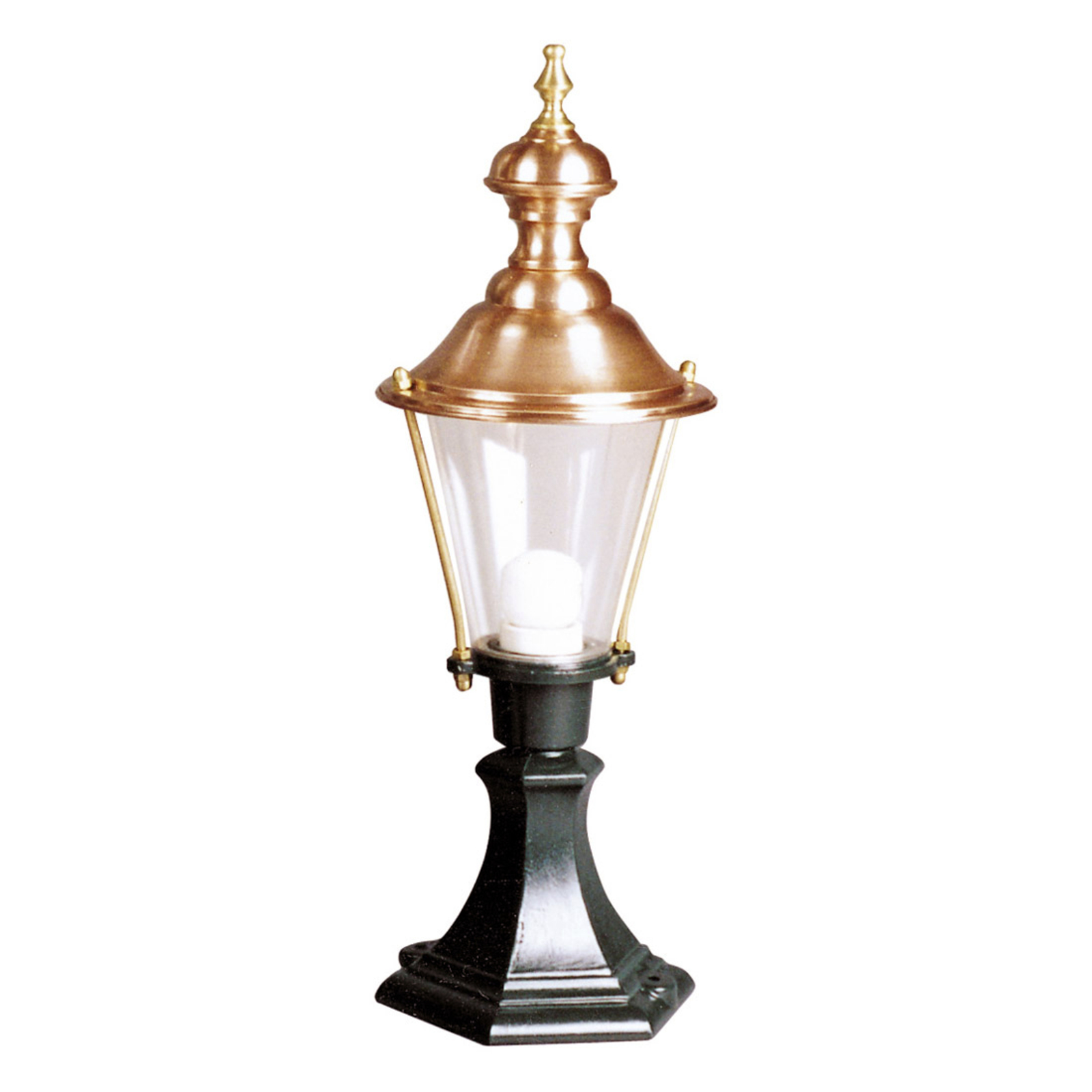
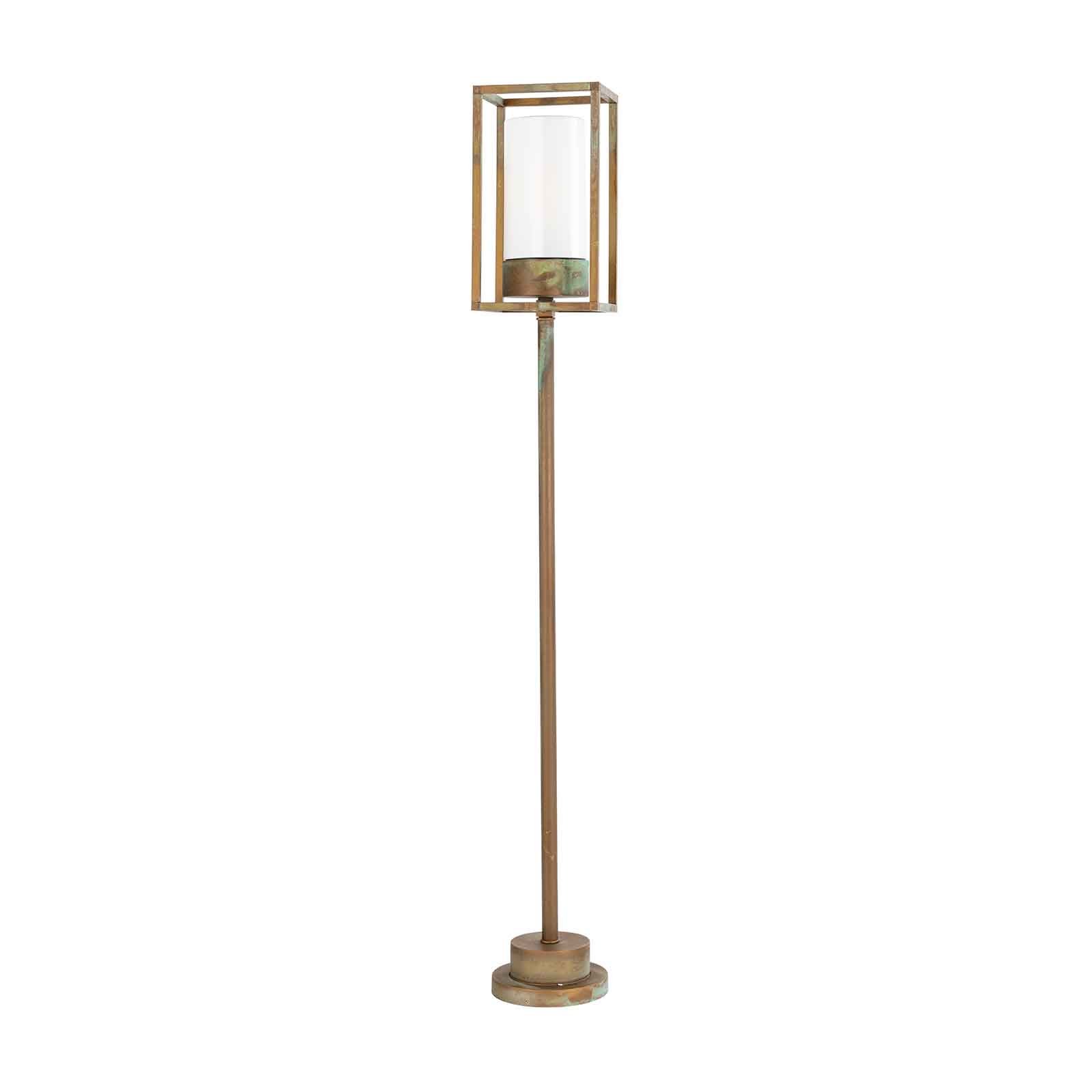
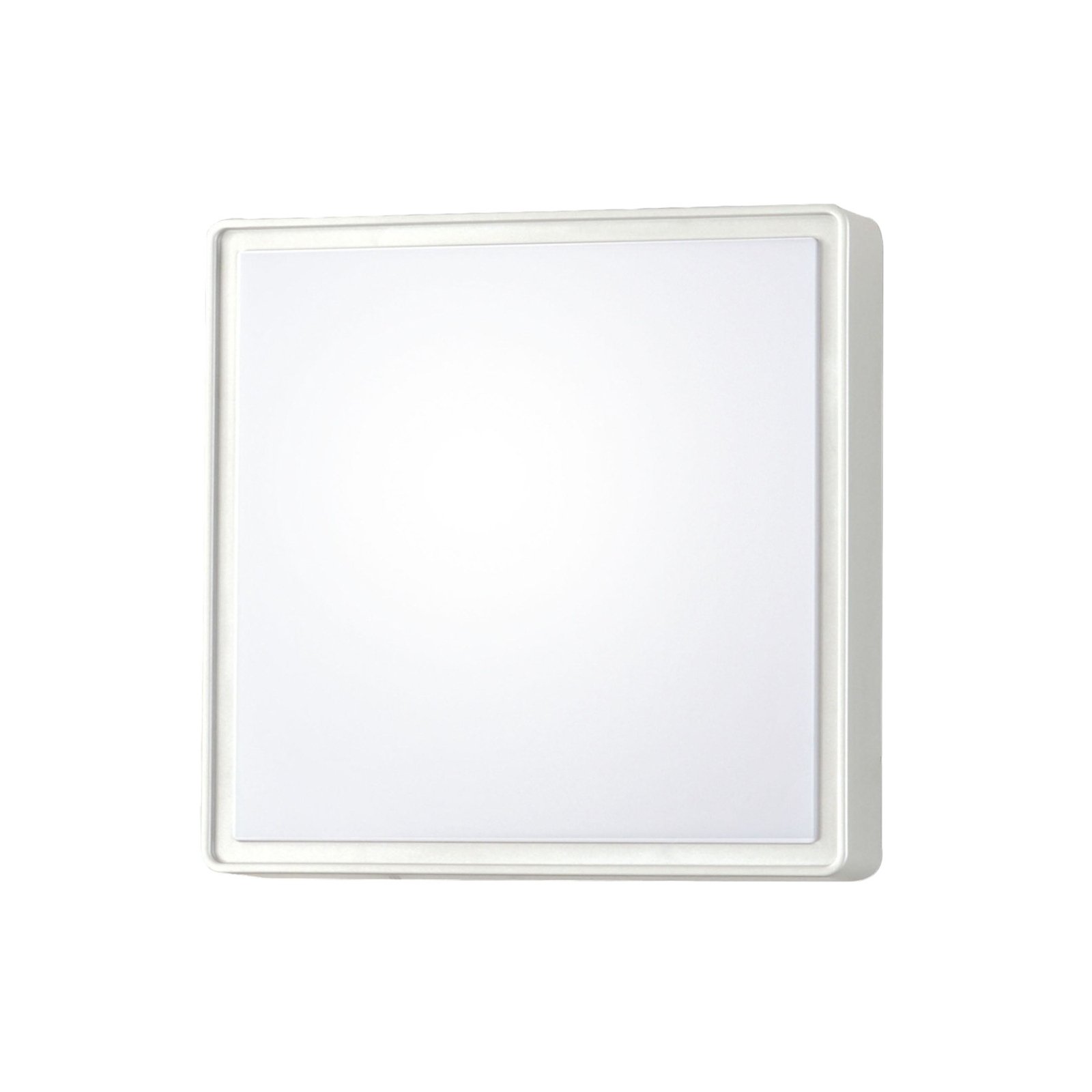
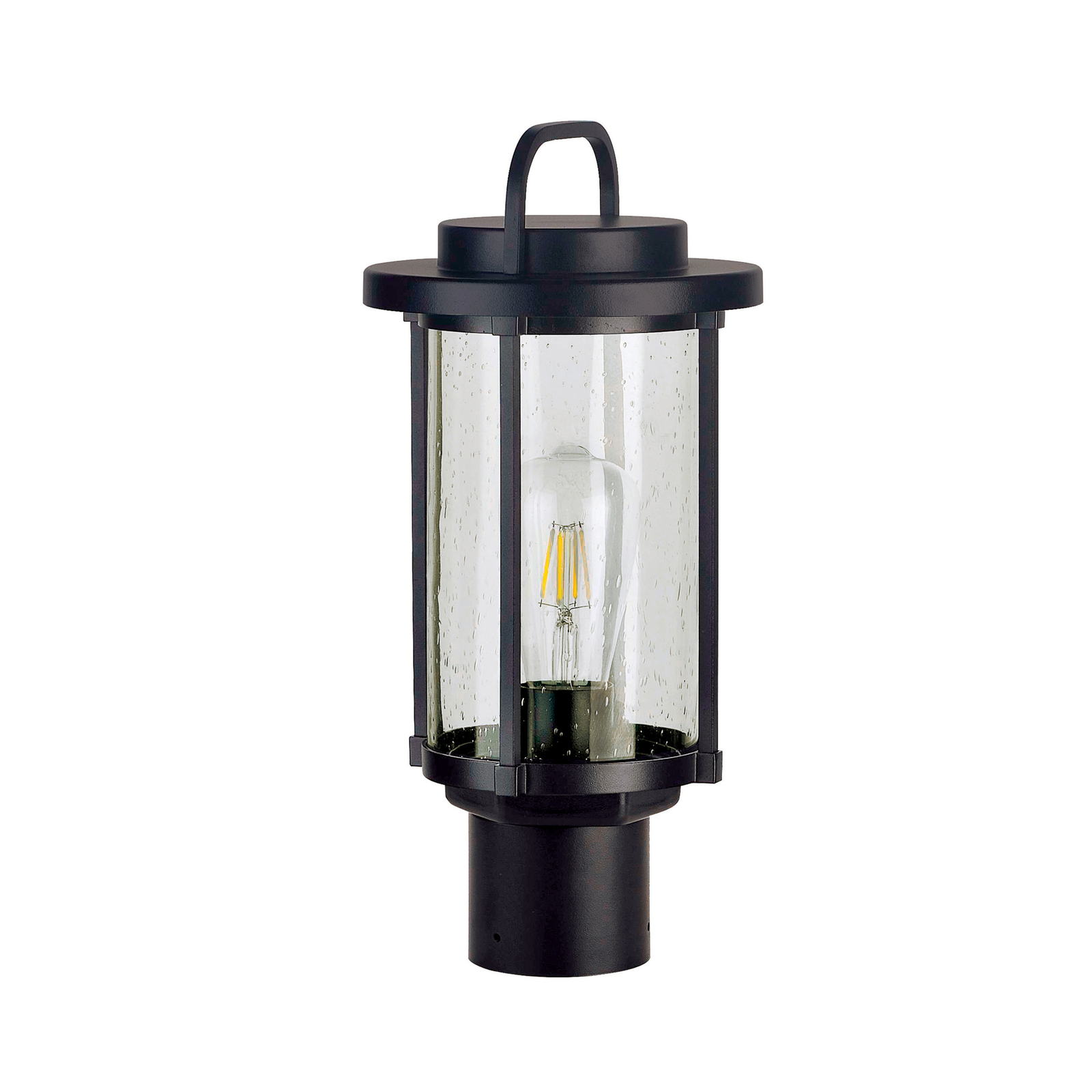
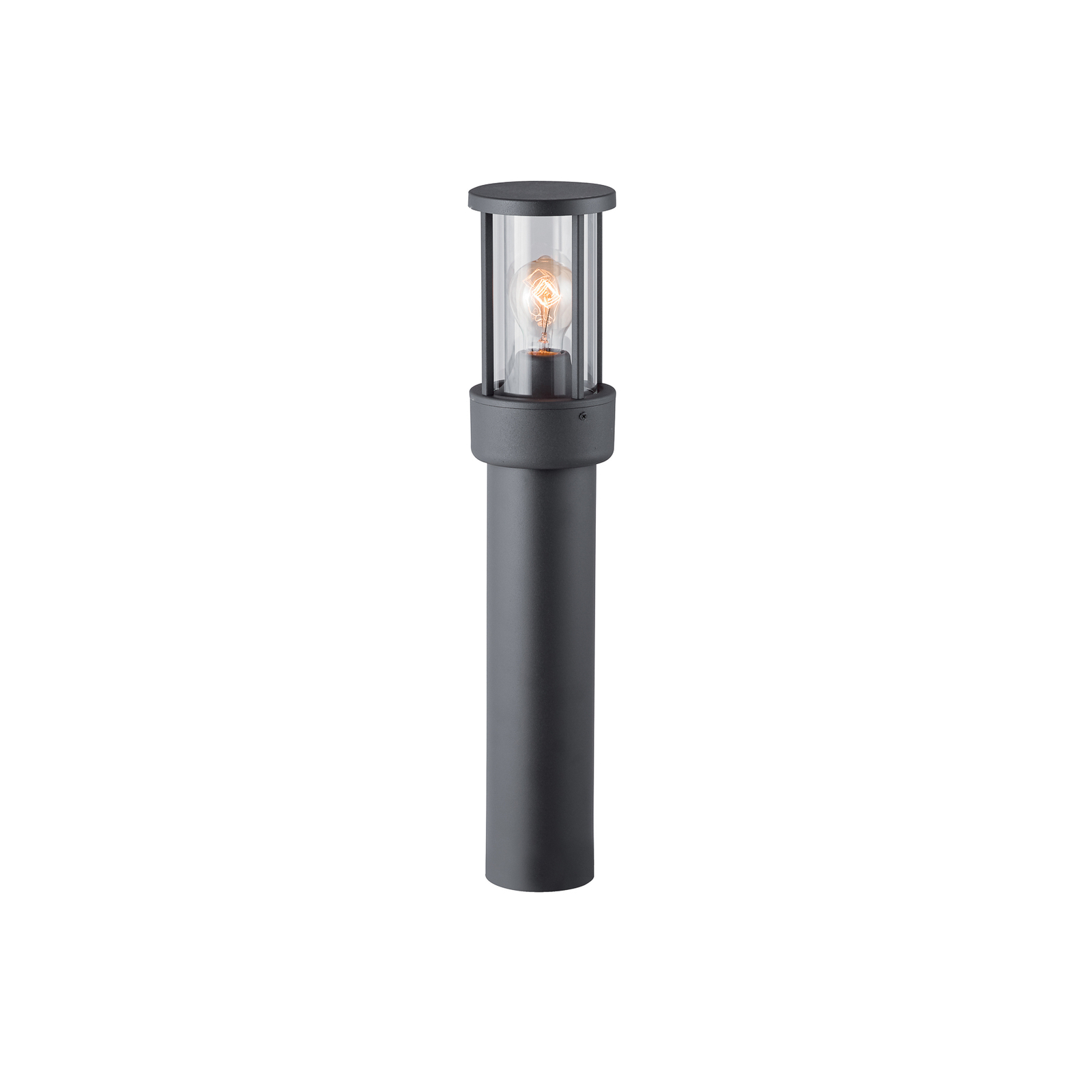
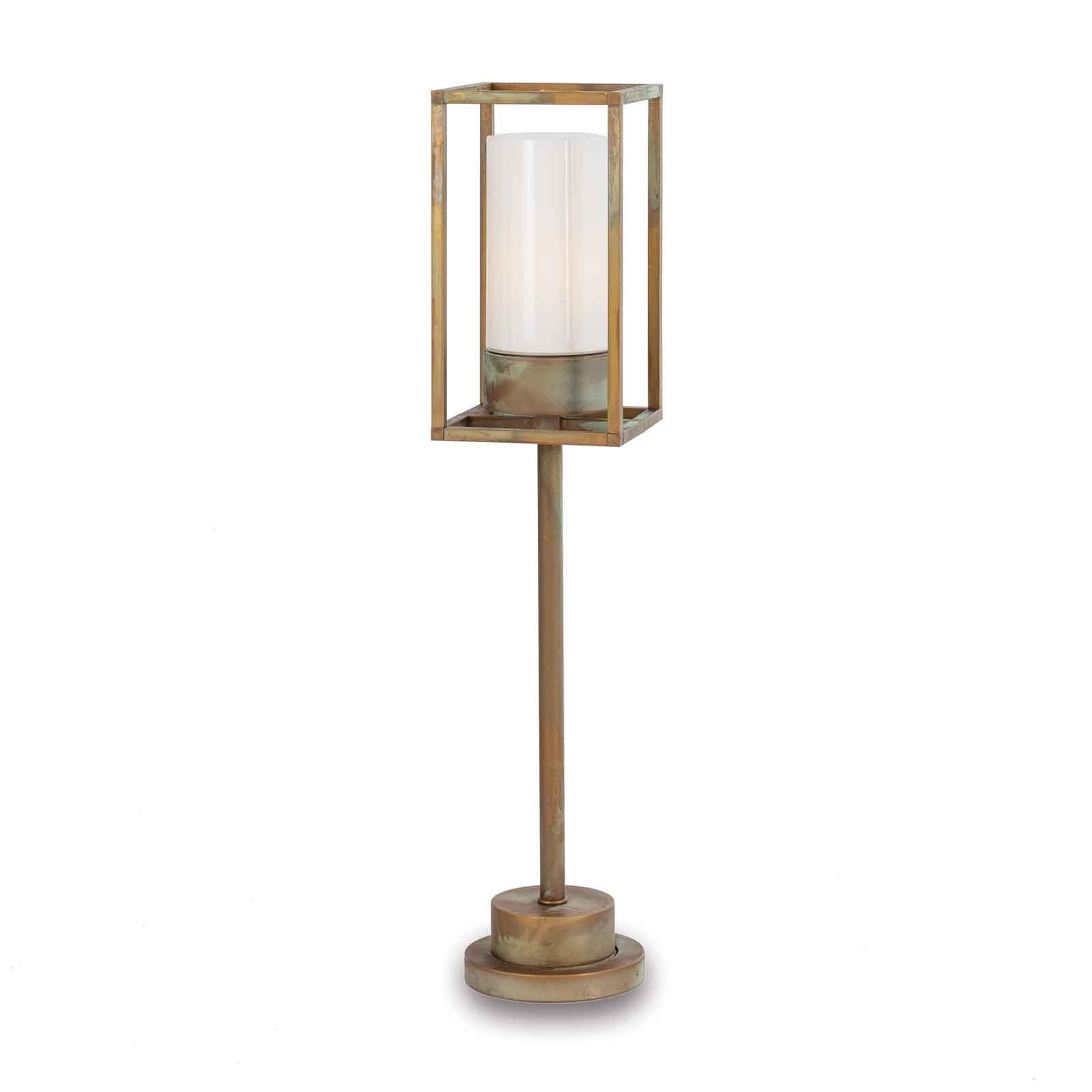
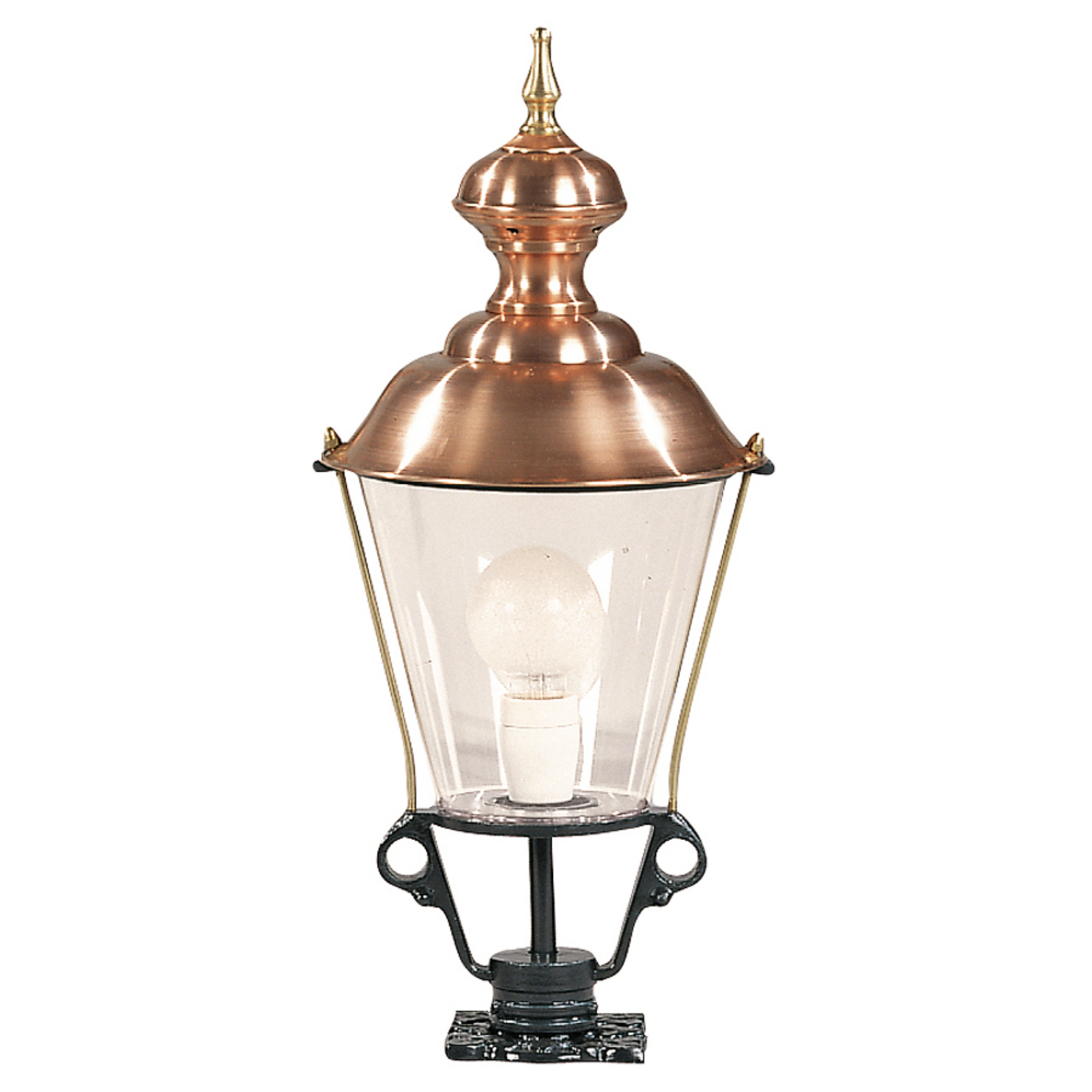
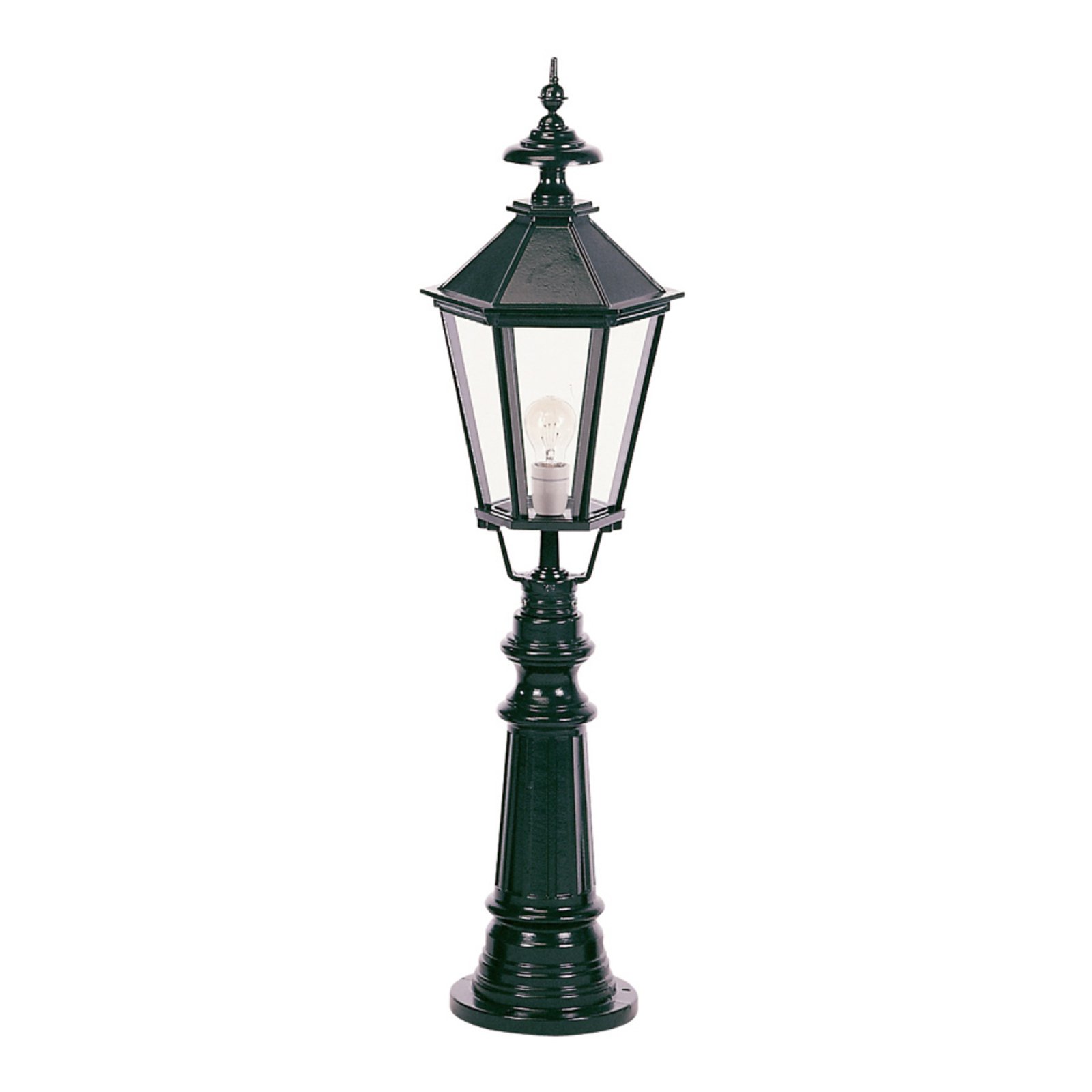
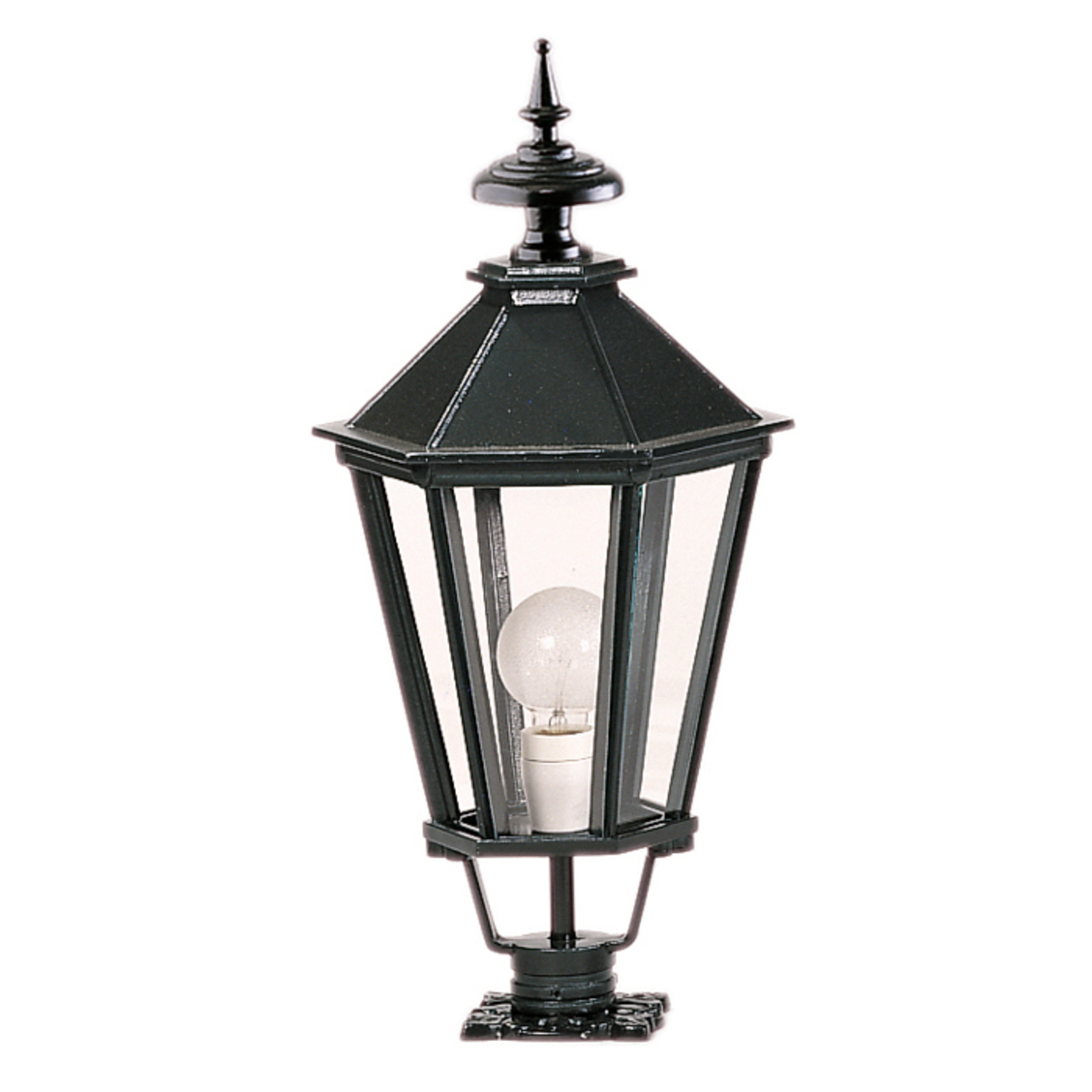
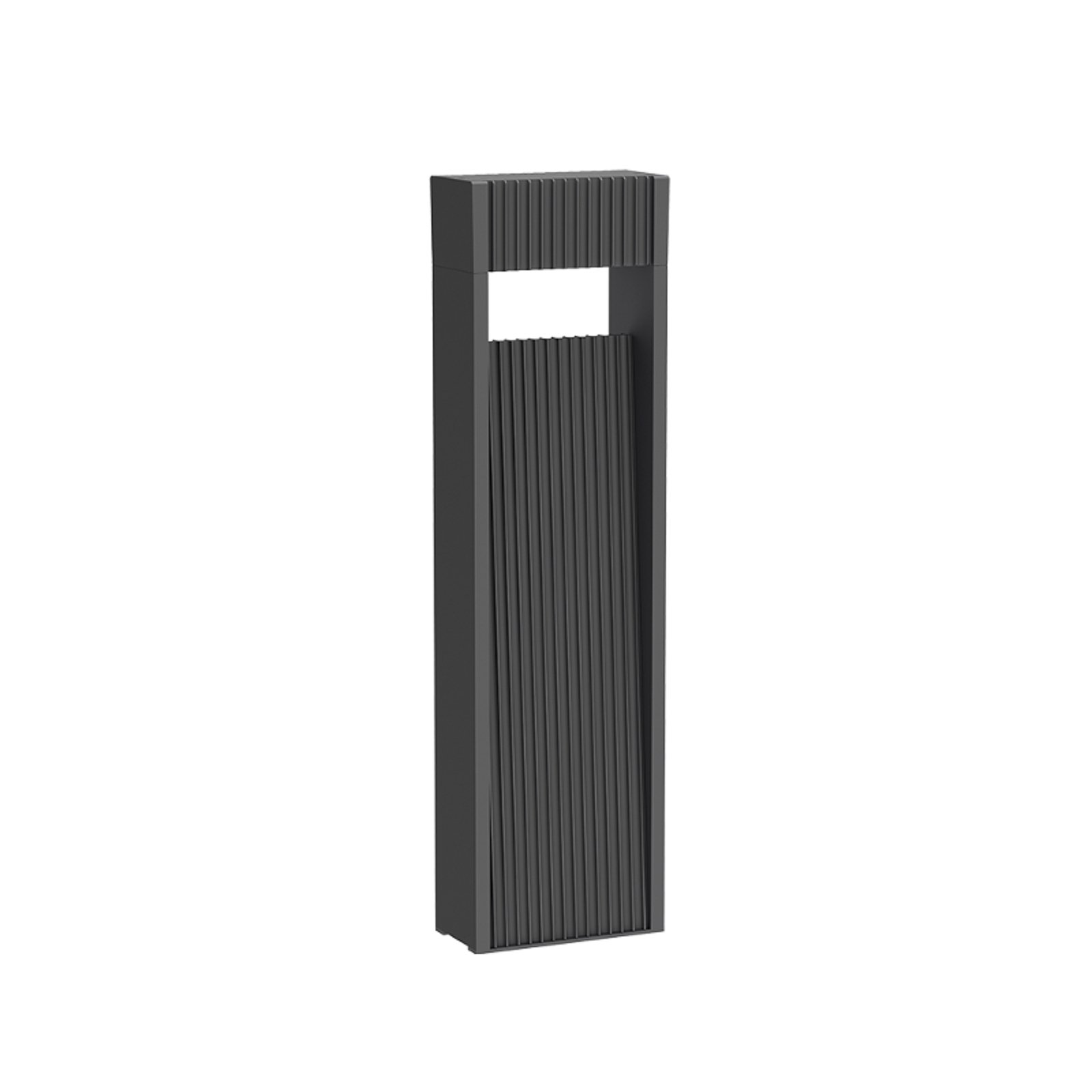
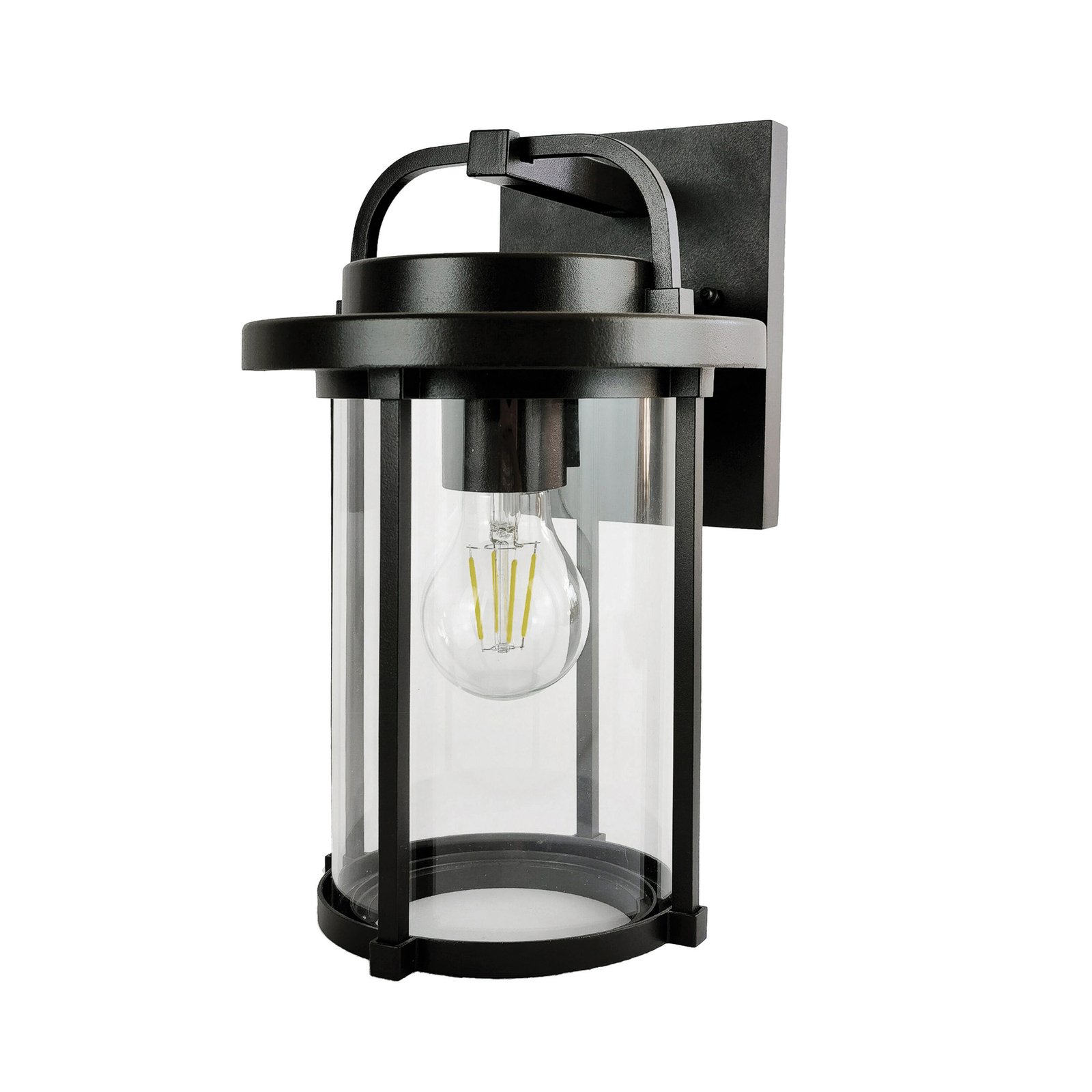
The right design depends less on taste alone than on width, distance and viewing direction. Bollard luminaires and pedestal luminaires are suitable for edge zones where the surface is to be guided without light emerging directly at eye level. A low bollard light has a calmer effect because it marks paths and edges instead of visually raising the entire outdoor area. Wall lights are suitable where the house wall or garage is close to the driving surface and the mounting height allows uniform light distribution. Recessed floor luminaires provide markings rather than basic brightness and are therefore particularly suitable for transitions, side boundaries or prestigious access routes with clear lines. Spotlights help with wide areas or irregular plots when individual zones need to be specifically brightened. The selection also depends on how far the light needs to reach into the area. Small luminaires quickly get lost on a wide driveway, while models that are too high appear oversized in front of narrow paths and tend to impair orientation rather than improve it.
Exterior driveway lighting with LED, motion detector and suitable IP protection class
The decisive factor for the technical selection is whether the installation situation is open or protected. For areas exposed to the elements, a suitable IP protection class is more important than a long list of features, because rain, splash water and dirt act directly on the housing and connections. LED makes sense for driveways if the light is used regularly or should be available at full brightness immediately after switching on. For areas with traffic, around 100 to 150 lumens per square metre serve as an orientation value if the focus is on orientation and safe manoeuvring. However, the actual requirement depends on the size of the area, mounting height and light distribution. A motion detector is suitable where light is only required when approaching, for example at side entrances or at the transition from the door to the garage. A twilight sensor, on the other hand, is useful if paths are to remain reliably recognisable in the darker months of the year without unnecessary switching during the day. Solar lights can complement. However, they do not always replace the main lighting on shaded or intensively used driveways. Manufacturer information on the IP protection rating and light distribution is helpful when making a specific selection if the luminaire is mounted freely on the driveway. A sensor in front of a carport or directly next to the garage door is particularly practical if only the manoeuvring area needs to be illuminated briefly and the rest of the yard can remain dark.