












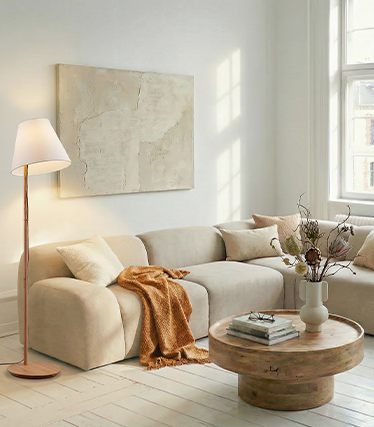


























:format(jpeg) "Lighting concept in the house")
Lighting design in the house
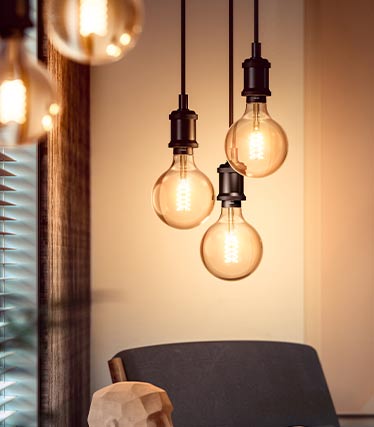
The key to comfort and atmosphereLighting design in the home consists of much more than the selection of individual lamps and lights. A well thought-out lighting concept in the home creates well-being, supports everyday activities and creates an atmospheric atmosphere in the individual rooms, because lighting has a significant influence on how we perceive and experience a room. The planning in a private house takes into account the architecture, furnishings, utilisation and amount of daylight. The result is a harmonious lighting concept for the house that structures rooms and creates quality of living. Discover numerous practical examples and tips for implementation in our guide.
Avoiding mistakes in lighting design: Typical mistakes in lighting design in the home are missing power connections on the ceiling and walls and unfavourable distribution, especially in rooms with a complex floor plan. A sufficient number of sensibly placed power points are also essential for the use of zoned lighting. Lighting that is too rigid without a dimming function or varied lighting solutions can also significantly restrict flexibility. If you plan early, you can later realise the lighting concept that exactly matches your own requirements.
Basics of lighting design in the home
Three lighting levels are crucial for any lighting design in the home: only the interplay of these types of light ensures pleasant brightness, a feel-good atmosphere and flexible utilisation.
)
The basic lighting ensures uniform brightness. It is usually realised using ceiling lights, LED panels or downlights distributed over large areas.
)
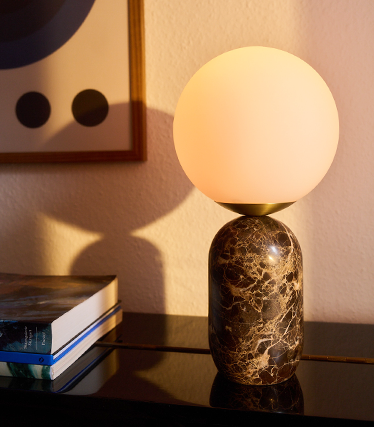
The zone lighting illuminates functional areas in the kitchen, living room or home office. Depending on where they are used, floor and table lamps or even furniture lights can be used here.
)
The accent lighting is used to emphasise individual areas or provide a visual backdrop to the architecture. Flexible LED strips are very popular for this decorative, indirect light.
In addition to the types of light in the living space, the targeted selection of the appropriate light colour (also called colour temperature) for the respective area is essential to create a targeted atmosphere. In addition, the right colour temperature can optimise your personal daily routine by supporting your natural sleeping and waking rhythms.
)
A warm white colour temperature has a very homely and cosy effect due to its slightly reddish tint, which is based on the classic filament. This is why it is mainly used in living areas. In the evening, this light has a relaxing effect and can improve the quality of sleep
)
Cool white light has a functional effect and supports concentration. It is therefore often used in utility areas such as the kitchen or in the home office. As some people find cool white more pleasant, it is worth comparing warm white and neutral white for yourself.
)
Daylight is a light colour that tends towards bluish and has a sober effect. They are often used at the workbench, in the laundry room or in other utility rooms. The light colour can also have an activating effect when used in the morning, for example in the bathroom. It is important to switch to warm white in the evening.
Optimal combination of daylight and artificial light: Rooms with large windows that open to the south benefit from a high incidence of natural daylight. The artificial lighting complements it in the evening and adapts the room to its use and sense of well-being. At the same time, a room with little daylight can be transformed into a real feel-good place with a well thought-out lighting concept. The aim is to achieve a harmonious and sensible interplay between the two light sources.
Lighting design in new buildings
From electrical planning to realisationIn a new build, lighting design should be part of the house planning from the outset. A sufficient number of power outlets enables significantly more convenience and flexibility later on. The same applies to power points: Today, power points are used more than in the past for numerous applications, including stereo systems, chargers, coffee machines, hoovers, microwaves, hair dryers and numerous plug-operated light sources. These include classic floor lamps and table lamps, as well as, for example, modern wall lights with plugs. Here you will find some helpful tips for lighting design in individual rooms:
:format(jpeg) "Kobo from Euluna")
Flexible, cosy, zoned
Living room
In the living room, a mixture of ambient, zone and Akzentlicht is crucial, as the room is used in different ways: for relaxing, reading, watching TV or receiving guests. Basic lighting with downlights or a ceiling light provides an overview. It is complemented by floor and table lamps in the sofa and reading area. Indirect lighting along walls, shelves or behind the TV is recommended for atmospheric evenings. The mood can be adjusted at any time with dimmable light.
:format(jpeg) "Melinay from Lucande")
Functional and clearly structured
Kitchen
Light plays a practical role in the kitchen - good visibility is important here. Clear, bright ambient lighting over the entire surface can be achieved with multi-bulb spotlights or LED panels, for example. In addition, the worktops should be well illuminated with under-cabinet lights or batten lights. Pendant lights above the dining table or a cooking island create a cosy, communicative ambience. LED strips can also be used here as mood lighting, for example in display cabinets, cupboards or under furniture edges.
:format(jpeg) "Diano from Lucande")
Centre and mood carrier
Dining room
The dining table is a meeting place for dialogue and enjoyment. A pendant light at a height of around 60 to 80 cm above the table top has an inviting effect without dazzling and provides a cone of light that gently emphasises the table and just as gently fades out the rest of the room. Dimmability is particularly important in the dining room to switch from dinner light to evening mood. All around, indirect wall lights with modelled light cones upwards and downwards can support the ambience and also relieve the eyes without shining too brightly.
:format(jpeg) "Ezana from Lucande")
Calm, zoned and soft
Bedroom
Soft, warm ambient lighting is suitable for the bedroom, giving the room a calming effect in the evening. Reading lamps with directional, glare-free light characteristics are useful at the bedside, for example with fabric shades or overall diffuse lighting. Indirect light behind the back of the bed or in wardrobes creates comfort and makes it easier to find your way around at night. If you have a make-up or dressing area, you should plan for bright, uniform mirror lighting.
:format(jpeg) "Bidolo from Lucande")
Functional and atmospheric
Bathroom
Function and well-being come together in the bathroom. In addition to bright ambient lighting, the most important thing is mirror lighting that illuminates faces evenly, ideally from both sides or over a wide area. In the bathroom, make sure you comply with the guidelines for IP protection and installation of accessories such as the transformer. As the bathroom is a damp room in which the light sources can come into contact with water or water vapour, safety is the top priority here.
:format(jpeg) "Eleni from Lindby")
Concentrated and glare-free
Homeoffice
Visual clarity is what counts most in the study. The desk needs directional, glare-free light with a cool white light colour to reduce fatigue. The classic choice here is the desk lamp, although floor lamps are also finding their way into more and more private homes. Additional soft ambient lighting prevents harsh light-dark contrasts and has a more pleasant effect on the eyes. Those who have online meetings also benefit from laterally directed light sources that softly illuminate the face.
:format(jpeg) "Shima from Prios")
Orientation and welcome
Hallway and entrance area
Corridors need reliable lighting that provides the best light for tying shoes and getting dressed, even on a hectic morning. Well-distributed recessed ceiling spotlights or multi-bulb ceiling spotlights provide clear ambient lighting. Combined with a motion detector, it also switches on automatically when you come home in the evening with full shopping bags. Akzentlicht on pictures, plants or wall surfaces and stylish table lamps on chests of drawers and sideboards also create a real welcoming atmosphere.
Checklist for lighting design in new buildings:
- Consider furniture and room layout as early as the planning phase
- Plan power points, switch heights and electrical connections in good time
- Choose dimmable lights for flexible lighting scenes
- Matching the light colour to each room
Lighting design in a detached house
Cosy concepts with a systemIn a modern detached house, a uniform Basis provides clear orientation and harmonious brightness in all rooms. In addition, pendant lights above dining and living areas set targeted accents and create islands for communication and socialising. Floor and table lamps complement the lighting concept where they are needed and lend structure and organisation to the rooms. Indirect LED light lines, which are installed in ceiling profiles, furniture or behind wall panelling, for example, provide additional atmosphere and give the room depth and a soft lighting mood. In the outdoor area, coordinated outdoor lighting ultimately ensures safety, orientation on paths and driveways and at the same time supports an atmospheric overall picture around the house.
:format(jpeg) "Albiona from Arcchio")
Feel-good atmosphere in the living area
A lighting concept in a detached house thrives on a mixture of different light sources. Indirect lighting behind the sofa, warm pendant lights in the dining area and Akzentlicht create a cosy ambience. In the end, you should feel at home within your own four walls.
:format(jpeg) "Brinja of Arcchio")
Lighting zones according to use
Different lighting solutions are suitable depending on how an area is used. For example, a reading light on the sofa can make a huge difference if you enjoy reading a book in the evening. This type of lighting choice brings targeted brightness and comfort to where it is needed and where people like to be.
:format(jpeg) "Vexi from Arcchio")
Functional corridor and staircase planning
Corridors are circulation zones and require glare-free, functional light. They also benefit from motion detectors so that the light switches on reliably when it is needed. In stair areas, it is essential that steps are clearly recognisable in both directions.
:format(jpeg) "Silvan from Lucande")
Outdoor lighting for safety and atmosphere
Wall lights on the terrace, path lighting in the garden and spots at the house entrance are suitable for outdoor areas. Motion detectors or smart lighting control can also improve home security enormously. The outdoor lighting concept requires careful planning in terms of the lighting solutions used.
:format(jpeg) "Joline from Lindby")
Energy efficiency and sustainability
LEDs reduce energy consumption and therefore costs by up to 90 % compared to traditional light bulbs. To convert, LED bulbs can be used in lights with sockets, for example E27 LED bulbs. LED lights with permanently installed lighting technology are particularly modern. These are also exceptional in terms of design, as the light source and shape become one.
:format(jpeg) "Infuse from Philips Hue")
Smart lighting control
App-controlled lamps and lights are now easier to realise than ever before. You often start with the personal smart home with a single bulb that is screwed into a light with a socket "as a test". Such a system can then be easily expanded to include everything from a comprehensive smart lighting installation to smart heating control.
Conclusion & inspiration
Lighting design for a feel-good homeSuccessful lighting design in the home creates far more than pure brightness - it supports activities, structures rooms and creates atmosphere. A lighting concept in the house therefore takes into account different lighting zones, the utilisation of individual rooms and the interplay of daylight and artificial lighting. Whether in a detached house, in a new build or when modernising existing rooms: the combination of ambient lighting, zone lighting and indirect lighting enables flexible lighting scenes that make everyday life more pleasant and homely. With the right selection and targeted positioning of lights, a lighting concept for the home is created that reflects individual style and noticeably enhances the home.
Start planning your own lighting now and discover suitable lights - for a home that not only looks good, but also feels really good!
 "Light colour simply explained")
 "Indirect lighting")
 "Human Centric Lighting")
 "IP protection classes")
 "Lighting concept")
 "Dimmable made easy")