Purchasing advice for outdoor floor spotlights
A paved path, a patio or the transition from the house to the garden change significantly as soon as light from close to the ground comes into play. Ground spotlights in outdoor areas have a different effect than many classic outdoor lights because they often do not come from above or from the side, but from the surface itself or are positioned close to the ground. The light remains close to the ground or is directed upwards. This creates orientation or emphasis, depending on the application. Outdoor floor lights can be discreet or striking, functional or eye-catching. They are suitable for situations in which luminaires should be less visually prominent but the light needs to have a targeted effect. Ground spotlights in the garden can accompany paths, accentuate facades or emphasise individual elements without overloading the space. Their suitability depends on the interplay of installation location, light distribution and utilisation. If you organise this type of lamp correctly, you can structure outdoor areas in a targeted manner and illuminate them safely.
Ground spotlights outdoors in the garden and around the house
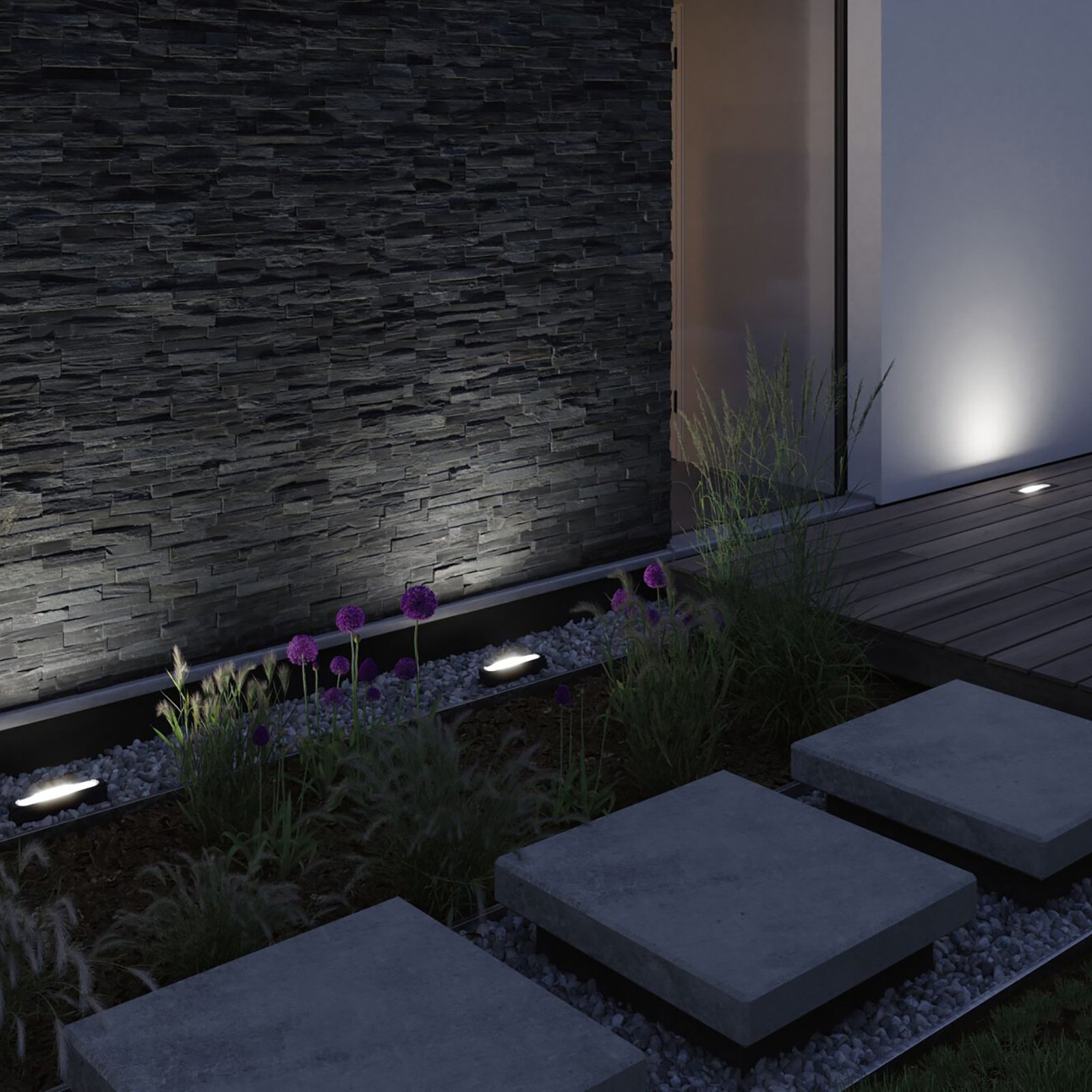
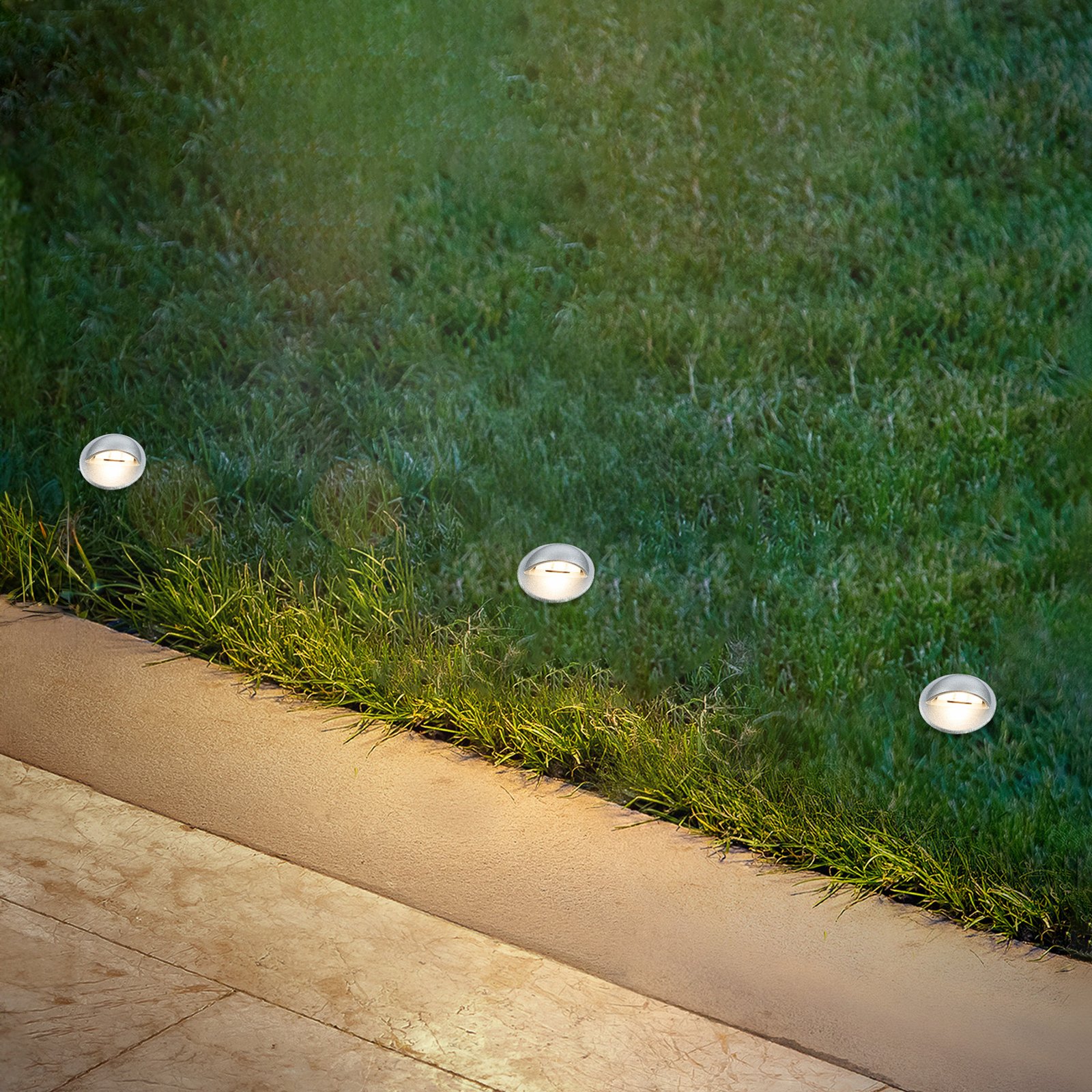
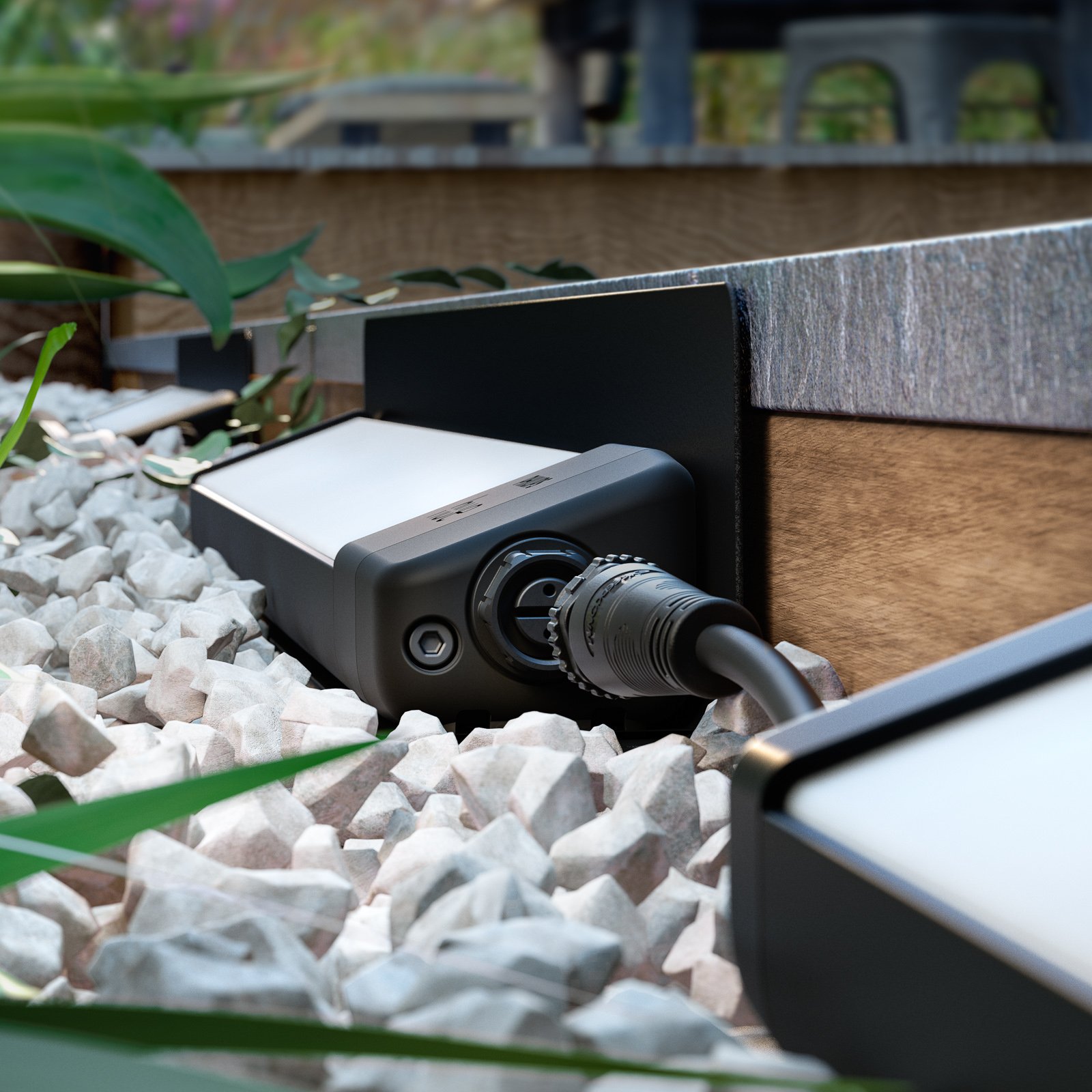
In the garden, ground spotlights often take on a guiding rather than a flat task. They mark paths, accompany the edges of terraces or create targeted points of light along flowerbeds and lawns. They are particularly suitable where classic luminaires are perceived as a nuisance or where there is little space available. Ground lights in the garden can have a calming effect as they are visually discreet and are particularly noticeable in the dark. Around the house, ground spotlights are often used outdoors along façades, driveways or entrance areas. They can provide orientation without drawing the eye away from the building. The effect is harmonious when the points of light are set evenly and make the course of paths or surfaces comprehensible. In narrow areas, lighting close to the floor ensures that edges remain visible without narrowing the room. Zones can be indicated in open garden areas without creating new visual axes with higher luminaires.
Ground recessed spotlights as a fixed solution in outdoor areas
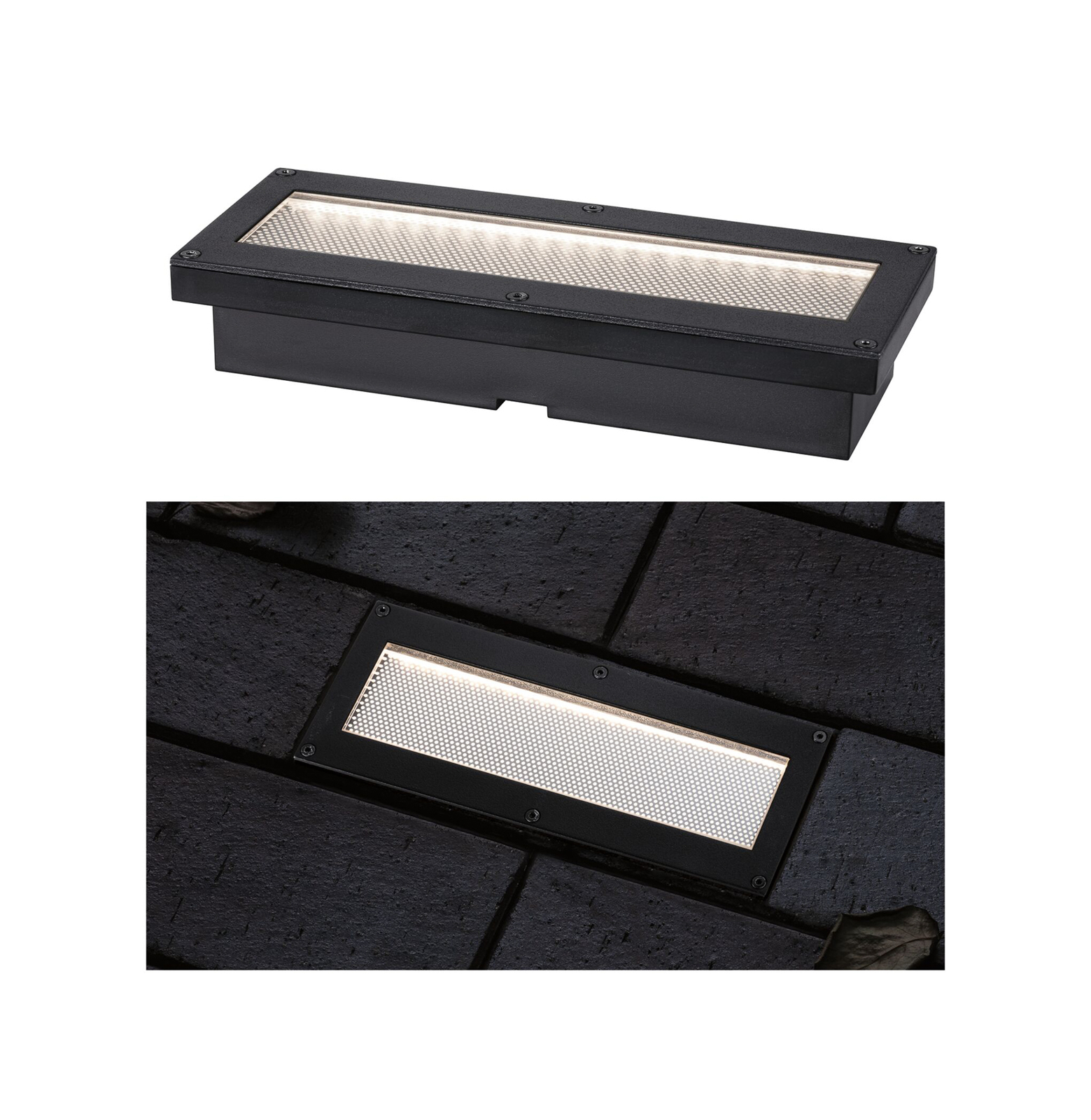
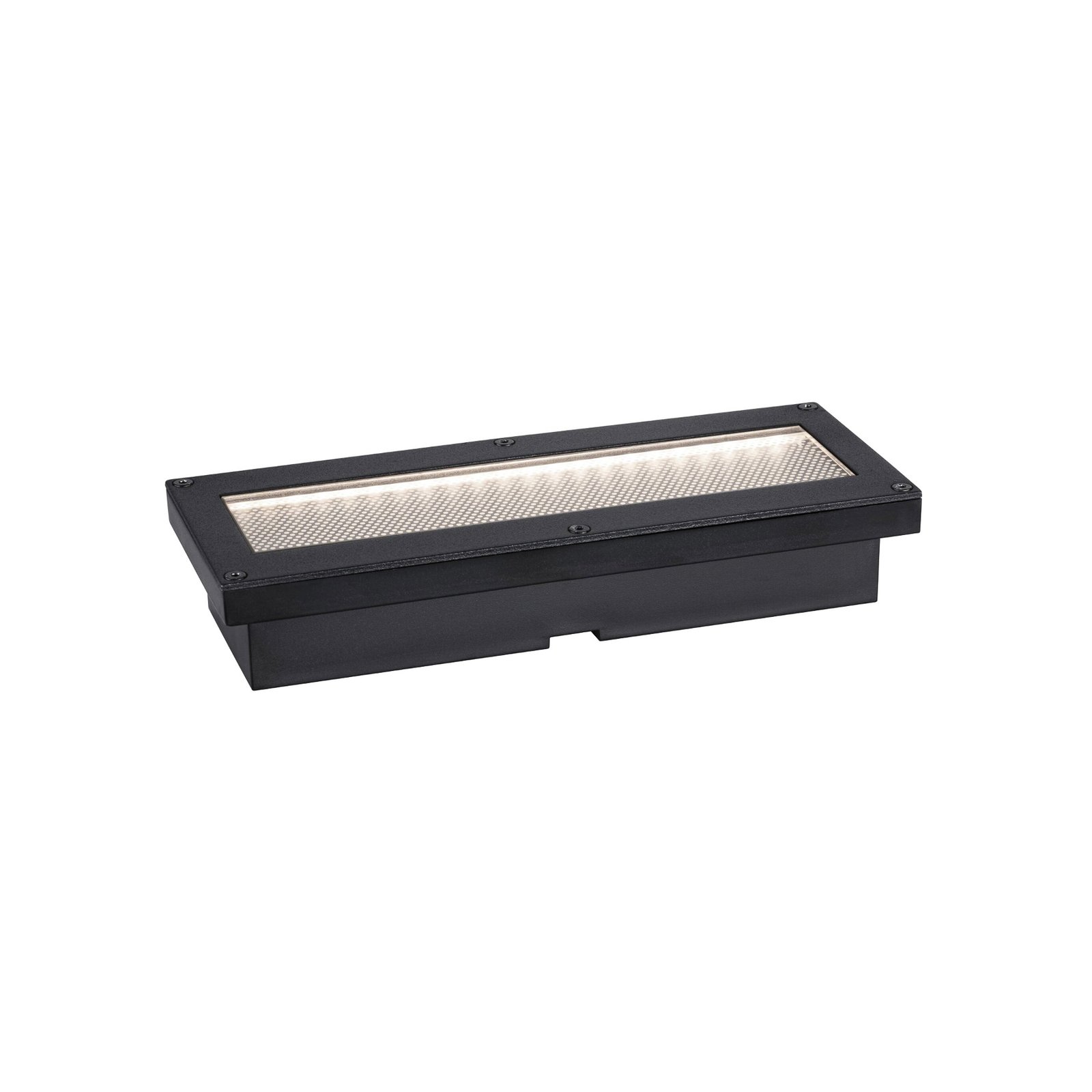
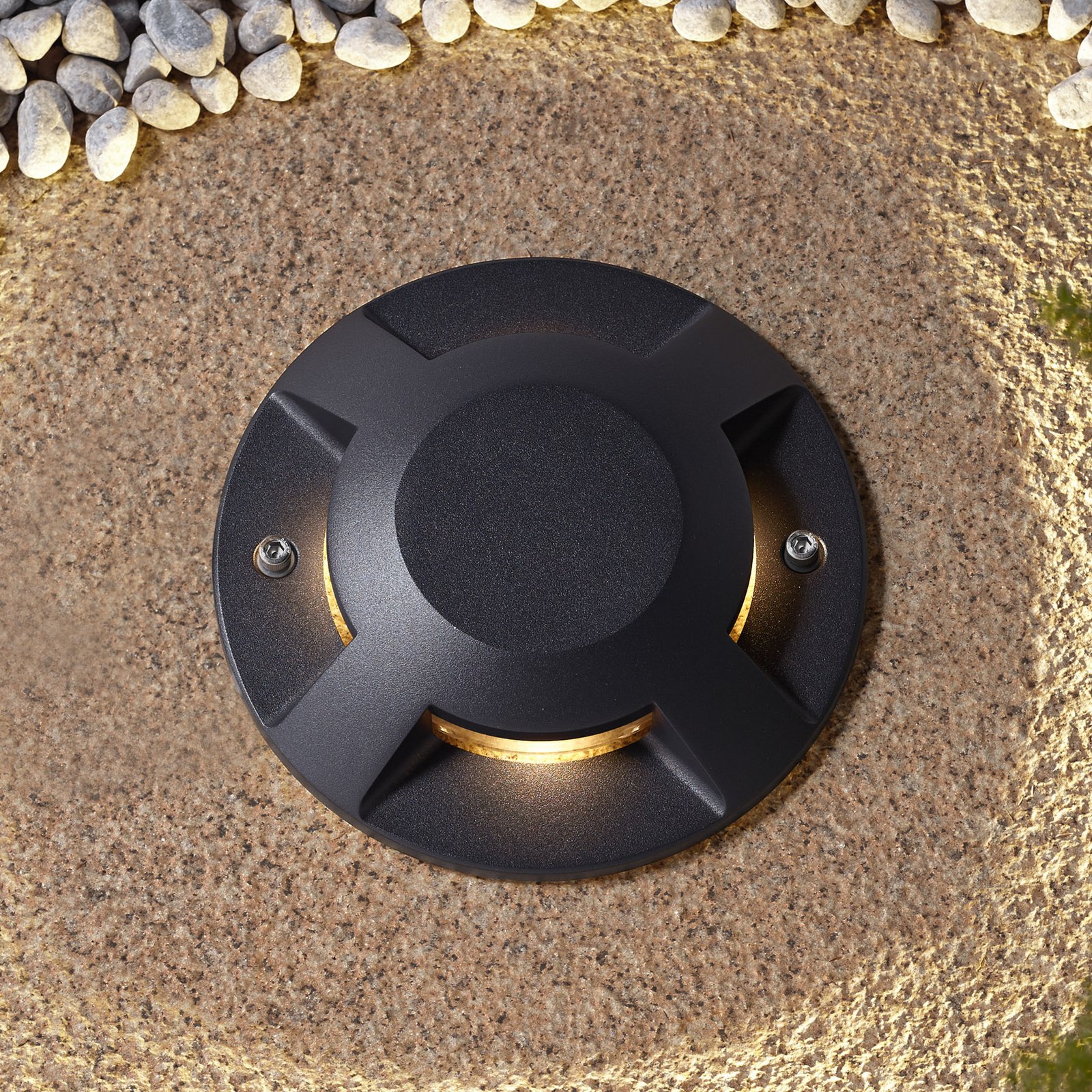
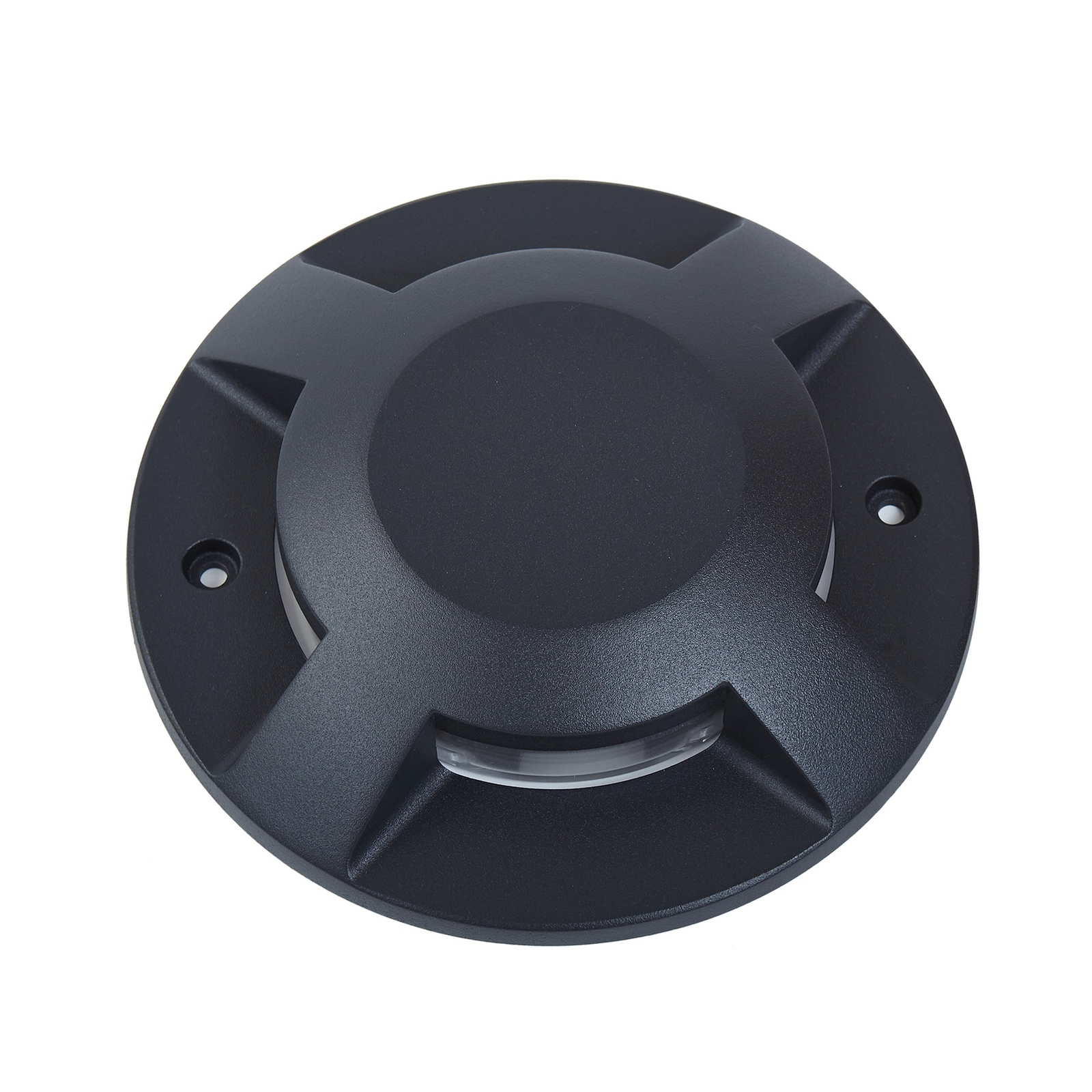
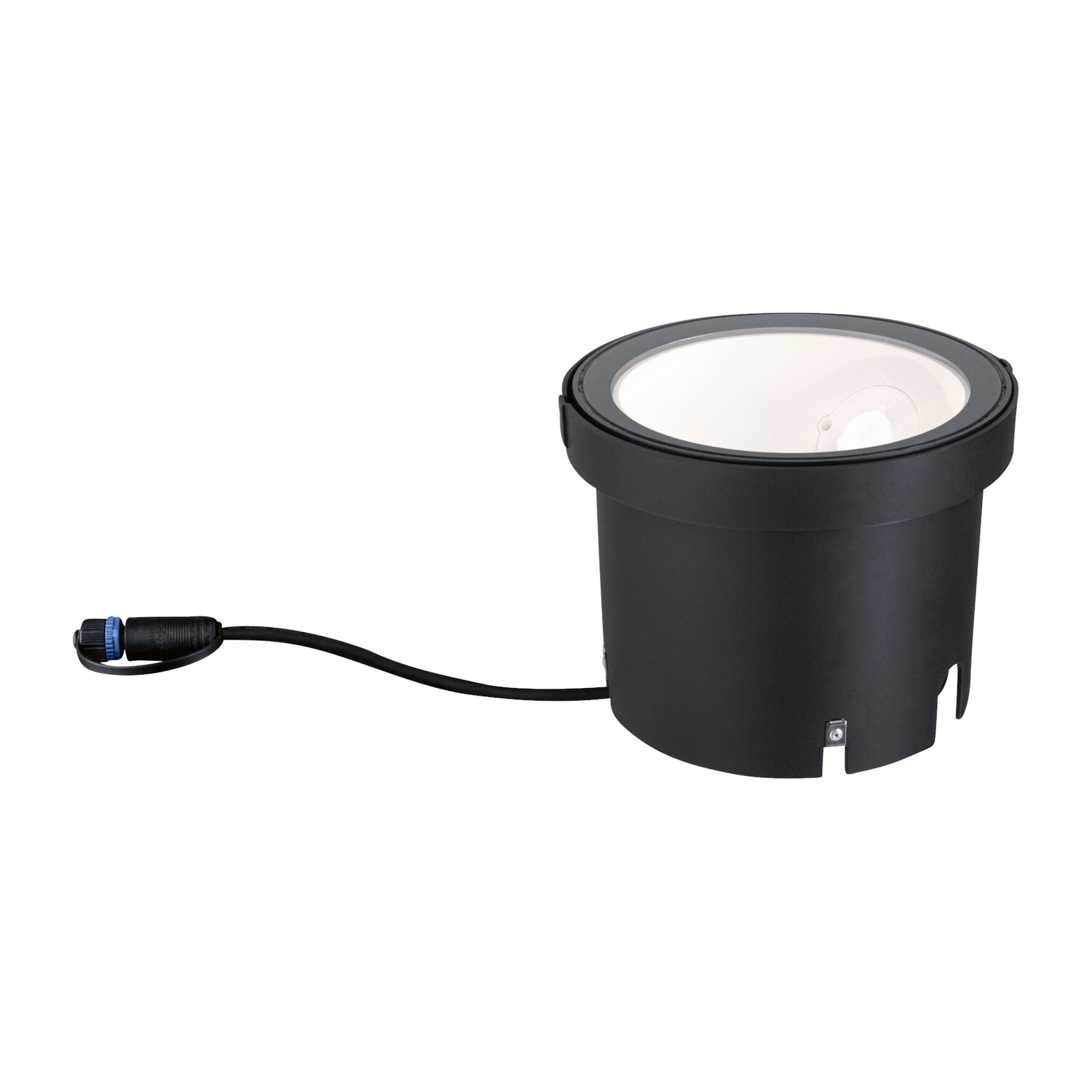
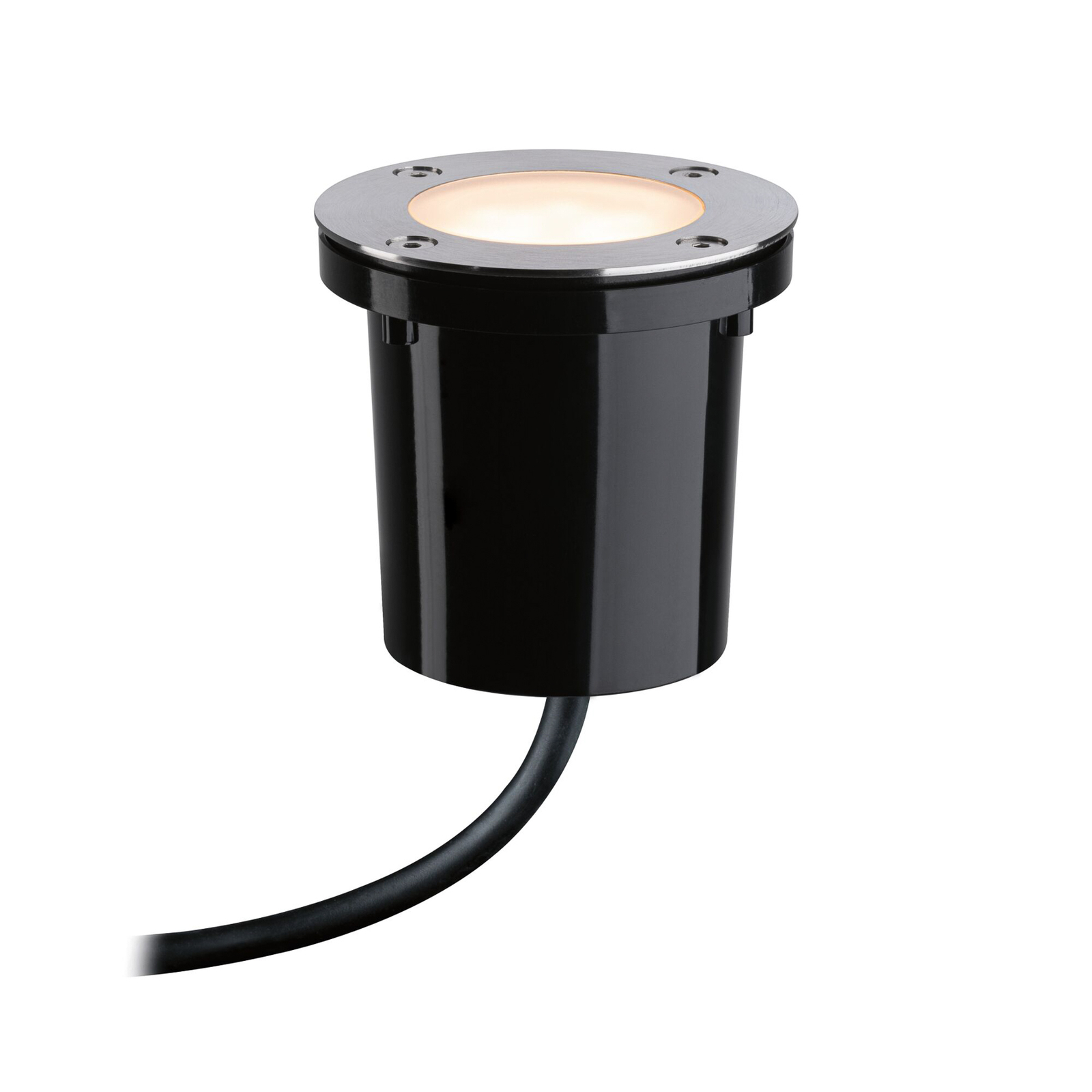
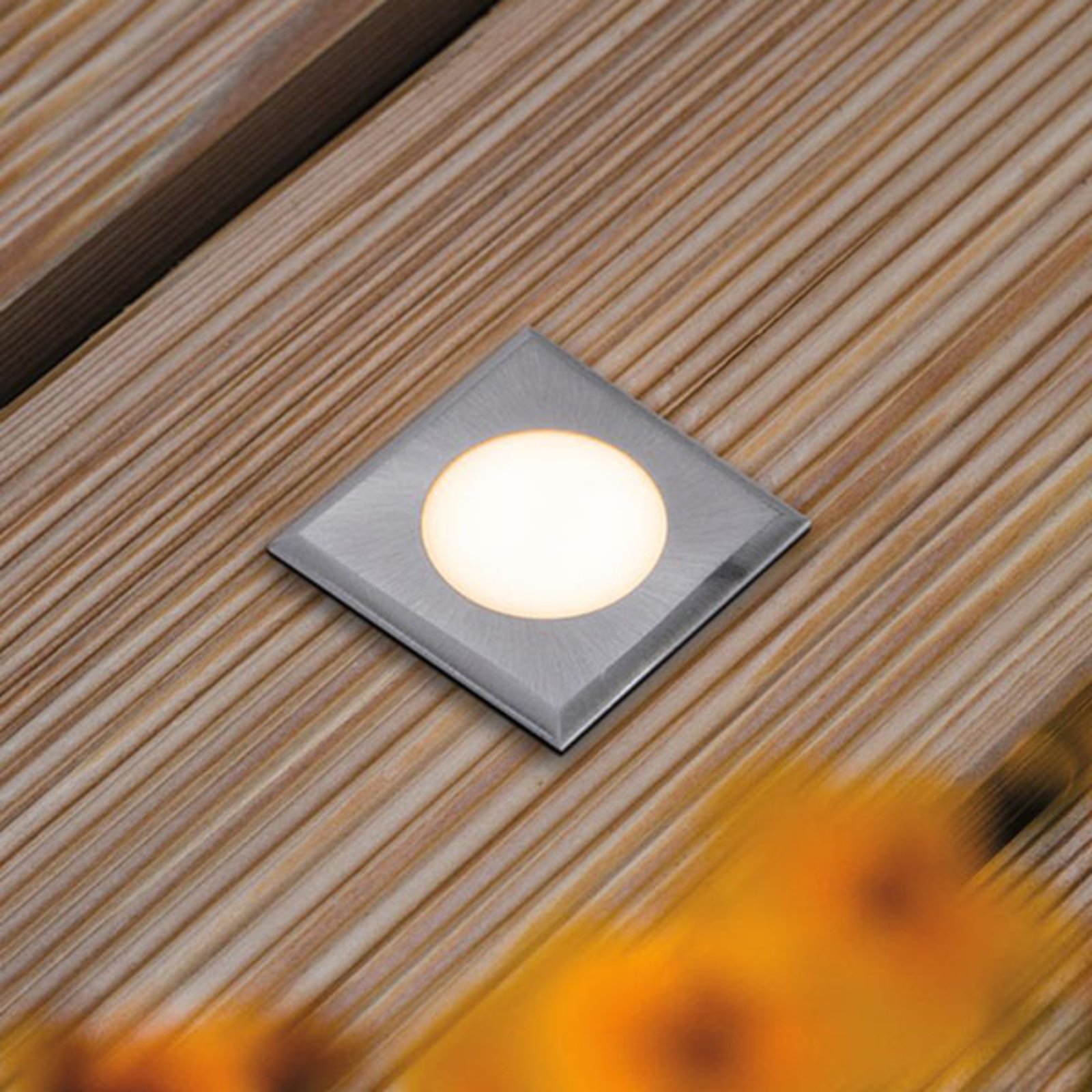
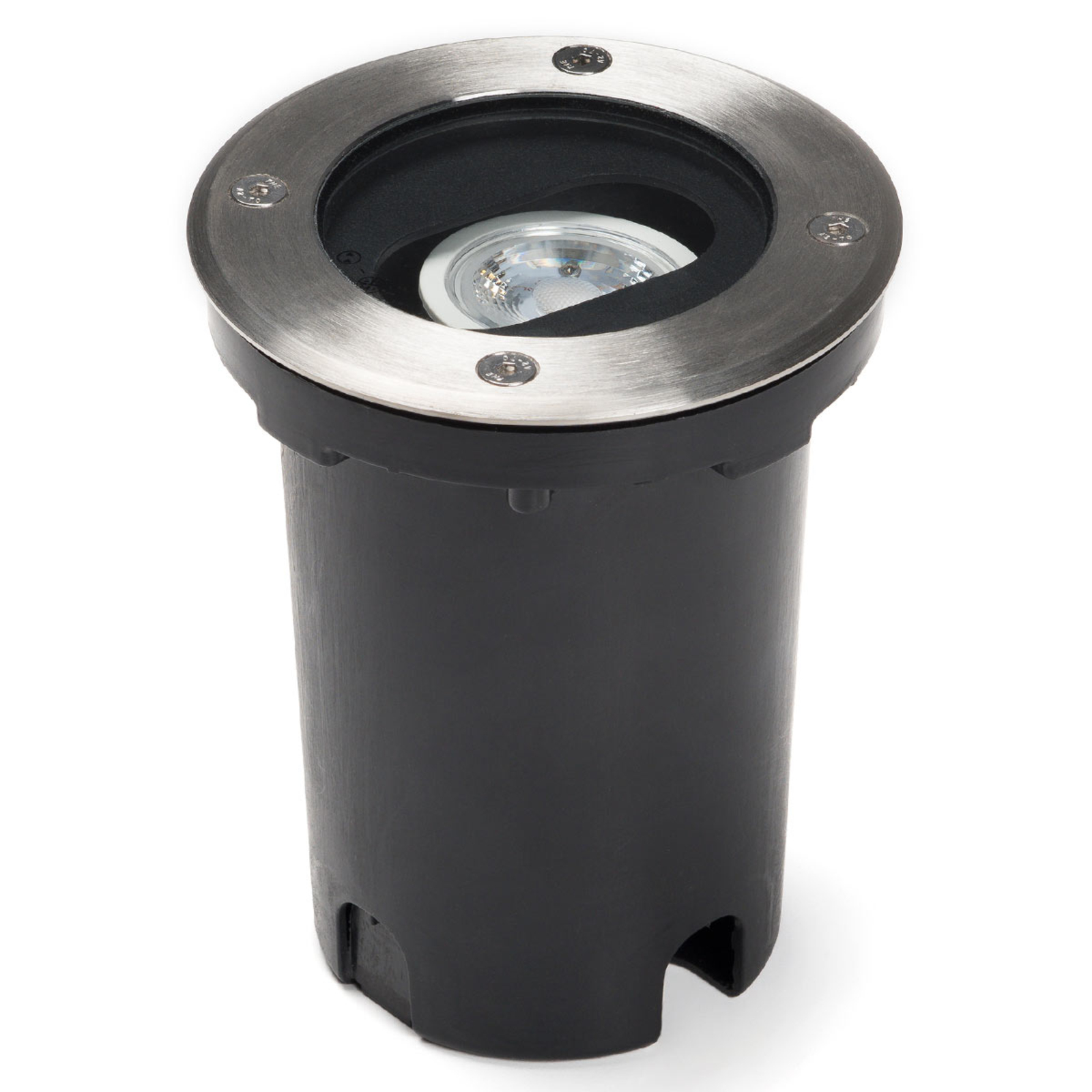
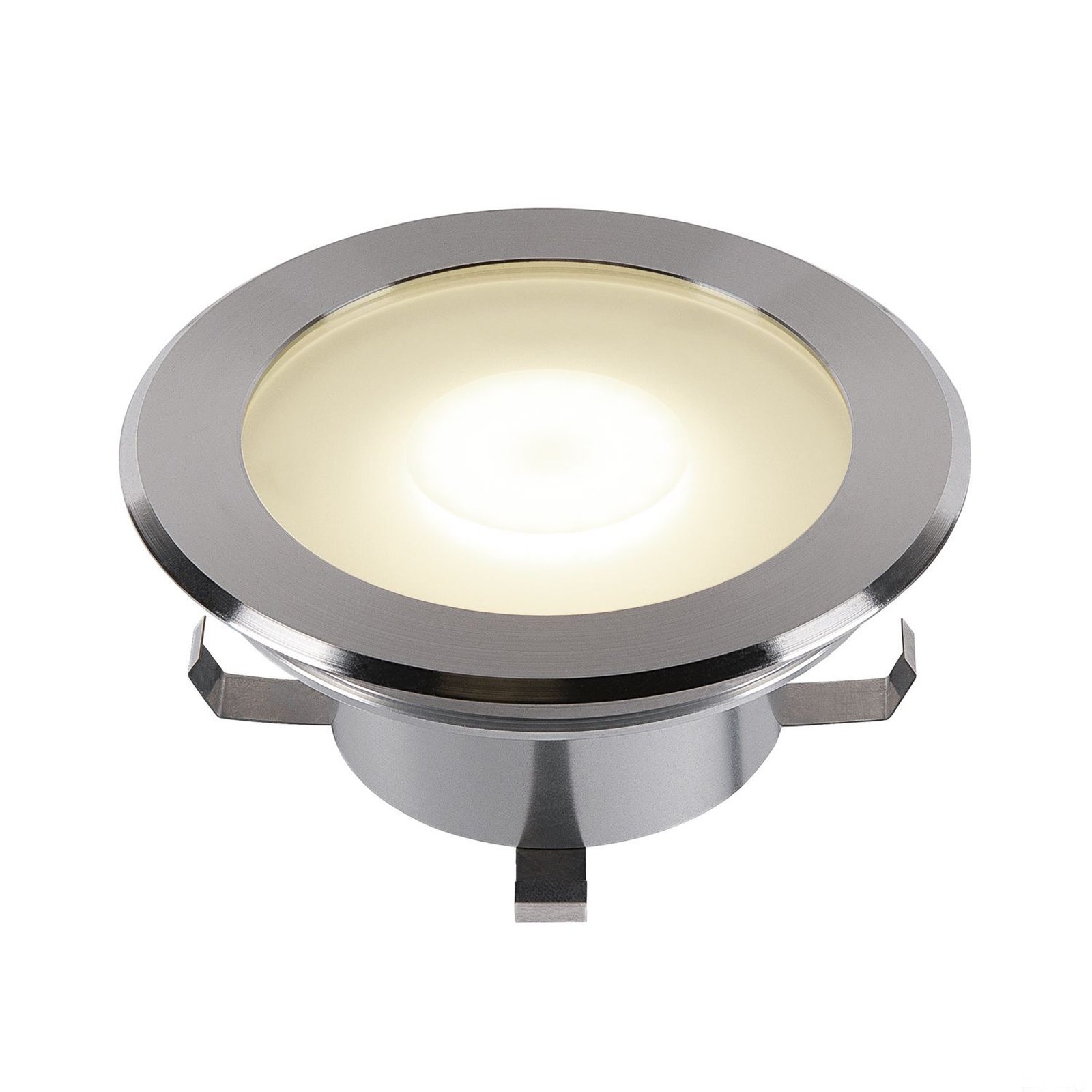
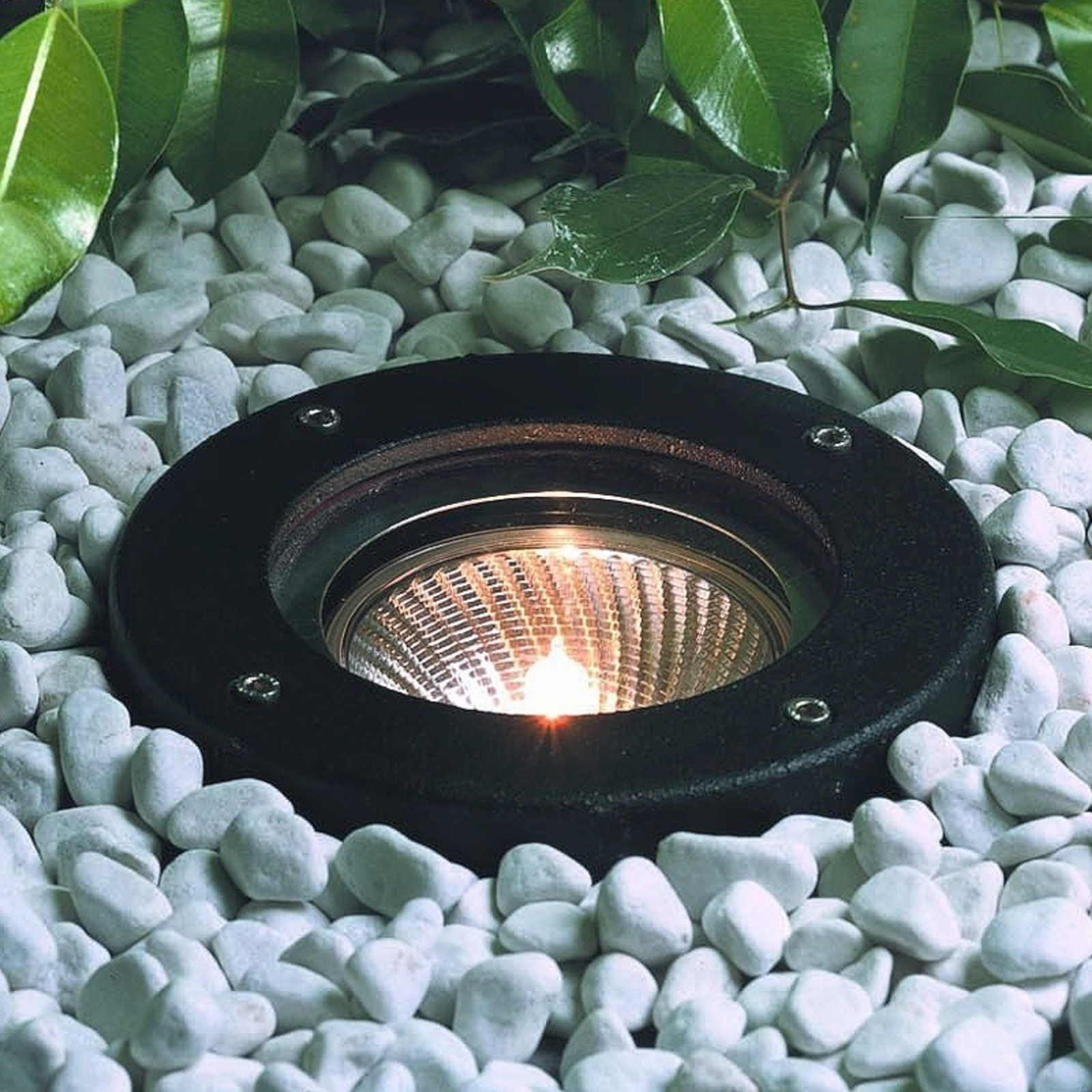
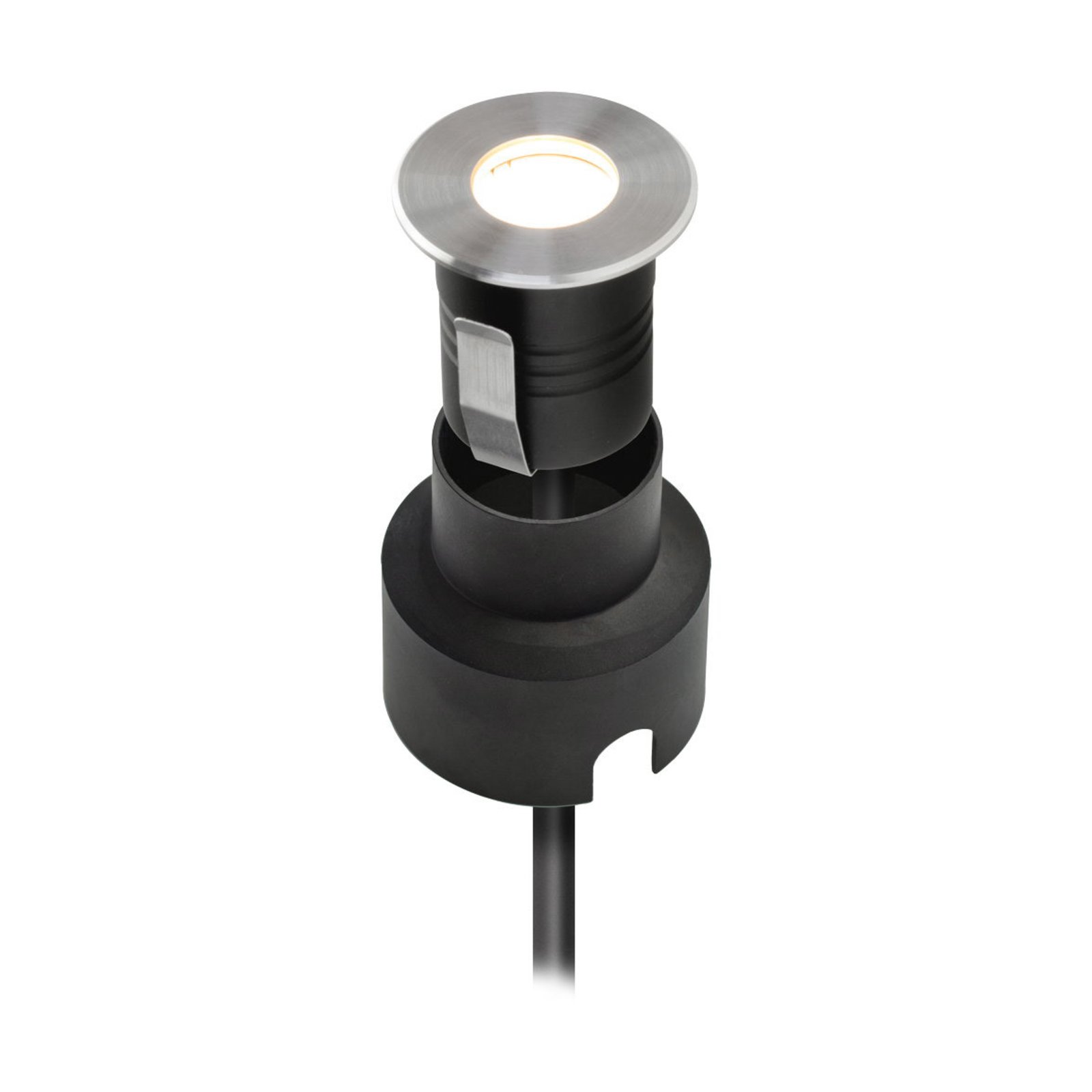
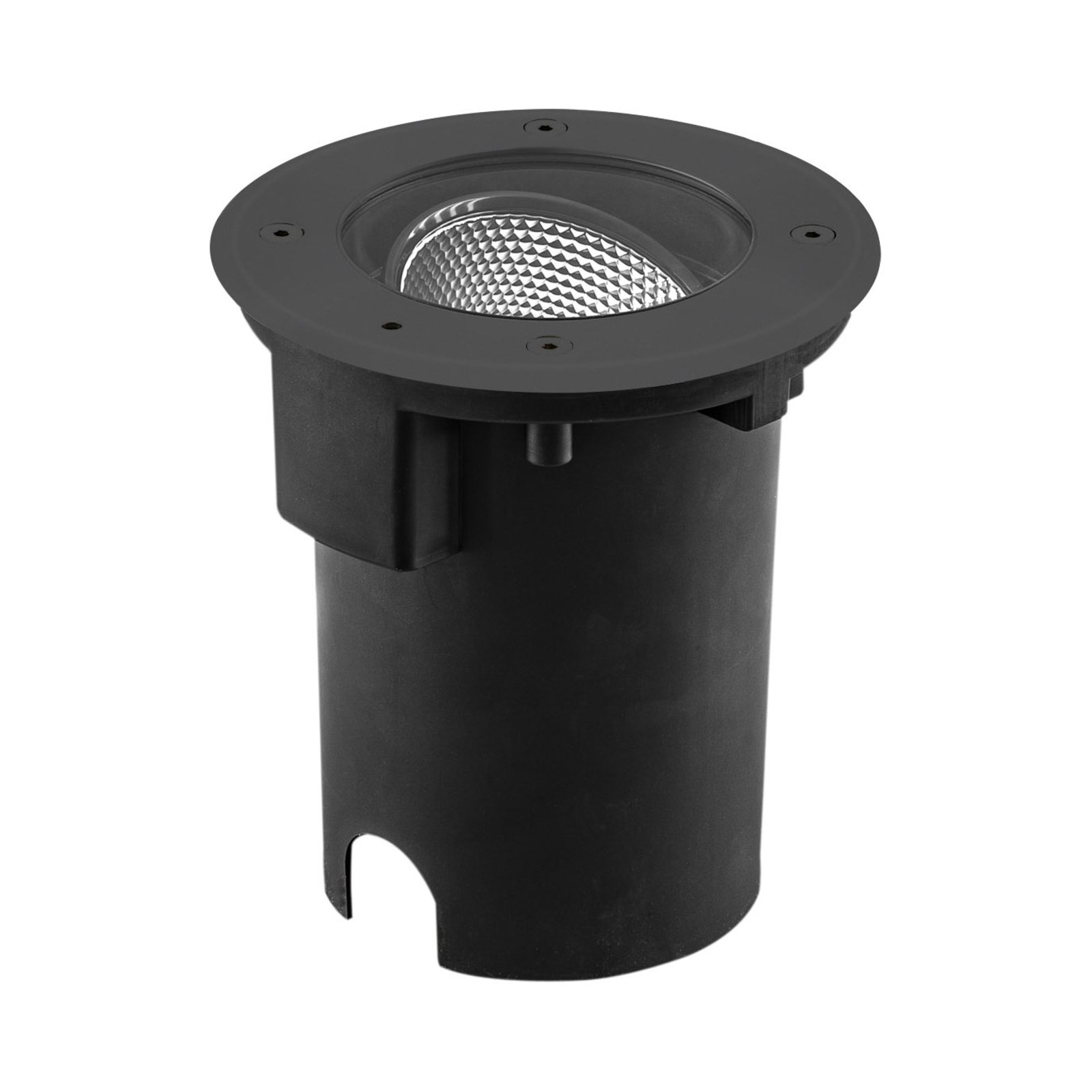
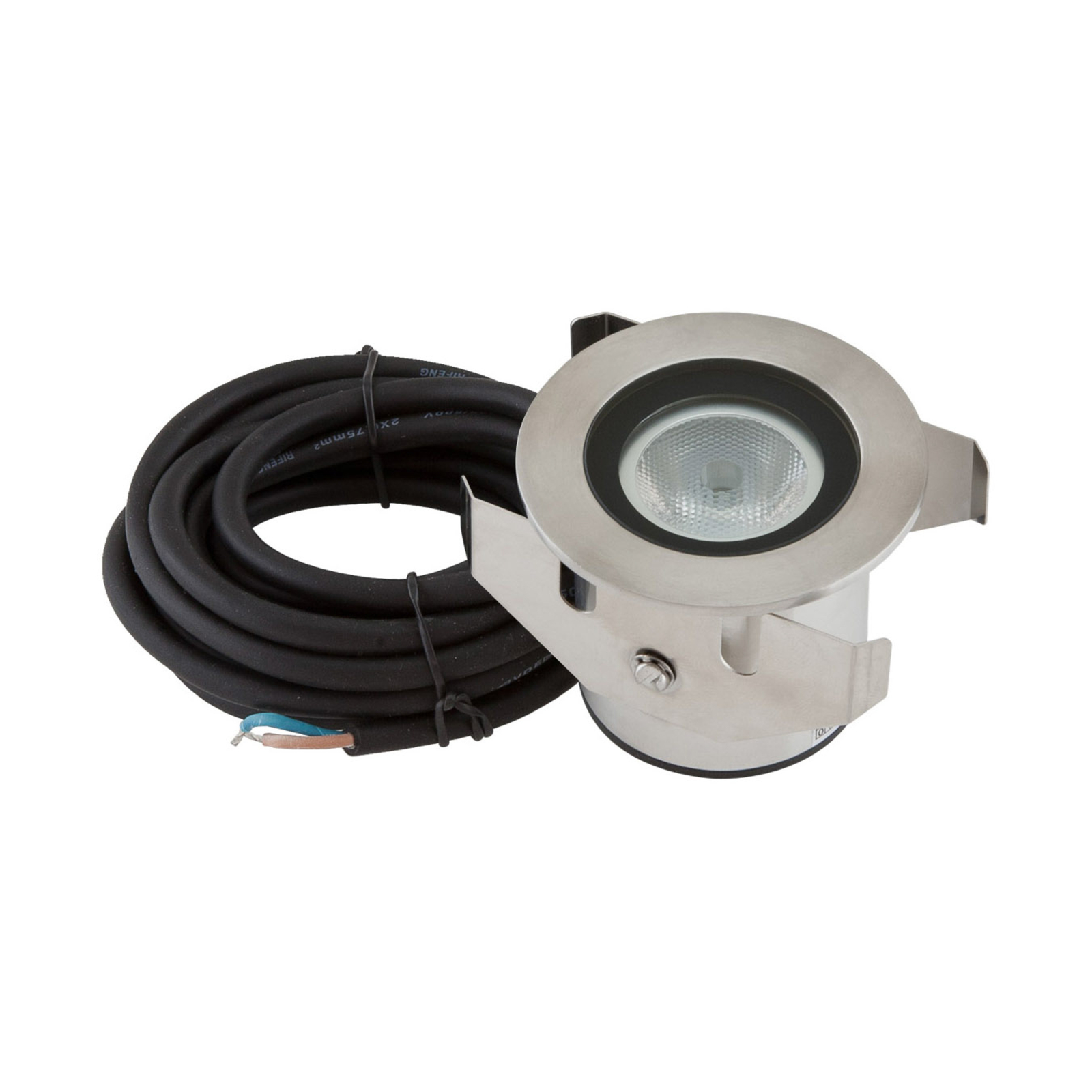
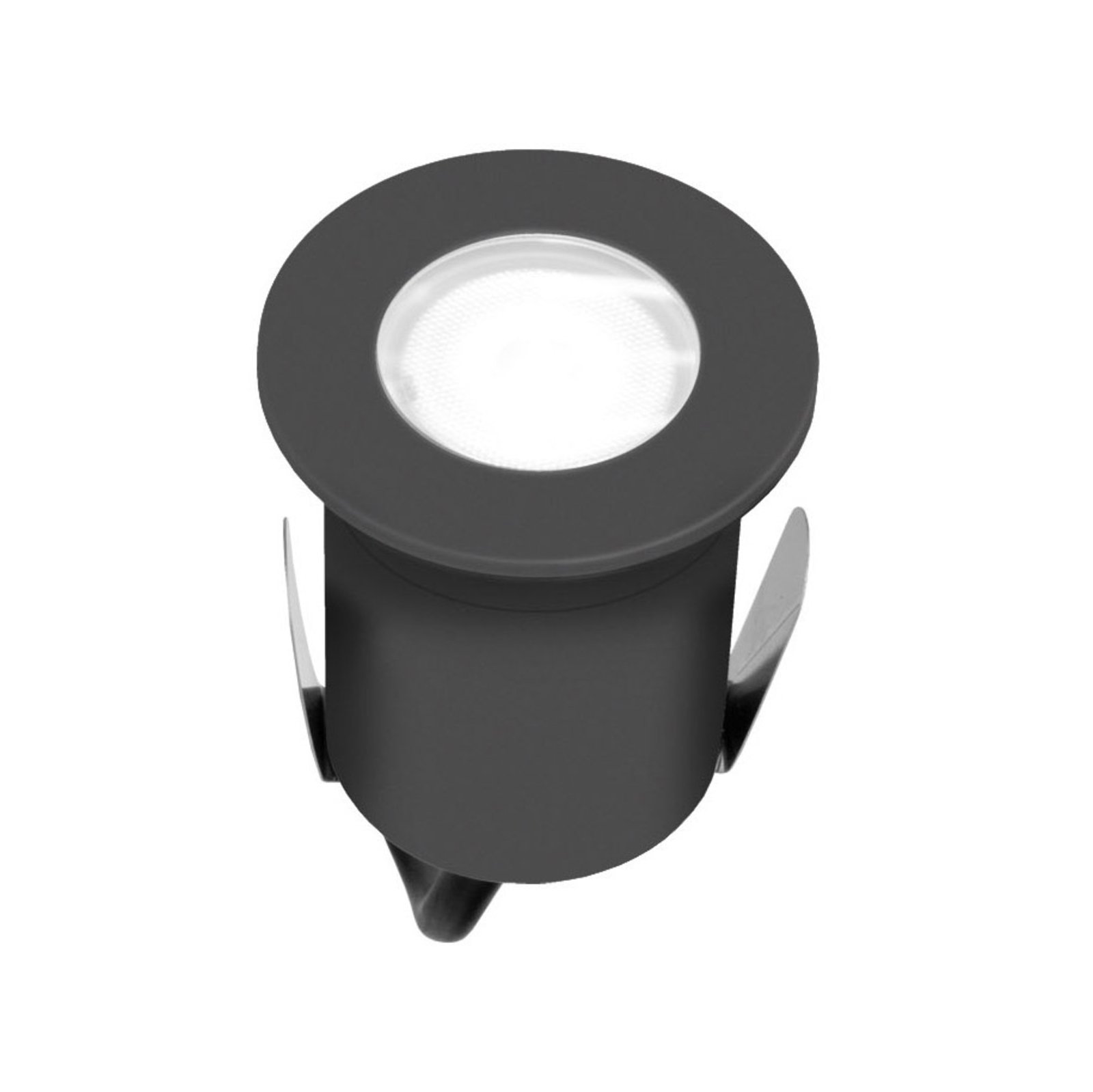
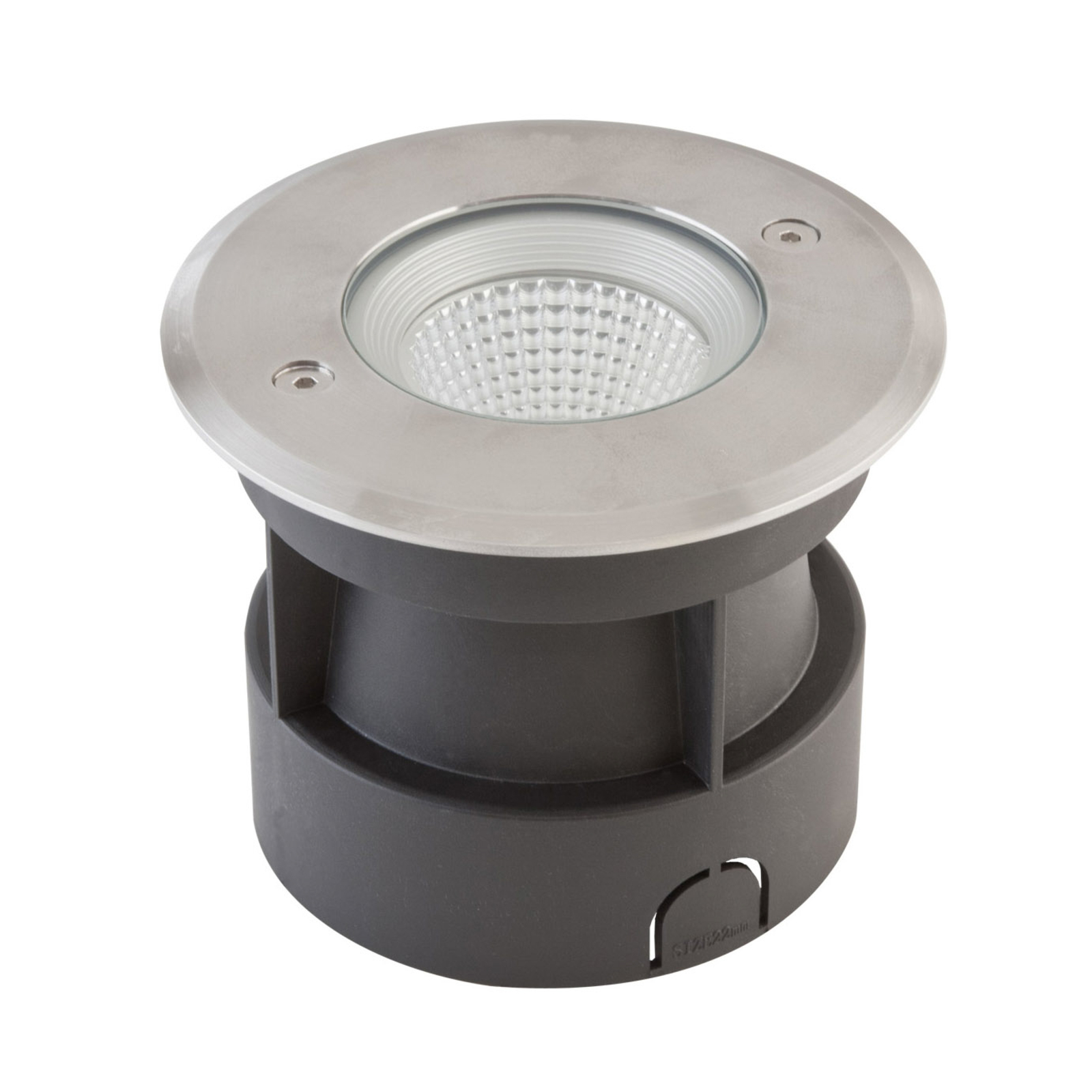
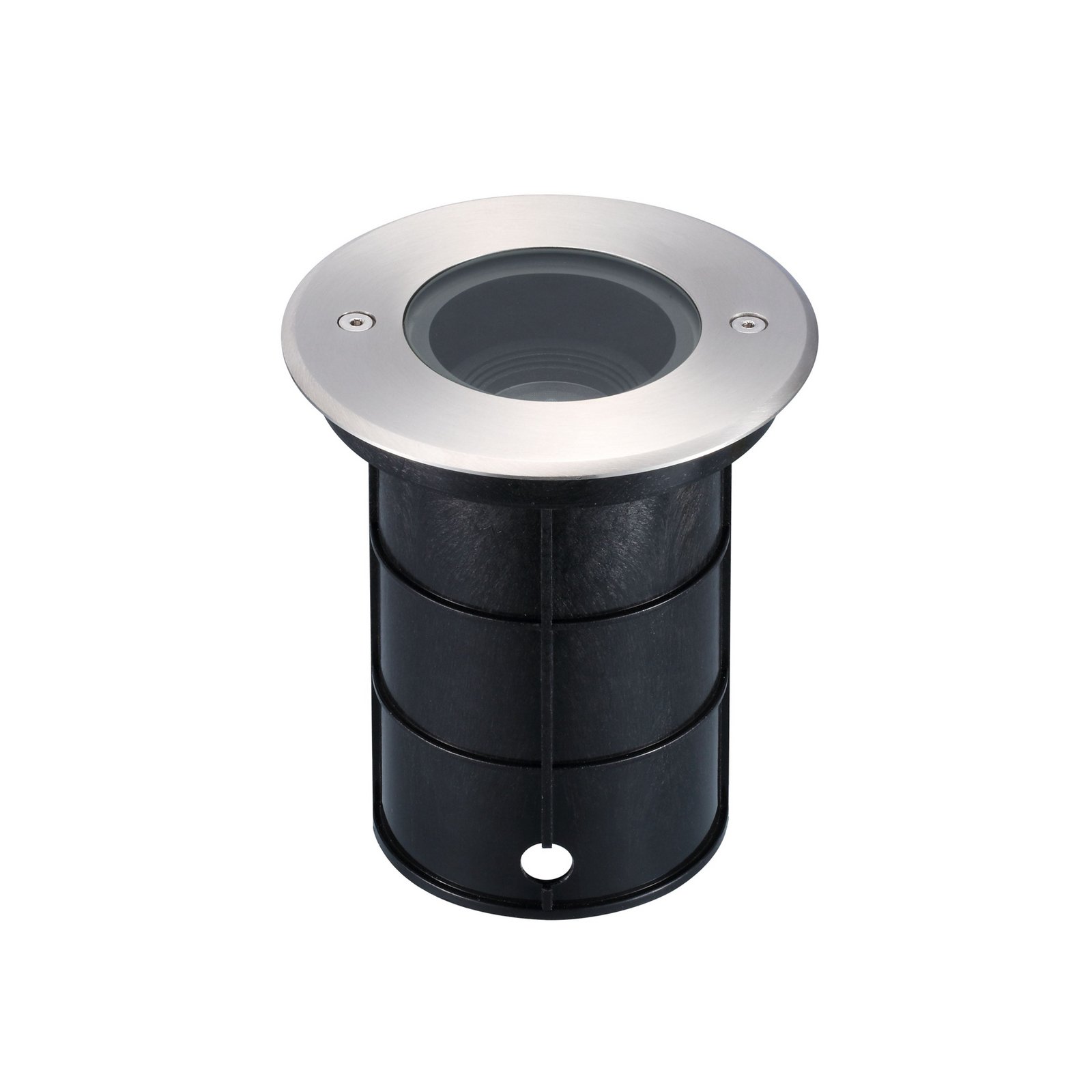
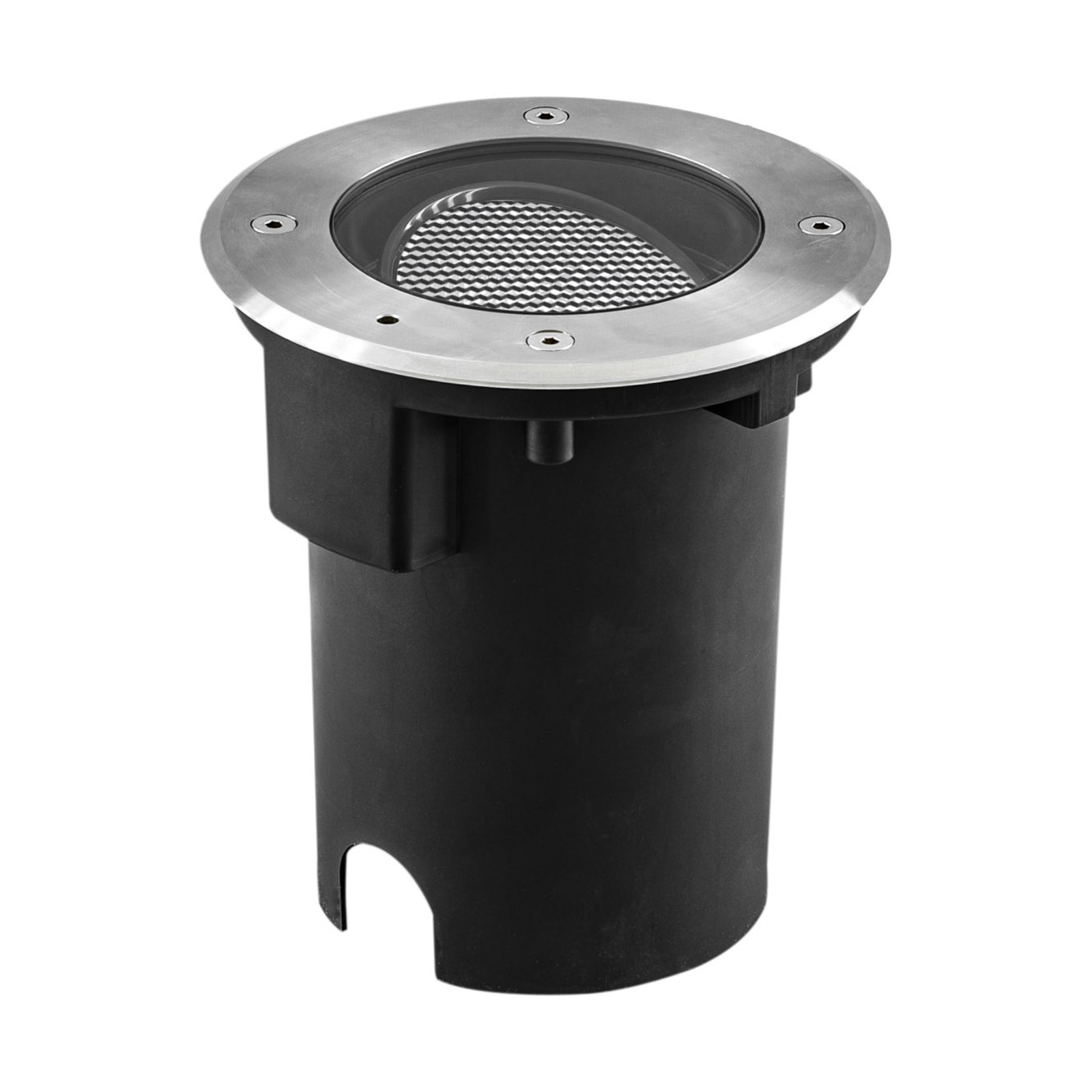
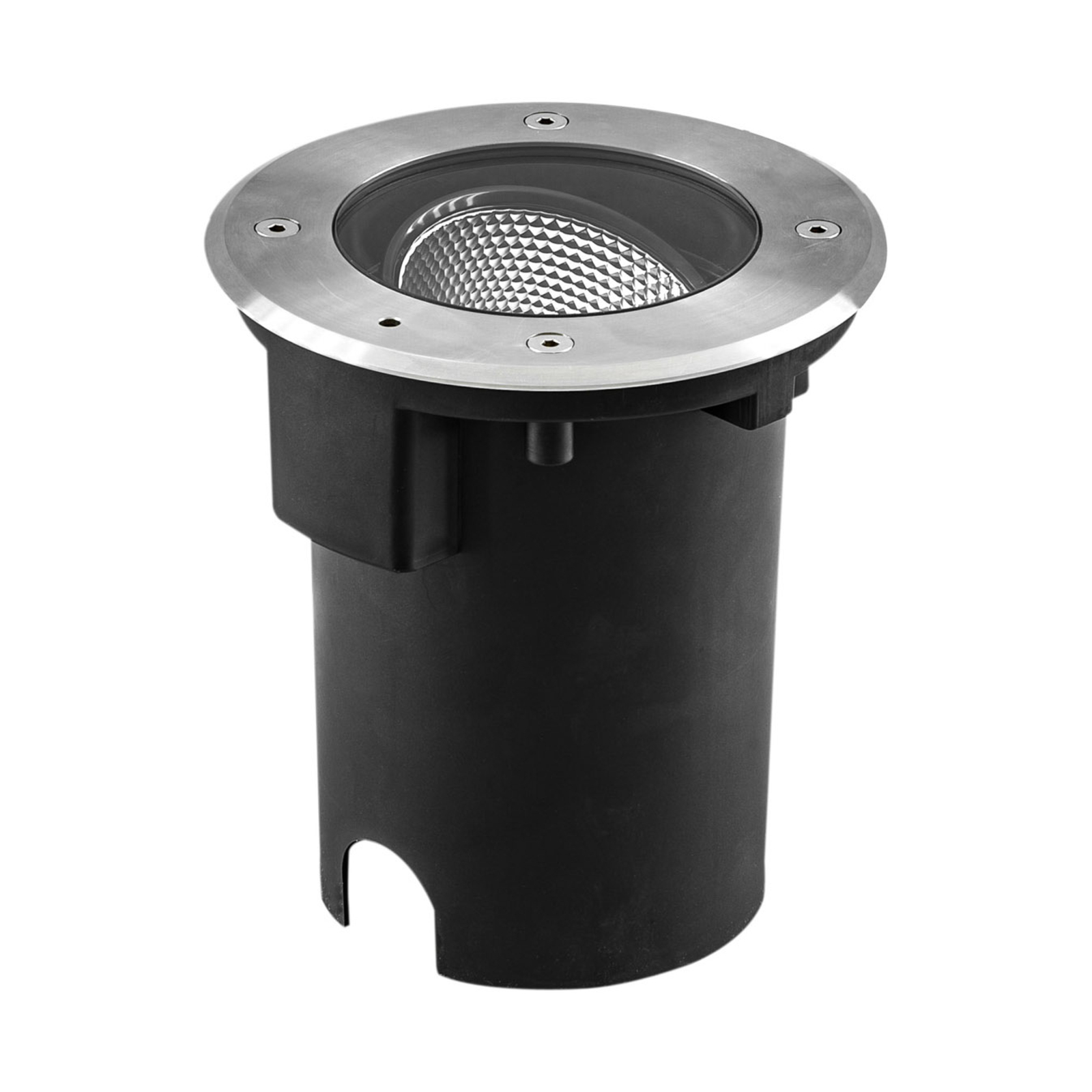
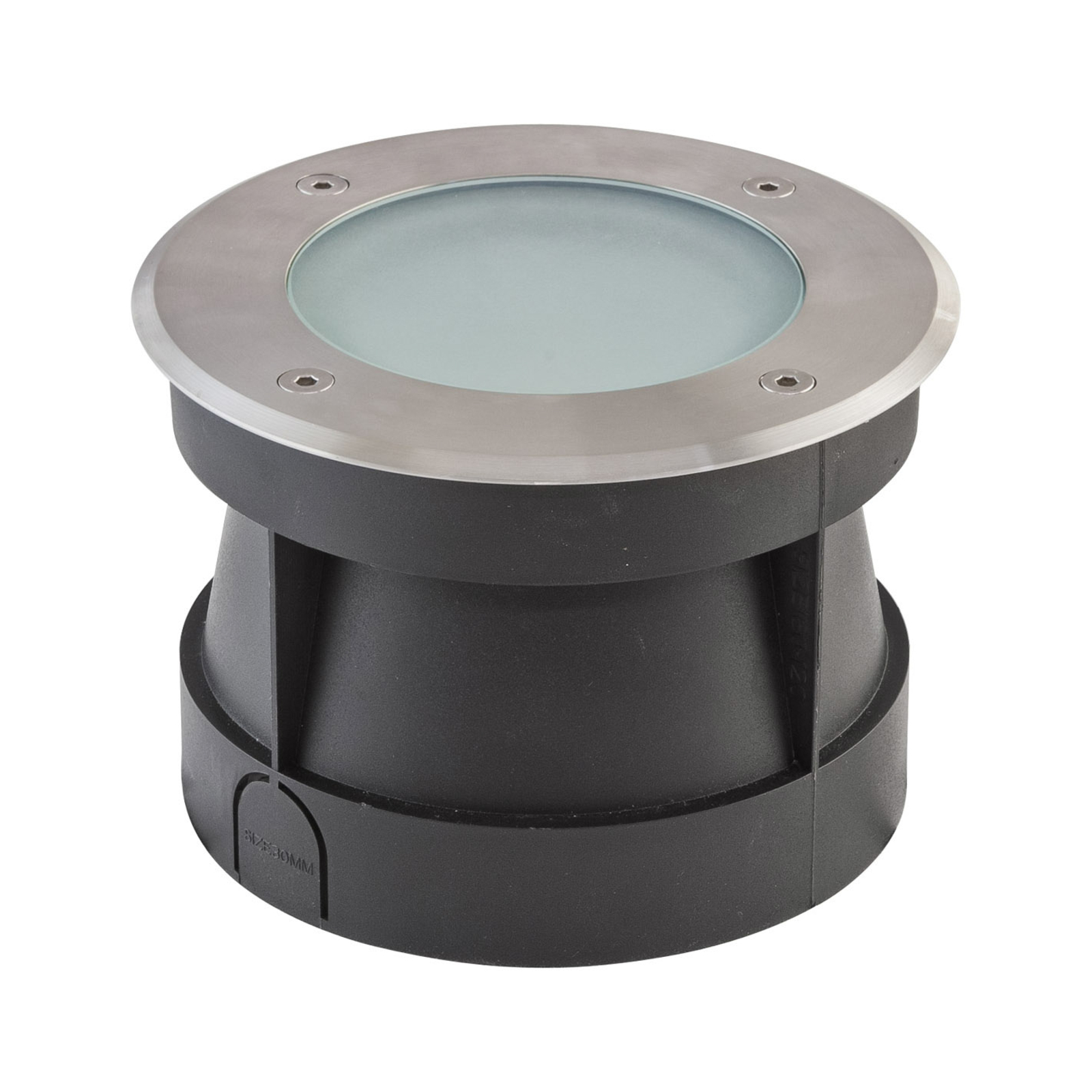
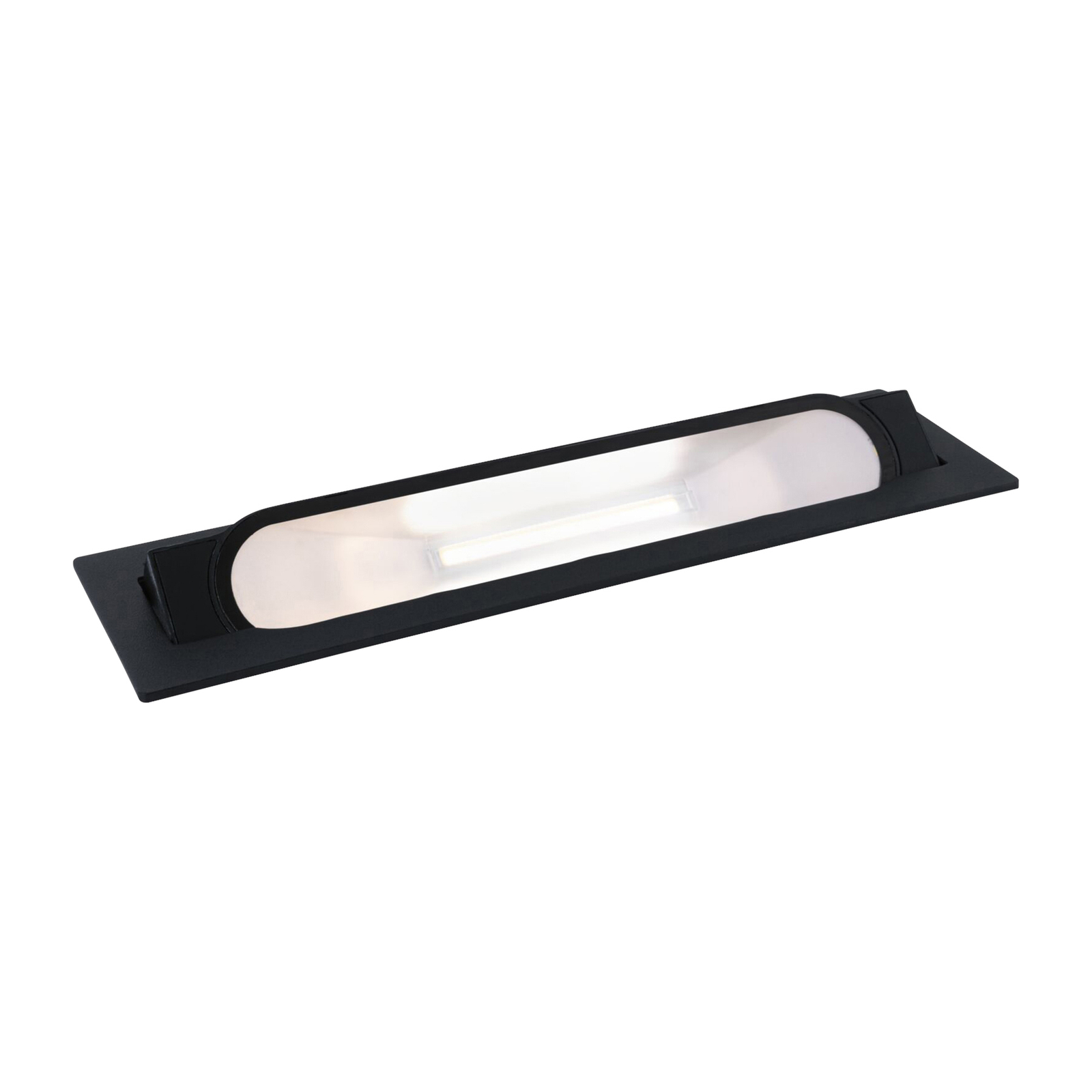
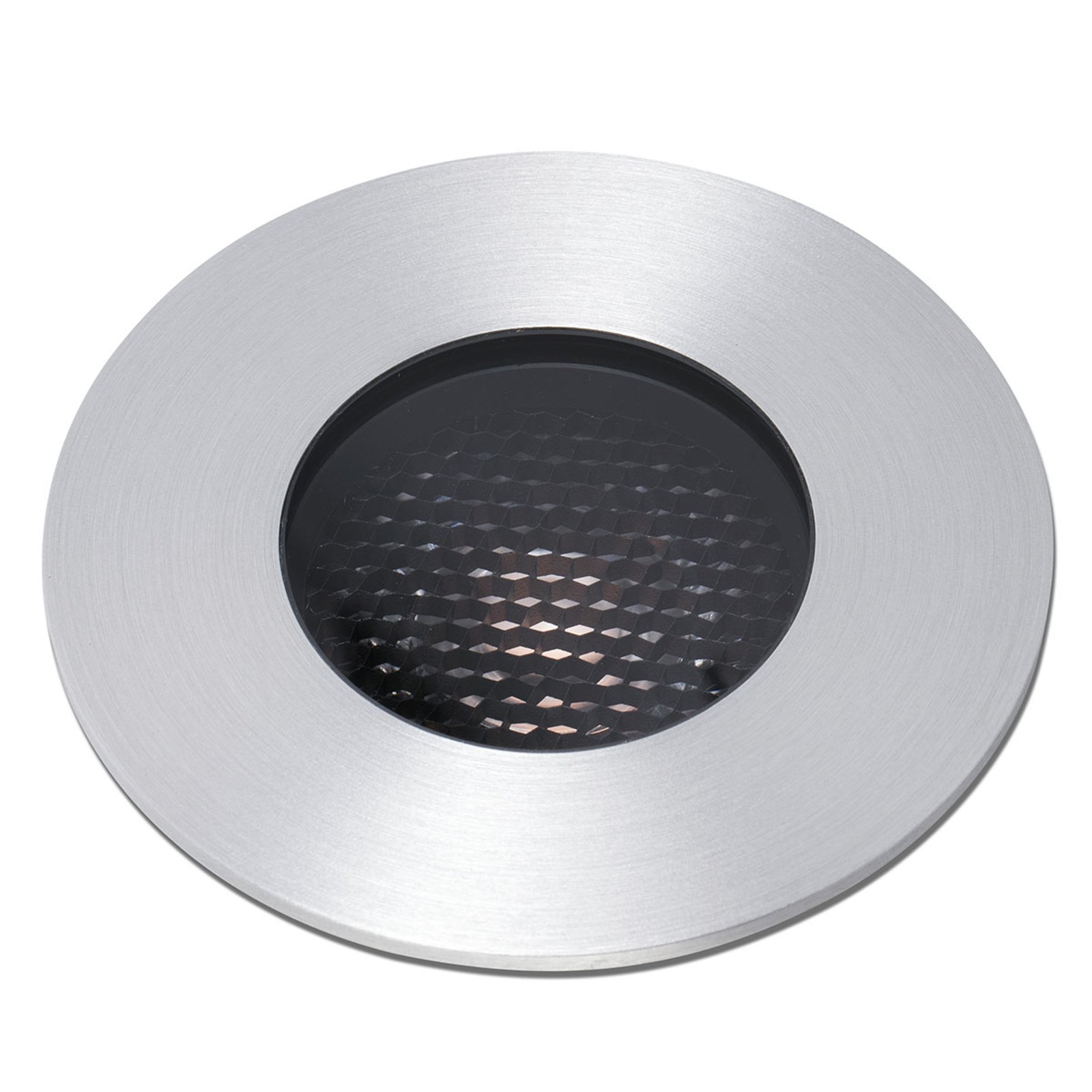
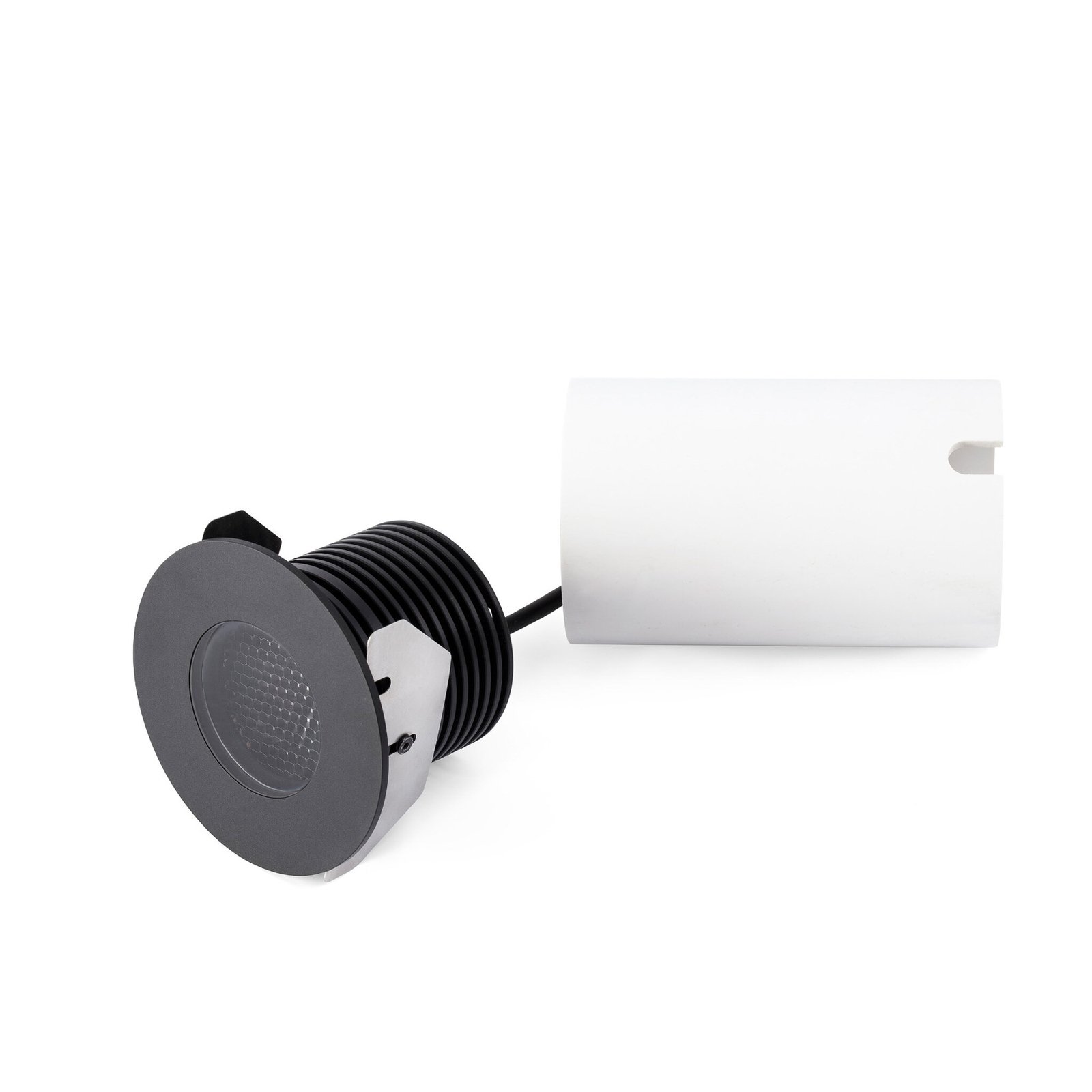
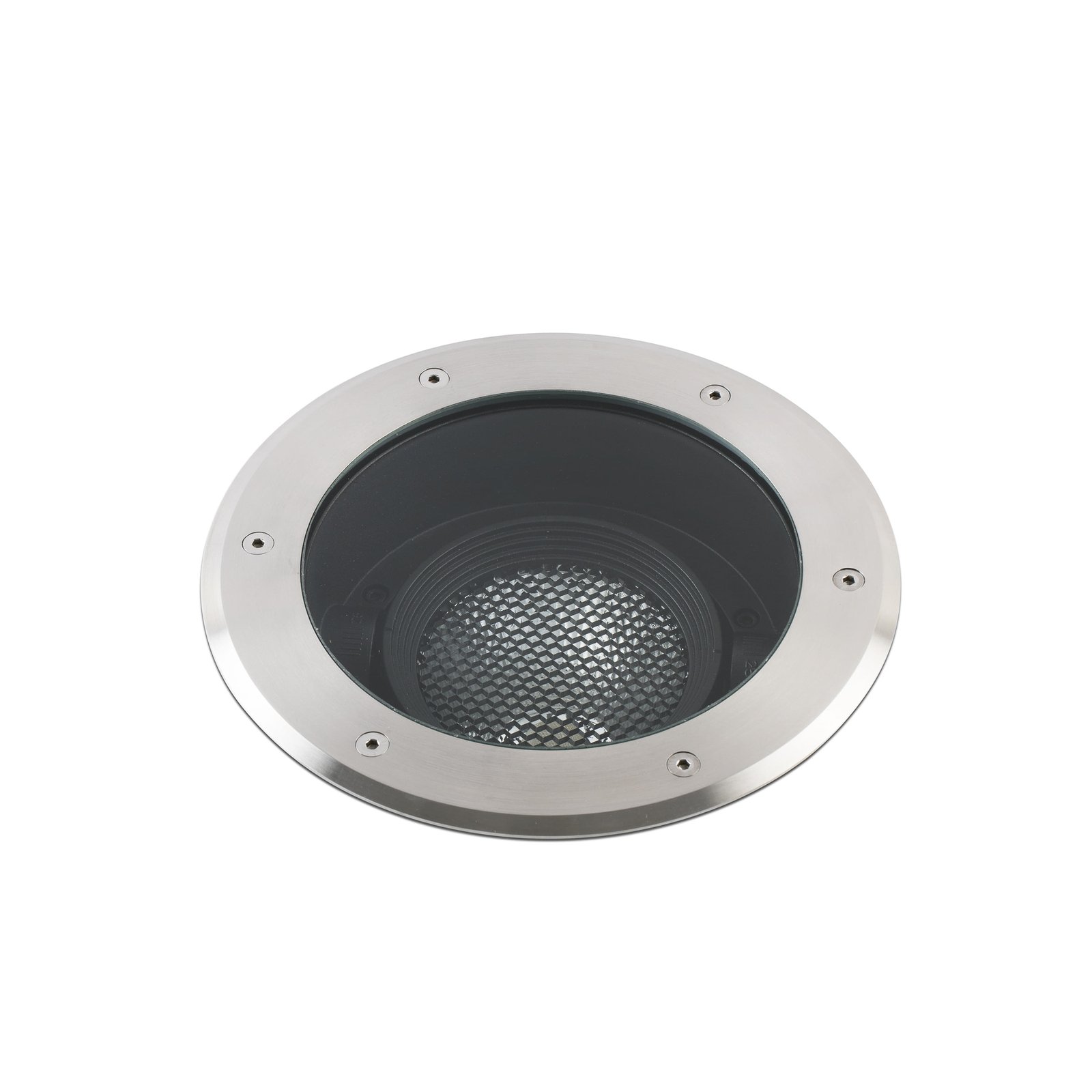
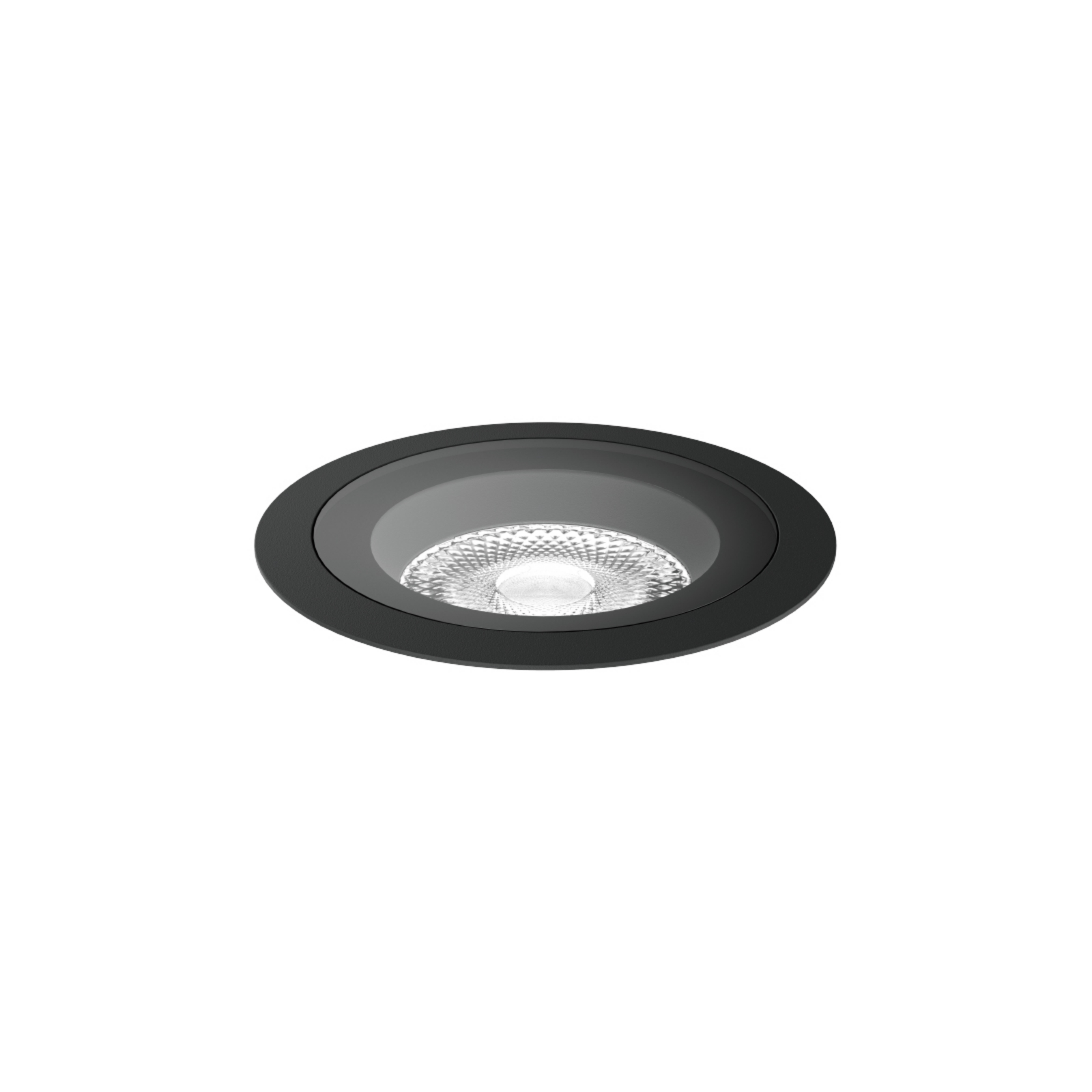
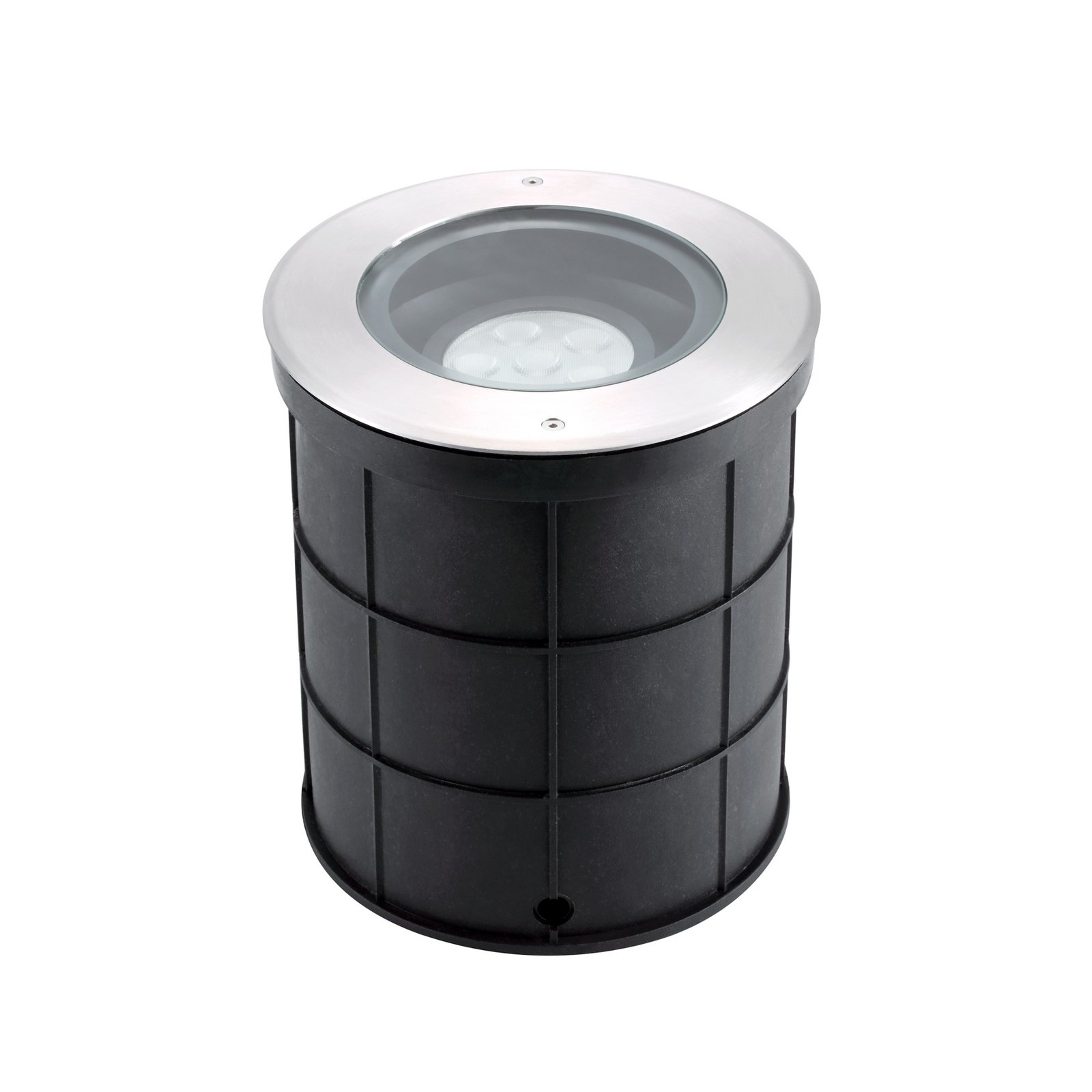
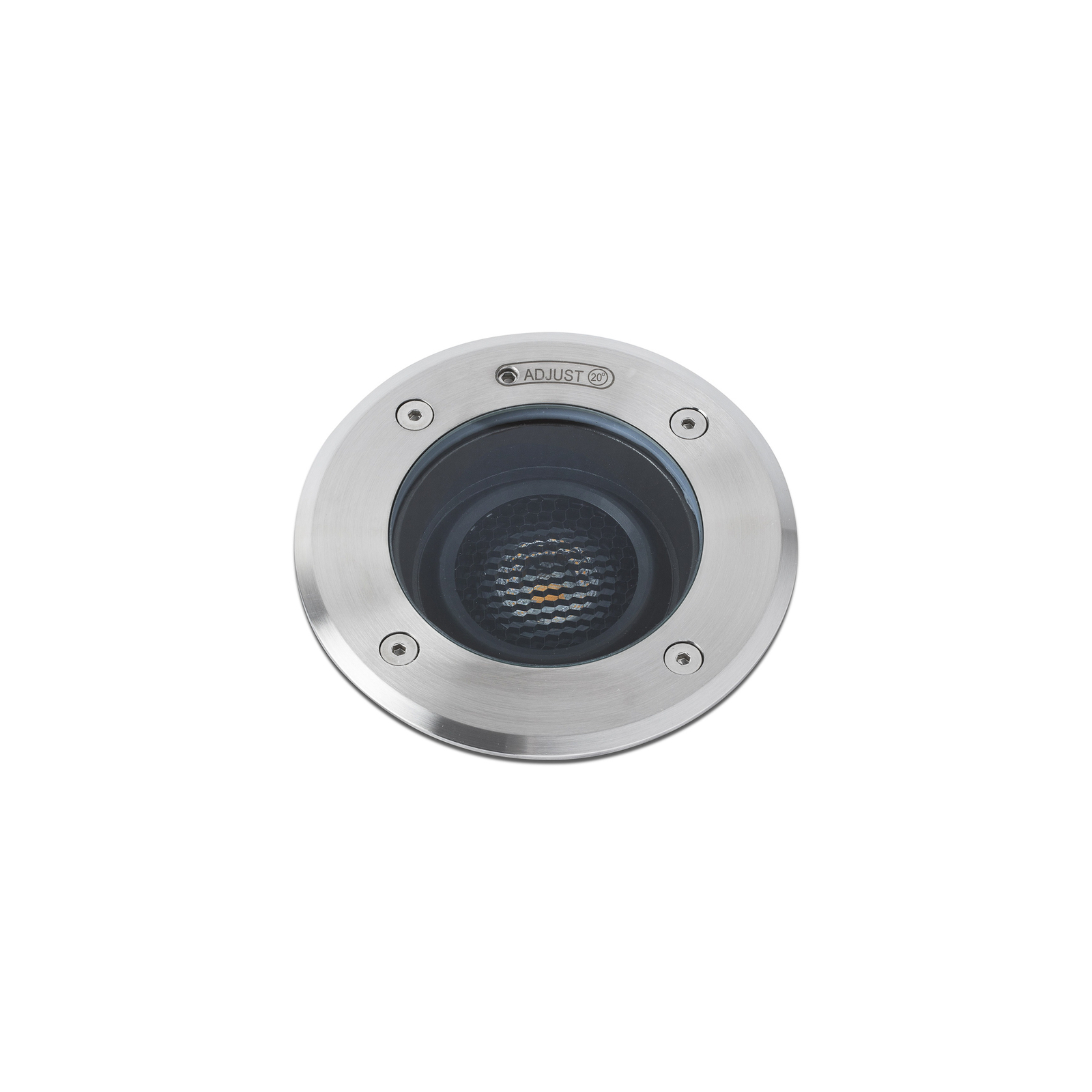
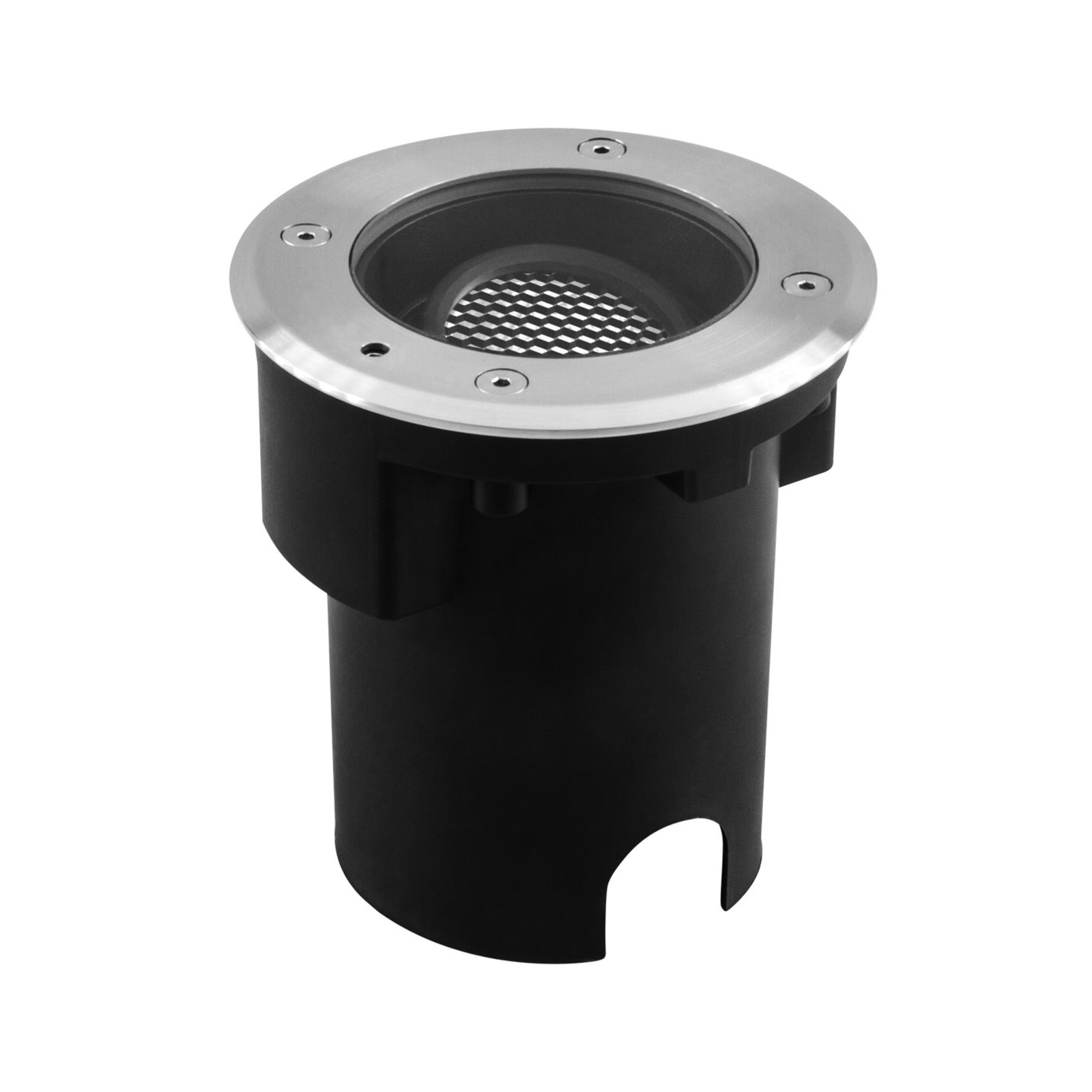
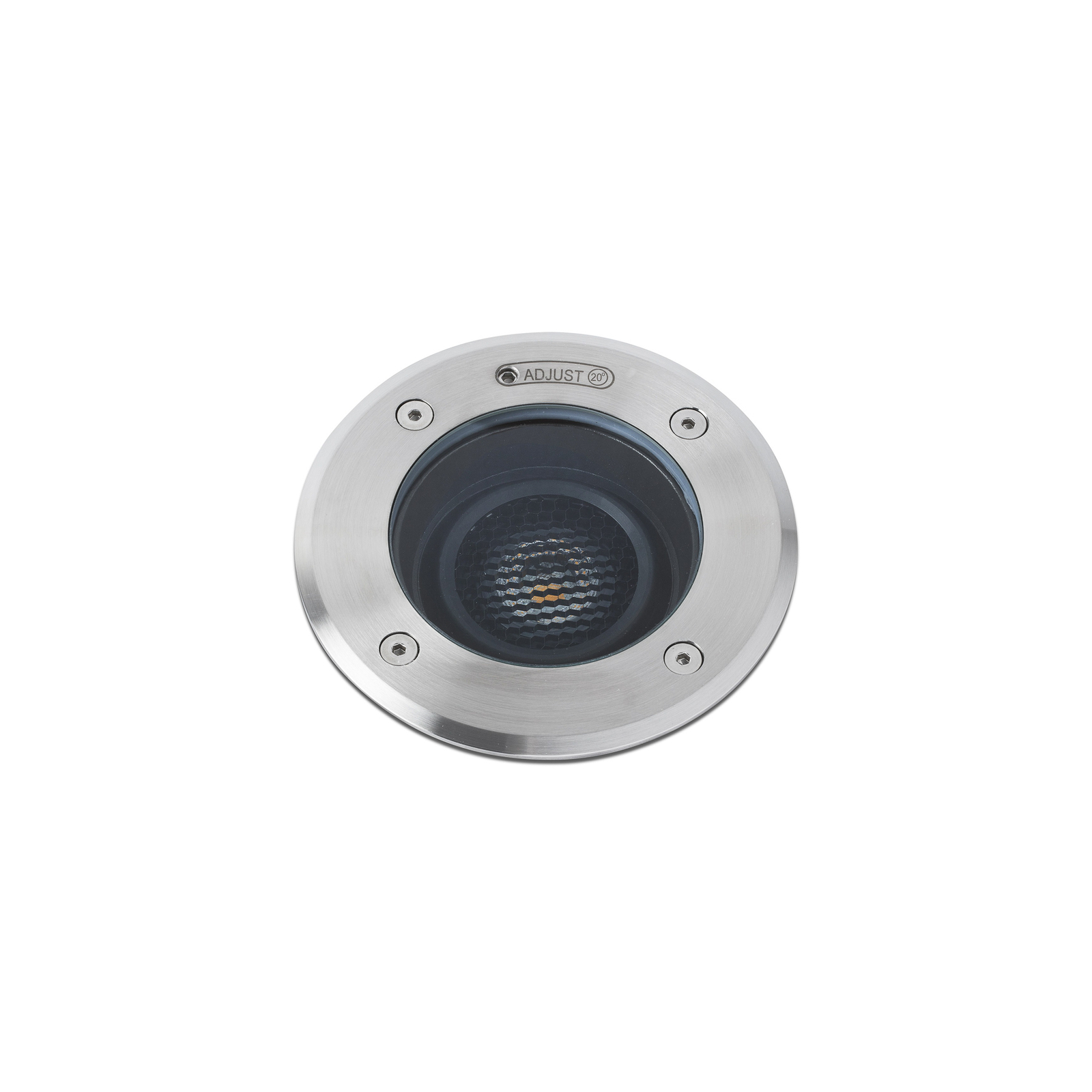
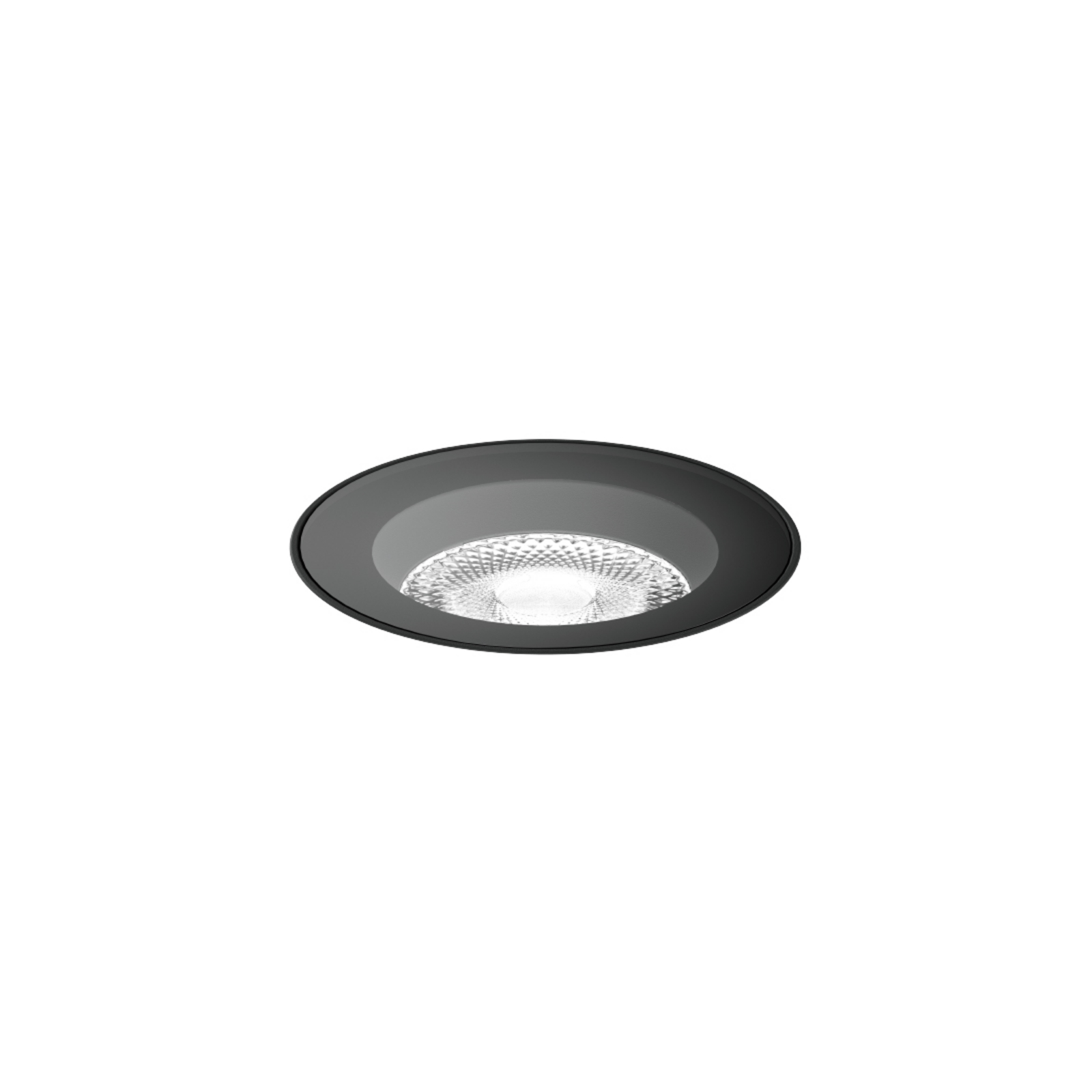
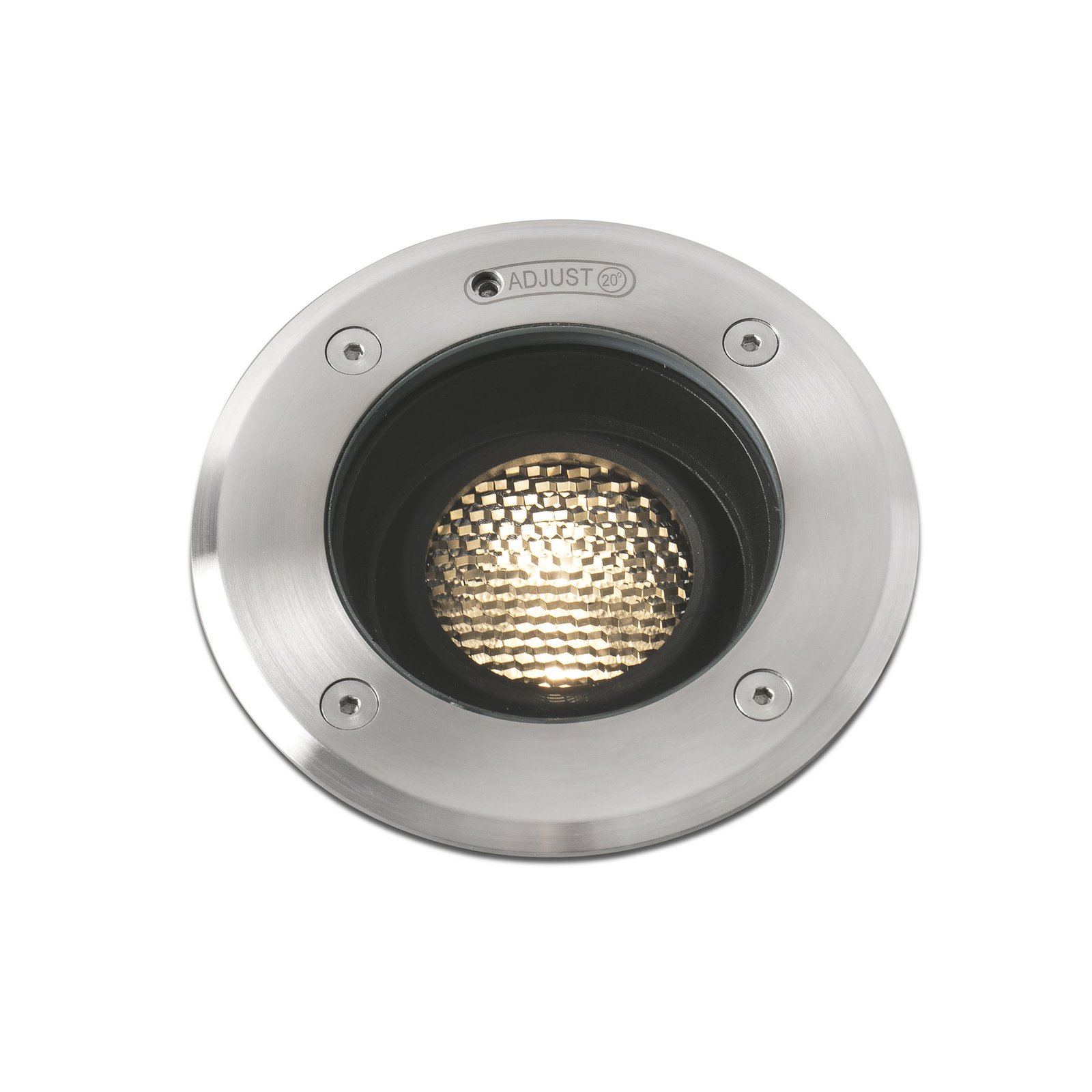
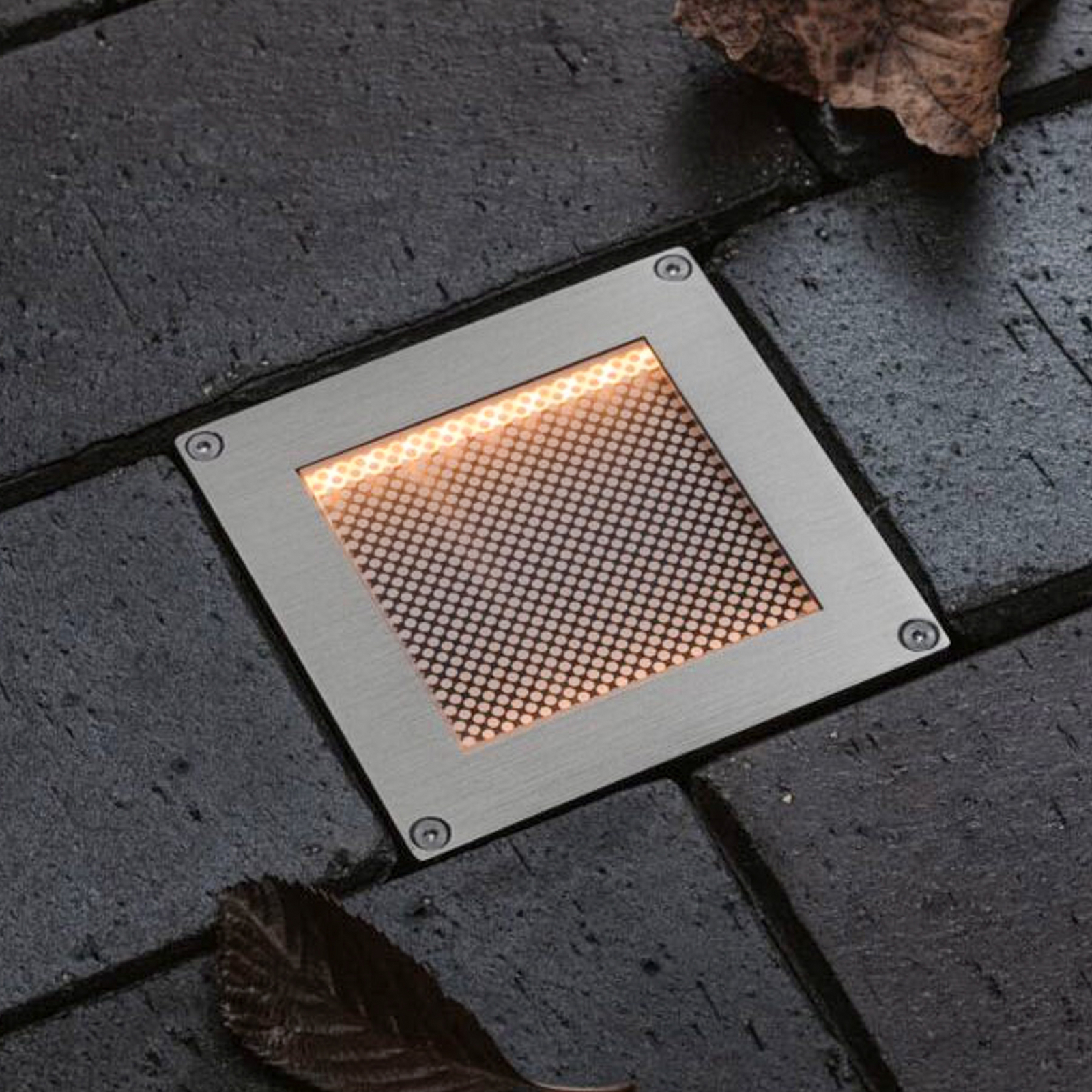
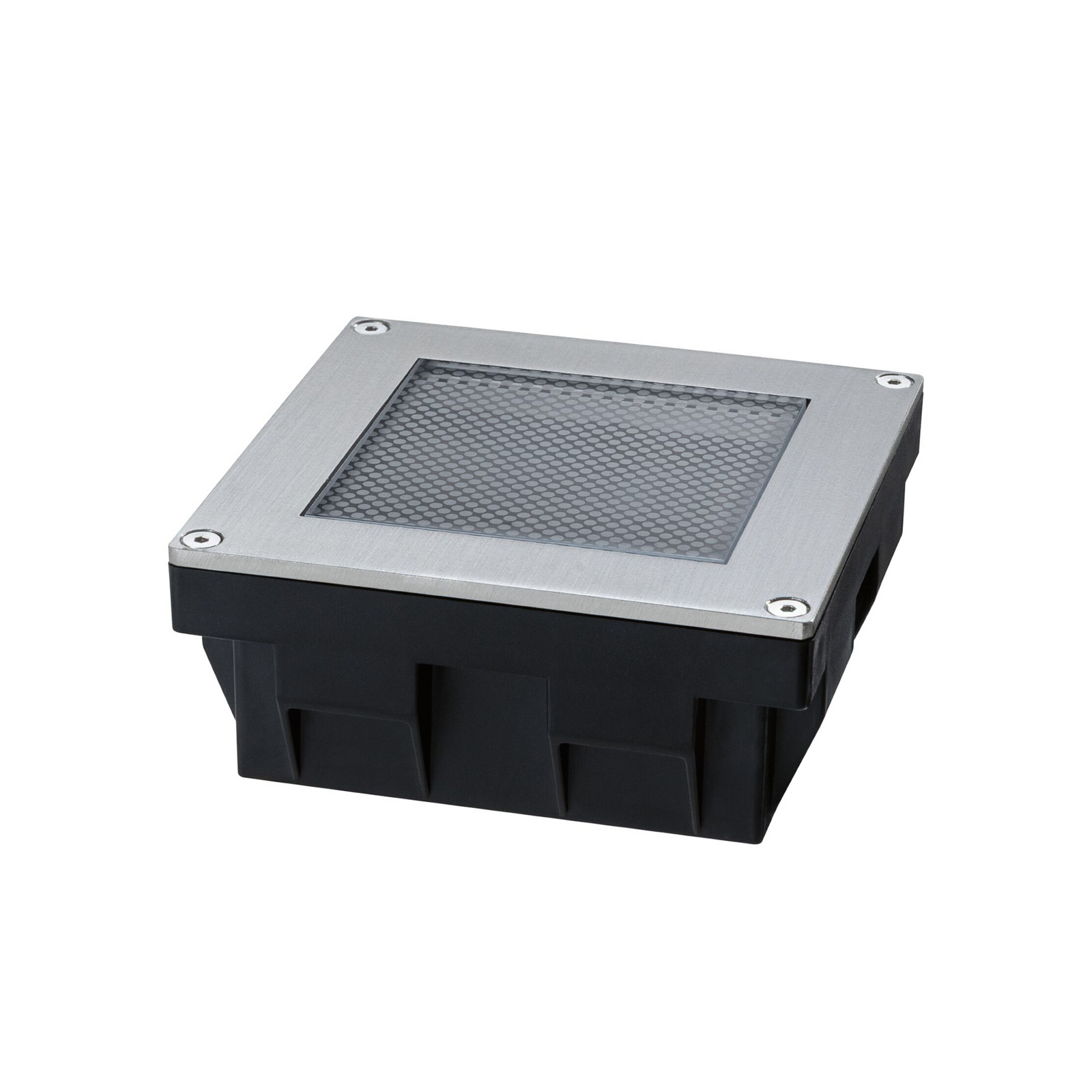
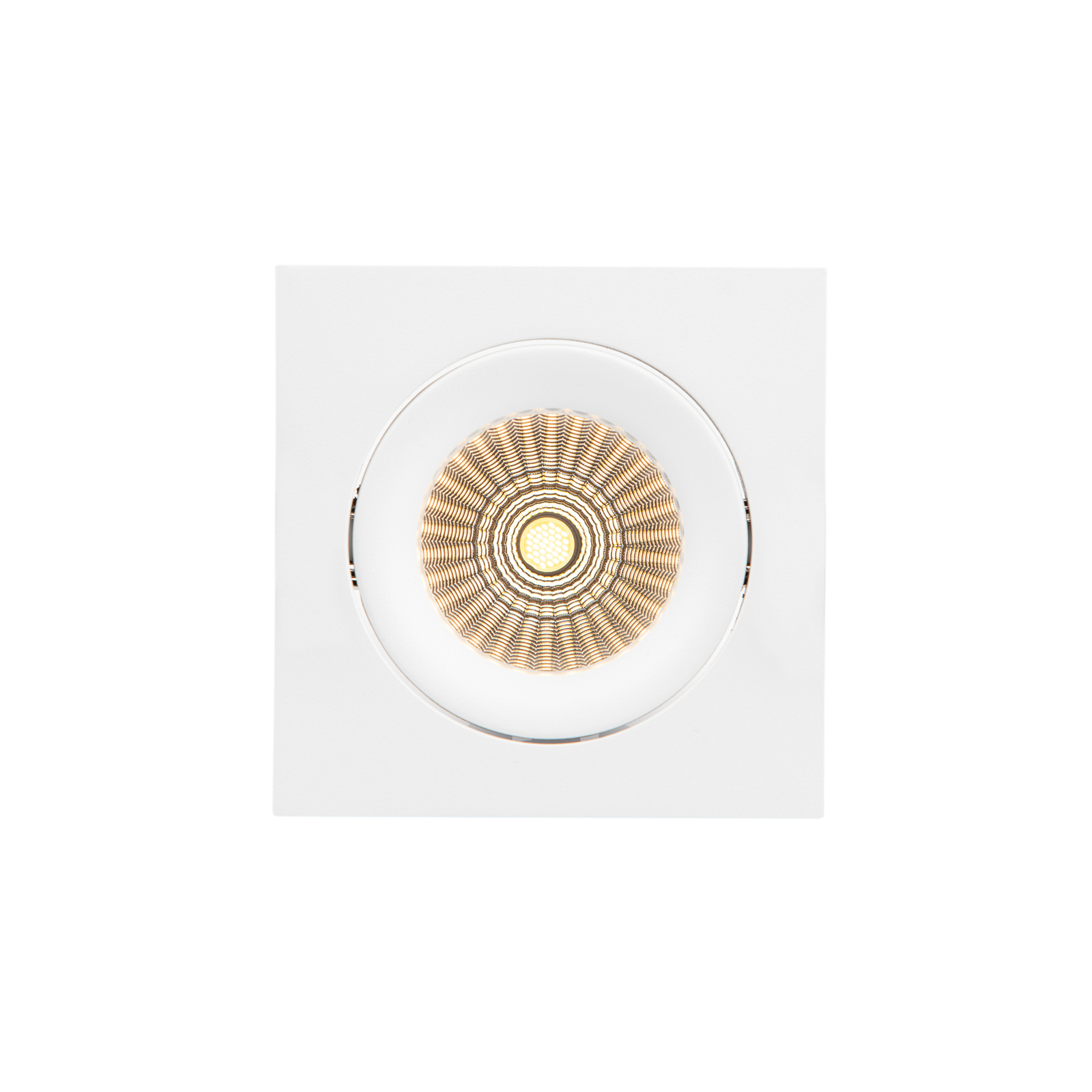
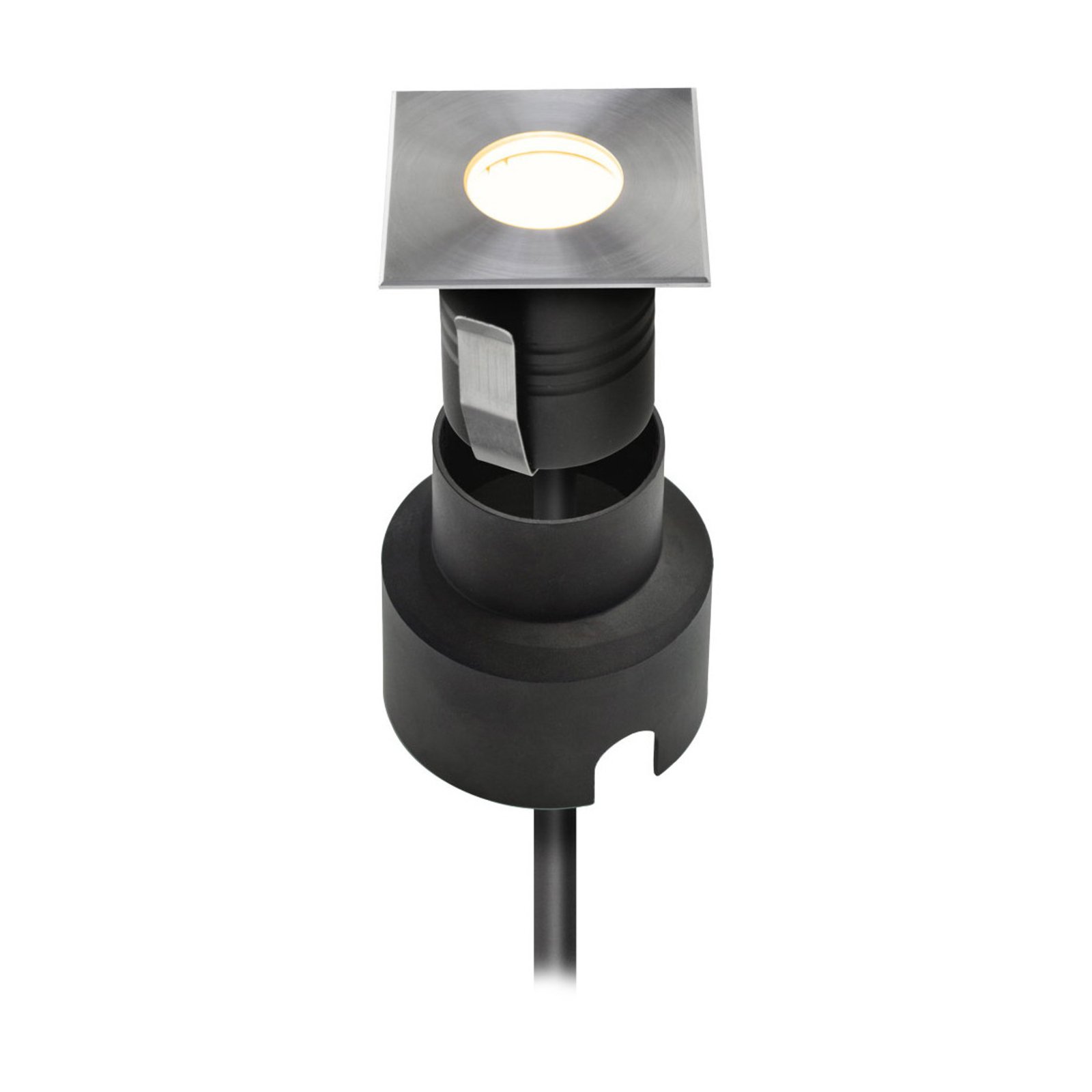
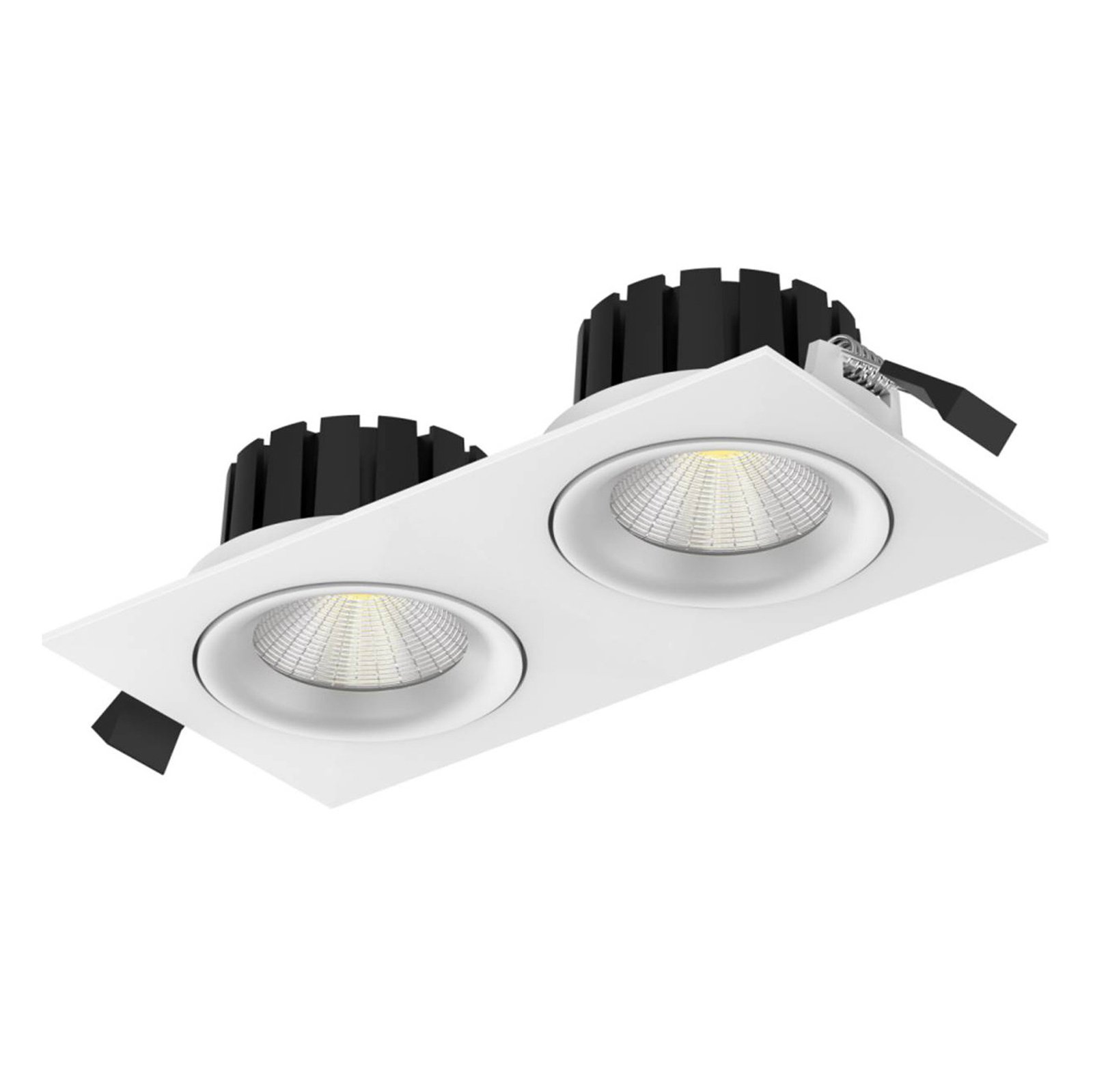
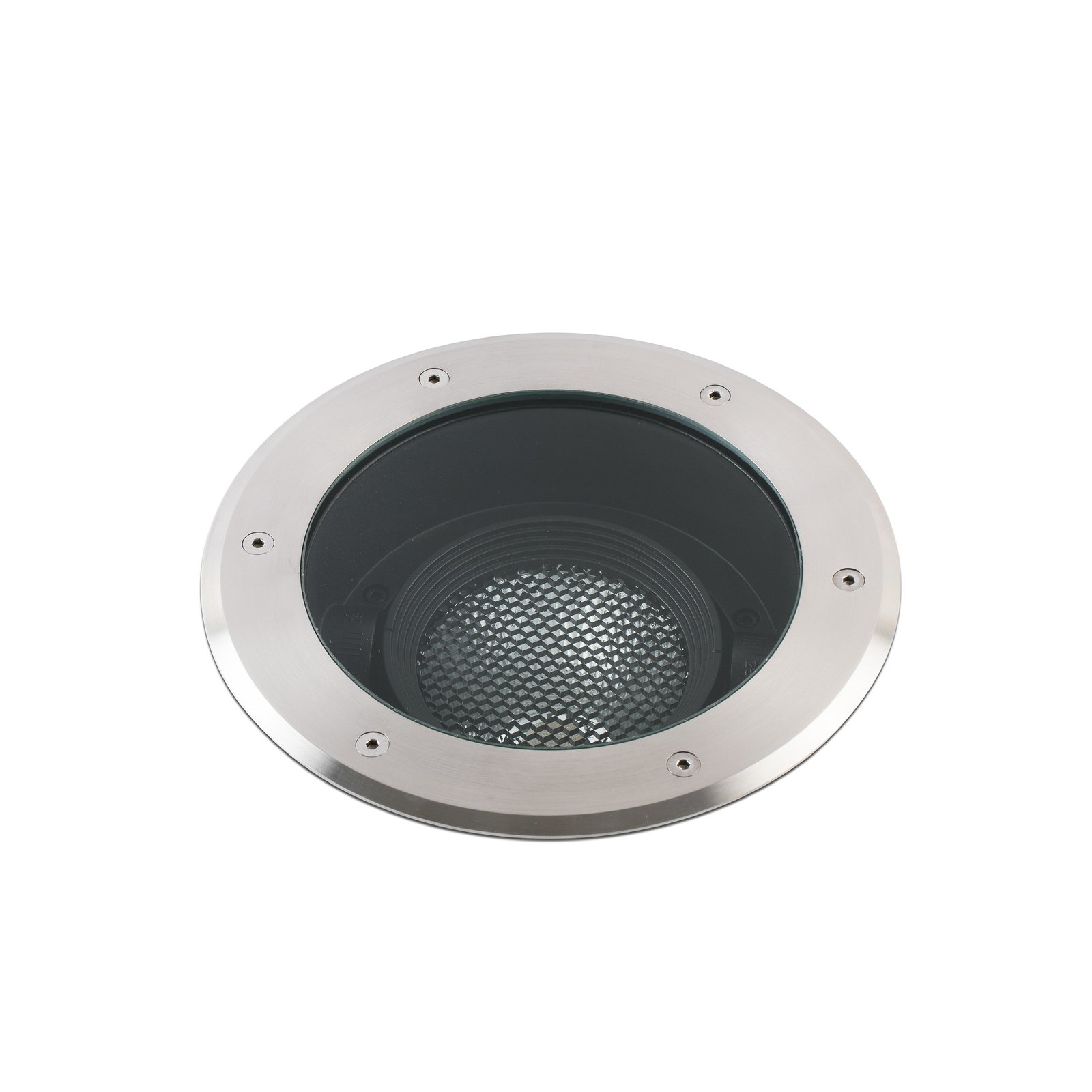
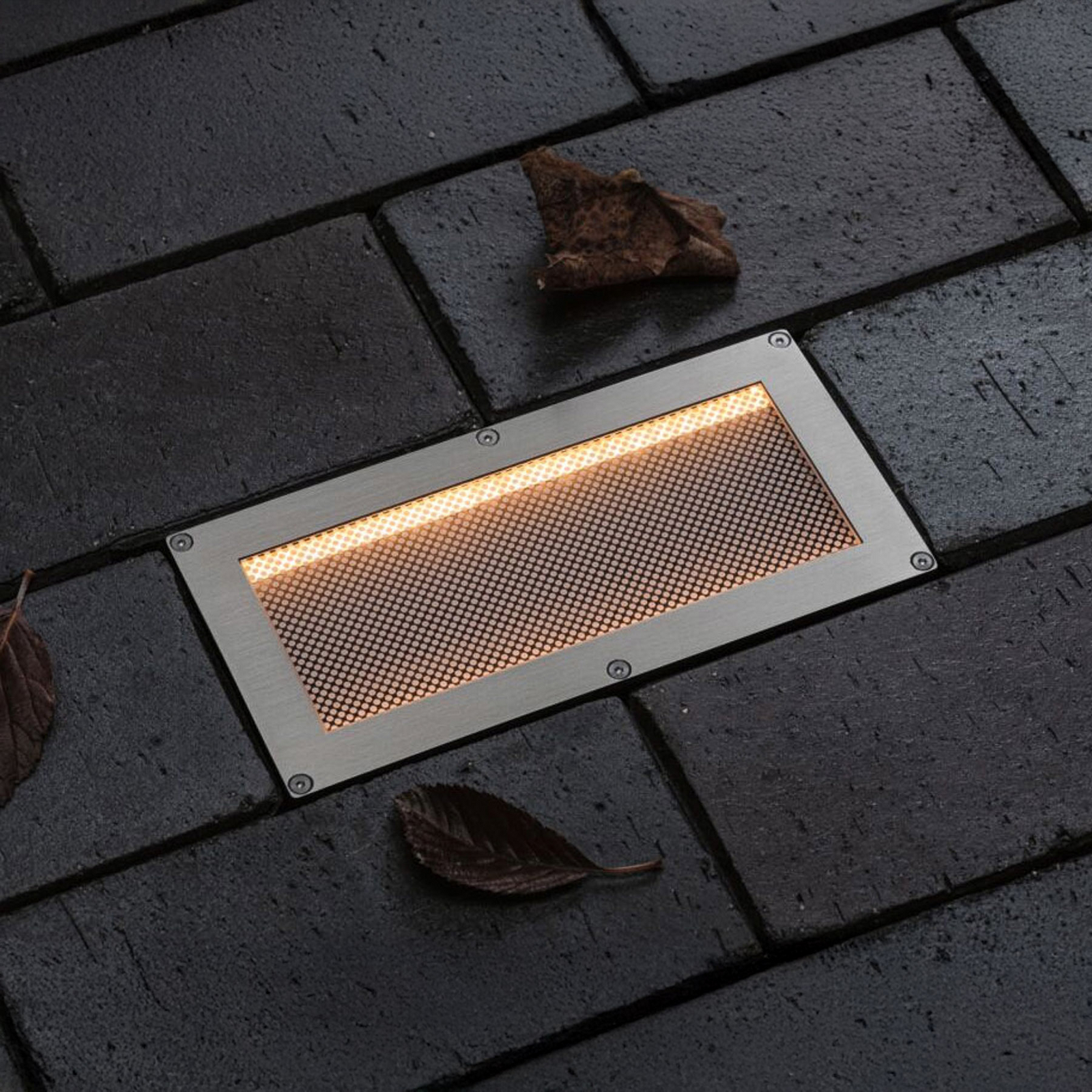
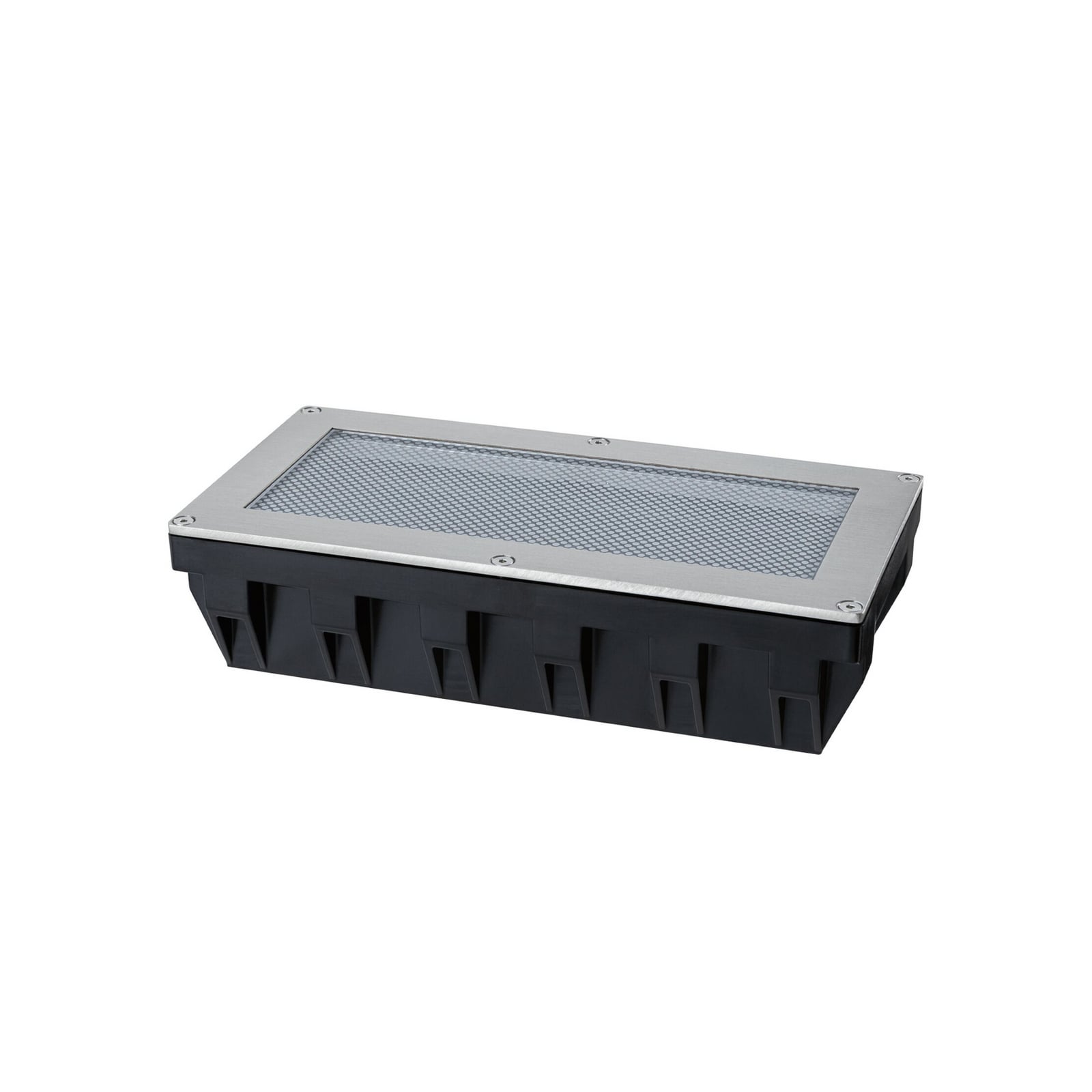
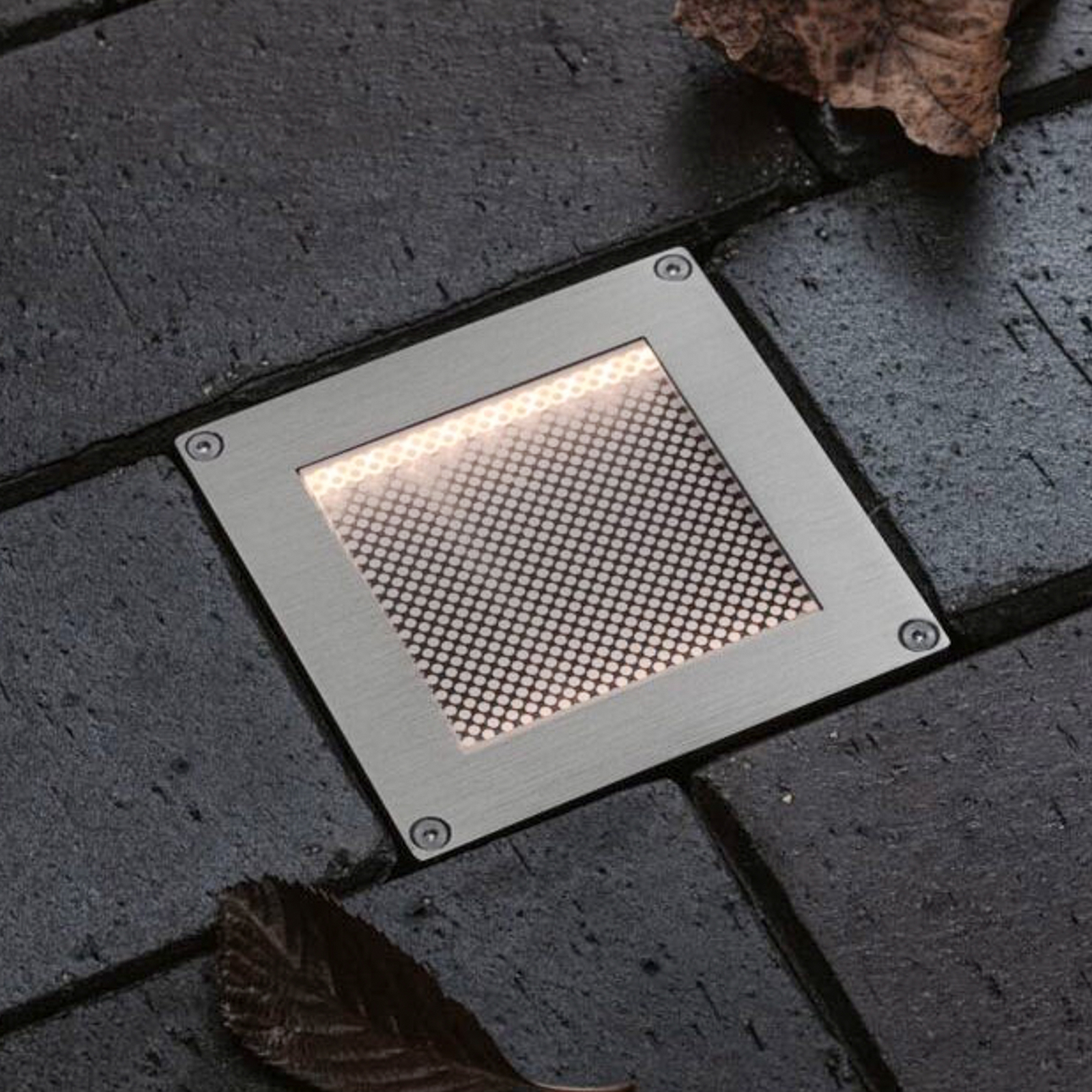
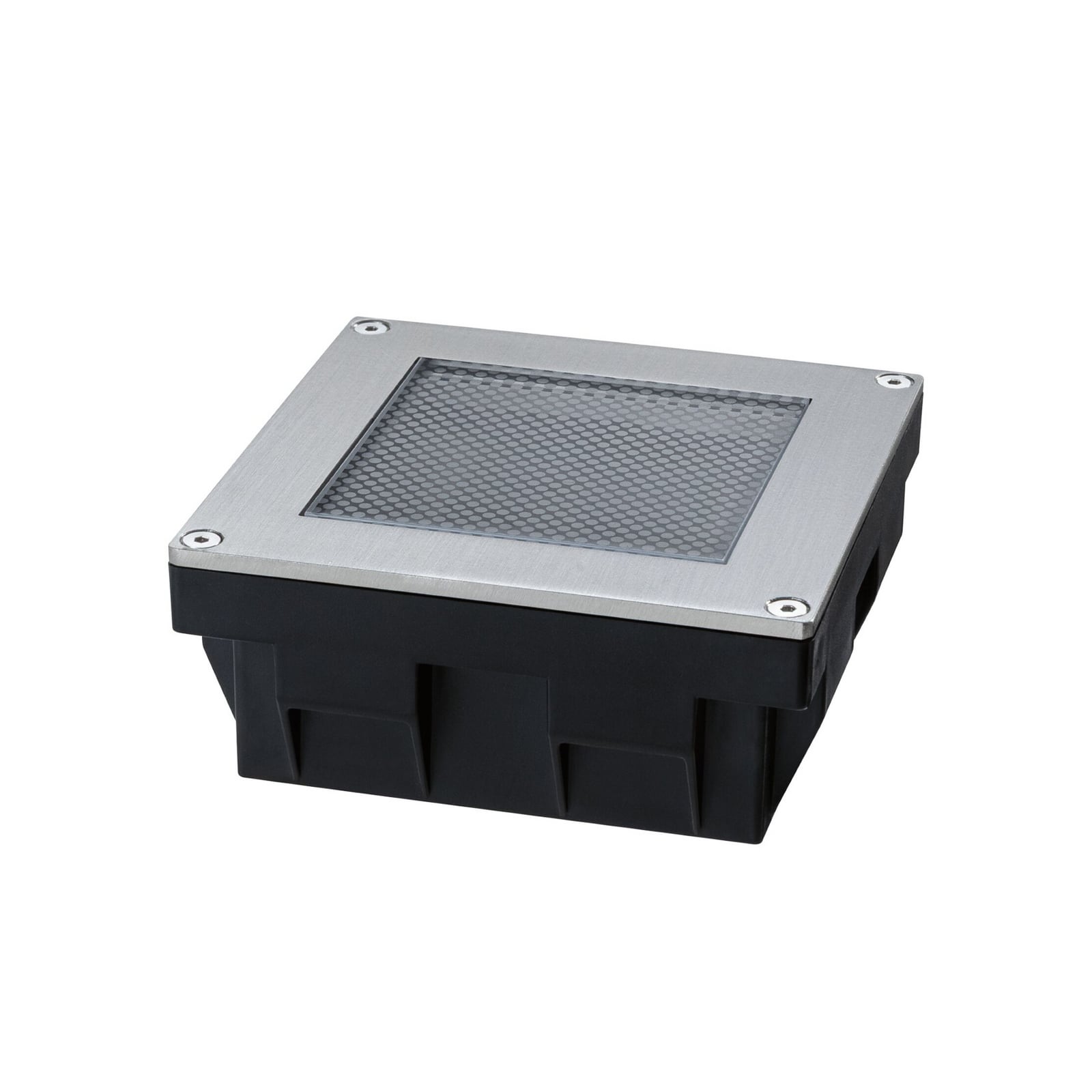
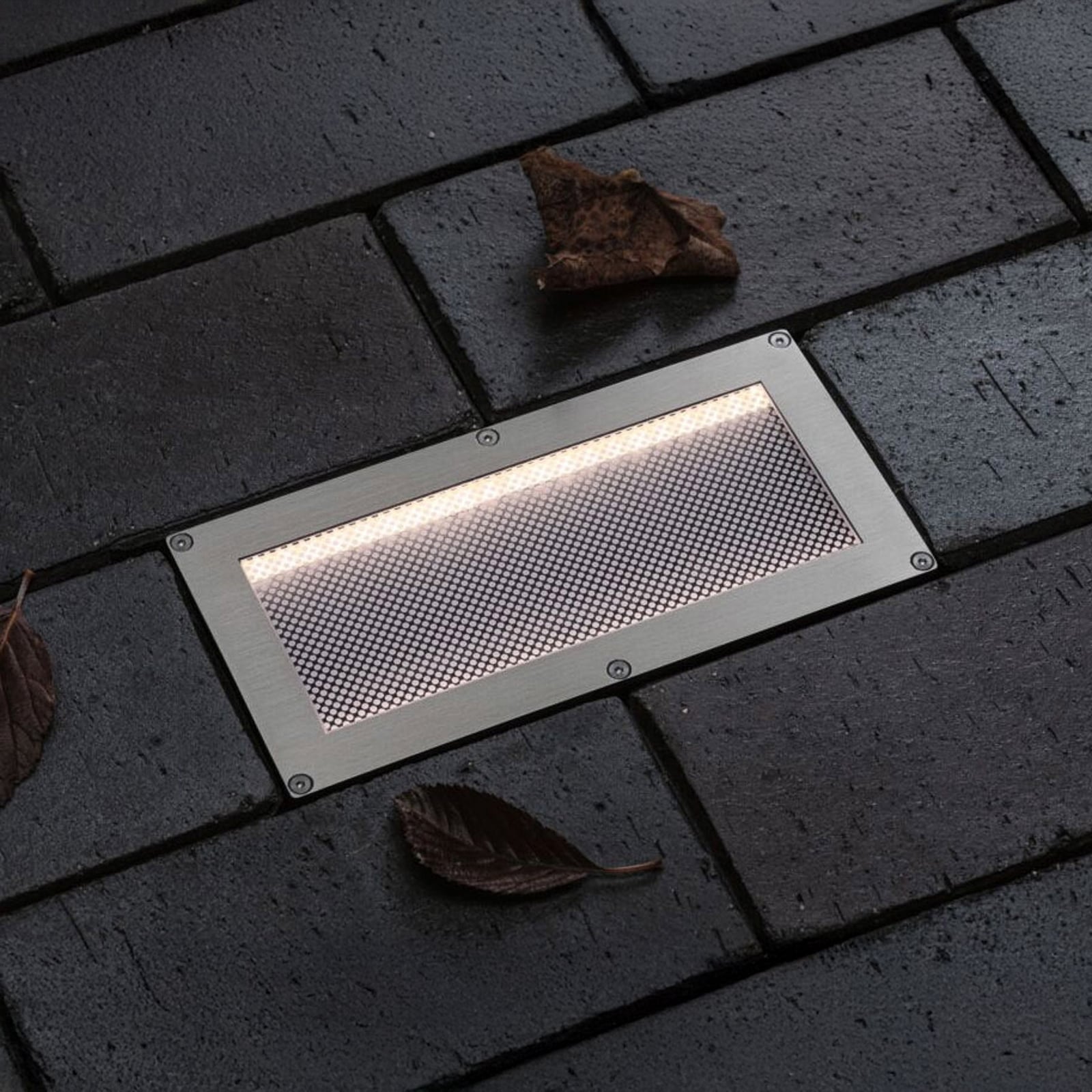
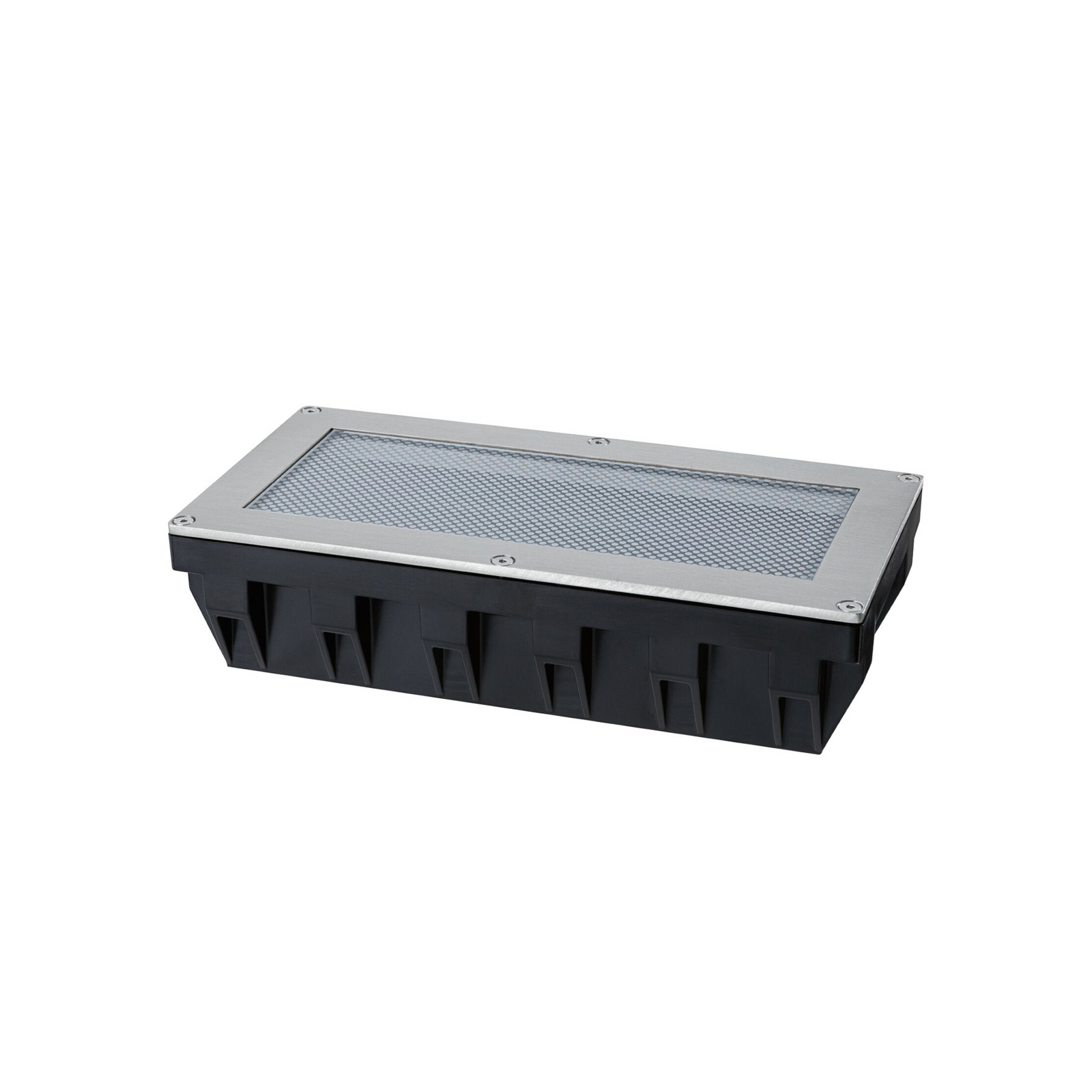
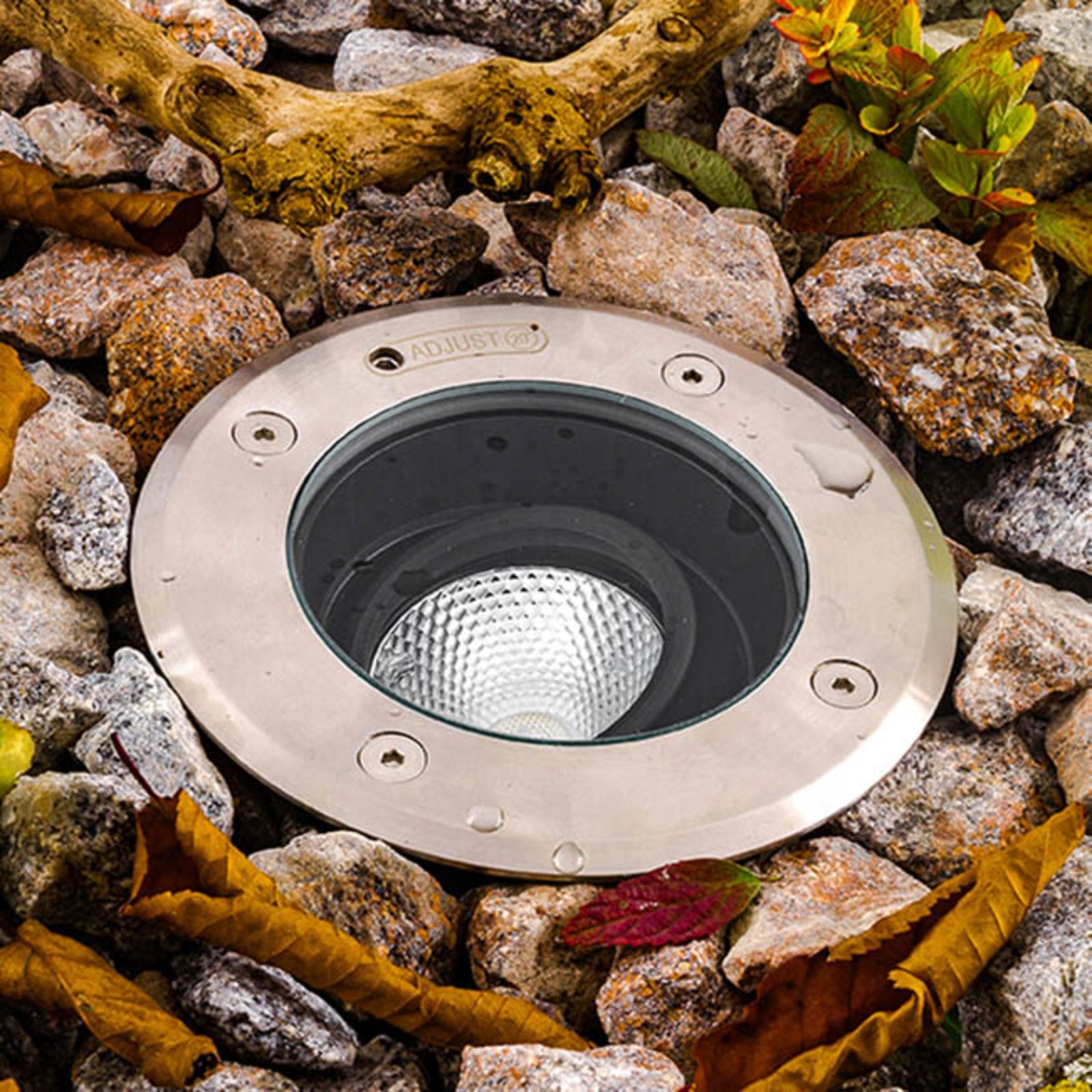
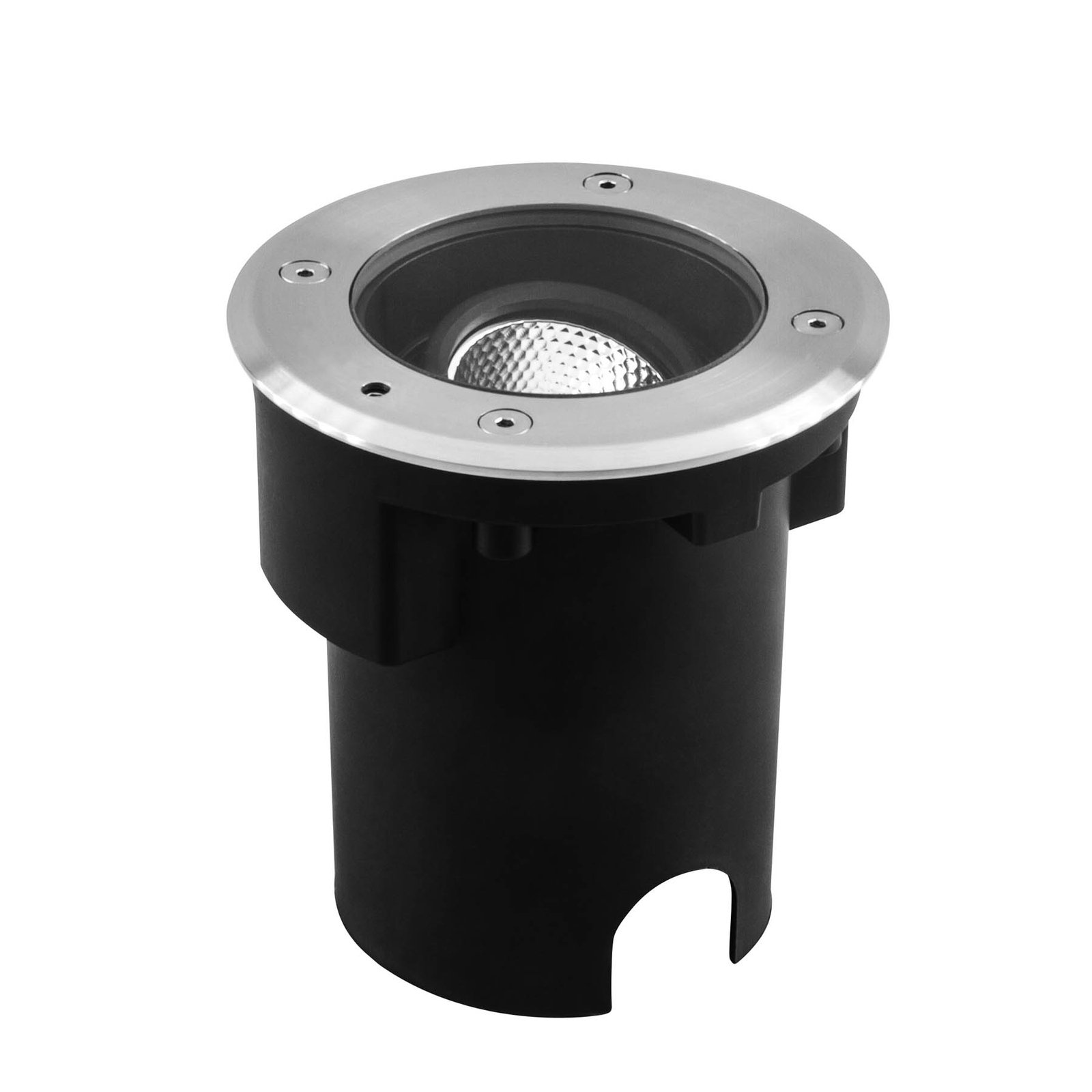
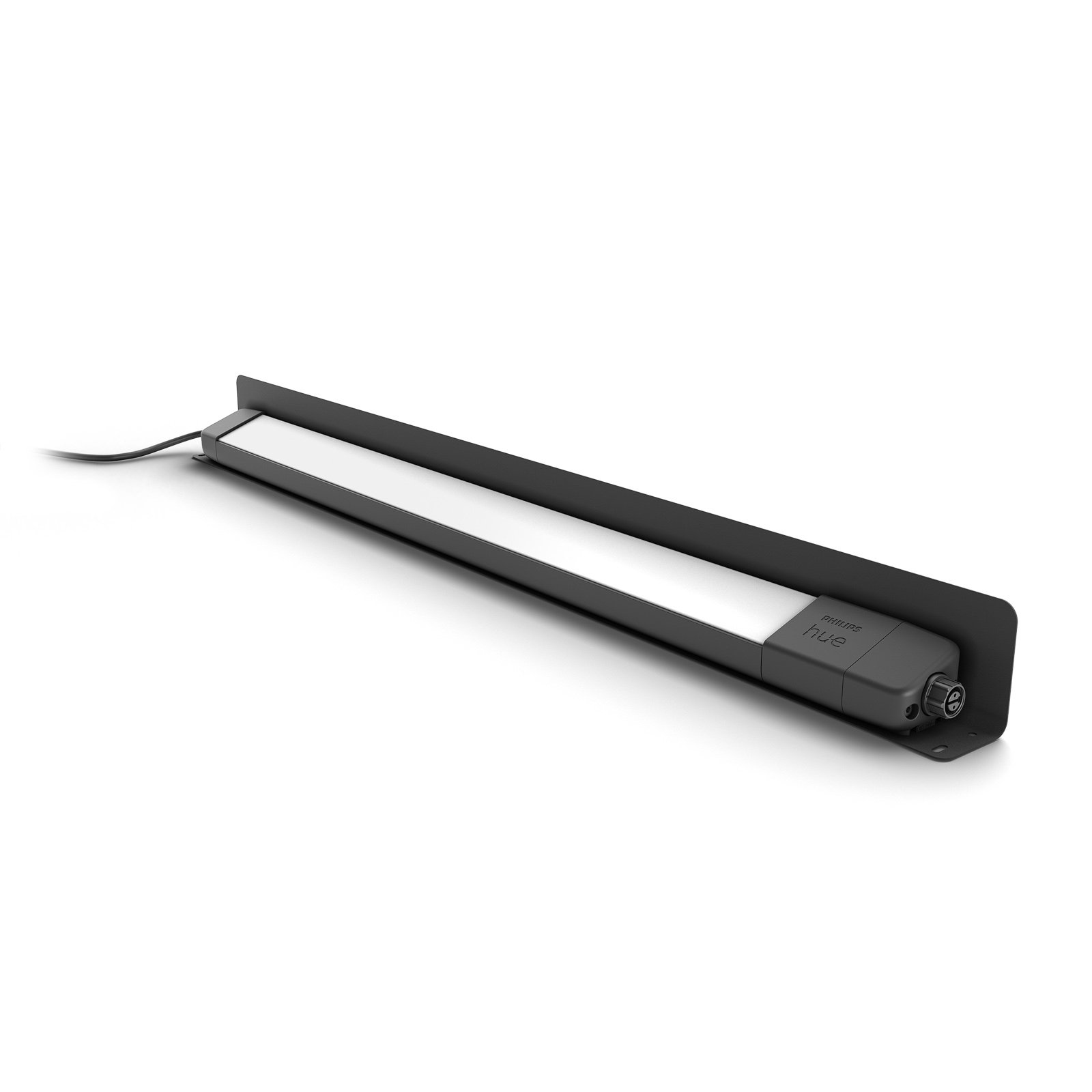
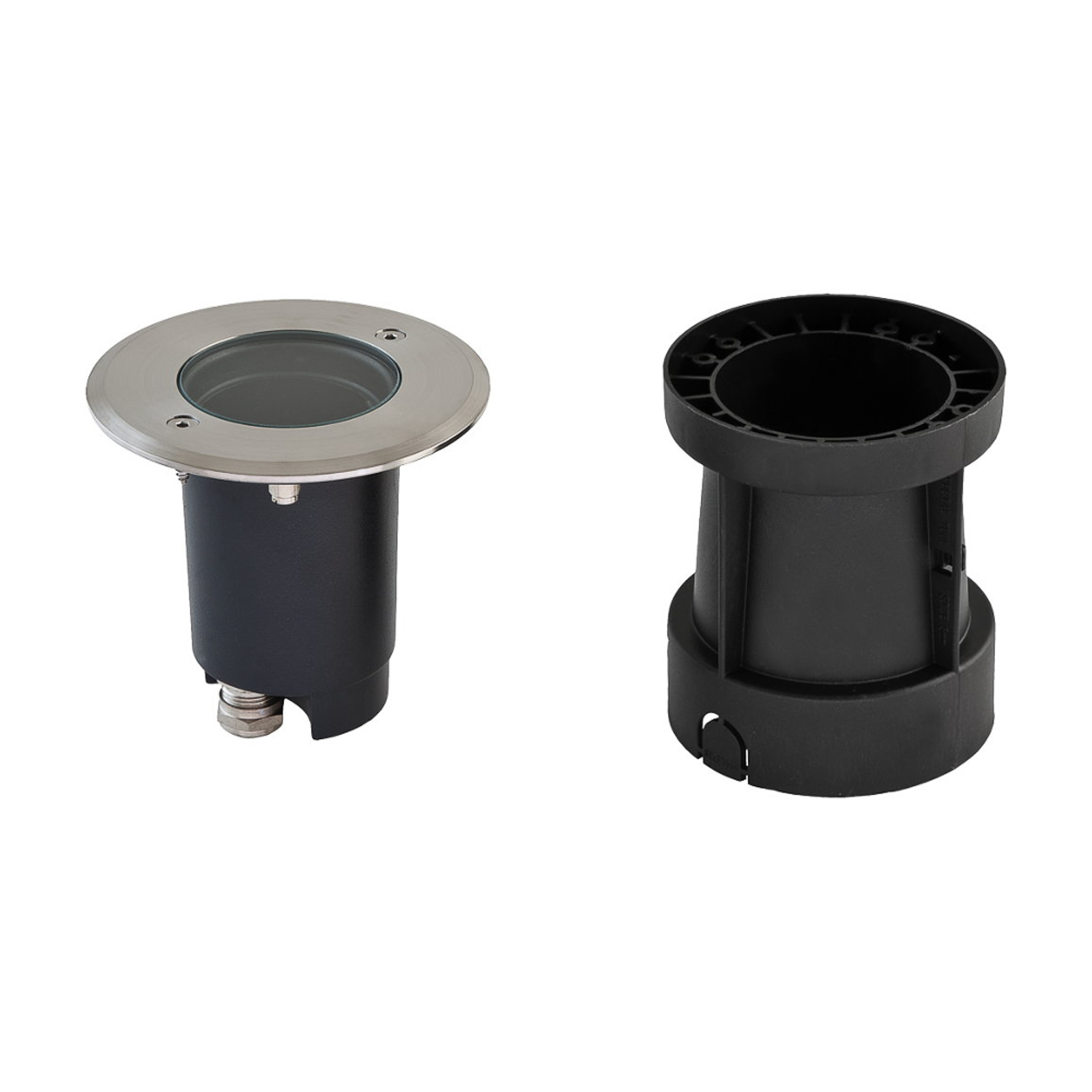
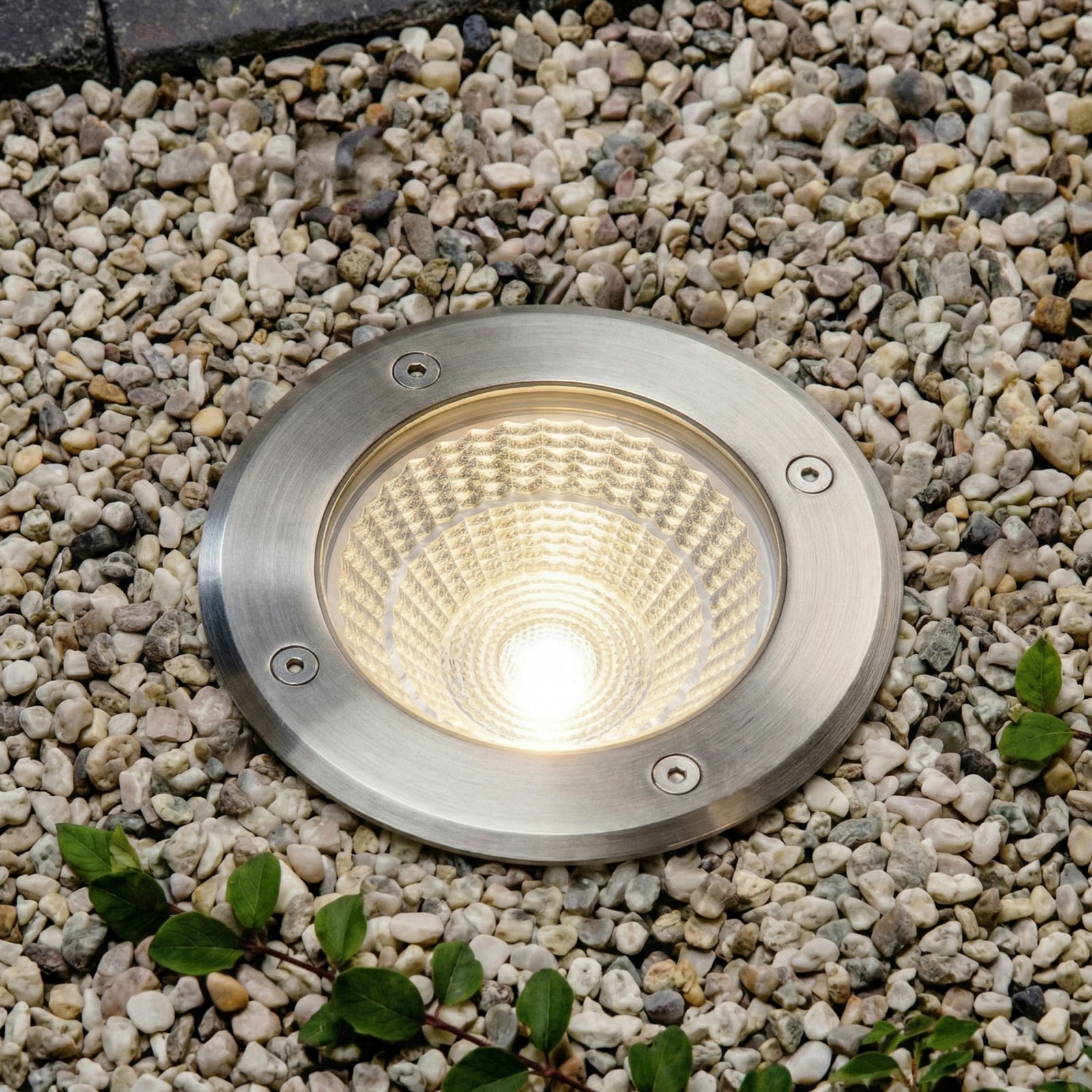
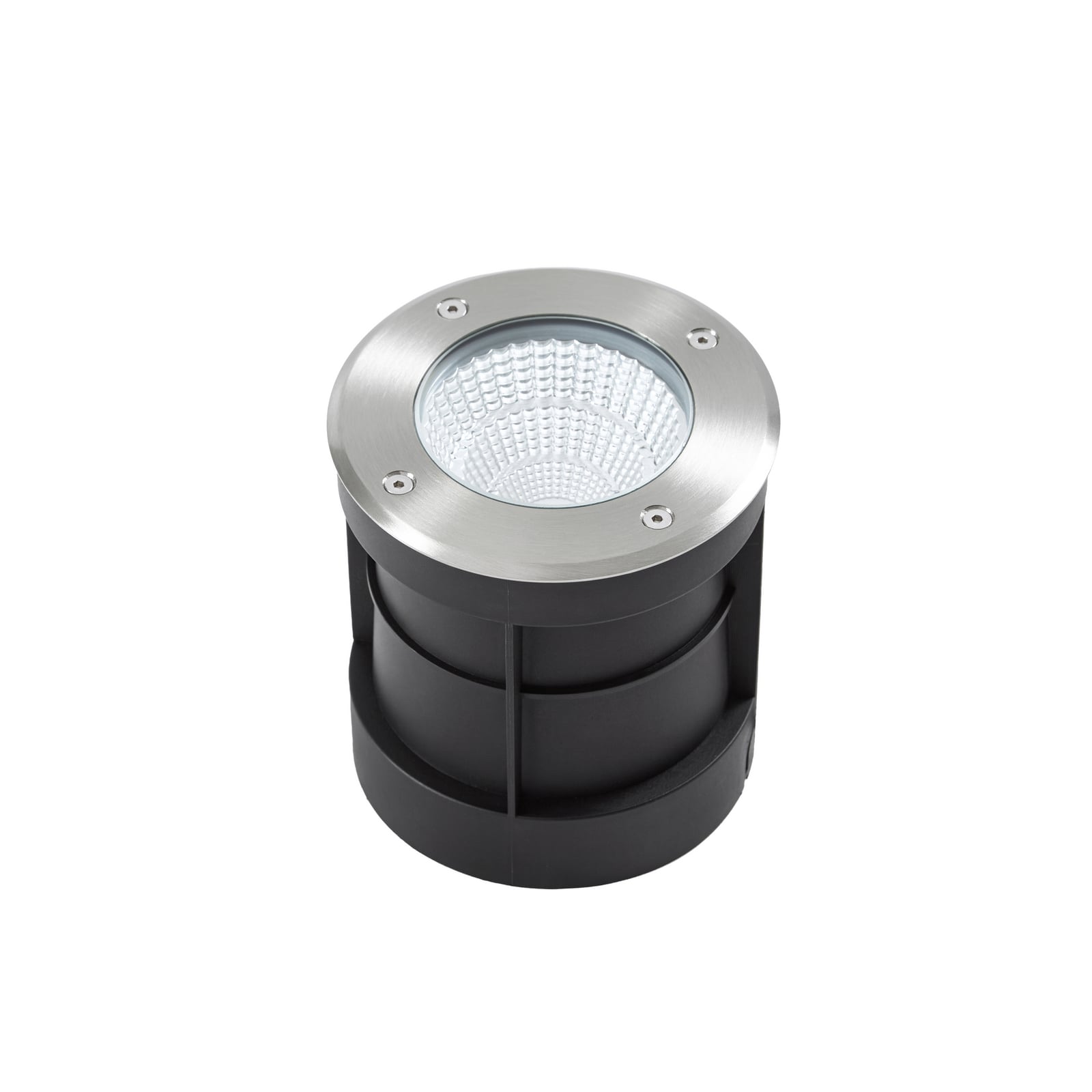
Recessed floor spotlights are a special form of floor spotlight and are permanently integrated into the floor. They are flush with the surface and are therefore comparatively inconspicuous. This design is suitable for permanent paths, terraces or driveways. The installation can contribute to a clear organisation, as the luminaires become part of the surface and do not take up any additional space. Recessed floor luminaires have a precise effect because their position is fixed and the light is directed in a targeted manner. They are particularly suitable when materials such as stone, concrete or wood are clearly structured. In the garden, they can be used to accentuate plants, walls or sculptures from below. It is crucial that the installation location and light emission are harmonised. Unfavourable alignment can cause glare or fail to achieve the desired effect. Recessed floor spotlights in outdoor areas are particularly effective in quietly planned, clearly structured outdoor areas.
Light distribution and visual guidance for floor spotlights
The light distribution determines how floor spotlights are perceived. Narrowly focussed light is suitable for highlighting individual elements such as trees, posts or façade areas. Wider scattered light supports orientation on paths or terraces. Creates a balanced effect when the cone of light is not directly at eye level but directs the eye. Floor spotlights with directed light emission can emphasise visual axes and visually influence rooms. Garden lighting can be used to guide paths or mark transitions. More diffuse ground lights in outdoor areas create a softer light pattern that makes surfaces appear more uniform. It is crucial that the light distribution matches the utilisation concept. Floor spotlights are not classic ambient lighting, but rather have a targeted effect where light guidance or accent lighting is required. Used correctly, they can support safety and orientation without over-illuminating the outdoor area.
Brightness and safety in the floor area
Lights installed in the floor place special demands on brightness. Excessive light can be dazzling as it comes from an unfamiliar direction. Too little light does not fulfil its purpose and makes paths appear unsafe. Outdoor floor spotlights work best when they are bright enough to make edges and transitions visible without disturbing the view. This balance is particularly important in entrance areas or along steps. An even distribution of several floor luminaires can provide orientation and reduce harsh light-dark contrasts. In the garden, lighting close to the ground ensures that movement areas remain recognisable without completely illuminating the room. The perceived brightness also depends heavily on the surface. Light-coloured stones reflect light more strongly than dark floors, which should be taken into account when planning.
Light colour and effect in outdoor spaces
The light colour influences how floor spotlights appear outdoors. Warm white light blends in well in gardens dominated by plants, wood or natural stone. It has a restrained effect and supports a calm atmosphere. More neutral light colours make structures appear clearer and are suitable for modern architecture or soberly designed outdoor areas. A harmonious effect is created when outdoor floor spotlights use the same light colour as other outdoor lights around the house. Different light colours near the floor can appear unsettling as they are particularly noticeable in the field of vision. RGB or RGBW light opens up creative possibilities, but requires conscious planning as colour changes quickly come to the fore. For permanently used paths and areas, a constant light colour is usually the quieter solution.
Materials and designs of outdoor ground lights
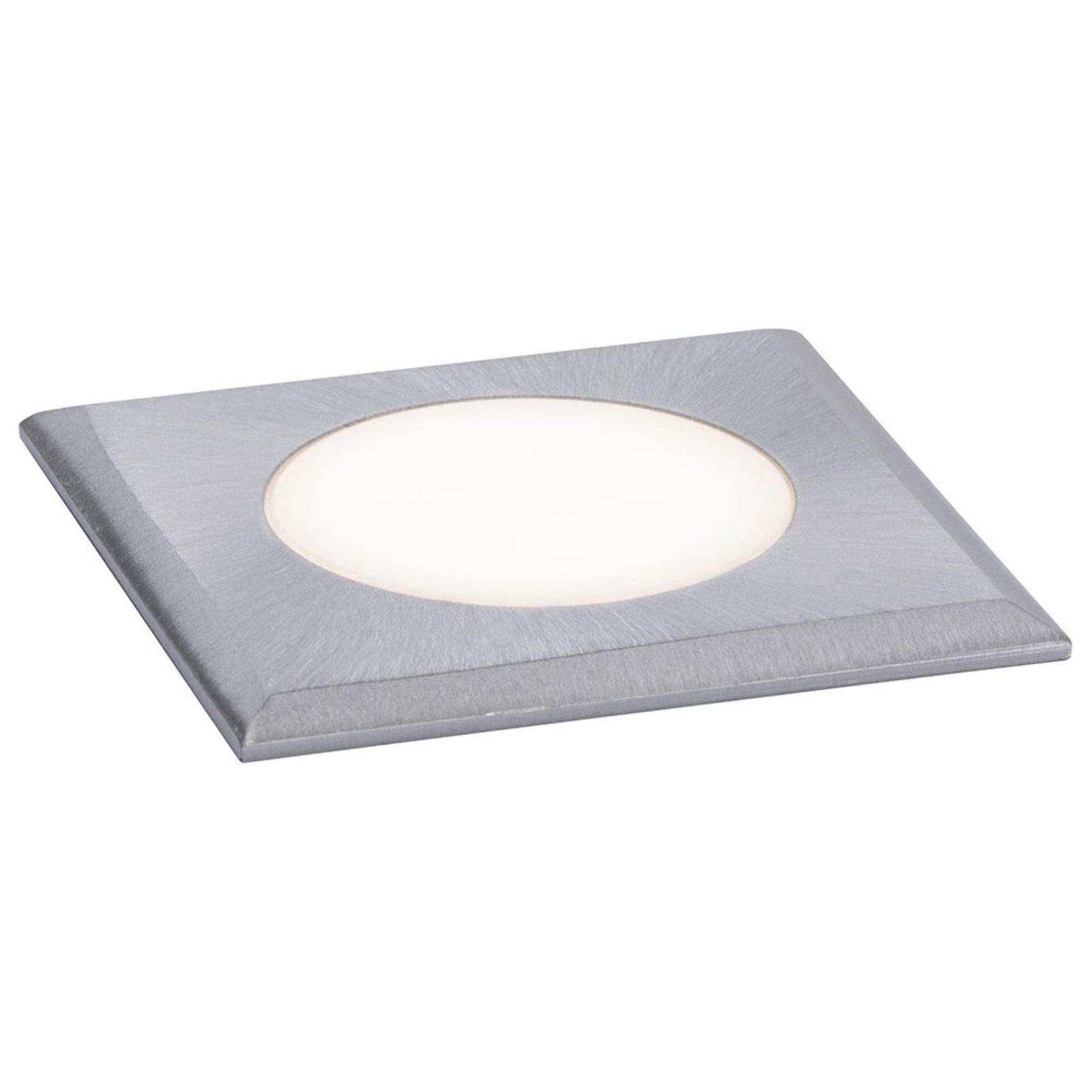
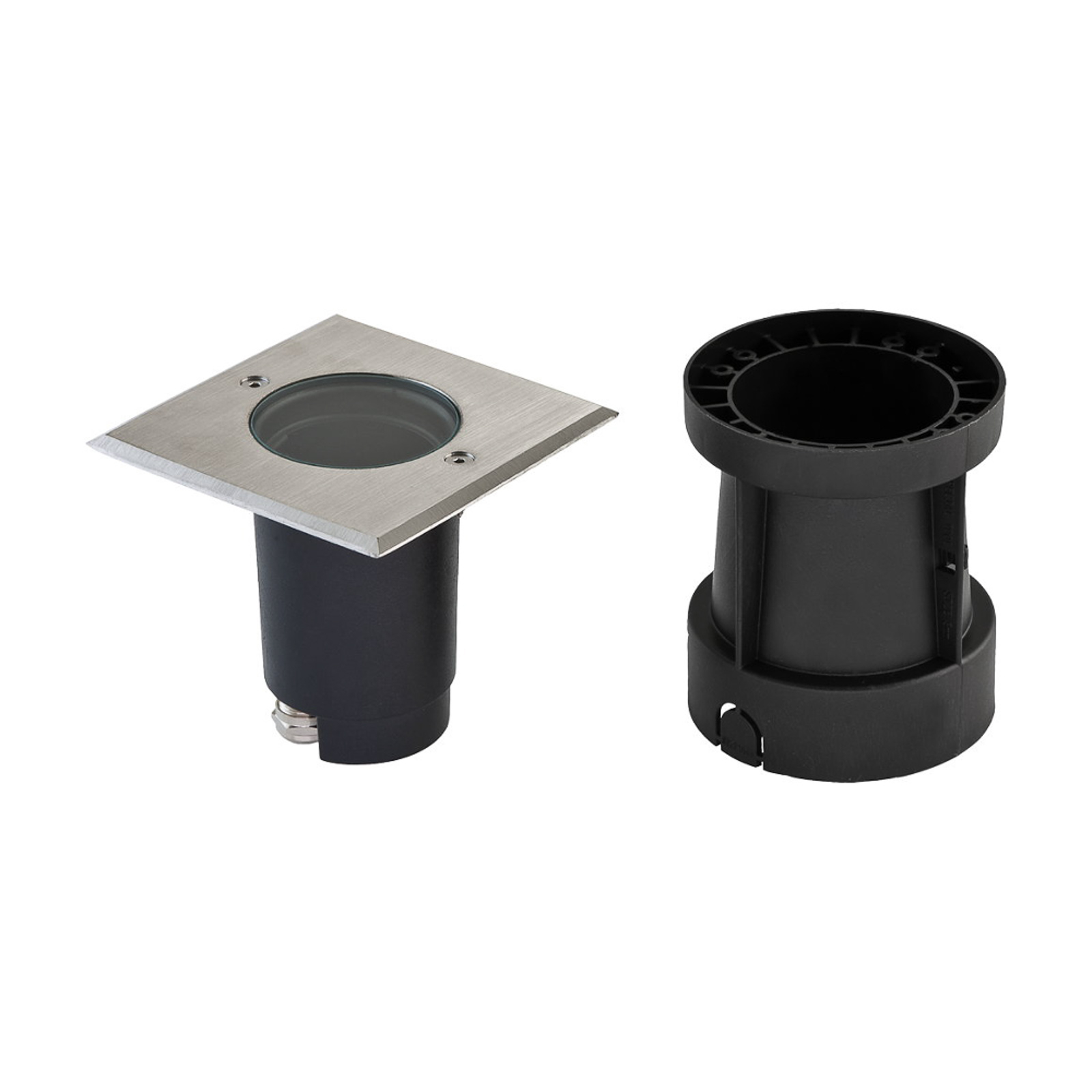
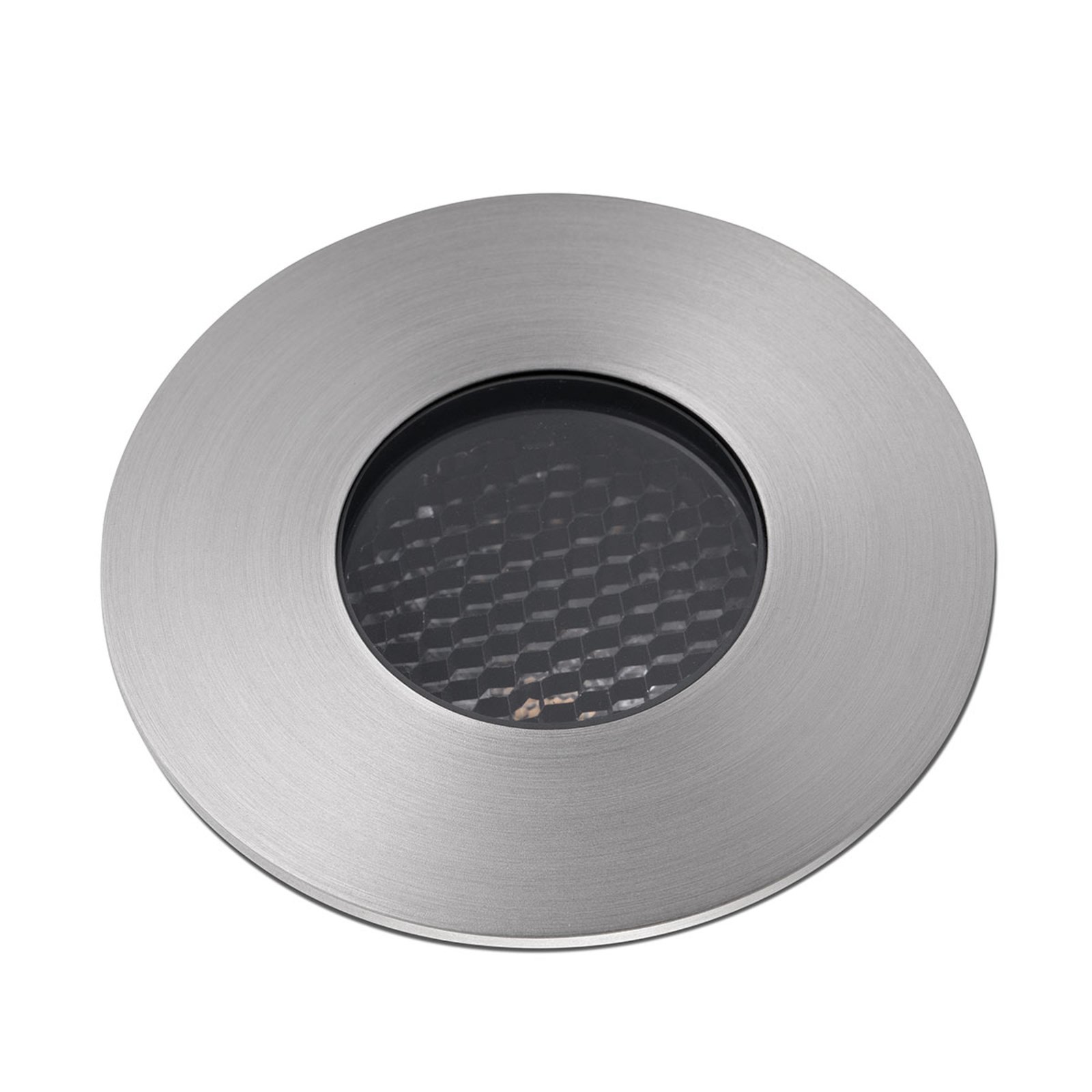
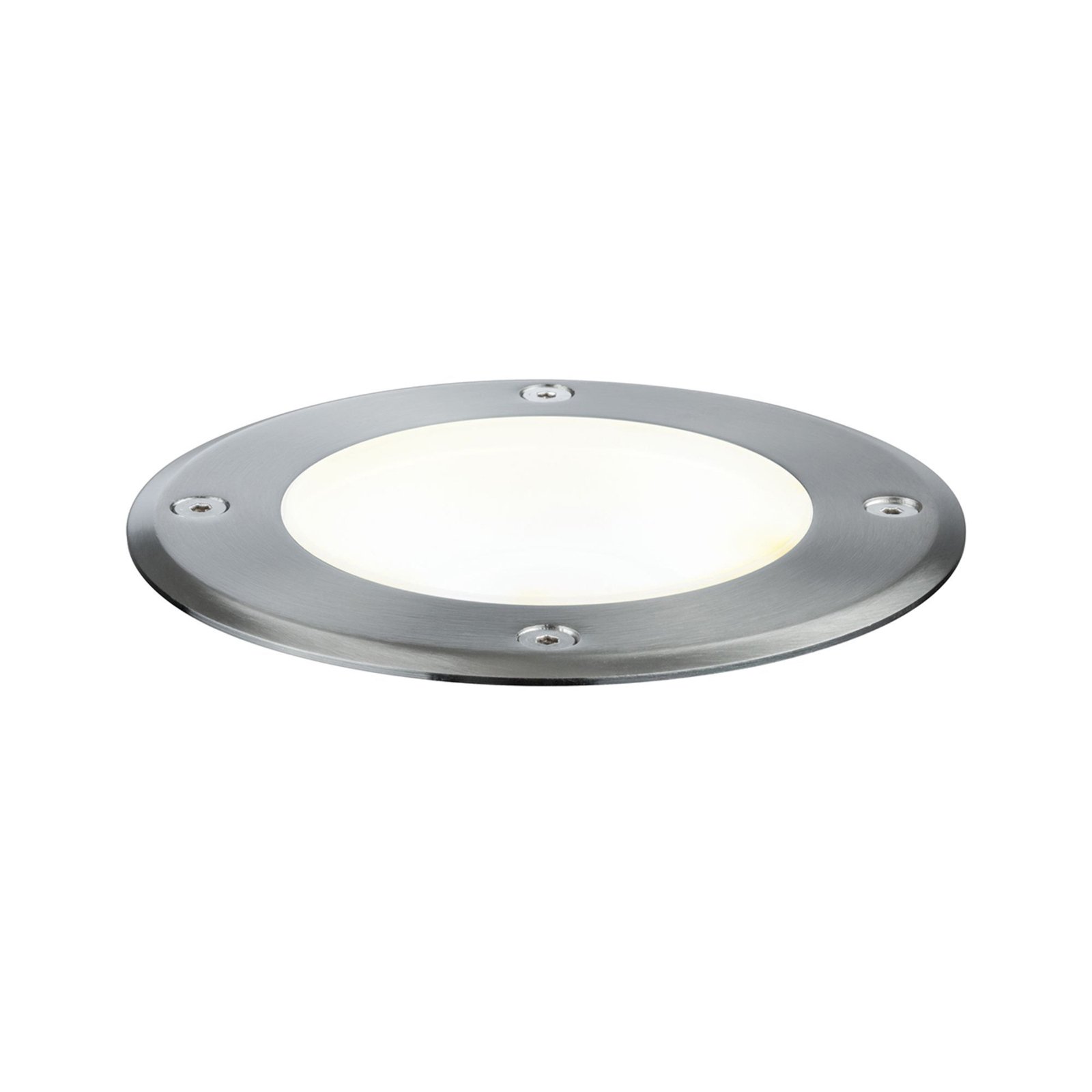
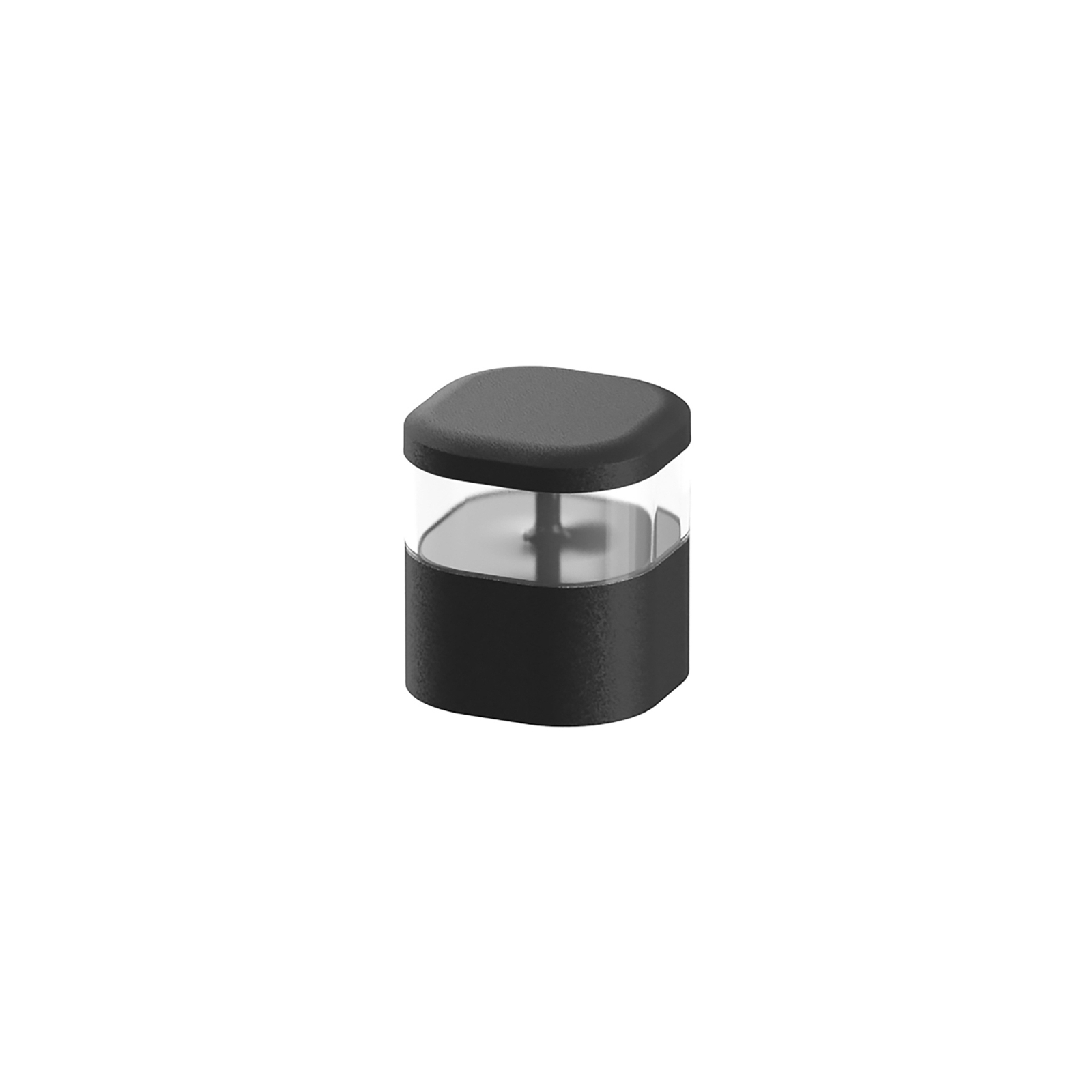
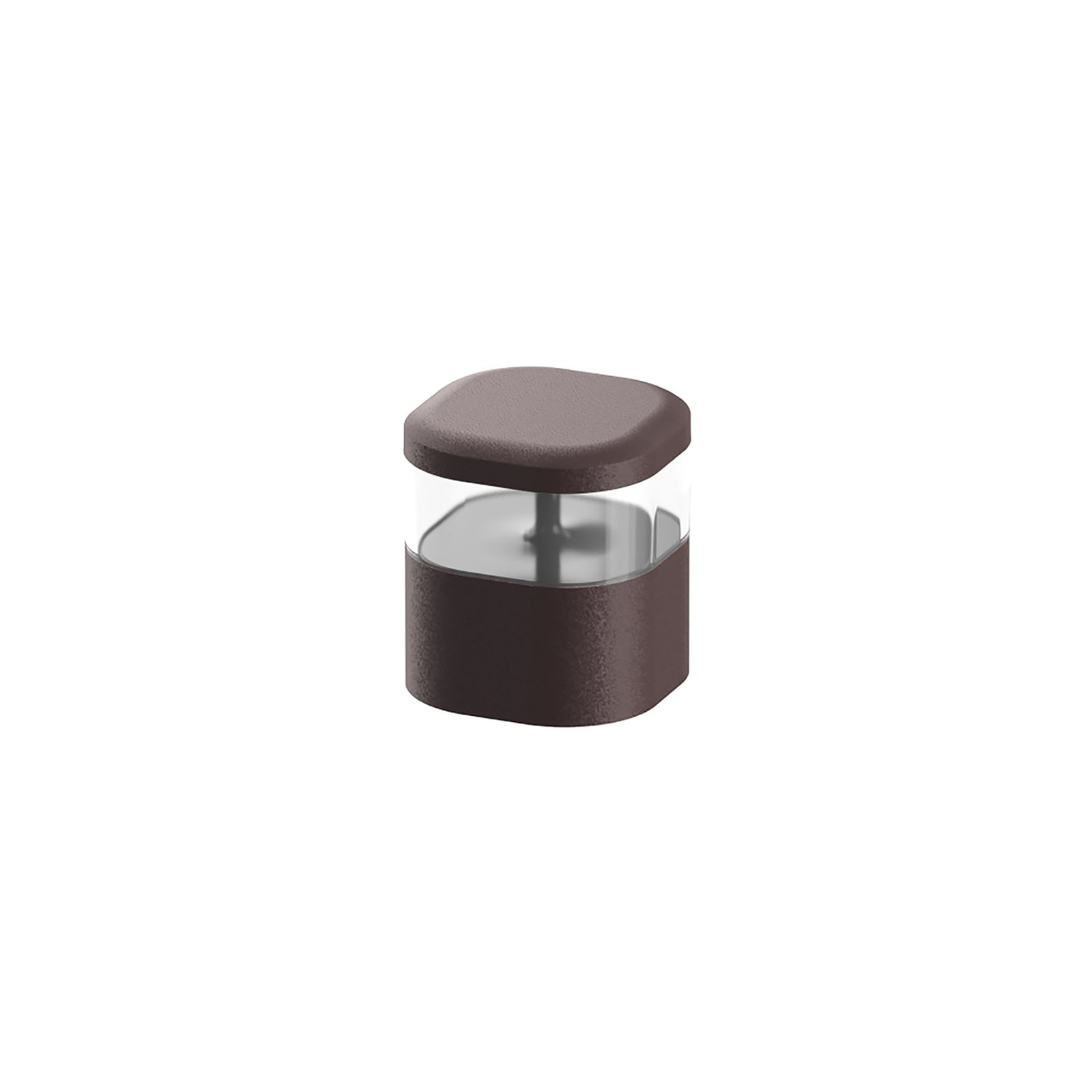
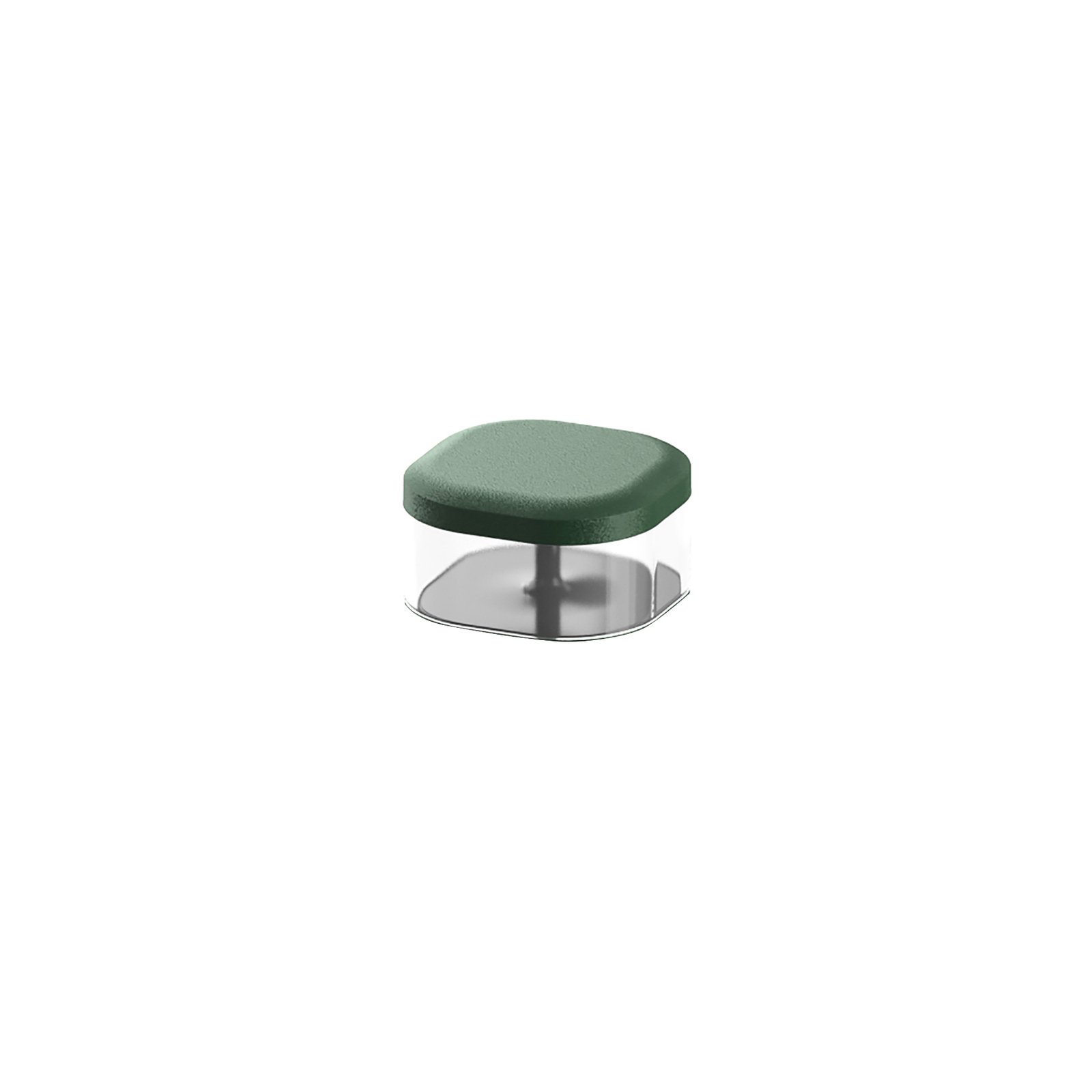
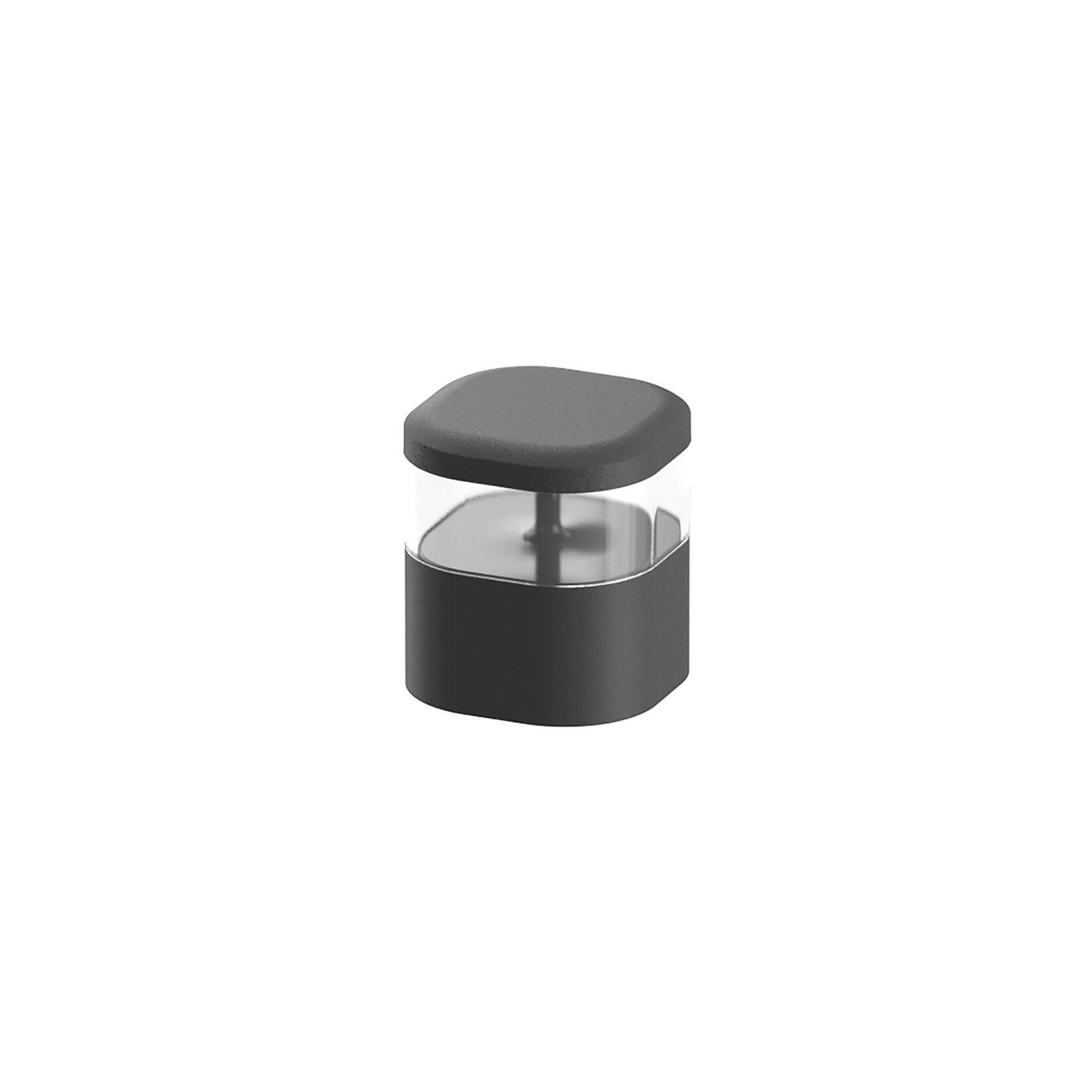
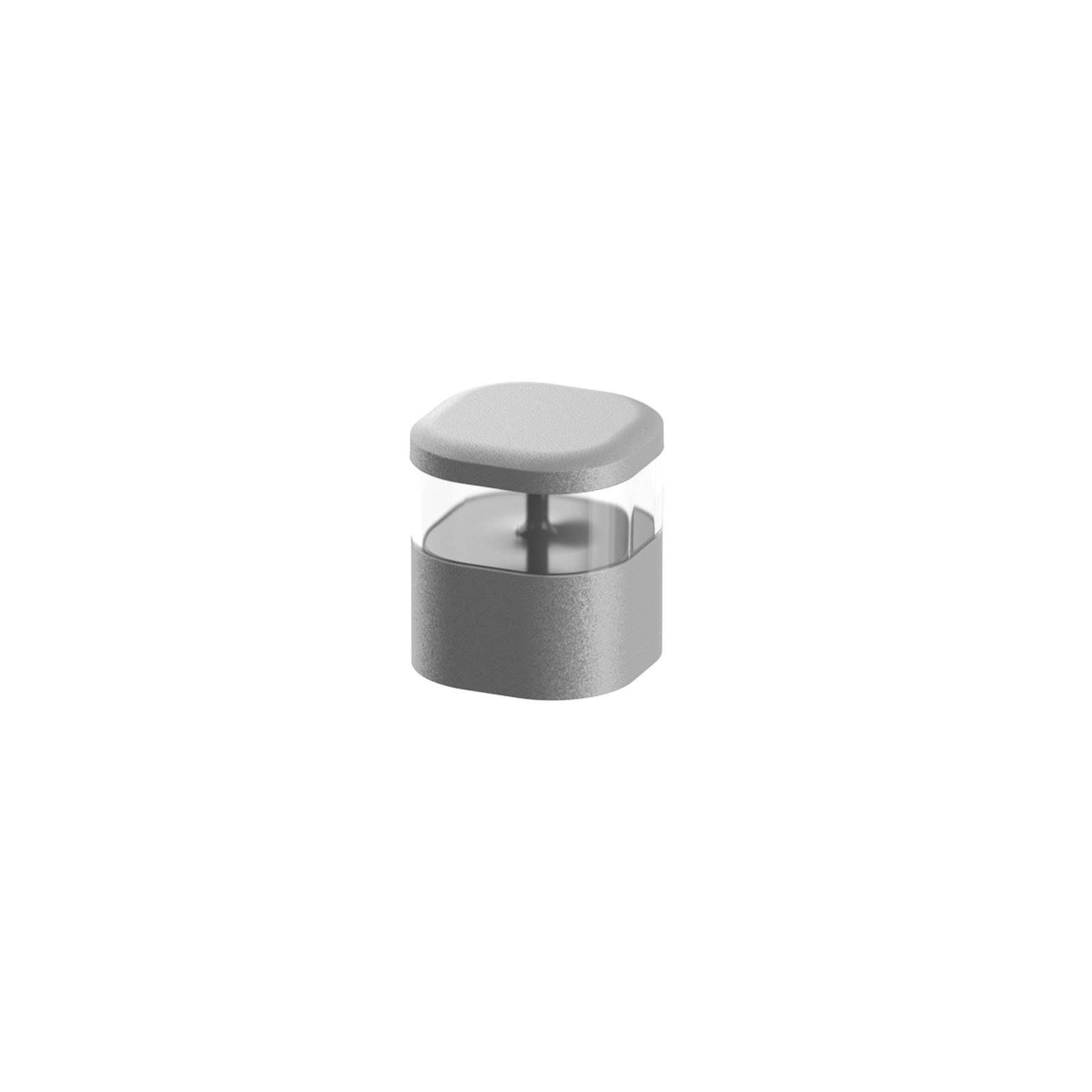
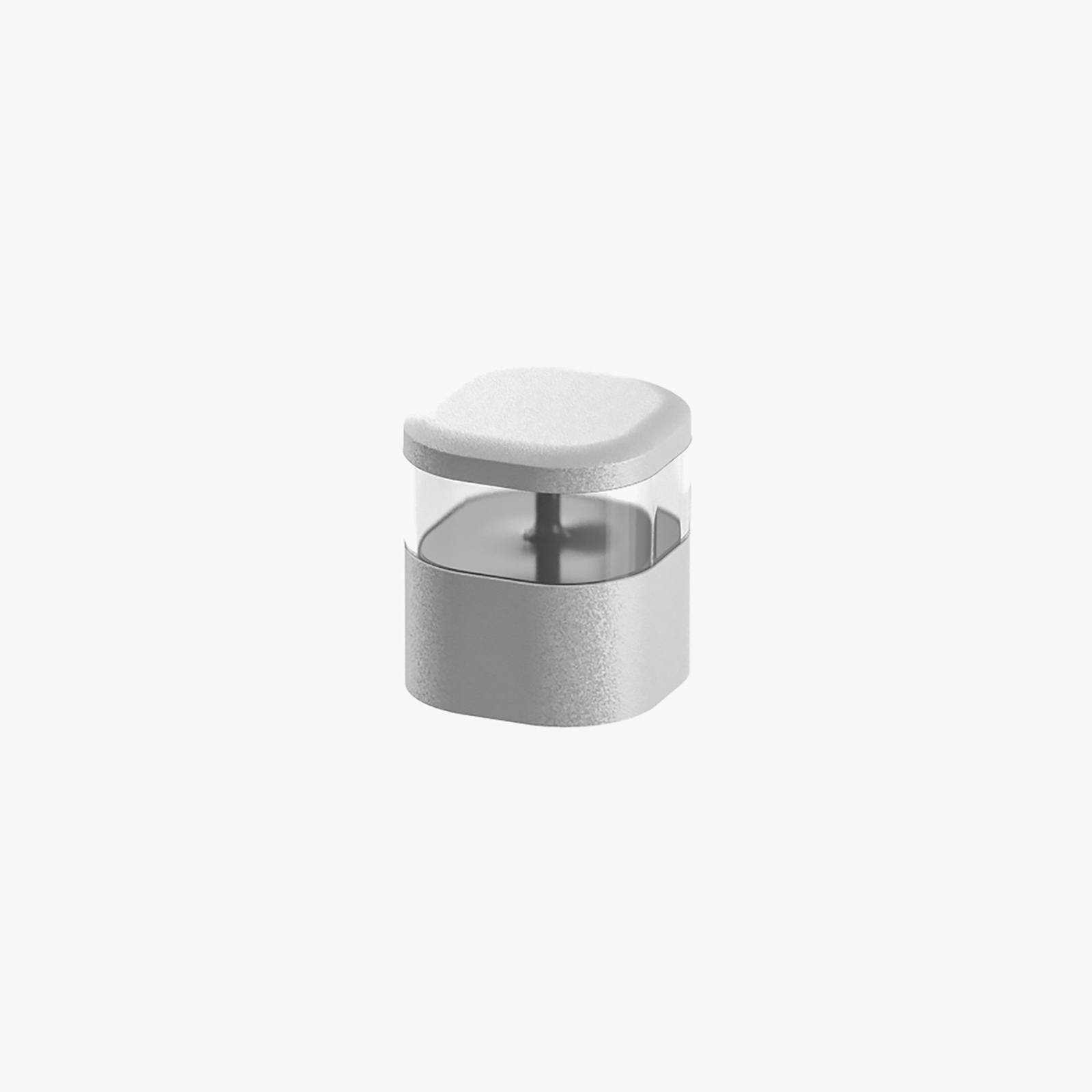
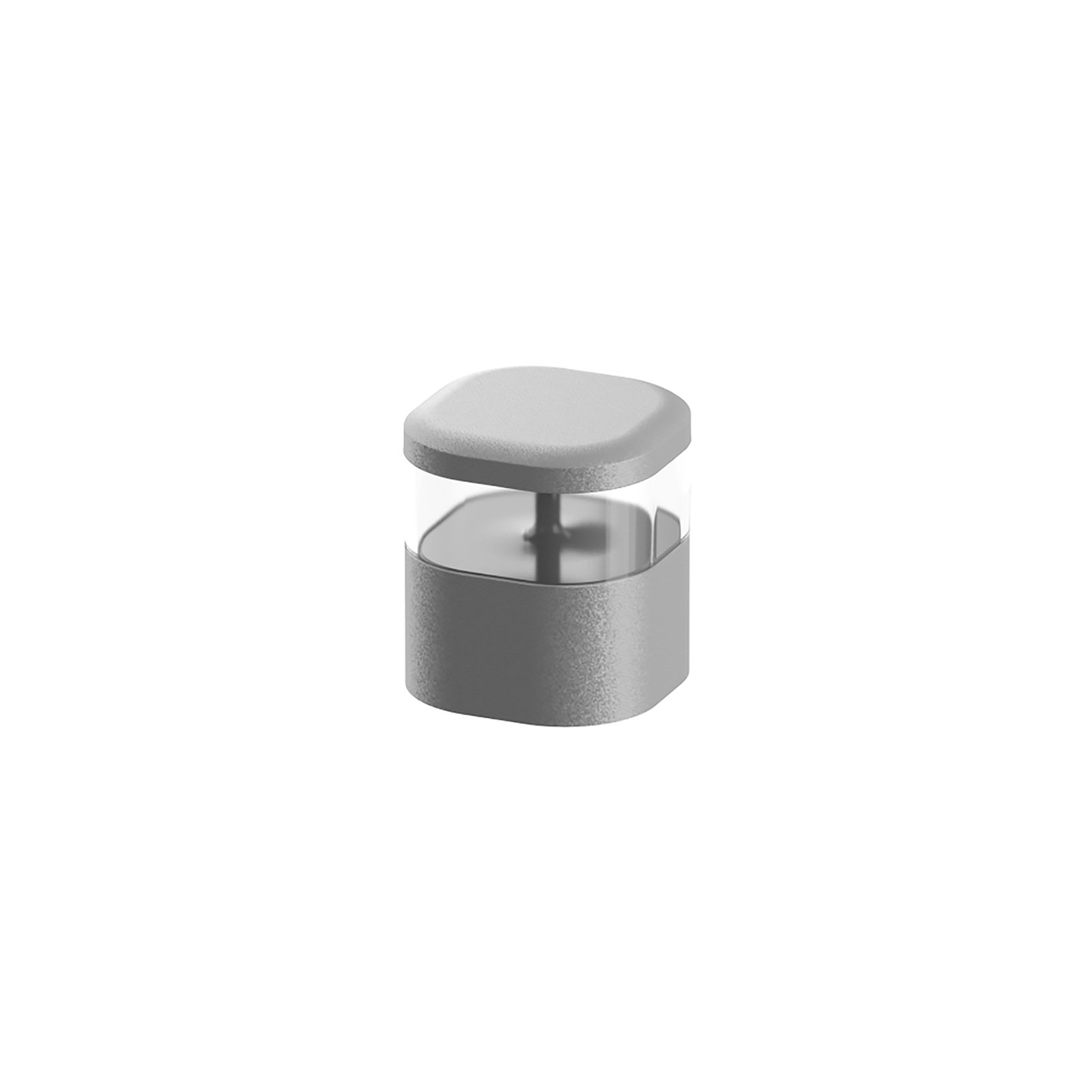
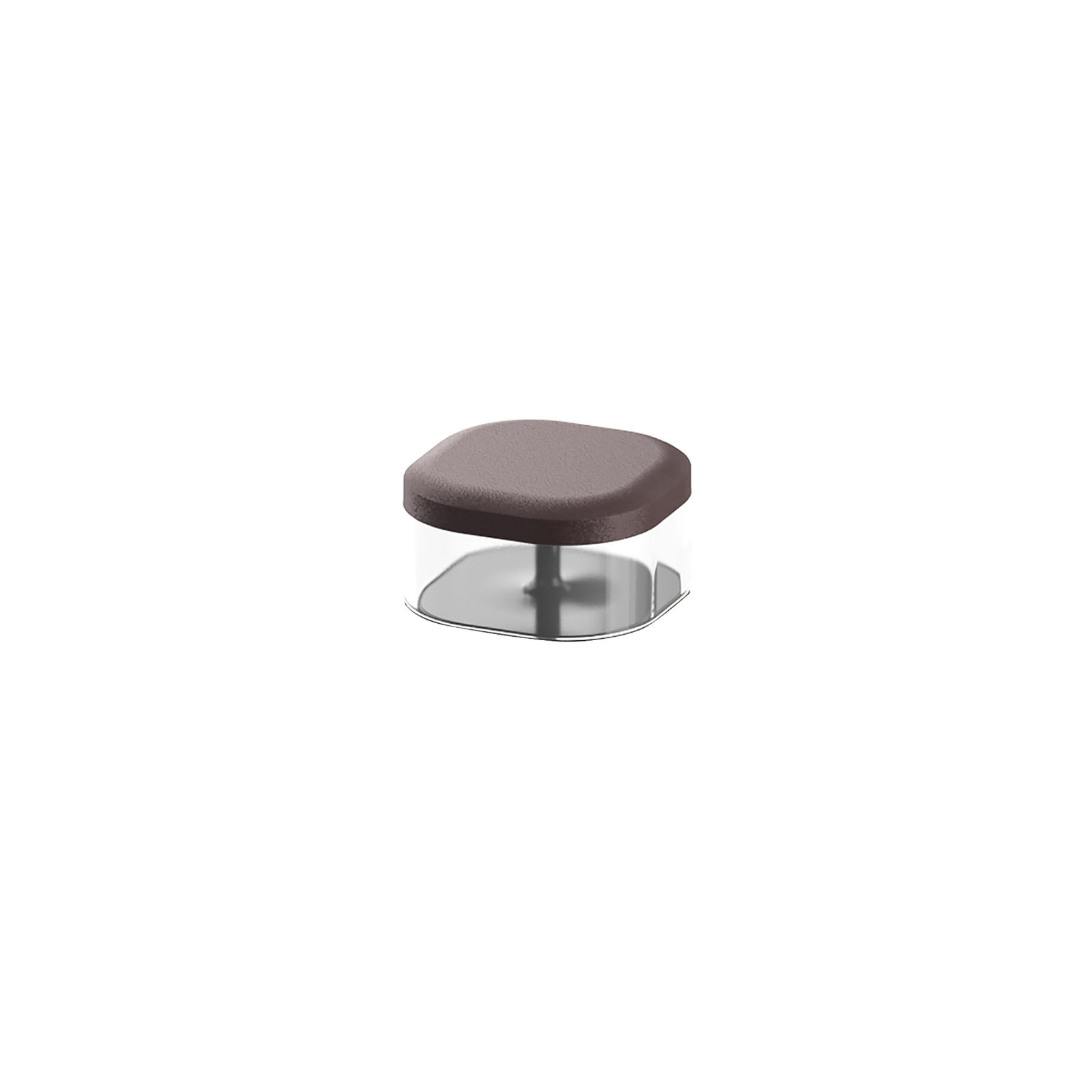
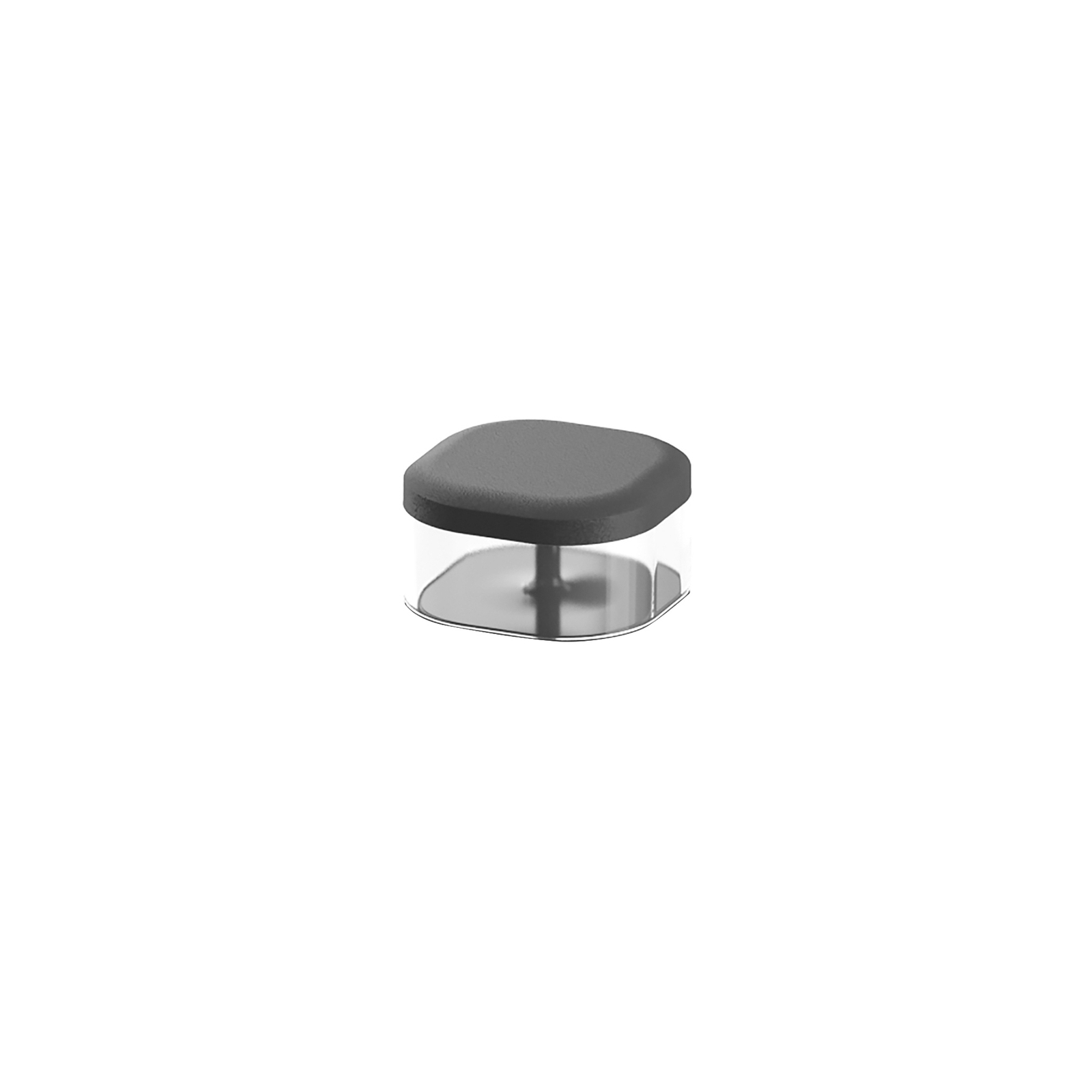
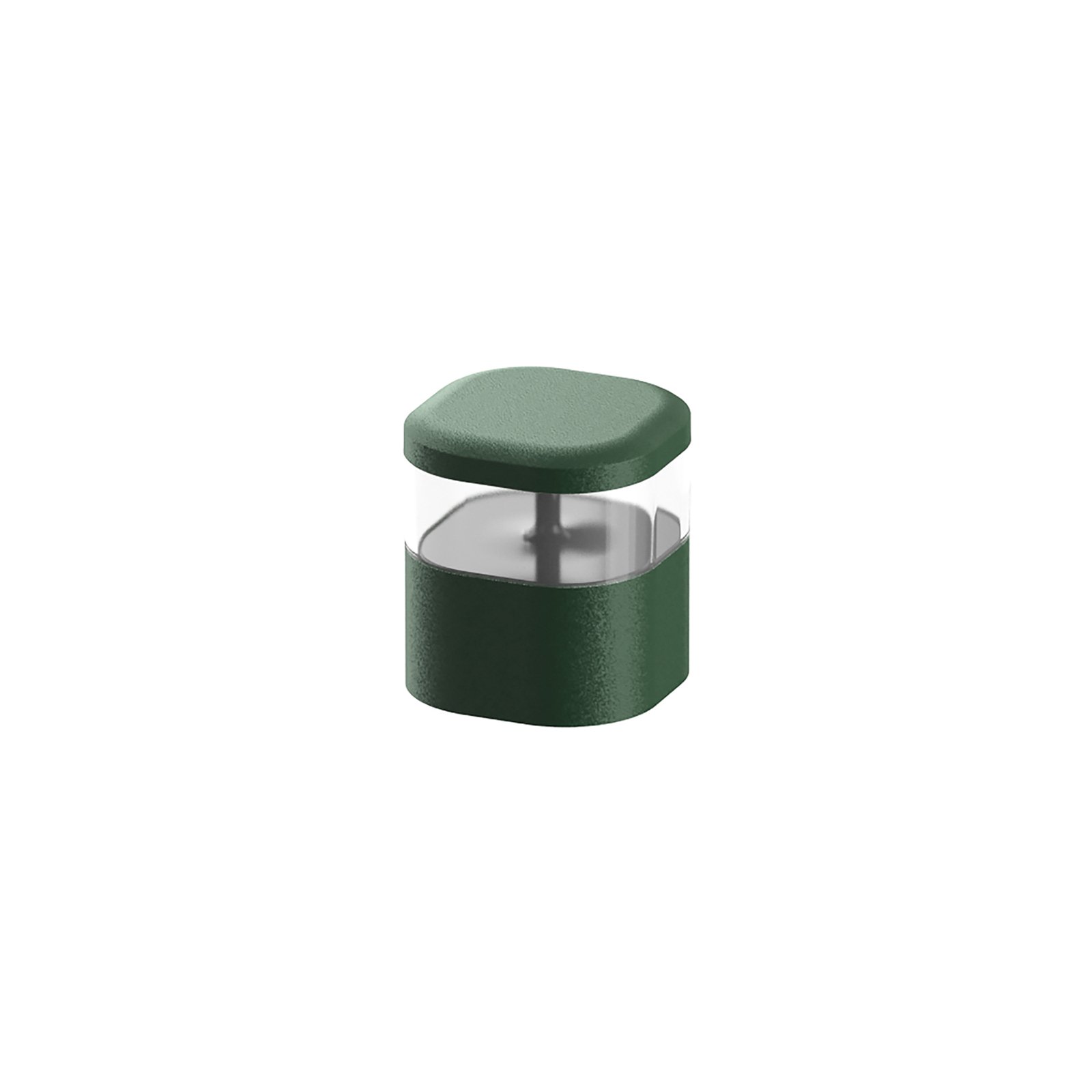
Material and workmanship play a central role in outdoor floor lights, as they are permanently exposed to the weather and mechanical stress. Stainless steel and aluminium are often used because they appear stable and are visually discreet. They suit modern gardens and clearly designed outdoor areas. Black or silver surfaces affect the visibility of the luminaire in daylight. Glass covers control the light distribution and protect the light source. The design, round or square, has less of an effect on the function than on the overall appearance. The effect is harmonious when the shape of the floor spotlights matches the lines of paths, terraces or façades. It is important that materials not only look good, but are also convincing in everyday life, for example in terms of walkability or maintenance.
Controls, dimming options and smart features
Floor spotlights in outdoor areas can be controlled with increasing flexibility. Dimmable light makes it possible to adapt the brightness to the use and time of day. This has a particularly pleasant effect in areas that serve as both a passageway and a place to spend time. Floor spotlights with motion detectors can support safety if paths are only used occasionally. They switch on light in a targeted manner and otherwise make the outdoor area appear quieter. Depending on the system, smart outdoor lighting allows control according to fixed times or scenes without changing the lights themselves. The basic effect of the floor lighting is retained, while the use in everyday life can be customised. The decisive factor is that the technology supports use and does not take centre stage.
Floor spotlights in open and enclosed outdoor areas
In open garden areas, ground spotlights can have a restrained effect and at the same time provide structure. They create points of light without clearly delimiting the room and make transitions appear softer. In enclosed areas such as courtyards, narrow paths or terraces with walls, they characterise the space more strongly. The light from close to the ground directs the eye and emphasises heights and surfaces. Creates an organised effect when ground lights in outdoor areas make the course of paths or the contours of surfaces comprehensible. In combination with other outdoor luminaires, graduated light zones are created that provide orientation and keep the outdoor area usable even in the dark. Outdoor floor spotlights fulfil a clearly defined role between function and design.